When it comes to modern vehicles, safety is no longer just an optional feature; it is now a standard expectation. The 10 cars highlighted here represent the best in standard safety technology, combining innovative driver-assist systems with solid engineering to protect drivers, passengers, and pedestrians alike.
From compact sedans like the Acura Integra and Honda Civic, which pair agility with advanced safety suites, to hybrid and electric models such as the Toyota Prius, Hyundai Ioniq 6, and Genesis GV60, these vehicles demonstrate that you do not have to compromise performance or efficiency for peace of mind.
Family-friendly SUVs like the Ford Explorer, Kia Telluride, and Honda Pilot offer comprehensive driver aids and intuitive layouts, making them reliable choices for daily commuting or long road trips.
Each vehicle on this list showcases how modern technology, including adaptive cruise control, lane-keeping assistance, collision mitigation, and pedestrian detection, can reduce risk and enhance confidence on the road.
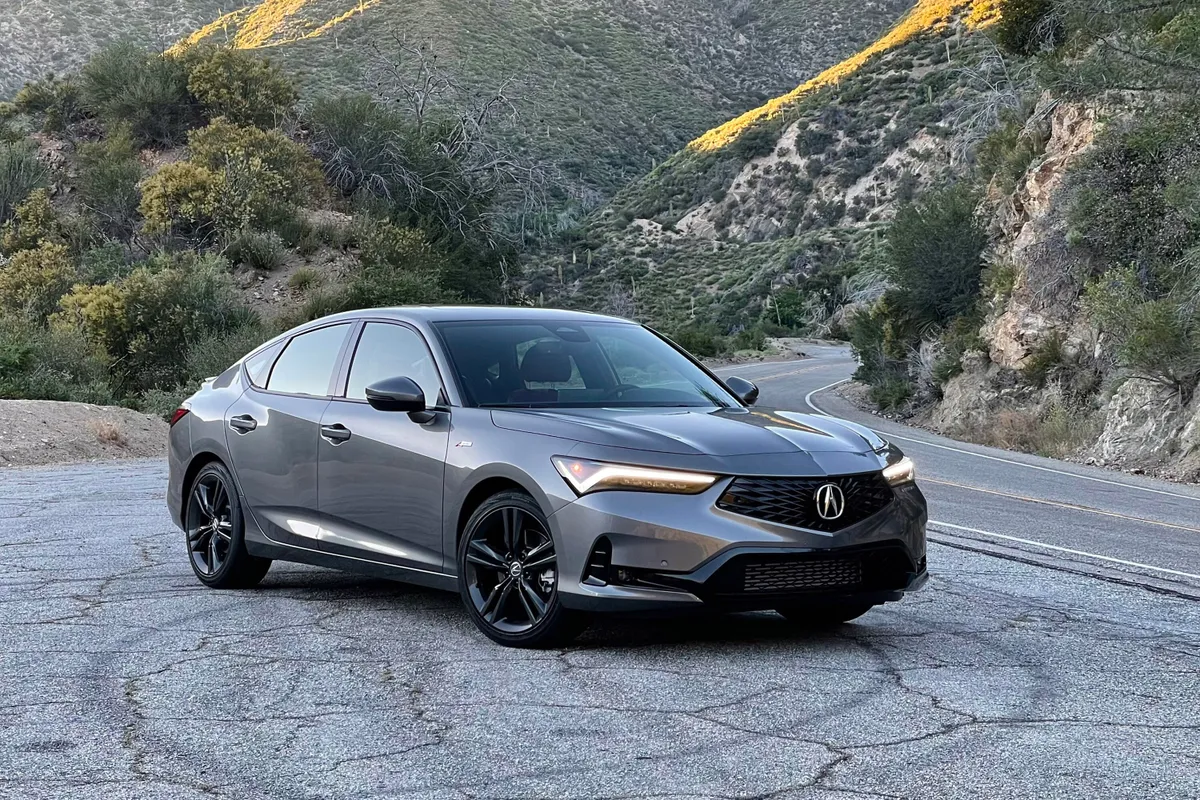
1. Acura Integra
The Acura Integra shows that safety and performance can exist together in a well-balanced small luxury car. Its turbocharged engine and adaptive cruise control provide a smooth and responsive driving experience, and its strong safety features, including pedestrian detection and lane-keeping assist, place it among the safest small vehicles available.
Competitive pricing further strengthens its appeal for drivers who want safety without stretching their budget.
The manual-transmission Integra reaches 60 mph in 7.8 seconds, which is slower than many entry-level luxury competitors and slightly behind the Civic Si that shares its powertrain. It requires 119 feet to stop from 60 mph, a result that is average for the segment.
The chassis provides a solid foundation and feels capable during spirited driving, but the standard all-season tires limit handling precision. Switching to summer tires would noticeably improve performance. Adaptive suspension dampers, offered only on the A-Spec with Technology package, increase ride comfort and create a more refined driving feel, although the suspension still leans toward firmness for a luxury nameplate.
Inside, the Integra uses many elements from the Honda Civic, a decision that benefits simplicity and ease of use. Controls are placed logically, and interior space is generous for a compact car. Rear legroom is particularly impressive for adults and child seats. Headroom is slightly reduced when compared to the Civic, yet the cabin remains spacious for its class.
The driver’s seating position is excellent, but the seats lack the support expected in a luxury car. The air conditioning system takes longer than expected to cool the interior, and the lack of rear vents is disappointing.
In terms of technology, the Integra performs competently. The now-standard 9-inch touchscreen is responsive and easy to navigate. Wireless Apple CarPlay, Android Auto, and a wireless charging pad add convenience, although the presence of only one USB-C port seems outdated.
Cargo space is one of the Integra’s strongest advantages. Its 24.3 cubic feet of storage capacity easily surpasses many competing small luxury sedans, and cabin storage areas are thoughtfully designed.
The Integra struggles to justify its higher cost when compared with the Civic Si, offering limited differentiation in refinement and power. Warranty coverage is respectable, and the fuel economy of around 30 mpg combined is consistent in real-world testing. The sportier Type S variant significantly boosts excitement and helps restore the Integra’s traditional enthusiast appeal.
2. Honda Civic
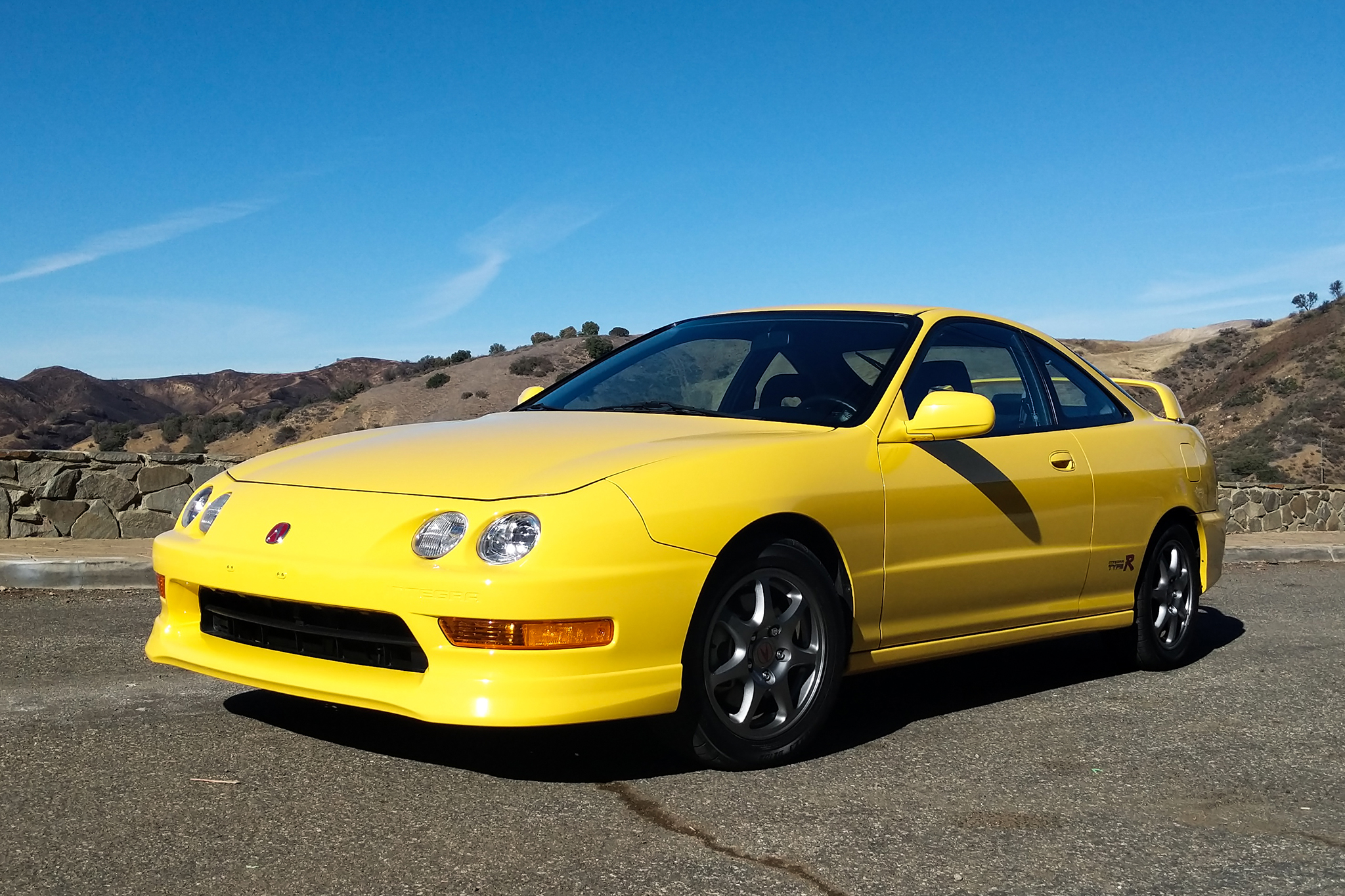
The Honda Civic remains one of the strongest contenders in the small car segment, offering a balanced blend of style, fuel efficiency, safety, and usability. Its availability in both hybrid and traditional fuel-efficient versions makes it an eco-friendly option that continues to reflect Honda’s longstanding reputation as one of the safest car manufacturers.
Standard Honda Sensing features, including driver attention monitoring and forward collision warning, reinforce the Civic’s status among the top safest car brands.
Performance varies by trim, with the Civic prioritizing smoothness and everyday drivability rather than aggressive speed. While the Civic Si shares its powertrain with the Acura Integra, the Civic delivers a more accessible experience for most drivers.
Acceleration and braking are well matched to the Civic’s role as a practical daily commuter, and handling is confident, supported by a chassis that has long been appreciated for its responsiveness. Ride quality is tuned for comfort, giving the Civic a composed feel on a variety of road surfaces.
Inside, the Civic offers an inviting cabin with intuitive controls and thoughtful ergonomics. Much of the layout is clean and functional, providing ease of use regardless of driver experience. Rear legroom is generous for a compact car, making the Civic suitable for adults and families alike.
The seats provide acceptable support for daily use, and materials in higher trims create a more refined atmosphere without straying into luxury pricing. Climate control works efficiently, and rear passengers benefit from good airflow depending on trim.
Technology is another strong point. The Civic provides a user-friendly infotainment system, with a responsive touchscreen and features such as wireless Apple CarPlay and Android Auto on many versions.
Device storage and charging options are conveniently placed to support modern connectivity needs. Cargo space in the Civic’s trunk is practical for its size, and the interior offers several clever compartments for storing personal items.
Value has long been a Civic hallmark, and this generation continues that tradition. It offers a strong feature set for the cost, along with competitive warranty coverage. Fuel economy is a major advantage, especially for hybrid models, which cater to drivers seeking long-term savings. The Civic’s blend of dependability, safety, and modern refinement helps it maintain its place as a top choice among compact cars.
3. Toyota Prius
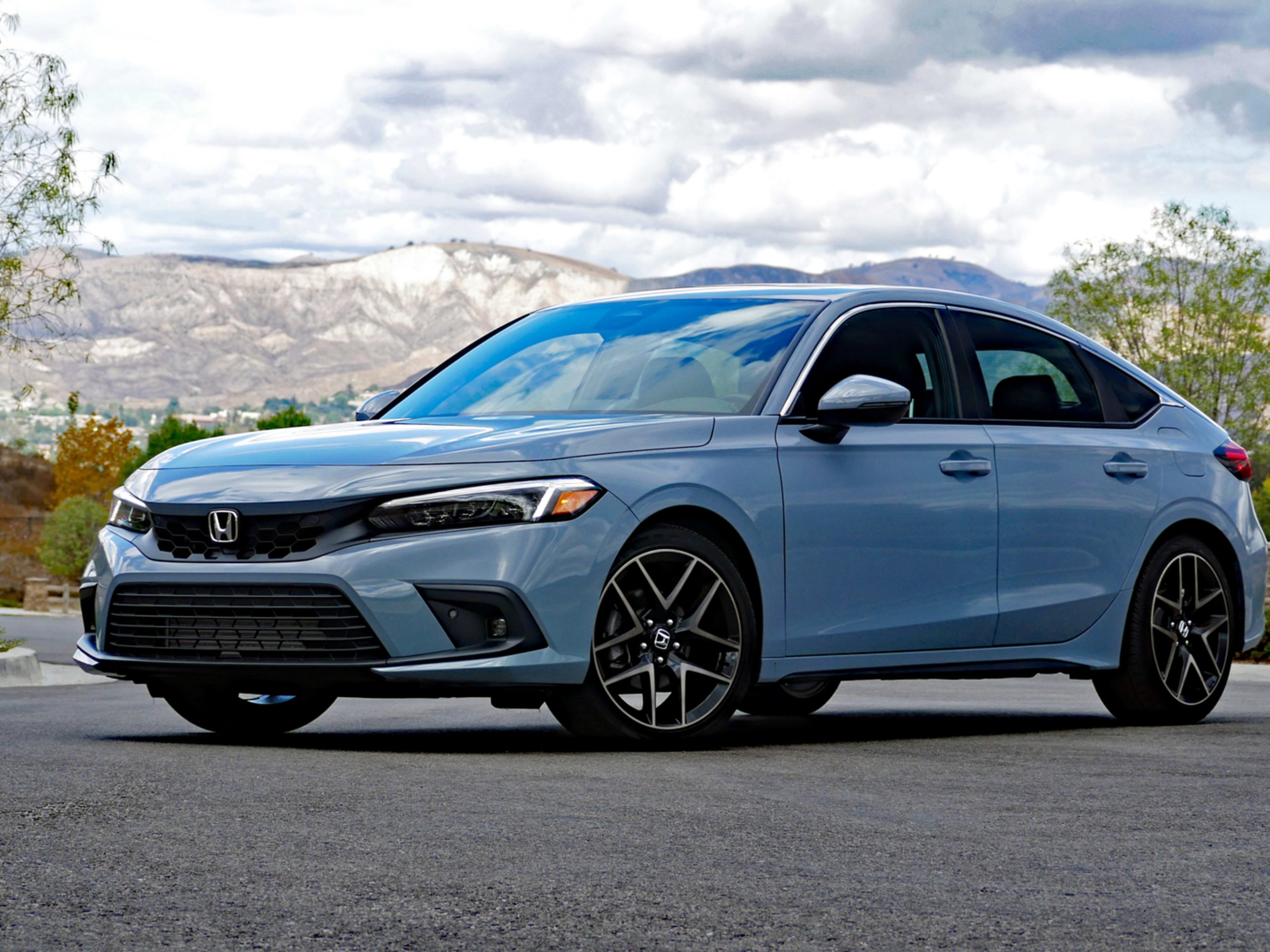
The Toyota Prius has long served as a benchmark for eco-friendly transportation, and the 2025 model continues this legacy with stronger hybrid capability and advanced safety systems. With both standard hybrid and plug-in hybrid options, the Prius strikes an appealing balance between efficiency and usable power.
Features such as traffic sign recognition and automated emergency braking reinforce its standing among the safest compact vehicles in the world. Toyota’s reputation for reliability also makes the Prius a frequent choice for budget auto shipping when relocating.
On the road, the Prius delivers smooth and predictable performance. It accelerates confidently, reaching 60 mph in 7.7 seconds in front-wheel-drive form, which is quicker than some hybrid rivals such as the Kia Niro. Handling is stable, and although the economy-focused tires limit grip, the chassis hints at more capability with improved tire choices.
The transition between electric and gasoline power is nearly seamless, and the ride absorbs bumps with ease. Driver assistance features perform well, including effective lane keeping and refined adaptive cruise control. Proactive Driving Assist subtly helps drivers anticipate traffic changes without feeling intrusive. The only major drawback is limited rear visibility due to the angled rear window and thick roof pillars.
Inside, the front seats offer good long-distance comfort, but the rear seating area presents challenges. Entry requires a noticeable ducking motion, and while legroom is adequate, headroom is tight for taller passengers. Noise from tires, wind, and the engine reduces cabin serenity during acceleration.
Climate control is limited to a single zone, though many trims include heated front seats, with ventilation available on the Limited trim. The interior layout is user-friendly, but the digital driver display presents ergonomic issues because the steering wheel often blocks part of the screen.
Technology is a highlight. The available 12.3-inch touchscreen provides clean graphics, quick responses, and Google-powered navigation. Wireless Apple CarPlay and Android Auto are standard. A wireless charging pad is offered, though it can cause phones to overheat. Six USB-C ports supply ample charging options. Cargo capacity measures 20.3 cubic feet, suitable for everyday needs, though less flexible than some competitors.
Value varies by trim. Higher-end versions approach the pricing of larger hybrid models, yet Toyota’s strong warranty coverage and long-lasting hybrid components add peace of mind. Fuel economy remains the Prius’ signature, with up to 57 mpg combined on select trims and consistently strong real-world results. The sleek design and blend of efficiency and capability keep the Prius a compelling choice among compact hybrids.
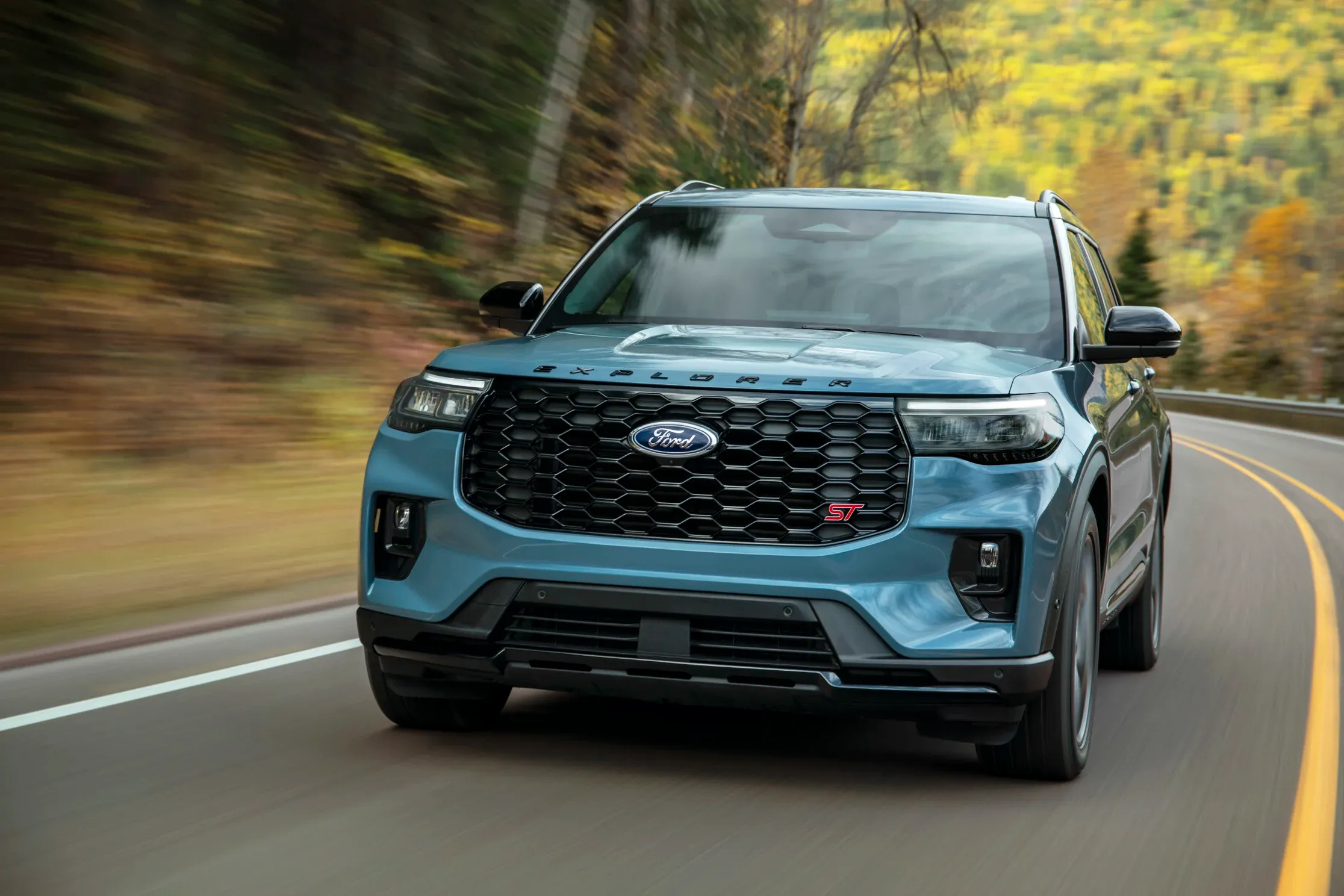
4. Ford Explorer
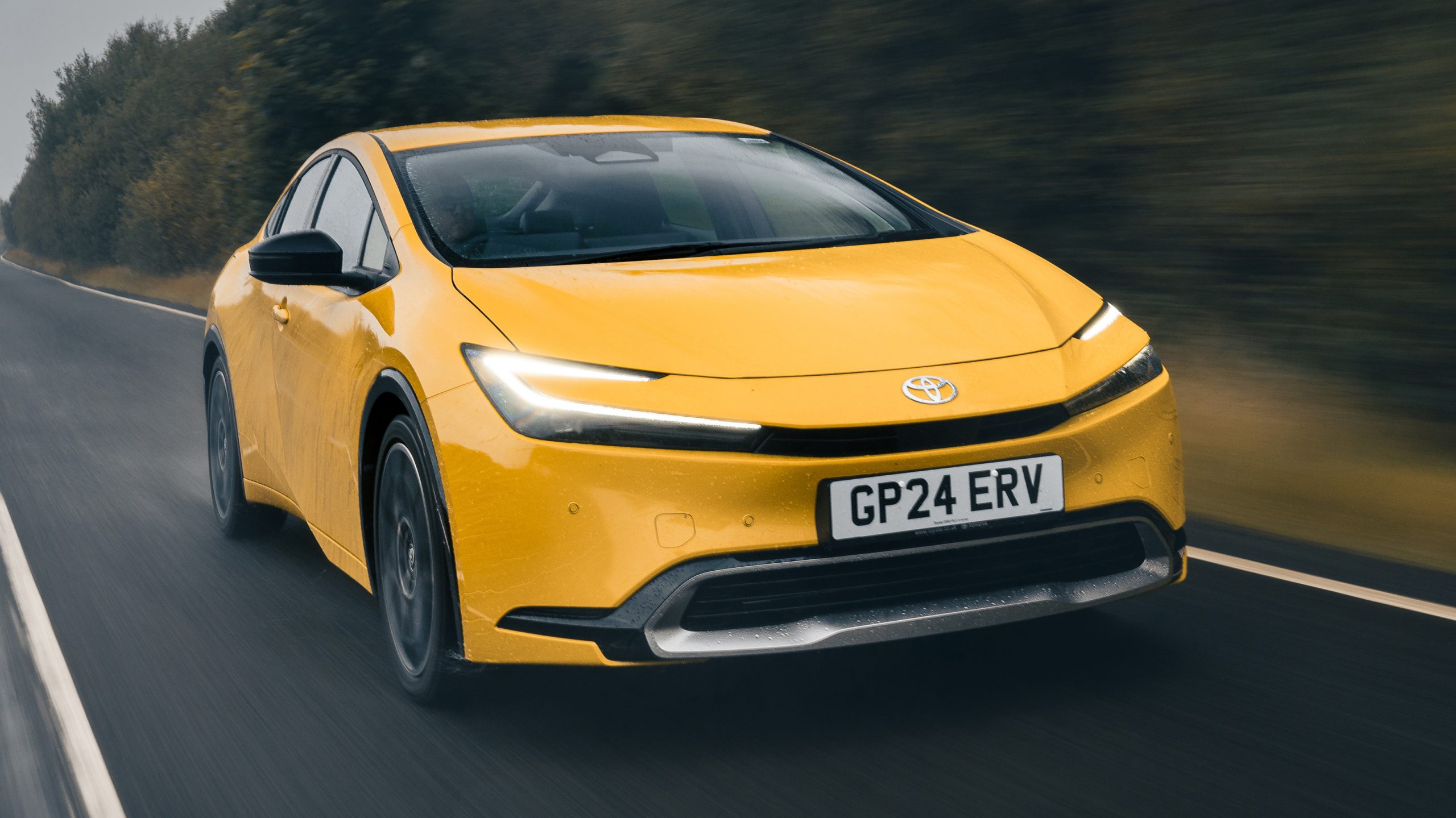
The Ford Explorer continues to be a leading choice for families seeking a blend of practicality, comfort, and advanced safety features. Its spacious cabin and intuitive layout cater to everyday family needs while maintaining a polished appearance.
Key safety systems such as blind-spot monitoring and cross-traffic alert help enhance driver awareness in busy environments, reinforcing Ford’s standing among the safest car brands. When it comes time to move your vehicle, the Explorer’s popularity and reliability make it a dependable candidate for budget-friendly auto transport.
Performance is one of the Explorer’s strongest attributes. It delivers impressive athleticism for a three-row SUV, with sharp steering, stable handling, and strong acceleration. The ST trim’s turbocharged V6 produces 400 horsepower and reaches 60 mph in 5.6 seconds.
Even the base turbocharged four-cylinder engine outperforms many competitors. Daily driving is smooth, though the auto stop-start system can feel intrusive at traffic lights. Optional BlueCruise hands-free driving technology works effectively under the right conditions, adding convenience to highway travel.
Comfort varies by seating position. The front seats offer good cushioning and support, with available heating, cooling, and even massaging functions on certain trims. Second- and third-row seats are less comfortable, lacking padding and bolstering.
The third row sits low to the floor, making it better suited for children. Ride quality depends on the trim, with the ST feeling firmer and less forgiving, while non-ST versions provide a more relaxed experience.
The Explorer’s technology package stands out. A 12.3-inch digital instrument cluster and 13.2-inch center touchscreen come standard. The system is fast, intuitive, and supported by Google Maps and Google Assistant. Wireless Apple CarPlay and Android Auto are included, and multiple USB ports ensure compatibility for all passengers.
Cargo space behind the third row is modest at 16.3 cubic feet, although useful touches such as an underfloor storage bin and reversible cargo cover improve practicality. Folding the rear rows opens 85.3 cubic feet for larger loads.
The Explorer offers solid value, though some options can drive up pricing. Fuel economy ranges from 20 to 24 mpg combined, depending on the engine and drivetrain. For drivers seeking a three-row SUV that favors sportiness and strong performance, the Explorer remains a compelling choice.
5. Kia Telluride
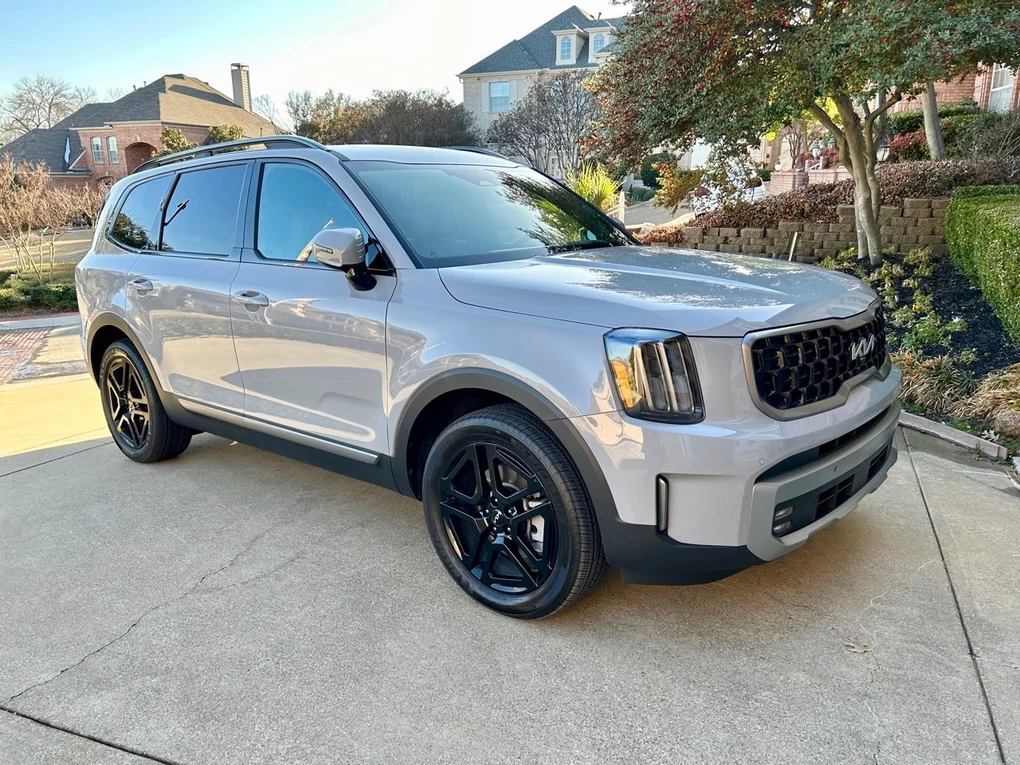
The Kia Telluride stands out as a rugged yet refined three-row SUV, earning recognition as one of the safest car manufacturers of 2025. Designed for families and adventure seekers alike, it offers dependable towing capability, strong safety credentials, and a premium feel that strengthens Kia’s reputation.
Lane-departure warning and forward collision mitigation contribute to its strong safety profile, and its sturdy build makes it a favored choice for budget car shipping thanks to the confidence it provides during transport.
Behind the wheel, the Telluride delivers a satisfying and confident driving experience. Its V6 engine responds smoothly, providing adequate power even though acceleration is average for the segment. Braking performance is strong and consistent, helping the SUV feel secure in daily driving.
Steering is impressively light at slower speeds and gains natural weight through turns to improve control. The transmission can shift a bit roughly under hard acceleration or hesitate on steep inclines, but these issues are minor compared with the vehicle’s comfort and composure.
Ride quality is excellent across trims, including the X-Pro, which remains comfortable despite its off-road focus. Visibility is strong, further supported by an effective surround-view camera and dependable driver-assistance systems.
Comfort is one of Telluride’s defining strengths. The cabin stays quiet even at highway speeds, creating an experience that feels close to luxury. Seats are supportive with plush headrests, and both front and second rows offer available heating and ventilation.
Accessing the third row is simple thanks to a low step-in height and smoothly sliding captain’s chairs. Interior controls are straightforward, and physical buttons make adjustments easy. Climate management is well executed across all three rows.
Technology is easy to use despite the infotainment system beginning to show its age. The interface is clean and responsive, though the absence of wireless Apple CarPlay and Android Auto is noticeable. Higher trims include multiple USB ports and a wireless charging pad for passenger convenience.
Cargo capacity is generous, with 21 cubic feet behind the third row and 87 cubic feet with both rows folded. Towing capacity reaches 5,500 pounds, matching class leaders. While small-item storage is limited, the Telluride remains an excellent value thanks to its high-quality build, long warranty, and well-rounded mix of capability and comfort.
Also Read: 5 Cars That Last with Minimal Maintenance vs 5 Needy Machines
6. Honda Pilot
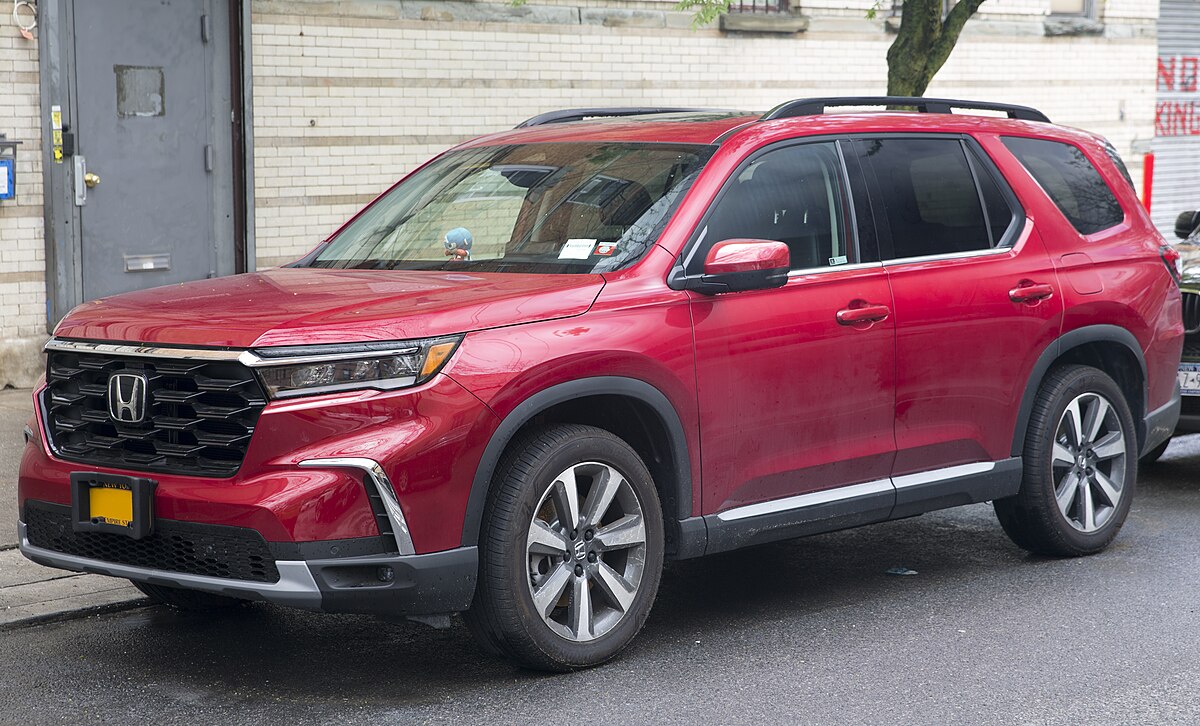
The Honda Pilot appeals to families seeking a blend of versatility, dependability, and modern safety. Its ability to handle light off-road adventures while maintaining daily comfort helps it stand out in the competitive three-row SUV segment.
Standard adaptive cruise control and a strong suite of driver-assist features support Honda’s long-standing reputation for safety, making the Pilot a reassuring choice for households prioritizing security. Its durability also makes it a practical option for budget car shipping when transporting the vehicle between states.
On the road, the Pilot offers a driving experience that feels capable but not especially quick. The V6 engine produces a pleasing growl under acceleration, yet actual speed is moderate, with a recorded 0–60 mph time of 7.8 seconds in the TrailSport trim.
Around town, the transmission’s frequent shifts can make the SUV feel overly reactive to throttle input. Braking performance is smooth and predictable, though emergency stopping distances are longer than what leading rivals deliver. Ride quality remains a strength, absorbing bumps well and keeping passengers comfortable.
Visibility is generally good, but the available surround-view camera suffers from a small display and mediocre image clarity. Fortunately, core driver aids such as adaptive cruise control and lane centering work reliably during highway travel.
Inside, the Pilot focuses on comfort and usability. The front seats and optional second-row captain’s chairs are soft and supportive, though front-seat adjustability trails some competitors. The step-in height may be slightly high for younger passengers, but wide-opening doors simplify entry, exit, and car-seat installation.
Noise levels are low enough for pleasant cruising, even if the cabin is not as quiet as class leaders. The climate system is easy to operate and effective, supported by physical buttons that keep controls simple and familiar.
Technology features are practical and easy to use, with a responsive infotainment interface and wireless phone connectivity. Screen sizes, however, feel undersized for the Pilot’s roomy interior. Charging options are abundant, including a wireless pad, multiple USB ports in every row, and a household-style outlet.
Cargo flexibility is another strong point, offering up to 87 cubic feet with both rear rows folded and a configurable load floor for taller items. Small-item storage is excellent, with large trays, bins, and cupholders sized for oversized bottles.
Towing capacity reaches 5,000 pounds, which matches segment averages. While the Pilot’s build quality is sturdy, competitors offer more features and longer warranties for similar pricing, making its value solid but not class-leading.
7. Honda Accord
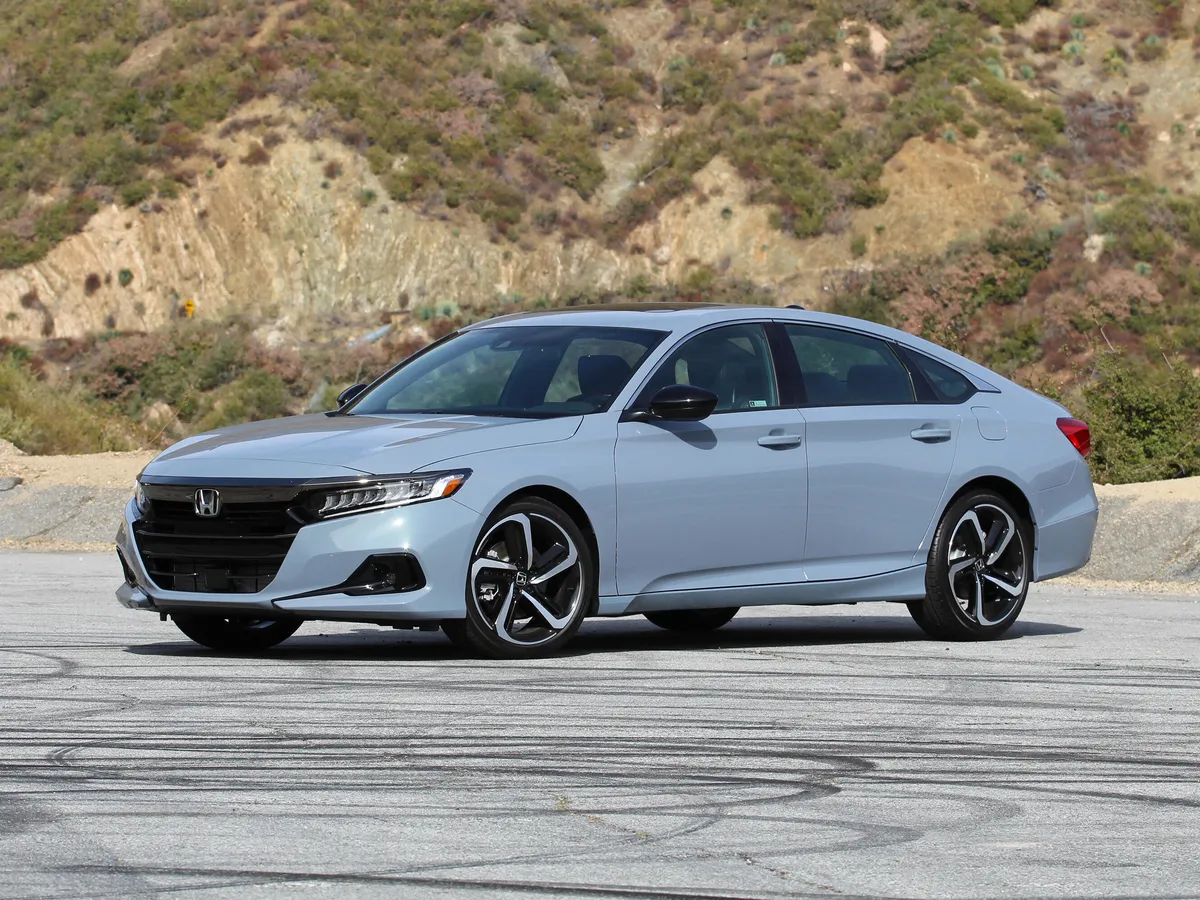
The 2025 Honda Accord strengthens its reputation as a dependable midsize sedan through hybrid efficiency, strong safety features, and practical design. Its updated hybrid system boosts fuel economy while delivering responsive performance, and its streamlined exterior enhances both appearance and aerodynamics.
Adaptive cruise control and automated braking come standard, reinforcing Honda’s position as one of the safest car brands. Its reliability also makes it a practical candidate for budget car shipping when relocating it across states.
On the road, the Accord hybrid blends capability with efficiency. The Sport-L trim reached 60 mph in 7 seconds during testing, outpacing many competing hybrid sedans. The CVT is tuned to mimic a traditional automatic, creating smooth and predictable acceleration.
Steering and handling provide a secure, grippy feel, even though the larger body has lost some of the athletic character seen in previous generations. Ride comfort remains excellent, easily absorbing bumps even with 19-inch wheels.
Thin windshield pillars and a wide rear window contribute to impressive visibility. The Honda Sensing safety suite functions well, though the lane-keeping system can feel too assertive in certain situations.
Inside the cabin, the Accord emphasizes space and simplicity. Wide door openings make it easy to enter and exit, and both rows offer generous legroom. Taller rear passengers may need to duck slightly because of the sloping roofline.
The driver’s seat could benefit from more padding, but ample adjustment helps create a comfortable seating position. The cabin stays quiet at most speeds thanks to effective insulation, and physical buttons for climate and key functions keep operation intuitive. LATCH anchors sit close to the seat surface and are easy to access, and the rear bench accommodates multiple car seats.
Technology is straightforward and modern, highlighted by an optional 12.3-inch touchscreen with wireless Apple CarPlay and Android Auto. Google Voice Assistant and related services are limited to the Touring trim and could be more widely available. Storage space is a clear strength, with a 16.7-cubic-foot trunk and a large center console for smaller items.
The Accord delivers strong build quality and a refined driving experience, though lower trims provide fewer features than some competitors at similar prices. Fuel economy varies from 32 to 48 mpg combined, depending on configuration, giving hybrid models a clear advantage for drivers seeking long-term savings.
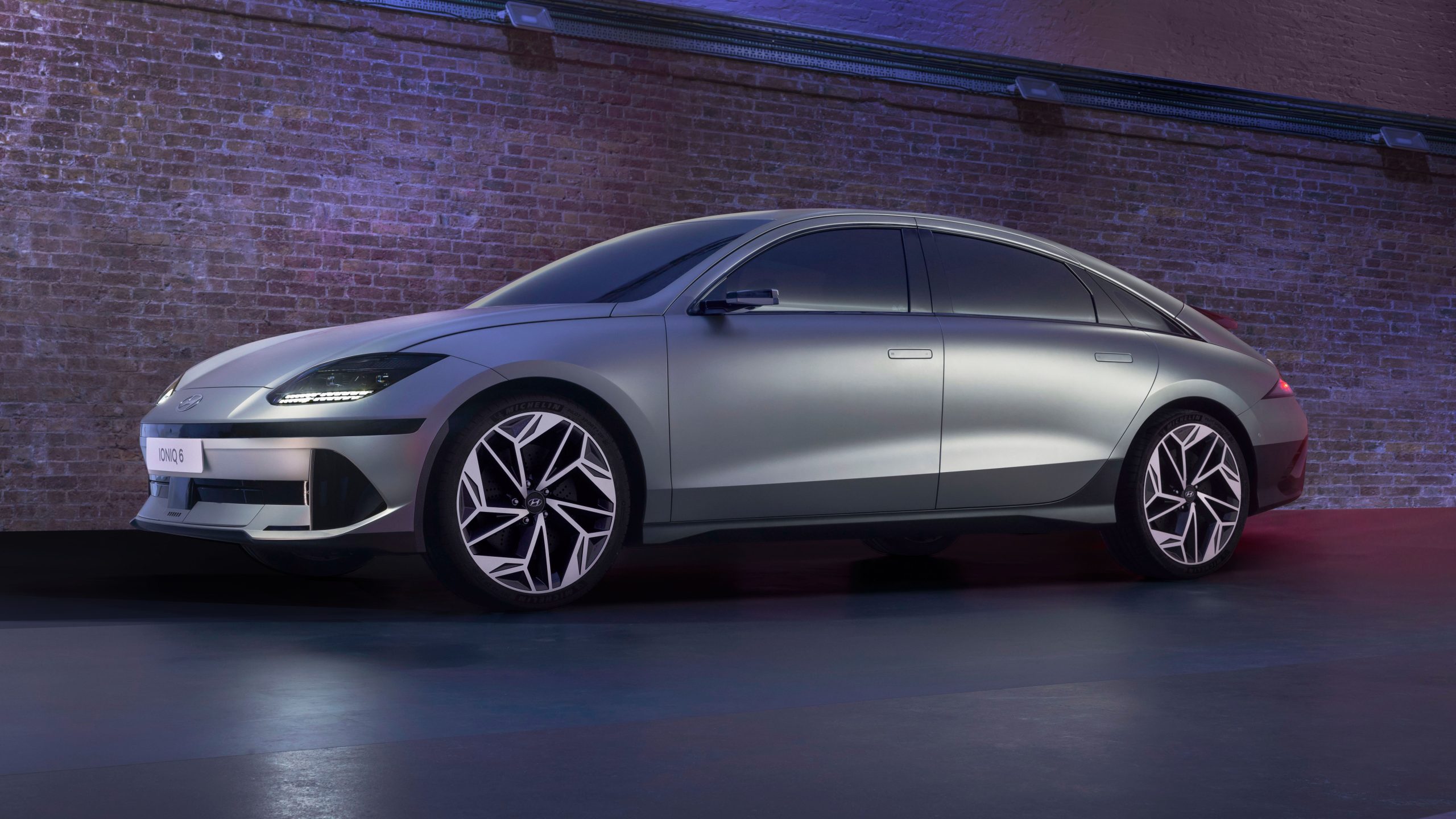
8. Hyundai Ioniq 6
The Hyundai Ioniq 6 distinguishes itself as a midsize electric sedan that combines impressive performance, advanced safety, and long-range efficiency. Its dual-motor all-wheel-drive version accelerates from 0 to 60 mph in 4.6 seconds, delivering a dynamic driving experience that feels stable and engaging through turns.
Braking is smooth and predictable, with a well-managed transition between regenerative and physical brakes. Ride quality is comfortable, with a suspension that absorbs road imperfections without feeling disconnected from the car. Highway Driving Assist 2, available on higher trims, provides automatic lane changes and smooth speed adjustments, enhancing the safety and convenience of long drives.
Inside, the cabin is quiet and refined. Front seats are comfortable, although additional lumbar and thigh support would benefit some drivers. Rear seating accommodates adults comfortably, but headroom is limited due to the sharply sloped roof, and middle-seat usage is best for short trips.
Entry is aided by wide door openings, and car-seat installation is manageable, though LATCH anchors are somewhat difficult to access. Cabin heating and cooling are efficient, with optional ventilated front seats available. Some controls, such as seat heating and window adjustments, are located in the touchscreen rather than physical buttons, requiring a short adjustment period for drivers.
The Ioniq 6’s technology is functional and intuitive, but it lacks wireless Apple CarPlay and Android Auto, requiring a USB-A cable for connectivity. The navigation system is usable but limited in showing charging stations along a route, making third-party apps more practical.
Storage is more constrained than some competitors, with 11.2 cubic feet in the rear trunk and a minimal 0.5-cubic-foot front trunk. The center console and small nooks provide additional options for everyday items.
Value comes from its quality build, long-range performance, and strong warranty coverage: 10 years/100,000 miles for the battery and powertrain, five years/60,000 miles for basic coverage, and three years/36,000 miles of complimentary maintenance.
The Ioniq 6 also offers two years of free 30-minute fast-charging sessions at Electrify America stations. Range performance is notable, with dual-motor models achieving 303 miles in real-world testing, and single-motor versions reaching up to 361 miles per charge.
The Ioniq 6’s unique styling and low center of gravity create a stable, confident driving experience. Acceleration, handling, and braking are well-tuned for everyday use, making it a compelling choice for buyers seeking an efficient and technologically capable electric sedan.
9. Toyota Camry Hybrid
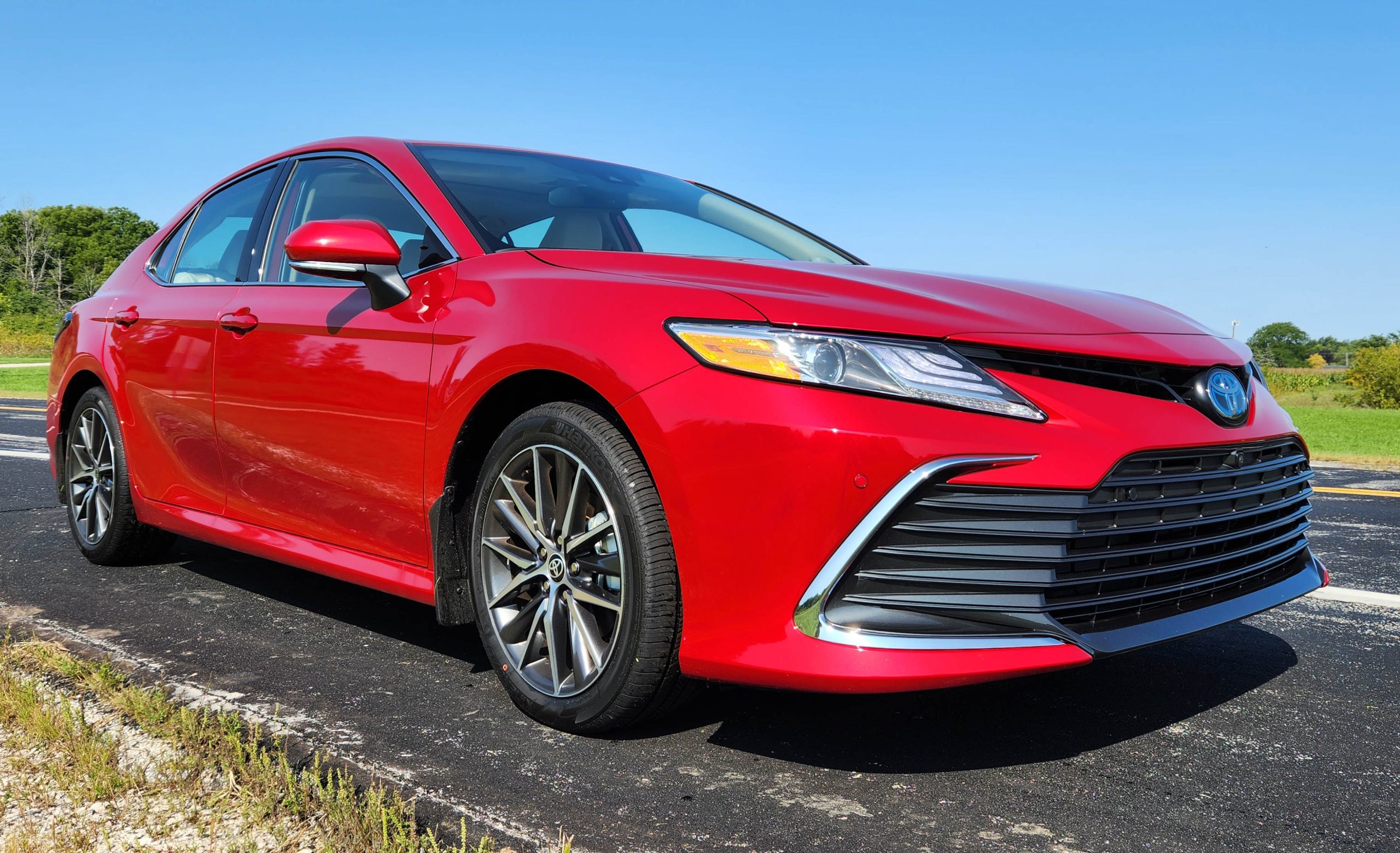
The 2025 Toyota Camry Hybrid offers a compelling combination of fuel efficiency, comfort, and safety, making it a top choice among midsize sedans. The entire Camry lineup is now hybrid, emphasizing eco-friendly driving without compromising performance.
Advanced safety features, including curve-adaptive braking, adaptive cruise control, automatic emergency braking, and lane-keeping assist, reinforce Toyota’s reputation as one of the safest car brands. Budget auto shipping can ensure a smooth and secure relocation for this reliable sedan.
The Camry Hybrid delivers smooth and predictable driving for daily commuting. Its 0-60 mph time of about 8 seconds places it slightly above average among midsize hybrids. Braking is consistent and responsive, aided by low-rolling-resistance tires, and steering and handling are sufficient for city streets and highways.
The hybrid system contributes to a quiet, relaxed driving experience, while the ride remains comfortable even over uneven pavement, although the XLE trim can feel slightly buoyant at highway speeds due to the extra hybrid weight.
Interior comfort is a strong point. Front seats are supportive, and optional ventilated seats improve comfort in warmer climates. The cabin is quiet, with minimal wind and road noise, and generous door openings make entry and exit easy.
Legroom is ample in both rows, and the driving position can be easily adjusted for most body types. The interior is intuitive, with all controls within easy reach. Visibility is excellent, further enhancing the driving experience.
Tech features are practical and user-friendly. Standard Apple CarPlay, Android Auto, and Amazon Alexa integration are complemented by 7-inch or optional 9-inch touchscreens. Built-in navigation is available on higher trims, while multiple USB ports and optional wireless charging ensure devices remain powered on the go.
Storage is well thought out for a hybrid sedan. The trunk offers 15.1 cubic feet, with no intrusion from the hybrid battery, and the cabin includes useful compartments, a center armrest bin, and a small dash cubby. LATCH anchors make car seat installation straightforward.
Fuel economy is strong, with the XLE trim rated at 46 mpg combined and the base LE trim at 52 mpg. During real-world testing, the XLE returned 42.4 mpg.
The Camry Hybrid delivers reliable Toyota build quality, excellent fuel efficiency, a comfortable cabin, and a robust suite of safety technologies. Its competitive pricing, particularly at higher trims, makes it a practical choice for families and eco-conscious buyers seeking a midsize sedan with hybrid efficiency and everyday usability.
10. Genesis GV60
The Genesis GV60 is a luxury all-electric crossover that combines high-end design, advanced technology, and electric performance. Genesis emphasizes both safety and comfort, with features such as Smart Park, blind-spot monitoring, and an advanced driver-assistance suite, positioning the GV60 as one of the safest electric vehicles in its class. Budget auto shipping can handle transportation safely for this premium EV.
Driving the GV60 Performance trim is exhilarating. It accelerates from 0 to 60 mph in just 3.9 seconds, outperforming most competitors except for top-tier Teslas. Handling is balanced, with accurate steering and a pliant adaptive suspension that provides a comfortable ride.
The GV60 is equipped with all-season tires, which slightly limit sporty driving potential, but the vehicle remains confident and stable on corners. Braking from 60 mph takes 115 feet, a strong performance for a crossover EV.
Comfort is a highlight of the GV60. Front seats are well-cushioned and highly adjustable, while rear seats offer ample legroom and recline for passenger comfort. A panoramic sunroof slightly reduces rear headroom, and the front center console design limits knee space for taller drivers.
Climate control is effective, with front heated seats standard and rear vents optimally positioned. LATCH anchors for child seats are accessible, though slightly recessed. Cabin insulation minimizes noise, contributing to a serene environment.
Technology in the GV60 is advanced and user-friendly. Standard Apple CarPlay and Android Auto integration, four USB-C ports, a wireless charging pad, and a premium Bang & Olufsen audio system enhance convenience and entertainment. Some trims allow powering small appliances directly from the battery.
Cargo space is modest, with 24 cubic feet in the rear and a very small front trunk. Rear seats fold 60/40 to accommodate larger items, and cabin storage includes a center console pass-through, though access is not ideal.
The GV60 is well-priced for its performance, comfort, and tech. Genesis offers a five-year/60,000-mile comprehensive warranty and a 10-year/100,000-mile battery and powertrain warranty, plus three years of complimentary maintenance and two years of free DC fast charging.
The EPA estimates 235 miles of range for the Performance trim, but real-world testing achieved 274 miles while consuming just 30.9 kWh per 100 miles. Fast DC charging allows 10–80% in roughly 18 minutes.
The GV60 stands out with its striking design, strong performance, and high-tech features, making it a compelling option in the luxury electric crossover market.
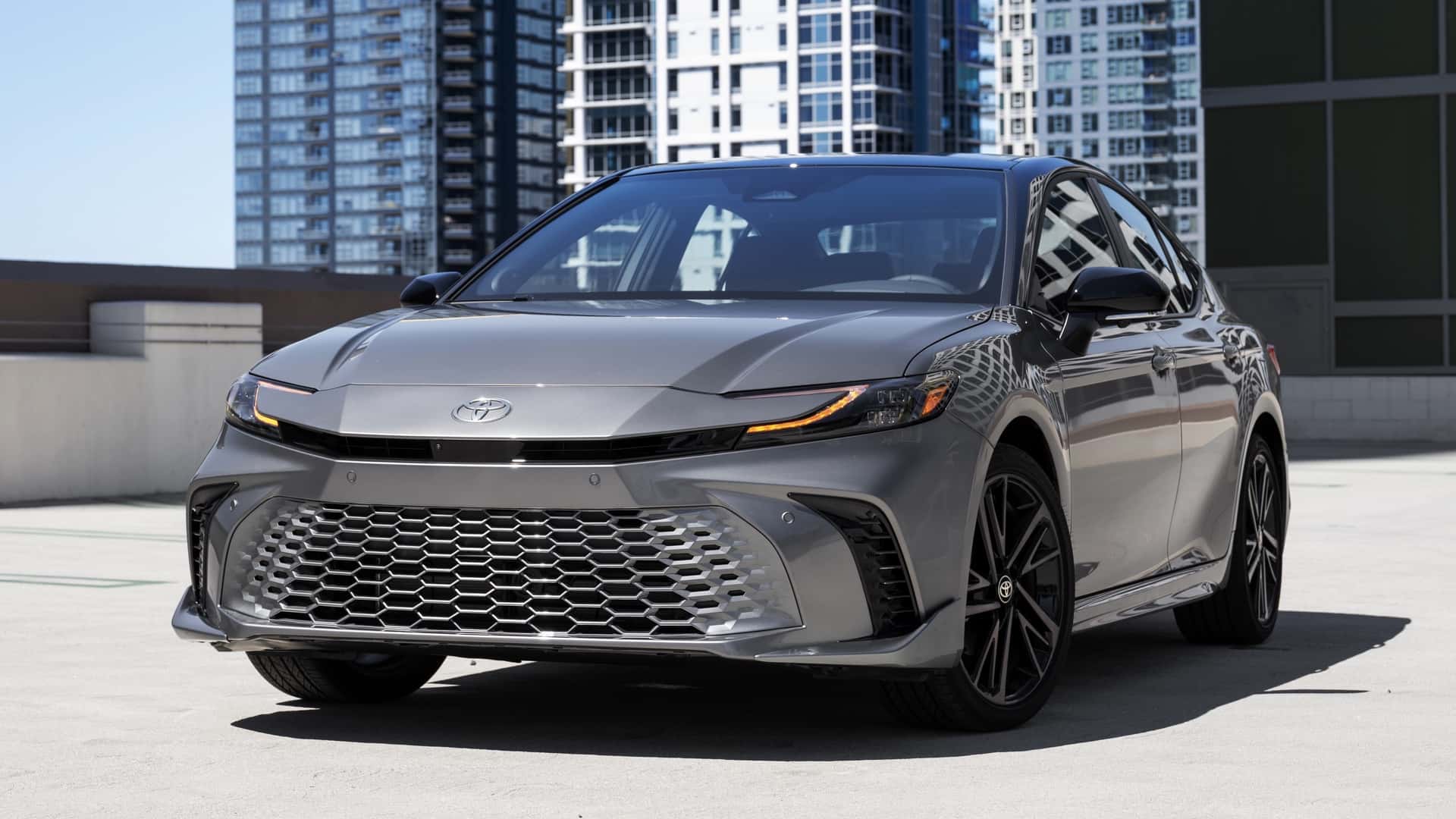
Choosing a vehicle with top-tier standard safety technology ensures that protection is built in from the start. These 10 cars prove that you can enjoy comfort, efficiency, and performance without compromising safety.
Whether you prefer a sporty small sedan, a versatile SUV, a hybrid, or a high-tech electric crossover, each option on this list delivers innovative features designed to prevent accidents, assist drivers, and safeguard passengers.
By prioritizing vehicles with advanced safety systems, drivers gain peace of mind for daily commutes, family trips, or long-distance journeys. Investing in one of these models means choosing a smarter and more secure driving experience where safety and technology work together seamlessly. These cars show that modern automotive engineering can protect you while providing style, performance, and convenience.
Also Read: 10 Cars With Indestructible Transmissions That Remain Reliable