
Many people like to talk about cars in different ways, but one thing that always brings interest is how some vehicles age with long use and heavy mileage. People who use their cars for many years usually reach a stage where mileage climbs higher than they ever expected, and at that point, some vehicles begin to reveal their true character.
A car may look beautiful on the outside, but once it crosses 150k, the internal strength becomes the real test. Some models behave like experienced elders who have seen many seasons yet still move with surprising firmness.
Others act like hardworking workers who begin to slow down once their joints start feeling the pressure. This difference is what many drivers like to discuss, because it explains why certain cars remain trusted for long journeys while others become stressful to keep on the road.
There is also something interesting about how cars age differently depending on the way they were treated. A model that received gentle accelerations, regular servicing, proper fluid changes, and careful usage may stay stronger than another model known worldwide for reliability but driven recklessly.
Even so, certain vehicles continue to stand strong regardless of the conditions, simply because they were engineered with long-life durability as the main focus. Many buyers searching for used cars also find themselves asking one simple question: which cars stay firm at 150k, and which ones start to loosen?
This question can save people from unexpected repairs, and it helps them choose wisely before spending their money. To make things easier, this guide compares five cars that maintain their structure after long mileage with five others that begin to soften.
The aim is to help readers understand what to expect and which models offer better long-term value. Every car on this list is a different model from any previous chat, giving you a fresh set of information with no repetition.
5 Cars That Stay Strong at 150k
1. Toyota Land Cruiser 200 Series
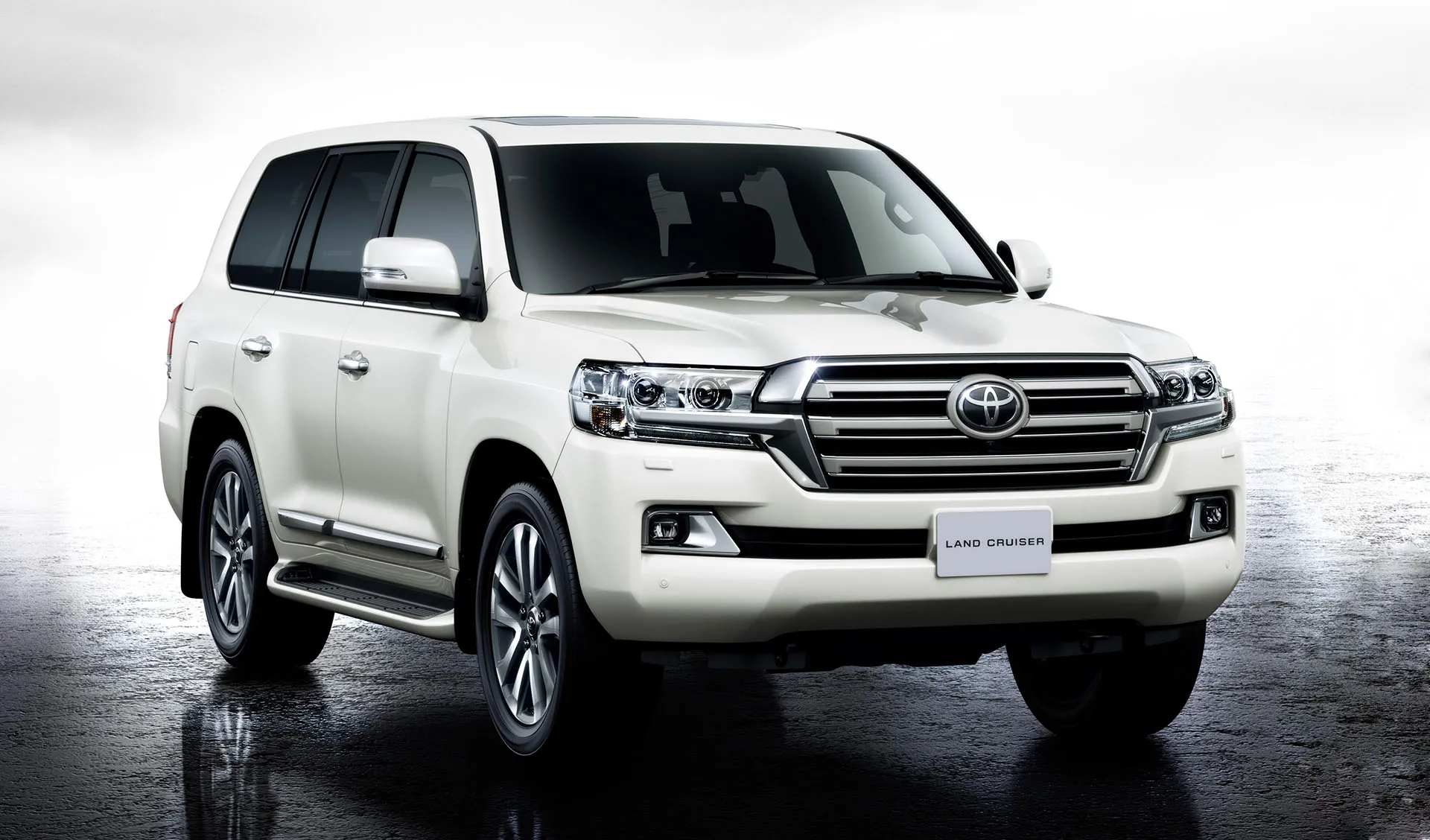
There is something that makes certain cars stand out once they reach high mileage, and one such machine is the Toyota Land Cruiser 200 Series. Drivers who have owned this vehicle know that the Land Cruiser behaves like a patient giant, never losing its balance, no matter how long it has been on duty.
Many people who drive it for long journeys talk about how the body structure stays firm even when the odometer has moved far beyond what regular sedans can comfortably handle. The frame is built to carry weight, survive rough terrain, handle long-distance stress, and maintain its solid feel without shaking or developing rattles that annoy passengers.
Another notable feature is the robust suspension design, which remains effective for years despite carrying loads, effectively absorbing road shocks. Even when some parts eventually require replacement, the vehicle still manages to keep its general firmness.
This quality makes it attractive for drivers who want a car that behaves like a long-term partner instead of one that becomes troublesome after a few years. Many mechanics who regularly maintain these models often say the Land Cruiser 200 Series does not readily show signs of wear unless it has been abused for a very long time.
Beyond strength, the engine also refuses to retire early. Toyota built the V8 with a focus on long service life, and this becomes very clear once you cross 150k, and the power delivery still feels confident. Even when the vehicle becomes old enough to be considered a veteran, it still responds with smooth acceleration.
The cabin also stays firm, and interior parts do not start shaking early. Everything remains tightly set in place. This explains why used Land Cruiser prices remain high in the market, because people trust the reputation of its long-term strength.
2. Honda Accord 2.4 i-VTEC (2014-2017)
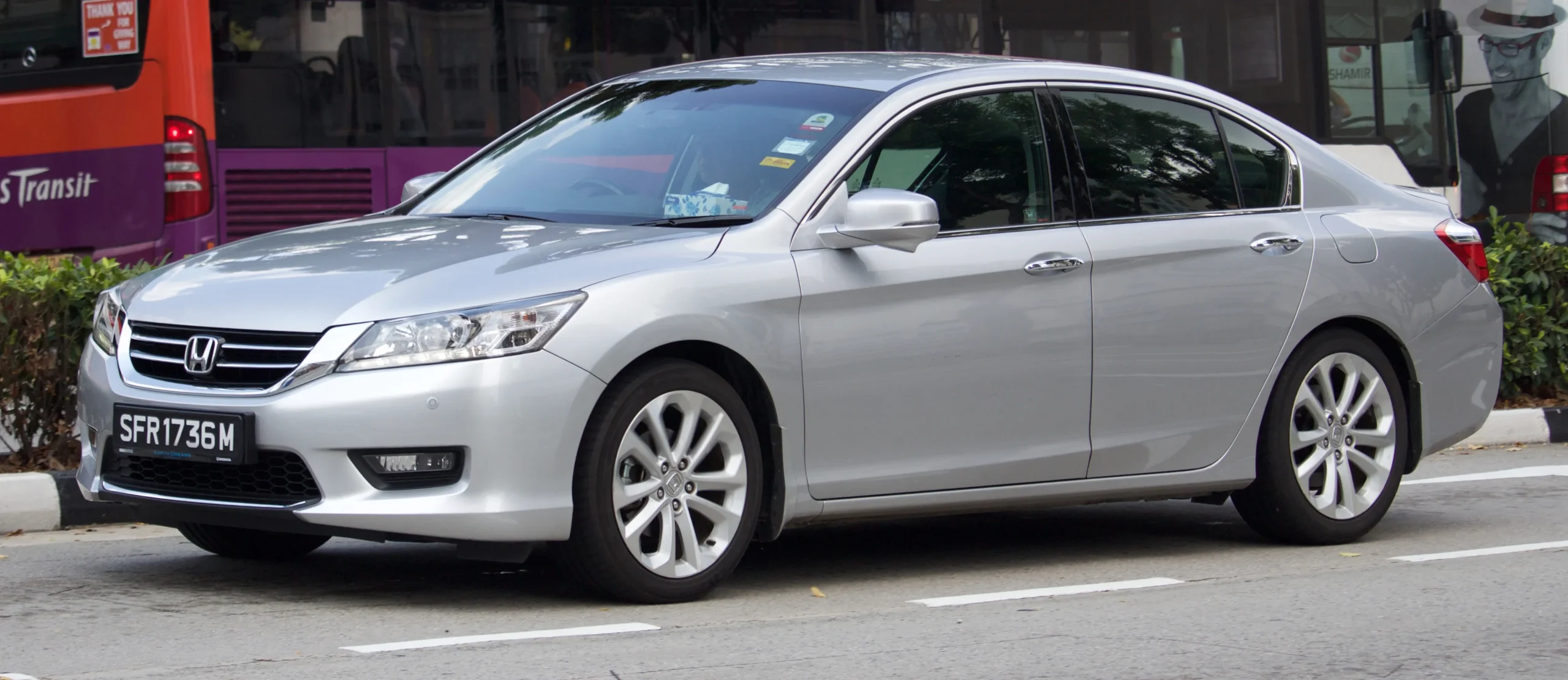
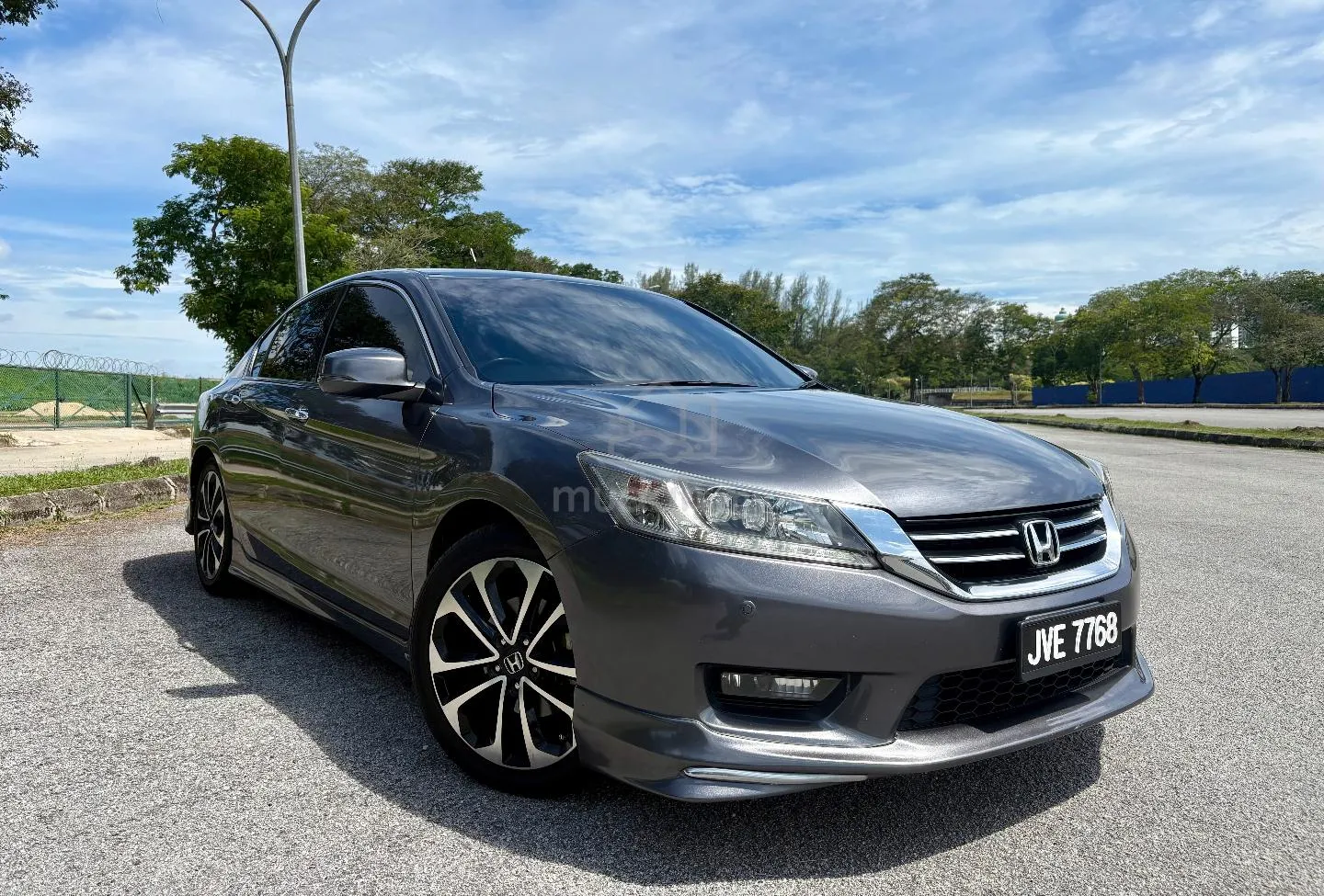
A different kind of story shows up when you look at another vehicle that has earned its respect by staying firm even after long journeys. The Honda Accord 2.4 i-VTEC from this generation has built a reputation for aging gracefully.
People who bought it new and later crossed 150k often speak about how the car still behaves like it is only halfway through its life. The steering remains sharp, the body does not start producing unnecessary noises, and the general feel on the road stays controlled.
Honda’s engineering style for this model focused on long-term tightness, and this becomes noticeable when compared to many mid-size sedans that loosen up once the mileage grows past a certain point.
Many users appreciate the naturally aspirated engine, which avoids the complications of turbo pressure and relies on old-school reliability. Even at high mileage, the engine still revs freely without sounding tired.
Another thing that keeps the car feeling solid is the strong suspension system. It does not give up easily, and even when parts need to be changed, replacements restore the factory feel without stress. Mechanics often remark that the underbody of the Accord is well protected and does not rust quickly unless exposed to severe winter chemicals.
Inside the cabin, the seats remain supportive, and the dashboard rarely shakes even when driven on bad roads. Many owners who use the car daily say that the Accord feels built for long-term usage instead of short-term success.
A lot of Accords on the road today are already past 150k and still used confidently by families, workers, and people who travel regularly. This shows how well the car holds itself with age and why many still consider it a safe choice in the used-car market.
Also Read: 5 Family Cars That Keep Cabin Tech Working for a Decade vs 5 That Glitch Constantly
3. Lexus RX350 (2011-2015)
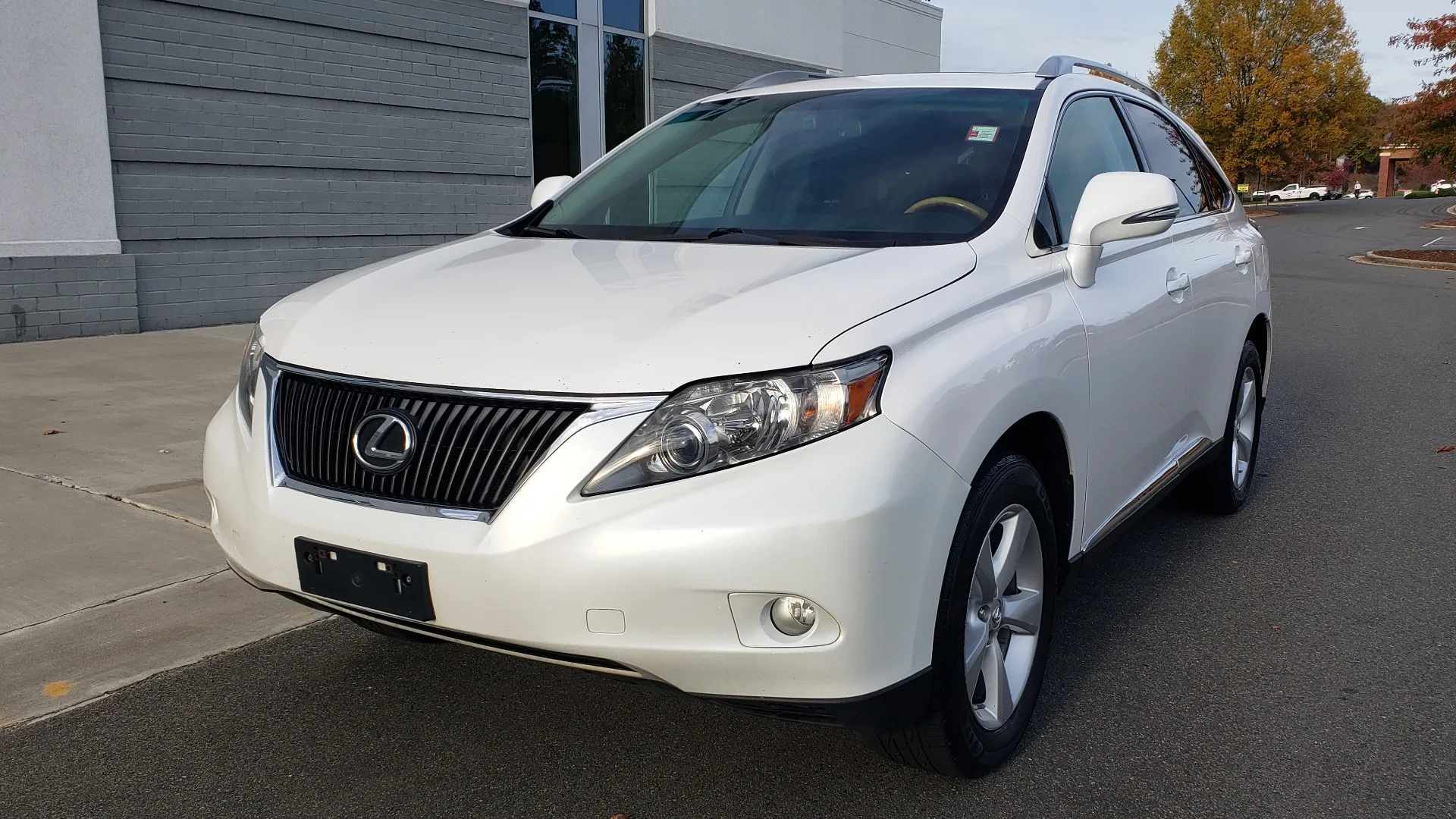
Some drivers like to test their cars across many roads, and this next model has a habit of answering that challenge with surprising strength. The Lexus RX350 from this period continues to show the world that quiet comfort and long-lasting solidity can exist in one package.
Many drivers say that once this SUV passes 150k, it still rides with the same softness and tightness it had when new. The body does not begin to rattle easily, and the seats stay firm and comfortable. Lexus built the RX using high-quality materials that survive sunlight, dust, and regular wear without falling apart.
One of the strongest points of the RX350 is its engine. The 3.5-litre V6 rarely shows early signs of weakness. Even with heavy city usage, the engine keeps delivering smooth acceleration. The gearbox also stays reliable and does not start slipping early.
People who drive the RX for many years often mention that it does not feel old even when the odometer is past 150k. The car behaves like a well-trained vehicle that has not lost its discipline. The suspension also contributes to the solid feel.
It absorbs bumps without producing sounds that indicate worn bushings or weak shocks. Many SUVs in this size category begin to loosen up as the years pass, but the RX350 avoids such issues for a very long time.
Interior panels remain tight, and the cabin stays peaceful even at high speeds. This long-term firmness is one reason why the model has become common among people who want luxury that they can rely on for many years.
4. Mazda CX-5 2.5 (2014-2018)
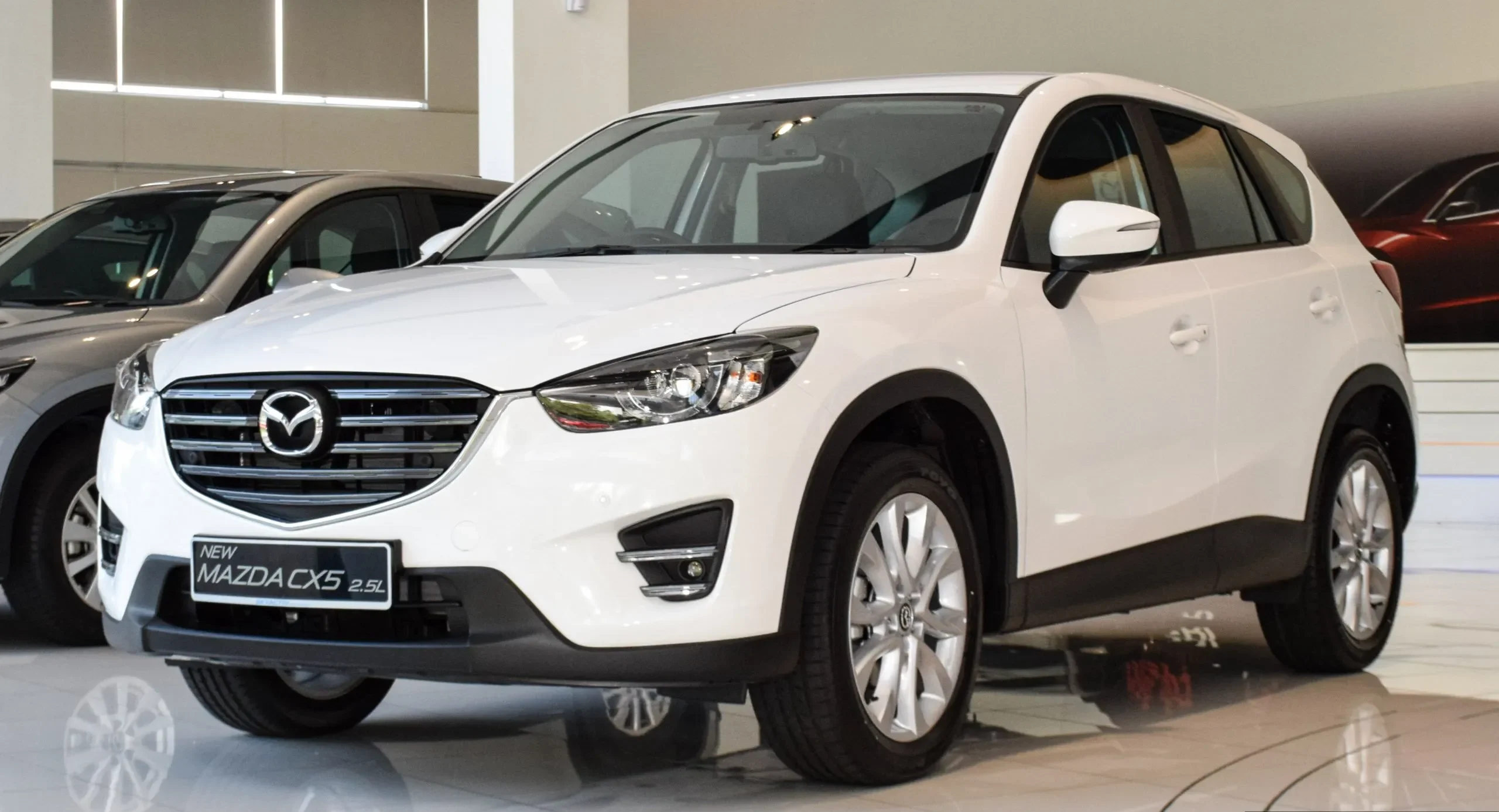
Plenty of car lovers often discuss durability, and this next vehicle keeps entering such conversations for one simple reason. The Mazda CX-5 has earned respect from owners because it feels tight even after long usage. Drivers regularly report that the SUV keeps its youthful handling long after crossing 150k.
Mazda engineers aimed for a sporty feel, and they delivered a vehicle that stays firm instead of becoming loose with age. Many crossovers lose their handling sharpness once the mileage rises, but the CX-5 continues to feel planted on the road.
The Skyactiv engine technology also shines here. Mazda built these engines with a focus on endurance and fuel efficiency without compromising strength. Even at high mileage, the 2.5-litre engine does not become lazy. It still accelerates smoothly and maintains good response.
Another important advantage is the stiff chassis design. Mazda is known for building strong frames that resist bending or losing shape as time goes on. This is why drivers often mention that the CX-5 still feels tightly connected to the road even when old.
Inside the cabin, interior materials survive daily usage without peeling, cracking, or loosening easily. People who use this SUV for long trips often say that it never gives the feeling of an aging crossover.
Even the suspension holds its shape, and the front bushings do not wear out as quickly as some competitors. When you put all these strengths together, you get an SUV that stays strong long after many rivals start showing their age.
5. Mercedes-Benz E350 W212 (2010-2014)
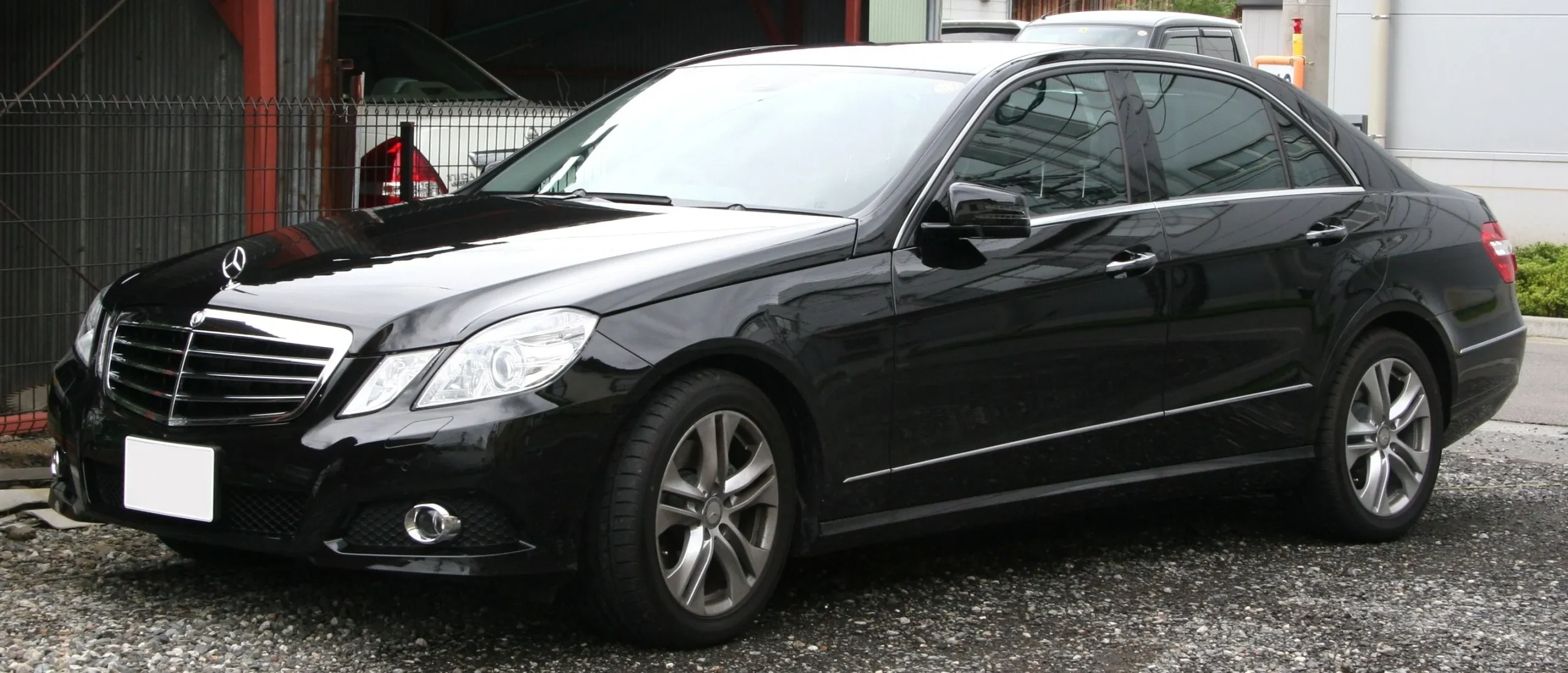
Different motorists have seen various results from their long-distance drives, and a certain model keeps proving that long mileage does not scare it. The Mercedes-Benz E350 W212 is one of those cars that remind people why the E-Class carries so much respect. Even when the odometer passes 150k, the car still feels tightly built.
The doors close with the same heavy sound that gives a sense of security. The cabin stays firm, and interior components do not start rattling early. Many drivers who maintain the E350 well often report that the driving experience barely changes as the car ages.
One major advantage is the strong V6 engine. It delivers power consistently, even after many years of service. The engine does not easily develop internal wear that affects performance. Paired with a durable gearbox, the car continues to move smoothly.
The suspension is another area where the W212 shines. Mercedes built it to handle long-distance driving without becoming weak. Even when replacing worn parts, mechanics say that new components restore the factory feel quickly.
Many E350 owners reach 200k with confidence because the car keeps reminding them that proper engineering lasts. The chassis remains firm, and the car does not feel loose when taking corners.
Drivers who enjoy comfort also appreciate how quiet the cabin stays. Long-term users often say that they feel safe at high speeds even when the car is old. This strong aging behavior is why the W212 generation continues to sell well in the used market.
5 Cars That Loosen Up After 150k
1. Ford Escape 1.6 EcoBoost (2013-2016)
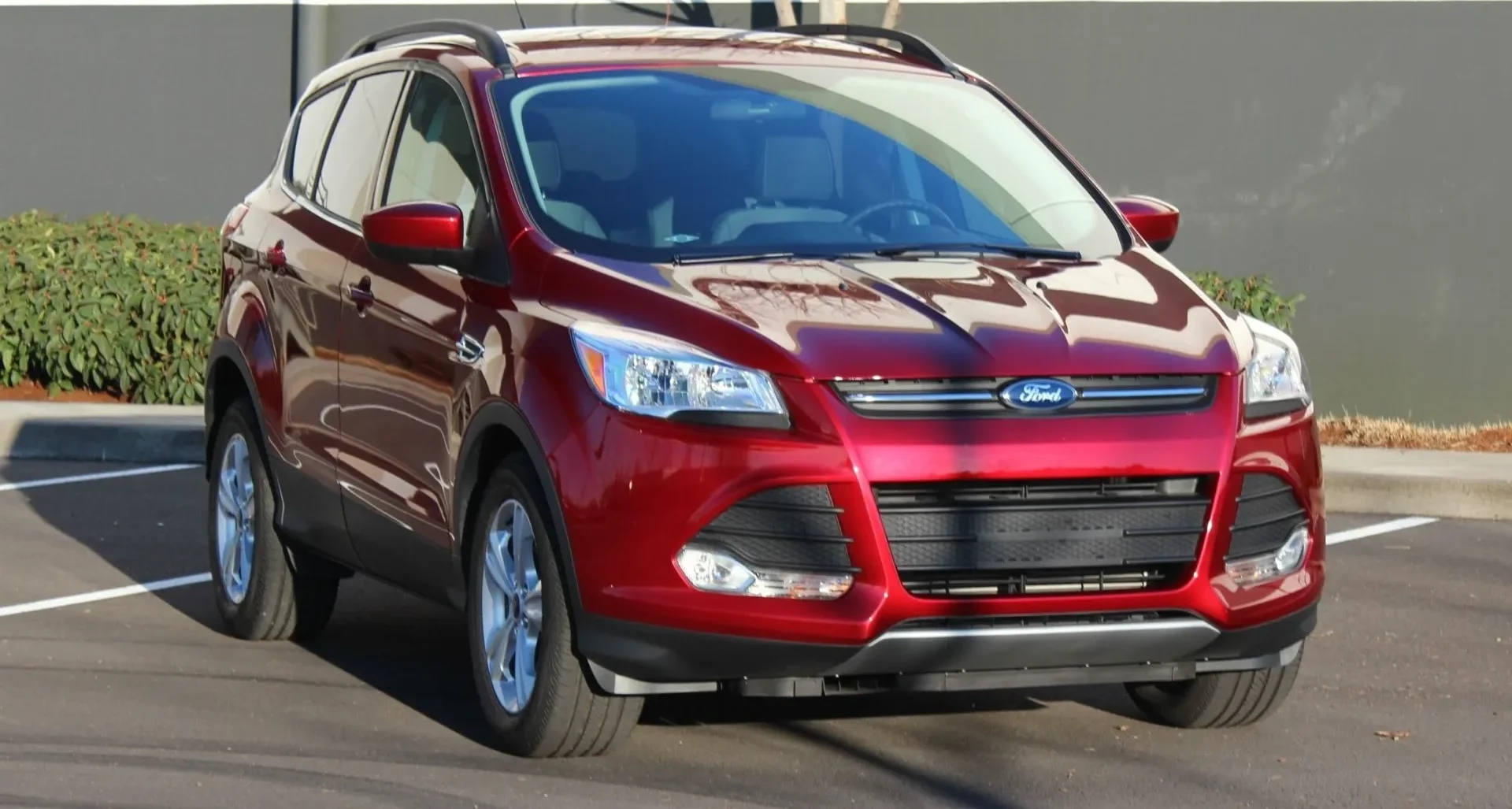
Plenty of owners who have taken this compact SUV deep into high-mileage territory often describe a move in how the Ford Escape 1.6 EcoBoost carries itself as age sets in. Early in its life, the vehicle feels eager and responsive, with a lively turbo motor and a tight cabin structure.
Once drivers begin reaching mileage levels past 130k or so, small hints of wear start to appear in ways that become more noticeable once the vehicle crosses 150k. Several long-term users mention that the plastics surrounding the center panel and dashboard begin to flex more than expected.
These panels may develop a faint tapping noise during highway driving, and any rough pavement tends to exaggerate the issue. The turbocharged layout also puts extra stress on certain structural points.
While the engine itself can stay dependable with proper servicing, the supporting hardware shows age more quickly. Ignition coils may weaken, coolant lines can become brittle, and heat buildup from the turbo system influences how tight the surrounding components remain.
Suspension fatigue also appears earlier than many compact SUV owners typically expect. Once the bushings and struts age, the Escape develops a softer feel that reduces confidence during quick lane changes or long curves.
Even after repairs, some drivers report that the vehicle never regains its original solid stance. Steering precision also fades slightly, giving the car a looser character at higher mileage.
Many owners appreciate how pleasant the Escape feels during its first years, yet long-term feedback suggests that the model was tuned for short-term comfort rather than a lifespan that keeps the body rigid deep into its older age.
Drivers who spend time on uneven roads or who frequently travel at highway speeds often notice these issues sooner. For people buying a used model above 150k, it helps to understand that the vehicle may show its age more clearly than many competitors in the same class.
2. Hyundai Sonata 2.0T (2011-2014)
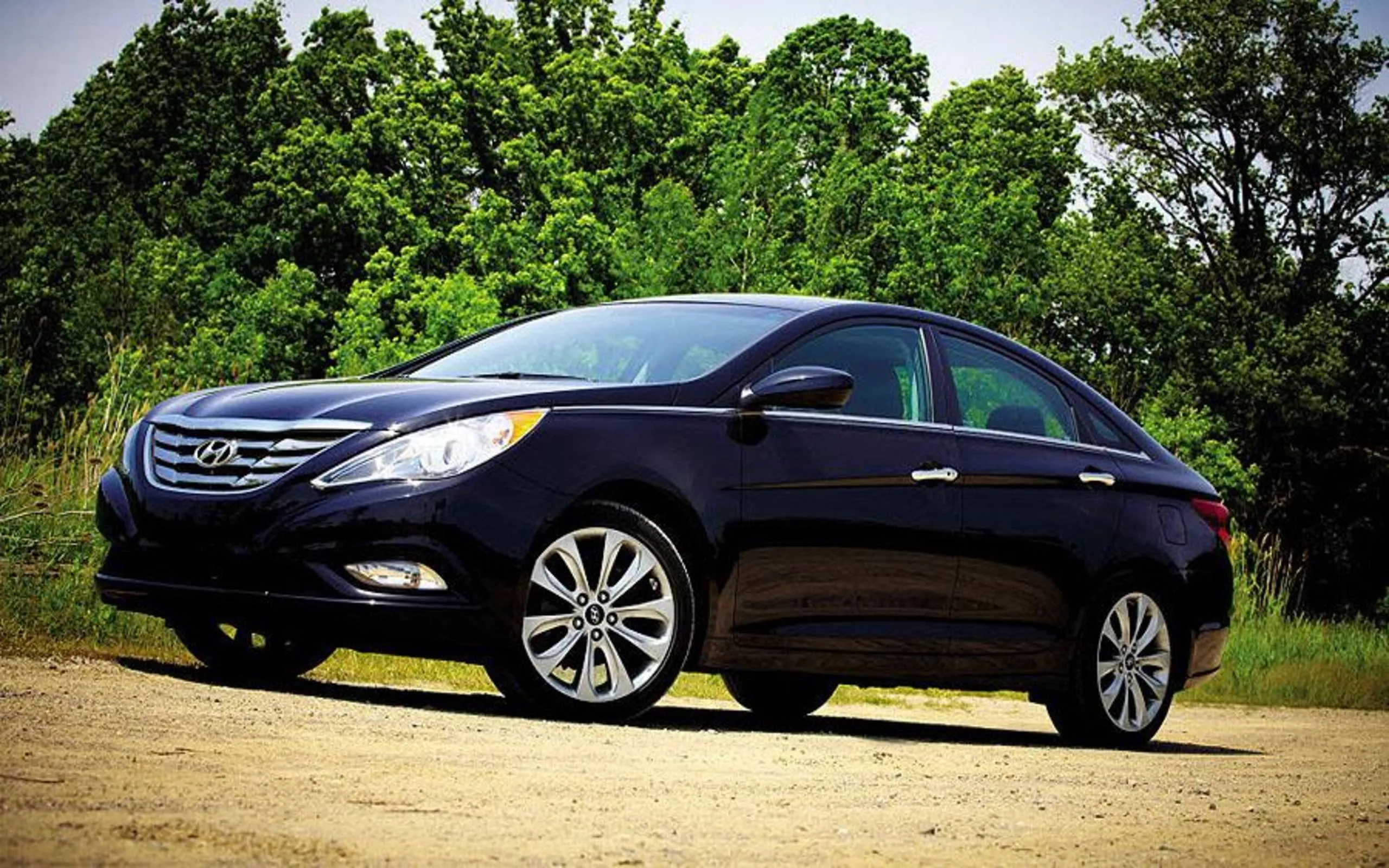
Plenty of drivers who spend years with the Hyundai Sonata 2.0T eventually notice how the car gradually develops softness in places they once considered firm. Early ownership usually brings excitement because the turbocharged four-cylinder delivers strong acceleration, and the suspension has a crisp feel.
As the odometer climbs toward high-mileage territory, subtle changes begin to appear, starting with small cabin vibrations that creep in when driving over uneven pavement. Interior looseness becomes one of the most common complaints from long-term users.
Panels along the dashboard and the interior pillars can start to buzz lightly at highway speeds, creating the impression that the structure is losing its early tightness. Seats that felt supportive when the car was new may lose cushioning after many years, especially on the driver’s side. These changes give the car a more worn feel, even when the powertrain still performs well.
Suspension wear plays a major part in this move. Bushings tend to soften earlier than expected, and once this happens, the car loses that crisp road behavior that many people enjoyed at lower mileage. Some owners mention that their steering begins to feel vague, especially when taking long bends at moderate speed.
Even replacing the worn components sometimes fails to restore the original firmness, leading many long-term drivers to feel that the car matures faster than it should. While the turbo engine itself can remain energetic with proper servicing, its vibrations influence how long certain structural pieces stay secure.
The extra power also translates into more stress on mounts and brackets, which can weaken earlier than what non-turbo competitors experience. Many drivers who compare the car’s early feel with its high-mileage behavior often describe a clear change in character.
Plenty of people still enjoy the Sonata 2.0T for its strong performance and attractive design. However, drivers seeking a sedan that retains the same structural tightness deep into high-mileage driving may find that this model tends to relax more quickly than expected, even when well cared for.
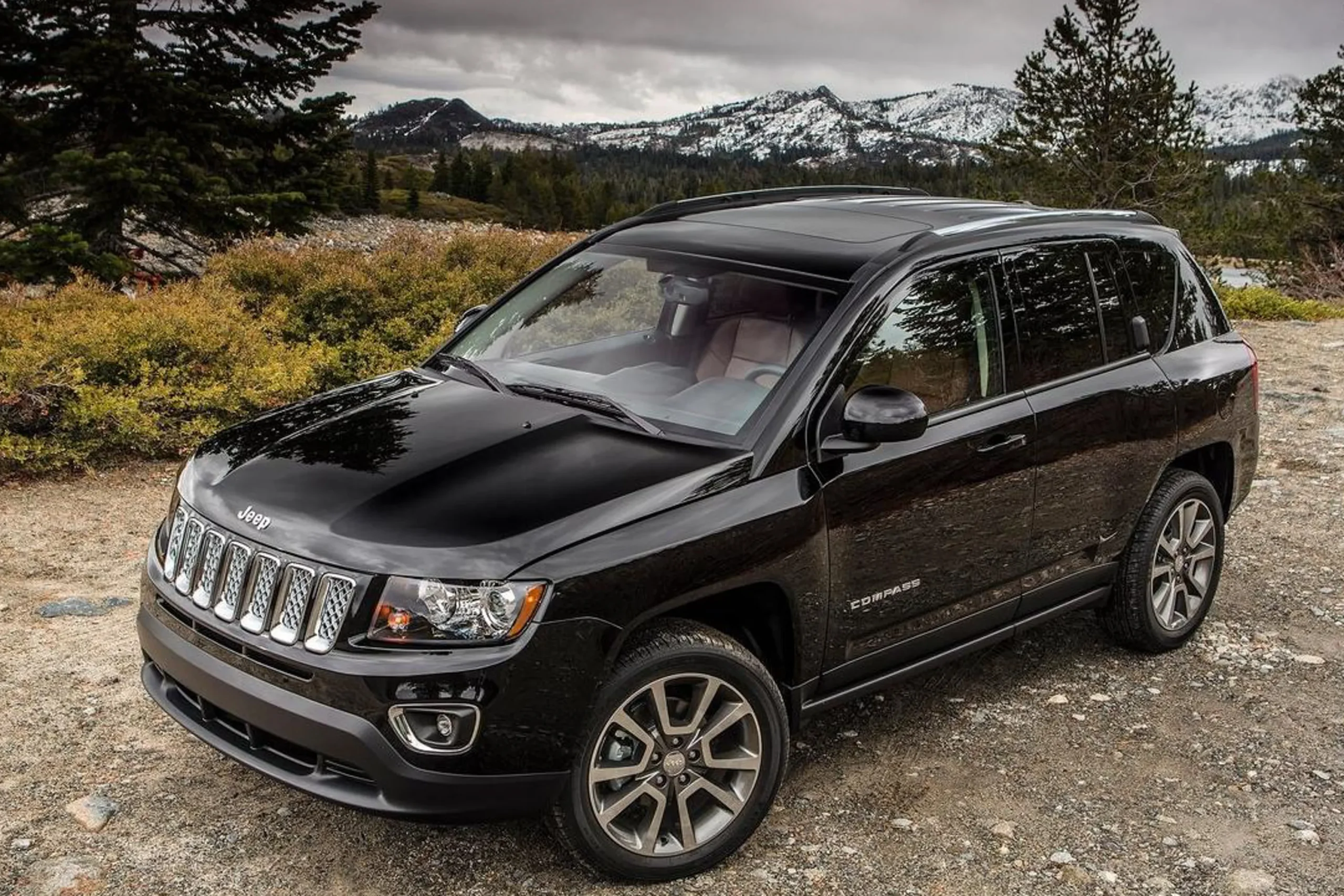
3. Jeep Compass 2.4 (2014-2017)
Owners who live with the Jeep Compass 2.4 through its full aging process often share similar stories about how the vehicle gradually develops looseness as mileage builds. During the early years, the Compass feels balanced and predictable, especially in city driving.
As usage increases, suspension stiffness slowly fades, and drivers begin to notice new body motions that were not present earlier. Once the odometer approaches 150k, these changes become clearer, especially for those who use the vehicle on rough pavement.
Long-term drivers frequently point out that the underbody components do not handle aging as strongly as competing crossovers. Certain bolts and mounts can gradually lose firmness, which contributes to additional noise from below the cabin.
Mechanics familiar with this model often mention that engine mounts and transmission supports soften sooner than expected. When these parts weaken, they allow added movement that feeds new vibrations into the cabin.
Interior durability also becomes an issue. Plastic materials around the dashboard and center panel begin to vibrate more easily, producing a tapping or buzzing sound that some owners find difficult to eliminate.
Seats lose support gradually, especially during long-distance travel, giving the car a more worn feel before some competitors reach similar mileage. Door closures also change character, shifting from a solid thud to a lighter sound that indicates wear on hinges or seals.
Although the 2.4-liter engine itself is known for surviving long mileage, its surrounding hardware has a harder time preserving the early factory feel. As the vehicle ages, the combination of suspension wear, interior looseness, and weakened mounts creates a driving experience that feels less controlled. Even with new components installed, regaining the early tightness can be challenging.
Many owners eventually conclude that the Compass was designed with short-term practicality in mind, rather than long-term structural firmness. Drivers who expect a crossover to retain its original tightness deep into high mileage often find this model relaxing sooner than they hoped, especially when compared to sturdier competitors.
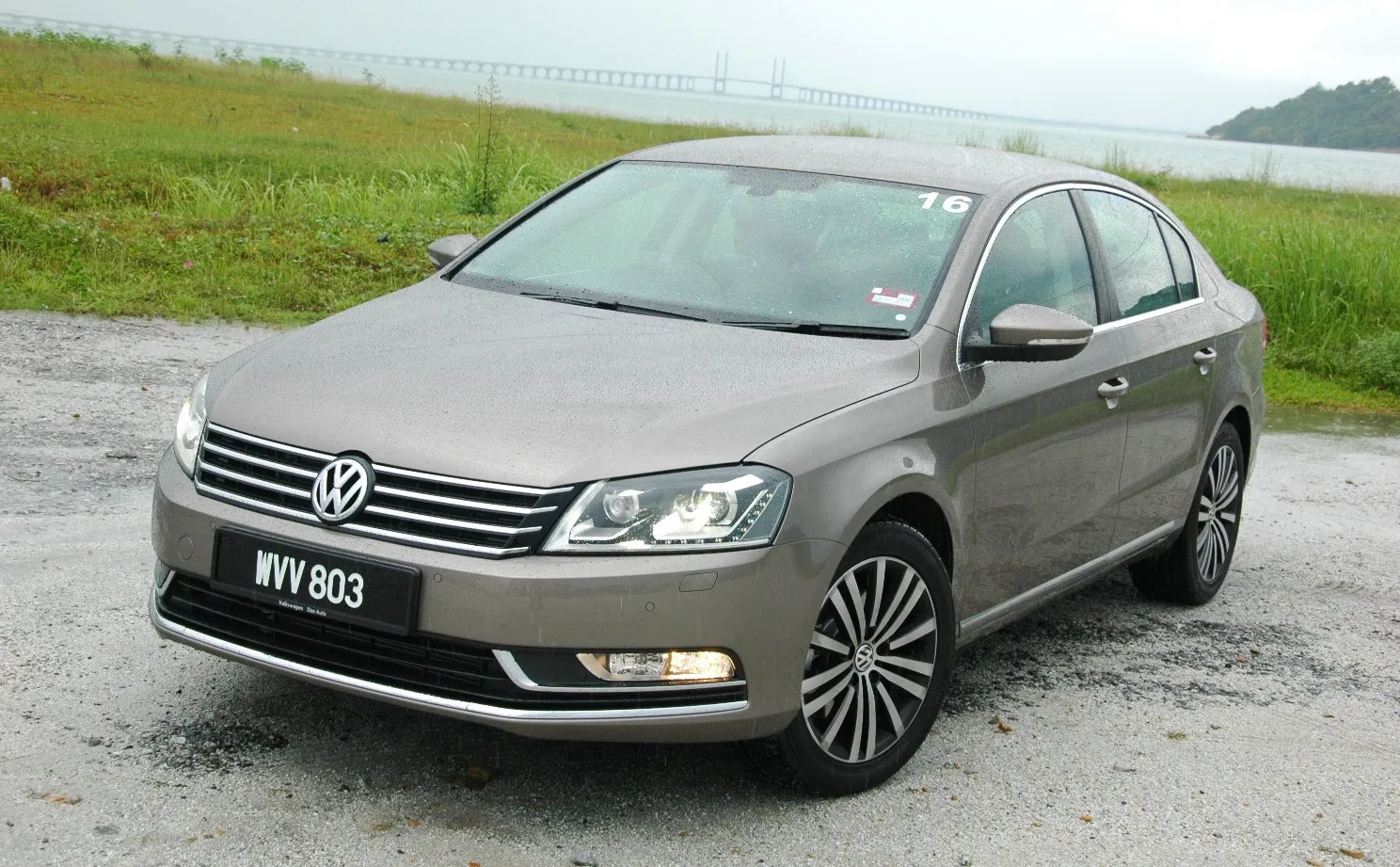
4. Volkswagen Passat 1.8 TSI (2012-2015)
Plenty of long-term owners describe a steady move in the Volkswagen Passat 1.8 TSI once the vehicle has been driven extensively. Early in its life, the car delivers smooth handling, quiet road behavior, and a comfortable cabin that feels firmly assembled.
Over a long stretch of mileage, however, many drivers begin noticing subtle changes that grow more apparent around the 150k mark. What begins as a light vibration in the cabin may eventually turn into a consistent interior buzz when driving across certain road surfaces.
Suspension softness is one of the most frequently reported issues. As the front and rear components age, the vehicle loses its early confident stance. The Passat begins to float slightly over dips or bumpy roads, creating a sense of reduced stability. Even after installing new struts or bushings, some drivers mention that the original stability never fully returns.
The turbocharged engine introduces another challenge. As the mounts age, they allow more movement under load, creating cabin shake during acceleration. This movement often leads to rattles in places such as the glovebox area or center console.
While none of these issues threaten reliability directly, they influence the car’s long-term solid feel. Drivers who remember how quiet and composed the car felt at lower mileage can clearly sense the difference as it matures.
Steering precision also tends to change as parts wear. The once crisp steering feel becomes lighter and less accurate. During highway driving, some owners describe the car as slightly nervous, requiring more small adjustments than before. Even with maintenance, the steering rarely regains its early firmness.
People who enjoy the Passat for its comfort and smoothness still appreciate it at high mileage, but many admit that the car loses its solid, tight feel faster than competing sedans. For buyers considering a high-mileage example, it helps to expect a more relaxed structure rather than the strong, composed feel the car offered during its early life.
Also Read: 5 Car Models With Good Ride for Car-Sick Kids vs 5 Cars That Jiggle
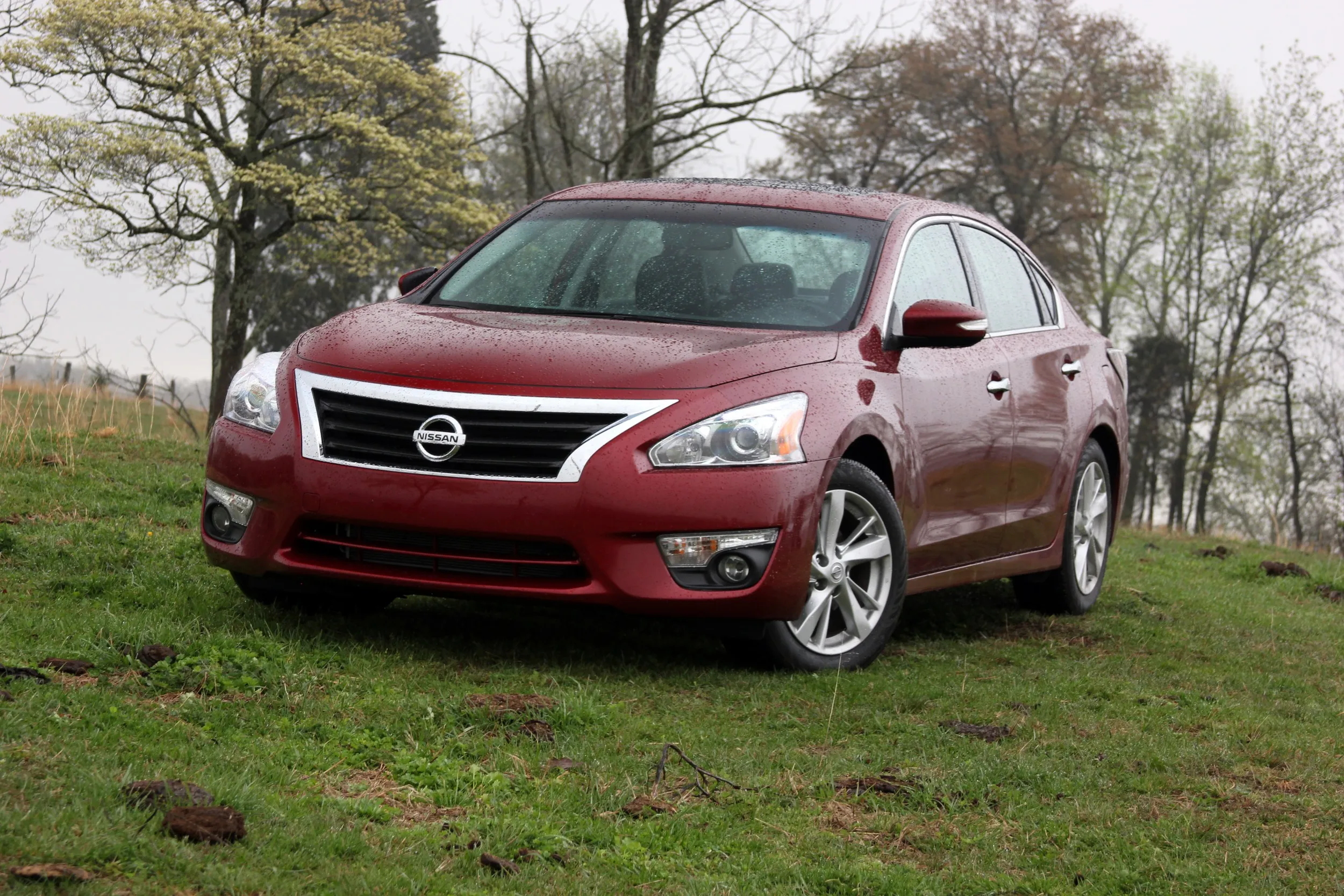
5. Nissan Altima 2.5 (2013-2017)
Plenty of longtime owners of the Nissan Altima 2.5 mention that the car undergoes noticeable structural changes as it ages. Early on, the model delivers a soft ride, quiet cabin, and relaxed steering feel that suits daily use.
Once mileage accumulates past 120k, however, many drivers begin spotting subtle clues that the car is losing its early tightness. By the time the odometer reaches 150k or higher, these clues become more obvious.
The CVT transmission is often the first part to influence the vehicle’s aging character. As it wears, it transfers more vibration into the cabin. These vibrations gradually affect interior panels, creating small rattles around the door frames and dashboard edges. Even though the powertrain may still operate reliably, the interior experience changes noticeably.
Suspension components also wear earlier than expected. Drivers frequently report that the car begins to bounce more over road imperfections, especially at higher speeds. Once the bushings soften, the steering loses its planted feel, making the car feel lighter than intended. New parts help, but some owners say the original factory tightness never fully returns.
Side seals and door insulation also show age around this mileage level. Many Altimas begin producing faint wind noise near the passenger door or mirror area, which contributes to a looser feel inside the cabin. While these are not serious mechanical problems, they affect how solid the car feels from the driver’s seat.
Even though the Altima remains fuel efficient and pleasant for commuting, many longtime owners acknowledge that the vehicle does not maintain its early firmness as well as some competitors. People who prioritize long-lasting structural tightness may find that this model softens earlier than they prefer.
People who love cars often ask why some vehicles remain firm while others soften, and the answer lies in how each machine is engineered and used. Durability depends on materials, engine stress, chassis reinforcement, suspension strength, and general design philosophy.
Cars built with long-term usage in mind usually maintain their strength even after heavy mileage. Those designed mainly for comfort or short-term performance tend to loosen earlier.
