

Many drivers love a car that responds with calm hands, especially when the road is filled with small surprises. A peaceful steering feel can change an entire journey, giving a sense of control that relaxes both the driver and the passengers.
Some cars deliver that easy movement from the very first day, while others treat steering as a lively task that demands constant attention. These differences shape how people remember a car after long ownership, because a soft and steady steering character often leaves a lasting impression.
Plenty of people talk about engine power or body strength, yet steering feel quietly influences daily comfort more than most realise. When a car glides through curves without sudden reactions, the driver becomes confident even on unfamiliar roads.
Once steering becomes nervous or too eager, the person behind the wheel keeps adjusting, which leads to fatigue during long trips. This is why many drivers begin to value calm steering more than raw speed or flashy styling.
Another thing that matters is how a car behaves when age enters the picture. Some models remain smooth even after high mileage, while others develop twitchy movements that change the driving experience entirely.
It is interesting to see how different manufacturers set up their steering systems, because the results can surprise anyone who has driven only one type of car for years.
Here, the focus falls on cars that deliver a relaxed hand feeling compared with others that behave with restless reactions. This mix helps readers understand how steering feels shapes comfort, confidence, and driving pleasure.
5 Cars With Relaxing Steering Feel
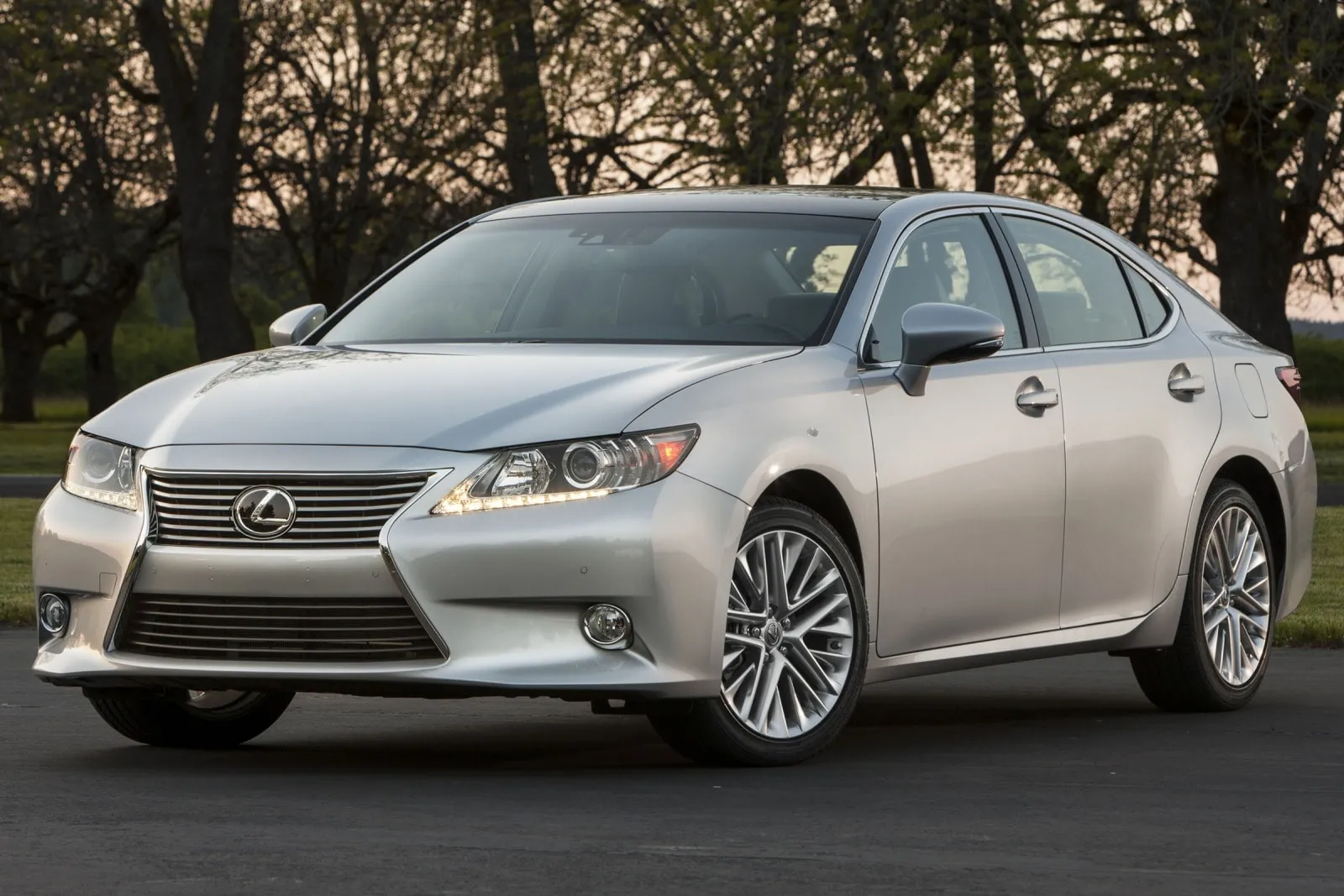
1. Lexus ES 350
Many drivers who settle inside a Lexus ES 350 quickly notice how the steering brings a sense of calm that feels genuine on every trip. This model carries a gentle touch that encourages easy movement without stressing the driver’s hands.
Every rotation of the wheel comes with a soft glide, giving a balanced feeling whether the car moves slowly through town or picks up speed on a free road. People who prefer quiet journeys appreciate this character because it reduces tension, especially during long hours on the highway.
Plenty of vehicles offer power, yet the ES 350 focuses more on peace and smooth reactions. Steering inputs feel measured, allowing the car to stay steady even when the road curves unexpectedly. This sense of control helps the driver settle into a rhythm that makes the entire experience feel lighter.
Instead of sudden, sharp behavior, the wheel responds in a predictable way that encourages confidence. For many owners, this gentle personality becomes the reason they stay loyal to this model. Another point that many drivers admire is how the steering remains consistent even years after purchase.
Some cars lose their calm nature once suspension parts age, but the ES 350 keeps its relaxed character far longer than expected. This stability creates a sense of trust, especially for drivers who value comfort above aggressive responses.
Even when the road surface becomes rough, the wheel refuses to shake or throw the driver off balance. Its smooth power steering setup keeps feedback soft while still offering enough road sense to keep the driver informed.
Comfort lovers usually describe the ES 350 as a dependable travel partner because it removes stress from everyday movement. The steering does not demand constant corrections, and the smooth weight of the system allows drivers to enjoy their journey rather than fight through it.
As a result, many owners say the car feels like a natural extension of their hands. This calming approach to steering makes the Lexus ES 350 stand out among cars known for peaceful driving behavior.
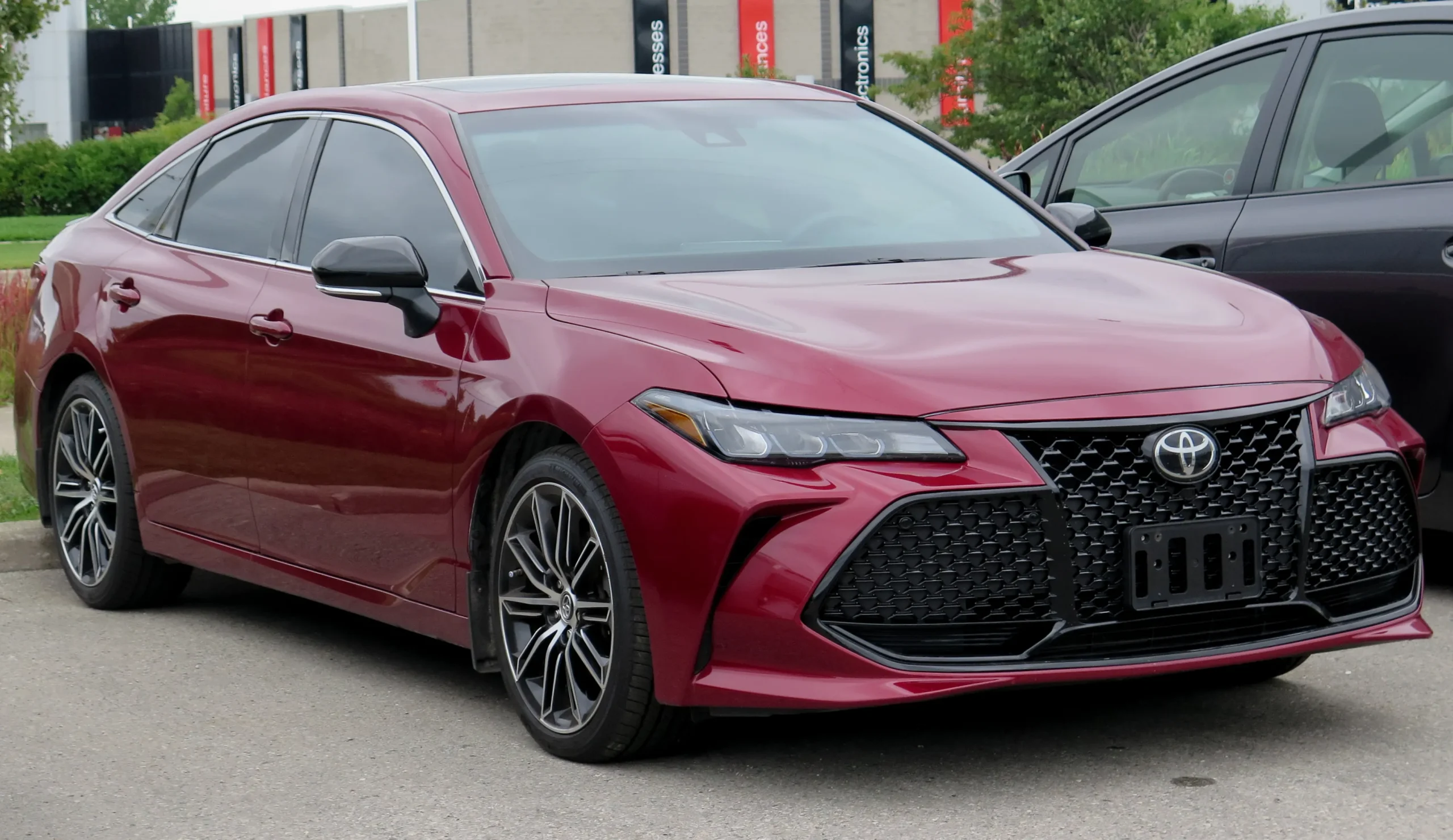
2. Toyota Avalon 3.5 V6
First impressions often highlight how the Toyota Avalon 3.5 V6 offers a steering experience that feels steady and inviting. Drivers frequently comment on how the wheel remains soft yet precise, allowing control without requiring constant force.
Even when travelling through city traffic, the steering guides the car smoothly, making small corrections effortless. This calm characteristic encourages drivers to maintain focus without feeling fatigued, which is valuable for long commutes or weekend trips.
Many people find that highway travel becomes more comfortable thanks to the Avalon’s measured responses. The steering resists sudden reactions while still communicating road feedback in a subtle way. Unlike some vehicles where the wheel feels light and unpredictable, the Avalon gives a gentle, reassuring presence.
This quality allows drivers to trace curves with minimal effort while staying confident in the car’s movement. Families often remark that the combination of spacious interior and relaxed steering makes long journeys enjoyable.
Another advantage lies in the consistency across different conditions. Rainy roads, uneven pavement, or minor potholes do not disturb the steering’s composure. It absorbs subtle disturbances while transmitting just enough feel to maintain control.
Drivers who value predictable motion appreciate this trait because it reduces constant adjustments and keeps driving stress low. Many owners also note that even with high mileage, the steering retains its original softness, a testament to the vehicle’s engineering.
Passengers benefit as well, as the car moves with stability rather than sudden, twitchy moves. The Avalon’s suspension and steering work in harmony to create a composed ride. People who share a car among multiple drivers often notice that everyone can quickly adapt to its calming movement.
The consistent feel encourages less aggressive handling and more relaxed journeys, particularly on longer trips or when roads are congested. For those who value peaceful driving over sporty reactions, the Avalon proves to be a dependable option.
Its steering feels effortless yet controlled, offering a serene experience in multiple scenarios. This characteristic, combined with comfort and a refined interior, helps explain why many drivers continue choosing the Avalon for daily travel and extended journeys.
Also Read: 5 Cars with Helpful Cameras vs 5 Blurry Backup Cameras
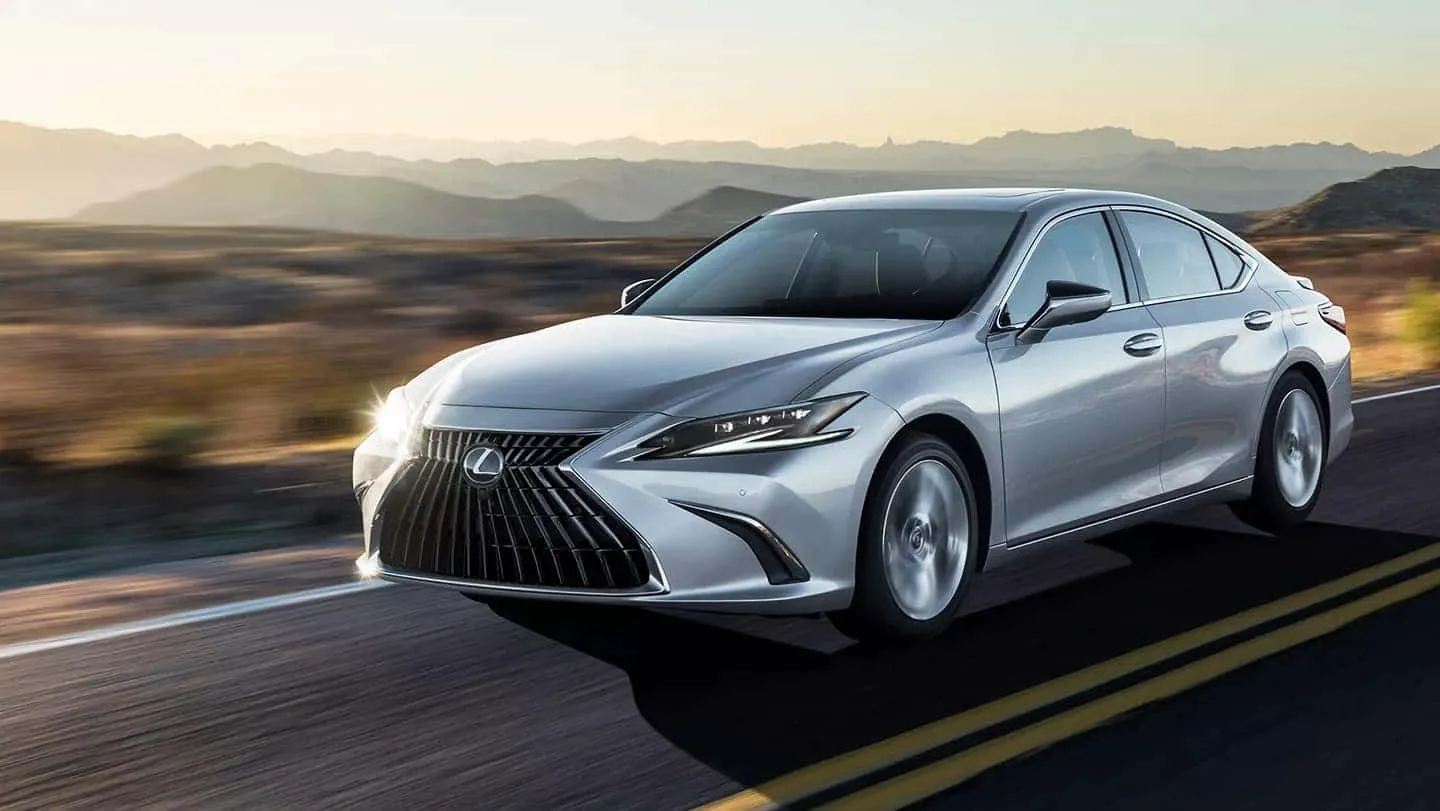
3. Lexus ES 300h Hybrid
A quiet presence accompanies the Lexus ES 300h Hybrid, especially in how its steering encourages calm control from the first turn. Drivers often describe the wheel as smooth and measured, allowing them to adjust direction with minimal effort. Small steering inputs produce steady movement rather than sudden reactions.
This calmness creates a sense of comfort for long journeys where constant focus is required. The hybrid system works seamlessly with the power steering, maintaining balance even on uneven or winding roads.
The ES 300h is especially useful for city driving, where traffic conditions change frequently. Its steering never surprises the driver, and minor corrections feel natural. Many owners note that the wheel does not become twitchy even when moving through narrow lanes or tight corners.
This reduces fatigue and allows people to remain relaxed while going through busy streets. Passengers notice the difference because the car avoids abrupt jerks, producing a calm cabin environment that supports restful travel.
Highway use demonstrates another strength. Steering retains feedback without transmitting shocks from rough surfaces. Even at higher speeds, the ES 300h remains predictable. The wheel communicates just enough about the road to keep the driver informed without creating tension in the hands or arms.
Owners who take longer trips report fewer adjustments and a general feeling of control that stays consistent throughout the drive. Aging has little impact on the steering’s feel. Even after years of use, the system continues to provide soft yet responsive guidance.
Suspension and steering components maintain harmony, keeping both road communication and comfort intact. People who share the vehicle often highlight that the hybrid’s smooth behavior suits diverse driving styles without requiring aggressive input.
For drivers who value refined calmness, the Lexus ES 300h Hybrid presents a dependable option. Its gentle steering combined with composed chassis work produces an experience that reduces stress, enhances confidence, and encourages longer, more enjoyable trips. This careful balance explains why many owners choose this car for daily use and extended highway journeys.
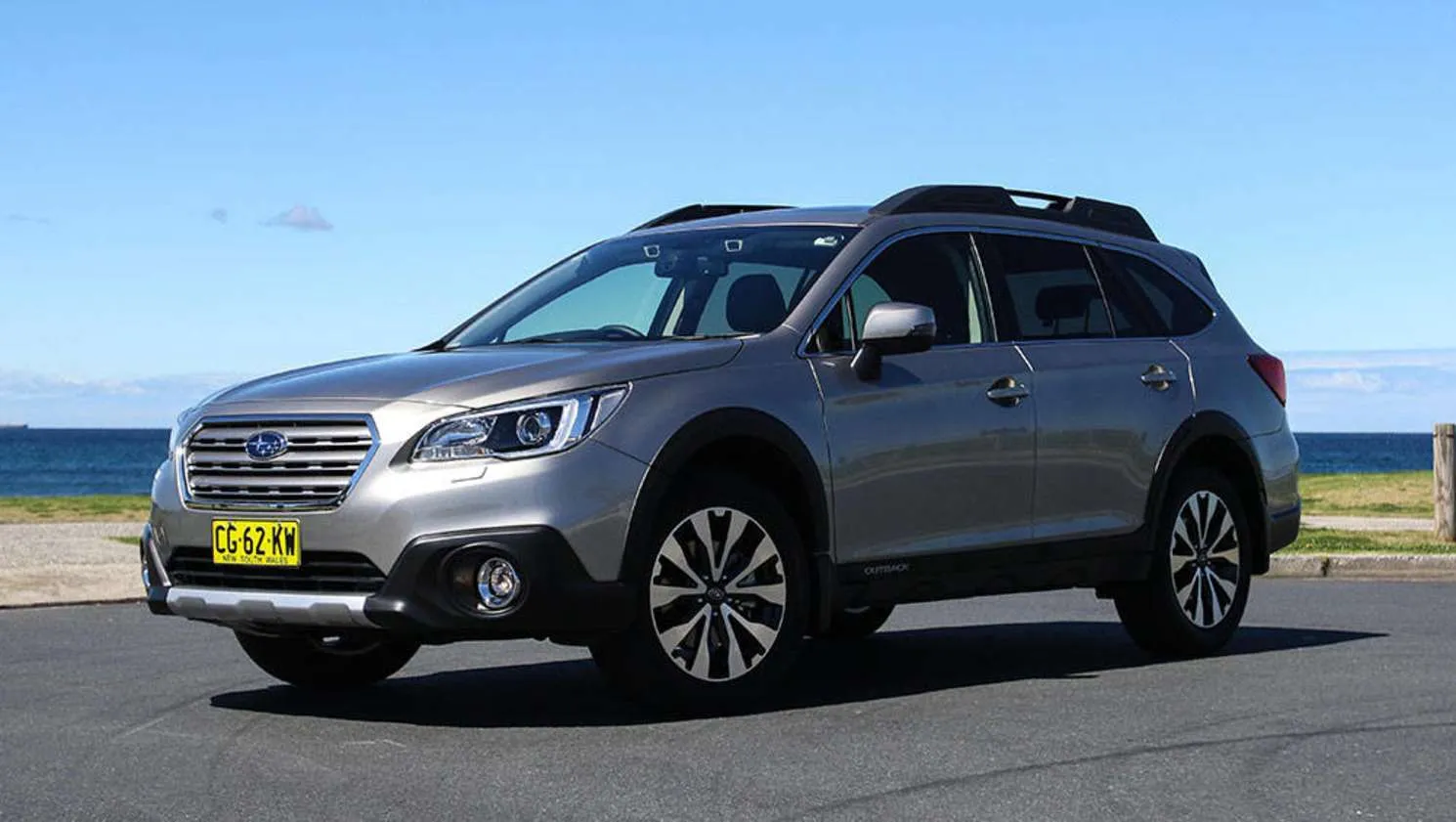
4. Subaru Outback 2.5 Premium
A calming impression arises as soon as someone grips the Subaru Outback 2.5 Premium wheel. Its steering responds with measured control, allowing the driver to handle curves and turns without stress. The wheel maintains smoothness even when moving over uneven surfaces, making long drives more comfortable.
Drivers often report that the car feels grounded and secure, reducing tension in their hands and arms during lengthy trips. Rural roads show the Outback’s strengths clearly. Its balanced steering delivers a composed ride, even when going through gravel paths or minor bumps.
The car absorbs road irregularities while communicating enough to keep the driver aware. Many owners find it reassuring that the wheel does not react nervously to small disturbances. This consistency allows confidence when covering long distances, especially on journeys with changing road conditions.
City movement also benefits from the Outback’s calm wheel behavior. Stop-and-go traffic, tight turns, and frequent lane changes become easier to manage because the steering avoids sudden reactions. Drivers rarely have to correct the wheel aggressively, and long hours behind the wheel feel less tiring.
Passengers enjoy the composed motion as well, as abrupt lurches are minimized. The Outback maintains its relaxed steering even with age. Suspension wear does not affect wheel feel, and mechanics often report that the steering system keeps its smoothness after years of driving.
This durability contributes to confidence among drivers who rely on the vehicle for daily commuting and weekend travel. Families often prefer the Outback because it combines predictable motion with all-wheel stability.
The gentle steering makes it suitable for mixed driving environments while keeping occupants comfortable. This combination of reliable control and calm feedback establishes the Subaru Outback 2.5 Premium as a top choice for drivers who want a relaxing, confidence-inspiring ride that feels natural in the hands.
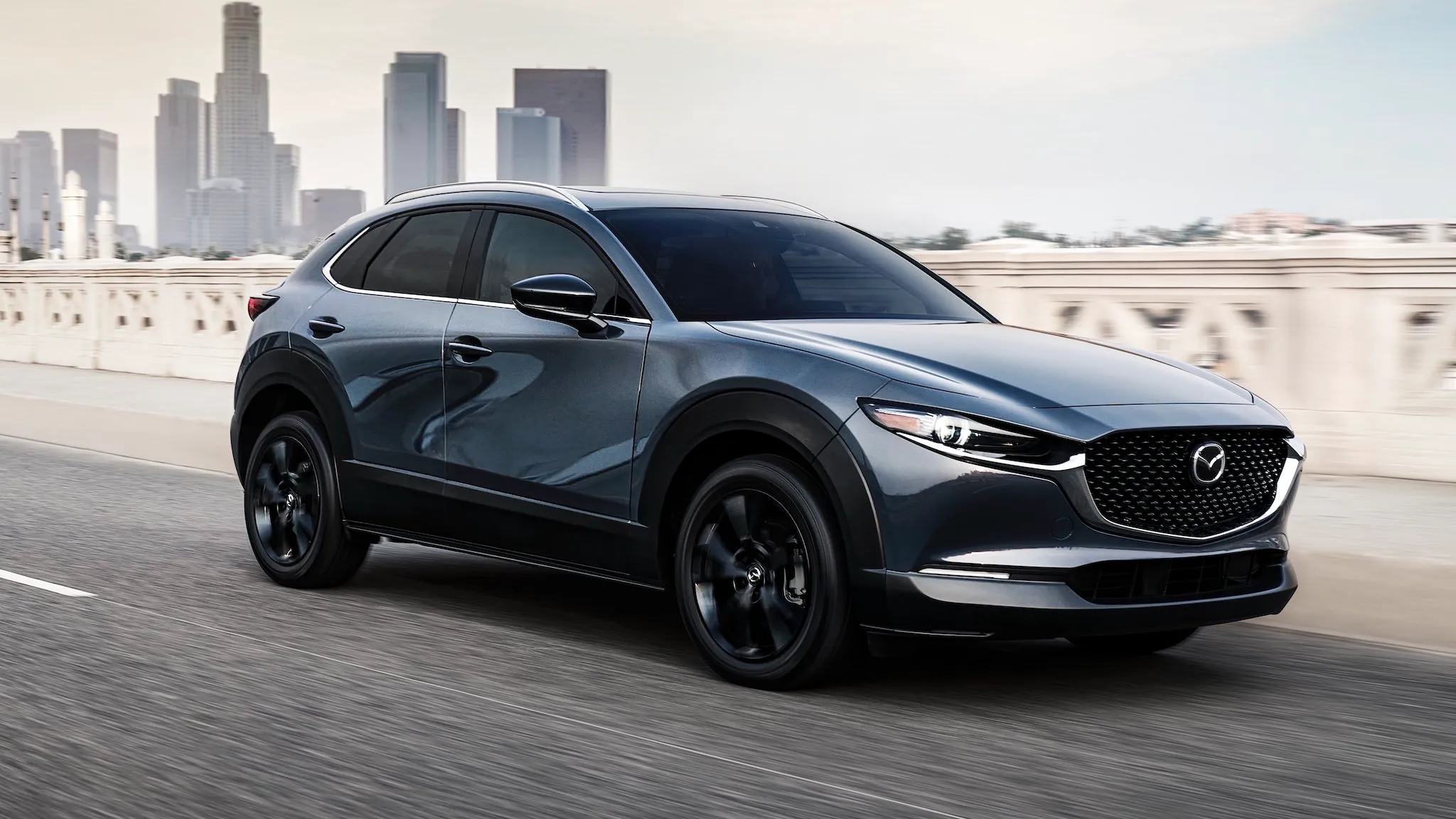
5. Mazda CX-30 2.5
A surprising sense of ease greets drivers stepping into the Mazda CX-30 2.5. Its steering reacts with smoothness that encourages calm movement rather than quick or twitchy responses. The wheel communicates road feel in measured doses, allowing the driver to guide the vehicle without fighting it.
This behavior proves useful on city streets where minor adjustments are frequent, keeping stress low and making commutes more pleasant. Highway travel reinforces this character.
The CX-30 maintains stable responses without requiring strong grip pressure. Curves are handled effortlessly, and the wheel responds gently to changes in surface or direction.
Many owners remark that the car’s steering provides confidence while remaining soft enough to reduce fatigue. Passengers notice how smoothly the car moves, creating a cabin atmosphere that feels controlled and calm even during longer trips.
Rough or uneven roads do not disturb the steering excessively. Instead, the system absorbs disturbances while delivering enough feedback for the driver to feel connected to the road. The balance between smoothness and awareness helps prevent nervous corrections and keeps journeys predictable.
Owners often say that even when the vehicle ages, the CX-30’s wheel maintains its original softness, a feature that encourages long-term satisfaction. City drivers find it easy to maneuver tight spaces without overreacting to small obstacles or bumps.
The soft steering makes parallel parking, traffic navigation, and lane changes less stressful. For those who prioritize comfort over sportiness, the CX-30 presents a rewarding driving experience that combines responsiveness with calm guidance.
Families and commuters alike benefit from the predictable steering. The Mazda CX-30 2.5 stands out because it delivers a relaxed, composed feel that reduces stress, keeps drivers confident, and enhances the entire enjoyment of travel.
Its combination of smooth motion and long-lasting reliability makes it a practical choice for anyone seeking peace of mind behind the wheel.
5 Cars With Nervous Hands
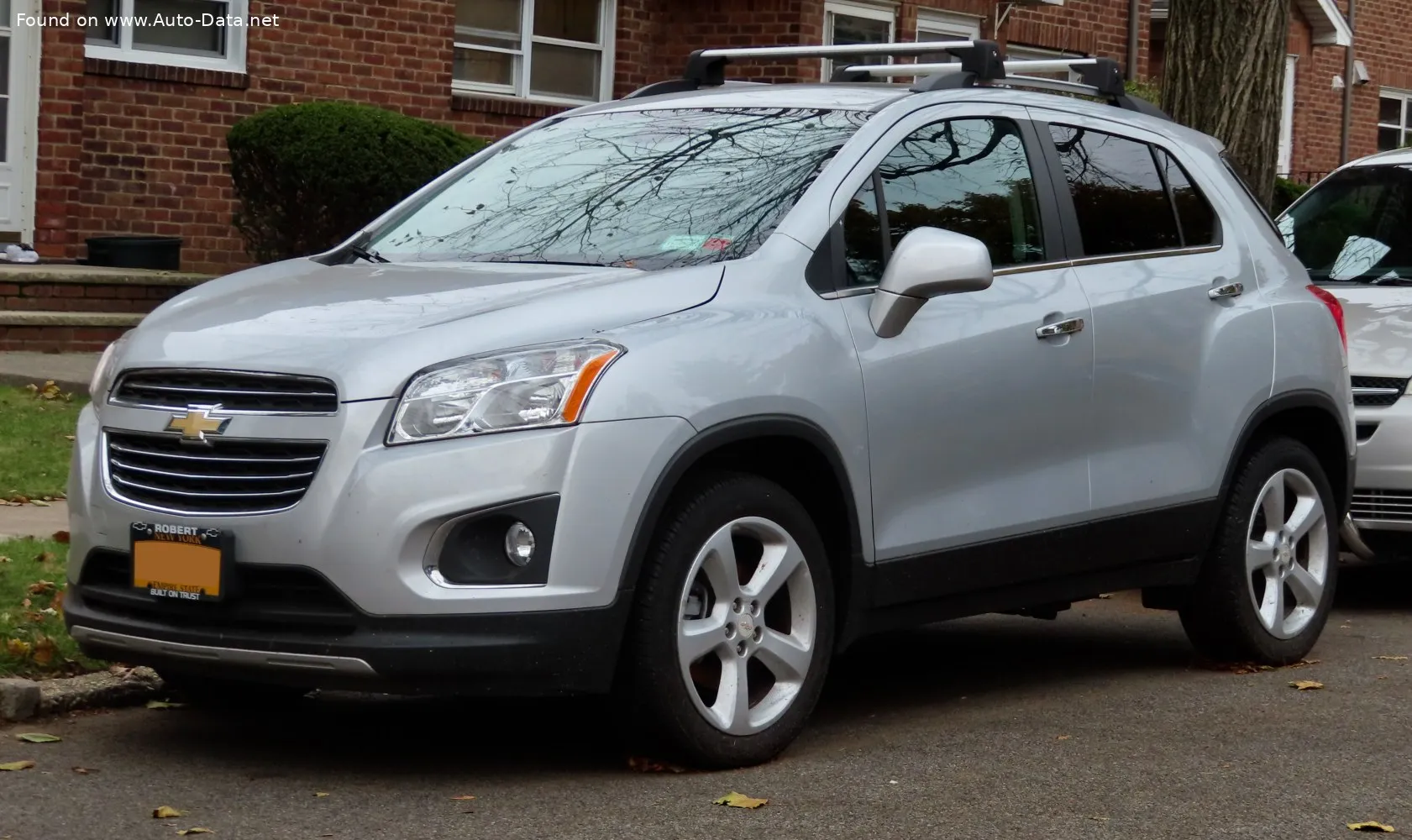
1. Chevrolet Trax 1.4 Turbo
A different driving sensation appears in the Chevrolet Trax 1.4 Turbo. Many drivers report that the steering feels light and overly sensitive at slow speeds. Small inputs cause the car to react more than expected, forcing constant correction.
Urban traffic exposes this behavior quickly, especially during stop-and-go movement. People find themselves adjusting the wheel repeatedly to maintain a straight path, which can become tiring during long commutes.
Highway driving presents its own challenges. The wheel may feel twitchy when encountering minor pavement disturbances or crosswinds. Drivers often mention that the car reacts unpredictably, requiring more attention than desired.
The steering system seems eager to follow every small movement, which can reduce confidence on longer trips. Passengers notice these reactions as sudden jerks, creating a cabin experience that feels less stable than expected.
Turning and cornering amplify this nervous quality. The wheel responds sharply to input, sometimes too quickly for comfort. Drivers who prefer a composed feel often find themselves overcorrecting to keep the car on a smooth line.
Even on well-maintained roads, the steering does not communicate a relaxed presence. It behaves with energy that can feel like an overreaction, producing tension in the hands and arms during extended travel.
Aging does little to calm the behavior. Some owners report that the steering retains its lively character even after years of use. Minor wear in suspension or tires may accentuate this restlessness, making the car feel less predictable as time goes on.
Those who prioritize smooth guidance may find the Trax stressful for daily driving. While the car offers other benefits such as compact size and good visibility, the nervous steering can dominate the experience. Drivers who want calm, predictable motion might consider other models with softer wheel response.
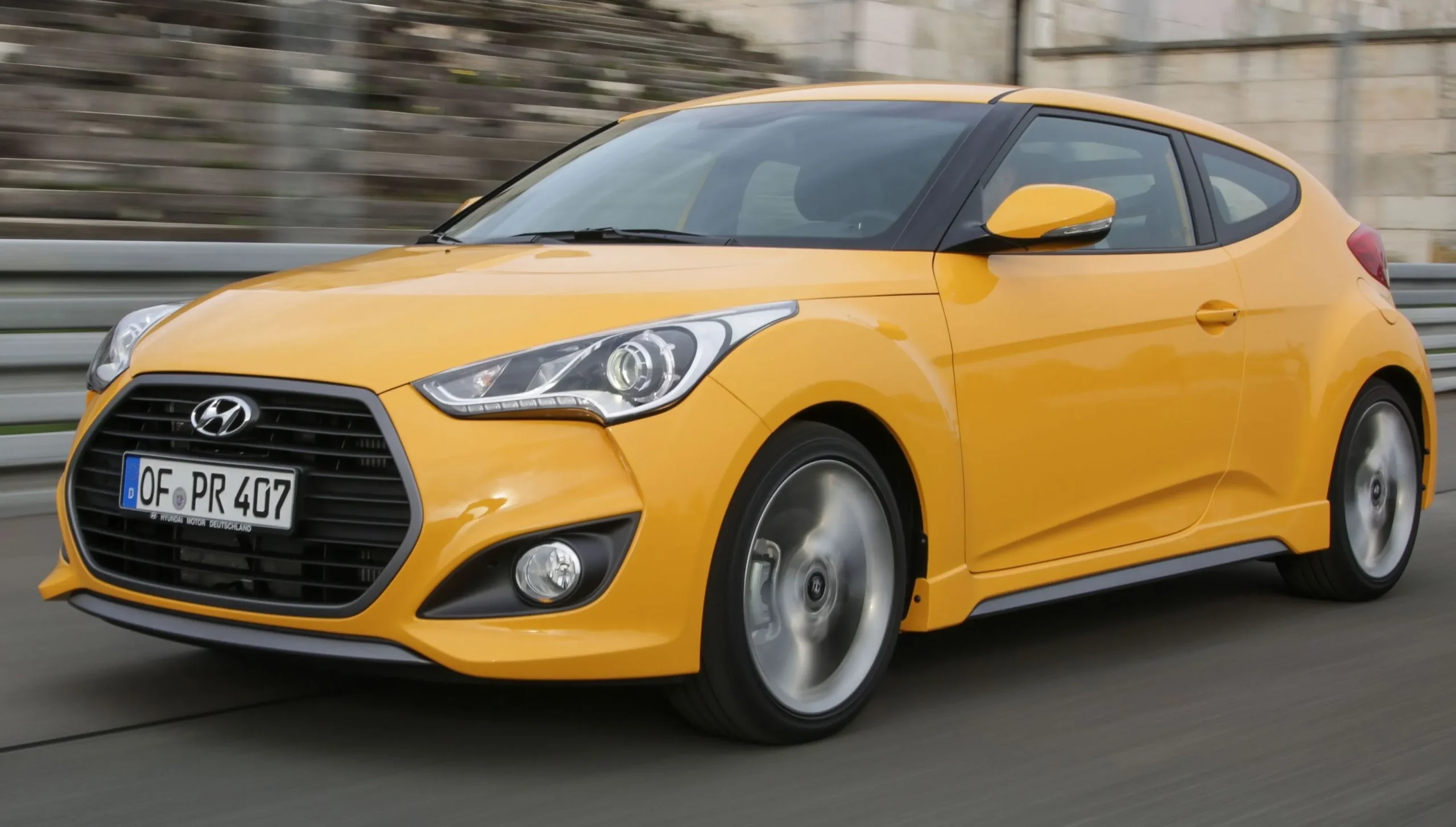
2. Hyundai Veloster 1.6 GDI
A noticeable energy greets drivers behind the Hyundai Veloster 1.6 GDI wheel. Its steering reacts quickly to even small inputs, which creates a feeling of constant alertness in the hands. Urban streets, tight corners, and frequent stops expose this behavior fully, demanding that the driver maintain active control at all times.
Many owners describe the wheel as lively but tiring on longer trips, since the nervous reactions require constant attention and subtle corrections. Highway travel intensifies this sensitivity. Even minor road imperfections transmit through the wheel, producing a restless sensation that contrasts with calmer models.
Drivers often mention that crosswinds or uneven surfaces require continuous focus to maintain direction. Passengers may feel subtle shakes in the cabin, reinforcing the idea that the vehicle’s steering does not relax under normal conditions.
Cornering introduces sharper reactions. The Veloster’s quick steering feedback can feel exaggerated, leading to overcorrection if the driver is not careful.
While some enjoy this responsiveness for sporty maneuvering, it can feel stressful for everyday commuting or longer trips. The nervous wheel may amplify tension rather than reduce it.
This reactive behavior does not fade with time. Many owners report that even as the car ages, the steering remains sensitive. Suspension wear or tire changes may accentuate the lively movement, making the vehicle feel jumpy during normal driving. Drivers seeking calm, predictable handling often find this frustrating.
For those valuing spirited handling, the Veloster’s lively wheel may provide fun and engagement. Yet, for people prioritizing stress-free steering and smooth long-distance travel, this car presents a challenge. Its energetic behavior can dominate the driving experience, making it less ideal for relaxed daily use.
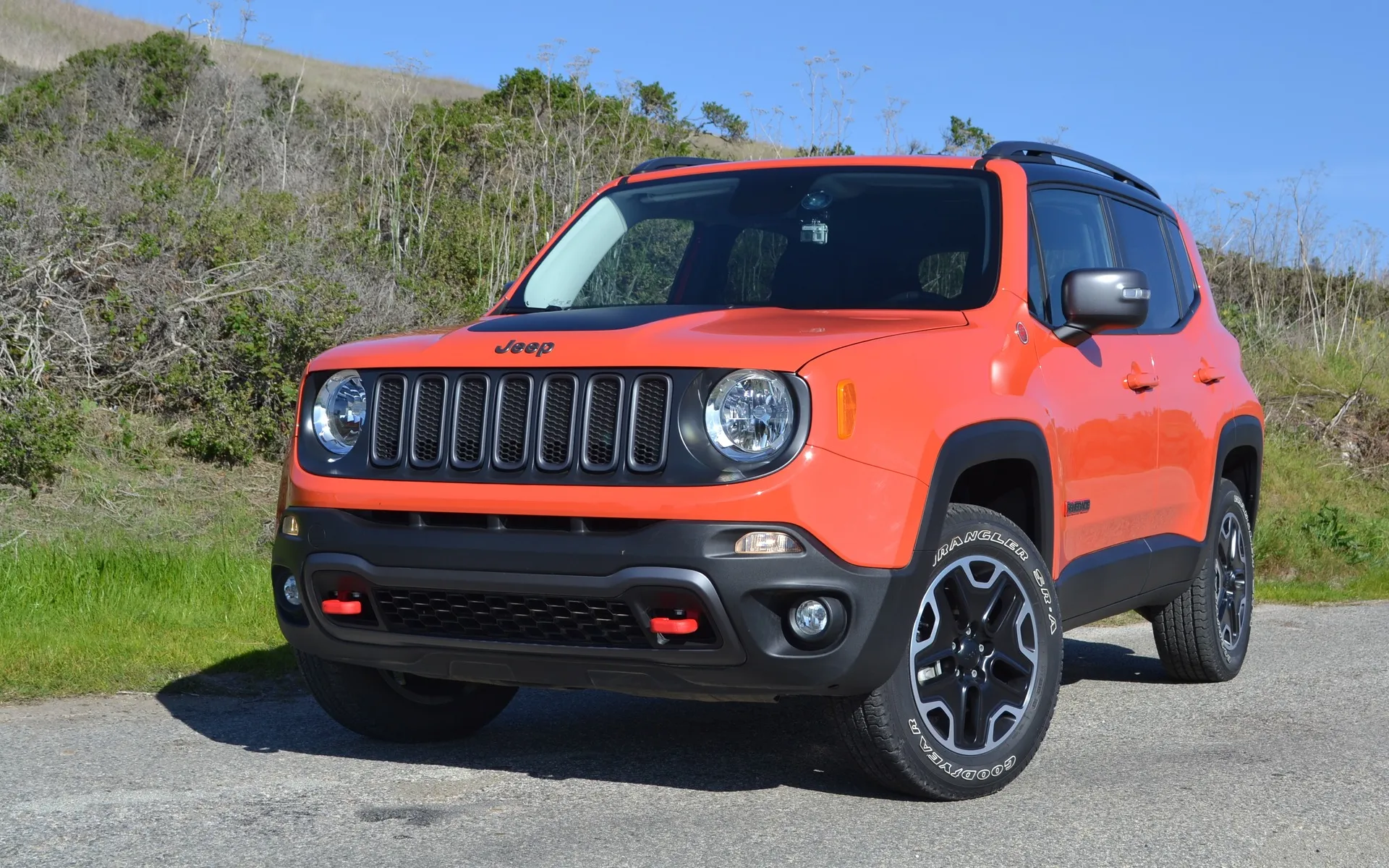
3. Jeep Renegade 2.4
A restless quality defines the Jeep Renegade 2.4 steering. Drivers frequently mention that the wheel reacts sharply to minor inputs, which can feel unsettling in busy city environments.
Slow driving magnifies this effect, requiring continuous adjustments to maintain a straight line. Many commuters find that the sensitive steering adds fatigue during long trips, as the hands must remain alert constantly.
Highway speeds do not calm the behavior. Crosswinds and uneven pavement make the car feel twitchy. Steering feedback is immediate and pronounced, which prevents the relaxed, flowing experience seen in other vehicles.
Owners often comment that the Renegade behaves unpredictably, especially when traveling on winding roads or through areas with minor bumps.
Turning and cornering highlight the nervous nature. The wheel exaggerates small movements, demanding extra effort to control direction precisely.
Drivers accustomed to steadier systems must learn to adapt, as the car does not settle naturally. Even with minor repairs, the underlying steering character remains lively, giving a consistent but energetic feel that some find uncomfortable.
Suspension and aging contribute slightly to the sensation. As bushings and components wear, the steering can become more sensitive, amplifying the nervous character. This means the vehicle feels increasingly jumpy with time, reducing the sense of calm during regular trips.
While the Jeep Renegade offers advantages like all-wheel capability and compact styling, the steering remains its challenging aspect. Drivers who want smooth, predictable motion may find it tiring for daily travel. Those who enjoy energetic wheel behavior may appreciate the responsiveness, but it comes at the cost of comfort and ease.
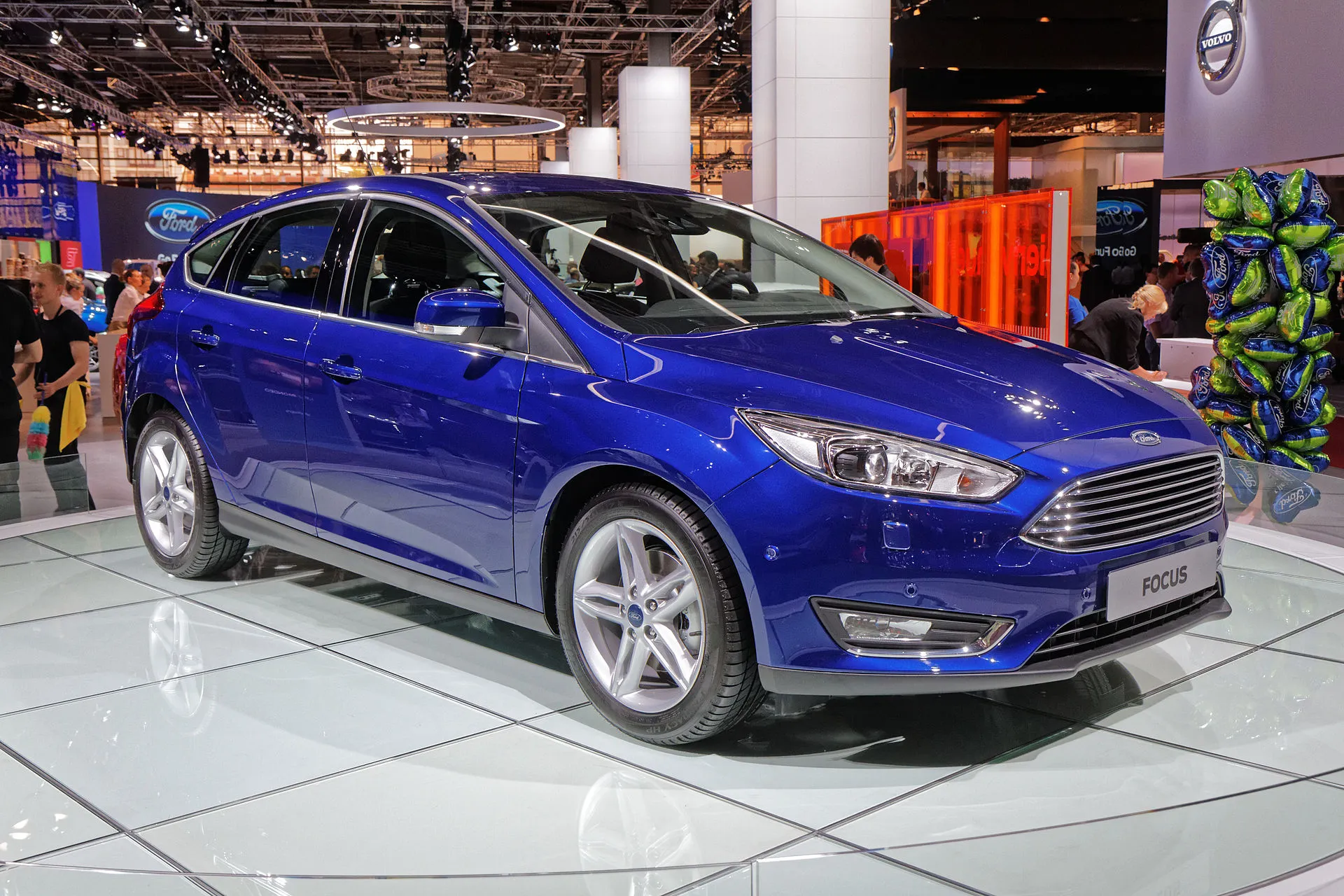
4. Ford Focus 1.0 EcoBoost
A lively impression greets drivers of the Ford Focus 1.0 EcoBoost. Its steering reacts quickly and with heightened sensitivity, creating a nervous sensation in the hands. Even small directional changes translate into immediate car movement.
City streets highlight this behavior, as frequent corrections are necessary to maintain a straight path. Many owners find that extended driving can become tiring due to the wheel’s energetic reactions. Highway movement amplifies the effect. The car responds readily to minor bumps or crosswinds, making the steering feel jumpy.
Drivers report that constant focus is needed to prevent overcorrection during lane changes or curves. While the light steering is useful for parking and tight maneuvers, it can become stressful on longer trips or rough surfaces.
Cornering and sharp turns reveal another layer of sensitivity. The wheel responds strongly to small inputs, sometimes exaggerating driver intentions. Those seeking composed, relaxing steering may struggle with this behavior. Even minor suspension wear can intensify the reaction, making the car feel less settled as time goes on.
Passengers notice the difference. The Focus does not glide smoothly through imperfections; subtle moves and jumps transmit through the cabin. This contrasts sharply with calmer vehicles, creating a more alert, sometimes tense atmosphere during travel. Drivers often compensate by holding the wheel firmly, which can lead to hand fatigue on extended journeys.
Aging does not mellow the wheel. Owners report that the Focus maintains its lively character even with higher mileage. While sporty driving enthusiasts may enjoy the responsiveness, anyone preferring relaxed, predictable steering may find this model challenging. The combination of light wheel feel and overactive reactions makes the car less suitable for stress-free commuting or longer highway trips.
Also Read: 5 Weekend Fun Cars You Can Afford vs 5 Budget Busters

5. Kia Soul 2.0
A restless feeling emerges the moment someone grips the Kia Soul 2.0 steering wheel. Its reactions are quick and sensitive, creating a sense that the car is eager to move with the smallest hand input. Urban driving highlights this characteristic clearly.
Tight corners, narrow streets, and frequent stops make the wheel feel overly lively, forcing the driver to make continuous adjustments to maintain a straight line. Many people note that longer trips in city traffic become slightly tiring because the steering demands constant attention.
Highway stretches do not calm the wheel. Even minor imperfections or slight crosswinds translate into noticeable movement at the wheel. Drivers often report that the Kia Soul feels jumpy at speed, requiring more subtle corrections than expected.
The light feel is useful for parking or maneuvering in small spaces, but it contrasts sharply with a relaxed, composed ride. Passengers often sense these small, sudden reactions, which can make the cabin feel less settled than other compact vehicles.
Cornering and sharper turns further expose the wheel’s nervous nature. Even moderate inputs create lively responses, which some drivers describe as twitchy or jittery. The steering’s quick feedback may feel sporty to some, but for people who want calm, predictable motion, it adds a layer of tension.
The combination of a sensitive wheel and a responsive chassis creates an impression that the car is always ready to move unexpectedly. Age does little to change this behavior. Owners often report that even after years of driving, the wheel retains its energetic character.
Suspension wear or uneven tire surfaces may exaggerate the reactions, making the car feel jumpy under normal conditions. While the Kia Soul offers visibility, cabin space, and city-friendly dimensions, the steering remains its most challenging aspect.
Drivers seeking effortless, relaxed guidance may find it less suitable for extended travel. However, those who enjoy sharp, immediate responses will find the lively wheel engaging. For many, the Soul’s nervous steering is a defining trait, shaping both the driving style and general perception of control in everyday conditions.
