Automotive history is filled with vehicles that captured hearts, inspired enthusiasts, and pushed the boundaries of design and engineering. Yet, for reasons ranging from shifting market trends to corporate strategy, many beloved models were discontinued far too soon.
The eight cars featured here represent a blend of innovation, performance, and practicality that made them standouts in their respective segments. From the AMC Eagle, which pioneered the concept of the modern crossover, to the BMW M Coupe and Chevrolet SSR, bold experiments in style and performance, each vehicle brought something unique to the road.
The Datsun 510 and Dodge Viper redefined affordability and raw driving excitement, while the Ford Focus RS, Honda CR-Z, and Honda Fit combined everyday usability with spirited dynamics. These cars weren’t just vehicles; they were statements, experiences, and for many drivers, irreplaceable companions that deserved far more time in the spotlight.
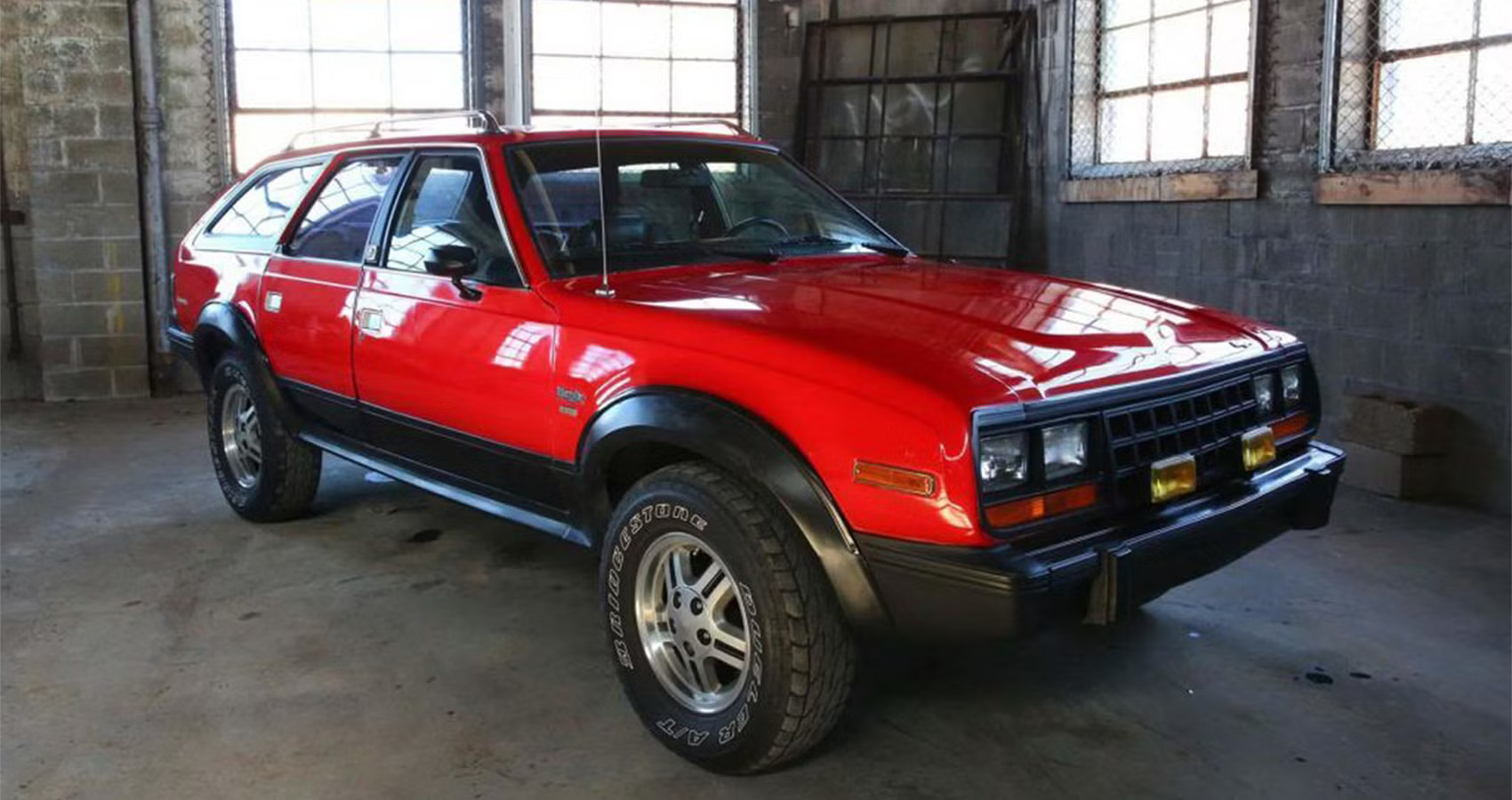
1. AMC Eagle: The Off-Road Pioneer That Bridged Cars and SUVs
The AMC Eagle, launched by American Motors Corporation in 1980, was one of the first vehicles to combine the comfort of a passenger car with four-wheel-drive capability. It created a new category that would later inspire the modern crossover SUV.
Unlike traditional trucks or SUVs, the Eagle used a unibody design, which provided smoother handling, quieter rides, and improved comfort. Its higher ground clearance, robust suspension, and lifted stance made it particularly suited for snowy or rough roads, appealing to drivers seeking utility without sacrificing drivability.
The Eagle was offered in multiple body styles, including hatchbacks, sedans, and wagons, with the wagon receiving special praise for versatility and aesthetic appeal. It featured either full-time or selectable four-wheel drive, paired with a viscous-coupling system that distributed power between the front and rear wheels as needed.
Drivers could switch between two-wheel and four-wheel drive with ease, giving the car remarkable adaptability for its era. The Sport trim, often in bright colors with black accents and houndstooth seats, added a distinctive style to its rugged design.
Performance was modest. The 4.2L inline-six or 258 I6 engines provided sufficient power for practical driving, but acceleration was slow and fuel efficiency was poor compared to conventional sedans. Despite this, the Eagle excelled in harsh conditions. Owners reported its unmatched ability to handle heavy snow and uneven terrain, making it a reliable companion in regions with severe weather.
Maintenance is required. Plastic valve covers could leak, vacuum lines needed regular replacement, and older transmissions sometimes failed without careful service. Engine lifters and water pumps were known to wear out over time. Rust was common in colder climates, but the car’s mechanical issues rarely caused prolonged interruptions, and many owners found the repairs manageable.
The Eagle cultivated a devoted fan base. Its unique blend of utility, comfort, and resilience made it memorable, and enthusiasts continue to celebrate it in clubs and forums. Some reflect fondly on the first Eagles as vehicles that taught responsibility, patience, and mechanical skills. The car’s combination of passenger-car comfort and 4WD capability was ahead of its time, influencing future crossovers and SUVs.
In essence, the AMC Eagle was not about luxury or speed but about ingenuity and versatility. It bridged the gap between conventional cars and rugged off-road vehicles, proving that a single vehicle could be capable, practical, and enjoyable to drive. Its legacy endures as a symbol of early innovation in creating a multi-purpose vehicle long before crossovers became mainstream.
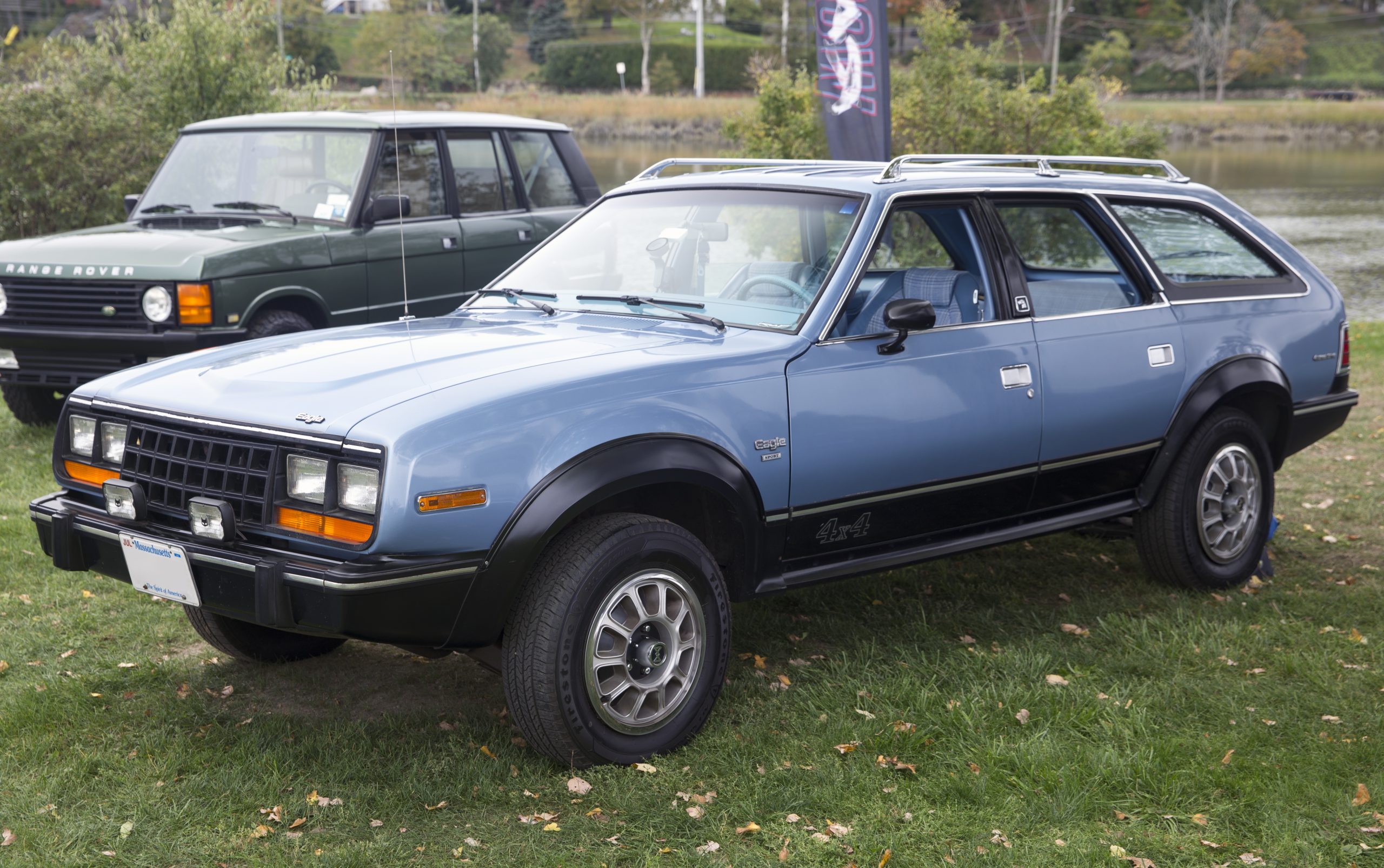
2. BMW M Coupe: The Bold and Unconventional Sports Car
The BMW M Coupe, introduced for the 1999 model year, began as a passion project by BMW engineers who wanted to create a coupe version of the Z3 Roadster. Built on the E36/8 platform, the car combined elements from the E30 and E36 chassis, resulting in a distinctive design that earned it the nickname “clown shoe” due to its unusual proportions.
Early M Coupe models were powered by a 240-horsepower 3.2-liter inline-six from the E36 M3, capable of reaching 60 mph in 5.3 seconds. Later versions adopted the high-revving 315-horsepower 3.2-liter inline-six from the E46 M3, cutting the 0–60 time to 4.8 seconds and delivering even more thrilling performance.
The M Coupe was developed to push the limits of BMW’s sports car philosophy. Drawing inspiration from the M Roadster, it featured enhancements to the engine, suspension, brakes, wheels, tires, and interior, producing a car that balanced raw performance with precision handling.
Its long wheelbase, large disc brakes, five-spoke alloy wheels, and heated mirrors and seats made it both a driver-focused machine and a comfortable sports car for daily use. The interior emphasized engagement, with a snug cockpit, chrome-ringed gauges, and a small steering wheel that reinforced its athletic character.
While the performance was universally praised, the styling divided opinion. Its bold, racy design set it apart from conventional sports cars, with some enthusiasts immediately drawn to its unconventional flanks and dramatic proportions, while others needed time to appreciate its unique aesthetic.
Despite differing opinions on appearance, the M Coupe excelled on winding roads, offering agile handling and a visceral driving experience that few contemporaries could match.
Unlike most two-seaters, the M Coupe offered practical cargo space behind the seats, accessible through a hatchback rear door, which could accommodate luggage or even two full-size golf bags. Its equipment was extensive, leaving buyers with only two optional features: a power tilt-up moonroof and an in-dash CD player.
The BMW M Coupe stands out as a sports car that combines striking, unconventional design with high-performance engineering. Its mix of power, agility, and usable cargo space creates a unique driving experience, appealing to those who value both dramatic looks and an engaging, adrenaline-filled ride.
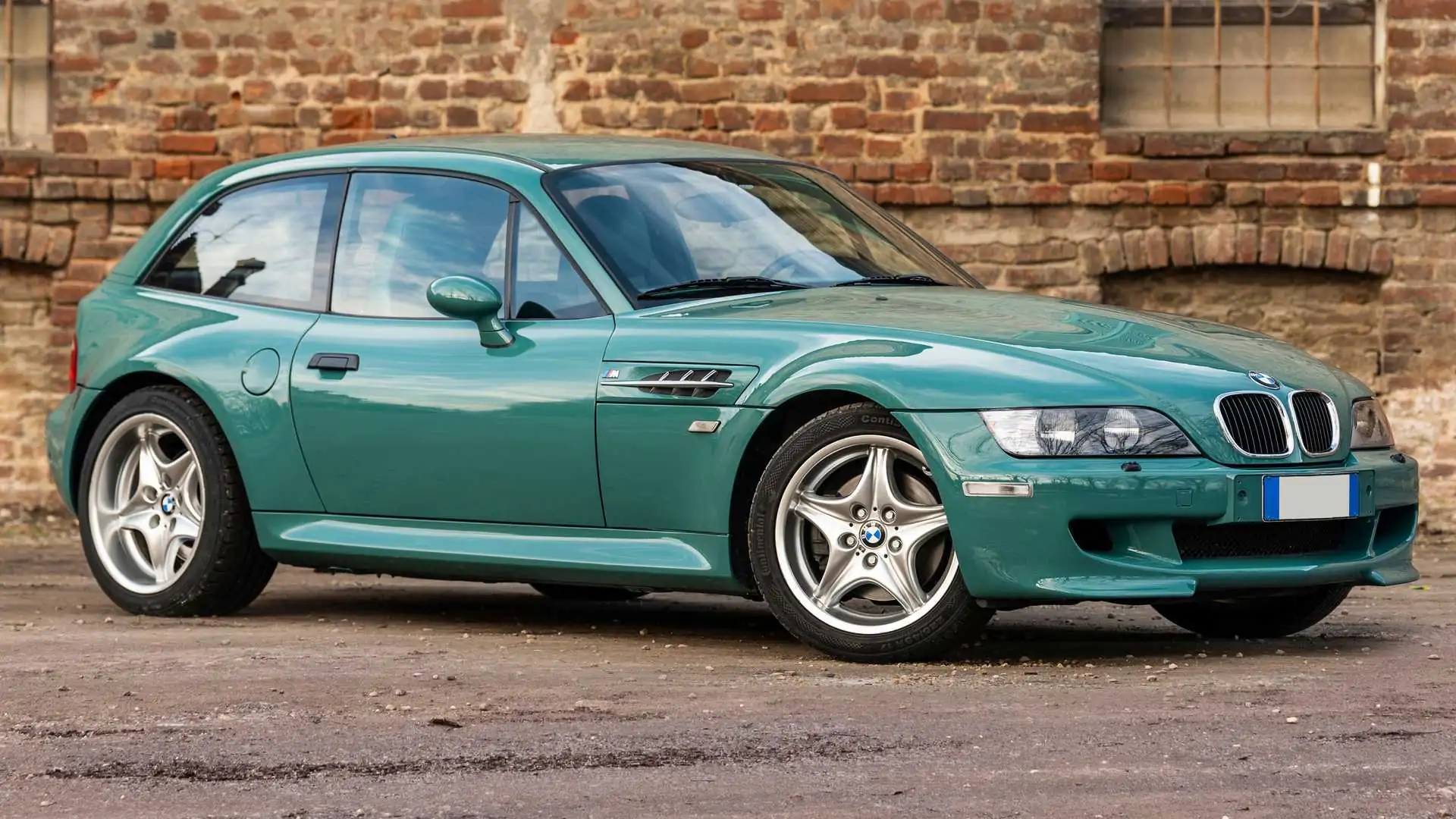
3. Chevrolet SSR: A Bold Blend of Retro Style and Modern Power
The Chevrolet SSR made a striking debut as a concept at the 2000 Detroit Auto Show, garnering immediate acclaim for its audacious design. Combining elements of a pickup truck and a roadster, the SSR featured bulging fenders, oversized wheels, and a folding hardtop, creating a bold, attention-grabbing silhouette.
The concept promised a 6.0-liter V-8 engine, but when the production model arrived in 2003, it was equipped with a 5.3-liter V-8 producing just 300 horsepower, struggling to move the vehicle’s more than 4,000-pound weight. Its performance fell short of expectations, leaving enthusiasts disappointed despite the SSR’s striking appearance.
Chevrolet remained committed to the vehicle and addressed its shortcomings in 2005 by introducing the 6.0-liter LS2 V-8, delivering 390 horsepower and 405 pound-feet of torque. This engine, paired with a standard four-speed automatic or an optional six-speed Tremec manual, transformed the SSR into a genuine performer.
Acceleration improved dramatically, with 0-to-60 mph times dropping from seven seconds to 5.5 seconds and quarter-mile speeds increasing from 89 to 100 mph. Steering refinements, including a retuned valve assembly and updated bearings, provided better precision, though the truck’s high center of gravity still limited cornering capabilities.
The SSR retained much of its retro charm, with production staying close to the concept’s design. Minor compromises included repositioning mirrors, adding marker lights, and modifying the tailgate band, but the muscular fenders and aggressive stance remained intact.
The interior combined sporty elements with practical features, including a cargo area behind the seats accessible through a rear hatch, making it more usable than typical two-seaters. Heated seats, premium audio, and other amenities added comfort and convenience without diluting its bold character.
Despite its unique appeal, the SSR struggled commercially, with sales falling short of projections and a 300-day inventory backlog by late 2004.
The vehicle’s initial underpowered configuration and four-speed automatic transmission limited its credibility as a performance roadster. Even with the 2005 improvements, the SSR remained a niche vehicle, prized for its design and personality rather than its handling finesse.
The Chevrolet SSR stands as a radical experiment in blending retro styling with modern mechanics. While it never fully realized its potential as a performance truck, its dramatic looks, folding hardtop, and unapologetic design ensure it remains a memorable example of Chevrolet’s willingness to take bold risks in automotive design.
4. Datsun 510: Affordable Performance and Racing Heritage
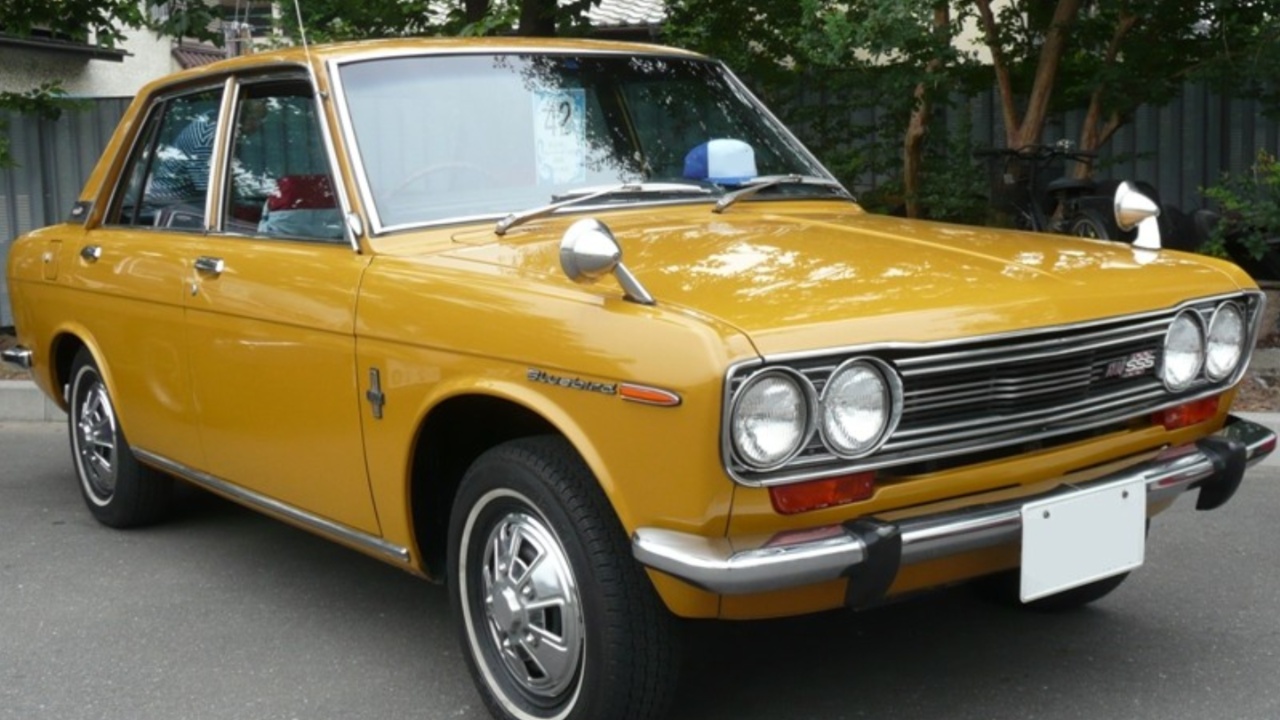
The Datsun 510, introduced in 1967, became a defining model for Datsun in the United States by combining affordability, practicality, and sporty performance. In its first five years, the 510 sold roughly 360,000 units, establishing itself as a car that appealed to both everyday drivers and racing enthusiasts.
The model quickly became a favorite in Sports Car Club of America (SCCA) competition, achieving notable success on road and dirt courses, and helping to build Datsun’s reputation for producing durable, fun-to-drive vehicles.
Its influence is evident in modern affordable sports cars like the Mazda MX-5 Miata, Subaru BRZ, and Toyota GR86, which continue the tradition of offering driving enjoyment without a premium price tag.
The 510 evolved from Datsun’s earlier Bluebird models, which had drawn inspiration from small British cars such as the Austin 7. While these vehicles were competent urban runabouts, they failed to excite American buyers.
Under the guidance of Nissan’s U.S. president, Yutaka Katayama, also known as “Mr. K,” the company aimed to create a sportier, more engaging model for the U.S. market. Designed by Kazumi Yatsumoto, the 510 drew influence from European sedans like the BMW 1600, emphasizing clean lines, a longer and wider stance, and a more purposeful aesthetic.
Mechanically, the Datsun 510 featured a fully independent suspension on all four wheels, a unibody construction for increased rigidity, and a 1.6-liter inline-four engine producing 96 horsepower.
A range of body styles included a four-door sedan, two-door sedan, two-door coupe, and five-door wagon, providing flexibility for buyers with different needs. The sportier SSS variant introduced in 1968 featured upgraded twin carburetors and a modified camshaft, raising output to 105 horsepower and enhancing its appeal to performance-oriented drivers.
The Datsun 510’s racing achievements were significant. It captured consecutive SCCA under 2,500cc Trans Am titles in 1971 and 1972, and the SSS model competed successfully in international events such as the East African Rally and Australia’s Ampol Trail, later claiming victories in the Australian Rally Championship.
Its competitive success was aided by Datsun’s commitment to supplying parts and supporting racers, which also helped maintain the car’s longevity and ease of restoration in later years.
The Datsun 510 combined nimble handling, reliability, and a stylish design at an accessible price, laying the foundation for future Nissan performance models. Its success on both the street and track cemented its place as an influential, affordable sports car and set the stage for the Datsun 240Z and Nissan’s broader achievements in the United States.
Also Read: 5 Cars That Idle Smoothly vs. 5 With Engines That Feel Rough
5. Dodge Viper: Raw Power and Uncompromising Performance
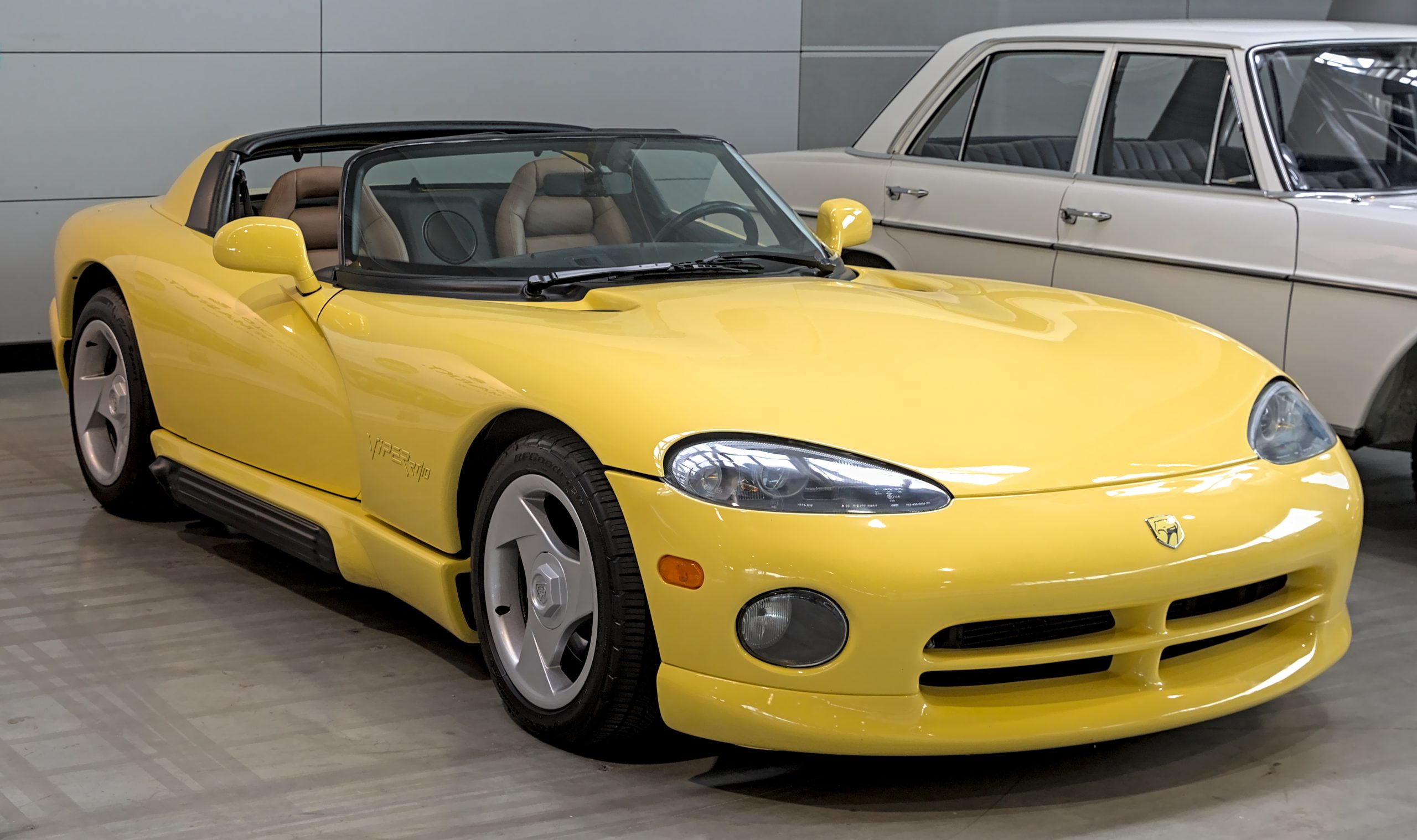
The Dodge Viper was an automotive icon defined by its audacity and extreme performance. From its inception, it offered a driving experience that few cars could match, wild, raw, and thrilling.
By the time the final generation appeared, the Viper had become somewhat tamer to meet modern safety and emissions standards, but it remained a car for drivers seeking a direct connection with the road.
Its naturally aspirated V10 engine, low-slung cabin, and wide stance created a visceral machine that demanded skill and focus. Although production ended, the Viper continues to symbolize a vehicle that challenges drivers to engage fully with every aspect of driving.
On the road, the Viper was a force to be reckoned with. Acceleration and power delivery came with a brutish, unrefined intensity, while the massive rear tires struggled to maintain traction whenever the throttle was pressed.
Unlike many modern sports cars designed for computer-controlled precision, the Viper delivered a blunt, hammer-like driving experience focused on raw speed. Its long, wide chassis and tight cabin made high-speed cornering thrilling but demanding, requiring concentration and skill.
The ACR trim added sticky tires and aerodynamic enhancements for those seeking a track-level experience. As a daily driver, the Viper was less forgiving. Road imperfections translated directly into the cabin, the highway V10 drone could become exhausting, and heavy steering made low-speed maneuvers challenging.
The interior offered improvements compared to earlier models but lagged behind competitors in the same price range. Quality materials and soft-touch surfaces were present, and the Uconnect infotainment system remained one of the better systems for ease of use.
Entry and exit required effort, seating was tight, and taller occupants experienced limited headroom and lateral space. Hot side exhaust pipes required caution when stepping over them, and visibility was restricted due to the low roofline, high beltline, and wide pillars. Cargo space was limited with a 14.7-cubic-foot trunk constrained by the transmission hump, and interior storage options were minimal.
The Viper’s appeal lay in its uncompromising character. It rewarded skilled drivers with raw acceleration, grip, and sound that few sports cars could replicate.
It was never designed for comfort or convenience but for delivering an unfiltered driving experience that combined danger, excitement, and performance. The Dodge Viper remains one of the most legendary American sports cars, unforgettable for enthusiasts willing to embrace its challenges and unique character.
6. Ford Focus RS: Rally-Inspired Performance in a Compact Hatch
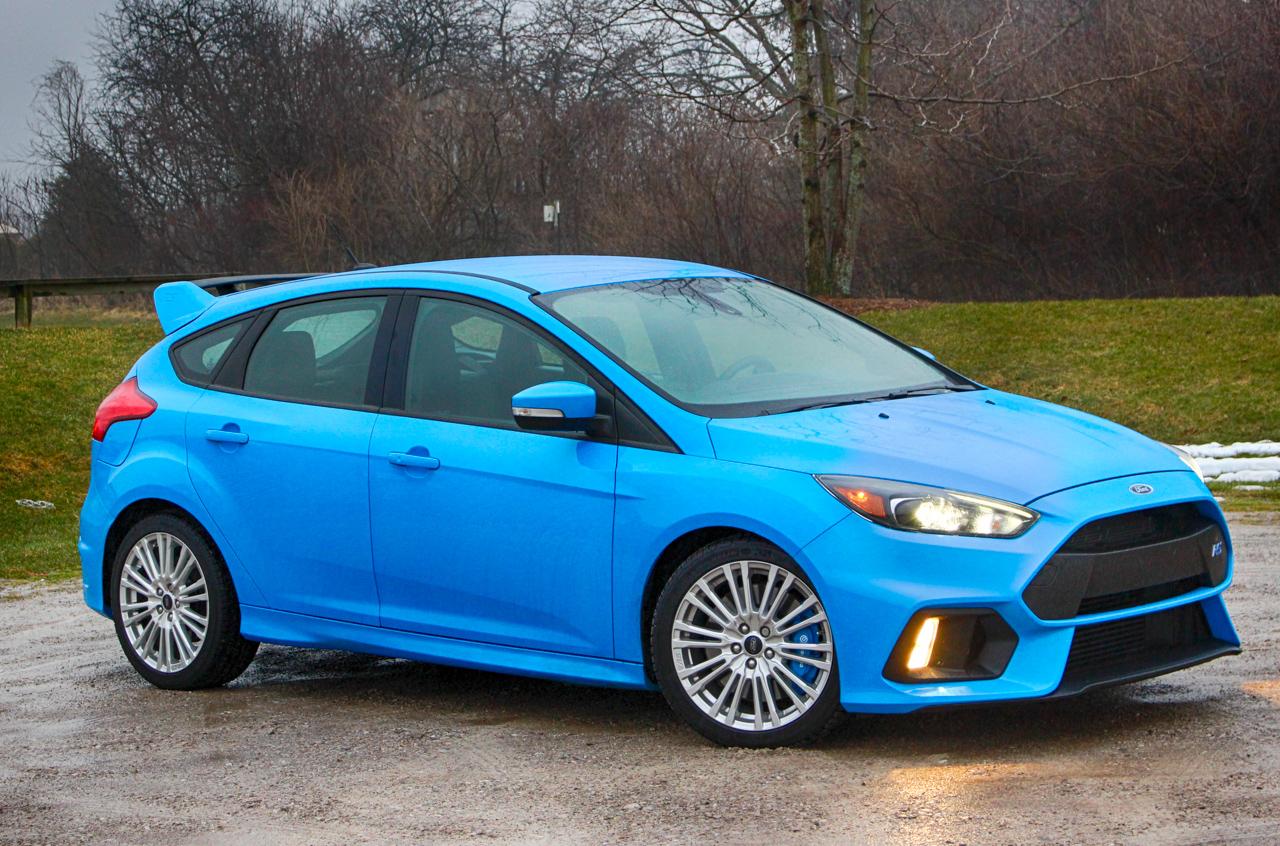
The Ford Focus RS arrived in the United States in 2016 as the most aggressive version of the third-generation Focus hatchback. Priced at $36,605, roughly double the cost of a base Focus, it offered a 350-horsepower 2.3-liter turbocharged four-cylinder engine, a six-speed manual transmission, all-wheel-drive traction, and Recaro sport seats.
Acceleration was impressive, reaching 60 mph in 4.6 seconds, and the car excelled on twisty roads thanks to its rally-inspired chassis and performance-oriented components. Despite its capabilities, the RS faced challenges with a harsh ride, high price, and limited practicality, which contributed to its discontinuation in 2018.
The RS’s turbocharged EcoBoost engine produced 350 horsepower and 350 pound-feet of torque, providing strong acceleration and minimal turbo lag. While the car weighed over 3,400 pounds, its all-wheel-drive system and precise six-speed manual allowed it to launch aggressively from stoplights.
The exhaust emitted loud pops and snorts during shifts and deceleration, enhancing the visceral driving experience. The RS also featured a Drift Mode that allowed drivers to exploit its rear-biased power distribution for controlled slides, making it an engaging choice for enthusiasts who valued skill-based driving.
Handling was one of the RS’s strongest points. The fixed-ratio steering delivered sharp, responsive feedback without being twitchy at higher speeds. Grip was exceptional, especially with optional Michelin Pilot Sport Cup 2 tires, which provided track-level traction.
Ride quality was stiff, and the adaptive dampers offered only two settings, leaving the car firm even on rough surfaces. Braking performance was consistent, with no fade observed during testing, and pedal feel remained communicative under spirited driving conditions.
Interior quality reflected the car’s focus on performance rather than luxury. Recaro seats were supportive but could feel confining, rear legroom was limited, and plastics were utilitarian.
The cabin included an 8.0-inch touchscreen with Sync 3, offering Apple CarPlay, Android Auto, Bluetooth, and USB connectivity. Cargo space was modest, and storage cubbies were limited, which emphasized the RS’s primary purpose as a performance machine rather than a practical daily driver.
Fuel economy was average for the class, with EPA ratings lower than rivals, though the car could achieve around 25 mpg on the highway under gentle driving. Safety features were minimal, including only a backup camera, though the RS earned a five-star NHTSA crash rating.
Warranty coverage included three years or 36,000 miles for basic protection and five years or 60,000 miles for the powertrain, with no complimentary maintenance.
The Focus RS offered a rare combination of turbocharged power, all-wheel-drive traction, and rally-inspired dynamics in a compact hatch, delivering a thrilling driving experience for enthusiasts willing to accept its compromises.
7. Honda CR-Z: Fun, Fuel-Efficient, and Unconventional
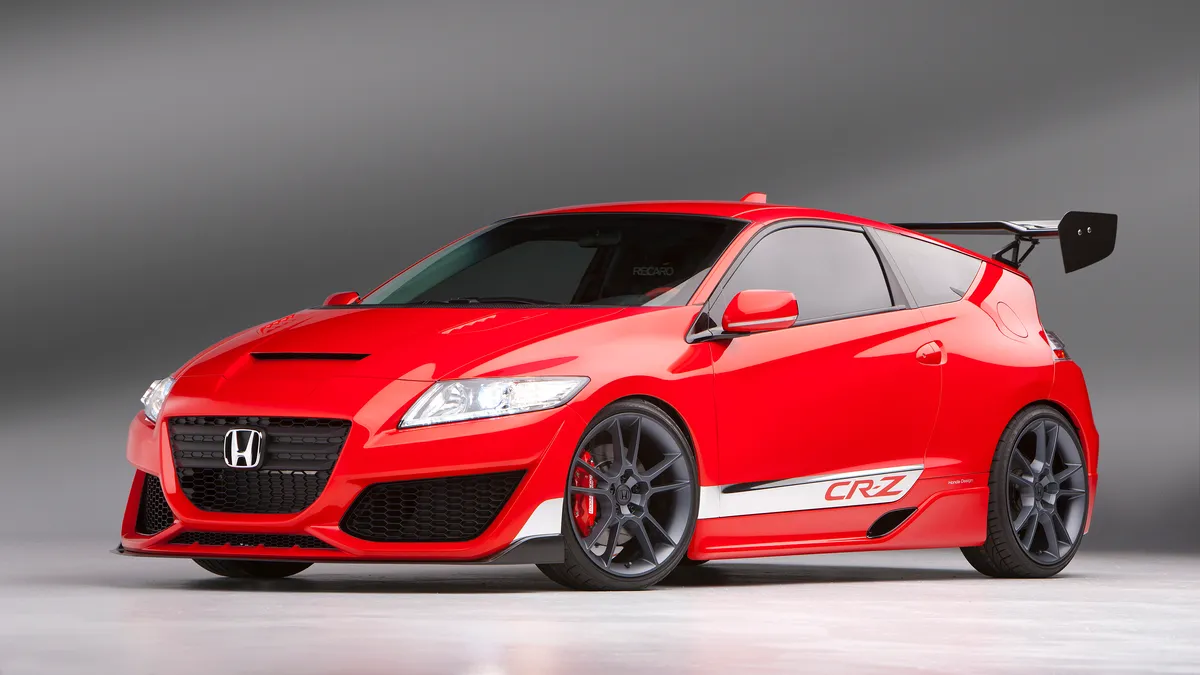
The Honda CR-Z was one of the few cars to combine small size, driving enjoyment, and hybrid fuel efficiency. Introduced in the United States as a quirky three-door coupe, it offered a balance between economy and sportiness that few vehicles could match.
Despite its innovative concept and appealing styling, sales were disappointing, making it a rare example of a hybrid built with driver engagement in mind. Enthusiasts have long admired the CR-Z for its potential, and modified versions equipped with superchargers, coilovers, and performance exhausts have demonstrated the car’s capability as a lively and responsive front-wheel-drive machine.
The 2016 CR-Z used a 1.5-liter four-cylinder engine paired with an electric motor, producing a combined 130 horsepower and 140 pound-feet of torque with the six-speed manual transmission. Models with the continuously variable transmission (CVT) generated slightly less torque at 127 pound-feet.
A three-mode selector allowed drivers to switch between Normal, Econ, and Sport settings, adjusting throttle response, steering effort, and transmission behavior. A Plus Sport System offered an extra burst of acceleration for five seconds when the battery charge and speed requirements were met.
In testing, the manual CR-Z sprinted from zero to 60 mph in 8.8 seconds, while the CVT model took 9.2 seconds, positioning the CR-Z as quicker than most hybrids but slower than conventional sport compacts. Fuel efficiency was strong, with estimates of 34 mpg combined for the manual and 37 mpg combined for the CVT.
Handling in the CR-Z was nimble for city streets thanks to its compact size and responsive steering. However, it lacked the balance and grip of more athletic rivals, particularly on tight curves, and higher road noise limited comfort during extended highway drives.
The Sport mode provided livelier performance, while Econ mode prioritized fuel economy. The six-speed manual offered a tactile driving experience, and the CVT included steering-wheel-mounted paddle shifters for a more engaging feel.
The interior was compact and focused on the driver. With only two seats in the American version, rear space was replaced by a flip-down parcel shelf, echoing the legacy of the CRX. Front seats were comfortable but limited in adjustability for taller drivers.
Maximum cargo space reached 25.1 cubic feet with the rear divider lowered, enough for light loads or two golf bags. The dashboard featured a prominent digital speedometer, analog tachometer, and color-changing background lights to indicate driving efficiency, with a configurable display showing fuel economy and other metrics.
The Honda CR-Z delivered a rare combination of hybrid efficiency and spirited driving. Its limitations in power, rear seating, and interior refinement were offset by nimble handling, distinctive style, and the enjoyment of a small, engaging coupe that stood out in a market dominated by conventional hybrids and practical hatchbacks.
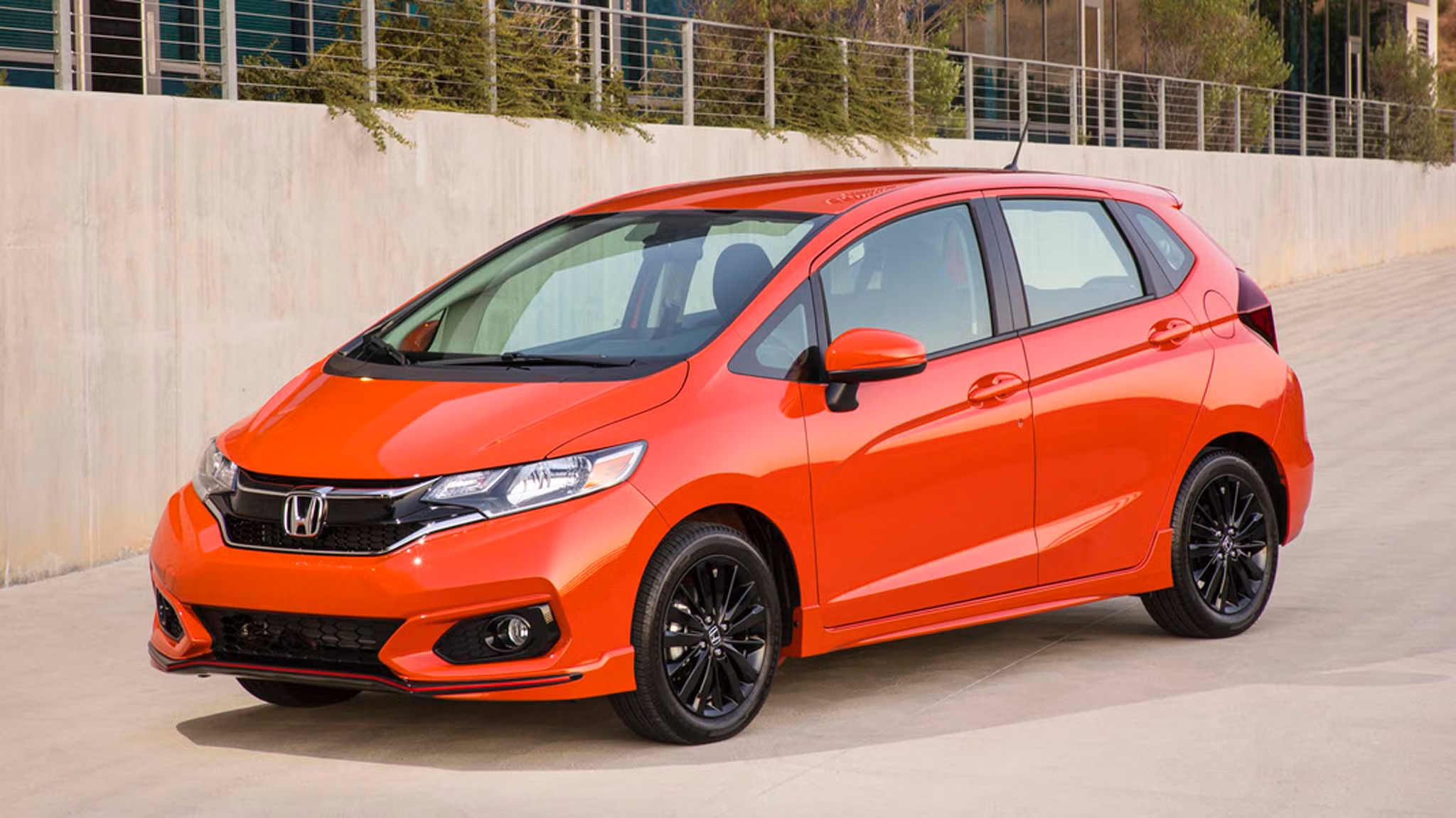
8. Honda Fit: Compact Versatility and Everyday Practicality
The Honda Fit was one of the most capable small cars of its time, combining fuel efficiency, clever packaging, and enjoyable handling into a versatile hatchback. Across three generations, the Fit maintained a unique layout with the fuel tank positioned under the front seats, maximizing interior space while keeping its footprint compact.
Its third and final generation remained roomy and practical, offering a surprising amount of cargo space for such a small car. With a base price of just over $17,000, the Fit delivered impressive fuel economy, up to 36 mpg combined, and a standard six-speed manual transmission, making it an appealing choice for budget-minded drivers and enthusiasts seeking functionality alongside efficiency.
Driving the Fit revealed a nimble and responsive experience. Its four-cylinder engine provided adequate power for city driving, and the continuously variable transmission (CVT) and six-speed manual offered smooth operation.
Acceleration from zero to 60 mph took approximately 8.8 seconds with the CVT, demonstrating that the Fit could move quickly enough without feeling strained. Steering was light and linear, though it offered limited feedback, while handling remained sharp in corners and stable at freeway speeds.
Braking was progressive and easy to modulate, making everyday driving simple, and the Fit’s compact dimensions made parking effortless. Ride quality was comfortable given its short wheelbase, with seats providing adequate support for longer trips, though road noise became noticeable at highway speeds.
The interior reflected Honda’s focus on smart design. Seating for front passengers was comfortable and adjustable, while rear legroom remained generous despite the absence of a full rear seat in some markets.
Cargo space benefited from the innovative Magic Seats, which allowed the rear seat bottoms to flip up for tall items or fold flat to create a broad, versatile loading area.
Storage compartments were present but limited in size, and visibility was generally good thanks to a high windshield, low beltline, and thoughtfully positioned mirrors. Interior materials were simple but well-assembled, providing a solid feel for an affordable car.
Technology and safety features were updated in later models. Infotainment included a 7-inch touchscreen with Android Auto and Apple CarPlay integration, and USB ports were conveniently located. Active safety features included forward collision alert with automatic braking, lane-keeping assist, and adaptive cruise control, complemented by Honda’s LaneWatch camera system.
The Honda Fit offered a rare combination of efficiency, practicality, and driving enjoyment. Its spacious cabin, clever cargo solutions, and responsive handling made it a standout in the subcompact segment, leaving a significant gap when production ended in 2020.
Discontinuing these eight remarkable cars left a gap in the automotive world that has yet to be filled. Each model offered a rare combination of character, practicality, and driving enjoyment, whether it was the adventurous capability of the AMC Eagle, the radical design of the BMW M Coupe and Chevrolet SSR, or the exhilarating performance of the Dodge Viper and Ford Focus RS.
Affordable yet engaging vehicles like the Datsun 510, Honda CR-Z, and Honda Fit proved that fun and functionality could coexist, appealing to both enthusiasts and everyday drivers. Their absence highlights a growing industry trend toward homogenized, mass-market vehicles, often at the expense of unique driving experiences.
Remembering these cars is more than nostalgia; it’s a reminder of what the automotive world loses when innovation and personality take a backseat. These eight models deserved to endure, leaving enthusiasts longing for a time when cars were as much about joy as they were about utility.
Also Read: 10 Cars That Age Gracefully With Cheap Refresh Mods