
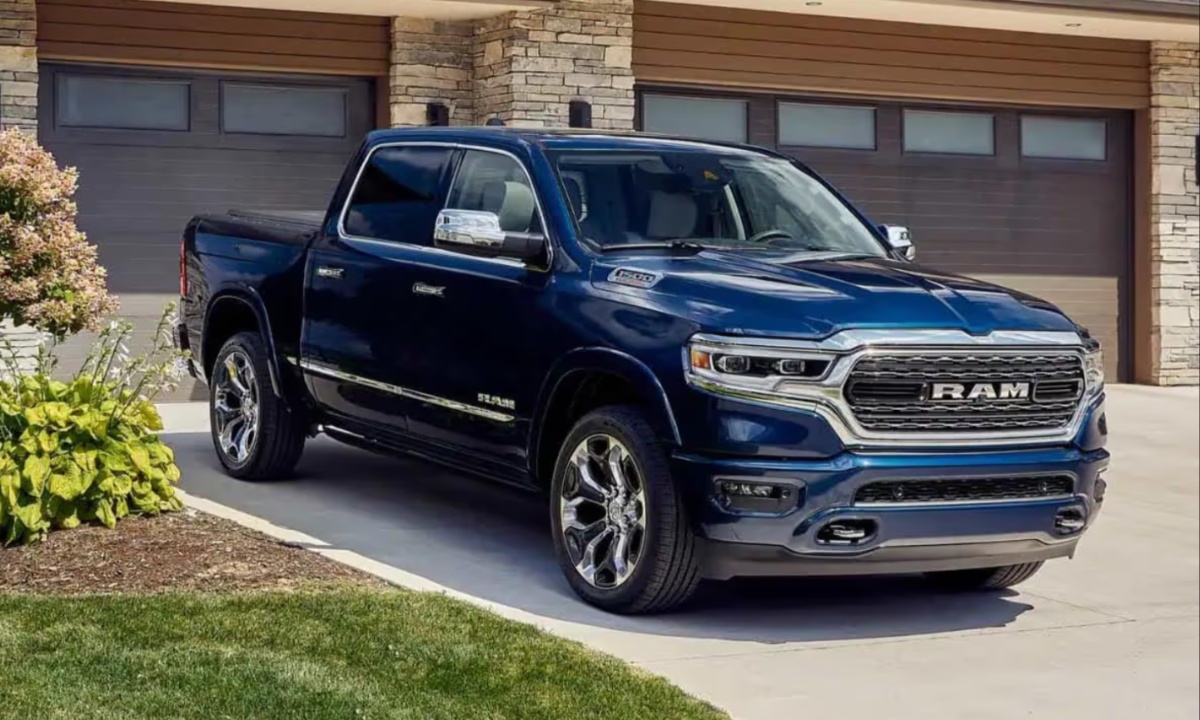
Trucks are built to endure hard work, long hauls, and countless miles, yet not all of them age gracefully. For many owners, rattles, squeaks, and worn-out interiors appear long before the truck reaches 100,000 miles, turning a once-reliable workhorse into a source of frustration.
That is why finding a truck that remains solid, quiet, and dependable over time is invaluable. The trucks on this list represent models that combine durability, thoughtful engineering, and quality materials to resist the wear and tear that causes rattles and squeaks.
From legendary classics like the Toyota Pickup to modern full-size workhorses such as the Ford F-150 and Ram 1500, these vehicles are proven to maintain structural integrity, reliable drivetrains, and well-designed cabins even under high mileage. Whether for work, off-road adventures, or daily driving, these nine trucks demonstrate that longevity and comfort can coexist.
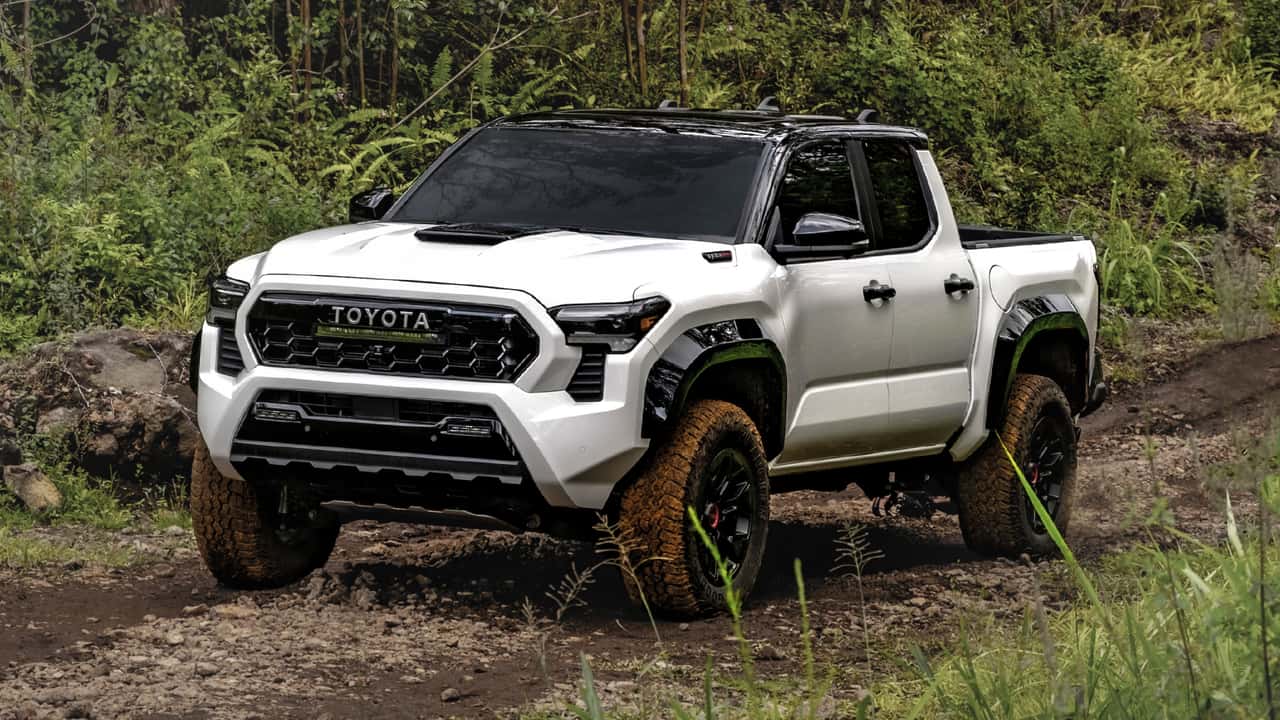
1. Toyota Pickup: The Original Reliability Icon
The Toyota Pickup predates the Tacoma and set the standard for Toyota’s reputation for toughness. Often compared to the Hilux, this truck is widely regarded as nearly indestructible. Equipped with engines such as the 22R-E four-cylinder, these pickups can last hundreds of thousands of miles with minimal issues.
New models are no longer produced, but finding a clean used example is rare and highly recommended for collectors or anyone seeking a durable truck.
The longevity of the Toyota Pickup comes from precise manufacturing and conservative engineering. Tight production tolerances ensure parts fit perfectly, reducing early wear and minimizing rattles or loose components. Durable frames and reinforced structures allow the truck to withstand heavy use while maintaining chassis integrity after extensive service.
Toyota engines in these pickups are simple, reliable, and long-lasting. Many models use timing chains instead of belts, which can last the life of the vehicle with proper maintenance. This design reduces common sources of engine noise and makes the trucks ideal for high-mileage use in demanding conditions. The straightforward engines are easy to maintain and repair.
Toyota focuses on reducing noise, harshness, and vibration. This attention ensures that the pickup remains smooth and quiet even as mileage climbs. Strong quality control during manufacturing addresses potential problems early, producing a vehicle less prone to squeaks or rattles compared with many competitors.
Regular maintenance is still essential to keep the truck performing well. Components such as suspension bushings or VVTi gears can wear over time and produce noise if not serviced. These issues are minor compared to the truck’s durability and long lifespan.
The Toyota Pickup is more than just a truck; it is a tool built to last. Its legendary reliability, solid engineering, and robust construction make it one of the most dependable vehicles ever produced. Clean examples are rare and highly valued, making the truck both a practical choice and a collectible classic.
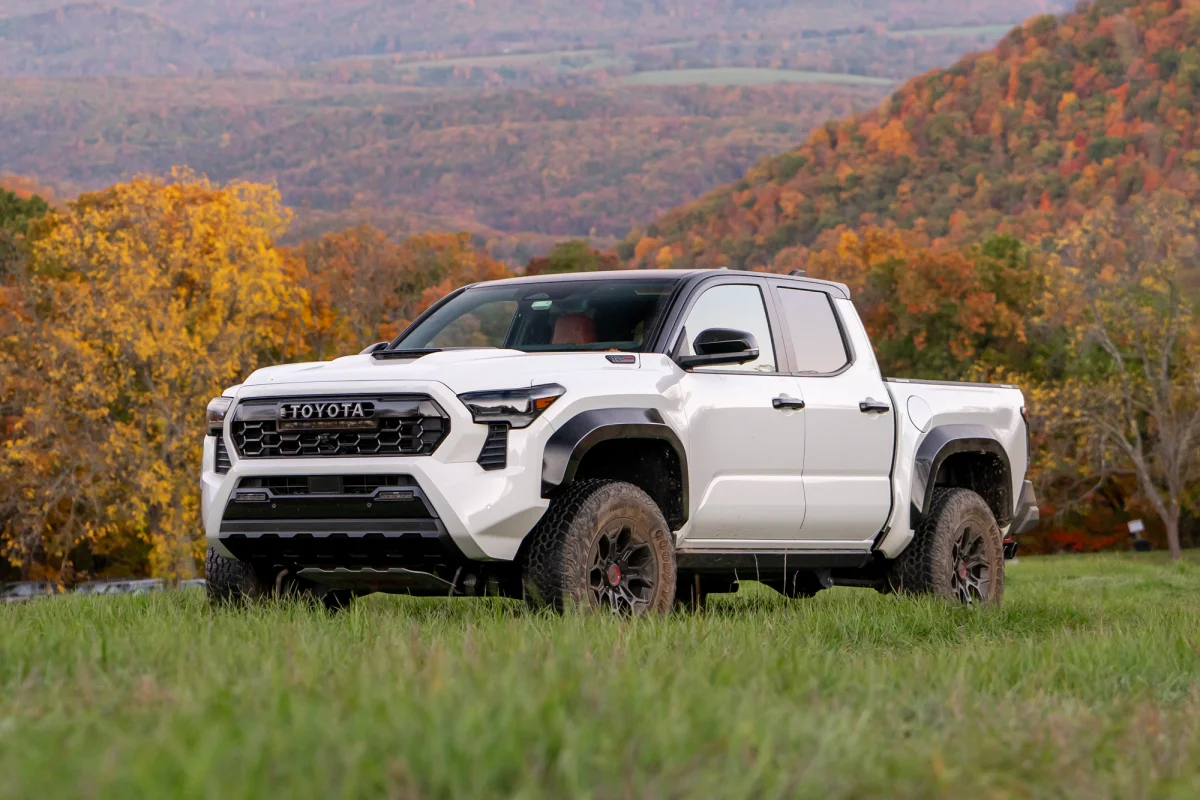
2. Toyota Tacoma: Durable, Capable, and Timeless
The Toyota Tacoma is celebrated for its legendary durability. While it may not be the biggest, most powerful, or most luxurious midsize truck, it is built to outlast nearly everything else on the road. The 4.0-liter V6 engine, in particular, is renowned for its longevity and low-maintenance reliability.
Tacomas also hold their value exceptionally well; even a five-year-old model often sells for only slightly less than a new one. A new Tacoma starts around $30,000, making it a long-term investment that minimizes potential headaches.
Tacomas offer competent performance both on and off the road. The TRD Sport with a 278-horsepower engine accelerates to 60 mph in 7.6 seconds, while the TRD Pro with the i-Force Max hybrid slightly improves to 7.4 seconds despite added weight.
Transmission shifts are smooth, braking is responsive yet controlled, and steering is light and precise. Advanced driver-assistance features, including automatic emergency braking, lane departure alert, and adaptive cruise control, operate reliably without being overbearing.
Front seats are wide and supportive, suitable for various body types, while rear seating is limited, especially in TRD Pro models with large IsoDynamic seats. Ride comfort improves with higher trims thanks to advanced suspension, and all models have easy-to-use climate controls.
The optional 14-inch touchscreen dominates the cabin, offering wireless phone integration, voice commands, and multiple USB-C ports. Storage is abundant, with creative solutions in both the cabin and cargo bed.
The Tacoma can tow up to 6,500 pounds and carry a payload of 1,710 pounds, adequate for most small to midsize trailers. Fuel economy is consistent across trims, averaging around 21–23 mpg, and it does not require premium gasoline. Hybrid models provide more power without significant fuel penalties.
The Tacoma’s appeal lies in its rugged reliability and practical design. While styling can be divisive, trims like the TRD Pro enhance its off-road capability, making it a versatile, long-lasting midsize truck. Ultimately, the Tacoma is less about flash and more about dependable, no-frills performance, a true American icon.
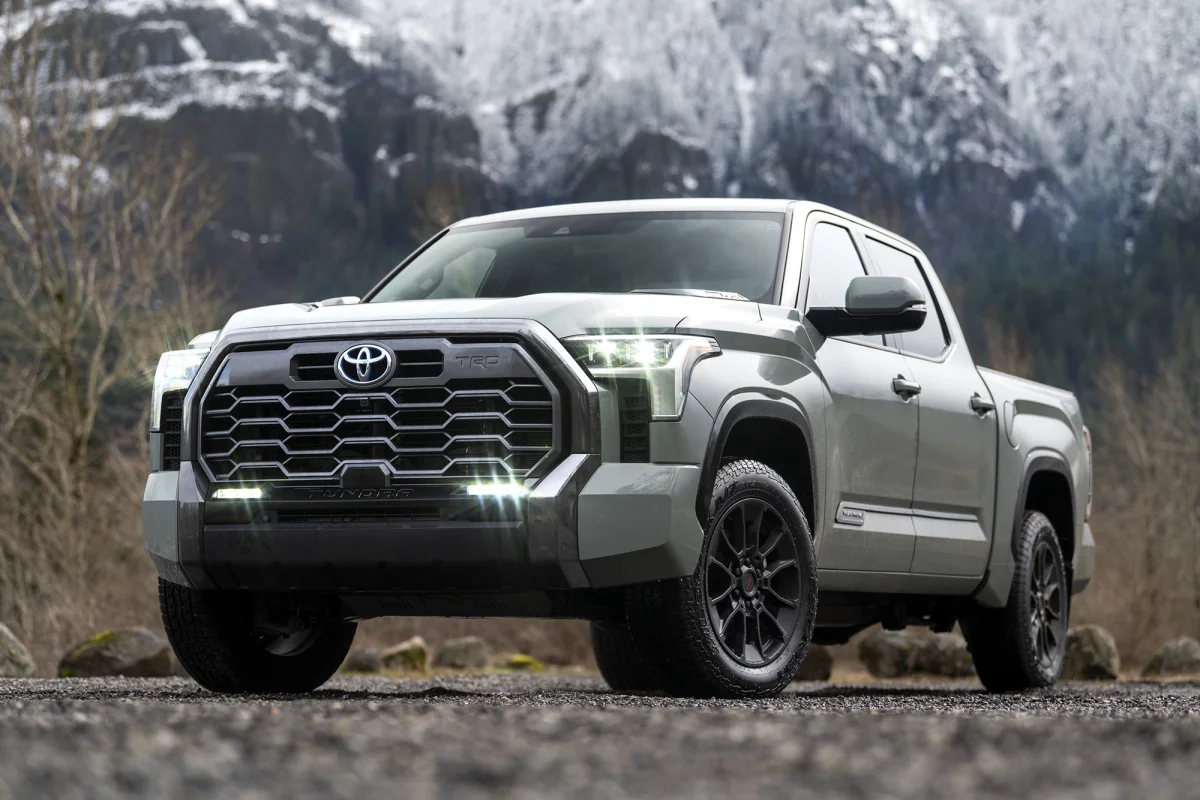
3. Toyota Tundra: The Rugged Full-Size Workhorse
The Toyota Tundra is the larger, overbuilt counterpart to the Tacoma, built for longevity and dependability. Its long-serving 5.7-liter i-FORCE V8 is widely regarded as one of the most reliable engines ever made, with some trucks surpassing a million miles.
While fuel-thirsty and starting around $40,000 new, well-maintained older models offer tremendous value. The Tundra is a simple, honest truck that prioritizes peace of mind over flash.
The Tundra’s turbocharged 3.4-liter V6 delivers strong low-end torque, paired with a smooth-shifting 10-speed transmission. A 4WD Tundra accelerates from 0–60 mph in 6.6 seconds, offering confident merging and passing. Braking distances are shorter than average for full-size trucks, and steering is light and accurate, though its size demands caution on tight trails.
TRD Off-Road packages add locking differentials and driving modes, but the TRD Pro is best suited for serious off-road use. The ride is stable and controlled, with firm suspension that handles highway cruising and rough roads well.
Inside, the Tundra is spacious, especially in CrewMax models, with optional panoramic sunroofs and power rear windows enhancing the airy feel. A 14-inch touchscreen dominates the dashboard, offering crisp graphics and intuitive menus, alongside standard Apple CarPlay and Android Auto.
The driving position is commanding, controls are large and user-friendly, and climate systems are straightforward. Storage is abundant but not as cleverly organized as some competitors.
While not class-leading, the Tundra’s towing and payload capacities are sufficient for weekend trailers, outdoor gear, and home projects. Fuel economy is modest, with EPA estimates around 19 mpg combined; real-world tests show closer to 15 mpg, reflecting the truck’s size and V6 or V8 thirst.
The Tundra excels in reliability, ease of use, and practical capability. It doesn’t top charts for towing or luxury, but it delivers a modern, competent, and approachable full-size truck experience. Like its smaller sibling, the Tacoma, the Tundra emphasizes long-term value, durability, and everyday usability, making it a dependable choice for owners seeking a no-nonsense workhorse.
4. Ford F-150: America’s Best-Selling Pickup
The Ford F-150 has been America’s top-selling truck for decades, and for good reason. Its robust construction and widely available parts make it easy to maintain, while engines like the 5.0-liter V8 “Coyote” offer proven reliability.
Prices start around $35,000, but top trims with luxury or tech features can climb much higher. Its popularity ensures every mechanic knows how to service it, giving owners peace of mind and accessibility.
The F-150 offers a diverse powertrain lineup, including two turbocharged V6s, a V8, and a hybrid V6 (PowerBoost). The hybrid accelerates from 0–60 mph in 5.8 seconds, providing confident highway merging and passing. Steering is direct and precise, making the truck feel smaller and more maneuverable than its size suggests.
Brakes are strong, and ride quality remains solid despite rear leaf springs. Off-road trims like the Tremor and FX4 add all-terrain tires, lockable axles, and protective skid plates. Advanced driver-assist features, including BlueCruise hands-free driving and Pro Trailer Backup Assist, enhance convenience and safety.
The F-150 can be very comfortable, depending on options. Front seats may include heating, ventilation, and massaging functions, while crew cabs provide generous rear space and accommodate car seats.
The cabin layout is intuitive, controls are large and simple, and climate systems are easy to operate. Road and wind noise are minimal, though the hybrid powertrain produces some vibration and generator-like sound when charging.
A 12-inch touchscreen anchors the interior, offering crisp graphics, intuitive menus, wireless Apple CarPlay/Android Auto, and multiple USB ports. Pro Power Onboard turns the truck into a portable generator, ideal for outdoor activities. Storage solutions include a versatile center console, a foldable rear seat storage box, and optional work-tray features, though some spaces are less deep or configurable than competitors.
The F-150 excels in towing and hauling, with capacities up to 13,500 pounds and 2,440 pounds, respectively. Bed options and tailgate features enhance usability. Fuel economy ranges from 17–23 mpg, depending on engine and trim, which is typical for full-size trucks.
The F-150 combines reliability, versatility, and widespread availability. With strong towing, off-road capability, hybrid efficiency, and a solid interior, it remains the default choice for buyers seeking a capable, adaptable, and proven full-size pickup.
5. Chevrolet Silverado 1500: Durable and Capable Full-Size Pickup
The Chevrolet Silverado 1500 is known for toughness and dependability, much like its sibling, the GMC Sierra. Its 5.3-liter pushrod V8 is simple, rugged, and legendary for handling heavy use with minimal fuss.
Prices start in the mid-$30,000s, rising with higher trims, but its durability and ubiquity make it a practical choice for work or daily driving. The Silverado’s parts are widely available, and mechanics nationwide are familiar with its engines, contributing to low-cost maintenance and long-term reliability.
The Silverado 1500 provides competent acceleration and braking, suitable for daily driving and towing. A 5.3-liter crew cab with 4WD accelerates to 60 mph in about 7 seconds. Steering is light, and the truck tracks straight on the highway, though midcorner bumps can unsettle the ride.
The suspension is bouncy compared with rivals like Ford and Ram, making long drives less refined. Visibility is hampered by the high hood, though features like Super Cruise hands-free highway driving assist improve highway comfort and reduce driver fatigue.
The Silverado crew cab offers generous space, especially for rear passengers, and large door openings aid accessibility. Seats provide adequate padding and support, though not as plush as those in the Ford F-150 or Ram 1500.
Front seat heating and cooling are effective, and most controls are straightforward, including physical knobs for climate functions. Cabin noise and vibration are typical, increasing under aggressive acceleration.
Technology is a strong point, highlighted by an available 13.4-inch touchscreen with Google integration and high responsiveness. Wireless Apple CarPlay and Android Auto are standard. Storage volume is ample, but there are fewer compartments and partitions compared with Ford and Ram, limiting organization options.
The Silverado can tow up to 13,300 pounds with a Duramax diesel or a 6.2-liter V8 and has a competitive payload capacity. Fuel economy is modest, around 17 mpg combined with the 5.3-liter V8, while the diesel six-cylinder achieves up to 25 mpg combined.
The Silverado is a polarizing truck: its bold front-end styling and strong towing capabilities appeal to some, while its rough ride and simpler interior may feel less refined. It remains a durable, hardworking, and reliable choice for full-size truck buyers.
Also Read: 10 Cars With Interiors That Don’t Rattle Over Time
6. Nissan Frontier: A Simple, Durable Midsize Pickup
The Nissan Frontier is a straightforward, durable midsize truck, particularly the older model produced up until 2021. Its 4.0-liter V6 engine is robust and long-lasting, and the truck’s simplicity reduces the likelihood of mechanical issues.
Pricing is competitive, often lower than a Toyota Tacoma or Ford Ranger, making it a solid value for buyers seeking an affordable, dependable pickup. Warranty coverage is average, with three years/36,000 miles bumper-to-bumper and five years/60,000 miles powertrain, but roadside assistance and maintenance perks are limited.
The Frontier Pro-4X accelerates from 0–60 mph in 7.8 seconds, delivering adequate performance for daily driving. The engine provides strong midrange power, and the transmission shifts smoothly under load. Brakes are responsive, and handling feels confident with a compliant ride, even on Pro-4X all-terrain tires.
Low-speed steering requires effort, and the Frontier is capable off-road, though it doesn’t match the Tacoma’s trail-ready performance. Driver-assist features are limited, lacking lane-keeping assistance, and backup cameras offer low-resolution images.
Front seats are firm with limited adjustments, while rear legroom is tight for adults. Wind noise is noticeable at highway speeds, though road and tire noise is controlled. The interior design has improved, with a large, central infotainment screen and accessible climate controls, but some buttons are poorly positioned, and steering-wheel menu navigation can be cumbersome.
The Frontier offers an 8-inch standard or optional 12.3-inch touchscreen, wireless charging, and a 10-speaker Fender audio system. The subwoofer reduces underseat storage, and the interface is less modern compared with Ford, Toyota, and GM competitors. Storage inside the cab is ample, with trays, cupholders, and underseat compartments, though the rear seatbacks do not fold flat.
Maximum towing is 7,040 pounds, and payload capacity is 1,480 pounds, adequate for small trailers and light hauling. Optional bed features enhance practicality. Fuel economy is about 19 mpg combined, consistent with similar 4WD midsize trucks.
The Nissan Frontier stands out for its simplicity, durability, and distinctive style. It may not have the popularity or advanced tech of rivals, but it is a capable, reliable midsize pickup that appeals to buyers looking for a no-nonsense, practical truck.
7. Honda Ridgeline: The Smart, Comfortable Midsize Pickup
The Honda Ridgeline is a unique midsize truck, essentially an SUV with a bed, built for longevity and low-maintenance reliability. Powered by a 3.5-liter V6, it delivers strong, consistent performance and can handle typical truck duties for years.
Pricing starts around $40,000, placing it at the higher end of the midsize segment, but its build quality, family-friendly interior, and innovative features offer strong value. Warranty coverage is standard, with three years/36,000 miles bumper-to-bumper and five years/60,000 miles powertrain protection.
The Ridgeline drives more like an SUV than a traditional truck, offering accurate steering, confident handling, and a smooth ride. Bumps are absorbed well, and the TrailSport trim adds underbody protection, off-road-tuned suspension, and all-terrain tires, though it lacks low-range gearing and articulation for serious rock crawling.
Visibility is good, aided by large windows, though it does not offer a surround-view camera. Driver-assist features are basic but non-intrusive. Acceleration is sufficient for daily driving, though it won’t match the towing or off-road performance of trucks like the Tacoma TRD Pro.
The Ridgeline’s cabin is spacious and quiet, with thin yet supportive front seats and broad cushions suitable for larger drivers. Tri-zone automatic climate control is standard, and noise and vibration are minimal, aside from the V6 under hard acceleration. Controls are straightforward, with large, physical buttons that are easy to use.
A 9-inch touchscreen is simple but functional, paired with standard Apple CarPlay and Android Auto, wireless connectivity, and multiple USB ports. HondaLink adds remote control capabilities for locking, unlocking, and climate settings.
Storage is a standout, with numerous cubbies, a large center console, under-seat compartments, and a lockable in-bed trunk, making the Ridgeline exceptionally practical for families and daily use.
The Ridgeline has a payload of 1,583 pounds and a maximum towing capacity of 5,000 pounds, adequate for hauling lumber, gravel, or small trailers. Its bed design and two-way tailgate simplify loading, though it cannot match the heavy-duty capabilities of full-size trucks.
The Ridgeline excels as a comfortable, reliable, and practical midsize truck for homeowners and families. It may not appeal to off-road enthusiasts or heavy haulers, but its clever features, smooth ride, and durable build make it a smart alternative to traditional pickups.
8. Ford Ranger (Old Model): The Tough, No-Nonsense Compact Pickup
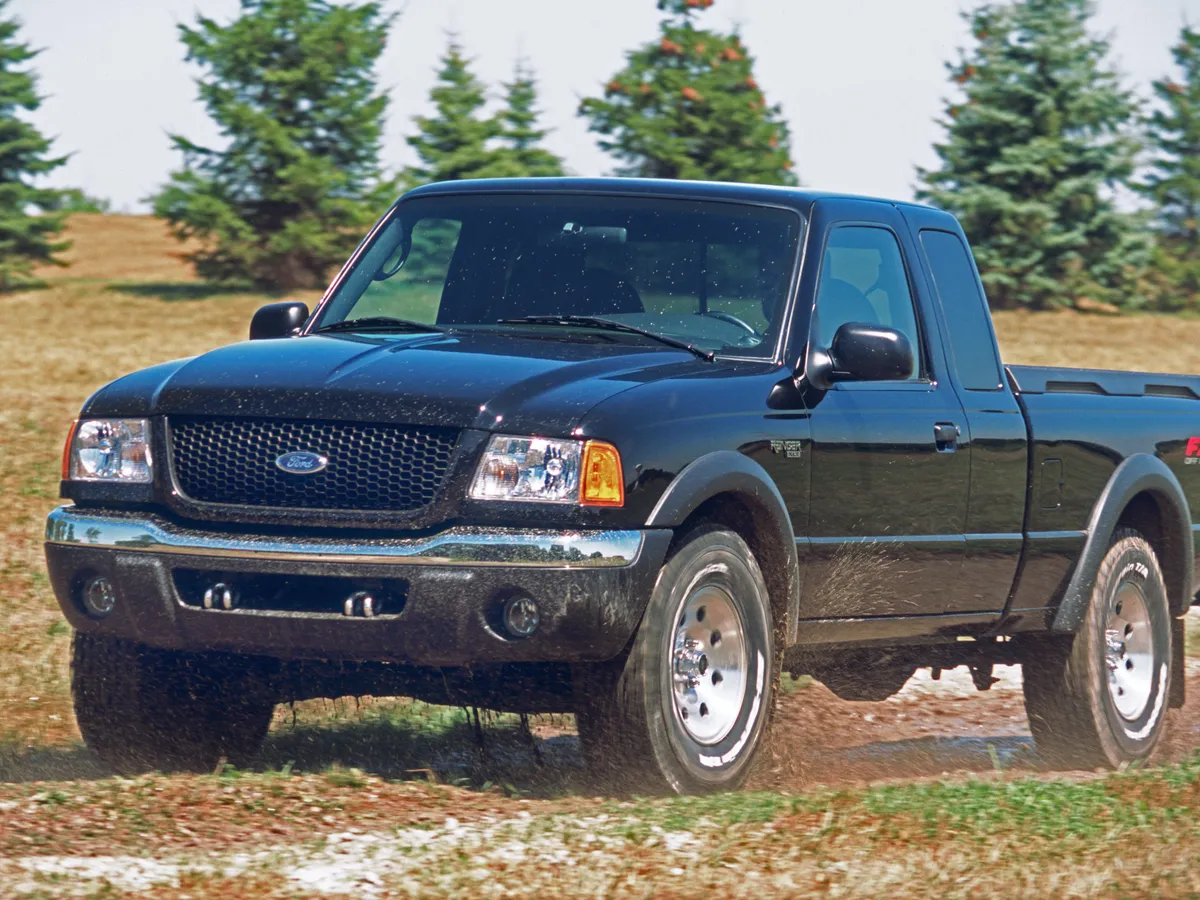
The old Ford Ranger, produced until its temporary discontinuation, is famous for durability and simplicity. With a basic design consisting of an engine, frame, cab, and bed, it was nearly indestructible.
Four-cylinder and manual transmission models are especially praised for their longevity. Rusted, dented Rangers are still hauling cargo decades later. Older models can often be purchased for just a few thousand dollars, making them a practical, low-cost utility vehicle.
The Ranger offered several engine options, including a 2.5-liter four-cylinder for 2WD models, a 3.0-liter flexible-fuel V6 for 4WD models, and a 4.0-liter V6 available on all trims. Acceleration was brisk with the larger V6, and the five-speed automatic shifted smoothly with minimal jolts.
Handling was well-controlled with good steering feedback, nimble cornering, and stability on curves. The optional push-button 4WD was easy to engage, while the suspension provided a comfortable, though sometimes bouncy, ride in urban conditions. Fuel economy was moderate, especially with the larger engines.
The Ranger’s interior was functional and straightforward. SuperCab models had rear doors that swung out 90 degrees from the doorsill with no B-pillars, allowing easy access to the rear seats and storage areas. Seating was practical, and dual airbags with side-impact protection beams enhanced safety. Optional suspension and trim packages, such as the XL Stance, gave 4WD styling without full off-road capability.
The 3.0-liter flexible-fuel V6 could run on unleaded gasoline, E-85 ethanol, or a combination without affecting performance. Ford also produced an all-electric Ranger EV based on the regular cab, 112-inch wheelbase model, qualifying as a zero-emissions vehicle.
The old Ford Ranger was a compact, rugged, and practical pickup. Its combination of reliability, simple mechanics, and versatility made it popular among utility users and first-time truck buyers. While slightly smaller than competitors such as the Dodge Dakota, it offered a fun-to-drive experience, practical features, and enduring build quality, earning a reputation as one of America’s most dependable small trucks.
9. Ram 1500: Comfort Meets Power
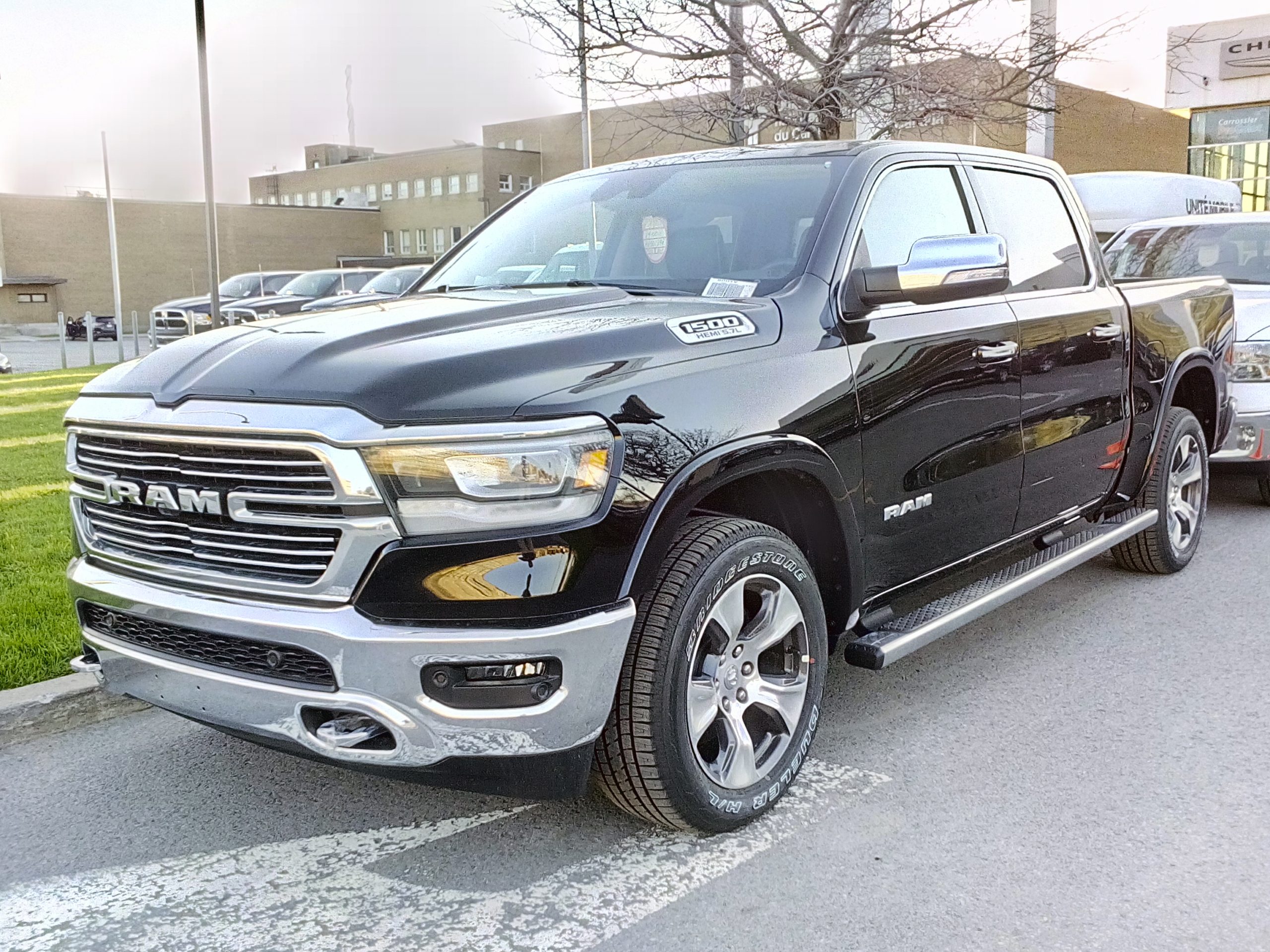
The Ram 1500 is known for its smooth ride and strong engine options, particularly the 5.7-liter HEMI V8 and the newer turbo six-cylinder engines. While reliability can be a concern, a well-maintained Ram provides long-lasting performance and a comfortable daily driving experience.
Pricing starts in the upper $30,000 range, comparable to the Ford F-150 and Chevrolet Silverado, with higher trims offering a more luxurious cabin and advanced features. Warranty coverage includes three years or 36,000 miles for basic protection and five years or 60,000 miles for the powertrain, along with five years of roadside assistance.
The Ram 1500 delivers impressive acceleration and handling. In testing, the standard turbo six-cylinder with 420 horsepower reached 0 to 60 mph in 5.2 seconds, while the higher-output 540-horsepower engine achieved it in 4.7 seconds. Even off-road-focused RHO trims manage 0-60 in 4.9 seconds.
Steering is light and predictable, though lacking road feel, and the truck handles its size well through turns. Visibility is generally good, and the Ram offers hands-free driver assist and other aids that assist with lane centering, acceleration, and braking. Ground clearance and off-road capability are strong in the RHO trim.
Thanks to a rear coil-spring suspension, the Ram 1500 rides more comfortably than most full-size trucks. Front and rear seats offer excellent support, and headroom and legroom are generous. The cabin is quiet, with minimal wind and tire noise. The large rear seat makes car seat installation easy, and optional running boards or air suspension can improve entry and exit.
The 14.5-inch touchscreen and passenger display offer multiple connectivity options, including six USB ports, wireless Apple CarPlay and Android Auto, and two wireless charging pads. Storage is ample, with a movable center console, rear under-seat storage, and front bins. The rear cargo area is limited and not lockable.
Payload capacity reaches 2,300 pounds, and towing capacity is 11,580 pounds. Fuel economy varies by configuration, from 17 to 23 mpg combined, with the best results from the base rear-wheel-drive model.
The Ram 1500 excels in comfort, ride quality, and powerful engine options. Bold styling and a premium interior enhance its appeal, though reliability concerns make ownership a riskier proposition compared with competitors. It is best suited for those who prioritize comfort and performance alongside utility.
A truck that does not rattle after 100,000 miles offers peace of mind, lower maintenance costs, and a more enjoyable driving experience.
The models highlighted, from midsize pickups like the Nissan Frontier and Honda Ridgeline to full-size icons such as the Chevrolet Silverado 1500 and Toyota Tundra, prove that rugged performance does not require compromise.
Each has been engineered with durable components, strong suspensions, and quality interiors to withstand heavy use while keeping noise, harshness, and vibration to a minimum. Investing in one of these trucks means choosing reliability that stands the test of time, along with thoughtful features that enhance usability and comfort.
For anyone seeking a truck that will stay solid, quiet, and dependable well beyond 100,000 miles, these nine models provide a proven, practical, and rewarding option.
Also Read: 5 Cars That Keep Road Noise Out vs 5 That Hum and Buzz
