Shopping for a new vehicle is already a balancing act between purchase price, fuel economy, features, and long-term reliability but insurance costs can quietly make or break the ownership experience.
In the US, insurance premiums vary widely even among similarly priced vehicles. Factors like crash test performance, frequency of claims, repair complexity, parts availability, theft risk, and driver demographics shape how much a model costs to insure.
Some cars routinely rank among the cheapest vehicles to cover because they are inexpensive to fix and rack up few high-cost claims.
Others, despite modest sticker prices or mainstream badges, are considered “insurance money pits” because they are involved in more accident claims, get flagged for risky driver profiles, or require expensive parts and labor.
This list breaks down six new cars that tend to be cheap to insure and six models that often carry surprisingly high premiums, providing context for why insurers rate them the way they do.
The goal is to give US shoppers a smarter understanding of long-term ownership costs that go beyond fuel economy or MSRP.
New cars cheap to insure
Buying a new car is exciting, but the excitement can quickly fade when insurance costs enter the picture. Fortunately, not all new vehicles are expensive to insure, some are surprisingly affordable to cover, thanks to factors like safety features, repair costs, and lower likelihood of theft.
Choosing a car that’s cheap to insure can save you hundreds, even thousands, of dollars over the life of the vehicle. In this article, we’ll explore some of the newest cars that combine modern technology, comfort, and style with insurance rates that won’t break the bank.
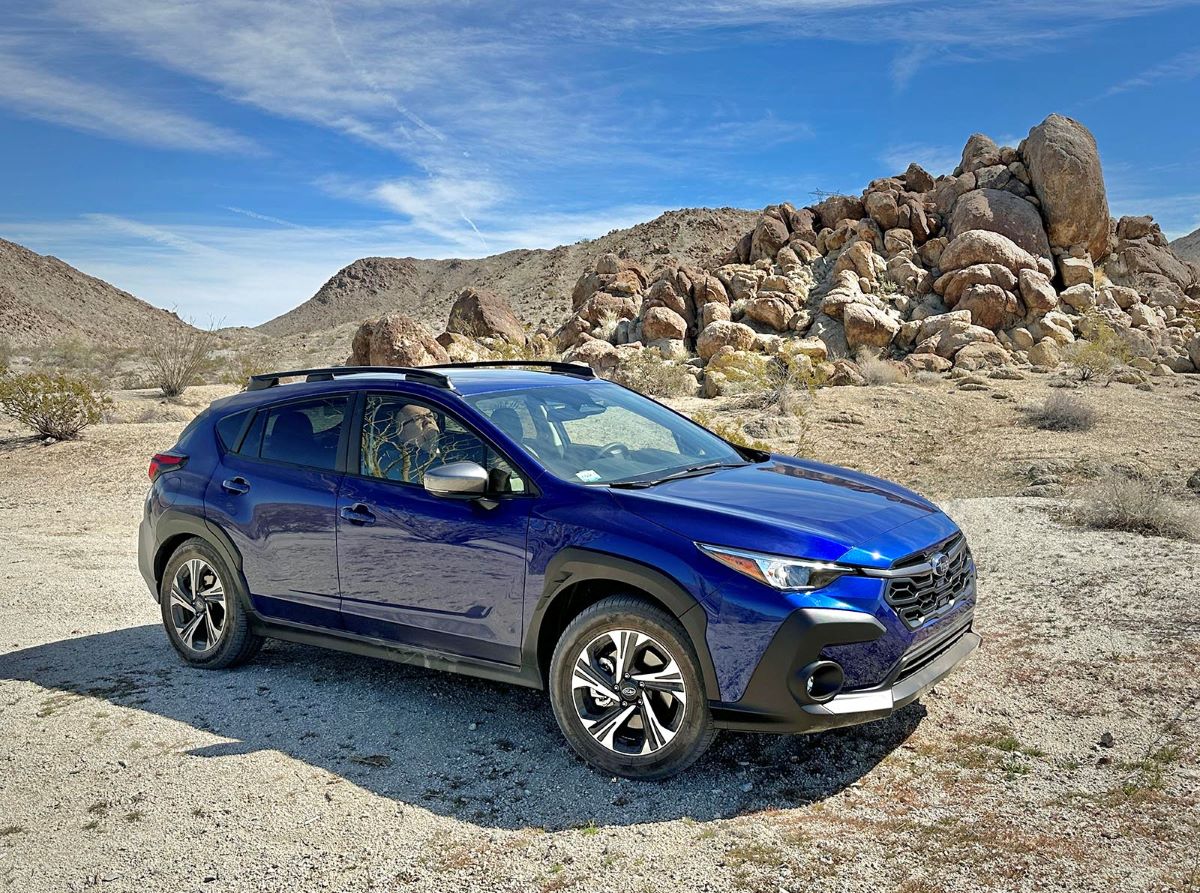
1. Subaru Crosstrek
The Subaru Crosstrek continues to be one of the most affordable vehicles to insure, and the insurance logic behind it is surprisingly simple.
Crosstreks are known for excellent crash-worthiness, consistently strong IIHS ratings, and standard all-wheel drive features that help drivers avoid accidents in the first place.
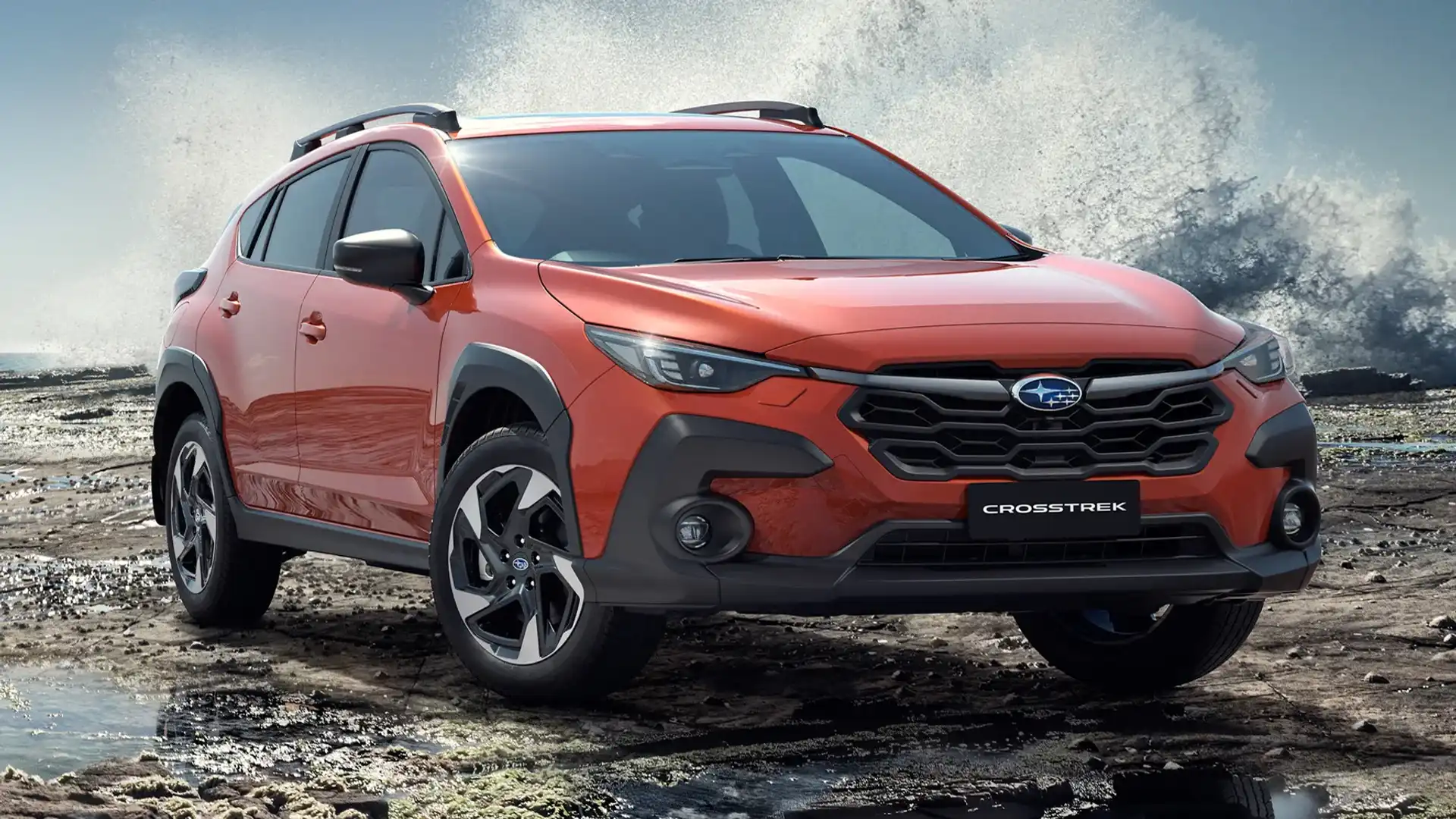
Beyond that, Crosstrek owners tend to be low-risk drivers in the insurance industry’s statistical models.
Claims and repair costs are low because the Crosstrek uses straightforward mechanical components, shares parts with other Subaru models, and avoids overly expensive electronics.
Even though sales are strong nationwide, the Crosstrek rarely appears on high-theft lists, further keeping premiums down.
2. Honda Civic Hatchback
While performance-oriented Civics like the Type R can raise premiums, the regular Civic Hatchback remains one of the lowest-cost new cars to insure.
Its claim history is mild, repairs are inexpensive thanks to widespread parts availability, and its reputation for being driven by practical, older, and more risk-averse buyers helps keep premiums low.
The hatchback is also less associated with street-racing imagery than the sedan, and insurers factor that in.
Honda’s suite of standard safety tech including adaptive cruise control and lane-keeping assist reduces the frequency and severity of accidents, which insurers reward with lower premiums.
New small sedans appear on the market every year, but few have managed to challenge the Honda Civic for our top spot since this generation debuted in 2016. That trend continues with the 2021 Civic, not unexpected, given that Honda makes minimal changes from year to year.
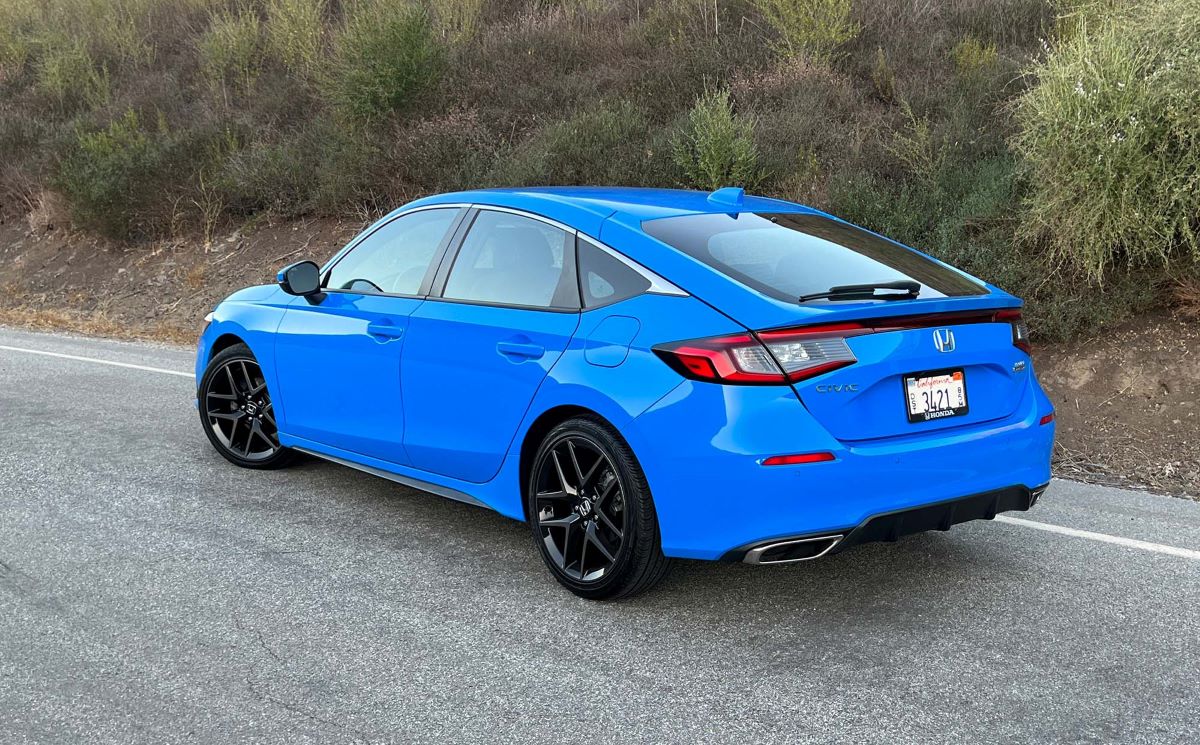
This latest Civic maintains a strong combination of performance, comfort, and practicality, all while staying competitively priced within the compact car segment.
The Honda Civic has long been one of the top compact cars, but the 2016 redesign marked a major turning point. It reinvigorated the Civic nameplate and redefined expectations for what a small car could offer. This generation is praised for its spacious cabin, refined ride quality, upscale interior materials, and excellent handling.
The turbocharged engine is both powerful and efficient, a combination that impressed us so much we purchased one ourselves. For insights into real-world ownership, check out our long-term Civic test of the top-of-the-line Touring sedan.
Also Read: 8 Models That Lose the Least Value the Moment You Drive Off the Lot
3. Toyota Corolla Hybrid
The Toyota Corolla Hybrid blends exceptional fuel economy with some of the lowest insurance premiums of any new vehicle in the US. Unlike many hybrid competitors, the Corolla Hybrid has cheap parts, simple battery architecture, and strong reliability data, which help keep repair bills predictable.
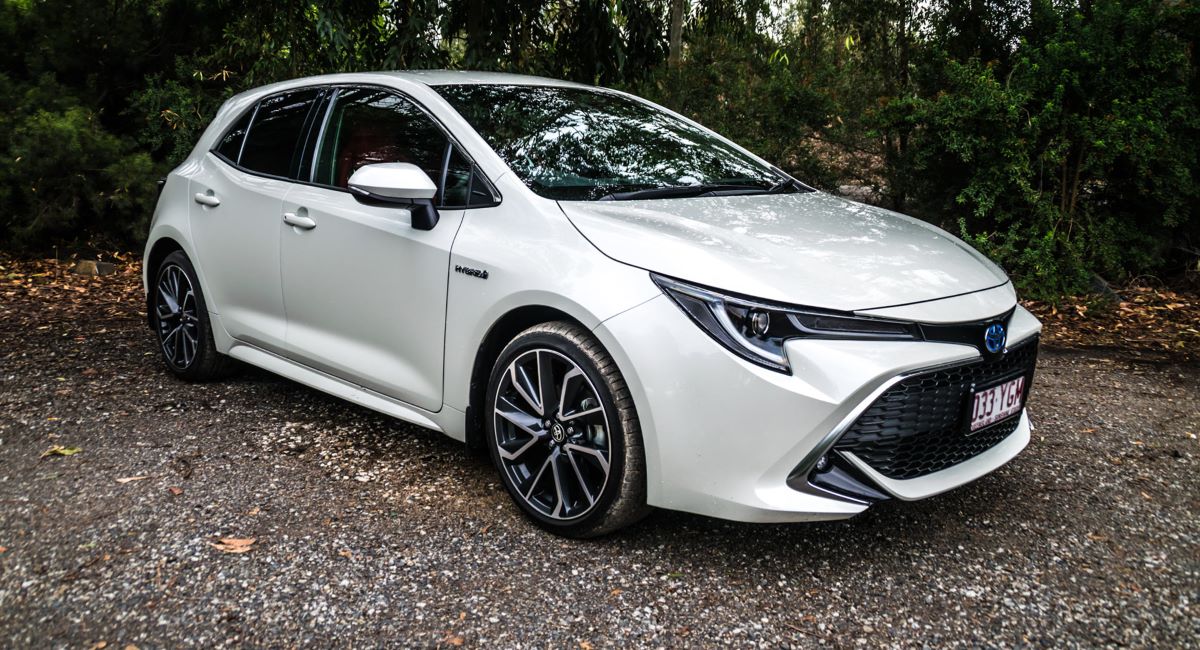
Insurers also love the Corolla’s long-standing record of low claim severity. It’s safe, slow to depreciate, rarely targeted by thieves, and generally purchased by mature drivers. Because the Hybrid model doesn’t pack extra power, there’s no performance-related penalty attached.
One of the longest-standing nameplates in automotive history, the new-generation 2020 Toyota Corolla sedan joins its hatchback counterpart, updated in 2019, in taking on the segment-leading Honda Civic and other compact rivals.
Compared with the outgoing model, the current-generation Corolla offers significantly improved driving dynamics and sharper exterior styling. It also comes standard with a robust suite of active safety features, making it a compelling choice for compact car buyers.
The compact car segment keeps raising the bar, and Toyota has made a strong leap forward with this new Corolla. However, in a recent comparison test, the Honda Civic still outperformed it in several key areas.
While the Corolla “had the edge over the Civic Touring” in fuel economy, the Civic excelled in ride quality, available amenities, and interior space.
Corolla Hatchback models are powered by a 2.0-liter inline-four generating 168 hp and 151 lb-ft of torque. Sedan trims L, LE, and XLE come with a 1.8-liter inline-four producing 139 hp and 126 lb-ft, paired with a CVT powering the front wheels. Fuel economy is rated at 30/38 mpg for L and LE trims, and 29/37 mpg for the XLE.
The Corolla Hybrid combines a 1.8-liter inline-four with an electric motor to produce a total of 121 hp and 105 lb-ft, driving the front wheels through a CVT. Fuel economy for the hybrid is impressive, rated at 53/52 mpg city/highway.
4. Mazda CX-5
The Mazda CX-5 remains an outlier in the compact SUV segment: upscale interior, strong safety scores, and surprisingly low insurance costs. While the turbocharged trims can bump up premiums slightly, the standard engine keeps the CX-5 in the low-cost bracket.
Mazda’s advanced safety systems perform extremely well in real-world accident data, and the brand’s parts remain moderately priced compared to German competitors.
Since the CX-5 isn’t typically associated with high-risk drivers and doesn’t show up in theft statistics, insurers reward owners with favorable rates.
With all due respect to Miata enthusiasts, the Mazda CX-5 is unquestionably the Japanese automaker’s most successful product of the 21st century, if not of all time. Since its debut in 2012, more than 4.5 million CX-5s have been sold worldwide, including 1.6 million in the United States alone.
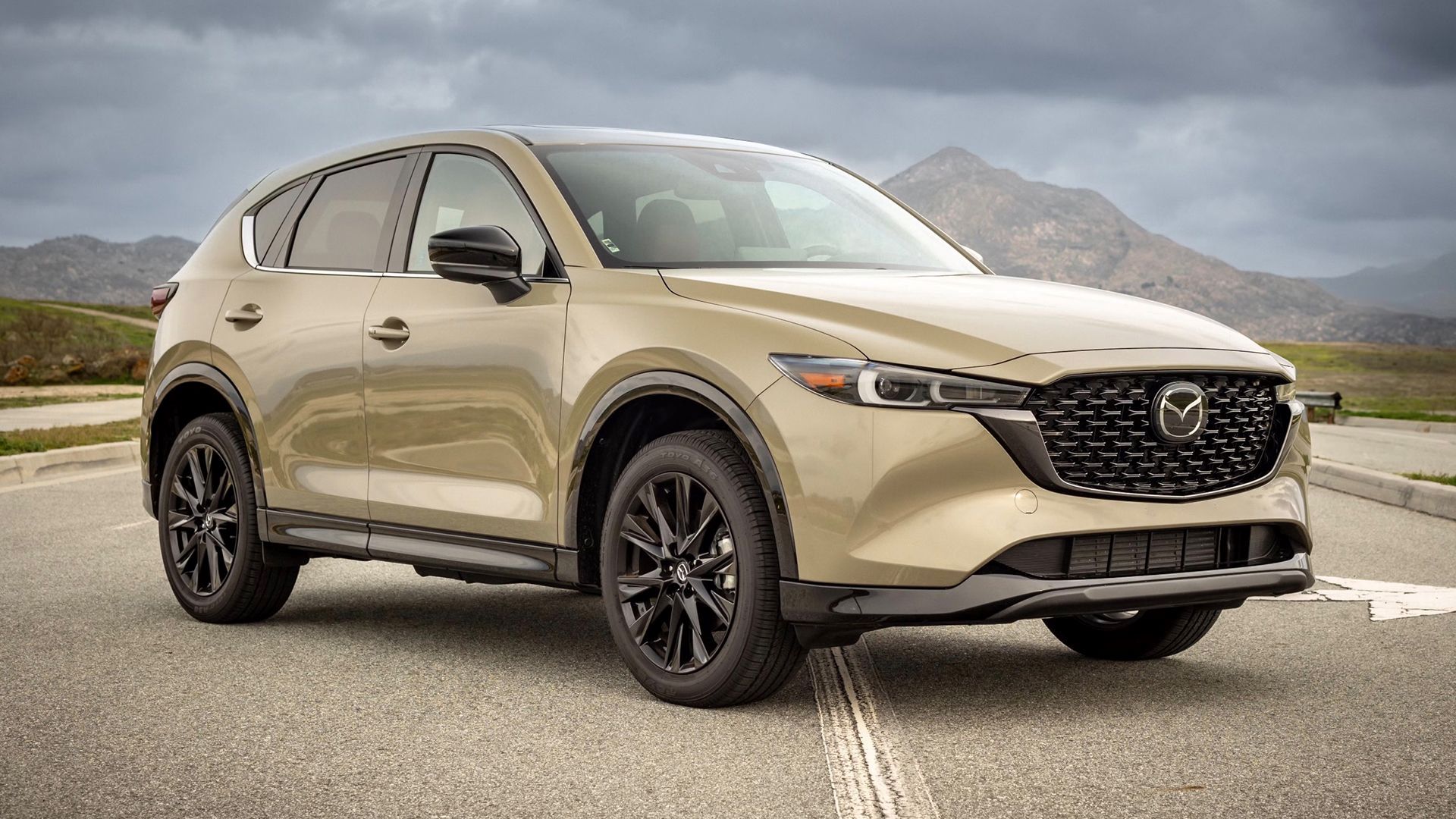
The second-generation model, introduced in late 2016, was so well-designed that it continues to lead our compact SUV rankings nearly a decade later. Sales remain strong, and while Miatas will always have their devoted following, the CX-5 commands a legion of fans in its own right.
These fans have been eagerly awaiting the next-generation CX-5 ever since Mazda launched the similarly sized, but visually distinct, CX-50 for 2023. Now the wait is over: the redesigned 2026 Mazda CX-5 is set to arrive early next year.
Almost entirely new and slightly larger than before, the updated CX-5 combines muscular styling that suggests a sporty driving experience with the upscale feel that has long defined the model.
Inside, the crossover offers more cabin space than ever, alongside a redesigned infotainment system that is far more intuitive and user-friendly. Mazda isn’t stopping there, additional updates are planned for the 2027 model year, when the company will introduce the first-ever CX-5 Hybrid.
5. Hyundai Elantra SE
Base-trim Elantras consistently earn some of the lowest insurance premiums for a new car in America. The Elantra SE’s modest power output, strong safety tech, and high sales volume make it a predictable model for insurers.
Replacement parts are cheap and widely available, and the Elantra tends to appeal to cost-conscious buyers people insurers recognize as statistically safe drivers.
Even with its recent styling updates, the Elantra isn’t a theft magnet and rarely appears in high-claim categories.
The Hyundai Elantra received a complete redesign for the 2021 model year. True to form, it delivers an impressive array of features at a competitive price point, and when paired with Hyundai’s industry-leading warranty, it makes a very compelling case for buyers seeking a practical, sensible car.
Yet, much like Hyundai’s recent Sonata redesign, the 2021 Elantra also raises the bar in terms of style and emotional appeal.
The 2021 Elantra is slightly longer and wider than its predecessor, with a lower, sleeker roofline that gives it a more dynamic profile.
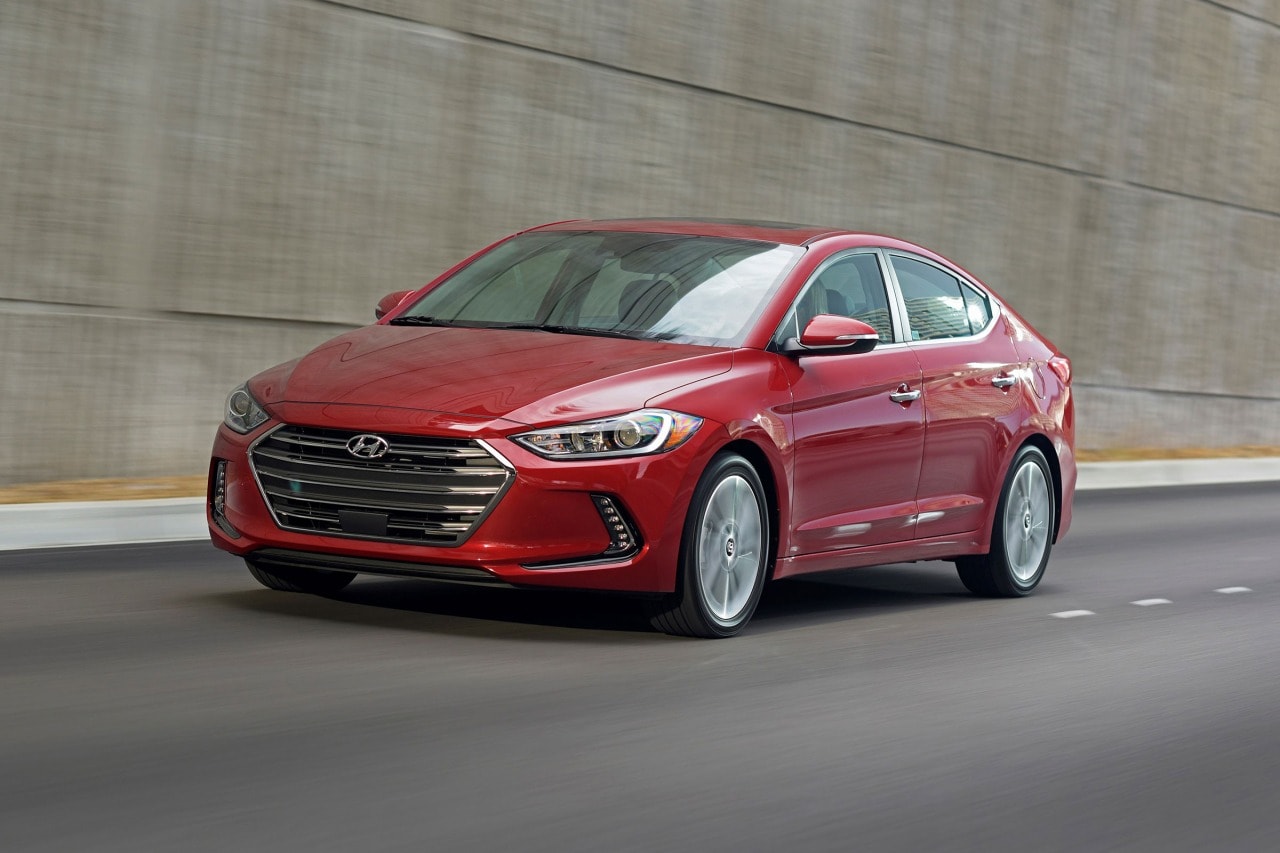
Arrow-like character lines along the sides add visual interest, while the interior gains additional rear legroom and a new instrument panel featuring optional twin digital displays. Positioned side by side, these screens give the cabin a distinctly European luxury sedan feel.
Hyundai has also infused some sport sedan excitement into the 2021 lineup. The all-new Elantra N debuts as the most powerful Elantra ever, equipped with a turbocharged 2.0-liter four-cylinder engine producing 276 hp and 289 lb-ft of torque. A sport-tuned suspension with adaptive dampers complements this engine, making the N a thrilling drive on twisty back roads.
Adjustable drive modes in the N make a noticeable difference in the vehicle’s character. Eco/Normal represents the base level, Sport adds a single step up, and N mode feels like a leap of two or three levels.
This is when the car really comes alive: exhaust pops and burbles, lightning-quick throttle response, sharper steering, and a suspension that communicates every road imperfection.
For those who find the N too intense, there’s the more affordable Elantra N Line, which features a turbocharged 201-hp engine. Fuel-conscious buyers can also choose the all-new Elantra Hybrid, which Hyundai estimates will achieve around 50 mpg in combined city/highway driving.
6. Volkswagen Taos
The Taos is relatively new to the compact crossover segment, but it quickly found a place among low-insurance-cost vehicles.
Even though it’s a turbocharged model, the Taos is not associated with aggressive driving, and its crash test performance and inexpensive repair pattern help keep annual premiums modest.
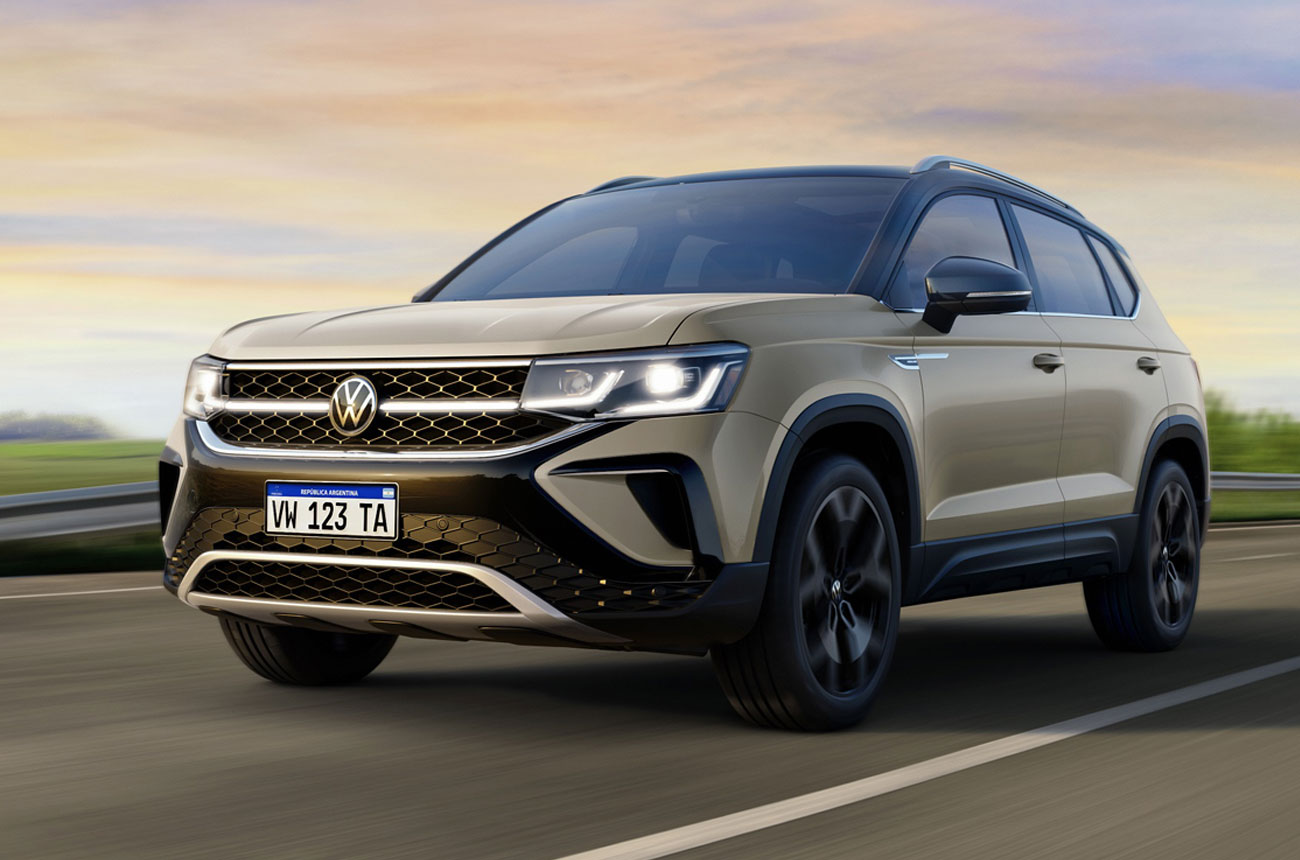
The Taos uses many shared VW Group components, and insurers like predictability parts availability and established repair networks lower claim expenses.
Its small size, high visibility, and user-friendly driver aids also reduce accident frequency, further moderating insurance costs.
Insurance money pits
Some cars aren’t just expensive to buy, they’re costly to insure, too. These “insurance money pits” can drain your wallet with premiums that far exceed the norm, often due to factors like high repair costs, expensive parts, performance-oriented engines, or a history of theft.
Even if the sticker price seems reasonable, ongoing insurance costs can make ownership far more expensive than expected. In this article, we’ll highlight vehicles that tend to be the most expensive to insure, helping you avoid surprises before you sign on the dotted line.
1. Dodge Charger
The Dodge Charger is a classic example of a car that becomes an insurance headache even in non-Hellcat trims.
Insurers peg it as a high-risk vehicle because a disproportionate number of Chargers are involved in high-severity claims, speeding incidents, and thefts especially the V8 models.
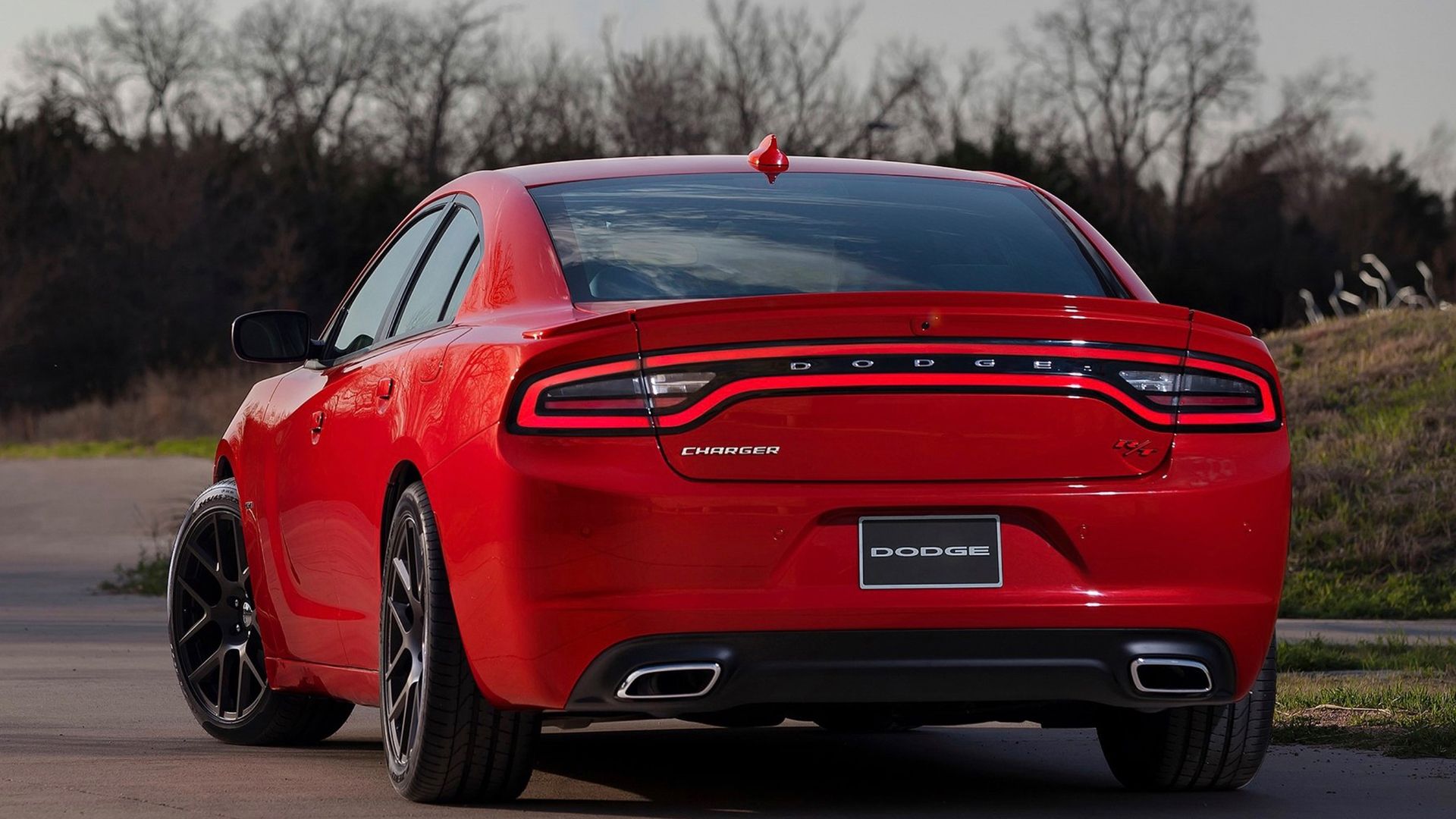
Chargers are among the most stolen vehicles in the US year after year, driven by strong street-value demand for their engines, body panels, and electronics. This naturally pushes premiums up, even if you only buy the base V6 model.
Also Read: 5 City-Proof Compacts and 5 That Hate Stop-and-Go
2. Tesla Model 3
EVs often have high insurance premiums due to pricey battery repairs, expensive sensors, and limited body-shop capacity, and the Tesla Model 3 is one of the most expensive examples.
The Model 3’s tightly integrated construction makes even minor accident repairs costly, and insurers have years of data showing high claim severity meaning accidents cost more money than those of comparable gas cars.
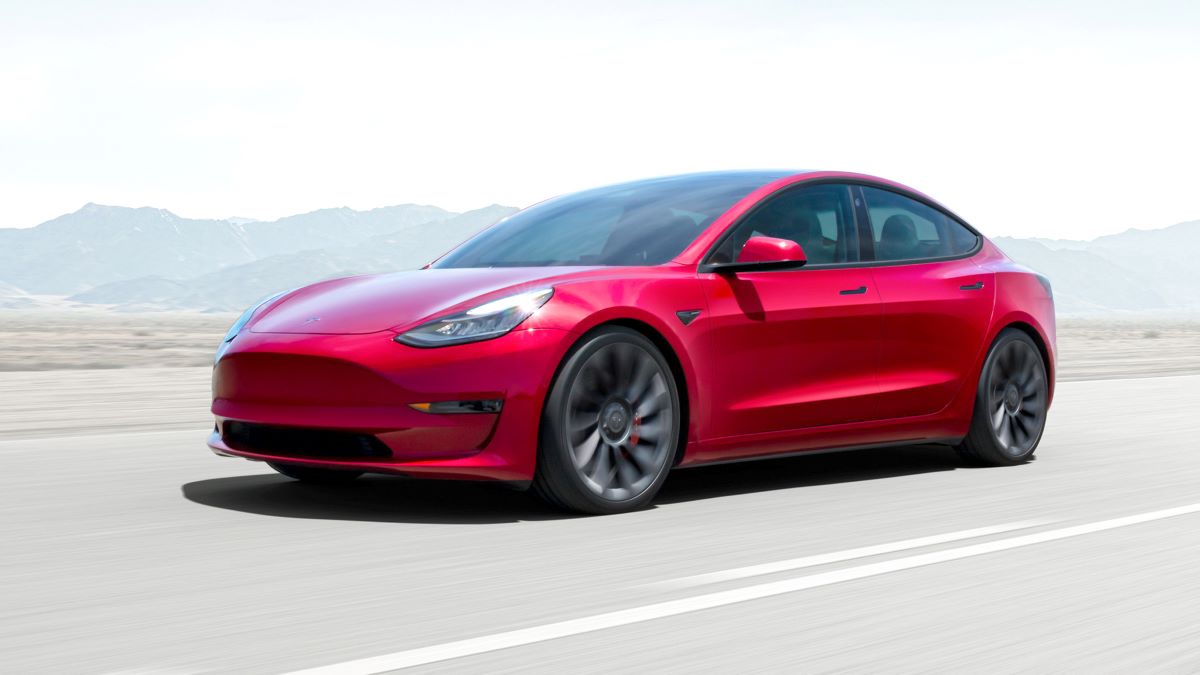
The Model 3 is also frequently involved in high-mileage commuting accidents due to its popularity, and the high cost of replacing cameras, radar units, and charging components further inflates premiums.
3. Kia K5 GT
The standard K5 is reasonably priced to insure, but the GT trim with its 290-hp turbo engine moves into money-pit territory quickly.
Insurers note a higher rate of collision claims for the GT as well as higher loss ratios because performance-oriented drivers tend to push the car harder.
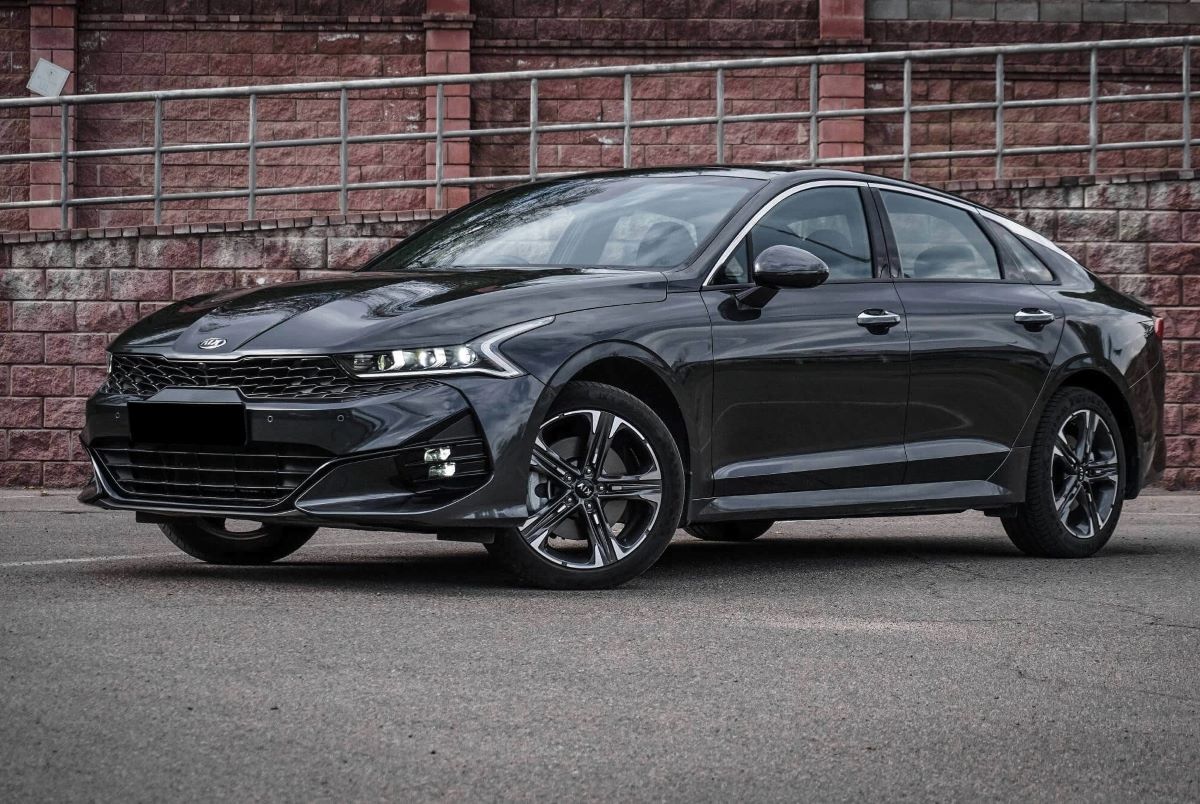
Repairs on the GT are also pricier due to unique components like its transmission and reinforced brakes.
Additionally, the K5 has seen a rise in theft risk following TikTok-related theft spikes affecting certain Hyundai and Kia models, which increases premiums across the lineup.
The Kia K5 is the automaker’s new midsize sedan, formerly known as the Optima. For the past twenty years, the Optima earned praise for its attractive styling and solid value proposition.
With the redesigned 2021 model, Kia decided to go all-in, introducing a bold new name alongside a suite of updates. Key highlights include more aggressive styling, new engine and transmission options, and the addition of available all-wheel drive.
Standard on all trims except the GT is a turbocharged 1.6-liter four-cylinder engine producing 180 horsepower. This is the same engine that allows buyers to opt for all-wheel drive.
For those seeking more power, the K5 GT is equipped with a turbocharged 2.5-liter four-cylinder engine delivering 290 hp, a substantial output for a midsize sedan, perhaps even bordering on excessive, as our testing revealed.
4. BMW 330i
BMW’s entry-level sedan punches well above its weight in terms of luxury performance, and that directly contributes to high insurance costs.
The 330i’s repair expenses are notoriously steep, especially when accidents affect its aluminum suspension pieces or driver-assistance sensors embedded behind trim pieces.
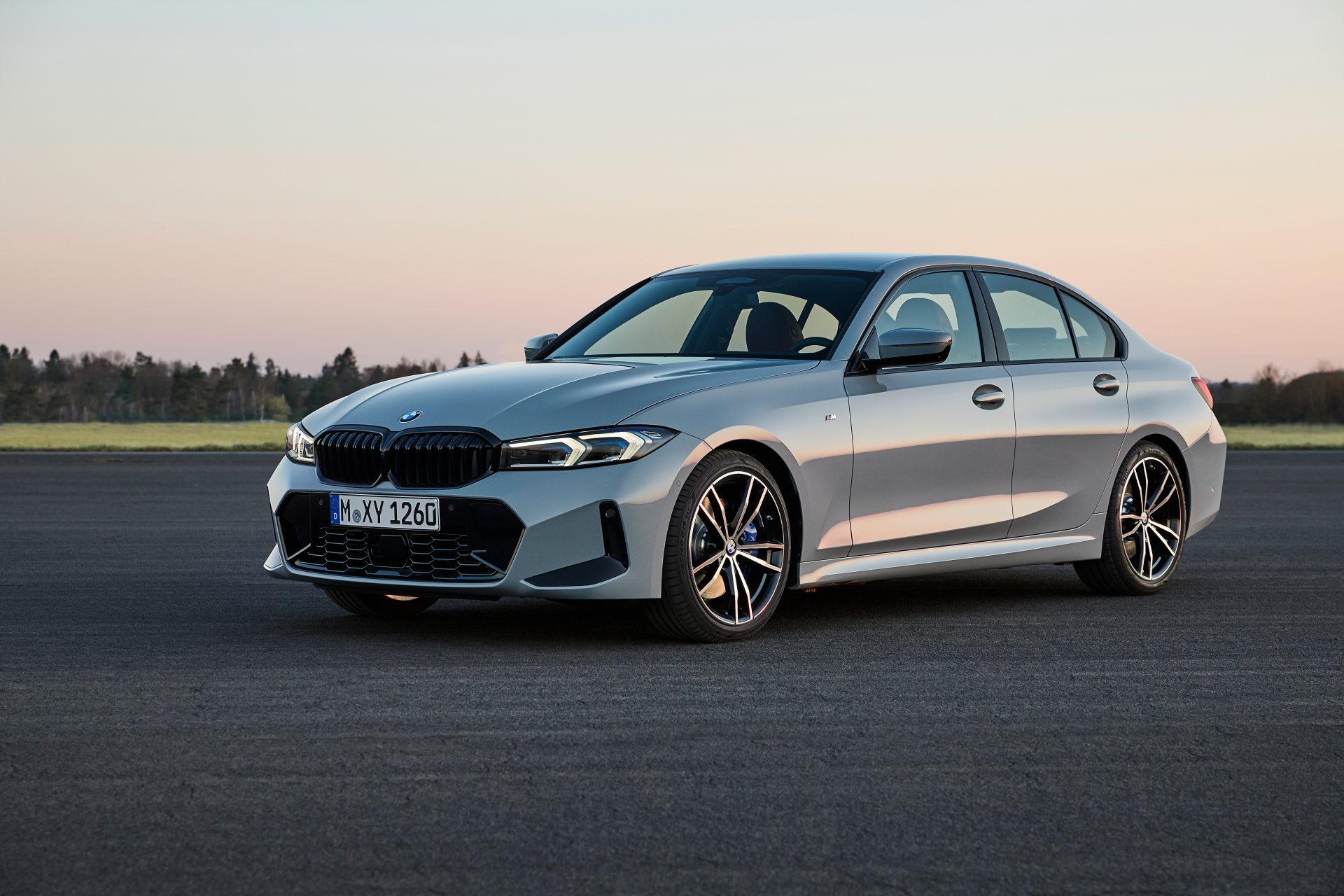
Labor rates for BMW-certified shops are higher, and claim severity tends to be elevated. The 3-Series is also a commonly leased vehicle, meaning insurers see a high mix of younger urban drivers a demographic statistically linked to more frequent insurance losses.
Fresh off a redesign last year, the BMW 3 Series continues to offer one of the best blends of comfort, performance, and prestige in the small luxury sport sedan segment. The seventh-generation model is three inches longer and 1.5 inches wider than its predecessor, yet it remains just as agile and composed through fast curves.
A larger and stiffer chassis, paired with retuned suspension and steering, is key to the 3 Series’ exceptional handling. The turbocharged four-cylinder engine carries over from the previous generation but delivers slightly more horsepower and enhanced low-end torque. For 2020, BMW also reintroduces a six-cylinder option in the form of the new M340i.
The M340i is no ordinary six-cylinder. It generates a robust 382 hp and 369 lb-ft of torque, approaching what M3 models produced just a few years ago. While the redesigned M3 is expected to add even more power, the M340i serves as a highly appealing substitute. The main limitation is that a manual transmission is no longer offered.
If there’s a drawback, it’s that the 3 Series’ all-around competence can overshadow excitement. Its main rival, the Audi A4/S4, feels more modern and tech-focused, while the Mercedes competitor emphasizes luxury over performance.
Newer alternatives like the Alfa Romeo Giulia and Genesis G70 provide something different for enthusiasts, including the increasingly rare manual transmission option.
5. Jeep Wrangler Rubicon
The Wrangler is beloved for its off-road prowess, but insurers view it as a frequent claim generator.
The Rubicon trim, with larger tires, taller suspension, and rock-crawling hardware, adds even more risk.
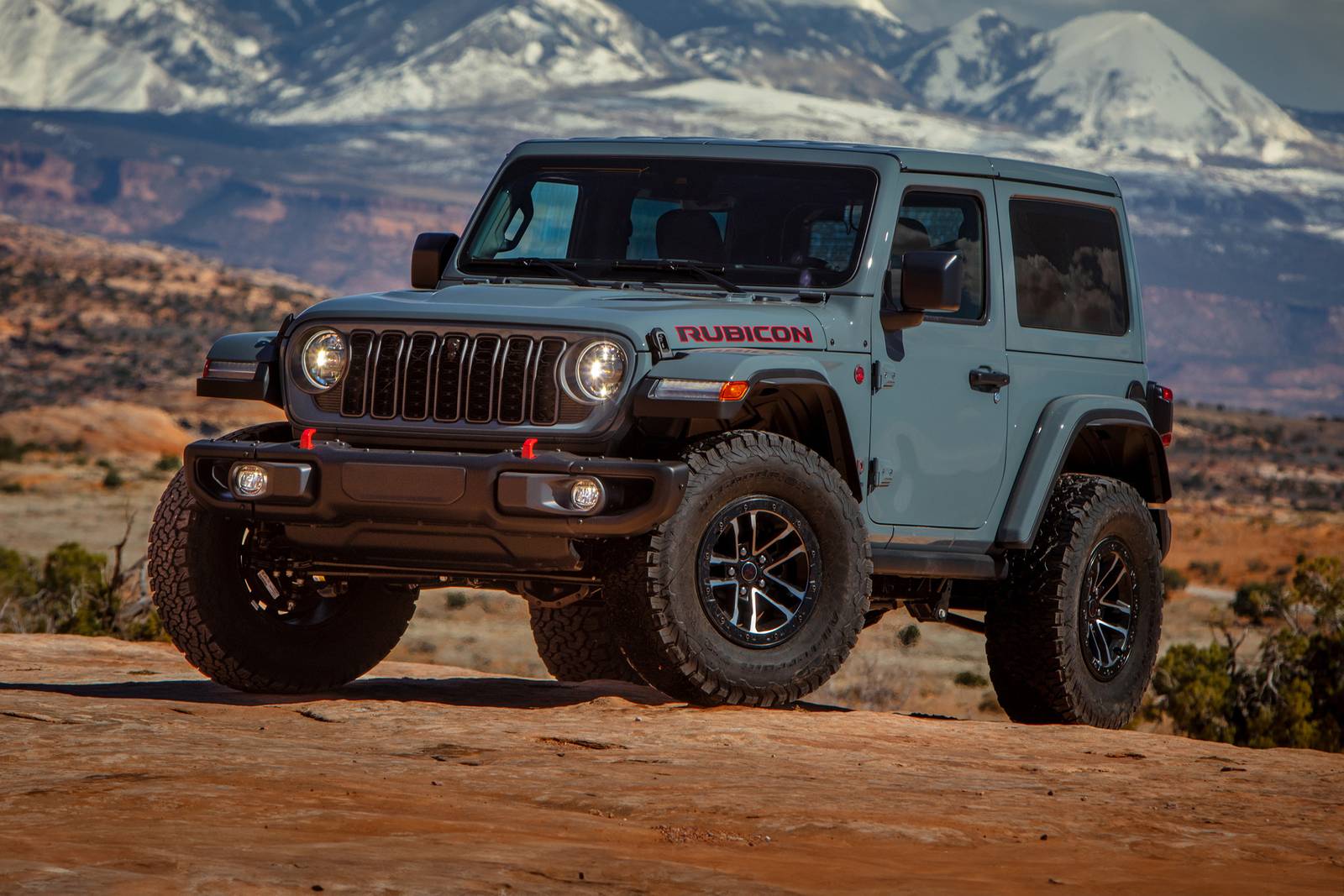
Wranglers roll over more often than most SUVs, have high theft appeal for parts, and cost a lot to repair when body panels or suspension components get damaged. Despite good resale value, the Wrangler’s accident-avoidance tech lags behind competitors, and insurers price that in.
The headline for the 2021 Jeep Wrangler is the arrival of two new powertrains: the plug-in hybrid 4xe and the fire-breathing 470-hp V-8 in the new Rubicon 392. The electrified 4xe setup combines a turbocharged four-cylinder with an electric motor to produce a robust 375-hp total output, though we cover that model separately.
The Rubicon 392 represents the pinnacle of the Wrangler lineup, rolling on 33-inch tires and outfitted with all of Jeep’s top-tier off-road hardware. Jeep claims it can reach 60 mph in just 4.5 seconds.
Beyond these, Jeep has added an 80th Anniversary Edition as well as a playful Islander model, which features a beach-themed exterior package and a “Jeep Tiki” hood decal.
Base Sport models are available with a two-speed transfer case, the Rubicon trim can be optioned with the Rock-Trac four-wheel-drive system, and a TrailCam exterior camera system is now available on models equipped with the larger 8.4-inch infotainment display.
The standard 285-hp 3.6-liter V-6 from the previous-generation Wrangler continues in the new JL, available with either a six-speed manual or an eight-speed automatic.
The optional turbocharged four-cylinder pairs with an electric motor for added low-end torque. In addition to these, buyers can select a 3.6-liter V-6 with hybrid assist, a 3.0-liter diesel V-6, the 375-hp plug-in hybrid 4xe or a 6.4-liter V-8. Part-time four-wheel drive comes standard on all models and is engaged via a center-console lever.
While handling has improved, the Wrangler retains a trucklike feel compared with today’s refined SUVs and pickups. The four-door ride is generally smooth over rough terrain, though braking distances varied across our test vehicles.
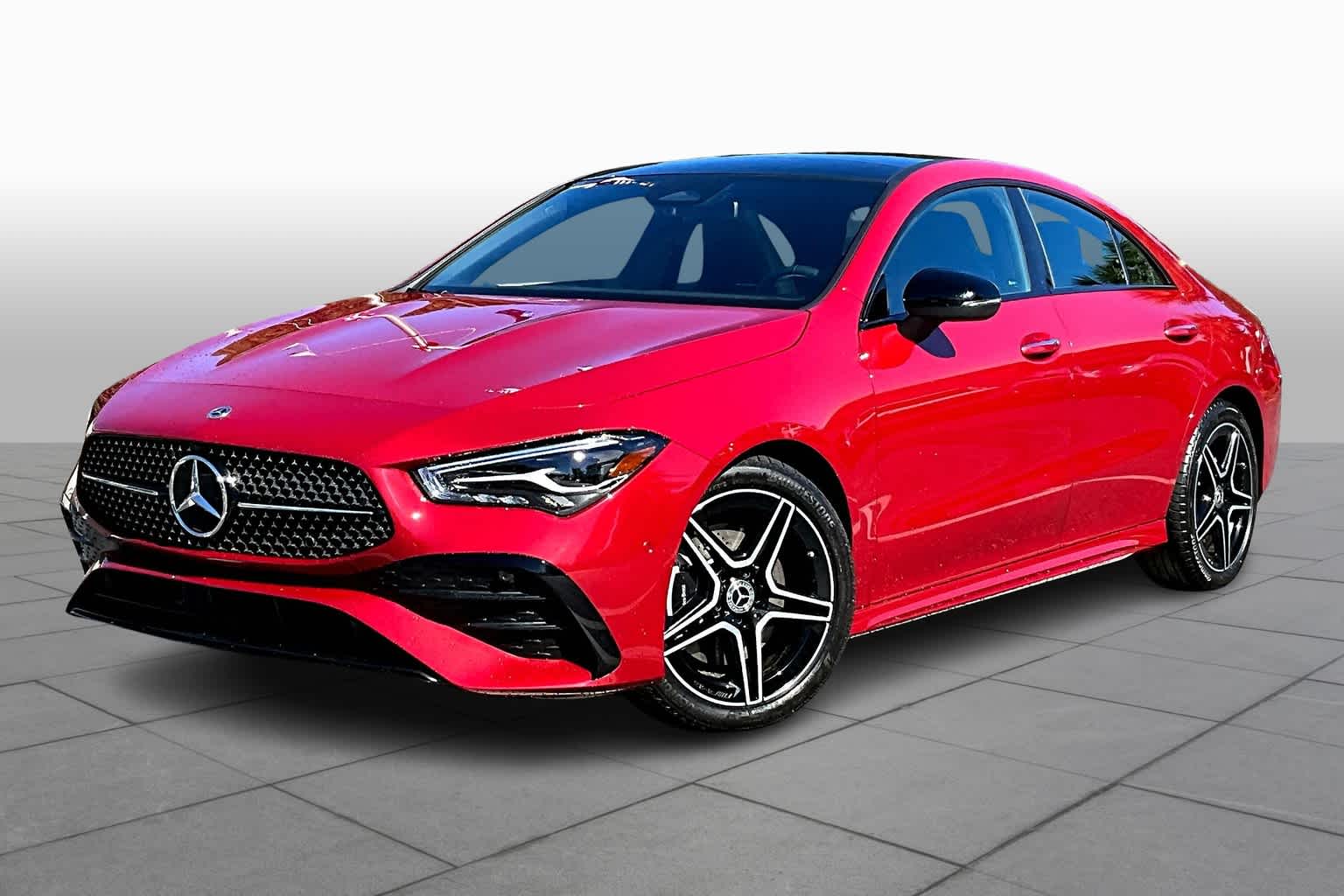
6. Mercedes-Benz CLA 250
The Mercedes CLA 250 might be an entry-level luxury sedan, but its insurance costs are anything but entry-level.
The CLA’s high claim severity comes from expensive body-panel repairs, intricate electronics, and costly ADAS calibration after even minor fender-benders.
Insurers also associate the CLA with younger drivers drawn to its price-accessible luxury badge, and the statistical claims patterns reflect that. Even though the CLA isn’t particularly powerful, its styling and demographic data push it firmly into the money-pit category.
Insurance premiums can significantly change the economics of owning a new car, especially in the US where repair costs and claim histories vary dramatically across models.
Cars like the Subaru Crosstrek, Toyota Corolla Hybrid, and Hyundai Elantra SE benefit from inexpensive parts, safe drivers, and strong crash-test data making them some of the cheapest new cars to insure.
On the other hand, models like the Dodge Charger, Tesla Model 3, and Mercedes CLA 250 suffer from theft risk, high repair costs, and high-risk driver profiles, pushing premiums into painful territory.