Crossovers are loved for their mix of comfort, practicality, and everyday usefulness. But one area that separates the great from the average is interior durability.
Over time, some cabins stay tight and solid, while others start squeaking and rattling with every bump. Durable trim materials, strong panel fit, and quality assembly make a huge difference in how a car feels after years of use. Let’s look at five crossovers known for long-lasting interiors and five that often struggle to stay quiet and tight as they age.
Also read:5 Trucks With Cabins That Don’t Creak vs 5 That Sound Like Ships
5 Crossovers With Durable Interior Trim
Crossovers may be built for everyday family duty, but not all of them hold up equally once the miles, kids, pets, and grocery runs start piling on. For many shoppers, interior durability has become just as important as fuel economy or cargo space, because a vehicle that looks worn after just a couple of years can tank both resale value and overall satisfaction.
Fortunately, some models are engineered with tougher materials, smarter design, and trim that resists scratches, stains, and premature aging far better than others.
In this list, we’re highlighting five crossovers known for their long-lasting, durable interior trim, the kind that still looks nearly new even after years of real-world use.
Whether you’re a rideshare driver, a parent hauling a full crew, or simply someone who wants a cabin that stays classy under pressure, these picks offer the kind of endurance that makes ownership feel hassle-free.
1) Toyota RAV4
The Toyota RAV4 has earned a strong reputation for reliability, and that durability extends to its interior as well. Unlike many crossovers that develop squeaks and rattles with age, the RAV4’s cabin stays solid, quiet, and comfortable for many years.
Toyota designed the RAV4’s interior with family use in mind. The materials are chosen to handle daily wear from kids, pets, and constant loading of groceries or luggage. Hard plastics are used in smart places where strength matters, while softer materials add comfort where drivers touch most.
The dashboard, doors, and center console feel well-built and secure. Toyota avoids overcomplicated trim pieces or flashy, fragile designs. Instead, the RAV4’s cabin focuses on clean lines and tight panel gaps. This careful construction helps prevent vibrations and loose panels as the car ages.
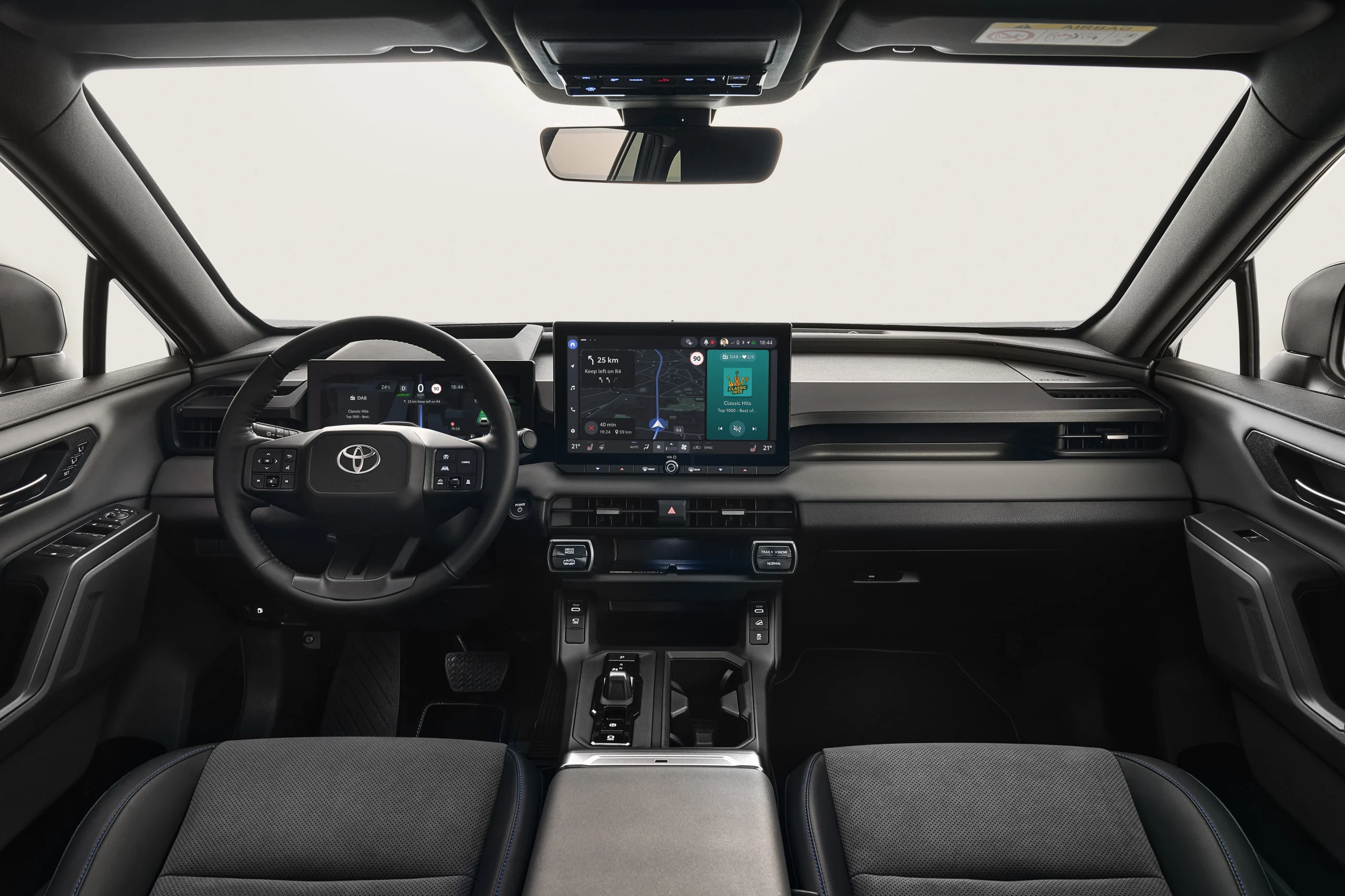
Even after several years of ownership, many RAV4 owners report that the interior still feels sturdy. The doors shut with a solid thud, and the dashboard doesn’t creak on bumpy roads. It’s the kind of car that feels well-assembled from day one and stays that way.
Noise insulation in the RAV4 is another strong point. Toyota uses thick seals around the doors and sound-dampening materials under the floor. This reduces wind and road noise, creating a calm cabin experience even on long drives or rough surfaces.
The seats are designed for long-lasting comfort too. Toyota uses durable fabric or synthetic leather that doesn’t easily tear or fade. The seat padding stays firm over time, so drivers and passengers still feel supported after years of daily use.
2) Honda CR-V
The Honda CR-V has long been one of the most dependable crossovers on the road, and its interior build quality is a major reason why. Even after years of daily driving, its cabin stays tight, quiet, and free from annoying rattles.
Honda engineers designed the CR-V’s interior with a focus on strength and long-term comfort. The materials are carefully selected not too fancy, but solid and well-fitted. This approach gives the cabin a premium feel while keeping it resistant to wear and vibration.
The dashboard layout is clean and logical. Buttons and switches operate smoothly, and there’s no sense of looseness or fragility. Over time, these parts don’t squeak or shift out of place, even in older models with high mileage.
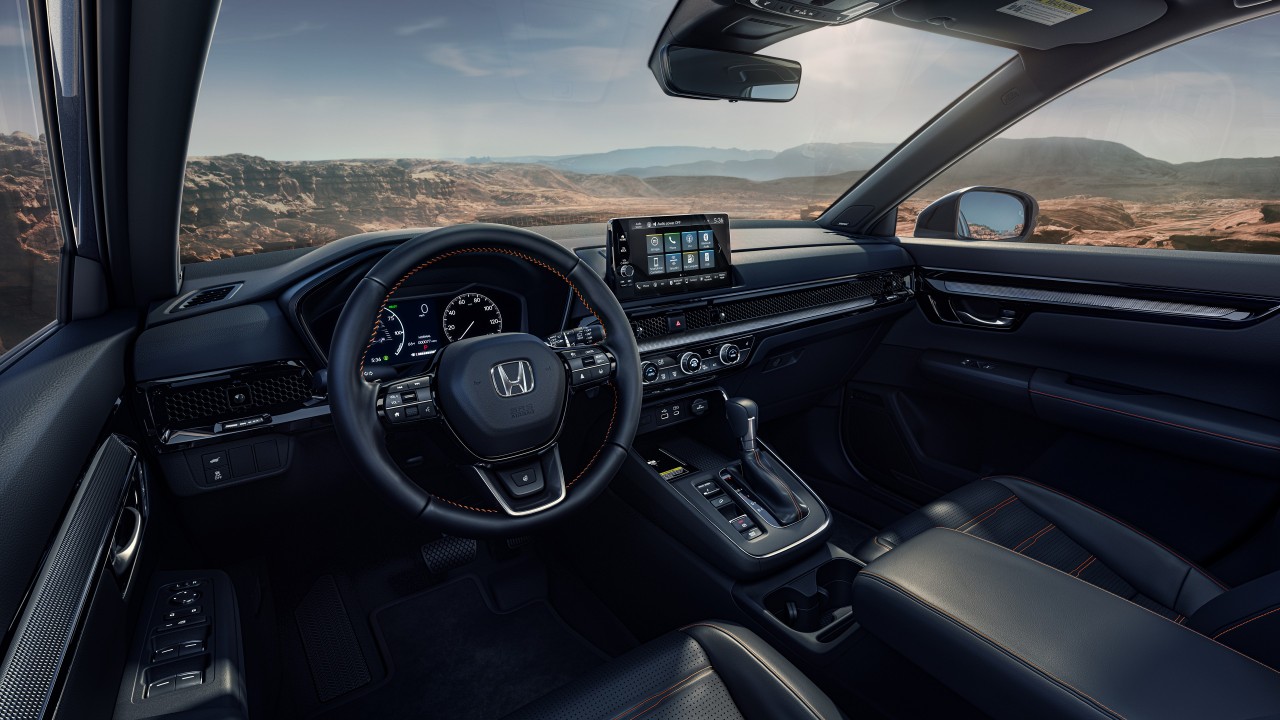
Door panels, center consoles, and seat frames in the CR-V are all firmly secured. The car feels tightly built, with very little flex in the interior structure. This strong assembly helps keep the cabin quiet even when driving over rough roads or potholes.
Noise reduction is another strength of the CR-V. Honda uses thick insulation under the floor and around the doors to block outside sounds. This helps keep the cabin peaceful and comfortable, making it one of the quietest in its class.
The seating materials are made to last. Cloth seats resist fading and tearing, while the leather options hold up well against wear. The seat foam stays supportive for years, ensuring both comfort and long-term durability.
3) Subaru Forester
The Subaru Forester is built with practicality and toughness in mind, and that durability extends to its interior. It may not have the flashiest design, but what it offers is long-term reliability. The cabin stays solid, even after years of hard use.
Subaru focuses on function over fashion. The Forester’s interior materials are thick and textured, made to handle outdoor lifestyles and rough conditions. Whether it’s mud from hiking boots or snow from winter drives, the cabin holds up without showing much wear.
The dashboard is simple and sturdy. Subaru uses durable plastics that don’t easily scratch or fade, and every panel feels tightly fitted. This careful assembly means the Forester stays quiet and free from rattles, even on uneven or rocky roads.
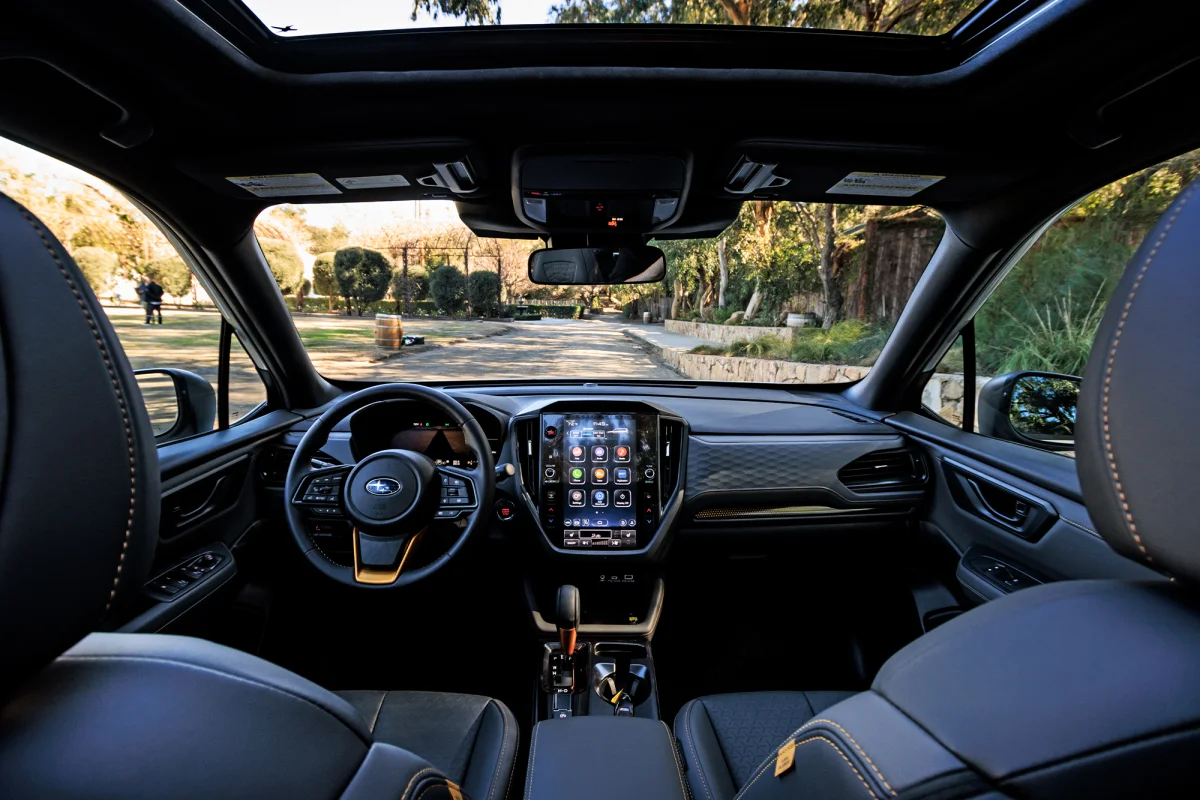
Over time, many vehicles start developing squeaks or buzzing sounds inside, but the Forester resists that well. Subaru engineers pay attention to how pieces are joined, making sure clips and joints stay secure for the life of the vehicle.
The seats are another highlight of the Forester’s long-lasting build. The fabric is strong and resists fraying, while the foam padding remains supportive. Even leather-trimmed versions stand up well to years of sunlight, temperature changes, and regular use.
Inside the Forester, you’ll also find surfaces that are easy to clean and maintain. Subaru designed the cabin with practicality for families and outdoor lovers, so everything wipes down easily after a day of adventure. It’s built for real life, not just for looks.
4) Mazda CX-5
The Mazda CX-5 stands out in the compact crossover class for offering both style and substance. Its interior doesn’t just look refined it’s built with care and quality that lasts. Even after years of use, the CX-5’s cabin stays tight, quiet, and upscale.
Mazda takes pride in its attention to detail. The CX-5’s dashboard, doors, and console are made with soft-touch materials that feel smooth but remain durable. Unlike many competitors that use thin, shiny plastics, Mazda’s trim stays solid and resists fading or cracking.
Every piece inside the CX-5 fits together neatly. The gaps between panels are small and consistent, showing high assembly precision. This tight construction helps prevent rattles or squeaks, even after years of driving on bumpy or uneven roads.
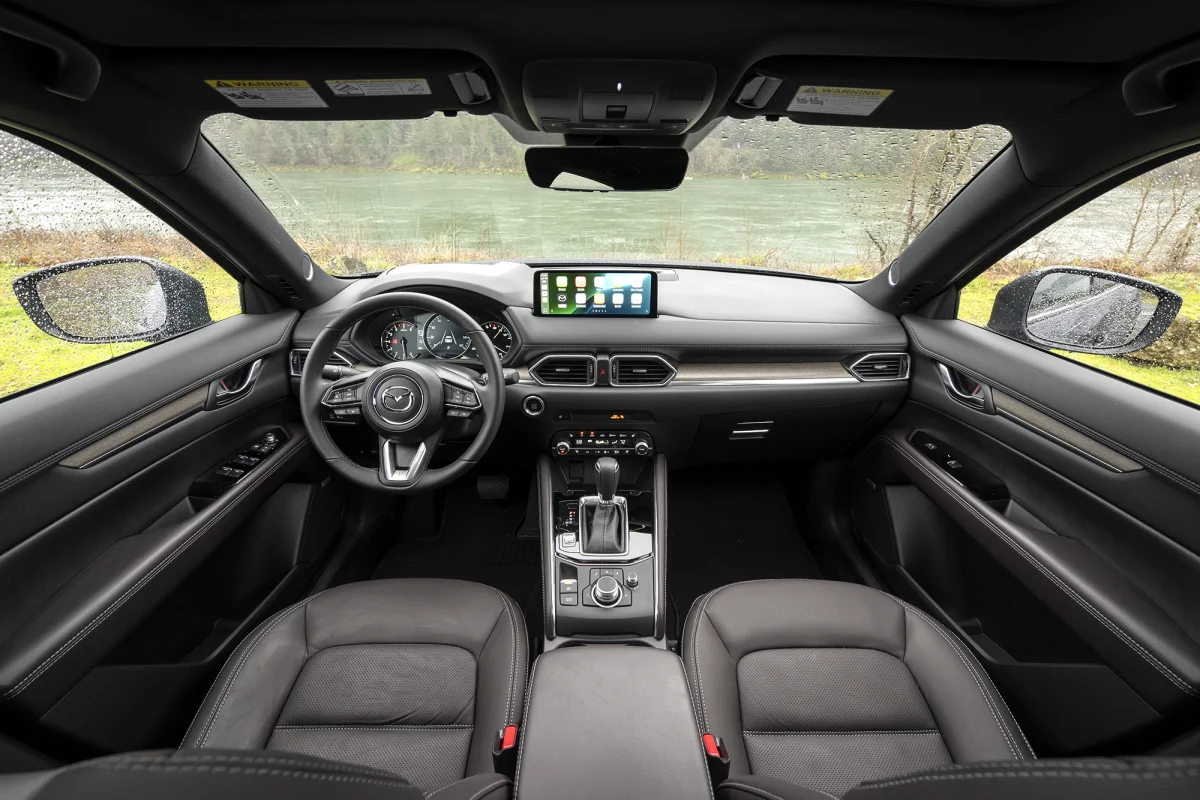
The cabin design also plays a big role in its longevity. Mazda avoids unnecessary decorative parts that might loosen over time. Instead, the interior follows a clean, driver-focused layout where everything feels sturdy and practical without losing elegance.
Seat quality in the CX-5 is excellent. The cushions hold their shape well, and both cloth and leather options are resistant to wear. The supportive structure of the seats keeps passengers comfortable, even after long drives or years of daily commuting.
Noise control is another area where Mazda shines. The CX-5 features strong insulation that blocks road and wind noise. Rubber door seals and high-quality glass make the interior feel calm and composed, helping maintain that “new car” quietness for a long time.
5) Lexus NX
The Lexus NX is a luxury crossover known not just for its comfort but also for its lasting quality. Its interior is built with exceptional care, using high-grade materials and precise craftsmanship that keep it feeling new for many years.
Lexus has a long reputation for creating interiors that resist aging, and the NX follows that tradition perfectly. Every surface inside feels sturdy and premium from the soft leather seats to the finely stitched dashboard. Nothing feels cheap or fragile.
The build quality is outstanding. The panels fit tightly, the switches move with a satisfying firmness, and no part feels loose or hollow. Even after thousands of miles, owners rarely hear squeaks or rattles, which is a testament to Lexus’s strict assembly standards.

The NX also benefits from Lexus’s focus on quietness. Advanced insulation materials line the doors, roof, and floor, creating an impressively silent cabin. Road noise, wind, and vibration are kept to a minimum, making the car feel refined and peaceful.
Over time, many vehicles show signs of wear on interior trim, but the NX holds up beautifully. The leather resists cracking, and the stitching stays tight. The buttons, knobs, and touchscreen respond smoothly, just as they did when the car was new.
Lexus also designs its interiors for real-world durability. The cabin materials are resistant to heat and sunlight, so fading and warping are rare. Even in hot or humid climates, the interior retains its clean, solid look year after year.
Also read:5 Models With Great Rustproofing vs 5 That Need Undercoating
5 Crossovers That Rattle Loose Over Time
Crossovers promise practicality, comfort, and daily dependability, but as many owners eventually learn, not every model ages gracefully. After a few years of rough roads, temperature swings, and the usual wear, some crossovers develop an annoying habit: interior rattles, buzzing panels, loose trim pieces, and dashboards that creak with every bump.
These aren’t just minor irritations; they can make a vehicle feel older than it is and undermine the sense of quality you paid for in the first place.
1) Jeep Compass
The Jeep Compass gives off a strong, adventurous image from the outside, but its interior doesn’t always live up to that promise. While it looks stylish and modern when new, many owners find that the cabin materials and assembly don’t age well.
The Compass uses plenty of hard plastics around the dashboard, doors, and center console. These materials may be easy to clean, but they lack the strength and flexibility needed to handle years of vibration and heat. Over time, they can creak or rattle on rough roads.
When new, the Compass feels comfortable and well-finished, but with daily use, certain areas start to show wear. Door panels can loosen slightly, and dashboard joints may develop minor gaps. These small changes add up to a cabin that starts to feel less solid.
Many owners report that interior rattles become noticeable after a few years, especially around the glove box and center console. While these issues don’t affect performance, they do reduce the feeling of quality that drivers expect from a modern crossover.
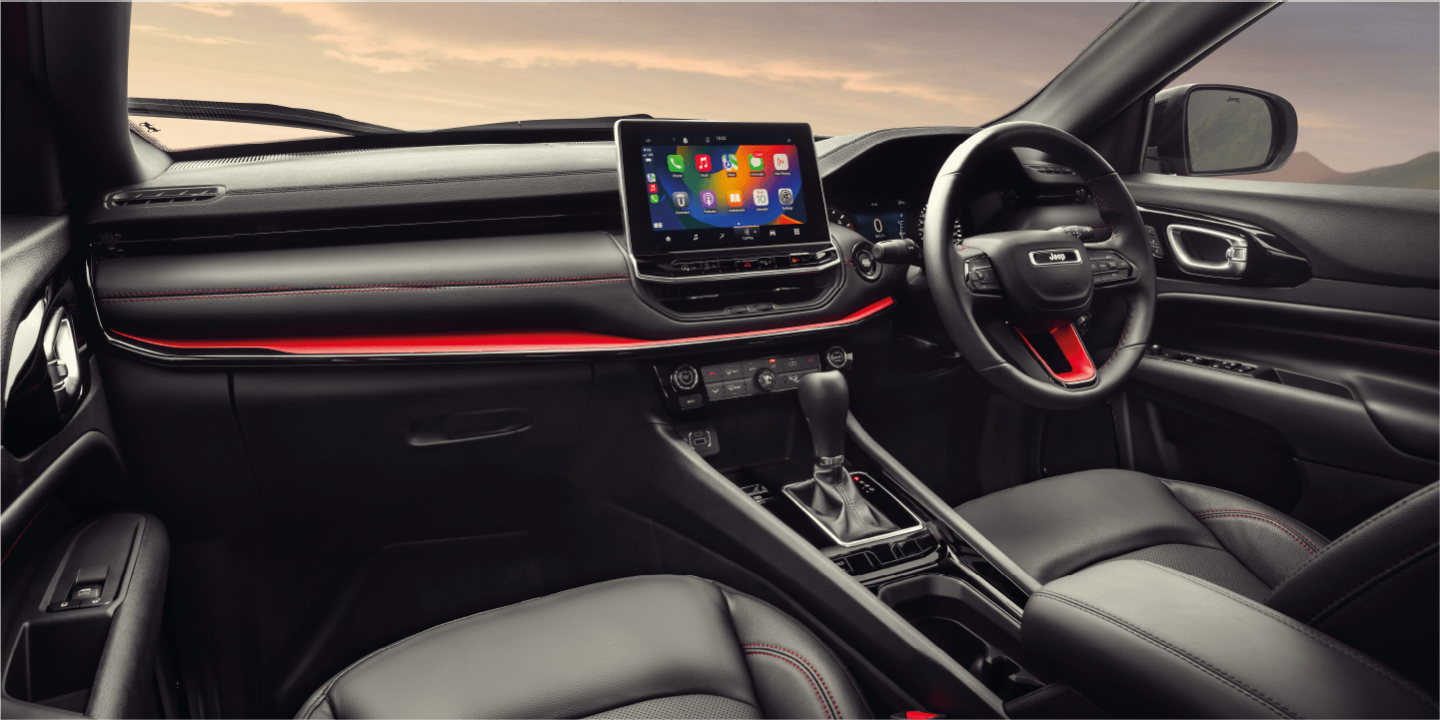
The seat materials also reflect cost-cutting. The fabric can wear thin over time, and even the leather-trimmed options sometimes crack or fade earlier than expected. Foam padding tends to soften, causing seats to lose support on long drives.
The Compass also struggles a bit with noise insulation. Road and wind sounds are more noticeable than in competitors like the Toyota RAV4 or Honda CR-V. The thin door seals and lightweight panels don’t block noise effectively, especially at highway speeds.
Jeep’s focus on design rather than long-term refinement shows in the details. The switches and knobs work well initially but can feel loose with age. The climate control dials, for instance, often lose their firm “click” after years of use.
2) Nissan Rogue
The Nissan Rogue is known for its smooth ride and comfortable seating, but when it comes to long-term interior durability, it doesn’t always hold up. Over time, its cabin materials and trim pieces tend to loosen, creating rattles and squeaks that affect the overall feel.
When new, the Rogue impresses with its soft seats and modern design. The dashboard looks stylish, and the layout is practical. However, Nissan’s focus on comfort over construction quality becomes clear after a few years of ownership, especially on rough or uneven roads.
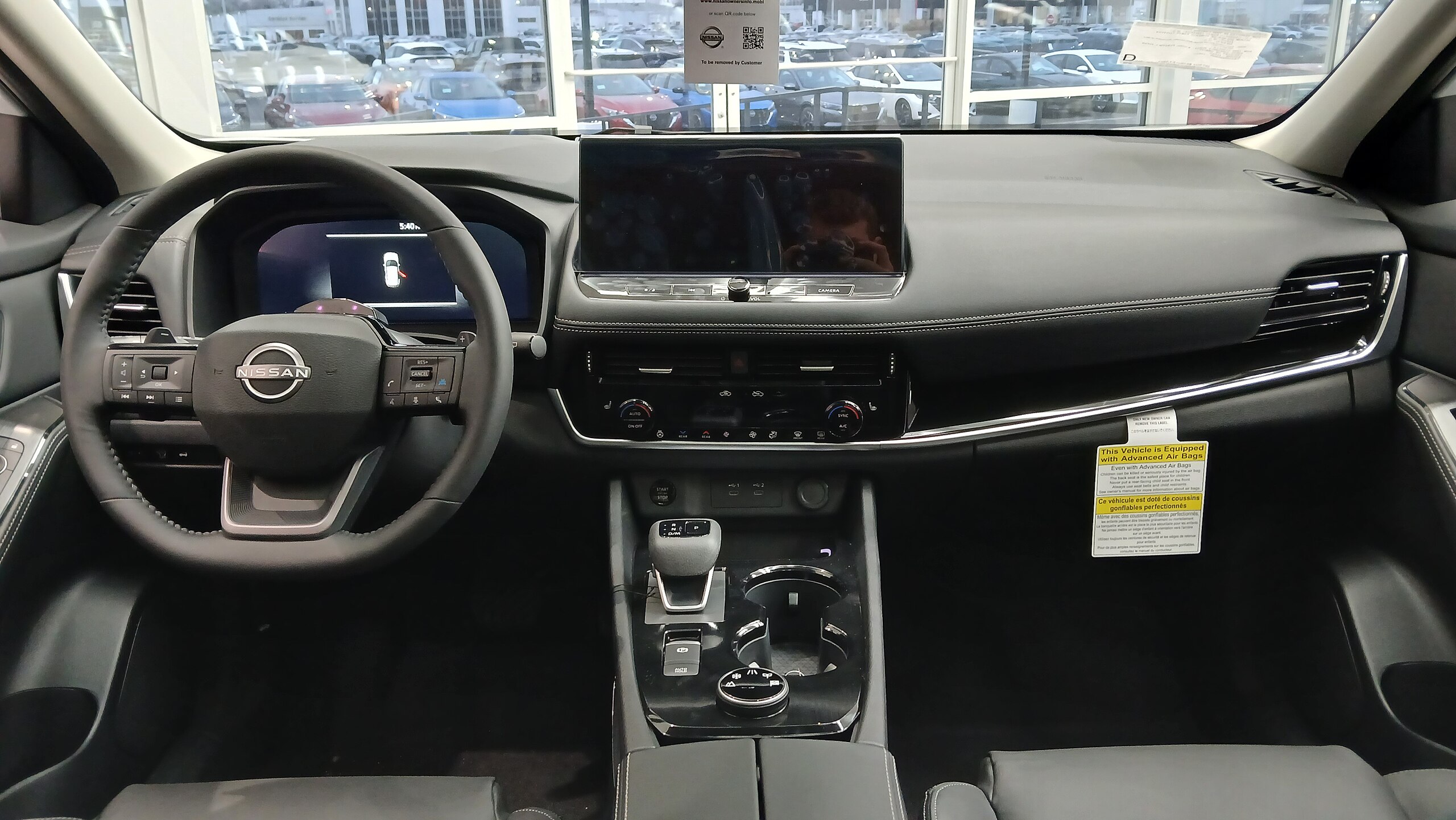
Many owners notice that door panels and center consoles begin to creak as the vehicle ages. Small gaps between trim pieces can appear, and plastic clips that hold parts together sometimes weaken. These tiny flaws lead to noise and vibration inside the cabin.
The dashboard and glove box area are common sources of rattles. When driving over bumps, these parts can buzz or shift slightly. While not major issues mechanically, they take away from the sense of solidity that many buyers expect from a family crossover.
Seat materials in the Rogue also show wear faster than in top rivals like the Toyota RAV4 or Honda CR-V. The fabric tends to stain easily, and the synthetic leather options can lose their finish or wrinkle with use. The seat foam often softens too quickly.
3) Chevrolet Equinox
The Chevrolet Equinox is a popular family crossover known for its comfort and roomy interior. When new, it offers a quiet and pleasant cabin experience. However, as the miles add up, the quality of its interior materials and fit can begin to show weaknesses.
At first glance, the Equinox’s cabin feels inviting. It has soft seats, simple controls, and plenty of storage spaces. But beneath the surface, many interior pieces are made from lightweight plastics that don’t hold up well to long-term use and daily wear.
Over time, these plastics can loosen, especially around the dashboard and door panels. Small gaps and squeaks start to develop, particularly on rough or bumpy roads. Even minor vibrations can lead to buzzing noises from the trim, making the cabin feel less refined.
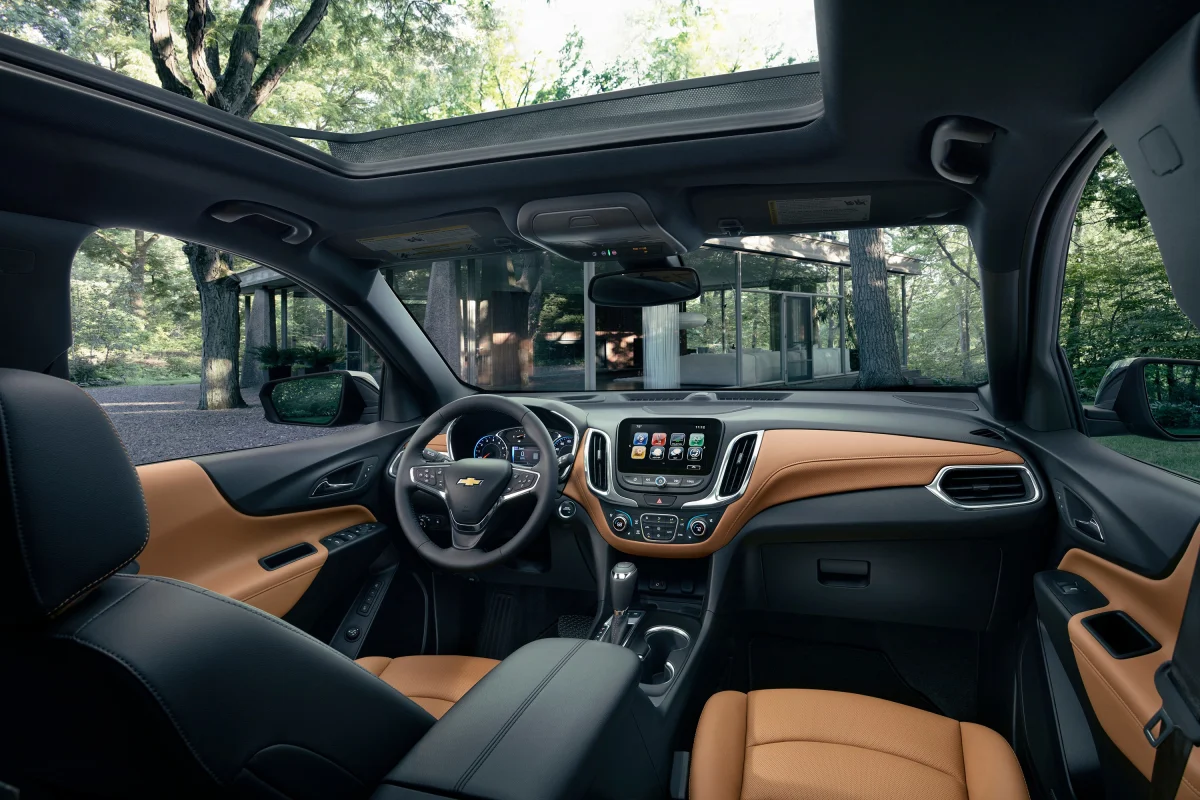
The center console and dashboard are common trouble spots. The joints between panels can creak, and clips that hold them in place may lose their grip. These small rattles may not seem serious, but they affect the car’s solid, new-car feel over the years.
Seat durability is another weak area. The fabric upholstery in base models tends to show signs of wear early, especially on the edges. In higher trims, the leather seats look nice at first but can wrinkle, crack, or fade sooner than expected.
The Equinox also struggles a bit with sound insulation. Road and wind noise become more noticeable as the car ages, suggesting that seals and insulation materials don’t retain their effectiveness over time. The quietness of the cabin when new slowly fades away.
On the bright side, the Equinox remains very comfortable and practical. The seats are supportive, and the driving position is easy to adjust. Families enjoy its generous rear legroom and wide cargo space, which make it great for everyday use.
Chevrolet has improved quality in newer models, but earlier versions still show issues with trim looseness and cabin durability. The car looks stylish inside, yet the materials don’t always match that appearance after years of ownership.
4) Ford Escape
The Ford Escape has long been a favorite among compact crossover buyers for its smooth performance and smart features. However, while it offers comfort and practicality, its interior doesn’t always keep its original quality as the years and miles add up.
When new, the Escape feels well-built and inviting. The dashboard layout is modern, and the seats are supportive. But as time passes, owners often begin to notice that the interior trim isn’t as durable as it first appears. Rattles and vibrations start to creep in.
Many of these issues come from the hard plastics used throughout the cabin. Though they’re easy to clean, they tend to become noisy with age. The panels around the dashboard, doors, and center console can loosen slightly, leading to small creaks and buzzing sounds on bumpy roads.
The Escape’s interior also suffers from inconsistent build quality across model years. Some vehicles remain quiet and solid, while others develop rattles sooner. This variation makes the cabin feel less reliable compared to sturdier competitors like the Honda CR-V or Toyota RAV4.
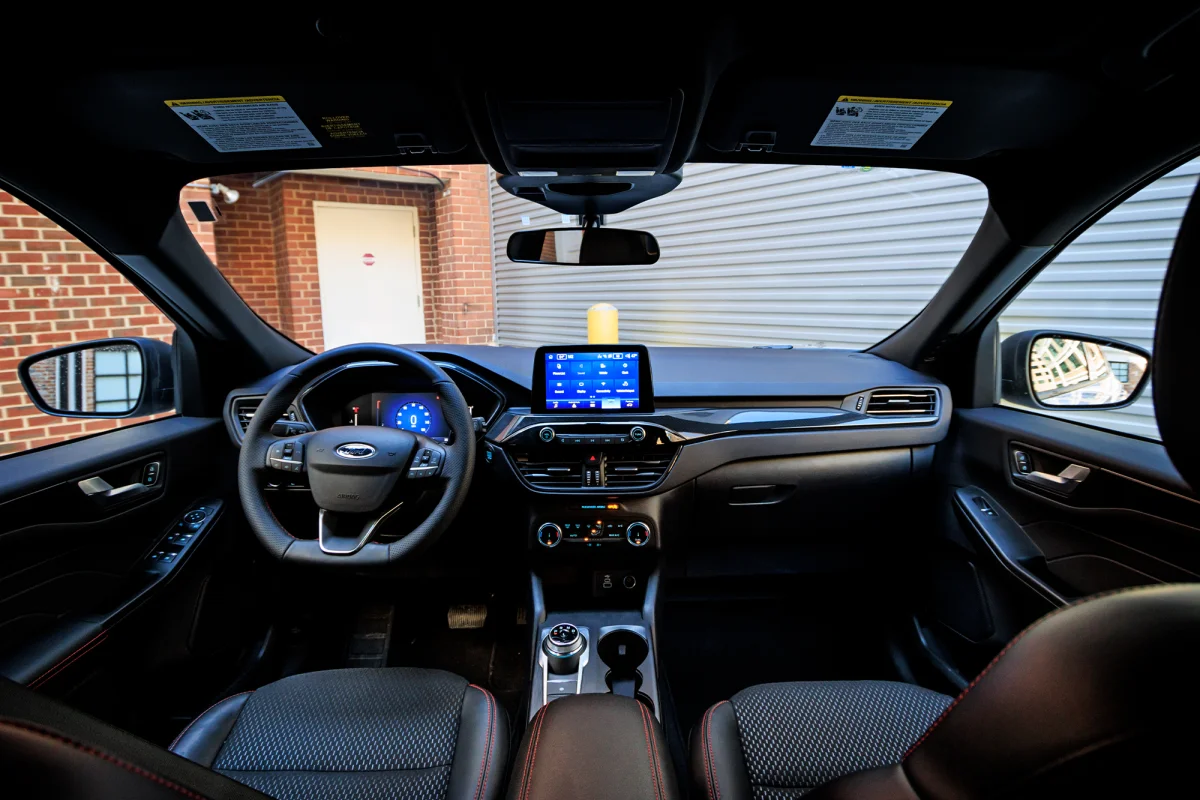
Seat materials in the Escape are comfortable but not particularly long-lasting. The cloth options tend to fade and stain, and the leather-trimmed versions can wrinkle or crack with heavy use. The seat foam also softens over time, reducing support on longer drives.
Noise insulation is another area where the Escape shows its age. When new, the cabin feels calm and controlled, but as door seals wear and panels loosen, more road and wind noise starts to seep in. The difference is especially noticeable on highways or rough pavement.
One thing Ford does well, however, is cabin design. The layout is simple and intuitive, with easy-to-reach controls and clear visibility. For everyday use, it’s a comfortable place to spend time at least when it’s still fairly new.
Ford has made efforts to improve the Escape’s quality in newer generations, adding better materials and tighter assembly. Still, older models often show that while the Escape drives well, its interior trim wasn’t built for the long haul.
5) Mitsubishi Outlander Sport
The Mitsubishi Outlander Sport aims to deliver value and reliability in a compact crossover package. While it offers practicality and decent performance, its interior is one area where cost-cutting becomes noticeable, especially as the vehicle ages. Over time, trim and materials tend to lose their firmness.
At first, the Outlander Sport’s cabin looks straightforward and functional. The controls are easy to reach, and visibility is good. However, most interior surfaces are made of hard plastics that feel lightweight and hollow. While durable on paper, these materials tend to loosen and creak after years of vibration and daily use.
Owners often report rattles developing around the dashboard and door panels. These noises usually start small but can grow more frequent with age. The issue is most noticeable when driving on uneven roads, where the cabin begins to reveal its lack of tight construction.
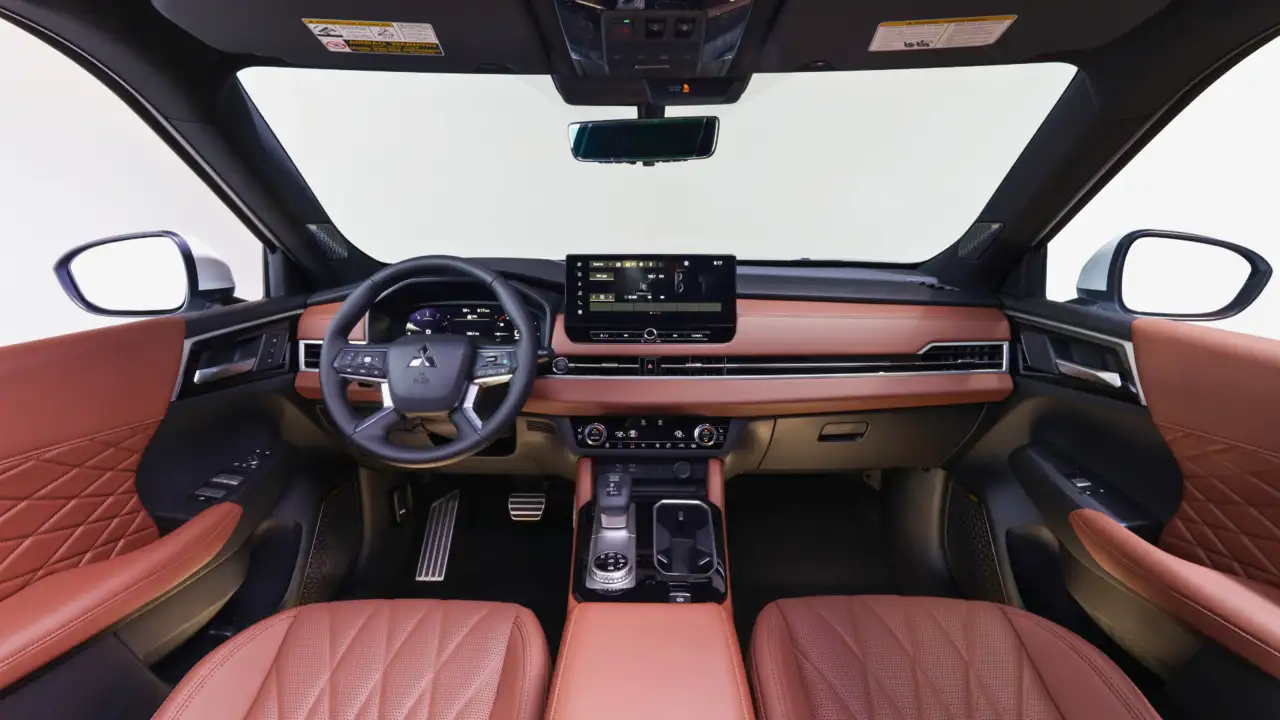
The Outlander Sport’s seat quality also reflects its budget-friendly design. The fabric upholstery can wear thin at the edges, and the synthetic leather used in higher trims isn’t immune to cracking or fading. The cushioning tends to lose firmness over time, reducing comfort on long trips.
Temperature and weather also affect the cabin’s longevity. In hot climates, the plastics can warp or separate slightly at the joints. In colder regions, they may creak as the cabin materials expand and contract. These small imperfections make the interior feel older sooner than it should.
Noise insulation is another weak point. Road noise, wind, and vibrations are easily heard inside the cabin. The thin door seals and minimal padding mean that the car lacks the quietness found in rivals like the Mazda CX-5 or Subaru Forester.
Despite these drawbacks, the Outlander Sport does have a few strengths. The simple design means fewer electronic issues, and the interior is easy to clean and maintain. For drivers who prefer a no-fuss vehicle for city commuting, it gets the job done
Also read: 5 Hatchbacks With Real Cargo Space vs 5 That Fake the Numbers