Pickup trucks are built for hard work, towing, hauling, and sometimes serious off-roading. One of the most important parts that keeps a truck strong is its differential. The differential sends power to the wheels and helps them turn at different speeds.
When a truck has a strong differential, it can handle heavy loads, rough terrain, and high mileage with fewer breakdowns. However, not every truck comes with a strong differential. Some differentials are known to fail early and produce whining or grinding noises, especially under load.
Also read:5 Trucks With Simple Emissions Systems vs 5 That Trip CELs Weekly
5 Trucks With Indestructible Differentials
When you’re shopping for a truck that can handle real work, the differential is one of the most important and most overlooked, components. It’s the heart of a truck’s ability to put power to the ground, especially when hauling heavy loads, towing up steep grades, or crawling through terrain that would make a crossover tap out.
A weak differential can turn a capable truck into a ticking time bomb, leading to expensive repairs and a whole lot of downtime. But some trucks are built with drivetrains that refuse to quit, engineered with heavy-duty gears, reinforced housings, and designs proven through years of abuse by contractors, off-roaders, and long-distance haulers.
1) Toyota Land Cruiser
The Toyota Land Cruiser has a reputation for being one of the toughest vehicles ever made. Its strong design allows it to handle rough roads, heavy loads, and long distances without breaking easily. Many people trust it because it lasts for decades.
One of the key reasons behind its durability is the rear differential. This part allows both rear wheels to turn smoothly, especially while cornering or driving off-road. In the Land Cruiser, this differential is built stronger than most trucks.
The gears inside the rear differential are thick and heavy-duty. They are made from high-strength metal that resists bending or breaking under pressure. Even when the vehicle climbs hills or pulls heavy trailers, the gears stay reliable and smooth.
Strong bearings also help the differential last longer. Bearings support the gears and allow them to rotate with reduced friction. In the Land Cruiser, these bearings are bigger and stronger than usual, helping them survive sand, mud, and rocky surfaces.
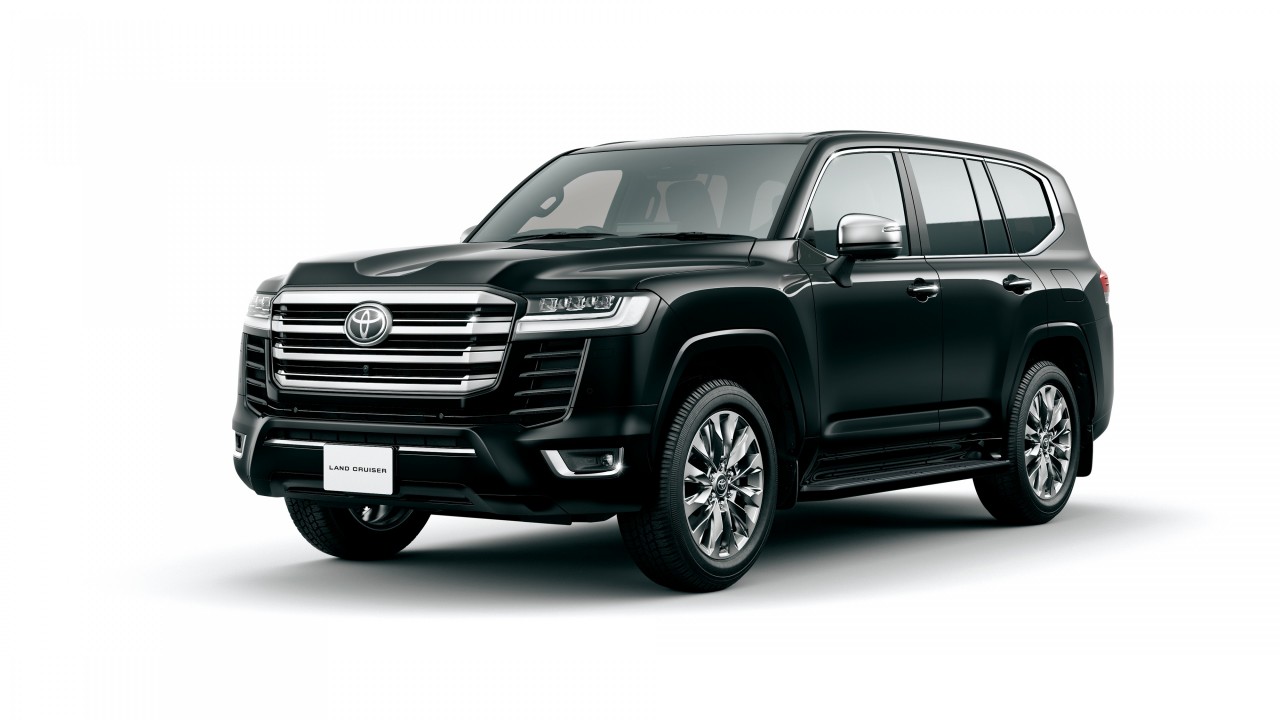
Many military and safari fleets use the Land Cruiser because the differential rarely fails. These vehicles often run in extreme heat, dust, and rough terrain where normal trucks struggle. Even after years of hard work, the differential stays dependable.
Another benefit is the excellent cooling system. When vehicles tow heavy loads or drive uphill for long distances, differentials can heat up. The Land Cruiser’s design helps reduce overheating, which protects the gears and bearings from wear and expensive damage.
Regular maintenance also plays an important role. The Land Cruiser uses high-quality differential oil that reduces friction and extends life. With proper servicing, the differential continues performing smoothly even after long off-road trips or high-mileage usage.
2) Ford F-250 Super Duty
The Ford F-250 Super Duty is known for its strength and long-term durability. It is built for heavy towing, construction work, and demanding tasks. Many truck owners choose it because it keeps performing well even after years of rough treatment.
One major reason for its toughness is the differential system. The F-250 often uses the Dana 60 or Sterling axle, both known for their strong design. These differentials handle heavy loads without wearing out quickly or developing whining noises.
Inside the differential, the gears are large and thick. They are made from high-grade steel capable of resisting pressure from towing trailers, hauling equipment, or driving over uneven terrain. Their size helps them transfer power without unnecessary stress or heat.
The bearings in the differential are also strong and long-lasting. They keep the gears aligned and rotating smoothly. Because the F-250 is designed for heavy-duty tasks, the bearings are built to handle extreme conditions, such as steep climbs or heavy loads.
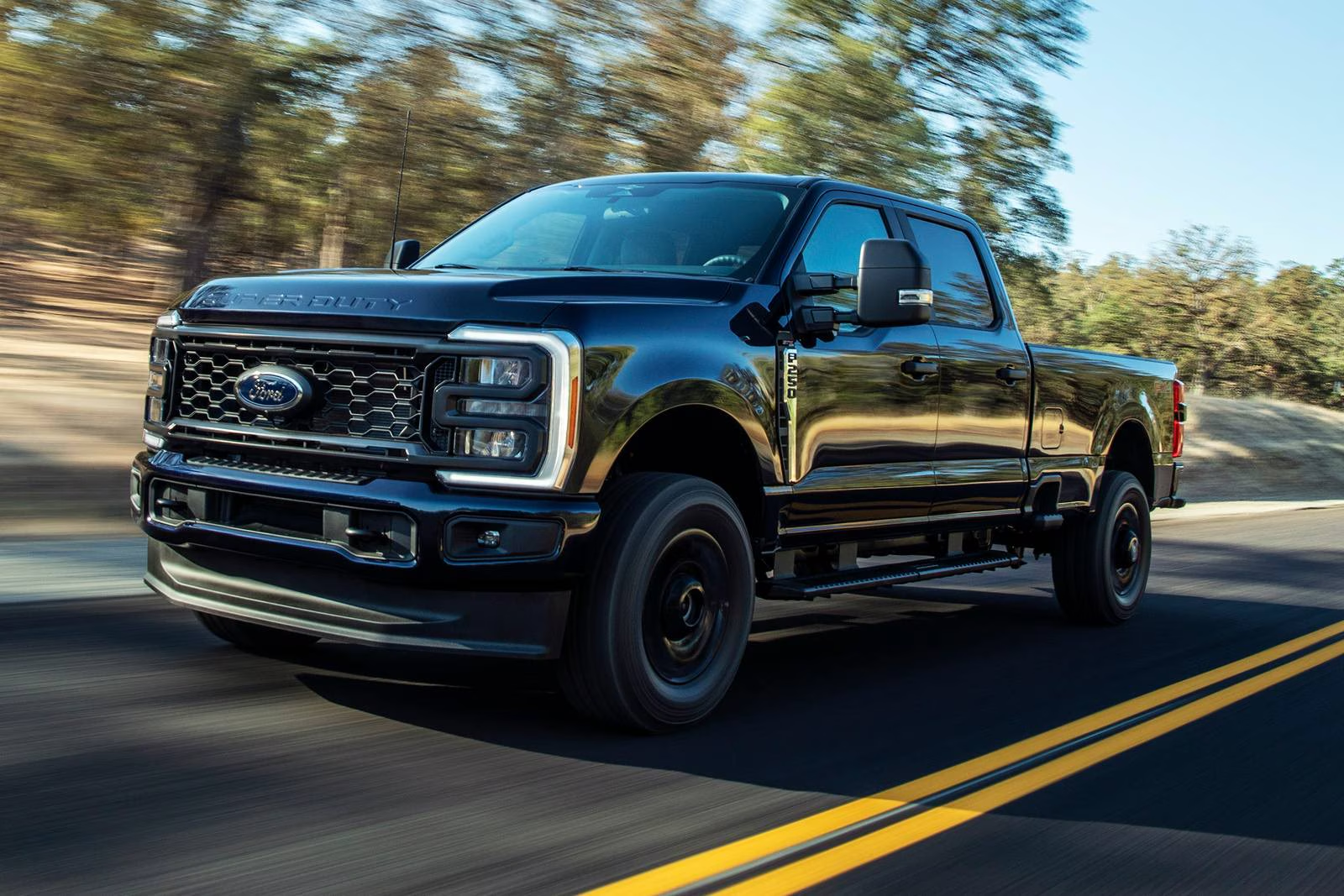
Cooling is another important feature in the F-250’s differential. When towing uphill or driving long distances, differentials can heat up. Ford designed strong housing and cooling support to help reduce friction and prevent overheating, which protects internal components from damage.
Many commercial fleets depend on the F-250 because the differential rarely fails. These trucks are used by farmers, builders, tow operators, and utility companies. They trust the differential because it keeps working well even under constant stress and demanding work environments.
Ford also offers locking differential options depending on the model. A locking differential improves traction by making both wheels turn together. This feature helps the truck stay stable in mud, snow, off-road trails, or slippery work sites.
3) Ram 2500 Power Wagon
The Ram 2500 Power Wagon is built for off-road strength and durability. It is not just a work truck it is designed to handle mountains, deep mud, rocky trails, and challenging weather while still offering a reliable and strong driving experience.
One of the most important parts of the Power Wagon is its differential system. The truck comes with heavy-duty axles designed for power and long life. These components are much stronger than what you find in normal light-duty trucks.
Inside the differential, the gears are thick, tough, and engineered to handle force. Whether the truck is climbing steep paths or pulling heavy trailers, the gears remain smooth and dependable. Their large size helps reduce wear and prevent early failure.
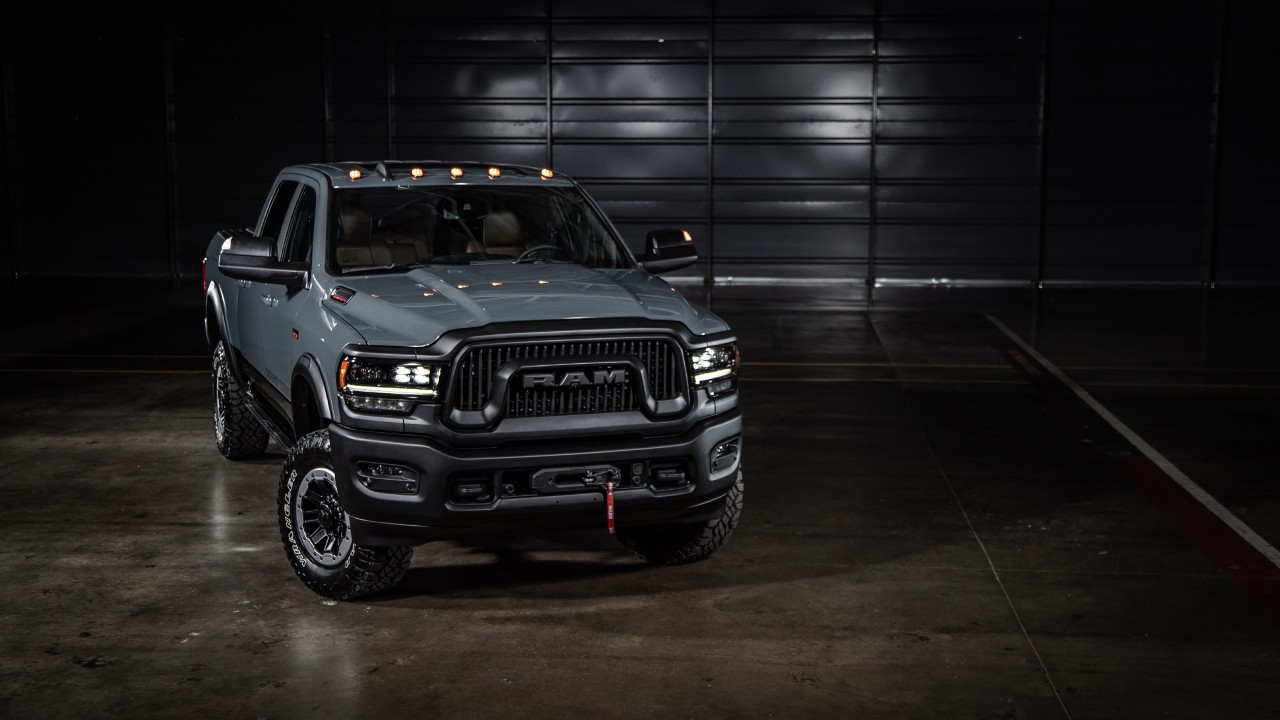
The bearings inside the differential are also larger and stronger than average. Because bearings support the gear rotation, stronger bearings mean less friction. This helps the differential last much longer, even when the truck works in extreme off-road situations.
One standout feature of the Power Wagon is its locking differential system. Both the front and rear differentials can lock. When locked, both wheels turn at the same speed, giving maximum traction for rock crawling and very slippery terrain.
Cooling support is another important benefit. When trucks push hard off-road, differentials can get extremely hot. The Power Wagon has a design that reduces heat buildup, which protects the metal surfaces inside and prevents expensive damage or gear grinding.
This setup is the reason many off-road explorers trust the Power Wagon. The differential remains strong even when the truck faces mud, snow, sand, or sharp rocks. Owners often say the axle and differential feel almost unbreakable.
Routine maintenance helps the differential last even longer. The truck uses special gear oil designed to handle pressure and heat. With proper servicing, many Power Wagon differentials continue running smoothly after years of hard work and adventure driving.
4) Nissan Titan XD
The Nissan Titan XD is built as a middle ground between a half-ton and a heavy-duty truck. It offers more strength than regular light-duty models while remaining smooth and easier to drive than bigger commercial-duty trucks.
One of the strongest features of the Titan XD is its rear differential. Nissan designed it to handle heavy towing, long-distance work, and rough conditions without wearing out quickly. This makes it popular among drivers needing reliable strength.
Inside the differential are large, precision-cut gears made from strong metal alloys. These gears resist stress from towing boats, equipment, or trailers. Their size and design help reduce friction, which allows the system to last longer and operate smoothly.
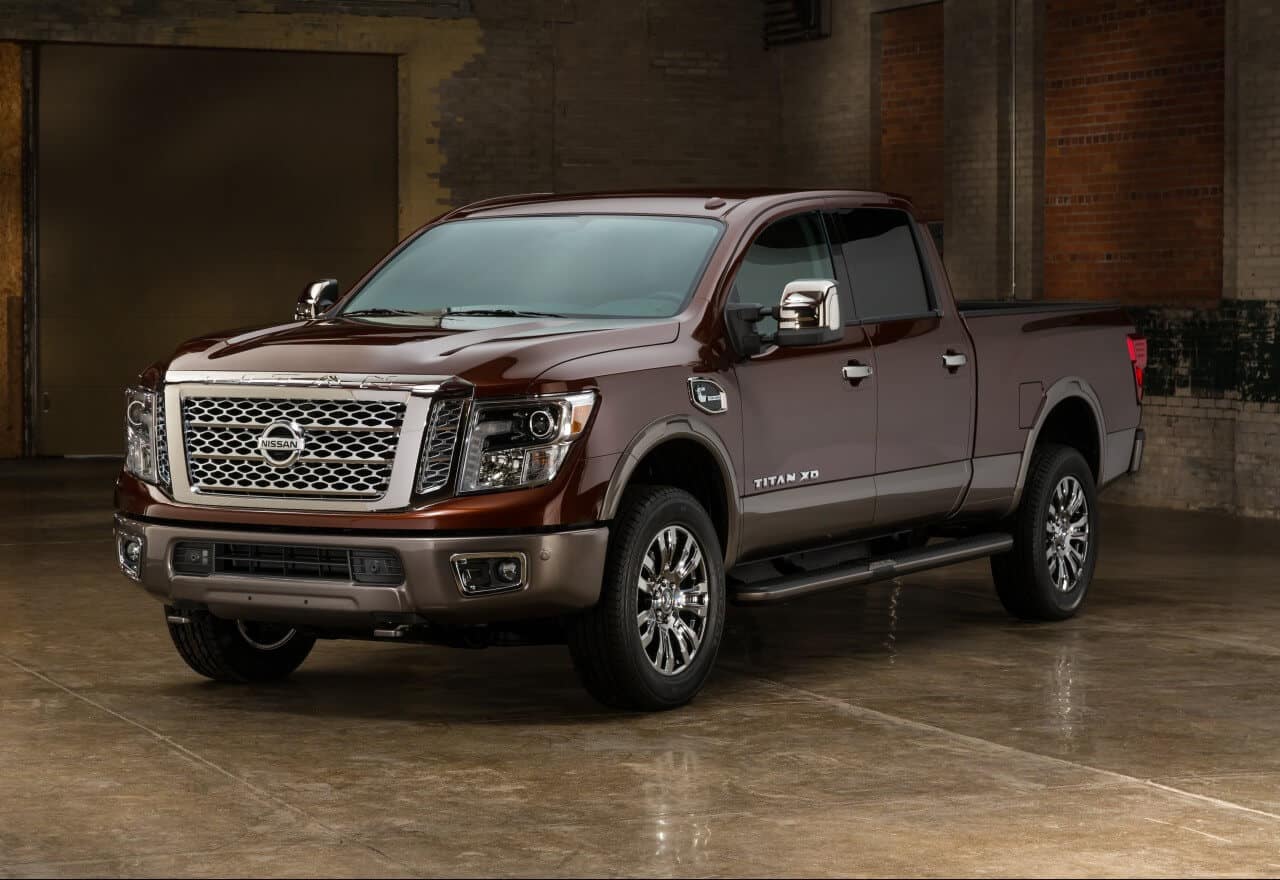
The bearings inside the differential are also built to handle high pressure. They keep the gears aligned and rotating freely. Because the Titan XD often works under heavy loads, these reinforced bearings prevent early wear and help extend the truck’s lifespan.
Another important advantage is the cooling capability. When a truck works hard, the differential can heat up. The Titan XD includes strong housing and improved lubrication flow, helping reduce heat buildup and protecting parts during long or steep towing situations.
Many Titan XD models also feature a locking or limited-slip differential option. This system increases traction when one wheel loses grip. It is especially useful for muddy job sites, snowy roads, or light off-road exploration where stability is important.
Fleet and work truck owners appreciate the Titan XD because the differential rarely fails when maintained properly. Even after years of towing or hauling heavy loads, most differentials remain quiet, smooth, and mechanically sound without whining or grinding sounds.
5) Chevy Silverado 2500HD
The Chevy Silverado 2500HD is known for its strength and long working life. It is commonly used for farming, construction, towing, and commercial work. Many owners choose it because it remains reliable even after years of heavy and demanding use.
A major reason for this reliability is its strong differential system. The Silverado 2500HD uses a heavy-duty axle with reinforced components designed to handle constant pressure. This makes it suitable for large trailers, equipment hauling, and off-road or rough job site driving.
Inside the differential, the gears are thick, strong, and built from durable metal. Their size helps distribute stress evenly, which prevents early wear. Even during steep climbs or towing heavy loads, the gears continue operating smoothly without noise or damage.
The bearings inside the differential also play an important role. They support and guide the gears so they rotate smoothly. Because the Silverado 2500HD is meant for heavy-duty work, the bearings are designed to last a long time under tough conditions.
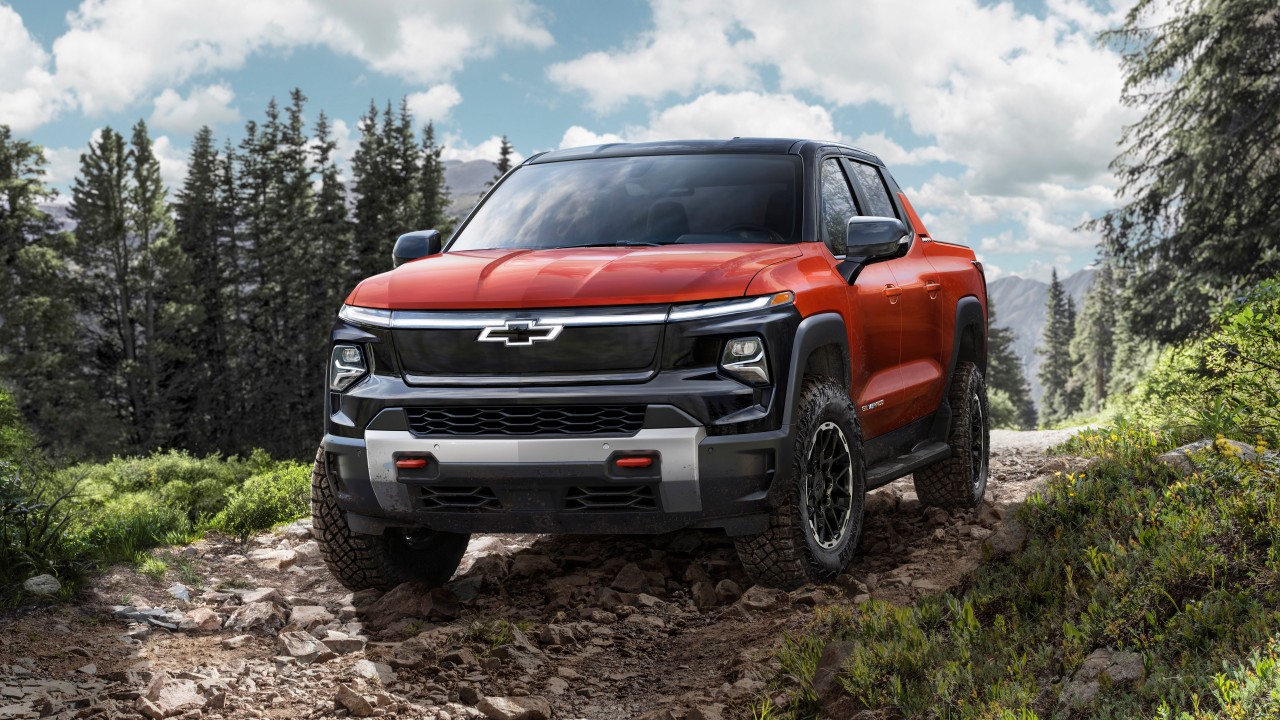
Cooling support helps the differential survive long-distance towing and steep hills. Heat is one of the biggest enemies of differentials. The Silverado’s design improves lubrication flow, allowing the system to stay cooler and reducing the risk of overheating or metal fatigue.
Some models also offer a locking or limited-slip differential. This system improves traction when one wheel loses grip. It is helpful for snowy roads, muddy terrain, and off-road conditions where stronger wheel control is needed for better stability and traction.
Many work fleets trust the Silverado 2500HD because the differential rarely fails. These trucks often run every day in harsh environments. Even after long hours of work, the differential remains dependable, preventing downtime and expensive repair costs.
Also read:5 Hatchbacks With Back Seats Adults Enjoy vs. 5 Hatchbacks That Are Knee-Bangers
5 Trucks With Differentials That Whine to Death
A faint whine from the rear axle might not sound like much at first, but in certain trucks it’s the early warning siren of a differential that’s headed for an expensive and frustrating failure.
While many pickups are engineered to take serious punishment, some models are notorious for developing differential noise long before they should, especially after years of towing, hauling, or simply poor factory design.
What starts as a soft hum on the highway can quickly escalate into grinding, clunking, and costly repairs that leave owners wishing they’d known what they were getting into.
1) Ford F-150 (Certain Problem Years)
The Ford F-150 is one of the most popular trucks in the world, but not all versions are perfect. Some model years, especially early 2000s and mid-2010s, developed differential issues sooner than expected, especially when owners towed heavy loads frequently.
The problem mostly comes from lighter-duty rear axles used in certain trims. These axles were designed more for comfort and fuel economy than constant heavy work. When pushed beyond intended limits, the differential gears sometimes wore down faster than normal.
One common symptom reported by owners is a whining sound from the rear of the truck. At first, the noise appears at certain speeds, especially between 40 and 60 mph. Over time, the sound becomes louder and more noticeable.
Inside the differential, the gears are thinner compared to heavy-duty trucks. When towing or climbing steep roads, these gears experience stress. If lubrication is low or poor quality, friction increases and starts wearing the metal surfaces unevenly.
Another weak point is the bearings used in some model years. When bearings wear out, they no longer hold the gears in the correct position. This causes misalignment, which leads to grinding noises, heat buildup, and eventually mechanical failure if ignored.
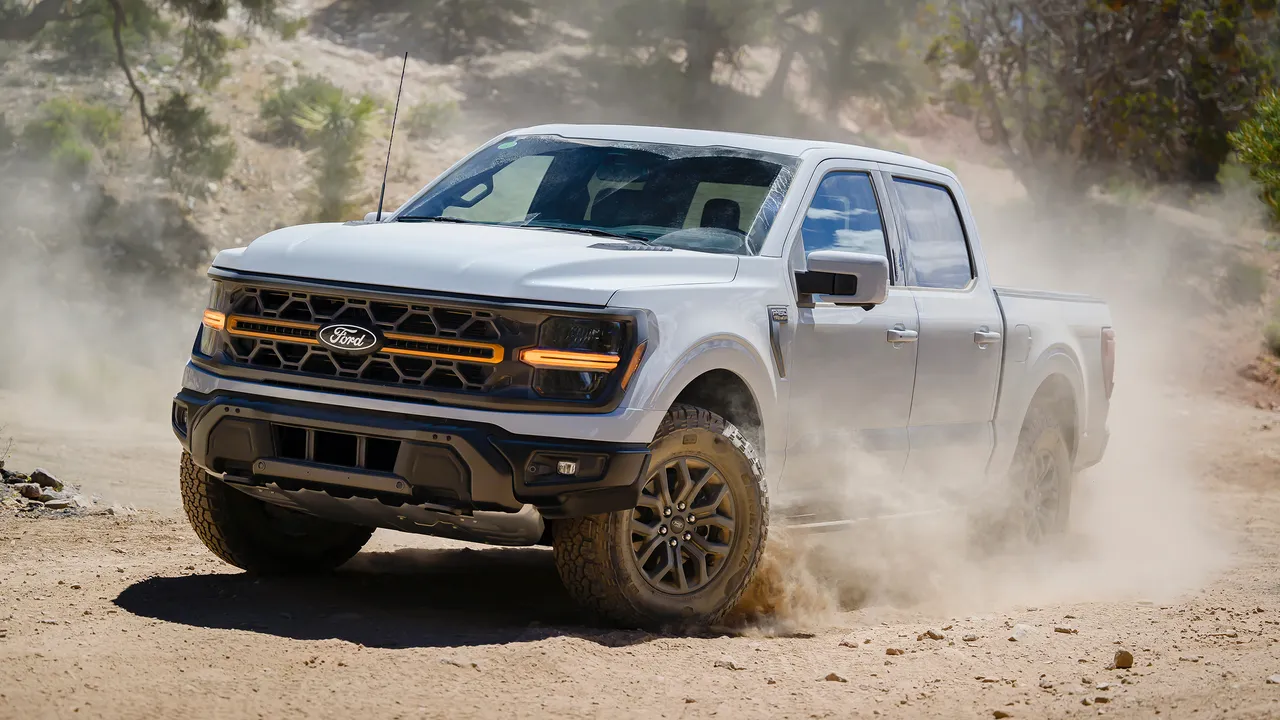
Heat is a major factor in these failures. Without strong cooling support, the differential can overheat during long towing or highway trips. Heat damages the oil and reduces its ability to protect internal components from wear and metal-on-metal contact.
Limited-slip and locking differential versions perform slightly better but still have known issues. If used off-road or under heavy towing, the clutch packs inside some versions wear quickly, creating additional noise or reducing traction performance over time.
Maintenance can delay the problem but not fully prevent it. The F-150 requires regular differential oil changes, especially for owners who tow or drive in hot weather. Skipping maintenance increases the chance of early bearing or gear wear.
2) Jeep Gladiator
The Jeep Gladiator attracts many buyers because of its rugged style and off-road ability. However, despite its strong appearance, some Gladiator models experience differential problems, especially when used for towing or aggressive off-road driving beyond the truck’s intended limits.
The Gladiator uses a lighter rear axle in some trims, which is suitable for daily driving but not repeated heavy stress. When owners push the truck hard, especially in rocky or muddy terrain, the differential may begin developing early noise and wear.
One of the most common complaints from owners is a high-pitched whining sound. This noise often becomes noticeable during acceleration or while maintaining highway speeds. Over time, the sound can increase and become louder if not inspected or repaired.
The gears inside the differential are not as thick or reinforced as those in heavier-duty trucks. When towing, rock crawling, or climbing steep hills, the thinner gears experience pressure that can cause friction, uneven wear, or eventual pitting on the metal surfaces.
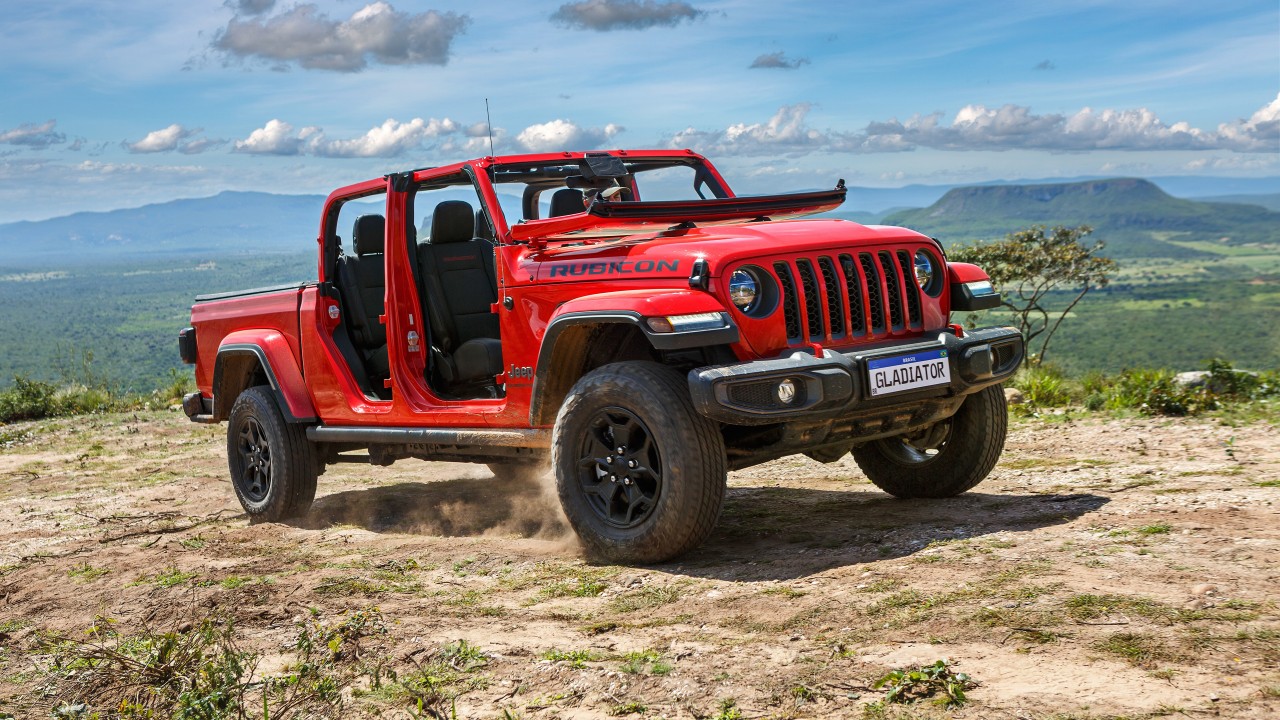
Bearings in the Gladiator differential are another weak point. When they start wearing out, the gears no longer stay perfectly aligned. This misalignment causes vibration, grinding noises, and heat buildup, which accelerates wear and can lead to expensive repair bills.
Cooling also plays an important role. Without strong heat control, differentials operating under strain can overheat. The Gladiator’s design does not manage heat as effectively during heavy towing or long off-road trips, which increases internal stress and lubrication breakdown.
Some models offer locking differentials, which help off-road traction but can add mechanical strain if misused. When locked on hard pavement or during sharp turns, the internal parts experience extra force, which speeds up wear if the driver is not careful.
3) Chevy Colorado
The Chevy Colorado is a popular midsize truck known for comfort, fuel economy, and easy daily use. However, while it performs well for light tasks, its differential system is not designed for heavy long-term stress, towing, or demanding off-road activities.
Many Colorado owners report early differential noise, especially after towing or driving on rough terrain. The noise often begins as a soft hum or whine and becomes louder over time if not inspected or repaired, especially at certain driving speeds.
Inside the differential, the gears are smaller than those found in full-size work trucks. These thinner gears work fine under normal driving conditions but can wear faster when the truck is pushed beyond basic commuting or weekend adventure use.
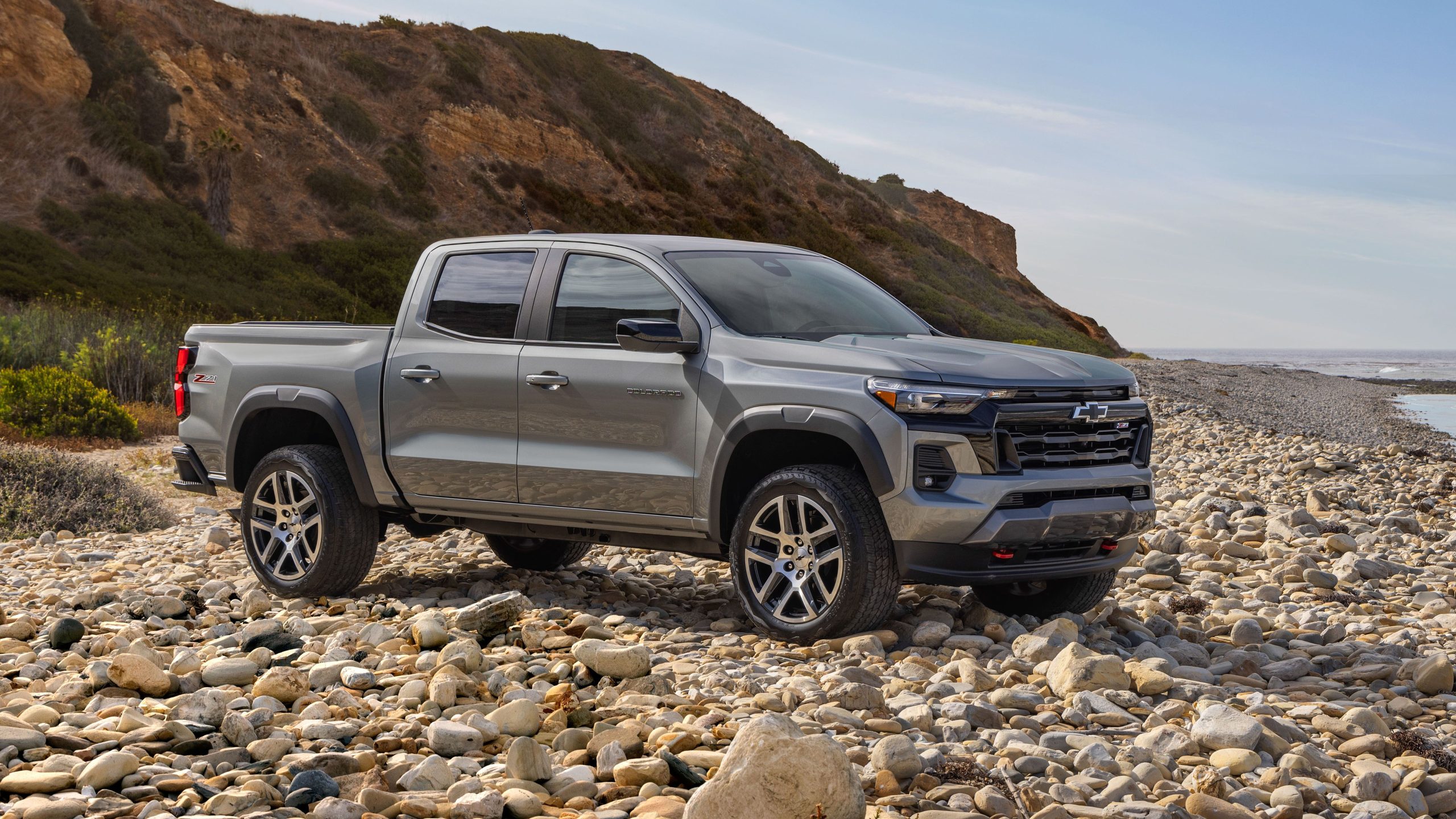
The bearings inside the differential are another weak point. When the bearings lose smoothness or alignment, the gears no longer sit perfectly in place. This creates vibration, friction, and heat buildup, which accelerates wear and eventually leads to mechanical failure.
Another common issue is fluid leakage around the differential seals. Once lubrication drops, metal parts inside begin grinding against each other. Without enough oil, the gears and bearings get damaged quickly, leading to expensive repairs or full differential replacement.
Cooling is also limited in the Colorado differential design. Heavy load or long highway towing can cause overheating, especially in warm climates. High heat breaks down grease and oil, reducing protection and increasing the chance of damage to internal components.
4) Dodge Dakota
The Dodge Dakota was a popular midsize truck offering strong engines and good towing ability for its size. However, many models developed rear differential issues, especially when used for hauling or off-road driving. Over time, noise and wear became common owner complaints.
One of the main weaknesses is the light-duty differential design used in many trims. While acceptable for everyday commuting, it struggles with long-term stress. When owners push the truck harder than intended, the differential gears begin showing early signs of wear.
Whining or humming noises are often the first symptoms. These sounds usually appear during acceleration or steady highway cruising. If ignored, the noise becomes louder and changes to grinding or clunking, indicating serious internal wear or misalignment inside the differential.
The gears inside the Dakota’s differential are not as thick or reinforced as those in larger trucks. Under towing or steep driving conditions, the gear surfaces experience extra friction. This friction can cause pitting, chipping, or uneven metal wear over time.
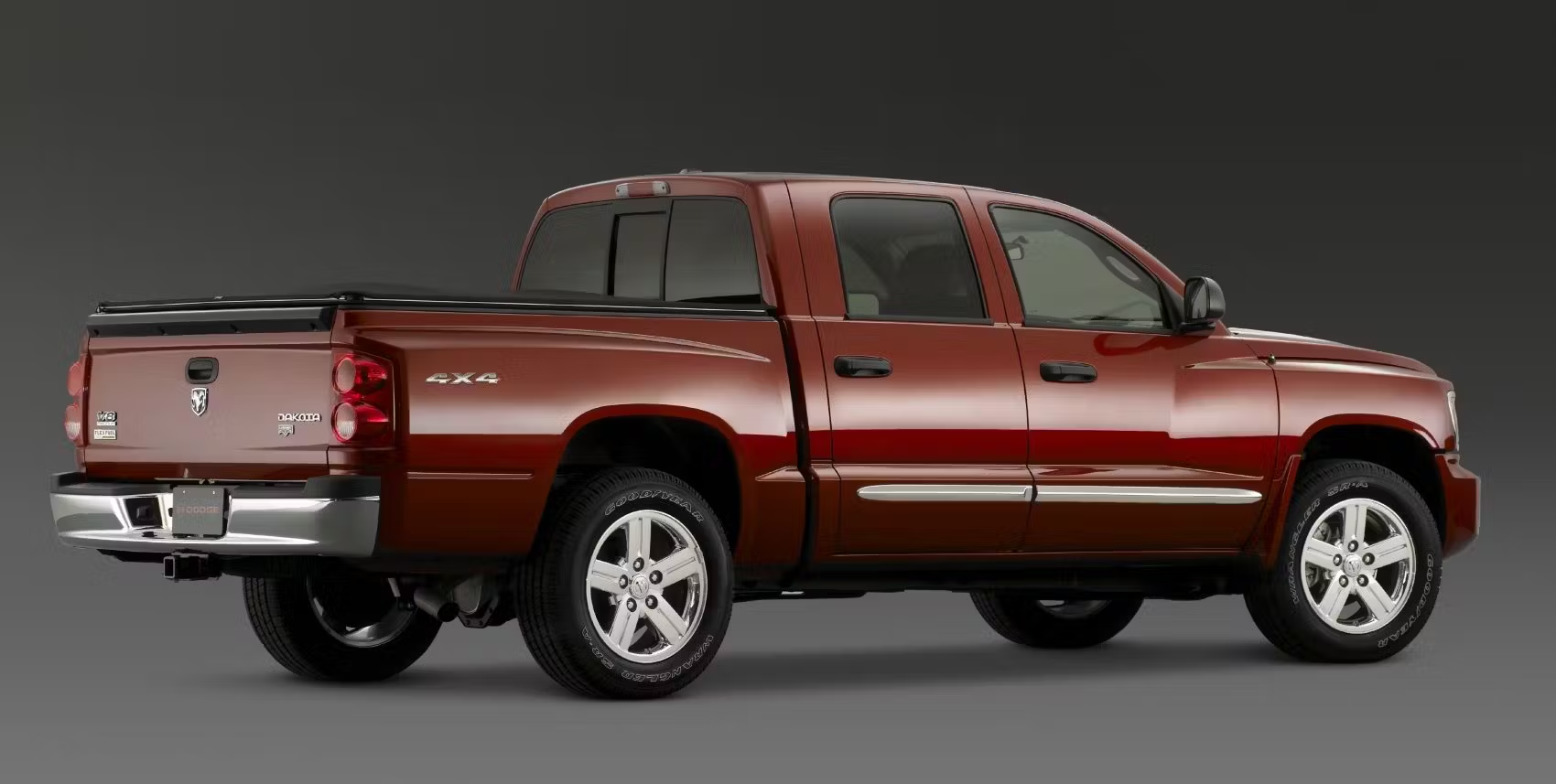
Bearing failure is another common issue in Dakota differentials. Once bearings wear down, the gears no longer sit correctly. Misalignment creates vibration, heat, and increased noise. If maintenance is neglected, these issues eventually lead to mechanical breakdown and costly repairs.
Another known problem is leaking differential seals. When seals fail, oil escapes slowly, often unnoticed. Low lubrication increases friction between gears and bearings, causing overheating and rapid wear. Many Dakota failures can be traced back to oil loss rather than design alone.
5) Toyota Tacoma
The Toyota Tacoma is known for being reliable and long-lasting, but early model years had noticeable differential issues. While the truck performed well for daily use and light off-road driving, many owners experienced noise and wear after heavy towing or rugged terrain.
One of the first warning signs was a whining sound from the rear axle. The noise often became noticeable during acceleration or when maintaining a steady highway speed. Over time, this sound increased and sometimes turned into a grinding noise if ignored.
Inside the early Tacoma differential, the gears were smaller and not as strong as those found in larger trucks. When drivers pushed the truck into heavy-duty use, the thinner gears experienced extra stress, leading to uneven wear and reduced long-term durability.
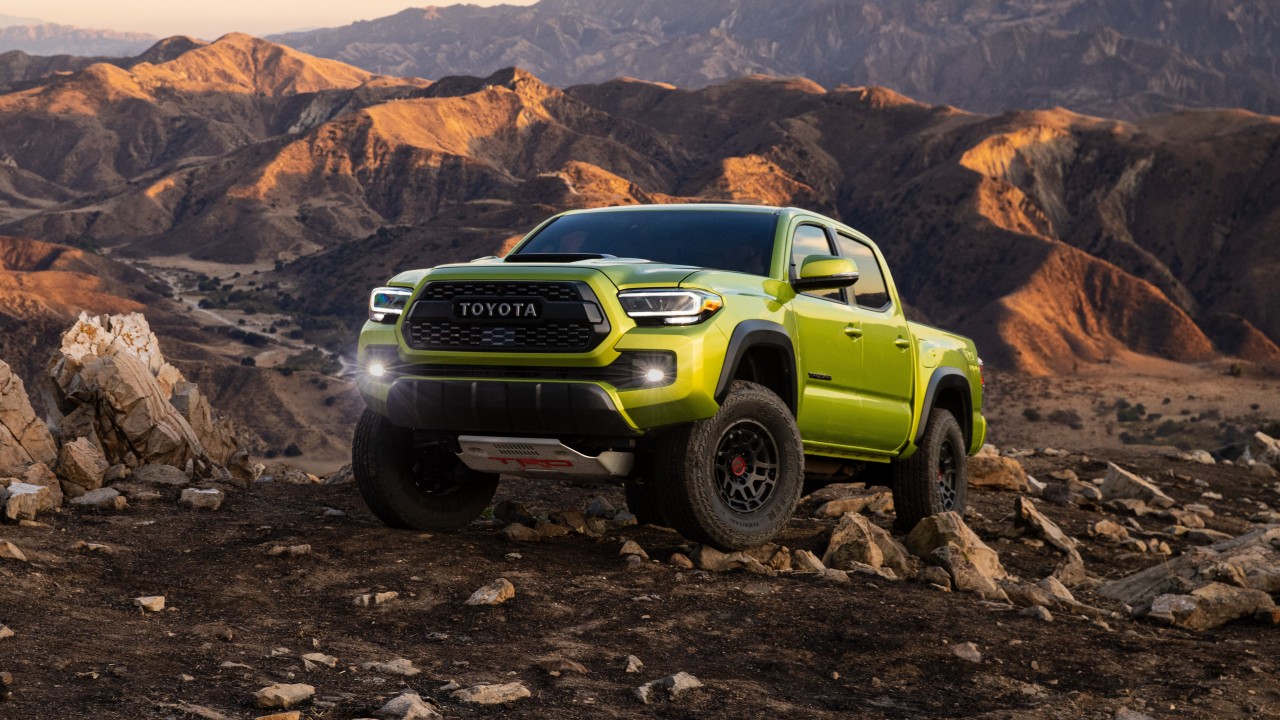
Bearing wear was also common. When the bearings lost smooth operation, the gears shifted slightly out of alignment. This caused additional noise, vibration, and heat. If repairs were not done quickly, the differential could suffer serious internal damage over time.
Lubrication played a major role in Tacoma differential failures. When seals leaked, the gear oil level dropped, often without owners noticing. Low oil increased metal friction, causing faster wear and making the whining noise louder during towing or steep driving.
Cooling limitations contributed to the problem. Early Tacoma differentials did not manage heat well during long towing or uphill drives. Excess heat weakened the oil and allowed metal surfaces to rub together, shortening the lifespan of gears and bearings.
Some Tacoma models offered limited-slip differentials, but they also developed issues. The clutch packs inside could wear down quickly, reducing traction and causing shudder or chatter when turning. This made off-road handling less predictable and sometimes frustrating.
Also read:5 SUVs With Friendly Third-row Access vs 5 Contortions Required