Car interiors should stay comfortable and clean for many years. Sadly, many sedans use soft-touch plastics that slowly break down due to heat, humidity, and time. Some dashboards and door panels become sticky, melt, or attract dust and dirt. Once this happens, cleaning does not fully fix the problem, and replacement can be expensive.
However, not all cars suffer from this issue. Some brands use durable materials that stay smooth and solid even after long years in the heat. In this article, we compare five sedans with reliable cabin plastics and five known for sticky or melting interiors.
Also read: 5 Engines That Don’t Leak A Drop VS 5 With Common Gasket Seepage
5 Sedans With Durable Cabin Plastics
When it comes to evaluating the longevity and feel of a car’s interior, cabin materials often play a decisive role. While soft-touch surfaces and leather accents are desirable for luxury, many drivers, especially those buying used sedans or looking for a practical daily driver, care more about durability than luxury.
Cabin plastics that resist scratches, scuffs, fading, and rattling over time not only keep a vehicle looking clean and well-maintained, but they also contribute to a more pleasant ownership experience. Certain sedans have built reputations for interiors that can endure years of heavy use without showing significant wear, making them ideal for families, commuters, and long-term ownership.
1) Toyota Camry
The Toyota Camry has a strong reputation for being a reliable sedan, and one part that often gets attention is its interior quality. Many owners appreciate that the dashboard, door panels, and center console stay in good condition even after many years.
The plastics used inside the Camry are durable and heat-resistant. Even in places with strong sunlight and high temperatures, the surfaces do not become sticky or soft. This helps keep the interior looking clean and new for a long time.
Older Camry models from early 2000s are still seen with dashboards that look untouched. While some cars from that era have melted plastic problems, the Camry avoids these issues because Toyota uses coated materials that resist wear and humidity.
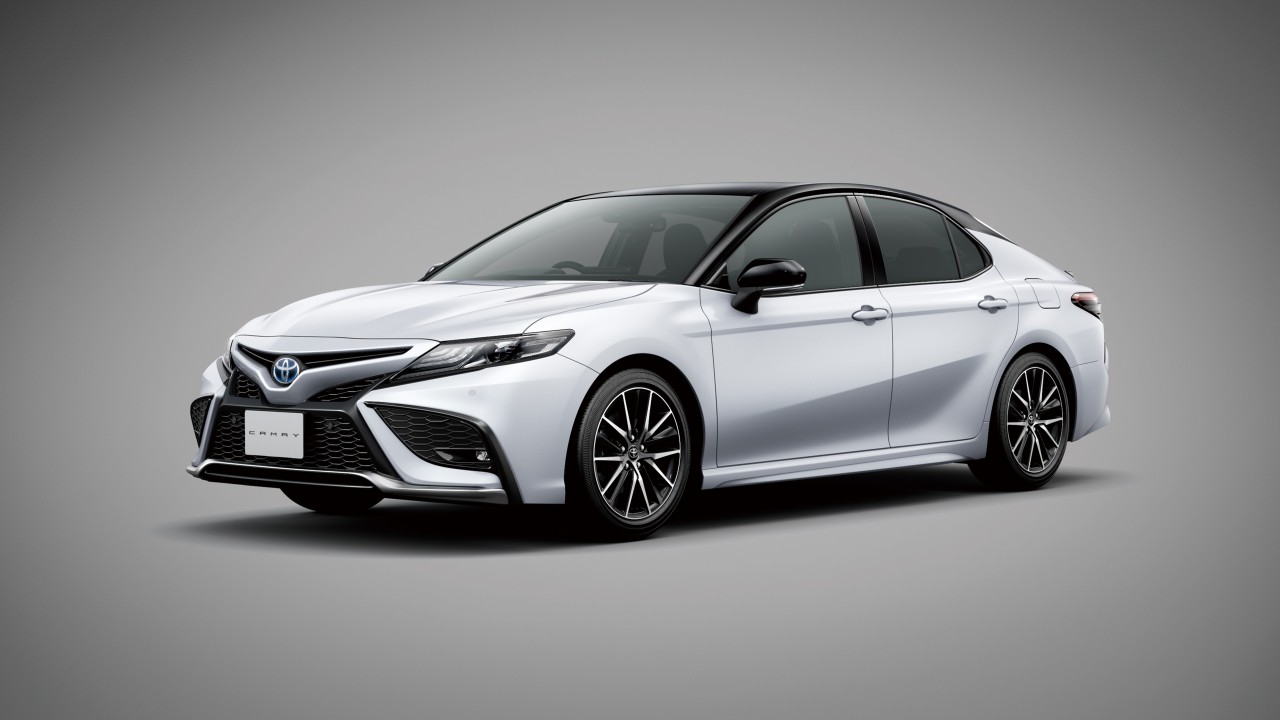
The soft-touch surfaces inside the Camry are designed to feel comfortable but still remain tough. Unlike rubberized coatings that can peel or fade, the Camry’s material stays smooth and easy to wipe clean without chemicals or special cleaners.
Another benefit is that the interior does not easily crack. Some car dashboards become dry and brittle with age, especially under sunlight. The Camry uses flexible materials that do not shrink or split, which is helpful in hot and dry climates.
The door panels and buttons also maintain their original texture. In many older cars, buttons develop a sticky layer that attracts dust. In the Camry, the switches and controls usually remain solid and continue working without feeling gummy or worn.
2) Honda Accord
The Honda Accord is another sedan known for interior plastics that last a long time without turning sticky or melting. Its materials remain smooth even after years of heat exposure, making it a trusted choice for drivers in warm and sunny climates.
Accord models from the early 2000s to recent years still show dashboards and door panels in great condition. The plastics resist sun damage, fading, and surface breakdown. This helps older Accord interiors look cleaner and fresher compared to many other cars.
Honda uses a combination of soft-touch and durable hard plastics that do not soften or become gummy. Even when parked outside for long hours, the dashboard surface does not become tacky or glossy. It maintains a factory finish for many years.
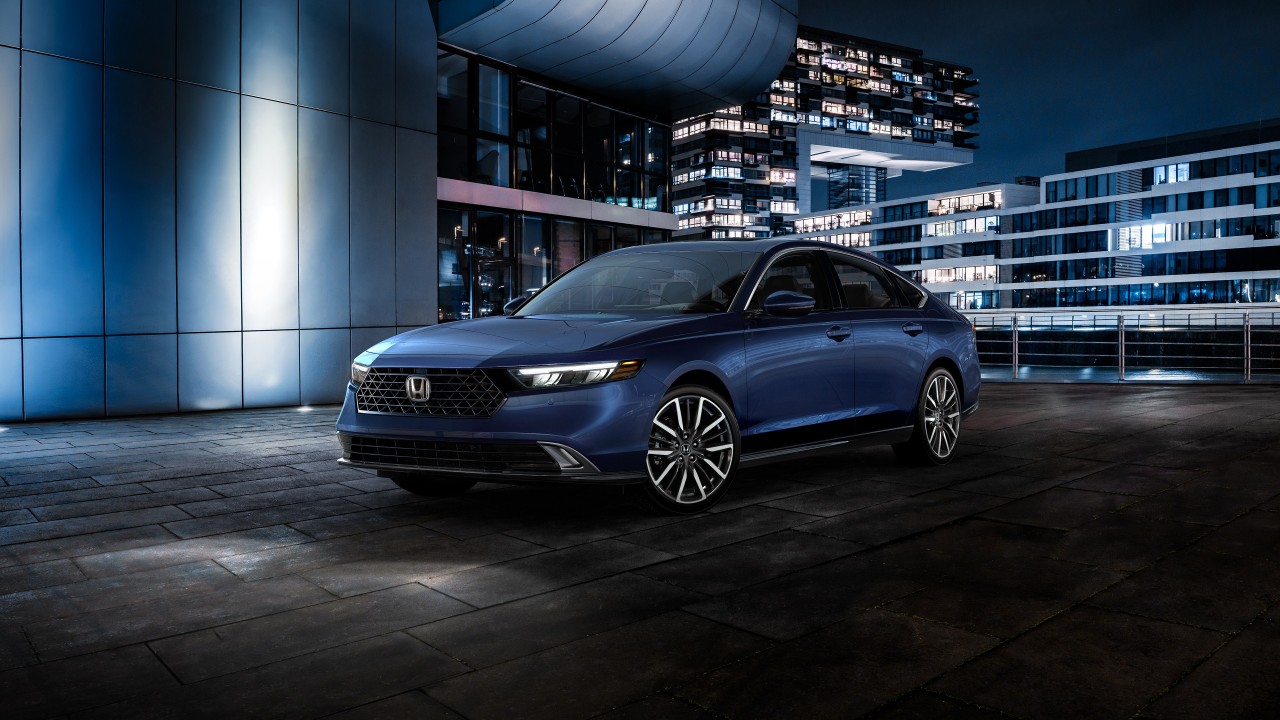
Buttons and controls inside the Accord also hold up well. In some cars, the coating on buttons turns sticky and begins to peel. The Accord avoids this problem, and most switches continue to work and feel solid even after long-term use.
The door trims and center console are also well-built. While some older vehicles develop shiny wear spots or melting areas, the Accord’s interior materials remain stable. The texture stays comfortable and easy to clean with simple household products.
Another benefit of the Accord’s interior is that it avoids cracking. Cars with low-quality plastic often develop cracks from temperature changes. Honda’s materials are flexible enough to handle heat expansion and cold contraction without breaking.
This long-term durability helps the Accord maintain a pleasant driving environment. The cabin stays quiet because solid plastics do not loosen or rattle with age. This helps the car feel refined and well-constructed even after many years of daily driving.
3) Lexus ES
The Lexus ES is known for having one of the most durable interiors among luxury sedans. The plastics are high-quality and stay smooth, even after years of sunlight and heat. Many older ES models still have interiors that look almost new.
Unlike some luxury brands that use soft coatings that peel or become sticky, Lexus uses heat-resistant materials. The dashboard and trim pieces remain solid and do not develop melting or glossy spots. This helps the cabin age gracefully over time.
The buttons and switches in the Lexus ES also resist wear. Many luxury cars have rubberized buttons that become sticky, but Lexus avoids this issue. The controls continue to feel firm, clean, and pleasant to touch even after heavy use.
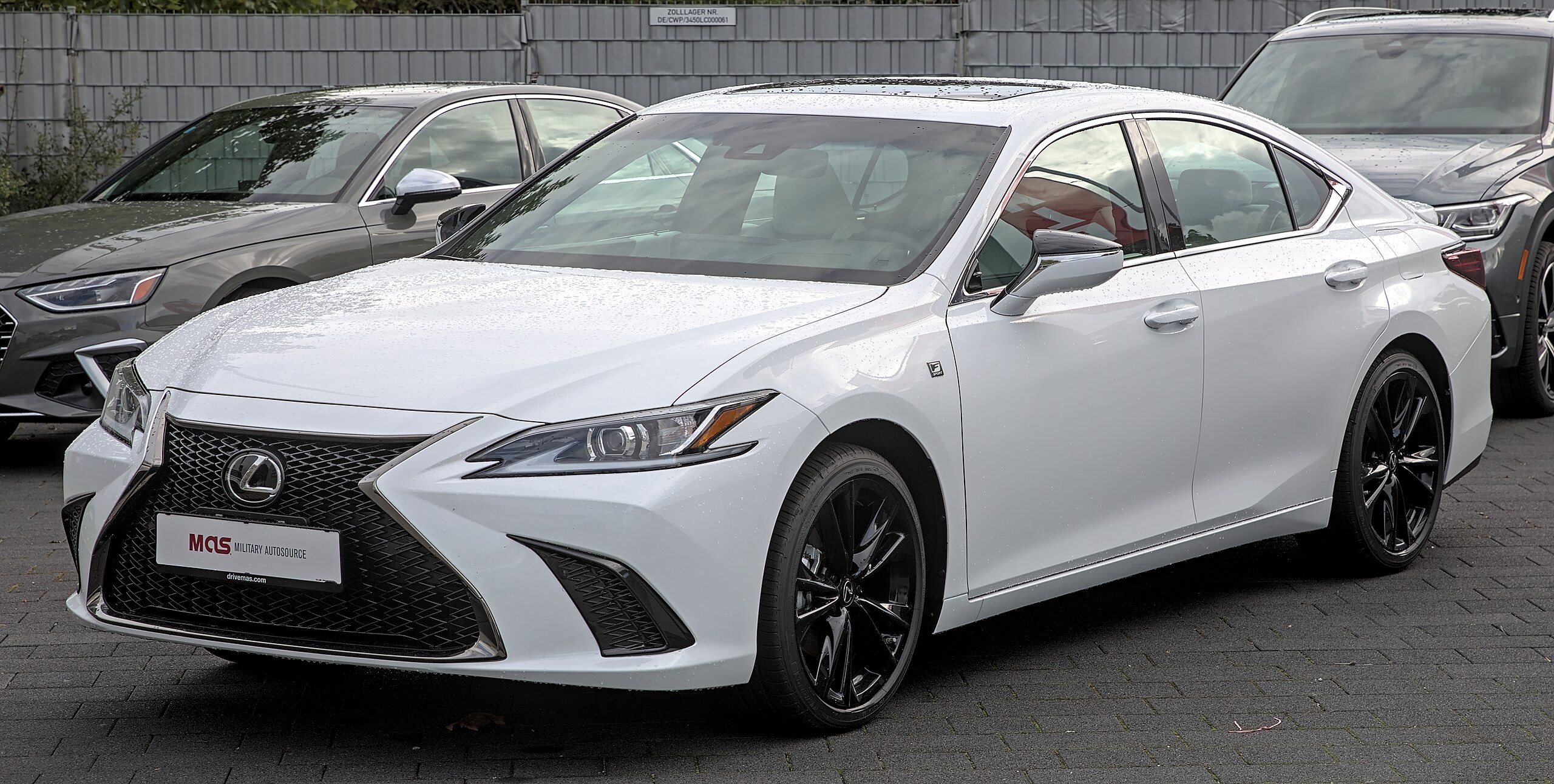
The door panels and center console are made from materials that balance comfort and durability. They have a soft feel but do not absorb moisture or break down. This prevents bubbling, peeling, or sticky textures as the car gets older.
Even in hot climates, the Lexus ES interior rarely cracks or fades. UV-resistant coatings help protect the dashboard from sun damage. Owners who leave their cars parked outside for years still report a stable and attractive cabin.
The long-lasting interior contributes to a quieter and more solid driving experience. Since the plastics do not weaken or loosen, the car avoids rattles and squeaks that appear in aging vehicles. This helps maintain a premium driving atmosphere.
Because the materials remain stable, repair costs stay low. Luxury interiors are usually expensive to fix, but the Lexus ES rarely needs dashboard or button replacements. This adds to the vehicle’s reputation for exceptional long-term value.
4) Subaru Legacy
The Subaru Legacy is known for using simple but durable interior plastics that hold up well over time. While not the most luxurious, the materials stay stable and do not become sticky or soft, even after years of heat exposure or sunlight.
Owners of older Legacy models often say the interior still feels solid and well-built. The dashboard and door panels resist fading and melting, even in hot climates. This makes the cabin age slower compared to cars that use fragile coatings.
Subaru focuses more on durability than soft-touch coatings. The plastics may feel firm, but they remain dependable and easy to clean. They do not turn gummy or attract dust and dirt like melting materials found in some other sedans.
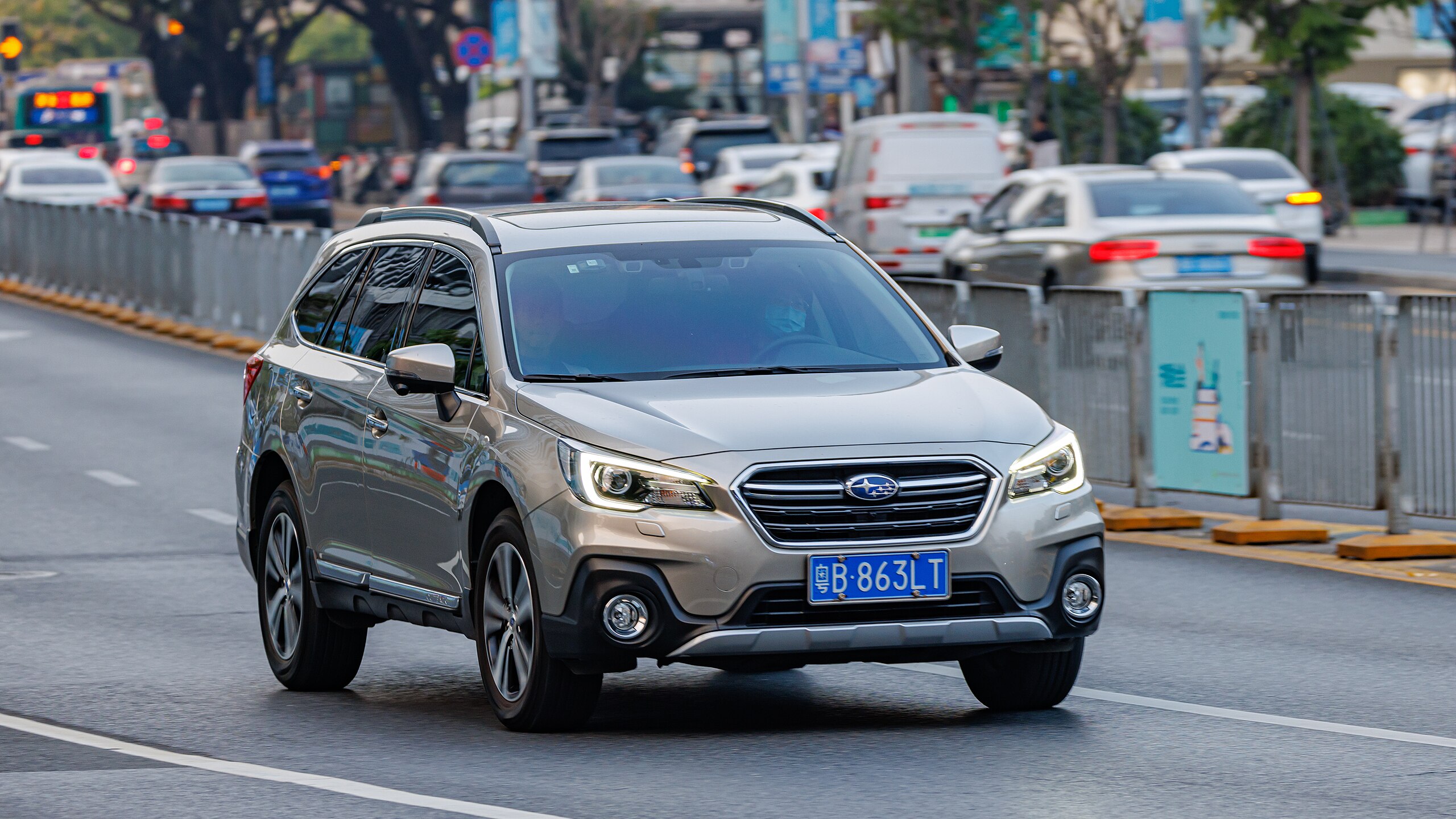
Buttons and switches in the Legacy also stay in good condition. While some brands use rubber coatings that break down, Subaru keeps its designs simple. The controls continue to work smoothly and do not peel or become sticky with age.
The center console and trim pieces stay clean and maintain their original surface texture. Owners appreciate that they do not need special cleaning products. Simple wiping with mild cleaners keeps the interior fresh and looking well-maintained.
Another benefit of the Legacy interior is resistance to cracking. Some dashboards become dry and brittle as they age, but Subaru uses plastics that flex slightly with temperature changes. This prevents splits and protects the appearance of older models.
5)Hyundai Sonata
The Hyundai Sonata from 2015 onward shows major improvement in interior quality. The plastics are stronger, better coated, and more heat-resistant compared to older Hyundai models. They stay smooth and clean without turning sticky or peeling over time.
Owners in hot climates appreciate that the dashboard and door panels do not melt or soften after sun exposure. The materials are designed to handle high temperatures, making the Sonata hold up well even when parked outside daily.
The center console and trim around the touchscreen also remain solid as the car ages. Some cars develop shiny or tacky surfaces in high-touch areas, but the Sonata keeps its original finish with normal cleaning and care.
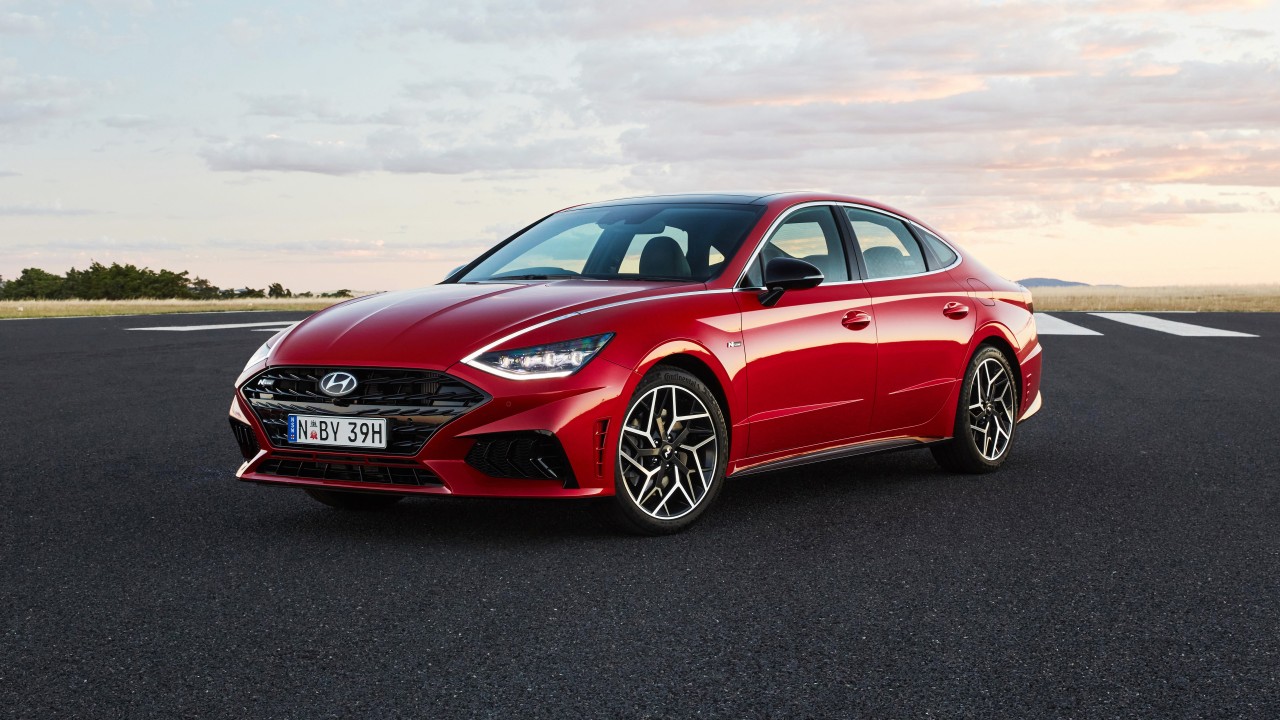
Buttons and switches inside the Sonata are also long-lasting. Hyundai avoids rubberized coatings that often become gummy in older cars. Instead, the controls have a durable texture that does not wear down or form sticky spots with frequent use.
The interior also remains resistant to cracking and fading. UV-resistant materials keep the dashboard from drying out or breaking. This gives the Sonata a clean, modern look for many years after purchase.
The solid interior construction helps the cabin stay quiet. Because the plastics do not weaken or loosen, there are fewer squeaks and rattles as the car ages. This improves driving comfort and makes the car feel better built.
Also read:5 Compact Cars That Offer SUV Practicality vs 5 That Don’t
5 Sedans Known for Sticky or Melting Plastics
While durable, high-quality plastics can make a car’s interior feel solid and long-lasting, not all sedans are built with the same attention to material longevity. Some models, especially from the 1990s through the early 2010s, developed a notorious reputation for cabin plastics that degrade over time.
This can include surfaces that become sticky, tacky, or even start to melt under prolonged sun exposure, particularly in warmer climates across the United States. These issues are more than just cosmetic annoyances, they can make controls unpleasant to touch, attract dirt, and even give the cabin a cheap or worn-out feel, undermining the overall ownership experience.
1) Nissan Altima
The Nissan Altima from these years is well known for sticky interior plastics, especially on the dashboard. Over time, heat and sunlight cause the surface to soften and melt slightly, creating a shiny, tacky texture that attracts dust and dirt.
Many owners report that even light cleaning does not fix the problem. The coating breaks down chemically, so wiping it only spreads the softened layer. Some dashboards also develop bubbles or soft areas that feel rubbery and unpleasant.
In hot climates, the issue becomes worse. The dashboard can become extremely sticky during summer, and fingerprints remain permanently. This has led to many complaints and even class-action discussions in certain regions where heat exposure is high.
The door panels and trim pieces may also be affected. Some surfaces lose their original texture and start looking glossy and worn. Compared to cars with durable materials, the Altima interior ages noticeably faster and looks older than it really is.
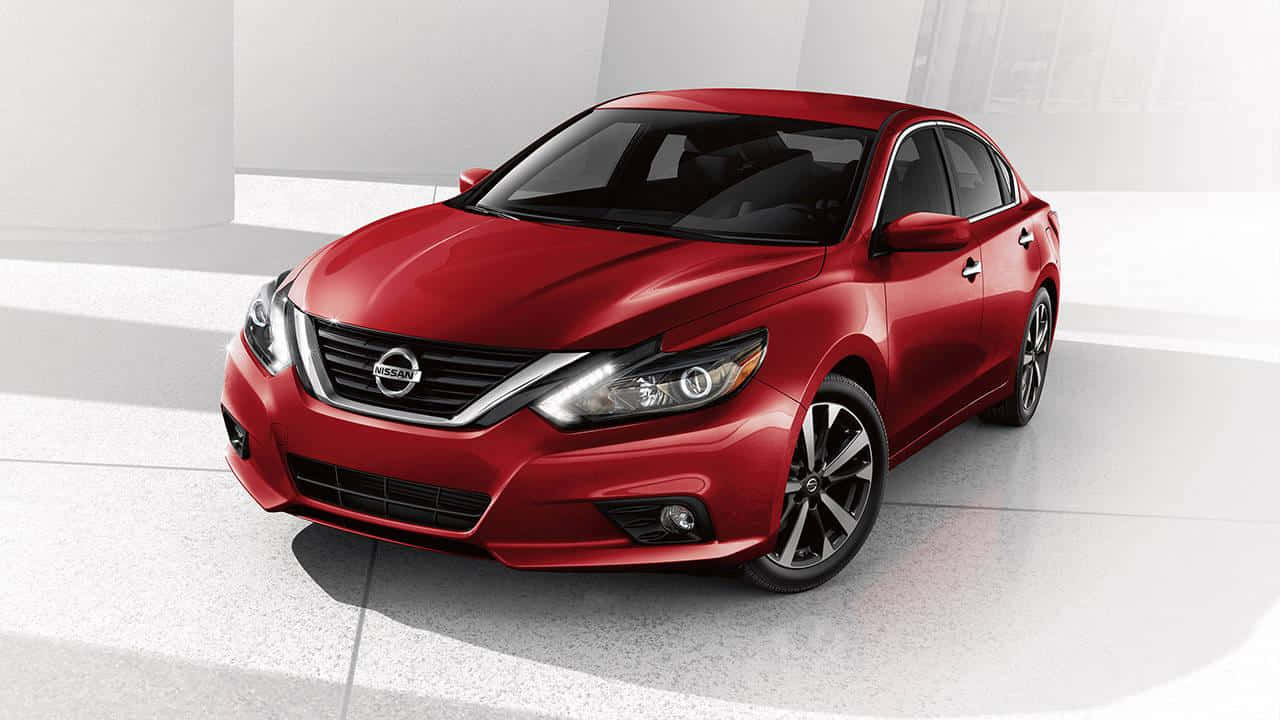
Buttons and controls also suffer from peeling and stickiness. The rubber coating around switches can begin to flake or smear. Over time, the printing on the buttons may fade or rub off completely, making them difficult to read or use.
Because the plastic breaks down, cracking can happen as the material weakens. Some dashboards split or dent easily. The surface becomes fragile and unpleasant to touch, making the cabin feel worn and poorly maintained even if the rest of the car works fine.
Cleaning the interior becomes frustrating because few products help. Some owners try alcohol, interior cleaners, or solvents, but these often make the material melt faster. In many cases, the only permanent fix is dashboard replacement or covering it.
Repair costs can be high since replacing the dashboard is not cheap. Many owners choose dashboard covers or vinyl wraps to hide the sticky texture instead of replacing parts. Even then, buttons and small surfaces remain a problem.
2) Mazda 6
The Mazda 6 from these years is known for having interior plastics that do not age well. Over time, the dashboard and trim pieces can become sticky, soft, or shiny. Heat and humidity play a major role in accelerating this breakdown.
Many owners report that the dashboard surface develops a rubbery texture that attracts dust, lint, and fingerprints. Cleaning helps only temporarily because the material itself is degrading, not just dirty. This makes long-term maintenance frustrating.
Buttons and switches inside the Mazda 6 often suffer from peeling coatings. The printed labels may fade or rub off, especially on climate control and stereo buttons. Over time, some switches feel gummy or unpleasant to touch during normal use.
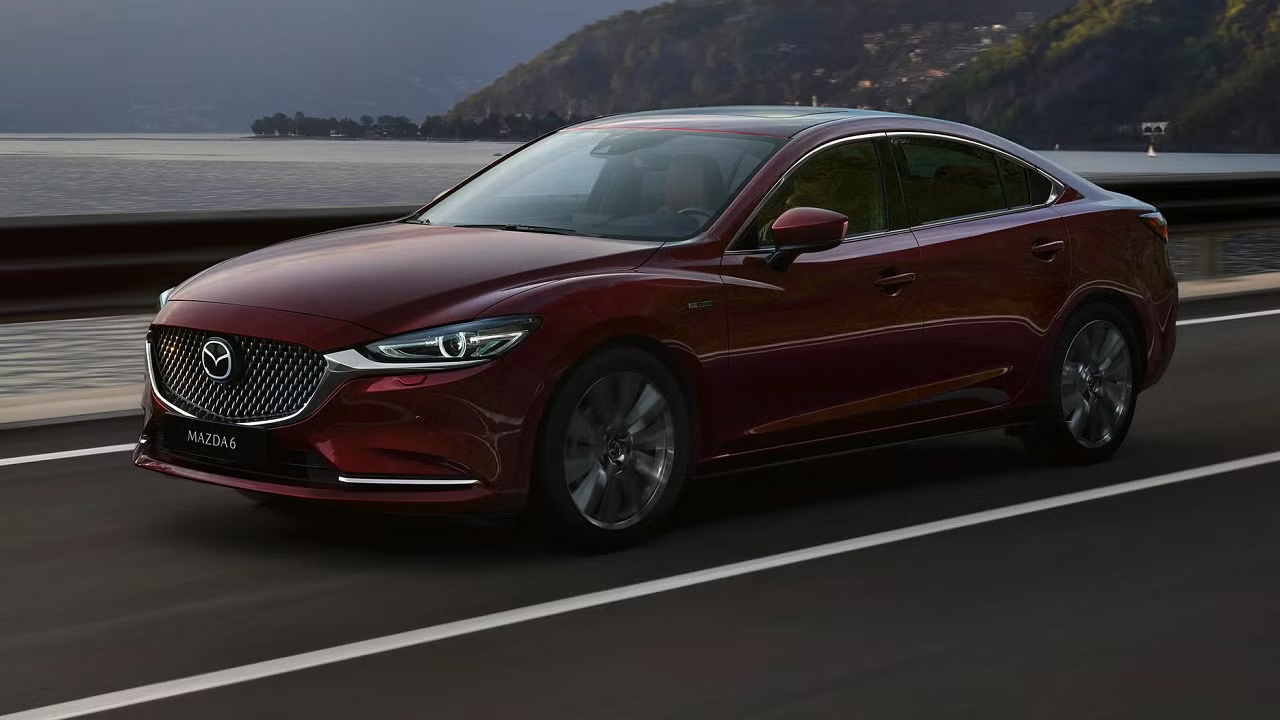
The door panels and center console may also show signs of aging. The material can develop glossy worn spots or sticky patches where hands rest frequently. This makes the interior look older than expected even if the car is mechanically reliable.
In hot climates, the problem becomes much worse. Sun exposure can cause the top layer of plastic to soften and bubble. Some owners also report cracks forming after years of heat damage because the material becomes weak and fragile.
Cleaning products may accidentally make the issue worse. Harsh chemicals or alcohol can dissolve the coating, causing it to smear or melt further. Many owners test multiple cleaners before realizing the sticky surface cannot fully return to normal.
Because the materials do not hold up well, rattles and squeaks may develop as the plastics weaken. This affects the driving experience and reduces the feeling of quality that Mazda aimed to provide when the car was new.
Repair solutions vary, but none are cheap. Some owners choose dashboard replacements, but these parts can be expensive. Others use vinyl wrapping or dash covers to hide the damage. Button replacement is also common but time-consuming.
3) Chrysler 200
The Chrysler 200 is known for having interior plastics that can age poorly, especially in warm climates. Over time, the dashboard and trim pieces can become sticky or glossy because the soft-touch coating begins to break down and lose its original texture.
Owners often notice that the surface becomes rubbery, making dust and fingerprints stick easily. Even gentle cleaning cannot fully restore the finish because the material itself is degrading, not just dirty. This makes the interior harder to maintain long term.
Buttons and switches are another weak point. The coating on the controls may start to peel or smear, especially on air conditioning and audio buttons. In some cases, the printed symbols fade, making them difficult to read or use properly.
The door panels and center console are also affected by material breakdown over time. Areas touched frequently may develop sticky patches or a shiny worn look. This causes the interior to appear older and less cared for, even if the car runs well.
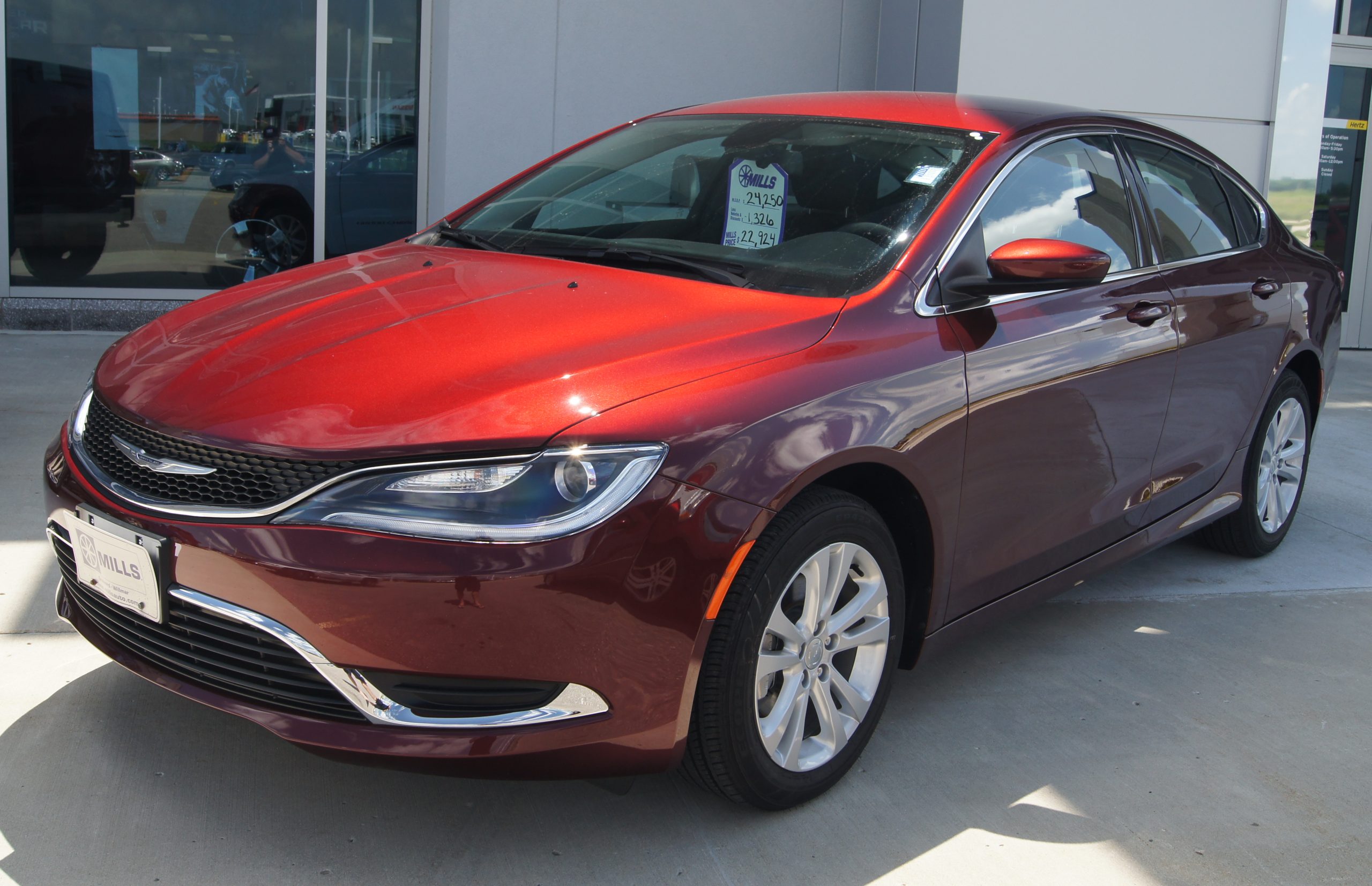
Heat exposure accelerates the deterioration of the plastics. If the Chrysler 200 is often parked in the sun, the top layer of the dashboard may soften or form small bubbles. The surface may also become fragile, leading to cracks or dents.
Cleaning products can make the issue worse because certain chemicals dissolve the coating more quickly. Alcohol-based cleaners and strong solvents may smear the melted material, creating uneven surfaces that feel unpleasant to the touch.
As the plastics weaken, they may also loosen or rattle during driving. This affects cabin comfort and gives the vehicle a cheap or worn-out feel. The problem becomes more noticeable as the mileage increases and the car ages.
4) BMW 3 Series
The BMW 3 Series E90 is known for premium driving feel, but its interior plastics do not age well. Many owners report that the soft-touch coating used on buttons, trim, and knobs becomes sticky, especially in warm or humid climates.
Over time, the coating begins to melt slightly, creating a tacky surface that attracts dust and fingerprints. Even gentle cleaning does not solve the problem because the material itself is breaking down rather than simply collecting dirt.
Common affected areas include the climate control buttons, door handle trim, window switches, and the iDrive knob. The coating may peel or smear when touched, leaving behind a rough, uneven surface that feels unpleasant and looks messy.
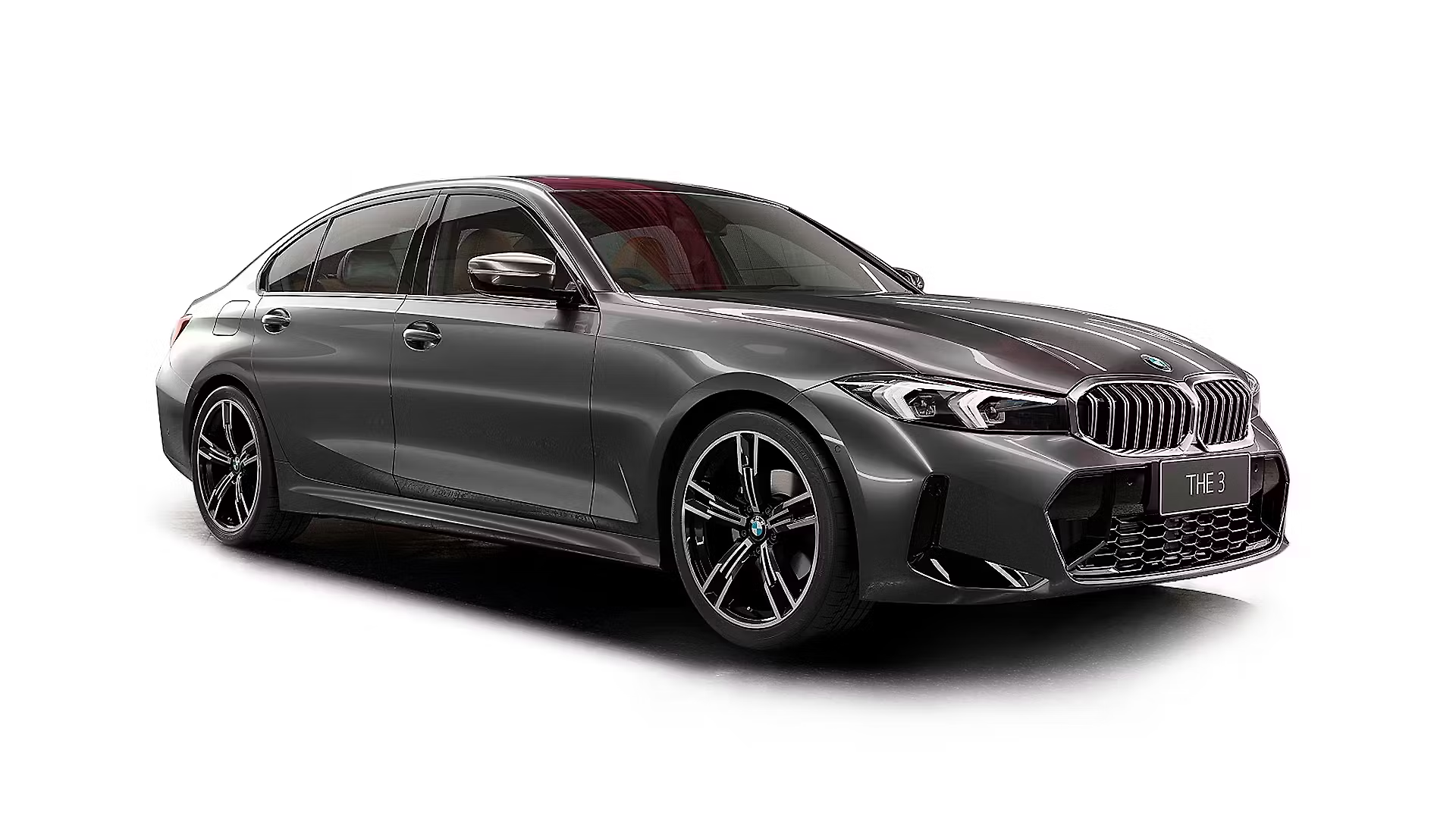
Heat accelerates the breakdown of the rubberized finish. If the car is parked outdoors often, the soft-touch layer may soften and become shiny or sticky faster. This makes the interior look older than the vehicle’s actual age.
The dashboard itself usually does not melt, but trim pieces around it may fade, peel, or become gummy. These surfaces can feel delicate, and cleaning products may make the situation worse by dissolving the weakened coating further.
In some cases, printed icons on the buttons fade or disappear completely. This makes it hard for drivers to identify controls, especially for climate settings or vehicle functions used regularly. Many owners see this as a major inconvenience.
5) Mercedes-Benz C-Class
The Mercedes-Benz C-Class from this generation is respected for comfort and engineering, but many owners experience sticky interior surfaces as the car gets older. The soft-touch rubber coating used on switches, trim, and buttons breaks down over time and becomes gummy.
The problem is most noticeable on the climate control buttons, window switches, and steering wheel controls. The coating starts smooth when new, but exposure to heat and humidity causes it to soften, melt slightly, and feel unpleasant to touch.
The dashboard itself usually remains solid, but trim pieces around the center console, radio unit, and door panels often develop a shiny or sticky finish. Dust and fingerprints stick easily, making the interior look messy even when cleaned regularly.
Cleaning this material is challenging because many products make the coating melt faster. Alcohol, strong cleaners, or chemicals used for plastic care can break down the surface, causing it to smear or peel and look worse than before.
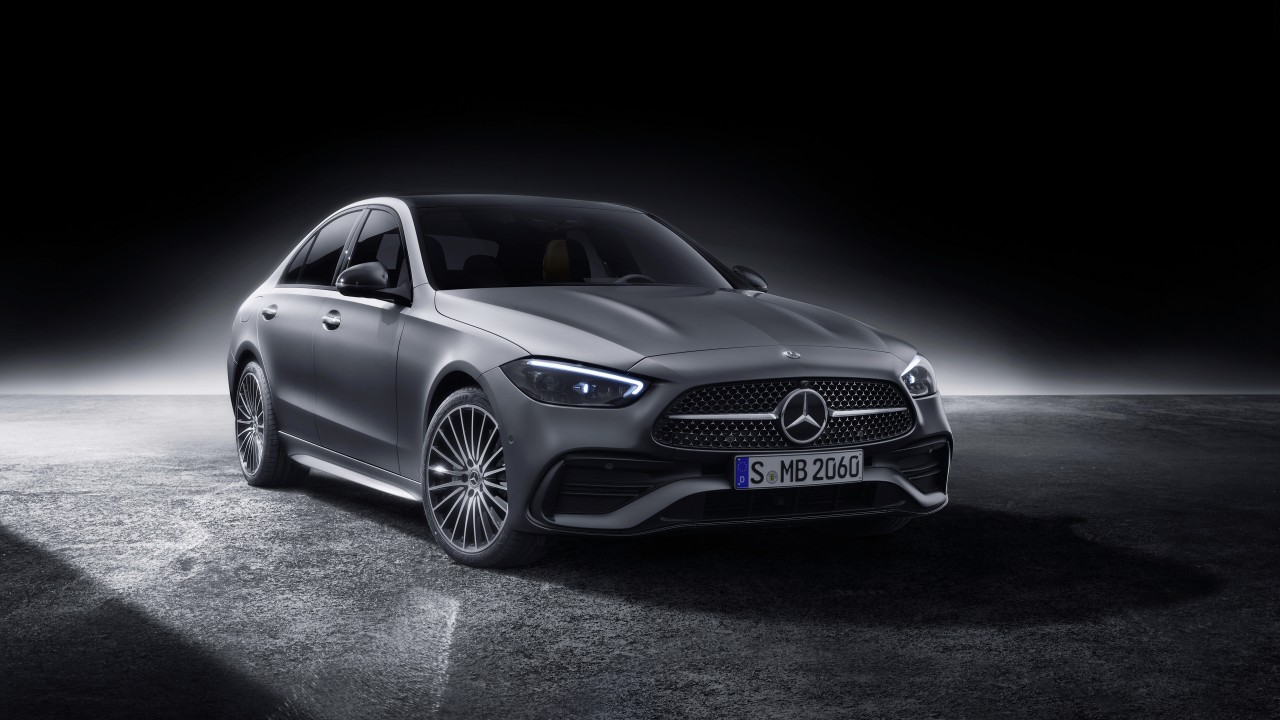
Over time, the printed icons on the buttons may fade or rub off. This makes the controls harder to read and reduces the luxury feel that Mercedes originally intended. Some owners even choose to replace buttons just for cosmetic reasons.
Heat plays a major role in speeding up the issue. Cars kept in warm climates or parked outdoors often experience sticky plastics sooner. The coating is simply not long-term heat resistant, which leads to frustration for many owners.
As the coating weakens, some parts may also loosen or form small cracks. This can create rattles while driving, reducing the sense of quiet refinement expected from a premium vehicle. The cabin may begin to feel worn even if the car still drives well.
Fixing the problem can be expensive. New trim pieces from Mercedes cost a lot, and replacement labor adds even more. Some owners choose to scrape and repaint the parts, while others use vinyl wraps or replacement button kits.
Also read: Top 5 Compact SUVs With Quiet Cabins vs. 5 That Sound Harsh