
Many people love travelling with roof bags, camping kits, bicycles, or water gear. A reliable roof rack makes these small adventures easier. A vehicle that handles roof accessories without stress gives confidence to families, solo travelers, and active people who enjoy quick weekend plans.
A smooth setup can save time and energy, especially when someone reaches a destination late in the evening and simply wants to get things done. A vehicle with supportive rails, steady attachment points, and a comfortable height gives a pleasant rhythm to each journey. When a car holds a gear firmly, there is less worry on bumpy roads or windy highways.
Joy grows when a vehicle helps people load items without bending awkwardly. A friendly roof height can reduce strain on the back and shoulders. A driver who travels often will appreciate a setup that does not require an extra pair of hands.
Some vehicles also help by giving clear labels for attachment points or allowing extra accessories to slide in without confusion. A small detail like easy access to a step plate can bring calmness during repeated use.
Stress arrives quickly when roof bars behave in unexpected ways. Some models look ready from the outside, but surprise people with tricky angles, awkward clips, or rails that do not hold certain carriers comfortably. A driver may spend time figuring out which bracket fits where, or why a solid-looking bar refuses to stay still when the weight increases.
This difference between expectation and reality becomes frustrating during busy mornings or late-night journeys. With these experiences in mind, this article presents five models that support easy roof rack use, followed by five models that tend to confuse users with their roof bar behaviour.
5 Models With Easy Roof-rack Use
1. Subaru Outback Touring XT
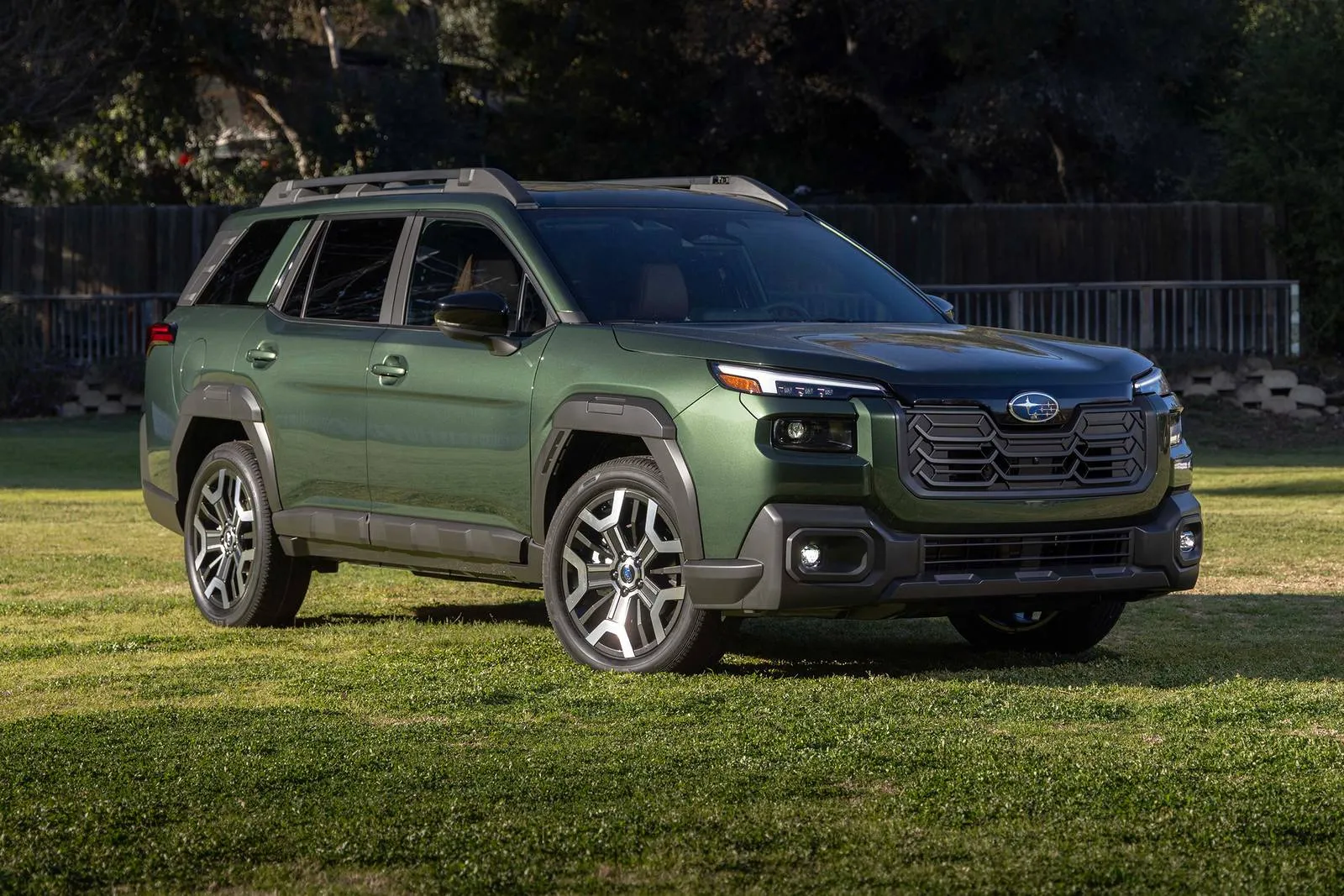
Adventure-minded families usually appreciate how friendly the Subaru Outback Touring XT feels when roof accessories come out of the garage. A pleasant surprise appears the moment someone notices that the raised rails sit at a reachable height. No unnecessary stretching.
No complicated equipment is needed to secure a box or bicycle stand. People who enjoy fast preparation admire how the rails sit firmly, providing dependable support for long drives. This steady feel encourages users to carry extra items without fear of wobbling.
A big advantage comes from the design of the rails. Many drivers appreciate how easy it feels to access each attachment point. Clear slots help newcomers understand where clips should fit. This simple arrangement helps reduce confusion during early morning packing, especially when a family prepares for sports practice or a long outdoor activity.
People sometimes share that they were able to attach their first roof rack on this model without assistance, giving them more confidence for future trips. Height convenience brings another layer of comfort.
People who do not stand very tall still manage to reach the roof confidently, using the supportive sill area as a step. This helps during the loading of heavier bags. A steady foothold reduces unwanted shaking, giving more balance when adjusting straps. People who travel often understand how those small details reduce fatigue.
Wind behaviour around rooftop accessories remains friendly as well. Many owners notice how the Outback keeps noise at a mild level. This calming experience makes long highway journeys less stressful. A quiet cabin helps everyone relax while covering long distances. Many drivers say this calmness keeps them more focused behind the wheel.
A final point of praise revolves around durability. Several adventure users mention that their accessories remain steady across rough patches or gravel roads. The Outback performs these duties with a confident spirit, encouraging users to load gear freely. Many travellers consider it a comfortable companion when they need dependable roof support for their busy weekend plans.
2. Toyota Highlander Platinum
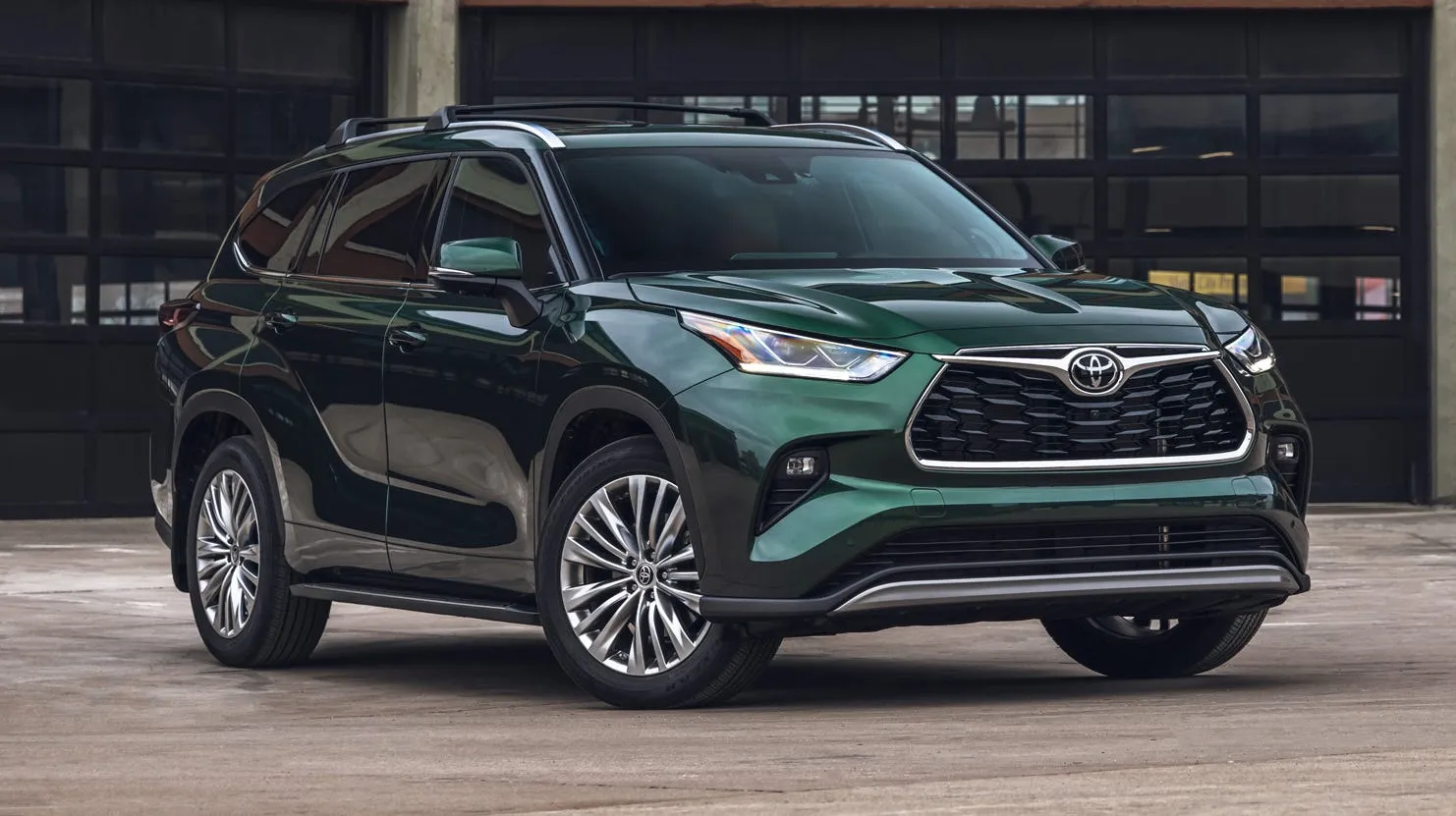
Comfort-focused travellers often enjoy how cooperative the Toyota Highlander Platinum becomes when roof equipment is part of the journey. People immediately notice that the rails feel strong, with a pleasant grip surface that makes handling brackets easier.
No slippery finishes. No awkward adjustments. A firm grasp helps users attach carriers without waiting for help from others. This quality supports parents, solo adventurers, and anyone who frequently loads extra items on long drives.
Another friendly feature appears through the distance between the rails. Many roof rack systems fit nicely without forcing people to angle them in strange ways.
This straightforward setup supports heavier accessories such as larger travel boxes or long sporting equipment. Daily users enjoy how predictable the positioning feels, allowing them to secure items confidently even when handling a tight schedule.
Ramp height feels reasonable as well. People of average height often mention that they do not strain their shoulders while lifting larger bags.
The step area around the door frame sits firm enough to support those who must reach a little higher. Many drivers appreciate how consistent this support feels in both dry and wet conditions. This adds a sense of safety that builds trust with each use.
Noise reduction also appears as a pleasant experience. People who drive at highway speed share that the Highlander keeps wind sound low, even with bulky attachments above.
This calm environment helps long journeys feel smoother. Passengers can rest, children can nap, and drivers can maintain focus. Such comfort makes this model a favourite among families who travel often.
Durability of the rails contributes to long-term satisfaction. Many owners comment that the rails maintain their firm feel even after years of carrying heavy gear. From bicycles to kayaks and long cargo boxes, the Highlander Platinum handles them with a sense of reliability.
People appreciate how it supports active lifestyles without adding unnecessary stress. These qualities help many drivers feel more relaxed whenever roof rack accessories come into play.
Also Read: 5 Used Cars That Feel Modern vs. 5 That Feel Dated
3. Honda Pilot TrailSport
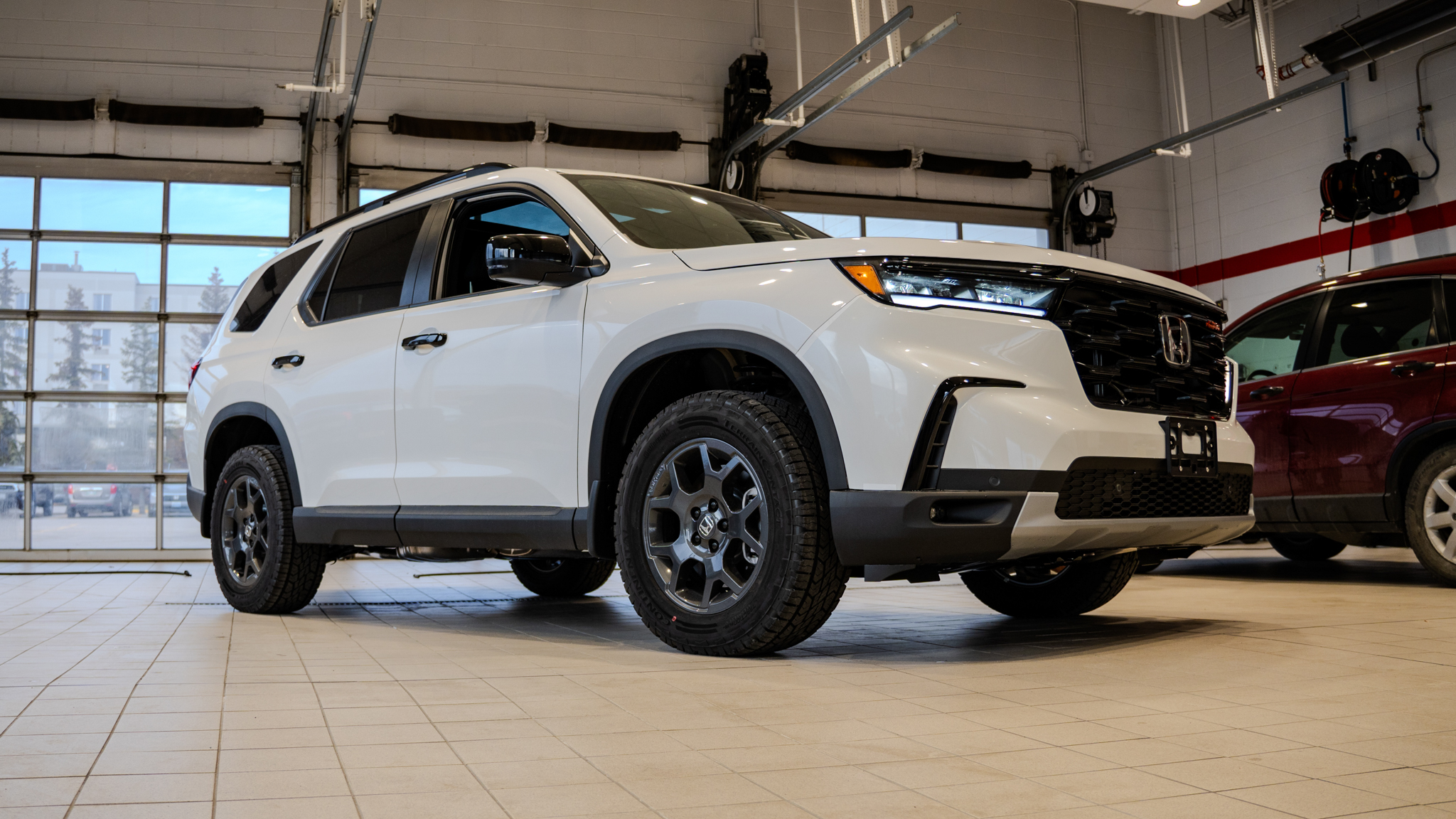
Outdoor enthusiasts often find joy in how the Honda Pilot TrailSport behaves during roof rack setups. This model carries a confident identity that matches its user-friendly design.
Many people admire how accessible the attachment points appear, using clearly shaped recesses that guide brackets into comfortable positions. This reduces confusion and creates a smooth routine for those who regularly mount sports equipment or long cargo containers.
A pleasing element lies in its rail spacing. People who use wide carriers appreciate how comfortably their accessories sit without forcing unusual alignment. This reduces time spent adjusting clamps or tightening loose parts. A stable base encourages travellers to pack heavier items, knowing that the rails provide firm support across long journeys.
Another hard-to-ignore advantage appears through the vehicle’s height. Even when fully loaded with passengers, the Pilot TrailSport maintains an accessible stance. People of medium height often mention that they can reach the roof surface confidently with minimal stretching.
A supportive door frame area helps users maintain balance while adjusting final straps. This reduces back strain and allows quicker preparation for family rides, camping events, or weekend tournaments. Strong rails also contribute to user satisfaction.
Many owners appreciate how firm the rails feel when the weight increases. This sense of stability helps drivers maintain peace of mind during windy days. Travellers who pass through uneven roads note that their rooftop gear stays steady without wobbling or shifting.
Noise behaviour deserves mention too. Many users observe that the TrailSport handles airflow in a calm way, even with larger accessories attached above. The cabin remains friendly during long drives, allowing passengers to talk comfortably without raising their voices. This makes road trips feel pleasant for young children and adults alike.
A final advantage lies in the sense of confidence the Pilot TrailSport gives. People often share that this model brings peace during every loading session. No unnecessary drama. No complicated diagrams. Just a supportive vehicle that simplifies roof rack use in the best possible way.
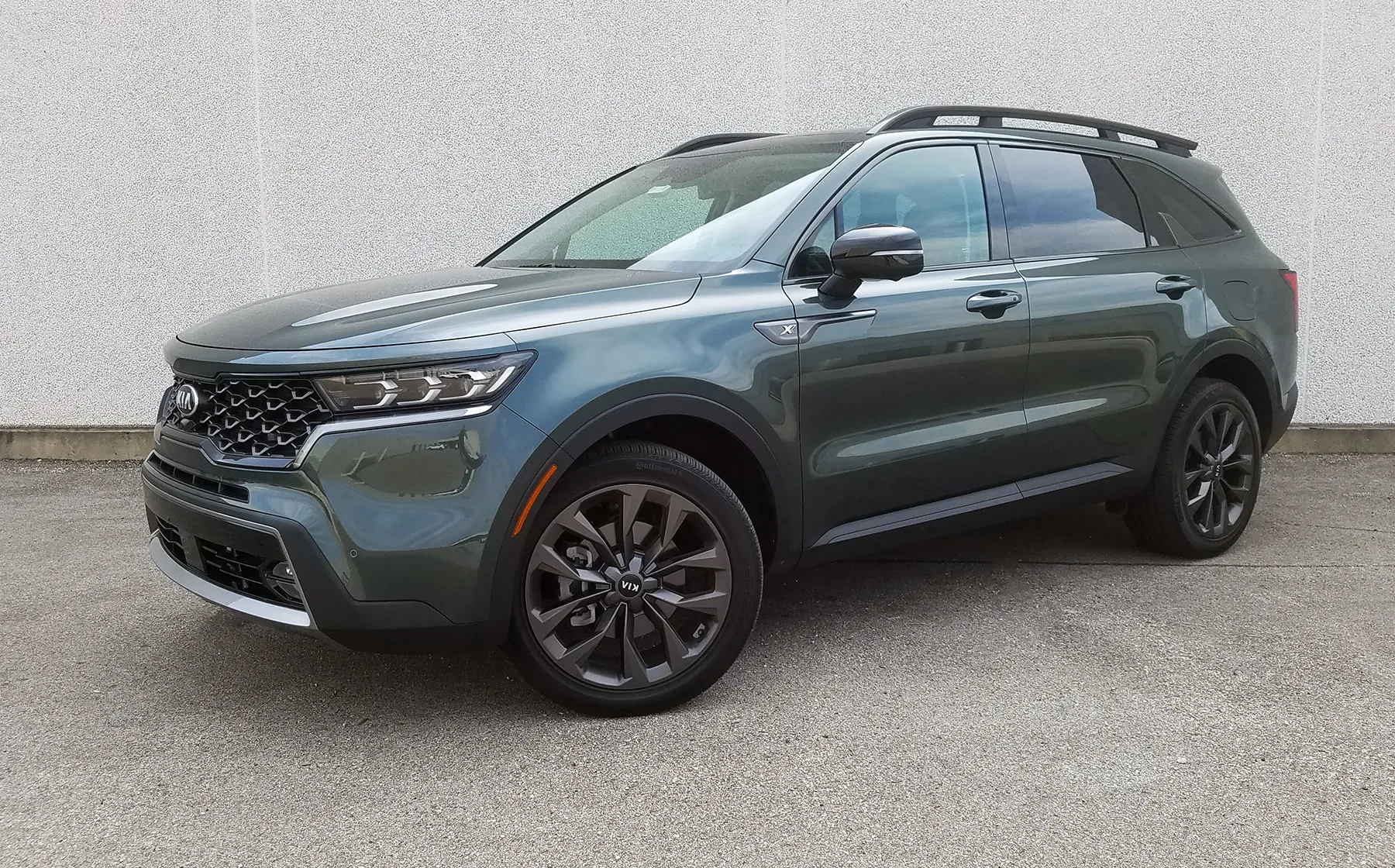
4. Kia Sorento X Line SX Prestige
Style-aware travellers often praise the Kia Sorento X Line SX Prestige for blending comfort with roof rack friendliness. This model offers raised rails that create a simple path for roof accessories.
People appreciate how easy it feels to slide brackets into place. The rails guide users naturally, reducing the learning curve for those using roof equipment for the very first time.
A pleasant surprise appears along the length of the rails. Many drivers use long cargo boxes, fishing gear, snowboards or similar items. The extended area helps with spacing and stability.
People love how this prevents awkward overhangs or unbalanced pressure on a single point. A balanced distribution of weight helps protect both the gear and the vehicle.
Ease of access adds another positive layer. Users mention that the Sorento’s height makes it possible for average-height travellers to load equipment without unnecessary stretching. People often use the wide sill plate as a firm stepping area. That little bit of support helps when adjusting final straps on bulkier items.
Noise behaviour also brings joy to many owners. Several travellers share that the Sorento handles airflow smoothly during long trips with bulky gear above. Long highway journeys feel calmer because the sound remains controlled. Families appreciate how this peaceful environment helps them settle into the journey without discomfort.
Durability plays an important role as well. Many drivers comment that the rails handle weight impressively. People who often carry large items appreciate how stable the rails feel, even after repeated exposure to weather changes. This strong performance gives confidence to load gear during long-distance road trips.
Another factor worth mentioning lies in the Sorento’s balanced ride. With accessories mounted above, the vehicle continues to behave predictably.
This supports safe driving during tight bends or uneven surfaces. People who frequently travel with rooftop carriers often value this stability, making the Sorento X Line SX Prestige a model that simplifies busy weekend preparations.
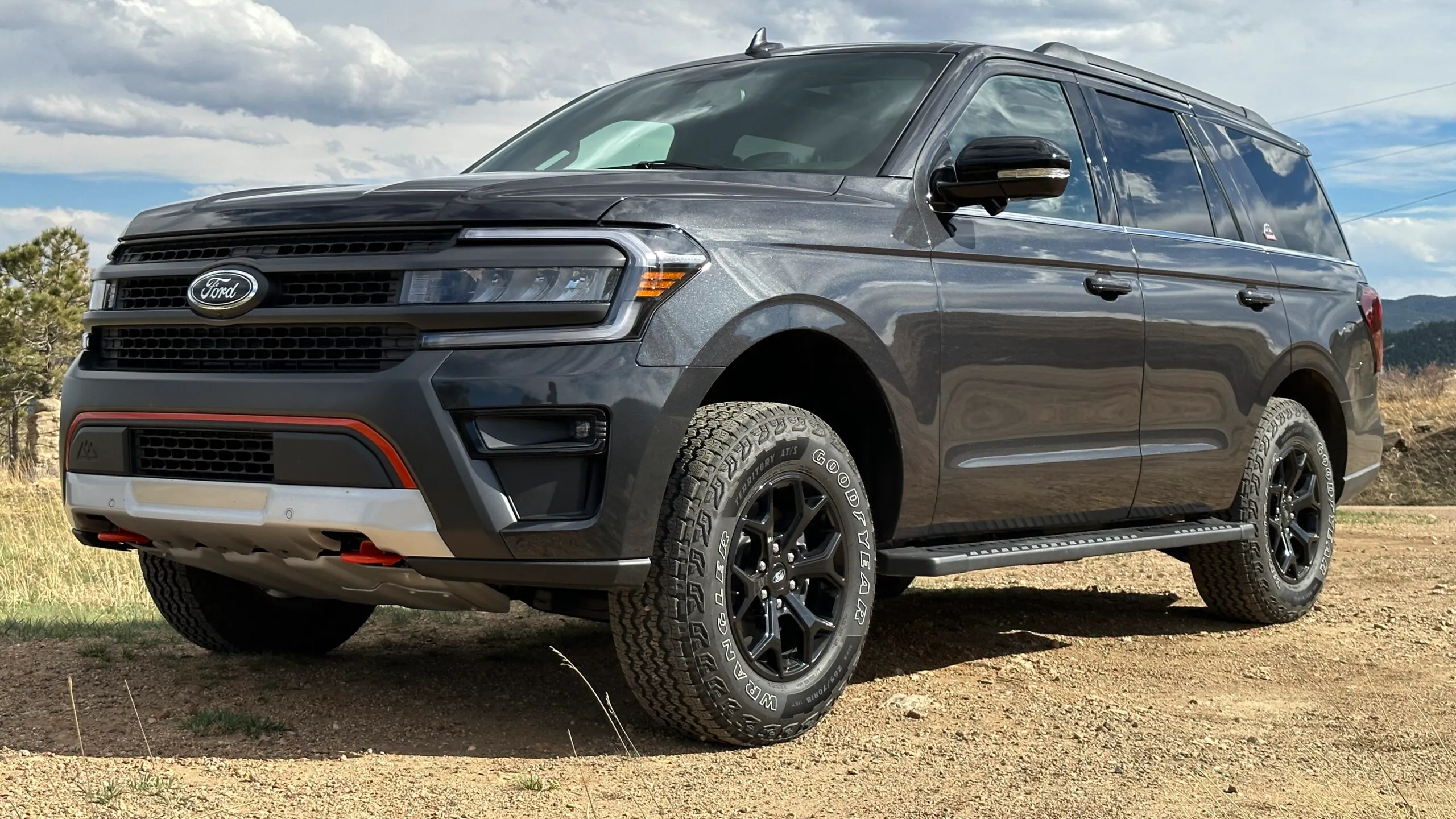
5. Ford Expedition Timberline
Large family groups often share positive sentiments about the Ford Expedition Timberline when roof racks become part of the routine. This model feels like a strong partner for people who travel with bulky accessories.
Raised rails support an easy mounting process, offering wide spacing for large equipment. People notice how quickly brackets lock into place without unnecessary twisting. Many appreciate this friendly behaviour when preparing for activities that require heavy luggage.
A generous height may appear challenging at first glance, yet users often share how helpful the door frame area feels. It gives enough foothold to maintain balance during adjustments.
People with average height mention that they manage roof access more comfortably than expected. This confidence helps reduce stress, especially when handling awkwardly shaped sports items or tall carriers.
Another appreciated element lies in the rail strength. Many owners notice that the Expedition holds heavy gear with a calm steadiness. This encourages users to load more items for long holidays, group outings, or equipment-intensive trips. People often mention how little vibration reaches the cabin when they are on rougher roads.
Cabin noise remains surprisingly friendly with rooftop gear installed. Several travellers appreciate how the Expedition continues to deliver a peaceful ride even when handling bulky loads above. Children rest easily, conversations flow naturally, and long distances feel less tiring.
Versatility adds to its charm. People who frequently change between roof racks, bike carriers, and long cargo boxes enjoy how the rails accommodate different accessories. This flexibility supports active lifestyles, giving users freedom to adapt their setup to each trip.
Many travellers also comment on the confidence the Expedition provides while carrying heavy rooftop loads. The suspension remains stable, the steering stays predictable, and the balance feels secure. People trust this model when travelling long distances with important gear, making it a friendly companion for busy adventure schedules.
5 Frustrating Bars
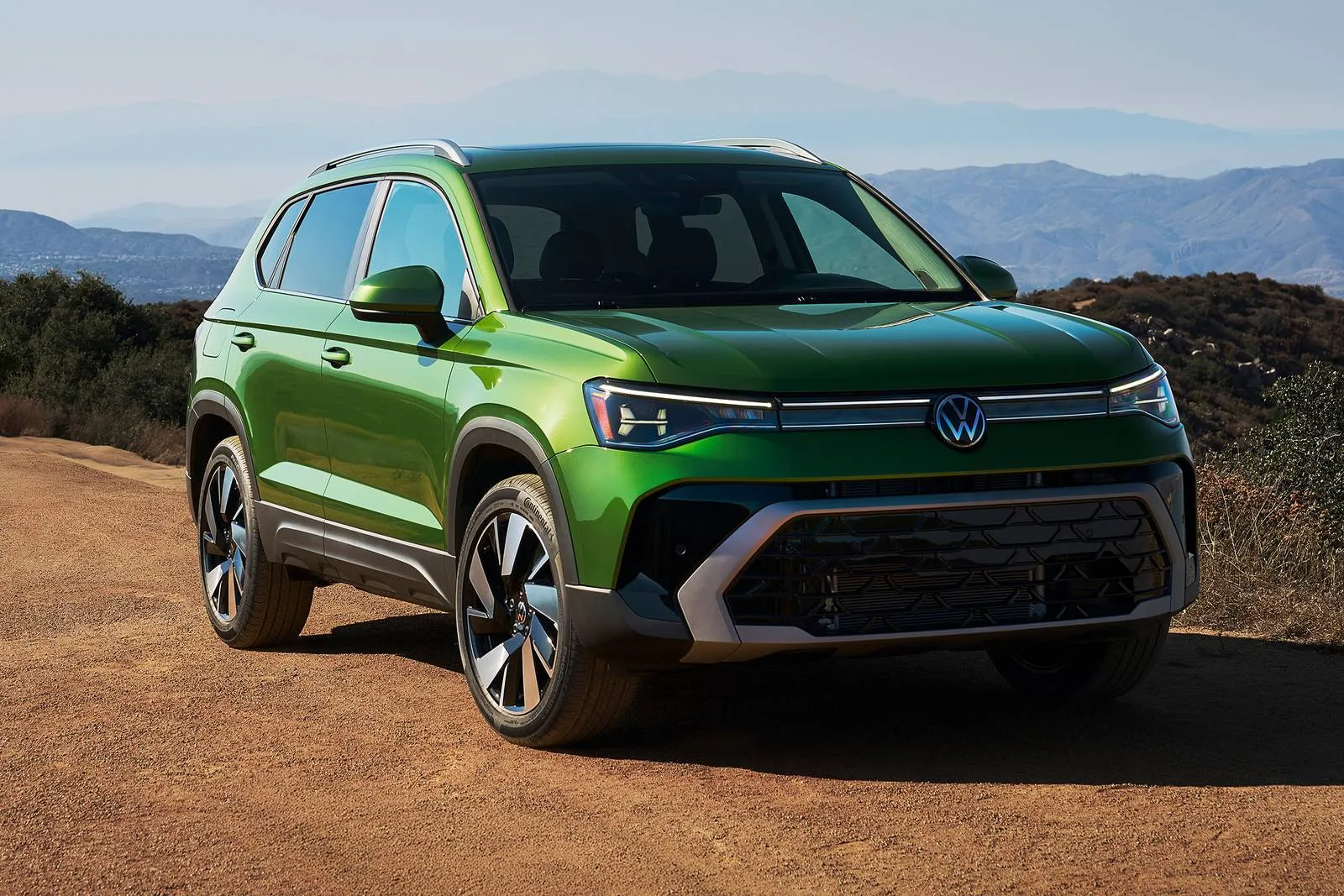
1. Volkswagen Taos SEL
Frustration begins early for many Volkswagen Taos SEL users once roof equipment enters the discussion. People mention that the rails appear slim and slightly tricky to handle.
Some clips do not sit comfortably on the first attempt. This leads to repeated adjustments that create irritation during early morning preparations. Many users expected easier alignment from a modern compact SUV.
Another challenge appears through rail spacing. Some carriers require a wider distance between rails for proper stability. Users often find themselves pushing brackets into uncomfortable positions, causing misalignment between the left and right sides.
This struggle becomes more visible when trying to mount longer accessories. People dislike spending extra time repositioning a simple rack.
Height becomes another challenge for some travellers. While the Taos is not an extremely tall vehicle, many users still stretch too far when loading bigger gear. The sill area lacks a supportive grip, making balancing slightly uncomfortable. Some owners resort to carrying a small step stool just to complete basic adjustments.
Wind noise presents further annoyance. Many people report that the Taos produces a sharp whistling when driving with bulky items above. Passengers sometimes find the sound distracting on long journeys. Users who value quiet cabins express disappointment, especially during long-distance driving.
Durability concerns also appear. Some owners mention that the rails do not feel as firm as expected under heavier loads. Even when installed correctly, certain attachments feel less stable than on other vehicles in the same class. This experience creates doubt during long trips.
These frustrations stack up quickly, making the Taos SEL an unfriendly match for those who regularly mount rooftop gear. Many owners prefer models with steadier rails and easier alignment, creating a clear divide between daily driving satisfaction and rooftop equipment convenience.
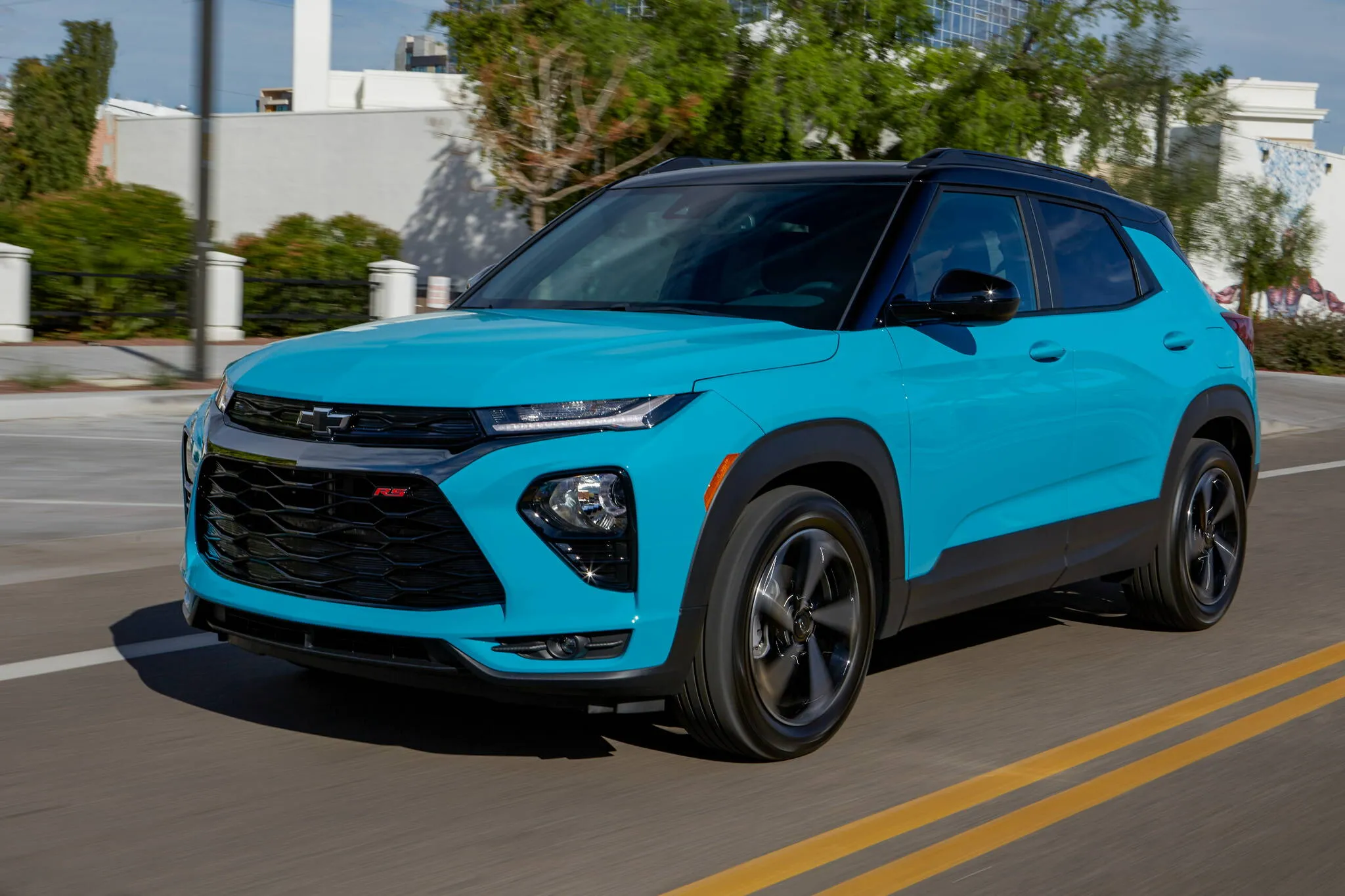
2. Chevrolet Trailblazer RS
Confusion often strikes travellers when they attempt to attach roof accessories to the Chevrolet Trailblazer RS. At first glance, the rails appear promising.
Once installation begins, reality moves. Clips sometimes refuse to lock into place without heavy pressure. People who have used roof racks for years still find themselves checking instructions repeatedly.
Rail length introduces another challenge. Some accessories require longer spacing for balance. The Trailblazer’s rails often limit those options. Users complain that they cannot mount certain carriers without compromising on stability. This results in awkward positioning that increases vibration during driving.
Height adds another layer of inconvenience. While not excessively tall, the Trailblazer lacks supportive step points. People must stretch uncomfortably, especially when loading wide equipment. This creates strain on the shoulders and increases the risk of losing balance. Families with shorter users find this vehicle particularly demanding for rooftop tasks.
Wind noise becomes another unpleasant surprise. Many owners report loud humming or high-pitched air movement when driving with the gear mounted. This disrupts conversation and makes long journeys tiring. Some travellers say they avoid placing items on top altogether during regular highway trips.
The strength of the rails also receives criticism. Several people share that the rails feel slightly flexible under moderate weight. This creates doubt during bumpy drives. Users who depend on secure rooftop carrying develop a sense of caution that reduces confidence in the vehicle.
Storage instructions add to the confusion. The manual describes fitment steps, yet many users claim the guidance feels vague. This increases installation time and makes routine loading unnecessarily stressful.
While the Trailblazer RS performs well as a daily driver, it fails to impress those who rely on rooftop accessories. People who need dependable rails for weekend routines often look for alternatives that offer smoother installation and stronger support.
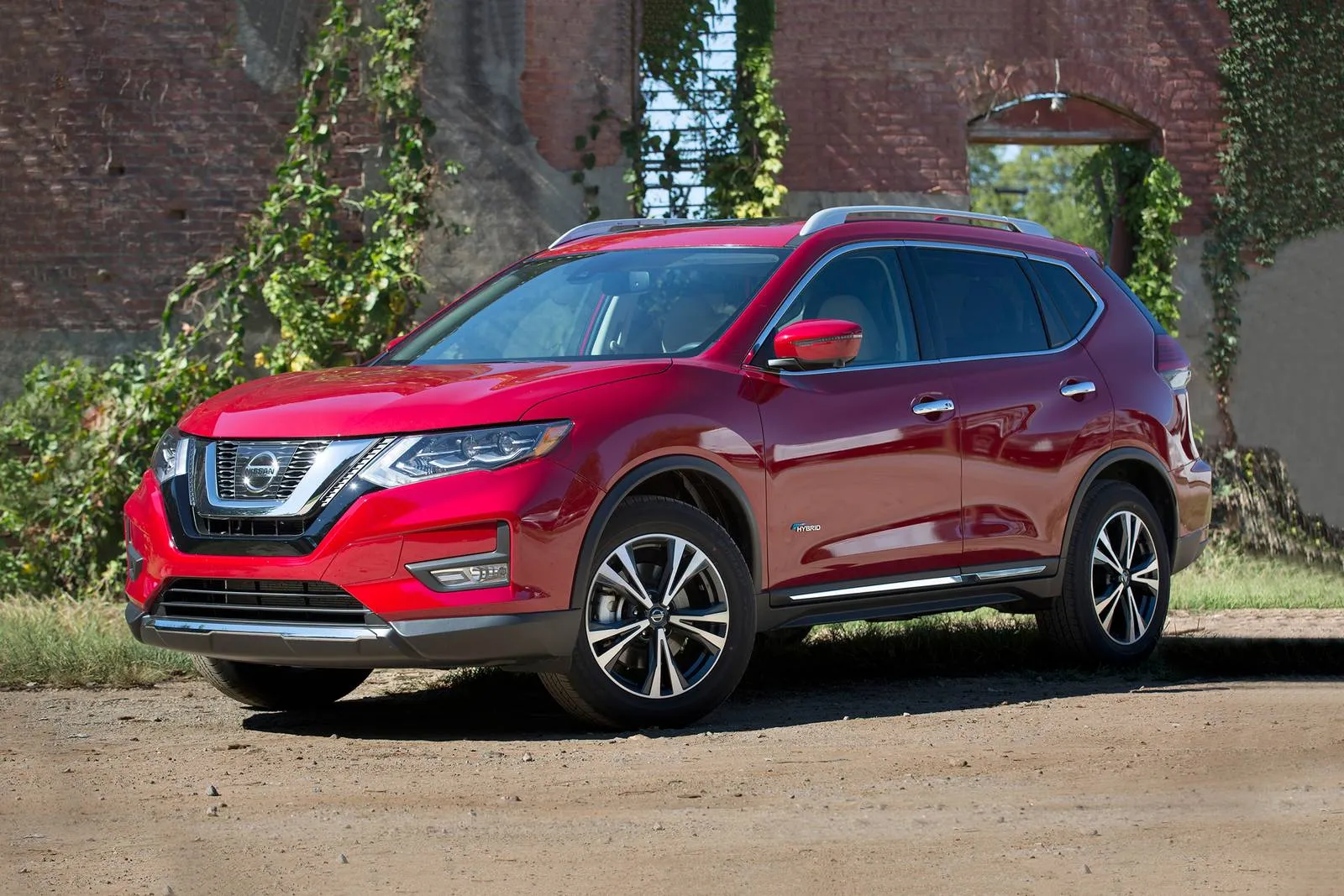
3. Nissan Rogue SV
Roof rack users sometimes share mixed feelings about the Nissan Rogue SV. A fresh look at the rails gives hope, but installation often becomes messy
. The attachment points sit in slightly narrow recesses, forcing people to angle their brackets in uncomfortable ways. This extra effort feels unnecessary for a modern SUV. Many users speak about bruised knuckles from trying to adjust clips repeatedly.
Rail spacing also creates issues. Several accessories require wider placement to balance weight properly. The Rogue SV’s rails sometimes feel too close together, limiting flexibility. This rigid spacing makes long carriers or wide boxes difficult to mount. Many drivers try different rack brands before finding one that settles securely.
Access height generates more irritation. Even people of average height complain about straining their arms when lifting bulky gear above. The door sill surface does not feel secure enough as a temporary step. This imbalance causes slow loading, especially during early morning trips or late night adjustments.
Wind noise contributes further discomfort. Some users mention that the Rogue SV produces heavy buffeting when gear is mounted above. This sound disturbs both the driver and passengers on long routes. Families with younger children express disappointment because the noise affects sleep and comfort.
The strength of rails also receives scrutiny. People comment that the rails flex more than they expected under moderate loads. Even though they remain safe, the movement creates psychological discomfort for those who carry important gear. Users sometimes reduce their load simply to feel more secure.
Instruction clarity becomes another talking point. Some find the written guide insufficiently detailed. This leads to longer installation sessions, trial and error adjustments, and occasional misalignment.
For travellers who value dependable rooftop carrying, the Rogue SV creates too many small obstacles. These challenges make routine roof rack use tiring instead of convenient.
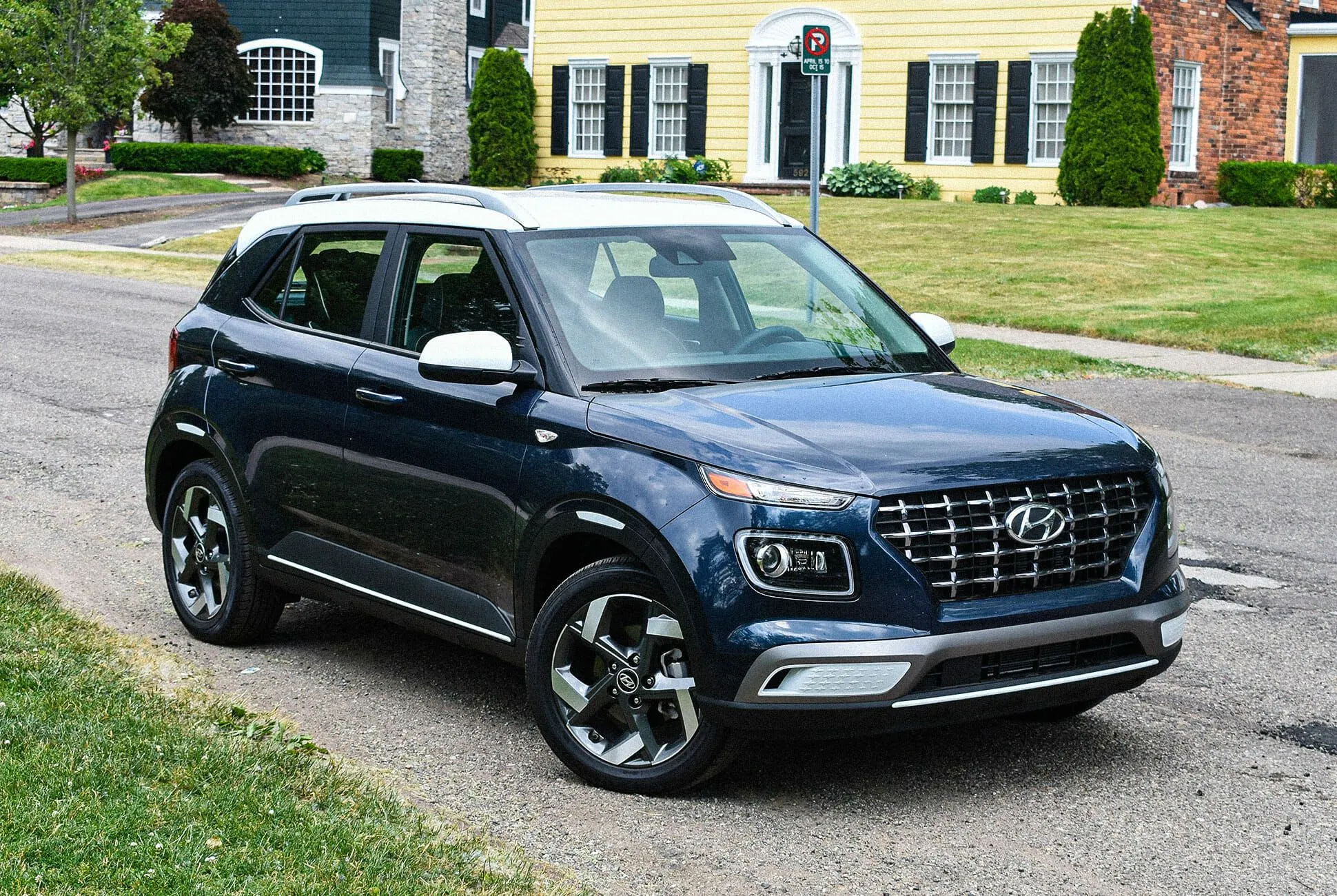
4. Hyundai Venue Denim
Many users meet unexpected frustration when using the Hyundai Venue Denim for rooftop purposes. Its rails appear slim and fashionable, but practicality feels limited once accessories come into play.
People complain that the clips do not settle easily. Some brackets feel too wide for the available contact area. This results in repeated attempts to secure attachments properly.
Another point of irritation comes from the rail length. People who own longer carriers often cannot achieve a balanced setup. Limited spacing affects stability. This issue becomes more noticeable on windy roads where vibration increases. Users sometimes feel uneasy during long journeys when heavy accessories sit above.
Height access does not help either. Shorter users struggle to reach the roof comfortably. Even average height travellers must stretch their bodies more than expected.
The sole area offers minimal support for the foot, creating a risk of slipping. People who travel with heavier items complain about an uncomfortable loading posture.
Noise at highway speed adds to the disappointment. Many users share that the Venue Denim produces a sharp wind sound when the gear sits above. This disrupts the calmness inside the cabin. Road trips feel tiring because passengers must raise their voices to communicate.
Durability concerns also appear. Some owners mention that the rails feel light and slightly flexible. This creates doubt, particularly for those who carry equipment regularly. Even though the rails meet basic standards, the entire feel reduces user confidence.
Instruction difficulty intensifies the experience. Some find the guidelines too brief, forcing them to figure out several steps through trial. Many travellers dislike spending extended time on installation, especially in busy schedules.
Because of these repeated challenges, the Venue Denim struggles to satisfy users who rely heavily on rooftop accessories. People who need firm rails and friendly installation procedures often search for models that offer more dependable support.
Also Read: 5 Cars Cheap To Keep Past 150k Vs 5 That Get Pricey After Warranty
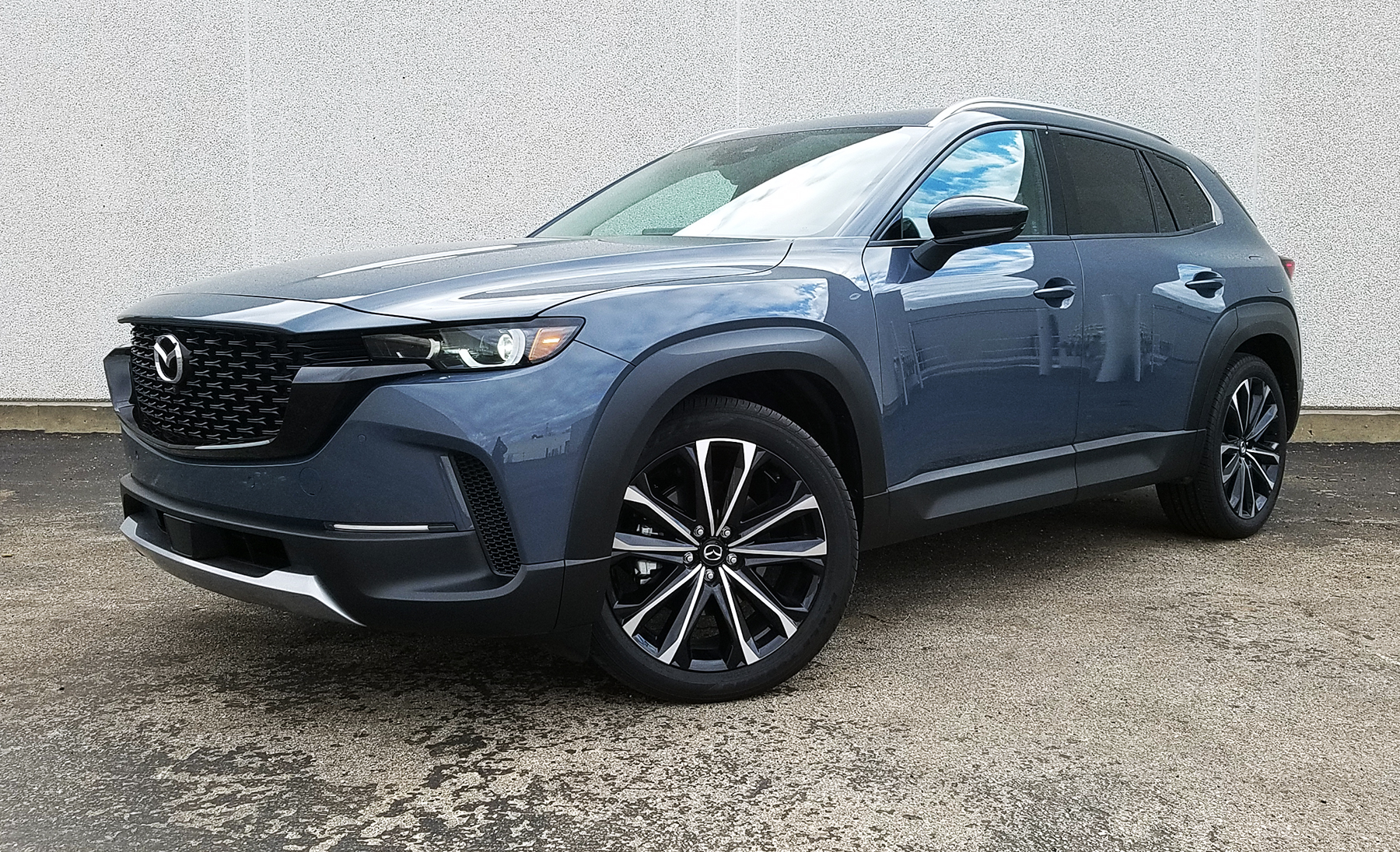
5. Mazda CX 50 Turbo Premium Plus
Many travellers expect the Mazda CX 50 Turbo Premium Plus to support roof accessories comfortably due to its strong outdoor image.
Reality often surprises them. The rails appear stylish but present practical issues. People mention that they struggle to align certain brackets because the rails taper slightly toward their edges. This unusual shape forces users to adjust repeatedly.
Spacing between rails introduces more trouble. Some roof boxes require wider separation for secure fitment. The CX 50’s setup sometimes limits this flexibility. Users complain about unstable alignment when attaching large carriers. Increased vibration on rough roads adds to their frustration.
Access height becomes a problem for several travellers. Even though the CX 50 is not extremely tall, the roof sits just high enough to cause stretching. People with shorter arms face difficulty reaching the center area of the roof. Many resort to carrying portable step stools just to attach straps securely.
Wind sound becomes another source of disappointment. Several owners note that bulky items produce loud whirring at highway speeds. This reduces cabin comfort and affects long journey relaxation. Travellers who value quiet interiors become frustrated with this repeated experience.
Rail strength raises more concerns. Some users mention that the rails flex under heavier loads. Even though they remain functional, the movement introduces doubt during long trips. People who carry expensive or delicate equipment feel uneasy when they notice this shifting.
Instruction clarity also receives criticism. The provided guide seems too simple for a car that uses slightly unusual rail shapes. New users spend extra time figuring out how to align each bracket correctly. This delay frustrates people who rush for early departures.
Because of these accumulated challenges, the Mazda CX 50 Turbo Premium Plus becomes a less friendly choice for rooftop accessory users. People who rely heavily on roof racks prefer models with more conventional rails and smoother installation routines.
