

Many shorter drivers always look for cars that allow them to feel confident behind the wheel. A sense of comfort grows quickly when someone can reach the pedals without stretching, adjust the steering wheel easily, and enjoy clear visibility in daily traffic.
Several modern cars support this group quite well, while others create unexpected challenges even though they appear friendly on the outside. Choosing between these two groups could feel confusing, especially for anyone who is trying to buy a car that feels natural from the first moment they sit inside.
Different brands shape their seats and pedal layouts in unique ways. Some arrange their cabins in a manner that favors compact drivers, giving them simple controls and adjustable settings that respond smoothly.
Other brands pay more attention to styling and forget that not everyone has long legs or tall upper bodies. Finding a car that encourages calm driving for shorter people requires careful attention to seat travel, steering wheel adjustment, window height, and pedal placement.
Discomfort grows fast when pedals sit too far away or require awkward stretching. People who experience this situation often struggle during long journeys because their feet feel tired or strained. So this topic deserves careful thought, especially for anyone looking for a car that makes daily driving easier.
Through this page, we create two sections. One part focuses on models that treat shorter drivers with kindness. Another part looks at cars that create puzzling pedal positions and unnecessary challenges. Each section carries a different tone, so every part reads with its own flavor. With all that said, let us move into the first section.
5 Models Perfect for Shorter Drivers
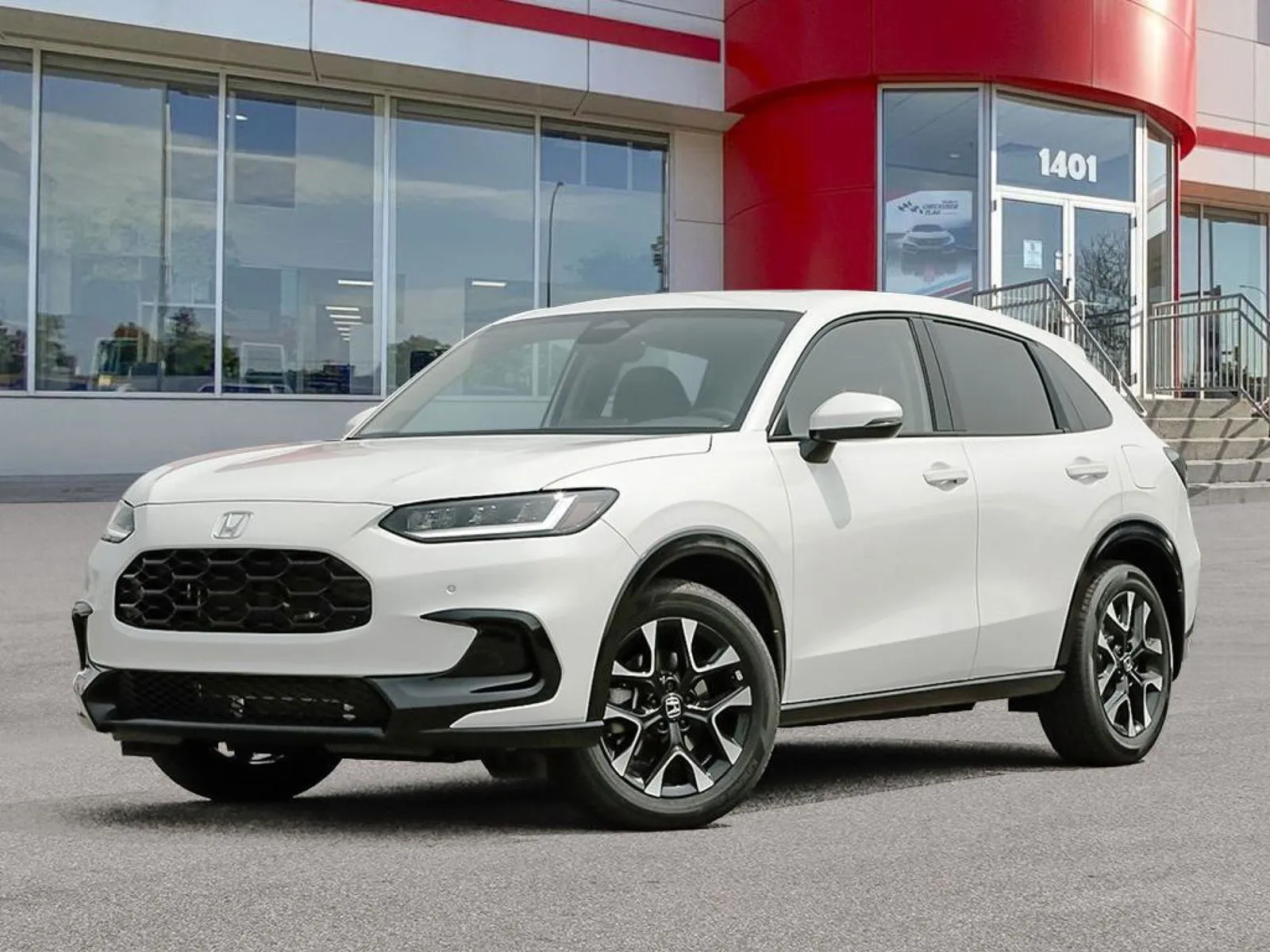
1. Honda HR-V EX-L
A warm and friendly tone suits this first example. Confidence grows naturally once someone settles into the Honda HR-V EX-L because the adjustments feel simple and smooth.
Many shorter drivers appreciate the long range offered by the seat track, giving them room to pull the seat forward without raising their knees awkwardly. Its compact shape works nicely for those who prefer a cockpit that hugs them gently.
Comfort also comes from the movement of the steering wheel. With generous reach adjustment, shorter drivers can bring the wheel closer without leaning forward.
This quality supports a relaxed driving posture that protects the lower back during long journeys. Clear sightlines across the front hood lift confidence even higher. Smaller drivers often struggle with high dashboards, but this model shapes its panel in a way that allows better forward visibility.
Pedal access brings another reason why many shorter drivers appreciate this model. Instead of forcing the driver to stretch their legs, the pedals sit within a comfortable reach. Side placement avoids the feeling of leaning too far in one direction. Smooth pedal pressure helps drivers maintain consistent control even in heavy traffic.
Storage layout also feels friendly. Instead of placing compartments too far forward or too deeply inside the console, the HR-V offers reachable pockets and cupholders. For shorter drivers who dislike stretching over wide consoles, this arrangement feels welcoming.
Cabin height also contributes positively. Seat elevation adjustment rises high enough for people who need a more commanding viewpoint. Even smaller drivers find themselves easily locating the best angle for mirrors.
Many compact SUVs claim to help shorter drivers but fail to create a calm balance between seat position and pedal distance. HR-V EX-L solves that concern in a gentle and consistent way.
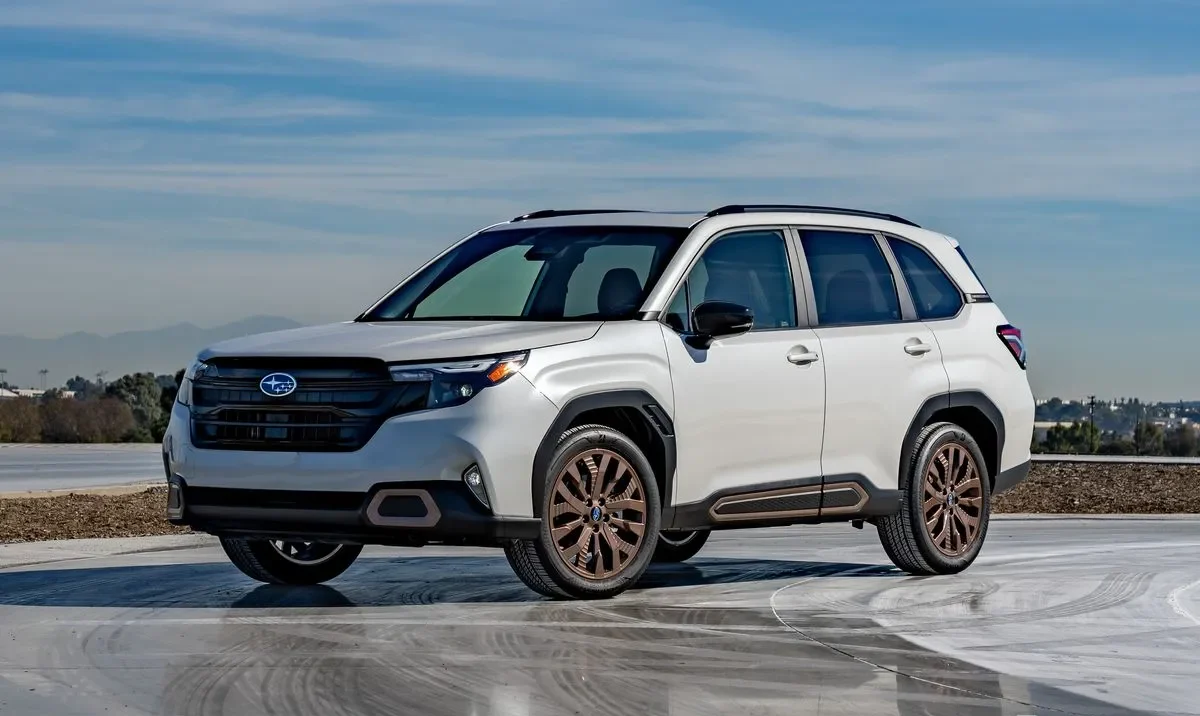
2. Subaru Forester Premium
A slightly uplifting and confident tone fits here. Strong visibility defines the Subaru Forester Premium, making shorter drivers feel like they have an expanded window into the road. Tall side glass and a modest dashboard prevent the driver from feeling boxed in. This broad view plays a big role in reducing anxiety in tight traffic.
Seat height adjustment also supports shorter drivers effectively. Raising the seat upward does not distort the posture, allowing the driver to enjoy an elevated perspective without feeling too close to the roof.
Many shorter drivers express appreciation for the seat’s ability to move forward without cramping their knees. Subaru engineers shape this cabin in a way that supports people of varying heights.
Pedal spacing adds to the comfort. Shorter drivers find themselves connecting with the pedals comfortably, without needing pedal extenders. A gentle pressure response gives full control during braking or acceleration. This smoothness supports drivers who balance their foot movements carefully.
Steering wheel reach brings another advantage. When pulled closer, shorter drivers maintain good posture without leaning. People who enjoy a straight back position find this design satisfying. Its wide mirror coverage boosts confidence further.
Forester Premium also provides thoughtful cabin access. Smaller drivers sometimes struggle with wide door frames, but this model keeps its doors manageable. Getting in and out feels natural even for those with shorter legs. Storage design is practical too, leaving commonly used items within a friendly reach.
Comfort increases when drivers can adjust everything without stress. Subaru appears to understand that not all drivers share the same body proportions. By shaping a simple and welcoming cockpit, this model stands out as a strong companion for shorter drivers seeking both comfort and calm.
Also Read: 5 Weekend Fun Cars You Can Afford vs 5 Budget Busters
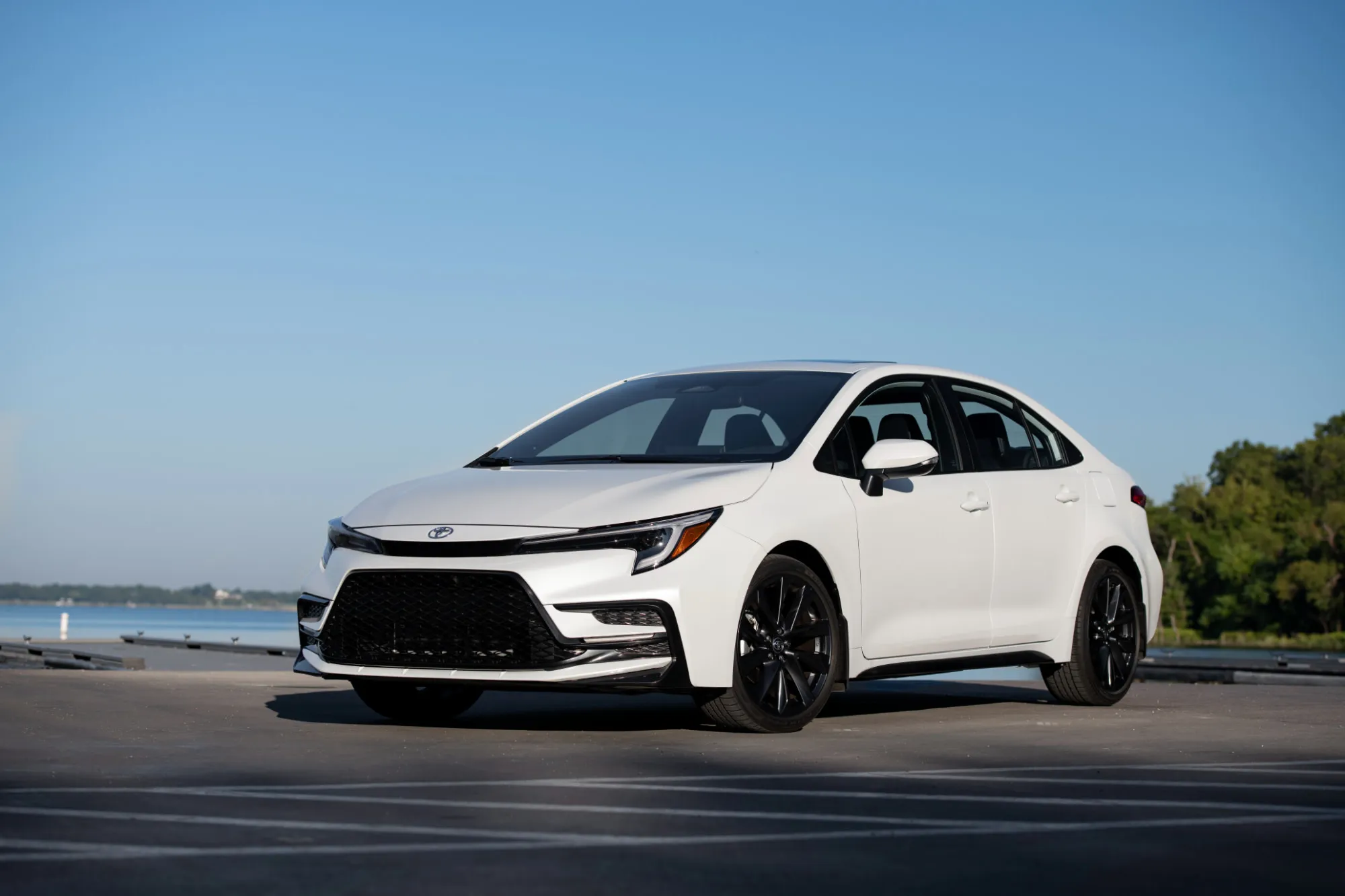
3. Toyota Corolla XSE
A relaxed and conversational tone fits this section. Many shorter drivers feel at home inside the Toyota Corolla XSE because its cabin layout keeps essential controls close.
Steering wheel reach adjustment works well enough to let the driver sit comfortably without leaning forward. Those who prefer compact cockpits appreciate the Corolla’s gentle shaping.
Pedal placement feels friendly. Instead of positioning them deep inside the footwell, Toyota aligns them in a reachable way. Shorter drivers enjoy the reassuring sensation of touching the pedals without lifting their heels too high. This arrangement reduces fatigue during commutes.
Seat height brings another pleasant surprise. Raising the seat gives a clear view of the road without cutting off the top edge of traffic lights or signs. Drivers who struggle with bulky dashboards in other models enjoy how this car keeps everything modest and low.
Interior control buttons also sit at a good height. People who prefer close controls enjoy that audio and climate switches feel easy to operate without stretching across the console. Those with shorter arms find this arrangement helpful and refreshing.
Handling encourages confidence, too. Light steering supports quick responses without heavy effort. Shorter drivers, who sometimes struggle with large steering wheels, enjoy the Corolla’s manageable size. Its predictable movement gives a strong sense of control in tight corners.
Rear visibility offers another comfort point. Large mirrors and a clear rear window allow smaller drivers to understand their surroundings easily. Parking in small spaces becomes less stressful.
With its friendly combination of compact controls and supportive seating, the Toyota Corolla XSE demonstrates how a well-designed sedan can meet the needs of shorter drivers without compromising style or performance.
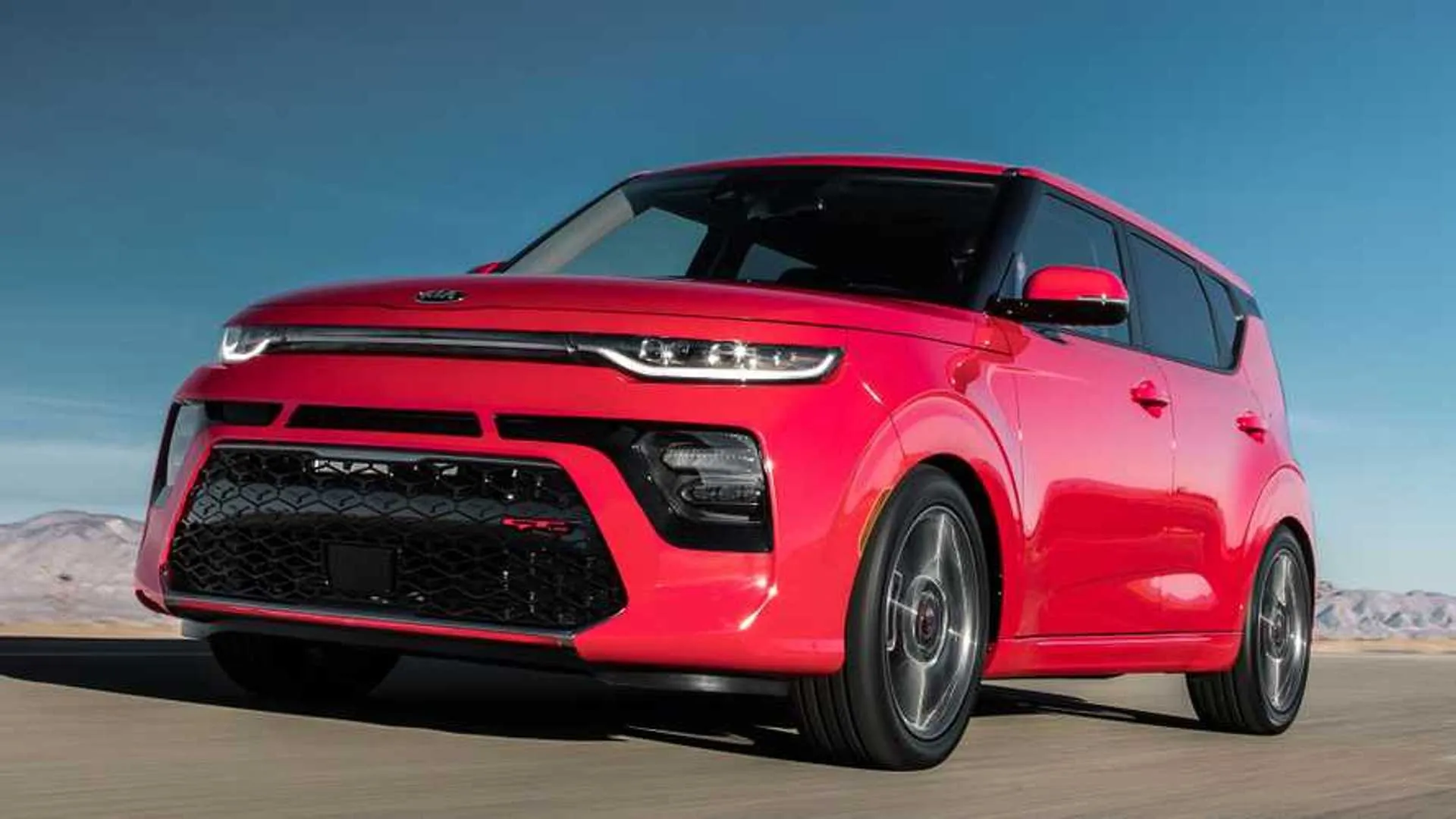
4. Kia Soul GT-Line
A bright and welcoming style fits the Kia Soul GT-Line perfectly, especially for shorter drivers searching for a car that feels instantly approachable. This model places the driver in a naturally lifted seating posture that lets many people see the road easily without raising the seat to its highest point.
Those accustomed to cars with low hip points often feel pleasantly surprised by how the Soul places their eyes at a steady forward angle that supports confidence during daily drives. Adjusting the seat becomes a hassle-free process. Many shorter drivers glide the seat upward or forward with light effort, finding a balanced spot without feeling boxed in.
Pedal distance works smoothly with those adjustments because the placement keeps the feet in a relaxed range that does not strain the ankles. This arrangement proves useful for individuals who spend long periods in city traffic.
Another helpful trait appears in the shape of the windshield. Its generous height lets shorter drivers read overhead signs without lifting their chin awkwardly.
People who tend to feel swallowed by tall dashboards in other compact cars often comment that the Soul offers a calm, open line of sight without making the cabin feel oversized.
Control layout also supports comfort. Buttons sit close enough to prevent stretching, and the steering wheel offers reach movement that encourages a natural arm angle. Shorter drivers often appreciate how these details remove the feeling of overextending across the console.
Cabin shape plays its part too. Even with its compact footprint, the Soul gives a sense of open air that smaller drivers enjoy. Space feels inviting rather than wide and empty, creating a comfortable blend of snugness and freedom.
Entry comfort continues the experience. The doors sit at a height that helps those with shorter legs step inside without climbing or dipping awkwardly. Many drivers say that getting into this car feels easier than stepping into sedans or SUVs, which require more effort.
For people who want a compact vehicle designed with practical seating, clear outward visibility, and simple adjustments, the Kia Soul GT-Line delivers a friendly experience that supports shorter drivers without fuss.
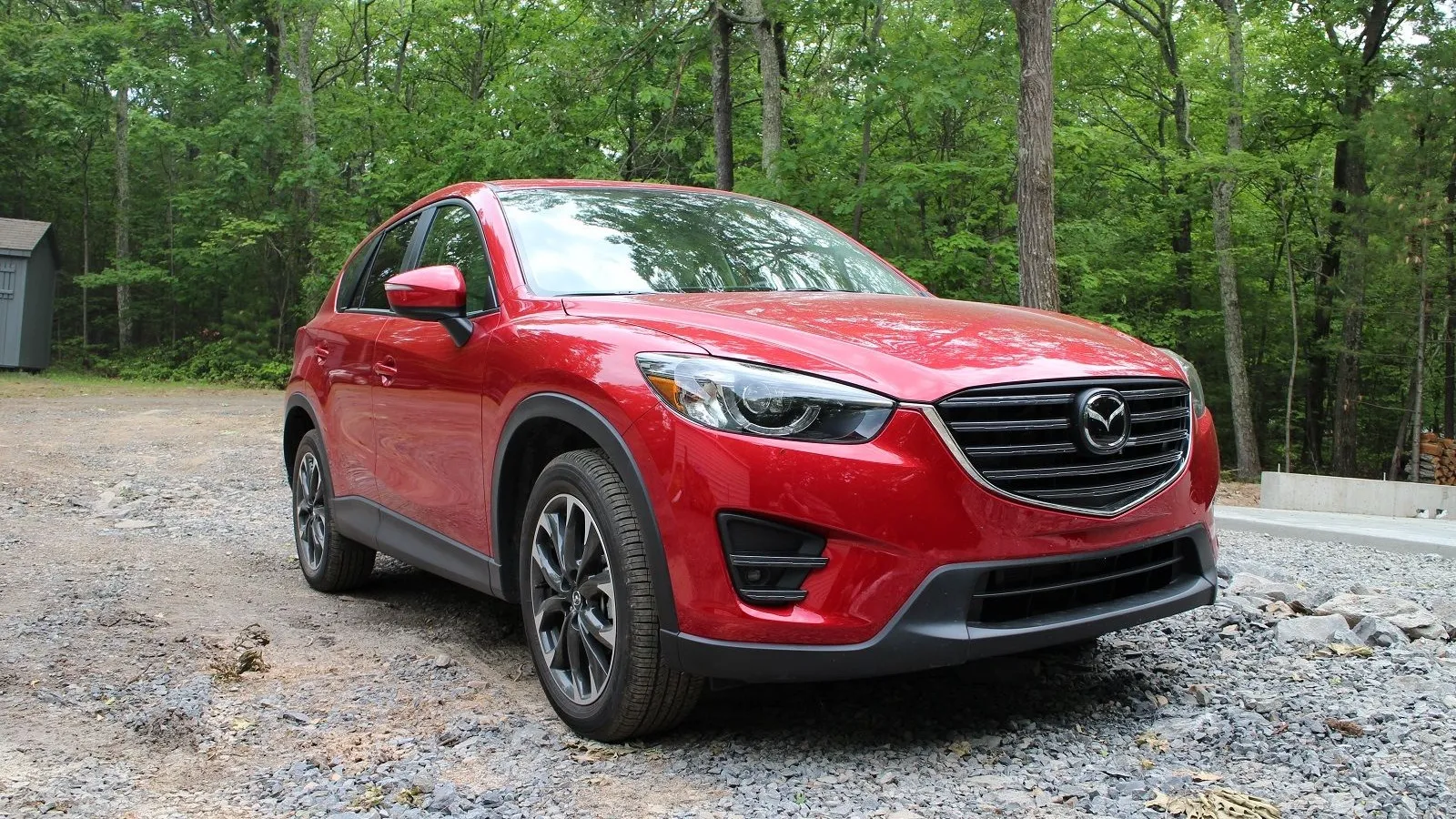
5. Mazda CX-5 Grand Touring
A calm and thoughtful tone fits the Mazda CX-5 Grand Touring because its character leans toward steady comfort rather than dramatic styling for shorter drivers.
This model welcomes anyone seeking a seat that adjusts through a wide range of motion, allowing smaller drivers to fine-tune posture without feeling forced into a single position. The seat rises smoothly and provides enough height for a clear view while still leaving generous headroom.
Visibility has been shaped with attention to comfort. The dashboard maintains a reasonable height that helps shorter drivers see traffic conditions without elevating the seat to its maximum level. This balance provides a settled feeling for those who prefer a grounded view of the road.
Pedal reach has been arranged with comfort in mind. Shorter drivers avoid stretching their legs because the pedals sit at a distance that feels natural. This layout helps reduce fatigue during long commutes or congested routes where frequent braking becomes unavoidable.
Front window shape plays a quiet but important role. Intersections become less stressful when drivers can observe cross traffic without shifting their upper body. The side mirrors also sit at a height that supports smaller viewpoints.
Steering wheel adjustment further enhances comfort. Many shorter drivers pull the wheel closer to maintain an upright posture that limits leaning. This reduces shoulder strain and helps create a more relaxed driving rhythm.
Entry contributes to the appeal. The step in height feels friendly to shorter legs, preventing the awkward slide common in taller SUVs. People often mention that the CX-5 feels welcoming from the moment they open the door.
With its smooth driving manners, adjustable seating, and supportive layout, the Mazda CX-5 Grand Touring serves shorter drivers who prefer a modest cabin design that prioritizes clarity, comfort, and reachability during everyday use.
5 Hard to Reach Pedals
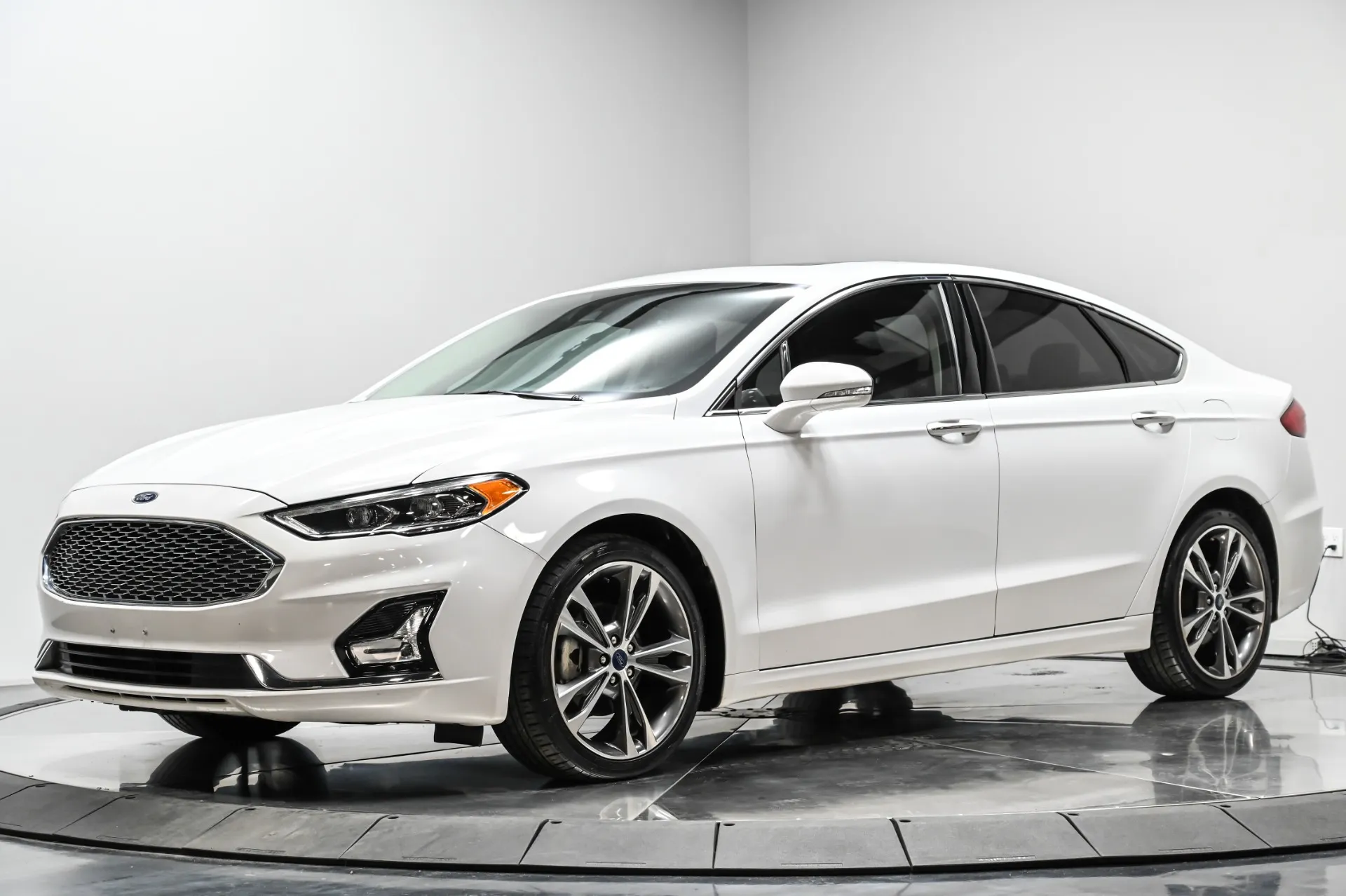
1. Ford Fusion Titanium
A slightly puzzled tone fits this model because the Ford Fusion Titanium often surprises shorter drivers in ways they do not expect. The car looks polished and well-balanced from the outside, yet the moment smaller drivers settle behind the wheel, the pedal reach begins to feel strangely distant.
Many find themselves extending their legs farther than they prefer, creating a subtle sense of strain that grows during long trips. This deeper placement inside the footwell leaves people with shorter legs working harder than they should.
Seat travel becomes another concern. As the seat moves forward, shorter drivers hope to achieve a natural angle, but the forward limit sometimes brings the knees up in an awkward position. That bent posture creates pressure around the lower body and can lead to discomfort sooner than expected.
The seat cushion itself feels fine, but the seating geometry starts working against those who need to sit close. Steering wheel movement tries to help, but does not provide enough reach to fix the issue. Even when the wheel comes outward, shorter drivers still find themselves leaning forward more than they want.
That leaning reduces upper-body comfort and invites shoulder fatigue. The posture becomes even more challenging when attempting to maintain steady control through traffic or winding routes. Footwell spacing adds one more hurdle.
The area narrows as the seat comes forward, leaving little room to adjust foot placement. Drivers with shorter legs sometimes remark that the Fusion feels shaped more toward longer bodies, even though its size suggests a more adaptable design.
Even with its refined ride and smooth road manners, the Fusion Titanium becomes difficult for shorter people to enjoy fully. Instead of relaxing into the drive, many find themselves constantly adjusting their posture.
People who test this model often walk away feeling that the interior would benefit from updates that provide better reach and comfort for drivers of various heights.
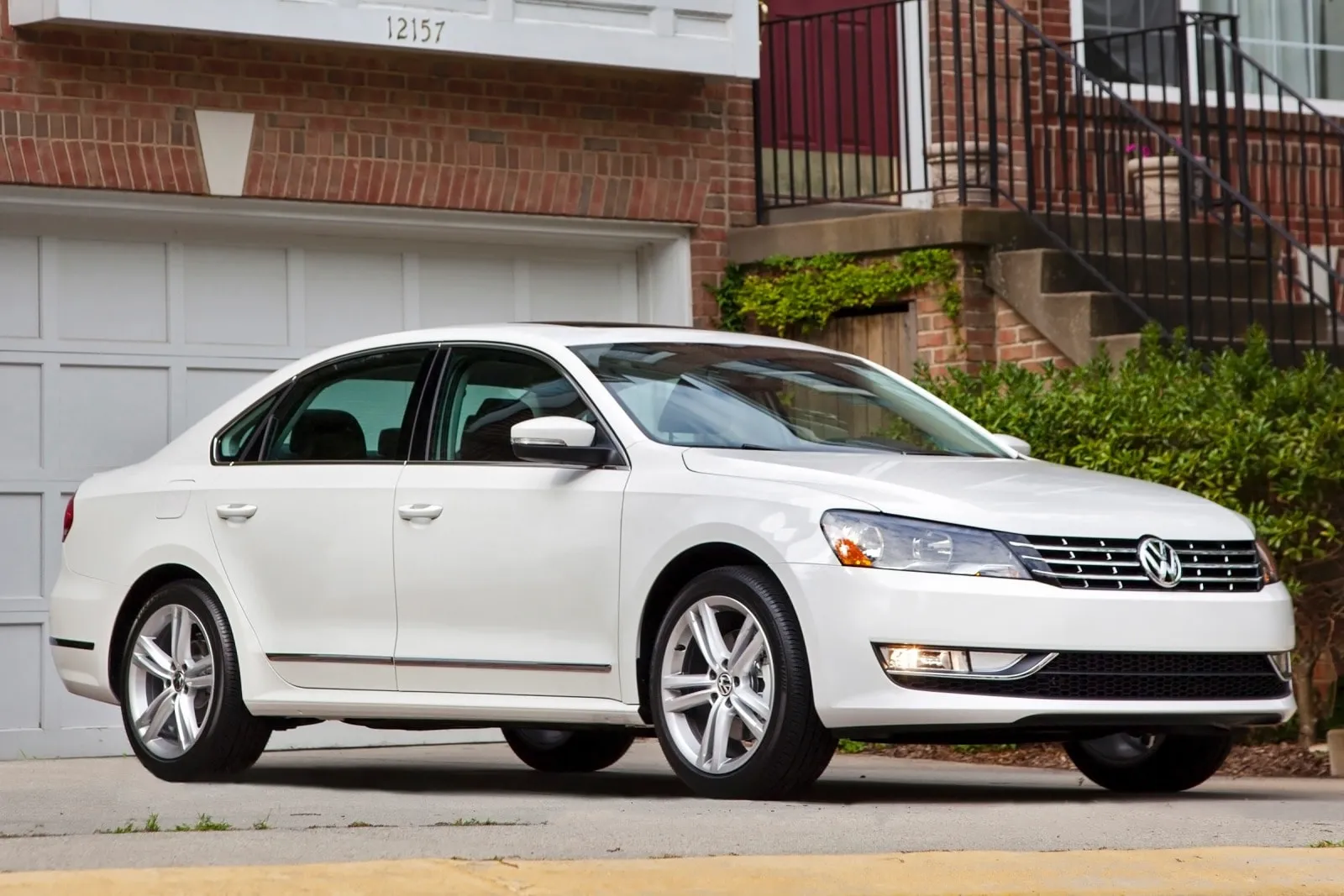
2. Volkswagen Passat SEL
A thoughtful yet questioning tone suits the Volkswagen Passat SEL because it creates mixed reactions among shorter drivers. At first glance, the cabin appears calm and well-organized, giving the impression that it will support a wide range of seating needs.
Once driving begins, however, the pedal distance tells a different story. The pedals sit farther forward than many expect, prompting shorter drivers to stretch their legs each time they press the accelerator or brake. Maintaining that stretch for long periods begins to feel tiring.
Seat travel offers movement, but does not go far enough to eliminate the gap between the driver and the pedal set. When smaller individuals bring the seat forward to compensate, their knees rise at an uncomfortable angle.
That higher knee position places pressure on the thighs and can create back tension during longer drives. People who spend long hours commuting often notice the discomfort sooner than casual drivers.
Steering wheel adjustment attempts to ease the posture challenge, yet it cannot fully remove the need to lean. Even with the wheel pulled outward, shorter drivers still tilt forward to achieve a secure grip. This body angle pushes the spine into a curved position that becomes tiring within a relatively short period.
The dashboard adds another layer of difficulty. Its wide profile sits deeper than some drivers prefer, forcing smaller individuals to choose between sitting close enough to see clearly or staying far enough back to reduce knee lift. Neither choice feels ideal, and this persistent tradeoff becomes one of the most common complaints.
A deep footwell also contributes to the issue. Legs extend further than they should, and the combination of depth and pedal distance produces a sense of constant reaching. Shorter drivers often describe the feeling as never quite settling into a natural position.
Even though the Passat SEL handles well and offers a smooth driving character, the interior geometry does not align with the needs of shorter people. Many leave test drives wishing the car provided a more inclusive setup that supported comfortable pedal access without sacrificing posture or visibility.
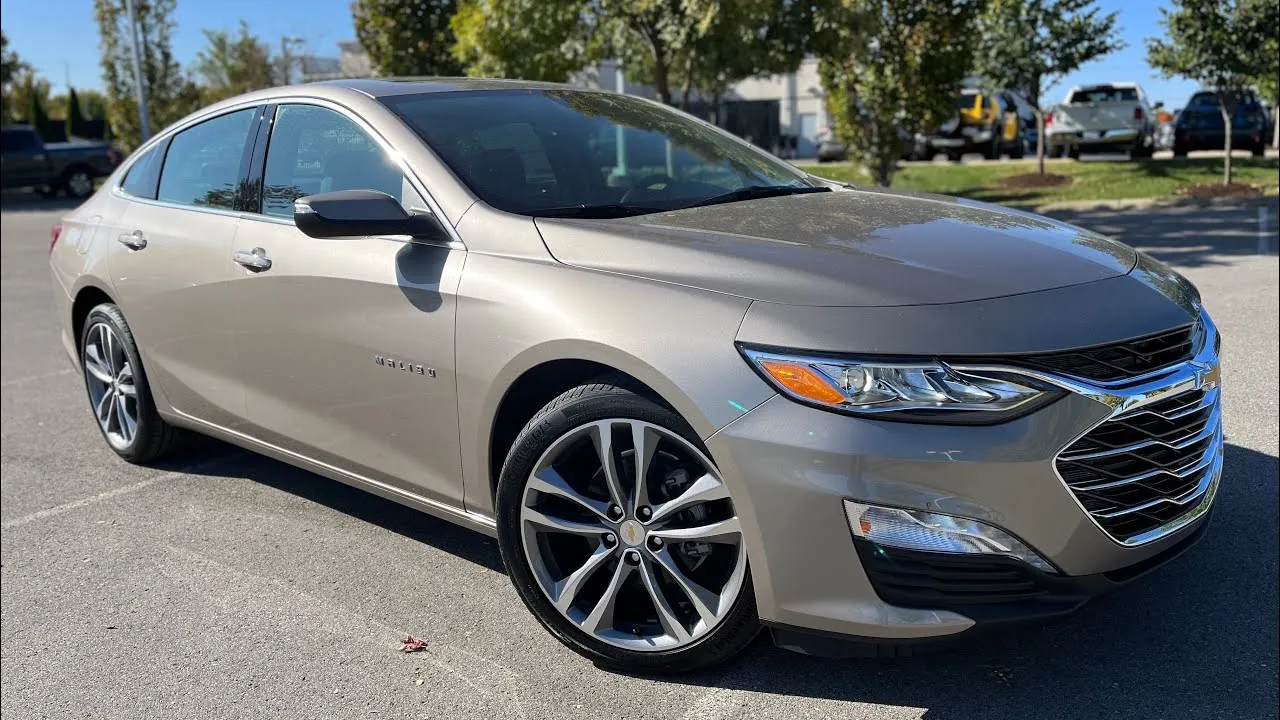
3. Chevrolet Malibu Premier
A more analytical tone fits this part. Chevrolet Malibu Premier presents itself as a polished sedan, yet shorter drivers often feel challenged by its pedal depth. Pedals appear positioned for people with longer legs.
Seat travel movement does not solve the problem fully. Drivers who pull the seat forward reach the pedals, but their knees form a lifted angle that disrupts comfort. A raised knee position reduces stability and adds fatigue during long trips.
Steering wheel reach falls short for many smaller drivers. Even after pulling the wheel closer, the distance remains slightly inconvenient. This forces drivers to lean gently forward, which strains back muscles.
Footwell width also contributes to discomfort. Shorter drivers often adopt angled leg positions when trying to reach the pedals without stressing their knees. This creates an imbalanced posture that becomes tiring.
Dashboard design feels slightly deep. This pushes the entire driving position backward, limiting shorter drivers from achieving the perfect seating zone. Despite the premium feel of the car, its ergonomics feel mismatched for this height group.
Visibility does not offset these concerns. While the mirrors deliver good coverage, the fundamental problem lies in pedal distance and driver posture. Shorter drivers often exit the Malibu Premier feeling that long trips would become quite tiring.
Those who prioritize proper foot placement may prefer a car with a more compact cabin. Malibu Premier shines in other areas, but pedal layout challenges remain a consistent conversation point among shorter drivers.
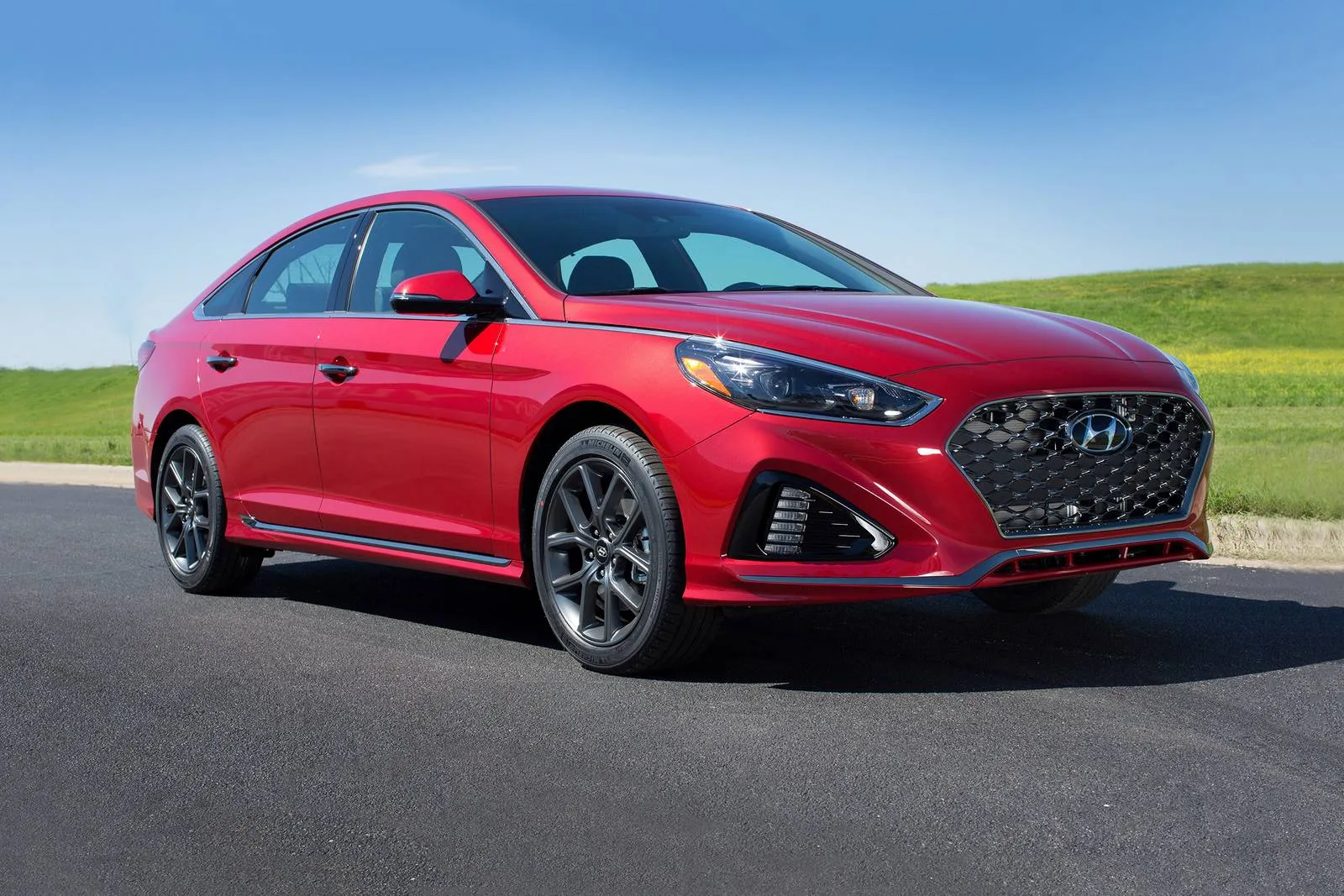
4. Hyundai Sonata Limited
A more descriptive and slightly curious tone fits here. The Hyundai Sonata Limited brings comfort in many areas, yet shorter drivers repeatedly mention that its pedals sit farther forward than expected. Reaching them requires more stretching than some people feel comfortable with.
Seat adjustment helps partially, but when moved forward too far, the knees rise and create an awkward angle. This heightens discomfort during long drives. Shorter drivers often feel trapped between visibility needs and pedal access.
Steering wheel reach supports some adjustment, though not enough to fix the posture entirely. Drivers find themselves leaning slightly ahead, which places tension on their shoulders and upper back. This leads to discomfort during commutes.
Dashboard spacing plays a role as well. Sonata Limited pushes its cabin outward, giving a sense of depth that works well for tall drivers but feels challenging for compact drivers.
The footwell angle forces the driver to stretch from the hip. Without proper leg extension, shorter drivers lose stability and feel fatigued quickly. Many find themselves adjusting their position repeatedly during long drives.
Though the car delivers a refined ride, the ergonomic mismatch stands out. People who need closer pedal placement often look elsewhere because this model feels designed primarily for longer legs.
Comfort matters deeply for shorter drivers, and Sonata Limited struggles to meet that need where pedal placement is concerned. Multiple test drivers report the same issue, leaving this model in the challenging category.
Also Read: 5 Cars with Helpful Cameras vs 5 Blurry Backup Cameras
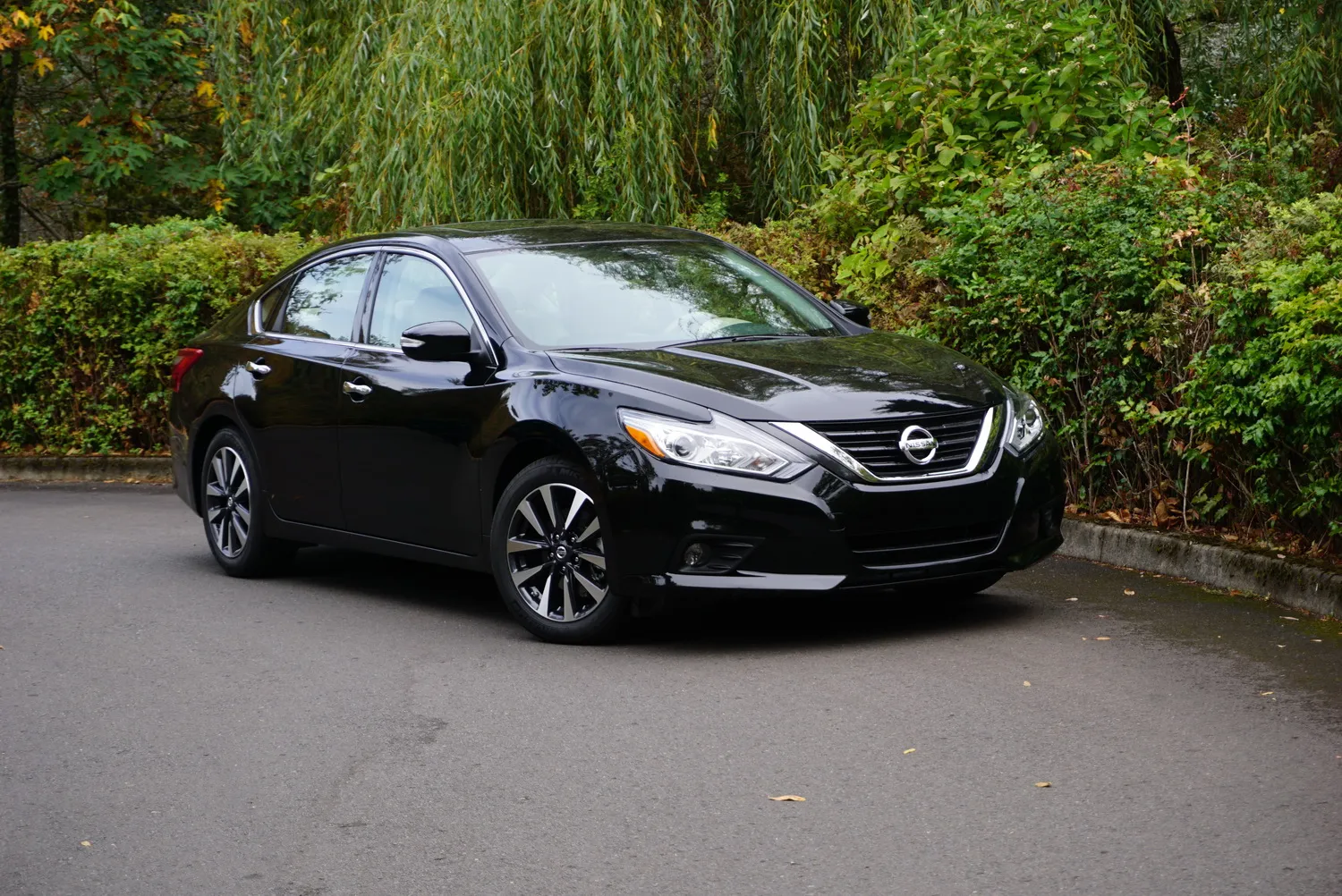
5. Nissan Altima SL
A thoughtful yet slightly disappointed tone fits this final entry. Nissan Altima SL presents a stylish cabin, yet its pedal layout remains challenging for shorter drivers. Pedals sit deep in the footwell, creating a stretched posture that many find uncomfortable.
Seat movement supports forward travel, but the posture changes drastically when pushed too close. Knees rise, thighs lift slightly, and the seating balance feels disrupted. This makes long journeys tiring for compact drivers.
Steering wheel reach adjustment offers limited help. Even when extended fully, shorter drivers feel the need to lean forward slightly to maintain proper steering control. This disrupts comfort and reduces driving confidence.
Console thickness contributes to the discomfort. As the driver pulls forward to reach the pedals, the wide center console presses gently against the legs. Many shorter drivers mention this during test drives.
Dashboard height increases the problem. To maintain visibility, drivers must raise the seat further, which worsens pedal reach and knee angle. This cycle makes the driving posture feel stressful.
Despite its refined handling, the Altima SL does not deliver a comfortable driving position for shorter people. Many drivers leave the cabin feeling frustrated because its stylish appearance hides a layout that favors taller individuals.
For anyone who prioritizes comfort and proper pedal access, this model feels mismatched. Shorter drivers often look elsewhere once they test the driving posture.
