
Highway driving at 80 mph often turns an SUV ride into a noisy and stressful experience, but some vehicles deliver remarkable calm even at high speeds. These ten SUVs demonstrate that quiet cabins are no longer limited to luxury sedans. Through advanced insulation, refined powertrains, and carefully designed interiors, they create serene environments for drivers and passengers alike.
From the electric Mercedes-Benz G-Class, which pairs rugged capability with hushed sophistication, to the Hyundai Tucson Hybrid, offering smooth and composed performance at an accessible price, each SUV proves that comfort and silence can coexist with capability. Whether on city streets, long highways, or twisting country roads, these models redefine what it feels like to enjoy a peaceful journey in a modern SUV.
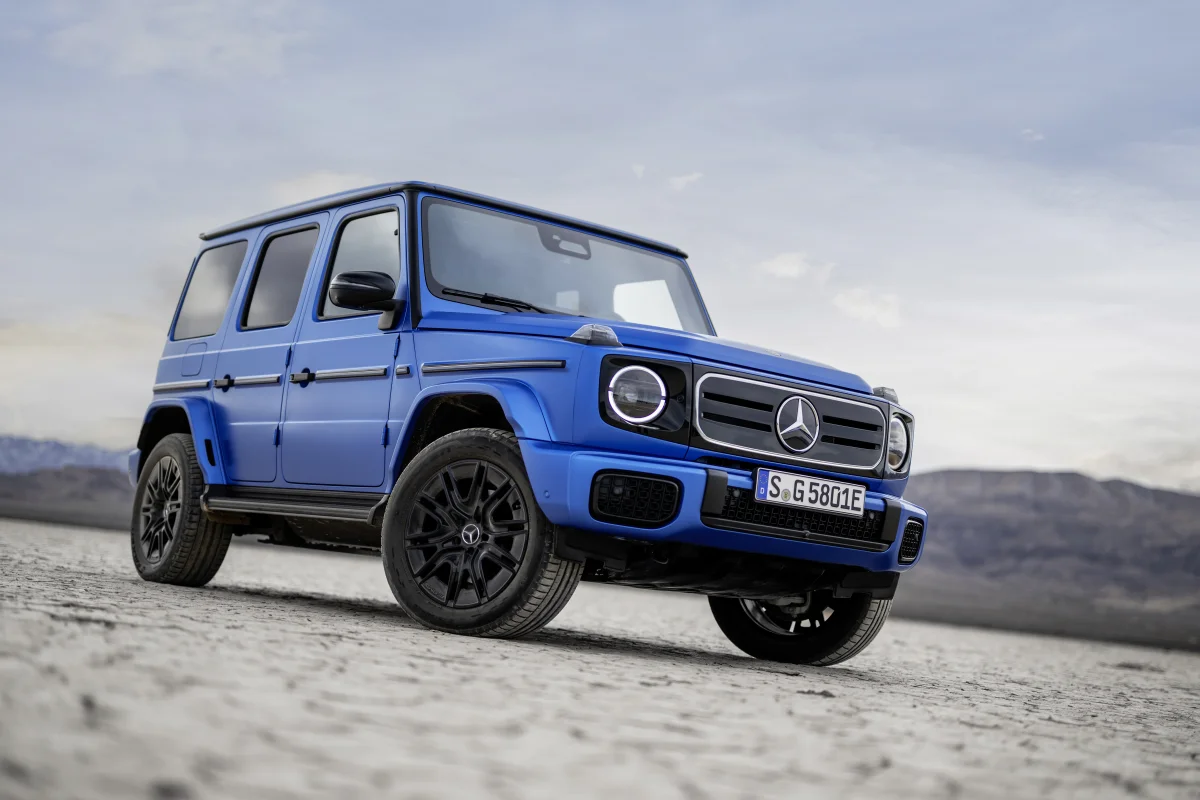
1. 2025 Mercedes-Benz G-Class EV
The 2025 Mercedes-Benz G-Class EV introduces electric power to the legendary G-Wagen while maintaining its signature rugged character. With an Interior Score of 10/10, the vehicle excels in quietness, craftsmanship, and refinement, giving it a strong presence among luxury electric SUVs.
This electric G-Class seats five and features high-grade materials that match its premium status. Extensive cabin insulation combines with the silent electric drivetrain to create one of the quietest SUV experiences available. Despite its tough, boxy design, the ride quality is smooth, and acceleration feels effortless.
There are some ergonomic compromises. The seats are narrow, the rear cabin can feel tight when equipped with the optional entertainment system, and entry requires a noticeable step up. Rear visibility is limited because the charging cable is stored where the spare tire normally sits.
The G 580 with EQ Technology uses four electric motors to produce impressive performance, reaching 0 to 60 mph in 4.4 seconds, which is quicker than the gas-powered G 550. Individual motor control at each wheel gives the EV remarkable off-road capability, similar to specialized trucks.
On paved roads, the low center of gravity improves stability in turns, although the ride retains a trucklike feel. Driver assistance features such as the surround view camera and parking sensors are useful, especially given the limited rear visibility. The lane-keeping system, however, can intervene too aggressively.
Mercedes’ latest infotainment system brings a responsive touchscreen, Apple CarPlay, Android Auto, multiple USB-C ports, and wireless charging. Practicality is mixed. The side-hinged rear door is heavy and needs extra space to open. The cargo floor is high, and small item storage is limited. The charging cable’s location eliminates the option of carrying a spare tire.
In range testing, the G 580 covered 266 miles on a full charge, slightly exceeding its EPA estimate but falling short of competitors such as the Rivian R1S. Efficiency remains modest, which is unlikely to deter buyers who prioritize luxury, capability, and strong visual presence. The G-Class EV delivers a distinctive blend of power, refinement, and character that sets it apart from other electric SUVs.
2. 2025 Hyundai Tucson
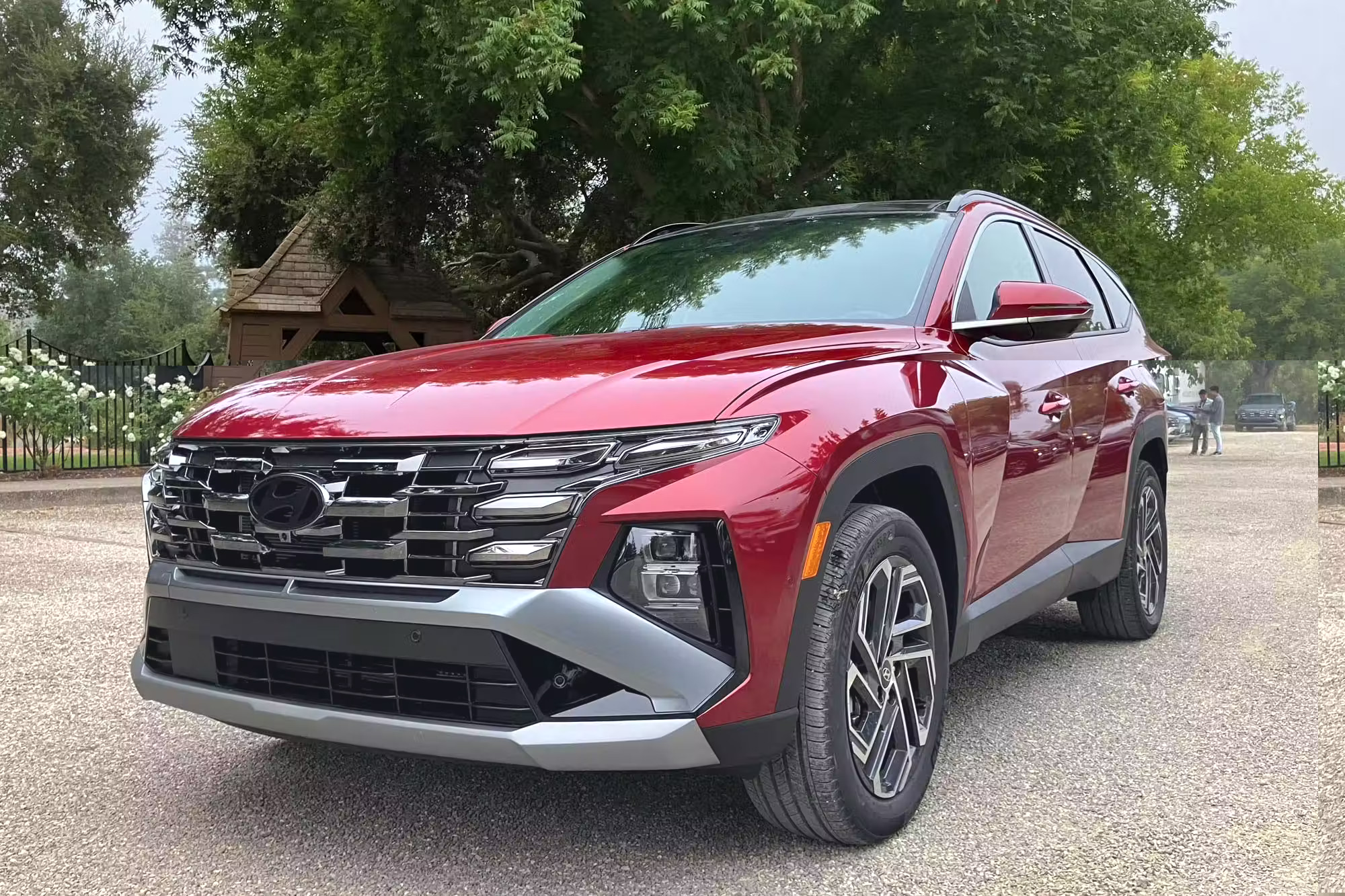
The 2025 Hyundai Tucson earns a strong Interior Score of 9.3 out of 10 and secures a high position among compact SUVs thanks to its comfort, space, and value-driven design.
Hyundai’s focus on practicality and family friendliness shines through, with a quiet cabin, impressive interior quality, and a feature-rich experience that remains affordable. For 2026, the trims are slightly reorganized, and towing capacity increases to 2,750 pounds, enhancing its flexibility for everyday needs.
The Tucson is not built for speed, and its sluggish acceleration reflects that. The base gas engine takes 10.2 seconds to reach 60 mph, which makes it one of the slower options in the segment. Despite this, the SUV earns praise for its smooth ride, confident steering, and excellent suspension tuning.
Road imperfections are absorbed with ease, and the calm driving experience makes it well-suited for commuting and long trips. Visibility is strong thanks to a large windscreen and slim roof pillars. Hyundai’s driver aids add convenience, though the constant beeping from parking sensors can be annoying.
Inside, the Tucson approaches luxury-level comfort. The front seats in the Limited trim offer plush cushioning, power lumbar support, and high-quality upholstery. Space is generous in both rows, allowing even tall adults to sit comfortably.
Wide door openings simplify entry and exit, and rear seats that recline add another layer of comfort. The main downside is Hyundai’s heavy reliance on touchscreen controls, which lack physical buttons or haptic feedback.
Tech features perform well for the price, with a sharp 12.3-inch touchscreen and standard wireless Apple CarPlay and Android Auto. Voice recognition is notably accurate and easy to use. Cargo space is a standout strength. With 38.7 cubic feet behind the rear seats and 74.8 cubic feet when folded, the Tucson ranks among the most spacious in its class. The flat floor and low liftover height make loading easy.
Hyundai delivers strong value through competitive pricing, generous features, and a standout warranty that includes five-year basic coverage and ten-year powertrain protection.
Fuel economy is reasonable at 25 mpg combined for AWD models, though it trails some rivals. The Tucson’s expressive styling and creative tech touches give it personality, yet the underpowered engine prevents it from feeling lively behind the wheel.
3. 2026 Hyundai Tucson Hybrid
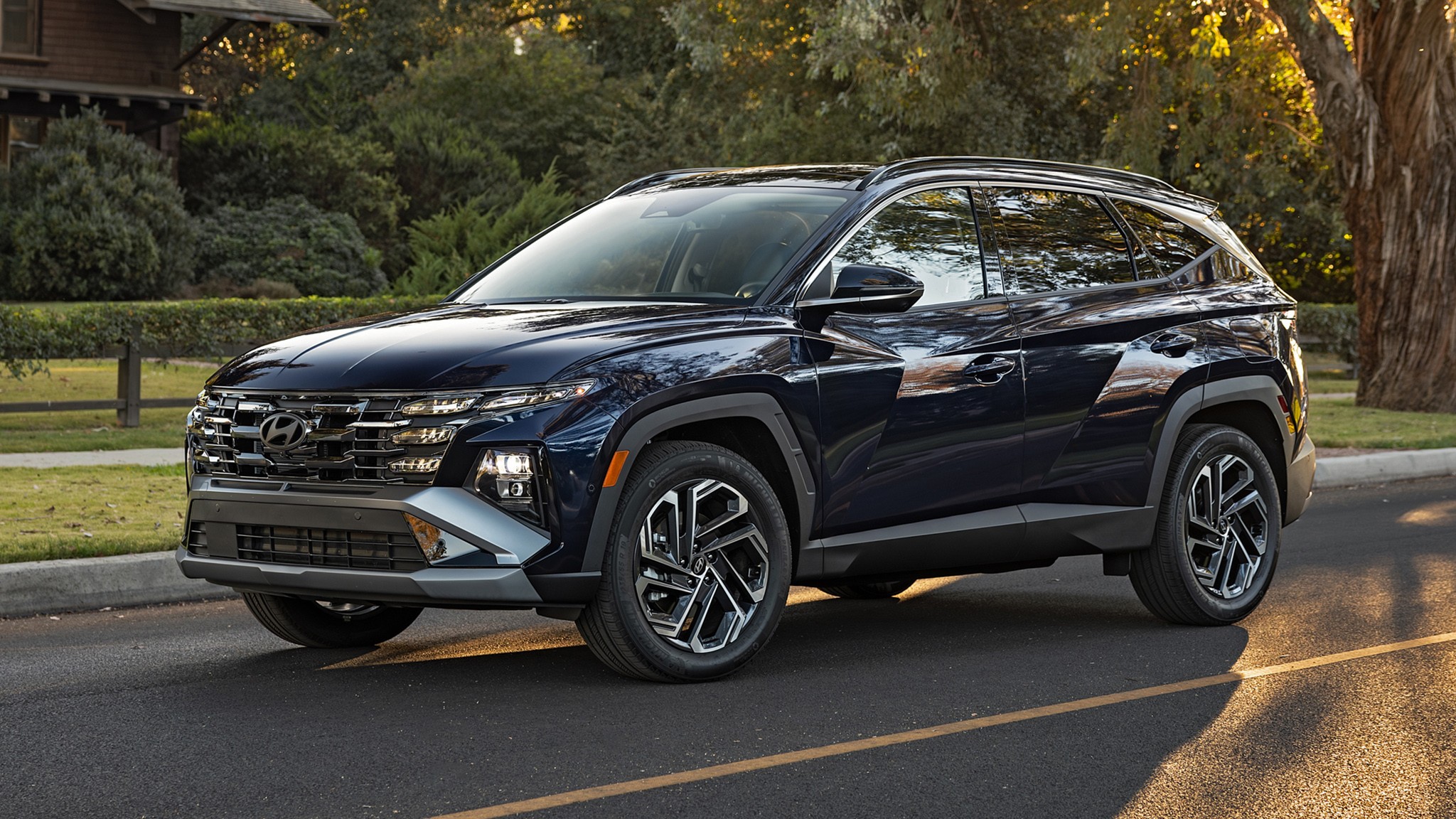
The 2026 Hyundai Tucson Hybrid earns a strong Interior Score of 9.3 out of 10 and stands out as one of the most well-rounded and best value compact hybrid SUVs on the market. Seating five with generous luggage space, it arrives well equipped even in its base trims and offers a driving experience that surpasses its gas-powered sibling.
Test driver Robert Duffer notes that the hybrid version is smoother, quieter, and noticeably more responsive, making it the most compelling model in the Tucson lineup.
The Tucson Hybrid distinguishes itself as one of the quickest and most composed hybrids in its class. It accelerated from 0 to 60 mph in 7.6 seconds in Edmunds testing, putting it at the top of the segment.
The hybrid powertrain offers eager throttle response and smooth power delivery, while the automatic transmission downshifts readily when more speed is needed. Strong brakes and seamless transitions between electric and gasoline power contribute to a refined ride.
The suspension absorbs road imperfections gracefully, creating comfort levels that approach those of luxury SUVs. Visibility is excellent, and helpful camera views support confident driving. Driver aids such as adaptive cruise control work smoothly, though the lane-keeping system can feel a bit intrusive at times.
The Limited trim brings plush, supportive seats with high-quality surfaces and excellent lateral and lumbar support. Although not quite at luxury SUV levels, these seats are among the best in the compact hybrid category. Wide door openings make entry easy, and both rows provide abundant room for adults.
Rear passengers benefit from reclining seatbacks and generous legroom. Noise intrusion is minimal aside from some occasional wind noise, and the climate system heats and cools quickly. Families will appreciate the roomy backseat area that easily accommodates rear-facing child seats with accessible LATCH anchors.
The Tucson Hybrid offers an impressive suite of tech features, including sharp navigation graphics, clear daytime visibility, and wireless Apple CarPlay and Android Auto. Numerous USB-C ports and an available wireless charging pad add convenience.
Cargo capacity is generous at 38.7 cubic feet behind the rear seats, along with a flat load floor, low liftover height, and seat release levers for easy expansion. Small item storage is also well designed, with spacious bins and large cupholders.
Hyundai delivers strong value with high-quality materials, refined driving dynamics, abundant passenger room, and a long list of standard features. The brand’s standout warranty includes five-year basic coverage and ten-year powertrain protection, plus rust coverage, roadside assistance, and three years of free maintenance.
Fuel economy is rated at 36 mpg combined, which is good for an SUV but slightly below the segment’s most efficient hybrids. Real-world results vary, with highway-heavy routes returning lower numbers and city driving often achieving 39 mpg or more. The Tucson Hybrid impresses with its smooth behavior, practicality, and hybrid character presented in all the best ways.
4. 2025 Kia Telluride
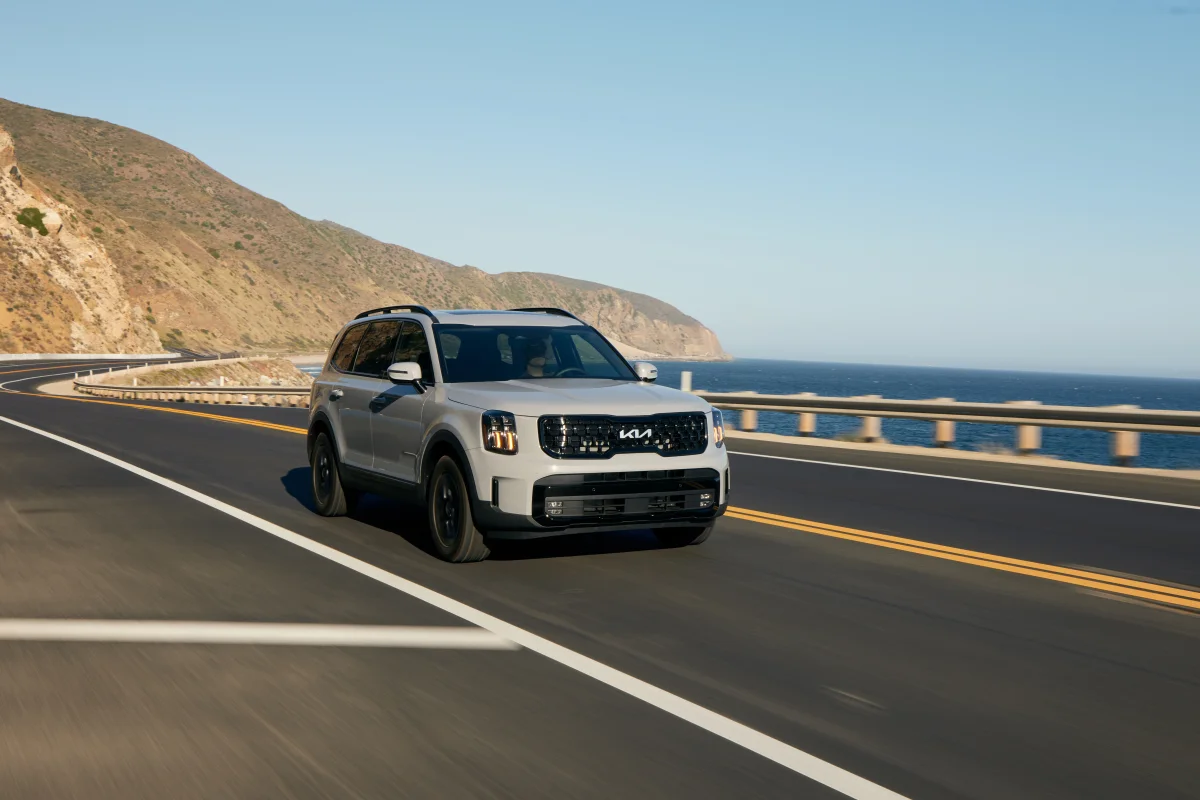
The 2025 Kia Telluride earns an Interior Score of 9.3 out of 10 and continues to stand out as one of the most refined and family-friendly three-row SUVs on the market.
Kia’s flagship model highlights the brand’s impressive rise in sophistication, offering a quiet, well-insulated cabin with elegant materials and a warm, inviting atmosphere. Its V6 engine provides smooth and confident power, perfectly suited to a vehicle that prioritizes comfort over sportiness.
The Telluride’s 3.8-liter V6 is responsive and well-matched to the SUV’s size. While acceleration is average for the class, braking performance is strong and easy to control. Steering remains light at low speeds and gains natural heft in corners, giving the SUV a composed and reassuring feel.
The transmission can occasionally shift firmly under heavy throttle or search for the right gear on steep inclines, but these issues are minor in day-to-day driving. The suspension is notably well-tuned, offering a plush and stable ride even in the more rugged X Pro variants.
Visibility is excellent for such a large SUV, further supported by an effective surround view camera system and capable driver aids, including adaptive cruise control that can assist with lane changes when prompted.
Comfort is a defining strength of the Telluride. Cabin noise is extremely well controlled, creating an environment that feels close to luxury grade. Seats are supportive, contoured, and fitted with soft headrests that enhance long-distance comfort.
A low step in height makes entry easy, and the available second row captain’s chairs slide aside smoothly for third row access. There is ample space across all three rows, though the third row includes only one set of LATCH anchors. Climate controls are straightforward and effective, with heating and ventilation available for both first and second-row passengers.
The infotainment system is functional and easy to navigate, though it lacks wireless Apple CarPlay and Android Auto. Only one USB-A port supports data, while upper trims include up to six USB ports and a wireless charging pad.
Cargo space is generous, offering 21 cubic feet behind the third row and 87 cubic feet with rows folded, along with a useful underfloor compartment. Towing capacity reaches 5,500 pounds. Small item storage is modest compared to some rivals.
The Telluride delivers strong value at every trim level, with high-quality materials, excellent comfort, and a near-luxury experience in upper trims. Kia’s five-year basic and ten-year powertrain warranties add further appeal.
Fuel economy for AWD models is rated at 20 mpg combined, with real-world testing often achieving slightly higher numbers. The Telluride offers a blend of comfort, capability, and upscale design that continues to resonate with families seeking a premium experience without the premium price.
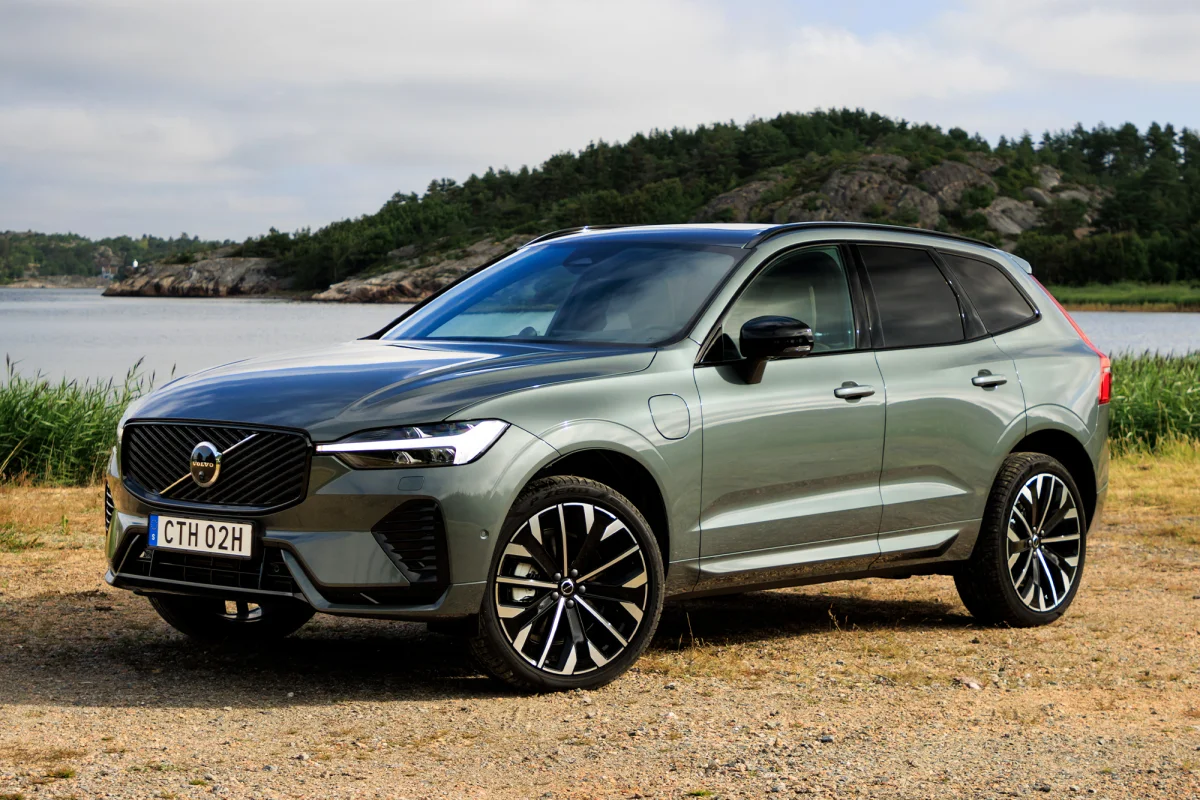
5. 2026 Volvo XC60 Plug-In Hybrid
The 2026 Volvo XC60 Plug-In Hybrid arrives with updated infotainment and subtle design revisions while keeping its strong plug-in powertrain unchanged. This setup delivers quick acceleration, impressive efficiency, and a refined driving character.
Reviewers highlight the XC60’s calm and smooth demeanor, noting that its premium feel comes at a higher price but brings notable comfort and versatility. The cabin gains a new 11.2-inch touchscreen and nonleather upholstery in the base trim, creating a modern and upscale atmosphere for five passengers.
While testing focused on the B5 non-plug-in model, the impressions speak to the XC60’s general road behavior. The B5 reached 60 mph in 7.4 seconds, slower than the T8 plug-in hybrid as well as rivals like the BMW X3. Braking performance was similarly unimpressive in testing, yet everyday driving highlights the XC60’s strengths.
Power delivery feels adequate, and the ride remains smooth across most surfaces. Avoiding the optional 22-inch wheels helps maintain this comfort, since their thin tire sidewalls transmit extra harshness.
Steering accuracy is a highlight, and the vehicle handles winding roads with composure, though it is less athletic than competitors such as the Audi Q5 and Genesis GV70. Driver assistance features stand out, with adaptive cruise control and lane keeping systems performing confidently without becoming intrusive.
The XC60 excels in seat comfort. Front seats offer extensive adjustments, including side bolsters, thigh extensions, and massage functions, all controlled by a multifunction seat switch. Controls throughout the cabin are mostly intuitive, though unlabeled steering wheel buttons require familiarization.
Climate functions live within the touchscreen but deliver strong cooling. Cabin noise is reasonably subdued, though some competitors reduce tire noise more effectively. The rear row provides generous legroom and headroom, but the small rear doors make entry slightly awkward. Installing child seats is straightforward thanks to accessible anchors, and optional built-in boosters offer occasional-use convenience.
The updated infotainment system is responsive and easier to navigate, and the optional Bowers and Wilkins audio system is excellent. Wired Apple CarPlay and Android Auto remain a drawback in this class. Cargo space is practical, with a three-way split rear seat and available air suspension that lowers for easier loading. Interior storage is adequate, though less abundant than mainstream SUVs from brands like Honda and Toyota.
A fully equipped XC60 offers luxurious touches but may not deliver standout value compared with rivals that cost less while offering stronger performance. Warranty coverage is average, but Volvo includes three years of complimentary maintenance.
Fuel economy for the B5 model sits around the mid-20s during real-world use. For those drawn to Volvo’s design and comfort, the plug-in hybrid version remains the most compelling configuration in the XC60 lineup.
Also Read: 10 Cars With Factory Roof Rails That Actually Help
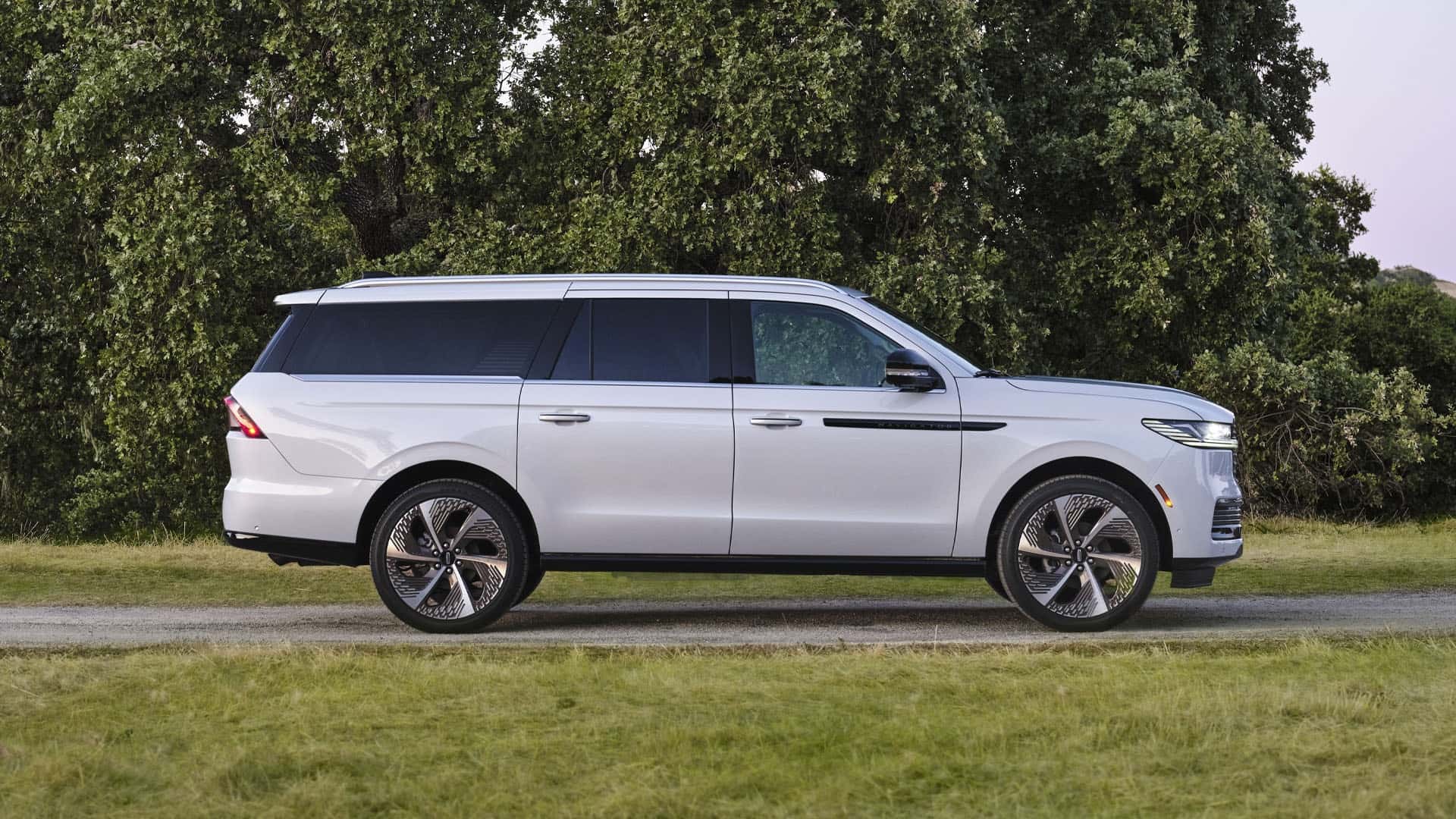
6. 2025 Lincoln Navigator
The 2025 Lincoln Navigator receives a redesign that enhances comfort, refinement, and performance, securing an Interior Score of 9.3 out of 10. While its fuel economy and infotainment usability remain weak points, the Navigator continues to impress with a serene cabin, abundant passenger space, and a strong twin turbo V6 engine paired with standard Four Wheel Drive.
Reviewers highlight the powertrain’s smooth character, noting that even heavy throttle inputs produce little disturbance inside the quiet cabin.
For such a large and heavy SUV, the Navigator delivers confident acceleration and a surprisingly composed driving feel. Its twin turbocharged V6 produces swift power, sending the Navigator from zero to 60 mph in 5.6 seconds during testing.
Steering remains light and easy, which helps reduce the stress of maneuvering a vehicle of this size. Body roll is present but well controlled, giving the Navigator a stable nature through turns without suggesting sportiness.
Braking performance is adequate for the class, though quick stops still bring the expected forward pitch common in large SUVs. Around town and on narrow roads, the Navigator feels more manageable than expected thanks to its tuning and helpful driver aids.
Comfort stands out as one of the Navigator’s greatest strengths. The cabin stays quiet on most surfaces, and the suspension absorbs harsh bumps effectively. Continuous rolling road surfaces can cause more vertical movement than some drivers may prefer.
Optional 24-way front seats offer extensive adjustment, strong heating and cooling, and long-distance comfort once properly configured. The large doors, grab handles, and power running boards simplify entry, while second row seats tilt and slide for easier access to the adult-friendly third row.
The interior is spacious, refined, and designed to feel upscale. Controls take some time to learn, but their placement becomes intuitive with practice. Visibility is decent for the class, though thick windshield pillars can create blind spots that are offset by the excellent 360-degree camera system.
Cargo access is straightforward, and driver accommodations are flexible thanks to adjustable pedals and a wide range of steering wheel adjustments.
Fuel economy remains a key drawback. EPA estimates place the Navigator at 18 mpg combined, though real-world results often fall closer to the mid-teens. Despite this, the Navigator feels worth its price thanks to a polished cabin and premium design cues.
Lincoln provides a four-year basic warranty and a six-year powertrain warranty, along with notable perks for Black Label owners, such as complimentary maintenance and vehicle pickup and drop off.
7. 2025 Jeep Wagoneer
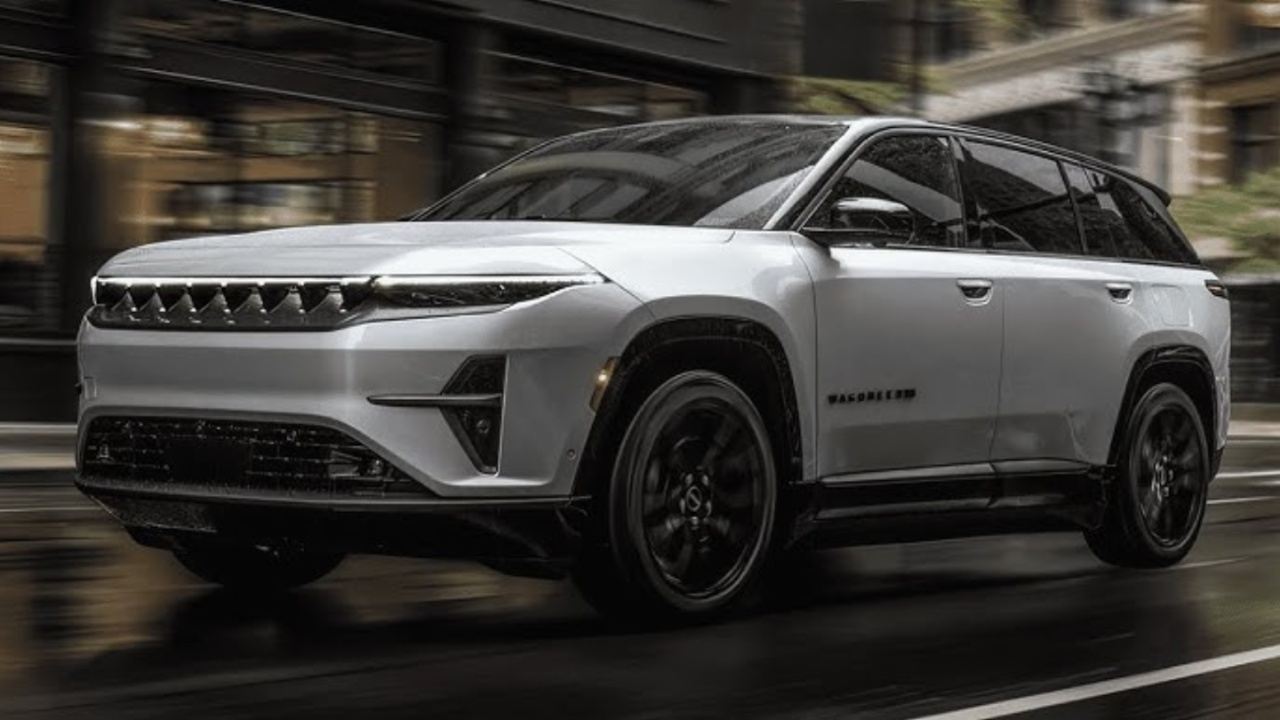
The 2025 Jeep Wagoneer earns a strong Interior Score of 9.2 out of 10 thanks to its quiet cabin, spacious layout, and upscale design. Reviving the Wagoneer name has helped Jeep reestablish itself in the full-size SUV space, and this model delivers family-friendly comfort paired with impressive performance.
Its three-row layout seats up to eight passengers, and extensive sound insulation creates a serene environment even on rougher pavement. Reviewers praise the Wagoneer for its versatility and smooth ride, noting that while it can handle mild off-road tasks, heavy-duty trails are better suited to smaller Jeep models.
Every Wagoneer comes equipped with Jeep’s twin turbocharged 3.0-liter inline six engine that produces 420 horsepower. This powertrain pairs with an eight-speed automatic transmission and delivers quick acceleration, hitting 60 mph in 5.3 seconds during testing.
Rear wheel drive is standard, with several Four Wheel Drive systems available for those seeking enhanced traction or light off-road ability. An optional air suspension elevates comfort further by smoothing out imperfections and can increase ground clearance by 3.6 inches when needed. The Wagoneer can tow up to 10,000 pounds, giving it one of the strongest towing capacities in its class.
Inside, the Wagoneer offers a rich, upscale ambiance with leather upholstery, 12-way power front seats, ambient lighting, and three-zone climate control, all included. Second row captain’s chairs are available, reducing total seating from eight to seven.
Cargo space is a major strength, with the short wheelbase model accommodating seven carry-on suitcases behind the third row and up to 40 with all seats folded. The long wheelbase Wagoneer L expands those numbers even further, making it one of the most practical large SUVs on the market.
Screens dominate the dashboard layout. A 10.1-inch infotainment display and a 10.3-inch digital gauge cluster are standard, while an additional passenger-side screen is optional. The Uconnect 5 system supports Apple CarPlay, Android Auto, Amazon Fire TV, Alexa, built-in navigation, and a Wi Fi hotspot. Higher trims include a premium 19-speaker McIntosh audio system.
The Wagoneer comes standard with a wide suite of driver assistance technologies such as adaptive cruise control, lane keeping assist, automatic emergency braking, and blind spot monitoring.
Fuel economy varies from 17/24 mpg for rear wheel drive models to 16/23 mpg for Four Wheel Drive versions. Jeep provides a three-year/36,000-mile limited warranty, a matching powertrain warranty, and three years of complimentary maintenance.
8. 2025 Mercedes-Benz GLE Plug-In Hybrid
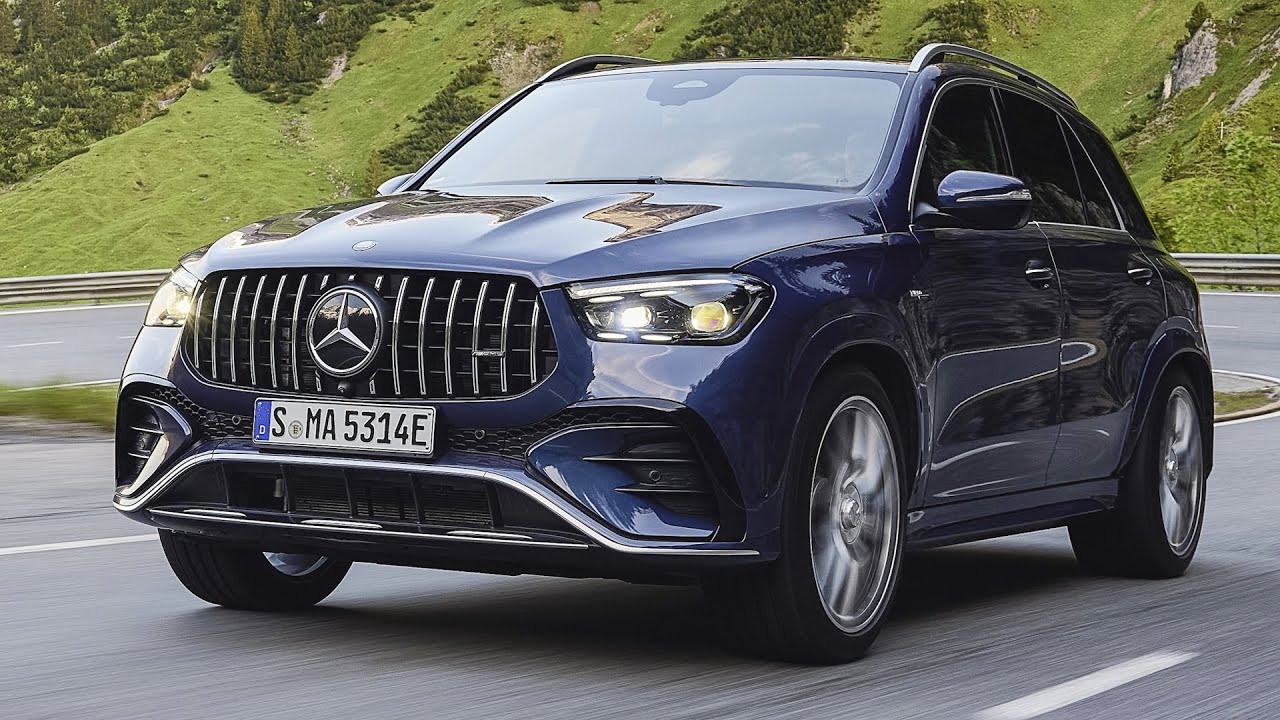
The 2025 Mercedes-Benz GLE Plug-In Hybrid continues as a refined and comfortable midsize luxury SUV, earning an Interior Score of 9.2 out of 10. This model seats five across two rows with ample space, high-quality materials, and a serene cabin that creates a peaceful driving environment.
The GLE 450e’s quiet interior, combined with features like heated, ventilated, and massaging seats, makes it ideal for commuting or long highway trips.
The GLE 450e plug-in hybrid combines electric and gasoline power to deliver a smooth and efficient drive. With a full battery, the SUV operates in electric mode, switching seamlessly to the engine when more power is needed.
On the Edmunds test track, it accelerated from 0 to 60 mph in 5.7 seconds, demonstrating respectable performance for a hybrid focused on comfort rather than sportiness.
Steering is ultra-light, which aids maneuverability in parking lots but reduces road feel during spirited driving. The vehicle’s extra mass from the hybrid components slightly affects stability in turns, yet the GLE remains composed for city and highway driving.
The cabin is spacious and elegantly appointed, with optional MB-Tex synthetic leather or premium leather and natural wood trim. Adjustable seating, running boards, and a commanding driving position enhance comfort and accessibility.
Standard suspension provides a smooth ride, while the optional adaptive air suspension can feel overly floaty. Controls are mostly intuitive, aided by a central touchpad controller, though some steering wheel touchpads are prone to accidental inputs.
The GLE 450e features a high-resolution touchscreen and an available Burmester audio system, delivering a rich, immersive sound experience. Adaptive cruise control, lane keeping, and other driver aids are effective and unobtrusive.
Cargo space remains generous despite the battery pack, with a 60/40 split rear seat and sufficient small-item storage. Car seat anchors are easily accessible, and the SUV is capable of towing up to 7,700 pounds.
The GLE Plug-In Hybrid achieves an all-electric range of 49 miles and 28 mpg combined when operating as a hybrid. Level 2 charging replenishes the battery in roughly three hours, and DC fast charging is supported.
While pricing can rise significantly with options, the GLE delivers strong build quality, comfort, and technology. Warranty coverage remains standard at four years or 50,000 miles, slightly trailing some competitors in roadside assistance and corrosion protection.
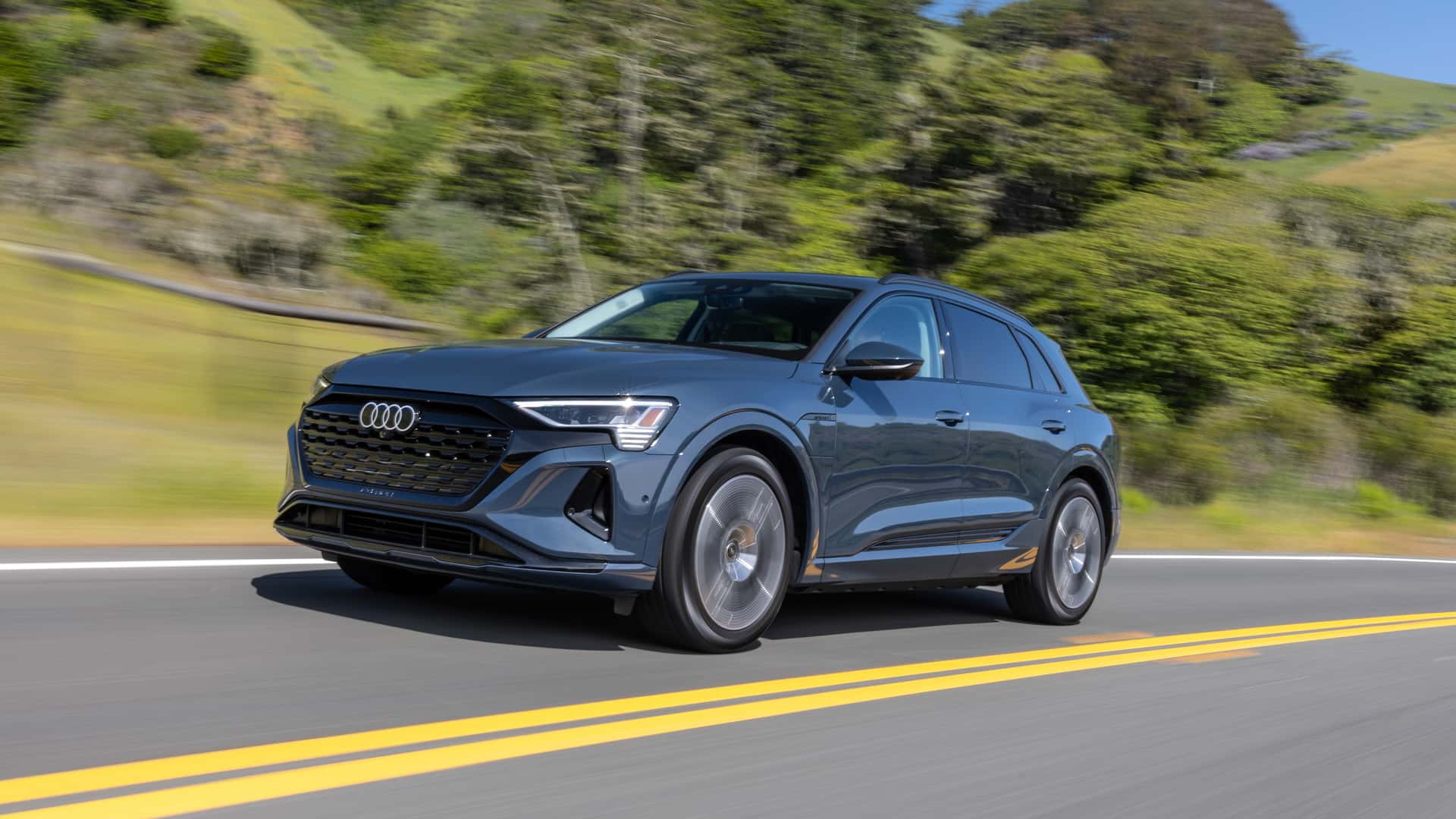
9. 2025 Audi Q8 e-tron
The 2025 Audi Q8 e-tron is a luxury electric SUV that blends refinement with a serene driving experience, earning an Interior Score of 9.2 out of 10. Seating for five across two rows is spacious and comfortable, particularly in the standard SUV version.
The cabin is quiet yet inviting, with supportive seats and a quad-zone climate control system that keeps all passengers comfortable. The air suspension contributes to a smooth, stable ride across various surfaces, reinforcing the Q8 e-tron’s sophisticated character.
The Q8 e-tron provides an effortless, composed driving experience. Despite its 5,822-pound curb weight, steering feedback remains precise and responsive, making it easy to navigate city streets and highway traffic. Acceleration is adequate but not class-leading, and the brakes are powerful, although newer EVs offer more confidence through pedal modulation.
The maximum regenerative braking is relatively weak, preventing true one-pedal driving, which is a minor disappointment for EV enthusiasts. The adaptive air suspension helps the SUV stay planted during spirited cornering, maintaining comfort and poise.
Entry and exit are simple thanks to well-positioned seats and squared-off door openings. The cabin features a quiet, welcoming atmosphere with high-quality materials and abundant passenger space. Controls are a mix of touchscreen interfaces and tactile buttons. While visually appealing, the touchscreen-heavy layout can be complex to navigate, and some drive mode controls take time to master.
The Q8 e-tron includes wireless Apple CarPlay and Android Auto, a refined navigation system, and an excellent audio setup. The driver-assistance suite includes automated emergency braking, blind-spot monitoring, lane-keeping assist, and optional adaptive cruise control with lane centering.
Cargo space measures 28.5 cubic feet behind the rear seats and expands when folded. Clever storage solutions inside accommodate child seats, although small cupholders are limited. The vehicle can tow up to 4,000 pounds.
The e-tron Quattro with 20-inch wheels has an EPA-estimated range of 222 miles, with a real-world test yielding 248 miles. Energy consumption is measured at 38.4 kWh per 100 miles, less efficient than many newer EVs. Level 2 charging takes roughly 10 hours, and DC fast charging reaches 80% in about 30 minutes.
The SUV is expensive compared with competitors offering more range or advanced driver aids. Build quality is excellent, but interior material refinement and driver-assistance calibration could be improved. Warranty coverage is standard, and complimentary fast charging is included for two years.
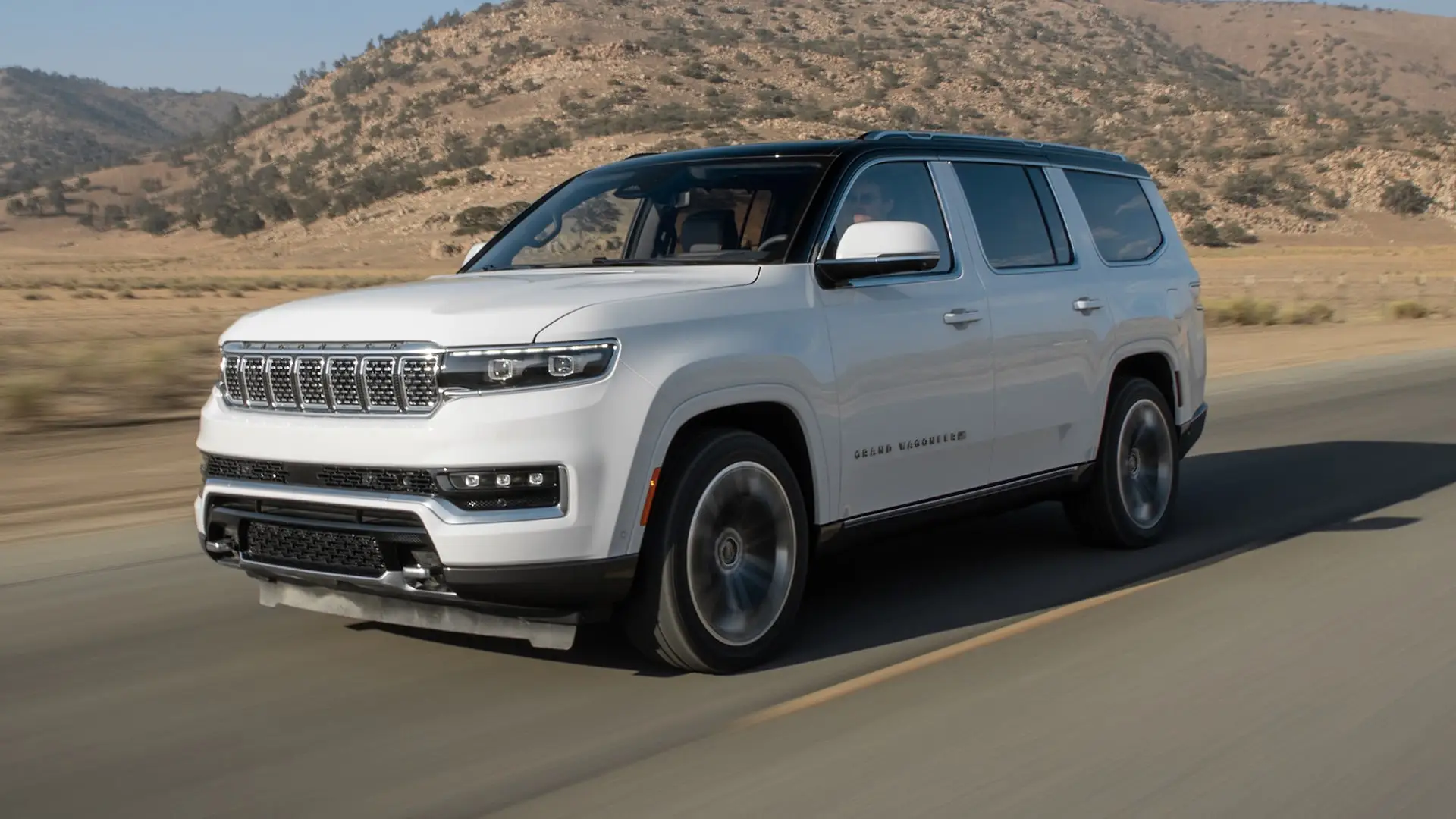
10. 2025 Jeep Grand Wagoneer
The 2025 Jeep Grand Wagoneer is a large, luxurious SUV that emphasizes comfort, space, and capability, earning an Interior Score of 9.2 out of 10. This full-size family hauler accommodates adults comfortably in all three rows and features a cabin insulated against noise.
The standard twin-turbocharged inline-six engine provides smooth acceleration and quiet operation, replacing the louder V8 from previous models. While steering and maneuvering such a massive vehicle can feel cumbersome, the passenger experience remains refined and well-appointed.
The Grand Wagoneer delivers adequate power for highway merging, towing, and daily driving. Four-wheel drive is standard, and the adaptive air suspension offers up to 10 inches of ground clearance, enhancing its light off-road ability.
However, the SUV lacks agility compared with other full-size competitors, feeling less composed around corners. Its independent rear suspension and adjustable air springs smooth minor bumps effectively, but uneven surfaces can create noticeable side-to-side body motion. Towing capability is impressive, with a maximum capacity of 10,000 pounds.
Seating comfort is excellent, especially for third-row passengers. Front seats offer numerous adjustments, heating, ventilation, and massage functions. Second-row seats on higher trims also feature heating and ventilation, and the third row reclines slightly with padded armrests.
Large doors, automatic air suspension lowering, and retractable side steps simplify entry and exit. The interior is spacious, with good visibility and an excellent driving position. Some touch-sensitive controls and retractable touchscreen panels are frustrating to operate and may distract the driver.
The cabin includes wireless Apple CarPlay and Android Auto, multiple USB ports, a hidden wireless charging pad, and a comprehensive suite of standard driver-assistance features, such as adaptive cruise control, lane centering, and surround-view cameras.
Cargo space ranges from 27.4 cubic feet behind the third row to 96.9 cubic feet with all seats folded, though the hatch opening is relatively low. Small-item storage is adequate, and car seat installation is straightforward.
The Grand Wagoneer achieves an EPA-estimated 17 mpg combined, modest for the segment. While it offers strong luxury features, comfort, and towing capacity, interior materials and finish quality fall short of some rivals, with smudge-prone surfaces and creaking panels.
The pricing reflects its premium positioning, but may feel high given the execution. Jeep provides a standard three-year/36,000-mile basic warranty and a five-year/60,000-mile powertrain warranty, with no complimentary maintenance.
Silence at highway speeds enhances comfort, focus, and the pleasure of the drive. The SUVs featured here achieve this through premium materials, smart engineering, and advanced noise-reduction technologies.
Models like the Jeep Grand Wagoneer, Audi Q8 e-tron, and Mercedes GLE Plug-In Hybrid combine tranquility with strength, versatility, and style, allowing passengers to converse, enjoy music, or simply relax. For anyone seeking a calm and refined experience, these SUVs prove that smooth and quiet travel at 80 mph is not only possible but genuinely enjoyable.
Also Read: 5 Cars Cheap To Keep Past 150k Vs 5 That Get Pricey After Warranty