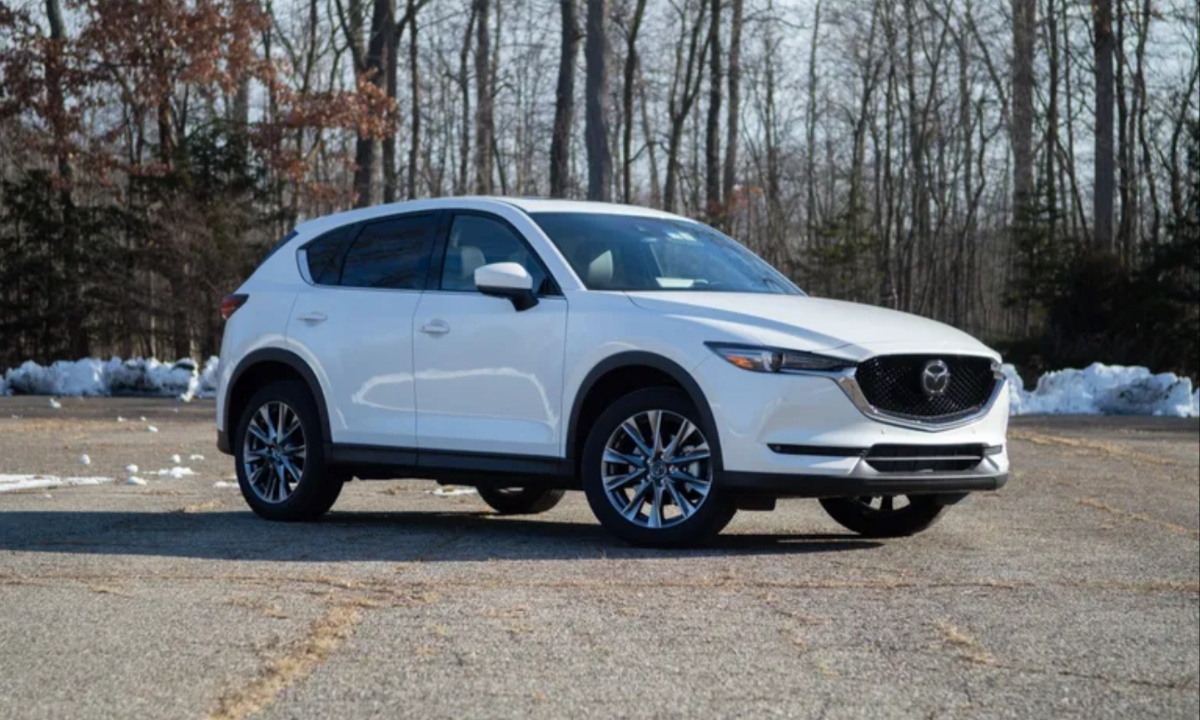
When it comes to SUVs and crossovers, cargo flexibility is often a deciding factor for buyers. “9 Cars With Rear Seats That Fold Truly Flat” highlights vehicles that excel in maximizing interior space, making them ideal for families, outdoor enthusiasts, and anyone who frequently hauls bulky items.
From compact SUVs like the Jeep Renegade to full-size beasts like the Chevrolet Suburban, these vehicles offer a variety of fold-flat seating configurations that transform the cabin from passenger-friendly to cargo-ready in seconds.
Some, like the Subaru Outback and Honda CR-V, combine practicality with fuel efficiency and daily usability, while luxury options such as the BMW X7 provide high-end comfort without compromising storage versatility.
Whether it’s a weekend camping trip, a road trip with gear, or transporting large purchases, each of these nine vehicles demonstrates that fold-flat rear seats can dramatically enhance a vehicle’s functionality while maintaining comfort, tech features, and style.
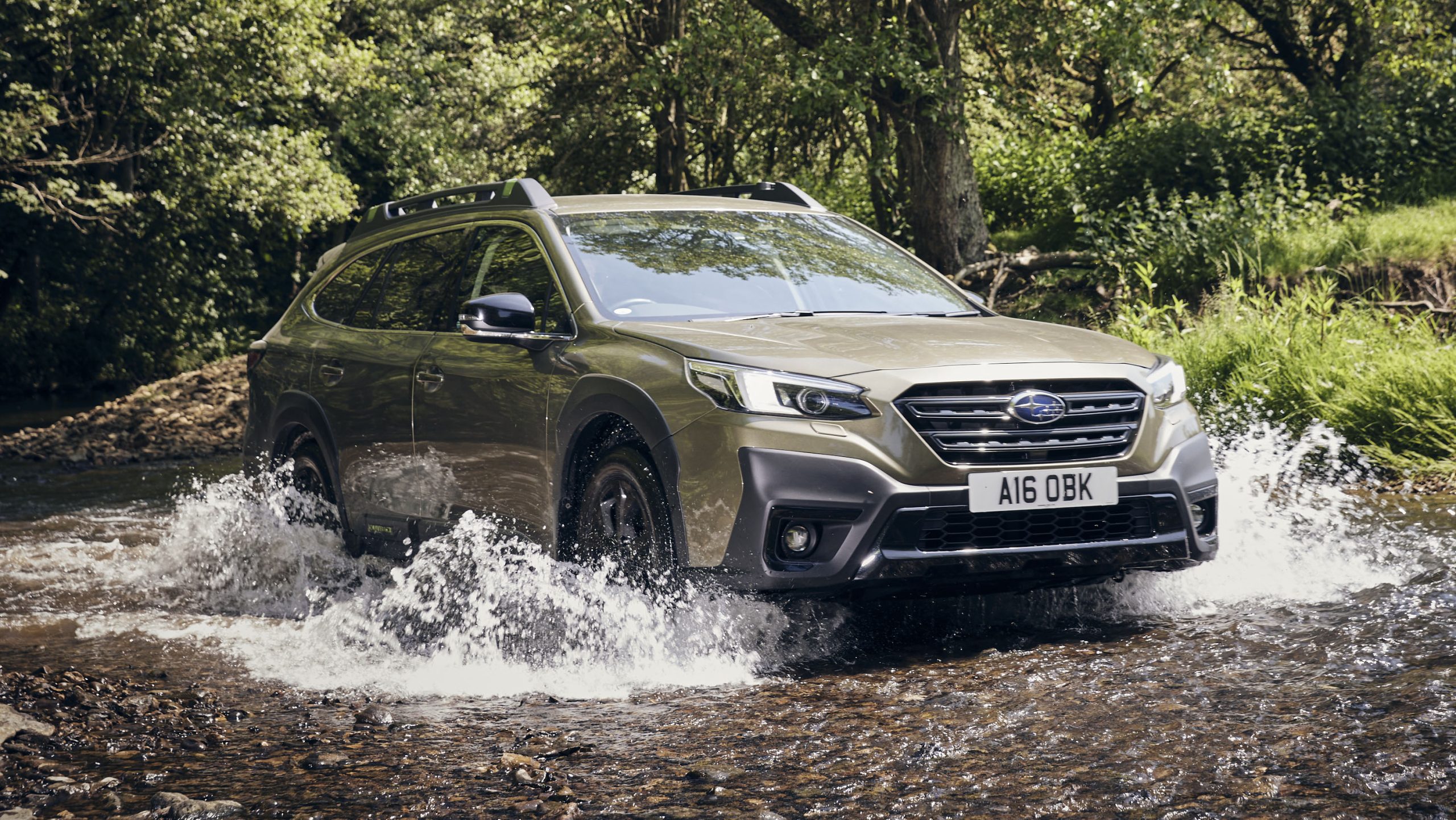
1. Subaru Outback: A Practical, Comfortable, Adventure-Ready Wagon
The Subaru Outback remains a versatile pseudo-SUV crafted for drivers who value adventure, comfort, and utility. Its interior is built for cargo flexibility, featuring second-row seats that fold flat using convenient release levers in the cargo area.
This expands capacity from 32.5 to a generous 75.7 cubic feet. Subaru has also widened the cargo space in the latest generation, allowing easier loading of camping equipment, luggage, and bulky items.
On the road, the Outback offers a composed and confident feel with one notable drawback: it isn’t very quick. The standard four-cylinder engine reached 0–60 mph in 8.8 seconds during testing, making it slower than rivals such as the Honda Passport and Ford Edge.
Those wanting stronger acceleration will appreciate the available turbocharged engine. Still, the transmission responds promptly, helping the Outback maintain steady progress in everyday driving. Body roll is noticeable in turns, but the steering feel is reassuring and direct. With 8.7 inches of ground clearance and standard all-wheel drive, the Outback handles dirt roads and rough trails that challenge many crossovers.
Comfort is a major strength. The front seats blend softness and support, providing just the right amount of bolstering without feeling restrictive. They remain pleasant on long trips or after a tiring day.
Ride comfort is well-tuned, absorbing potholes, humps, and uneven pavement while maintaining a controlled, stable feel. The climate control system keeps the cabin at the desired temperature, though adjusting anything beyond the basics requires using the touchscreen, which can feel cumbersome.
The cabin offers excellent head- and legroom for both front and rear passengers. Large windows enhance the airy atmosphere and limit blind spots. Seat adjustability is generous, but the reliance on the touchscreen for most controls may frustrate some drivers. The screen can respond slowly, and many functions require moving through multiple on-screen steps to complete simple tasks.
The sound system and charging options work well, but the 11.6-inch infotainment screen favors appearance over true usability. Apple CarPlay and Android Auto occupy only the top portion of the display, leaving the bottom section underused. Subaru’s EyeSight safety system performs effectively, though its frequent audible alerts may become distracting.
Storage is practical thanks to a low, flat cargo floor and easily accessible roof rails. Cabin storage is modest because the center console and small compartments offer limited space. Car seat installation is simple thanks to clearly marked anchors and generous rear-seat room.
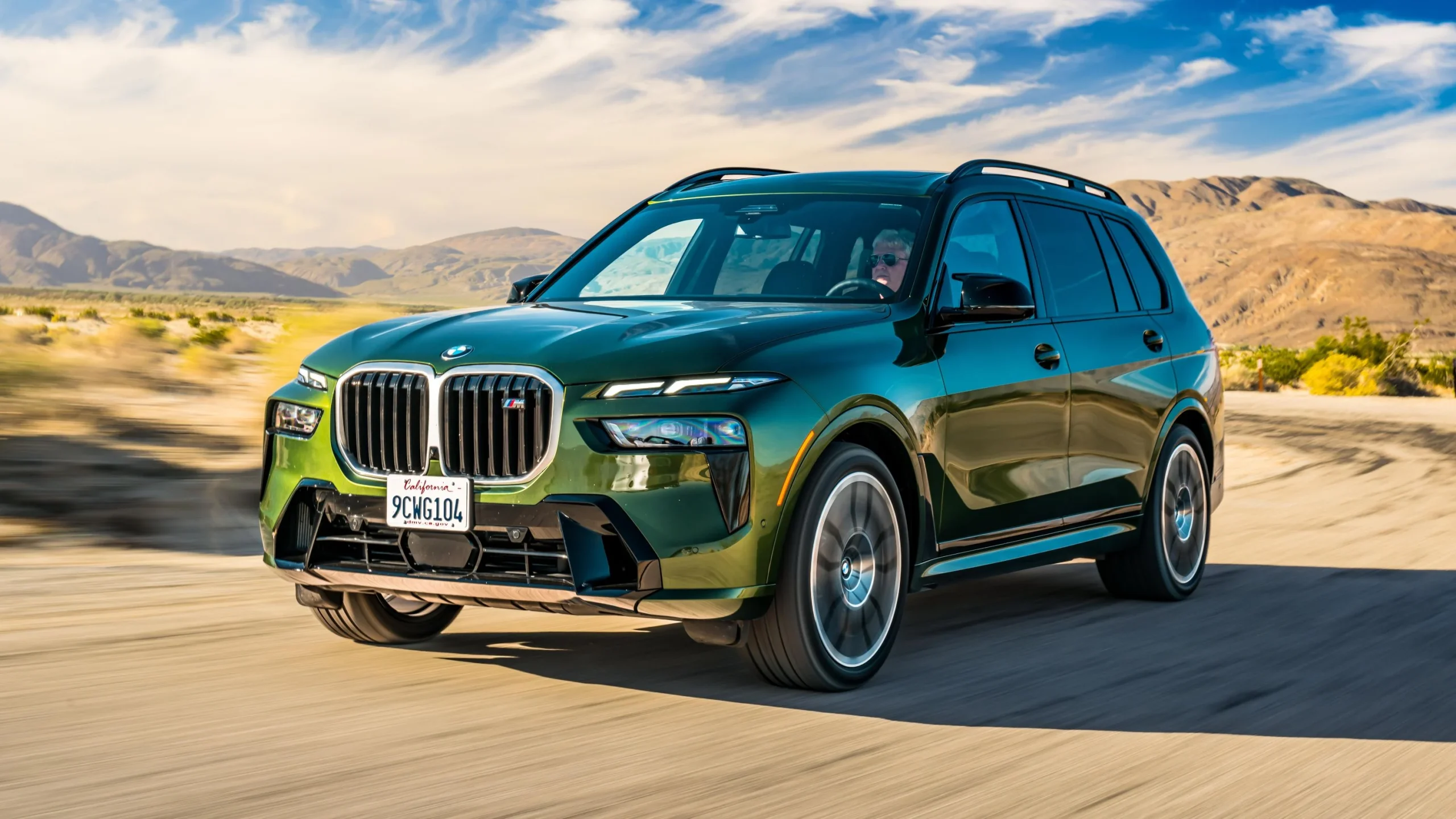
2. BMW X7: A Feature-Rich, Luxurious Three-Row SUV
The BMW X7 is a seven-seat luxury SUV known for its extensive feature set and impressive convenience. One highlight is the power-folding second and third rows, which can be lowered or raised with a single button press. Although the seats move slowly and do not fold perfectly flat, the X7 still offers up to 90.4 cubic feet of cargo space, giving it strong utility for a vehicle in this segment.
In xDrive50i form, the X7 is equipped with a 456-horsepower V8 that delivers strong and satisfying acceleration. The only notable drawback is a brief delay between pressing the accelerator and the vehicle’s response.
This can make low-speed driving feel less refined. Steering feel is solid on straight roads, but it becomes inconsistent in turns. At times the steering feels overly quick with too much power assist. Other times it feels resistant. Once the vehicle settles into a corner, the X7 remains stable and composed.
The available road-scanning suspension helps smooth out larger bumps, although it can make the ride feel overly soft on gently rolling or mildly uneven surfaces. Cabin noise is impressively low. The front seats are wide and accommodating for many body types. The climate control system is less satisfying. Even in automatic mode, drivers often need to adjust fan speed and vent temperature manually, which reduces convenience.
The interior provides generous adjustability and a commanding view thanks to large windows, sizable mirrors, and an advanced camera system. Passenger space is ample in most rows, but third-row shoulder room is surprisingly tight. Controls are a mix of intuitive buttons and puzzling quirks. Gesture controls feel unnecessary, and certain behaviors, such as the stereo turning off at inconsistent times, may confuse drivers.
The displays are crisp and responsive, and voice commands work quickly. However, the infotainment system has a steep learning curve due to its complex menu layout. Wireless Apple CarPlay and Android Auto are standard. Adaptive cruise control can manage speed and steering in heavy traffic, requiring the driver only to keep eyes on the road.
The X7 offers generous cargo room and clever touches such as a split tailgate and extra storage under the third row. Interior storage is adequate but not exceptional. The power-operated rows make configuration easy. With the optional tow hook, the X7 can tow up to 7,500 pounds.
The V8-powered xDrive50i achieves an EPA estimate of 17 miles per gallon combined. Real-world testing shows slightly better results. The six-cylinder xDrive40i offers improved fuel economy for those who prioritize efficiency.
High-quality materials, precise build quality, and generous features support the X7’s premium price. BMW adds value with three years of included maintenance along with four years of unlimited mileage roadside assistance.
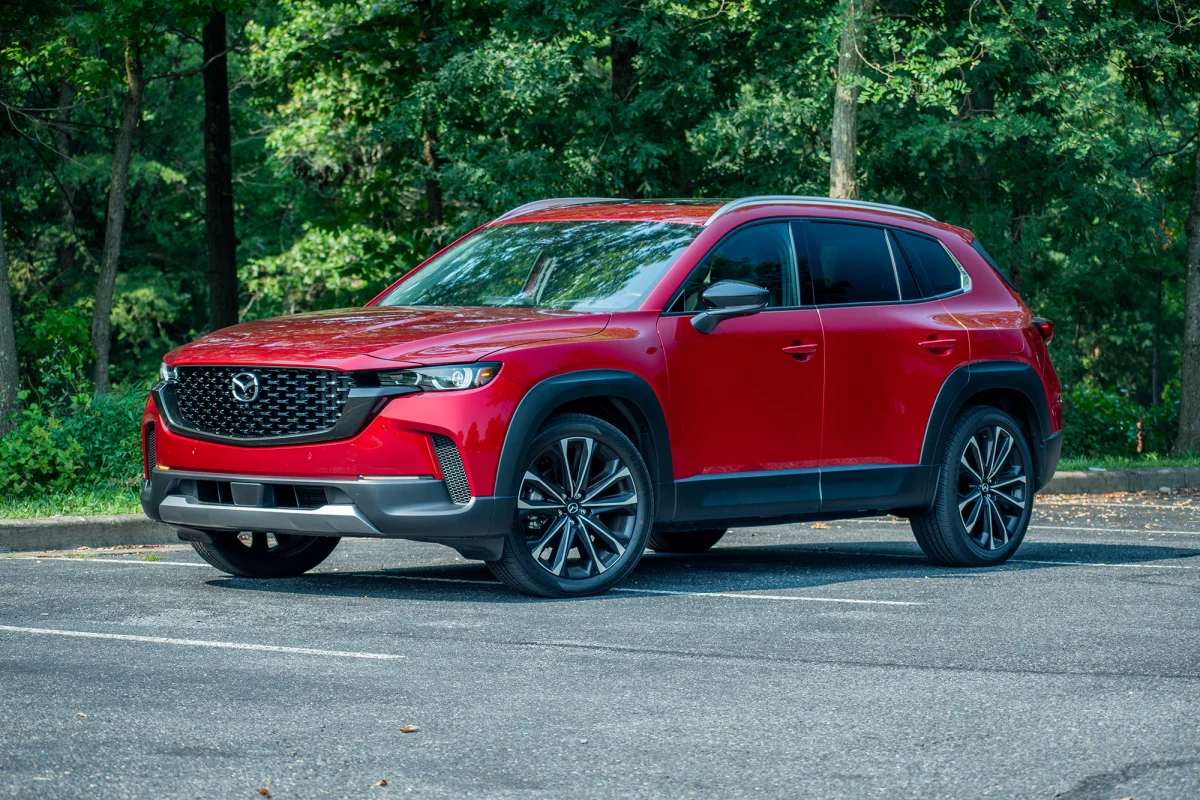
3. Mazda CX-5: A Stylish, Fun-to-Drive Compact SUV
The Mazda CX-5 stands out for its sleek styling, engaging driving dynamics, and practical interior layout. Its fold-flat 40:20:40 second-row seats offer excellent flexibility, allowing the left, right, or middle section to fold independently. When the entire row is folded, cargo capacity expands from 30.9 cubic feet to 59.6 cubic feet, giving drivers a useful blend of passenger and storage space.
The CX-5’s base engine delivers modest acceleration and requires planning for highway passing. It completed the 0 to 60 mph run in 8.7 seconds during testing, which is competitive among similarly powered rivals.
For drivers who want more power, the available turbocharged engine significantly boosts performance and achieves the same sprint in only 6.6 seconds. Handling is where the CX-5 truly shines. It feels sharp, stable, and responsive through corners and remains composed during quick directional changes. This level of agility sets it apart as one of the best-handling crossovers in its class.
The front seats are supportive and well shaped, though the soft side bolsters collapse a bit during spirited driving. Rear passengers may find the flat seat bottom less comfortable on long trips, but the reclining seatback helps offset this. Ride quality is firm yet controlled. The CX-5 absorbs bumps quickly and never feels floaty. Cabin noise becomes noticeable mainly at highway speeds but never reaches intrusive levels.
The driver-oriented cabin places controls within easy reach and provides good headroom for tall passengers. Rear seating can feel tight, especially for adults seated in the sculpted outboard positions, and legroom is limited compared with some competitors.
Visibility is strong thanks to tall windows and narrow pillars, although the over-the-shoulder view is slightly compromised by smaller rear windows. The backup camera offers crisp resolution.
Mazda’s infotainment system is straightforward, though some icons are hard to interpret. Apple CarPlay and Android Auto connect slowly, and Bluetooth pairing can lag. Voice control works well with natural speech. Driver aids vary in effectiveness. The lane departure warning sound is attention grabbing, while the blind-spot monitor can be overly sensitive.
Cargo space is slightly smaller than top rivals, but two large suitcases fit with ease. The loading opening is narrower, influenced by a higher cargo floor and lower liftgate height. Cabin storage is abundant, with many compartments for daily items. Car seat installation is simple, though the anchors sit slightly inset.
The AWD CX-5 is rated at 26 mpg combined, and real-world testing tends to exceed this figure. Interior quality is excellent, with upscale materials across the cabin. While fully loaded models cost less than high-end competitors, they lack amenities such as ventilated seats and a panoramic sunroof. Warranty coverage matches class standards, and no complimentary maintenance is included.
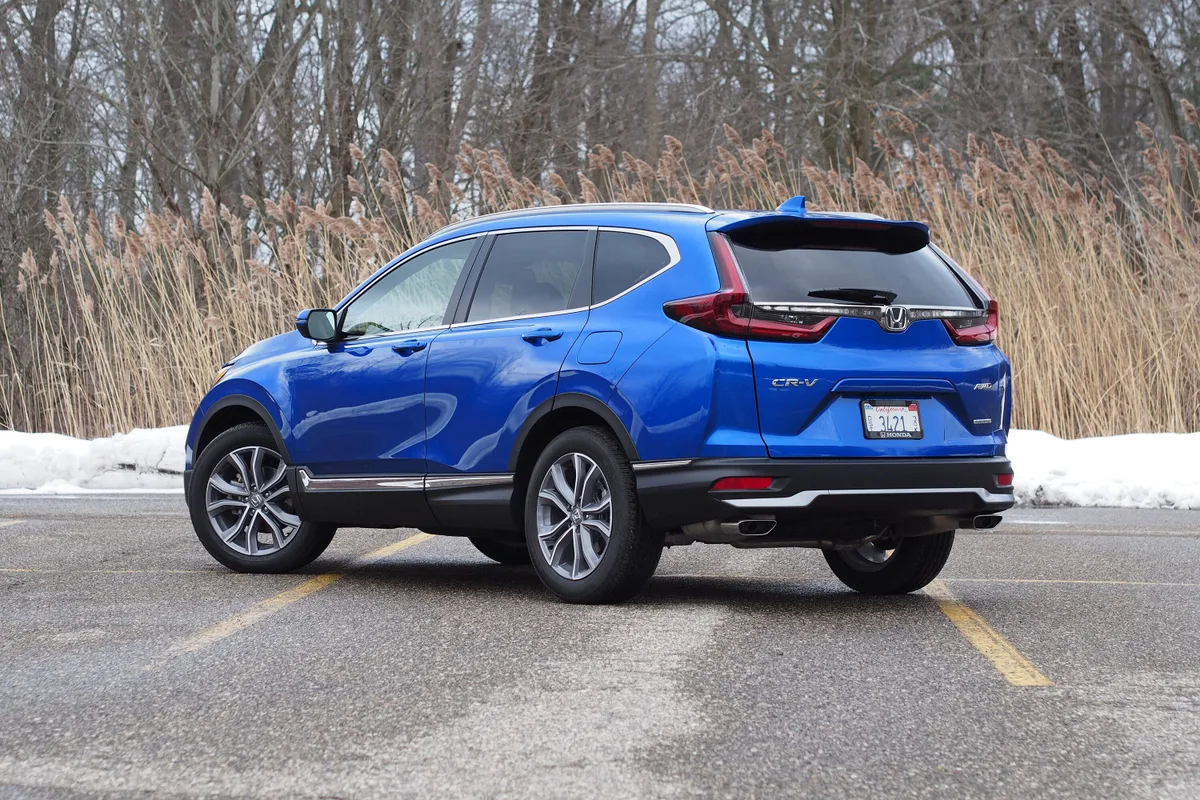
4. Honda CR-V: A Spacious, Efficient, and Well-Rounded Compact SUV
The Honda CR-V continues to solidify its reputation as one of the most capable and versatile compact SUVs on the market. With rear seats that fold flat to create up to 75.8 cubic feet of cargo space, it remains one of the most practical options in its class. Even the hybrid version maintains full interior volume, as its battery pack does not intrude on passenger or cargo space.
The CR-V’s turbocharged 1.5-liter engine delivers strong acceleration whether pulling away from a stop or executing a highway pass. In testing, it reached 60 mph in 7.5 seconds, making it one of the quicker entries in its segment. Braking is smooth and easy to control. Handling strikes an effective balance between agility and comfort.
Road irregularities and midcorner bumps do little to unsettle the vehicle, and the steering offers accuracy and appropriate road feel. This makes the CR-V capable on winding roads without discomforting passengers.
Drivers of all sizes can dial in a comfortable position thanks to a well-designed seat and highly adjustable steering wheel. The rear seats also provide comfort for long trips. Ride quality is impressively smooth as bumps are absorbed quickly with minimal harshness.
Wind and tire noise become noticeable at highway speeds, but not to the point of raising voices during conversation. The climate control system works adequately but does not always hold the exact temperature setting, which can be frustrating.
The CR-V excels in space and accessibility. Wide door openings make entering and exiting easy, and its interior dimensions surpass many competitors. Rear-seat space is particularly generous, easily accommodating four adults. Controls are mostly intuitive, although some touchscreen buttons are small and the digital gauges can wash out in bright light.
Most trims come with Apple CarPlay, Android Auto, and quick Bluetooth pairing. Navigation is clear, though menus can seem clunky and voice commands are somewhat awkward. Honda equips every CR-V with an extensive suite of driver assistance features, including adaptive cruise control, lane keeping assist, and automatic emergency braking. Some alerts can be overly cautious in dense traffic.
Cargo capacity is one of the CR-V’s strongest attributes. With 39.2 cubic feet behind the rear seats and easily expanded room when folded, it handles luggage, gear, and bulkier items with ease. Small-item storage is also excellent, highlighted by a deep, configurable center console. Car seat installation is simple thanks to easily accessible anchors and abundant rear space.
EPA estimates place the CR-V at 30 mpg combined, though real-world results vary based on driving style. Testing has shown anywhere from high 20s to mid 30s. Build quality is high across all trims, with strong materials and precise fitment. Honda’s warranty coverage is typical for the class and includes roadside assistance for three years.
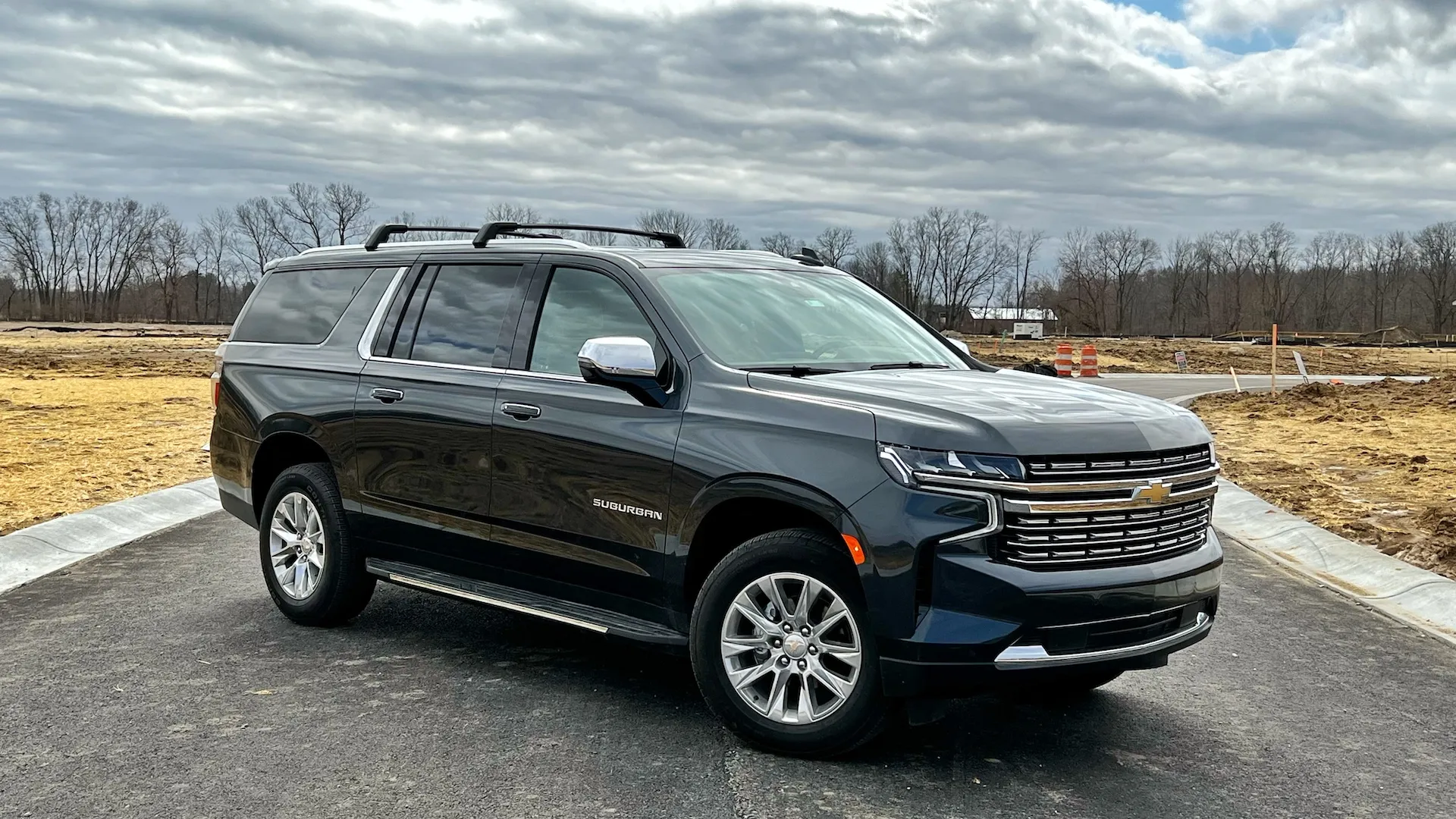
5. Chevrolet Suburban: A Full-Size SUV Built for Maximum Space and Capability
The Chevrolet Suburban stands out as one of the most spacious SUVs on the market. With all seats up, it offers 41.1 cubic feet of cargo room. Folding the second and third rows expands capacity to an enormous 144.7 cubic feet, which is significantly more than the previous model and more than many rivals. This space is a major draw for families, road-trippers, and anyone needing serious hauling capability.
Equipped with the optional 6.2-liter V8, the Suburban provides strong acceleration and smooth shifting through its 10-speed automatic transmission. In testing, it reached 60 mph in 6.7 seconds, matching key competitors.
Braking performance is notably impressive for such a large vehicle, stopping from 60 mph in just 122 feet. Handling is stable on straight roads, though the Suburban’s size becomes more apparent on tight, curvy routes. The steering offers limited feedback but remains steady, which is beneficial when towing.
A new independent rear suspension improves ride quality by reducing the harshness found in earlier generations. Optional Magnetic Ride Control and adaptive air suspension further enhance comfort by softening impacts.
Even so, the Suburban’s truck-based nature occasionally leads to a busy, floaty feel. The leather front seats are wide and soft but lack support, and some drivers find them uncomfortable on longer trips. Climate control performance is inconsistent, and several cabin buttons are too small.
Interior room is generous in all three rows, with adults fitting comfortably even in the back. Entering and exiting is easy thanks to large door openings and a tall step-in height. The driving position is commanding, but thick roof pillars cause sizable blind spots. Control placement is a weak point; some buttons and functions are hard to reach, creating a cluttered and confusing layout.
The touchscreen is clear and responsive, though its wide placement makes it difficult to use from the driver’s seat. Wireless Apple CarPlay and Android Auto are standout features, working quickly and reliably. The available Bose audio system performs well. Driver-assist features such as adaptive cruise control and lane keeping assist are helpful, though some controls require a learning curve.
Cargo space is the Suburban’s biggest strength. With up to 93.8 cubic feet behind the second row, it surpasses major rivals. Small-item storage is acceptable but lacks creativity. Towing capability is strong at up to 8,300 pounds, supported by useful towing technologies.
The Suburban delivers respectable fuel efficiency for its size. The 6.2-liter V8 matched its EPA estimate of 16 mpg combined and achieved 18.7 mpg on mixed-route testing. Cylinder deactivation likely contributes to this performance, though the engine requires premium fuel.
Pricing starts around $53,000, which is reasonable given the power and space. However, desirable features often require stepping up to expensive trims, with fully loaded models exceeding $80,000. Material quality doesn’t always justify the price. Warranty coverage includes a three-year/36,000-mile basic plan and a five-year/60,000-mile powertrain warranty, along with rust protection and one year of free maintenance.
Also Read: 10 Cars With DIY-Friendly Oil Filters and Drain Plugs
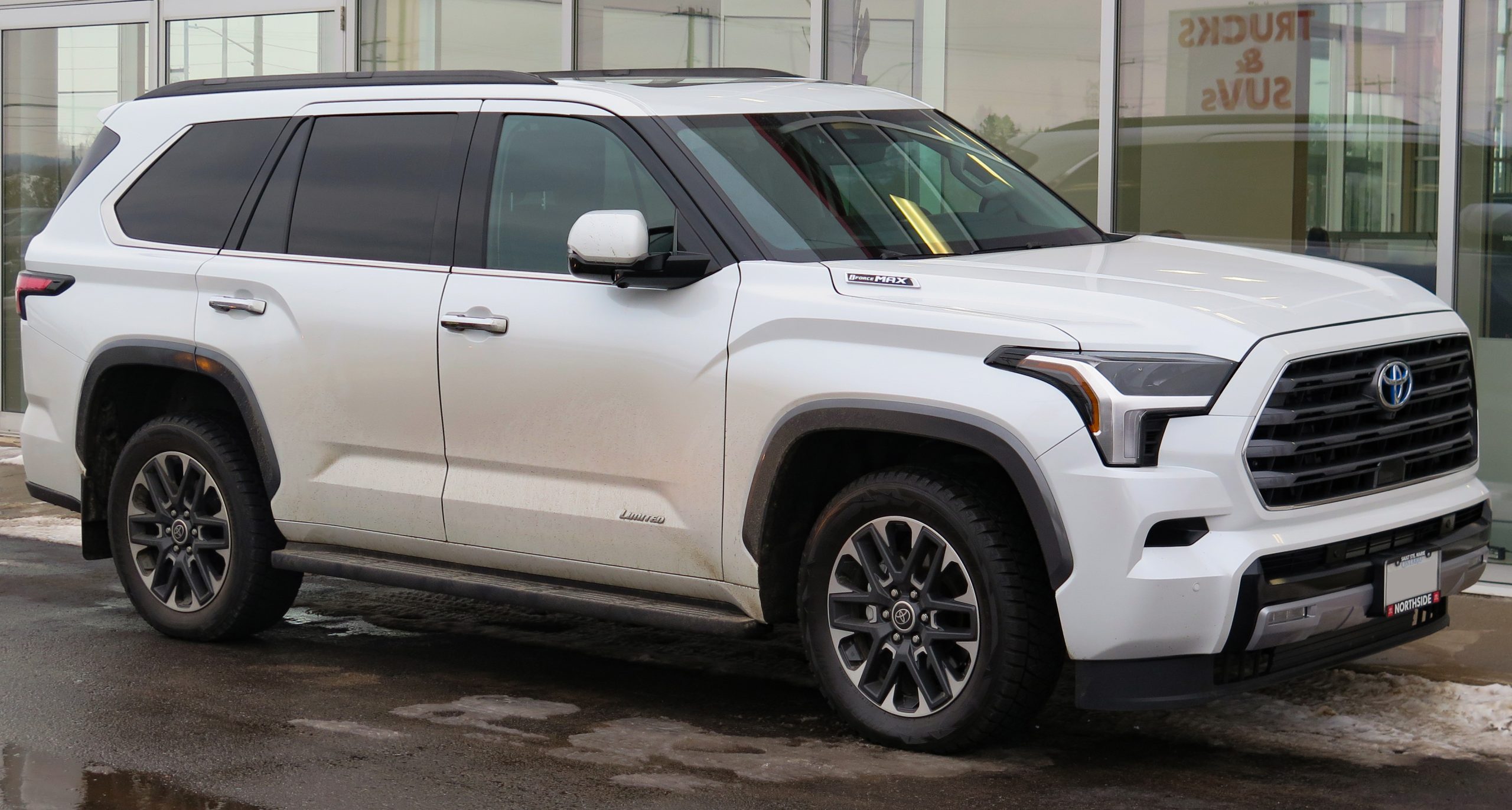
6. Toyota Sequoia: A Spacious, Capable SUV Built for Utility
The Toyota Sequoia has long been known for massive cargo capacity and rugged capability. With second- and third-row seats that fold flat, it offers up to 126.4 cubic feet of storage, which exceeds what many full-size rivals provide. Toyota even claims the cabin can accommodate items up to 11 feet long, making the Sequoia ideal for hauling large gear, luggage, or outdoor equipment.
Power comes from a strong V8 engine shared with the Tundra pickup. It delivers easy passing power and confident towing performance, aided by a 0 to 60 mph time of 7.4 seconds. The Sequoia weighs nearly 6,100 pounds, and the steering provides limited road feel, so it does not shine on curvy roads. Even so, it is surprisingly agile for its size, and the TRD Pro suspension improves stability on inclines and during braking.
Ride comfort is one of the Sequoia’s best qualities. The suspension smooths out bumps in a manner similar to a luxury SUV. The seats are wide and supportive for long-distance trips, although they lack lateral support and offer limited adjustment. Cabin noise is well controlled, with only occasional engine strain under heavy load.
The height-adjustable suspension helps maintain comfort when carrying trailers or cargo. Rear air conditioning is strong, but the front climate performance is weaker when all three zones are active.
The cabin feels roomy across all three rows. Accessing the first two rows requires a step up, but running boards and grab handles make the process easier. The second-row seats slide and tilt for third-row entry, though exiting the back row takes effort for taller adults.
Interior controls sit far from the driver, and the touchscreen and audio controls require stretching to reach. The third row offers solid legroom but remains narrow for adults on long trips.
A 7-inch touchscreen with Apple CarPlay and Android Auto is included, but the interface feels dated. Connectivity can be unreliable, with occasional freezing or disconnecting.
The Sequoia offers numerous charging ports and includes a strong package of standard safety features such as automatic emergency braking, blind-spot monitoring, rear cross-traffic alert, parking sensors, lane departure warning, and adaptive cruise control.
Cargo space remains a major advantage. With 19 cubic feet behind the third row, 67 with the third row folded, and more than 120 cubic feet with all seats down, the Sequoia ranks near the top of the segment. Numerous cubbies and storage pockets are useful, though some items can be easy to misplace.
Efficiency is one of the Sequoia’s weakest areas. EPA estimates sit at 14 mpg combined for 4WD models. Real-world tests typically matched or slightly exceeded the rating, but competitors offer noticeably better mileage.
The Sequoia’s capability, reliability, and resale value are strong selling points. However, the aging interior, modest tech performance, and poor fuel economy make it feel outdated for its price. Buyers who prioritize utility and durability may still find it compelling.
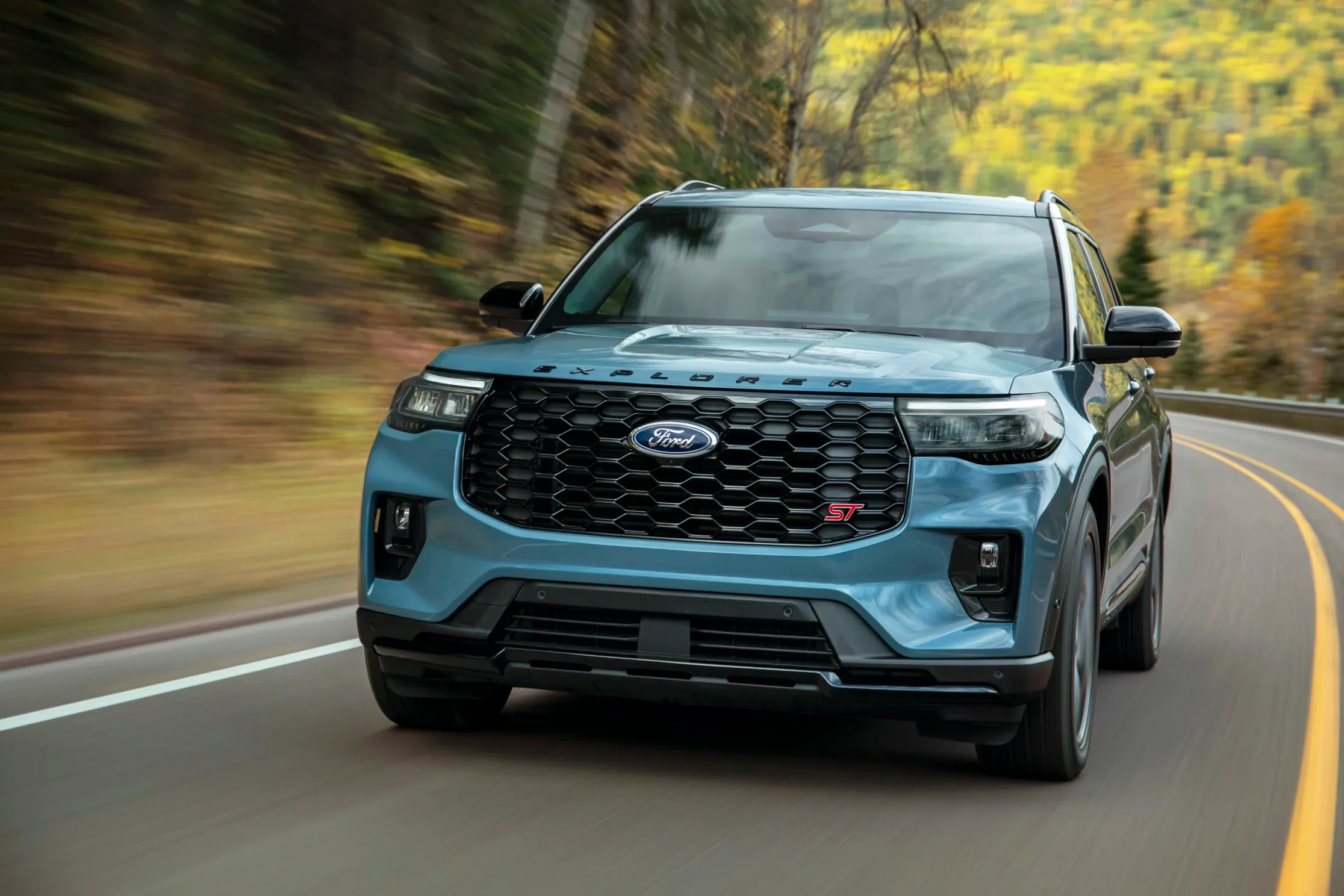
7. Ford Explorer: Strong Performance and Modern Utility in a Three-Row SUV
The Ford Explorer enters its newest generation with upgraded fold flat seating and a focus on performance and usability. With all seats upright, it offers 18.2 cubic feet of cargo space, expanding to 87.8 cubic feet when the second and third rows are folded flat. Optional power-folding seats provide added convenience, a feature more common in luxury SUVs.
The Explorer stands out for its lively handling and quick acceleration. Its rear-drive-based platform gives it an athletic, balanced feel uncommon in three-row SUVs.
The turbocharged four-cylinder base engine delivers stronger acceleration than many competitors, while the turbo V6 in the ST trim offers exceptional power. Both engines pair with a 10-speed automatic transmission that downshifts responsively on the highway, though its behavior in city driving can feel hesitant.
Front seats offer good contouring, though the optional massaging function detracts from comfort when inactive. Cushioning becomes firmer in the second and third rows. Ride quality is generally pleasant, but small bumps register more than in some rivals.
The automatic climate control system requires frequent adjustments, and the cabin is not as quiet as expected. Wind noise and an unrefined engine note are noticeable during highway cruising.
The driver’s seating position is adjustable and spacious, with clear outward visibility. Rear passenger space, however, is less competitive. Legroom in the middle row trails segment leaders, and adults will feel confined in the third row.
The large rear wheel arches and thick door pockets make entry to the second row awkward unless the doors are fully opened. The power-folding third row is a helpful touch, but raising the seats must be done from the cargo area.
The standard 8-inch touchscreen, Sync 3 interface, Apple CarPlay, and Android Auto all work well. Higher trims include navigation and a quality Bang & Olufsen audio system. The optional 10.1-inch vertical touchscreen is less functional due to its narrow layout. Safety features are comprehensive, with automatic emergency braking, blind-spot monitoring, lane keeping assistance, and adaptive cruise control available.
The Explorer provides strong everyday utility with a spacious cargo hold and plenty of front-row storage. Child-seat installation is straightforward. While its 5,000-pound tow rating is average, the rear-drive architecture and Trailer Tow package help it tow confidently.
EPA ratings are competitive at 23 to 24 mpg combined depending on drivetrain, but real-world testing often falls short. The turbo engine tends to consume more fuel than expected, matching the performance of rivals rather than exceeding it.
Interior plastics, panel gaps, and design choices fall short for the price point. Competitors offer richer cabins, better warranties, and more equipment for less money. Buyers who value strong performance and sharp handling may overlook these shortcomings, but those seeking refinement and value may find better options elsewhere.
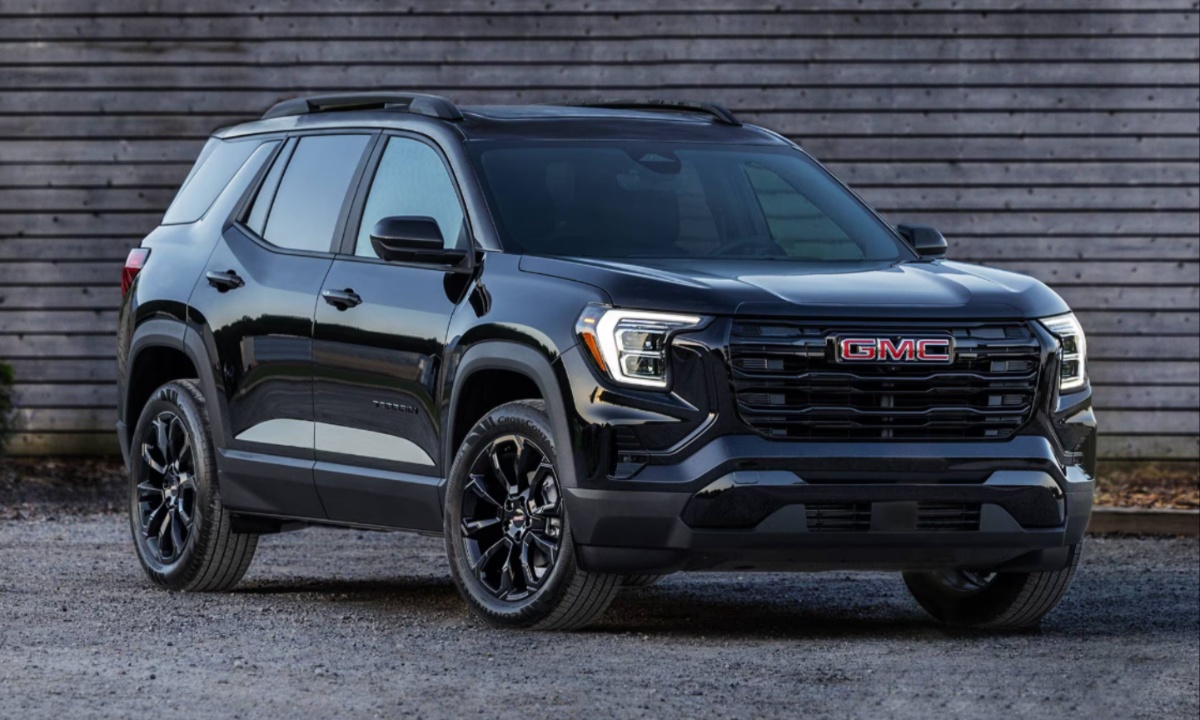
8. GMC Terrain: Compact SUV with Clever Cargo Solutions
The 2020 GMC Terrain offers practicality and versatility, highlighted by its fold-flat rear seats and a unique front passenger seat that folds down to accommodate extra-long items. With all seats in use, the Terrain provides 63.3 cubic feet of cargo space, which expands to 81 cubic feet when the front passenger seat is folded. This clever feature is particularly useful for transporting surfboards, lumber, or other long gear.
The Terrain’s base 1.5-liter engine lacks power, taking 9.3 seconds to reach 60 mph. The transmission is slow to respond, and the focus on fuel efficiency reduces acceleration. Braking performance is solid and predictable, while the steering is light and mushy at low speeds but gains stability at highway speeds. On twisty roads, the Terrain manages body roll well and remains composed, though it is not sporty.
Ride quality is acceptable but susceptible to minor bumps and vibrations on moderately rough surfaces. Front seats are firm yet supportive for long trips, while the rear seats are flat and slightly less comfortable. Cabin noise is muted, with limited road and tire intrusion.
Heating options include both cushion-only and cushion-and-seatback functions, providing extra comfort during colder months. Climate control distribution can feel uneven due to vertical vents, and smaller control buttons require extra attention.
The cabin design is attractive and intuitive, but some controls, such as the transmission switches below the climate controls, are awkward to use. Entry and exit are straightforward thanks to low seat bolsters and wide-opening doors, while front seat adjustments are generous. Visibility is below average due to a deep dash, though side windows provide decent sightlines.
Tech offerings have improved, with Apple CarPlay and Android Auto standard, and optional Bose audio and navigation available. Six USB ports, including a USB-C port, support device charging, while a 4G LTE Wi-Fi hotspot is also standard. Safety systems like forward collision warning and lane-keeping assist function effectively, though some alerts can feel intrusive.
Rear cargo space with seats folded lags behind top competitors, but the fold-flat front seat boosts versatility. A low lift-over height and power liftgate make loading easy. Car seat anchors are accessible, though a top tether is missing for the middle seat.
EPA ratings are 28 mpg combined, with real-world testing showing variability depending on driving style. The Terrain’s ride quality, features, and versatility offer modest value, though rivals like the Honda CR-V provide more comfort and comparable practicality at a lower price.
Warranty coverage includes three years/36,000 miles basic and five years/60,000 miles powertrain, along with five years of roadside assistance and free initial maintenance.
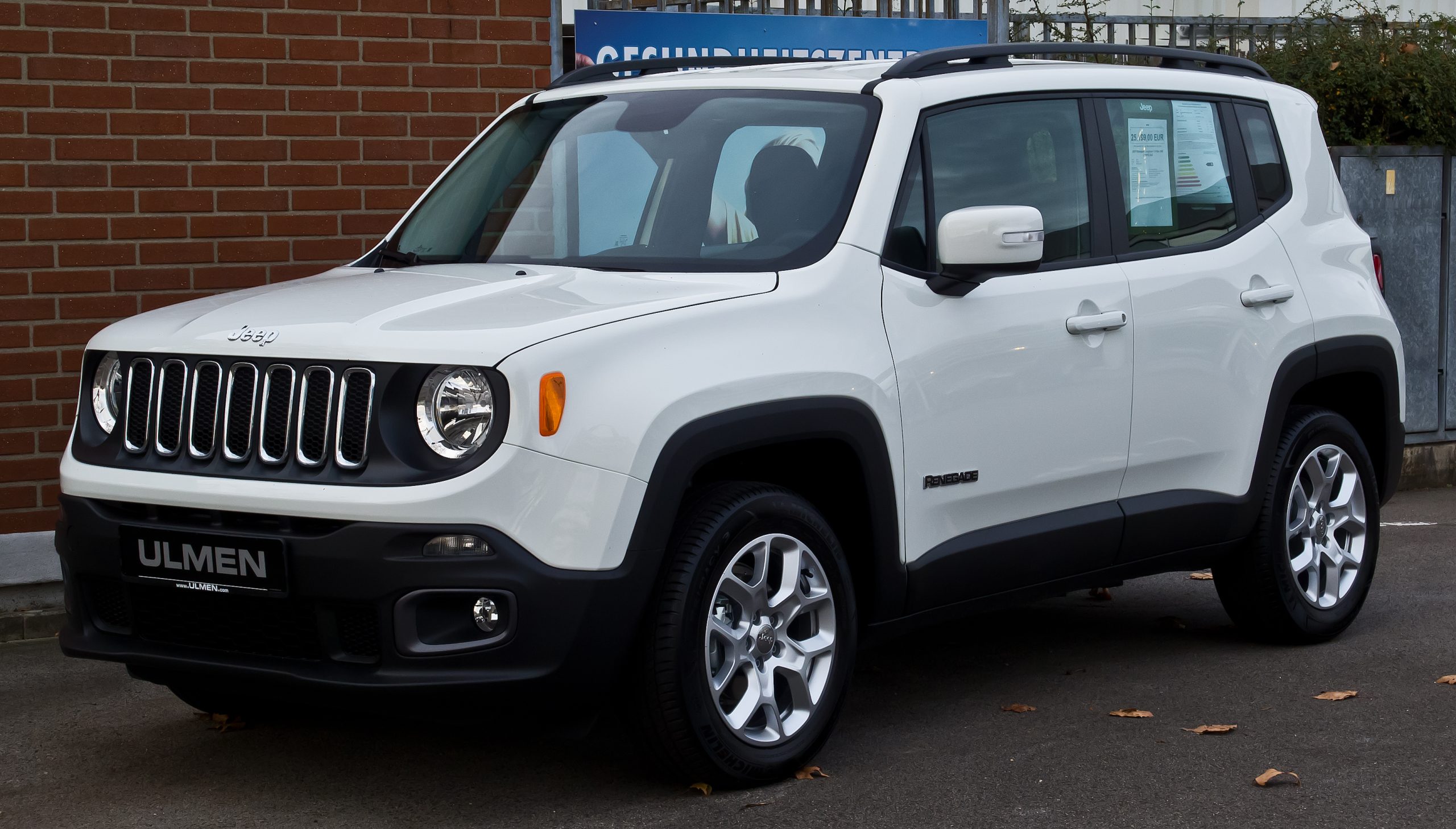
9. Jeep Renegade: Small SUV with Off-Road Attitude
The Jeep Renegade is a compact SUV designed for adventure, featuring fold-flat rear seats that expand cargo space from 18.5 to 50.8 cubic feet. Its small footprint makes it easy to maneuver in urban environments, yet it retains Jeep’s off-road DNA, making it suitable for weekend trails and outdoor activities.
Powered by a 1.3-liter turbo engine in the tested Limited model with four-wheel drive, the Renegade reaches 60 mph in 9.3 seconds, slower than many rivals. Passing and merging on the highway remain manageable, but the transmission is slow to respond.
Braking performance is longer than average, requiring 135 feet to stop from 60 mph, while the engine’s stop-start system provides smooth restarts in traffic. Handling is a strong point for the Renegade, as it feels stable in corners and is easy to park, offering confidence despite its compact size.
Ride quality is firm, and larger 19-inch wheels contribute to a bumpier experience over rough surfaces. Cabin noise is moderate, with noticeable wind and tire sounds, while the turbo engine is quiet under normal driving. Front seats are supportive but stiff, with limited adjustment, and the upright headrest angle may feel restrictive. Heated seats and steering wheel perform well in cold weather.
The Renegade’s cabin is airy, with generous headroom and shoulder space. Rear legroom is tight, but wide doors and tall seating make ingress and egress straightforward. Visibility is affected by thick windshield pillars, but large side and rear windows aid peripheral vision. Controls are intuitive, with clear knobs and buttons, and most infotainment functions remain visible during smartphone integration.
Base models lack Apple CarPlay and Android Auto, but mid- and high-level trims feature an 8.4-inch touchscreen with excellent smartphone integration. Two USB ports and two 12-volt outlets provide charging, while optional driver aids include adaptive cruise control, blind-spot monitoring, and lane departure warning.
Cargo space is limited compared to peers, but the boxy layout and low load floor enhance usability. Front bins and door pockets accommodate small items, and 60/40-split rear seats include child seat anchors.
EPA estimates 26 mpg combined, though real-world testing achieved 24 mpg. The Renegade is relatively expensive for its class, with the Limited High Altitude trim starting at $36,110.
Warranty coverage is three years/36,000 miles bumper-to-bumper and five years/60,000 miles for the powertrain, along with five years of roadside assistance. While build quality is acceptable, the price reflects Jeep styling more than feature content.
Fold-flat rear seats are more than a convenience they redefine how drivers use their vehicle. The nine cars covered in this list prove that versatility doesn’t require sacrificing comfort, performance, or technology.
Compact models like the Mazda CX-5 and GMC Terrain offer surprising practicality for city life, while larger SUVs such as the Toyota Sequoia and Ford Explorer cater to families and adventurers who need substantial cargo room.
Even small SUVs like the Jeep Renegade demonstrate that off-road capability and urban practicality can coexist with a clever cargo layout. From everyday errands to weekend adventures, these vehicles make it easy to adapt your cabin to meet your needs, showing that truly flat-folding rear seats are a feature that transforms a car from ordinary to exceptionally functional.
Also Read: 5 Car Models With Good Ride for Car-Sick Kids vs 5 Cars That Jiggle