When shopping for sedans, fuel efficiency can make a dramatic difference in long-term ownership costs. Some models excel at keeping gas expenses low, allowing drivers to save money while enjoying comfortable and practical transportation.
Sedans like the 2023 Volkswagen Jetta, Nissan Versa, Kia Rio, Honda Civic, and Mitsubishi Mirage deliver strong fuel efficiency, combined with reasonable pricing, spacious interiors, and modern features.
These vehicles are ideal for commuters, city drivers, or anyone seeking an affordable and dependable ride that minimizes frequent trips to the gas station. By offering practical performance and advanced safety features without demanding premium fuel, these sedans help drivers stretch their budgets further.
However, not all sedans are created equal. Luxury and performance-focused models, while offering refined interiors, powerful engines, and high-end technology, often come with hidden costs. Vehicles such as the BMW 5 Series, Audi A6, Chevrolet Cruze, Mercedes-Benz S-Class, and Volvo S90 require expensive maintenance, repairs, and premium fuel, turning them into a financial drain for owners.
5 Sedans That Keep Gas Costs Low
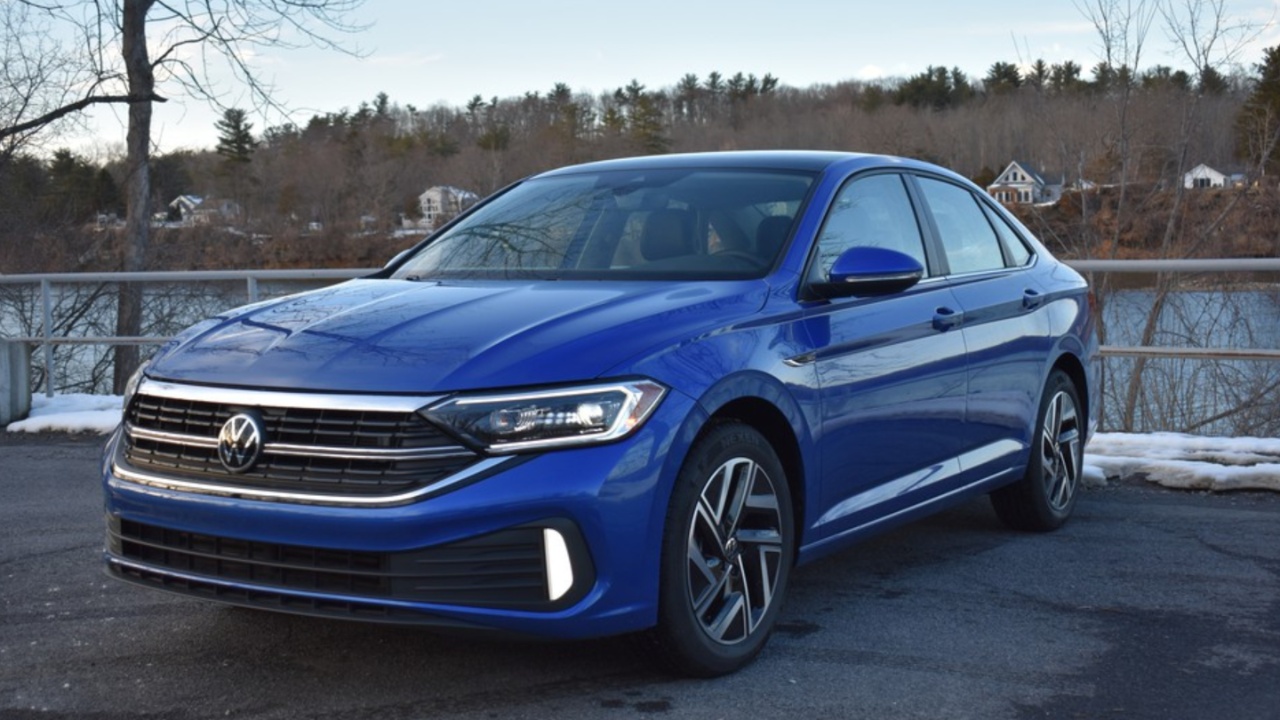
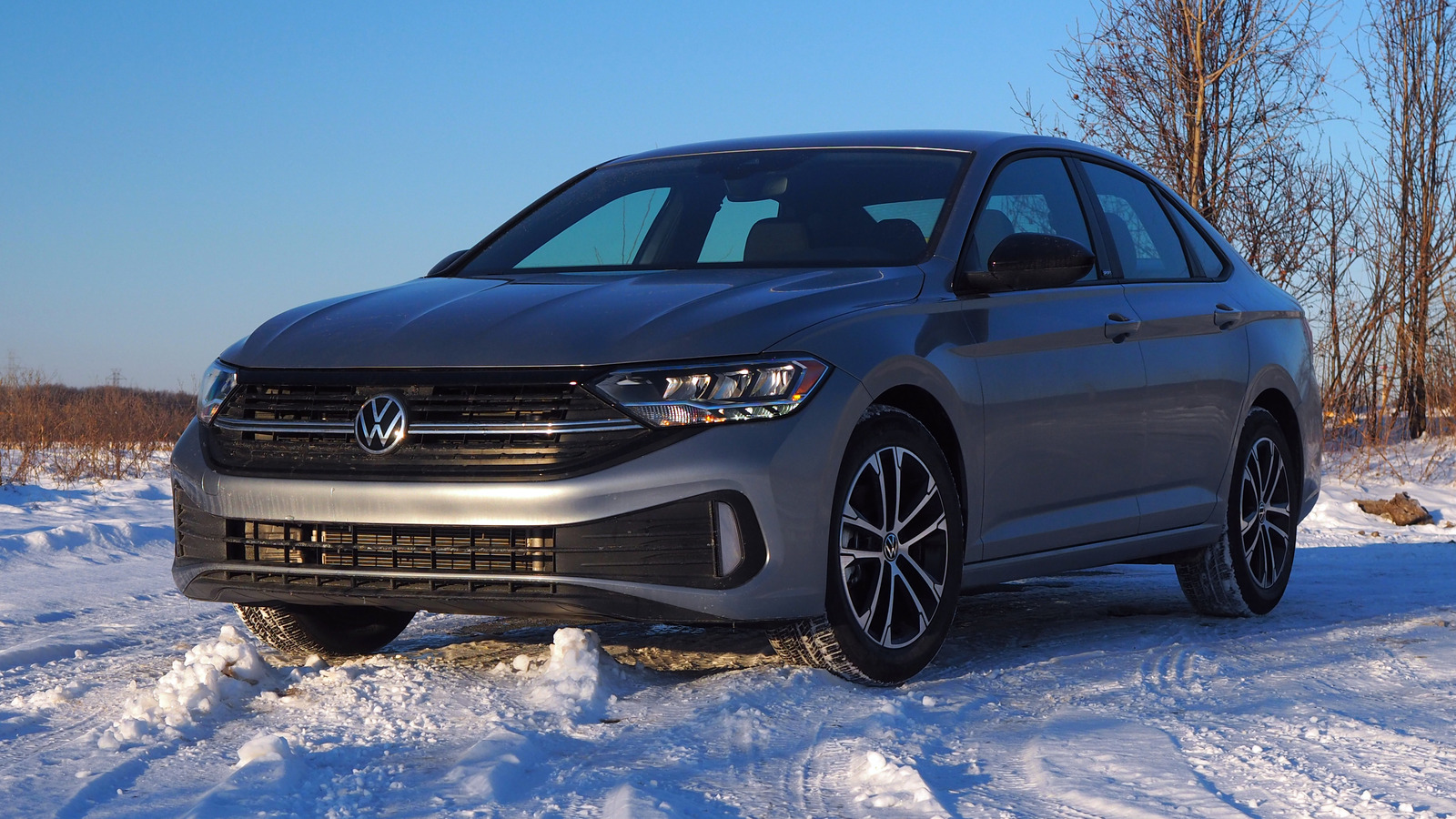
1. 2023 Volkswagen Jetta
The 2023 Volkswagen Jetta is priced at $20,655 and combines efficiency with practicality, earning a strong score of 7.7 out of 10. With a combined fuel economy of 35 mpg, it remains one of the most efficient gas-powered sedans in the U.S., even after the diesel TDI option was discontinued.
The Jetta offers a roomy interior with comfortable seating front and back, though extensive use of hard plastics gives the cabin a somewhat budgeted look. The standard 6.5-inch touchscreen provides basic infotainment, while an optional 8-inch display adds wireless Android Auto and Apple CarPlay. Trunk space is generous, but the 60/40 folding rear seats do not fold completely flat.
The Jetta is powered by a turbocharged 1.5-liter four-cylinder engine that produces 158 horsepower and 184 lb-ft of torque, driving the front wheels. Buyers can choose a six-speed manual for a more engaging drive or an eight-speed automatic for maximum fuel efficiency.
Testing shows the automatic SEL reaches 60 mph in 7.1 seconds, slightly quicker than previous models. While the ride is smooth and quiet, the light steering feels effortless but lacks precision. The Jetta prioritizes comfort over sporty handling, leaning slightly in sharp corners but delivering a calm driving experience.
Fuel efficiency is a highlight of the Jetta. On a 75-mph highway route, the six-speed manual returned 44 mpg, while the eight-speed automatic achieved 42 mpg. EPA ratings vary slightly by trim, ranging from 29–31 mpg city and 40–41 mpg highway. Higher trims like Sport, SE, and SEL have slightly lower ratings due to additional equipment.
The Jetta offers generous passenger space and a sophisticated design. Top trims feature ventilated front seats, wireless charging, and customizable ambient lighting. Cargo space is impressive, holding seven carry-on bags in the trunk and 18 bags with the rear seats folded. Storage includes practical door pockets and a deep center console.
Every Jetta has a responsive touchscreen with Apple CarPlay and Android Auto, gesture controls, and optional mobile hotspot. Standard safety includes forward-collision warning, automated emergency braking, blind-spot monitoring, and rear cross-traffic alert, with adaptive cruise control available on higher trims.
Volkswagen provides a four-year/50,000-mile limited and powertrain warranty, along with two years or 20,000 miles of complimentary maintenance.
2. 2023 Nissan Versa
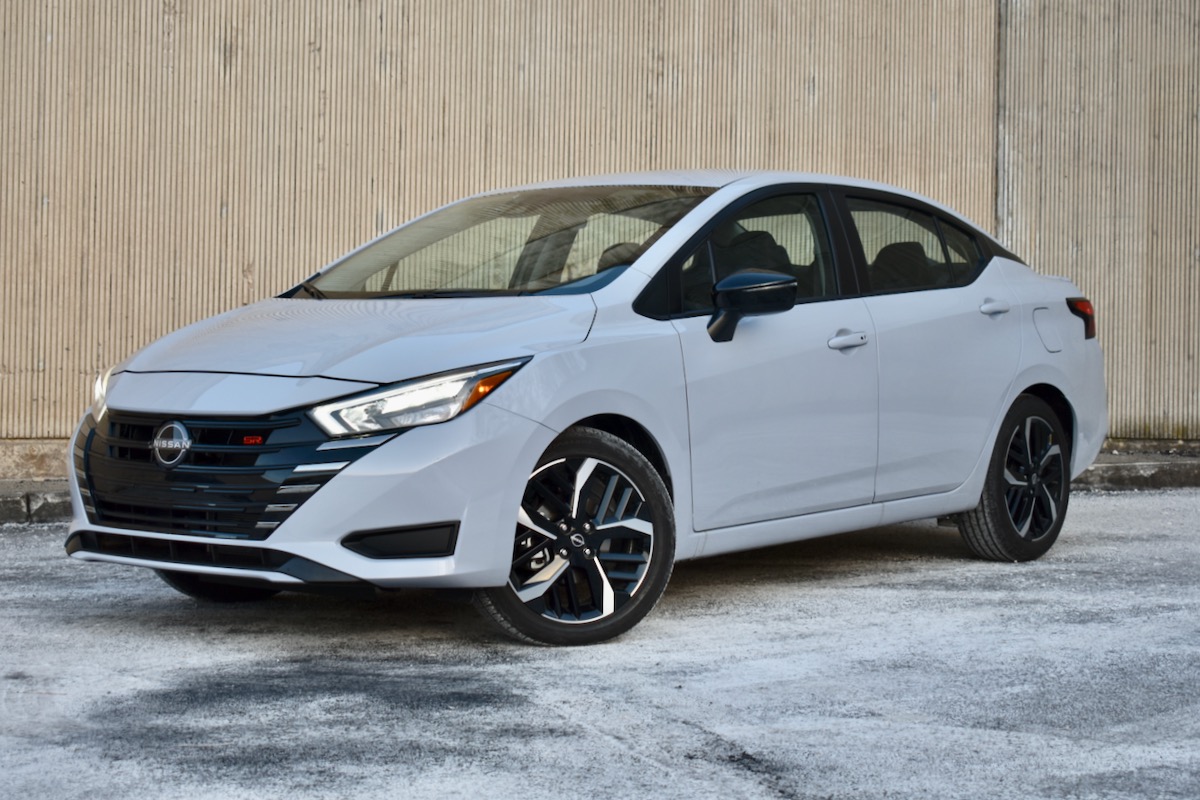
The 2023 Nissan Versa is an affordable and efficient compact sedan, priced at $15,730 with a combined fuel economy of 35 mpg, earning a solid score of 7.7 out of 10. Despite its low price, the Versa offers a surprisingly refined interior with quality materials and a spacious cabin.
Standard driver-assistance features and infotainment options like Apple CarPlay and Android Auto on higher trims make it a practical and safe choice for budget-conscious buyers.
All Versas come with a 122-horsepower four-cylinder engine that powers the front wheels. Base models have a five-speed manual, while the continuously variable transmission (CVT) is standard on mid- and top-level SV and SR trims. While the engine can feel underpowered in certain situations, the CVT smooths acceleration and mimics traditional gear shifts to reduce noise.
Handling has improved from previous generations, with accurate steering and consistent brake feedback. At the test track, the SR trim reached 60 mph in 9.5 seconds, nearly a second faster than the 2020 model. The ride is comfortable, effectively isolating road imperfections.
The Versa CVT achieves up to 32 mpg in the city and 40 mpg on the highway, while the manual-equipped base model sees lower ratings of 27 mpg city and 35 mpg highway. On a 75-mph highway test route, the CVT version delivered 40 mpg, highlighting its efficiency for commuting and long trips.
The Versa cabin uses soft-touch materials and practical design, moving away from the toy-like feel of previous generations. Top trims offer heated front seats, a leather-wrapped steering wheel, wireless charging, automatic climate control, and adaptive cruise control.
Rear seating comfortably fits two adults, and the trunk can hold six carry-on bags, expanding to 17 with the rear seats folded. Additional cubbies and storage areas add utility.
The base Versa has a 7-inch touchscreen, with an 8-inch display standard on the SR. SV and SR trims include Apple CarPlay and Android Auto, with a new package allowing the base S trim to add them.
Standard safety includes front and rear automated emergency braking, lane-departure warning, and automatic high beams, with blind-spot monitoring and adaptive cruise control available. Warranty coverage includes three years/36,000 miles limited and five years/60,000 miles powertrain, but no complimentary maintenance is offered.
3. 2023 Kia Rio
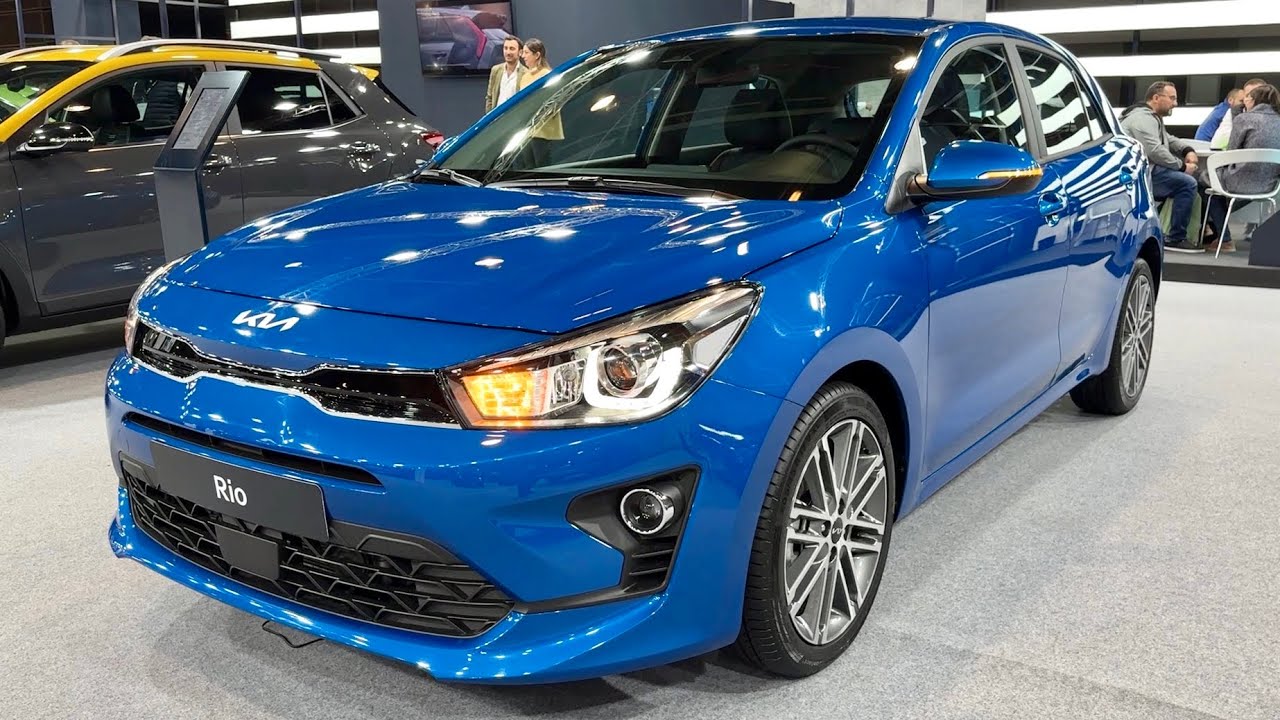
The 2023 Kia Rio is an affordable subcompact sedan, priced at $16,550, with a combined fuel economy of 36 mpg and a strong score of 7.8 out of 10. It delivers solid value with a user-friendly infotainment system, competent performance, and stylish design.
While the base trim lacks advanced safety features, upgrading to the S trim adds driver-assistance technologies, keyless entry, and an extra USB port. With a comfortable ride and reasonable trunk space, the Rio is a practical choice for budget-conscious buyers.
The Rio is powered by a 1.6-liter inline-four engine producing 120 horsepower, paired exclusively with a continuously variable automatic transmission (CVT). Acceleration is modest, with a tested 2021 hatchback reaching 60 mph in 8.6 seconds, on par with many subcompact crossovers.
The ride quality is smooth, with the suspension effectively absorbing bumps and controlling body roll in corners. Steering is well-weighted and precise, though it lacks a more communicative feel. The car provides a solid, composed driving experience suitable for daily commuting.
The EPA rates the Rio at 32 mpg city and 41 mpg highway, matching the Hyundai Accent and slightly outperforming the Nissan Versa. In real-world highway testing at 75 mph, a 2021 hatchback version achieved 39 mpg, slightly below EPA estimates but still highly efficient for a subcompact sedan.
The Rio’s cabin is simple, clean, and intuitive, with a well-laid-out dashboard and easy-to-use climate and audio controls. Hard plastics are present but textured and appear sophisticated for a subcompact.
Front-seat space is generous, while rear passengers may feel cramped. The hatchback offers more cargo capacity than the sedan, though neither provides a fully flat load floor. Storage includes a practical center console and door pockets.
A standard 8-inch touchscreen supports wireless Apple CarPlay and Android Auto, with optional upgrades adding Kia’s UVO telematics and SiriusXM.
Available safety features include forward-collision warning, automated emergency braking, and lane-keeping assist. Kia provides strong warranty coverage with five years/60,000 miles limited and 10 years/100,000 miles powertrain protection, although no complimentary maintenance is included.
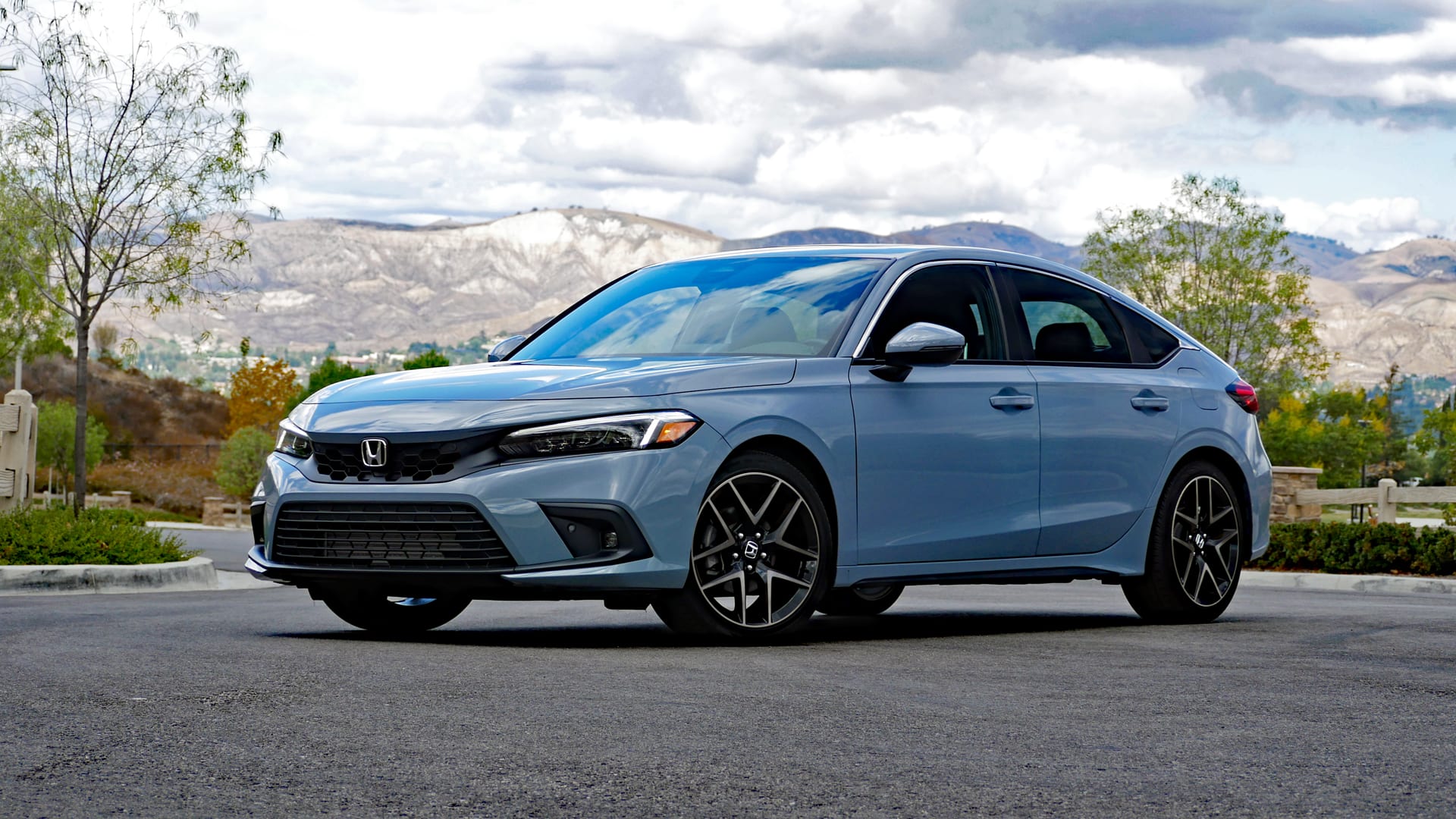
4. 2023 Honda Civic
The 2023 Honda Civic is a standout compact sedan, priced at $23,750, with a combined fuel economy of 36 mpg and a high score of 8.7 out of 10. It offers excellent value with a spacious, well-built cabin and a refined interior featuring soft-touch materials and intuitive controls.
Standard driver-assistance features include adaptive cruise control, lane-departure warning, and lane-keep assist, making the Civic a safe and practical choice for commuters and families.
The Civic carries over the powertrain options from the previous generation. Base models come with a 158-hp 2.0-liter four-cylinder, while the turbocharged 1.5-liter four-cylinder produces 180 horsepower and delivers both strong performance and impressive fuel efficiency.
The sedan is front-wheel drive only, with a continuously variable transmission (CVT) as standard. A six-speed manual remains available on the hatchback. On the test track, the turbocharged Touring sedan reached 60 mph in 7.5 seconds, while the Sport Touring hatchback managed 7.3 seconds.
Handling is sharp, with crisp steering, balanced suspension, and a nimble, engaging driving experience. Sporty Si and high-performance Type-R variants are also part of the lineup.
EPA ratings for the most efficient EX trim are 33 mpg city, 42 mpg highway, and 36 mpg combined. In real-world highway testing at 75 mph, the Sport hatchback delivered 36 mpg, confirming the Civic’s reputation as a fuel-efficient yet fun-to-drive compact sedan.
The Civic features a streamlined cabin with clean lines, a full-width honeycomb mesh accent, and a wide center console with deep storage. Passenger space remains generous, while cargo capacity is slightly improved. Options include a larger 9-inch touchscreen, a 10.2-inch digital gauge display, in-dash navigation, a Bose stereo, and wireless smartphone charging.
Standard safety features include automated emergency braking with pedestrian detection, lane-departure warning with lane-keeping assist, and adaptive cruise control. Apple CarPlay and Android Auto come standard, with wireless connectivity available with the larger screen.
Honda provides a three-year/36,000-mile limited warranty and a five-year/60,000-mile powertrain warranty, along with two years or 24,000 miles of complimentary scheduled maintenance.
5. 2023 Mitsubishi Mirage
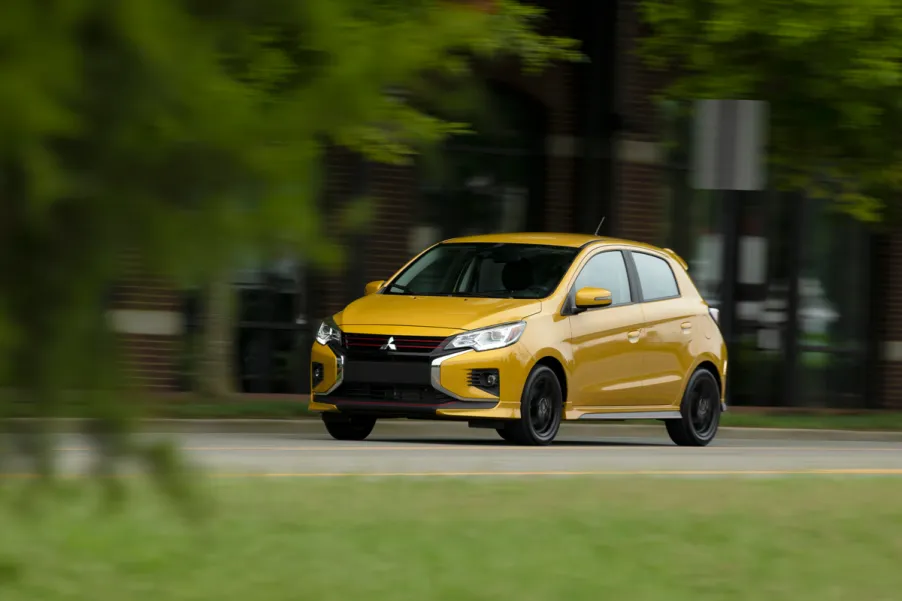
The 2023 Mitsubishi Mirage is the most fuel-efficient non-hybrid sedan in America, priced at $16,245 with a combined fuel economy of 37 mpg, but it earns a modest score of 5.0 out of 10. Its low starting price and exceptional fuel efficiency are appealing, yet the Mirage struggles in areas that matter for daily driving.
With a small 78-horsepower engine, a stiff ride, and a cabin that admits considerable wind and engine noise, the car lags behind competitors like the Nissan Versa and Kia Rio in comfort and performance.
All Mirage models feature a 1.2-liter three-cylinder engine producing just 78 horsepower and 74 lb-ft of torque, paired with a continuously variable transmission (CVT) and front-wheel drive. Acceleration is sluggish, requiring heavy throttle inputs to maintain highway speeds, and the engine becomes loud when pushed.
While the Mirage’s performance is adequate for city driving, it struggles in higher-speed scenarios and does not deliver the excitement or refinement of rivals with more powerful engines.
Fuel efficiency is the Mirage’s strongest attribute. The EPA rates the sedan at 36 mpg city and 43 mpg highway, outperforming competitors like the Nissan Versa. Its frugality makes it an attractive choice for buyers prioritizing low running costs, particularly in urban or highway commuting scenarios.
The Mirage’s interior is functional but basic, with extensive hard plastics and minimal design sophistication. Front seats are comfortable, but rear legroom is tight. Cargo capacity is generous for the class, with 17 cubic feet behind the second row and 47 cubic feet when the 60/40-split rear seats are folded, making it more practical than some rivals.
The Mirage comes standard with a 7-inch touchscreen, Apple CarPlay, Android Auto, Bluetooth connectivity, and a four-speaker audio system, with an optional Rockford Fosgate system for upgraded sound.
Standard safety includes automated emergency braking, with lane-departure warning and automatic high beams available on higher trims. Mitsubishi offers strong warranty coverage with a five-year/60,000-mile limited warranty and a 10-year/100,000-mile powertrain warranty, though no complimentary maintenance is included.
5 That Drain Your Wallet
1. BMW 5 Series
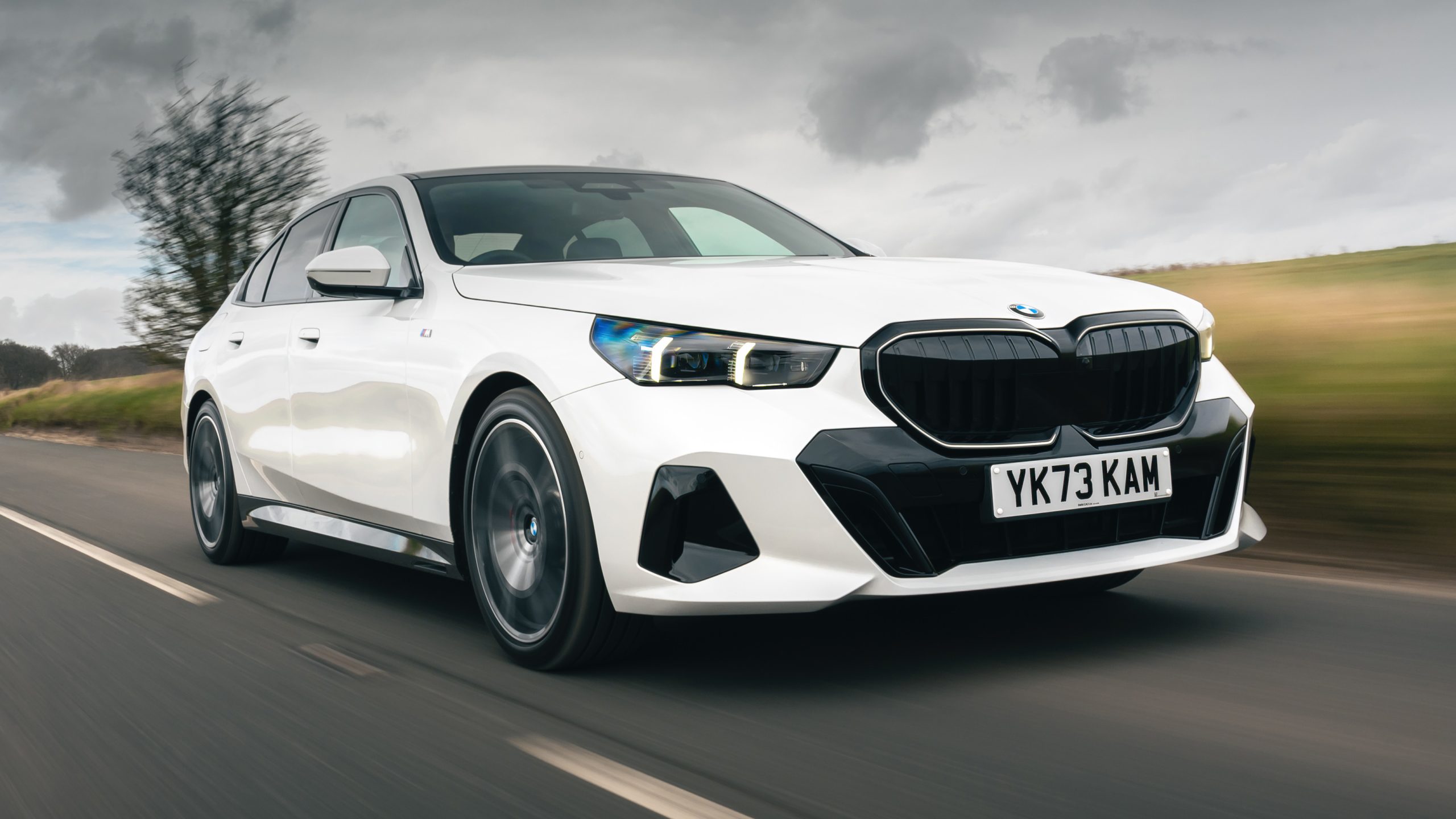
The BMW 5 Series offers luxury and high performance, but ownership can be expensive. Several recalls have affected models, including gearbox problems, cooling issues, and premature rotor wear. BMW is a luxury brand, so parts and labor are more expensive than average vehicles.
Over five years, maintenance for a new 5 Series averages more than $4,400. Including depreciation, insurance, maintenance, loan interest, and fuel, the total cost of ownership can reach $81,249.
BMWs use premium materials and intricate engineering, which increases repair costs. Routine services such as oil changes, brake replacements, and electronic system repairs are more expensive than similar services on non-luxury vehicles. Experts note that even without major repairs, upkeep adds up quickly. Skipping maintenance can lead to more costly problems later.
Fuel is another important expense for the 5 Series. BMW engines require premium gasoline with an octane rating of 91 or higher to optimize performance and prevent engine knock. Using lower-grade fuel reduces efficiency and may cause engine damage.
High-performance models such as the 550i and M550i consume more fuel, with the M550i measured at 10.8 liters per 100 kilometers. Driving habits also affect fuel consumption. Rapid acceleration, heavy braking, and frequent high-speed driving increase fuel use, while steady driving and using cruise control can improve efficiency.
The BMW 5 Series provides a luxurious and powerful driving experience, but potential owners must consider high ongoing costs.
Maintenance, repairs, premium fuel requirements, and insurance contribute to a total cost of ownership that is significantly higher than non-luxury vehicles. Careful planning and mindful driving can help manage some expenses, but the 5 Series remains a significant investment in both performance and maintenance.
2. Audi A6
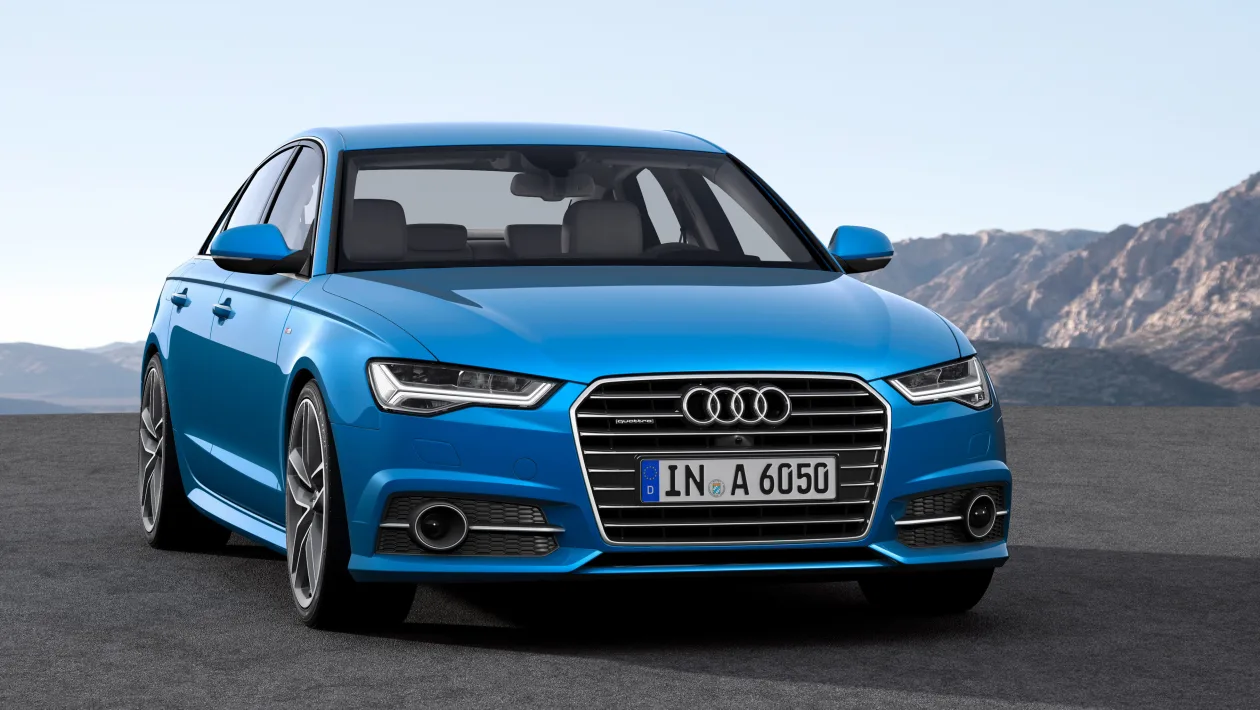
The Audi A6 is a popular midsize luxury sedan, but owning one can be expensive due to maintenance and fuel costs. Common issues include faulty wiring, blown fuses, malfunctioning control modules, gear-shifting problems, oil leaks, and turbocharger failures.
As a German luxury vehicle, most replacement parts must be ordered from Audi, and repairs require a mechanic experienced with European cars. Average repair costs over the first five years are approximately $3,074, while the total cost of ownership, including depreciation, insurance, maintenance, and fuel, is around $78,947.
Routine maintenance for the Audi A6 is more expensive than non-luxury vehicles because of premium parts and specialized service requirements. Even minor services such as oil changes, brake replacements, and diagnostics are pricier due to the advanced engineering of the car. Frequent and above-average repair needs further add to the cost of ownership.
The Audi A6 requires premium gasoline with a 91-octane rating or higher. Its turbocharged engines have high compression ratios and are tuned for premium fuel, which prevents knocking and maintains optimal performance.
Using lower-octane fuel reduces efficiency and power, potentially causing long-term engine issues. Premium fuel prices, combined with the vehicle’s generally below-average fuel economy, increase operating costs.
EPA estimates show the base turbo-four A6 gets 24 mpg city and 31 mpg highway, while V6 models drop to 22 mpg city and 30 mpg highway. These numbers are below average for the midsize luxury segment, requiring more frequent fuel stops than rivals with better efficiency.
While the Audi A6 offers luxury, performance, and refined engineering, it comes with higher ownership costs. Expensive maintenance, frequent repairs, premium fuel requirements, and lower fuel efficiency all contribute to significant long-term expenses. Buyers should weigh the benefits of a sophisticated sedan against the higher ongoing costs.
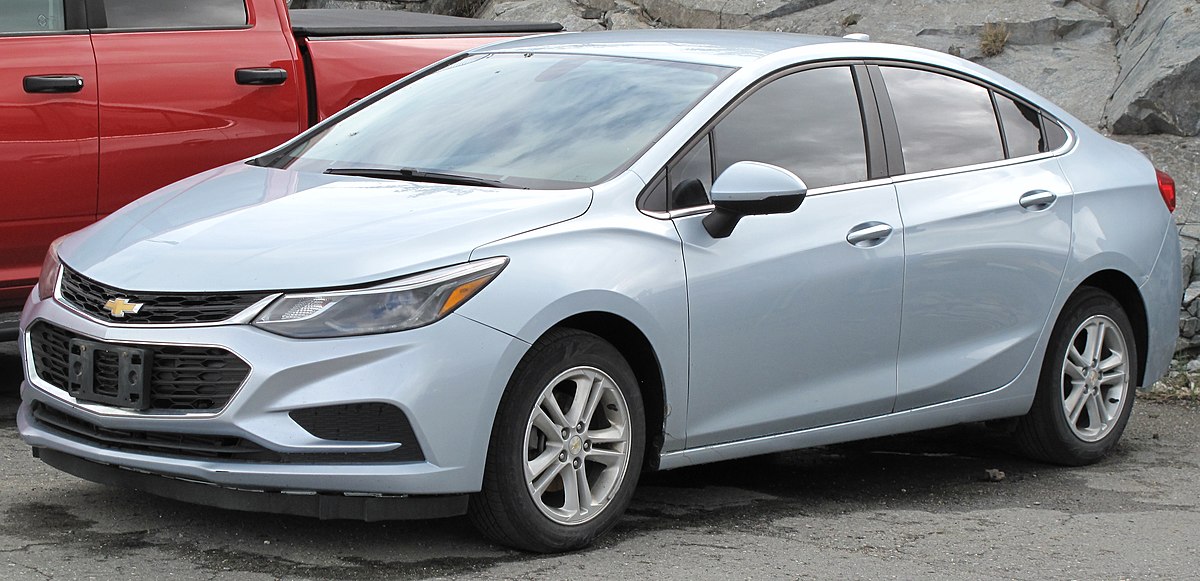
3. Chevrolet Cruze
The Chevrolet Cruze was discontinued in 2019, and potential buyers of used models should be cautious. Older vehicles tend to incur higher maintenance costs, and the Cruze is no exception. Annual maintenance costs typically increase from $859 to $1,078 between years five and six.
By year nine, expected maintenance rises to $1,358, and there is a 22.44 percent probability of a major repair. Common issues include transmission problems, engine leaks, and cooling system failures, which can make ownership expensive over time.
While the Cruze features a balanced exterior design and a spacious, comfortable interior, its long-term maintenance can be challenging. Repairs on older models often become more frequent and costly.
Even routine services such as oil changes or brake replacements may cost more on older vehicles due to age-related wear. Buyers should also be aware that some mechanical problems, if left unaddressed, can lead to accelerated deterioration and higher expenses.
The Cruze is generally praised for fuel efficiency, especially with the turbo-diesel engine, which can reach up to 48 mpg on the highway. Fuel costs may increase for specific vehicles if engine components, such as the fuel pump or fuel filter, are malfunctioning.
Older or poorly maintained models may have lower gas mileage due to wear and tear. Driving habits also impact fuel economy; rapid acceleration, hard braking, and aggressive driving reduce efficiency.
The Chevrolet Cruze offers a comfortable, spacious interior and good fuel efficiency, but potential buyers must weigh these benefits against the risks of higher maintenance costs and aging components.
The vehicle’s efficiency and reliability depend heavily on the condition of the specific model, its maintenance history, and the driving habits of its owner. For buyers considering a used Cruze, careful inspection and awareness of potential repairs are essential to avoid costly surprises.
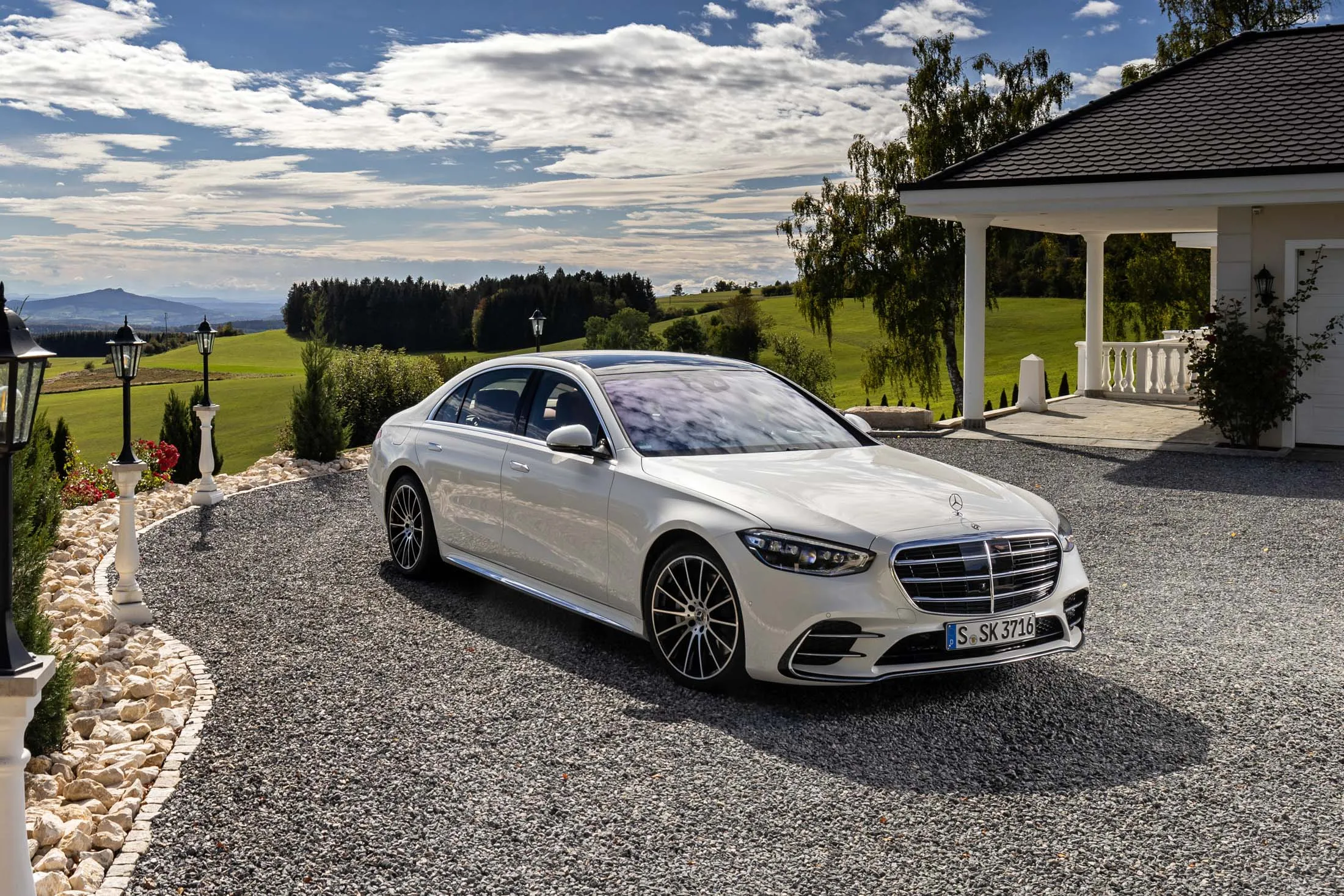
4. Mercedes-Benz S-Class
The Mercedes-Benz S-Class is a symbol of luxury and prestige, but owning one comes with significant expenses. The total cost of ownership over five years averages $144,327, with depreciation accounting for more than half of that amount. After five years, the residual value of an S-Class is around $66,000.
Maintenance costs are also high, averaging $4,266 over the same period and covering routine upkeep and normal wear and tear. Within the first ten years of ownership, there is a 31.57 percent chance of a major repair, which can add thousands to maintenance bills.
Maintaining an S-Class is expensive due to its advanced engineering and premium components. Routine services, including oil changes, brake replacements, and inspections, cost more than typical vehicles. Major repairs, while not guaranteed, are more likely as the vehicle ages, increasing expenses significantly. Owners should be prepared for both the frequency and cost of repairs compared with non-luxury sedans.
Fuel expenses for the S-Class are higher than average because of its size, powerful engines, and luxurious design. Most models require premium gasoline with a high octane rating, which costs more per gallon than regular fuel. Large fuel tanks, such as the 26-gallon tank in some models, also increase refueling costs.
High-performance variants, including V8, V12, and Maybach models, have lower fuel efficiency, with some Maybachs achieving only 12 mpg in the city and 20 mpg on the highway. The combination of premium fuel, lower miles per gallon, and large tanks results in higher spending at the pump.
The Mercedes-Benz S-Class provides luxury, power, and a prestigious driving experience, but these benefits come with high costs. Depreciation, maintenance, repairs, and fuel expenses make owning an S-Class a significant financial commitment. Buyers should carefully consider whether the performance and prestige justify the associated expenses.
5. Volvo S90
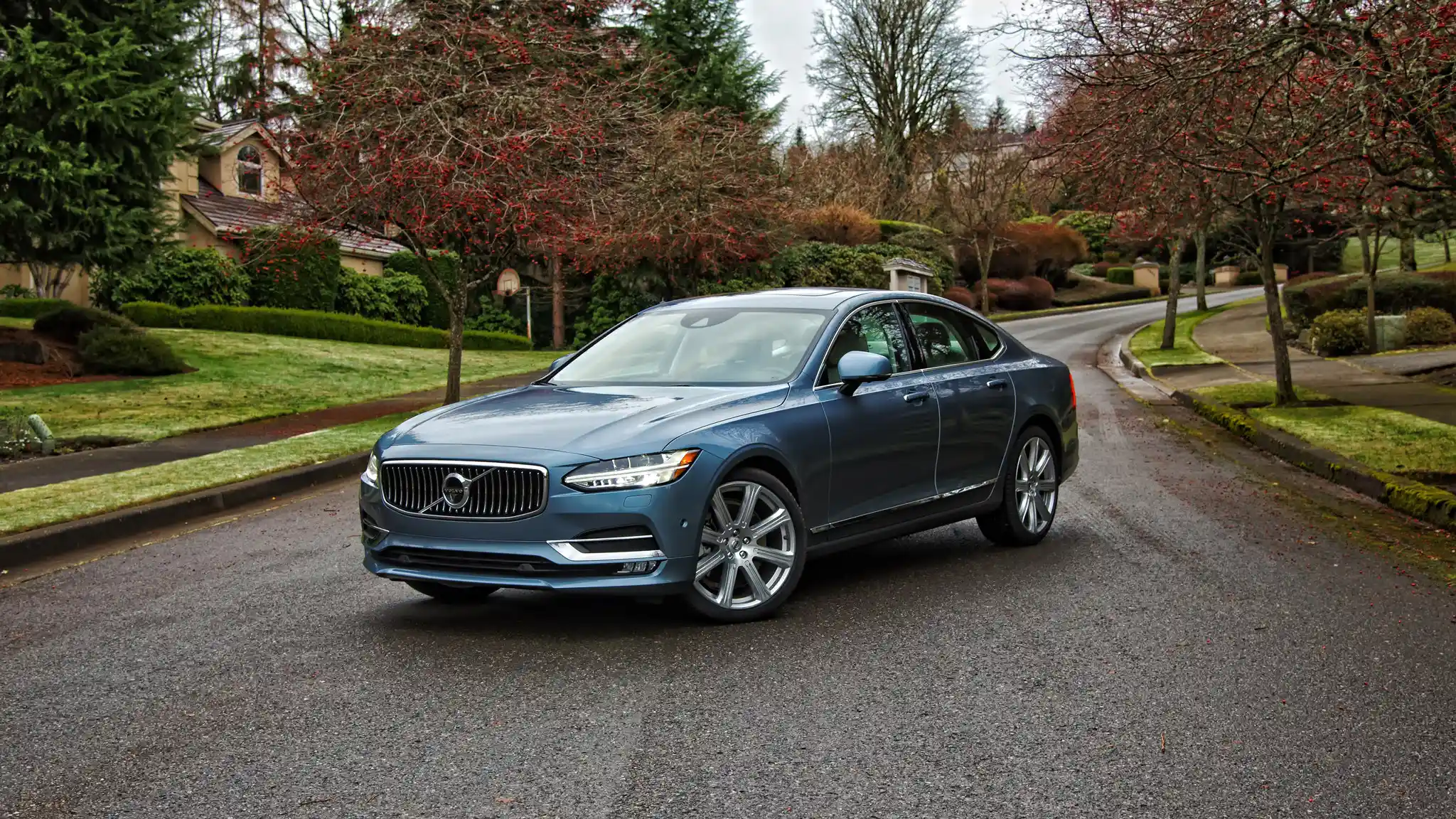
The Volvo S90 is a luxury sedan that comes with hidden costs despite its reputation for reliability. The total cost of ownership over five years averages $81,159, with maintenance expenses during that period totaling approximately $3,110.
Maintenance costs increase after five years, with yearly expenses exceeding $1,000 starting in year six. By year ten, there is a 26.81 percent chance of needing a major repair. Many of these costs are associated with the vehicle’s advanced safety and technology systems, which can result in unexpected expenses.
While Volvo is generally considered a reliable brand, the S90’s sophisticated features can increase repair costs. Technology issues, including problems with safety systems, may require specialized service and costly parts.
Routine maintenance, such as oil changes, brake servicing, and inspections, is more expensive than standard sedans. Owners should be aware that long-term upkeep may surpass initial expectations, particularly for models with advanced features or hybrid components.
The S90 can also be expensive to fuel due to its turbocharged 2.0-liter engines, which require premium gasoline to prevent preignition and maintain optimal performance. The S90 Recharge plug-in hybrid consumes more fuel once the electric range is depleted.
Aggressive driving, heavy loads, extended idling, and poor maintenance further reduce fuel efficiency. Engine issues such as dirty air filters, old spark plugs, or turbocharger problems can also lead to higher fuel consumption.
The Volvo S90 combines luxury, performance, and advanced technology, but its ownership costs can be significant. Maintenance, repairs, and premium fuel requirements contribute to expenses that increase with age.
Buyers should consider the potential for technology-related repairs, the fuel needs of high-performance engines, and the importance of proper maintenance when evaluating the total cost of owning an S90.
Choosing a sedan requires balancing fuel efficiency, reliability, and long-term costs. Budget-friendly options like the Jetta, Versa, Rio, Civic, and Mirage provide affordable fuel consumption and manageable maintenance, making them excellent choices for cost-conscious drivers.
Their combination of decent performance, practicality, and fuel economy ensures that commuting and long-distance driving remain economical and stress-free.
In contrast, luxury and high-performance sedans such as the BMW 5 Series, Audi A6, Mercedes-Benz S-Class, and Volvo S90 deliver comfort, advanced features, and prestige but carry significant ownership expenses. Premium fuel requirements, higher repair costs, and frequent maintenance make these vehicles financially demanding.
Buyers considering these models must weigh the benefits of refinement and technology against the increased gas and upkeep costs, ensuring that the sedan they choose aligns with both their lifestyle and budget.
Also Read: 5 Cars Cheap To Keep Past 150k Vs 5 That Get Pricey After Warranty