Choosing a first car for a teen can be a stressful process. Parents want vehicles that are safe, practical, and manageable for inexperienced drivers, while teens often hope for something comfortable, stylish, and fun to drive. Not every car is equally suited for new drivers, and selecting the wrong one can lead to anxiety behind the wheel or even unsafe situations.
Some cars, like the GMC Terrain and Subaru Outback, provide supportive handling, advanced safety systems, and spacious interiors that help young drivers feel confident. Others, such as the Mitsubishi Mirage or Ford EcoSport, may seem affordable or practical at first glance but present challenges with weak acceleration, poor visibility, or unrefined handling.
This guide separates used vehicles into two categories: five cars teens can handle with confidence and five that tend to overwhelm new drivers. By understanding how each car performs in terms of safety, performance, technology, and comfort, parents and teens can make informed choices that prioritize confidence, security, and a positive driving experience.
5 Used Cars Teens Can Handle
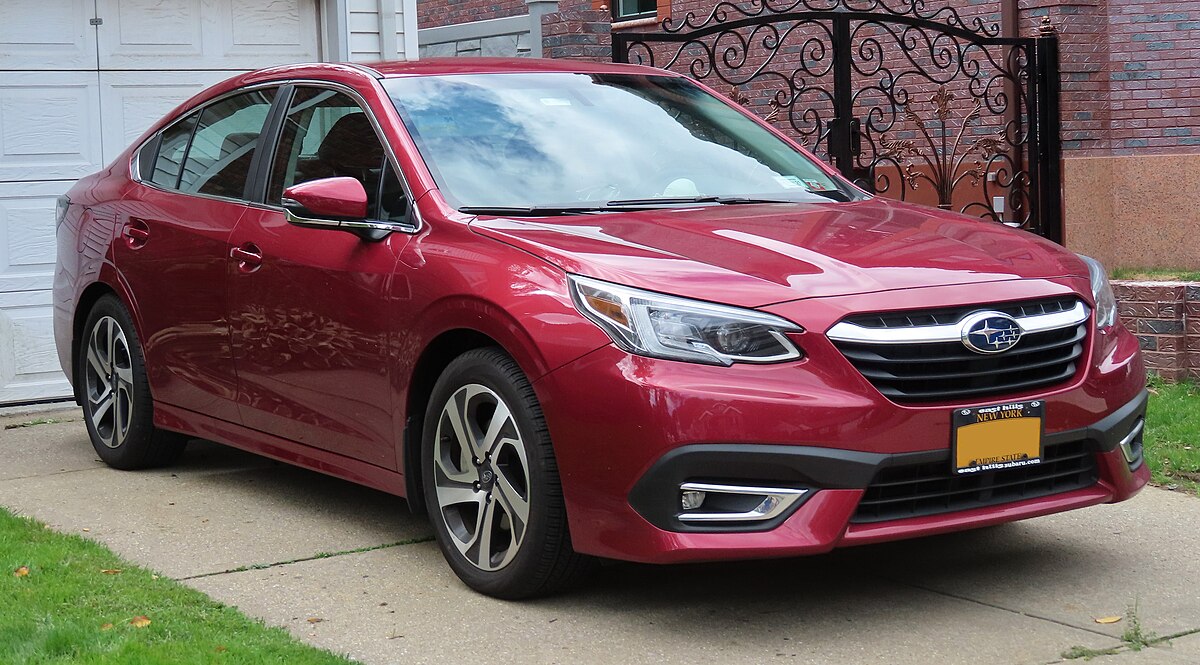
1. GMC Terrain: A Spacious and Safe Pick for Teen Drivers
The GMC Terrain is a practical option for teen drivers, especially those who need plenty of room for school supplies or sports equipment. Its sturdy construction and strong safety ratings, particularly for the 2017 model, make it appealing for parents who want peace of mind. The Terrain also includes several driver-assist technologies that act as an extra layer of support for new drivers.
Performance is one of the Terrain’s weaker areas. The base engine focuses more on fuel economy than power, which results in slow acceleration. In testing, it needed 9.3 seconds to reach 60 miles per hour, placing it among the slower vehicles in its class. Despite this, the Terrain performs well in other aspects of driving.
The brakes feel smooth and responsive, and the steering, although slightly mushy at low speeds, becomes more confident on the highway. Handling on curvy roads is stable and balanced. While it is not a sporty SUV, it maintains good composure during higher-speed turns.
The Terrain’s cabin is attractive and user-friendly, although some controls are awkwardly positioned. The front seats are firm but supportive, performing well during long drives. Rear seats are flatter and less cushioned but still comfortable enough for everyday use. The ride quality can be a bit jostling on rough streets, yet noise levels remain low with only a soft hum from the tires.
Getting in and out is easy thanks to low seat bolsters and wide doors. Front seat adjustments are generous, although tall drivers may want more steering wheel extension. Forward visibility is somewhat limited due to the deep and angled dashboard, but side visibility is better.
Technology features stand out, with an impressive optional Bose sound system and standard Apple CarPlay and Android Auto. The built-in Wi-Fi hotspot is simple to set up, although coverage is similar to that of a mobile phone. Safety systems may feel intrusive at times, but still provide helpful guidance.
The Terrain offers 63 cubic feet of storage with the rear seats folded, which trails behind top competitors. A fold-flat front passenger seat helps with longer items. Fuel economy is rated at 26 miles per gallon combined, although real driving results vary. The Terrain provides solid space and safety, but competing models often deliver better comfort and efficiency for a similar price.
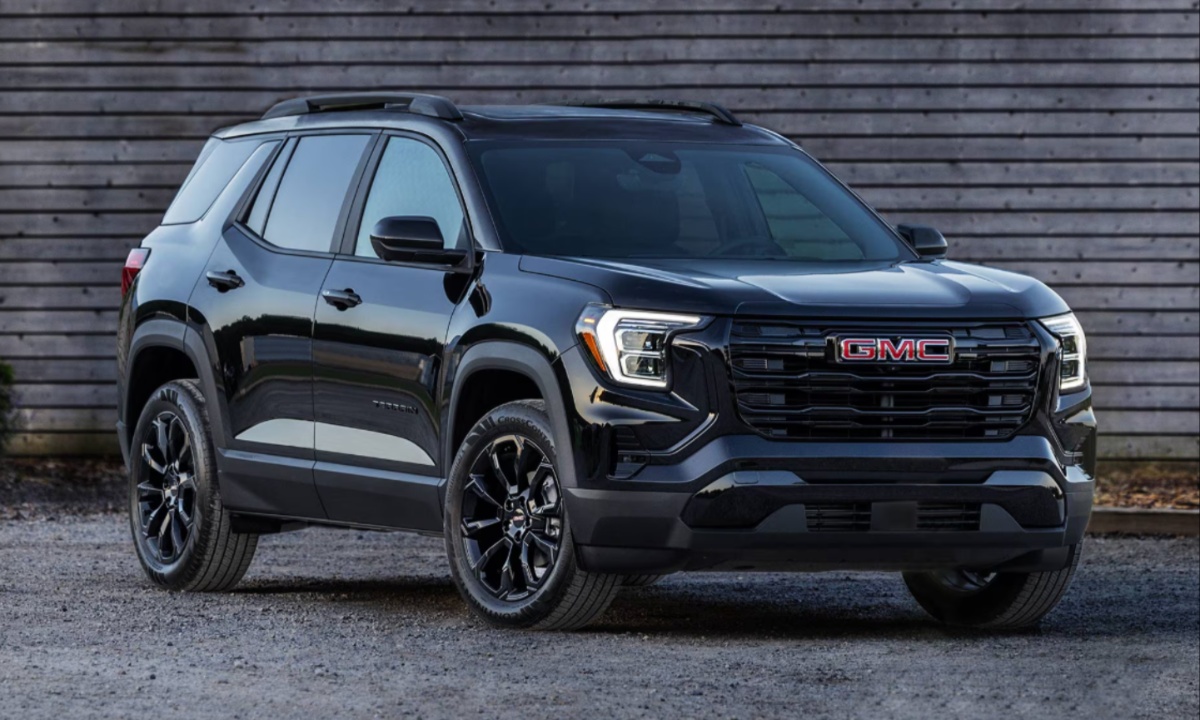
2. Subaru Outback: A Versatile and Adventure-Ready Choice
The Subaru Outback is a dependable crossover that blends daily practicality with adventure-ready capability. It offers enough interior space for school commutes, weekend outings, and road trips with friends. Subaru’s long-standing reputation for safety continues here, with the Outback providing a wide array of driver-assist features aimed at protecting new drivers.
Performance improves significantly with the optional turbocharged engine. During testing, this engine pushed the Outback from 0 to 60 miles per hour in 6.5 seconds, making it noticeably quicker than the base engine.
Handling is less impressive. The Outback leans through turns, and its slower steering requires more input in corners and parking situations. Still, the vehicle excels in capability. Standard all-wheel drive and 8.7 inches of ground clearance allow it to go places many midsize SUVs cannot, making it appealing for drivers who enjoy outdoor activities or rougher terrain.
Safety systems are plentiful but often poorly tuned. Lane keeping assistance activates too frequently, driver attention warnings can trigger inaccurately, and automatic emergency braking sometimes reacts to harmless objects. These issues can make the systems feel intrusive during everyday driving.
Ride comfort is one of the Outback’s biggest strengths. It absorbs potholes, bumps, and uneven surfaces with ease, creating a relaxed driving experience. The front seats are soft, supportive, and adjustable enough for long trips, and heated features work well. Ventilated seating is available but not especially effective.
The main frustration comes from the touchscreen, which is slow to respond and required for most controls, making simple adjustments more time-consuming than they should be.
Technology performance lags behind competitors. The touchscreen is laggy, smartphone integration can be slow or occasionally cut out, and resolution is below average. However, the audio system sounds good, and the physical volume and tuning knobs remain useful.
Storage is practical but limited compared with larger SUVs. The cargo floor is low and flat for easy loading, and the lower roof height makes using the roof rails simple. Cabin storage is clever but small, though child-seat installation is easy thanks to accessible anchors.
The turbocharged engine delivers an EPA-estimated 25 miles per gallon combined, and testing confirms this target is realistic. Pricing is competitive, especially for base models, though turbo versions approach traditional SUV pricing. Warranty coverage is standard, and while quality is solid, cabin materials and design are not standout features.
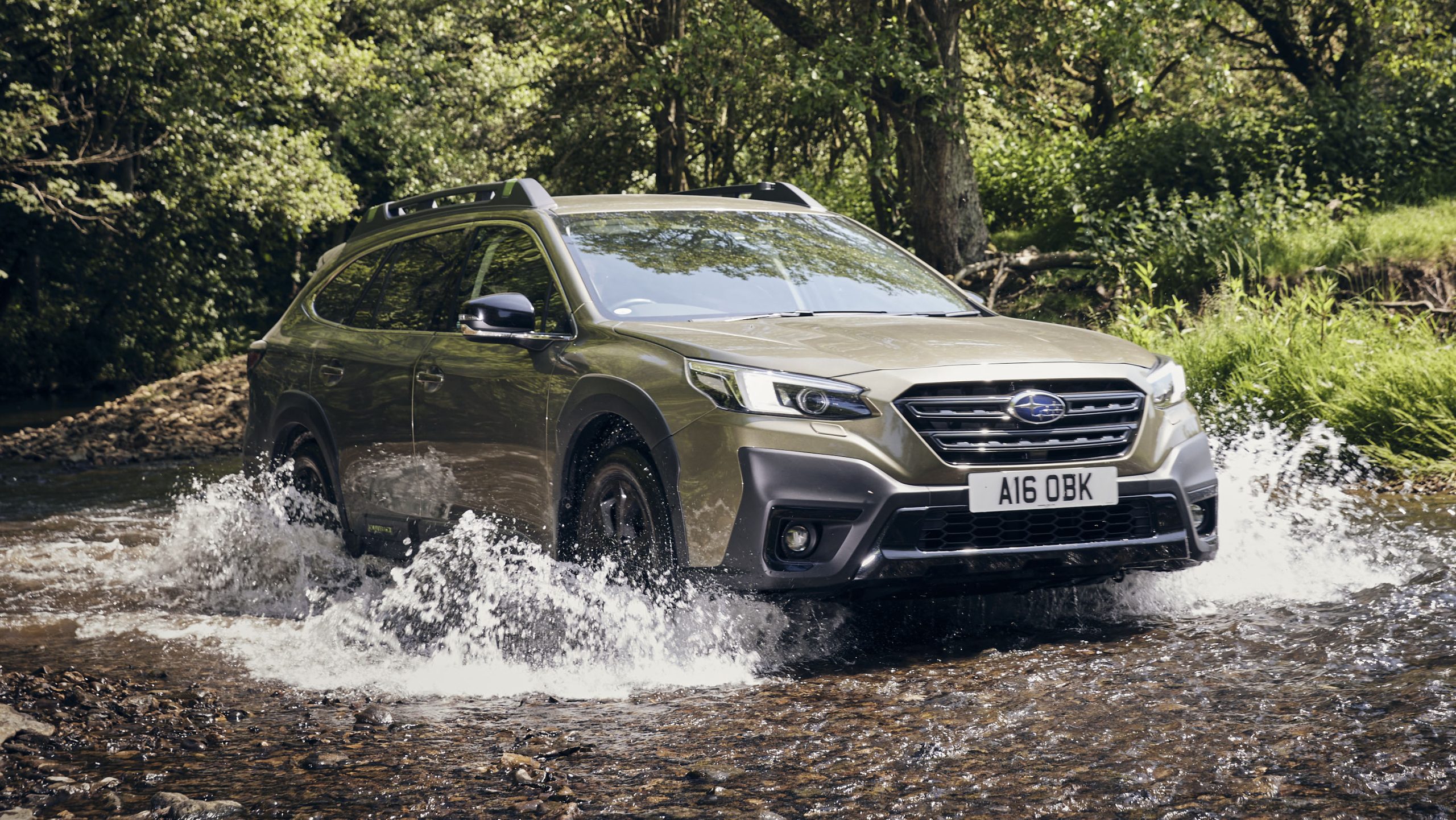
3. Chevy Equinox: A Tech-Savvy and Teen-Friendly Small SUV
The Chevy Equinox is a strong pre-owned SUV option for families seeking space, safety, and helpful teen-focused features. Its interior is roomy enough for daily school trips, and its size and sturdiness provide added reassurance in the event of a collision.
One of its biggest highlights is the Teen Driver system, which lets parents set limits on multimedia use and monitor driving behavior such as speed, helping ensure safer habits behind the wheel.
During testing, the all-wheel drive Activ trim reached 60 miles per hour in 8.7 seconds. This performance is adequate, though the engine may feel underpowered when the SUV is full of passengers or when quick passing power is needed. Throttle response at low speeds can feel sluggish.
Braking performance is smooth, but the all-terrain tires required 133 feet to stop during panic braking, which is similar to heavier trucks. Handling is average, with steering that works fine at low speeds but lacks precision on winding roads. Ride quality is mixed.
The Equinox softens potholes well in town, but at highway speeds it can bounce after dips. On the positive side, the cabin remains quiet. Standard driver aids are plentiful, though adaptive cruise control and lane centering do not perform as well as some rivals.
The Equinox offers comfortable front seats with supportive cushioning and quick-heating features. Controls are clearly arranged and easy to learn. Rear passengers get good space and soft seating, though the seatbacks do not recline. Rear doors are angled awkwardly, making entry more challenging.
Child booster seats fit well, but upper tether access can be tricky due to non-removable headrests. Climate control is powerful and easy to operate with physical buttons, which many drivers will appreciate.
Technology is a standout strength for the Equinox. Two crisp digital displays with Google integration enhance usability, and wireless Apple CarPlay and Android Auto are standard. Multiple USB-C ports support all passengers.
The cargo area offers 29.8 cubic feet, less than top competitors but still convenient thanks to a simple, square layout. Folding the rear seats creates enough room for larger items like a bicycle. Interior storage is plentiful, though towing capacity is limited.
Fuel economy is rated at 26 to 27 miles per gallon combined, which is average for the class, though real-world results may fall short. Pricing is competitive, and the Equinox’s styling and interior quality help it stand out. Warranty and roadside assistance coverage are above average, making this SUV a well-rounded and practical choice for families.
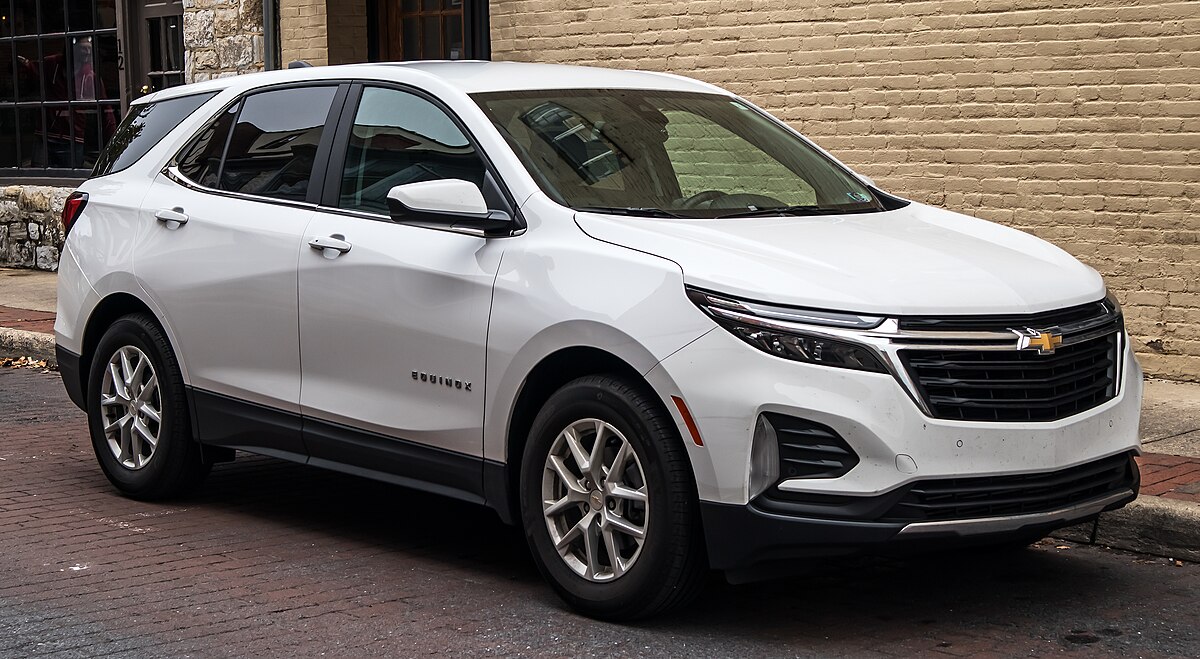
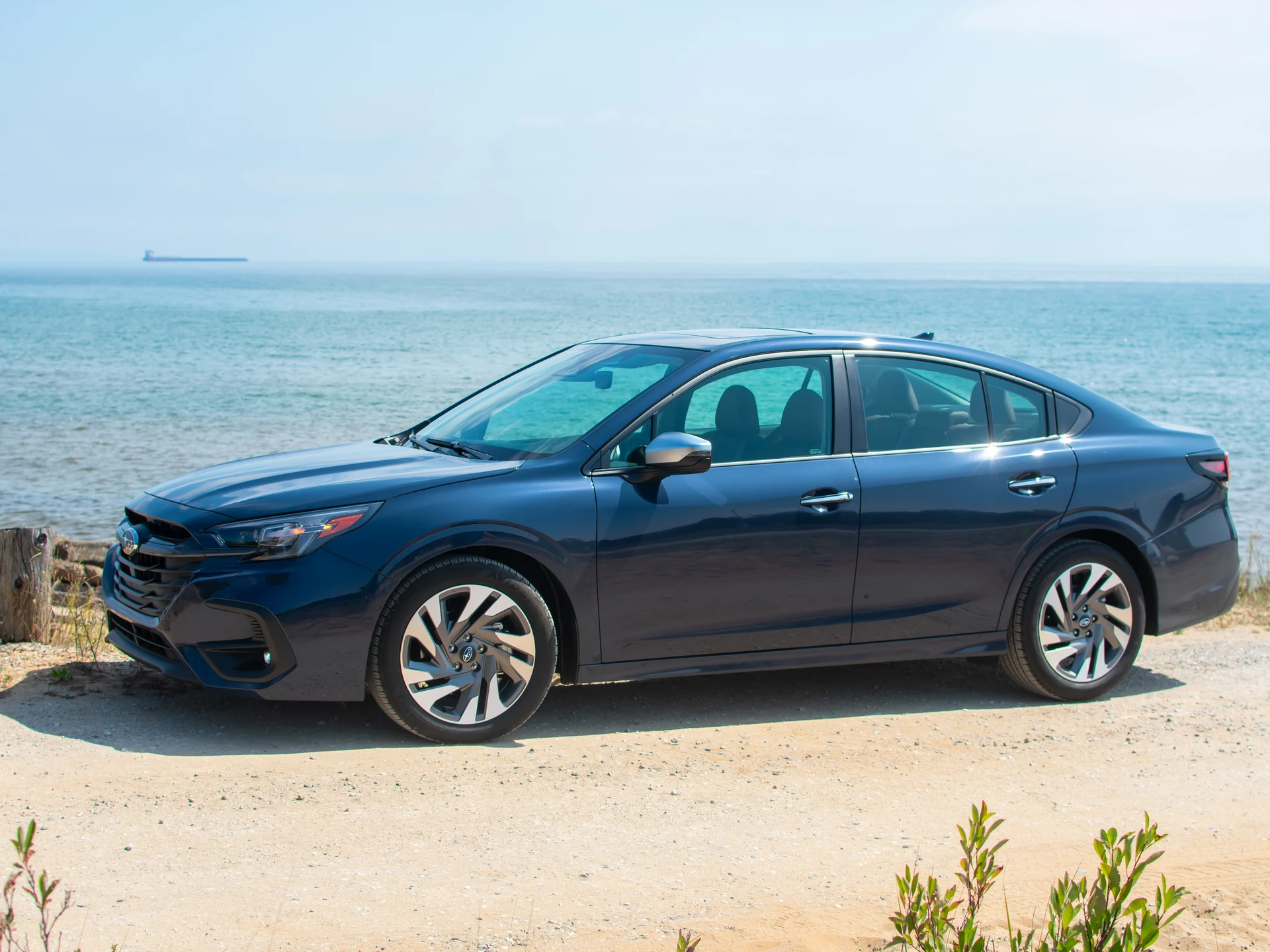
4. Subaru Legacy: A Safe, All-Weather Sedan for Teen Drivers
The Subaru Legacy is an excellent sedan choice for teens who prefer a smaller vehicle without sacrificing safety and capability. Like all Subaru models, it comes standard with Symmetrical All-Wheel Drive, giving young drivers added traction during rain, snow, or icy conditions. The Legacy also includes an extensive suite of driver-assist features, which adds extra confidence on the road.
The Legacy offers two engines. The base 2.5-liter engine is adequate but slower than many rivals, reaching 60 miles per hour in 8.5 seconds during testing. The available turbocharged engine is the recommended option due to its stronger acceleration and more responsive performance.
Braking is mixed: while stopping distances are slightly better than competitors, the vehicle can nosedive when slowing down gently. Handling, however, is a strong point. The Legacy grips the road well, feels natural in turns, and provides nicely weighted steering. Ride quality is soft and comfortable without feeling unstable.
Visibility is excellent thanks to large windows, though wind and road noise are more noticeable than in rival sedans. The standard EyeSight safety suite is helpful but can sometimes be overly sensitive, particularly with forward collision warnings and adaptive cruise control.
Comfort is one of the Legacy’s standout qualities. The cabin feels inviting, with excellent space for both front and rear passengers. Tall adults fit easily, and the rear seats offer supportive sculpting instead of a basic flat bench. The front seats are adjustable and well cushioned, making it easy to find a comfortable driving position.
Entry and exit are effortless, and car seat anchors are clearly accessible. The climate system works well, though learning the settings takes a moment. Seat heaters warm up quickly. The main drawback is the heavy reliance on the central touchscreen. Most major functions are buried in menus, and the lack of dedicated controls, especially for disabling the intrusive stop-start system, can be frustrating.
Technology features are plentiful but inconsistent. Apple CarPlay and Android Auto come standard, and multiple USB ports are included on most trims. However, the Starlink infotainment system can be slow, crash-prone, and laggy, with unreliable voice controls. Navigation looks modern but performs poorly when searching for destinations.
Storage is practical. The 15.1-cubic-foot trunk is average in size but deep and tall enough for bulky items. Rear seats fold easily using a lever or seat-mounted button, improving versatility, though the center seat belt gets in the way. Cabin storage includes multiple bins, pockets, and a two-tier center console that helps keep small items organized.
The Legacy costs slightly more than similarly equipped competitors, largely due to its standard all-wheel drive. Materials and build quality are better than average, giving the cabin a refined feel.
Warranty coverage is typical for the class, though some rivals offer better maintenance plans. Despite a few drawbacks in tech and noise levels, the Legacy remains a strong choice for families seeking a safe, comfortable, and weather-ready sedan for teen drivers.
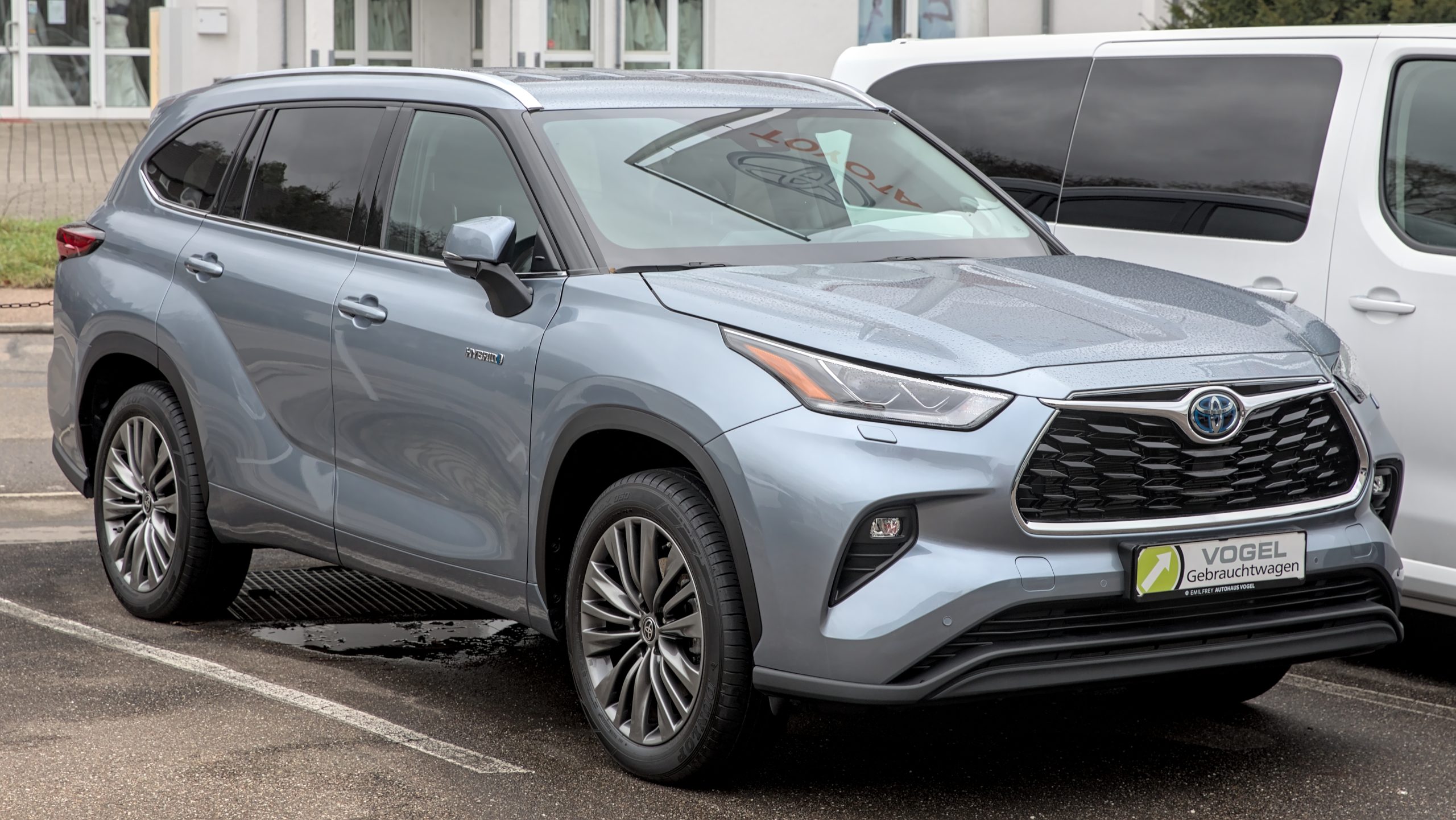
5. Toyota Highlander: A Safe, Spacious SUV for Growing Families
The Toyota Highlander is a strong SUV choice for families seeking comfort, capability, and safety for teen drivers. Much like other Toyota models, the Highlander offers a robust suite of driver assistance features that monitor the road and help prevent potential hazards.
Depending on the model year, systems can include lane keeping assistance, adaptive cruise control, automatic emergency braking, and pedestrian detection. These features add an extra layer of confidence for young or inexperienced drivers.
While the provided text focuses on the Subaru Legacy, the Toyota Highlander is generally known for delivering a smooth, predictable driving experience. The Highlander typically offers a choice between a V6 engine or a hybrid powertrain.
The V6 provides solid acceleration for daily driving and highway merging, while the hybrid option prioritizes fuel efficiency without sacrificing too much power. Toyota tunes the Highlander for comfort rather than sportiness, so handling feels stable and controlled rather than sharp.
Steering is light and easy for city driving, and the suspension softens rough roads effectively. All-wheel drive is available on most trims, enhancing traction in wet or snowy conditions. Braking performance is reliable, though not as athletic as some midsize SUV competitors.
The Highlander excels in comfort and practicality. Its cabin layout is spacious, with supportive seating in the first two rows and an available third row for extra passengers. Legroom in the third row can be tight for adults but works well for teens and younger children.
Interior materials vary by trim, but Toyota’s design quality remains consistent with soft-touch surfaces and a clean, modern layout. Entry and exit are easy thanks to wide door openings and a comfortable step-in height. Climate controls are simple to operate, and higher trims offer heated and ventilated seats. Unlike the Legacy, the Highlander features more convenient physical controls, reducing reliance on touchscreen menus.
The Highlander’s infotainment system includes Apple CarPlay, Android Auto, multiple USB ports, and an available large touchscreen that responds more quickly than systems in some sedans. Toyota’s voice control is functional, though not exceptional. Higher trims include a premium audio system and built-in navigation.
Cargo capacity is one of the Highlander’s strongest advantages. With all seats up, it offers solid space for groceries or sports gear. Folding the third row creates a generous cargo area suitable for luggage, camping equipment, or bulky items.
The Highlander is priced competitively for its class, especially considering its reliability, resale value, and standard safety technology. Toyota’s warranty coverage is average, but its reputation for low-cost maintenance makes the Highlander a smart long-term investment for families prioritizing safety and comfort.
5 That Overwhelm New Drivers
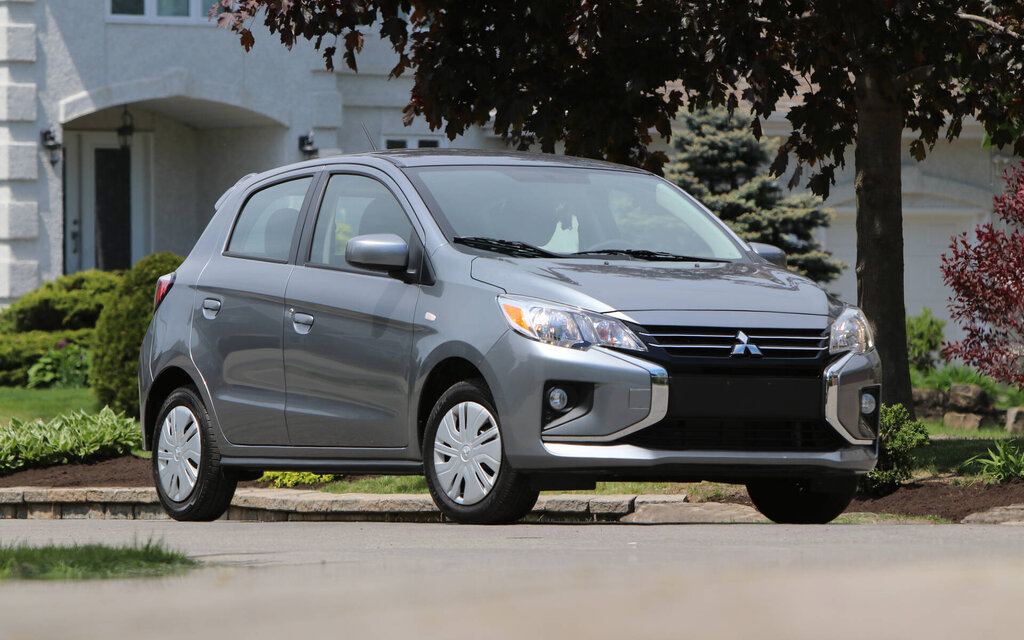
1. 2022 Mitsubishi Mirage: Budget-Friendly but Underpowered for New Drivers
The 2022 Mitsubishi Mirage is a subcompact car designed for buyers focused on affordability and practicality. Available in both hatchback and sedan body styles, it provides a hatchback cargo space of 17.1 cubic feet, making it suitable for carrying groceries or small luggage. Low projected ownership costs make it an attractive option for budget-conscious drivers. However, the Mirage faces significant drawbacks that make it challenging for new drivers.
The Mirage is powered by a 1.2-liter three-cylinder engine producing just 78 horsepower. Acceleration is slow, taking approximately 13 seconds to reach 60 miles per hour. This limited power makes highway driving, merging, and passing difficult, requiring careful planning and firm throttle input. Its light weight contributes to a feeling of instability at higher speeds, and strong winds or passing trucks can make the car feel unsettled. The engine produces noticeable noise and vibrations when pushed, which can be distracting and uncomfortable for drivers.
The cabin is basic and functional with extensive hard plastics and simple controls. Road and wind noise are easily heard inside, even at city speeds. Front seats are minimally supportive, and rear passengers have limited cushioning. Ride quality is stiff over uneven surfaces, and longer trips may become tiring due to the lack of comfort features. Entry and exit are straightforward, but the small frame can make the cabin feel cramped.
The Mirage comes with essential technology such as a backup camera and Apple CarPlay and Android Auto. USB ports are included, but additional features are limited. The infotainment system works adequately, though it cannot compete with more modern subcompacts in responsiveness or usability.
The 2022 Mitsubishi Mirage delivers affordability and practical cargo space but struggles with weak performance, a noisy cabin, and basic interior design, making it a less confident choice for new drivers.
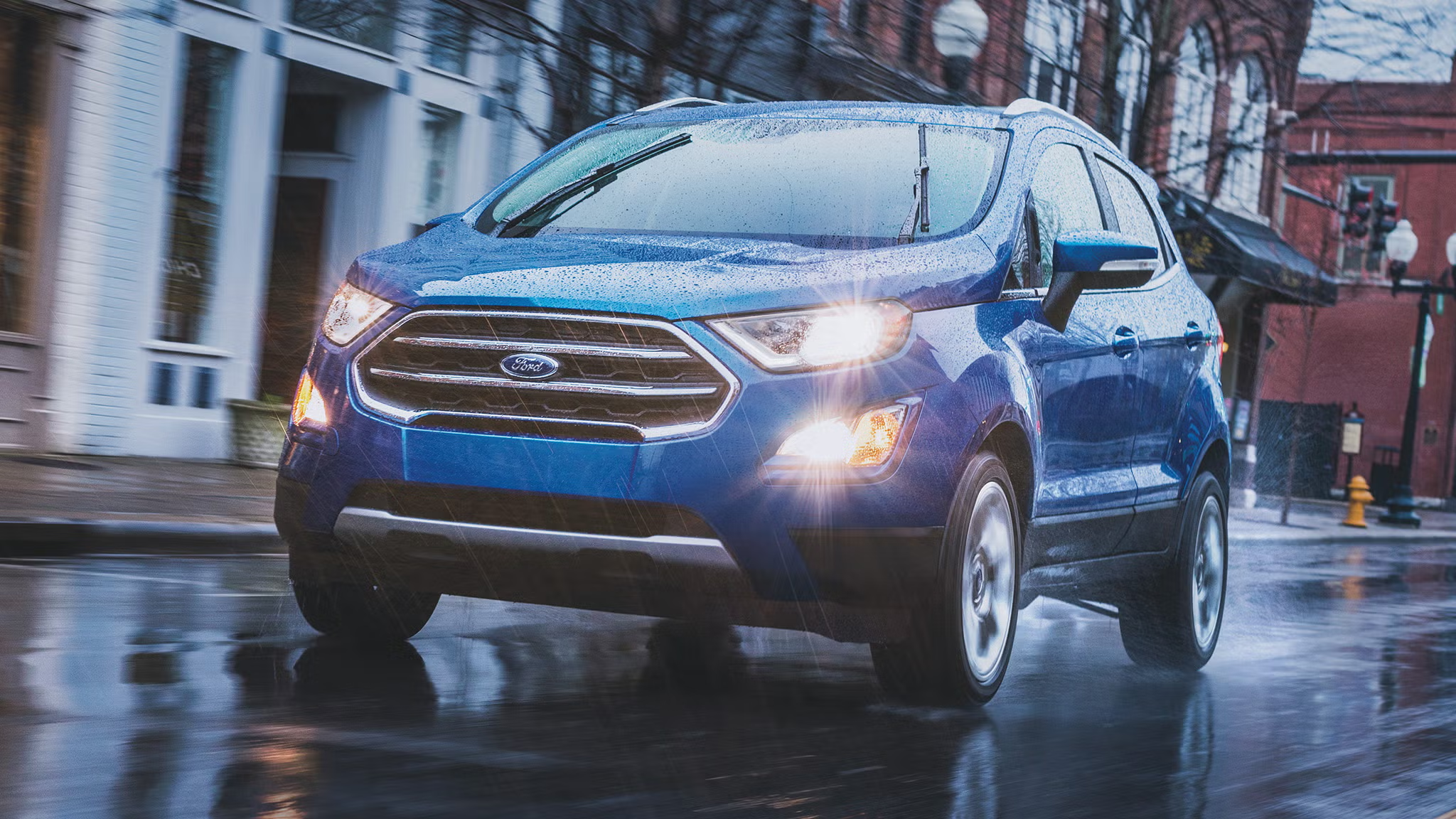
2. 2022 Ford EcoSport: A Subcompact SUV with Major Drawbacks
The 2022 Ford EcoSport ranks at the bottom of affordable subcompact SUVs due to its numerous shortcomings. While it offers some practical benefits, such as a small footprint for easy city driving and slightly more cargo space than many competitors, these positives are overshadowed by performance, safety, and comfort issues.
Ford discontinued the EcoSport after the 2022 model, signaling its inability to compete effectively in this segment.
The EcoSport’s single 1.0-liter three-cylinder engine is underpowered, taking 11.4 seconds to reach 60 miles per hour. Acceleration is sluggish, making highway merging and passing challenging for new drivers.
The automatic transmission is slow to respond, creating a laggy driving experience, and the steering lacks precision and feedback, leaving the driver feeling disconnected from the road. The short wheelbase contributes to a harsh ride, transmitting bumps and uneven surfaces directly into the cabin.
Safety is a major concern for the EcoSport. The 1.0-liter engine has a known defect in the tensioner arm, which can cause engine failure and loss of power-assisted brakes. This problem led to a safety recall for 2016–2022 models.
In addition, some trims lack modern driver-assist features like blind-spot monitoring, adaptive cruise control, and forward collision warning, making it less suitable for inexperienced drivers. Rear visibility is limited, further reducing safety during maneuvers such as reversing or lane changes.
The interior is small and uncomfortable, particularly in the rear seats, which offer minimal legroom. Cargo space is limited, and the trunk does not have a flat loading area when seats are folded. Some models replace a spare tire with an inflator kit, which may confuse drivers unfamiliar with the system. Hard plastics dominate the cabin, giving it a cheap feel despite a few appealing materials.
The 2022 Ford EcoSport’s weak performance, safety concerns, and cramped interior make it a difficult choice for new drivers. While city maneuverability and slightly better cargo space are positives, these benefits are not enough to offset the significant drawbacks.
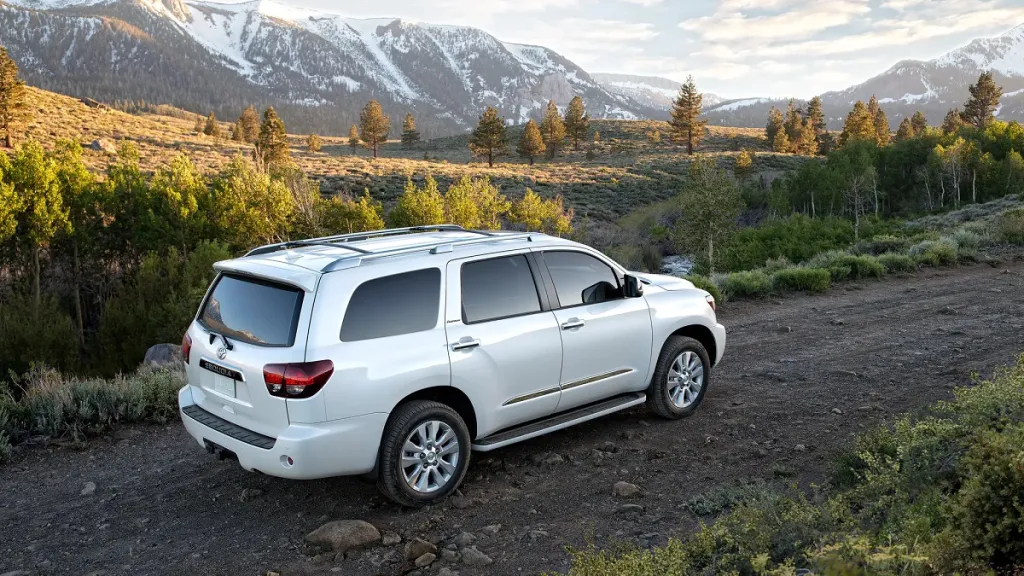
3. 2022 Toyota Sequoia: Spacious but Challenging for New Drivers
The 2022 Toyota Sequoia is a large SUV with a powerful V8 engine and a three-row cabin that comfortably fits adults. Its acceleration is strong, and the vehicle offers ample room for families or passengers needing extra space. However, several drawbacks make it a difficult choice for new drivers or those seeking a more modern SUV experience.
Handling can feel clumsy due to the Sequoia’s large, body-on-frame design. Maneuvering in tight spaces, parking, and city driving may be intimidating for inexperienced drivers. Ride quality is firm, reflecting its truck-like platform, and the interior relies heavily on hard plastics, making the cabin feel less premium than expected.
Technology also falls behind competitors. The infotainment system can feel dated, with controls that are hard to reach, occasional freezing, and navigation issues. Some features feel unrefined or inconsistent, which can distract drivers unfamiliar with the vehicle.
Fuel economy is poor, averaging 13 miles per gallon in the city and 17 on the highway. Towing capacity is lower than other large SUVs, limiting its usefulness for heavy-duty hauling.
While the Sequoia excels in passenger space and engine power, its size, dated technology, firm ride, and low efficiency make it a challenging vehicle for new drivers and less appealing compared with other large SUVs.
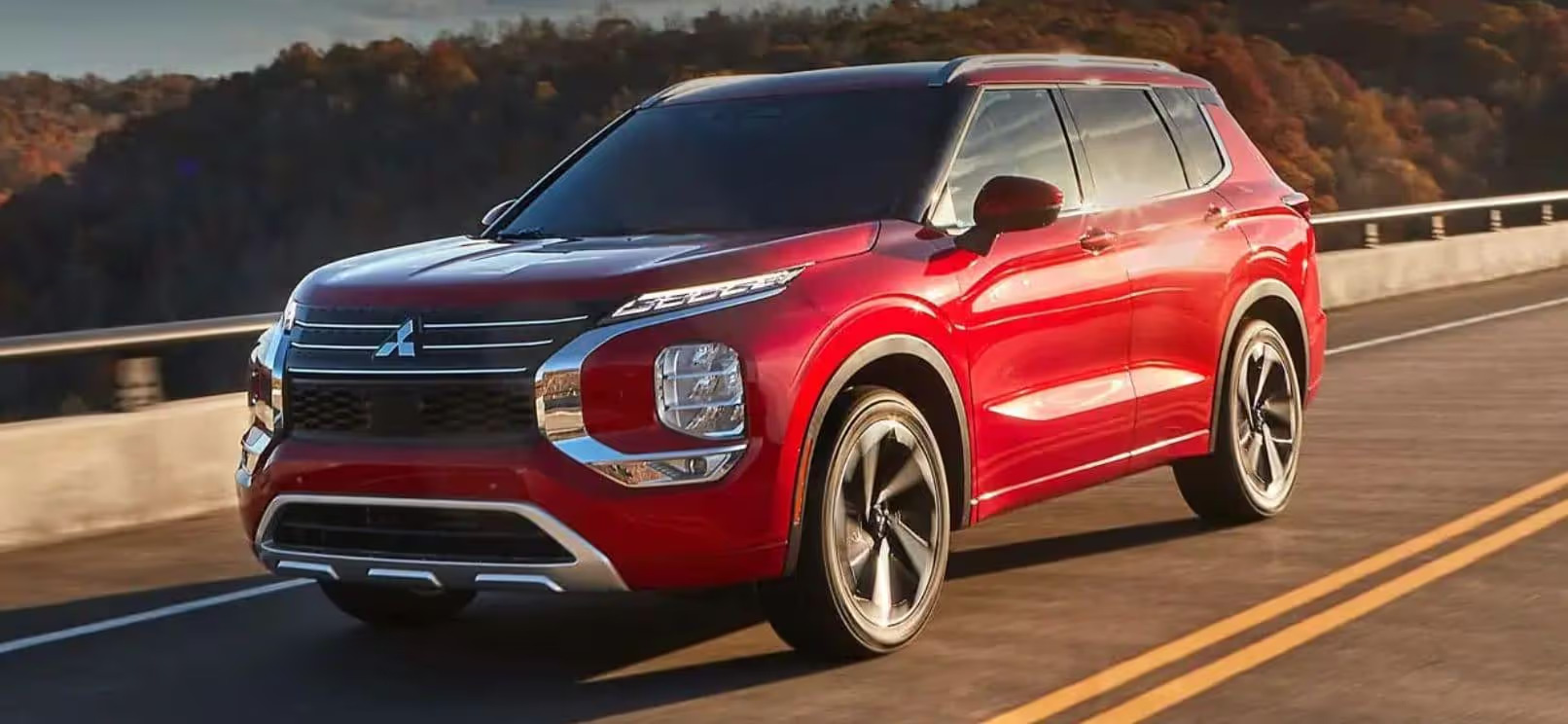
4. 2022 Mitsubishi Outlander Sport: Practical but Unrefined for New Drivers
The 2022 Mitsubishi Outlander Sport offers some practical benefits, but its flaws make it a challenging choice for inexperienced drivers. Its standout feature is cargo space, providing 21.7 cubic feet with all seats in place, making it useful for groceries, sports gear, or luggage.
The infotainment system is generally easy to operate, though some models have software defects that can freeze the rearview camera or prevent it from displaying.
Performance is a major concern. Both powertrains produce weak acceleration, with the vehicle feeling jumpy at first and slow to reach 60 mph. The Continuously Variable Transmission is unrefined, laggy, and poorly tuned, contributing to an unpredictable driving experience.
Steering lacks precision, and the Outlander Sport exhibits excessive body roll in corners, while braking produces nosedive and wobble that reduces driver confidence.
Ride comfort is inconsistent. The suspension is stiff, making bumps jarring, yet the vehicle can feel floaty over smoother surfaces, creating an unsettled sensation. The cabin, while solidly built, relies on cheap materials and a plain design, offering little in terms of style or refinement.
Although the Outlander Sport provides good cargo capacity and simple infotainment, its weak acceleration, poor handling, stiff ride, and unrefined transmission make it difficult for new drivers to feel confident and secure behind the wheel.
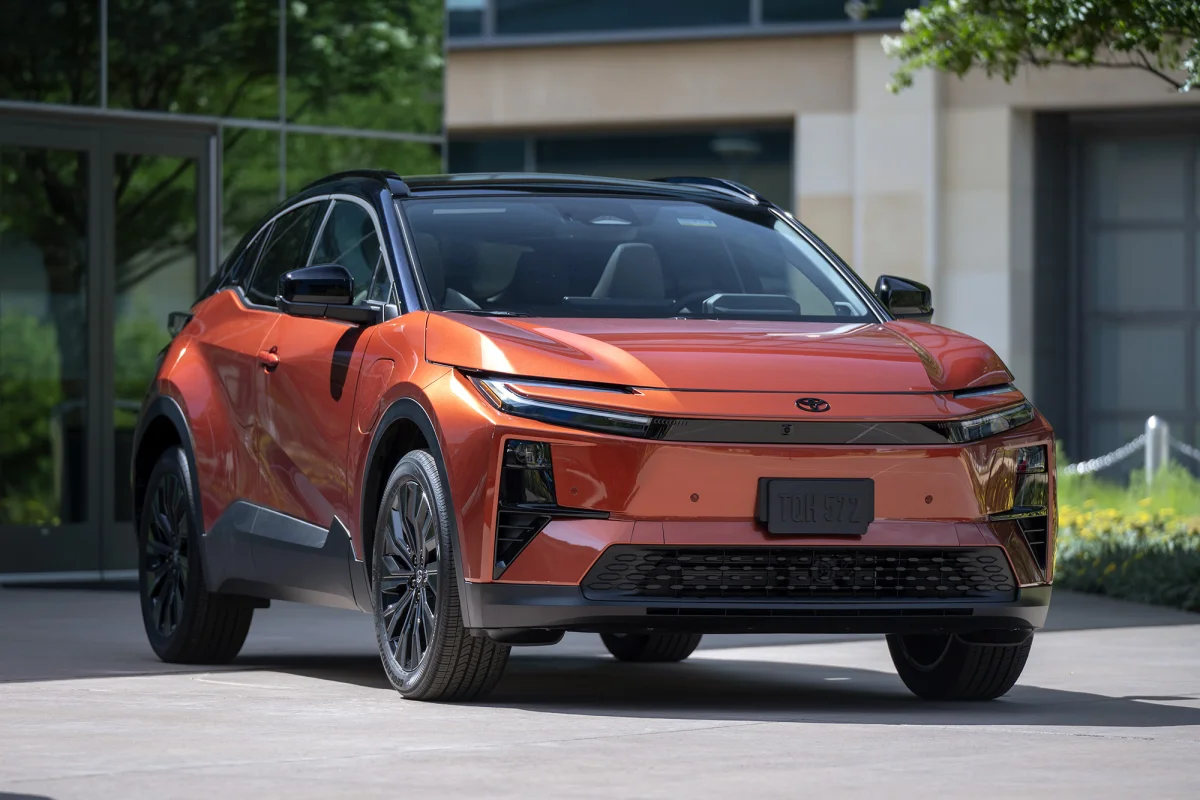
5. 2022 Toyota C-HR: Safe but Underpowered for New Drivers
The 2022 Toyota C-HR is a subcompact SUV that emphasizes safety and simplicity but struggles in performance and comfort. Toyota equips the C-HR with a comprehensive suite of standard driver-assistance features, making it a reliable choice for safety-conscious buyers. The infotainment system is straightforward and easy to use, helping new drivers manage technology without distraction.
Despite these strengths, the C-HR has several weaknesses that can challenge inexperienced drivers. Its engine delivers sluggish acceleration, taking over 11 seconds to reach 60 mph. This makes merging onto highways and passing slower vehicles stressful and requires careful planning.
The small rear windows, hidden rear door handles, and vehicle design create blind spots, reducing visibility and adding to the difficulty of driving confidently. Engine, transmission, and wind noise are pronounced, further contributing to driver stress.
Comfort and usability are limited. The rear seats are cramped, with no center armrest, cup holders, air vents, or charging ports, making the back row less accommodating for passengers. The firm suspension enhances nimbleness but produces a bumpy ride on uneven roads, which may feel jarring for new drivers. Cargo space is modest, limiting the ability to carry larger items or luggage.
While the 2022 Toyota C-HR excels in standard safety features and an easy-to-use infotainment system, its weak acceleration, poor rear visibility, noisy cabin, and cramped interior make it a less confident choice for new drivers, particularly those who frequently drive in traffic or need a more spacious and comfortable SUV.
Selecting a car for a teen involves balancing safety, usability, and practicality. Models like the Subaru Legacy, Chevy Equinox, and Toyota Highlander offer supportive handling, well-tuned safety features, and comfortable interiors that build driving confidence. They provide peace of mind for parents while giving teens a manageable driving experience.
Conversely, vehicles such as the Mitsubishi Mirage, Toyota C-HR, and Ford EcoSport demonstrate that low cost or small size does not guarantee an ideal first car. Weak engines, limited visibility, stiff rides, and unrefined transmissions can frustrate new drivers and reduce their sense of control.
By focusing on cars that combine safety, predictable performance, and user-friendly technology, families can ensure teens start driving in vehicles that encourage skill development and confidence. Avoiding models that overwhelm will help teens enjoy a safer, more positive introduction to the road.
Also Read: 5 Cars Cheap To Keep Past 150k Vs 5 That Get Pricey After Warranty