Choosing the right car for long road trips is about more than just fuel efficiency or cargo space; seat comfort and support play a critical role in preventing fatigue and back pain.
While some vehicles prioritize plush, ergonomically designed seats that reduce pressure points and maintain proper spinal alignment, others, particularly budget-friendly subcompacts, often fall short in this area. This guide compares two sides of the spectrum: five road-trip cars with soft, supportive seats and five models that are prone to causing backaches.
From luxurious sedans like the Acura TLX and Toyota Avalon, which combine comfort, technology, and smooth ride quality, to full-size cruisers such as the Chevrolet Impala, Lincoln MKZ, and Chrysler 300, these cars demonstrate how thoughtful seat design and suspension tuning can make long drives more enjoyable.
On the flip side, vehicles like the Nissan Versa, Kia Rio, Chevrolet Spark, Hyundai Accent, and Ford Fiesta illustrate how firm, minimally adjustable seats and limited lumbar support can quickly lead to discomfort during extended trips. Understanding these differences can help drivers select a car that prioritizes health, comfort, and fatigue-free journeys.
5 Road-Trip Cars With Soft Seats
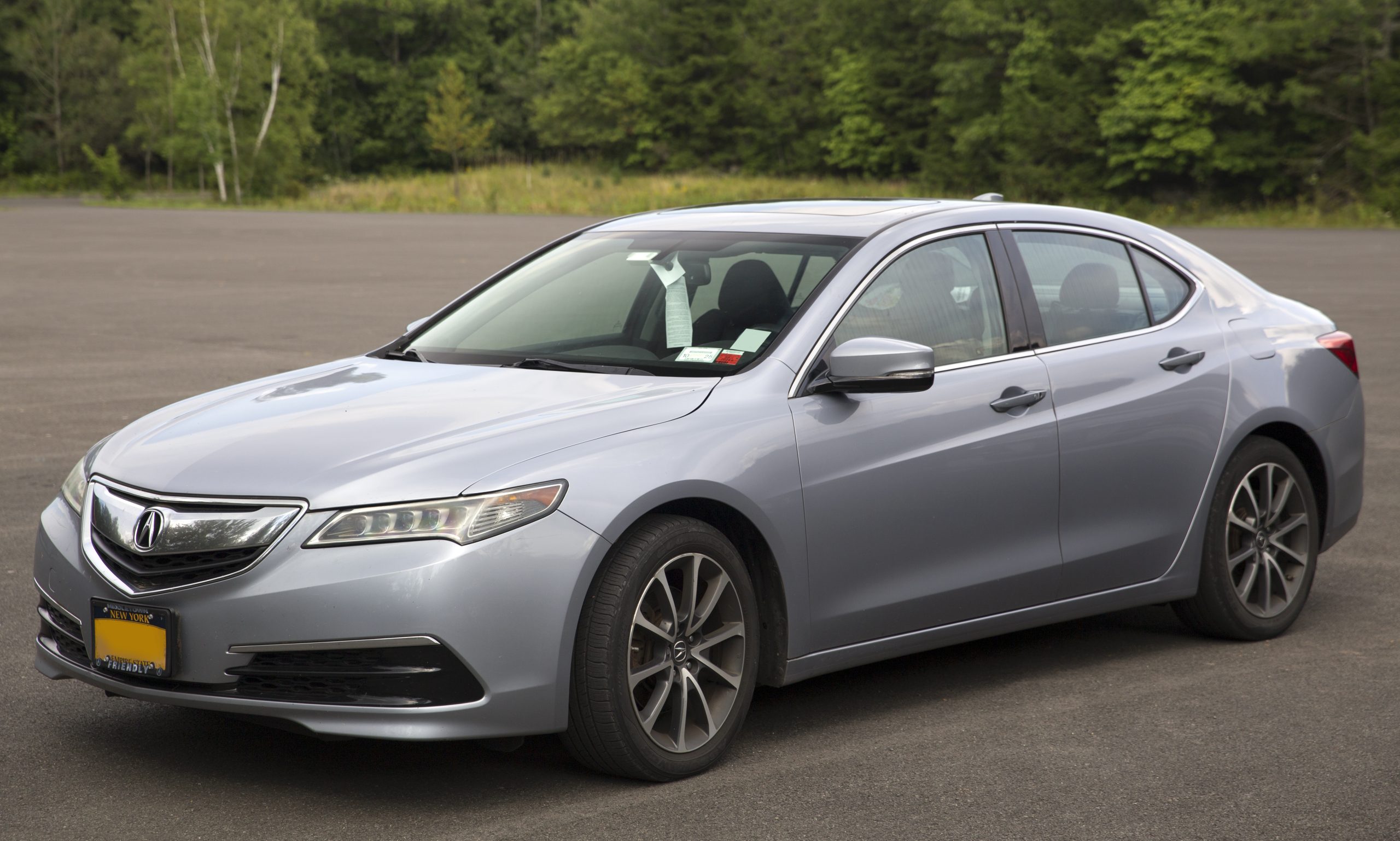
1. Acura TLX: A Balanced Blend of Comfort, Sportiness, and Value
The Acura TLX stands out as a comfortable and engaging long-distance cruiser, combining sport-sedan dynamics with long-haul refinement. It’s available with Precision All-Wheel Steer and Super Handling All-Wheel Drive to sharpen agility, while well-bolstered Milano leather seats with heating and ventilation ensure comfort in any weather.
Drivers benefit from 10-way power adjustability and standard safety features such as adaptive cruise control, lane-keeping assist, and forward collision warning, enhancing confidence on extended trips. Powertrain options include a 206-hp four-cylinder capable of 35 mpg and a 290-hp V6 rated at 34 mpg.
Tested in the A-Spec trim with a turbocharged four-cylinder and all-wheel drive, the TLX posts a 0–60 mph time of 6.5 seconds, trailing some German rivals. Still, the AWD system improves cornering stability, and switching to Sport mode delivers quicker responses and more steering weight.
The revised 10-speed automatic is smoother and more intuitive than the previous nine-speed, though it can feel too relaxed in Normal and Comfort modes. Ride quality strikes an impressive balance, being both compliant and controlled, though sharp bumps can thud noticeably through the cabin. Standard driver aids work well, though adaptive cruise control can react slowly in changing traffic.
The TLX offers a quiet cabin with well-padded seats, though front-seat adjustability and side bolstering are limited. Entry and exit are easy thanks to large door openings, but rear legroom is tight. Families may find the car-seat anchors inconveniently hidden. Climate controls are intuitive, but the trackpad-based infotainment interface can be frustrating.
Tech features include sharp navigation graphics, a responsive display, the excellent ELS audio system, wireless Apple CarPlay and Android Auto, and wireless charging. Rear USB ports are notably absent. The 13.5-cu-ft trunk is larger than many rivals’, with a wide opening but a shallow decklid that complicates access to deep cargo.
Priced below many midsize luxury sedans, the TLX offers strong value with high-quality materials and generous powertrain warranty coverage. Fuel economy, however, is slightly below average at 24 mpg combined for AWD models.
The TLX delivers sport-flavored driving, standout design, and excellent comfort, especially in A-Spec form, even if it sacrifices some performance thrust and rear-seat space.

2. Toyota Avalon: A Smooth, Spacious, and Refined Long-Distance Cruiser
The Toyota Avalon stands out as one of the most comfortable cars for long trips thanks to its smooth driving manners, generous dimensions, and refined cabin. Buyers can choose between two powertrains suited for extended travel.
One is a 268-horsepower V6 that delivers around 30 mpg, and the other is a 200-horsepower hybrid system that achieves 40 mpg combined. Comfort-enhancing features such as heated and ventilated front seats, a 10-way power adjustable driver’s seat, and optional heated rear seats help keep all occupants relaxed on long journeys.
The Avalon performs confidently with its 301-horsepower V6 and smooth-shifting transmission. It delivers strong acceleration and remains pleasant in a wide range of driving scenarios, including daily commuting, long highway stretches, and in-town errands.
The braking system is smooth and predictable, which adds to the car’s ease of use. While the Avalon is not designed to be a sport sedan, it handles winding roads better than expected for its size and maintains stable composure through curves.
Comfort is one of Avalon’s biggest strengths. All seats offer ample cushioning and support, which helps reduce fatigue on long drives. The soft leather upholstery creates a near-luxury feel.
The suspension absorbs bumps effectively, which results in a smooth ride even on rough pavement. The climate control system heats and cools the cabin quickly. Although there is some road noise, the interior remains free of rattles or vibrations.
The cabin is spacious, user-friendly, and offers abundant legroom. The driving position is excellent thanks to a wide range of adjustments. Visibility is strong from the front, although the sloping roofline limits rear headroom and slightly affects side and rear visibility.
Most controls are easy to reach, but the radio tuning knob and the camera activation button are positioned further away. The rearview camera also has relatively low resolution.
Toyota’s Entune system with a 9-inch touchscreen works well and supports both Apple CarPlay and Android Auto. The screen is bright and responsive. The Avalon includes four USB ports and a wireless charging pad. Built-in voice commands work inconsistently, so many drivers may prefer using voice assistants through their phones.
The Avalon offers a wide trunk opening, convenient loading height, and a broad cargo floor. Folding the rear seats leaves a noticeable step that can limit extended cargo space. Inside the cabin, there are many small storage areas, including a deep center console and multiple cupholders. The large rear bench and easily accessible seat anchors make the Avalon excellent for child seat installation.
With an EPA rating of 25 mpg combined and a real-world result of 26 mpg, the Avalon is fuel-efficient for a large V6 sedan. The hybrid version provides even better economy. The Avalon offers refinement similar to the Lexus ES but at a lower price. It also includes strong warranty coverage, roadside assistance, and two years of free scheduled maintenance, which together make it a compelling value in the full-size sedan category.
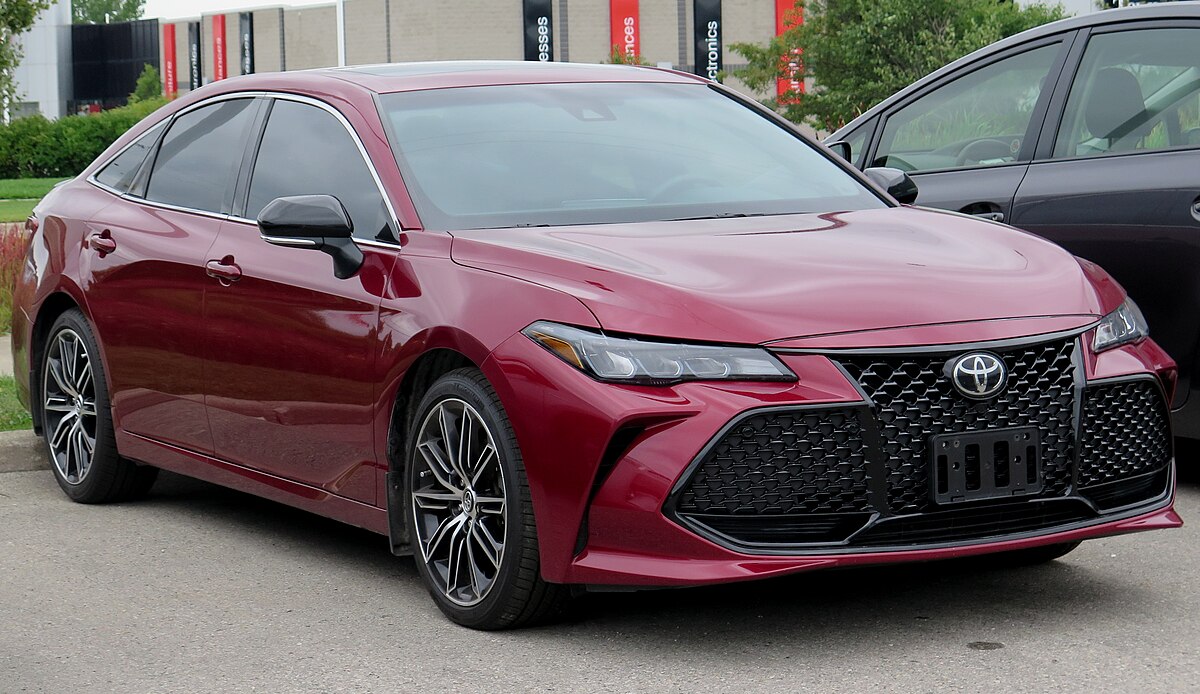
3. Chevrolet Impala: A Spacious, Quiet, and Comfort-Focused Long-Distance Sedan
The Chevrolet Impala continues the brand’s reputation for comfortable long-distance cruising. Its generous dimensions, measuring more than 201 inches in length, contribute to excellent passenger space and a massive 18.8 cubic foot trunk.
The Impala also offers several comfort-oriented features such as climate-controlled front seats, heated rear seats, and a heated leather-wrapped steering wheel. Drivers looking for modern technology will find conveniences including a mobile Wi Fi hotspot, Apple CarPlay, adaptive cruise control, lane keeping assistance, and forward collision warning.
Powered by a smooth and capable 305-horsepower V6, the Impala delivers confident acceleration, even though its measured 0 to 60 mph time of 6.7 seconds is average for the segment. Its heavier weight compared with rivals may play a role. Shifts from the transmission are quick and smooth, and the car reaches highway speeds easily.
Braking performance is predictable, with a 60 mph panic stop requiring 120 feet. Steering is light, precise, and easy to manage, though its sensitivity near the center requires some driver attention. Handling is secure and competent, ideal for drivers prioritizing comfort over sportiness. Drivability is excellent, and light steering contributes to effortless parking and in-town maneuvering.
The Impala excels in comfort, delivering a quiet, serene cabin well suited for long hours on the road. The suspension provides a refined blend of softness and composure, particularly when equipped with smaller wheels.
Front seats offer adequate padding and eight-way power adjustments, while rear seats deliver generous legroom suitable for adult passengers. Wind and road noise are minimal, and the cabin’s isolation approaches luxury sedan levels.
The interior design is tasteful and roomy, although some lower-quality plastics remain. Controls are clearly labeled and easy to reach, though the touchscreen sits at an upward angle that may be inconvenient.
Entry and exit are effortless thanks to tall door openings and elevated seating. Visibility is somewhat hindered by thick front pillars and a high rear decklid, but the backup camera compensates. Rear seating provides excellent comfort for long trips, and the Impala’s layout is accommodating for passengers of all sizes.
The Impala’s trunk is the largest in its class at 18.8 cubic feet. Cabin storage is adequate, and the hidden storage area behind the touchscreen is a unique touch. Child seat installation is simple thanks to accessible LATCH anchors and abundant space.
Chevy’s MyLink infotainment system is intuitive, supporting Apple CarPlay and Android Auto. Safety technology is available but limited to the highest trim, unlike some competitors that include these features as standard.
The Chevrolet Impala offers impressive comfort, exceptional trunk space, refined ride quality, and strong value for drivers seeking a spacious, long-distance sedan.
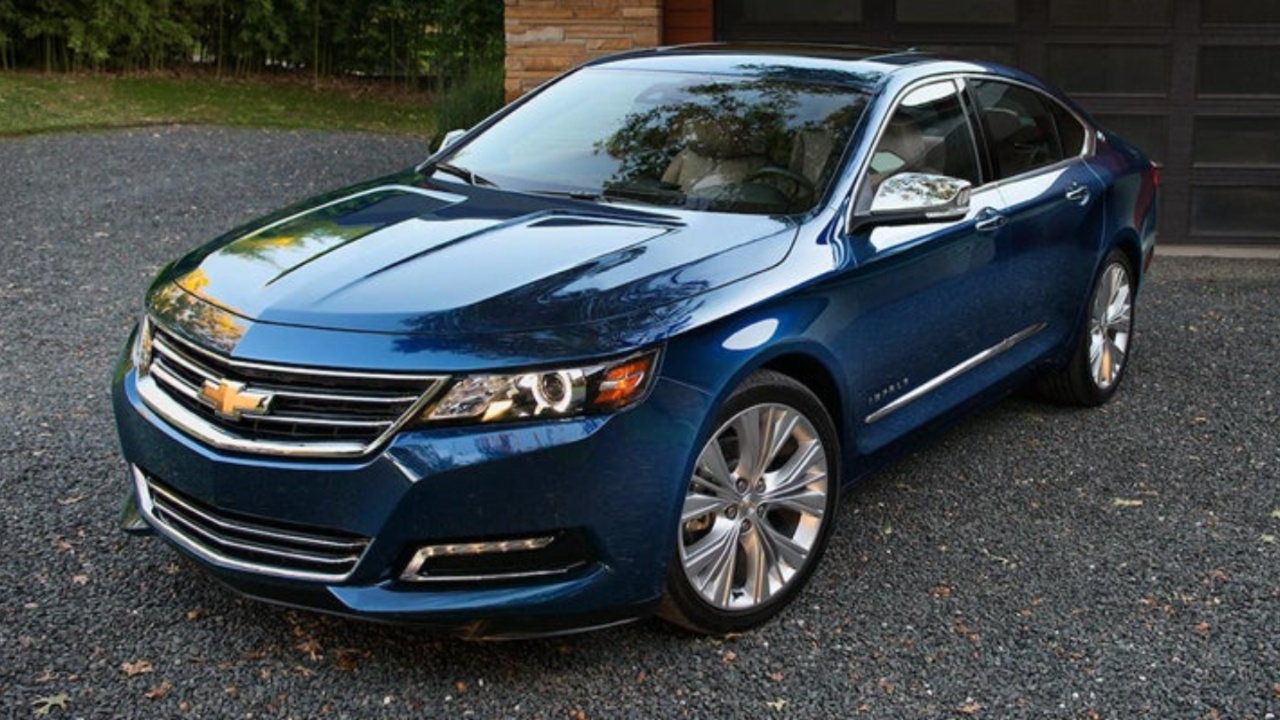
4. Lincoln MKZ: A Feature-Rich, Smooth, and Tech-Focused Long-Distance Luxury Sedan
The Lincoln MKZ offers a compelling blend of luxury features and accessible pricing, making it an appealing option for drivers seeking comfort on long trips. Even the base model comes well equipped with 10-way heated front seats, power lumbar support, the SYNC 3 infotainment system, a configurable 10.1-inch digital gauge cluster, adaptive HID headlights, and a rearview camera.
A key highlight is the continuously controlled damping system, which adjusts the suspension in milliseconds to maintain smooth ride quality. The hybrid MKZ, rated at 41 mpg combined, is priced the same as the gasoline model, adding value for fuel-conscious buyers.
The MKZ delivers competent performance with its standard 2.0-liter engine. It feels lively around town but runs out of power on the highway, making passing maneuvers require some planning. In All Wheel Drive form, the MKZ recorded a 0 to 60 mph time of 7.6 seconds, which is slower than many rivals.
Drivers who want more power may prefer the optional turbocharged V6. Handling is composed thanks to the adaptive suspension, allowing the MKZ to maintain stability through curves. However, steering feel is detached and provides little road feedback, which reduces driver engagement.
Comfort remains one of the MKZ’s strong points. The ride is smooth on highways, and the cabin stays impressively quiet, allowing for low-volume conversations even at higher speeds.
Seats are comfortable and supportive, though the climate control system struggles to quickly cool the interior after sitting in the sun. Optional heated and ventilated seats enhance comfort further, and higher trims offer heating for all four seats and the steering wheel.
The MKZ’s interior is easy to use, and the seating position offers excellent adjustability. Front occupants enjoy ample space, but the sloping roofline limits rear headroom. Outward visibility is compromised by a high trunklid and thick roof pillars that create notable blind spots.
Cargo space is competitive for the class, and the trunk is supported by fold-down rear seats. Small item storage is practical, though installing child seats is challenging due to deep LATCH anchor placements and stiff cushioning.
Technology is one of the MKZ’s strongest areas. The Sync 3 system is intuitive, with standard Apple CarPlay and Android Auto integration. Driver aids such as adaptive cruise control function smoothly, though some features like lane departure warning occasionally trigger false alerts. The optional 20-speaker sound system is underwhelming compared with expectations.
Fuel economy for the All Wheel Drive 2.0 liter MKZ is rated at 23 mpg combined, but real-world results tend to fall short. Despite this, the MKZ offers strong value due to its generous standard features, attractive pricing, and Lincoln’s warranty and lifetime roadside assistance programs.
While the interior materials lag behind those of top luxury rivals, the MKZ delivers a refined and comfortable long-distance driving experience at a competitive price.
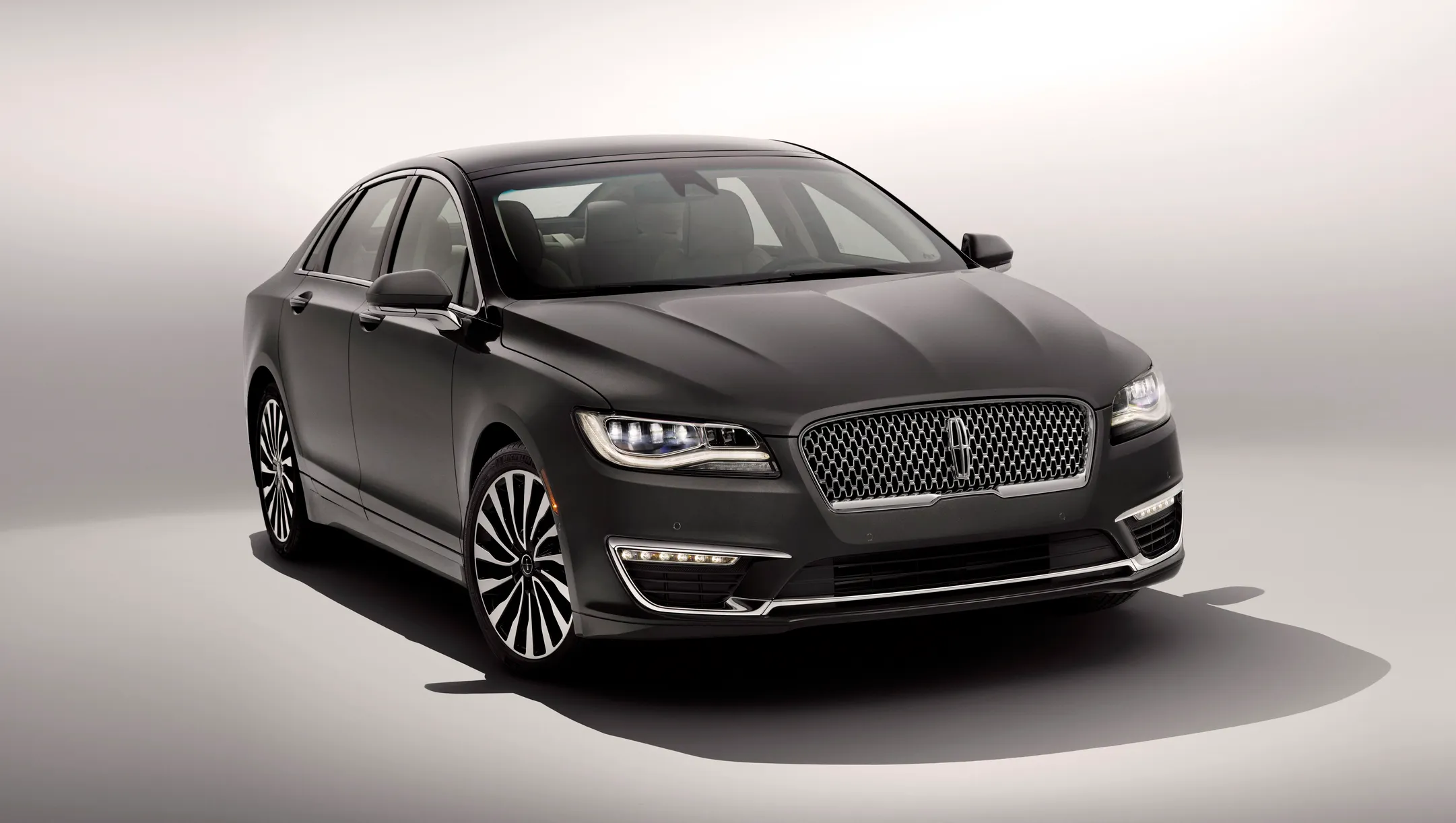
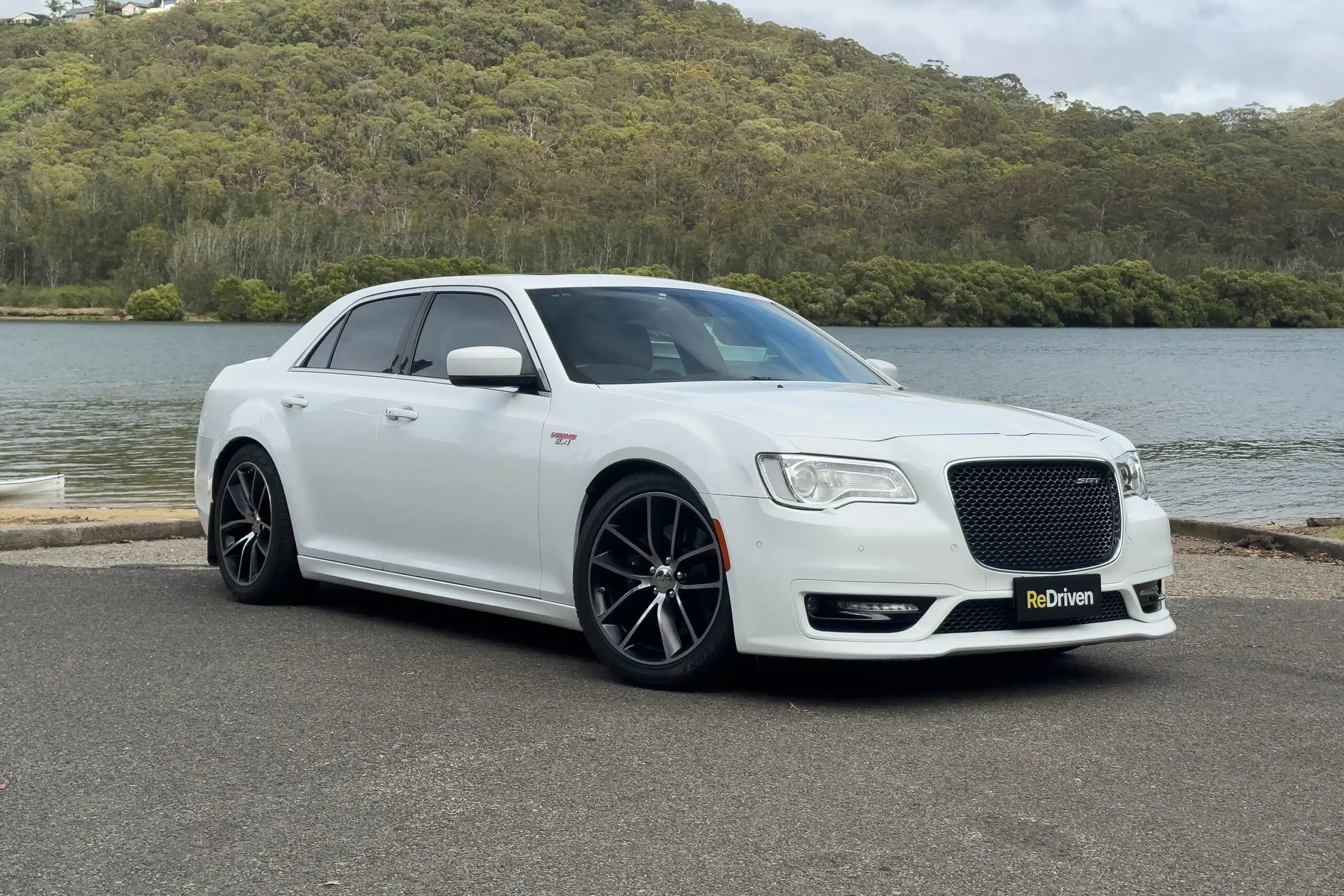
5. Chrysler 300: A Powerful, Spacious, and Relaxed Long-Distance Cruiser
The Chrysler 300 distinguishes itself as a comfortable long-distance sedan thanks to its Rear Wheel Drive platform and available advanced All Wheel Drive system. The AWD setup engages only when necessary, disconnecting during normal driving to improve efficiency.
With a 292-horsepower V6 and AWD, the 300 earns EPA ratings of 18 mpg city, 27 mpg highway, and 21 mpg combined. Comfort features such as climate-controlled seating and quilted Nappa leather upholstery reinforce its premium feel, while safety offerings include forward collision warning and rear cross-path detection.
The Chrysler 300 is tuned for smooth, confident cruising. The optional V8 engine delivers strong acceleration and a satisfying exhaust note when pushed, while the eight-speed automatic transmission provides clean and timely shifts. The 300 is not a sport sedan, yet it handles daily driving and long highway stretches with composure.
Steering is light at low speeds and firms up at higher speeds for added stability. The brake pedal responds quickly with ample stopping power, though tight corners reveal the car’s substantial weight even in the more athletic 300S trim.
Inside, the 300 meets its near-luxury promise. Road noise is minimal and wind noise is contained, making long trips pleasant. Seats are plush and supportive, and the climate control system works quickly and is easy to use. Ride quality varies by trim. The 300S has a firmer suspension that lets rough pavement be felt in the cabin, yet the driving experience remains serene. Softer trims are expected to absorb bumps more effectively.
Interior room is one of the 300’s strongest attributes. The cabin feels expansive and can seat five adults comfortably. Large doors and a flat roofline make entering and exiting the vehicle simple.
A wide range of seating and steering wheel adjustments allows drivers of many sizes to get comfortable. Visibility is a challenge due to thick pillars and a high beltline, creating notable blind spots. The standard rearview camera helps alleviate this limitation.
The optional navigation system is intuitive with clear graphics, and standard Apple CarPlay and Android Auto provide easy smartphone integration. The available nine-speaker Alpine audio system adds satisfying sound quality.
Safety tech includes blind spot monitoring, rear cross traffic alert, parking sensors, lane departure warning, and lane keeping assist. Voice controls are simple but effective, and options such as remote start and an available Wi Fi hotspot enhance convenience.
Trunk space measures 16.3 cubic feet, which is excellent for a large sedan. The trunk narrows slightly between the wheel wells but remains highly functional. Cabin storage is generous, and the wide center console works well for everyday items.
Rear seats fold in a 60/40 split, and installing child seats is easy thanks to accessible anchors and ample rear seat space. Large rear-facing seats fit without issue, and three child seats can be placed side by side.
The V8-powered 300S is rated at 19 mpg combined, though real-world results often fall slightly below estimates. Fit and finish inside the cabin are impressive, and materials feel refined.
Pricing can rise quickly when adding options or selecting the V8, at which point shoppers may consider luxury-branded alternatives. Even so, the Chrysler 300 remains appealing for drivers seeking a spacious, powerful, and comfortable long-distance cruiser with traditional American sedan character.
Also Read: 5 Cars With Stress-Free Visibility vs. 5 That Suffer From Big Blind Spots
5 That Cause Backaches
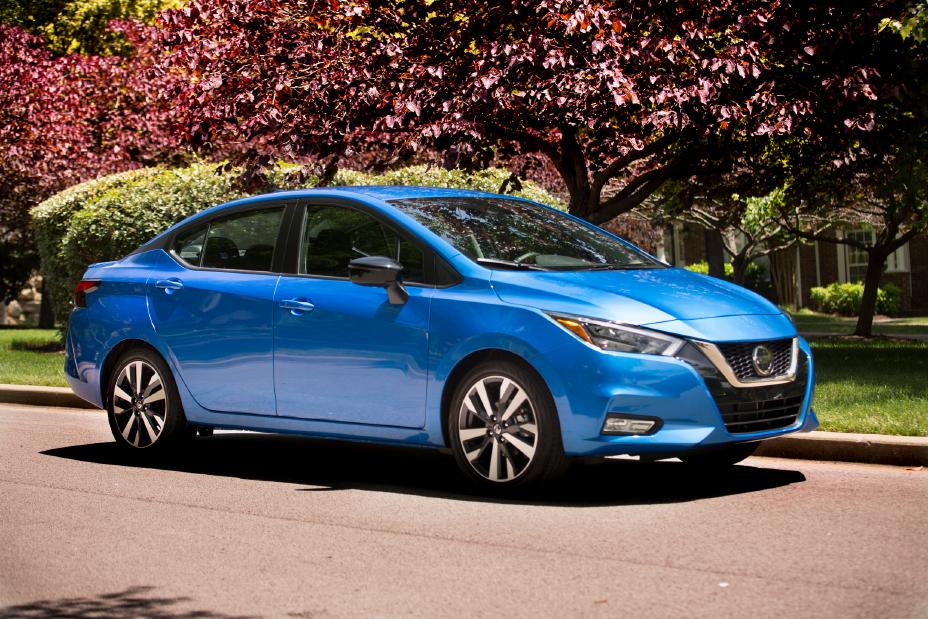
1. Nissan Versa: Budget Friendly but Lacking in Comfort and Support
The Nissan Versa appeals to buyers seeking an inexpensive, compact vehicle, yet it falls short in delivering comfort, especially for those prone to back pain. Its most significant drawback lies in the seating design. The front seats are basic and offer minimal adjustability, making it difficult for drivers of varying body types to find a supportive position.
The cushions feel firm without providing meaningful contouring, which can create pressure points during long drives. The absence of lumbar support further contributes to slumping and awkward posture, often worsening discomfort for drivers with existing back issues.
Rear seat comfort is similarly limited. The back seats lack sufficient cushioning and legroom, leaving passengers feeling cramped and unsupported. Long trips can be especially uncomfortable for anyone seated in the rear due to the minimal padding and confined space.
Back pain in the Versa is commonly linked to poor seat ergonomics, insufficient lumbar and side support, and the low seating position that can cause the driver’s knees to sit higher than the hips.
This posture disrupts natural spinal alignment, leading to fatigue and stiffness. Pressure points created by the flat cushions can further restrict blood flow, amplifying discomfort during extended drives. Limited seat adjustability also makes it challenging for drivers to achieve an ergonomic position tailored to their needs.
Drivers seeking relief have several options. Adjusting the seat height, recline, and distance from the pedals can help improve alignment. Adding aftermarket lumbar cushions or neck pillows can compensate for the lack of built-in support. Taking breaks every 30 to 45 minutes on long drives helps prevent stiffness.
For those who continue to experience discomfort, professional seat modification may offer a more permanent solution. Nissan’s “Zero Gravity” seats, designed to reduce pressure points, are available on some newer models, though not all Versa trims include them.
For buyers who prioritize affordability above all else, the Versa remains appealing, but it is not an ideal choice for individuals who need dependable back support or long-distance comfort.
2. Kia Rio: Affordable and Efficient but Lacking Supportive Seating
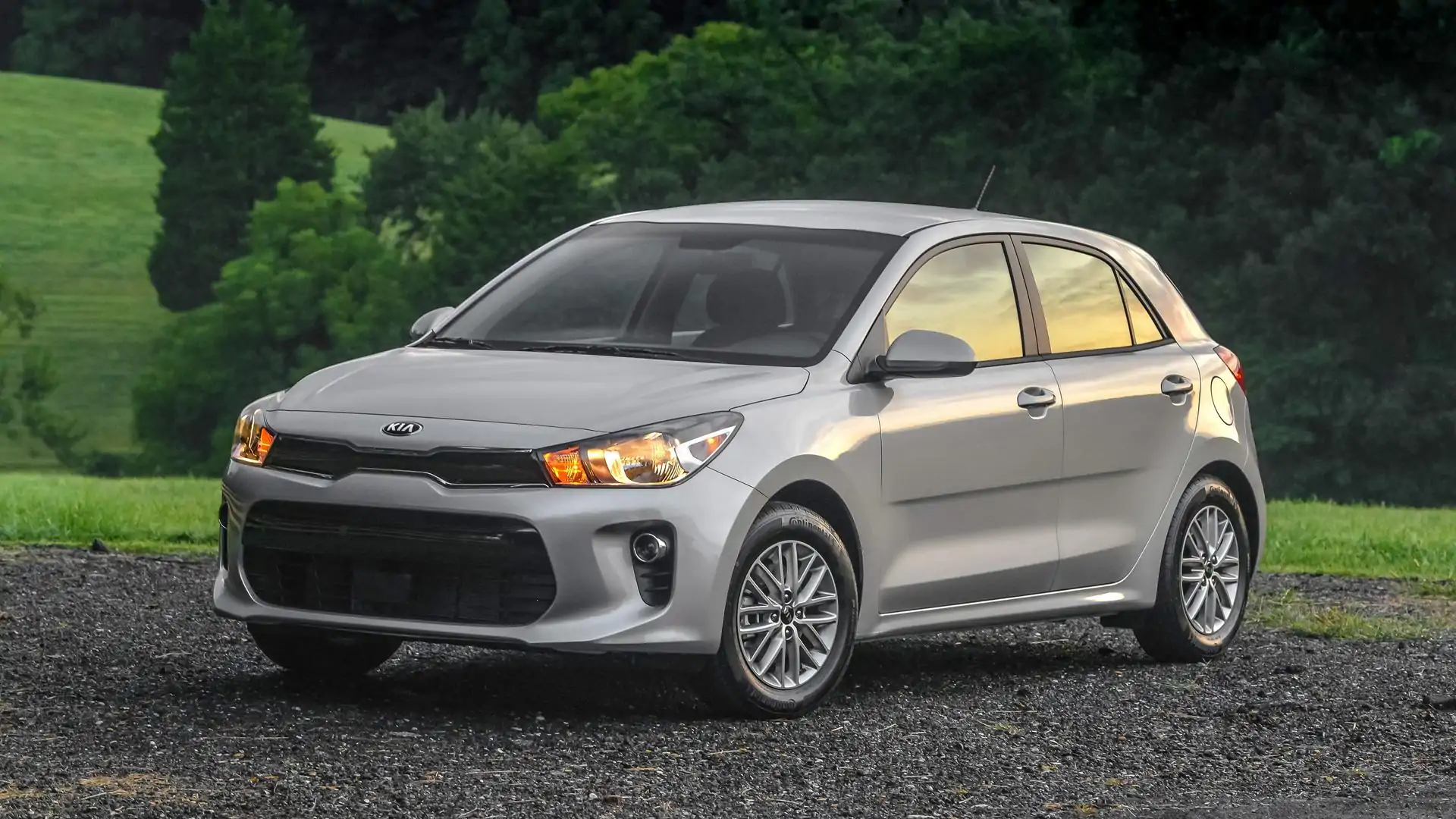
The Kia Rio is a popular choice for budget-conscious drivers who value efficiency and practicality, especially in urban environments. Despite these strengths, the Rio struggles to deliver a comfortable driving experience for those who need strong back support. The primary concern lies in its seating design, which offers limited adjustability and minimal ergonomic features.
The front seats are manually adjustable but lack meaningful lumbar support and fine-tuning options. Their firm cushions do not contour well to the lower back, causing drivers and passengers to shift positions frequently in search of comfort.
Without features like power lumbar adjustment or memory settings, achieving proper spinal alignment becomes difficult, especially during long drives. This can lead to discomfort or exacerbate existing back issues.
Rear seat comfort is similarly lacking. Passengers face limited legroom and minimal cushioning, making the back row unsuitable for extended trips. Those with back sensitivities may find long journeys particularly uncomfortable in the Rio.
Back pain experienced while driving the Kia Rio is usually linked to prolonged sitting and poor posture rather than a direct flaw in the car. However, the seat design can contribute to strain by failing to support natural spinal alignment. Although a past recall involving a faulty seat recline lever cable affected some 2017 models, this mechanical issue is unlikely to be the cause of chronic backaches.
Drivers who frequently travel long distances or require strong lumbar support may find the Rio inadequate for their comfort needs. Its affordability and efficiency remain appealing, but its limited ergonomic seating makes it less suitable for those prioritizing back health.
3. Chevrolet Spark: Compact and Affordable but Uncomfortable for Long Drives
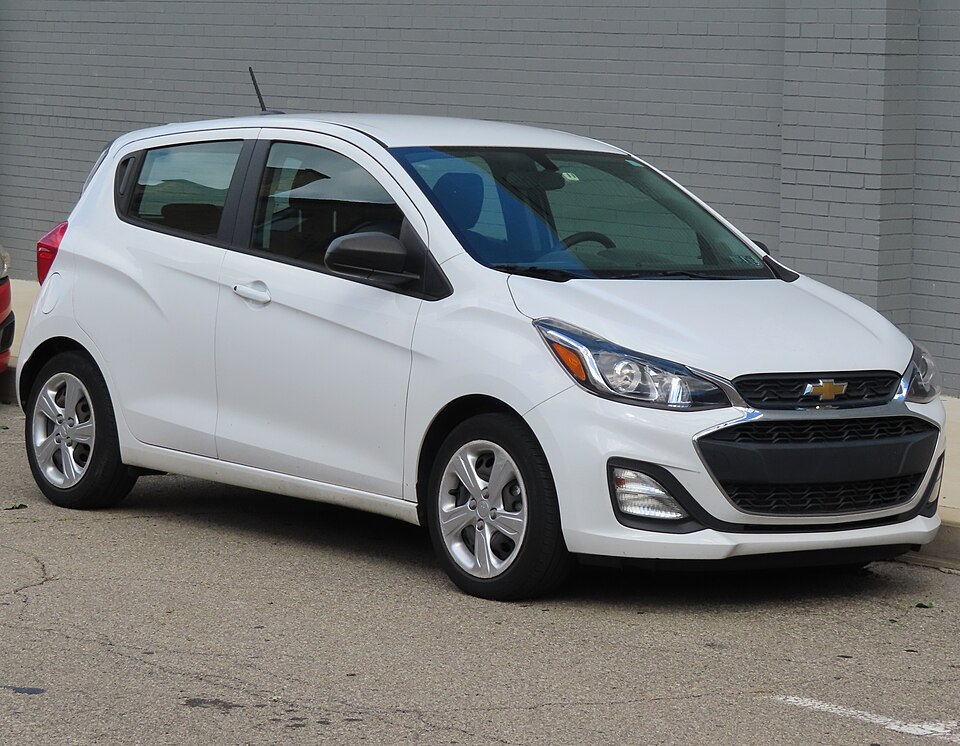
The Chevrolet Spark appeals to budget-minded buyers who need a small, efficient city car, yet its seating design makes it a poor choice for anyone who values back support.
The front seats are basic and offer very limited adjustability, leaving drivers without the lumbar support necessary for maintaining proper spinal alignment. The cushions are flat and lack contouring, creating pressure points that can quickly lead to lower back discomfort.
The firmness of the seats does little to improve comfort. Instead of providing supportive padding, the Spark’s seats feel rigid and insufficiently cushioned for long periods behind the wheel. Drivers who take frequent or extended trips may experience muscle tightness and aches due to inadequate support.
Rear seat comfort is also compromised. The limited legroom and minimal cushioning make the back row cramped and unsupportive, causing passengers to feel discomfort even on shorter rides. For a subcompact vehicle, the Spark’s interior falls noticeably short in prioritizing passenger comfort.
For individuals with existing back pain or those who often spend long hours driving, the Chevrolet Spark may not be the ideal choice. Its seating design lacks the ergonomic features needed to promote proper posture and lasting comfort, making it less suitable for anyone who prioritizes back-friendly seating.
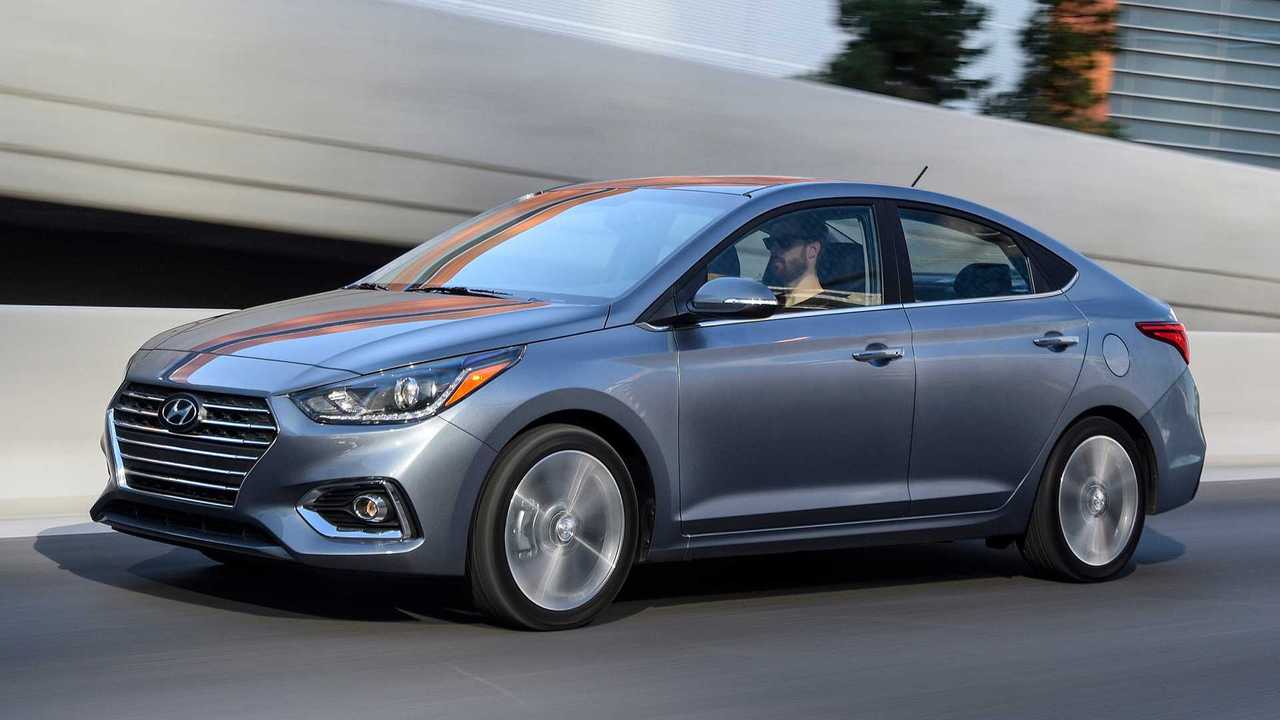
4. Hyundai Accent: Affordable and Practical but Limited in Back Support
The Hyundai Accent is a well-known subcompact car praised for its affordability and practicality, yet it falls short when it comes to providing adequate back support. Its seats are firm and lack the adjustability needed for extended comfort.
Front seats are manually adjustable with only basic positioning options, and there is minimal lumbar support. Without power-adjustable features or customizable contours, drivers who require specific support for lower back comfort may find even short trips uncomfortable.
The seat cushions are relatively flat and do not conform to the body, creating pressure points that can lead to fatigue and back discomfort during longer drives. While the firmness may suit some, it does not provide the necessary cushioning for long commutes or road trips.
Rear seating is similarly basic, with limited legroom and minimal padding, making it difficult for passengers to remain comfortable over extended periods.
Backaches in the Hyundai Accent can also be linked to vehicle suspension issues. Older models between 2012 and 2023 may develop worn-out shocks, springs, or control arms, causing a harsh or bouncy ride. A stiff or soft suspension can amplify discomfort, particularly when combined with the seats’ limited ergonomic support.
Driver posture and seat design also contribute to discomfort. Sitting in a static position for long periods or lacking proper lumbar support increases pressure on the spine, leading to stiffness and fatigue.
To mitigate discomfort, drivers should adjust the seat angle, height, and backrest to support the natural curve of the spine. Using a lumbar support cushion or being mindful of posture can help prevent strain.
For those experiencing persistent issues, a vehicle inspection to check suspension components is advisable. While the Accent is an economical and practical choice, it may not be ideal for drivers or passengers who need strong back support for long journeys.
5. Ford Fiesta: Sporty and Affordable but Lacking Back Support
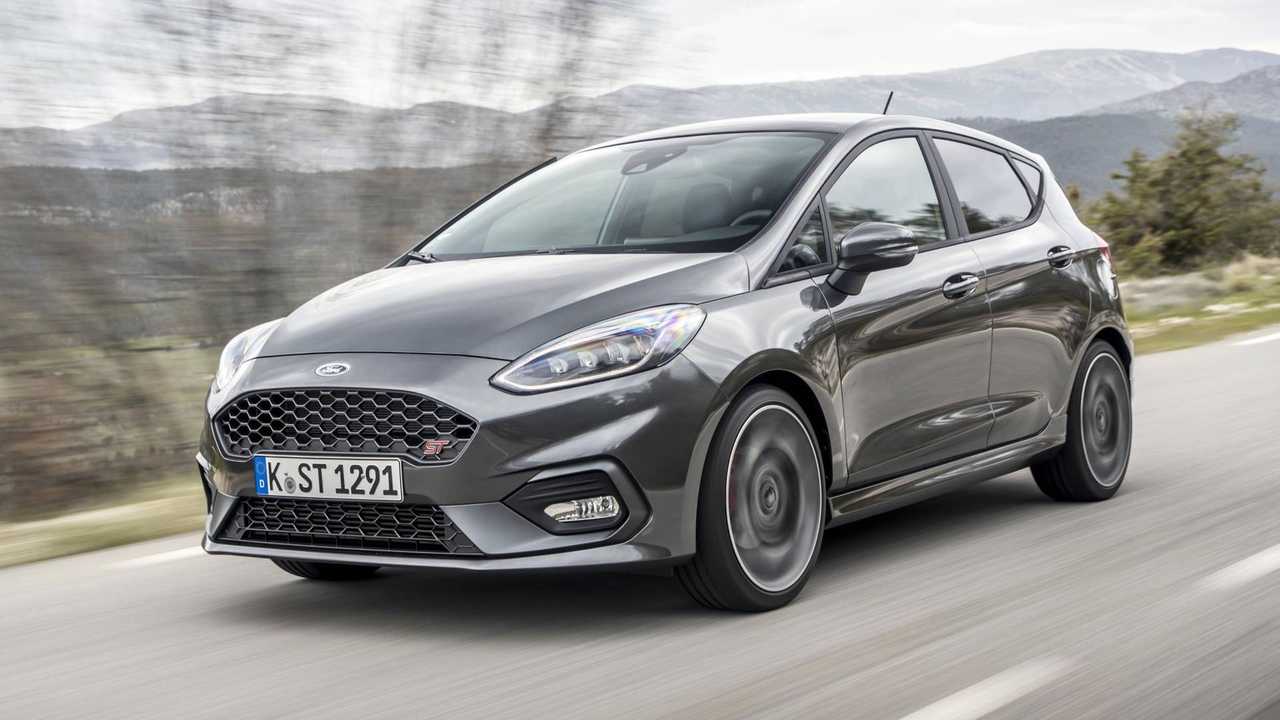
The Ford Fiesta is a compact car celebrated for its lively performance and budget-friendly price, yet it falls short in providing adequate comfort and back support for longer drives. While its affordability and fun-to-drive nature attract many buyers, the seat design limits its suitability for drivers and passengers who need proper lumbar support.
The front seats in most Fiesta models are basic and manually adjustable, offering minimal lumbar support and limited options to achieve an optimal seating position. Without power adjustments or ergonomic contouring, drivers may struggle to maintain proper posture.
The firm seat cushions fail to distribute weight evenly, creating pressure points and lower back discomfort during extended trips. This is particularly challenging for those with preexisting back issues.
Rear seats are similarly cramped, with limited legroom and minimal cushioning, making longer journeys uncomfortable for passengers. The Fiesta’s short wheelbase and firm suspension amplify road imperfections, increasing fatigue and discomfort on uneven pavement. Some drivers also report issues with seat side bolsters or insufficient support for the thighs and upper back, which can worsen poor posture over time.
To improve comfort, drivers can adjust seat height, tilt, and distance from the pedals and steering wheel. Adding an ergonomic seat cushion or lumbar support pillow can help relieve pressure points.
Frequent breaks during long drives allow muscles to relax and reduce stiffness. Certain performance-oriented trims, such as the Fiesta ST with Recaro seats, may provide better support, though opinions on their long-trip comfort vary.
The Ford Fiesta is well-suited for short commutes and city driving, but its seating and ride characteristics make it less ideal for drivers prioritizing long-distance comfort and back support. Proper seat adjustments and supportive accessories can help alleviate discomfort, though drivers with back concerns may need to consider alternative vehicles.
When planning long road trips, seat comfort is as important as engine performance or interior space. Cars with soft, supportive seating, like the Acura TLX, Toyota Avalon, Chevrolet Impala, Lincoln MKZ, and Chrysler 300, offer adjustable lumbar support, plush cushions, and smooth suspension that reduce fatigue and enhance driving enjoyment.
In contrast, subcompact and budget-friendly vehicles such as the Nissan Versa, Kia Rio, Chevrolet Spark, Hyundai Accent, and Ford Fiesta often lack ergonomic design, adequate lumbar support, or cushioned seating, which can contribute to back pain and discomfort on longer journeys.
For drivers who spend hours behind the wheel, these factors can determine whether a trip is relaxing or physically taxing. By comparing the supportive and problematic options, drivers can make informed choices, ensuring both comfort and well-being on the road.
Proper seat adjustments, accessories like lumbar cushions, and frequent breaks can help mitigate discomfort, but selecting the right vehicle from the start is the most effective way to maintain a pain-free and enjoyable driving experience.
Also Read: 10 Cars That Beat Traffic With Adaptive Cruise Done Right