When buying a car, resale value is an important factor that can affect long-term ownership costs. Some vehicles maintain their value exceptionally well, providing financial security and making them smart investments.
Other cars lose a significant portion of their price quickly due to factors such as rapid technological changes, frequent price adjustments, or market saturation. Understanding which cars hold value versus those that drop fast helps buyers make decisions that balance performance, comfort, and long-term financial sense.
Resale trends are influenced by factors like brand reputation, reliability, demand, and technological relevance. Vehicles that combine strong build quality, practical features, and consistent popularity tend to retain their value. In contrast, models in fast-evolving markets, especially electric vehicles with rapidly improving technology, often experience steep depreciation.
Resale value reflects more than just the initial cost. It indicates how well a car will perform financially over time. Cars that retain value provide peace of mind by combining reliability, desirability, and practicality, reducing losses when it is time to sell.
Vehicles that depreciate quickly demonstrate the risks of rapid technology changes, high initial prices, or limited brand trust. Considering resale performance alongside driving enjoyment allows buyers to make more informed choices, ensuring their vehicle remains both enjoyable and a wise investment.
5 Cars That Hold Value At Resale
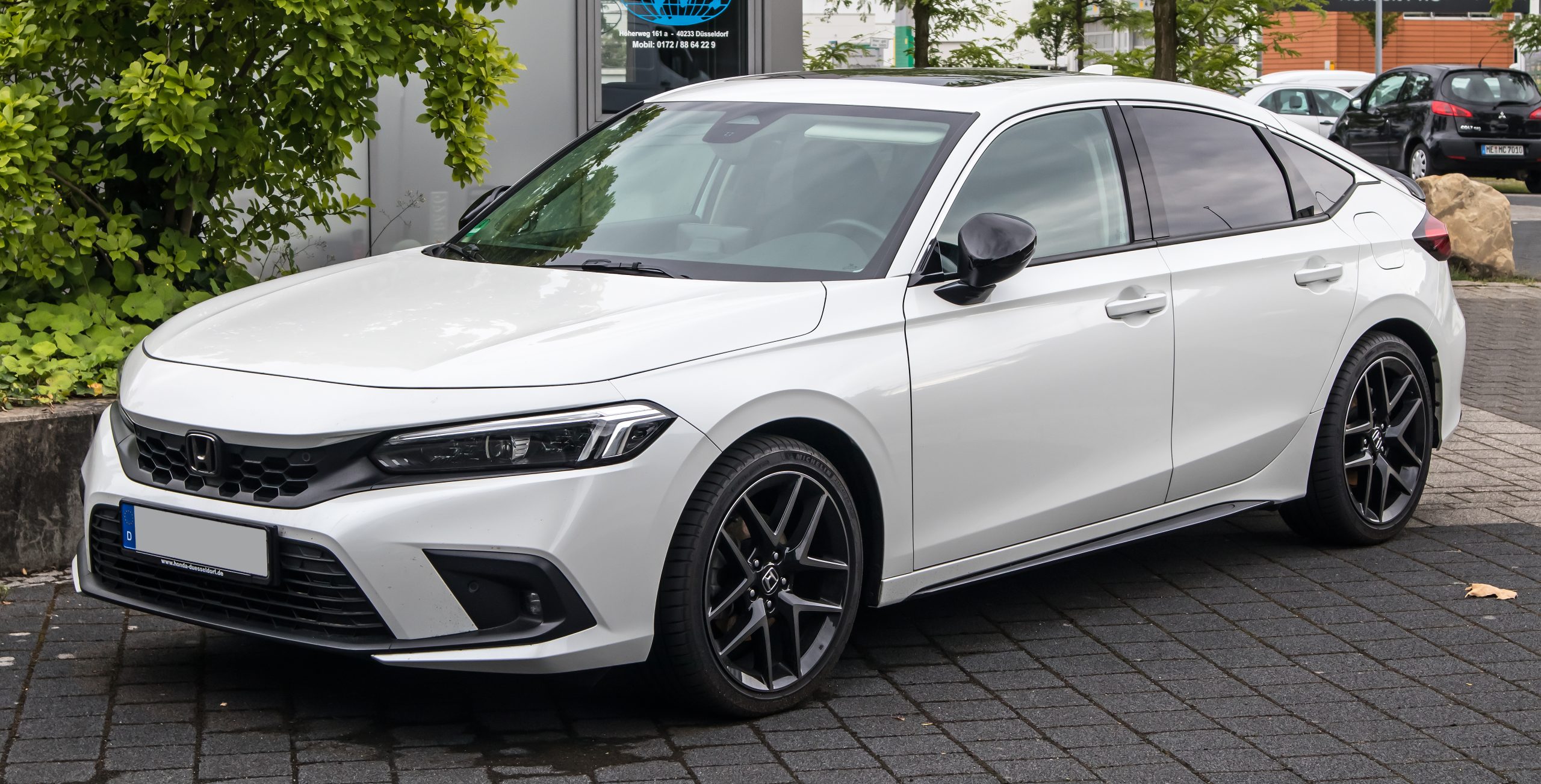
1. Honda Civic: Compact, Efficient, and Fun to Drive
The Honda Civic continues to impress as a compact car that balances value, performance, and practicality. With an average five-year depreciation of just 28% and a price difference from MSRP of roughly $6,987, it holds its value remarkably well. The 2025 Civic offers multiple powertrains, including a 1.5-liter turbocharged four-cylinder and a hybrid model, both of which deliver engaging performance.
The hybrid accelerates from 0 to 60 mph in 6.6 seconds, outperforming many competitors, while maintaining enjoyable handling and a smooth ride on both smooth and rough surfaces. Outward visibility is aided by narrow roof pillars and strategically placed mirrors, though the sloping roofline requires careful checking of rear corners.
The Civic’s cabin is roomy for its class. Front passengers enjoy generous legroom, and rear seating accommodates most adults comfortably, though taller passengers may notice reduced headroom. The interior layout is intuitive, with easy-to-use climate controls and a logical touchscreen interface.
Higher trims offer a 9-inch touchscreen with Google Built-In and a premium Bose audio system, while all trims support Apple CarPlay and Android Auto. Storage is practical, with 14.8 cubic feet in the sedan and 24.5 cubic feet in the hatchback, with rear seats folding flat for longer items.
Fuel economy is impressive, with the hybrid rated at 49 mpg combined, achievable even during spirited driving. The Civic hybrid is a rare compact car that blends efficiency, practicality, and fun, offering refined driving manners, solid build quality, and a practical interior.
For buyers seeking a compact vehicle that delivers excitement behind the wheel without compromising comfort or fuel economy, the Honda Civic remains a standout choice.
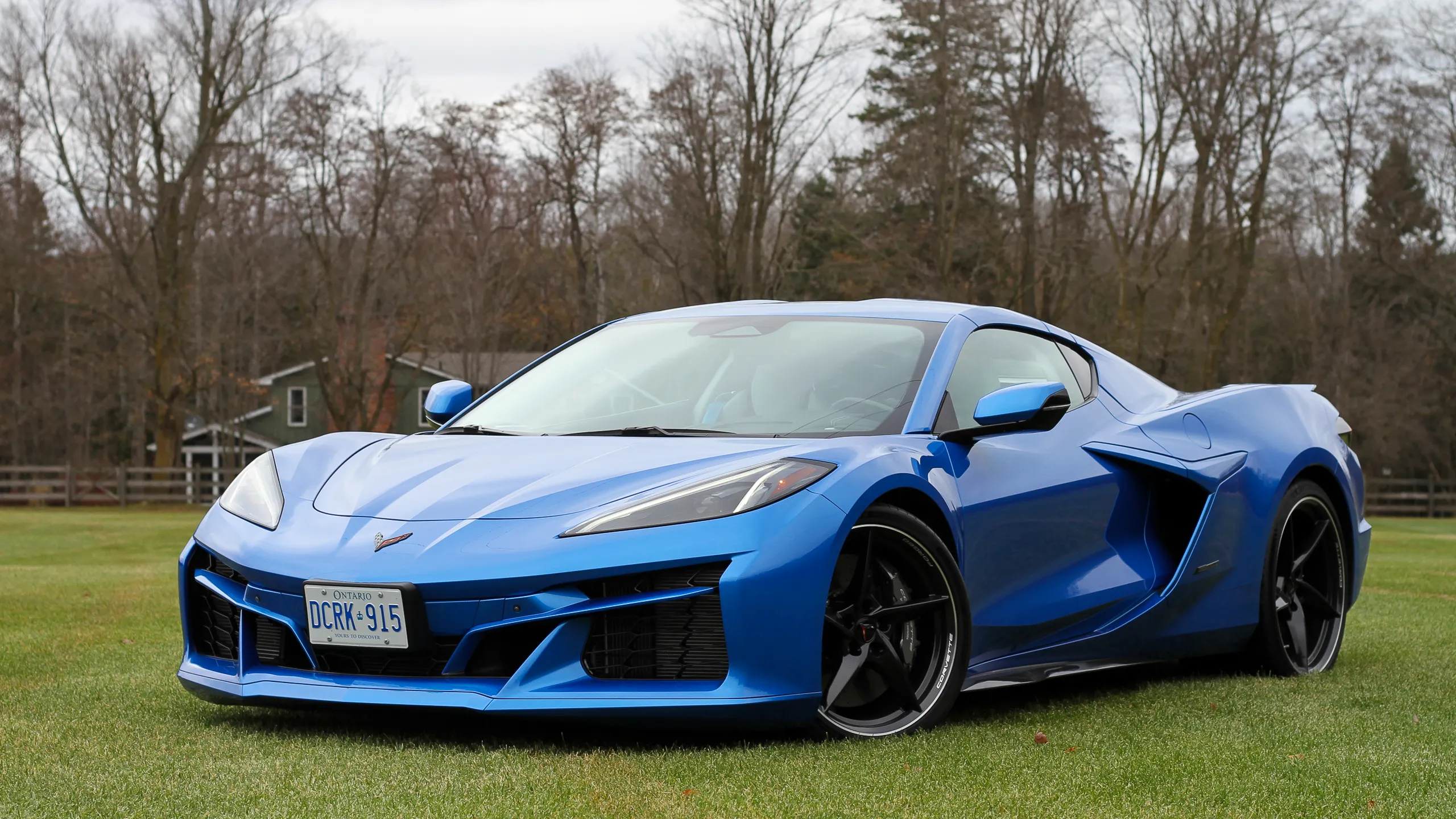
2. Chevrolet Corvette: High-Performance, Practicality, and Strong Value
The Chevrolet Corvette remains a standout in the sports car segment, combining blistering performance, impressive handling, and reasonable practicality. With an average five-year depreciation of 27.2% and a price difference from MSRP of $18,557, it retains value exceptionally well.
The Corvette lineup includes the hybrid E-Ray, Z06, and ZR1 variants, offering performance options to suit a range of driving preferences. Even the standard 3LT coupe impresses. Using launch control, it accelerated from 0 to 60 mph in just 3.6 seconds and completed the quarter mile in 11.8 seconds at over 118 mph.
Braking is strong, and steering is precise, allowing drivers to confidently explore the car’s limits, while the smooth eight-speed automatic transmission enhances everyday usability.
Comfort is another area where the Corvette excels. Optional Magnetic Selective Ride Control adaptive suspension smooths rough surfaces, and the GT2 bucket seats provide excellent support and cushioning for long drives.
Heated and ventilated seat functions add to cabin comfort, while wind and engine noise remain well controlled. Entry and exit can be challenging due to the low-slung design, and rear visibility is limited, but a camera-based rearview mirror helps reduce blind spots.
The interior impresses with a modern design, user-friendly touchscreen, and crisp graphics. Wireless Apple CarPlay and Android Auto are standard, with an optional Bose audio system delivering high-quality sound. Practical storage includes a front trunk for small items and a rear trunk capable of holding golf bags, although roof panel storage reduces cargo capacity in the coupe.
Fuel economy is solid for a sports car, with the hybrid delivering 21.8 mpg in real-world testing, while the EPA estimates 19 mpg combined for standard models. The Corvette provides remarkable performance without breaking the bank.
Build quality, interior design, and standard warranties of three years or 36,000 miles for basic coverage and five years or 50,000 miles for the powertrain enhance its appeal, making the Corvette a well-rounded, thrilling, and practical sports car choice.
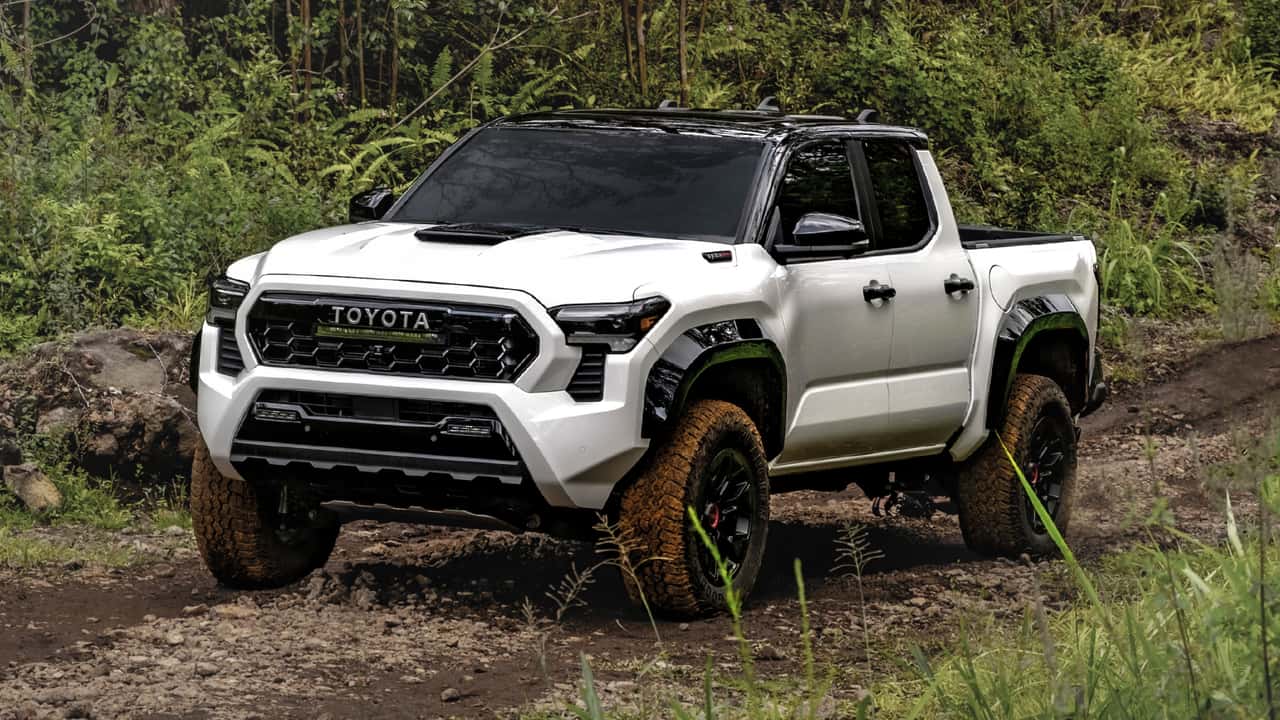
3. Toyota Tacoma: Reliable, Capable, and Long-Lasting Midsize Truck
The Toyota Tacoma has earned a reputation for durability, reliability, and strong resale value, with an average five-year depreciation of 26.0% and an average price difference from MSRP of $8,217. Even with a new generation arriving in 2023, the older Tacoma continues to hold its appeal for buyers seeking a capable and dependable midsize truck.
Driving the Tacoma is satisfying for both daily commuting and light work. The TRD Sport with a 278-horsepower engine accelerates from 0 to 60 mph in 7.6 seconds, while the TRD Pro with the i-Force Max hybrid powertrain is slightly quicker at 7.4 seconds despite added weight and off-road hardware.
Transmission shifts are smooth, braking is responsive, and handling feels composed on highways. Standard driver-assist systems, including automatic emergency braking, lane departure alert, and full-speed adaptive cruise control, operate reliably without being overly cautious.
Inside, the Tacoma balances comfort with practicality. Front seats are wide and supportive, while the rear seats are somewhat limited in legroom, particularly in TRD Pro models. Ride comfort varies by trim, with higher trims offering advanced suspension systems that smooth out rough roads. Climate controls are intuitive and easy to use, even with gloves.
The Tacoma offers ample storage and connectivity. Optional 14-inch touchscreen infotainment supports wireless Apple CarPlay and Android Auto, while multiple USB-C ports and optional wireless charging enhance usability.
The interior features numerous cubbies, a center console tray, and folding rear seats for additional storage. The bed offers two size options, with available 400-watt or hybrid 2,400-watt power outlets for versatile hauling.
Towing and payload capacities are respectable, with a maximum payload of 1,710 pounds and towing up to 6,500 pounds. Fuel economy is solid, averaging around 21-22.6 mpg without premium fuel requirements.
The Tacoma excels as a reliable, no-nonsense truck that combines rugged capability, practical features, and strong value. Its aggressive styling, versatile trims, and durable build make it a trusted choice for work, adventure, and everyday use.
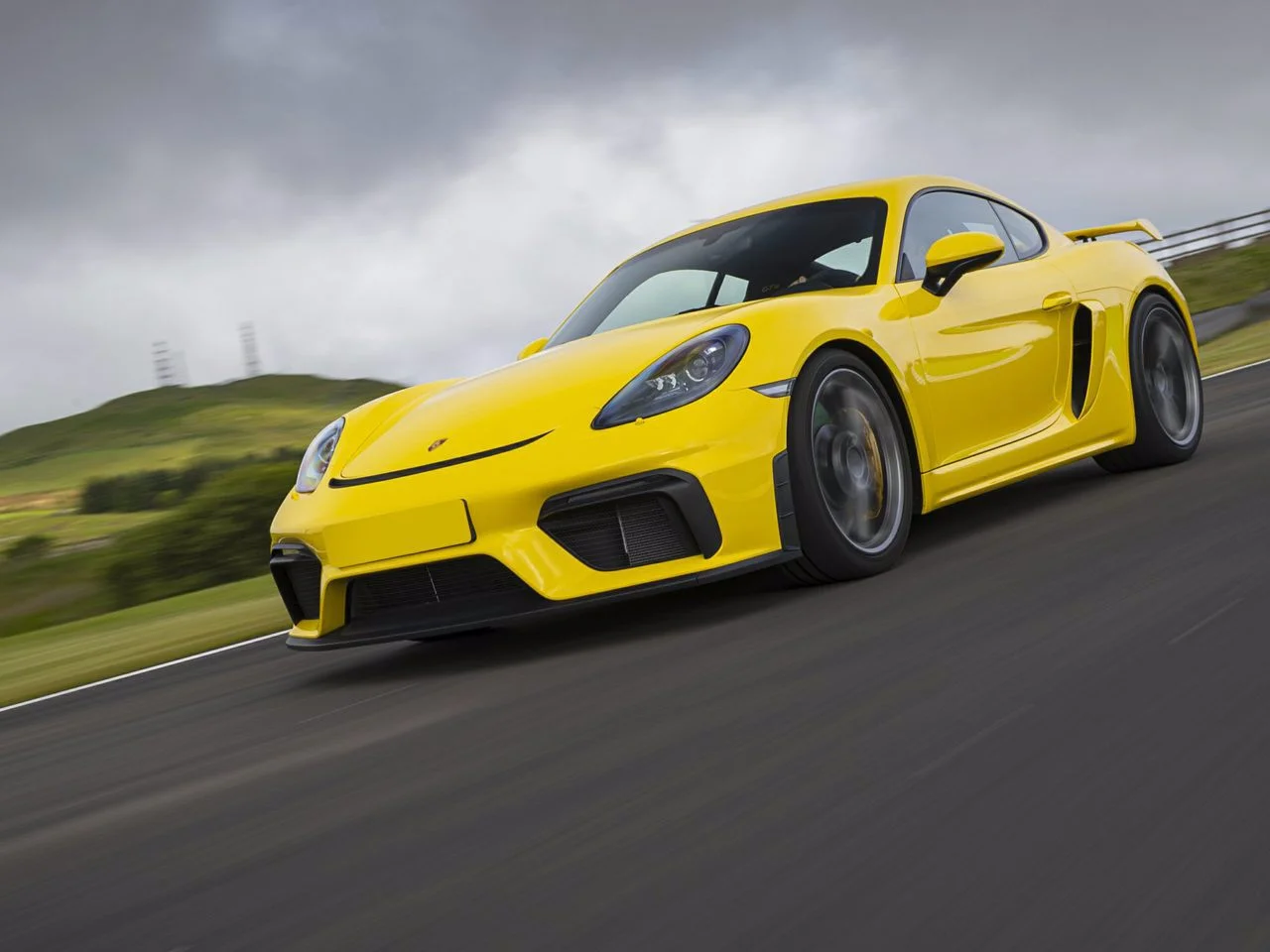
4. Porsche 718 Cayman: Precision, Performance, and Sports-Car Thrill
The Porsche 718 Cayman is a standout in the sports-car segment, holding its value remarkably well with an average five-year depreciation of 21.8% and an average price difference from MSRP of $15,851.
As a compact mid-engine coupe, the Cayman blends precision handling, strong acceleration, and a driver-focused interior. The addition of the 4.0-liter flat-six engine alongside the base turbocharged four-cylinder addresses purist concerns, enhancing both performance and character.
Driving the 718 Cayman is exhilarating. Our test Cayman S with a manual transmission accelerated from 0 to 60 mph in 4.6 seconds, while the PDK dual-clutch automatic provides faster acceleration. Handling is exemplary, with perfectly weighted steering and exceptional cornering stability.
Braking performance is strong and reliable, making spirited driving on winding roads particularly satisfying. The base 2.0-liter engine, however, offers less excitement due to tall gearing, and low-speed shifts in the dual-clutch automatic can feel abrupt.
Comfort is adequate for a sports car. Optional sport seats are well-shaped and cushioned, with ventilated versions improving comfort in warm weather. The PASM sport suspension smooths smaller bumps, though larger road imperfections can feel harsh.
Engine and exhaust noise are pronounced, especially with the sport exhaust option, while wind noise is minimal, but road noise is noticeable. Entry and exit require some flexibility, particularly for taller or wider occupants.
The Cayman’s interior is driver-centric, with excellent visibility and an accommodating cockpit. Technology is functional but not cutting-edge. The infotainment system has a learning curve, and Android Auto is unavailable. Optional adaptive cruise control and lane-keeping assist provide some convenience, while stability control is effective yet unobtrusive.
Storage is limited but practical for a sports car. The front and rear trunks accommodate small bags, and the interior bins are shallow. Fuel economy is competitive, with our manual-equipped Cayman S returning 28 mpg on mixed driving.
The 718 Cayman excels in driving precision, build quality, and driver engagement. While pricing is high, its combination of performance, handling, and refined interior craftsmanship makes it a compelling choice for enthusiasts seeking a true sports-car experience.
5. Porsche 911: Iconic Performance and Everyday Usability
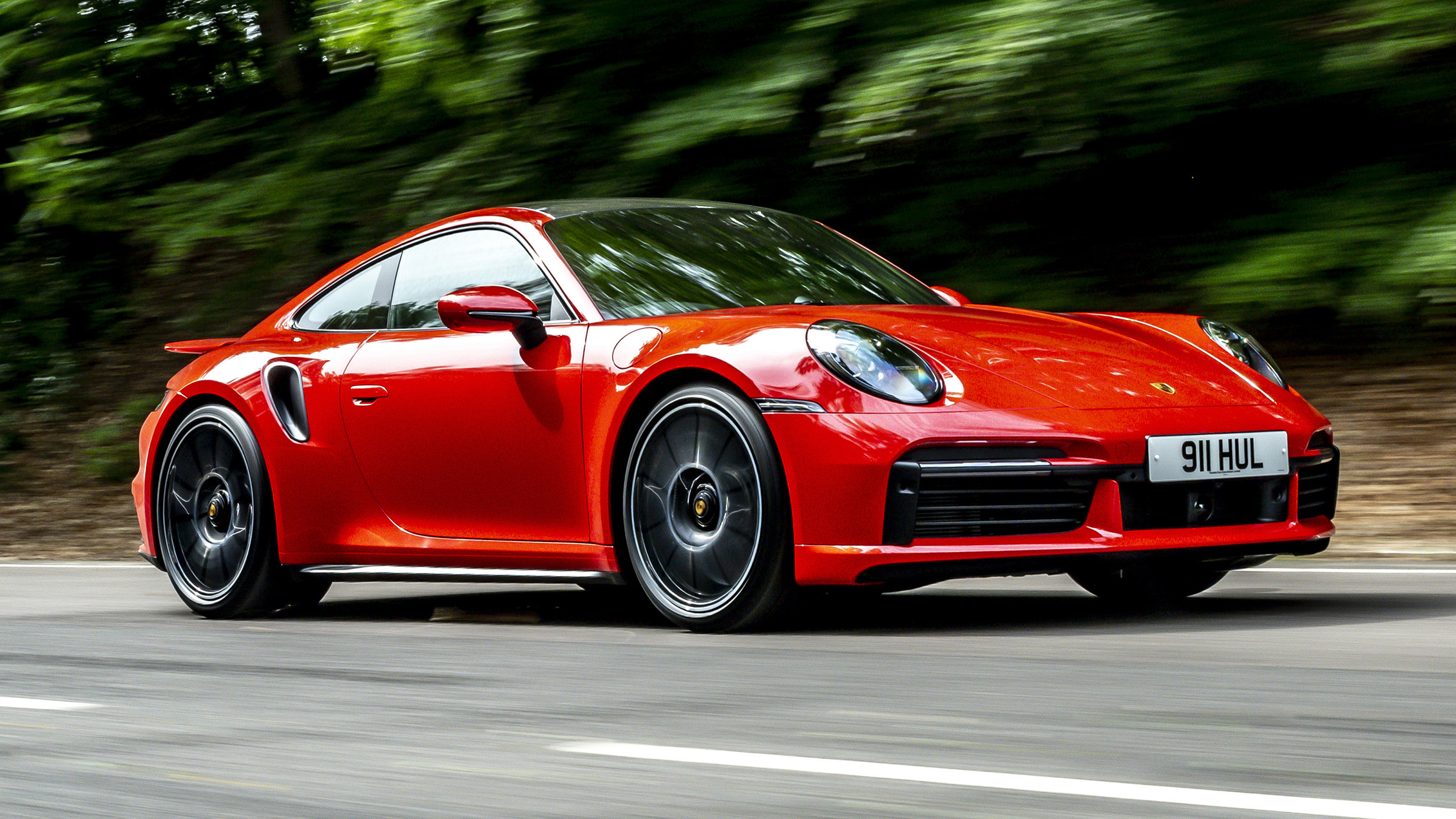
The Porsche 911 remains one of the most coveted sports cars, combining high performance, precise handling, and enduring value. With an average five-year depreciation of 19.5% and an average price difference from MSRP of $24,428, it retains more than four-fifths of its value over five years.
The 2020 911 Carrera exemplifies Porsche’s ability to deliver supercar thrills at a relatively accessible price, though modern options push the sticker higher.
Driving the 911 is exhilarating. Our test Carrera coupe accelerated from 0 to 60 mph in just 3.5 seconds and covered the quarter mile in 11.7 seconds. The eight-speed dual-clutch automatic is smooth, fast, and usually in the right gear, while Porsche still offers a manual option in select trims.
Steering is quick and precise, brakes are strong, and the rear-engine layout improves traction and handling. Launch control makes repeated high-performance runs easy and consistent.
Comfort in the 911 is impressive for a sports car. Seats are supportive, though base sport seats have limited adjustability. The adaptive suspension smooths bumps while maintaining composure on corners.
Cabin noise is well controlled, with engine growl noticeable but not overbearing, especially with the optional sport exhaust. Entry and exit are manageable for most occupants, though taller passengers may need to duck slightly.
The interior is driver-focused. Visibility is excellent, and the cockpit combines physical controls with touchscreen functionality. Apple CarPlay and Android Auto are standard, both supporting wireless connectivity, and USB-C ports provide fast charging. A fully digital instrument cluster offers customizable displays.
Storage is limited, with a 4.6-cubic-foot front trunk accommodating two soft-sided carry-ons. Rear seats exist but are best for children, making child seat installation difficult.
The Porsche 911 delivers iconic driving dynamics, strong performance, and refined handling while remaining surprisingly livable as a daily driver. It is a sports car that balances performance and comfort, though practicality is limited. For buyers prioritizing pure driving enjoyment and legendary engineering, the 911 is a near-perfect choice.
Also Read: 10 Cars That Beat Traffic With Adaptive Cruise Done Right
5 That Drop Fast
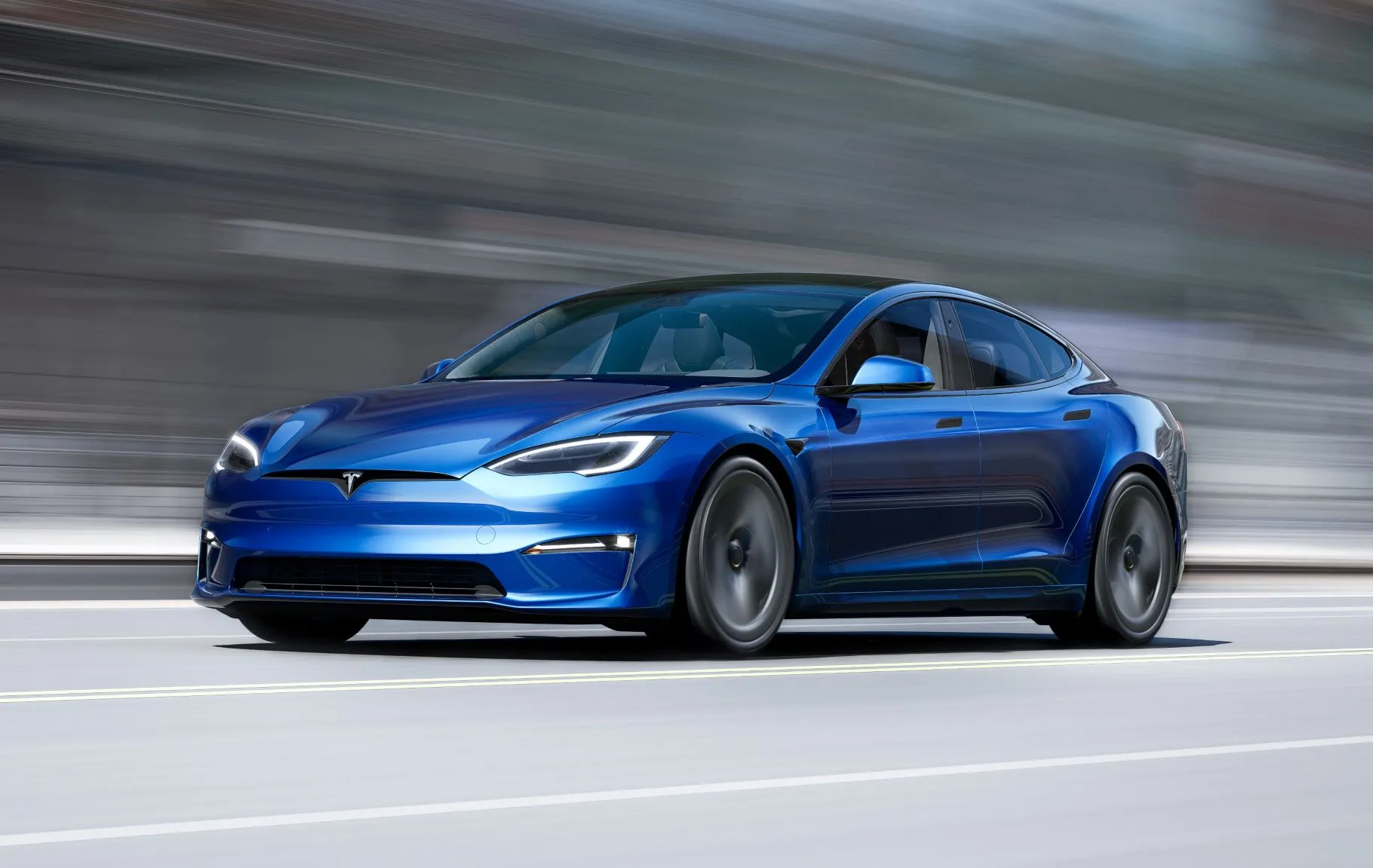
1. 2022 Tesla Model S: Rapid Depreciation Hits Hard
The 2022 Tesla Model S has one of the steepest depreciation rates among modern vehicles, losing 61.53% of its value, or about $74,132. With an average new price of $120,490, used models now sell for roughly $46,359. Despite its innovative technology and performance, including the Plaid variant’s 0-60 mph sprint in about 2 seconds, the Model S has proven to be a poor investment in terms of resale value.
Several factors drive this rapid depreciation. Tesla frequently adjusts MSRP based on market conditions, causing new price drops to directly affect used car values. Rapid advancements in EV technology, particularly battery efficiency and software updates, make older 2022 models feel outdated.
A surge in used EVs from early lease returns further saturates the market, increasing competition and lowering prices. Additionally, the high initial cost of 2022 Teslas, partly due to supply shortages, amplified the value drop once prices normalized.
Market incentives and shifting buyer confidence also play a role. As federal incentives for new EV purchases wane and newer models offer more features, older Model S sedans become less desirable. While still a technological marvel and performance leader, the 2022 Tesla Model S suffers from steep depreciation that buyers must consider carefully.
2. 2022 Tesla Model Y: High Depreciation Despite Popularity
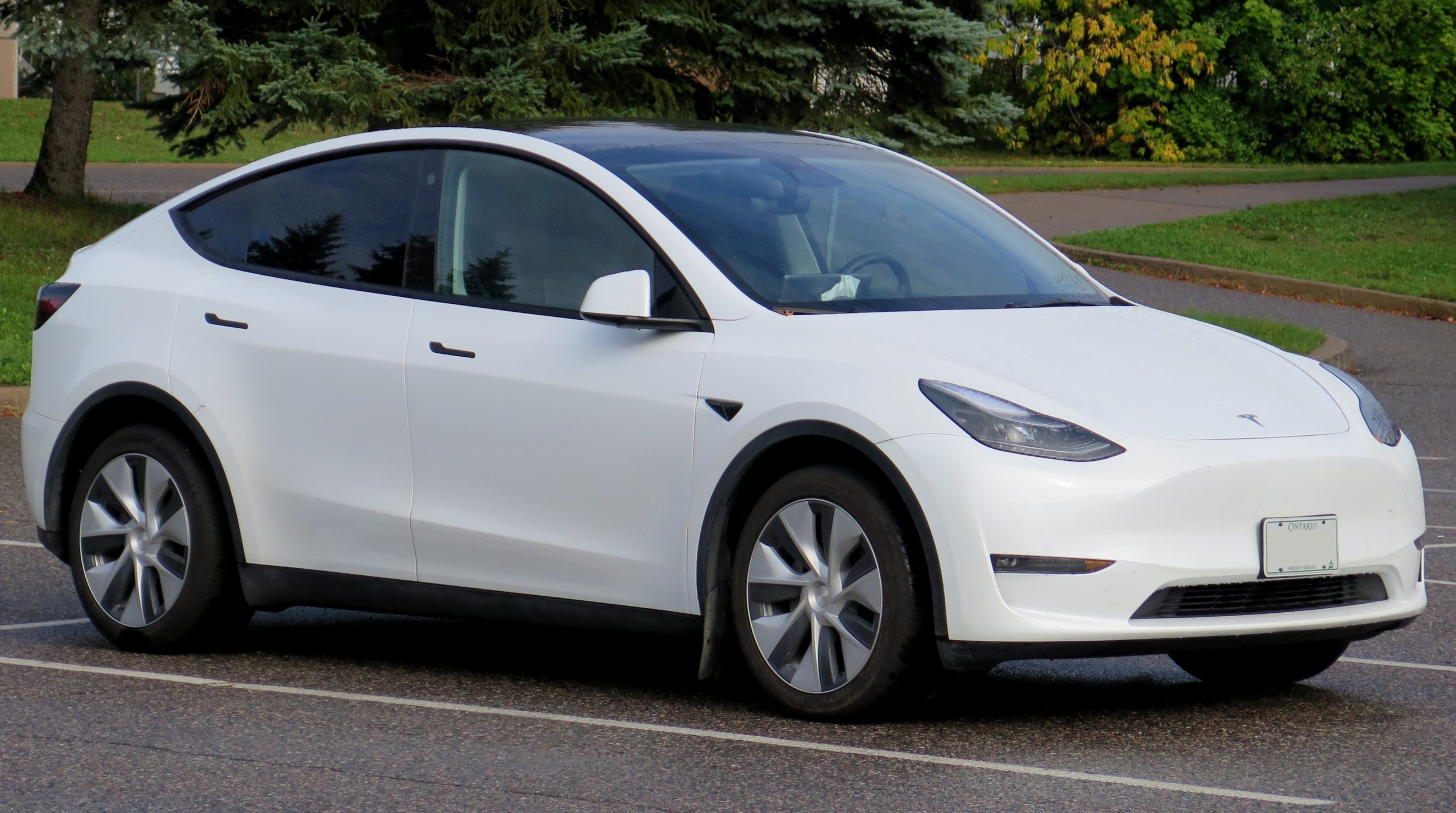
The 2022 Tesla Model Y has experienced steep depreciation, losing 56.64 percent of its value, or approximately $38,510. With an average new price of $67,990, used models now sell for around $29,480.
Despite being one of Tesla’s most affordable and widely seen vehicles, second only to the Model 3, the Model Y faces significant challenges in retaining value. Frequent price changes, rapid technological advancements, and increased competition have all contributed to its accelerated depreciation.
Key factors driving the Model Y’s depreciation include Tesla’s aggressive price reductions for new vehicles, which directly lower the resale value of existing models. Rapid improvements in battery technology and other EV features make older 2022 models appear outdated.
The availability of zero-interest financing for new cars and the expiration of government tax incentives also reduce the appeal of used models compared with new ones.
Market competition has increased, with brands such as Lucid and Hyundai offering compelling alternatives, eroding Tesla’s previous advantage. Political controversies and public perception of the company and its leadership have affected demand. Potential buyers are also concerned about warranty expiration and the potential cost of battery replacement, which can be substantial for older electric vehicles.
The Model Y remains a practical and popular electric vehicle. Buyers should, however, take into account the effects of rapid depreciation and technological changes when considering the 2022 model. Planning for long-term value loss is essential when evaluating this vehicle.
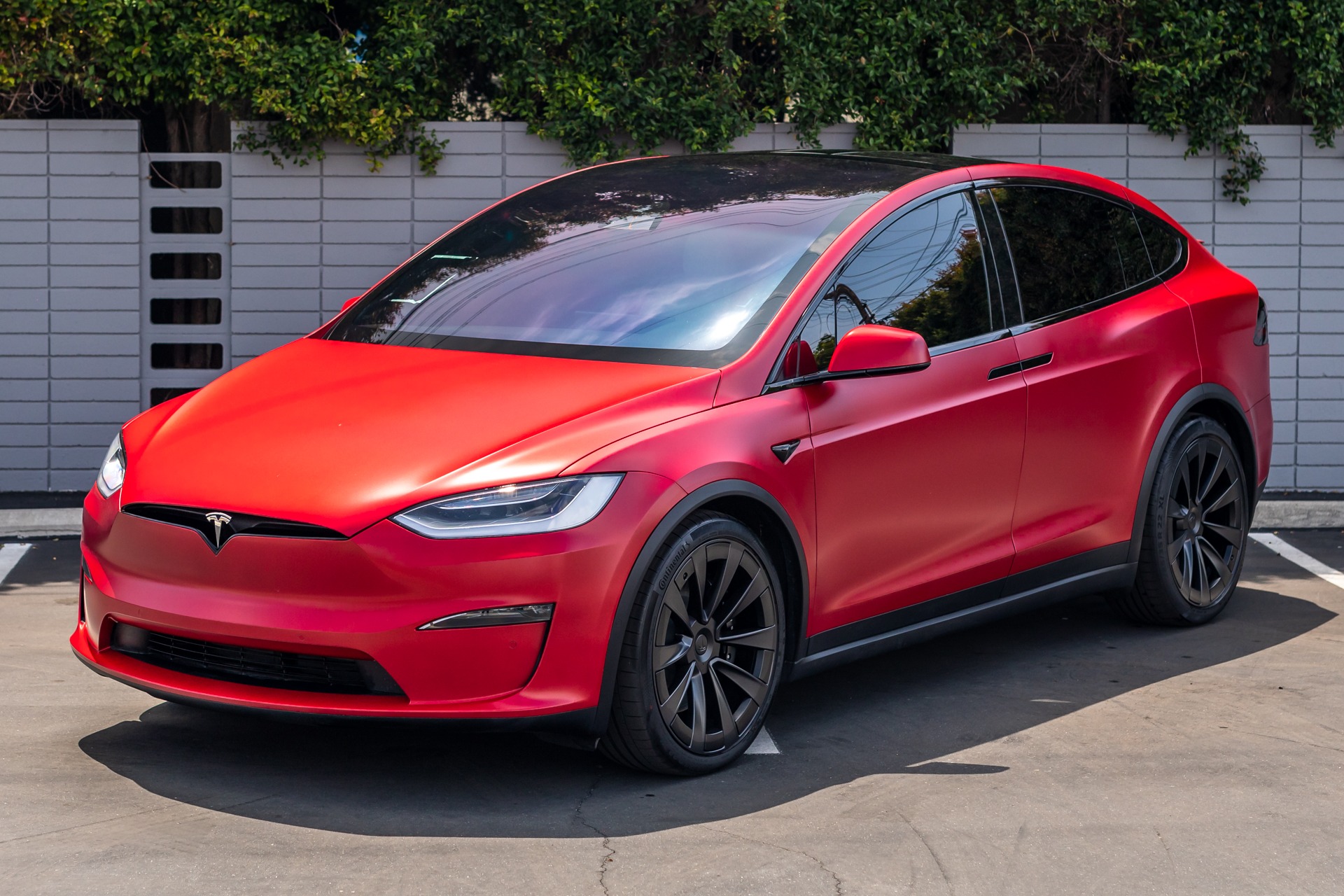
3. 2022 Tesla Model X: Significant Depreciation Challenges
The 2022 Tesla Model X has experienced steep depreciation, losing 55.23 percent of its value, which translates to about $71,792. With an average new price of $129,990, used models now sell for around $58,198. As Tesla’s most expensive vehicle in this roundup, the high initial cost contributes heavily to its rapid value loss.
The Model X is also polarizing in design, with its bulbous shape and falcon-wing doors, which some buyers love but others find awkward. These distinctive features have caused the Model X to visually age faster than Tesla’s sedans and other SUVs, affecting its appeal in the resale market.
The primary drivers of depreciation include aggressive price cuts on new models. Tesla frequently adjusts the prices of its vehicles, and sharp reductions in new car pricing directly lower the perceived value of used cars.
Technological advancements further accelerate depreciation, as improvements in batteries, software, and features make the 2022 Model X feel outdated compared with newer releases. Increased competition from other EV manufacturers, such as Lucid and Hyundai, has eroded Tesla’s market dominance, reducing demand for used units.
Consumers are also concerned about long-term ownership costs, particularly as warranties expire and the potential for expensive repairs or battery replacements rises. Supply chain shortages in 2022 caused high initial prices for new Teslas, but as production normalized, new car prices dropped significantly, further impacting the resale value of early models.
While the Model X remains a popular and innovative electric SUV, buyers should factor in its rapid depreciation and potential long-term costs when considering a 2022 model.
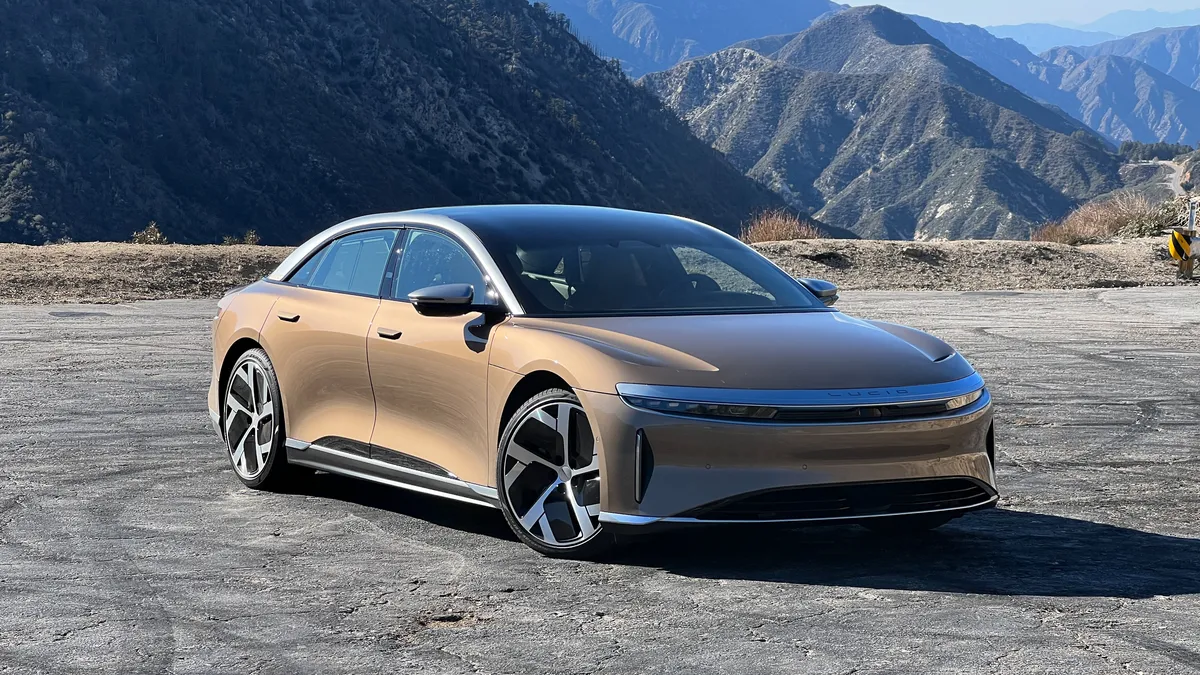
4. 2022 Lucid Air: Rapid Depreciation in the Luxury EV Market
The 2022 Lucid Air experienced steep depreciation, losing 54.74 percent of its value, equivalent to $70,172. With an average new price of $128,200, used models now sell for approximately $58,029. As a luxury electric vehicle from a relatively new automaker, the Lucid Air combines elegance, speed, efficiency, and a quiet ride.
Despite its strong performance and long range, early adoption of this high-priced EV carries inherent risks, particularly for consumers wary of a startup brand.
Several factors contributed to the Lucid Air’s rapid depreciation. Aggressive new car price cuts and manufacturer incentives were intended to boost demand, but directly reduced the resale value of existing vehicles.
High initial production volumes created an oversupply of nearly new vehicles entering the used market, further driving prices down. Early build quality concerns, including misaligned panels, rattles, and software glitches, also affected buyer confidence in the car’s long-term reliability.
The fast pace of electric vehicle technology exacerbated the problem, as newer models quickly offered improved range, features, and software, making the 2022 Air feel outdated. Broader market conditions added pressure, including softening demand for luxury EVs and higher interest rates, which made buyers more cautious.
Despite these challenges, the Lucid Air remains a compelling vehicle for enthusiasts seeking luxury, performance, and range. Buyers, however, should be prepared for significant depreciation and carefully weigh the risks of purchasing an early model from a startup automaker.
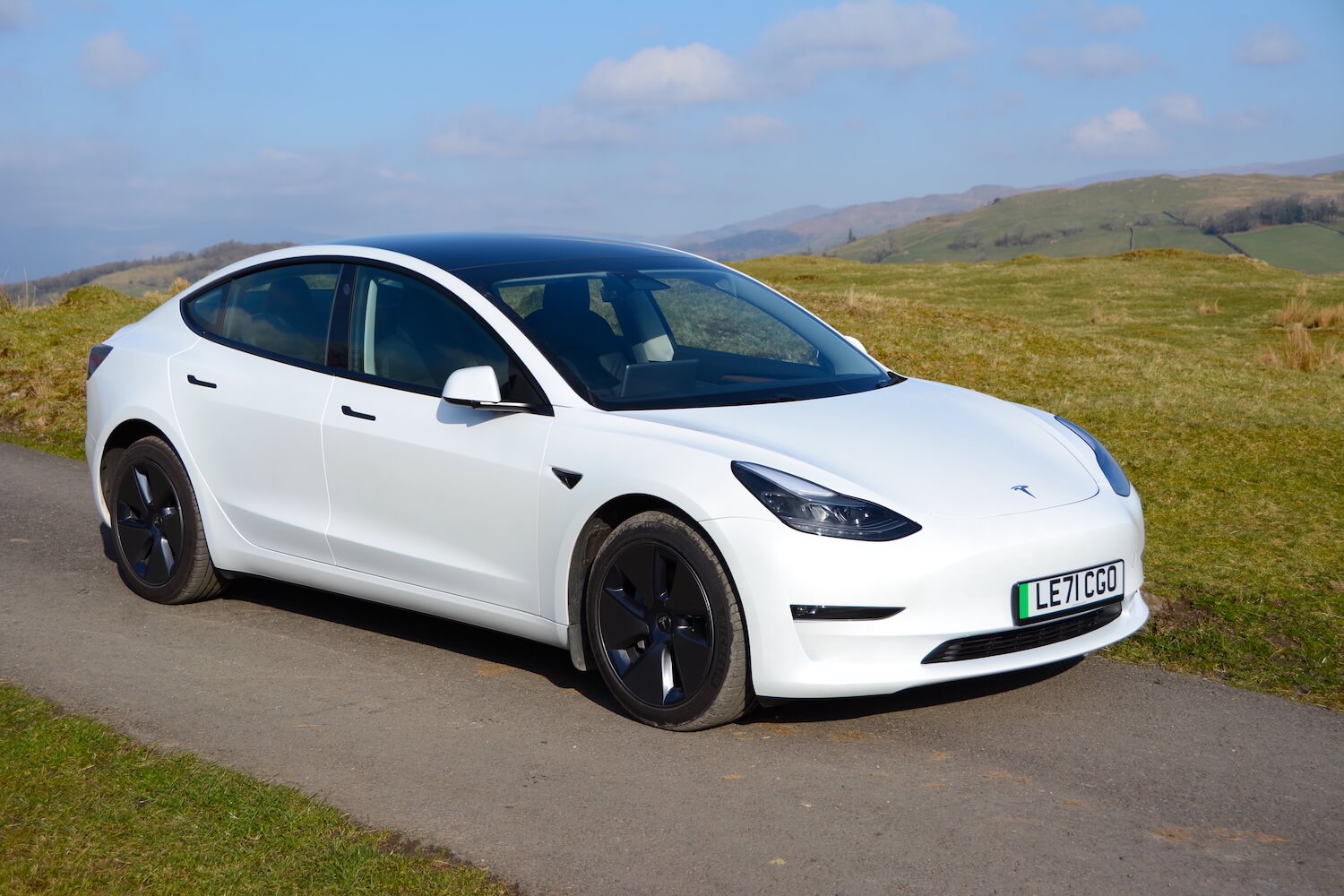
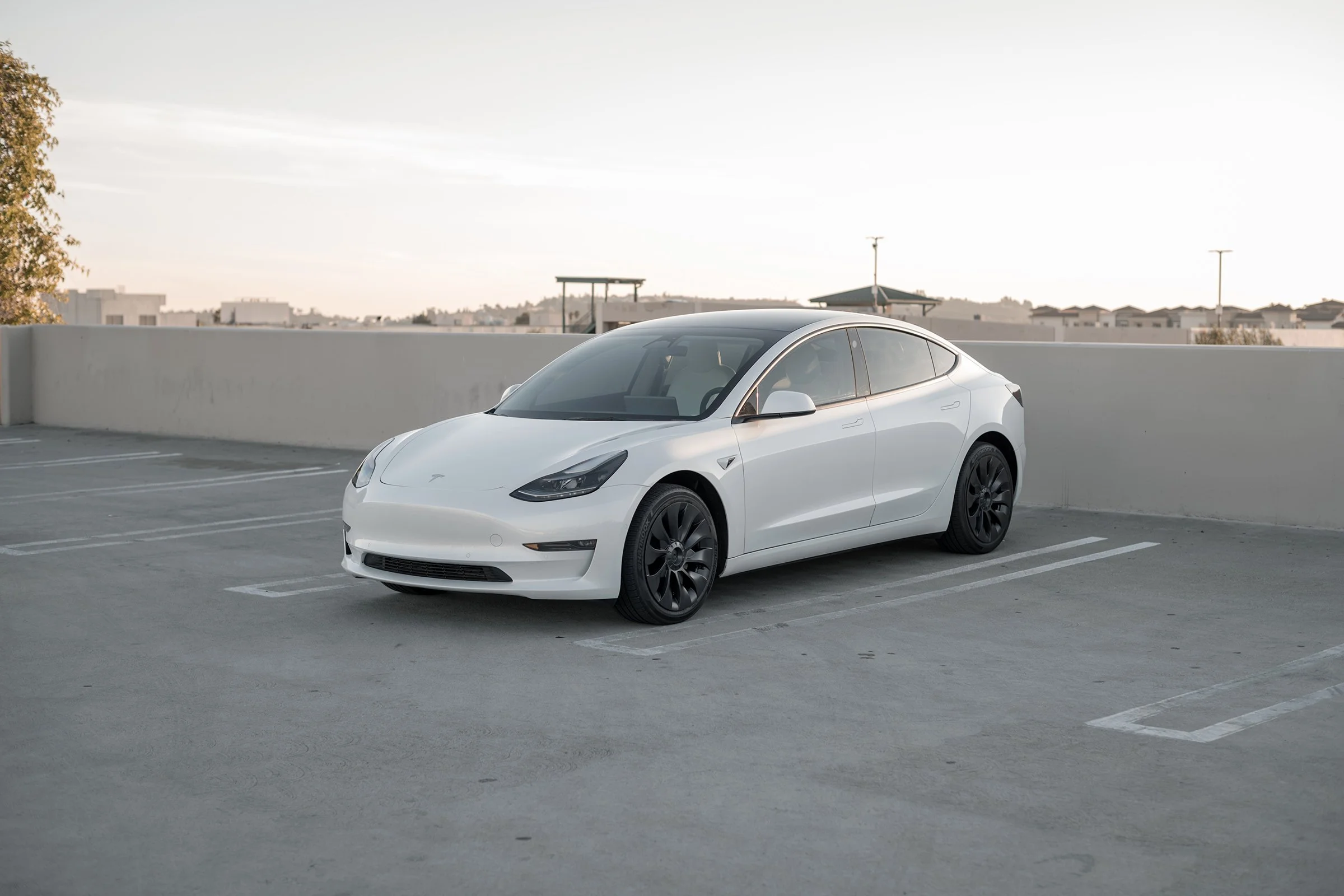
5. 2022 Tesla Model 3: Rapid Depreciation Among EVs
The 2022 Tesla Model 3 has experienced steep depreciation, losing 53.31 percent of its value, equivalent to $29,315. With an average new price of $54,990, used models now sell for around $25,675. Despite being the most affordable Tesla, the Model 3 is not immune to the brand’s rapid value loss, which is driven by multiple factors unique to the EV market and Tesla’s business practices.
Frequent changes to model specifications and trim levels, often without warning, undermine the perceived value of older vehicles. Tesla’s history of sudden price cuts on new models further depresses resale prices, as buyers naturally gravitate toward cheaper, newer cars. The high initial prices in 2022, inflated due to industry-wide supply shortages, created a larger margin for depreciation once market conditions stabilized.
Technological advancements in EVs contribute heavily to depreciation. Newer Model 3 versions often feature improved battery range, enhanced software, and updated features, making earlier models feel outdated. Early production vehicles also faced software and quality issues, including touchscreen lag, frozen displays, and inconsistent over-the-air updates, which eroded buyer confidence.
Additionally, customer perceptions and market dynamics impact resale value. Buyers are cautious about limited service availability, longer repair times, and brand trust concerns, particularly when comparing Teslas to newer EV competitors offering competitive features and incentives. The introduction of lower-priced models and generous incentives on new vehicles further diminishes the appeal of used Model 3s.
While the Model 3 remains a capable and efficient EV, buyers should expect significant depreciation and consider the rapid pace of technological and market changes when purchasing a 2022 example.
Also Read: 5 Cars New Parents Can Trust vs 5 Cars You’ll Second-Guess