Electric vehicles have become more accessible, more capable, and more appealing than ever, but ownership experiences still vary widely. Some EVs deliver smooth daily use with intuitive controls, dependable range, and stress-free charging solutions that help drivers transition from gas cars with confidence.
Others introduce complications through sluggish charging, confusing interfaces, build-quality shortcomings, or reliability concerns that can disrupt everyday routines. This mix of convenience and complication often determines whether an EV feels like a seamless upgrade or a source of frustration.
“5 EVs Simple To Live With vs 5 That Add Hassles” highlights the contrast between models that excel in comfort, practicality, and ease of use, and those that demand extra patience from their owners. By comparing strengths, weaknesses, and the kinds of issues real drivers face, readers can better identify which electric vehicles fit their lifestyle and which may require compromises they are unwilling to make.
5 EVs Simple To Live With
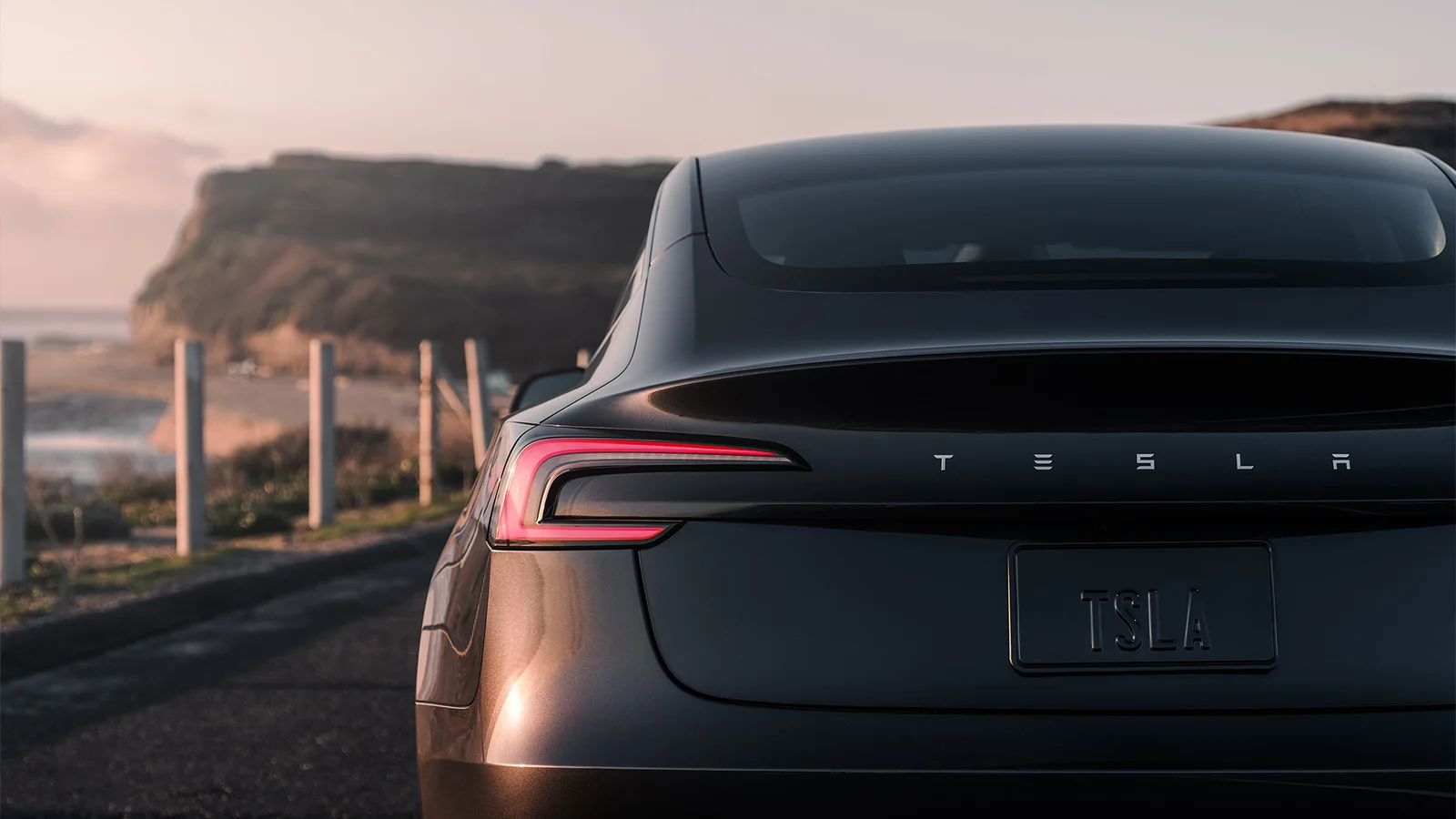
1. 2025 Tesla Model 3: Refined, Efficient, and More Capable Than Ever
The 2025 Tesla Model 3 continues to strengthen its position as one of the most well-rounded electric sedans on the market. With an estimated base price of $44,130 for the Long Range Rear-Wheel Drive version, the updated Model 3 delivers a compelling blend of range, performance, comfort, and technology.
Its standout specification is its impressive 363-mile estimated range, paired with a 0 to 60 mph time of 4.9 seconds and a top speed of 125 mph.
The refreshed design enhances the car’s visual appeal, featuring a cleaner front end and a more refined, quiet ride. Inside, the centerpiece is the large 15.4-inch touchscreen that handles nearly all vehicle functions.
It is highly responsive and visually sharp, though some drivers may find the lack of physical controls frustrating, especially for climate or vent adjustments. Still, the interior offers generous space, supportive seats, and improved noise insulation.
Driving dynamics remain a highlight. The Model 3 feels quick, agile, and composed. It steers precisely, accelerates briskly from a stop, and benefits from strong regenerative braking. Visibility is excellent, and Tesla’s driver-assist system, AutoPilot, works well in most scenarios, even if it occasionally reacts too aggressively.
Technology is another major strength. The infotainment system is smooth, the navigation is crisp, and the 17-speaker audio system is powerful. The absence of Apple CarPlay and Android Auto remains a drawback, though Tesla compensates with streaming services, voice commands, and a rear entertainment screen.
Practical storage options are impressive for a compact sedan. With 24.1 cubic feet of total cargo space between the trunk and frunk, the Model 3 is more versatile than many competing EVs. Small-item storage inside the cabin is also generous.
From a value standpoint, the Model 3 offers strong build quality, a competitive warranty, and excellent long-distance capability thanks to the Supercharger network. Its efficiency and fast-charging performance remain among the best in its class.
The 2025 Model 3 proves that Tesla has matured beyond its startup roots, delivering a polished, capable, and efficient EV. While not flawless, it remains one of the most compelling electric sedans available today.
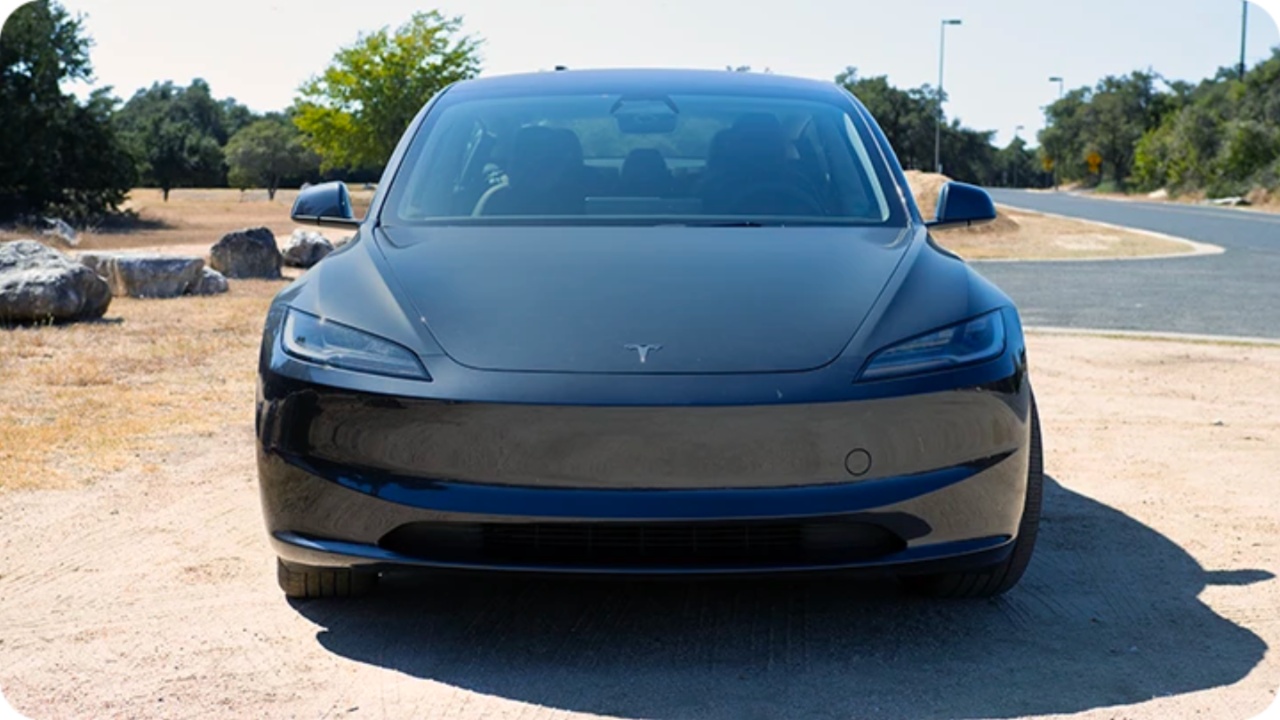
2. 2025 Volkswagen ID.4: A Practical, Comfortable, and Beginner-Friendly Electric SUV
The 2025 Volkswagen ID.4 remains a strong option for drivers transitioning into electric vehicles, providing a balanced mix of range, comfort, and accessible technology. With an estimated base price of $45,095 for the Pro model, it comes well equipped with 19-inch wheels, LED headlamps, rain-sensing wipers, and rear-wheel drive.
The Pro variant delivers an estimated 291 miles of range and 282 horsepower, offering smooth acceleration and confident daily performance without prioritizing sport-oriented handling.
On the road, the ID.4 delivers a calm and predictable experience. The single-motor configuration reaches 60 mph in 6.1 seconds, while the dual-motor model accomplishes the same sprint in 4.9 seconds. Handling favors comfort rather than sharp athleticism, giving the vehicle an easygoing character suited for commuting and family travel.
Regenerative braking works well during deceleration, though drivers must apply the brake pedal to come to a full stop. Visibility is strong, parking is simple due to the tight turning radius, and driver-assist features such as adaptive cruise control and automatic parking function work reliably.
Inside, the ID.4 focuses on practicality and ease of use. Heated front seats, dual-zone climate control, and configurable ambient lighting support passenger comfort.
The 12.9-inch touchscreen is user-friendly, paired with intuitive navigation, responsive voice commands, wireless Apple CarPlay, and Android Auto. Rear seating provides generous space, and accessible anchors make car-seat installation exceptionally convenient, reinforcing the model’s family-friendly design.
Cargo capacity is another strength. With 30.3 cubic feet behind the rear seats and 64.2 cubic feet when folded, the ID.4 competes effectively with many small crossovers. Additional storage under the cargo floor and a flexible center console add to its everyday practicality, though the absence of a front trunk may be a drawback for some buyers. Towing capacity ranges from 2,200 to 2,700 pounds, depending on drivetrain.
From a value standpoint, the ID.4 qualifies for the full $7,500 federal tax credit through September 2025, providing a meaningful price advantage in a crowded segment. It also includes three years of complimentary fast charging on the Electrify America network and two years of free maintenance. Range and efficiency results remain competitive, with real-world testing consistently meeting or exceeding EPA estimates.
While it may not offer the sportiness or visual appeal of certain rivals, the 2025 ID.4 excels in comfort, practicality, and ease of adoption for drivers seeking a straightforward and capable electric SUV.
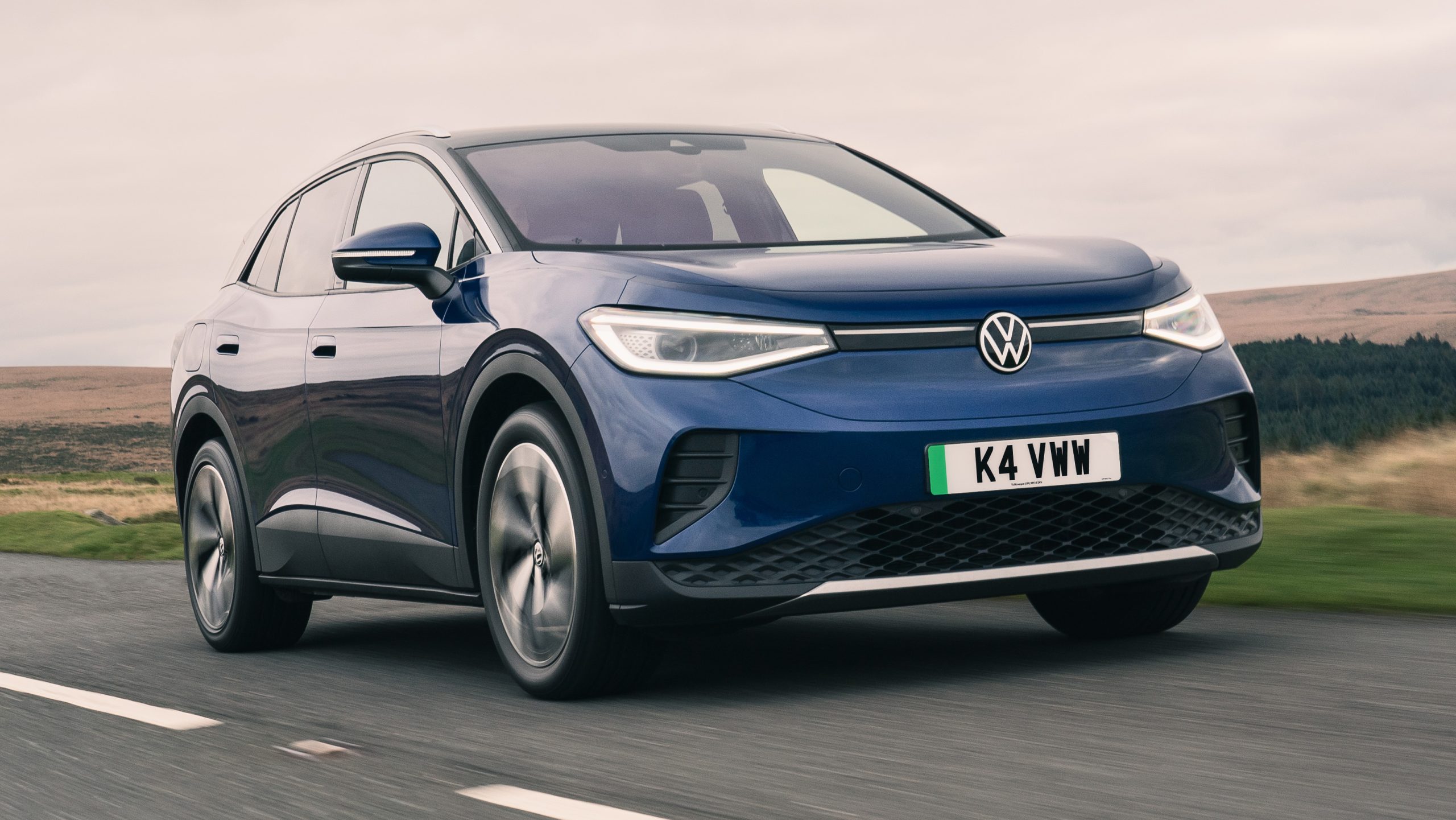
3. 2025 Fiat 500e: Delivers Urban-Friendly Style, Quick Handling, and Limited Long-Distance Capability
The 2025 Fiat 500e is a compact electric hatchback designed primarily for dense city environments, where its small footprint and light steering truly shine.
With 117 horsepower and 162 pound-feet of torque, it offers lively low-speed acceleration ideal for traffic and tight streets, though its performance plateaus quickly beyond urban speeds. Its 42-kWh battery supports an estimated 149 miles of range, which is suitable for short commutes but restrictive for drivers who frequently travel longer distances.
Inside, the 500e features a surprisingly premium atmosphere, with a 10.25-inch touchscreen running Fiat’s Uconnect 5 system as the technological centerpiece. Wireless Apple CarPlay and Android Auto are included, and connection stability is excellent.
The interface is simple, although screen resolution and response times feel a bit dated. Device support is strong, with multiple USB ports, a wireless charger, and an accompanying smartphone app offering remote access features.
The driving experience emphasizes agility. The 500e handles corners confidently thanks to its low-mounted battery, which helps keep body roll in check. Steering is quick and light, making parking effortless, although road feedback is minimal. Ride quality is firm but controlled, and braking performance is strong. Visibility is aided by short overhangs and large windows, enhancing driver confidence in tight spaces.
Comfort is mixed. The front seats offer decent cushioning and space, but the back seat is extremely small and better suited for cargo than passengers. Noise insulation is limited, letting in more wind and road noise than most EVs. Storage is another notable drawback. With just 7.5 cubic feet of cargo room and minimal small-item space, practicality is limited.
The 500e’s value largely depends on lifestyle. It costs less than many EVs, yet offers fewer features, a shorter range, and less versatility. Charging speeds peak at 85 kW, slower than many competitors, which extends wait times during public charging. Still, the charm, style, and easy maneuverability make the Fiat 500e appealing for urban drivers who prioritize personality and tight-city convenience over long-distance utility.
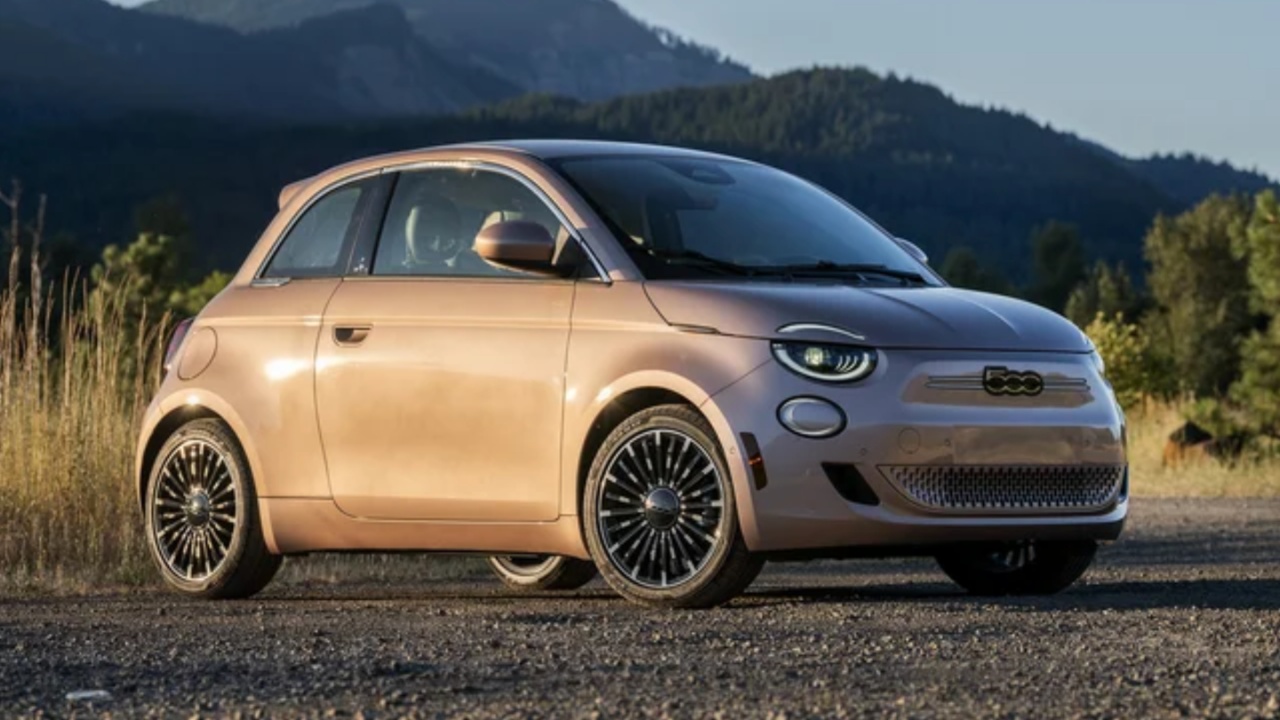
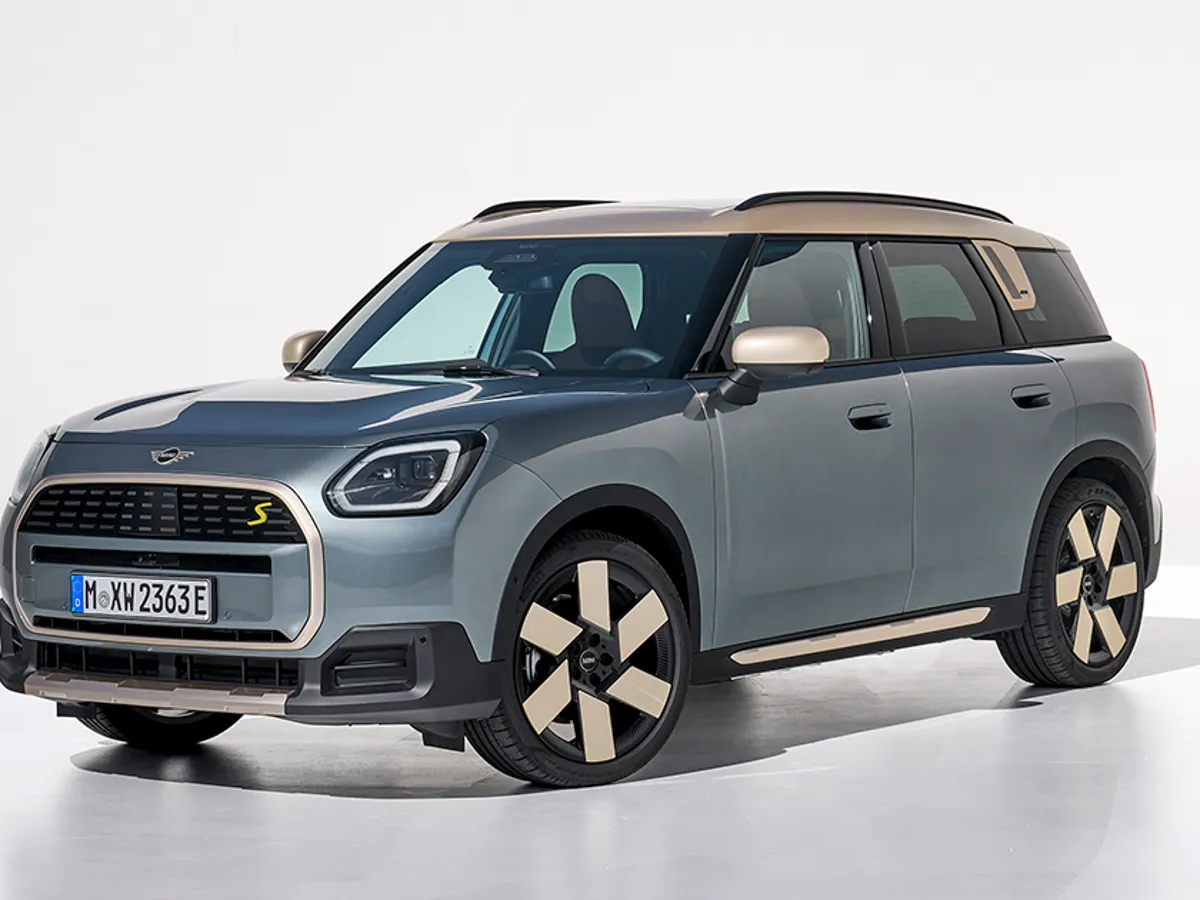
4. 2025 Mini Countryman SE All4: Delivers Style, Power, and Character in a Compact EV
The 2025 Mini Countryman SE All4 marks the brand’s first fully electric version of its subcompact crossover, blending Mini’s distinct personality with modern EV capability. Featuring dual electric motors that produce a combined 308 horsepower and 364 pound-feet of torque, the Countryman SE offers brisk acceleration, reaching 60 mph in as little as 5.4 seconds.
Range is more modest at up to 212 miles with 18-inch wheels, and cold weather can reduce that figure further, as testers reported winter ranges closer to 200–250 kilometers. Its 66.5-kWh battery supports a stated maximum of 341 kilometers under ideal conditions, though real use may vary depending on climate and charging access.
The Countryman SE retains Mini’s trademark charm through distinctive styling and a uniquely designed cabin. The interior features a minimalist layout, cloth-draped surfaces, and a panoramic sunroof that brightens the space.
A circular 9.4-inch infotainment display sits at the center of the dash, providing a bold aesthetic touch, though its design can feel cluttered and requires multiple taps for some functions. Operating System 9 brings customizable user interfaces and responsive voice commands, but the screen’s placement may pull attention away from the road.
Comfort is a strong suit, with supportive seating, generous headroom, and sliding rear seats that adjust for added legroom. Cargo flexibility is impressive for a compact crossover, expanding significantly when the second row is folded.
On the road, the Countryman SE delivers the classic Mini driving feel: quick steering, strong grip, and a playful attitude. Ride quality remains composed, though snow and slush can interfere with some semi-autonomous features included in the optional Premier+ package.
The Countryman SE’s exterior blends familiar Mini cues with a noticeably larger footprint than prior generations, offering a more substantial presence without sacrificing charm. While the electric and gas versions appear nearly identical, subtle badging distinguishes the SE.
The Countryman SE serves drivers seeking a stylish, punchy, and expressive electric crossover, provided they can support home charging and accept the model’s range constraints.
5. 2025 Kia Niro EV: Delivers Practical Range, Strong Value, and Everyday Comfort
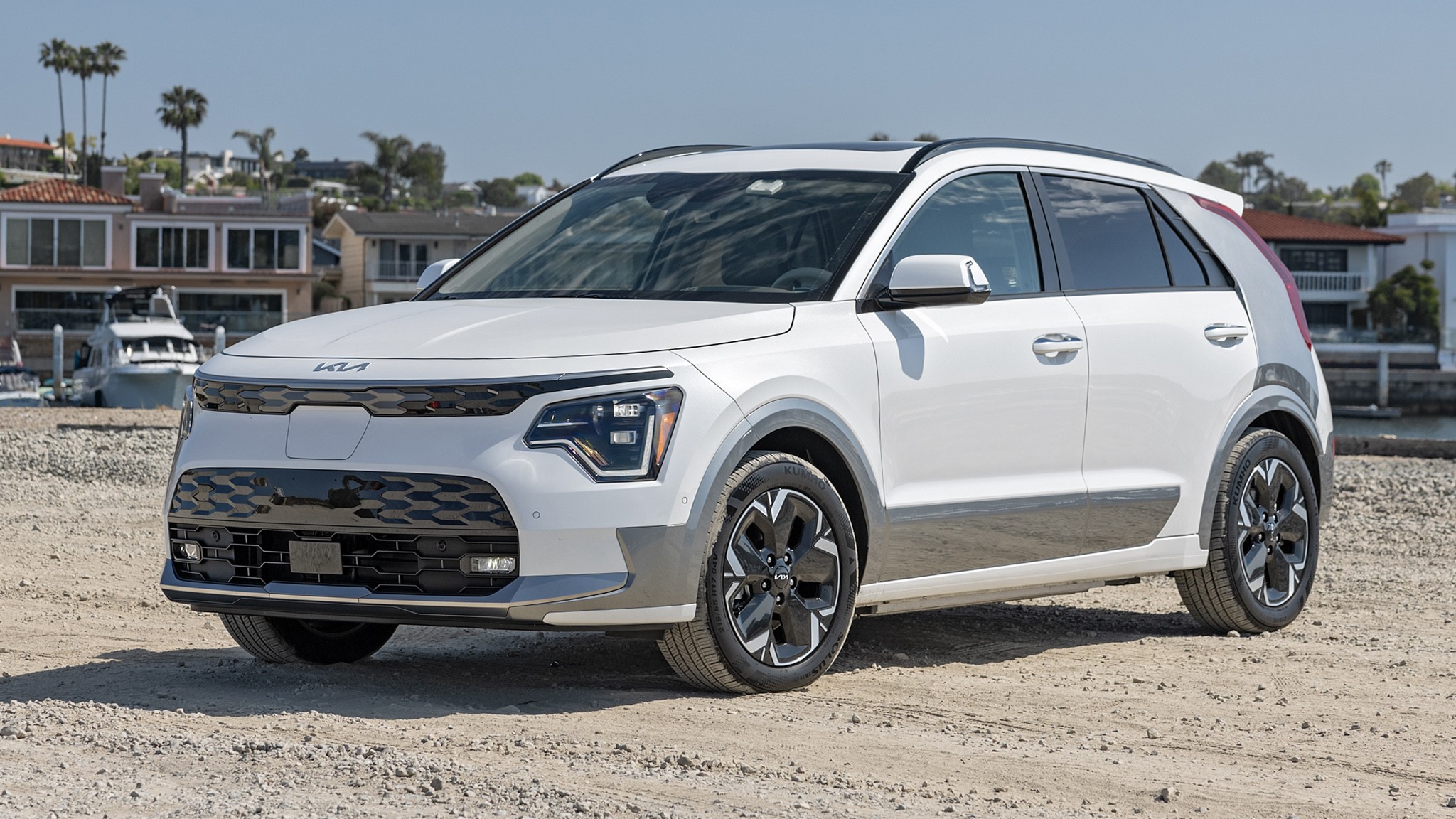
The 2025 Kia Niro EV stands out as a practical and efficient compact electric SUV designed for drivers who want accessible range, generous features, and user-friendly technology. Powered by a 64.8 kWh lithium-ion battery, it provides an EPA-estimated 253 miles of range, with real-world tests surpassing that figure at 280 miles.
Its electric motor produces 201 horsepower and 188 pound-feet of torque, delivering responsive city performance and a smooth, predictable driving feel. Acceleration is class-average at 7.1 seconds from 0 to 60 mph, and while the Niro EV is not sporty, its suspension favors comfort, creating a calm and stable ride.
Inside, the cabin includes two 10.25-inch displays, standard Apple CarPlay and Android Auto, and an array of driver assistance features such as adaptive cruise control, blind-spot monitoring, lane-keeping assist, and automatic high beams.
Optional features include a head-up display, rear heated seats, ventilated front seats, and a power outlet that can use the car’s battery to run small appliances. The interior feels solid and well assembled, though seat padding may feel firm for some passengers. Rear space is adequate, but the smaller door openings can make installing large child seats a bit challenging.
Cargo capacity is a strong point, especially with the adjustable rear load floor lowered. The hatch area is wide and functional, and the 60/40 rear seats fold flat to increase usable space. Small-item storage throughout the cabin is modest but convenient, with dedicated areas for essentials.
Charging performance is reasonable for the segment, offering up to 85 kW of DC fast-charging capability, which takes the battery from 10 percent to 80 percent in about 45 minutes. Efficiency is a standout attribute, with consumption numbers that beat EPA estimates.
Value remains a major advantage. With an estimated base price of about $39,600, the Niro EV is priced above some rivals but below premium EV alternatives while offering a long list of standard features and one of the strongest warranties available.
Its design is distinctive and modern, giving shoppers a compelling choice among compact electric SUVs, especially those seeking strong range and comfort without premium-level pricing.
Also Read: 5 Cars That Don’t Scrape Speed Bumps vs. 5 Cars That Do
5 That Add Hassles
1. 2023 Polestar 2: Reliability Concerns and User Experience Challenges
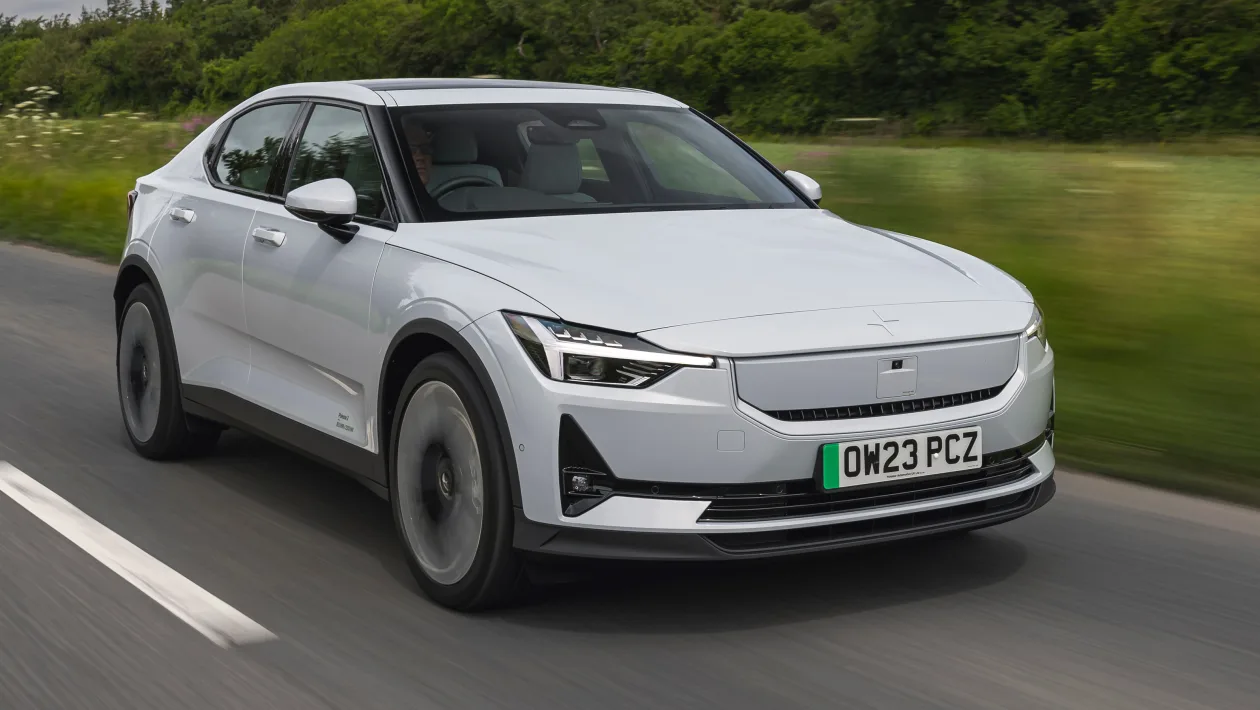
The 2023 Polestar 2 blends luxury, performance, and sporty hatchback styling, yet it struggles with predicted reliability and day-to-day usability issues. With power outputs ranging from 231 to 476 horsepower and an estimated range of up to 260 miles, it competes directly with the Tesla Model 3.
Priced from $48,400, the Polestar 2 earns a 53 out of 100 score from Consumer Reports, but its predicted reliability rating sits at 2 out of 5. Much of this stems from Polestar’s short track record, even though production has already surpassed 100,000 units. Future models, including the upcoming Polestar 6, will further reveal the brand’s long-term durability.
The vehicle’s sporty, low profile can create challenges for certain drivers. Entering and exiting the cabin may be difficult for people with limited mobility, and the rear seats are harder to access due to tight openings. Rear visibility is restricted by thick C-pillars, and blind-spot monitoring requires costly option packages on lower trims.
Technology is another common complaint. Some drivers report infotainment glitches, slow responses, and confusing climate controls since adjustments require several touchscreen inputs. The lack of a dedicated power button can also cause confusion regarding whether the vehicle is active.
Practical issues continue inside the cabin. Cup holders are awkwardly positioned, the center console feels bulky, and some interior panels seem fragile or prone to rattling. Air vents do not direct airflow effectively, which affects comfort.
Several owners have experienced frequent faults, charging inconsistencies, unexpected power loss, and instances of battery drain. These concerns, combined with mixed build quality, contribute to a reliability reputation that remains uncertain as more vehicles accumulate miles.
2. 2023 Model X: Features, Build Quality Problems, and User Challenges Reduce Satisfaction
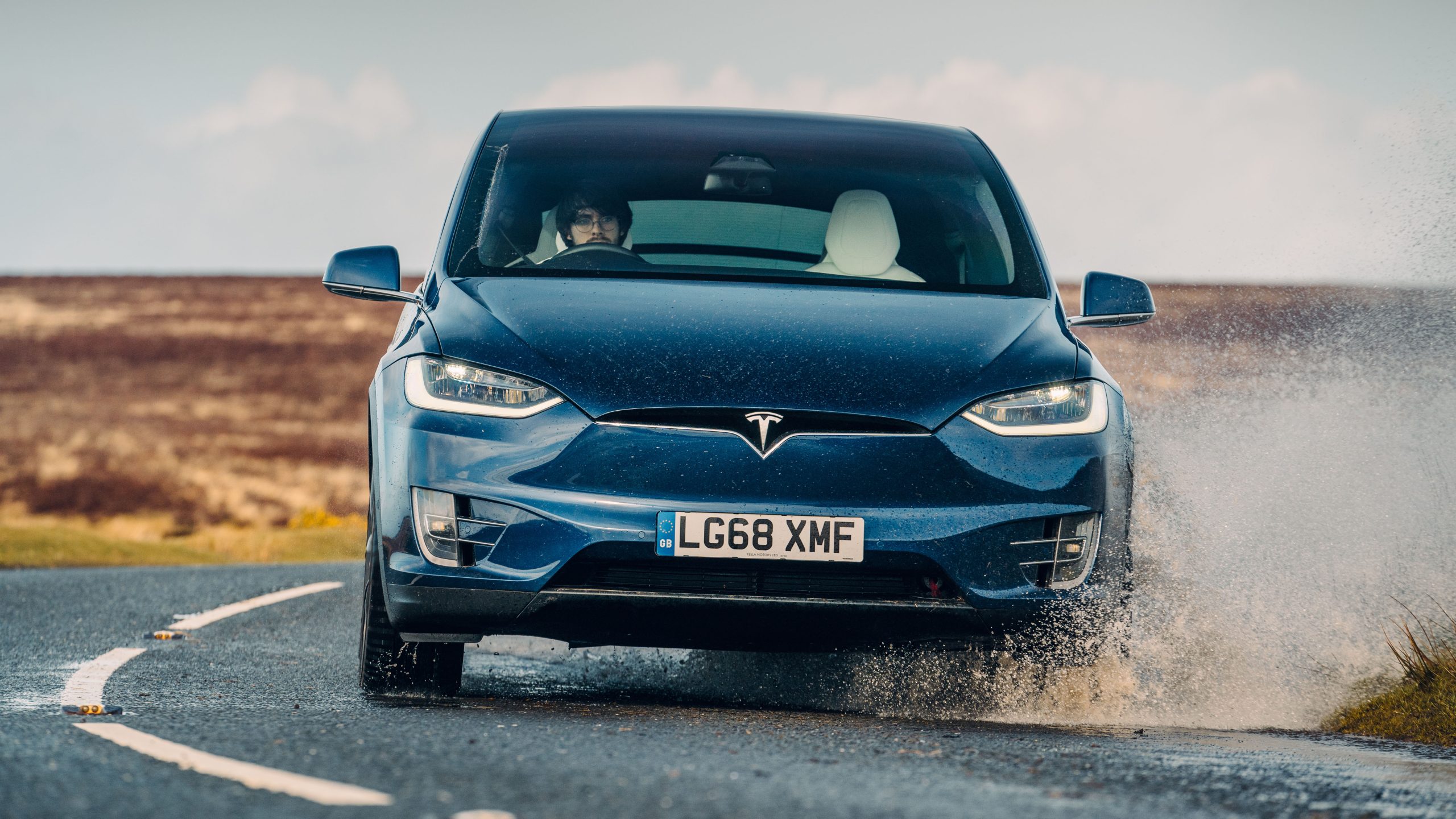
The 2023 Tesla Model X has strong performance credentials, including a dual-motor setup that produces 532 horsepower, along with the appeal of a luxury electric SUV in a growing market segment. However, Consumer Reports assigns it a score of 52 out of 100 and a predicted reliability rating of 2 out of 5, citing persistent concerns that undermine its day-to-day usability.
Several design choices contribute to frustration among owners. The optional yoke steering wheel is frequently described as awkward, especially when performing tight maneuvers such as U-turns or parking. The removal of traditional stalk controls also makes simple tasks feel less intuitive.
Many essential functions are routed through the central touchscreen, and this layout can demand more driver attention than expected. Tesla’s Falcon Wing doors, while visually striking, introduce complications of their own. They are known to malfunction in certain lighting conditions and may struggle to open safely in tight spaces.
Build quality problems continue to affect the model. Owners report panel gaps, misaligned doors, and notable wind and road noise inside the cabin. Additional complaints include inconsistent air conditioning performance, faulty automatic emergency braking, and issues with the air suspension system. Repairs can be costly, particularly when the complex door mechanisms are involved.
Some drivers feel the Model X no longer has the freshness or refinement expected at its high price point. With newer Tesla models adopting updated features and competing luxury EVs offering more polished interiors and better ergonomics, many shoppers may find better long-term satisfaction in rival vehicles.
3. Chevrolet Bolt: Budget Friendly but Challenged by Charging Limits
The 2023 Chevrolet Bolt delivers appealing affordability for drivers entering the EV market, supported by a starting price of $27,495 that undercuts most competitors. Its compact size, accessible pricing, and long-standing appeal as an economical electric option have helped make it a popular choice since its 2017 debut. However, its record for dependability continues to concern buyers.
Consumer Reports assigns it a score of 49 out of 100 and a predicted reliability rating of 1 out of 5. This stems from past issues, including a major 2020 recall addressing battery defects linked to fire risk, as well as ongoing concerns tied to motor performance and electrical system consistency.
The Bolt’s most significant day-to-day challenge remains its slow DC fast-charging capability. With charging speeds hovering around 55 kW, it lags far behind rivals that regularly exceed 100 kW.
This limitation greatly affects long-distance travel, often stretching charging stops to 45 minutes or more while restoring only a small portion of range. As a result, road trips require careful planning and occasional overnight charging, reducing flexibility and convenience.
Additional frustrations include reports of battery degradation over time, which lowers driving range and may require dealership visits to assess capacity loss. The infotainment experience can also be inconsistent, with some owners describing the mobile app as clunky and prone to glitches.
Optional features such as Super Cruise introduce further costs because they require both an activation fee and ongoing subscription payments. Some drivers also note that the steering feel can be unusually stiff, although not always indicative of a mechanical issue. Despite its affordability, the Bolt’s limitations may deter drivers seeking greater long-term confidence and convenience in an EV.
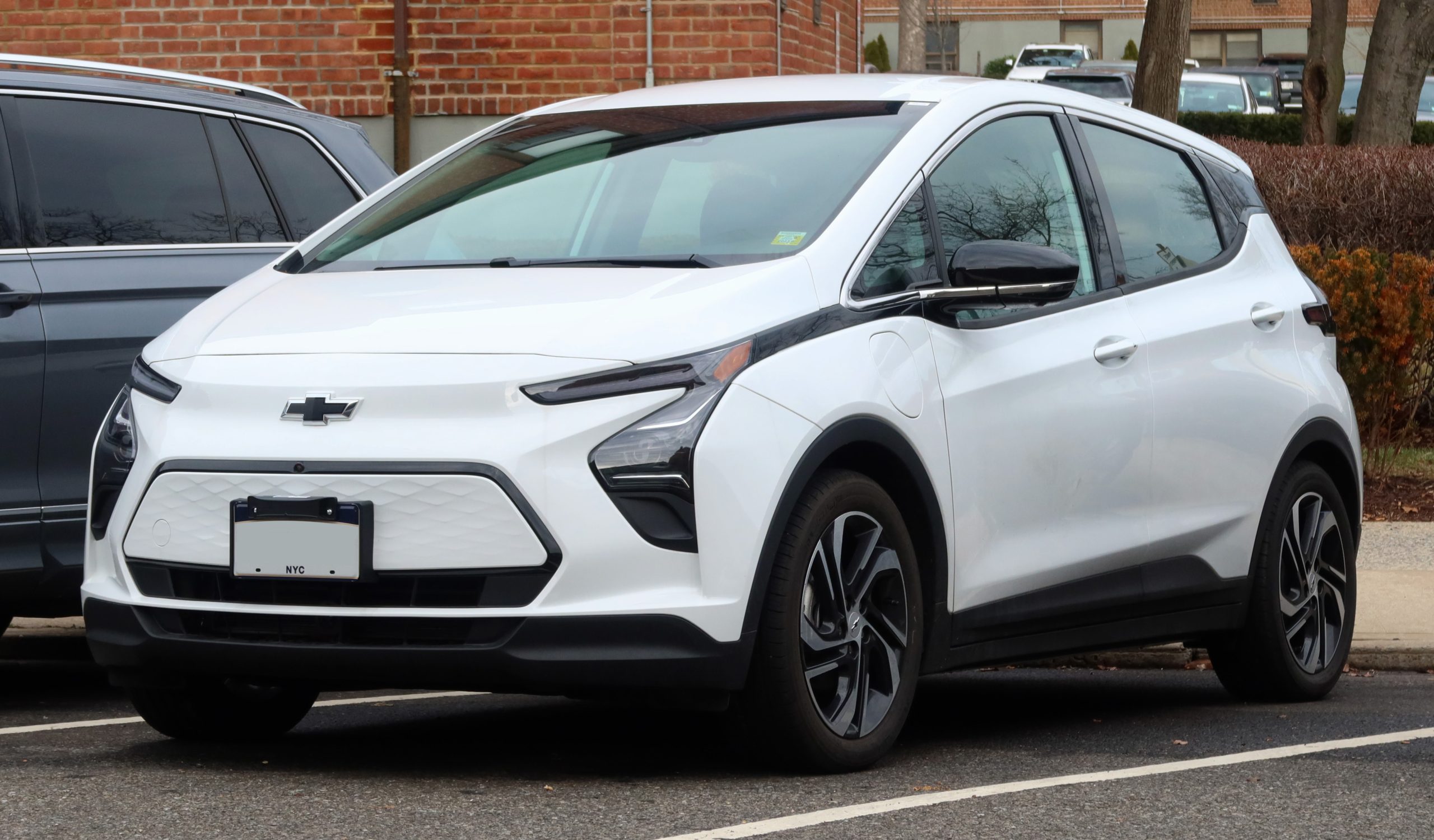
4. Chevrolet Bolt EUV: Practical and Affordable but Held Back by Slow Charging
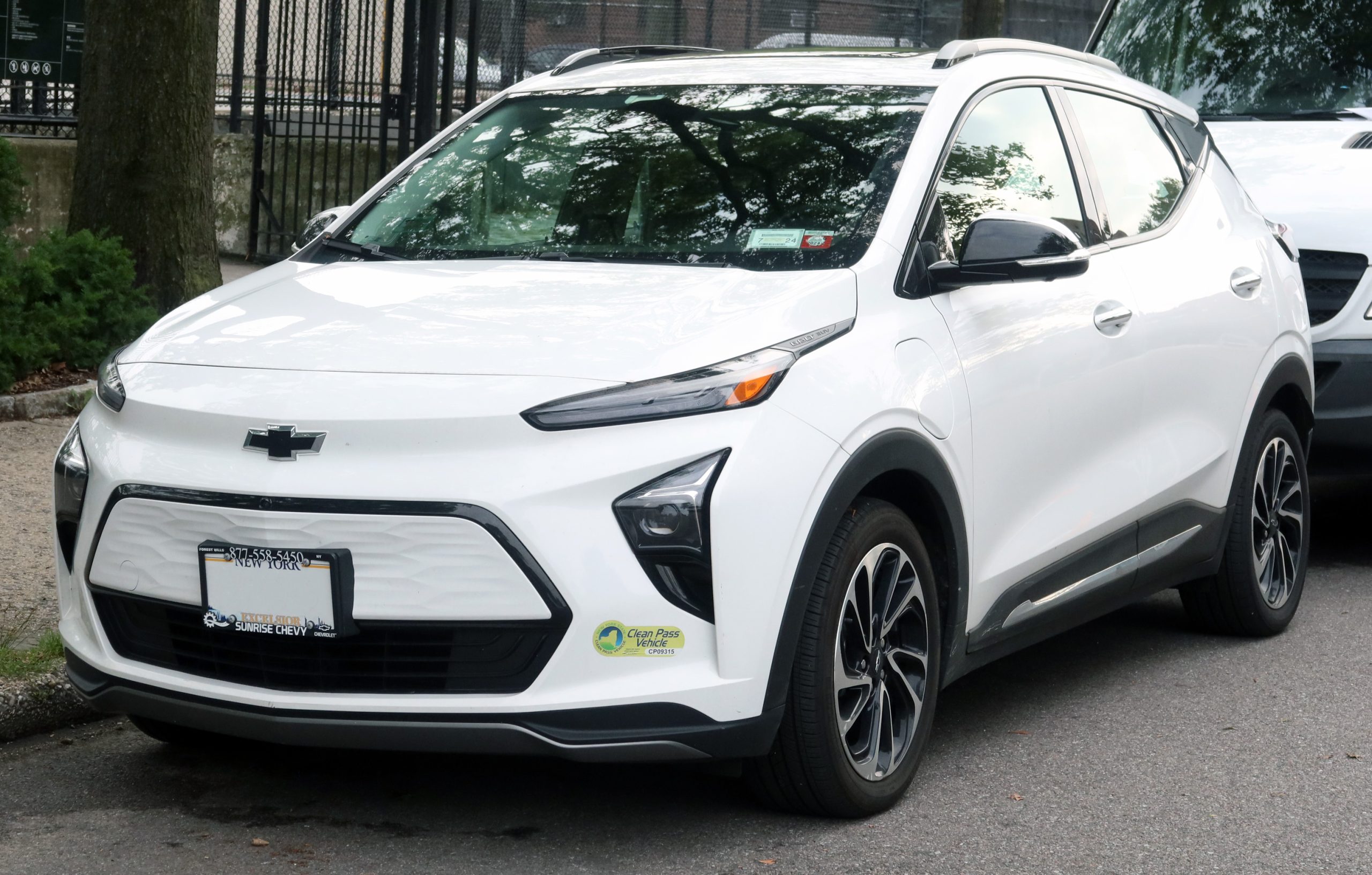
The 2023 Chevrolet Bolt EUV offers an appealing mix of value and everyday usability, delivering SUV-like styling, a 200-horsepower electric motor, and up to 247 miles of range at an accessible starting price of $28,795. Its higher seating position and added cabin space make it more attractive to buyers seeking an affordable entry into the EV market.
However, despite its practicality, the Bolt EUV ranks poorly for reliability, earning a 45 out of 100 from Consumer Reports and a predicted reliability score of 1 out of 5. Much of this stems from concerns with its electric motor and aging battery technology.
A major drawback for many drivers is the Bolt EUV’s slow DC fast charging capability. With a peak charge rate of only 50 kW, charging sessions take far longer than most competitors, creating lengthy waits during road trips.
Some owners also report noticeable battery degradation over time, and the model’s older nickel manganese cobalt battery chemistry has more restrictive daily charging guidelines than newer lithium iron phosphate designs.
On the road, the Bolt EUV performs adequately for city driving, but its larger body leads to less agility and more body roll compared to the standard Bolt EV. The strong instant torque can also cause noticeable torque steer during hard acceleration. Economy-oriented tires further limit grip.
Other issues include design quirks such as low-mounted tail lights that create confusing nighttime visibility, and keyless entry that works only on the front doors. These factors, combined with the charging and battery concerns, make the Bolt EUV practical but imperfect for long-term use.
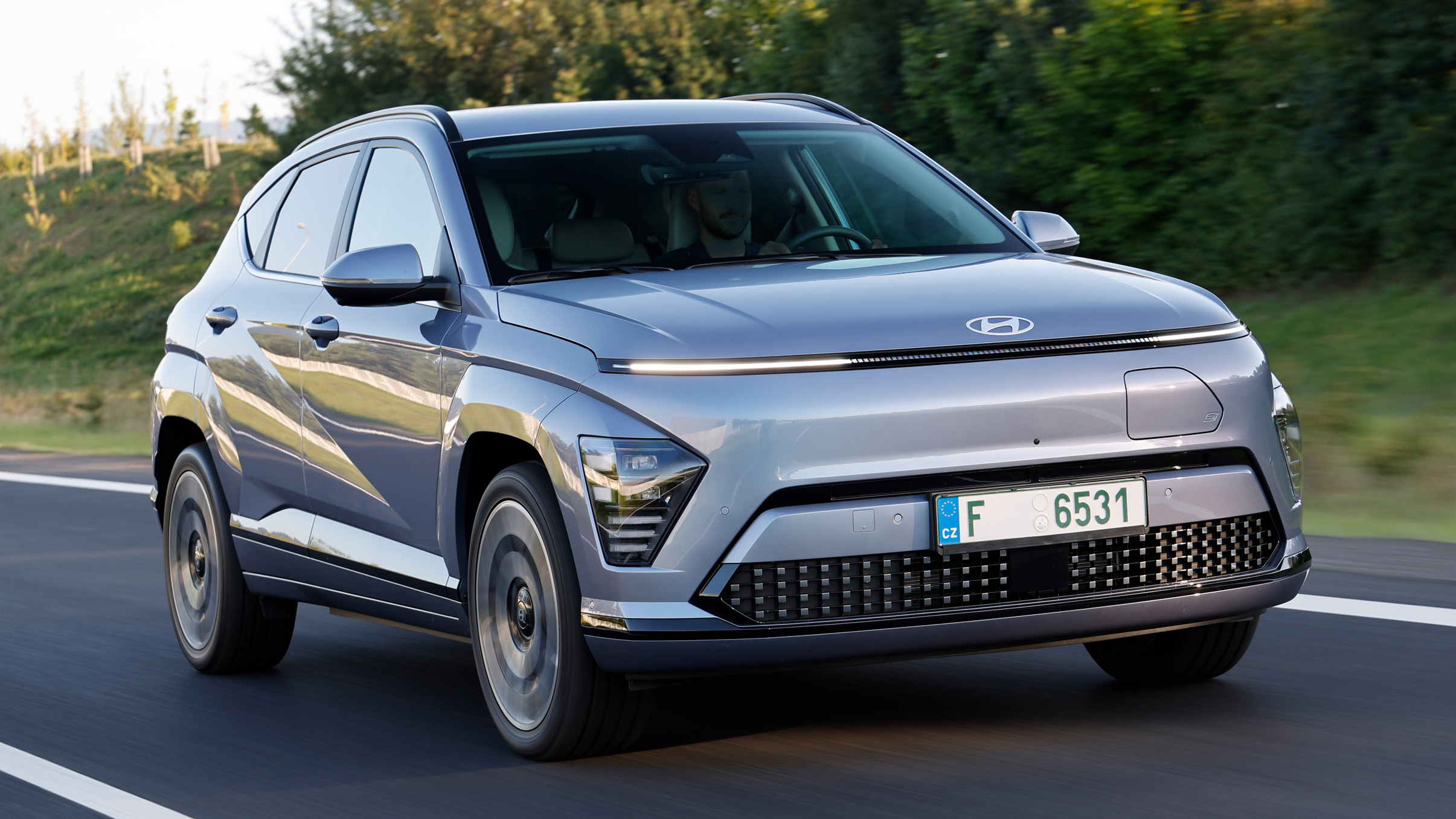
5. Hyundai Kona Electric: Strong Range and Power but Troubled by Reliability Issues
The 2023 Hyundai Kona Electric delivers an appealing mix of efficiency, power, and city-friendly practicality. With 201 horsepower, agile handling, and an estimated range of up to 258 miles, it offers a lively drive and competitive mileage for a subcompact electric crossover.
Its quick acceleration, user-friendly size, and DC fast-charging capability make it an attractive option for first-time EV buyers. However, significant reliability problems place it at the bottom of Consumer Reports’ rankings, where it earns a predicted reliability score of 1 out of 5.
Many owners have reported issues tied to the EV system and battery. Common complaints include “Check Electric Vehicle System” warnings, inoperable charging, and dealership-confirmed battery faults. Replacement batteries have often been on national backorder, causing lengthy repair delays. These concerns seriously affect confidence in long-term ownership.
Ride comfort is another drawback. The Kona Electric’s rear suspension can feel underdamped, leading to excessive bouncing over bumps and a less refined ride than some competitors. Range can also fall short during highway driving, particularly in the standard-range version, which may require careful speed management to reach farther destinations.
Daily use reveals smaller frustrations. One-pedal driving resets every time the car restarts, forcing drivers to re-enable the feature. Some find the infotainment navigation confusing, and the steering wheel may block parts of the digital display. Interior quality varies by trim, with some versions relying heavily on hard plastics and a flimsy center armrest. The absence of a spare tire also limits preparedness during major punctures.
For buyers with home charging and mostly urban driving habits, the Kona Electric remains practical and efficient. Those prioritizing long-term dependability, however, may prefer alternatives with stronger reliability records.
As the EV market expands, the gap between user-friendly designs and more demanding models continues to shape buyer expectations. Vehicles that offer smooth charging experiences, practical range, and clear controls tend to leave drivers satisfied, especially when paired with solid comfort and thoughtful interior layouts.
Meanwhile, models plagued by slow charging, reliability concerns, or overly complex features can turn what should be a modern upgrade into a daily challenge. The purpose of “5 EVs Simple To Live With vs 5 That Add Hassles” is to show how meaningful these differences can be once the vehicle becomes part of everyday life.
For many shoppers, the right choice comes down to honest self-assessment of how far they drive, how often they charge, and how much patience they have for tech quirks. With this comparison in mind, buyers can approach the market with clearer expectations and select an EV that genuinely suits their needs.
Also Read: 10 Cars With DIY-Friendly Oil Filters and Drain Plugs