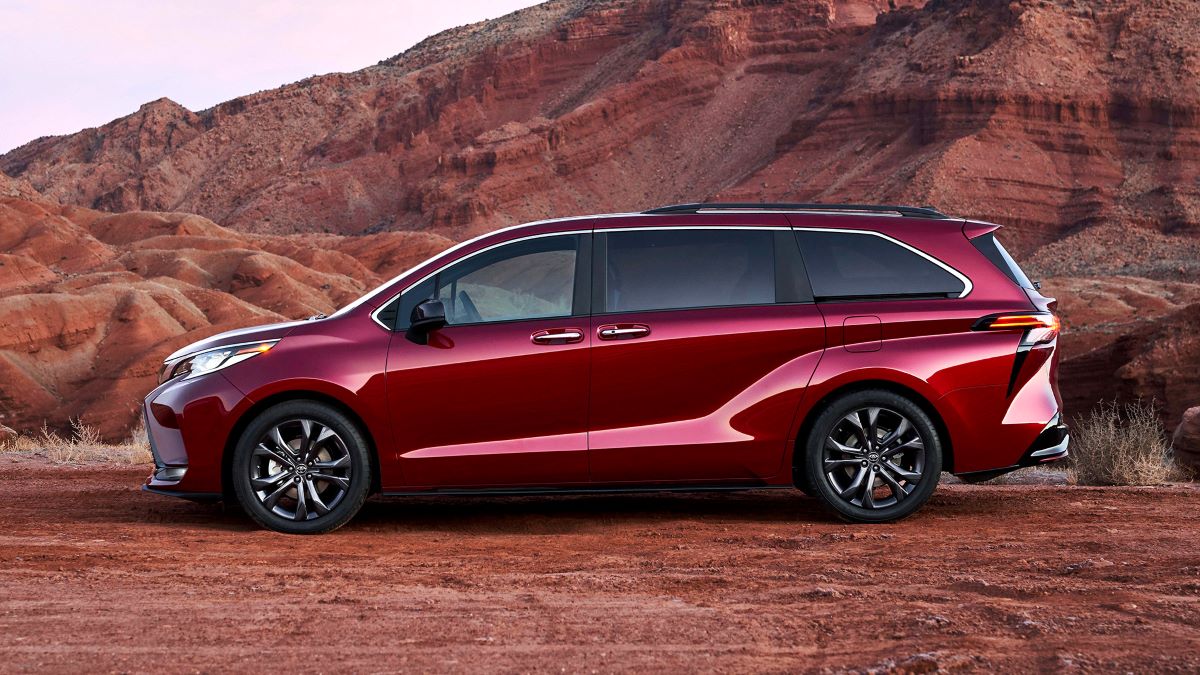
Transporting a full-size bicycle inside a vehicle without removing wheels, wrestling with awkward angles, or scratching up the interior is one of those real-world tests that quickly reveals how practical a car truly is.
While many U.S. buyers look at horsepower numbers, tech features, or fuel economy, cyclists, campers, and outdoorsy households have a more functional metric: Can this vehicle fit a bicycle inside without trouble?
Not every model marketed as “roomy” or “crossover-sized” is actually up to the task. Some designs offer long, flat cargo floors, wide liftgates, and clever seat folding that makes loading a bike easy.
Others have intrusive wheel wells, steep rooflines, or rear seats that refuse to fold completely flat resulting in a cramped, frustrating cargo space.
This list breaks down five models that genuinely swallow a bicycle comfortably, cleanly, and with minimal disassembly versus five vehicles that look roomy on paper but disappoint when tested in the real world.
If you’re hauling bikes for weekend trails, kids’ competitions, cross-country travel, or just to avoid mounting an expensive carbon frame on an exterior rack, these distinctions matter.
Spacious Models That Swallow a Bicycle
Manufacturers throw around impressive cargo volume numbers, but when it comes to fitting the things you actually want to transport, like a full-size bicycle, most vehicles fail miserably. You shouldn’t need an engineering degree or a $500 roof rack to enjoy your weekend.
It’s time to demand more from your vehicle. Real space means real freedom, the ability to throw your bike in the back on a whim, protect it from the elements and thieves, and arrive at the trailhead ready to ride. No disassembly required. No greasy fingerprints on your seats.
A select few vehicles actually live up to their spacious reputation. These are the models that understand what drivers really need: practical, no-nonsense cargo space that accommodates your active lifestyle without forcing you to compromise. If you’re serious about both cycling and convenience, these are the only vehicles worth considering.
1. Honda CR-V (Current Generation)
Few compact SUVs work as well for cyclists as the Honda CR-V. Its reputation for space isn’t hype its long cargo floor, low load height, and exceptionally flat-folding second row make it ideal for fitting a full-size adult road or mountain bike.
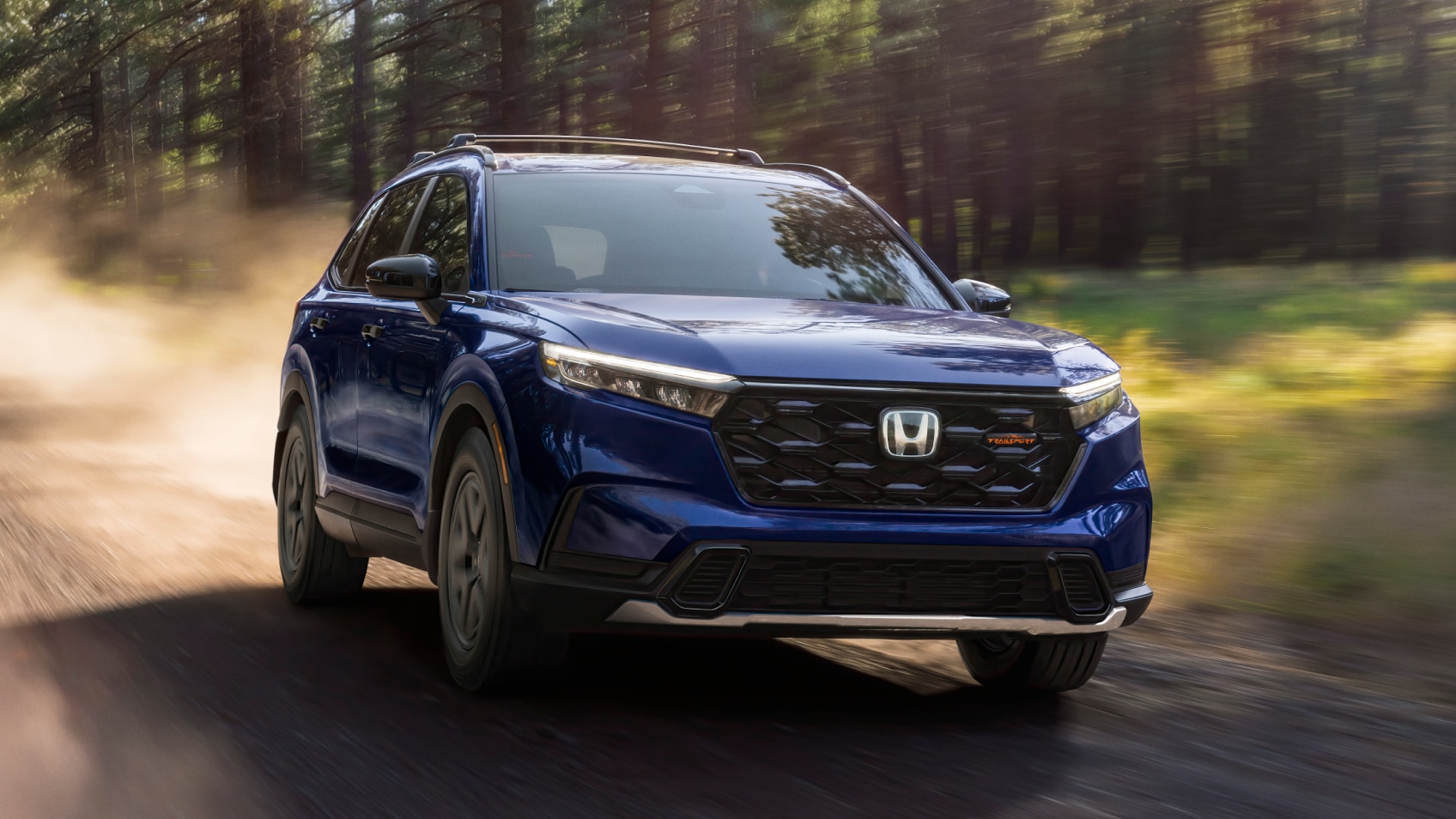
Most riders can slide in a bike without removing the front wheel, thanks to the CR-V’s generous 75+ cubic feet of cargo volume and tall opening.
Honda’s vertical tailgate design also avoids the tapering that plagues many compact crossovers today. For anyone who wants SUV practicality without upgrading to a full two-row midsize model, the CR-V sets the standard.
2. Subaru Outback
Cyclists love the Outback for good reason: its wagon shape gives it one of the longest cargo floors in its category.
That length makes a huge difference when transporting a bike because it lets owners load the bike diagonally without twisting the handlebars or forcing the frame into odd angles.
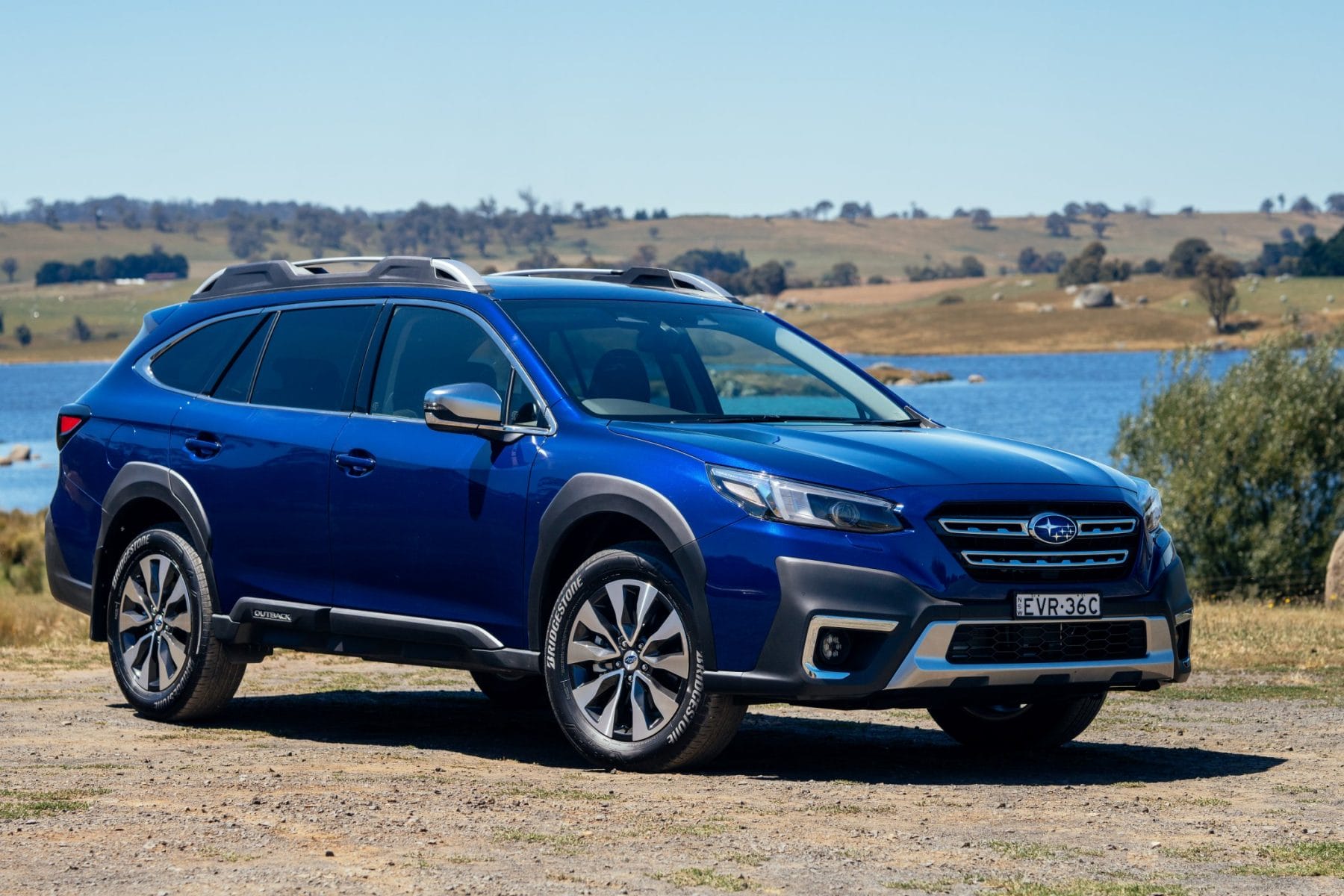
The Outback’s rear seats fold nearly flat, and its wide liftgate opening makes for a smooth loading process. Even larger 29-inch mountain bikes slide in with minimal adjustment.
Add the standard roof rails built into the vehicle for days when you prefer to carry multiple bikes externally, and the Outback becomes one of the most cyclist-friendly vehicles in America.
The Subaru Outback has always defied easy categorization, a jacked-up, adventure-ready wagon that sits somewhere between the compact Forester and more robust SUVs like the Toyota RAV4.
Pinning down its precise position in the crossover landscape has never been straightforward, yet that ambiguity has actually fueled its appeal. People may debate where the Outback fits on paper, but there’s no confusion about what it represents.
Subaru has carved out and owned this unique space for three decades, and the strategy has proven wildly successful. The Outback ranks among the brand’s all-time bestselling SUVs, becoming practically synonymous with outdoor enthusiasts who camp, hike, and pursue the kind of adventurous lifestyle this vehicle seems purpose-built to enable.
The Outback is shedding its role as the understated counterpart to the now-defunct Legacy sedan and embracing a bolder, more SUV-forward identity than ever before.
3. Toyota Sienna (Hybrid)
For those who regularly haul gear, kids, dogs, and bikes, the Toyota Sienna delivers unmatched flexibility. Its sliding doors alone make loading a bike infinitely easier compared to SUVs.
But the real magic comes from the flat cargo area and enormous interior length available when the third row is folded down.
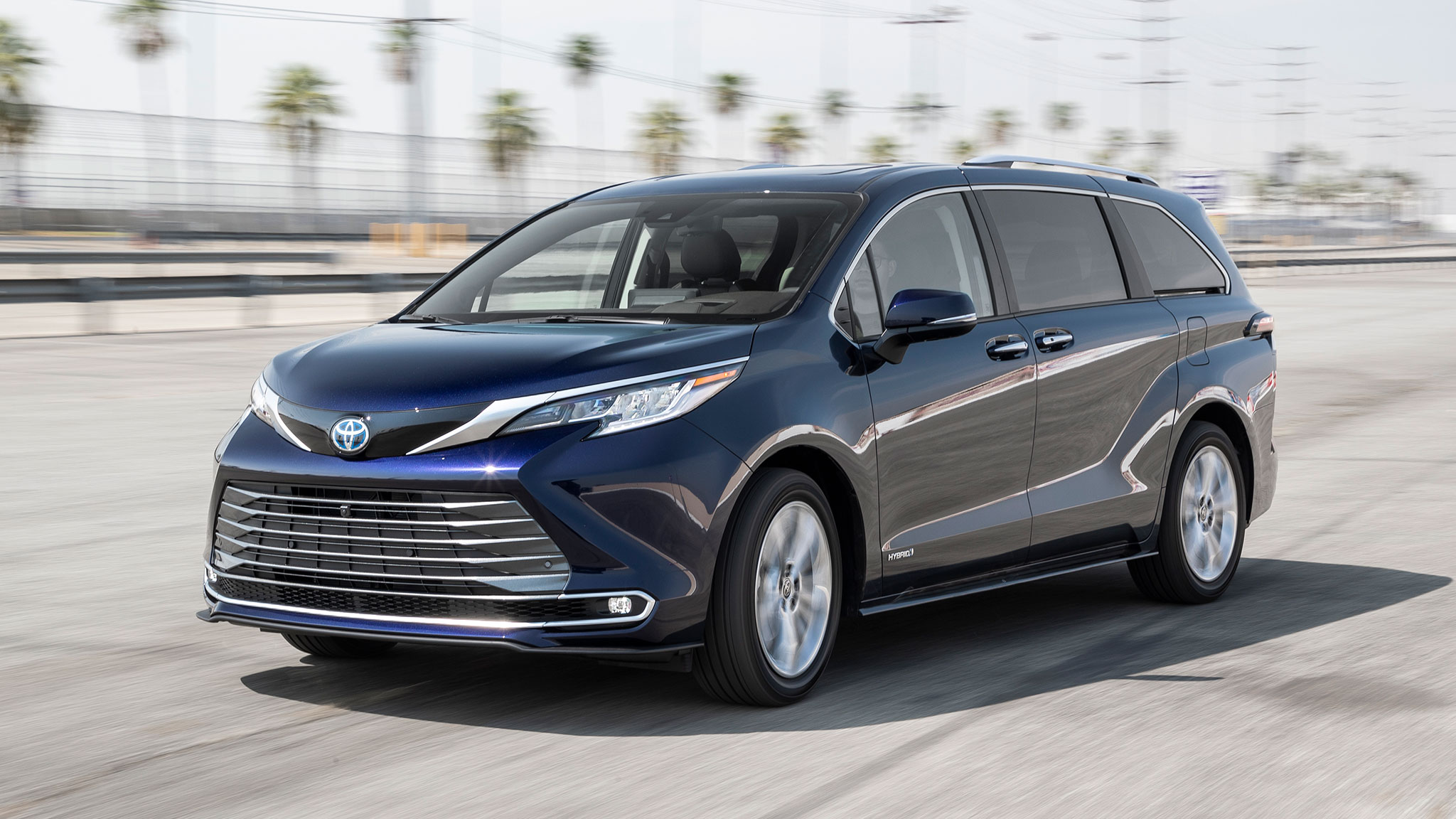
Even with the Sienna’s second-row seats not fully removable (unlike earlier generations), it’s still spacious enough to fit two full-size bikes inside without removing wheels.
For families with cycling hobbies or road trips where a bike needs to stay secure and protected from the weather, the Sienna remains one of the best choices on the U.S. market.
4. Kia Carnival
Although it looks like a stylish crossover from the outside, the Kia Carnival is a minivan with supercar-level interior volume if the supercar’s mission was hauling people and gear.
Its completely flat cargo floor (when the third row is stowed) and extremely wide liftgate mean a bicycle fits inside with the kind of ease that makes SUVs feel cramped.
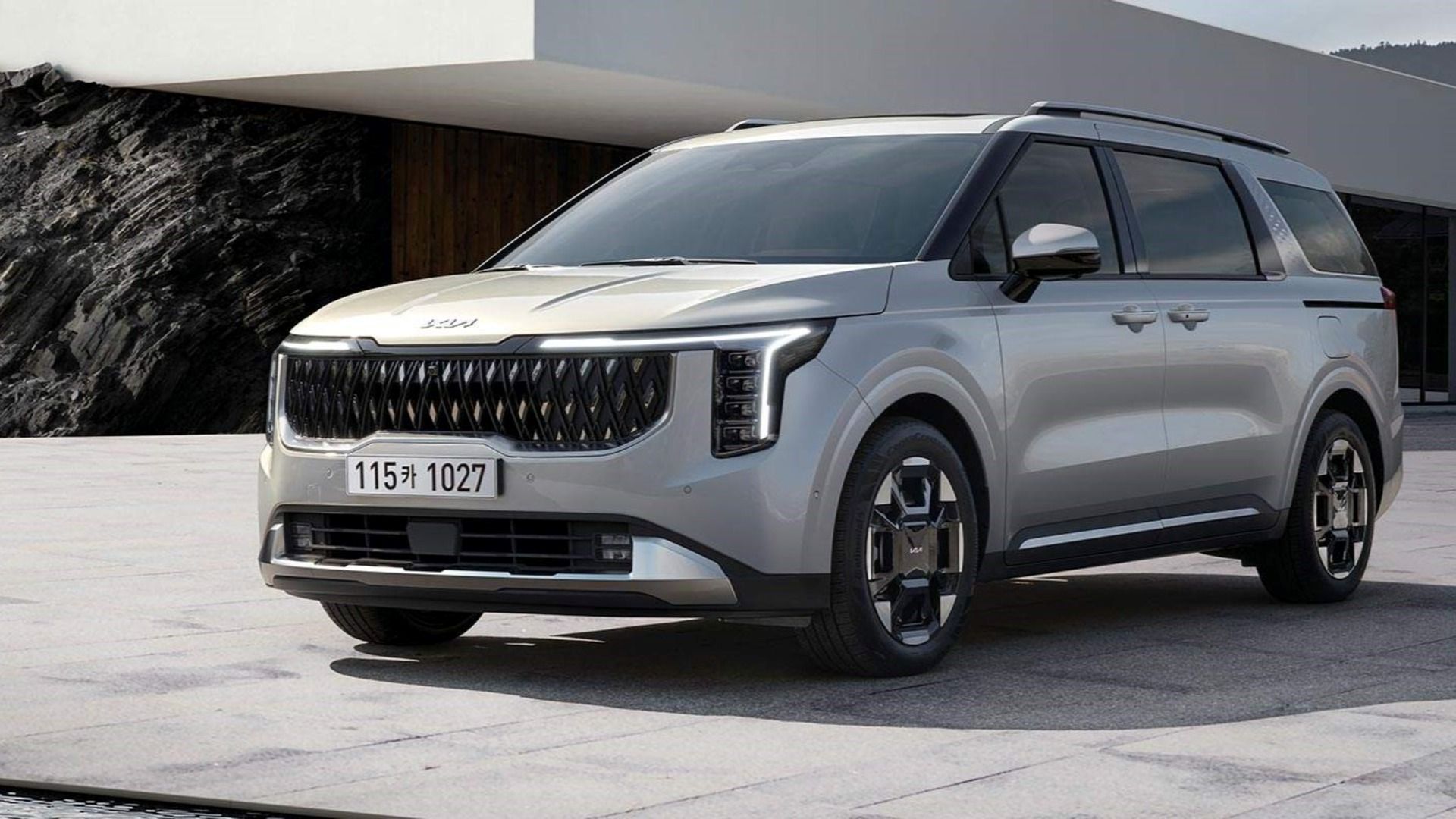
The Carnival’s boxy shape also avoids the sloping rooflines and tapered cargo openings that reduce usable space in many three-row crossovers.
For buyers trying to avoid the minivan stigma while still needing ridiculous cargo room, the Carnival is a smart pick that handles bikes better than nearly any SUV.
The 2026 Kia Carnival stands out as an excellent minivan option for buyers who need convincing that minivan life is actually a good idea. At least from the outside, it doesn’t broadcast “minivan!” quite as loudly as competing models, and the front cabin feels more like a crossover SUV than a traditional people-hauler.
Make no mistake, though, the Carnival is absolutely a minivan through and through, and an impressive one at that. Our overall rankings place it slightly below the Toyota Sienna and Honda Odyssey, but the gap isn’t substantial, and many buyers will find the Carnival’s unique features compelling enough to tip the scales.
The available second-row VIP Lounge seats in the Kia Carnival immediately grab attention with their pop-up footrests and luxurious recline capability. Here’s the catch, though, our testing revealed those footrests only work well for shorter teenagers or compact adults.
The real winner is actually the Carnival’s second-row bench configuration. Its center seat slides forward and backward independently, opening up shoulder space when all three positions are filled. Better yet, you can pull it out completely to create a pair of captain’s chairs that offer significantly more sliding range than what you’ll find in the Odyssey or Pacifica.
5. Chevrolet Tahoe
Full-size SUVs aren’t always as spacious as they look, thanks to high cargo floors and bulky third-row seat mechanisms.
But the Chevrolet Tahoe breaks that pattern. Its enlarged wheelbase (a major improvement over the previous generation) gives it one of the segment’s flattest and longest cargo floors.
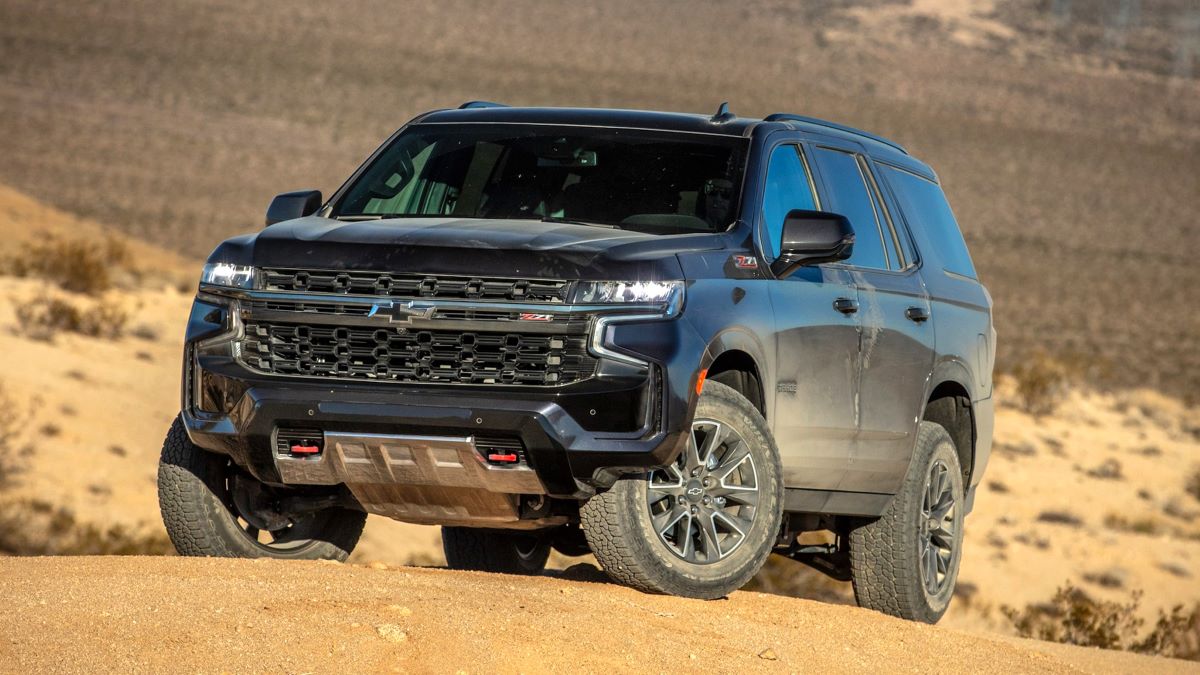
With the third row folded, a full-size mountain bike slides in with the front wheel still attached rare for body-on-frame SUVs. The Tahoe’s squared-off cargo opening and tall roof make side loading possible, too.
Buyers who want something with towing capacity, V8 power, and bike-hauling practicality will find the Tahoe a surprisingly cyclist-friendly rig.
Models That Don’t Swallow a Bicycle (Unless You Get Creative)
These vehicles might boast impressive specs on paper, generous legroom, or even “best-in-class” cargo capacity. But the moment you try to load a standard adult bicycle without removing wheels, folding seats into origami, or invoking some questionable physics, reality hits hard.
You’ll find yourself reaching for tools, cursing oddly-shaped cargo areas, or finally admitting defeat and ordering that roof rack you swore you’d never need.
We’re not saying these are bad vehicles, many excel in other areas. But if hassle-free bike transport is non-negotiable for you, these models will test your patience and your problem-solving skills. Consider this your warning: unless you enjoy weekend DIY projects that involve hex wrenches and creative angles, you might want to look elsewhere.
Here are the vehicles that talk a big game but leave cyclists scrambling for solutions:
1. Mazda CX-5
The Mazda CX-5 is a favorite for its handling and interior quality but it’s one of the worst cargo performers in the compact class for oddly shaped items like bicycles.
Its aggressively sloped rear roofline dramatically limits usable vertical space, and its rear seats don’t fold completely flat.
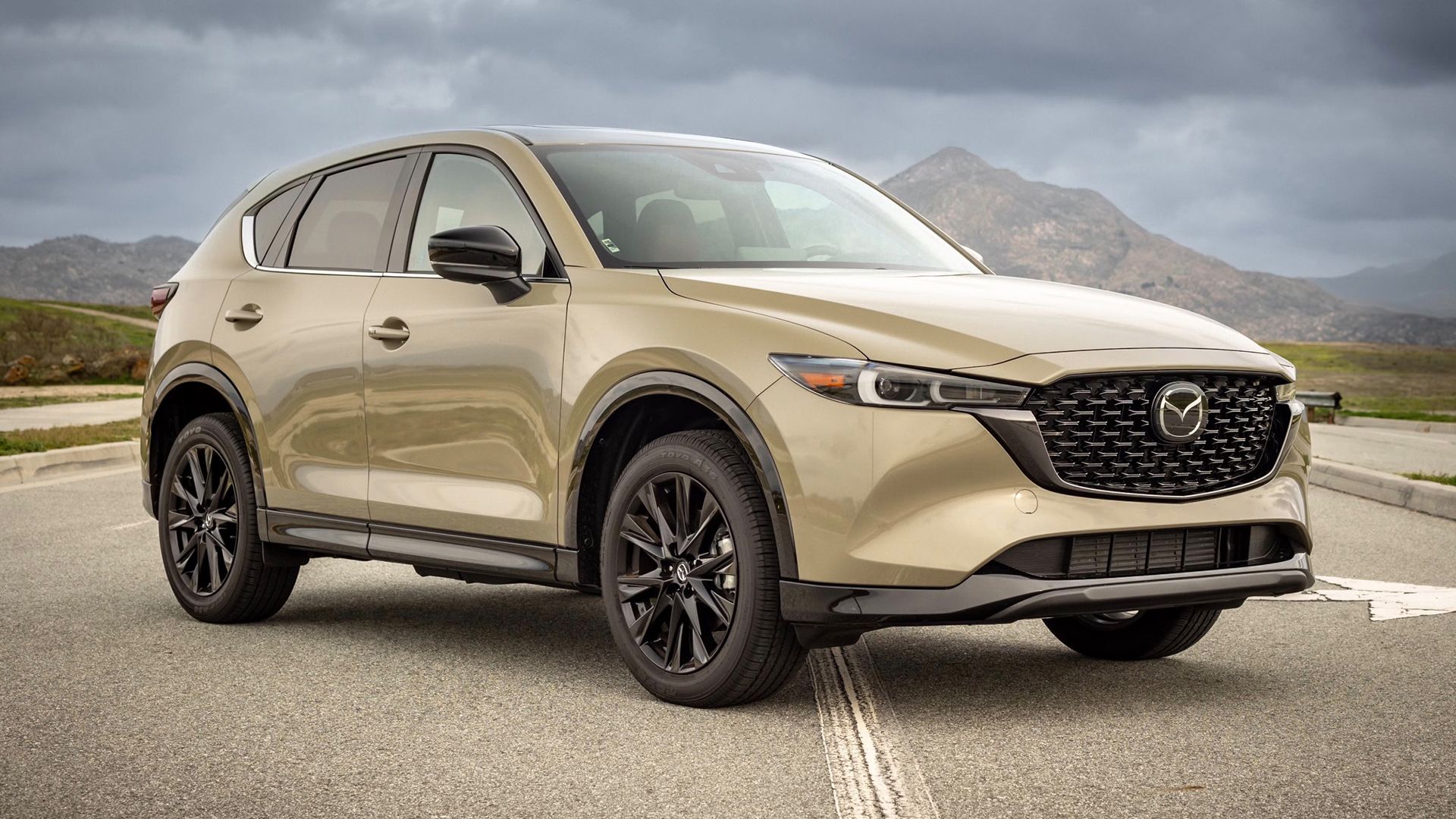
That forced angle pushes bikes into awkward positions, often requiring the removal of at least one wheel and careful maneuvering. Mazda’s focus on style and driving feel simply means cargo practicality takes a back seat.
The CX-5’s base 187-hp four-cylinder engine delivers impressive throttle response during city driving and pulling away from intersections, creating the impression of more power than the specs suggest. Where it struggles is at highway speeds, passing slower traffic or merging onto freeways exposes its limitations.
The 256-hp turbocharged engine we evaluated offered substantially stronger acceleration across the board. Both powertrains work with a responsive six-speed automatic transmission and come standard with all-wheel drive. The CX-5 doesn’t require aggressive driving to reveal its qualities or demonstrate why it’s exceptional.
But it also glides over deteriorated pavement without drama and delivers a ride quality you’d expect from crossovers costing double the price. This seamless blend of driving characteristics stands unmatched among its rivals.
Bumps and cracks get filtered out effectively, wind and tire noise stay subdued, and the suspension tuning avoids being either harsh or overly soft. Yet the Mazda transforms on winding roads.
The electric power steering delivers gratifying feedback and precision. The Signature trim we drove featured confident brake pedal feel with immediate response that wasn’t overly sensitive when slowing down.
2. Toyota RAV4
On paper, the RAV4 has solid cargo volume. In the real world, cyclists are often disappointed. Wheel wells jut into the cargo area, the load floor sits higher than expected, and the rear opening narrows at the top.
These elements combine to make sliding a full-size adult bike inside tricky without taking the front wheel off. Even then, handlebars tend to poke into the side trim unless angled carefully. It’s a dependable compact SUV, just not a bike hauler’s dream.
The 2020 RAV4 relies on a 203-hp 2.5-liter four-cylinder engine matched to an eight-speed automatic transmission. Front-wheel drive comes as the baseline configuration, though Toyota now provides multiple all-wheel-drive system options depending on which trim you select.
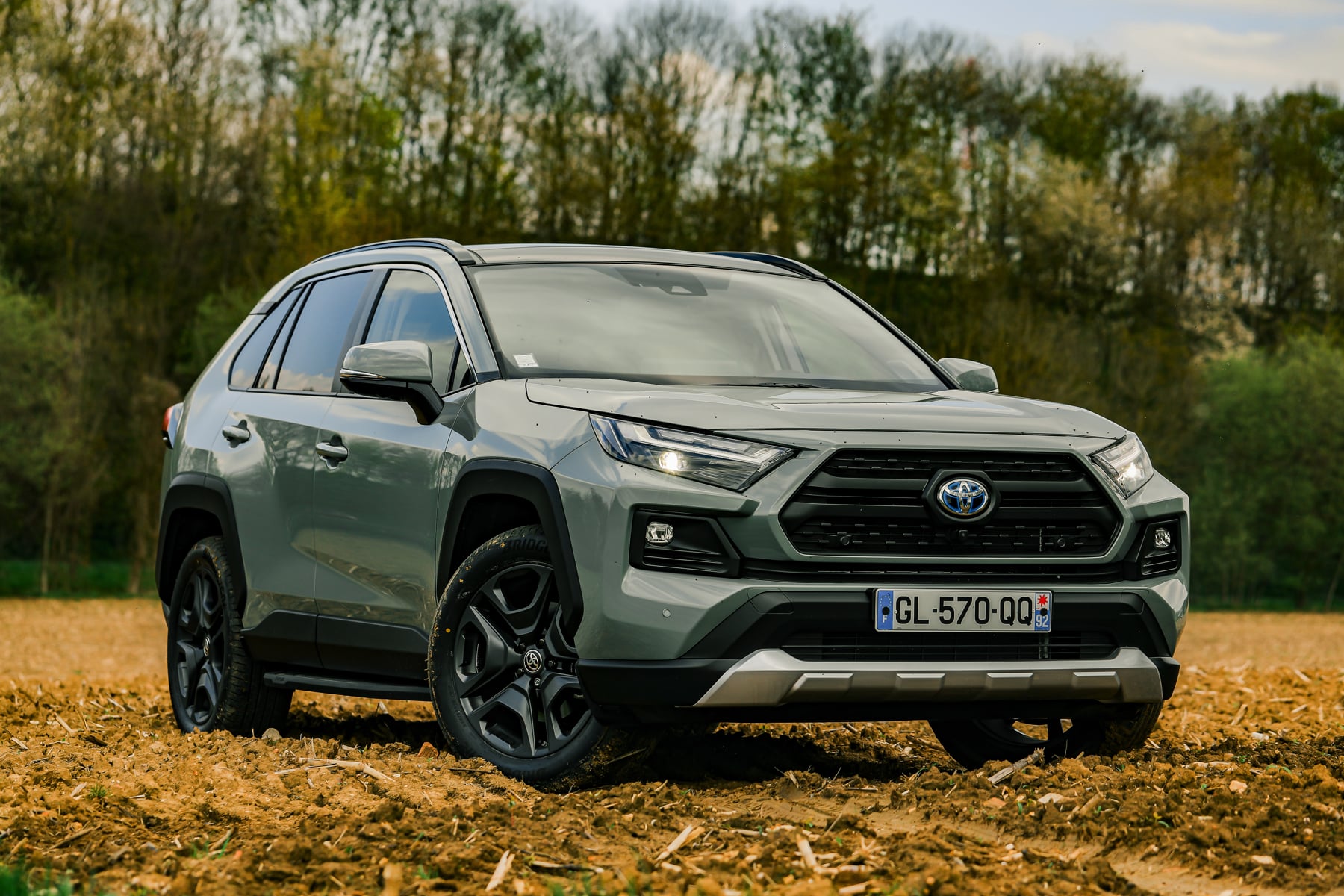
The Adventure model we evaluated featured an all-wheel-drive setup capable of disengaging the rear axle when conditions allow, boosting fuel efficiency. During our test track evaluation, the RAV4 demonstrated improved quickness compared to earlier versions: We clocked a 60-mph sprint of 8.0 seconds with the 2019 model and 8.3 seconds with the 2018.
The hardworking four-cylinder can get vocal, particularly when attempting highway passes, and our test vehicle’s transmission occasionally hesitated when asked to kick down a gear. The RAV4 Hybrid delivered an even more impressive 7.4-second 60-mph time during our testing.
The RAV4 maintains a solid and planted demeanor during highway cruising and handles itself respectably through winding roads, though it doesn’t generate the same driver confidence as our class-leading pick, the Mazda CX-5.
The RAV4 achieved fuel-economy ratings from the EPA that compete well within its class. Front-wheel-drive RAV4s can achieve up to an estimated 35 mpg during highway driving. Our all-wheel-drive Adventure returned 32 mpg during our 200-mile highway fuel-economy evaluation, falling 1 mpg short of the EPA’s projected rating for that configuration.
The RAV4’s cabin emphasizes practical design and abundant storage solutions. A handy shelf stretches across the dashboard and works in tandem with the generous center console. Our test vehicle showcased a combination of cushioned surfaces and quality plastic materials.
3. Jeep Grand Cherokee (Two-Row)
The latest Grand Cherokee is comfortable, capable, and premium but cargo practicality isn’t its strength. The sloping tailgate and limited floor length make fitting a bicycle inside surprisingly challenging.
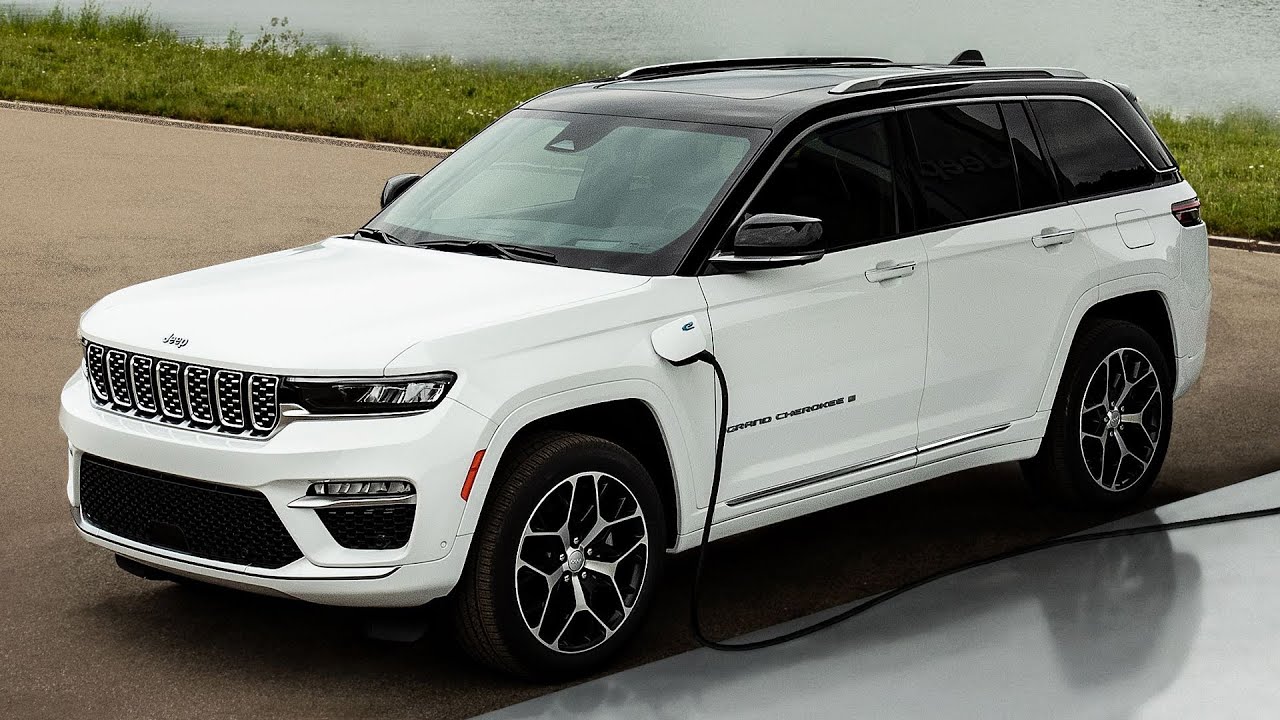
Most riders will have to remove the front wheel and rotate the handlebars, and even then, loading is tighter than expected for a midsize SUV. Jeep optimized the interior for passenger comfort, not gear hauling, which shows in the real-world cargo geometry.
4. Volkswagen Tiguan
The Tiguan prioritizes passenger space over cargo depth. Its long second-row legroom leaves a shorter cargo area than most competitors once the seats are folded.
Add the fact that the seatbacks don’t create a completely flat surface, and storing a bike becomes a balancing act.
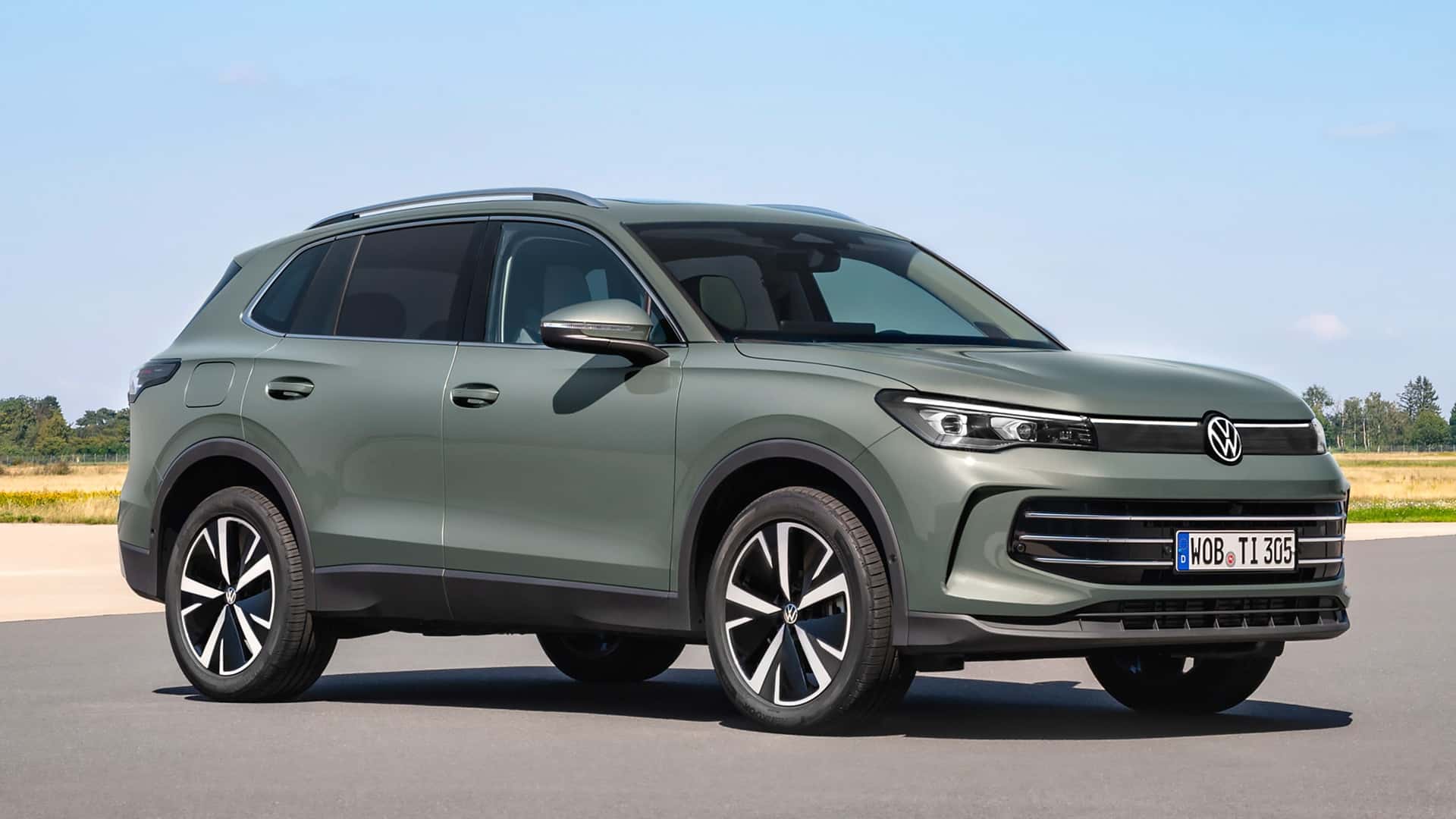
It’s workable if you remove wheels, but it’s far from easy and disappointing given the Tiguan’s otherwise practical reputation. U.S. buyers who need kid room more than gear room still benefit, but cyclists should look elsewhere.
Following a comprehensive redesign for 2022, the Tiguan crossover continues into 2023 maintaining its four trim levels while adding fresh 19-inch wheels to the SE R-Line Black variant.
The Tiguan occupies an unusual position in the market, bigger than most compact SUVs yet more modest than nearly all traditional three-row vehicles. This model leads Volkswagen’s sales charts by a substantial margin, and it competes against a diverse range including everything from the Honda CR-V to the Kia Sorento and Mitsubishi Outlander.
Despite what typical SUV conventional wisdom might suggest, there’s a strong argument for selecting the Tiguan FWD instead of the AWD. The noticeably lighter front-wheel-drive 2022 model we evaluated delivered a more engaging driving experience and provides additional cargo capacity, provided you skip using its cramped standard third row.
No matter which drivetrain you choose, the redesigned Tiguan delivers precise and progressive steering, solid body control, plus handling performance that suits the compact crossover’s primary mission.
Sightlines from the driver’s position are excellent, and the Tiguan comes well-appointed, though the cabin doesn’t offer much visual character. Like certain other VWs, those frustrating touch-capacitive controls make an appearance here too. Despite this, the SUV serves as a pleasant everyday vehicle.
The 2023 Tiguan runs on a 2.0-liter turbocharged inline-four generating 184 hp and 221 lb-ft of torque. Anticipate both front- and all-wheel-drive configurations to continue using the same eight-speed automatic transmissions from 2022.
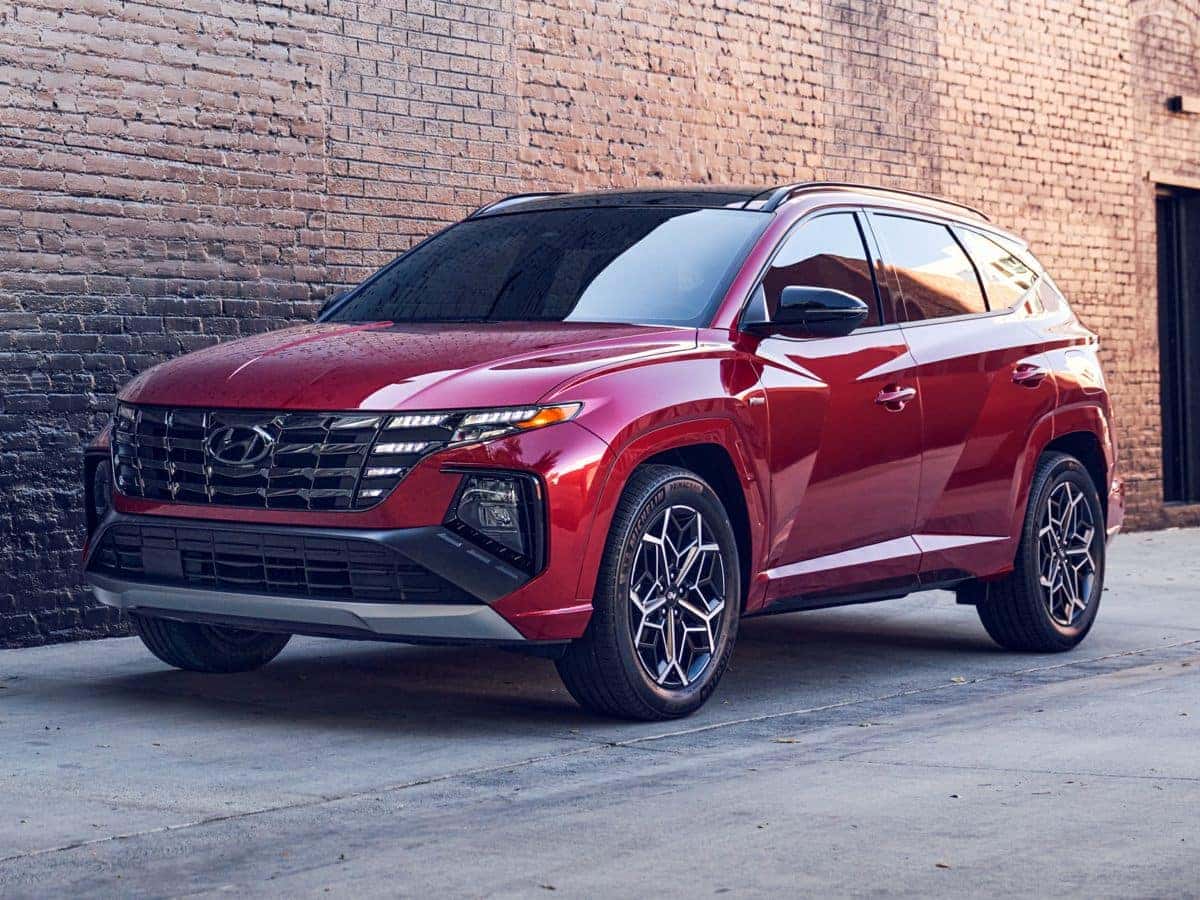
5. Hyundai Tucson
Hyundai’s latest Tucson is striking from the outside, but its interior layout sacrifices some of the long-floor cargo space cyclists need.
The cargo floor is shorter than many rivals, and the rake of the tailgate limits maneuverability when lifting a bike in vertically.
It’s not impossible to load a bike inside, but riders will usually end up removing the front wheel and tweaking handlebar angles. If you’re buying the Tucson mostly for gear-heavy hobbies, its cargo compromises are noticeable.
For U.S. drivers who spend weekends riding trails, commuting with their bikes, or transporting kids’ bikes to competitions, the difference between a bike-friendly vehicle and a cargo-challenged one can make or break the ownership experience.
Much like the new-for-2020 Sonata midsize sedan, the 2022 Tucson is guaranteed to attract attention wherever it appears. The transition from concept to production has been surprisingly minimal.
Many of the styling elements first shown on the Vision T Concept have carried straight into the final version, including the striking LED daytime running lights integrated directly into the grille.
The revamped Tucson finds enough success that rivals like Honda and Toyota should take notice. Its bold styling looks significantly more appealing in person, but beyond that, the interior stands out as exceptional. A seamless design arc flows from the dashboard to the rear seats, and the digital displays are vivid and quick to respond.
Air distribution isn’t normally a talking point, yet the Tucson’s “diffuse” mode proves impressively innovative. Still, we wish Hyundai had included a physical volume knob and reduced the reliance on capacitive-touch controls.
Behind the wheel of the hybrid model, we enjoyed its familiar powertrain feel combined with smooth electric torque in the lower RPMs. By contrast, the 2.5-liter I-4’s uneven power delivery becomes bothersome in the gasoline-only version.
The ride leans toward the firmer side, which helps achieve excellent grip and limited body roll, but in daily driving we found ourselves wanting a bit more softness for comfort. In a comparison test with the Honda CR-V, the Tucson came up short largely because the Honda offered a stronger powertrain and more practical packaging.
More spacious, more stylish, and more efficient than the previous generation, the Tucson looks extremely competitive on paper. The amount of equipment you get for the price is also difficult to overlook.
However, its somewhat awkward driving behavior plays a noticeable role in how it performs day to day. As much as we admire about the 2022 Tucson, there are still areas that feel like they need further polishing. Make sure to check out our full breakdown of pros and cons for a deeper dive.
For North American buyers, the 2022 Tucson debuts with a 2.5-liter I-4 engine producing 190 hp and 182 lb-ft of torque. As before, front-wheel drive is standard and all-wheel drive remains optional.
The sole transmission is an eight-speed automatic, and fuel economy is rated at 24–26/29–33 mpg city/highway. In our testing, an AWD 2.5-liter model required a long 9.3 seconds to reach 60 mph.
Hybrid and plug-in hybrid variations are joining the lineup as well. Both use a 1.6-liter turbocharged I-4 paired with an electric motor and a lithium-ion battery pack.
The Tucson Hybrid delivers a combined output of 226 hp and 265 lb-ft, while the plug-in hybrid is expected to produce 261 hp. The Hybrid returns 37–38/36–38 mpg, and the plug-in model offers a 35 mpg combined rating along with 33 miles of all-electric driving.
A 2022 Tucson N Line version is also arriving, though it doesn’t get the same performance upgrades found on the Sonata N Line. That sedan gained a 290-hp turbocharged four-cylinder, sport-tuned suspension and steering, grippier tires, larger wheels, and more supportive seats.
Models like the Honda CR-V, Subaru Outback, Toyota Sienna, Kia Carnival, and Chevrolet Tahoe stand out not just for their raw cargo volume, but because their shapes, folding mechanisms, and liftgate designs work in real-world scenarios.
Meanwhile, popular models such as the Mazda CX-5, Toyota RAV4, Volkswagen Tiguan, Hyundai Tucson, and Jeep Grand Cherokee show that large cargo specs on a brochure don’t always translate to functional space.
Design choices from roofline slopes to seat angles can dramatically reduce everyday usability.
If your lifestyle includes bicycles, camping gear, or large sporting equipment, test-loading a bike during the dealership visit is one of the smartest moves you can make.
In the end, choosing a vehicle that swallows a bicycle effortlessly can save time, protect your gear, and make your adventures smoother year after year.