
When you’re shopping for a sedan in the U.S., comfort isn’t just a luxury it’s a quality-of-life feature.
Whether you’re driving through suburban neighborhoods with countless speed humps or navigating city streets dotted with sudden raised bumps and patchy pavement, how a car handles these low-speed obstacles can significantly affect your daily commute.
Some sedans absorb imperfections with a smooth, cushioned ride that barely disturbs passengers, while others hit the same speed bumps with a loud, stiff thud that can jolt the cabin and fatigue the driver.
Ride feel depends on multiple engineering decisions suspension tuning, wheel and tire combinations, chassis rigidity, damper technology, and even seat padding.
With that in mind, this comparison breaks down five sedans that excel at speed-bump comfort and five that struggle, so shoppers know exactly what to expect.
Sedans That Glide Over Speed Bumps
Speed bumps may be great for calming traffic, but for many sedans, they’re the ultimate test of suspension quality. Some cars thud, wobble, or bounce their way over every hump in the road, while others slip across with the kind of smoothness that makes daily driving feel effortless.
Today’s best-riding sedans use a blend of smart suspension tuning, adaptive dampers, and well-balanced chassis setups to keep cabin motion under control, whether you’re easing through a neighborhood or navigating a crowded parking lot.
In this article, we highlight the sedans that truly excel at absorbing imperfections, gliding over speed bumps with a level of refinement that stands out in real-world driving.
1. Toyota Avalon
Even though the Avalon has been discontinued in favor of the Toyota Crown, the used market is full of well-kept examples and they remain one of the smoothest-riding sedans you can find.
The Avalon’s long wheelbase, soft suspension geometry, and emphasis on luxury-leaning comfort make speed bumps barely noticeable.
Its dampers are tuned for gentle rebound, meaning the car doesn’t bounce after the bump, and the large 17- or 18-inch wheels with thick sidewalls soak up imperfections.
For suburban families and retirees alike, the Avalon drives like a rolling sofa without feeling mushy or disconnected.
The 2022 Avalon manages to satisfy drivers who prioritize comfort as well as those looking for a touch of excitement behind the wheel.
The XLE and Limited trims deliver the plush ride expected from a large sedan, while the Touring model trades a bit of softness for more precise handling dynamics. No matter which trim you choose, the standard V-6 engine provides ample power for confident highway passing.
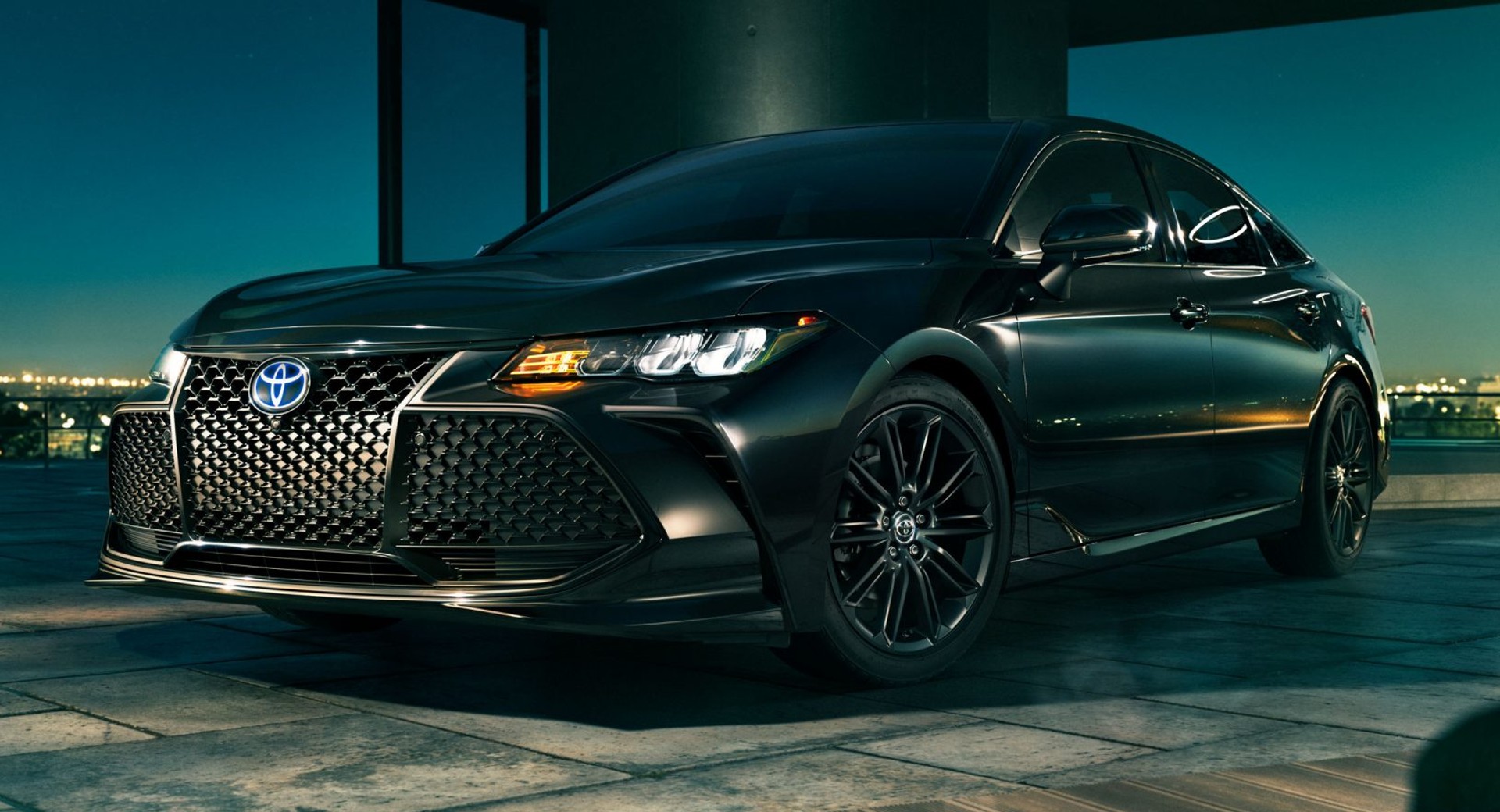
Toyota also offers the Avalon as a hybrid. Although it isn’t as strong as the V-6 model, the combination of a four-cylinder engine and dual electric motors responds quickly. The brakes avoid the overly soft feel that affects many hybrids, and the real standout benefit comes from its exceptional fuel economy.
Soft-touch surfaces cover much of the Avalon’s cabin, and when paired with its extensive list of standard features, the result is a genuinely upscale atmosphere. The Limited trim, with its genuine wood accents, feels especially premium.
Well-rounded and polished, the Avalon remains one of the strongest choices in the full-size sedan category. However, the bigger question is how long buyers will continue choosing large sedans at all, especially as SUVs dominate with their generous interior space, higher ground clearance, and elevated driving position.
The 2022 Toyota Avalon comes equipped with a 3.5-liter V-6 producing 301 hp and 267 lb-ft of torque. An eight-speed automatic transmission sends power to the front wheels, and in our testing, the Avalon Touring reached 60 mph in a swift 6.0 seconds. Fuel economy for these models is rated at 22/31–32 mpg city/highway.
For the Avalon Hybrid, a 2.5-liter four-cylinder engine works with two electric motors for a combined 215 hp. A CVT automatic and front-wheel drive are standard. Fuel economy is excellent, returning 43/43–44 mpg city/highway.
2. Lexus ES
The Lexus ES is essentially the Avalon’s luxury cousin, and its ride quality is arguably even better. Lexus engineers prioritize quietness and isolation, something immediately noticeable on neighborhood streets where speed humps are common.
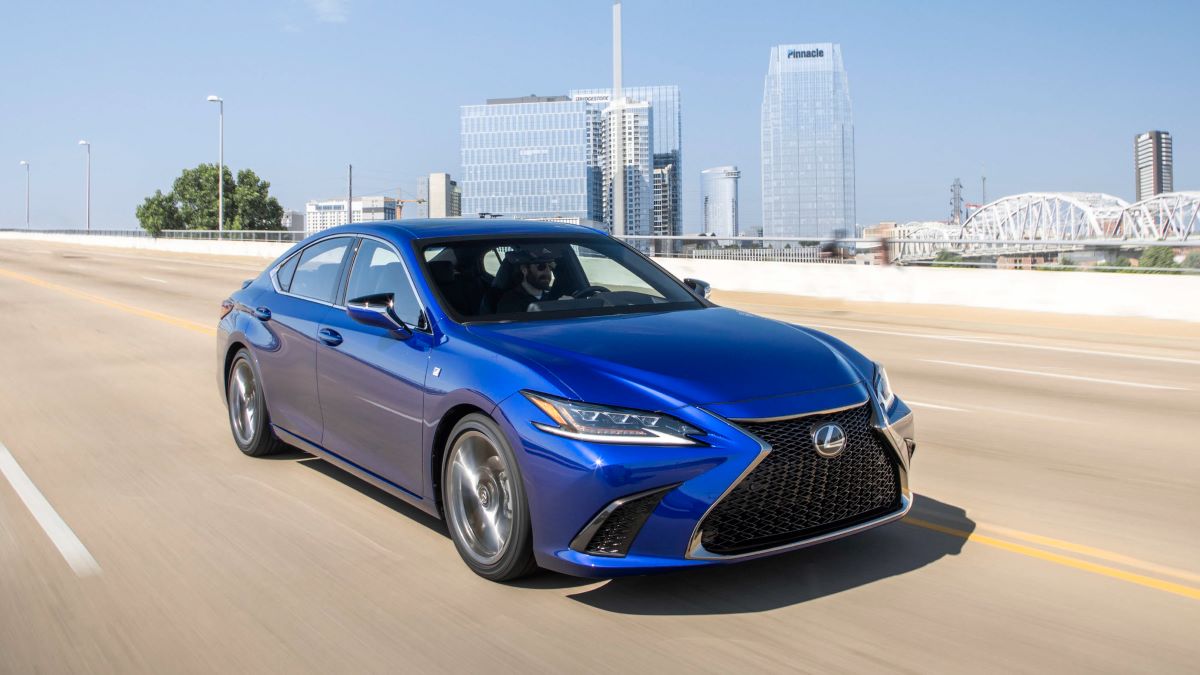
The ES uses adaptive dampers on higher trims, giving it the ability to soften rebound over shock loads like abrupt bumps.
Its chassis insulation also filters out noise that cheaper sedans simply can’t hide. For drivers who want a serene daily commuter think long drives to work, school pickups, and highway cruises the ES delivers a cloud-like glide.
The new ES will introduce several powertrain choices, and every one of them incorporates some level of electrification. The first setup is a familiar one: the hybrid ES returns, now renamed the ES 350h instead of the 300h. This version uses Lexus’ sixth-generation hybrid system.
In this configuration, a 2.5-liter naturally aspirated four-cylinder engine works with a compact battery pack and an electric motor. Combined output comes in at roughly 248 horsepower, marking a noticeable increase over the current 300h’s 215 horsepower. Fuel economy estimates have not yet been released.
Lexus is also taking the ES fully electric for the first time. Buyers will be able to choose between two EV variants: the ES 350e, which features a single motor and front-wheel drive, and the ES 500e, which gains all-wheel drive.
The ES 350e is expected to produce 224 horsepower and deliver an estimated 300 miles of driving range, according to Lexus. The dual-motor ES 500e generates about 340 horsepower, though its range will probably be lower than the front-drive version.
Lexus notes that the ES supports a maximum charging rate of 150 kW, and under ideal weather conditions, a charge from 10% to 80% should take roughly 30 minutes.
All of these figures remain preliminary and may change after the model completes U.S. validation, but we will update this information as official specifications become available.
3. Buick LaCrosse
Buick has long branded itself around comfort, and the LaCrosse proves that a quiet, cushioned ride is still a competitive advantage.
Riding on GM’s premium Epsilon II platform, the LaCrosse features soft bushings and a suspension designed to iron out rough roads.
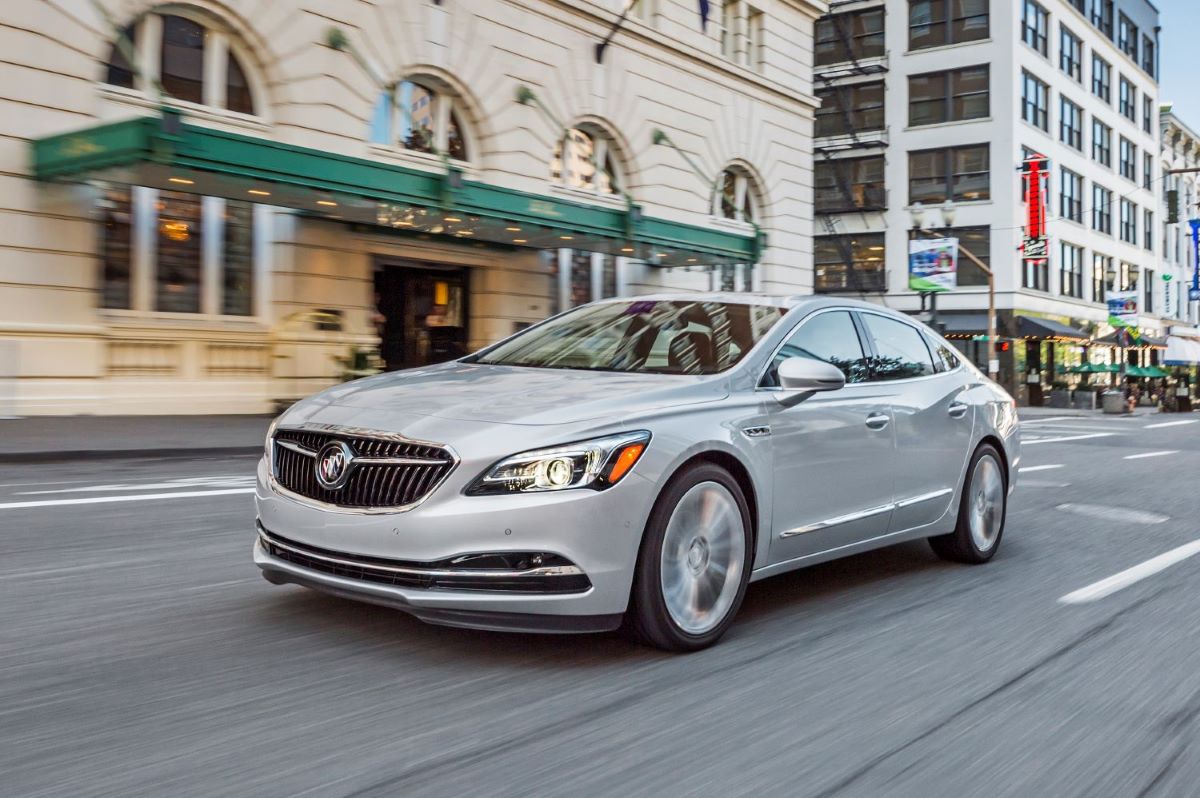
It’s especially ideal for U.S. cities with aging infrastructure Detroit, Philadelphia, Chicago where speed bumps aren’t the only problem; potholes and cracked asphalt lurk everywhere.
Its plush ride may not offer sporty handling, but for comfort-first shoppers, few sedans glide over neighborhood bumps as gracefully as the LaCrosse.
4. Hyundai Sonata (Non-Sport Trims)
The modern Sonata, especially in its SEL and Limited trims, offers a surprisingly compliant suspension. Hyundai intentionally softened the ride to appeal to U.S. buyers who value smoothness over razor-sharp handling.
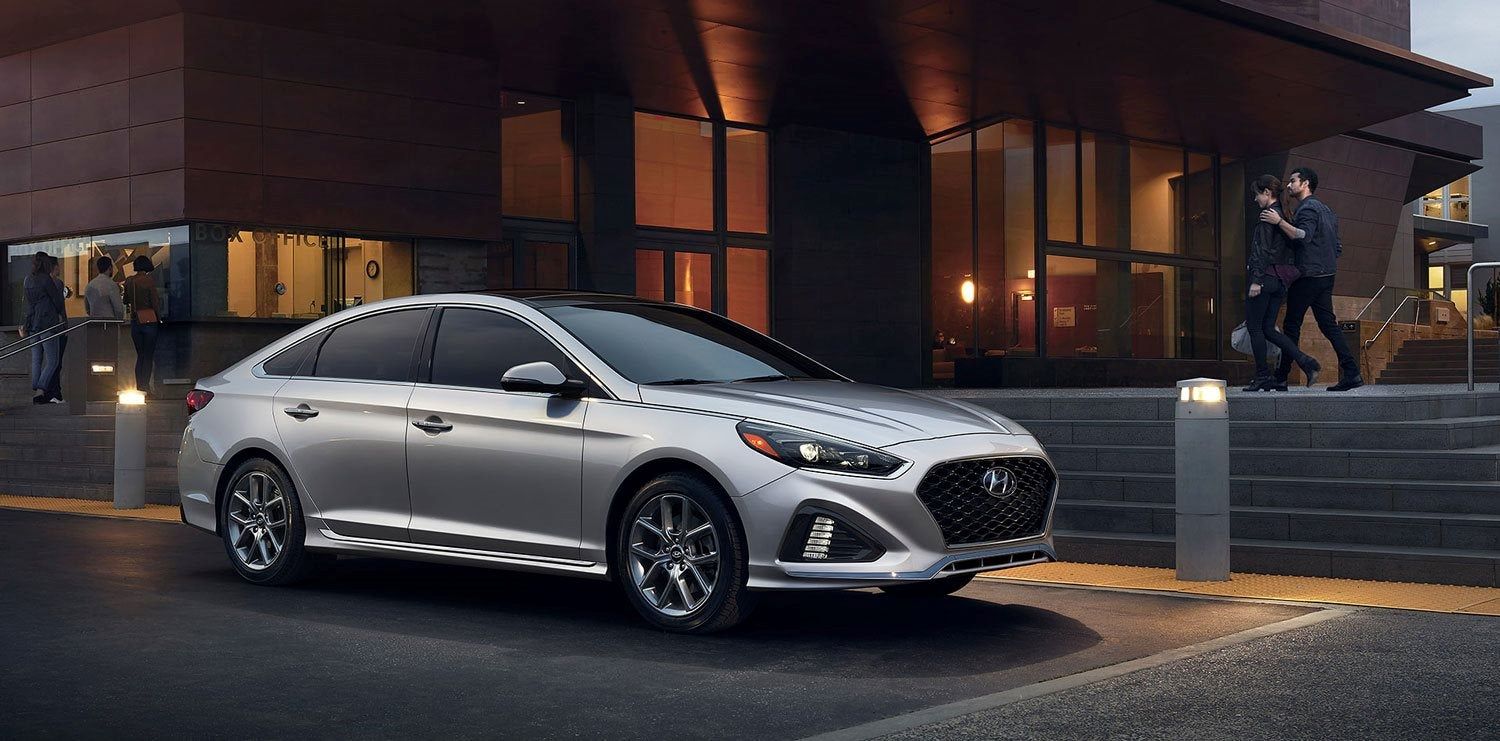
The Sonata’s combination of a well-damped suspension and 16- or 17-inch wheels helps it roll over low-speed bumps with a plush, rounded response.
It doesn’t slam or jar occupants, and road noise remains well-controlled. For commuters who want comfort without stepping up to a luxury brand, the Sonata is one of the best gliders under $35k.
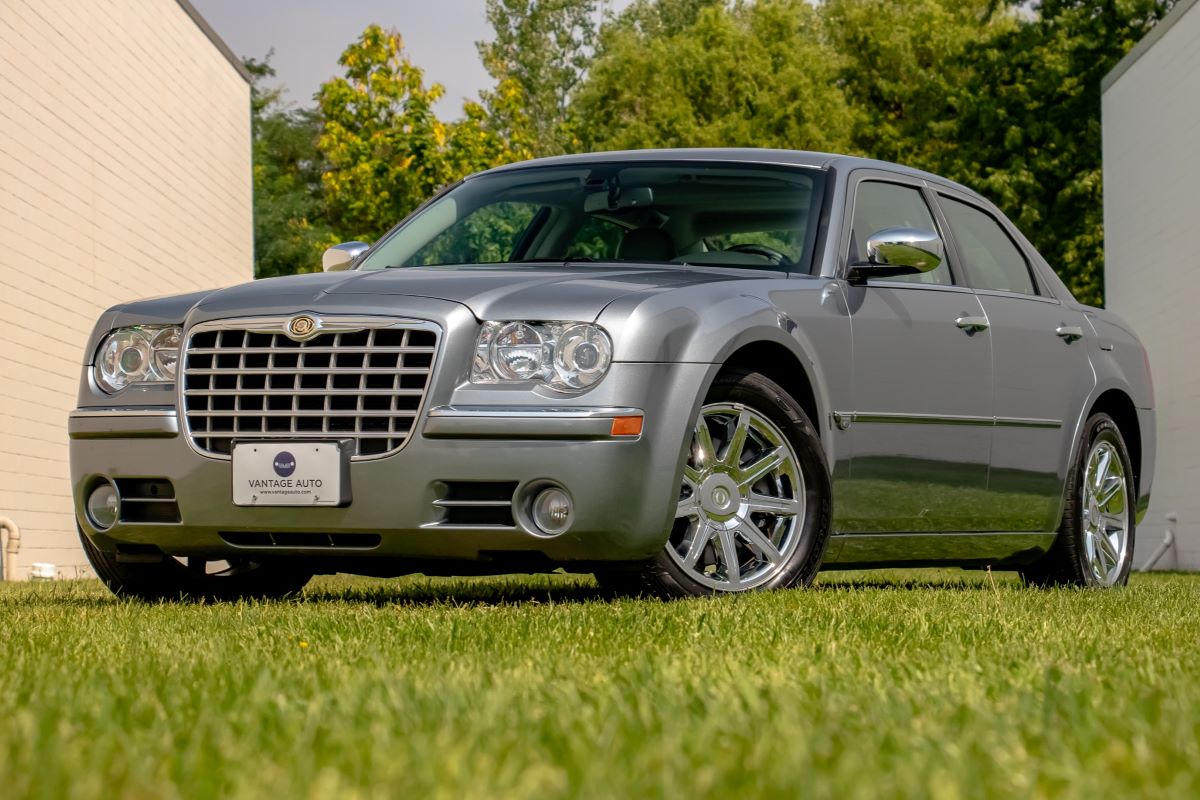
5. Chrysler 300
Large American sedans are a dying breed, but the Chrysler 300 remains one of the last holdouts and its ride quality is outstanding.
With a long wheelbase, soft-tuned suspension, and generously padded seats, the 300 handles speed bumps like a traditional cruiser.
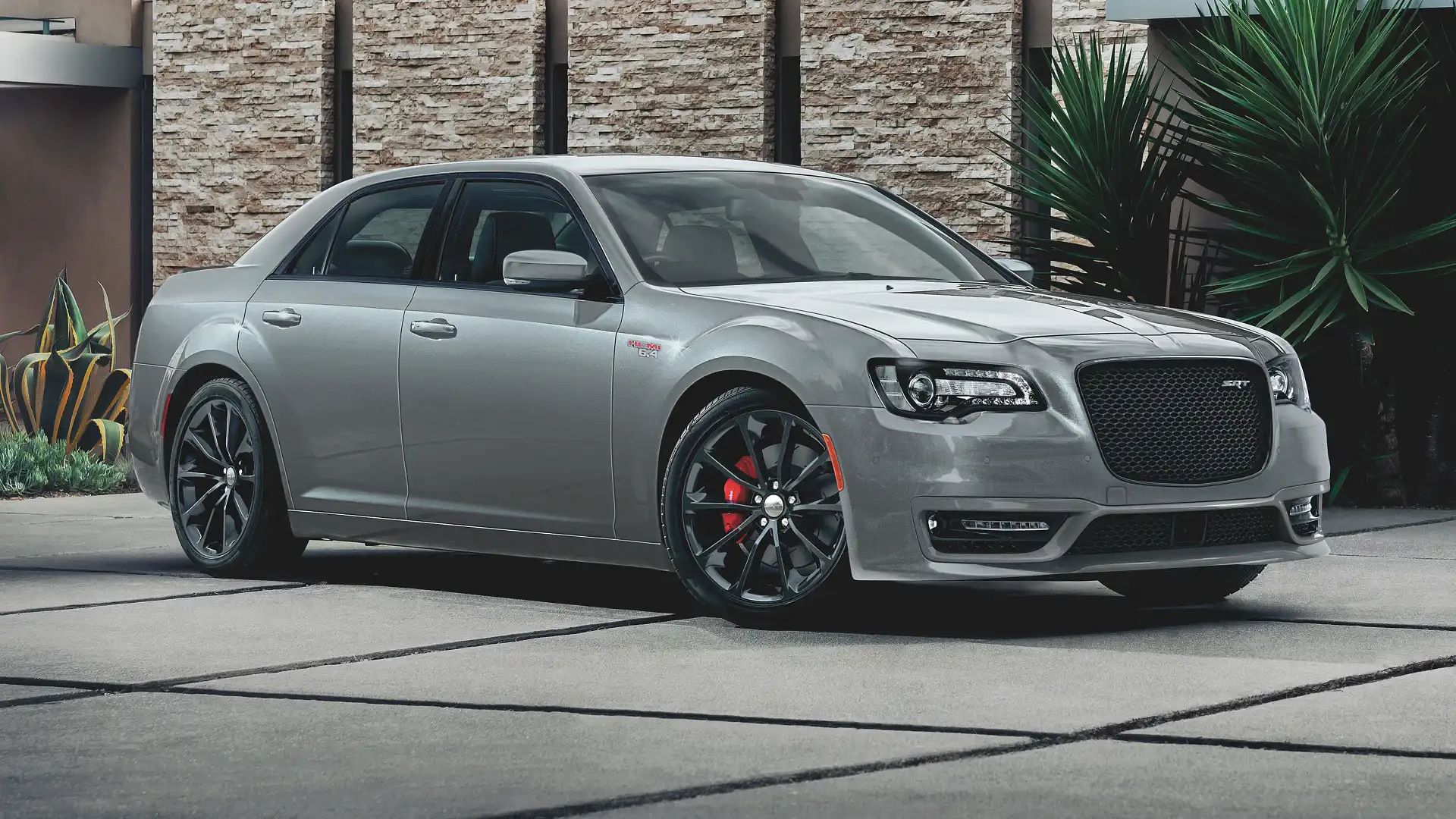
The optional V8 doesn’t affect ride comfort, and the chassis is heavy enough to resist jolting over small obstacles.
The 300 is ideal for drivers who prefer a more classic American driving feel: smooth, stable, and quiet, especially at neighborhood speeds.
Chrysler’s early reputation was built on big, luxurious sedans, and nearly a century later the brand is still leaning on that formula with the 300. It remains a large, comfort-oriented sedan, but its available V-8 engine and sportier tuning mean the 300 isn’t just designed for leisurely cruising.
Even so, it stands as a reminder of a fading segment. While many automakers continue abandoning sedans in favor of crossovers and SUVs, Chrysler is still building the 300 in 2020, a model that traces its lineage back to the version introduced in 2004.
By automotive standards, the 300 is undeniably old, yet that age gives it a certain appeal. Some drivers may be drawn to the style, driving character, and comfort of one of the last rear-wheel-drive American sedans still on the market.
Although it’s surprising that the Chrysler 300 continues in production, its existence is something we appreciate. The car carries an old-school aura that contrasts sharply with today’s sea of crossovers.
With strong naturally aspirated engines powering the rear wheels, though AWD is available, the 300 delivers confident acceleration and composed handling, offering a driving experience that remains engaging. At the same time, its spacious, cushioned cabin keeps passengers comfortable.
And visually, it’s hard to ignore. Its squared-off proportions, pronounced wheel arches, large wheels, and bold front grille give the 2020 Chrysler 300 unmistakable curb appeal.
Even with its aging platform, Chrysler has made an effort to keep the 300 relevant by incorporating modern technology. A sizable infotainment touchscreen and a digital instrument cluster come standard.
Multiple USB ports and contemporary smartphone integration are included. A suite of driver-assistance features is available as well, helping the 300 stay competitive.
However, the interior does have shortcomings. The dashboard and center console look and feel budget-oriented, especially on lower trims. That said, the seats are comfortable, interior space is generous, and the optional leather upholstery is pleasantly soft.
Many of the latest 2020 SUVs deliver excellent comfort and strong driving manners, paired with the unmatched practicality that SUVs provide.
With so many alternatives checking every box, making a case for the Chrysler 300 can be difficult. But the car’s emotional appeal remains. Bold styling, respectable luxury, and robust power all contribute to its lasting charm.
A 3.6-liter V-6 serves as the base engine in the 2020 Chrysler 300. It produces 292 hp and 264 lb-ft of torque, though the 300S trim increases output to 300 hp. Rear-wheel drive is standard, with all-wheel drive available. This engine delivers a 0–60 mph time of roughly 7.0 seconds, and its strong low-end torque provides a lively feel.
The lineup also includes a 5.7-liter Hemi V-8, which generates 363 hp and 394 lb-ft of torque. Models equipped with the V-8 are available exclusively with rear-wheel drive.
Sedans That Thump Over Speed Bumps
Not all sedans handle road imperfections the same way, and speed bumps are a quick way to separate smooth riders from harsh ones.
Some sedans seem to glide effortlessly over every bump, maintaining a composed, comfortable ride, while others respond with noticeable thuds, jolts, and rattles that make every neighborhood drive feel bumpy.
1. Honda Civic (2022 and Newer)
The latest Civic is widely praised for its handling, steering feel, and overall refinement, but its ride can feel firmer than expected.
Honda stiffened the chassis and suspension to improve responsiveness, which leads to a noticeable thump when taking speed bumps at normal neighborhood speeds.
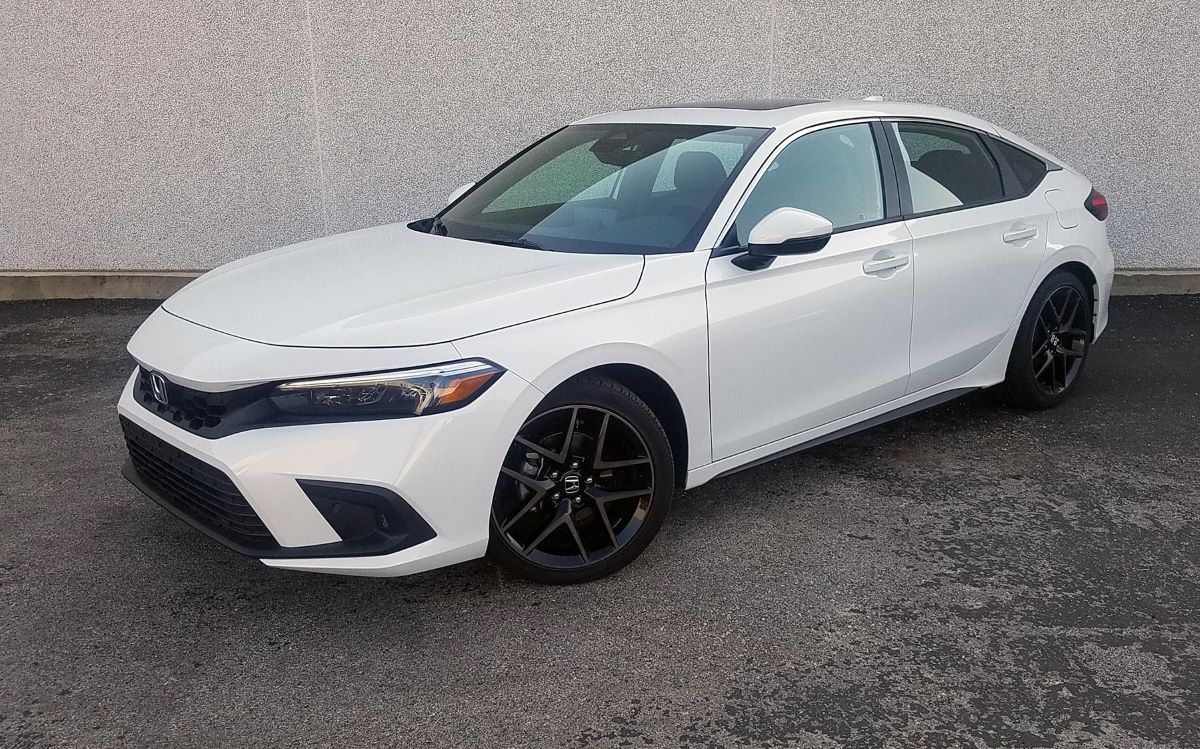
The rear suspension in particular can react sharply on uneven surfaces, causing a distinct cabin jolt. The Civic remains an excellent compact sedan but if speed-bump comfort is a priority, it’s not the standout of the group.
2. Subaru WRX
The WRX isn’t built for comfort it’s built for performance. While this makes it sharp, nimble, and extremely fun on winding roads, it also makes speed bumps feel harsh and abrupt.
Subaru’s stiff springs and dampers, designed to keep the car planted at high speed, transmit more impact into the cabin than typical sedans.
Low-profile tires on 18- or 19-inch wheels make the problem worse. If you live in a neighborhood with frequent speed humps, the WRX will greet every one of them with a strong, sporty thud.
The 2022 Subaru WRX Limited is a front-engine, all-wheel-drive, 5-passenger, 4-door sedan with a base and as-tested price of $36,990. The 2.4-liter (146 in³ / 2387 cm³) powerplant produces 271 hp at 5,600 rpm and 258 lb-ft of torque at 2,000 rpm, paired with a 6-speed manual transmission.
Its suspension setup consists of front struts and a rear multi-link design, complemented by 12.4-inch vented front discs and 11.4-inch vented rear discs. The Limited rides on 245/40R-18 Dunlop Sport Maxx GT 600 A tires.
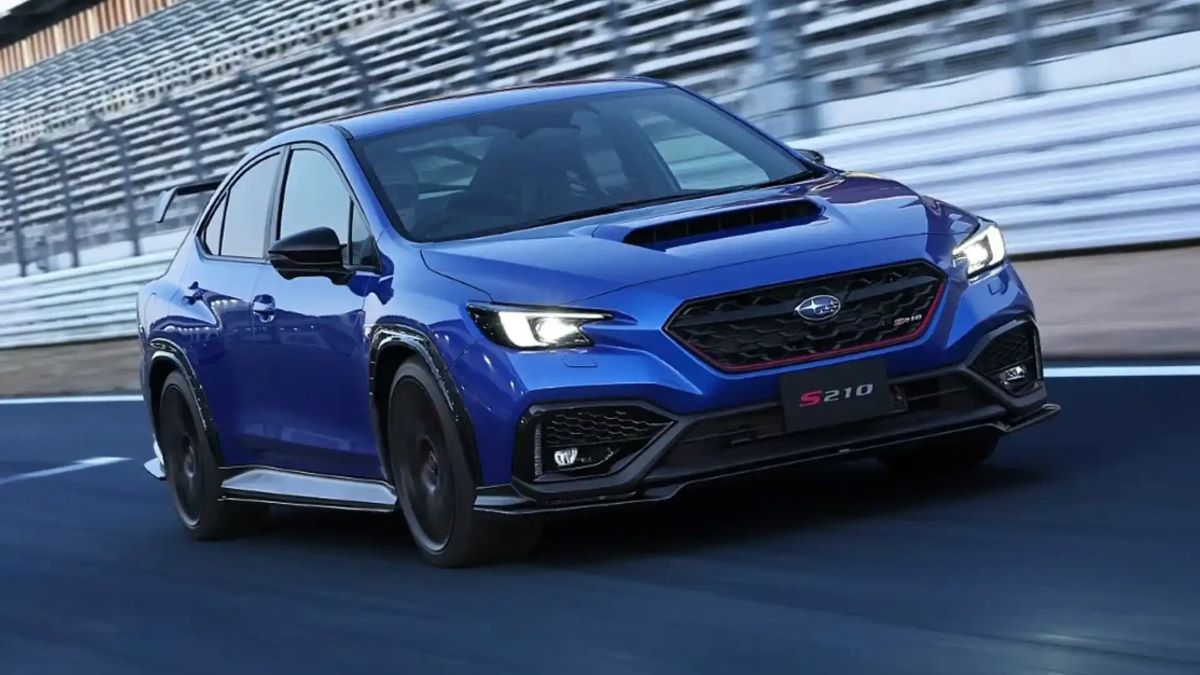
In terms of dimensions, the WRX Limited has a 105.2-inch wheelbase, measures 183.8 inches long, 71.9 inches wide, and 57.8 inches tall. Passenger volume is 98 cubic feet, with a 13-cubic-foot trunk and a curb weight of 3,401 pounds.
Performance testing shows a 0–60 mph time of 5.5 seconds, a quarter-mile of 13.9 seconds at 101 mph, and a 130-mph run in 26.4 seconds. Rolling start from 5–60 mph takes 6.7 seconds, while top-gear acceleration from 30–50 mph and 50–70 mph measures 10.3 and 7.7 seconds, respectively.
The 2022 Subaru WRX GT shares the same engine specifications, 271 hp and 258 lb-ft of torque, but pairs it with a continuously variable automatic transmission. Pricing starts at $43,390. The chassis uses front struts and a rear multi-link suspension, with 12.4-inch vented front brakes and slightly larger 11.8-inch vented rear discs.
Testing shows a 0–60 mph sprint in 5.4 seconds, a quarter-mile in 14.1 seconds at 101 mph, and a 100-mph acceleration of 13.6 seconds. The 130-mph run takes 28.2 seconds. Rolling start from 5–60 mph clocks 6.3 seconds, while top-gear 30–50 mph and 50–70 mph times are 3.3 and 4.1 seconds.
3. Mazda 3 (With 18-Inch Wheels)
Mazda normally balances sportiness and comfort well, but the Mazda 3’s larger wheel options compromise ride quality.
The 18-inch wheels have thin sidewalls that transmit more shock from bumps and undulations straight to the suspension, resulting in a noticeable impact sound and jolt.
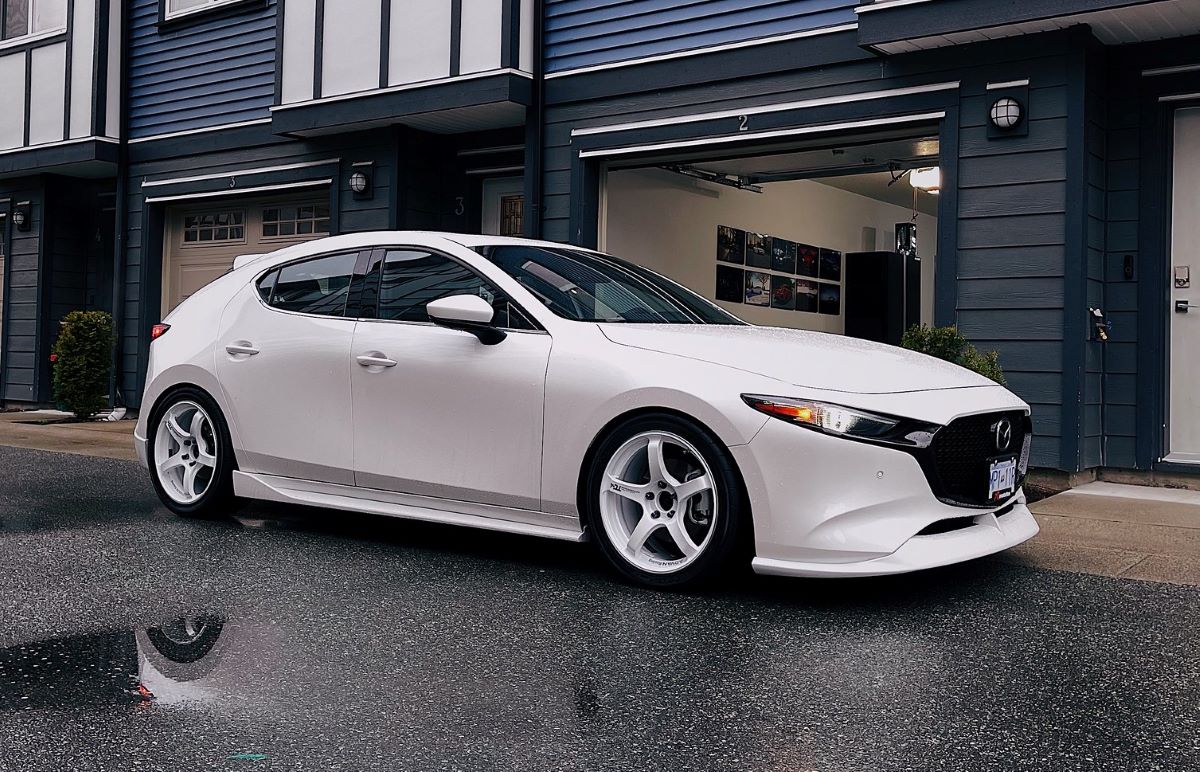
The platform’s rigid chassis great for handling makes speed-bump impact feel even stiffer.
The Mazda 3 still offers one of the best interiors and driving experiences in the segment, but buyers prioritizing ride plushness should opt for the smaller wheels or consider competitors.
Mazda’s compact 3 received a redesign in 2019, positioning it as a more premium offering than its predecessor, and for 2021 it adds two new engine options. Available in both sedan and hatchback configurations, the 3 serves as the smaller sibling to the midsize Mazda 6.
Mazda’s effort to establish itself as a premium brand produces mixed results with the 3. The 2019 redesign brought bold, sophisticated sheet metal, and the cabin feels more upscale than what is typical in this segment, thanks to high-quality soft-touch materials.
That said, the car’s small windows create blind spots, particularly in the hatchback version. Additionally, more road and wind noise filters into the cabin than we’d prefer, slightly undermining the 3’s premium ambitions.
The driving experience shows similar trade-offs. While the previous generation featured independent rear suspension and excellent dynamics, the new model uses a less costly torsion beam rear suspension.
This setup does not deliver the same confidence and composure, leaving the compact feeling less assured. Mazda’s new turbocharged variant is not quite the modern MazdaSpeed 3 enthusiasts might have expected, but it still provides an entertaining, semi-luxurious option in the compact segment.
Two newly available engines highlight the 3’s updates for 2021. The naturally aspirated 2.0-liter four-cylinder, carried over from the previous generation, produces 155 hp and 150 lb-ft of torque. It comes exclusively with a six-speed automatic and front-wheel drive.
The carryover 2.5-liter four-cylinder continues to power most Mazda3 sedans and hatchbacks. This engine delivers 186 hp and 186 lb-ft of torque and is available with either FWD or AWD. Most models use a six-speed automatic, but a FWD Mazda3 Premium hatchback can be had with a six-speed manual for those who prefer a more engaging shift.
Fuel economy for FWD models is rated at 25–27/35–36 mpg, while AWD versions return 24–25/32–33 mpg. Acceleration ranges from 6.9 seconds in a manual-equipped hatchback to 8.1 seconds in an AWD automatic model.
4. BMW 3 Series (Sport Packages)
The BMW 3 Series is widely considered a benchmark for sports sedans, but its firmer, sport-oriented suspension setup can deliver a sharp reaction over speed bumps.
Models equipped with the M Sport package or adaptive M suspension are particularly stiff at low speeds.
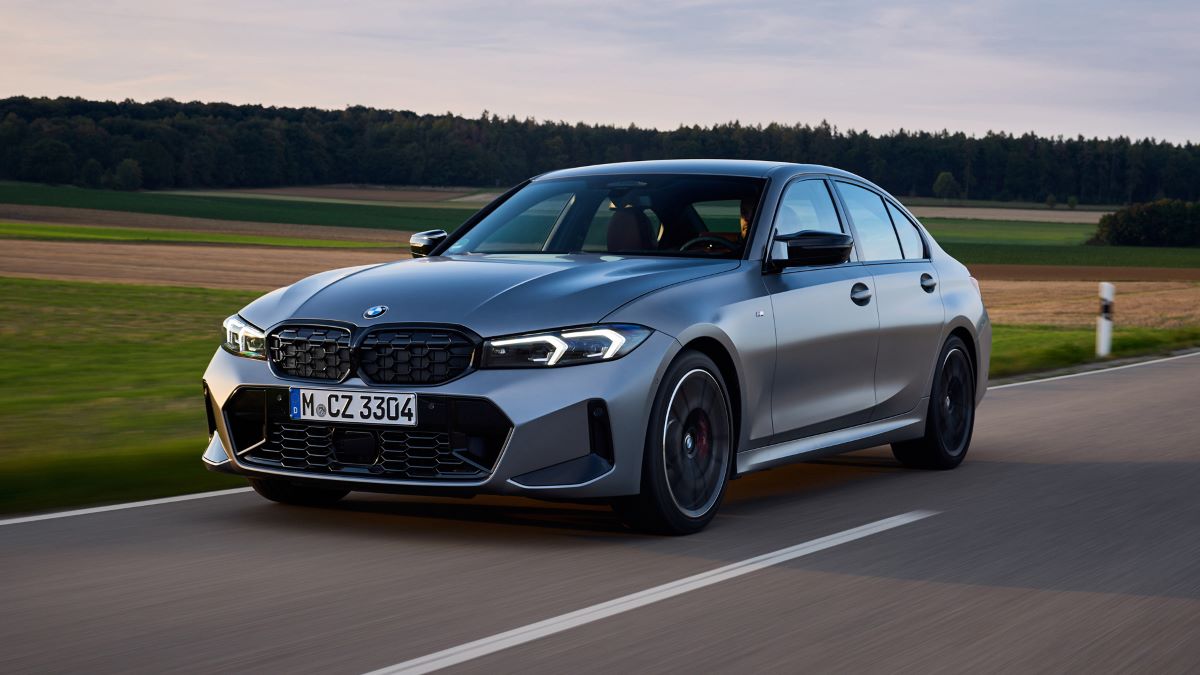
The chassis is tuned to communicate every detail of the road to the driver an advantage on twisty backroads but a drawback in suburban neighborhoods.
While not punishing, the thump is noticeable enough that comfort-focused shoppers might prefer the standard suspension or another model entirely.
Launched in 2018, the G20 3 Series received a mid-cycle facelift in 2022 that mainly focused on cosmetic updates, leaving the core engineering and mechanical components unchanged. That was largely positive news for enthusiasts.
The facelift also introduced BMW’s sleek curved touchscreen infotainment system; the upside is a striking display that can impress anyone, regardless of their attachment to smartphones.
The downside, however, is the loss of many physical buttons, including traditional climate controls, a change that previously caused headaches for another automotive icon, the VW Golf.
Because the 2022 facelift was mostly superficial, BMW revised the G20 once more in 2024. This update brought the new BMW Operating System 8.5 to the iDrive system, refinements to the chassis for a smoother ride, and a new Gen5 19.5kWh battery for the plug-in hybrid 330e, enabling faster charging and an all-electric range of 63 miles.
This enduring model remains strong, thanks in part to BMW’s dynamics team recognizing a winning formula and avoiding unnecessary complexity. The design team has taken a similar approach. That said, the 2024 UK update simplified the engine lineup: the 320d and M340d diesels were discontinued, as was the 330i petrol.
The current UK 3 Series options include the 320i and M340i as pure petrol choices, with the M340i benefiting from a 48V mild hybrid system and standard xDrive all-wheel drive.
The updated 330e serves as the full plug-in hybrid option. On paper, these specifications make it extremely competitive in the executive car segment, even reducing the appeal of the 320d, which was previously a class benchmark.
5. Nissan Altima (Newer Generations)
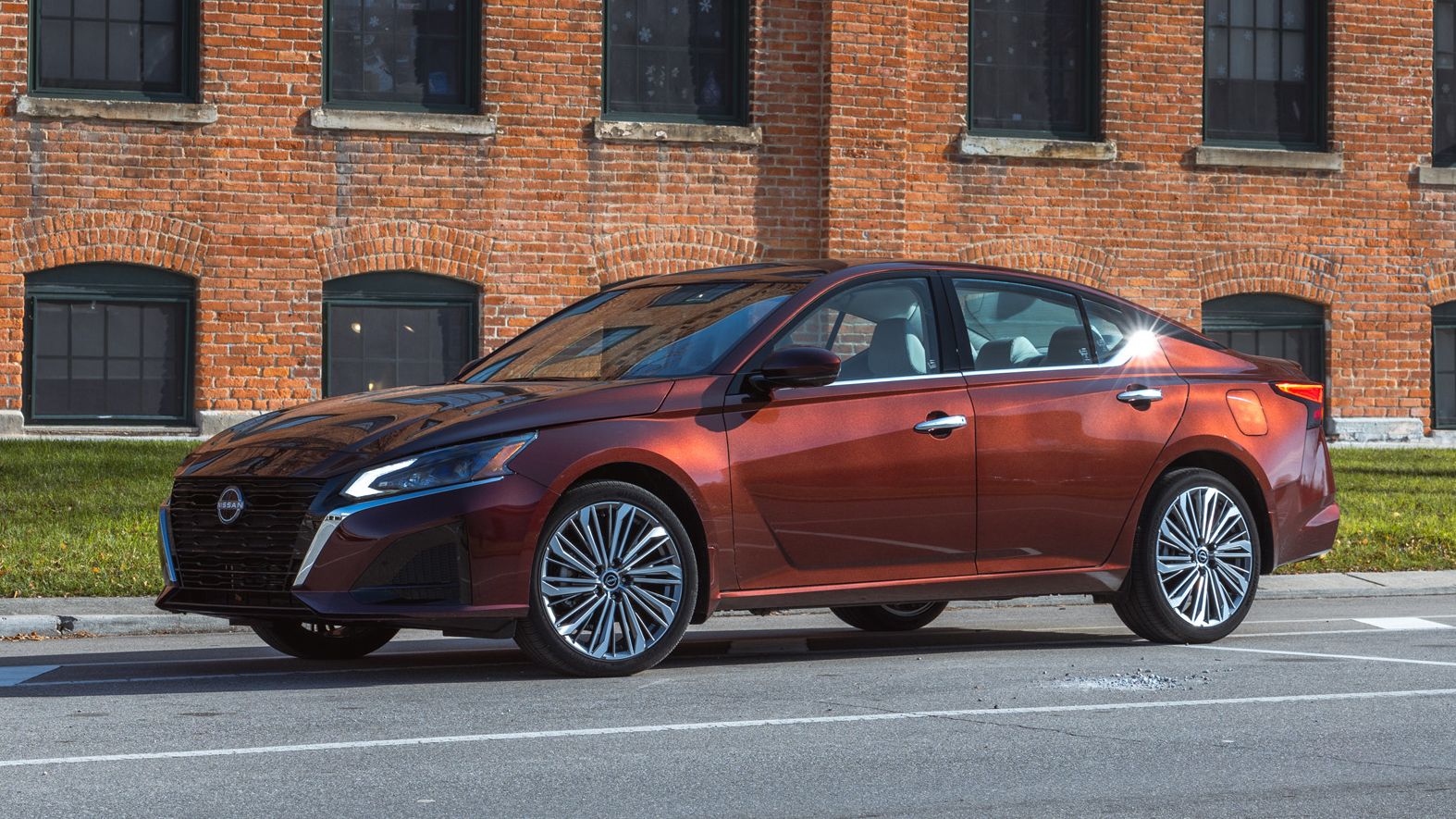
The latest Altima has improved handling, but Nissan also made the suspension firmer than previous models to give the car a more athletic feel.
The result is a sedan that sometimes reacts too sharply to speed bumps, especially those tall, rounded humps common in suburban communities.
The thump is made more noticeable by the Altima’s relatively light chassis and less-plush seat cushioning. While not uncomfortable on the highway, the Altima’s low-speed ride over bumps is not its strongest trait.
Ride comfort matters more than most shoppers realize. If you live in a community with frequent speed bumps or simply want a sedan that smooths out everyday imperfections the right suspension setup can transform your driving experience.
Models like the Lexus ES, Toyota Avalon, and Buick LaCrosse float over rough streets with ease, while stiffer, sportier sedans like the WRX or 3 Series deliver sharper impacts.
Understanding how a car responds to speed bumps helps buyers make a smarter long-term choice, especially for family use or daily commuting.
