Winter driving can be unpredictable, and not all vehicles are built to handle snow, ice, and slush with confidence. Some cars excel in winter conditions, providing reliable traction, stability, and comfort, while others struggle to maintain control and can leave drivers stranded or dealing with slick roads.
From compact cars to SUVs, understanding which models perform well in cold weather is essential for safety and peace of mind. Vehicles like the Subaru WRX, Forester Hybrid, Audi Q5, Volvo V60, and Ford Bronco Sport earn trust from drivers who need dependable performance in snow, thanks to features such as all-wheel drive, higher ground clearance, and thoughtful engineering.
These snow-ready vehicles combine traction, stability, and driver-assistance technologies to make winter roads more manageable, even in deeper snow or icy conditions. Choosing the right car for winter can make a noticeable difference in confidence and control behind the wheel.
5 Snow-Ready Cars People Trust
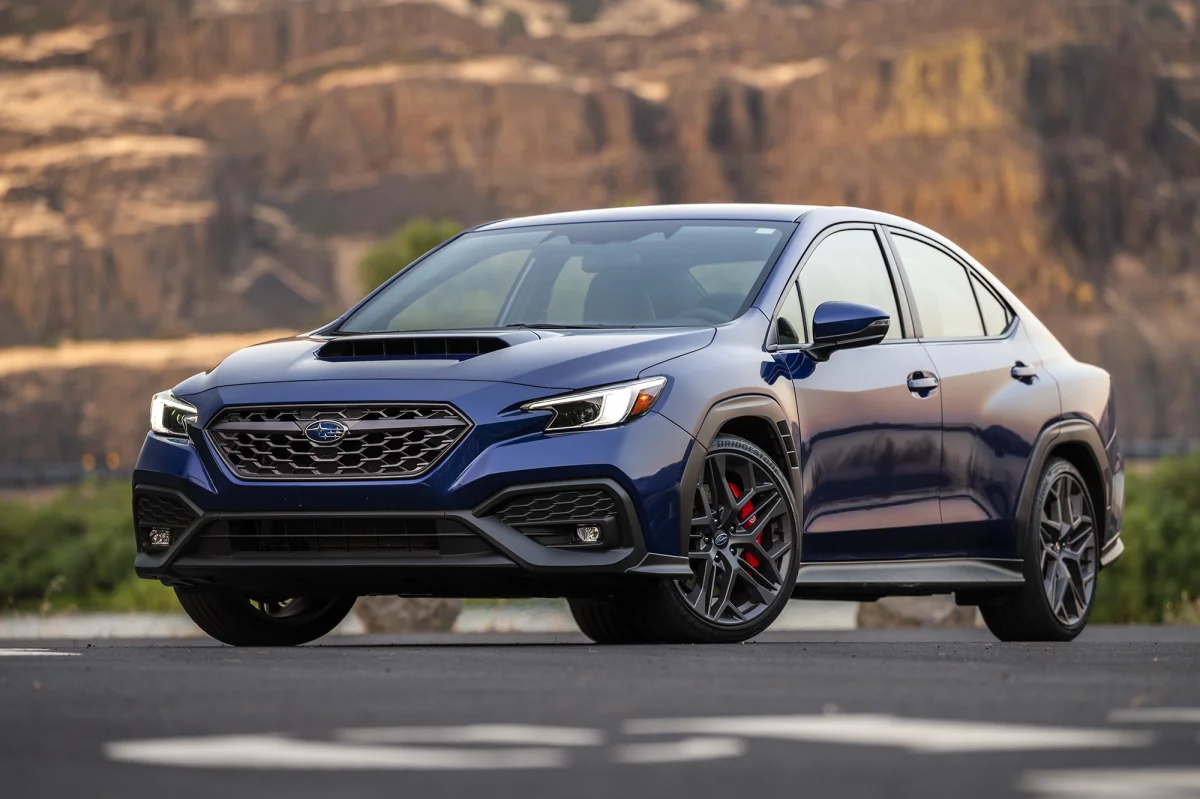
1. Subaru WRX
The Subaru WRX, priced at $35,750, has an 8.1/10 rating from U.S. News. Built on Subaru’s rally heritage, it performs well in snow and provides an engaging driving experience.
It comes standard with full-time all-wheel drive and a turbocharged four-cylinder engine, paired with either a six-speed manual or a continuously variable transmission (CVT). As a sedan, the WRX is not the most practical, but its 60/40-split folding rear seats allow for longer cargo items.
The WRX delivers a fun and responsive drive, especially on curvy roads. A manual-equipped model accelerated from 0 to 60 mph in 6.0 seconds at Edmunds’ test track, though achieving this requires a forceful launch due to driveline shock and noticeable turbo lag below 3,000 rpm.
The car excels with strong midrange power, all-wheel-drive traction, responsive steering, and a composed suspension. Braking feels soft, but the WRX was able to stop from 60 mph in 110 feet, which is a respectable performance for the segment.
The WRX offers excellent seating comfort and ride quality, with supportive front seats that reduce fatigue on long drives. Rear headroom is limited, and the transmission tunnel makes the back seat slightly cramped for taller passengers. Entry and exit are easy thanks to wide doors, and forward visibility is good, though rear visibility is somewhat restricted by a high trunk line.
The 11.6-inch touchscreen with wireless Apple CarPlay and Android Auto is a highlight of the cabin. It features crisp graphics, intuitive navigation, and responsive voice controls. An available 11-speaker Harman Kardon system provides high-quality audio. Some driver-assistance features, such as adaptive cruise control, are missing, but blind-spot monitoring and lane-keeping assist work reliably.
Cargo space is 12.5 cubic feet, smaller than competitors like the Honda Civic Si and Hyundai Elantra N. Rear seats fold to accommodate longer items, and small-item storage is sufficient for everyday use. Installing child seats is manageable despite limited rear legroom.
The Subaru WRX combines rally-inspired performance, all-wheel-drive capability, and enjoyable handling with a comfortable, tech-rich interior, while rear passenger space and braking feel are slightly compromised.
2. Subaru Forester Hybrid
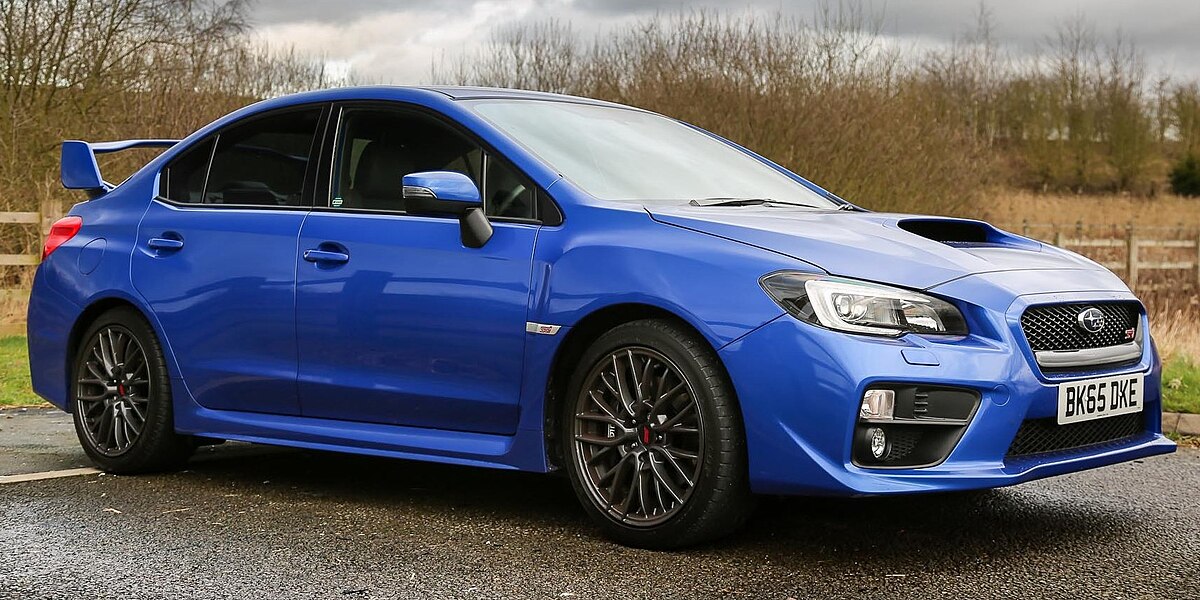
The 2025 Subaru Forester Hybrid, priced at $36,595, earns an 8.4/10 rating from U.S. News. This new hybrid model brings improved efficiency to Subaru’s popular crossover lineup.
The hybrid powertrain integrates an electric motor into the transmission while maintaining full-time all-wheel drive, providing consistent traction on various surfaces. Ground clearance of 8.7 inches allows light off-road capability. Fuel economy is slightly lower than some rivals but higher than the standard gas-only Forester.
The Forester Hybrid offers a smooth and responsive ride. At the Edmunds test track, it accelerated from 0 to 60 mph in 8.8 seconds, only slightly faster than the non-hybrid model. In everyday driving, the hybrid powertrain feels more refined, and the ride quality is noticeably smoother without feeling floaty.
Handling is comparable to competitors such as the Honda CR-V and Hyundai Tucson, with brakes providing consistent, predictable stops. While the Sport model badge suggests a performance edge, the Forester Hybrid is primarily tuned for comfort and stability.
Standard all-wheel drive and higher ground clearance enhance capability on dirt trails and uneven roads. Driver assistance systems, however, are inconsistent, with adaptive cruise control reacting slowly and lane centering causing mild wobbles.
Entering and exiting the Forester Hybrid is easy due to the wide doors and moderate seat height. The front seats are comfortable and supportive, accommodating various body types. Headroom is generous, and the cabin is quieter than the standard Forester thanks to the hybrid powertrain.
The 11.6-inch portrait-style touchscreen dominates the interior, with large icons and simple operation. Physical controls for climate and seats remain straightforward, and available features include heated seats and a heated steering wheel.
Infotainment is functional but dated compared to competitors. A Harman Kardon audio system is available, and wireless phone connectivity works reliably. Cargo space with the rear seats folded reaches 74.4 cubic feet, ranking among the best in the class, though small-item storage inside the cabin is limited. Towing capacity is 1,500 pounds.
The Forester Hybrid carries a premium over the standard model but justifies the price with smoother performance, improved efficiency, and Subaru’s reliable build quality. Warranty coverage includes three years/36,000 miles bumper-to-bumper and five years/60,000 miles powertrain protection, with three years of roadside assistance.
The Subaru Forester Hybrid balances comfort, capability, and efficiency while offering a well-built, spacious interior suited for families and outdoor enthusiasts.
3. 2025 Audi Q5
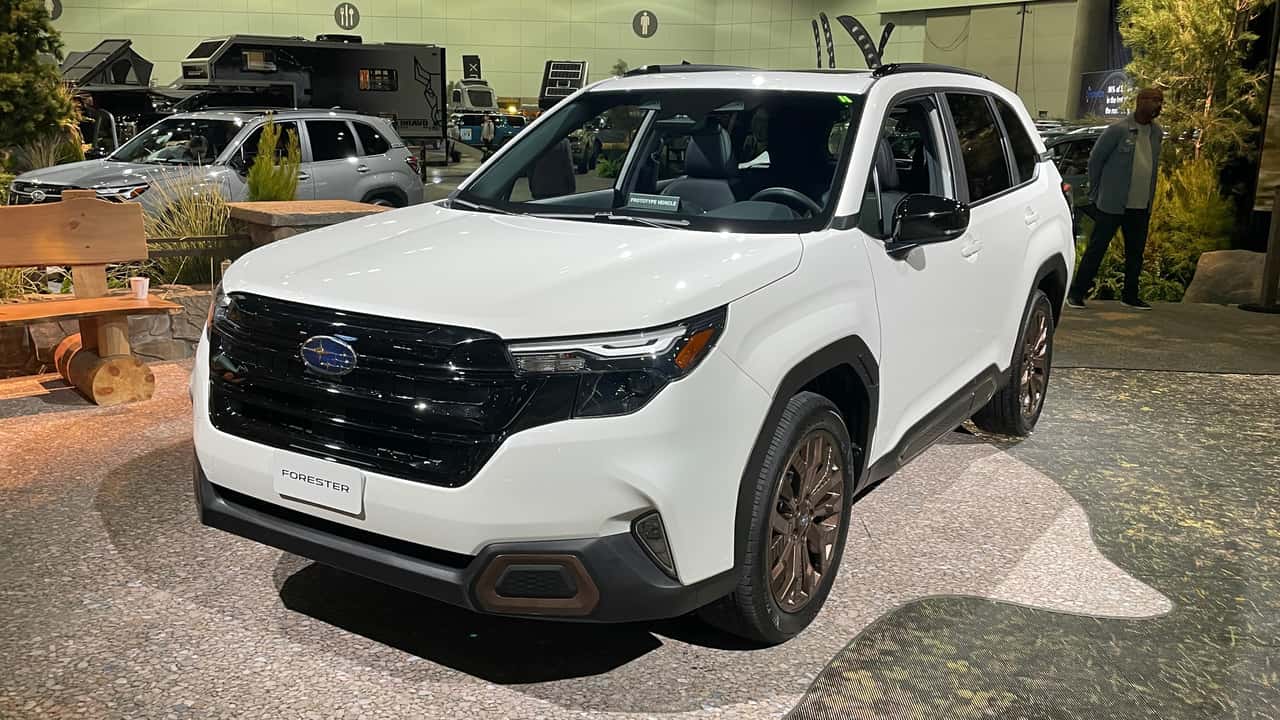
The 2025 Audi Q5, priced at $45,400, receives an 8.7/10 rating from U.S. News. Although a new generation debuts in 2026, the current model remains competitive. Standard Quattro all-wheel drive is paired with one of three engines, and ground clearance starts at 8.2 inches.
Optional air suspension increases clearance to 10 inches at low speeds. For higher performance, the SQ5 model offers more horsepower and an optional limited-slip rear differential. Leather seating for five is standard, and heated front seats are included. Heated rear seats and a heated steering wheel are optional. Cargo space measures 25.9 cubic feet behind the second row, with Sportback models offering 24.7 cubic feet.
The Q5 balances sportiness and comfort. On the Edmunds test track, it accelerated from 0 to 60 mph in 6.3 seconds, slightly slower than the BMW X3. The turbocharged engine delivers smooth, strong power without excessive noise. Optional air suspension enhances ride quality but is not essential. Handling is adequate for everyday driving, though the SQ5 provides a sportier alternative.
The brake pedal feels sensitive compared to the relaxed gas pedal, requiring adjustment for smooth driving. Visibility is good, and the available surround-view camera system aids maneuvering. Driver-assistance systems function well, although the cruise control stalk is less convenient than modern steering wheel buttons.
Front seats offer firm cushioning and extensive adjustments, while the second row provides ample headroom and decent legroom with reclining functionality. Entry and exit are easy, though the driver’s door handle layout can be cumbersome.
Climate controls are integrated into the touchscreen and require extra steps to adjust, but the system is powerful. Ventilated seats are available. Installing child seats is straightforward with accessible LATCH anchors.
A 14.5-inch center touchscreen is crisp and responsive. Wireless Apple CarPlay is full-screen, and an optional passenger display allows gaming and video streaming. Multiple USB-C ports and a fast wireless charging pad are included. Cargo space is 25.6 cubic feet, which is competitive but smaller than the BMW X3. Air suspension can lower the vehicle for easier loading, though it operates slowly. Small-item storage is limited.
The Q5 is more expensive than competitors like the BMW X3 and Mercedes GLC. Build quality is solid, but interiors are slightly less upscale than rivals. Warranty coverage is four years/50,000 miles, and fuel economy is an average of 26 mpg combined.
The Audi Q5 is a well-rounded luxury SUV with balanced performance, comfort, and technology, though it lacks standout features to make it an obvious choice over competitors.
4. 2025 Volvo V60
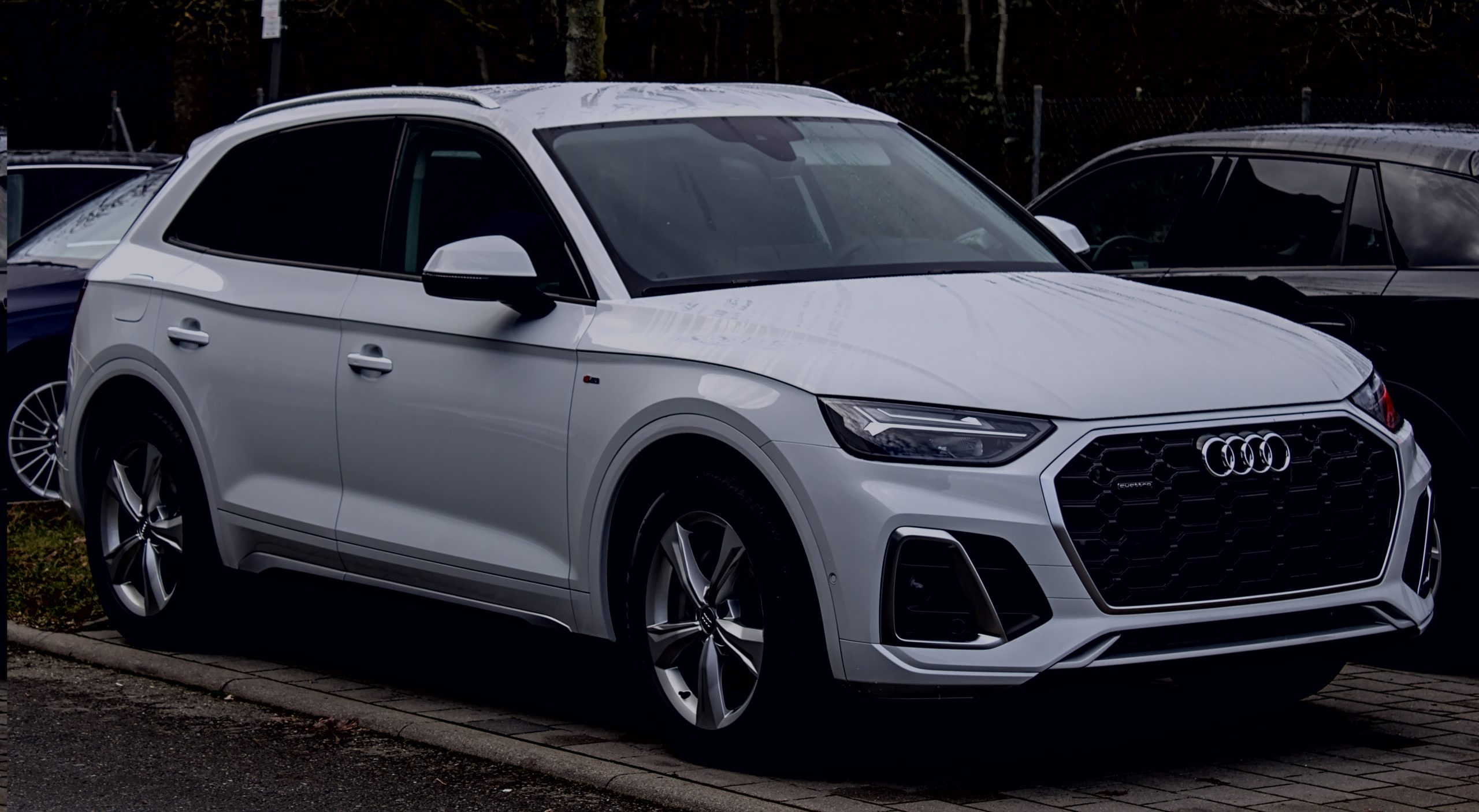
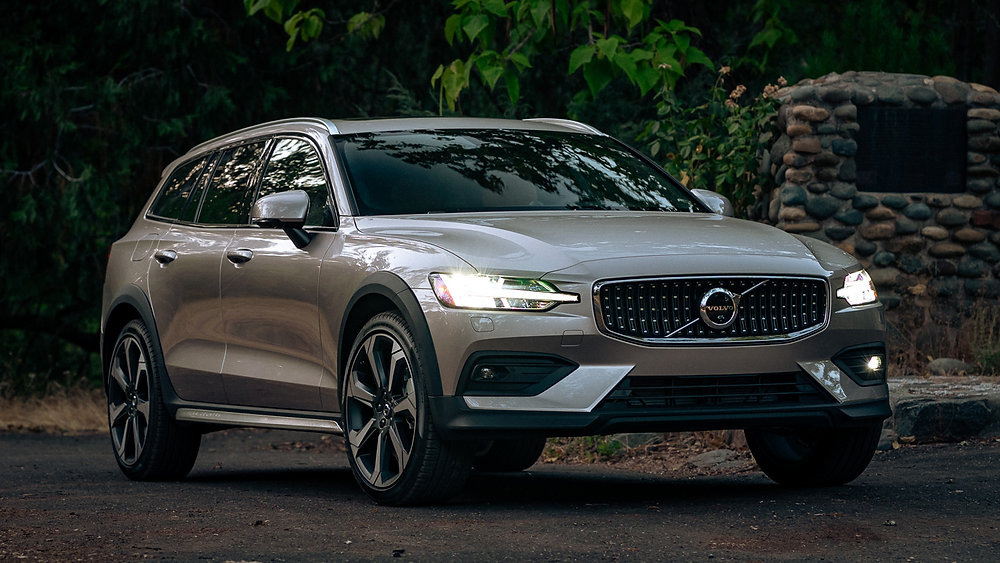
The 2025 Volvo V60 Cross Country is a premium wagon priced at $50,300 and receives an 8.8/10 rating from U.S. News. Sold only as the off-road-ready Cross Country model, it features standard all-wheel drive paired with a turbocharged four-cylinder engine.
Optional air suspension raises ground clearance to 8.3 inches, while an off-road drive mode and hill descent control enhance snow and rough-road capability. A plug-in hybrid version is also available separately.
The V60 offers a relaxed and composed driving experience. Unlike larger Volvo estates such as the V90, it resists body roll effectively while maintaining a pliant suspension that smooths rough roads. Steering lacks strong feedback but points accurately, and drivers can adjust steering weight through the touchscreen.
Acceleration is adequate across the engine range, though all powertrains feel slightly hesitant off the line. The base B4 model features mild-hybrid assistance, while the T6 and T8 plug-in hybrid variants offer approximately 45 miles of electric range, although they come with a significant price premium. Fuel economy for the base petrol engine can reach the mid-40s mpg over mixed driving.
Seating for five is standard, with leather upholstery and heated front seats included. Optional features include heated rear seats, a heated steering wheel, and headlight washers. The cabin is minimalist and soothing, with a solid dashboard feel, though air conditioning controls are tucked into the touchscreen. The V60’s interior emphasizes safety, featuring an extensive suite of active safety systems to assist distracted drivers.
Cargo space measures 18.3 cubic feet behind the second row and 60.5 cubic feet with the rear seats folded. Practical touches include a built-in divider to prevent items from sliding around. Rear seating is spacious for adults, though the raised floor in the middle slightly reduces comfort for the center passenger.
The V60 embodies Volvo’s family-focused, human-centric approach. While it lacks some of the flashier tech and design of newer models like the XC40, it delivers a comfortable, safe, and practical estate experience. For buyers seeking a stylish wagon with off-road ability, ample interior space, and long-distance comfort, the V60 remains a compelling choice.
5. 2025 Ford Bronco Sport
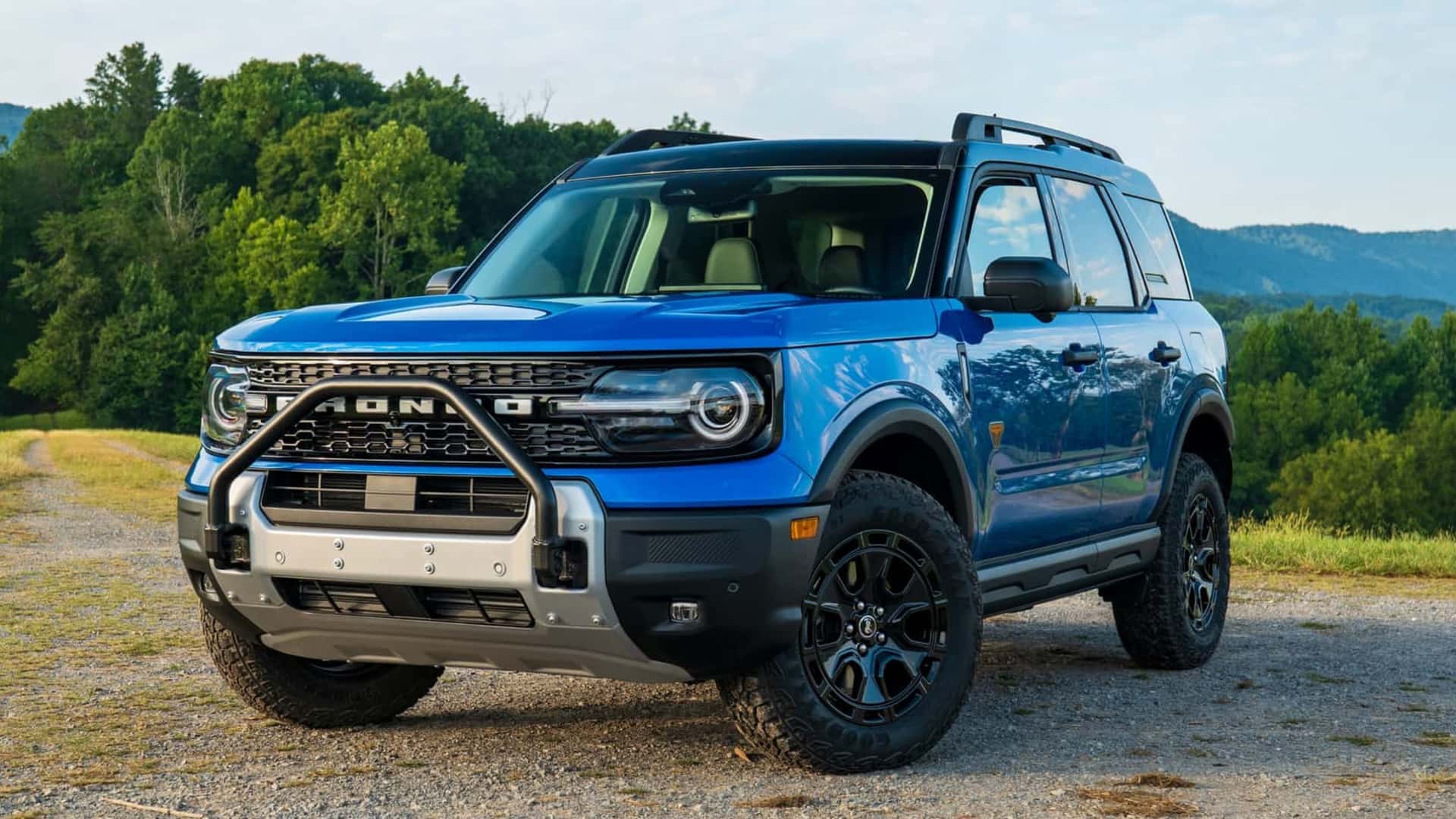
The 2025 Ford Bronco Sport starts at $29,995 and earns an 8.9/10 rating from U.S. News. This compact SUV stands out for its off-road capability, rugged design, and versatility. Most models are powered by a turbocharged 1.5-liter three-cylinder engine, while the off-road-oriented Badlands trim uses a turbo 2.0-liter four-cylinder.
All Bronco Sports come standard with four-wheel drive, multiple drive modes, and at least 8.1 inches of ground clearance, with Badlands models sitting half an inch higher.
The Bronco Sport handles everyday driving adequately, though the standard engine offers only modest power. The Badlands trim improves acceleration and off-road performance, especially when equipped with the optional Sasquatch package, which adds larger tires, skid plates, and a special rear differential.
The suspension is tuned for off-road use, making it slightly jiggly on pavement. Braking distances are longer due to off-road tires, but the SUV’s full suite of driver-assistance features, including adaptive cruise control and lane-keeping assist, work reliably without being intrusive.
Front seating is spacious with adjustable lumbar support, though side support is limited, causing sliding during aggressive cornering. Rear seating provides enough headroom for adults, though legroom is slightly tight. Entry and exit are easy in the front, but the rear doors are somewhat restrictive.
The cabin is rugged, with a rubberized cargo floor and durable materials suited for outdoor use. Wind and road noise are noticeable due to the boxy shape and off-road tires.
A 13.2-inch touchscreen and 12.3-inch digital instrument panel are standard, with wireless Apple CarPlay and Android Auto included. Audio quality is good, and multiple USB-C ports allow convenient device charging. Cargo space totals 32.5 cubic feet behind the second row, with practical features like hooks, plugs, lights, and optional two-tier organizers.
The Bronco Sport offers a strong mix of off-road capability, technology, and rugged interior materials, though it is priced slightly higher than some rivals. Fuel economy ranges from 27 mpg combined for the base engine to 23 mpg for the Badlands trim. Warranty coverage includes three years/36,000 miles basic and five years/60,000 miles drivetrain.
The Ford Bronco Sport is a fun, versatile, and off-road-capable compact SUV that appeals to buyers seeking adventure without sacrificing comfort or technology.
5 That Struggle In Slush
1. Chevrolet Aveo
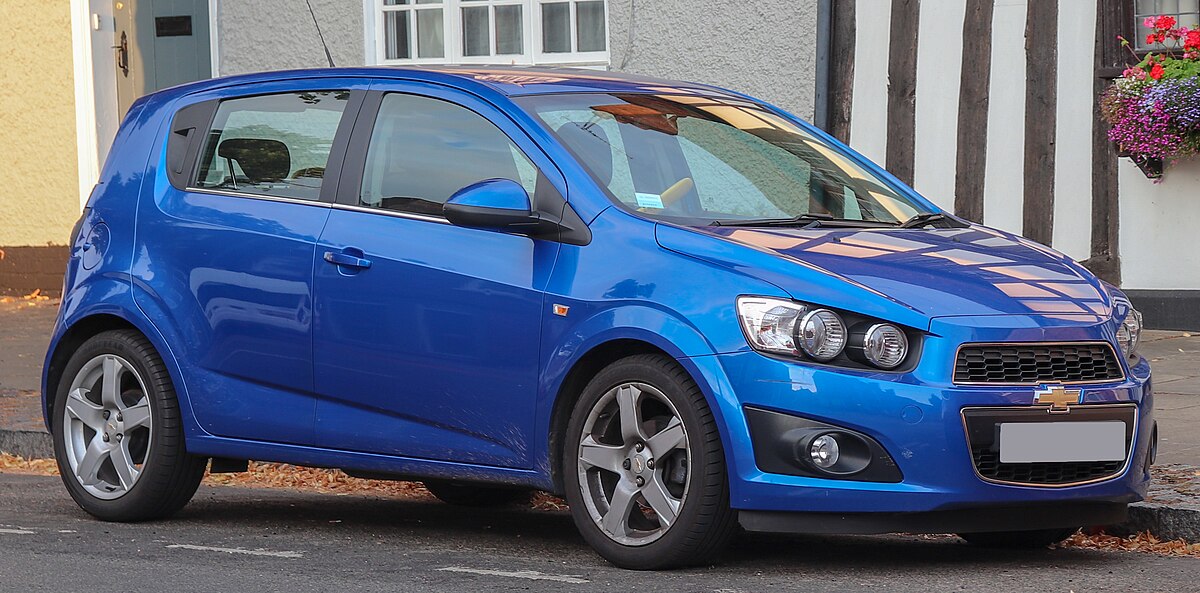
The Chevrolet Aveo struggles in cold and snowy conditions. Its small engine can have difficulty starting in freezing temperatures, and the underpowered heating system takes a long time to warm the cabin, making winter drives uncomfortable.
The car’s lightweight construction, low ground clearance, and small size increase the risk of getting stuck in snow, while thin tires and front-wheel drive reduce traction on icy roads.
Mechanical and engine issues further limit the Aveo’s winter reliability. Dirty fuel injectors or mass airflow sensors can cause sputtering and hesitation, vacuum leaks may worsen engine performance, and worn suspension components or wheel bearings decrease stability and control. These problems are especially pronounced on slush or icy surfaces.
Driving and handling are also affected by the Aveo’s design. Proper tire tread is critical, as worn tires significantly reduce grip. Limited weight over the drive wheels and the absence of all-wheel drive make it more prone to sliding and getting stuck. Subpar windshield wipers and defrosting systems further reduce visibility in snow and ice.
The Chevrolet Aveo is less dependable than many competitors in cold climates, making winter driving challenging and less safe for drivers in snowy regions.
2. Fiat 500
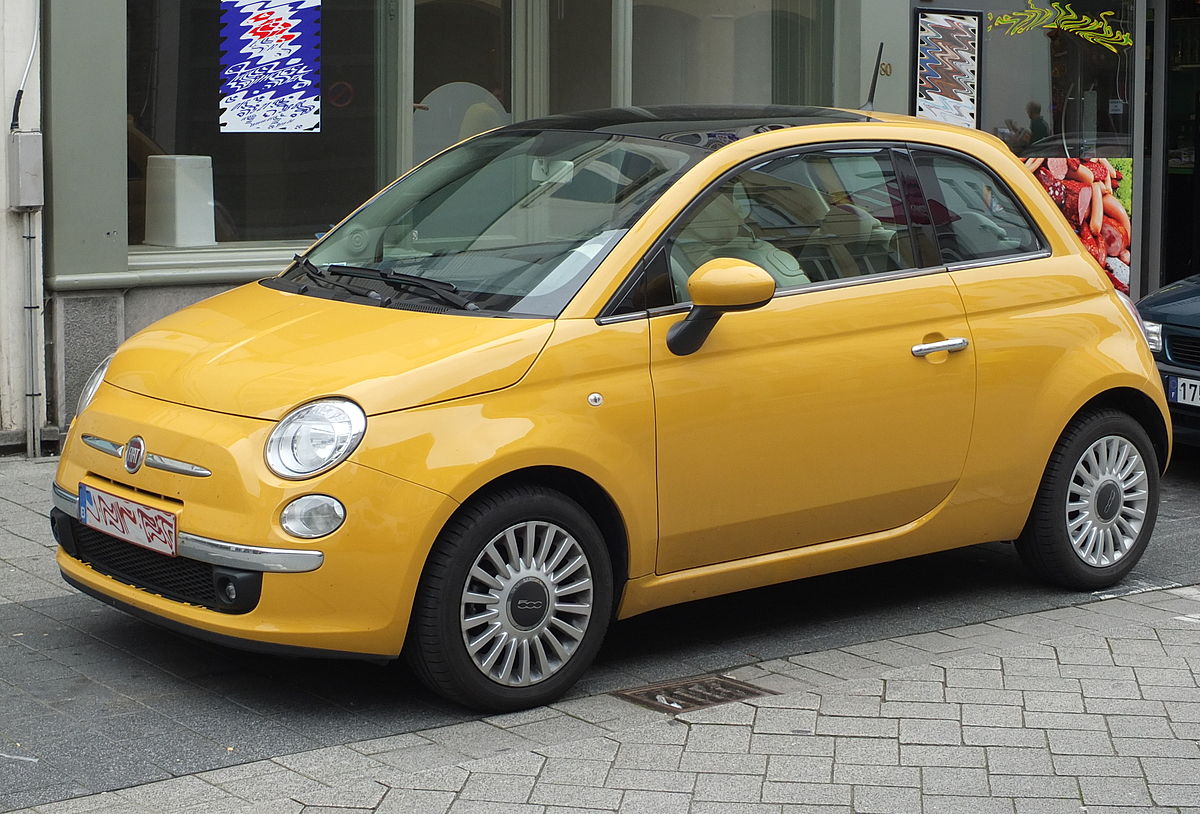
The Fiat 500 faces significant challenges in cold and snowy conditions due to its compact size and limited performance capabilities. Its small engine can struggle to start in frigid temperatures, creating potential reliability issues.
The car’s lightweight design and low ground clearance make it prone to getting stuck in snow or slush, while narrow tires provide minimal traction on icy roads. These factors reduce safety and control in winter driving conditions.
The heating system is often inadequate in extreme cold, taking longer to warm the cabin. The small interior space cools quickly, adding to driver and passenger discomfort.
Cold weather also affects the battery, which can diminish rapidly and leave drivers stranded. Front-wheel drive and delayed power delivery from the underpowered engine further complicate hill starts and low-traction situations, even with traction control engaged.
Slush and icy conditions particularly highlight the Fiat 500’s limitations. Its light weight and low clearance make it easy for the wheels to lose contact with the road, while traction control may not fully compensate for slippery surfaces. Drivers should take precautions such as reducing speed, making gentle turns, using low gear in manual models, and clearing snow from around the wheels and body.
Due to low traction, limited ground clearance, and modest engine performance, the Fiat 500 is less capable than larger or all-wheel-drive vehicles in winter weather. Extra care and planning are needed to maintain control and safety on icy or snowy roads.
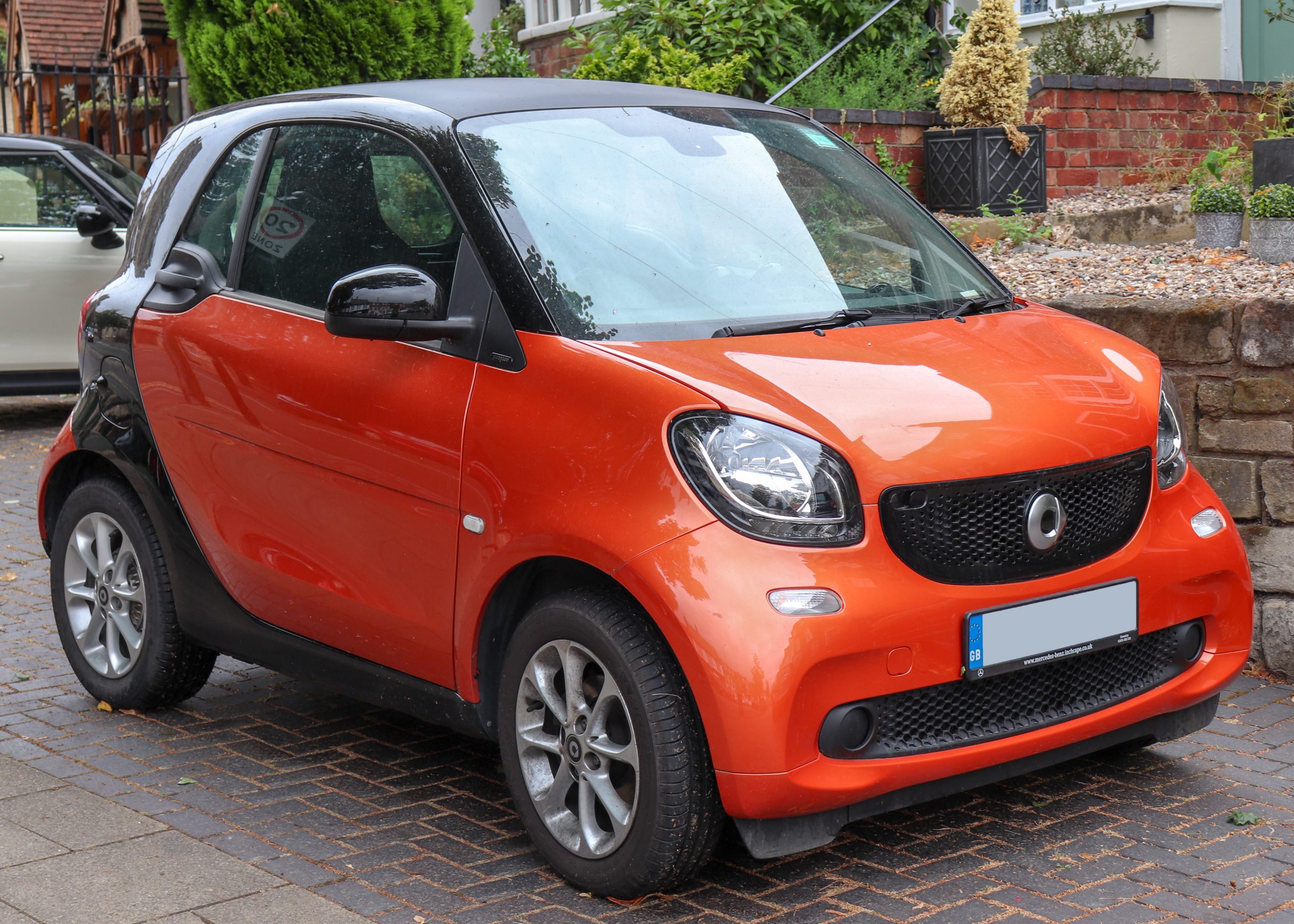
3. Smart Fortwo
The Smart Fortwo is not well-suited for cold weather or snowy conditions. Its compact size and lightweight design make it prone to slipping and reduced stability on icy roads. Limited ground clearance prevents the car from handling deep snow, and slush can easily build up underneath, potentially immobilizing the vehicle.
Traction is a major concern. The narrow tires provide minimal grip on slick surfaces, and rear-wheel drive can struggle to move the car forward when slush or ice reduces traction. Cold weather can worsen these issues if tire pressure drops, further compromising stability. The car’s suspension and low ride height amplify the effects of uneven or slushy road surfaces, making the ride rough and challenging to control.
Cabin comfort is also affected in winter. The small engine takes longer to warm up, causing delays in heating the interior. This can make short drives uncomfortable in frigid temperatures. Storage space is extremely limited, restricting the ability to carry winter gear or emergency equipment such as snow brushes, shovels, or blankets.
Slush-specific challenges include high-centering due to low clearance, minimal tire contact with the road, and limited traction from rear-wheel drive. These factors combine to make the Smart Fortwo particularly vulnerable when starting from a stop, climbing inclines, or driving through deep slush.
For safe operation in winter, drivers must proceed slowly, use careful steering, and avoid steep or heavily slushy roads. While the Smart Fortwo excels as a compact city car, its small size, rear-wheel-drive layout, and mechanical limitations make it much less capable in snow and icy conditions compared to larger vehicles or those with front- or all-wheel drive.
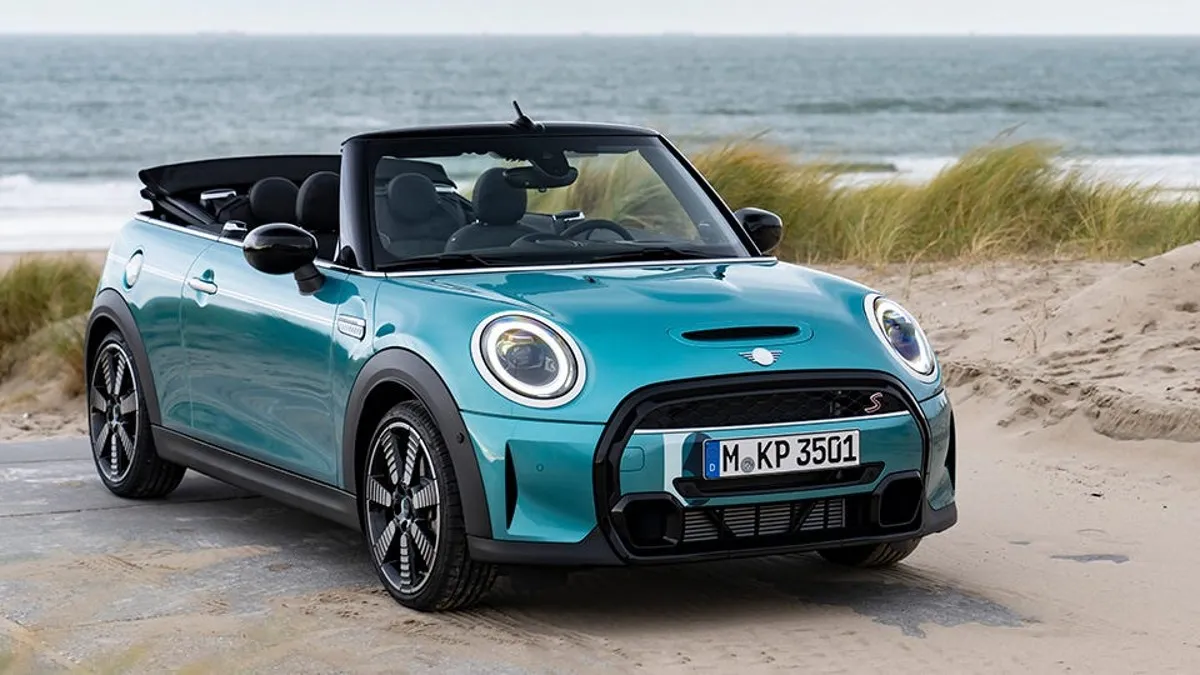
4. Mini Cooper Convertible
The Mini Cooper Convertible faces several challenges in cold weather and snowy conditions. Its soft top provides minimal insulation, allowing cold air to enter the cabin and reducing comfort during winter drives. The car’s compact size, low ground clearance, and lightweight design make it more prone to traction loss on icy or slushy roads, increasing the risk of sliding or getting stuck.
Limited interior space also restricts storage for winter gear, while the small engine may take longer to warm up, potentially affecting performance. Visibility can be reduced in snowy conditions, as the convertible’s low profile and design create larger blind spots for the driver.
Front-wheel drive, low clearance, and standard summer or all-season tires are key factors contributing to struggles in slush. On slippery surfaces, the Mini’s sensitive throttle can make controlled acceleration difficult, particularly in higher-powered models like the Cooper S or John Cooper Works (JCW). The low chassis can bottom out in deeper slush, further reducing mobility.
Tire choice is the most critical factor for winter performance. Summer or standard all-season tires lose grip at temperatures below 45°F, making winter tires essential for traction on snow and slush.
Using the vehicle’s “Green Mode,” if available, can help moderate throttle response, providing smoother acceleration and improved stability. Driving cautiously by reducing speed, avoiding sharp turns, and applying gentle throttle input is also crucial for maintaining control.
By addressing these mechanical and operational factors, the Mini Cooper Convertible can be more manageable in winter conditions. Installing winter tires, moderating throttle response, and adapting driving style are the most effective ways to improve traction, control, and safety.
Despite its limitations, careful preparation allows this compact convertible to remain a usable vehicle in snowy or icy environments, though it is inherently less capable than larger, higher-clearance cars designed for winter driving.
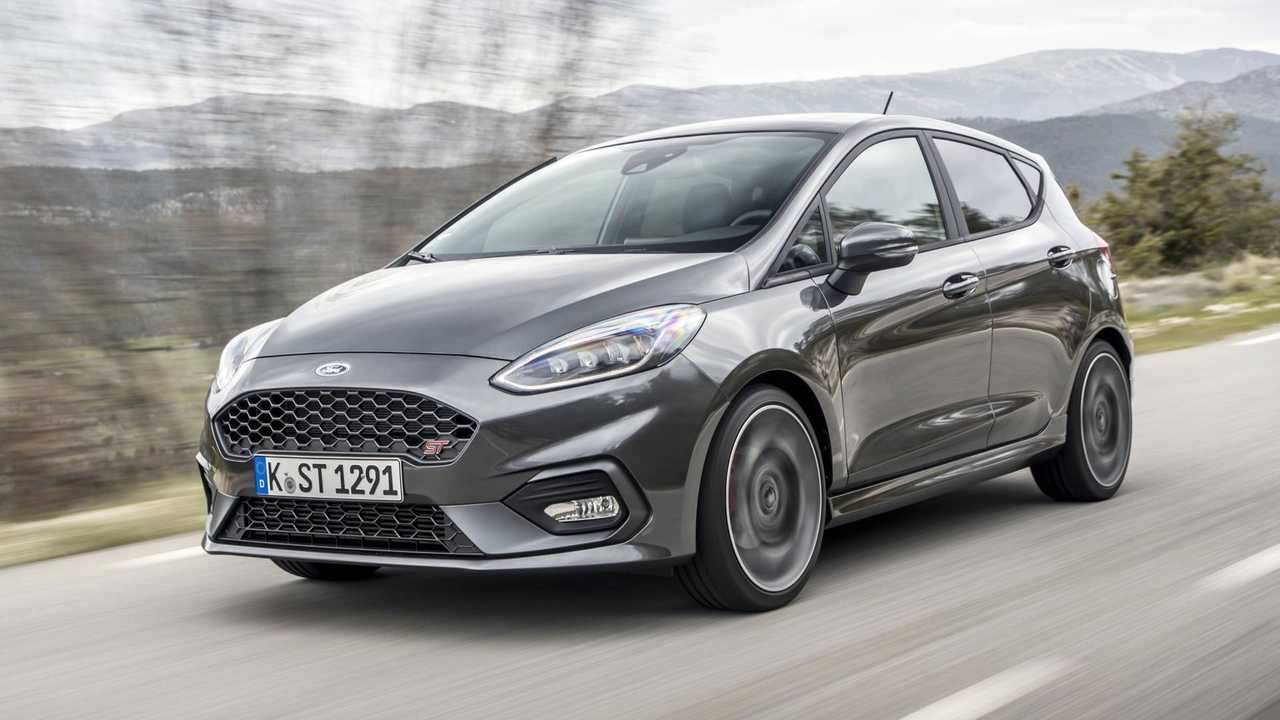
5. Ford Fiesta
The Ford Fiesta struggles in cold and snowy conditions due to its compact size, lightweight design, and low ground clearance. Its small engine can have difficulty starting in freezing temperatures, which may leave drivers stranded. Front-wheel drive provides limited traction on icy or slushy roads, increasing the risk of slipping and getting stuck in snow.
Cabin comfort is affected by thin insulation, causing the interior to take longer to warm up. The small battery can also drain quickly when using heaters and defrosters, reducing reliability in cold weather. Drivers should consider installing winter tires, performing regular maintenance, and carrying emergency supplies to improve winter performance and readiness for harsh conditions.
Slushy roads expose several mechanical limitations of the Fiesta. Worn clutches can cause power loss and make it difficult to move the car. Problems with the throttle body or air intake, such as sticking components or blocked mass airflow sensors, can delay acceleration and make controlling the vehicle more difficult.
Engine and fuel system issues, including bad spark plugs, dirty fuel injectors, and clogged fuel filters, can cause misfires or sluggish performance, which is particularly hazardous on low-traction surfaces.
The PowerShift automatic transmission has been known to cause rough shifts and inconsistent power delivery, further reducing the car’s responsiveness. Other powertrain issues can contribute to sluggish acceleration and limited performance on slippery roads.
With careful preparation, the Fiesta can be safer in winter conditions. Equipping the vehicle with winter tires, addressing mechanical issues promptly, and driving cautiously can help maintain traction and control. Despite these measures, the Fiesta remains less capable in snow and icy conditions compared to larger, higher-clearance, or all-wheel-drive vehicles, making careful planning essential for winter driving.
Not all cars handle slush and snow equally, and understanding their limitations is crucial for safe winter driving. Vehicles such as the Chevrolet Aveo, Fiat 500, Smart Fortwo, Mini Cooper Convertible, and Ford Fiesta face challenges due to small engines, low ground clearance, lightweight construction, and limited traction control.
These factors make them more susceptible to slipping, getting stuck, and struggling on icy or slushy roads. Drivers of these models must take extra precautions, including installing winter tires, adjusting driving techniques, and carrying emergency supplies.
While compact cars can offer efficiency and city-friendly size, they may not provide the confidence or stability needed in harsher winter conditions. Knowing which vehicles are built to handle snow and which require extra caution can help drivers make informed choices, prioritize safety, and reduce the risks of accidents or getting stranded in winter weather.
Also Read: 10 Cars That Beat Traffic With Adaptive Cruise Done Right