
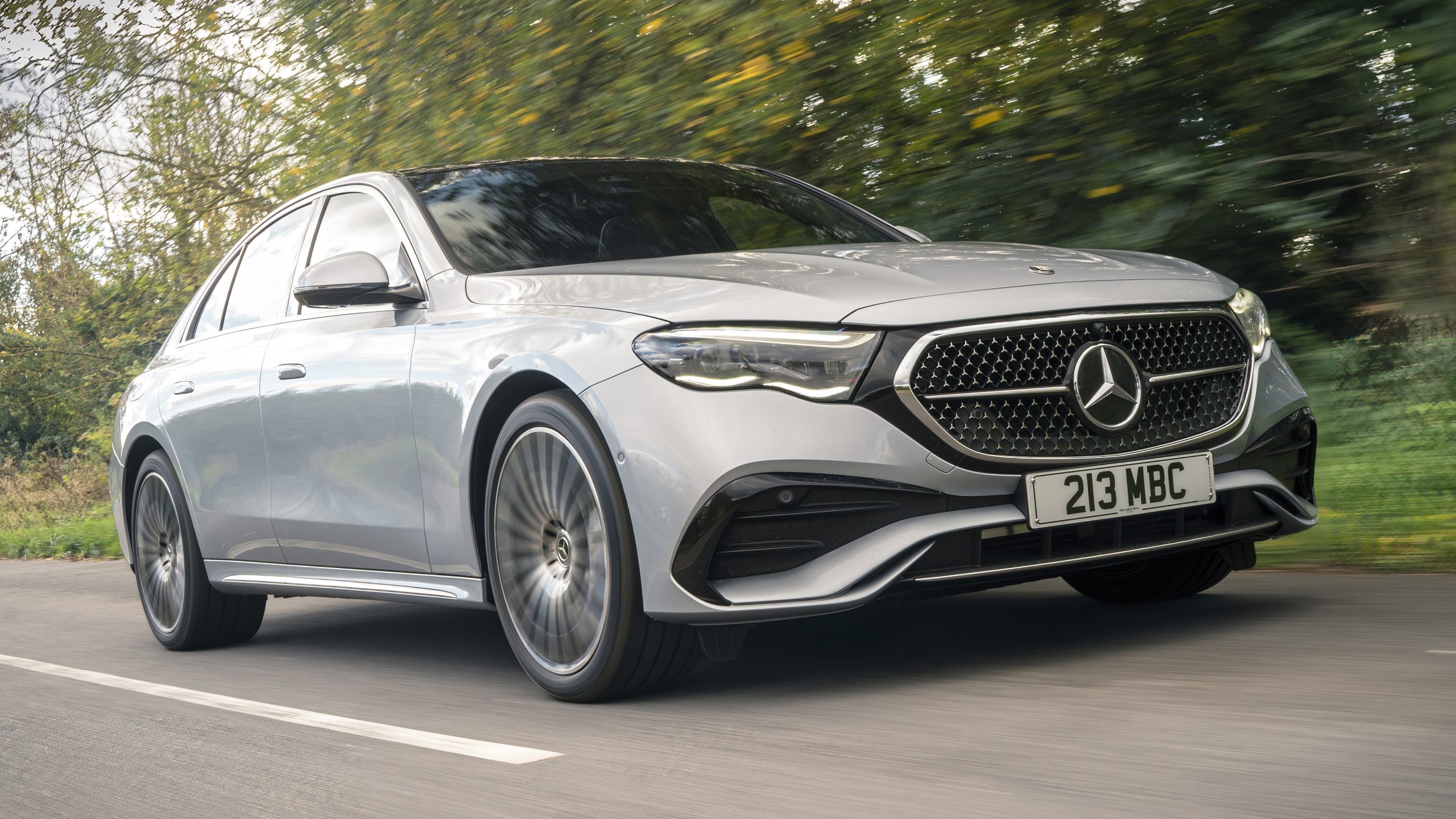
Summer driving can test both patience and comfort, especially when a vehicle struggles to keep the cabin cool. While some cars are engineered with powerful air conditioning systems that quickly lower interior temperatures, others leave drivers and passengers waiting and feeling uncomfortable.
The difference often comes down to engineering, cabin insulation, and climate-control technology. Vehicles such as the Nissan Pathfinder, Mercedes-Benz E-Class, Subaru Crosstrek, Kia Sorento, and Rolls-Royce Ghost demonstrate how efficient AC systems can enhance comfort by providing fast and even cooling throughout the cabin.
In contrast, models like the Jeep Wrangler, Mini Cooper, Chevrolet Cruze, Nissan Altima, and Dodge Journey show the challenges of inadequate HVAC performance, where design limitations, underpowered compressors, or poor airflow leave interiors warm. Knowing which cars perform well in summer and which struggle can make a major difference for long drives, daily commutes, and family trips.
5 Summer-Ready Cars With Great AC
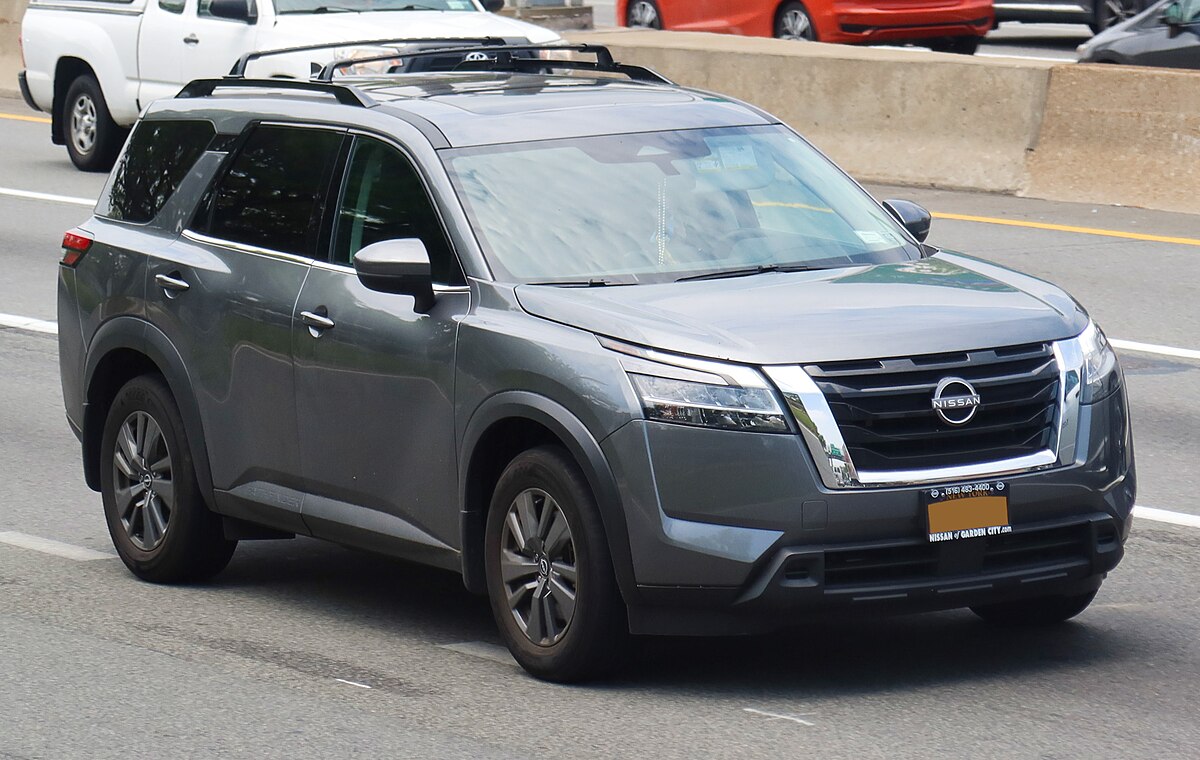
1. Nissan Pathfinder: Winter Capability and Driving Character
The Nissan Pathfinder, redesigned for 2022, delivers a solid blend of comfort, practicality, and winter-friendly features. Its updated interior includes tall, wide air vents and a tri-zone automatic climate system that quickly cools or warms the cabin, making temperature management simple and effective even in harsh conditions.
Visibility is also a strong point thanks to upright windows and large mirrors, which help when driving in snow or slush.
On the road, the Pathfinder behaves much like other midsize SUVs. The V6 engine provides competitive acceleration, and the transmission generally shifts smoothly, although it can hesitate on uphill climbs. Handling feels stable, and steering weight gives the vehicle a planted feel, making parking and tight maneuvering straightforward.
Ride quality is comfortable without excessive softness, and bumps are absorbed without unpleasant jolts. Driver aids, including ProPilot Assist, are helpful but imperfect. Adaptive cruise control can be overly cautious, and lane centering occasionally drifts too far toward lane markings.
Inside, the Pathfinder offers roomy seating across all three rows, though the third row requires a bit of effort to access. The front seats are firm, which may be fatiguing on long trips, but noise levels from wind and pavement remain low. Controls are easy to reach, and the climate system uses intuitive buttons and knobs.
Tech features are capable but not standout for the class. The navigation system is clear, and smartphone integration works well aside from occasional wireless Apple CarPlay issues. The wireless charging pad is a helpful convenience, though additional USB ports would improve usability.
Cargo capacity ranges from 16.6 cubic feet behind the third row to 80.5 cubic feet with both rows folded. While not class-leading, the space is practical and easy to load. Small-item storage is well distributed throughout the cabin. Towing strength is a highlight, offering up to 6,000 pounds with the proper package, outperforming many rivals.
Value aligns with segment norms. Build quality feels appropriate for the price, though competitors from Kia and Hyundai offer stronger warranties and more features. Fuel economy is competitive on paper, but real-world results may be slightly lower than expected.
The Pathfinder provides a confident, capable, and family-friendly experience, with a design that brings a hint of rugged appeal without sacrificing comfort or practicality.
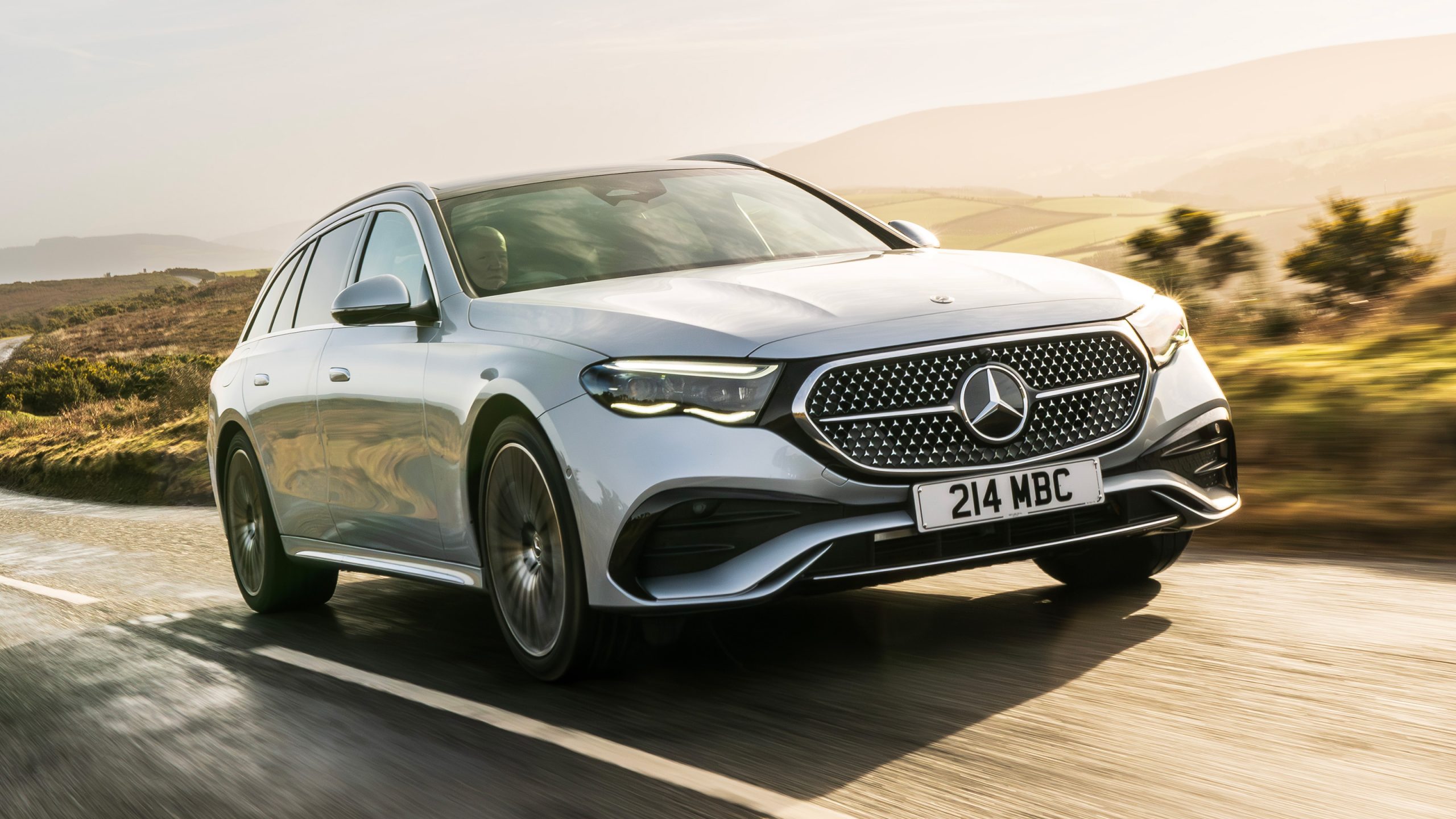
2. Mercedes-Benz E-Class: Driving Character and Luxury Focus
The Mercedes-Benz E-Class, especially in its E 450 4Matic configuration, represents the most balanced blend of power, refinement, and comfort in the lineup. The mild-hybrid EQ Boost system improves responsiveness and provides quick access to cool air, complementing the standard dual-zone climate setup with a dust and pollen filter.
Performance is a strong point for the E-Class. The six-cylinder E 450 reaches 60 mph in 4.7 seconds and delivers smooth, confident acceleration. The nine-speed automatic transmission shifts with near invisibility, and braking feels strong and natural. Handling remains composed whether cruising through traffic or merging onto a fast highway.
By comparison, the four-cylinder E 350 starts to lose energy at higher speeds. The optional Airmatic suspension produces excellent ride comfort even on rough pavement. Large optional wheels can firm up the ride, but do not compromise its poise. Some driver assistance systems are helpful, though adaptive regenerative braking can feel inconsistent.
Comfort defines the E-Class experience. The seats are soft, supportive, and suitable for long drives. Noise levels inside the cabin stay very low, even at high speeds. The only drawback is that the climate control system can struggle on extremely hot days.
The driving position is highly adjustable, creating a personal and tailored feel without becoming restrictive. Rear seating is adequate, though passengers over six feet may find it tighter than in some rivals. Controls are neatly arranged, yet the infotainment system takes time to learn, and the touch-sensitive steering wheel buttons can be distracting.
Technology is a central theme inside the E-Class. Displays are bright and customizable, the navigation system works extremely well, and the optional Burmester 4D audio system is a standout upgrade. Cargo space falls slightly behind competitors in volume, but remains very usable thanks to a well-shaped trunk and folding rear seats. Interior storage favors style but still provides practical spots for everyday items.
Pricing sits on the higher end of the segment, though build quality and materials reflect the cost. Standard equipment is generous, and the E 450 is the preferred choice for those seeking the fullest expression of the model’s capability.
Fuel economy varies between trims, with the E 450 surprisingly outperforming its EPA rating in testing. The E-Class blends classic luxury with modern technology, creating a relaxing and confident driving experience.
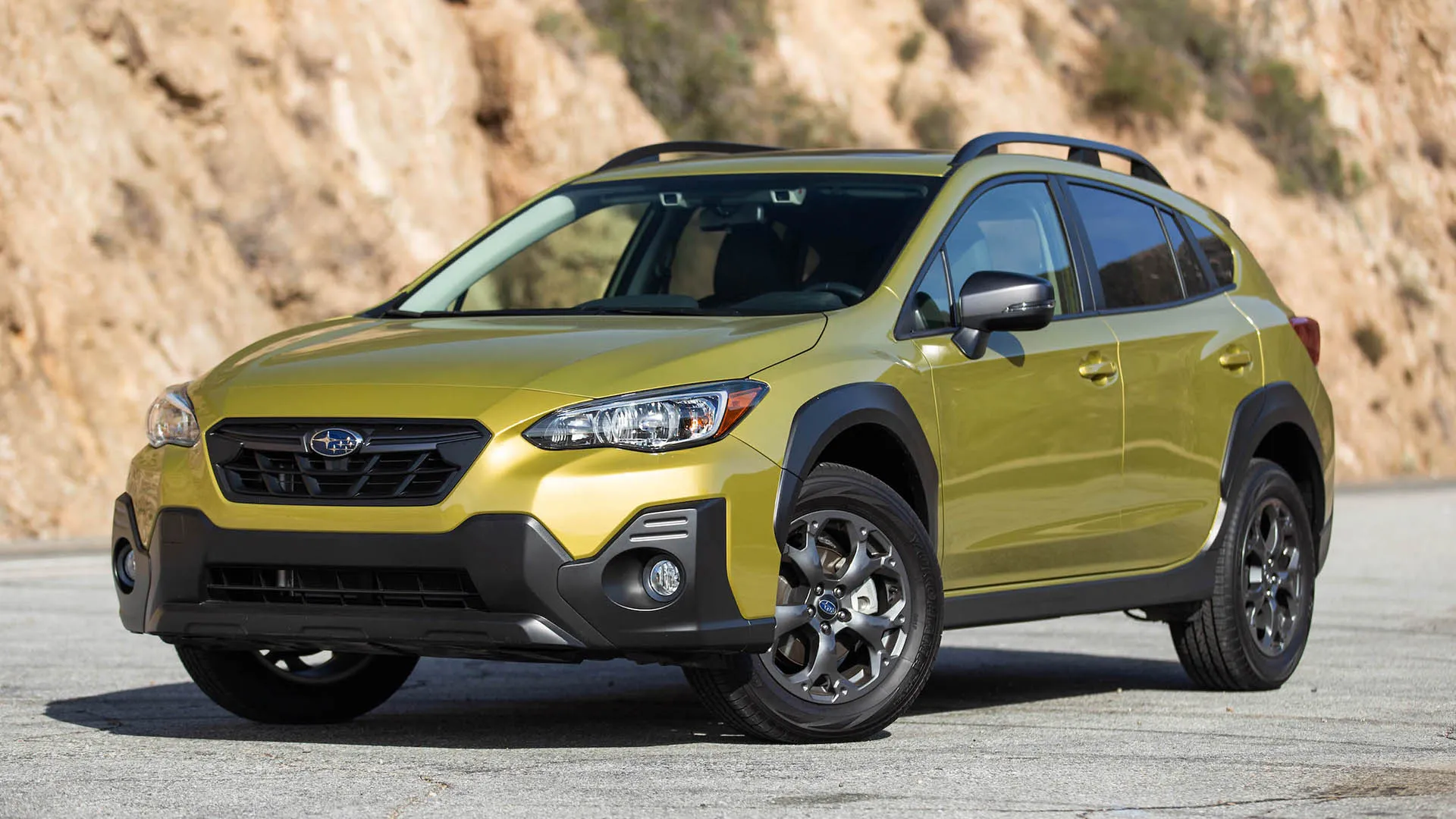
3. Subaru Crosstrek: Strengths, Road Manners, and Everyday Practicality
The Subaru Crosstrek has built a loyal following among drivers who face harsh winters thanks to its standard all-wheel drive, generous cargo area, and dependable traction on snow and ice. When warmer weather arrives, its Max AC feature cools the interior quickly and with impressive force.
Subaru’s decision to remove the underpowered base engine has noticeably improved acceleration. The current Crosstrek feels livelier, with smooth and steady power delivery, especially in the hybrid version. It is not a performance-focused SUV, yet it handles daily driving with ease and maintains a composed character on rough surfaces.
Confidence in poor weather comes naturally, and the Crosstrek Wilderness stands out as one of the most capable off-road choices in the extra-small SUV category. The vehicle’s downside is an abundance of alerts and chimes from its driver assistance suite, which can grow tiresome.
Inside, the Crosstrek emphasizes simplicity. Controls are large, straightforward, and easy to find without searching. The steering wheel buttons feel solid, and the infotainment screen bundles most primary functions, though its graphics appear dated. Cabin space feels generous due to the tall roof and long interior, and wide doors paired with a favorable seat height make entry and exit effortless.
Technology remains a weaker point. All trims except the base receive an 11.6-inch infotainment screen with large icons that sometimes respond slowly. Wireless Android Auto and Apple CarPlay help compensate, and charging options are plentiful with multiple USB ports and a wireless charging pad.
Storage capability sits below some rivals, with only 19.9 cubic feet of space behind the rear seats. Interior storage for small items is also limited, with undersized door pockets, tight cupholders, and a small center console.
Value depends heavily on how much a driver appreciates off-road competence. Many competitors offer better standard features, a more refined on-road experience, and stronger warranties. Subaru provides average coverage with no complimentary maintenance.
Fuel economy is solid. EPA ratings estimate 29 mpg combined for the 2.0-liter engine, and real-world testing surpassed that figure at 33.4 mpg. Larger engines deliver similar efficiency except in Wilderness models, which drop slightly.
The Crosstrek appeals to drivers who enjoy outdoor activities and unpaved routes. It is utilitarian, trustworthy, and at home in natural settings, even if it is not particularly exciting on suburban pavement.
4. Kia Sorento: Capability, Comfort, and Everyday Functionality
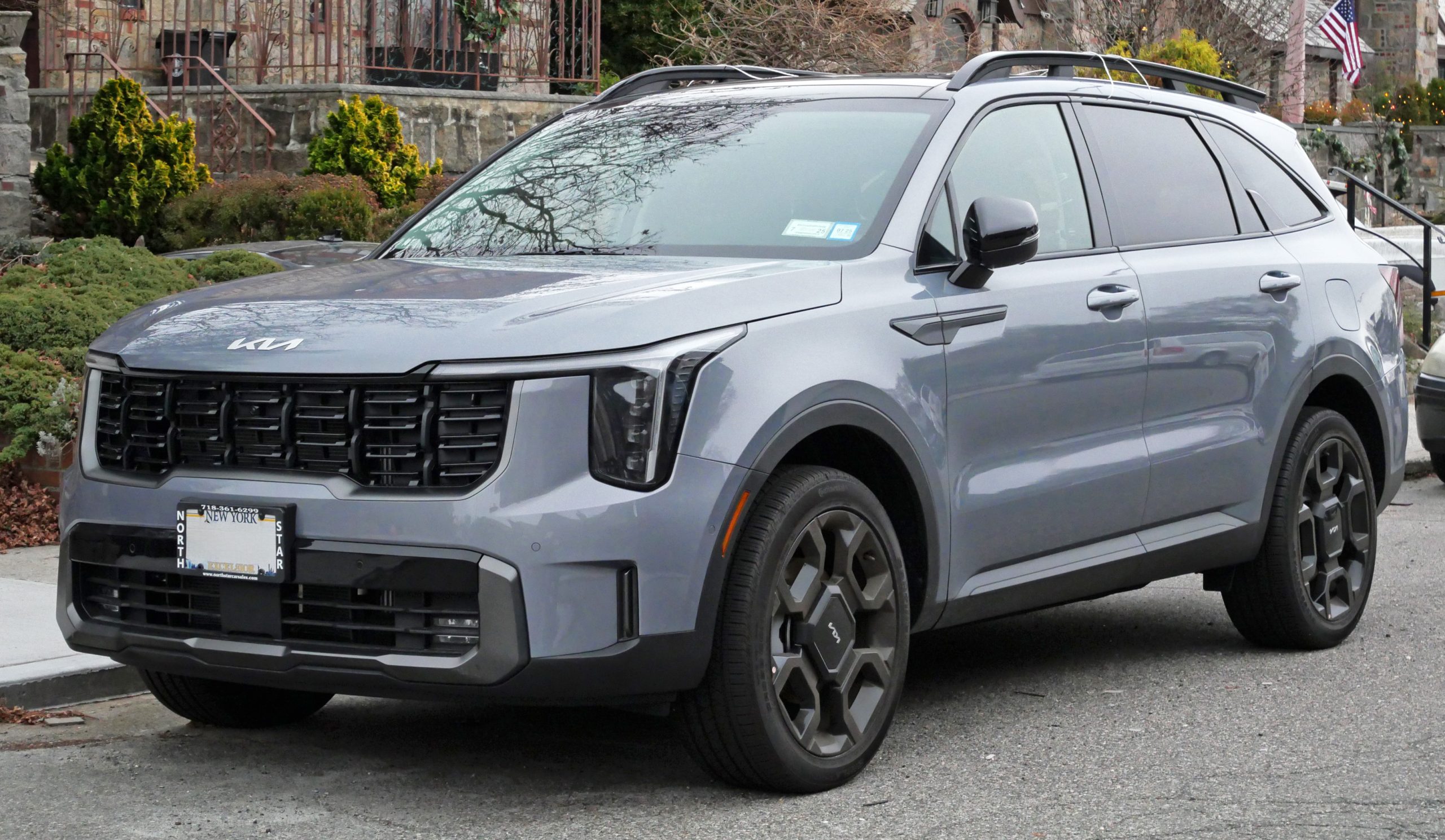
The 2021 Kia Sorento redesign brought meaningful improvements to this three-row SUV, including an interior that stands out for thoughtful design and an impressive climate control system. Its uniquely shaped vents allow precise airflow direction, and the quick-cooling air conditioning can be adjusted to reach nearly every area of the front seats with ease.
Performance with the available turbocharged engine is a strong point. In testing, the Sorento reached 60 mph in 6.7 seconds, giving it quicker acceleration than several similarly sized competitors. Highway merging and passing feel confident, and the eight-speed transmission delivers smooth, well-timed shifts.
Braking performance is solid, although the top trim’s all-terrain tires add a bit of distance to stopping tests. Handling inspires confidence, though a touch more steering accuracy would be welcome.
Ride quality varies: low speeds bring noticeable jitters, but highway cruising feels settled and stable. Generously sized windows and an available surround-view camera system help in tight spaces. Kia’s driver assistance suite also performs reliably, including the available automatic lane-changing function.
Interior comfort is another strength. The front seats on higher trims offer heating, ventilation, and a wide adjustment range. Second-row captain’s chairs provide firm, supportive seating, and the third row can even accommodate adults for shorter trips.
The dual-zone climate system is effective and intuitive, despite the touch-sensitive controls occasionally lacking responsiveness. Access to all rows is easy, and cabin space feels more generous than what many compact SUVs offer.
Technology is impressive with a standard 12.3-inch touchscreen, an available digital instrument cluster, and wireless Android Auto and Apple CarPlay across all trims. USB-C ports in every row and an optional wireless charger enhance convenience. The optional Bose audio system, however, does not deliver standout sound quality.
Cargo capacity measures 12.6 cubic feet behind the third row and can expand to as much as 45 cubic feet depending on seat configuration. Interior storage solutions are thoughtfully designed, and towing capacity reaches 4,500 pounds on X-Pro models, exceeding most rivals in this class.
Strong warranty coverage adds value, and fuel economy for the turbocharged AWD model is estimated at 23 mpg combined, with real-world results slightly better. With energetic acceleration, a refined cabin, and a wide feature set, the Sorento presents a well-rounded and capable choice among small three-row SUVs.
5. Rolls-Royce Ghost: Unmatched Luxury and Comfort
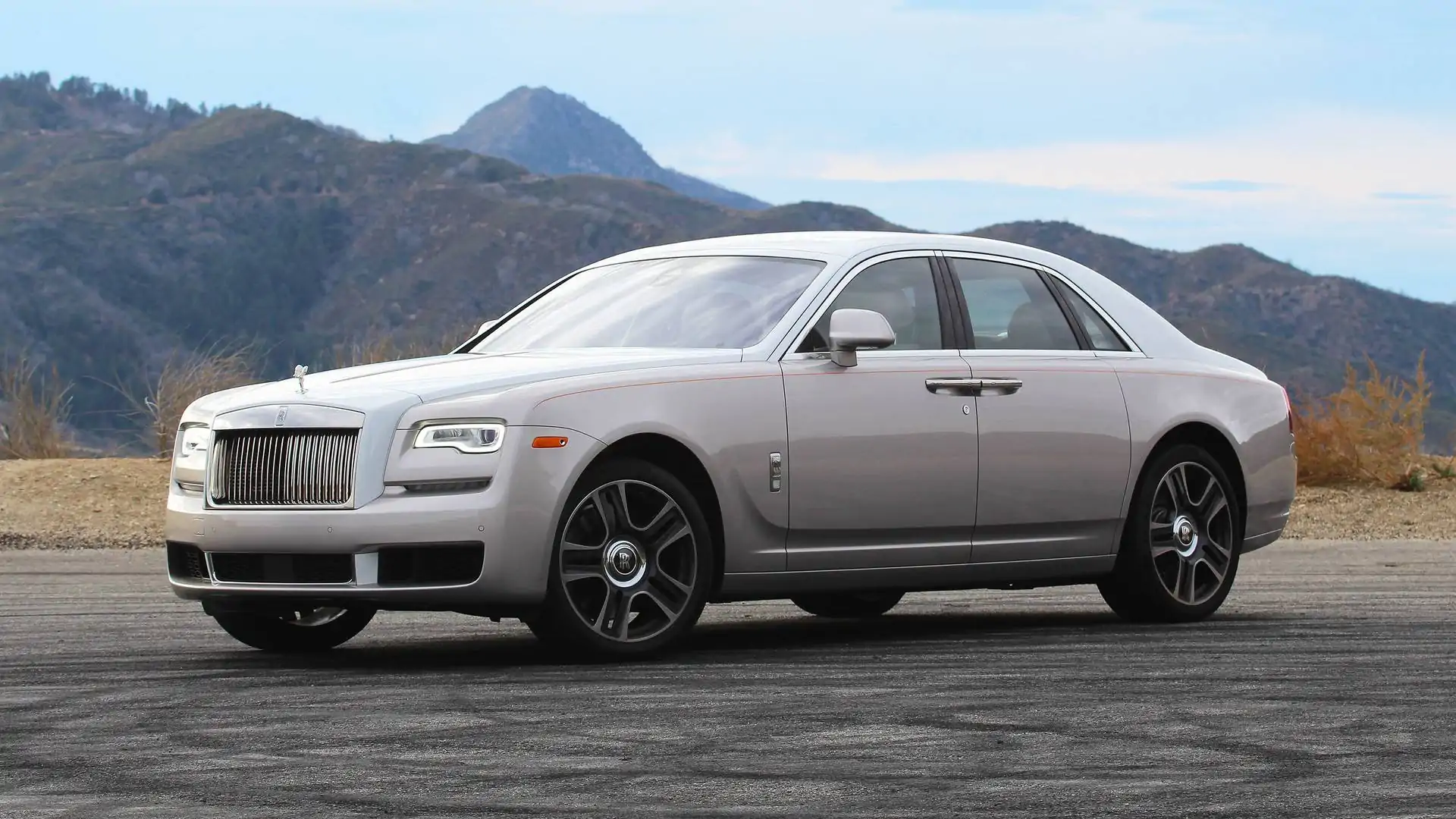
The Rolls-Royce Ghost delivers a cabin experience few vehicles can rival, starting with an air conditioning system that cools the entire interior in seconds, even under extreme heat. The chrome-plated steel vents are cool to the touch and highly adjustable, allowing precise airflow direction for both driver and passengers.
The Ghost is powered by a smooth 6.7-liter V-12 engine producing 563 hp, while Black Badge models boost output to 592 hp. An eight-speed automatic transmission and all-wheel drive handle power delivery seamlessly. Rolls-Royce emphasizes sharp handling with a 50/50 weight distribution and all-wheel steering.
The adaptive suspension, featuring a road-scanning camera, ensures a ride that effortlessly absorbs bumps and potholes. The Ghost accelerates to 60 mph in 4.6 seconds, with top-spec variants potentially surpassing that figure. Fuel economy is estimated at 12 mpg city and 19 mpg highway.
The Ghost cabin epitomizes opulence with thick carpets, fine leather, polished wood, and metal accents. Customizable options include a starlit headliner and illuminated dashboard panels. Rear passengers enjoy massaging seats, an entertainment system, and exceptional legroom.
Technology is seamlessly integrated into a full-width glass panel housing digital gauges, a large infotainment screen, and a digital art display. Features include Apple CarPlay, Android Auto, Wi-Fi hotspot, and a dual-screen rear entertainment system. The 18-speaker Bespoke audio system produces 1,400 watts for immersive sound.
Standard driver-assistance features include adaptive cruise control, lane-keeping assist, and automated emergency braking with pedestrian detection. Rolls-Royce offers a four-year unlimited-mileage warranty, which includes maintenance coverage for the same period, providing peace of mind alongside unparalleled luxury.
With precise engineering, sumptuous materials, and cutting-edge technology, the Ghost excels in performance, comfort, and refinement, making it a benchmark in the ultra-luxury sedan segment.
Also Read: 5 cars that Handle Potholes Calmly vs 5 That Crash And Thud
5 That Cool Slowly
1. Jeep Wrangler: Heat Management Challenges
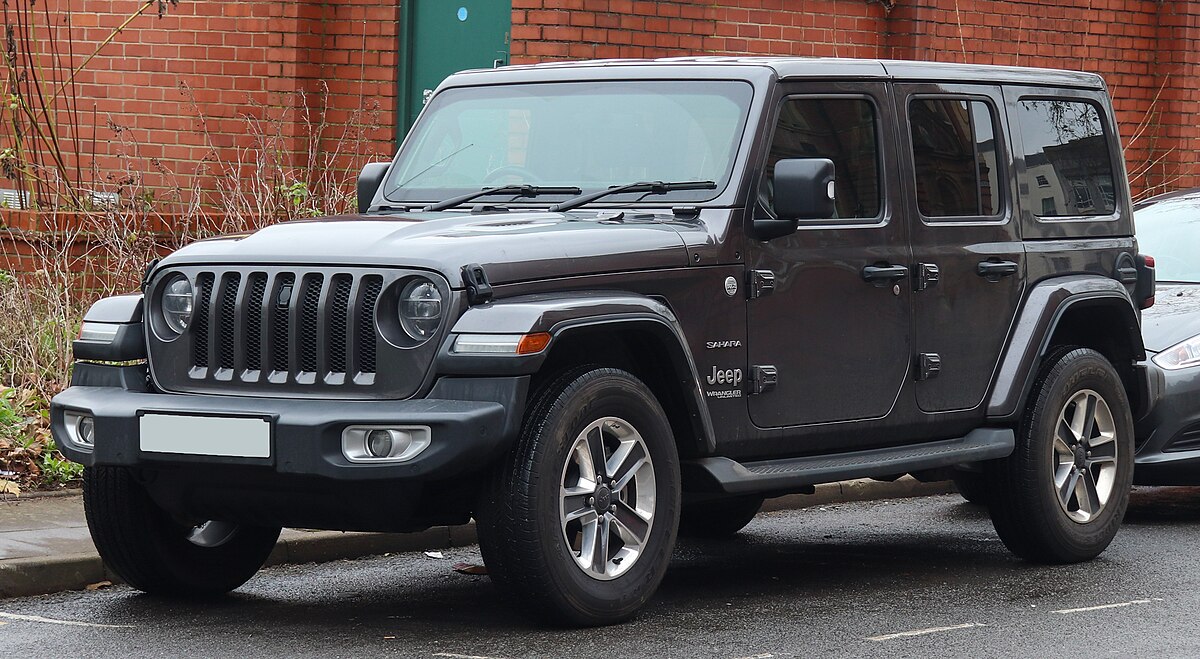
The Jeep Wrangler is renowned for its off-road capability and open-air freedom, but these same traits contribute to its persistent struggles with cooling during summer. Its removable doors, roof panels, and minimal insulation prevent the cabin from sealing tightly, making it difficult for the HVAC system to retain cool air. Even with a hardtop installed, the interior often warms up faster than the AC can compensate.
Air conditioning performance has long been a weak point for the Wrangler, especially in older models. Many owners report weak airflow, slow cooling, and AC units that seem to strain in temperatures that comparable SUVs handle with ease.
The Wrangler’s boxy shape intensifies heat buildup by trapping sunlight, turning the cabin into a hot enclosure before the AC has a chance to make an impact. Common off-road accessories such as oversized tires, winches, and light bars place an added load on the engine and electrical system, leaving less capacity for strong cooling performance.
Reliability issues add further frustration. Compressors, blower motors, and refrigerant lines are known trouble spots across several generations. Even the newer JL models introduced in 2018 continue to receive complaints about inconsistent cooling and weak airflow to the rear seats.
Off-road driving can worsen these problems because rough terrain shakes HVAC components, accelerates wear, and allows dirt and debris to clog system parts.
These challenges are especially noticeable since many Wranglers are driven in hot climates, deserts, and sun-exposed environments where dependable cooling is essential. As a result, some owners resort to aftermarket upgrades, stronger fans, or portable cooling solutions. While the Wrangler excels in rugged terrain, its limited heat management makes summer comfort much less impressive.
2. Mini Cooper: Cooling Weaknesses in Hot Weather
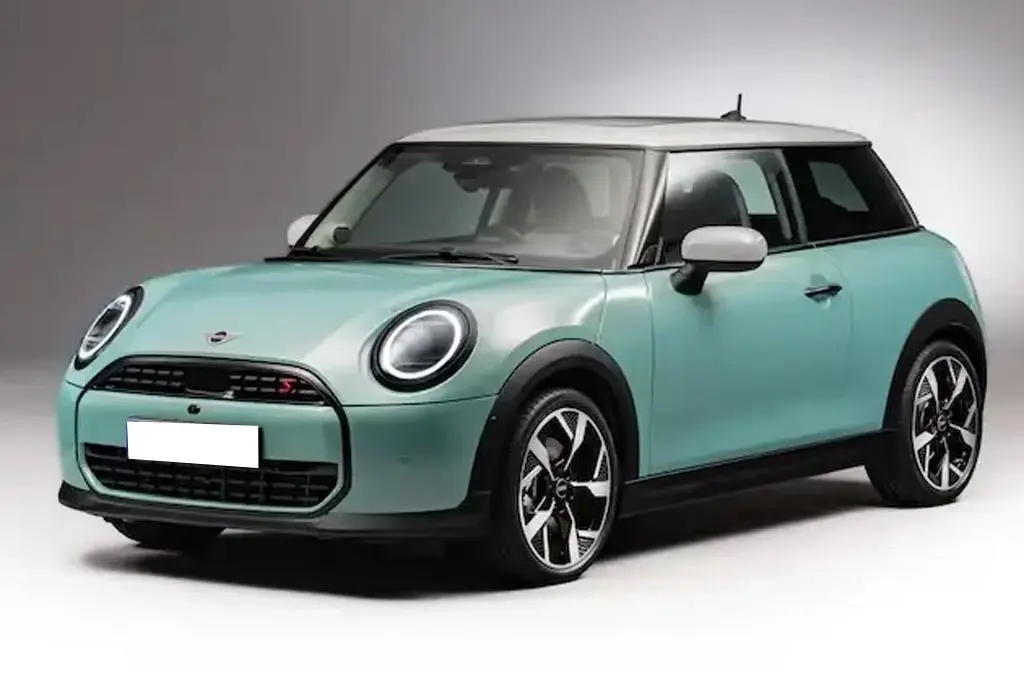
The Mini Cooper is prized for its playful handling and stylish design, yet it consistently disappoints when temperatures rise. Many drivers report weak air conditioning performance, slow cooling, and difficulty maintaining comfortable cabin temperatures during warm months. These issues stem from both design constraints and mechanical vulnerabilities that limit the system’s ability to manage heat effectively.
The compact engine bay leaves little space for proper airflow or heat dispersion, forcing the AC system to work harder than in larger vehicles. Turbocharged models face even greater strain because the engine generates additional heat that radiates through nearby components.
A small condenser and underpowered cooling fans compound the issue, making it difficult for the system to handle outdoor temperatures above 85°F. As a result, drivers often wait 10 to 15 minutes before the cabin cools to a tolerable level.
Reliability problems add to the frustration. Mini Coopers are known for AC leaks, compressor failures, electrical faults in the HVAC controls, and even evaporator core defects that require extensive repairs. These issues commonly appear in relatively new vehicles and can lead to expensive service bills. Interior components such as vents and seals also wear prematurely under heat, further reducing airflow and system efficiency.
The Mini’s cabin design introduces additional challenges. A wide windshield increases sun exposure, the panoramic sunroof traps heat, and minimal insulation allows warm air to seep into the interior. Combined with the car’s low ride height and close-to-the-road design, the cabin heats up quickly and stays hot longer than many competing vehicles.
These factors make the Mini Cooper a poor performer in hot climates. For drivers who regularly face intense sun or long summer commutes, the AC limitations can turn an otherwise fun vehicle into an uncomfortable daily companion.
3. Chevrolet Cruze: Cooling Limitations in Hot Weather
The Chevrolet Cruze aims to offer solid value through affordability and efficiency, but its performance in high temperatures is a frequent source of frustration for owners. Models produced between 2011 and 2016 are especially known for persistent AC problems that make summer driving uncomfortable.
Many drivers report that the cooling system struggles so much that opening the windows can feel more effective than relying on the AC.
A major issue comes from the Cruze’s fragile AC compressors, which often fail as early as 40,000 miles. When the compressor loses effectiveness, the system delivers weak or inconsistent cooling, sometimes accompanied by rattling sounds or complete failure.
Repairs can be expensive and, in some cases, short-lived. Additional problems, such as evaporator leaks and clogged expansion valves, commonly appear during heat waves, turning the cabin into a stifling environment.
The Cruze also suffers from limited cabin airflow. Its blower motor lacks the power needed for the sedan’s interior volume, leaving rear passengers with almost no cooling while front passengers receive only mild relief.
Poorly positioned vents further restrict circulation, leading to uneven temperature distribution. This becomes especially noticeable during long drives or in regions with intense sunlight, where cabin heat builds rapidly.
Customer service experiences add to the frustration. Many owners report slow diagnoses or dismissive responses when seeking help from dealerships. Warranty coverage often fails to address entire HVAC system issues, leaving drivers to cover costly repairs tied to design flaws.
While the Cruze performs well in many practical categories, its lackluster cooling capabilities make it a challenging choice for warm climates and summer commuting.
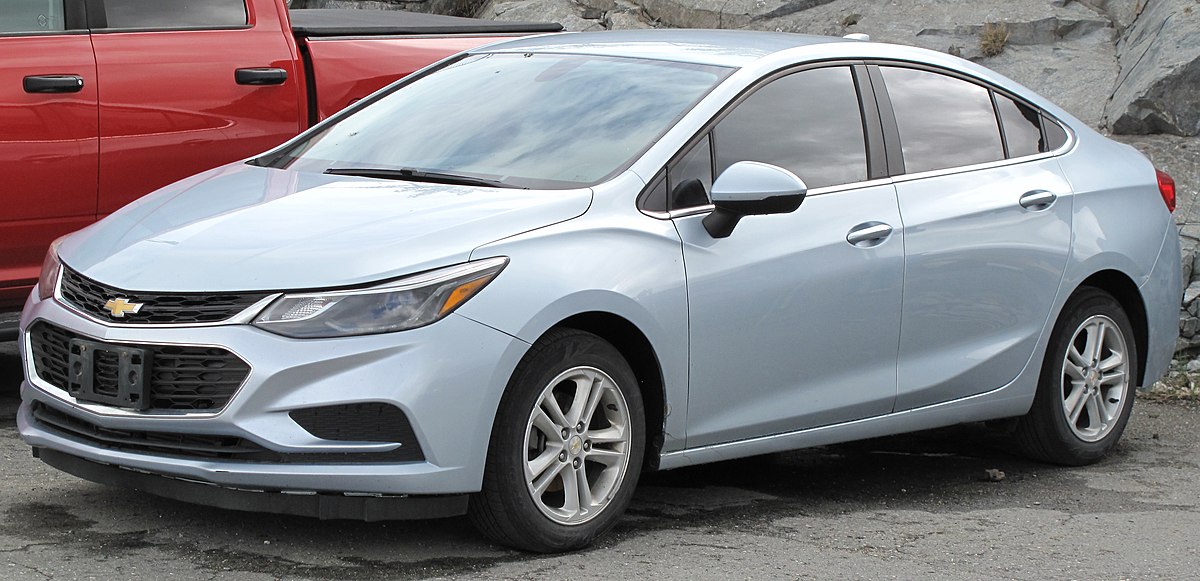
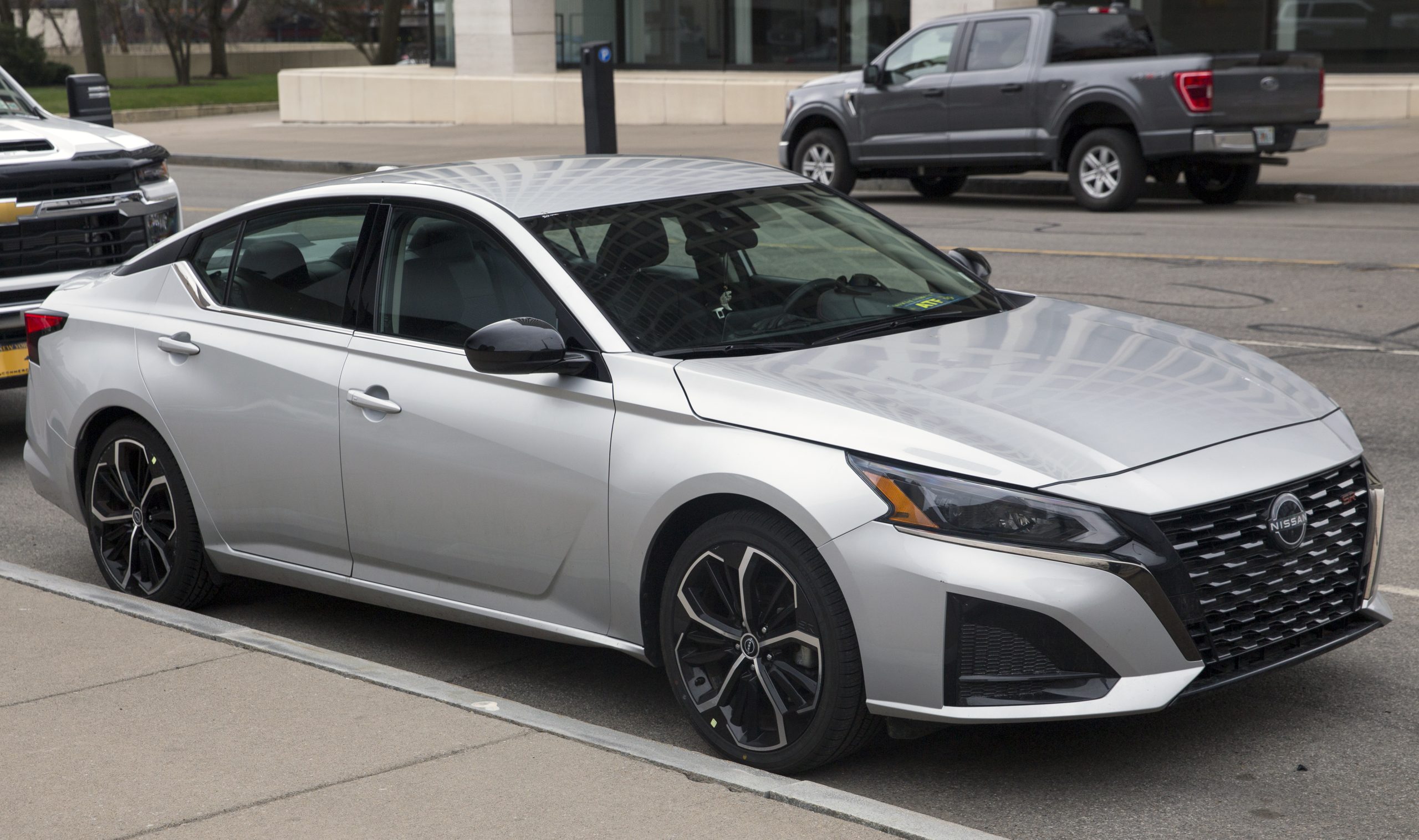
4. Nissan Altima: AC Performance Challenges in Hot Weather
The Nissan Altima is known for its comfort and practicality, but models released between 2013 and 2018 often fall short when temperatures rise. Many owners report that the AC system struggles with prolonged heat exposure, starting with weak airflow or delayed cooling that can escalate into complete system failure.
One of the core issues comes from the CVT transmission design. Because the CVT keeps engine RPMs low to maximize fuel efficiency, the AC compressor receives limited power at idle.
This results in warm or inconsistent airflow during stop-and-go driving or when the car is stationary with the engine running. In heavy city traffic, the cabin can quickly become uncomfortably warm, and cooling usually improves only once the car reaches higher speeds.
Mechanical problems add to the frustration. Compressor clutch failures, refrigerant leaks, and faulty pressure sensors are all common across these model years. Many owners end up paying for costly compressor replacements, only to find the cooling issues persist due to underlying electronic or RPM-related limitations.
These weaknesses are far more noticeable in hot regions such as Texas, Florida, and California, where the AC is pushed to its limit daily. Even when functioning properly, the Altima’s interior insulation does little to combat heat. Large windows and reflective dashboard surfaces amplify sun exposure, allowing heat to build rapidly while the AC struggles to counter it.
For a sedan designed for daily commuting, the Altima’s warm-weather performance can be disappointing. Instead of comfort, drivers often find themselves dealing with inconsistent cooling, frequent repairs, and a driving experience that becomes tiring in high temperatures.
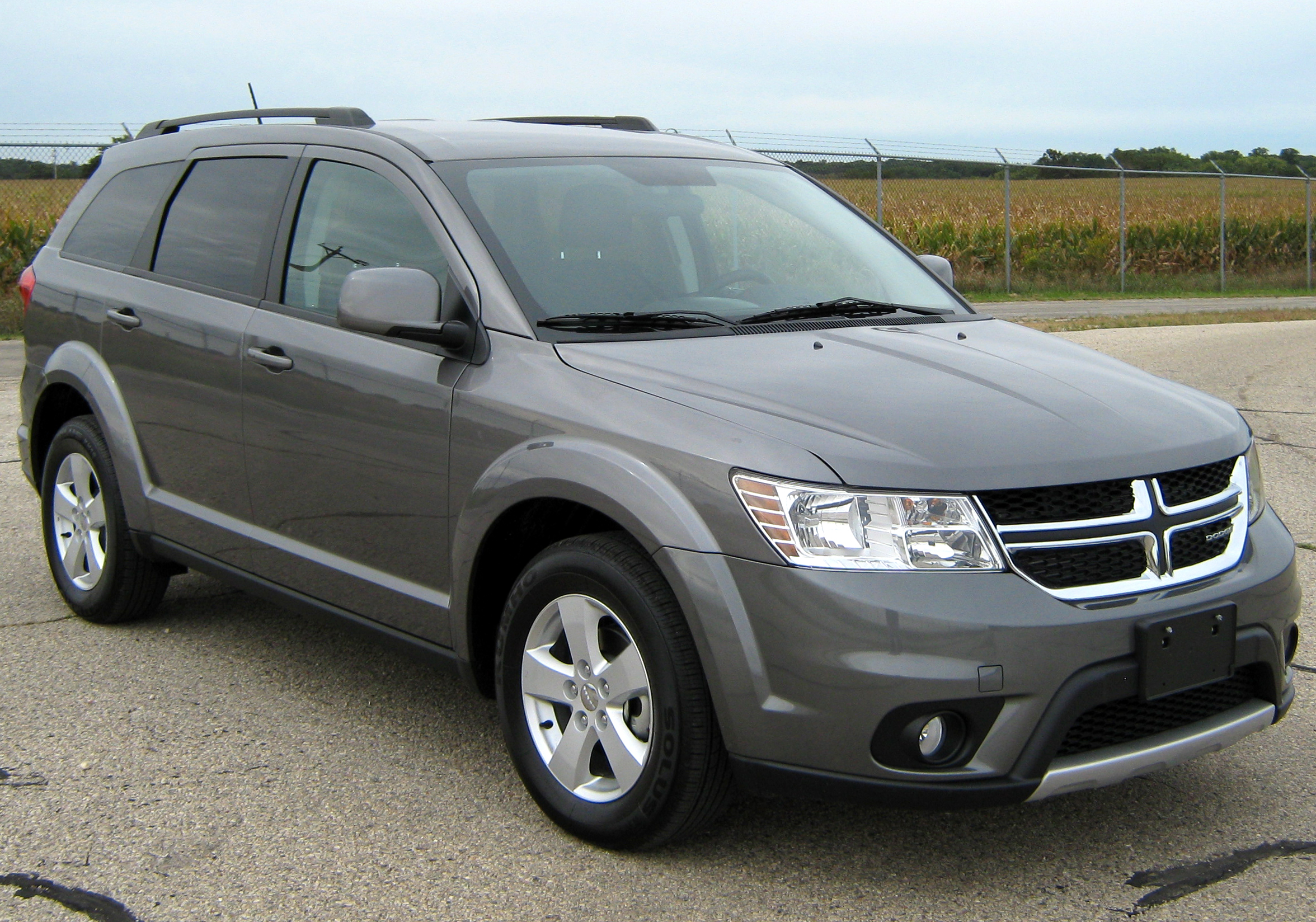
5. Dodge Journey: Struggles with Summer Cooling
The Dodge Journey is a budget-friendly family crossover that promises space and practicality, but its performance in hot weather is a significant drawback. The air conditioning system is widely criticized for being weak and unreliable, leaving both front and rear passengers uncomfortable during summer drives.
A major issue is the underpowered AC compressor, which struggles to circulate cold air effectively throughout the cabin. Rear-seat passengers are particularly affected, often receiving little to no airflow, while front-seat cooling remains sluggish. Poorly designed ducting, narrow channels, and low-quality materials further limit airflow, reducing the system’s efficiency even in newer models.
Maintenance and reliability concerns exacerbate the problem. Common issues include compressor failures, clogged condensers, leaking refrigerant lines, and malfunctioning climate control modules. Owners frequently face repeated repairs, high costs, and slow service, making summer driving stressful and inconvenient.
The Journey’s cabin design compounds the problem. Large windows and a flat dashboard allow heat to accumulate quickly, and limited insulation provides little protection from sunlight. Even when the AC functions, it often fails to cool the interior fast enough, leaving passengers sweaty within minutes of entering the vehicle.
For families using the Journey for errands, carpools, or long road trips, the weak AC system and poor heat management make summer travel uncomfortable. Despite its practicality and low price point, the Dodge Journey struggles to provide a comfortable and reliable cabin climate in hot conditions, undermining its appeal as a dependable family SUV.
Also Read: 10 Cars With DIY-Friendly Oil Filters and Drain Plugs
