
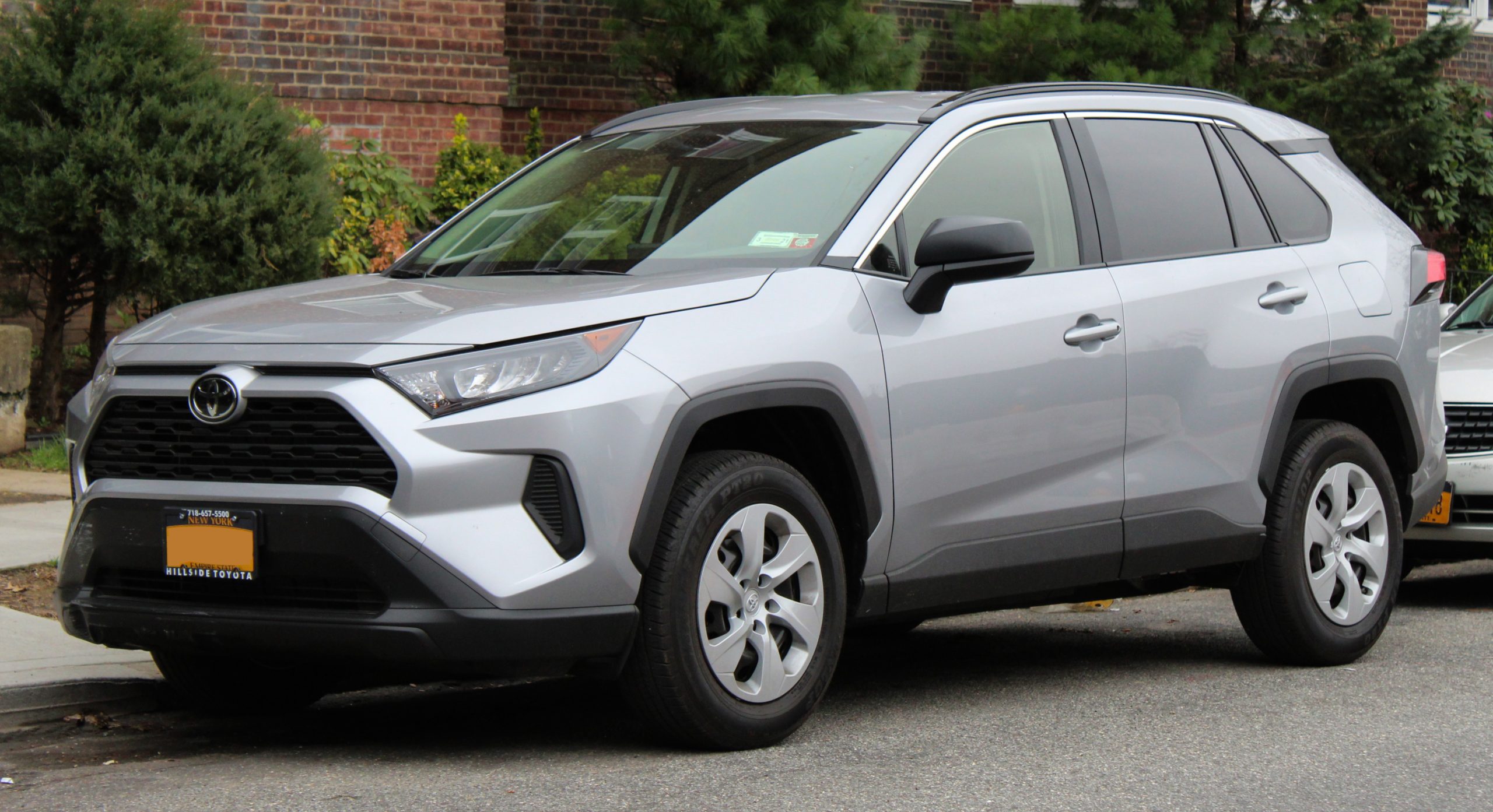
Choosing a starter car involves more than looks or engine power. For new drivers, confidence and predictability on the road are essential. Some vehicles provide a secure feeling with stable handling, responsive brakes, and thoughtfully designed interiors, while others, often built for high performance or off-road adventures, can feel unpredictable and difficult to control.
Factors such as suspension quality, steering feedback, driver-assist technology, visibility, and ride comfort all influence how safe a car feels. Cargo space, ease of entry, and passenger comfort also play a role, particularly for families or pet owners.
Understanding the difference between cars that inspire confidence and those that feel flimsy helps first-time buyers make informed choices. Choosing a vehicle that feels solid and manageable allows new drivers to build skills safely, reduces stress, and makes the driving experience more enjoyable and reliable.
5 Starter Cars That Feel Safe
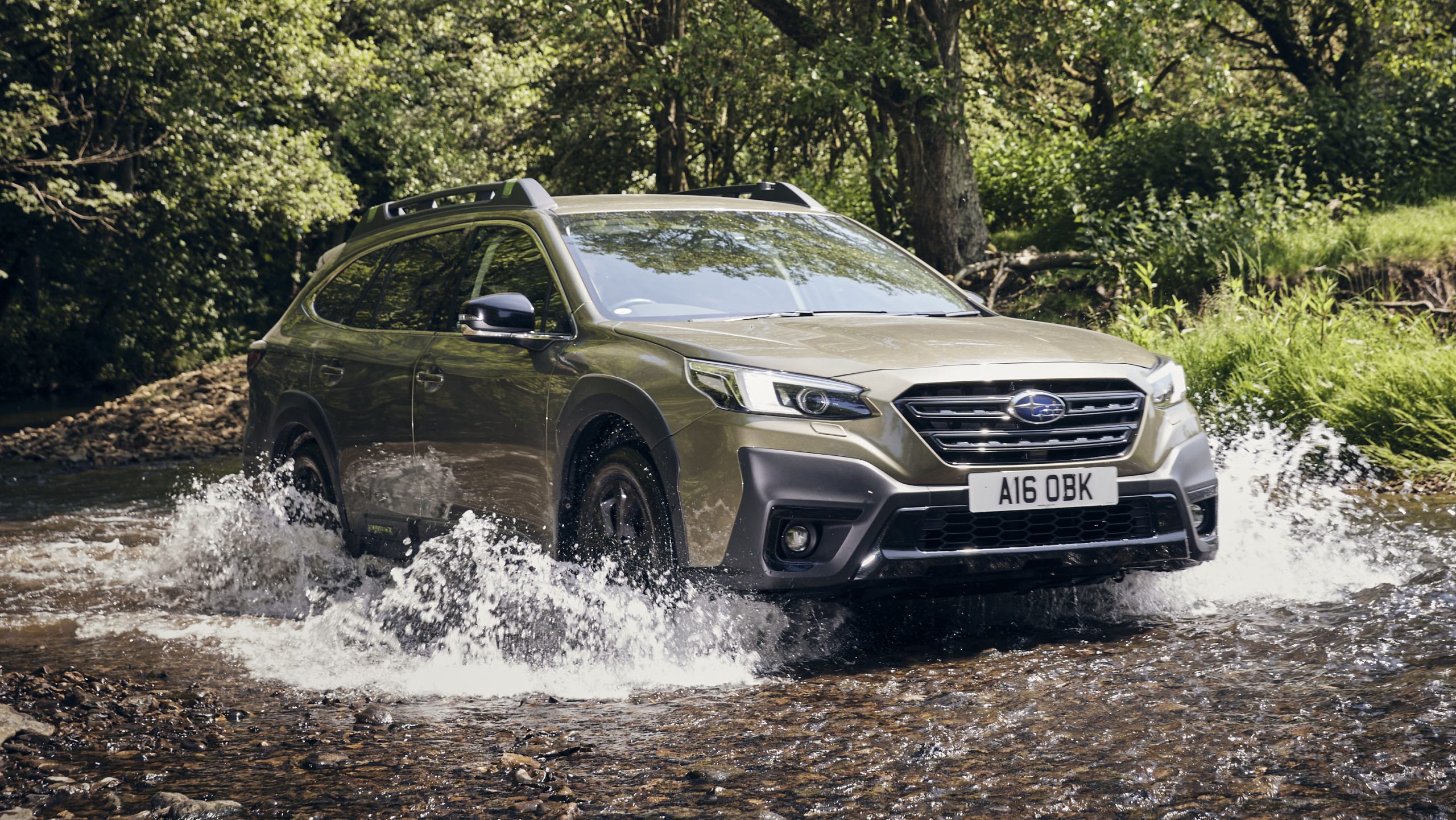
1. Subaru Outback: A Versatile SUV for Adventure and Pets
The Subaru Outback remains a top choice for pet owners and outdoor enthusiasts, thanks to its spacious interior, practical design, and standard all-wheel drive. Its low cargo floor and wide rear doors make loading pets and gear effortless, while Subaru’s EyeSight driver assist technology adds an extra layer of safety.
The Outback offers a comfortable ride but has mixed driving dynamics. Our test vehicle featured the optional turbo engine, accelerating from 0 to 60 mph in 6.5 seconds a notable improvement over the base engine. Despite this, the SUV exhibits noticeable body roll in turns, and its steering feels slow, requiring more effort in tight maneuvers.
On the positive side, the Outback’s 8.7 inches of ground clearance and all-wheel drive make it capable off-road. Subaru’s suite of safety aids, while extensive, can be frustrating due to overactive lane-keeping, driver attention alerts, and overly sensitive automatic emergency braking.
Inside, the Outback excels in ride comfort. Potholes and rough surfaces are absorbed smoothly, and the seats are supportive, adjustable, and suitable for long trips. Heated front seats and steering wheel add comfort, though ventilation is less effective. The interior space is generous, although the seating position may feel lower than a traditional SUV.
Infotainment is a weak point. Most controls are routed through a slow touchscreen, which can be distracting, and smartphone integration via Apple CarPlay or Android Auto is occasionally laggy.
On the plus side, the Outback offers a decent-sounding stereo, multiple charge ports, and physical volume/tuning knobs. Cargo space is practical with a low, flat floor and roof rails for additional gear. Cabin storage is limited, but child seat installation is easy.
The Outback provides solid value, especially in base trims, though more powerful XT models approach competitors’ pricing. Its 2.4-liter turbo engine achieves around 25 mpg combined, matching EPA estimates. While the warranty is average and interior materials unremarkable, the Outback stands out for its versatility.
The Subaru Outback’s combination of off-road capability, spaciousness, and practicality makes it a reliable choice for families and adventurers. If you can tolerate dated tech and sometimes frustrating driver aids, it remains a capable all-around SUV.
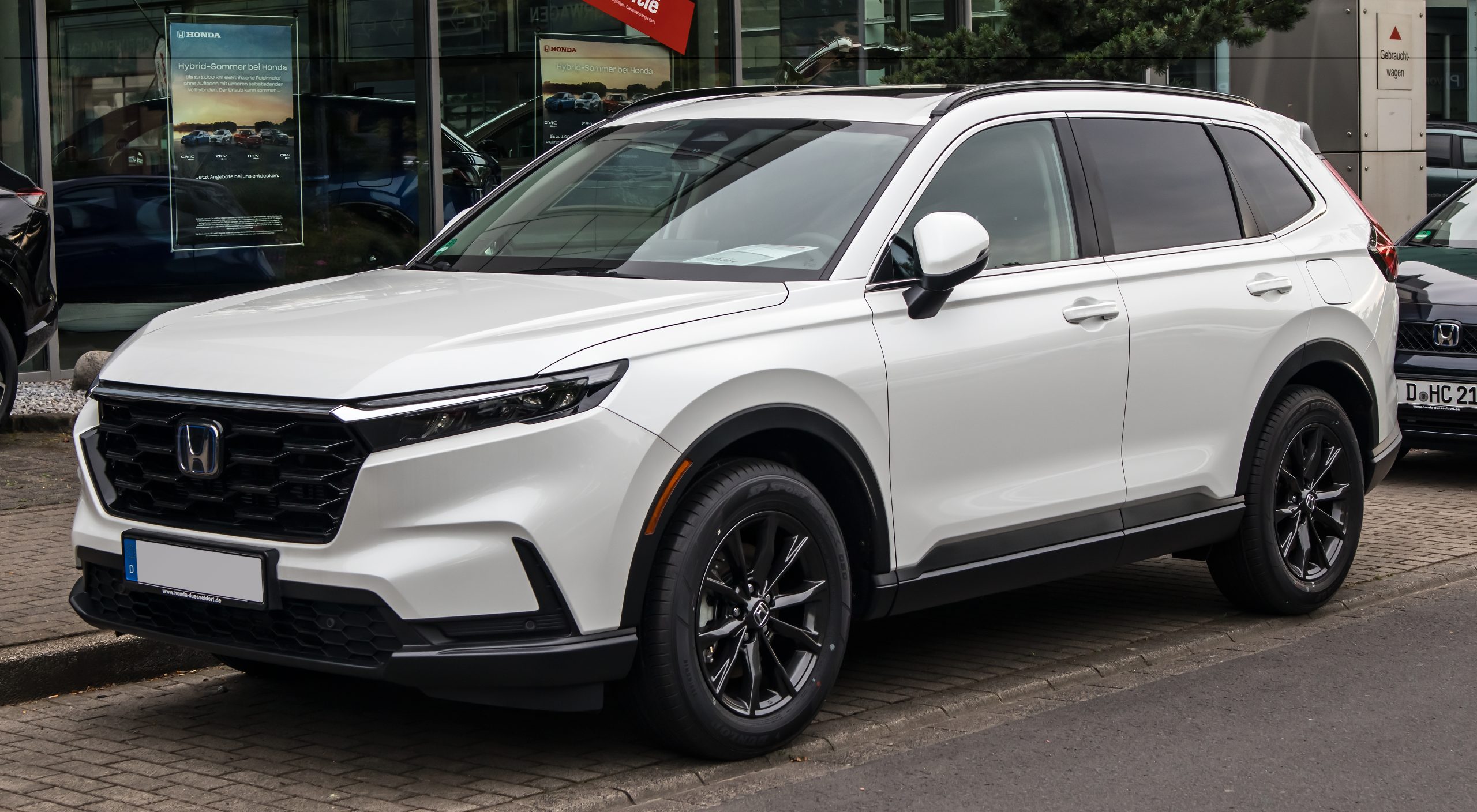
2. Honda CR-V: Practical and Comfortable for Pet Owners
The Honda CR-V is a reliable choice for pet owners, providing a spacious and flexible interior. Its large cargo area can easily fit dog crates or carriers, while the Magic Seat system allows for multiple seating and cargo arrangements. The flat load floor and rear air vents help create a comfortable environment for pets, and wide door openings make it easy for them to enter and exit.
The CR-V delivers a composed and responsive drive for a small SUV. The hybrid Sport Touring model accelerates from 0 to 60 mph in 8.0 seconds, which matches typical class performance. The brakes perform well in emergency situations, and the hybrid system runs quietly with simulated gears.
The vehicle maintains control through corners, and the steering provides enough feedback to give confidence on the road. Ride quality is strong, handling rough surfaces with ease. Visibility is mixed, with excellent front sightlines but limited rear views, which are assisted by parking cameras. Advanced driver-assist features function effectively, though some competitors offer more comprehensive systems.
The CR-V interior is spacious and practical. Front seats are adjustable and supportive, while the rear seats provide generous legroom and easy installation of car seats. Large windows give the cabin an open feel, and seat height makes getting in and out simple. Controls are easy to reach, and physical climate knobs reduce distractions.
Technology in the CR-V is usable but slightly behind competitors. The 9-inch infotainment screen supports wireless Apple CarPlay and Android Auto, and a wireless charging pad is included.
Multiple USB ports provide convenience. Storage is functional, with phone compartments, cupholders, and a sizable under-armrest bin, although interior storage is somewhat reduced from previous models. Cargo space is above average, but the hybrid loses some capacity and does not include a spare tire.
The CR-V feels solid and quiet on the road, with a smooth ride. Pricing is slightly higher than some rivals but justified by build quality. Non-hybrid versions reach around 30 mpg combined, while the hybrid achieves up to 40 mpg, with all-wheel drive lowering it to 37 mpg. Real-world testing averaged 33.3 mpg.
The Honda CR-V blends comfort, practicality, and fuel efficiency. Its responsive handling, spacious interior, and pet-friendly features make it a strong choice for families and pet owners, even though its design is restrained and technology slightly lags behind competitors.
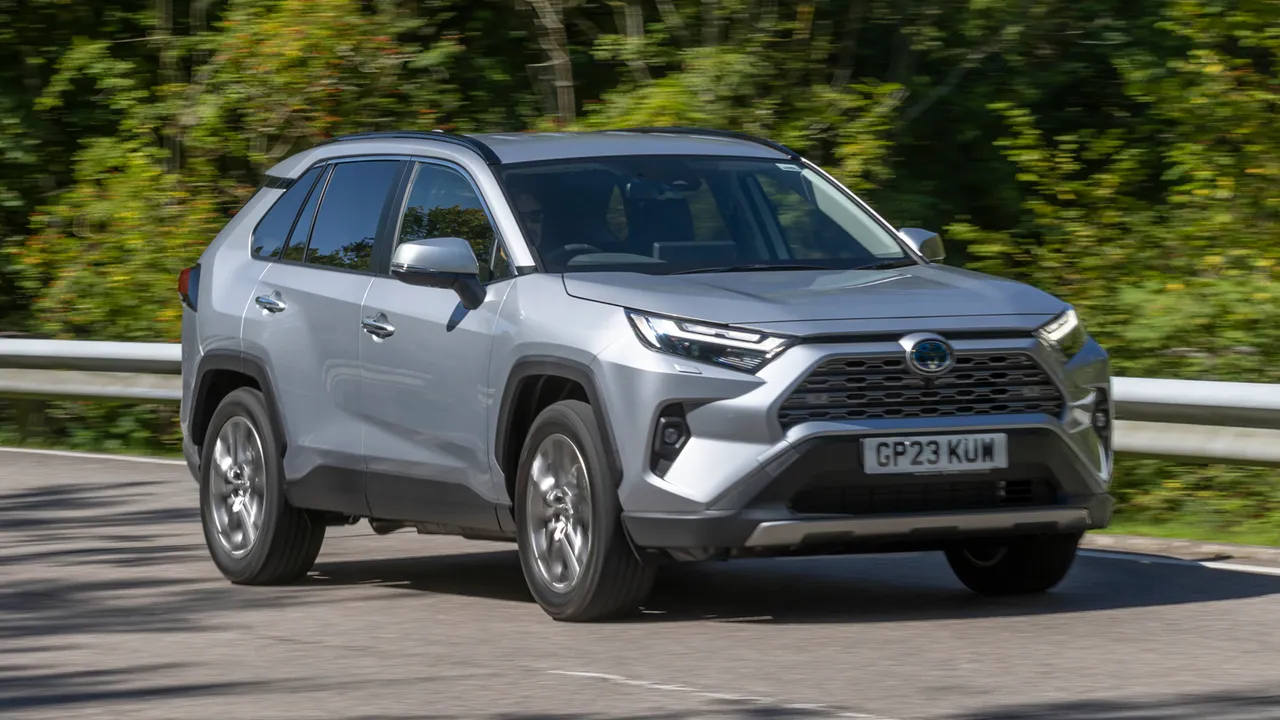
3. Toyota RAV4: Reliable and Pet-Friendly Crossover
The Toyota RAV4 is a popular choice for pet owners because of its reliability, spacious cabin, and large cargo area. The low loading height makes it easy for pets to get in and out, and the rear seats fold flat to create extra space. Its sturdy build and climate control system keep pets comfortable during long drives or hot days, and the interior layout is practical for families and road trips.
The RAV4 rides smoothly and is easy to drive, with good visibility from the driver’s seat. Its engine performs adequately around town, and merging or passing is straightforward, but the 0 to 60 mph time of 9.1 seconds is slower than the class average. Steering can feel vague around the center point, making precise control more difficult.
Higher trims such as the Limited feature an upgraded all-wheel-drive system with rear-axle torque vectoring and hill descent control, which enhances off-road capability. Standard driver-assist features include adaptive cruise control, lane keeping assistance, and automatic emergency braking. Additional systems are available on higher trims, though competitors often offer more safety technology as standard.
The cabin is roomy, and getting in and out is simple for adults and pets. The driver’s seat and steering wheel have a wide adjustment range, though the front passenger seat sits higher on most trims. Controls are intuitive, with clearly labeled climate and audio knobs. Installing car seats is easy thanks to well-positioned LATCH anchors, and rear passengers have sufficient space for forward-facing seats or boosters.
The RAV4 comes with an 8-inch touchscreen, with a 10.5-inch unit on top trims. The infotainment system is responsive and easy to navigate, and wireless Apple CarPlay and Android Auto are standard. Cargo space is near class-leading, with 37.5 cubic feet behind the rear seats and 69.8 cubic feet with seats folded. Interior storage is well thought out with multiple bins and shelves, and towing capacity is 1,500 pounds.
The interior materials are well constructed, with synthetic leather on higher trims and clean finishing. Warranty coverage is average, but the RAV4 includes two years or 25,000 miles of free scheduled maintenance. Fuel economy ranges from 28 to 30 mpg combined, with real-world testing averaging 28.6 mpg.
The Toyota RAV4 offers a reliable, practical, and pet-friendly SUV experience. It excels at comfort, cargo space, and ease of use, but its engine and steering do not stand out. This makes it a dependable and functional choice rather than a memorable driving experience.
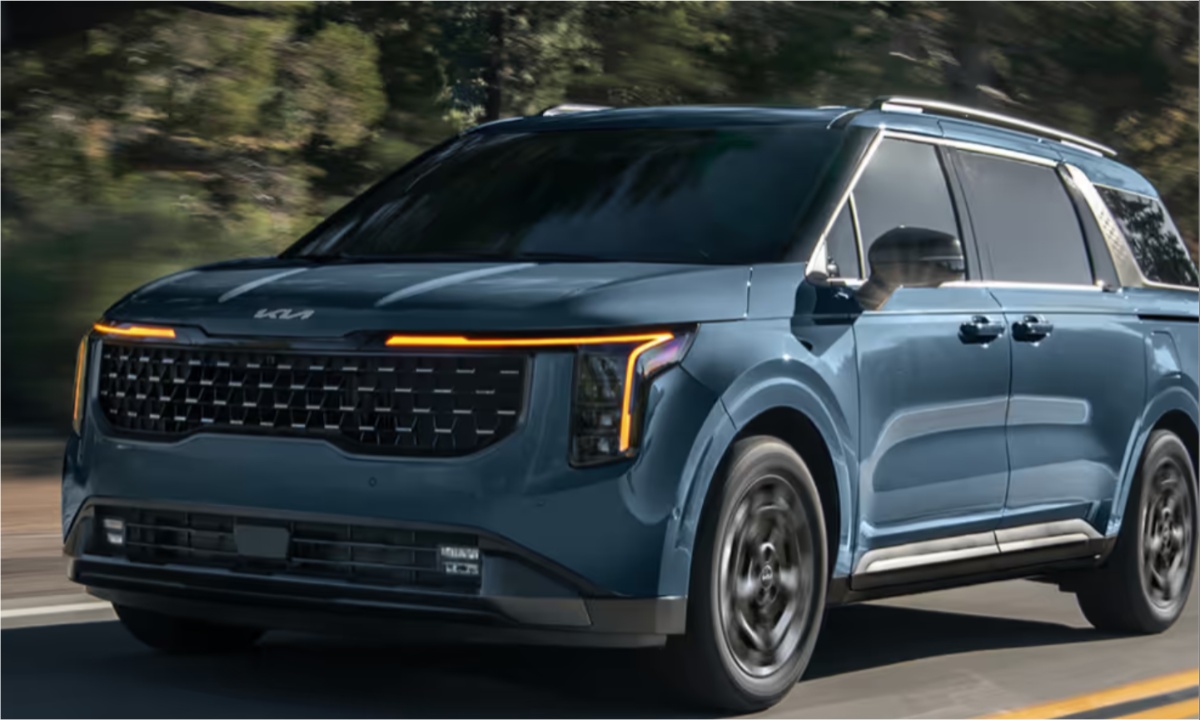
4. Kia Carnival: Spacious and Pet-Friendly Minivan
The Kia Carnival is an excellent choice for families with multiple pets or larger breeds. Its three-row seating and expansive cargo area provide ample room for passengers and gear. Sliding doors and a low floor height make entry and exit easy for pets, while the tri-zone climate control keeps the cabin comfortable for all occupants.
The Carnival is powered by a V6 engine that delivers average acceleration, reaching 0 to 60 mph in 8.5 seconds. The gas pedal responds slowly in stop-and-go traffic, and the brake pedal is somewhat sensitive, but both are manageable with time. Steering is a little vague, requiring extra attention on long stretches of highway.
Visibility is strong thanks to large windows and an available surround-view camera. Ride quality handles most bumps well, although rough freeway sections reveal a less smooth feel compared with some competitors. Standard driver-assist features, including adaptive cruise control and lane keeping, work effectively and provide confidence on the road.
The Carnival is spacious and versatile, with comfortable front seats that include heating and cooling functions. Second-row lounge-style seats are stylish but reduce third-row space and cannot be removed, so the bench option is more practical for most families.
Third-row seating is adequate for children, and the sliding doors allow easy access. Piano black surfaces and touch-based cabin controls are prone to smudges and can be distracting while driving. Installing car seats is straightforward, though lower anchors are slightly harder to reach.
Technology is a highlight, with a large touchscreen, crisp graphics, and intuitive menus. Wireless Apple CarPlay and Android Auto are included, and the available surround-view camera aids in tight parking situations.
Cargo capacity is impressive, with 40.2 cubic feet behind the third row and up to 145.1 cubic feet with both rear rows folded or removed. The cabin has numerous storage compartments, though rivals may offer more clever solutions.
The Carnival provides strong value, offering many features at competitive prices. Interior materials and build quality are excellent, and Kia’s 10-year/100,000-mile powertrain warranty adds peace of mind. The EPA rates fuel economy at 21 mpg combined for the V6 and 33 mpg for the hybrid. Real-world testing returned 26.2 mpg.
The Kia Carnival is a highly practical and pet-friendly minivan. It stands out for its spacious interior, versatile seating, advanced technology, and excellent value, making it a top choice for families who prioritize comfort and convenience.
5. Mazda CX-5: Stylish, Sporty, and Pet-Friendly
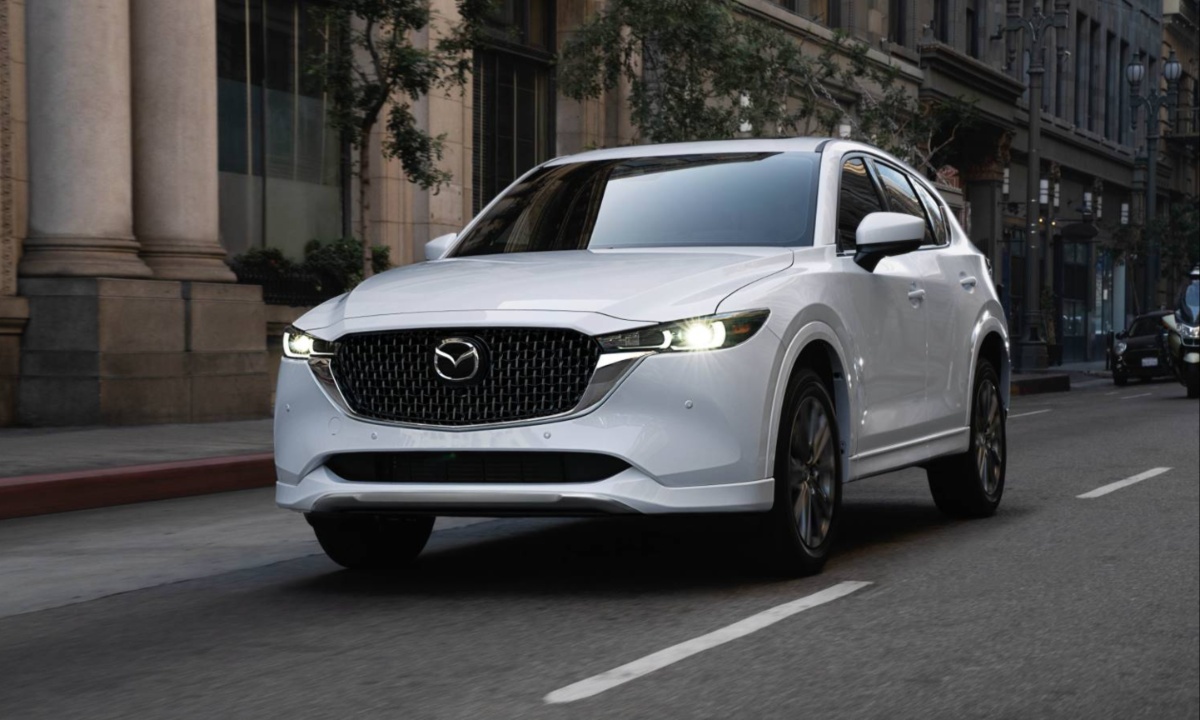
The Mazda CX-5 blends style, comfort, and practicality, making it a solid option for pet owners. Its well-designed interior offers ample space for pets, and the flat-folding rear seats expand cargo capacity. Low noise levels contribute to a calm environment, while standard all-wheel drive and advanced safety features provide peace of mind on the road.
The CX-5 comes with a choice of engines: a 187-horsepower base engine or a 256-hp turbocharged option. The turbo engine accelerates from 0 to 60 mph in 6.6 seconds, giving it strong passing power, while the base engine is slower and less capable on highways. Steering is precise, and the suspension is controlled, offering sporty handling without sacrificing confidence.
Ride quality is slightly firm, especially over small bumps, but this trade-off contributes to better handling. Visibility is good thanks to large windows, and upper trims offer a surround-view camera. Standard driver-assist systems are robust, though features like lane keeping and adaptive cruise control feel slightly outdated and slow to react.
Front seats are well-shaped and supportive, with multiple adjustments and memory functions on higher trims. Rear seats are narrower than competitors and less cushioned, making car seat installation a tighter fit, particularly for rear-facing seats.
Rear doors are smaller, so taller passengers may need to maneuver carefully. Automatic climate control is effective, with rear vents and a quiet cabin, although the engine noise increases at full throttle.
The 10.25-inch infotainment screen is controlled with a high-quality knob. Android Auto and Apple CarPlay are standard, but wireless connectivity is limited to mid-tier and higher trims. The touchscreen cannot be used while driving, forcing reliance on the knob, which feels cumbersome.
Cargo space is smaller than many rivals at 29.1 cubic feet, and the higher cargo floor limits loading height. Interior storage is adequate, with reasonably sized door pockets and compartments for small items.
The CX-5 is attractive for its standard all-wheel drive, strong safety features, and fun-to-drive character. Interior materials and build quality are excellent, giving it a premium feel. Base models are reasonably priced, but turbo and top trims are expensive. Warranty coverage is average for the segment.
The Mazda CX-5 delivers a stylish, sporty, and pet-friendly SUV experience. Its strong handling, high-quality interior, and thoughtful features make it appealing for those who value driving enjoyment, though limited cargo space and higher-priced trims may be drawbacks.
Also read: 5 Cars That Keep Cabin Smells Out vs. 5 Cars That Are Exhaust Whiffs
5 That Feel Flimsy
1. Chevrolet Camaro: Muscle Car Thrills with Handling Concerns
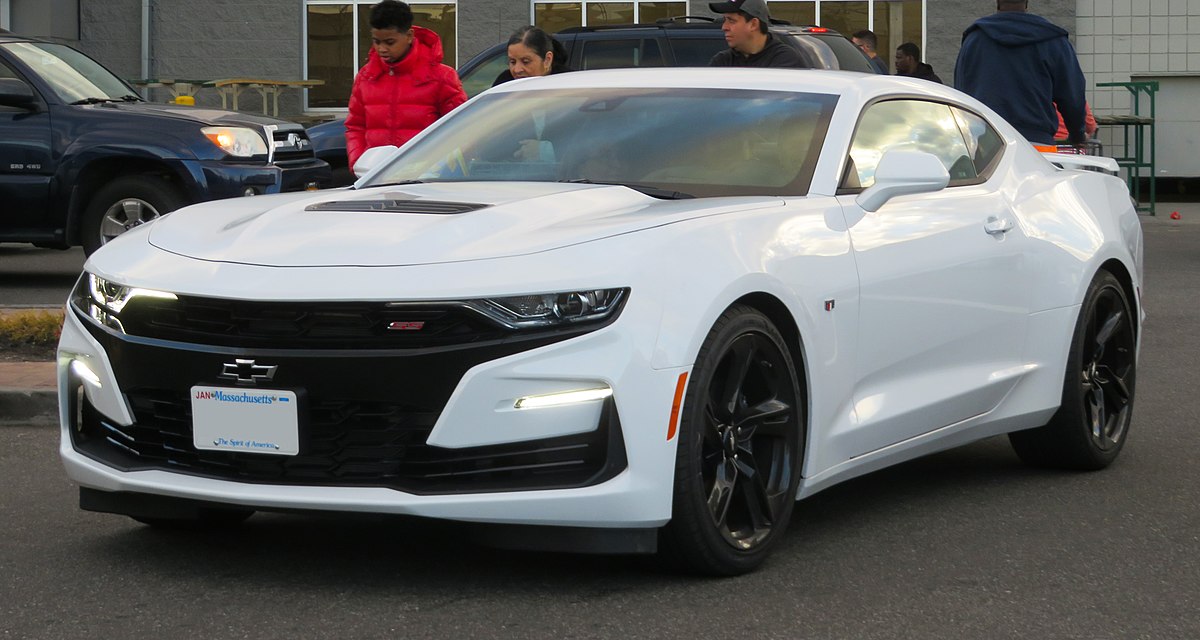
The Chevrolet Camaro embodies classic muscle car performance, offering powerful engines, sticky tires, and aggressive styling. While exhilarating for experienced drivers, its performance-oriented design can make it challenging for new drivers. The Camaro’s high horsepower, combined with firm suspension and wide tires, can result in a ride that feels unstable or overly sensitive, especially at higher speeds.
Several factors can contribute to a loose or wobbly feeling. Worn suspension components such as shocks, struts, sway bar links, and bushings can reduce stability and make the car feel less controlled. Unbalanced or unevenly worn tires can cause vibrations, further affecting handling.
Engine and transmission mounts play a key role in stability, and if these mounts are worn or broken, the engine and transmission may shift excessively, causing noticeable movement in the chassis. Wheel bearing issues, alignment problems, or loose chassis bolts can also contribute to instability.
The Camaro’s drivetrain can present additional challenges. Automatic models may experience torque converter shudder, a vibration or rumble between certain speeds. Problems with the 10-speed automatic’s control valve can cause rough or unexpected shifts. Other potential issues include rack and pinion steering wear and tie rod or axle concerns.
Diagnosing these issues begins with basic checks: tire balance, tread wear, and alignment. Next, suspension components, control arms, and sway bar links should be inspected for wear. Engine and transmission mounts must be checked for excessive movement or visible damage.
If instability persists, a transmission specialist can investigate internal problems such as torque converter shudder. Addressing these areas ensures the Camaro maintains its signature performance while improving stability and driving confidence.
2. Chevrolet Corvette: High-Performance Thrill with Handling Considerations
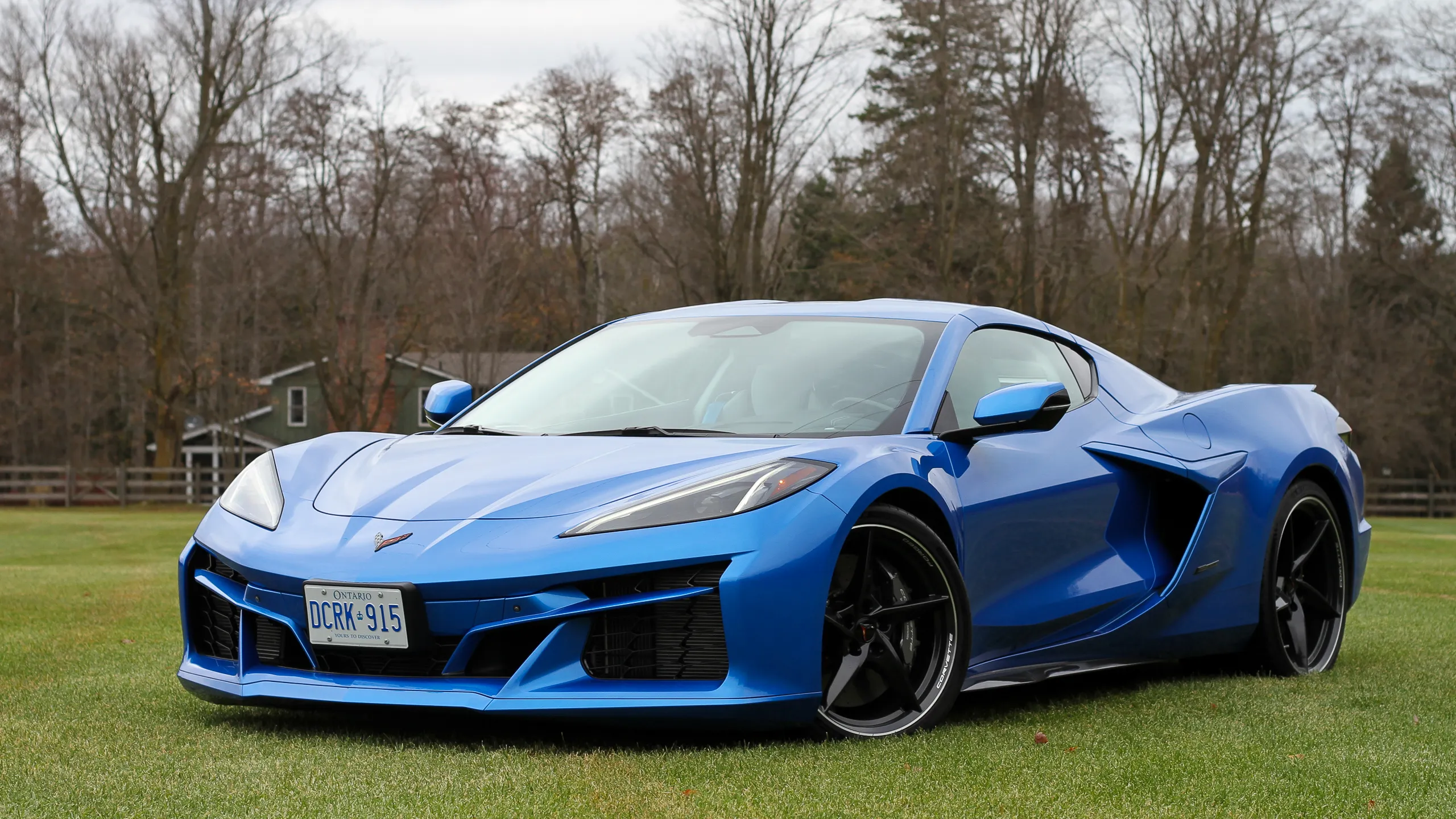
The Chevrolet Corvette delivers exhilarating power and agility, offering a smoother and more responsive ride than the Camaro. With models boasting up to 755 horsepower, it is designed for experienced drivers and track enthusiasts rather than beginners. While the Corvette feels nimble, certain design and wear-related issues can create a perceived flimsy or unstable driving experience.
Several factors contribute to this sensation. Worn suspension components, such as bushings and control arm bolts, can introduce extra play and vibrations, especially after extensive use or servicing. Loose sway bar mounts or other suspension attachment points may further affect handling precision.
Structural and body concerns can also play a role. Older Corvettes with composite or fiberglass panels may flex more than steel-bodied cars, creating a sensation of reduced rigidity. Some owners have reported frame or power steering issues that lead to vibrations during tight turns or uneven road surfaces.
The Corvette’s design prioritizes raw power and performance, which can impact perceived stability. The mid-engine layout of the C8 improves weight distribution but changes handling characteristics, making it feel different to drivers accustomed to front-engine configurations. Its lightweight, performance-focused chassis may also feel less grounded compared with heavier, more conventional sports cars.
Addressing a flimsy feel involves inspecting suspension components for wear or looseness, checking all mounting bolts for tightness, and replacing worn bushings or shocks.
Additionally, ensuring the exhaust system is properly aligned and secured can prevent sagging that contributes to an unstable sensation. By maintaining these systems, the Corvette retains its high-performance character while improving driving confidence.
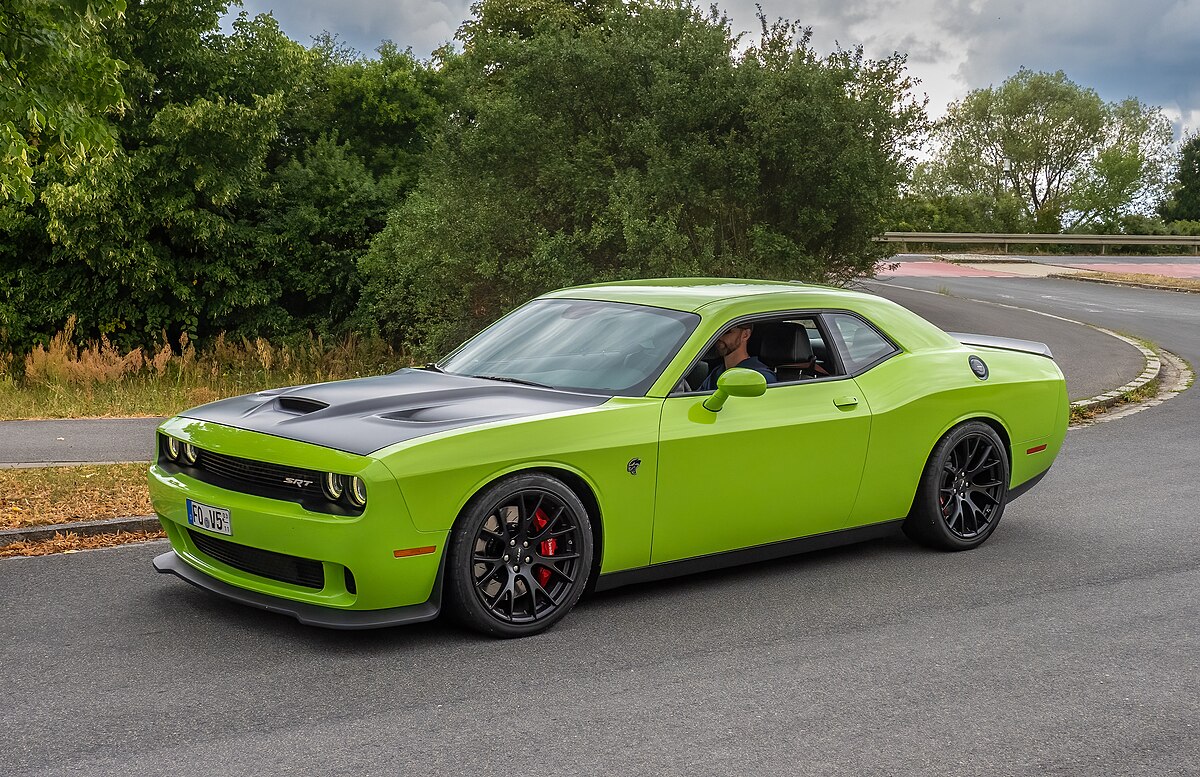
3. Dodge Challenger: Classic Muscle Car Power with Handling Challenges
The Dodge Challenger delivers a true muscle car experience, offering immense straight-line speed, raw power, and a bold presence. While thrilling for experienced drivers, its stiff handling, heavy chassis, and rear-wheel-drive dynamics can challenge newcomers. The car prioritizes straight-line performance over agility, making tight corners and precise maneuvers more difficult.
Several factors can create a perceived flimsy or unstable feel. Build quality issues, such as weak joints, poor sealant, and improperly fitted body panels, can produce squeaks, rattles, and a sense of reduced rigidity. Some models show early rust or windshield installation problems, which can affect structural integrity.
Suspension is a major contributor to ride quality. Worn struts or other suspension components can cause shaking, clunking, and a loose sensation over bumps. The Challenger’s heavy chassis can amplify these effects. Aftermarket modifications like lowering the car may further reduce stability and create a harsher ride.
Mechanical or engine issues may also make the car feel less solid. Engine misfires, ignition problems, wheel imbalance, or uneven tire wear can cause vibrations or RPM fluctuations that affect perceived stability. Brake problems, such as low fluid or spongy performance, can also reduce driver confidence.
Additional factors include the vehicle’s significant weight and rear-wheel-drive setup, which can make the rear end feel unstable during hard acceleration.
Inspecting suspension components, tires, engine systems, and addressing build-quality concerns can improve ride confidence and stability. Despite these considerations, the Dodge Challenger remains a compelling choice for drivers seeking authentic muscle car performance.
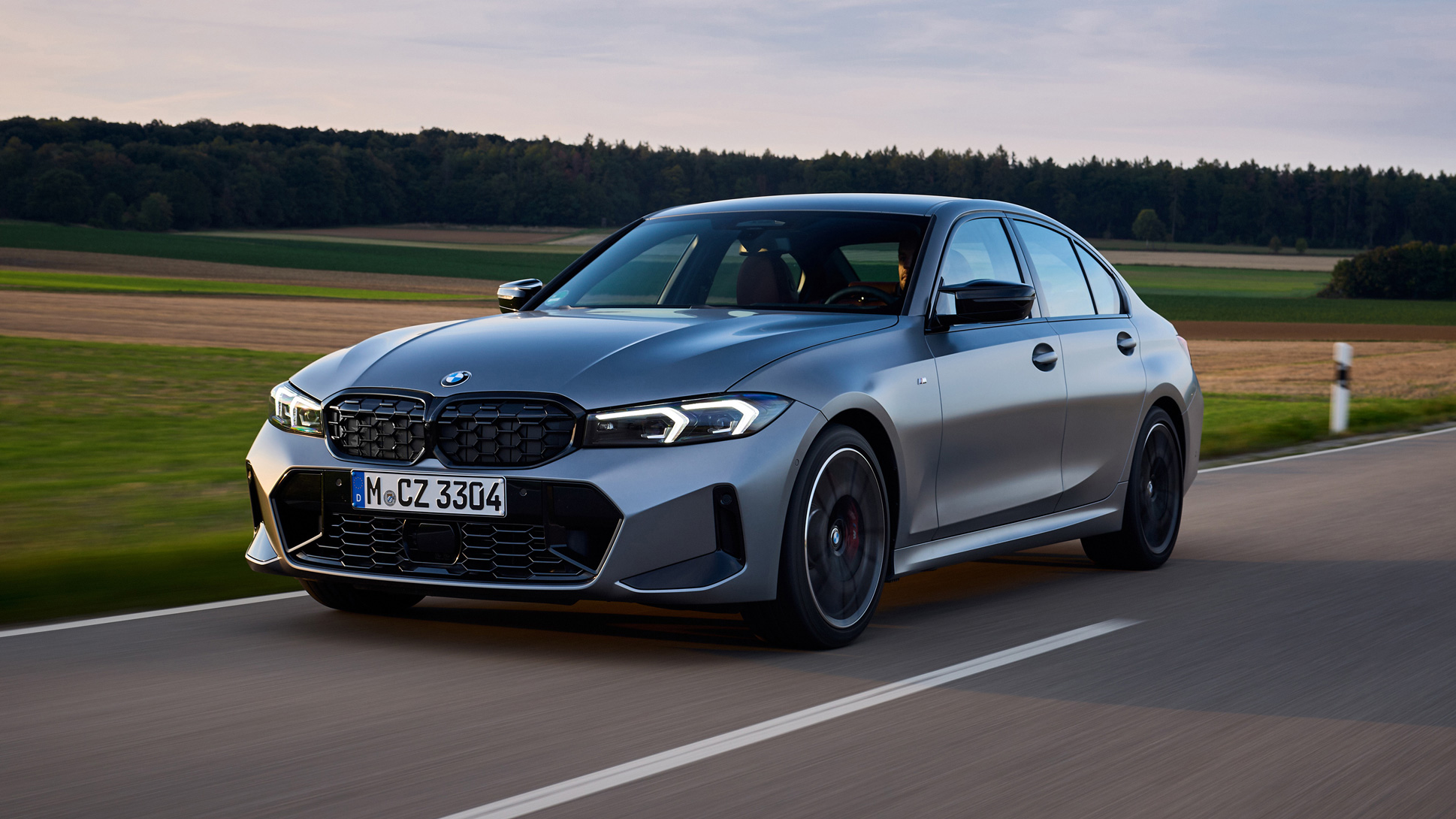
4. BMW 3 Series: Luxury Sedan with Potential Stability Concerns
The BMW 3 Series is a stylish, professional-looking sedan known for its driving dynamics and premium feel. While appealing, it can be expensive to maintain, especially older models, making repair costs a key consideration when buying used. Some owners may notice a loose or unstable feeling, particularly at higher speeds, which can stem from a range of suspension, wheel, and drivetrain issues.
Suspension components are often the main cause of a shaky ride. Worn ball joints can lead to vibrations, clunking sounds, and less responsive steering. Dampers that have lost effectiveness may cause the ride to feel bouncy or floaty, while worn suspension bushings reduce precision. Incorrect tire pressure, particularly overinflation, can amplify these issues and negatively affect stability.
Wheel and steering factors also play a significant role. Misaligned wheels can make the car feel loose, and unbalanced wheels can produce noticeable vibrations. Tire choice can impact handling; for example, switching from run-flat to standard tires may alter the ride feel. Variable steering systems may exhibit a dead zone at higher speeds, contributing to a sense of instability.
Drivetrain and other components can further influence ride quality. Worn driveshaft u-joints may cause vibrations at certain speeds. Loose or broken exhaust components can generate noise and movement that feels like instability, and improperly installed engine undertrays can add to the effect.
Addressing these issues through proper suspension maintenance, wheel alignment, tire selection, and inspection of drivetrain and exhaust components can restore stability. Despite potential maintenance needs, the BMW 3 Series remains a desirable sedan for those seeking style, driving enjoyment, and a premium cabin experience.
5. Jeep Wrangler: Rugged Off-Road SUV with Stability Concerns
The Jeep Wrangler is an iconic off-road vehicle celebrated for its capability and adventurous design. Its body-on-frame construction, solid axles, and durable components make it ideal for rough terrain, but these features can create a less stable and somewhat “flimsy” feel on pavement, particularly at high speeds.
The Wrangler’s off-road focus results in a ride that can feel bouncy, imprecise, and more susceptible to road imperfections compared with vehicles designed for on-road comfort.
Several design aspects contribute to this sensation. The solid front axle with a separate steering box is less precise than independent suspension setups. Knobby, high-sidewall off-road tires reduce road grip and can make the vehicle wander. Its boxy, aerodynamic-challenged shape increases susceptibility to crosswinds and road forces, amplifying the feeling of instability.
Wear and mechanical issues can intensify these effects. Worn suspension and steering components, including tie rods, ball joints, and track bar bushings, introduce play that creates loose or sloppy steering. A damaged or worn steering stabilizer further contributes to wandering at higher speeds. Uneven tire pressure, tire wear, or a loose steering gear box can worsen handling and stability.
Structural and manufacturing factors are additional considerations. Some model years have exhibited poor frame welds, which can compromise rigidity. The Wrangler is also known for the “death wobble,” a violent front-end vibration caused by a combination of worn components or structural issues.
Regular inspection and maintenance of suspension, steering, tires, and structural components can improve stability. Despite these concerns, the Jeep Wrangler remains a favorite for off-road enthusiasts who prioritize rugged performance over on-road refinement.

A starter car that feels stable and secure can boost confidence and encourage safer driving habits. Cars with predictable steering, reliable brakes, supportive seats, and intuitive controls help new drivers focus on the road rather than managing unexpected handling quirks.
Vehicles that feel flimsy, stiff, or high-strung can intimidate beginners and increase the likelihood of mistakes. By evaluating factors such as ride quality, suspension performance, driver-assist features, and stability, first-time buyers can prioritize safety while maintaining comfort and practicality.
Selecting a car that inspires confidence ensures that early driving experiences are positive, fosters skill development, and helps young drivers navigate traffic with assurance. A stable, reliable vehicle becomes a foundation for safe driving habits that can last for many years.
Also read: 20 Cars That Hit Half a Million Miles Without Issues
