Car design is a combination of function, safety, and sometimes, small quirks that make daily driving an adventure. Among these features, some are straightforward, practical, and clearly intended to make life easier, while others are more ambiguous, prompting curiosity and sometimes confusion.
Two examples of these contrasting design choices can be found in the ways manufacturers handle window safety for children and the presence of buttons whose functions are not immediately obvious. Child-lock windows have become a staple in modern cars, designed with both protection and convenience in mind.
These mechanisms prevent accidental window operation, giving parents peace of mind, and often feature intuitive controls that are easy to engage and disengage. Drivers can operate the child-lock function without complex procedures, allowing for seamless adjustment and immediate security.
On the other hand, some vehicles include buttons that are seemingly mysterious to new owners. These can range from oddly shaped toggles to switches hidden in unexpected locations.
While many of these buttons have practical purposes, such as controlling less frequently used features like heated seats, traction adjustments, or hidden storage compartments, they can confuse drivers who are unfamiliar with their vehicle.
The experience of encountering a mystery button is a small but recurring aspect of car ownership, sometimes leading to amusing trial-and-error discoveries or, occasionally, frustration. While one set of features emphasizes safety and clarity, the other leans into curiosity and experimentation.
Considering these two design philosophies highlights how automakers balance practicality and user experience. Cars with child-lock windows prioritize predictable, protective features, making them particularly appealing to families. In contrast, cars with mystery buttons appeal to those who enjoy exploration or want extra features that are not immediately obvious.
Both approaches reflect broader trends in automotive design: the push toward more intuitive interfaces and the simultaneous desire to include advanced functionality.
This balance between clarity and complexity often defines the relationship between driver and vehicle, influencing how easily one adapts to a new car and how much enjoyment one derives from it.
Understanding the differences between these two approaches requires examining specific examples. By looking at cars known for particularly user-friendly child-lock windows and those famous for mysterious buttons, we can see how manufacturers implement these philosophies in real-world vehicles.
Factors like accessibility, safety, innovation, and driver satisfaction all play a role in determining which design approach resonates more strongly with a particular audience.
In the sections that follow, five cars with highly functional child-lock windows and five cars with perplexing mystery buttons will be analyzed in depth, highlighting both the practical and quirky aspects of modern car design.
This comparison aims to provide insight into how small features can significantly shape the driving experience and influence consumer preferences.
Five Cars with Friendly Child-Lock Windows

1. Honda CR-V
The Honda CR-V has long been praised as one of the most family-oriented compact SUVs on the market, and its child-lock windows are a prime example of how Honda integrates practical safety features into everyday driving.
The rear window controls include a clearly labeled lock switch that allows the driver to prevent the rear windows from being operated by passengers.
This mechanism is not just functional but intentionally intuitive, with a layout that ensures a parent or driver can activate or deactivate it almost instinctively.
This feature proves invaluable during city commutes, school runs, and long road trips, where children might otherwise be tempted to press buttons that could distract the driver or create unsafe situations.
The design also reflects Honda’s understanding of human factors, ensuring that the control is within easy reach of the driver and can be toggled without requiring a change in posture or attention away from the road.
Beyond the simplicity of the mechanism itself, the CR-V’s child-lock system integrates seamlessly with the window and door controls. Drivers have the ability to operate all windows from the front panel, meaning they can adjust rear windows for ventilation or comfort without needing to lean back or instruct children repeatedly.
The buttons have a smooth tactile feel that immediately communicates whether they are engaged, providing both physical and visual feedback.
This reduces mistakes and ensures a confident driving experience, which is particularly important for parents managing young children. Families consistently report that this integration allows for a sense of order in the cabin, avoiding unnecessary conflicts over window controls while maintaining safety.
Another key factor in the CR-V’s design is the feedback system. When the child-lock is active, there is a clear indicator on the driver’s control panel. This visual confirmation is subtle but immediately noticeable, helping the driver confirm the lock’s status at a glance without distraction.
Such attention to detail emphasizes the philosophy of user-centered design, where the interaction between human and machine is made seamless.
This aspect of design is especially important in vehicles meant for family use because it prevents accidental disengagement or confusion about whether the lock is active, contributing to both safety and peace of mind.
From a broader perspective, the CR-V illustrates Honda’s commitment to predictability and family-focused safety. The child-lock windows are just one component of a larger set of features aimed at protecting passengers and simplifying the driver’s responsibilities.
Paired with other innovations such as rear seat reminders, accessible door locks, and high-visibility control layouts, the CR-V demonstrates how small but well-executed details can have a significant impact on the experience of driving with children.
By focusing on functionality, reliability, and ease of use, Honda ensures that the CR-V remains a practical and reassuring choice for families, blending safety with convenience in a highly effective manner.
2. Toyota RAV4
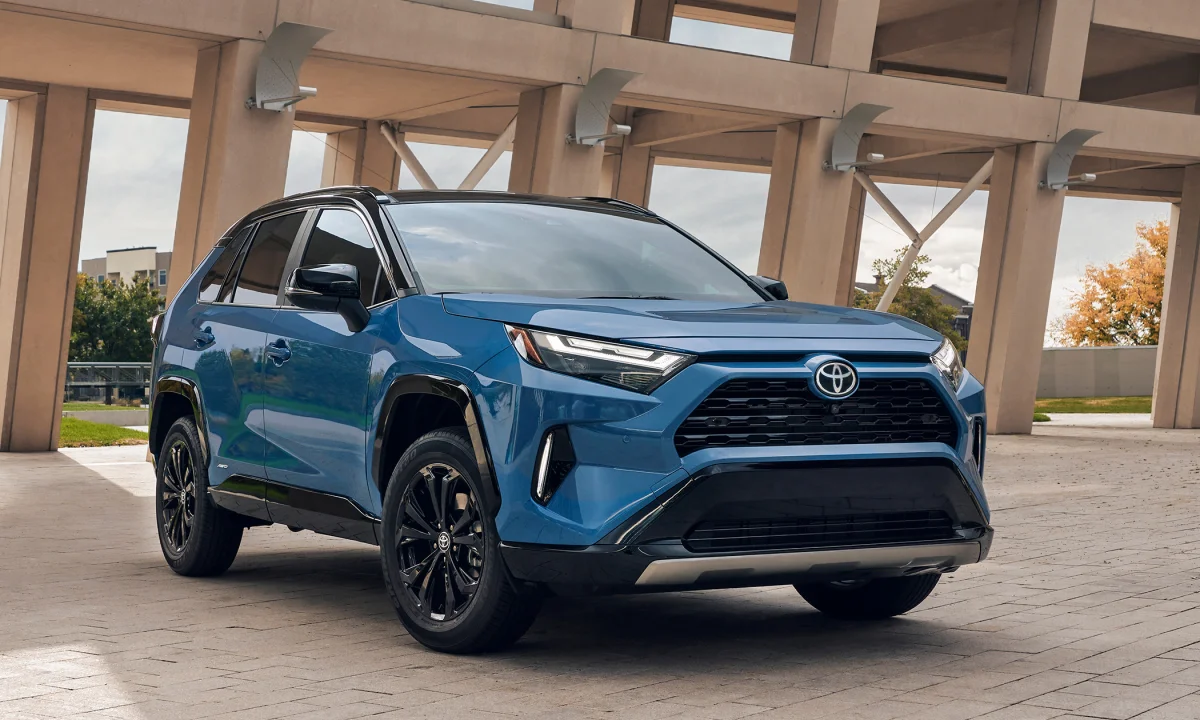
The Toyota RAV4 has earned a reputation for combining versatility, reliability, and safety, and its child-lock window system is a clear reflection of this approach. The rear window lock is activated via a single, easily identifiable button located near the driver’s controls, minimizing the possibility of accidental disengagement.
Its placement ensures that activation is quick and straightforward, allowing drivers to maintain control without diverting focus from the road.
This system is particularly appreciated by families, as it offers reassurance that young passengers cannot inadvertently open windows, especially during high-traffic or high-speed driving conditions, when even small distractions can become dangerous.
One of the most aspects of the RAV4’s child-lock system is how well it integrates with the window control design. The driver has the ability to manage all windows from the front panel, including the ability to override rear passenger controls when necessary.
This centralization simplifies the operation of multiple features simultaneously and allows for precise adjustment of airflow or cabin comfort without compromising safety.
The buttons are designed with a responsive tactile quality, providing immediate feedback when pressed. Drivers can thus feel confident that the lock has been engaged or disengaged, which reduces the cognitive load and makes daily use more convenient and reliable.
Toyota also emphasizes consistency in its design. Across multiple model years, the child-lock window system has remained largely unchanged, allowing returning owners to operate it instinctively. This consistency enhances user confidence and reduces the time required to learn a new vehicle’s controls.
Reliability is a central consideration; the child-lock system is robust, rarely failing even after years of frequent use. This dependability ensures that families can trust the feature consistently, reinforcing Toyota’s reputation for designing vehicles that are not only functional but also durable over the long term.
The RAV4 demonstrates that practical design does not need to be complicated. By prioritizing simplicity, visibility, and reliability, Toyota ensures that the child-lock feature is used consistently and effectively.
This reflects a broader design philosophy that emphasizes user experience and family safety, making the vehicle both approachable and reassuring for parents.
In everyday life, features like these enhance the ownership experience, reducing stress and increasing the enjoyment of driving with young passengers. The thoughtful integration of safety and convenience positions the RAV4 as a standout choice for families seeking both practicality and reliability.
3. Subaru Forester
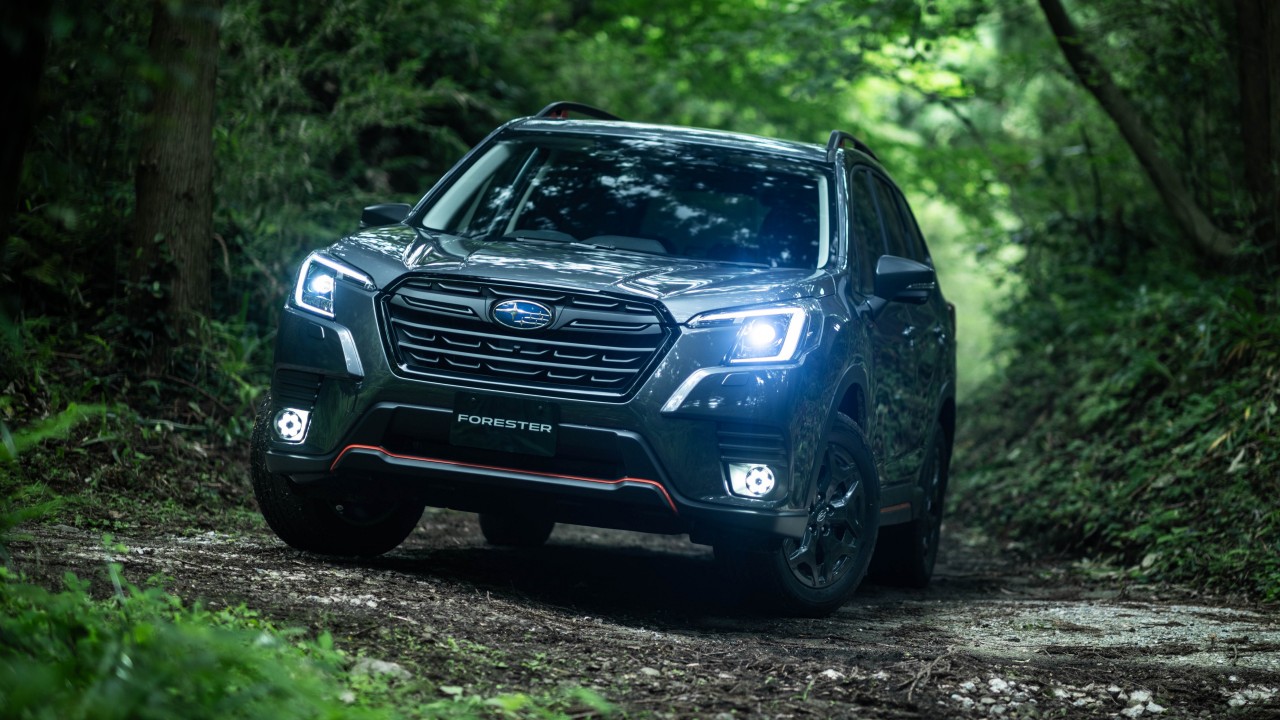
The Subaru Forester exemplifies a design approach where safety and ease of use converge, and its child-lock windows are an essential part of this philosophy. The control switch is conveniently located on the driver’s side panel, ensuring it is easily accessible without obstructing the driver’s movements or requiring excessive attention.
The switch functions immediately upon activation, preventing rear passengers from operating the windows, which is particularly useful when traveling with children or pets who may be unpredictable in their movements.
This placement reflects careful consideration of human ergonomics, as well as Subaru’s commitment to creating vehicles that are both safe and intuitive.
Tactile and visual cues are critical to the Forester’s system. A subtle icon on the switch indicates when the child-lock is active, giving the driver a clear understanding of its status at all times.
The button itself is designed to provide smooth operation with immediate response, allowing drivers to use it confidently without needing to consult the manual.
These design elements contribute to an intuitive user experience, ensuring that families can rely on the system even in moments of distraction or when attention is focused on other aspects of driving. The combination of tactile, visual, and functional clarity enhances trust in the vehicle’s safety features.
Subaru emphasizes predictability in its approach. Once the child-lock is engaged, the driver can operate the vehicle without concern that children might interfere with window operation.
This reliability fosters a sense of security and stability in the cabin, allowing parents to focus on driving rather than monitoring passengers. The Forester’s child-lock windows are therefore not just a mechanical feature but a psychological reassurance, demonstrating how a well-designed control system can enhance confidence in daily life.
Durability is another key advantage. Subaru’s electronics and mechanical systems are known for long-term reliability, and the child-lock mechanism is no exception. Families can trust that the system will continue functioning consistently even after years of regular use.
This longevity, combined with ease of use and intuitive feedback, positions the Forester as a model for family-friendly design. The thoughtful integration of these elements highlights Subaru’s broader commitment to safety, convenience, and driver peace of mind, making the Forester a reliable choice for parents who value simplicity and practicality.
4. Kia Sorento
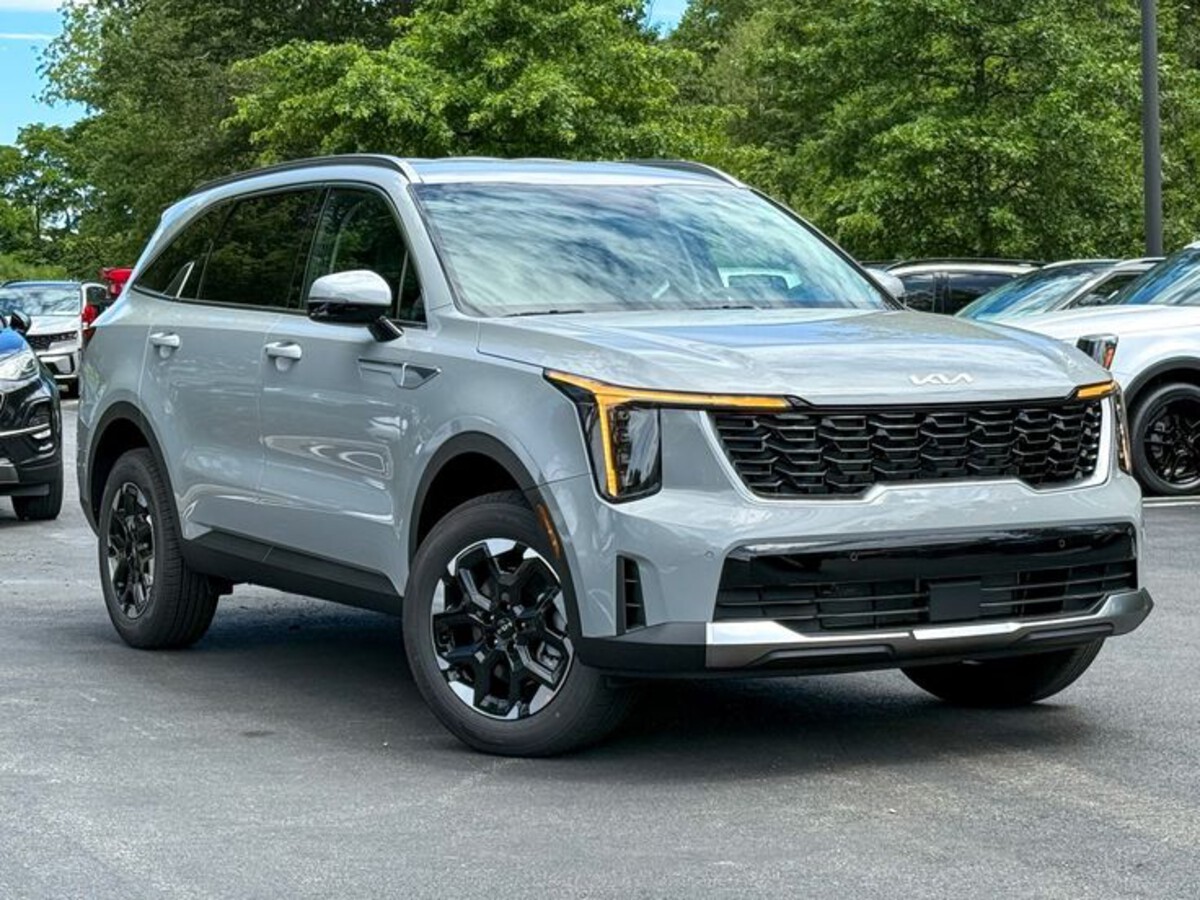
The Kia Sorento has grown into a vehicle that caters directly to families, and its child-lock window system exemplifies the brand’s dedication to safety and convenience.
The rear window lock is located on the driver’s console and clearly labeled, allowing the driver to engage or disengage it quickly without diverting attention from the road.
The simplicity of the design ensures that even drivers unfamiliar with the vehicle can operate the feature correctly on the first attempt. For families, this immediacy translates to fewer interruptions during travel, reducing the potential for stress or distraction caused by children reaching for window controls.
The Sorento emphasizes user feedback through a combination of tactile and visual cues. When the child-lock is active, both a visual indicator and the feel of the switch confirm the system’s status. This dual feedback ensures that drivers can verify engagement without taking their eyes off the road or second-guessing whether the lock is functioning properly.
Parents particularly appreciate this approach because it eliminates common mistakes, such as leaving the lock disengaged unintentionally, which could compromise safety during transit.
Families who regularly use the vehicle for commuting, school runs, or long-distance travel can trust that the feature will function consistently, providing reassurance over years of ownership. This reliability extends the system’s practical value beyond short-term convenience, contributing to an sense of vehicle dependability.
The Sorento’s child-lock system demonstrates a thoughtful balance between simplicity and effectiveness. By offering controls that are clearly visible, intuitive, and dependable, Kia ensures that this essential safety feature enhances the driving experience rather than complicating it.
Beyond the mechanics, the system contributes to peace of mind, reduces stress for the driver, and promotes confidence in daily routines. It exemplifies how small but well-designed features can significantly impact family life, making the vehicle more enjoyable and safer for all occupants.
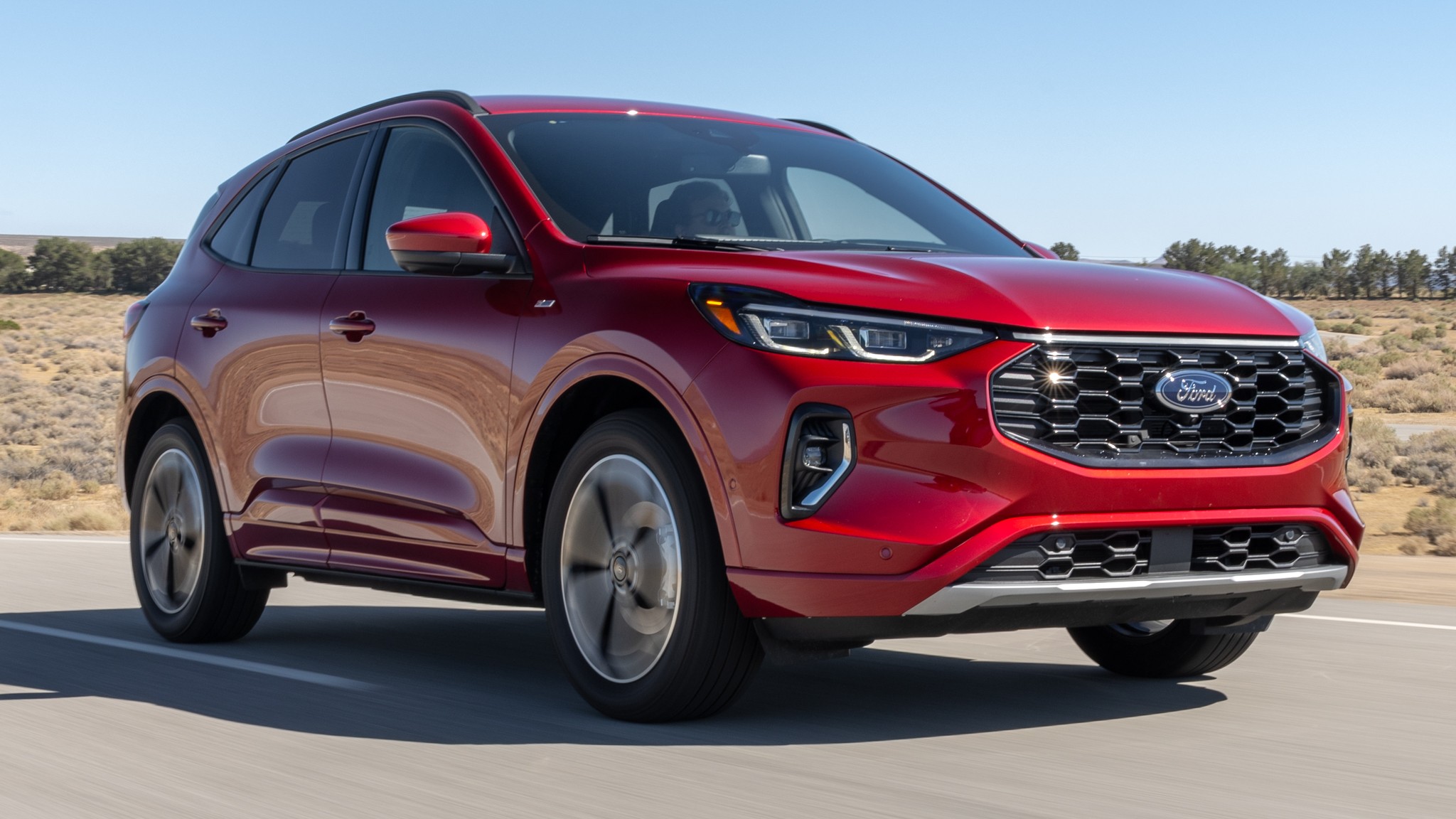
5. Ford Escape
The Ford Escape integrates child-lock windows in a way that prioritizes both accessibility and driver confidence. The control switch is located on the driver’s console and clearly marked with an icon indicating its function. This design ensures that activation or deactivation can occur quickly, even in high-pressure driving situations.
Parents appreciate the immediate access to the system because it allows them to prevent children from operating rear windows without interrupting their focus on driving. This feature contributes to a safer and more controlled cabin environment, reducing the potential for distractions or accidents caused by curious passengers.
Tactile feedback is another key feature. The switch provides immediate physical confirmation of activation or deactivation, allowing the driver to rely on touch as well as sight to ensure proper operation.
This reduces cognitive load and supports safer driving habits by allowing the driver to confirm the lock’s status without shifting attention away from the road. The combination of tactile and visual feedback enhances usability and increases confidence in the system’s reliability.
Finally, durability and long-term performance are central to the Escape’s design. The child-lock mechanism is designed to withstand years of frequent use without failure, providing consistent protection for children in the rear seats.
The system highlights how small features, when thoughtfully designed and implemented, can have a substantial impact on family safety, convenience, and satisfaction with a vehicle. By focusing on clear, intuitive, and reliable operation, the Escape exemplifies a successful balance between practicality and reassurance for drivers managing young passengers.
Five Cars with Mystery Buttons

1. Jeep Wrangler
The Jeep Wrangler has a reputation for being an off-road adventurer’s dream, and part of its charm comes from the inclusion of buttons whose functions are not immediately obvious to new drivers.
These controls, often located near the center console or hidden beneath trim panels, manage a wide range of specialized features, such as differential locks, sway bar disconnects, or auxiliary lighting systems.
For first-time owners, encountering these buttons can be both amusing and intimidating, as their labels are sometimes cryptic or use symbols unfamiliar to those who are not used to rugged vehicles.
Discovering the purpose of each button often becomes a small adventure of its own, leading drivers to consult manuals, experiment cautiously while stationary, or rely on guidance from fellow Jeep owners.
The placement of these buttons emphasizes practicality for off-road conditions rather than immediate intuitiveness. Jeep engineers prioritize durability, positioning controls where they are unlikely to be accidentally engaged while navigating rough terrain.
This approach means that while new drivers may initially feel confused, seasoned users appreciate the thoughtfulness behind the design, which balances functionality with protection from accidental operation.
Over time, owners learn to recognize and remember the buttons, often developing a mental map of the controls that becomes second nature during off-road excursions.
Finally, the Wrangler demonstrates that mystery buttons can enhance the driving experience by introducing an element of exploration and mastery. Unlike vehicles that focus solely on intuitive controls, Jeep encourages owners to interact with their vehicle actively, learning its intricacies and capabilities over time.
These buttons become part of the ownership journey, reflecting a philosophy where complexity is not a drawback but a feature for those who enjoy understanding and controlling every aspect of their machine.
The Wrangler’s approach to mystery buttons highlights how automotive design can blend functionality, adventure, and driver engagement in a way that is both practical and enjoyable.

2. Tesla Model S
Tesla vehicles are widely recognized for their minimalist interiors and touchscreen-centered interfaces, but they still include physical buttons, some of which are subtle and easy to overlook.
In the Model S, these buttons control features such as glove compartment access, suspension height adjustment, regenerative braking settings, and specialized performance modes.
To a new owner, these switches can seem almost intentionally enigmatic, requiring exploration and reference to the vehicle’s digital interface or manual to fully understand their functions.
The mystery element creates a sense of discovery, as drivers slowly learn how to unlock the car’s full range of capabilities through interaction with both physical and digital controls.
The placement and design of these buttons often prioritize aesthetics over immediate visibility. Many are located in discrete areas of the cabin, tucked away along the sides of the center console or integrated into panels with minimal labeling.
Tesla’s design philosophy favors a clean, uncluttered look, which contributes to the perception that these buttons are mysterious. However, this minimalism does not compromise functionality; once learned, the buttons provide quick access to advanced features that enhance the driving experience and allow drivers to customize the car’s behavior according to personal preference.
The Model S exemplifies a modern approach to mystery buttons: they are designed to blend seamlessly with a minimalist interior while offering functionality that extends beyond standard driving needs.
These buttons encourage exploration and thoughtful interaction, allowing drivers to gradually uncover the car’s advanced capabilities. Tesla’s approach demonstrates that mystery buttons can coexist with intuitive touchscreen controls, adding depth, personalization, and subtle intrigue to the driving experience without compromising safety or usability.
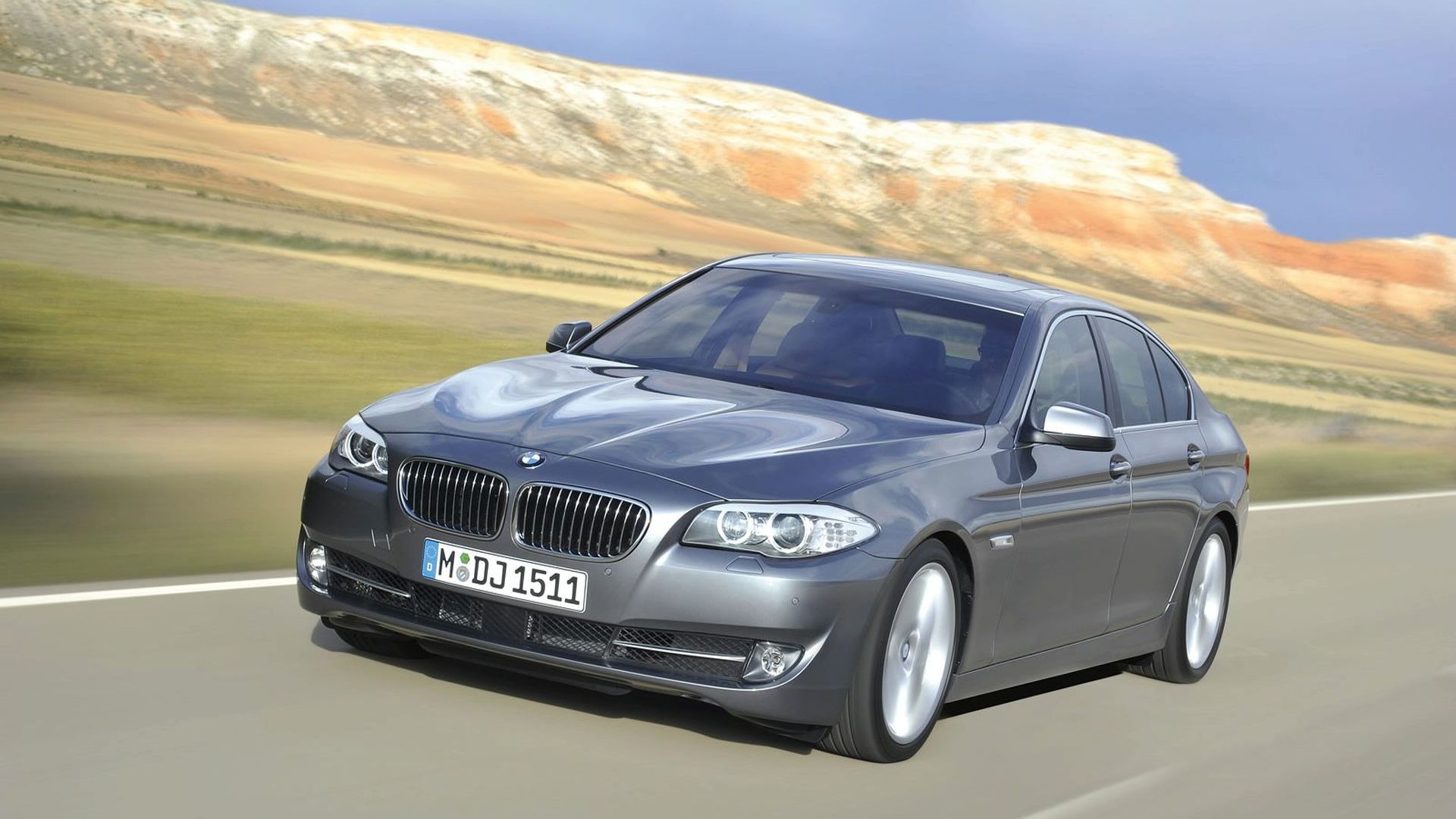
3. BMW 5 Series
The BMW 5 Series is a luxury sedan known for sophisticated engineering, and its interior reflects a careful balance between technology and ergonomics. Among its features are several buttons whose functions may not be immediately obvious, especially to first-time owners or those unfamiliar with BMW’s design language.
The mystery of these buttons is enhanced by BMW’s tendency to use symbols rather than text labels. While the symbols are consistent across the brand, their meanings are not always intuitive to those encountering them for the first time. This design choice prioritizes aesthetics and reduces clutter but demands that drivers engage in learning and experimentation.
Many owners find that exploring the functions becomes a form of engagement with the vehicle itself, allowing them to better understand its performance and comfort capabilities. Over time, these initially confusing buttons become second nature, seamlessly integrated into the daily driving experience.
The BMW 5 Series shows that mystery buttons can serve a purpose beyond novelty, they are a gateway to understanding and optimizing the vehicle. By requiring drivers to invest attention and time into learning their functions, these buttons encourage engagement with the car’s technology and performance.
BMW’s approach emphasizes that luxury and sophistication often come with a slight learning curve, but one that enhances the ownership experience and provides a sense of mastery over advanced automotive systems.
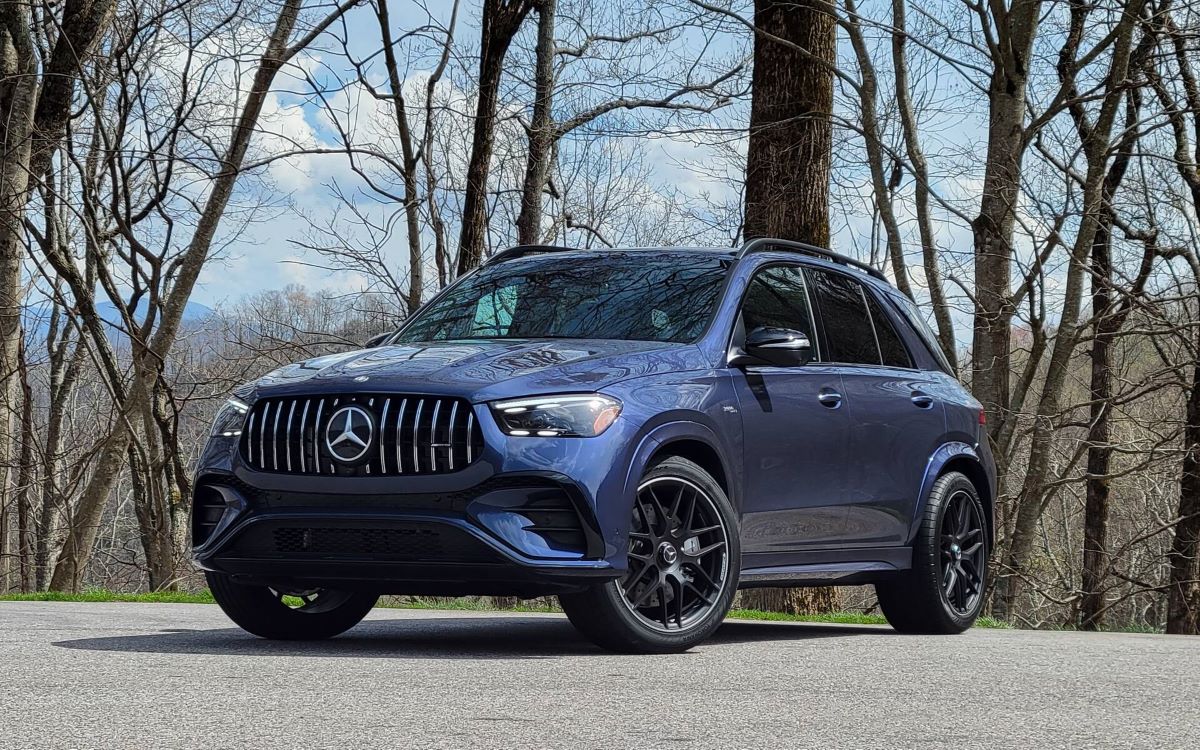
4. Mercedes-Benz GLE
The Mercedes-Benz GLE is a mid-size luxury SUV that combines comfort, technology, and advanced engineering. Within its interior, drivers encounter buttons that may initially seem mysterious due to their placement or the abstract nature of their icons. Some of these buttons control features such as air suspension settings, off-road driving modes, seat adjustments, or energy recovery systems.
For first-time users, figuring out what each button does can feel like a puzzle, prompting drivers to refer to the owner’s manual or experiment cautiously while parked. This process of discovery adds an interactive element to the vehicle, giving the owner a deeper sense of connection to the car’s capabilities.
Mercedes-Benz places some mystery buttons in areas designed to minimize accidental activation while still providing easy access when needed. For example, buttons related to off-road features or performance adjustments are intentionally not part of the main dashboard cluster.
This design choice underscores the brand’s philosophy of blending safety, elegance, and utility. While it can initially create confusion for new drivers, over time the buttons become familiar tools that enhance the versatility of the vehicle, from city driving to more challenging terrains.
The GLE demonstrates that mystery buttons do not reduce a vehicle’s usability but can instead enhance it when thoughtfully integrated. By encouraging exploration and learning, Mercedes-Benz ensures that drivers are rewarded for their curiosity with improved control, comfort, and safety.
Mystery buttons become a feature that deepens the connection between driver and vehicle, offering both practical functionality and a subtle sense of adventure in mastering the SUV’s extensive capabilities.
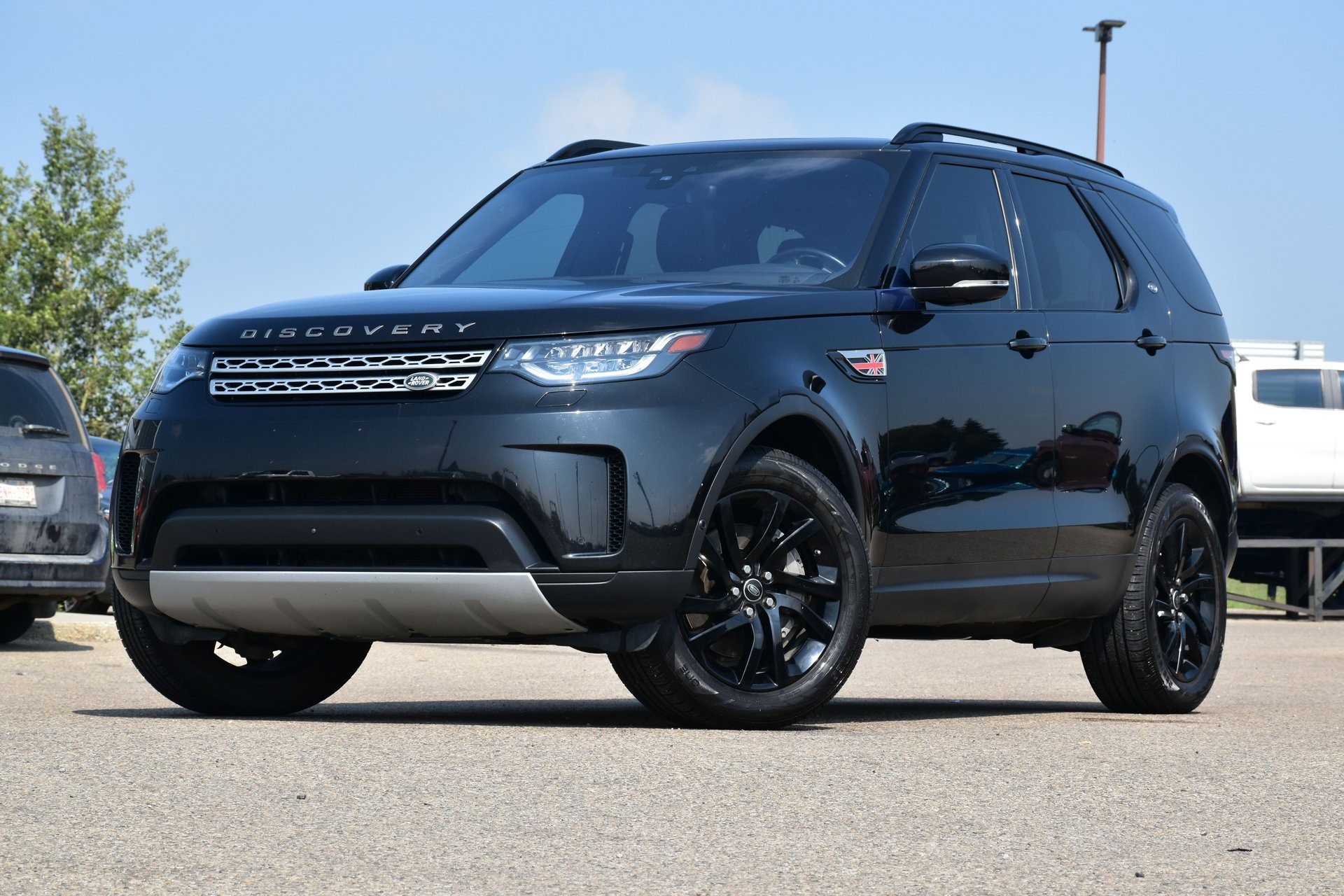
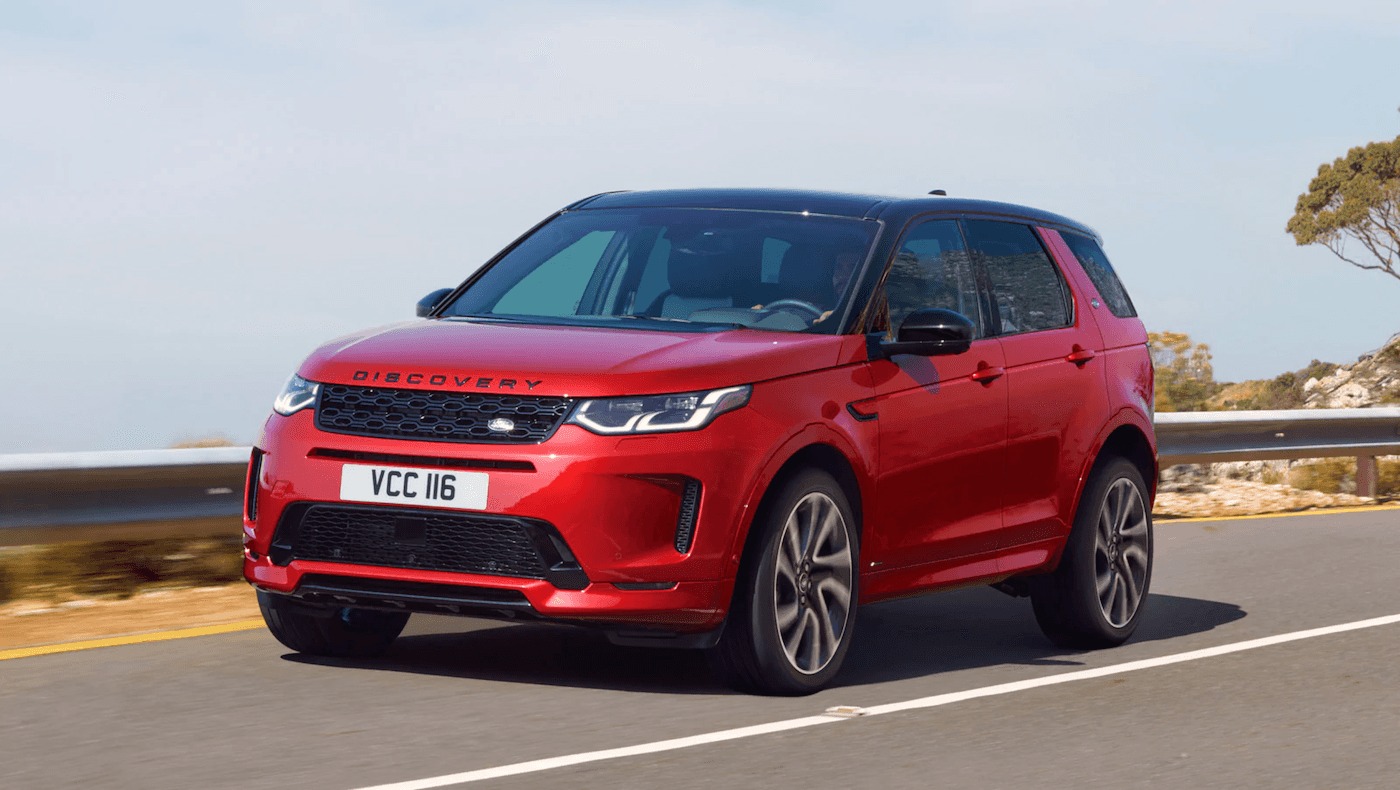
5. Land Rover Discovery
The Land Rover Discovery is an SUV designed for versatility and rugged capability, and its interior includes a variety of buttons that may initially confound new owners. These controls manage off-road settings, hill descent systems, traction adjustments, and other specialized features.
To a first-time driver, the layout can feel intentionally cryptic, with symbols and positioning that are not immediately self-explanatory. Understanding each button’s purpose often requires time, experimentation, or careful reading of the owner’s manual, which adds an element of engagement that is unique to vehicles focused on adventure and performance.
Tactile feedback plays an important role in making the buttons functional yet intriguing. Many switches provide distinct clicks or resistance, signaling activation without relying solely on visual cues.
Some buttons are context-sensitive, only becoming relevant when specific driving conditions are met, such as adjusting suspension height for uneven terrain. This layered complexity encourages drivers to experiment in safe conditions, gradually building knowledge and confidence in the vehicle’s capabilities.
The Land Rover Discovery exemplifies how mystery buttons can enhance the driving experience by promoting exploration and familiarity with advanced features. The initial ambiguity encourages drivers to interact with the vehicle thoughtfully, fostering a sense of mastery and confidence.
While they may seem confusing at first, these buttons reinforce the vehicle’s strengths, offering both practical functionality and a rewarding learning experience that aligns with Land Rover’s reputation for adventure-oriented design.