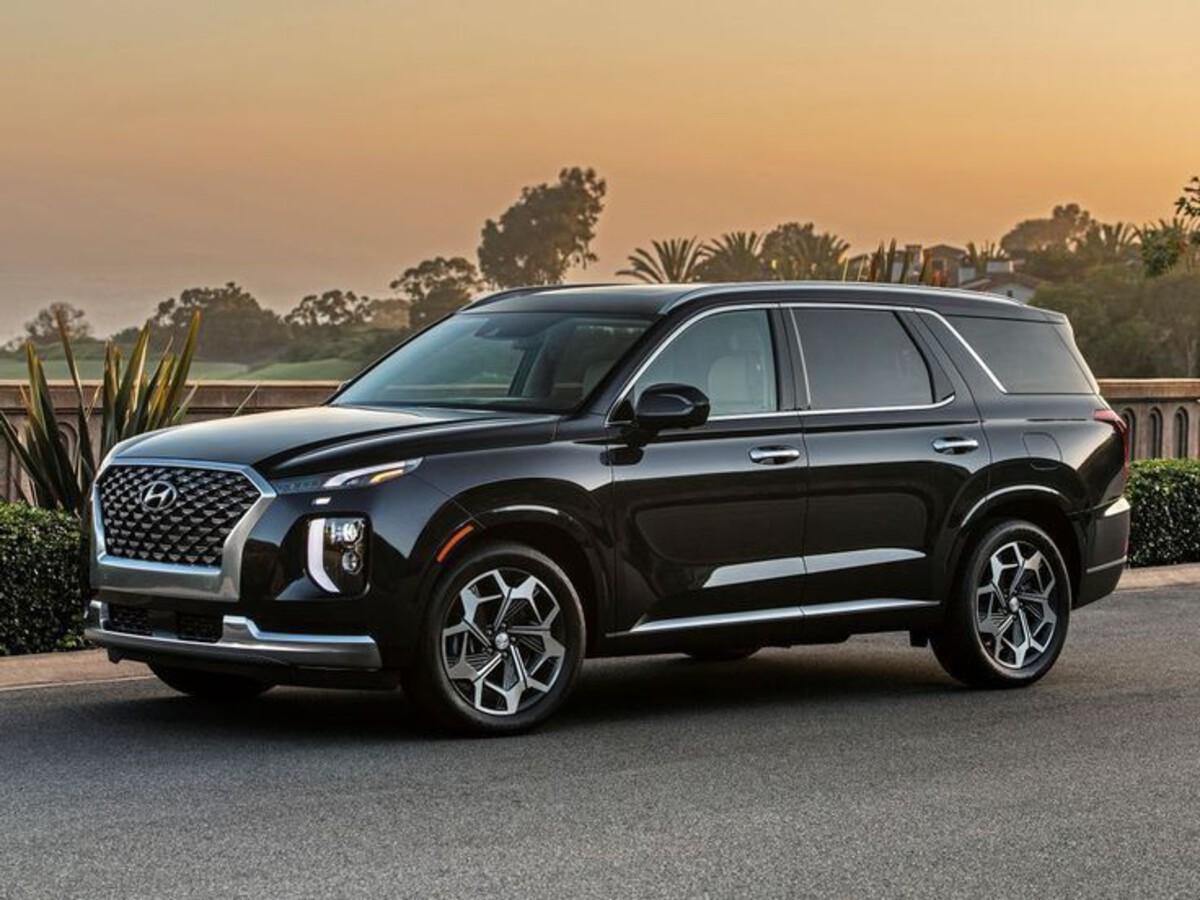
When it comes to driving on highways, the stability and tracking of a vehicle play a critical role in both comfort and safety. Many SUV drivers experience differences in how vehicles handle long stretches of road, particularly at higher speeds or when lane-keeping becomes a concern.
While some SUVs seem to glide effortlessly down the highway, maintaining a straight line with minimal driver input, others require near-constant corrections from the driver to stay on course.
This distinction is not just a matter of driver preference but stems from design choices, weight distribution, suspension geometry, tire quality, and electronic assistance systems.
Steady highway tracking refers to a vehicle’s ability to maintain a consistent trajectory without requiring frequent steering adjustments, which reduces driver fatigue and enhances the sense of control.
Conversely, SUVs that need constant corrections often display slight wander, sensitivity to crosswinds, or less stable suspension behavior, all of which demand greater attention from the driver.
Highway driving performance is influenced by multiple factors. Tire composition and inflation, for instance, affect the grip and feedback between the vehicle and the road. Similarly, a vehicle’s suspension system determines how it reacts to imperfections, curves, and minor shifts in weight.
The center of gravity in SUVs, which are taller and heavier than most sedans, can also make steady tracking more challenging. Furthermore, electronic stability control and lane-keeping assist technologies have made modern SUVs more capable of maintaining course with minimal input.
Vehicles lacking refined calibration or with softer suspension settings may feel unpredictable at high speeds, requiring frequent steering corrections. Understanding which SUVs fall into either category can help buyers make informed decisions based on their driving style, typical road conditions, and expectations for comfort and control.
This article focuses on comparing two types of SUV highway behavior: those that maintain steady tracking and those that require constant corrections.
By examining specific examples of each, along with underlying reasons for their performance, drivers can better appreciate how design, engineering, and technology affect highway handling.
Insights from this analysis can guide choices for people who value relaxed, fatigue-free highway driving versus those who are willing to manage minor handling quirks for other benefits such as ride comfort or off-road capability.
SUVs with Steady Highway Tracking
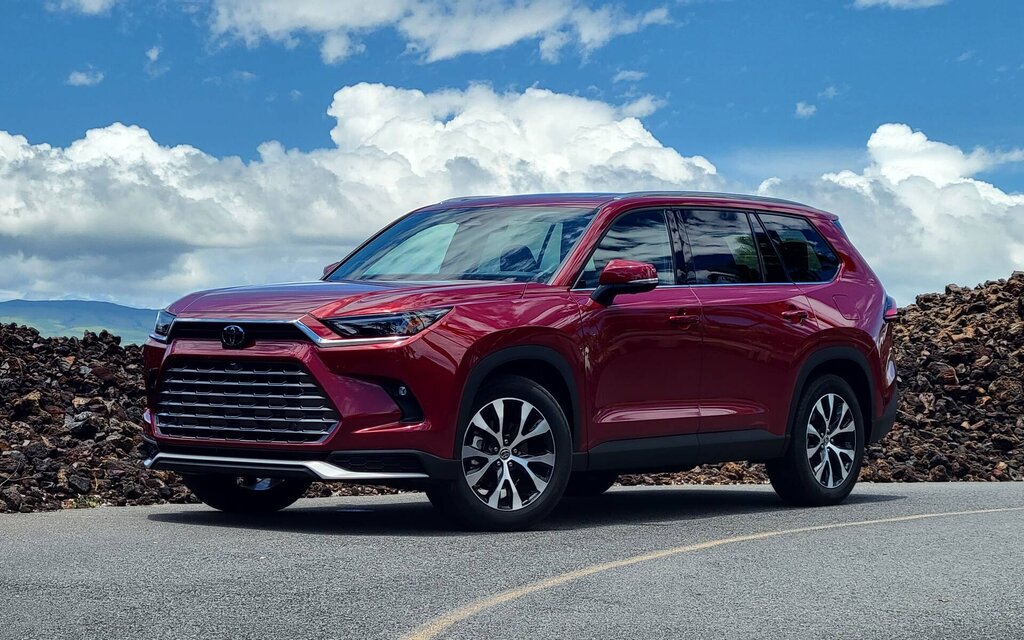
1. Toyota Highlander
The Toyota Highlander has earned a reputation as a vehicle that offers a composed and confident presence on highways. Its suspension system is carefully engineered to strike a balance between comfort and control, allowing the SUV to absorb minor imperfections in the road without translating them into harsh vibrations or unpredictable body movements.
Drivers often note that when cruising at highway speeds, the Highlander feels grounded and steady, maintaining its path without requiring constant steering adjustments. This stability is not accidental; it arises from a well-designed chassis and weight distribution that keeps the vehicle balanced across both front and rear axles.
By preventing excessive front-end or rear-end wander, the Highlander allows drivers to relax their hands on the steering wheel while retaining full confidence in the vehicle’s trajectory.
Tires and wheels play an equally critical role in maintaining stability. The Highlander comes with tires designed to maximize road grip and resist deformation under sustained highway speeds.
Properly calibrated tire pressure, along with tread patterns optimized for long-distance driving, contributes to consistent performance, minimizing the tendency to drift or wander.
Even when encountering minor surface imperfections or slight slopes, the vehicle’s tires maintain contact with the road predictably. This consistency fosters driver confidence, allowing passengers to enjoy a smoother ride while the SUV performs its function as a steady companion over long journeys.
Electronic systems are another cornerstone of the Highlander’s highway composure. Lane-keeping assist, stability control, and subtle steering interventions help correct minor deviations without feeling intrusive or abrupt.
Unlike vehicles where electronic assistance can be overly sensitive or twitchy, the Highlander integrates these technologies to provide a seamless and reassuring experience.
Drivers rarely have to consciously adjust for lane drift, and the vehicle maintains its path even in situations such as light rain or moderate crosswinds. These systems complement mechanical stability rather than replacing it, creating a sense of effortless highway driving that enhances both comfort and safety.
Finally, passenger comfort is inherently tied to the Highlander’s highway behavior. Minimal steering corrections mean that occupants experience fewer lateral shifts during long drives, reducing fatigue and motion-induced discomfort.
Combined with a quiet cabin, smooth acceleration, and a suspension that absorbs road imperfections efficiently, the Highlander’s steady tracking creates a holistic driving experience where reliability, comfort, and confidence coexist.
For buyers seeking a practical, fatigue-free SUV for long stretches of highway, the Highlander exemplifies a vehicle designed to meet those needs without compromise.
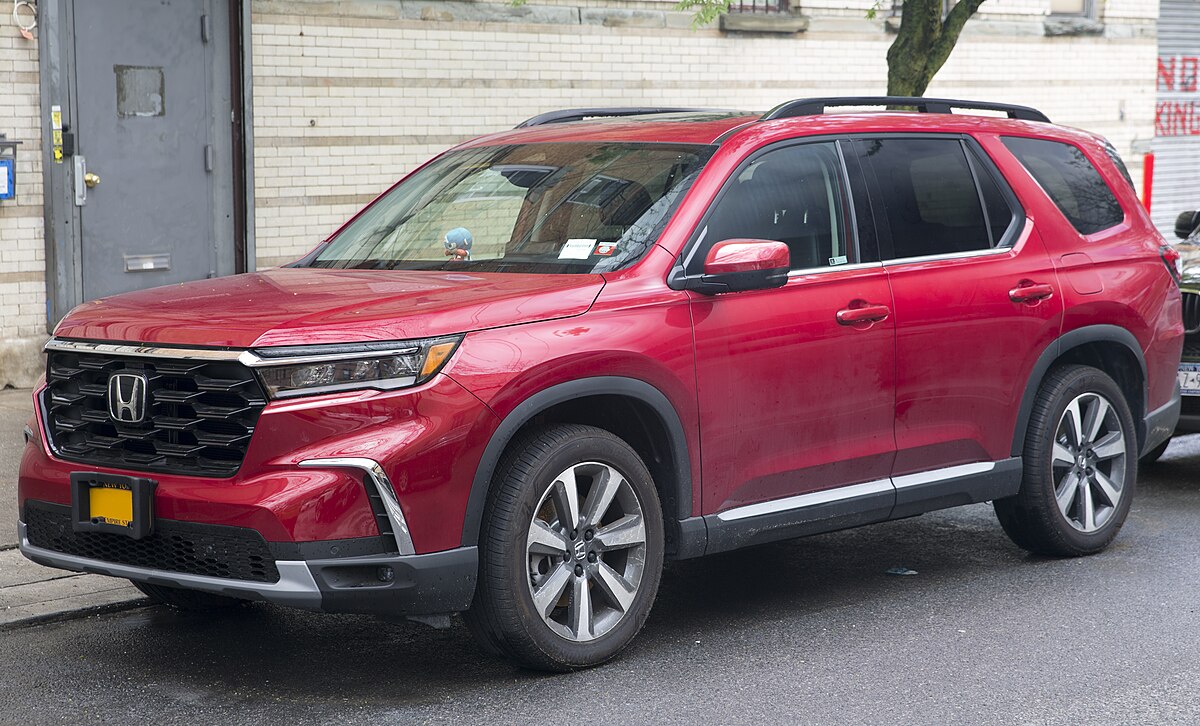
2. Honda Pilot
The Honda Pilot is widely regarded for its exceptional composure during highway driving, delivering a sense of control that is rare among midsize SUVs. Its chassis is engineered to provide a stable footprint, ensuring that the vehicle feels planted even when traveling at higher speeds or encountering crosswinds.
Drivers often notice that the Pilot maintains a steady trajectory with minimal effort, making it particularly suitable for long-distance travel.
Suspension tuning plays a major role in this stability, absorbing minor bumps and irregularities while minimizing body roll. Unlike SUVs that feel “floaty” or unpredictable at highway speeds, the Pilot strikes a balance that allows for both comfort and precise control, creating confidence in drivers across varied conditions.
Whether merging into traffic, maintaining lane position, or navigating subtle curves, drivers benefit from a system that feels intuitive and predictable. This responsiveness works in tandem with the Pilot’s suspension, reinforcing its reputation as a steady and reassuring SUV for highway use.
Tire selection and alignment further enhance stability and tracking. High-quality tires with consistent grip and precise alignment prevent wandering and improve handling, even at sustained speeds. Additionally, the Pilot’s aerodynamic design reduces turbulence, which can destabilize other vehicles under similar conditions.
These combined factors help the Pilot maintain a straight-line trajectory, even when minor imperfections in road surface or external forces such as wind are present. The result is an SUV that feels “planted” and requires minimal driver intervention, promoting a calm and fatigue-free driving environment.
Complementing the mechanical and aerodynamic stability, electronic driver aids provide a final layer of support. Lane departure warning, adaptive cruise control, and stability control work harmoniously to prevent sudden corrections or abrupt steering demands.
The systems operate smoothly and predictably, providing reassurance without drawing attention to themselves. By combining intelligent electronics with thoughtful mechanical design, the Honda Pilot creates a highway driving experience that is both safe and effortless, offering drivers a rare combination of comfort, control, and confidence over long journeys.
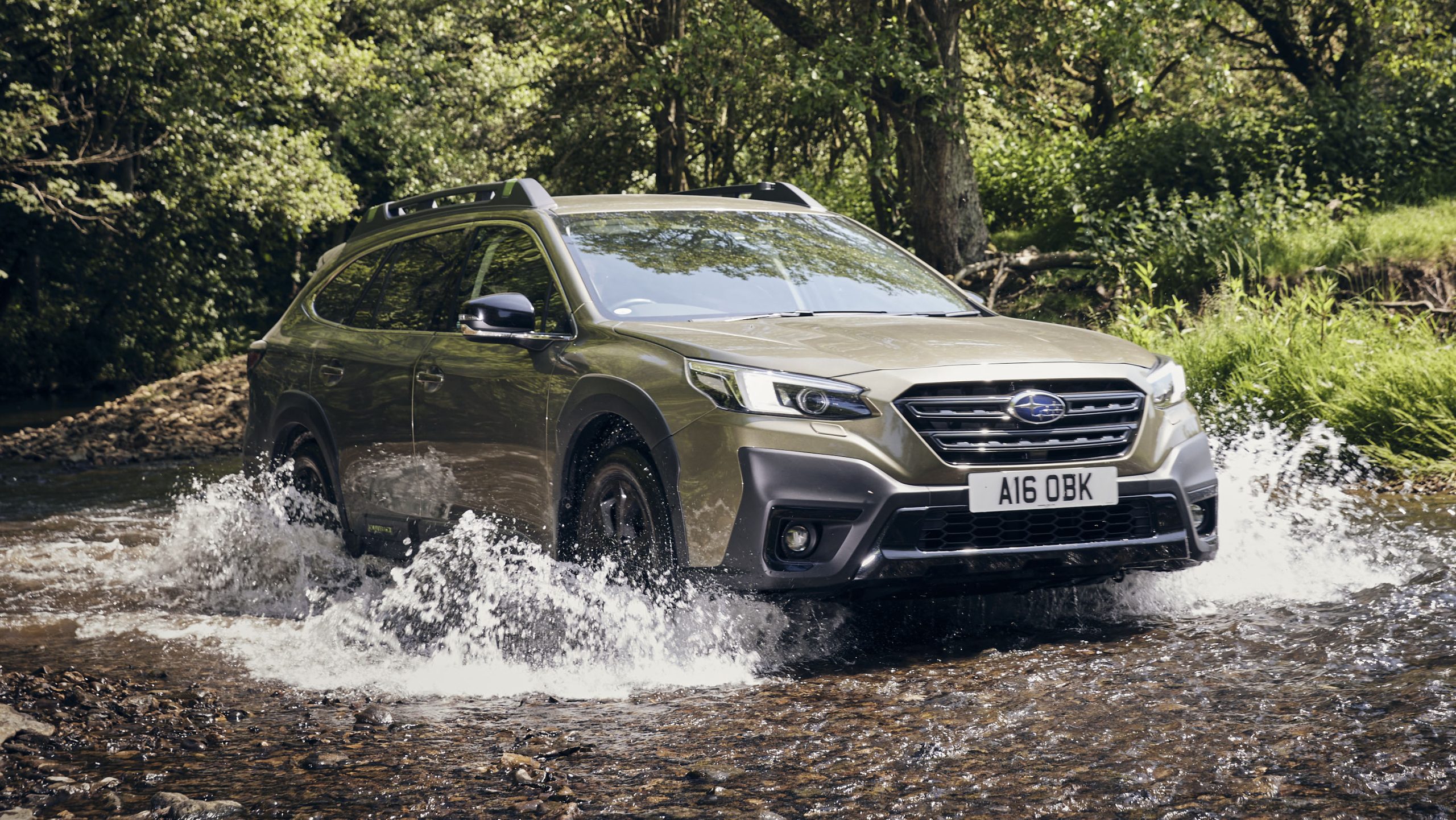
3. Subaru Outback
Although the Subaru Outback is often classified as a crossover rather than a traditional SUV, it demonstrates remarkable composure and tracking on highways. Its symmetrical all-wheel-drive system is a key factor in this behavior, distributing torque evenly between the front and rear wheels to maintain stability in diverse conditions.
Drivers benefit from a vehicle that remains predictable, whether driving through crosswinds, light rain, or minor road imperfections.
The Outback’s low center of gravity, paired with its balanced suspension geometry, ensures that weight transfer during acceleration, braking, or lane changes does not result in unexpected drifting, contributing to a consistent and reliable driving experience.
The suspension design of the Outback plays a major role in maintaining highway composure. It absorbs bumps and minor irregularities without transmitting them harshly to the steering system or cabin, preserving both comfort and stability.
Unlike SUVs with softer suspension setups that may feel unstable when lightly loaded, the Outback remains balanced regardless of passenger or cargo weight.
The vehicle’s wider track and thoughtful weight distribution also enhance highway behavior, ensuring that minor imperfections in road alignment do not translate into significant steering corrections. Drivers report that the Outback seems naturally inclined to maintain its path, creating a reassuring sense of control.
Steering in the Outback is both precise and forgiving. Inputs produce predictable responses without being twitchy, allowing drivers to make subtle adjustments without overcompensation. The combination of stable chassis, low center of gravity, and balanced suspension translates into a vehicle that feels anchored and confident on the road.
The tires also contribute significantly, providing consistent grip across varying surfaces and preventing drift or wander that could require frequent corrections. These elements together result in a smooth, comfortable, and fatigue-free experience, even on longer highway stretches.
Finally, Subaru’s EyeSight driver-assist system enhances highway stability without compromising the natural feel of the drive. Lane-keeping assist, adaptive cruise control, and pre-collision braking provide an extra layer of safety while keeping the vehicle’s path steady.
4. Mazda CX-9
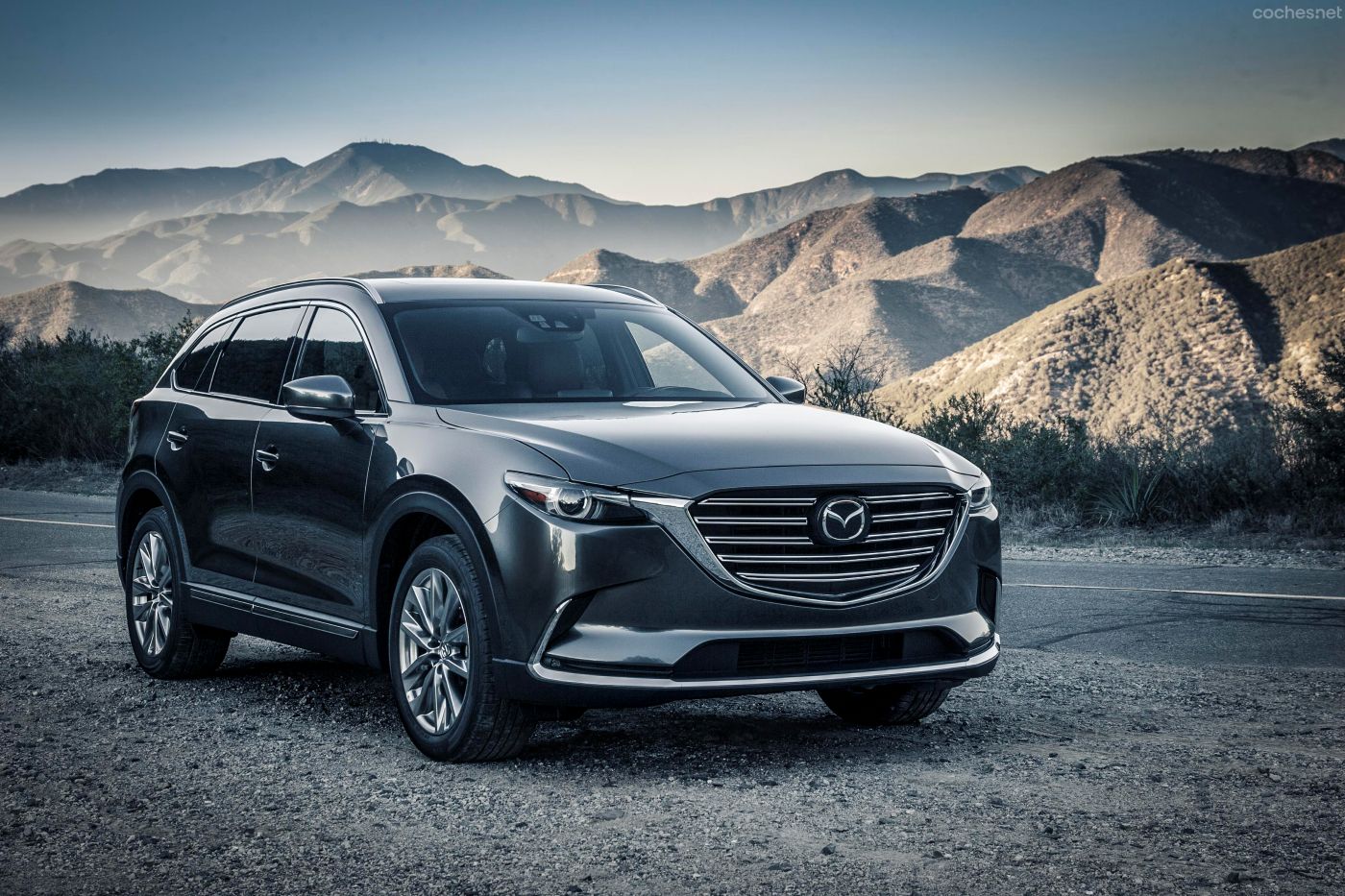
The Mazda CX-9 combines sporty handling with a composed highway demeanor, making it a rare example of a three-row SUV that offers both precision and stability. Its suspension is tuned to absorb road imperfections effectively while keeping the body controlled and responsive, preventing excessive roll or drift at higher speeds.
This balance enables drivers to maintain a straight path on highways with minimal steering effort, which is especially beneficial for long-distance trips. The CX-9’s chassis is also carefully engineered, with weight distribution and structural rigidity contributing to its planted feel and consistent handling.
The vehicle’s low center of gravity enhances stability, particularly compared to other SUVs in its class. By lowering the center of mass, the CX-9 reduces the potential for sway or wander during lane changes, crosswinds, or abrupt maneuvers.
Combined with its aerodynamic body design, the vehicle experiences reduced turbulence, helping it maintain a straight trajectory effortlessly.
Drivers report that even at sustained highway speeds, the CX-9 feels controlled and predictable, with only minor adjustments needed to keep it aligned with the lane. This characteristic reduces fatigue and enhances confidence for long journeys.
Tire performance is another important aspect of the CX-9’s steady tracking. Tires are carefully matched to the suspension to provide grip without compromising ride comfort, ensuring that the SUV remains stable under varying road conditions.
The precise steering setup further complements the chassis and tires, producing a harmonious balance that allows the vehicle to respond predictably to driver input. The CX-9’s combination of stability and responsiveness delivers a driving experience that feels both dynamic and composed, an uncommon feat for larger vehicles.
Electronic systems reinforce the mechanical advantages of the CX-9. Lane departure warning, lane-keeping assist, and adaptive cruise control help maintain alignment without drawing attention, allowing the driver to relax and focus on longer stretches of road.
The integration of these systems is subtle yet effective, providing a layer of assistance that complements the natural stability of the vehicle. Together with its mechanical attributes, the Mazda CX-9 demonstrates that a larger SUV can deliver both sporty dynamics and steady highway tracking simultaneously, offering a blend of performance, comfort, and control.
5. Ford Edge
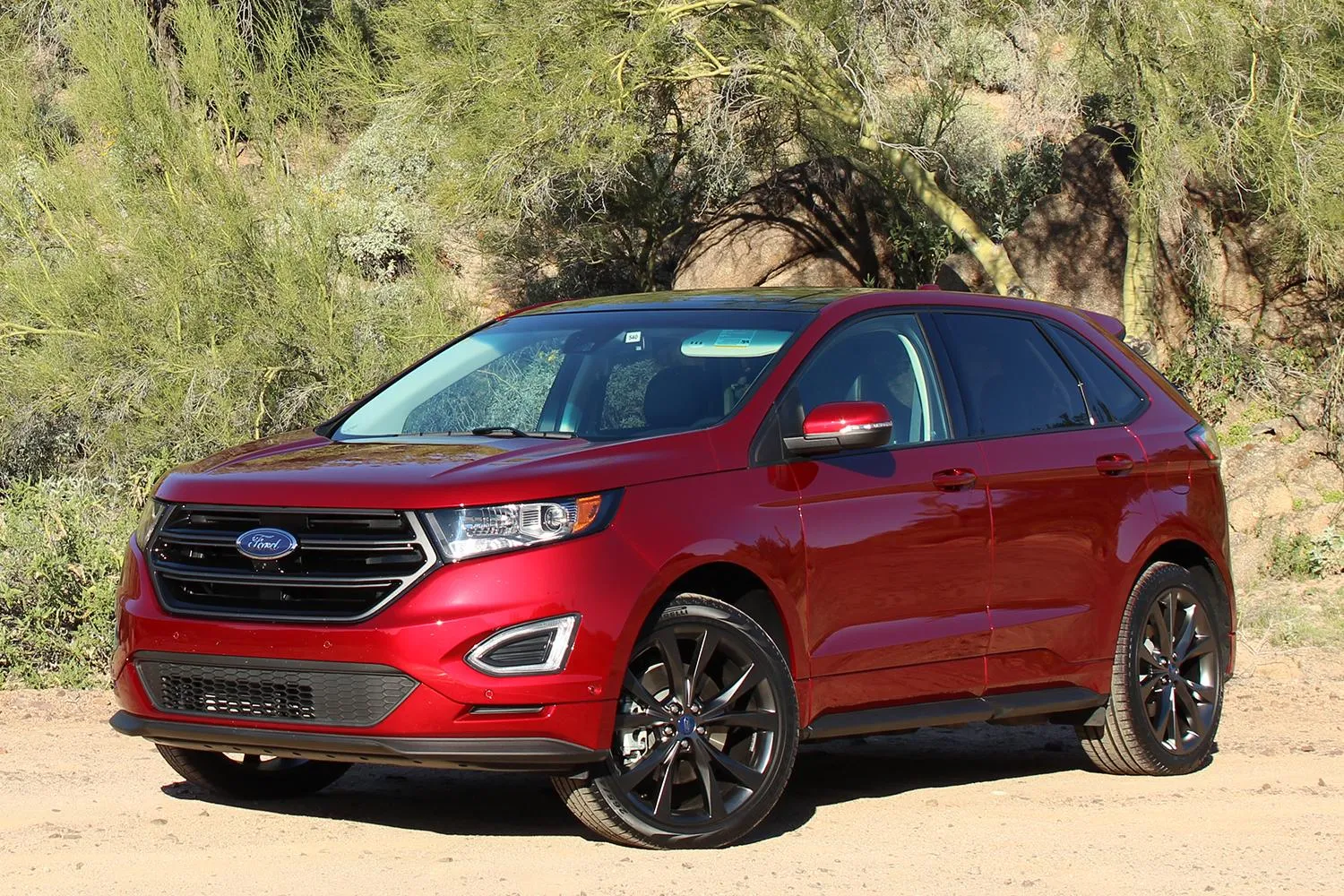
The Ford Edge exemplifies steady highway tracking in a midsize SUV, offering drivers a composed and reliable experience during long-distance travel. Its chassis emphasizes weight distribution and rigidity, reducing body movement and helping the vehicle maintain a straight path over highways.
The suspension is tuned to absorb uneven surfaces without transmitting excessive vibrations to the cabin, preserving both comfort and control. This design allows drivers to navigate highways without frequent corrections, creat
Steering in the Edge is calibrated for confidence, emphasizing stability over sportiness. The vehicle responds predictably to inputs while resisting twitchiness at high speeds, a feature that prevents driver overcorrection.
This controlled behavior reduces fatigue and enhances safety during extended highway travel. The SUV’s wide track and well-balanced weight distribution also play crucial roles in maintaining highway composure, particularly when passing larger vehicles or driving in moderate wind conditions.
Tire quality and alignment further support the Edge’s steady tracking. Tires are optimized to provide consistent road grip, while precise alignment ensures minimal drift or wander. These factors, combined with the suspension and steering setup, make the Edge feel anchored and predictable, even on longer journeys or less-than-perfect road surfaces.
Drivers often note that the vehicle’s stability contributes significantly to confidence, particularly for families or individuals seeking a dependable daily driver.
Electronic stability systems reinforce mechanical stability. Lane-keeping assist, adaptive cruise control, and traction control subtly intervene when necessary, helping the driver maintain course without intruding on the driving experience.
SUVs with Constant Corrections
1. Jeep Grand Cherokee
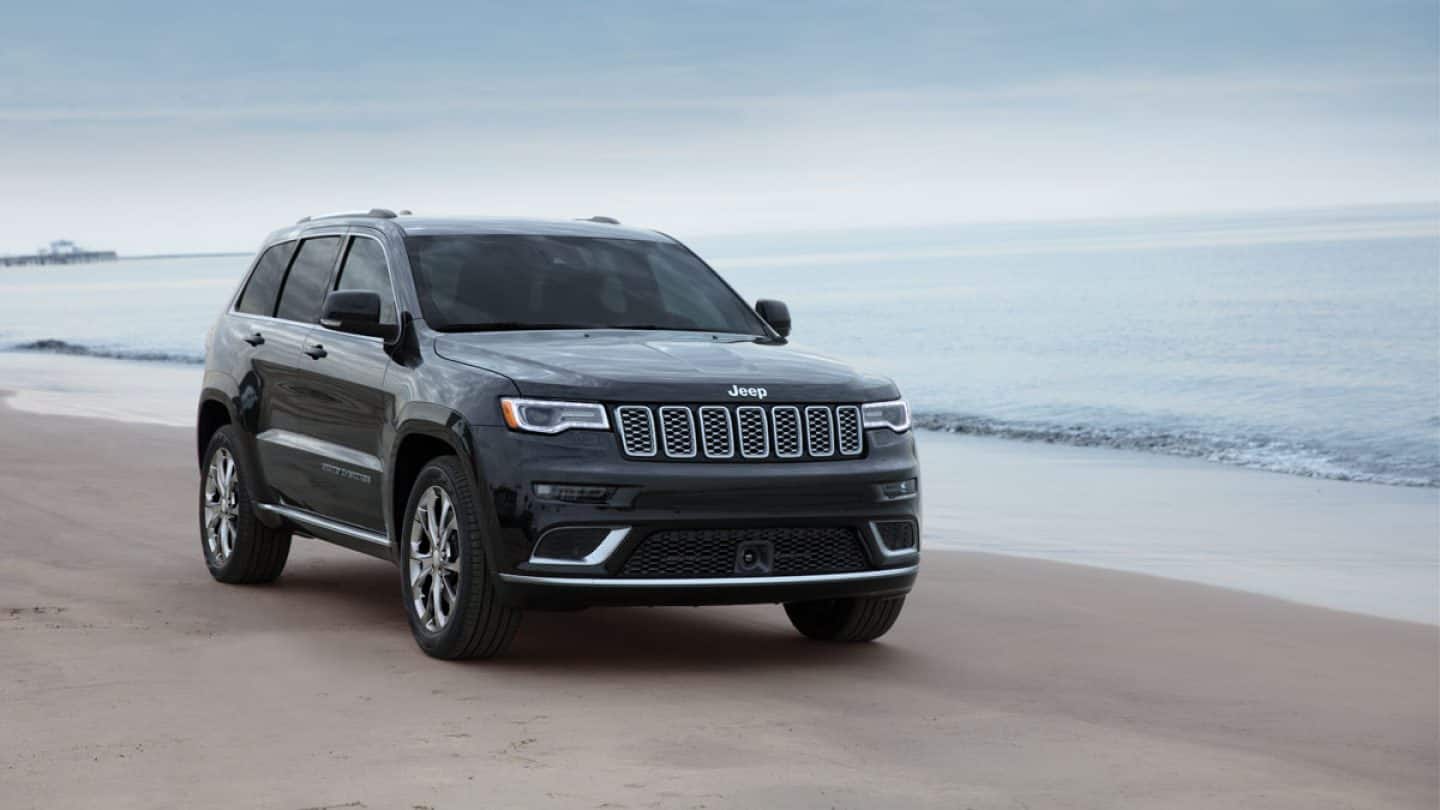
The Jeep Grand Cherokee is well-known for its off-road capabilities, but this emphasis often comes at the expense of precise highway tracking. Its suspension system is designed to handle rough terrain and absorb large obstacles, which can make it feel slightly floaty on highways.
When traveling at higher speeds, drivers frequently notice subtle wandering, requiring small but constant steering corrections to maintain a straight line. This behavior becomes especially noticeable in windy conditions or when passing large trucks, where crosswinds and turbulence can amplify the vehicle’s tendency to drift.
The weight distribution of the Grand Cherokee also contributes to this dynamic. While it performs exceptionally well off-road, the higher center of gravity and uneven front-to-rear weight ratio can make it less predictable on smooth highways.
Drivers often have to compensate for minor understeer or oversteer, particularly during gentle lane changes or slight road undulations. Even minor deviations can feel amplified at highway speeds, increasing the need for attentiveness and correction. These characteristics make it less of a relaxed cruiser compared to SUVs specifically tuned for steady tracking.
Steering feel is another factor that affects highway composure. The Grand Cherokee’s steering is tuned for versatility, offering responsiveness at low speeds and off-road scenarios, but this sometimes translates into over-sensitivity at highway speeds.
Small inputs or slight road imperfections can result in noticeable vehicle movement, requiring continuous micro-adjustments by the driver. This makes long-distance highway driving more demanding, especially for drivers accustomed to vehicles that maintain their path with minimal effort.
Finally, tire and wheel configurations, which are often chosen to support off-road traction, can influence highway behavior. Larger, all-terrain tires can introduce additional rolling resistance and subtle lateral movement, reducing stability and contributing to the need for constant corrections.
Combined with suspension settings and weight considerations, the Grand Cherokee’s mechanical and design priorities create a highway experience that demands more active driver engagement, particularly during long trips or when encountering crosswinds or uneven pavement.
2. Nissan Pathfinder
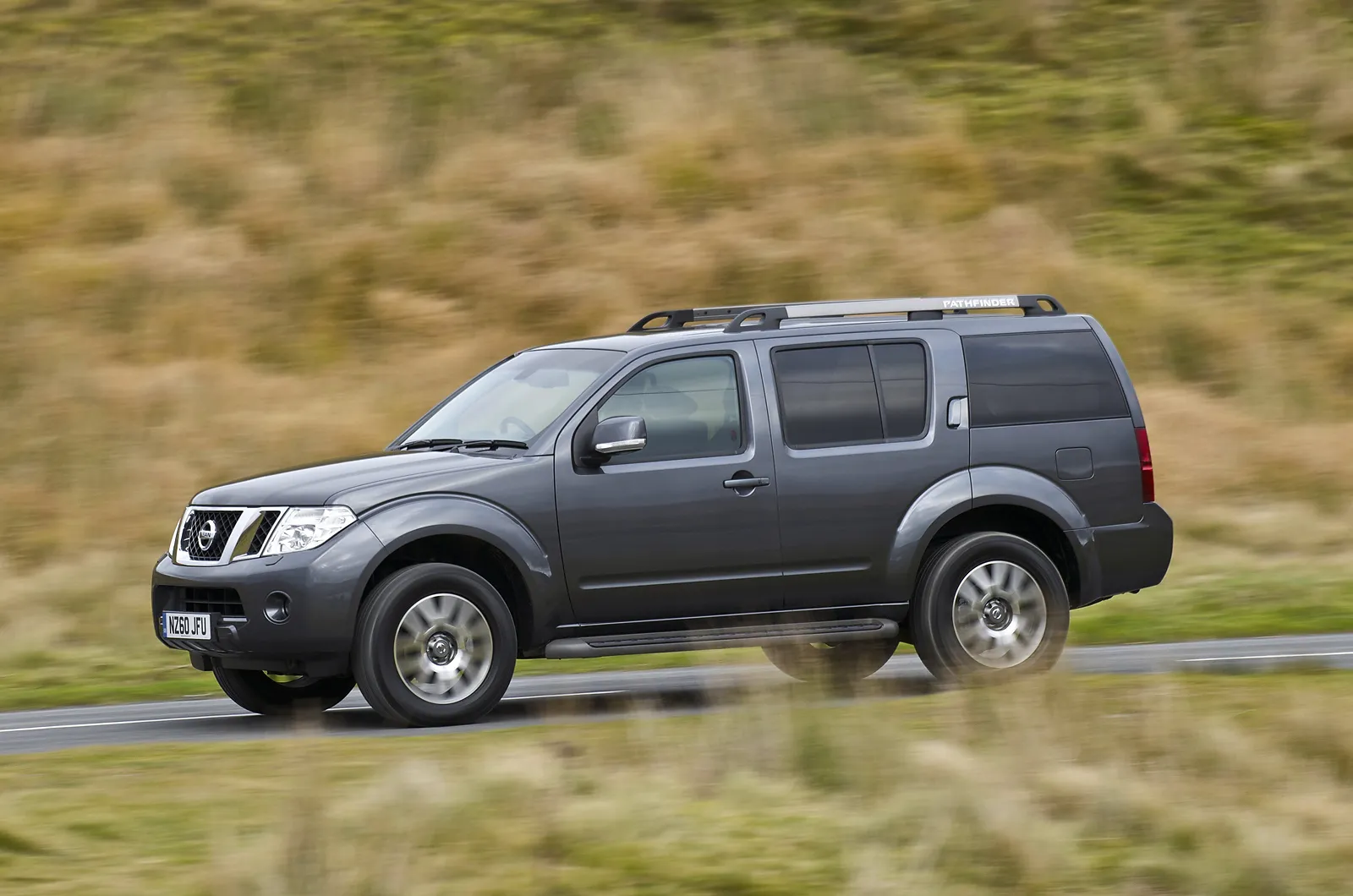
The Nissan Pathfinder’s highway behavior is influenced by its focus on versatility and moderate off-road capability, which can compromise straight-line tracking. Drivers frequently report that the SUV tends to wander slightly on highways, necessitating constant minor steering adjustments.
This can be attributed to its relatively tall body, softer suspension, and chassis design, which prioritizes comfort and cargo capacity over precise high-speed stability. While these features make it practical in suburban and mixed driving conditions, they can require more attention during sustained highway speeds.
The Pathfinder’s suspension is tuned for comfort rather than rigidity, which means that minor road imperfections, slight curves, or surface inconsistencies can cause small shifts in direction. These shifts translate into subtle but continuous steering corrections.
Even smooth pavement may not fully eliminate this need, as the vehicle reacts to variations in weight distribution when passengers or cargo are present. For drivers accustomed to SUVs that track naturally, this can create a more tiring highway experience over long distances.
Steering sensitivity and feedback further contribute to the Pathfinder’s constant correction requirement. While the steering provides adequate response for urban maneuvering, it can feel imprecise or disconnected at higher speeds.
The combination of soft suspension, lighter steering feedback, and a higher center of gravity means that the SUV does not hold its line as consistently as more highway-focused models. Drivers often need to maintain light but frequent adjustments to avoid drifting or unwanted sway.
Tire characteristics also affect highway stability. Pathfinder models equipped with all-season tires optimized for comfort rather than high-speed stability may contribute to slight wandering or lateral movement. Even subtle alignment deviations can become more noticeable at sustained highway speeds.
When these mechanical elements are combined with the vehicle’s soft suspension and weight distribution, the result is an SUV that requires the driver’s constant attention to maintain a straight path, reducing the sense of relaxed highway cruising.
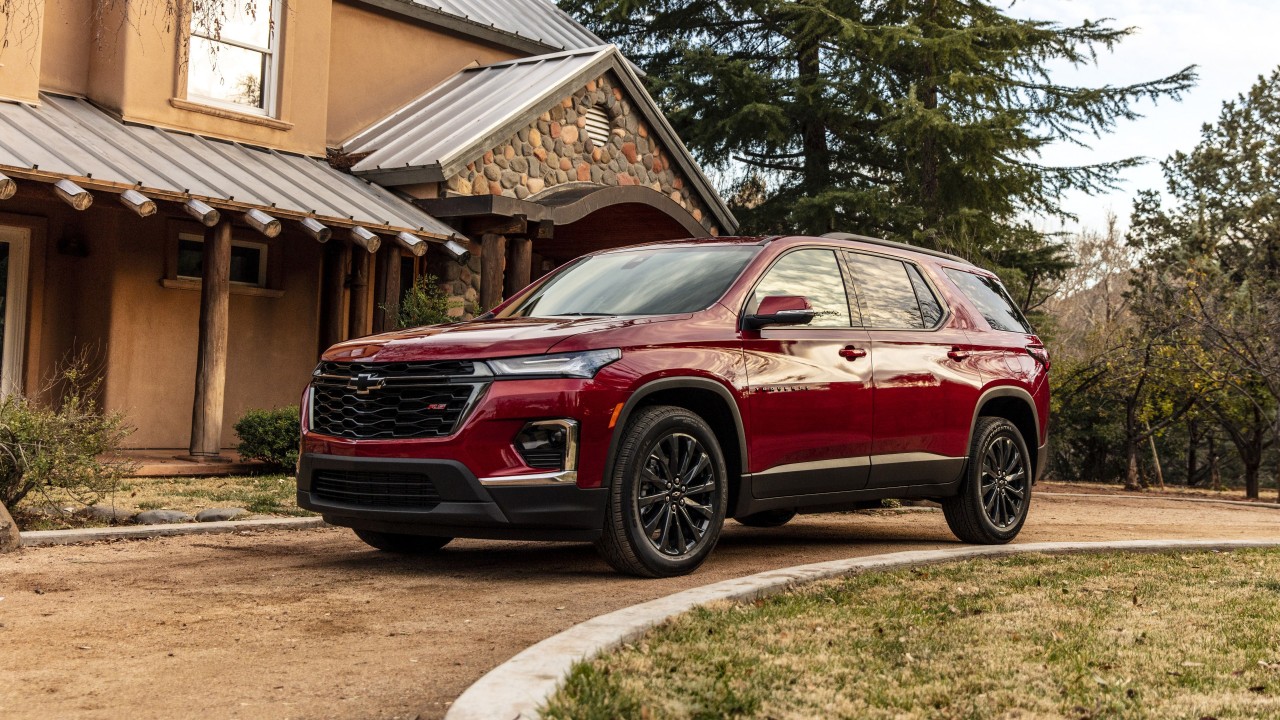
3. Chevrolet Traverse
The Chevrolet Traverse is a large, family-oriented SUV that emphasizes interior space and ride comfort, sometimes at the cost of highway composure. Its suspension is soft and tuned for cushioning passengers over bumps, which can allow the vehicle to sway slightly during high-speed travel.
Drivers often find themselves making small but continuous steering corrections to keep the Traverse aligned with lane markings, especially during longer stretches of highway. The effect is subtle but persistent, requiring a level of attentiveness that contrasts with more highway-focused SUVs.
Weight distribution and vehicle height play a significant role in this behavior. The Traverse’s size, combined with a relatively high center of gravity, makes it more susceptible to lateral shifts caused by crosswinds, passing trucks, or slight road camber.
Even minor deviations in alignment or uneven road surfaces can result in a sensation of drifting that necessitates frequent corrections. This characteristic is particularly noticeable when the vehicle is lightly loaded, as the soft suspension reacts more noticeably to small directional changes.
Steering dynamics also influence highway tracking. While the Traverse’s steering is responsive enough for normal driving, it can feel disconnected or overly sensitive at sustained speeds.
The combination of a soft suspension, large mass, and subtle body movement means that minor corrections must be applied continuously to maintain a straight path. This can contribute to driver fatigue during extended highway trips and diminish the sense of effortless cruising.
Tire choice and alignment further affect the Traverse’s handling. Large all-season tires focused on ride comfort may not provide the lateral stiffness needed for a truly planted highway feel. Misalignment, worn tires, or slight pressure variations exacerbate wandering tendencies, requiring more frequent driver input.
Combined with soft suspension tuning and body dynamics, these factors make the Traverse a vehicle that demands active steering and constant attention on long highways, despite its otherwise comfortable ride.
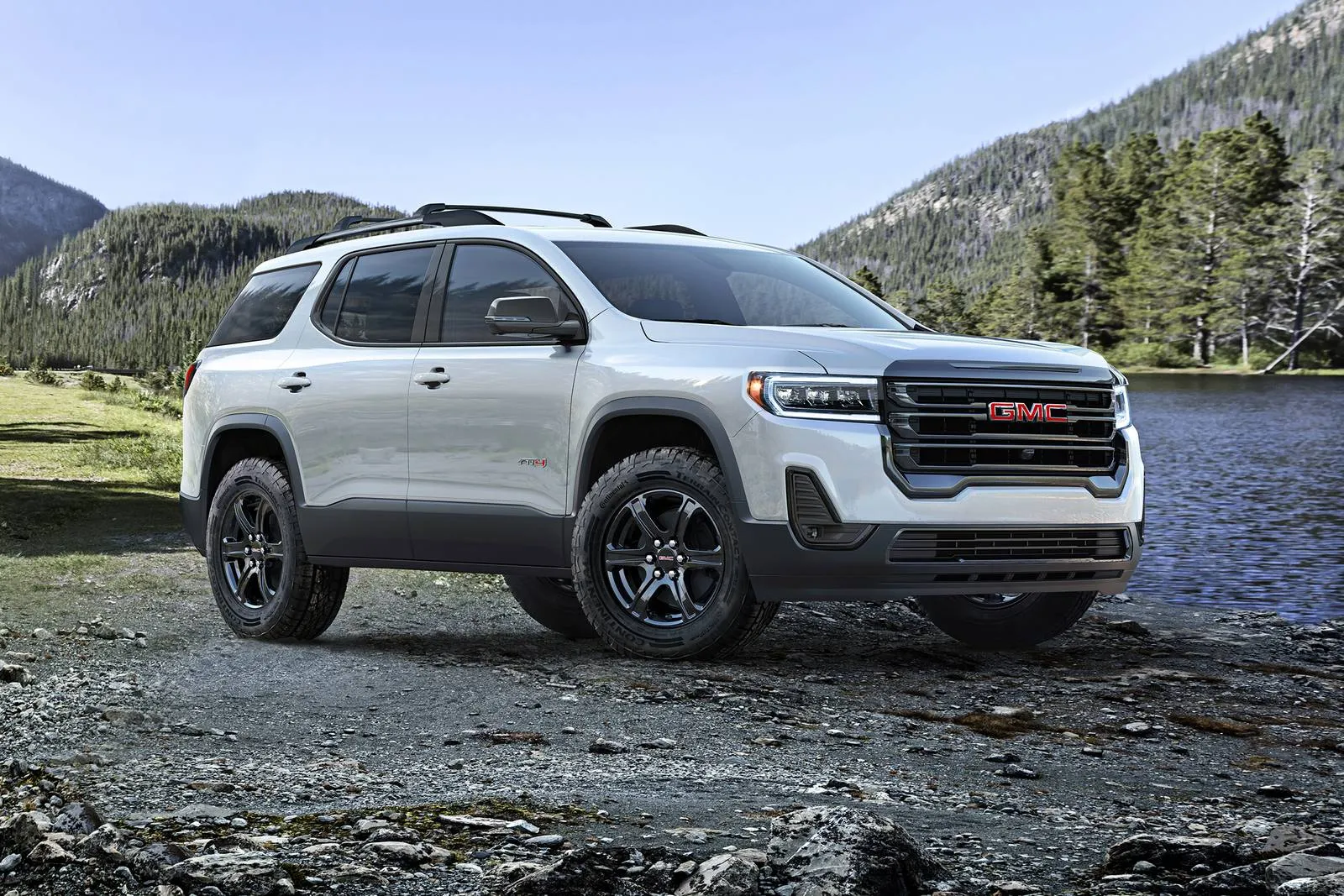
4. GMC Acadia
The GMC Acadia offers versatility and passenger comfort but can be less predictable on highways, necessitating ongoing driver corrections. Its suspension is designed for a smooth ride rather than rigid control, which results in slight lateral movement when the vehicle encounters minor road irregularities.
Drivers frequently notice the need to make small, continuous steering adjustments to maintain lane position. While these corrections are not extreme, they are consistent enough to be felt during long stretches of highway driving, which can lead to fatigue over time.
High center of gravity and uneven weight distribution contribute to the Acadia’s tendency to wander. The SUV is taller than many sedans or crossover alternatives, which exposes it to greater susceptibility to wind or pressure changes when passing larger vehicles.
Even minor surface irregularities can produce subtle changes in trajectory, prompting the driver to maintain a constant hand on the wheel to keep the vehicle aligned. These characteristics make the Acadia less of a relaxed highway cruiser than models engineered for steady tracking.
Steering responsiveness is another factor. While the Acadia’s steering is adequate for city and suburban driving, it can feel light or vague at higher speeds, amplifying the effects of suspension movement and tire feedback.
This combination often results in micro-corrections by the driver to maintain lane alignment, particularly during extended trips or under variable road conditions. Steering effort may feel minimal, but the continuous adjustments are mentally and physically noticeable.
Tire selection also affects stability. Comfort-oriented tires may allow minor lateral movement that is felt more acutely at highway speeds. Combined with the suspension, chassis, and body design, these tires can exacerbate the vehicle’s natural wandering tendencies.
While the Acadia remains a capable, comfortable, and practical SUV, it is a model that requires attentive driving to maintain consistent highway tracking, particularly during long journeys or in challenging wind conditions.
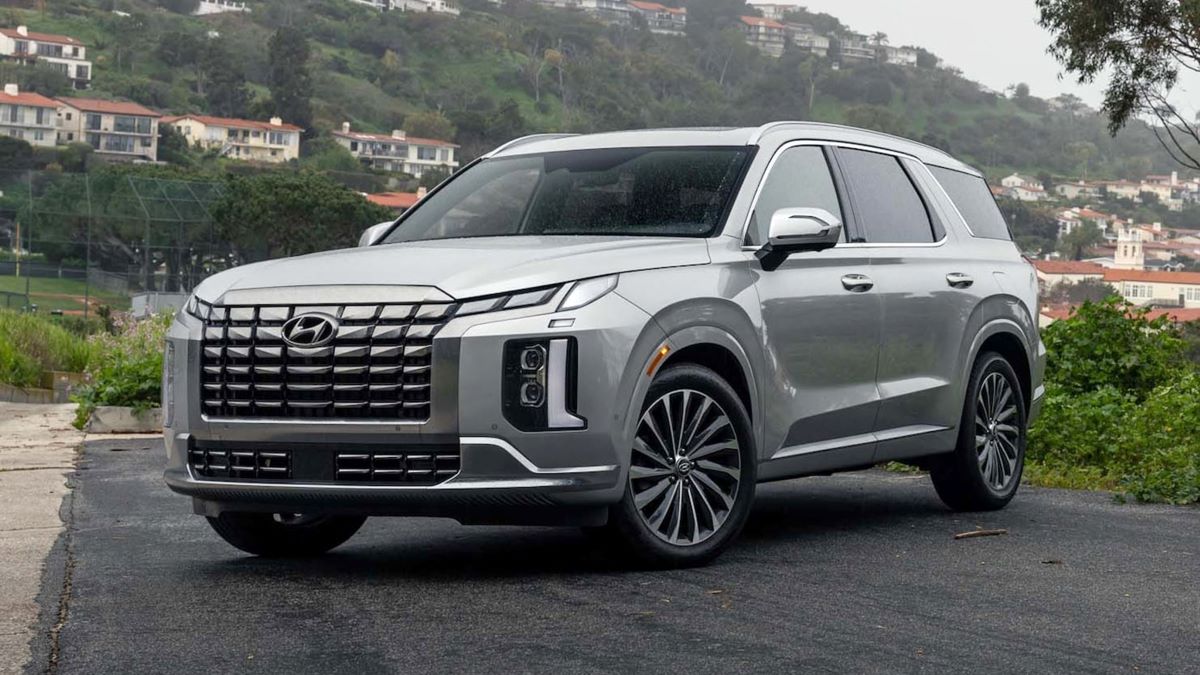
5. Hyundai Palisade
The Hyundai Palisade is a three-row SUV with a focus on interior space and comfort, which can result in noticeable wandering during highway driving. Its suspension is soft and tuned to absorb road imperfections, but this softness can translate into slight lateral movement at high speeds.
Drivers often report having to make continuous minor steering corrections to maintain a straight path, particularly in crosswinds or when following larger vehicles. While this is manageable, it reduces the relaxed, hands-off feel that some SUVs with steady highway tracking provide.
Weight distribution and center of gravity are key contributors to the Palisade’s highway dynamics. With a higher ride height and relatively heavy front end, the vehicle can experience subtle changes in trajectory when braking, accelerating, or encountering road irregularities.
These small shifts require drivers to make ongoing adjustments to maintain lane alignment, increasing the attention needed for long-distance travel. The effect is amplified when the vehicle is lightly loaded, as the soft suspension responds more to minor inputs and road surface variations.
Steering behavior further influences the Palisade’s constant correction needs. The steering is responsive enough for city and suburban use but lacks the firmness or feedback that allows the vehicle to “hold” its line on the highway.
Drivers must apply subtle inputs to correct minor drift or wander, which can contribute to fatigue over long drives. This characteristic differentiates the Palisade from SUVs specifically engineered for steady tracking, highlighting the trade-off between comfort-oriented tuning and precision at speed.
Finally, tire choice and alignment can exacerbate these tendencies. Comfort-focused tires, while smooth and quiet, may allow lateral movement that becomes noticeable at sustained highway speeds. Minor misalignments or uneven surfaces increase the driver’s workload, requiring constant attention to maintain a straight line.