Automotive interiors vary widely in complexity, with some vehicles prioritizing user-friendly layouts while others experiment with futuristic, tech-heavy designs that can confuse even seasoned drivers. Cars with simple dashboards focus on clear controls, intuitive touchscreens, and logical placement of buttons, making day-to-day driving easier and more comfortable.
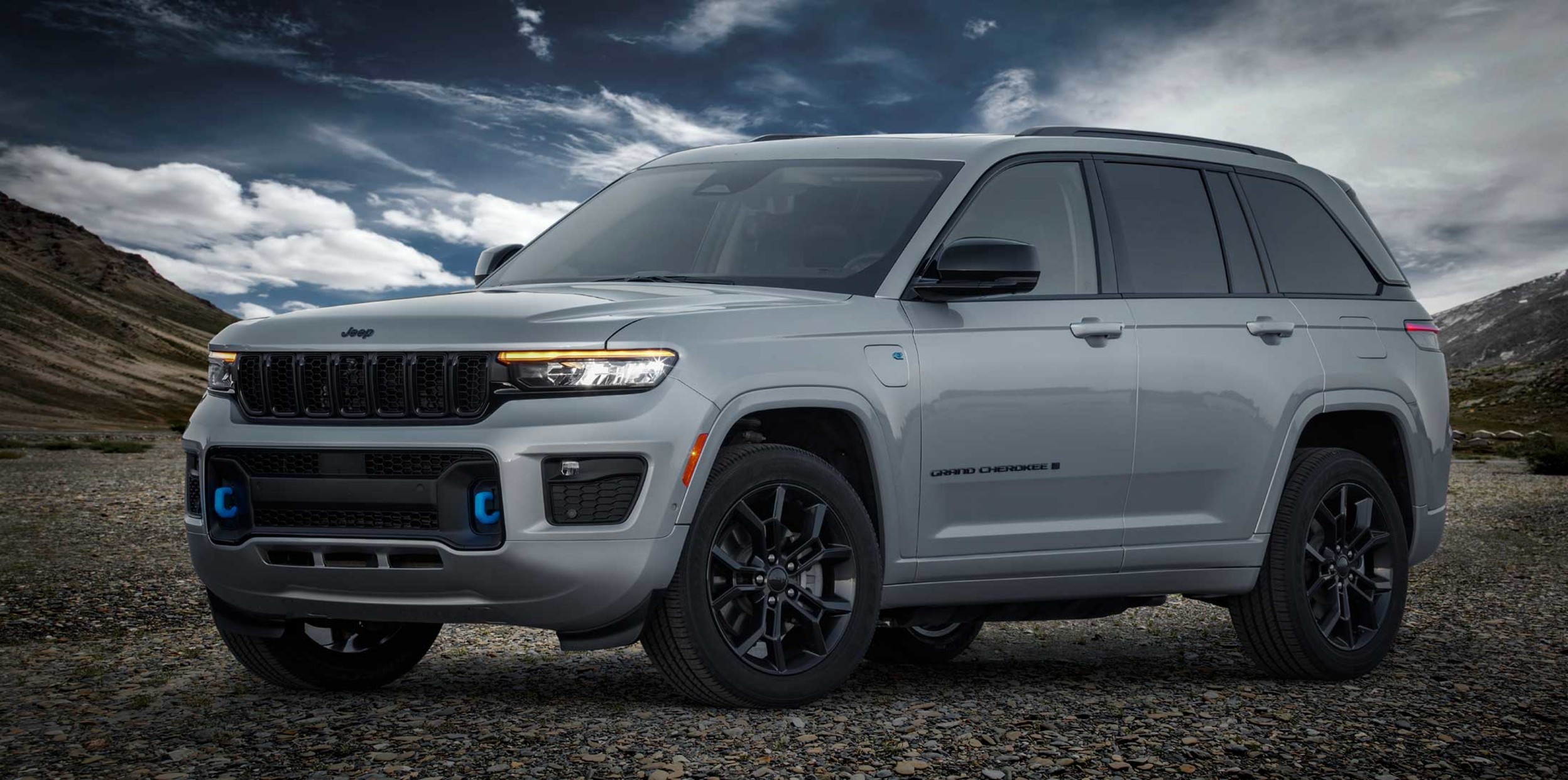
Examples like the 2025 Kia K4, Jeep Grand Cherokee 4xe, Alfa Romeo Tonale, Chrysler Pacifica, and Audi Q4 e-tron demonstrate how thoughtful design enhances usability, providing drivers with convenient access to infotainment systems, climate controls, and driver-assist features without distraction. These vehicles combine technology and ergonomics, allowing both performance and comfort to coexist seamlessly.
Conversely, vehicles labeled as “menu mazes” push the boundaries of innovation but often sacrifice practicality. Cars such as the Fiat Multipla, Toyota Ractis, 1982 Lancia Orca, Tesla Cybertruck, and Aston Martin Lagonda showcase interiors packed with experimental digital displays, unconventional control layouts, or overly minimalistic designs that make simple operations unnecessarily complicated.
While visually striking or technologically ambitious, these interiors highlight the pitfalls of prioritizing concept and novelty over everyday usability, often frustrating drivers who expect clarity and efficiency from their dashboards.
5 Cars With Simple Dashboards
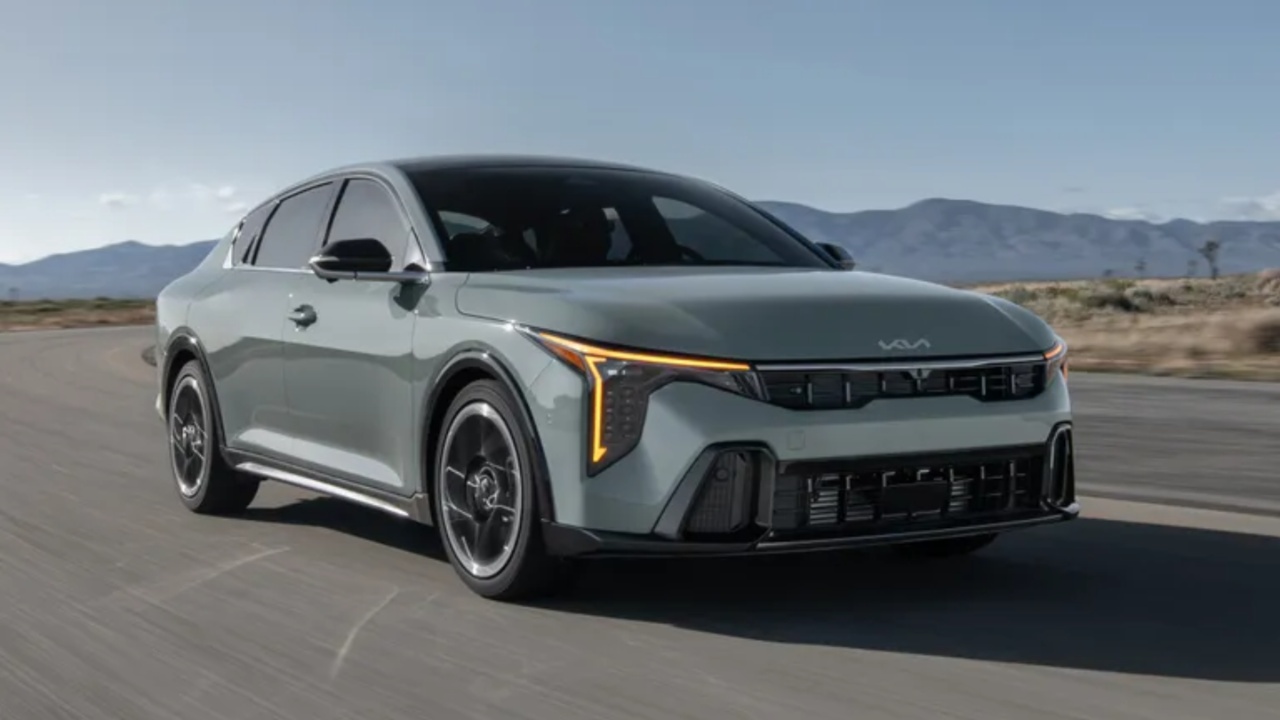
1. 2025 Kia K4: Stylish, Tech-Savvy, and Practical
The 2025 Kia K4 shines most for its infotainment system, earning a 9.3/10 score. A standard 12.3-inch touchscreen, wireless Android Auto and Apple CarPlay, and four USB-C ports provide excellent connectivity. Physical buttons for key functions make operation intuitive while driving.
Higher trims add an eight-speaker Harman Kardon stereo and a matching 12.3-inch digital instrument cluster. An AI-powered voice assistant handles natural speech commands and even helps plan activities, enhancing convenience.
The K4 is available with two four-cylinder engines; the tested GT-Line Turbo produces 190 horsepower, achieving 0-60 mph in 7.3 seconds. Acceleration feels slow from a stop, and the base engine struggles during highway merges.
Handling is soft, with noticeable body lean in corners, and the sport-tuned suspension doesn’t smooth bumps effectively. Braking is competent, while advanced driver-assist features like a surround-view camera offer reliable safety without intrusive alerts.
Inside, the K4 impresses with a thoughtfully laid-out cabin. Controls are easy to reach, and the rear offers ample headroom and legroom, rivaling some midsize sedans. Large doors and accessible LATCH points make child seat installation straightforward. While the climate control display is partially blocked by the steering wheel, redundant buttons mitigate usability issues.
The sedan provides 14.6 cubic feet of trunk space, a wide cargo opening, and fold-down 60/40 rear seats for flexibility. Interior storage includes sizable cupholders and a versatile center console. A hatchback version is expected to increase cargo capacity further.
The K4 offers strong value with features like ventilated front seats, premium materials, and a surround-view camera at the top trim. Kia’s warranty five years/60,000 miles basic and 10 years/100,000 miles powertrain, which adds confidence. Fuel economy is solid but not class-leading: 34 mpg combined for the base engine and 29 mpg for the turbo variant.
2. 2025 Jeep Grand Cherokee 4xe: Tech-Rich but Inconsistent Hybrid SUV
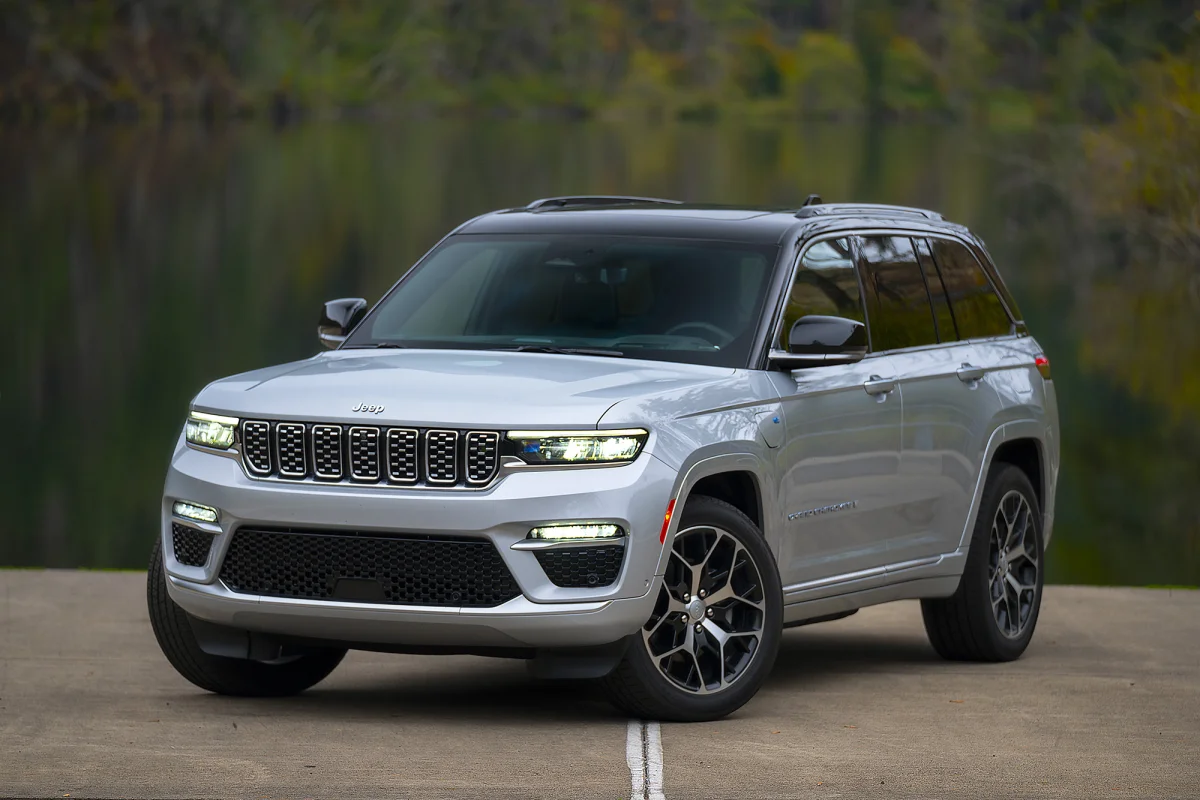
The 2025 Jeep Grand Cherokee 4xe offers impressive technology and off-road capability supported by a plug-in hybrid powertrain. Its infotainment system earns a strong 9.3 out of 10.
A feature-rich 10.1-inch Uconnect touchscreen, a customizable 10.25-inch digital instrument cluster, and an available 19-speaker McIntosh audio system highlight its strengths. Standard features include wireless Apple CarPlay and Android Auto, Alexa integration, navigation, a Wi-Fi hotspot, and voice recognition.
Powered by a hybrid setup that produces 375 horsepower, the Grand Cherokee 4xe reaches 60 mph in 5.5 seconds. This makes it much quicker than the V6 version. Despite its straight-line speed, the driving experience has flaws.
The SUV’s weight is noticeable in corners, and the hybrid system struggles to deliver smooth transitions between the electric motor and gasoline engine. This creates jerky movement in stop-and-go traffic. While it remains capable in off-road environments, the inconsistent power delivery can make precise low-speed maneuvers more challenging.
Interior comfort is not as strong as in the standard Grand Cherokee. The added weight of the hybrid components affects ride quality, so more bumps are felt on the road. Rear seats feel slightly firmer, which may be related to the battery pack located beneath them.
Climate control performance is decent, but airflow is weaker than expected. Cabin noise is reduced at lower speeds because the vehicle can operate in electric mode, although road noise increases at highway speeds.
Passenger space is generous, with enough room for adults up to six feet tall in the second row. The vehicle is easy to enter and exit.
Visibility is limited in some situations because of large pillars and side mirrors, making the available surround view camera system a valuable addition. Most controls are easy to use, although some buttons are small or poorly positioned, and glare can obscure certain touch-sensitive labels and the infotainment screen.
The Uconnect 5 system offers crisp graphics and useful navigation, although wireless phone integration can be unreliable. Driver assistance features are abundant yet inconsistent in responsiveness. Cargo capacity remains 37.7 cubic feet, which is strong for a plug-in hybrid.
Small item storage is plentiful, and towing capacity reaches 6,000 pounds. Fuel economy is modest for a PHEV with 25 miles of electric range and 23 mpg combined. Considering its premium price and compromises in comfort and drivability, the standard Grand Cherokee is a stronger value choice.
3. 2025 Alfa Romeo Tonale: Sporty, Stylish, and Tech-Forward Plug-In Hybrid
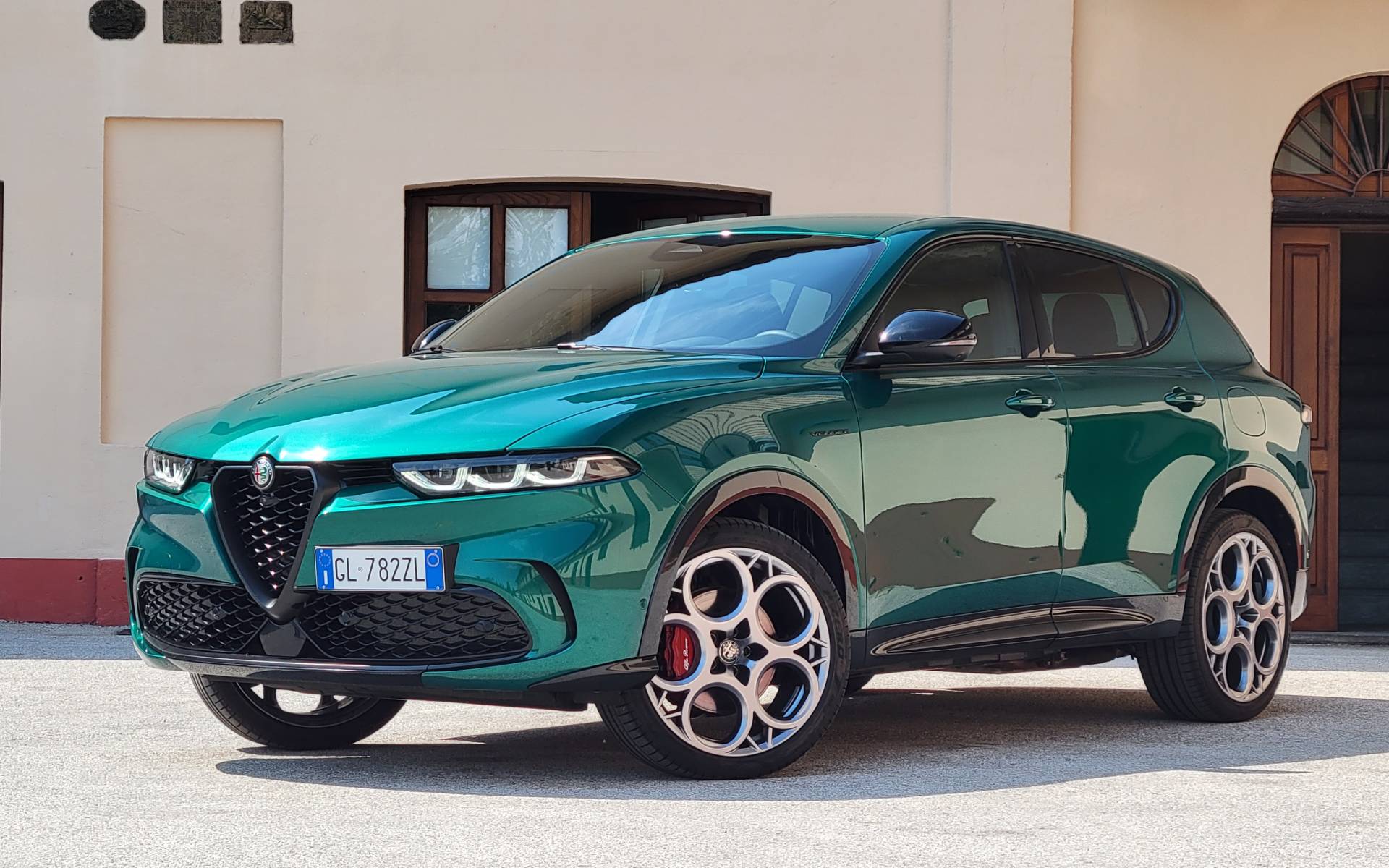
The 2025 Alfa Romeo Tonale stands out in the luxury plug-in hybrid SUV segment with a high infotainment score of 9.2 out of 10 and a stylish cabin rated at 7.9 out of 10. Its tech setup is intuitive and customizable, allowing up to five driver profiles for both the touchscreen and digital display.
Standard features include a 12.3-inch digital gauge cluster, a 10.25-inch touchscreen, wireless Apple CarPlay and Android Auto, Amazon Alexa, navigation, and wireless device charging. A Harman Kardon audio upgrade is also available.
The Tonale delivers one of the most engaging driving experiences among plug-in hybrid SUVs. It reaches 60 mph in 5.8 seconds and feels strong both in city driving and on the highway. It can also run comfortably on electric power alone while keeping pace with traffic.
Braking performance is smooth and confident. Handling is notably sporty, which is unusual for a PHEV. The Tonale feels eager when cornering and behaves more like a hot hatch than a traditional hybrid SUV.
The Tonale offers respectable comfort for a small luxury SUV. The front seats are well-padded with heating as standard and ventilation as an option. Rear seats accommodate a variety of body types and include their own air vents. Some drivers may find the ride a bit firm, and there is noticeable tire noise at highway speeds.
Interior design is bold and characterful, although it brings a few compromises. The driving position sits higher than expected, which limits headroom for drivers taller than about five feet nine. The pedal area is tight, which may cause occasional contact between the brake and accelerator.
Controls are mostly logical, but many touchscreen buttons are small, and menus can be crowded. Large metal shift paddles add a premium touch. A surround view camera system is recommended because visibility is only average and blind spots are present.
The 10.25-inch interface has attractive graphics, but response times can be slow, and wireless charging can be inconsistent. Driver aids work well except for lane keeping assistance, which disengages too quickly to be useful. Cargo capacity measures 22.9 cubic feet, which is competitive for the segment. Small item storage is good, although door pockets are limited.
Fuel economy is a strong point. The Tonale provides an estimated 33 miles of electric range. Real-world testing showed 29 electric miles and 45.9 mpg in mixed driving with 33 mpg as a hybrid. Charging is quick on a 240-volt outlet because of the small battery, but the 11.2-gallon tank means more frequent fuel stops on long trips.
The Tonale costs more than rivals such as the BMW X1 and Volvo XC40 but offers upscale materials and a more powerful PHEV system. Warranty coverage is typical for the class with an eight-year battery warranty, adding peace of mind.
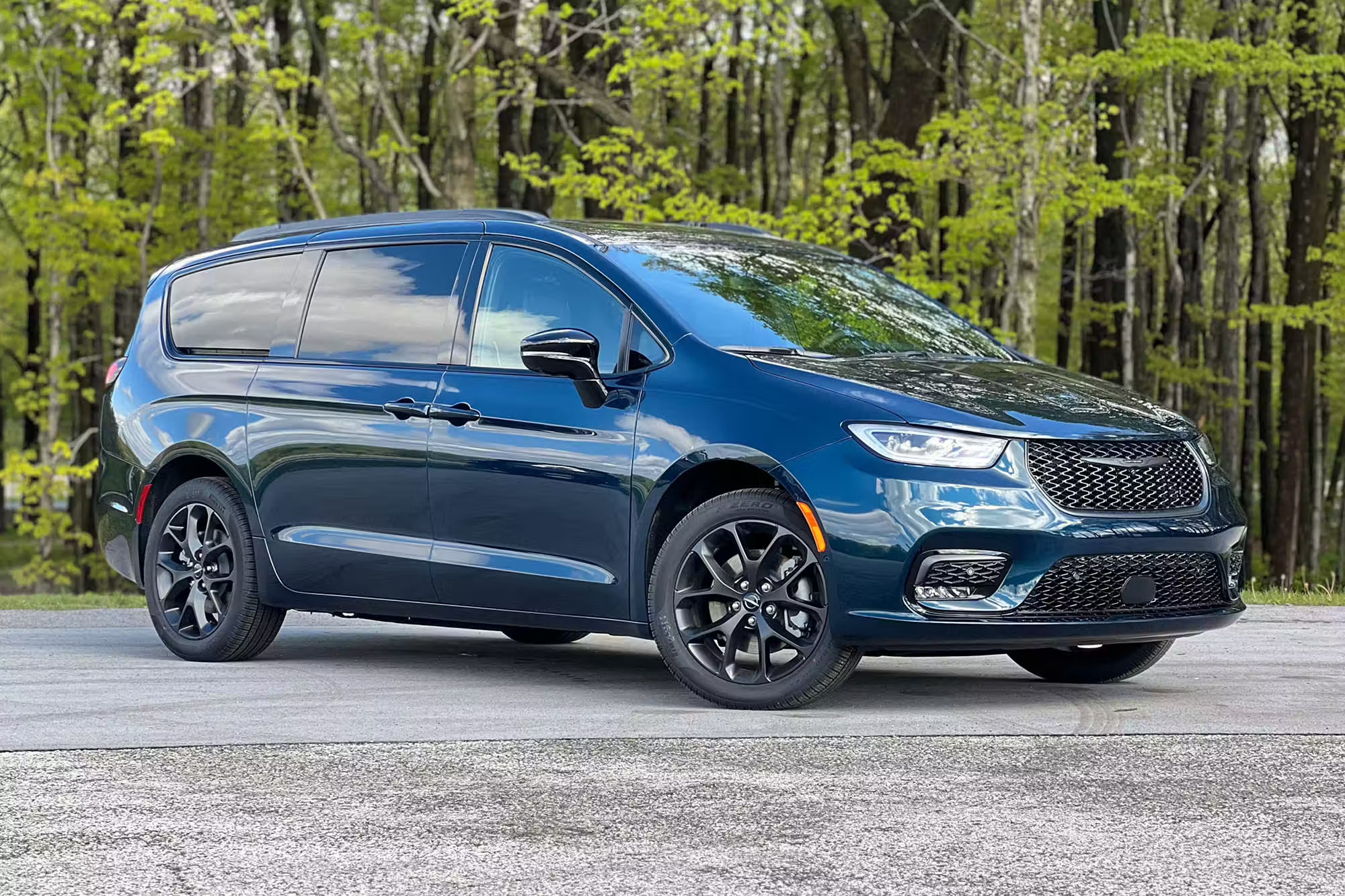
4. 2025 Chrysler Pacifica: Family-Friendly Space, Strong Tech and Exceptional Versatility
The 2025 Chrysler Pacifica ranks highly among minivans for its strong infotainment score of 9.2 out of 10 and a functional, family-centered interior rated at 7.5 out of 10. Its cabin is roomy and adaptable, and the Uconnect infotainment interface stands out for its clear graphics, intuitive layout, and plentiful physical controls.
Standard equipment includes a 10.1-inch touchscreen, wireless smartphone integration, Alexa capability, satellite radio, and a six-speaker stereo. Available upgrades include navigation, Alpine or Harman Kardon audio systems, and rear-seat entertainment screens.
The Pacifica’s V6 delivers adequate performance for daily duty. Acceleration and braking fall in line with class norms. Steering and handling are modest, especially compared to the Toyota Sienna and Honda Odyssey.
The nine-speed automatic transmission usually performs well, although it can select less-than-ideal gears on steep grades, which requires more driver attention. Ride comfort is generally smooth and visibility is excellent thanks to large windows. Optional 360-degree cameras improve confidence in tight parking areas.
Front seats are firmly padded yet supportive on long trips, and heating and ventilation work effectively. Second-row Stow n Go seats offer unmatched convenience but sacrifice some comfort and adjustability compared to rivals. Third-row seating is acceptable for adults on shorter trips.
Access is a strength for the Pacifica due to wide door openings, a tall roofline, and low sills. Installing child seats is straightforward with easily accessible LATCH anchors and generous rear-facing seat room. Controls throughout the cabin are simple and placed within comfortable reach.
Uconnect continues to impress with quick responses, crisp graphics, and reliable voice control. Wireless Apple CarPlay and Android Auto pair easily, and multiple USB ports support device-heavy families. Available video screens can stream media to keep rear passengers entertained. A long list of standard driver aids adds confidence in daily driving.
Cargo versatility is one of the Pacifica’s greatest strengths. A deep well behind the third row provides ample space, and both manual and power-folding options are available. The signature Stow n Go second-row seating creates an entirely flat floor for hauling large items and offers underfloor storage when the seats are in use.
Numerous bins, pockets, and cupholders support family organization. Towing capacity reaches 3,600 pounds, which is typical for the class.
The Pacifica’s pricing can climb quickly with options, and some interior plastics and firmness issues reduce the sense of luxury at higher trims. Electronic issues noted in some test vehicles also affect the value. Fuel economy is below average, with all-wheel drive achieving 20 mpg combined and front-wheel drive rated at 22 mpg combined. Real-world testing showed mixed results that often fell slightly short of expectations.
The Pacifica’s defining appeal remains its unmatched Stow n Go versatility, which makes it an excellent choice for families who frequently switch between hauling people and cargo.
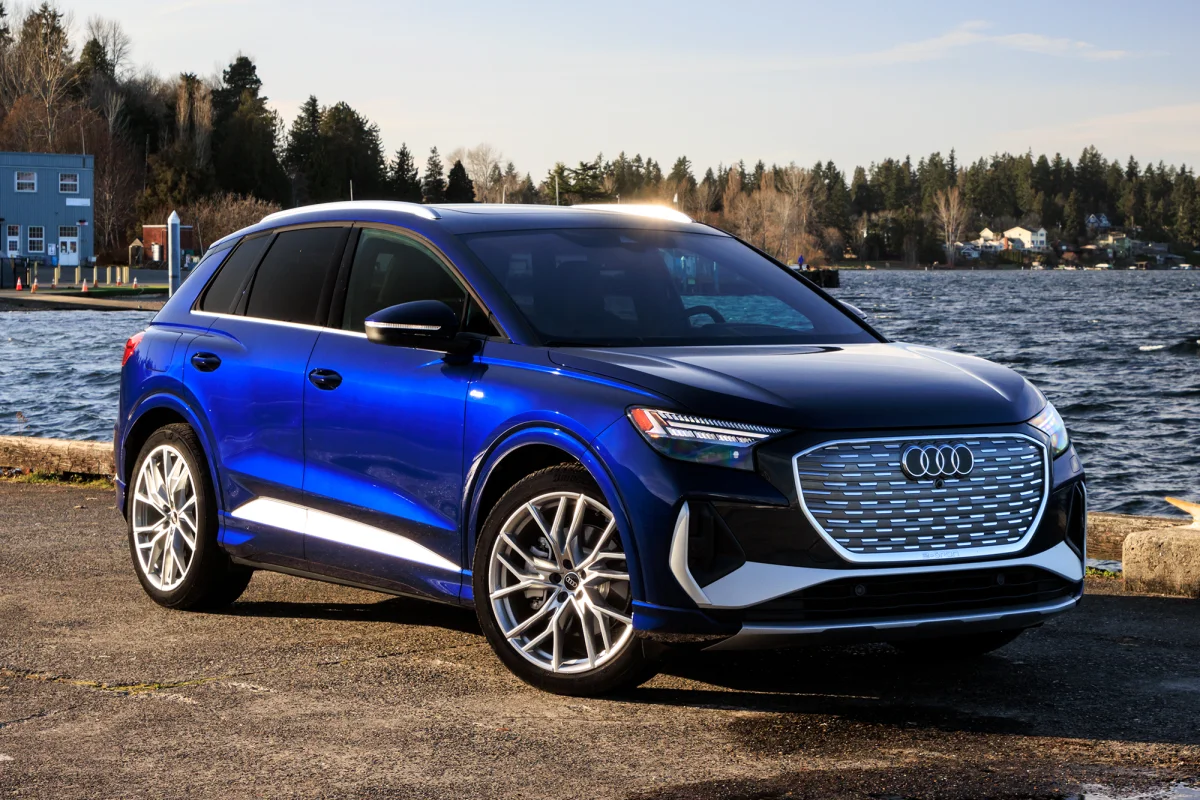
5. 2025 Audi Q4 e-tron: Modern Tech, Smooth Performance and Quiet Everyday Comfort
The 2025 Audi Q4 e-tron stands out as one of the most accessible luxury electric SUVs in its segment. It delivers a spacious cabin, sharp infotainment, and intuitive tech features that enhance daily usability. Although its driving range trails leading competitors, the model compensates with a premium interior feel and helpful innovations like optional augmented reality navigation.
Standard equipment includes an 11.6-inch touchscreen, wireless smartphone integration, navigation, and an eight-speaker stereo, with upgrades such as wireless charging and a Sonos system available.
The dual-motor Q4 55 e-tron accelerates from 0 to 60 mph in 5 seconds, placing it among the quicker options in the compact luxury EV class. It offers confident passing power and balanced handling that feels predictable in everyday driving.
Braking performance is less impressive, as stopping distances are longer than some rivals, yet the system delivers smooth, controlled stops around town. Ride comfort is mixed. Rough surfaces expose the suspension’s limits, and undulating roads can create an unwelcome rocking motion. Driver assistance technology performs well, though the lack of a surround-view camera leaves the Q4 e-tron slightly behind competitors.
Wide door openings and supportive front seats make entry and long-distance comfort easy to achieve. The extendable thigh support and lumbar adjustments are appreciated, but the seats offer limited lateral grip and no ventilation.
Rear passengers benefit from the flat floor, and child seat installation is simple thanks to well-designed LATCH covers. The cabin remains impressively quiet at speed due to dual-pane windows and nearly silent electric motors. Climate controls are straightforward, though the driver-side vents may blow directly on the driver’s hands.
Infotainment is a highlight, with responsive menus, wireless phone integration, and an effective digital instrument cluster. Optional augmented reality head-up displays add clarity during navigation. Storage is adequate, offering 24.8 cubic feet of cargo room and useful cubbies, though some competitors provide more generous space. Towing capacity peaks at 2,600 pounds, trailing top rivals.
The Q4 e-tron’s pricing structure offers an attractive entry point, but fully equipped versions align with more powerful competitors. Interior quality is mostly premium, though a few materials feel cost-cutting. EPA range estimates reach 258 miles, and independent testing slightly exceeded this figure. Charging capability is respectable but not class-leading.
The Q4 e-tron delivers a refined, moderately engaging drive and strong tech appeal, making it a practical choice for those prioritizing comfort and user-friendly features.
Also Read: 10 Cars With the Best Crash-Test Records Under $20,000
5 Menu Mazes
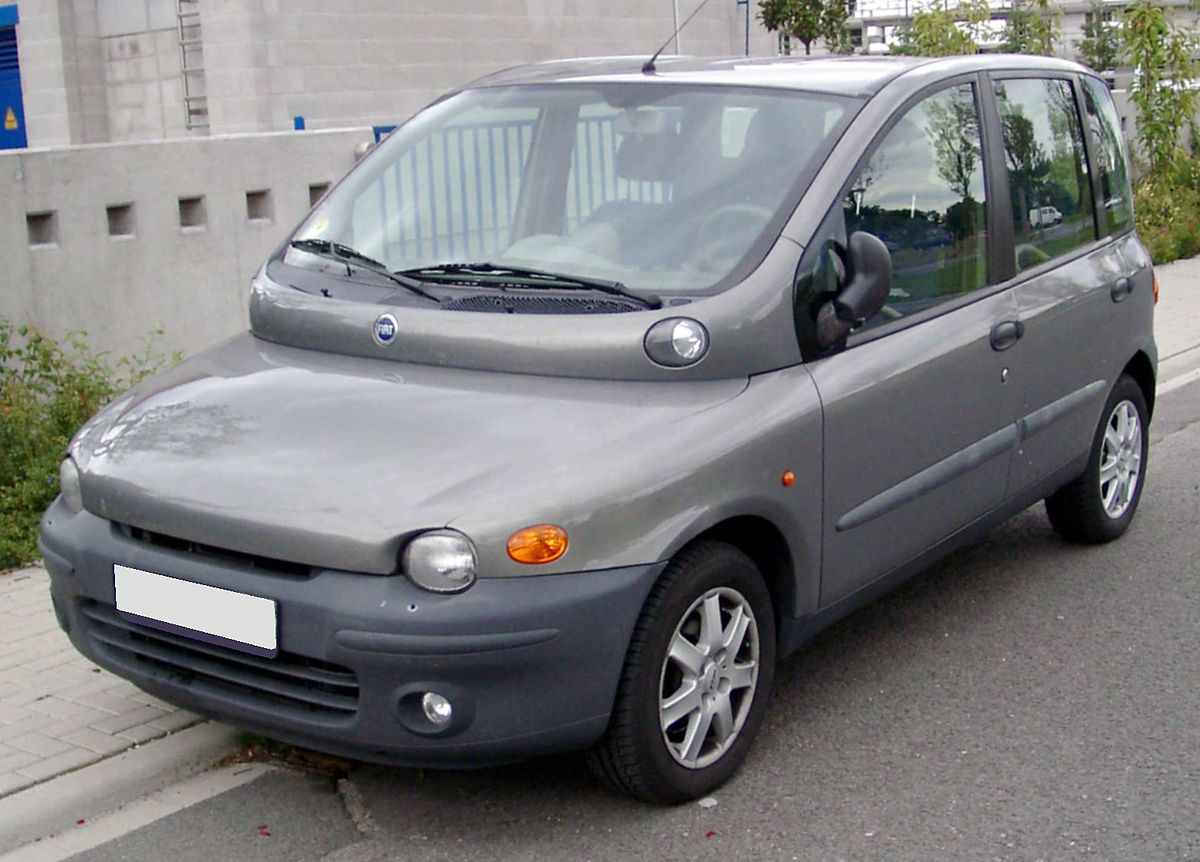
1. Fiat Multipla: Unconventional Design and a Confusing Interior Layout
The Fiat Multipla is widely recognized as one of the most polarizing vehicles ever produced. While its exterior often draws the most criticism for its bug-like proportions, the interior is equally perplexing.
The dashboard features odd shapes, awkward angles, and air vents that resemble props from a low-budget sci-fi show. The unusually high placement of the shift lever complicates quick adjustments and contributes to an already impractical layout.
Much of this design strangeness stems from the Multipla’s goal of seating three people side-by-side in the front row. This required a wider cabin and a flatter roofline, supported by prominent cant rails.
To accommodate the broader interior, Fiat created an unconventional dashboard with a large central binnacle holding the instrument cluster. Controls were scattered around it, positioned on multiple levels and surfaces. This distribution resulted in what many drivers described as a “menu maze” that made simple tasks feel unnecessarily complicated.
Instead of a traditional driver-focused cluster, the Multipla spread its information displays and controls across the dashboard. This arrangement was a natural extension of Fiat’s unusual design philosophy for the vehicle, which embraced oddness both inside and out. The result was a distinctive but confusing interface that many found difficult to navigate.
The Multipla’s interior design reflected the same unconventional spirit that defined its exterior. The car prioritized its unique seating concept, but it came at the cost of clarity, ergonomics, and visual harmony.
2. Toyota Ractis: Odd Ergonomics and a Confusing Control Layout
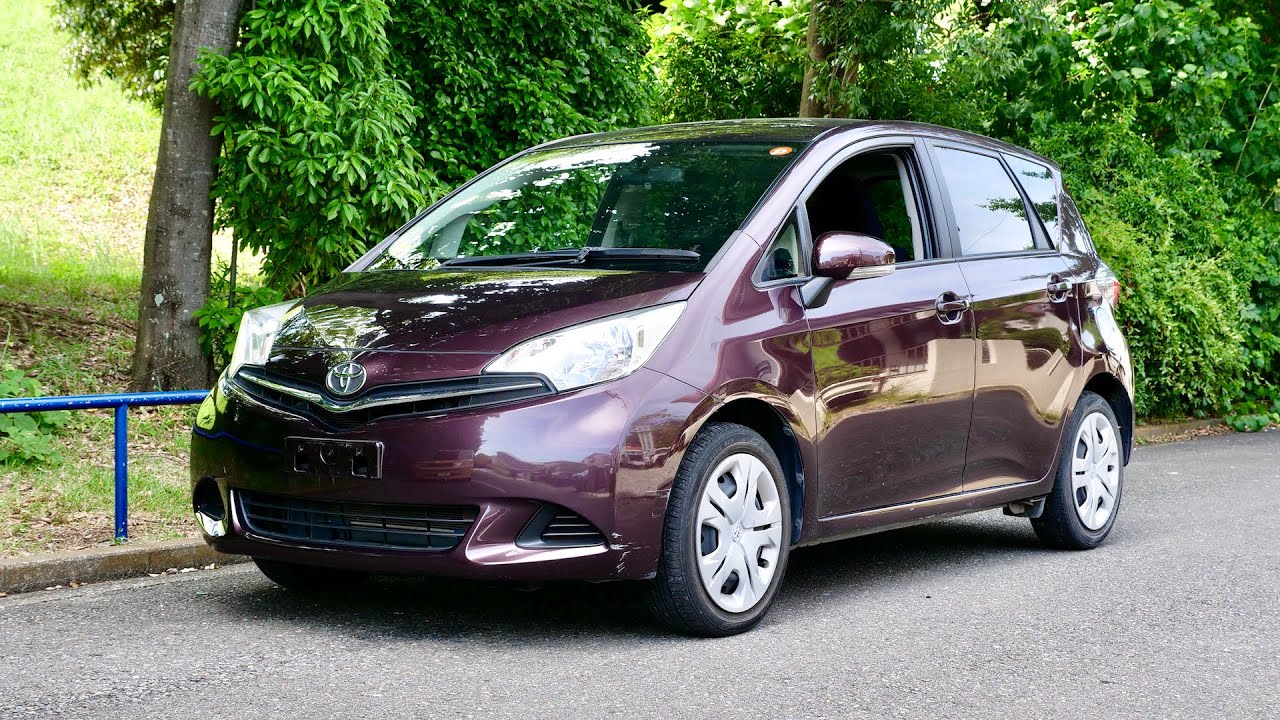
The Toyota Ractis is a compact MPV designed for urban maneuverability, but its interior layout raises questions about usability and ergonomics. One of the most unusual choices is the placement of the gear shift on the dashboard. This setup requires the driver to reach farther than is ideal, which can disrupt control and feel awkward during frequent shifts. It is one of the main reasons this configuration has struggled to gain acceptance.
The steering wheel position also adds to the discomfort. It hangs lower than expected on the right side, creating an uneven driving posture that many find inconvenient. Above the gear shift sits a touchscreen that suffers from both questionable placement and uninspiring design. Its awkward height and location make it harder to interact with, especially while driving.
Questions about a confusing “menu maze” within the infotainment system cannot be answered due to a lack of available information. Existing details about the Ractis focus more on its practicality, compact footprint, and surprising cabin space rather than its tech interface.
Intended as a blend of runabout efficiency and MPV utility, the model succeeds in offering roominess but falls short in presenting a clean or intuitive control layout. These design missteps help explain why the Ractis never reached the U.S. market.
3. 1982 Lancia Orca: Futuristic Ambition Wrapped in a Confusing Tech Layout
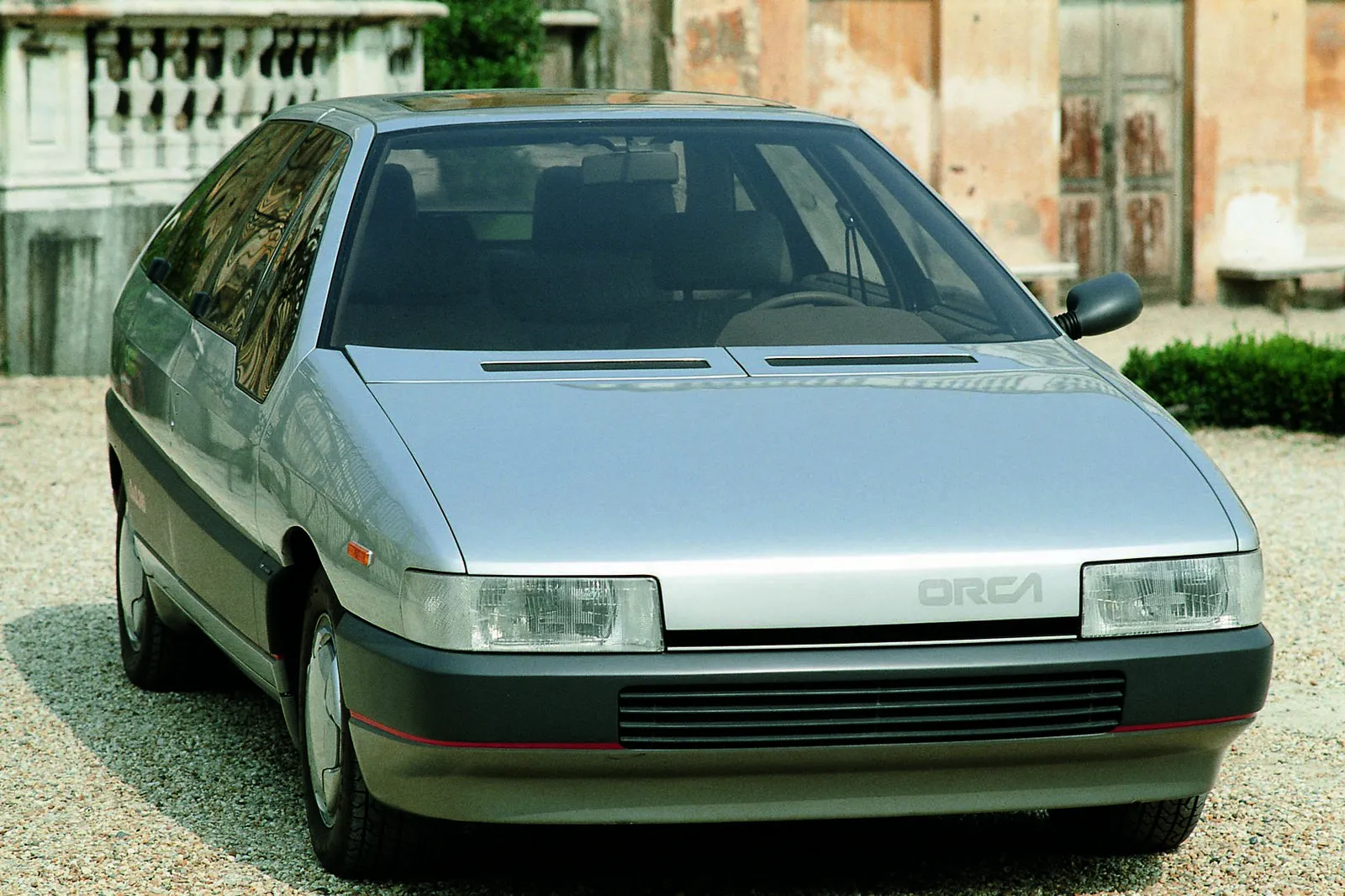
The 1982 Lancia Orca was a bold Italdesign concept car created to showcase the future of automotive technology, but its controls became one of its most notorious quirks.
The steering wheel looked like a child’s early-’80s toy computer, cluttered with buttons and screens that left drivers puzzled about what each feature actually did. Quick adjustments on the road were challenging, and the unusual digital displays meant to look advanced now appear almost comical.
The Orca’s “menu maze” reputation came from its experimental approach to integrating electronics into the cabin. Instead of simple knobs and switches, Lancia used early touch-style panels and digital readouts at a time when such technology was still primitive.
Without modern user-interface standards, these panels layered climate controls, trip information, warnings, and navigation-type data into an arrangement that felt cluttered and difficult to navigate.
Space constraints made matters worse. Designers attempted to centralize almost every major function into one compact cluster, creating a dashboard that resembled a prototype computer more than a driver-oriented workspace. Tasks that should have been simple required extra steps, and drivers had to decipher unfamiliar screens while managing the car.
As a concept car, the Orca prioritized innovation rather than day-to-day usability. Its futuristic ambition resulted in a control scheme that looked spectacular for the era but lacked practicality. In the end, the Orca’s high-tech interior became an example of how far automotive design can push boundaries before usability begins to suffer.
4. Tesla Cybertruck: Minimalist Interior Meets Complex Controls
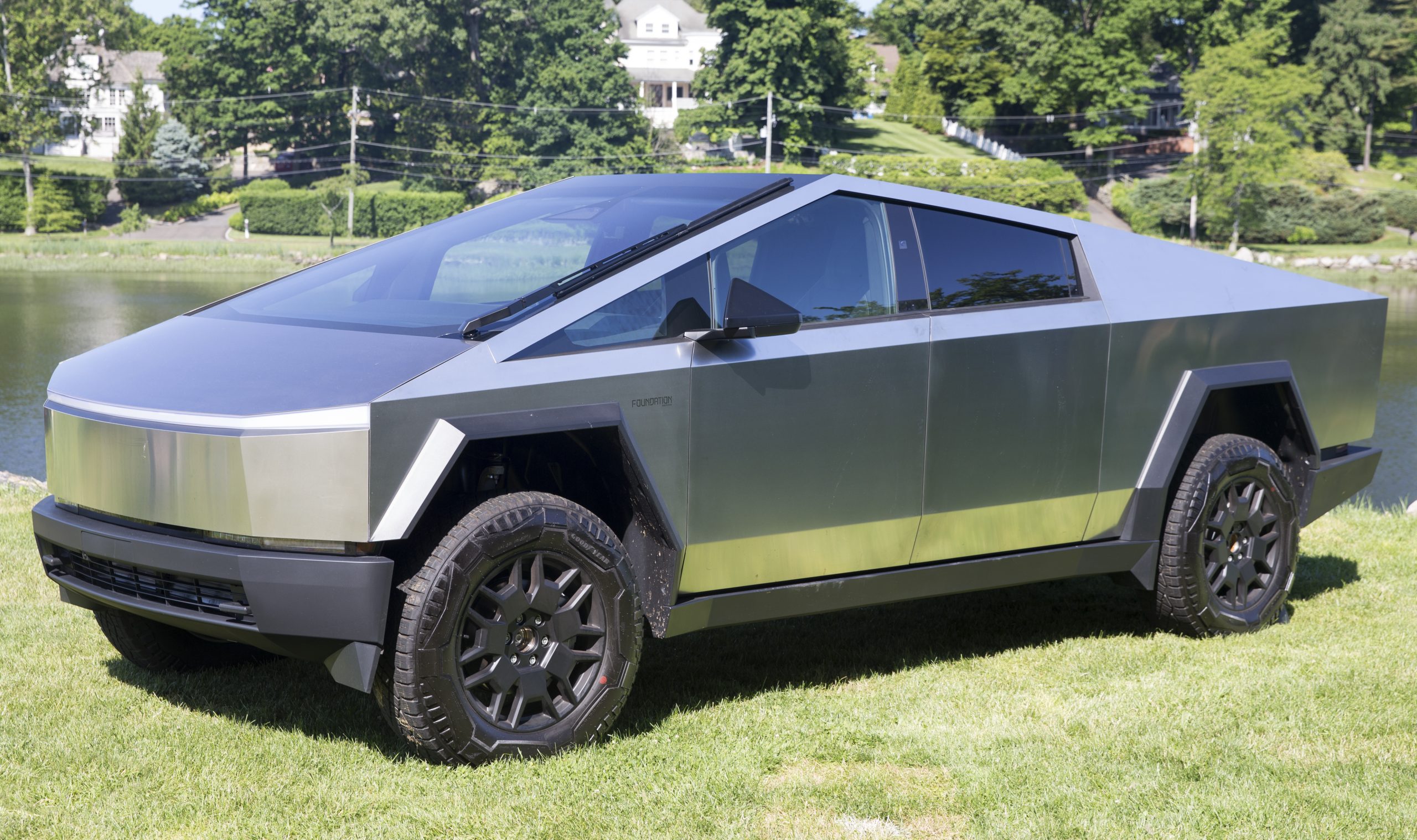
The Tesla Cybertruck embraces a bold, minimalist design, but its interior presents challenges for practical use. While the futuristic aesthetic may appeal to tech enthusiasts, the single-screen control system oversimplifies the cabin appearance and complicates access to essential functions for the average driver.
Unlike traditional trucks, there are very few physical controls, which can make routine adjustments feel cumbersome.
The dashboard is stark, with a lone central touchscreen handling nearly all operations. Though visually clean, the menus and system settings are layered and require multiple steps to access, creating a sense of complexity beneath the simple design.
The service mode, for example, is intended to display high-voltage system information and other technical details. Accessing it requires going to the “Software” menu, holding down on the vehicle model, and entering a specific service code. This process is far from intuitive and carries warnings, as some features are intended strictly for trained technicians.
The Cybertruck’s exterior mirrors its interior philosophy, featuring flat, angular panels that reinforce a futuristic look. However, this minimalism in appearance contrasts with the intricate electronic and mechanical systems hidden beneath the surface. While the truck impresses with innovation and bold styling, the reliance on a single interface for nearly every function adds a layer of difficulty for everyday operation.
In short, the Cybertruck prioritizes aesthetic and technological statements over conventional usability, resulting in a cabin that looks sleek but can feel frustratingly complex for drivers who expect traditional control layouts and immediate access to vehicle functions.
5. Aston Martin Lagonda: Futuristic Tech That Missed the Mark
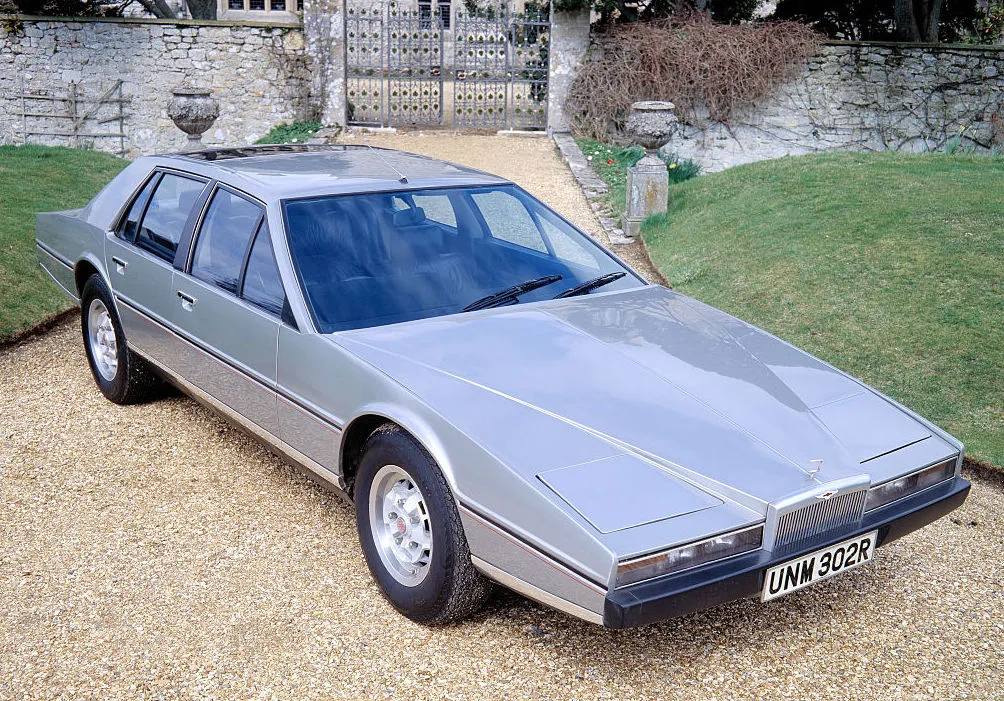
The Aston Martin Lagonda of the 1980s is infamous for its interior, which combined bold innovation with impractical design. The dashboard was unusually far from the driver, and the steering wheel was linked to a table-like counter, making it awkward to steer. The layout appeared boxy and flat, resembling a kitchen counter more than a car interior.
Lagonda was one of the first production cars to feature a fully digital dashboard, using touch-sensitive controls for many functions. While this was a groundbreaking concept for its time, the interface was confusing and cumbersome.
Many essential functions were buried deep within menus, earning the system the nickname “menu maze.” Drivers often struggled to operate the vehicle efficiently, turning an ambitious innovation into a source of frustration.
This dashboard reflects the experimental era of the early digital age in automobiles, when user interface and experience design principles were still in their infancy.
Aston Martin’s attempt to integrate cutting-edge technology resulted in a visually striking but impractical cabin. The Lagonda stands as a cautionary example of innovation outpacing usability, remembered more for its quirks and operational challenges than for driving comfort or convenience.
Comparing cars with simple dashboards to those with menu-maze designs underscores the importance of balance in automotive design. Vehicles with intuitive layouts, like the Kia K4 and Chrysler Pacifica, show that accessibility, comfort, and safety can coexist with advanced technology. Drivers can focus on the road while still benefiting from premium infotainment, driver aids, and practical storage solutions.
Menu-maze interiors such as those in the Multipla, Cybertruck, and Lagonda reveal the consequences of prioritizing novelty over usability. Unconventional controls, deep menus, and experimental interfaces may impress in concept or design reviews, yet can hinder everyday driving and increase cognitive load.
These examples show that bold innovation should follow ergonomic principles to avoid creating frustration behind the wheel. Thoughtful interior design makes the driving experience more manageable and enjoyable, while overly complex layouts risk alienating the user even when technology is cutting-edge.
Also Read: 10 Cars With Factory Roof Rails That Actually Help