
Rainy days change how many people feel behind the wheel, especially when visibility drops suddenly. Many drivers become uncomfortable when water gathers on the glass, as some cars clear it quickly, while others struggle to maintain a clear view.
A situation like that can turn a simple errand into a stressful outing. For this reason, many people enjoy knowing which cars give clearer vision during rainfall. It becomes easier to choose a model that supports safe and confident movement when the sky decides to pour.
Many individuals never think about visibility until they face a challenge on the road. Water streaks, fogged windows, poor wiper performance, and awkward window angles can frustrate a person who simply wants to get home safely.
Once a person experiences a model with clean outward vision, every rainy drive starts feeling lighter. It becomes obvious that glass layout, wiper strength, cabin ventilation, and vehicle structure influence how well someone sees during rain.
Many buyers prioritize factors such as horsepower, fuel efficiency, or interior comfort, yet models with strong visibility can make rainy days much easier to manage. Looking out through wide glass areas creates calmness because drivers avoid unnecessary surprises.
A car that resists fog on the inside brings a sense of peace, especially during long trips under wet conditions. That is why this guide focuses on models that shine in rainy visibility and models that perform more poorly, giving anyone reading a friendly and clear comparison without repeating older examples used in past chats.
This page presents a fresh set of cars, each one discussed with its own tone and structure. Nothing stays repetitive, and the reading experience flows smoothly through different writing styles. It is divided into two parts, and this first section covers the five models that handle rainy visibility very well.
5 Models Easy to See in the Rain
1. Volvo XC60 2023
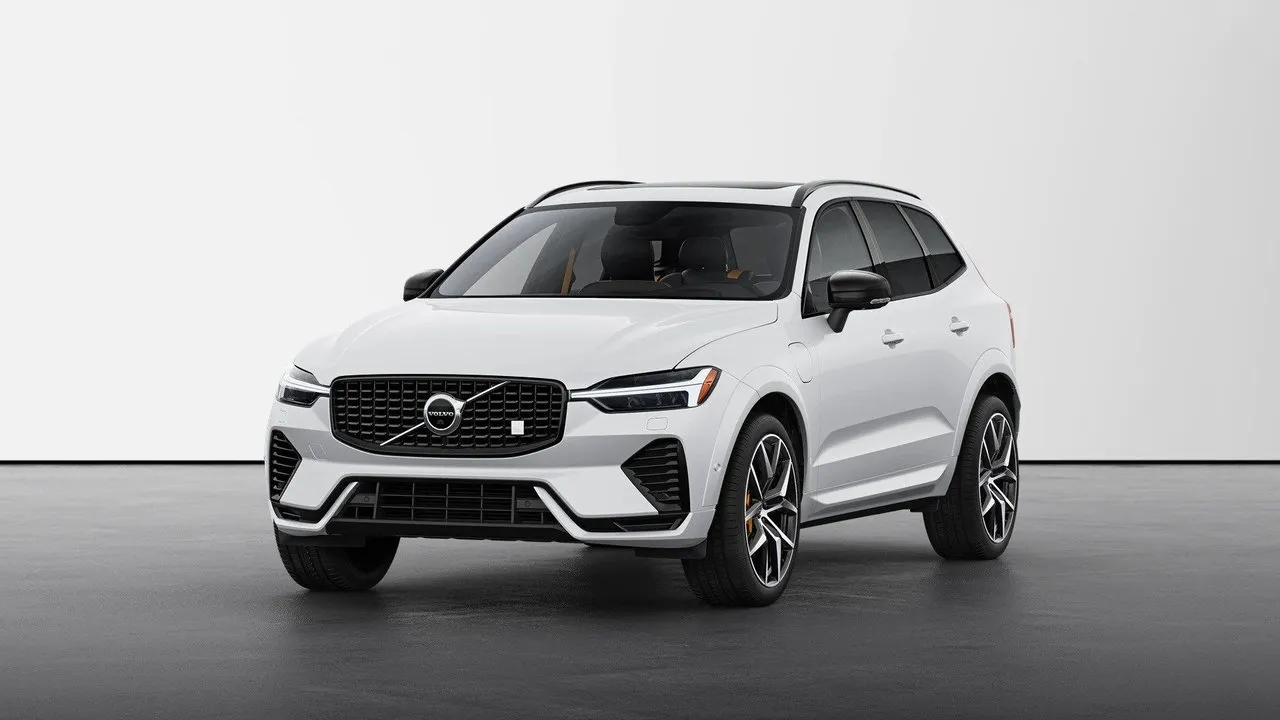
Whenever someone steps into a 2023 Volvo XC60 during a rainy afternoon, a sense of easy vision emerges almost immediately. Volvo created this model with wide glass panels that stretch across all sides, allowing rainwater to roll away cleanly once the wipers begin working.
The wipers sit in a position that sweeps a large part of the windshield with impressive reach. This helps the driver see traffic, pedestrians, and road markings more clearly, even when heavy showers appear suddenly. Quiet confidence grows in many drivers because the ventilation system works reliably.
Fog tends to form slowly in some cars, but the XC60 pushes dry air toward the glass with steady force. That makes the interior glass stay clearer for longer, improving visibility during long city drives or highway journeys.
Owners often appreciate how the side mirrors remain less cluttered by water due to the design that channels airflow around them. This also improves awareness when changing lanes on wet roads. Plenty of people who use this model for frequent commuting describe it as friendly during harsh rainfall.
Headlights shine brightly enough to bounce off wet surfaces without causing glare that blinds the driver. The bonnet line sits low enough to avoid blocking the lower part of the front view, creating a feeling of openness even when water flows tirelessly down the windshield.
Passengers enjoy wide side windows that allow them to observe their surroundings with ease, which reduces the closed-in feeling many cars create during stormy weather. This Volvo behaves like a dependable partner in the rain because every small detail supports better outward visibility. Anyone familiar with rainy seasons may appreciate a model like this, especially during early morning showers or late-night drives.
2. Honda Pilot 2024
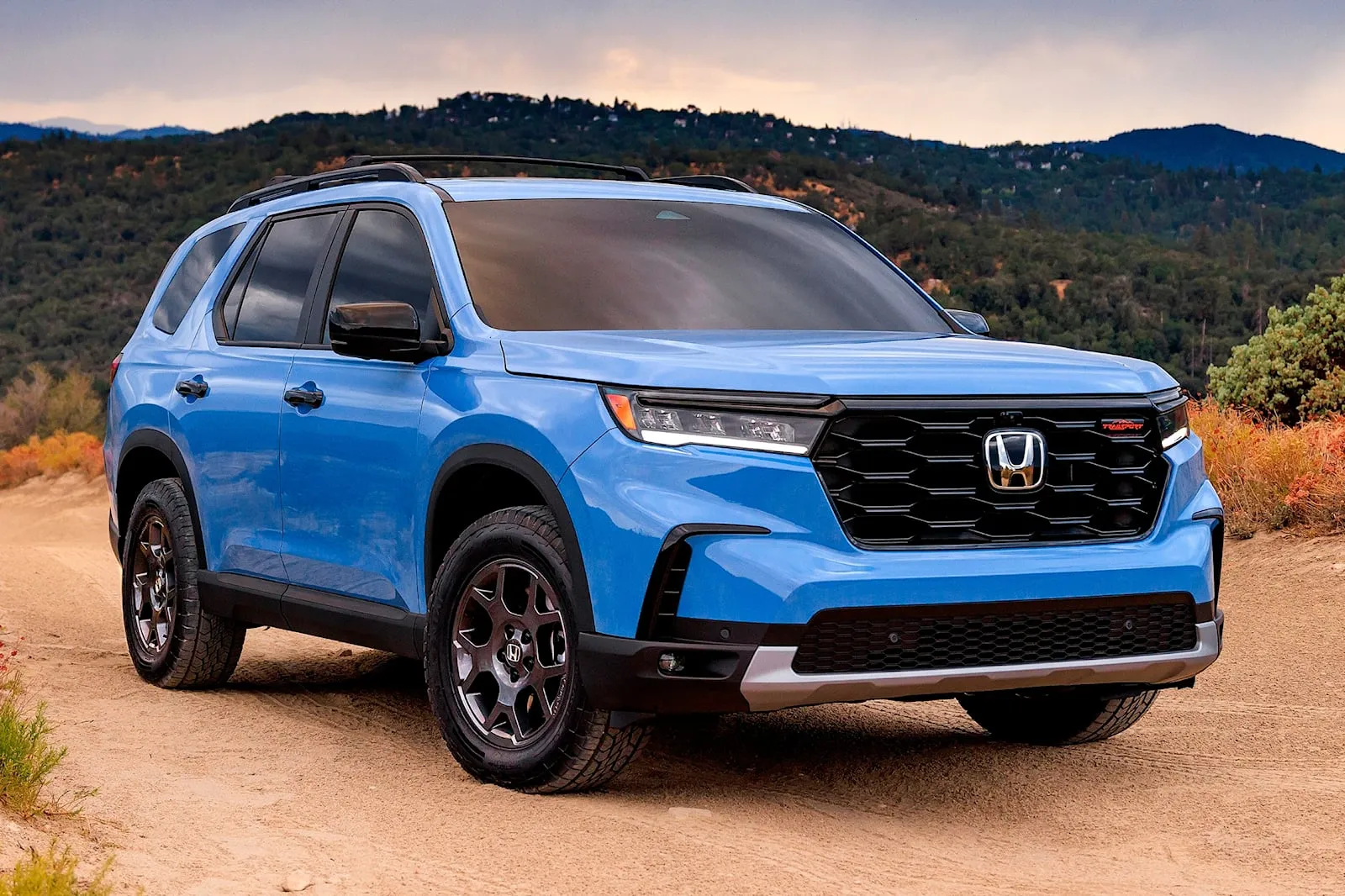
Honda approached the 2024 Honda Pilot with a design that favours clear outward vision, making it surprisingly pleasant during rainfall. People often notice how the windshield feels tall and broad, giving a wide and open viewing angle.
Rainfall rarely causes strong obstruction because the wipers cover a generous portion of the glass. Even during fast showers, the blades clear the water quickly enough for the driver to maintain awareness of the road ahead.
Inside this SUV, the air system plays an important role. Fog buildup often troubles many large vehicles, yet the Pilot handles it with a balanced airflow that keeps moisture away from the interior glass. Anyone who has experienced frequent fogging in older cars may feel immediate relief inside the 2024 version.
Vent placement aims directly toward areas prone to moisture, reducing the chance of sudden cloudiness while driving through wet conditions. Many families choose the Pilot for its space, but they also comment on how easy it feels to look out during the rain.
Side windows remain large and clear, with rainwater flowing smoothly rather than forming stubborn streaks. Children in the back can observe surroundings without squinting through smeared glass, which reduces discomfort during long wet trips. Drivers who usually handle school pickups in rainy weather appreciate this sense of openness.
Mirror design on this model supports good visibility too. Water tends to slide off quickly because of the airflow shaping around the housing. This improves lane awareness and reduces uncertainty when joining traffic. Combining these features with its strong lighting system, the Honda Pilot becomes a reassuring vehicle on days when water covers every surface.
Also Read: 5 Cars That Keep Cabin Smells Out vs. 5 Cars That Are Exhaust Whiffs
3. Toyota Camry 2022
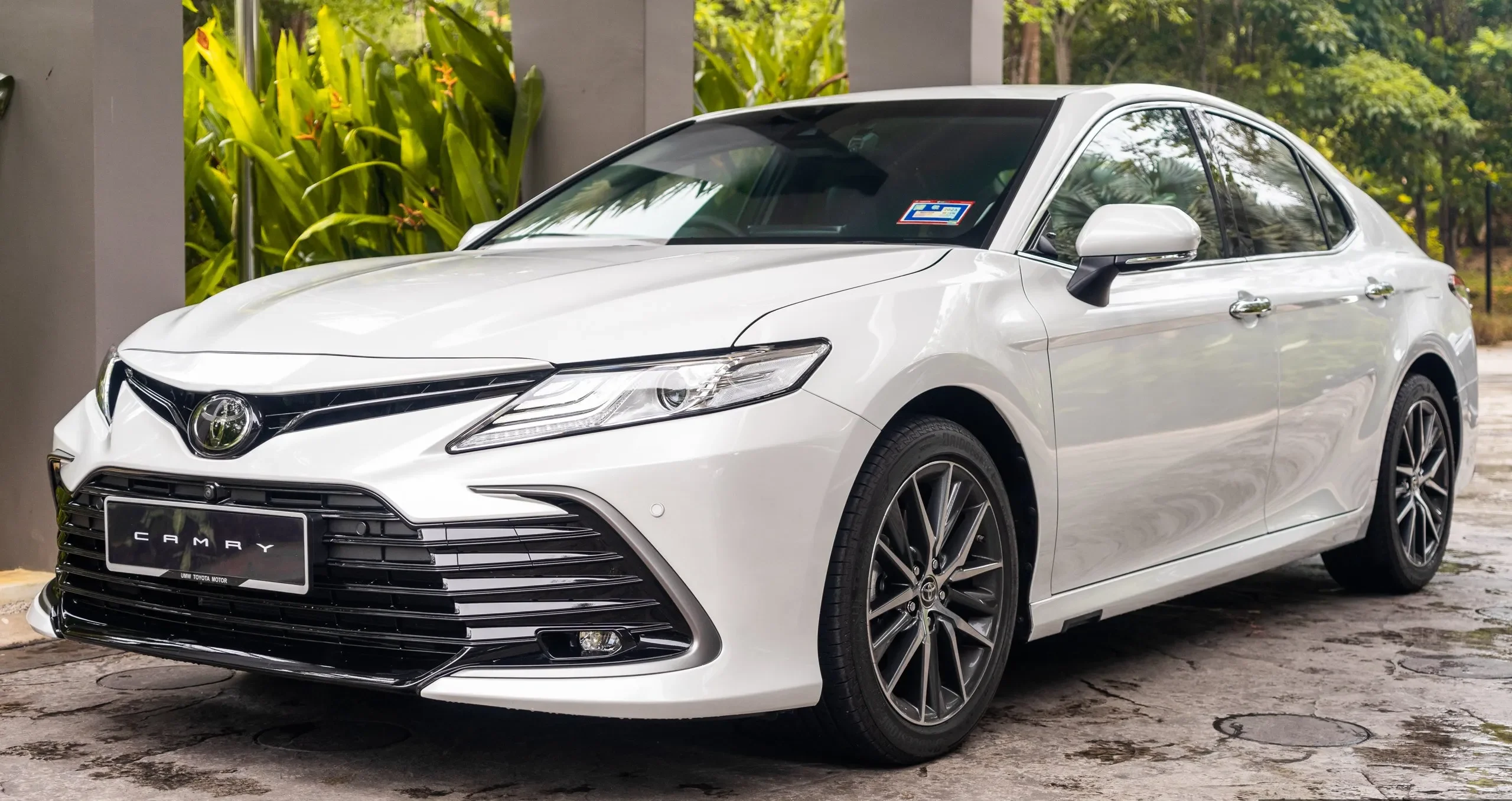
Anyone who has driven during rain inside a 2022 Toyota Camry understands how well it manages outward vision. Toyota placed importance on the windshield’s angle, allowing wipers to cover a wide sweep pattern.
Rainwater disappears smoothly, creating a clear view that remains consistent even during heavy showers. Many drivers who experience frequent wet weather appreciate how the Camry maintains its clarity without forcing them to lean forward or adjust their seating position.
People often praise the ventilation system in this model because it prevents fog from forming inside the cabin. Moisture tends to gather quickly during cold rainfall, yet the Camry manages to keep the glass dry with well-balanced airflow.
The vents respond quickly when humidity rises, making it easy to maintain clean glass even when several passengers sit inside and breathe warm air into the cabin.
Side windows provide generous outward views. Their shape and placement avoid awkward blind spots that usually appear when windows slope too sharply. During rain, this becomes very helpful when a driver needs to check the sides before making a turn or joining traffic.
Even the rear window performs well, with water flowing downward neatly, allowing drivers to reverse or park without relying entirely on sensors. Mirrors stay quite visible because they resist heavy smearing. This helps during lane changes on wet highways, giving drivers confidence when other vehicles splash water upward.
At night, the headlights illuminate the wet road with clarity without creating that uncomfortable glare that makes some drivers squint. All of these features create a calm driving experience for anyone behind the wheel of a 2022 Toyota Camry on rainy days.
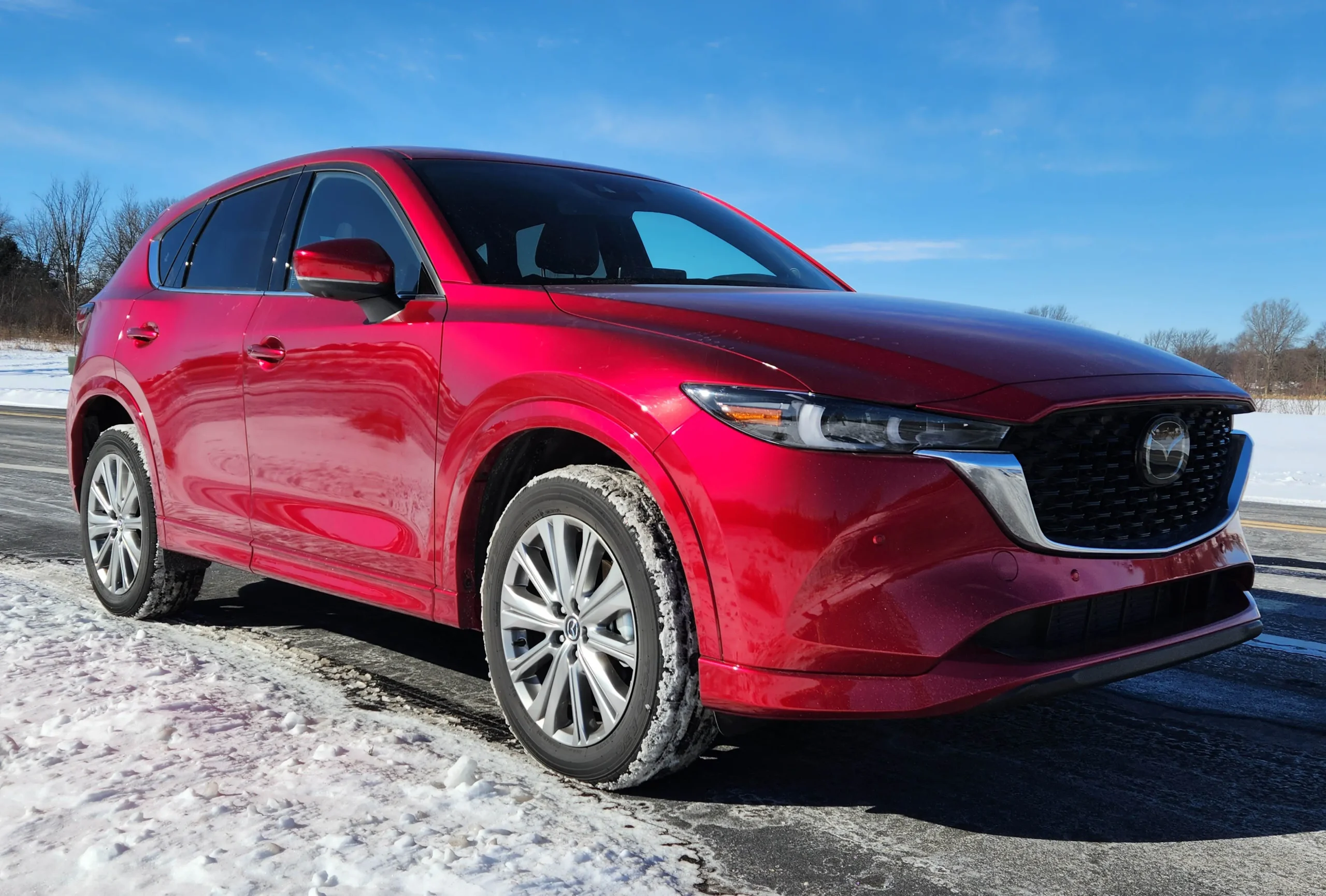
4. Mazda CX-5 2023
Rainy conditions feel less troublesome inside a 2023 Mazda CX-5 because of the wide outward visibility it offers. Mazda shaped the glass surfaces in a way that supports natural vision without forcing the driver to constantly adjust.
Large windows surround the cabin, creating an open and airy feeling even when rain falls heavily. The wipers perform strongly, clearing the windshield with speed and smoothness that helps keep sharp awareness on the road.
A pleasing experience arises from the ventilation as well. Fog rarely dominates this cabin since the CX-5 pushes dry air toward the glass quickly during rainfall.
Anyone familiar with sudden window fogging in older models may find this comfort refreshing. This predictable behaviour makes the CX-5 suitable for people who often travel during unpredictable weather.
Side mirrors on this model deliver impressive clarity during rain because water does not cling stubbornly. Mazda shaped the mirror housing to encourage water to flow downward.
This helps drivers maintain a clear view of surrounding traffic even in heavy showers. People who often drive in busy cities during rain enjoy how the CX-5 makes blind spots easy to manage.
Headlights and taillights also shine through rainfall effectively. Light spreads across wet surfaces evenly, allowing drivers to see reflective road markings clearly. Passengers enjoy broad side windows that encourage comfortable viewing of surroundings, making long wet trips feel less restrictive.
This mix of clean outward sightlines and responsive defogging gives the Mazda CX-5 a friendly position among models that handle rainy visibility with ease.
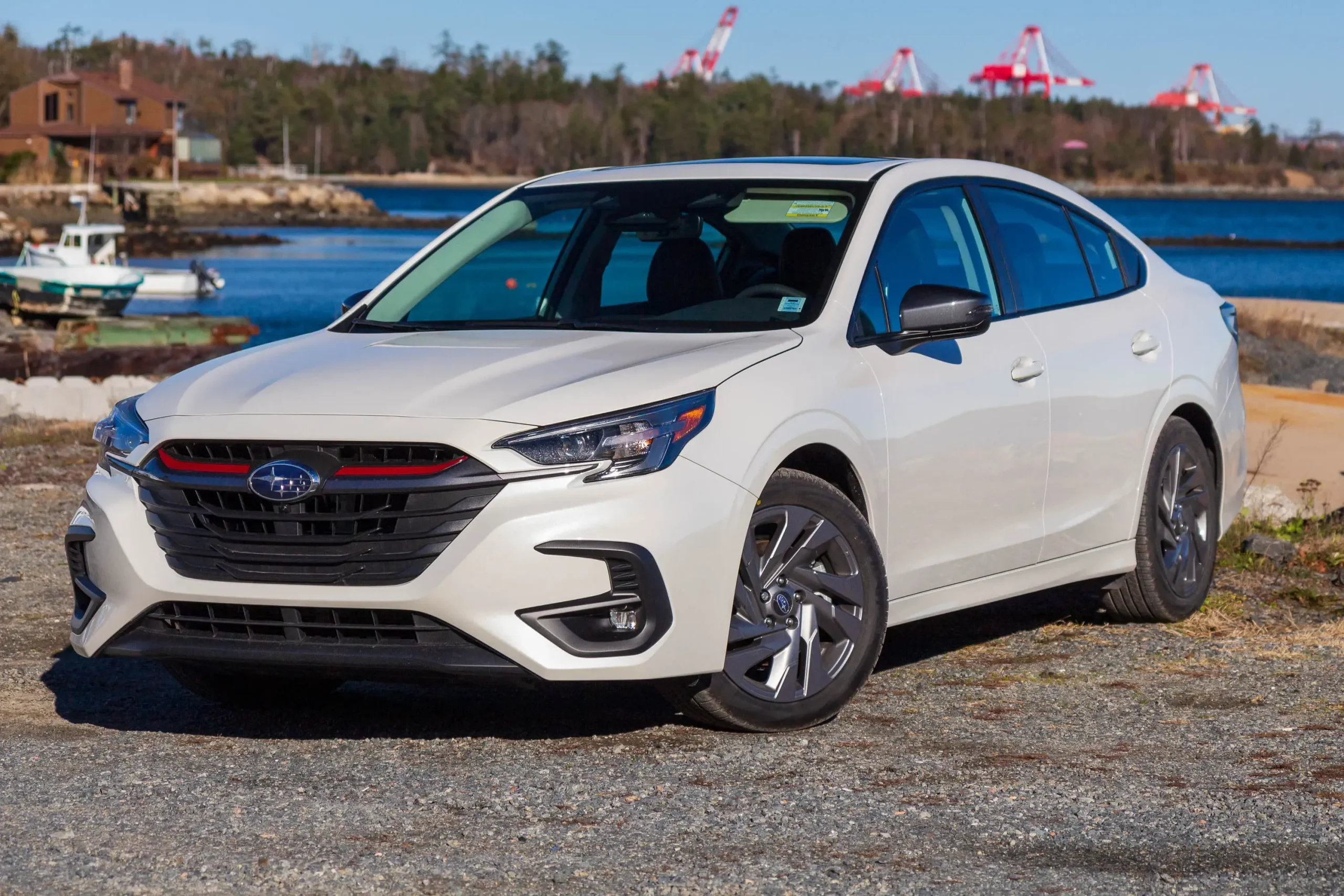
5. Subaru Legacy 2023
Clear visibility during rainfall stands out instantly in the 2023 Subaru Legacy. Subaru designed the model with a low dashboard line and a wide windshield that gives a full forward view.
Rainwater disappears under the action of strong wipers that sweep far across the glass. Drivers feel more relaxed because the view ahead stays open even during downpours that soak the road quickly.
Cabin ventilation also plays a major role in keeping fog at bay. Each vent directs air in a steady stream that prevents moisture from gathering on the interior glass.
Even when several passengers sit inside the car, fog remains under control. Families who travel during wet conditions speak well of this feature because it keeps journeys peaceful rather than filled with constant wiping of interior windows.
Side visibility remains impressive, too. Window pillars stay narrow, reducing blocked viewing angles that make rainy driving stressful. When water flows down the side windows, it breaks into small droplets that move away quickly. This behaviour makes it easier to check surroundings while switching lanes or approaching junctions.
Drivers also appreciate how the mirrors handle water. Small droplets shake off with the movement of the car, leaving the reflective surface clearer.
Night driving under the rain becomes less scary because the lighting system brightens the view without scattering too much on the wet road. Altogether, the Subaru Legacy 2023 behaves like a model built to support safe movement when rainy conditions try to reduce visibility.
5 Models That Smear and Fog During Rain
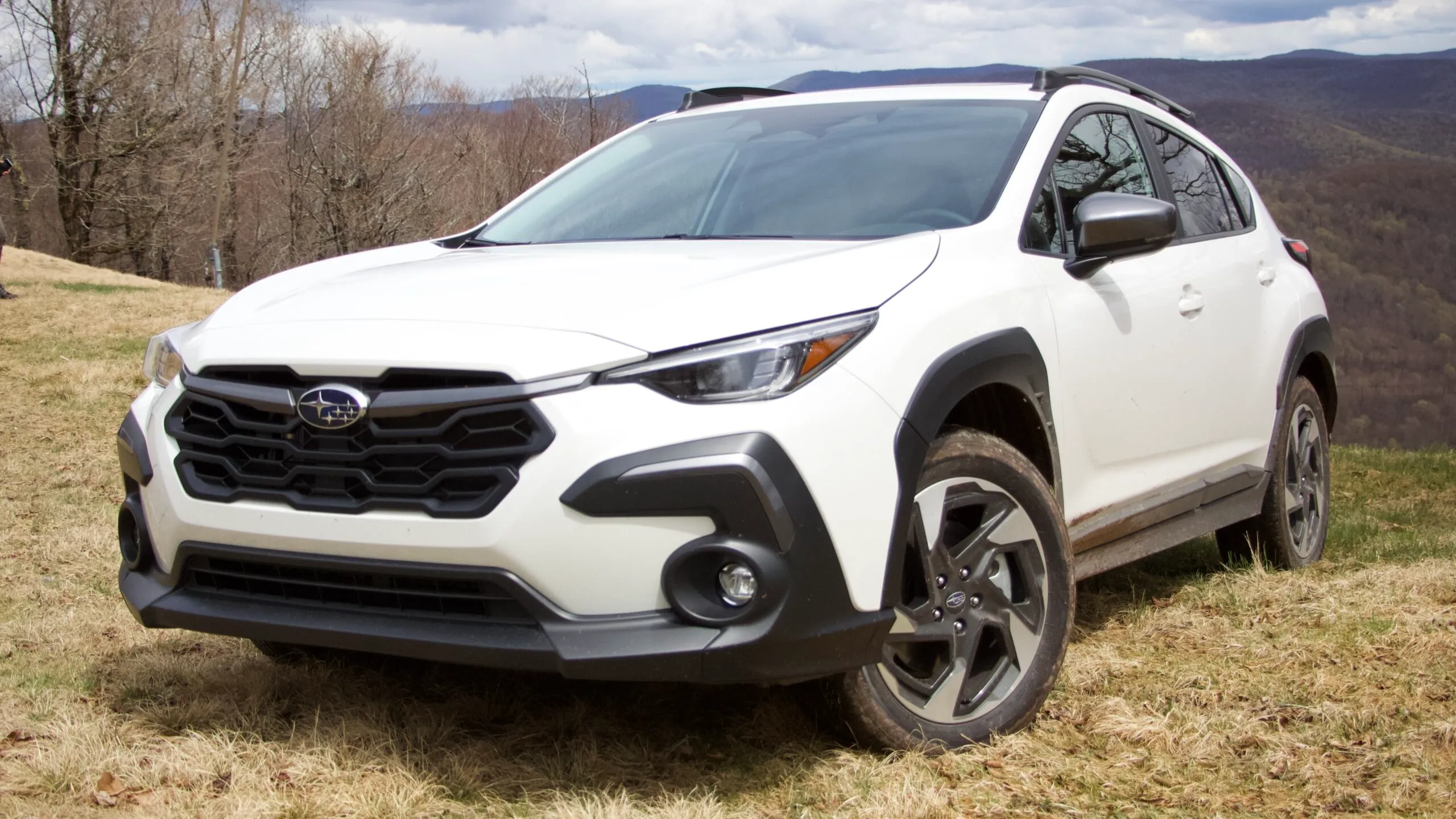
1. Subaru Crosstrek 2.5 Sport
Quite a number of drivers get surprised when they take the Subaru Crosstrek 2.5 Sport through heavy rain, only to realise the front visibility is not as clear as the confident ride promises. The body shape brings a slightly slanted windscreen that encourages water trails to move awkwardly during fast rainfall.
That means when the wipers push water to the edges, the droplets gather again too quickly. Drivers may find the glass wet almost immediately after each swipe, giving a sweeping pattern that is not pleasant, especially at night when streetlights bounce off the moisture.
Some owners mention that the elevated ride height of the Crosstrek brings dust build-up on the wiper blades more frequently. When rainfall catches the car in that condition, the blades drag the dirt with them, creating streaks across the glass. Such marks can disturb clarity at the exact moment good vision matters most.
The rear window also carries a bit of a curve, and this curvature causes the rear wiper to miss tiny patches that create fog-like zones across the view. A few minutes of driving can then feel like the glass never settled properly.
Another thing that makes the Crosstrek challenging in the rain is how the ventilation system sometimes takes a long time before removing mist from the inner side of the windscreen. Once moisture from passengers mixes with cool air outside, patches start forming in the upper corners.
Clearing them requires extra time, and drivers may need to adjust the fan frequently. These small irritations may not bother everyone, but in heavy rainfall, they combine to create a driving session that feels slightly stressful.
People who love Subaru enjoy the rugged nature of the brand, yet even they mention visibility as a point that needs attention for this specific model.
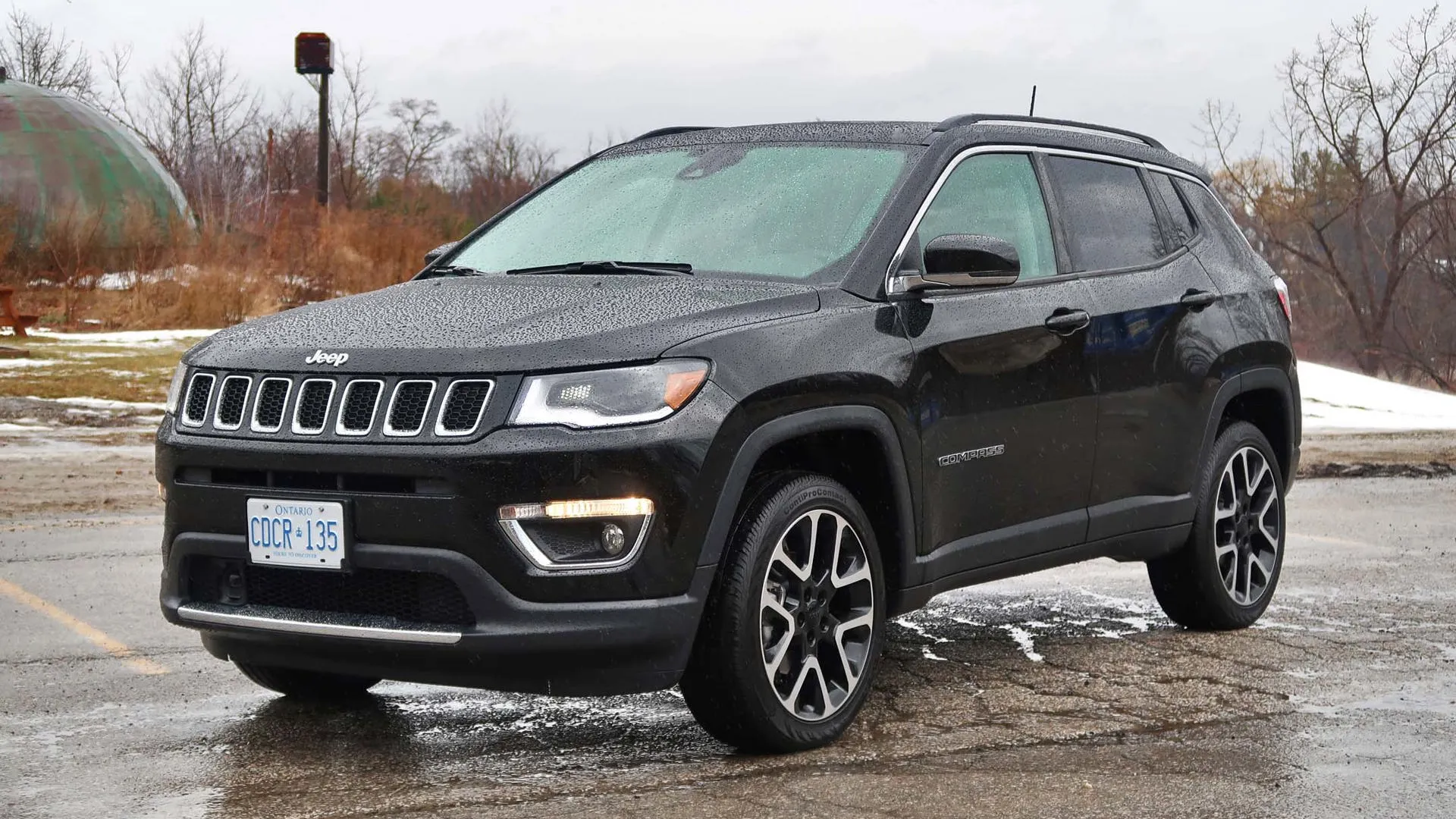
2. Jeep Compass Limited 4×4
Rainy trips inside a Jeep Compass Limited 4×4 often reveal the kind of visibility challenges drivers do not expect from a model sitting in this price zone. For starters, the windscreen carries side pillars that are wider than average.
Those pillars block small but important portions of the road view when water runs heavily. Drivers sometimes have to lean forward or tilt a little to see around corners, which can be tiring during long rides. Another detail that contributes to the experience is how the wiper movement forms a spread that leaves two faint arcs on the left and right sides.
These arcs may be small, yet rainwater clings to them, and they reflect headlights from incoming cars. Some people describe it as a bright smudge whenever another vehicle approaches. The wipers also tend to lift slightly at high speed during rainfall, causing chatter sounds that disturb concentration while still leaving behind thin streaks.
The heating system works, but when the outside humidity increases sharply, the inner glass fog slowly returns at the upper edges of the windscreen.
It does not form a thick layer, but the thin mist softens the clarity of long-distance objects. During night driving, this effect can blur traffic lights, especially when the tint along the glass margin catches the glow.
The rear window of the Compass Limited also collects dirt easily, which mixes with rainwater. The wiper blade then drags this mixture and paints a muddy pattern across the rear surface. Removing it completely usually demands a proper wash, not just a wipe.
For all its strengths in off-road handling and interior comfort, the Compass Limited could offer a clearer experience in heavy rainfall. Drivers who value visibility above all may want to test it in wet conditions before deciding.
3. Ford EcoSport Titanium
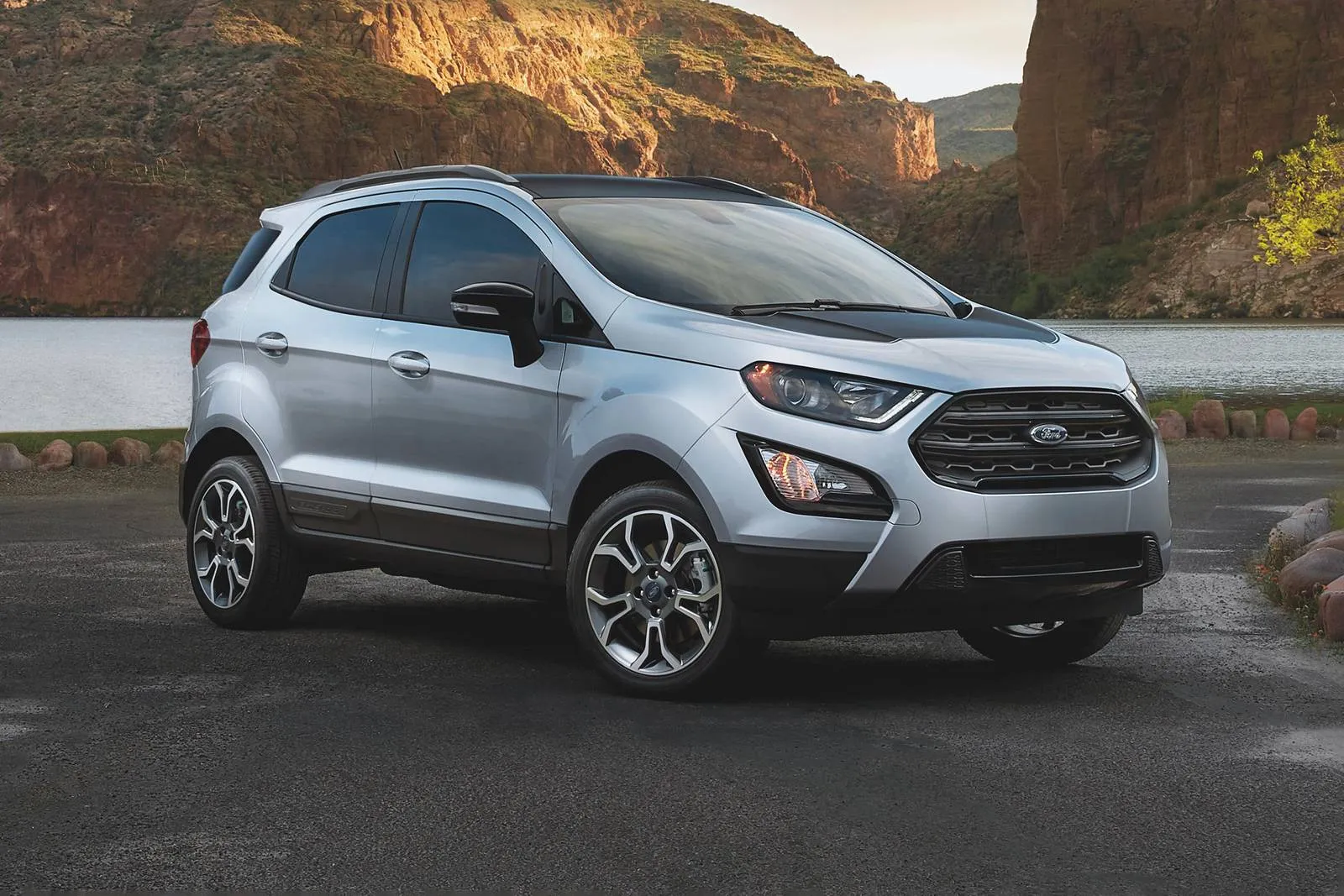
Rainfall exposes a few visibility weaknesses in the Ford EcoSport Titanium, especially when moving through busy traffic. A major complaint from drivers is the peculiar shape of the bonnet and A-pillars. These two features combine to create blind portions that feel larger when water droplets reflect surrounding lights.
Since the EcoSport has a compact body, the wiper coverage area is narrow. This means that when rain pours aggressively, the water that sits outside the main wiping zone enters the line of sight more frequently. Something else that affects clarity is the way the roofline encourages water to slide quickly onto the rear window.
The rear wiper tries to manage this, but the blade leaves light streaks after some months of use. Because the window is small, even a minor streak becomes very visible from inside. Drivers may feel like they are peering through a soft haze whenever rain hits strongly.
Some EcoSport owners say the glass fogs faster than they expect, especially early in the morning during rainy seasons.
The air-conditioning clears it, but the process can take longer when the car carries more than two people. The headlamps of this model sometimes scatter light on wet roads in a way that reflects through the moisture on the windscreen.
It creates a faint glow around the main beam, which works against visibility instead of helping it. For anyone driving through wet rural roads or dim urban streets, this effect may reduce confidence. Even though the EcoSport Titanium shines in city agility and fuel efficiency, its behavior in strong rain may not please drivers who already worry about low visibility conditions.
While the car handles well on dry days, rainy conditions reveal that its wiper design, window size, and glass angle demand more effort than one might expect.
4. Chevrolet Equinox LT AWD
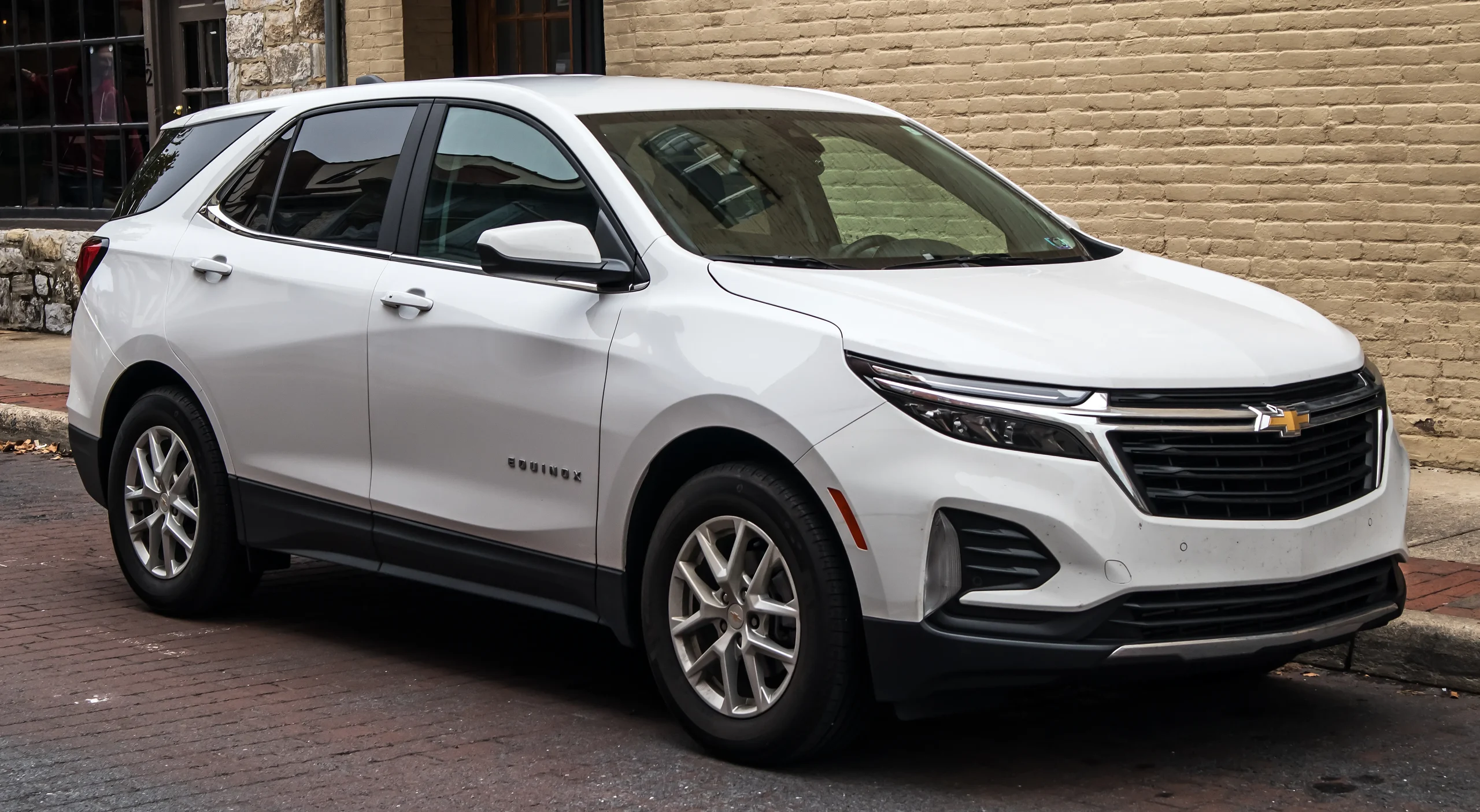
Rain exposes several pain points for the Chevrolet Equinox LT AWD when it comes to visibility. People who drive this model often mention how the front pillars seem wider than normal. When the sky gets dark and rain mixes with passing headlights, these pillars block small portions of the road scene.
Since the Equinox is slightly larger than some rivals, drivers sometimes find themselves shifting in their seats to catch clearer views at junctions. A second issue comes from how the wipers drag water back into the middle zone during very heavy rainfall. Instead of pushing all moisture off the edges, a bit of the water returns to the wiped area.
This creates a thin layer that the next swipe may not remove fully. Over a few minutes, the windscreen starts looking hazy, even though the wipers are working continuously. Drivers have to increase the speed of the wipers, which then causes vibration sounds that may distract them.
On the rear side, the window tends to fog easily during cold, rainy days. Turning on the rear defogger works, but it still leaves faint lines after a while. The design of the window also collects raindrops at the edges, and these droplets stick strongly because of the angle.
At night, when another car drives behind, the droplets reflect the red lights in scattered patterns, giving a blurry impression.
Another point worth noting is how the side mirrors gather water quite fast. Because of their shape, the water does not roll off smoothly. Drivers may see wobbling reflections as droplets cling to the mirror surface.
While some people simply wipe them during stops, keeping them clear throughout a long rainy trip is a challenge. The Equinox LT AWD carries great comfort features, yet its rain visibility issues continue to stand out every time the weather gets rough.
Also Read: 5 Cars With Thick, Comfy Steering Wheels vs. 5 Cars With Skinny Grips
5. Toyota C-HR XLE
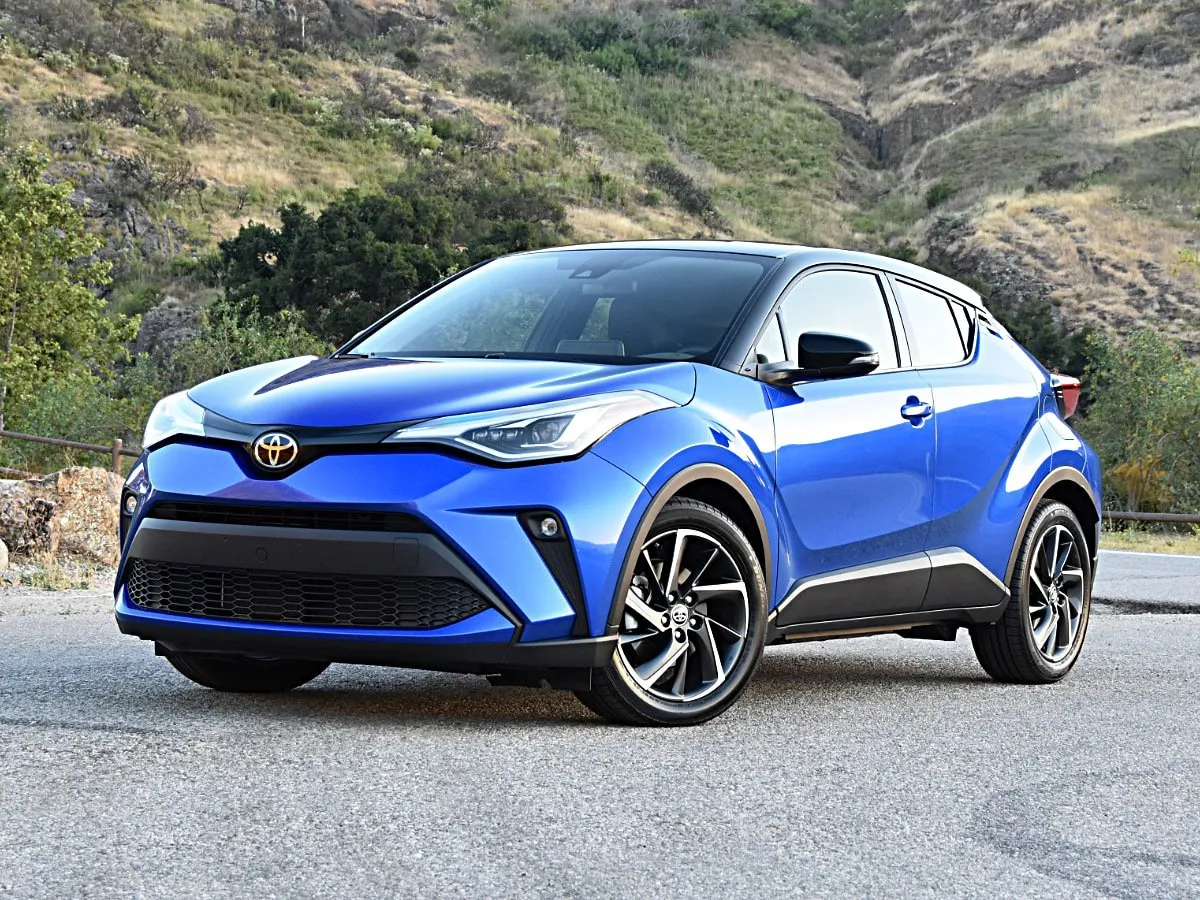
Among modern compact crossovers, the Toyota C-HR XLE attracts attention for design and styling. Yet rainy weather brings visibility limitations that drivers notice almost immediately. The rear styling forms a narrow back window that restricts vision even before rain begins.
Once rainfall enters the picture, the rear wiper struggles to cover the entire surface because the glass shape is quite unconventional. Even after a fresh wipe, moisture returns quickly, giving the impression that the rear view is permanently dim.
At the front, the steeply raked windscreen gives the car a sporty feel, but this same design encourages raindrops to slide across the wiper path at odd angles. The wipers do their part, but the leftover droplets tend to move sideways and return to the field of vision.
Some drivers say they constantly use the washer fluid just to get a more balanced clearing. In heavy rain, the glass shines with reflected lights from the road, especially when passing through busy highways at night. Inside the cabin, the C-HR XLE takes longer than expected to clear fog on rainy days.
The ventilation system performs well normally, but under cold, wet weather, the upper parts of the windscreen retain mist even after the fan has been running for several minutes. This means the driver has to angle the vents directly at the glass, reducing airflow around the cabin. When more than two people occupy the car, the fogginess tends to return more quickly.
Side visibility is also affected because the window line rises sharply toward the back. Water trails often cling to that area, and when the driver tries to check blind zones, the accumulated droplets make the view feel soft and dull.
Toyota is known for reliability and strong engineering, yet with the C-HR, rain visibility challenges remain a talking point among people who drive in wet climates. Rainy weather exposes different behaviors in cars, and visibility plays a major role in how safe and confident a driver feels on the road.
Some models handle water, glare, and fog with surprising ease, while others require extra patience. Understanding how each car responds when the sky gets dark helps drivers make wiser decisions, especially if they move through wet regions often.
Clear windscreens, responsive wipers, and well-designed windows can reduce stress during heavy rain. Anyone planning to get a new vehicle should pay attention to how it behaves when everything becomes wet, because clear sight can shape the entire driving experience.
