For millions of Americans especially those who live outside major metro centers daily driving doesn’t always mean cruising on smooth asphalt.
Rural communities, lake houses, farm properties, and hillside homes often have long dirt driveways that turn to mud in the spring, ruts in the summer, and washboard surfaces in the fall.
These real-world conditions expose the difference between vehicles built to shrug off rough terrain and those that are happiest when they never leave pavement.
In the U.S., where suburban and rural lifestyles can differ dramatically, choosing the right car for your home setup saves you wear, money, and frustration.
This list examines five cars that confidently handle dirt driveways on a daily basis thanks to ground clearance, suspension tuning, and all-weather durability and contrasts them with five models that excel on smooth roads but struggle once gravel, mud, or washouts enter the equation.
The goal is to help buyers match their vehicle to where they actually live and drive, not just where they imagine themselves commuting.
Cars That Handle Dirt Driveways Daily
For anyone who navigates unpaved roads, gravel paths, or dusty driveways on a daily basis, having a car that can handle the challenge without complaint is essential.
From durable suspension setups to confident traction and reliable ground clearance, the right vehicle can make every dirt-road commute smoother and more enjoyable. In this article, we’ll explore a selection of cars that thrive on rougher surfaces, proving that you don’t need a full-blown off-roader to conquer daily dirt drives with ease.
1. Subaru Outback
The Subaru Outback has long been the unofficial car of rural America and there’s a good reason for that.
With 8.7 inches of ground clearance (up to 9.5 inches on Wilderness trims), standard symmetrical all-wheel drive, and a soft yet controlled suspension, it eats up rutted driveways like they’re nothing more than gentle speed bumps.
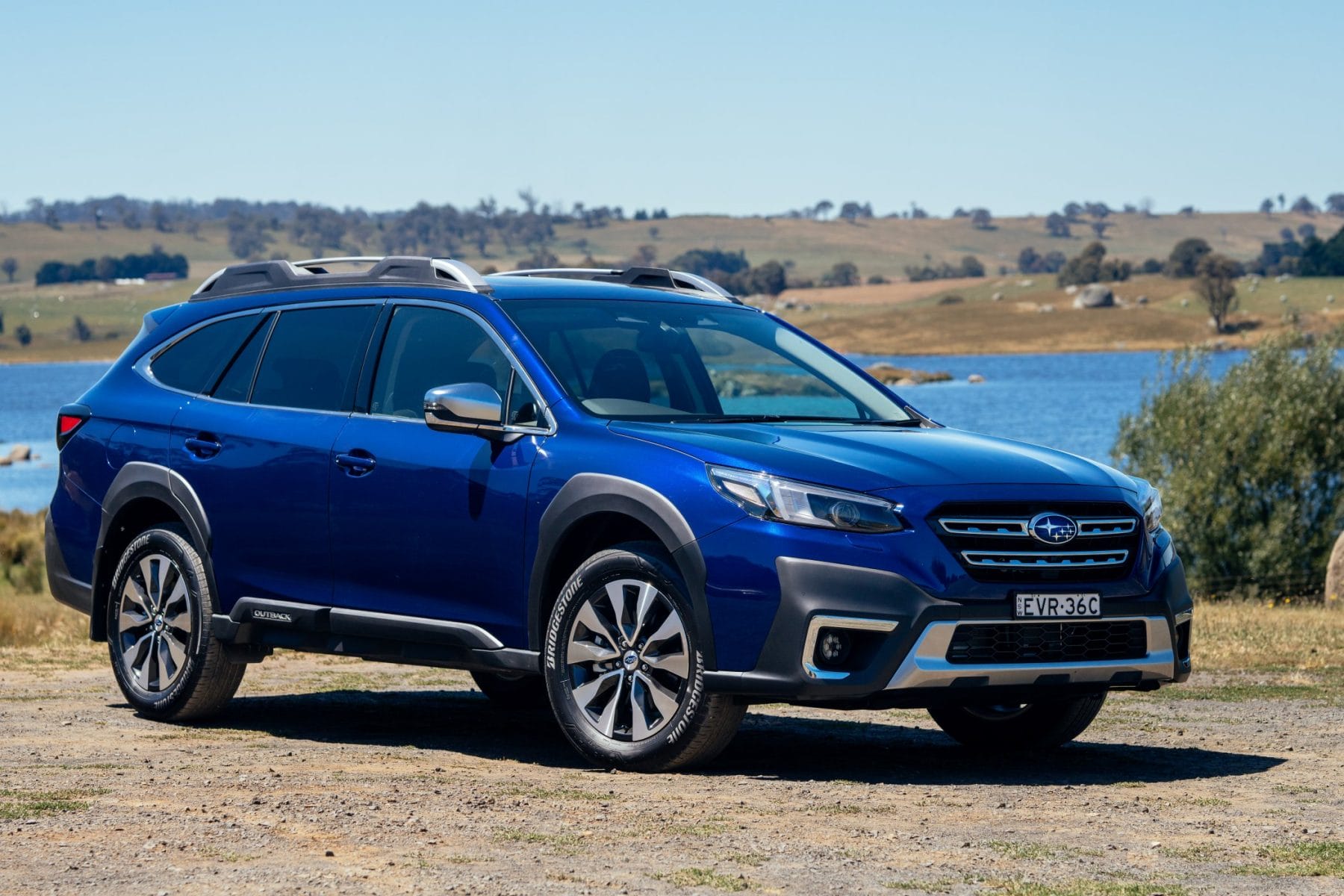
The long-travel suspension is designed for exactly this kind of mixed-surface driving. The Outback’s wheel wells also resist clogging with mud, which is a real-world advantage many crossovers overlook.
For homeowners with long gravel or dirt roads, the Outback remains one of the most comfortable and low-stress choices.
Also Read: 12 Top Sedans With the Best Dashboard Layouts
2. Toyota RAV4 TRD Off-Road
Toyota built the TRD Off-Road trim specifically for buyers who want something tougher than a standard crossover but don’t need a full SUV.
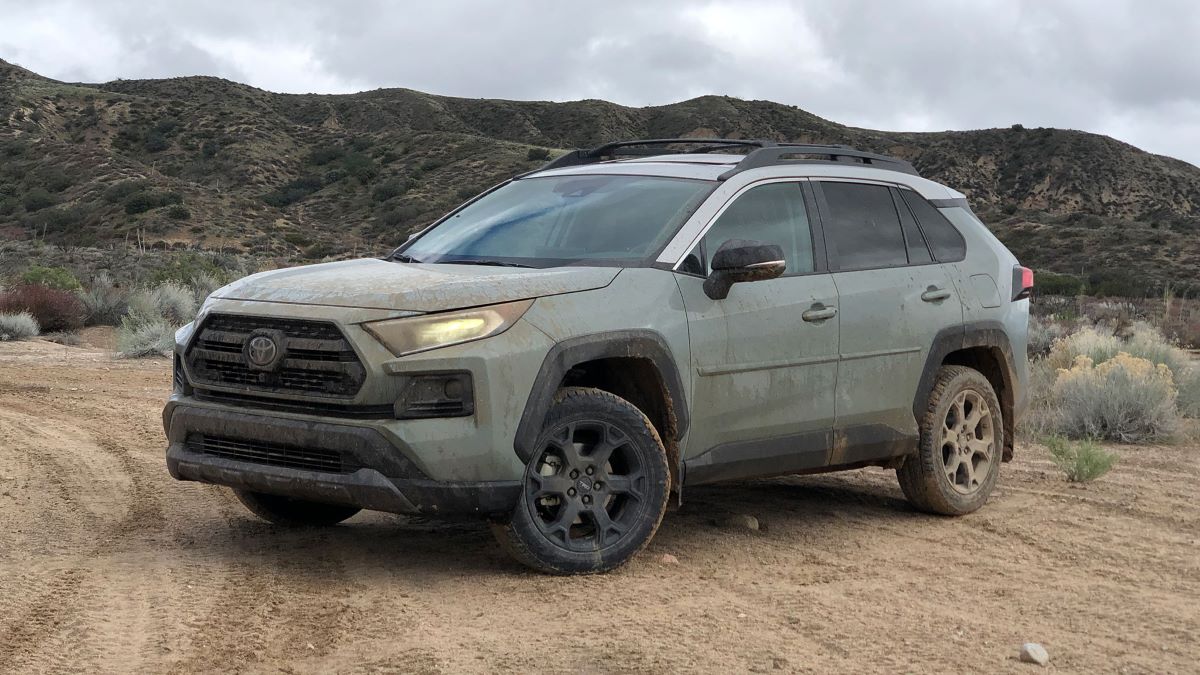
It offers upgraded shocks, all-terrain tires, skid plates, and additional traction modes that genuinely improve daily drivability on loose or uneven surfaces.
Dirt driveways often create traction challenges during rainstorms or snowy mornings; the TRD Off-Road’s torque management system helps prevent wheelspin during those transitions.
It also has a ride quality tuned to absorb chatter from washboard surfaces rather than transmitting them into the cabin.
The 2024 Toyota RAV4 marks the sixth year of production for this generation, which first debuted in 2019. Over the years, Toyota has made only minor adjustments, introducing new tech features and additional trim levels. Given the RAV4’s continued success in the market, it’s clear why the automaker has chosen not to make major changes.
This approach continues for the 2024 and 2025 models. However, the recently introduced 2026 RAV4 will shift to a fully hybrid lineup, offering only conventional hybrid and plug-in hybrid powertrains, mirroring the approach taken by the 2026 Camry.
The RAV4’s engine performs adequately around town, with merging and passing being straightforward. However, acceleration is modest, and the Adventure trim we tested completed 0-60 mph in 9.1 seconds, slightly slower than the class average. Steering is vague at center, lacking heft and precision, which can make it easy to misjudge input.
On the upside, the optional upgraded all-wheel-drive system provides rear-axle torque vectoring, advanced traction control, selectable terrain settings, and hill descent control.
Combined with respectable ground clearance, the RAV4 Adventure offers above-average off-road capability for a compact SUV. Braking is predictable and confident, with our 60-0 mph panic stop measured at 126 feet, a reasonable distance slightly above average.
The RAV4 strikes a balance between control and comfort. Its suspension handles bumps well, with small to moderate impacts absorbed smoothly. Front seats are sculpted and adequately padded, though seat bottoms can feel flat during long drives, and the passenger seat’s limited adjustability is a drawback.
Highway noise is low, except when accelerating, which produces a coarser engine note. The climate system distributes air effectively, with adjustable forward and rear vents.
The RAV4’s cabin offers good visibility, easy entry and exit, and ample space. Controls are intuitive, with large, legible labels, though the touchscreen sits slightly far from the driver.
The front passenger seat is notably high, and only the Limited trim offers power adjustment. Otherwise, the driver’s seat and steering wheel provide a decent range of adjustment.
Cargo capacity is generous, offering 37.5 cubic feet behind the rear seats and 69.8 cubic feet with them folded. The low cargo floor aids loading, and multiple interior bins and cubbies add convenience.
Some trims can tow up to 3,500 pounds. Installing child seats is straightforward, though placing a rear-facing infant seat on the passenger side may require sliding the front seat forward due to its height.
EPA estimates put the RAV4’s combined city/highway fuel economy at 28-30 mpg, depending on trim. Our AWD Adventure test vehicle averaged 28.6 mpg over 7,000 miles, with a best tank of 32.3 mpg and a worst of 25.6 mpg.
The RAV4 is well built with layered materials, subtle seams, and tactile interior surfaces. Optional synthetic leather is soft and well-stitched, and Toyota’s warranty is average, augmented by two years/25,000 miles of complimentary scheduled maintenance.
While driving the RAV4 is not particularly exciting, trims like Adventure and TRD Off-Road stand out thanks to enhanced all-wheel-drive systems, multiple terrain modes, and rugged styling.
The 2024 RAV4 is offered in six trims: LE, XLE, XLE Premium, Adventure, TRD Off-Road, and Limited. All trims feature a 2.5-liter four-cylinder engine producing 203 horsepower and 184 lb-ft of torque, paired with an eight-speed automatic transmission.
Front-wheel drive is standard, with all-wheel drive optional on most trims. Adventure and TRD Off-Road models feature an upgraded all-wheel-drive system for improved traction on slippery or loose surfaces.
3. Ford Bronco Sport Badlands
The Bronco Sport Badlands is one of the few compact SUVs designed from the start to tackle surfaces far worse than a beat-up driveway.
Its twin-clutch rear differential, underbody protection, 8.8 inches of ground clearance, and aggressive approach angles make it a confidence booster on muddy or washed-out roads.
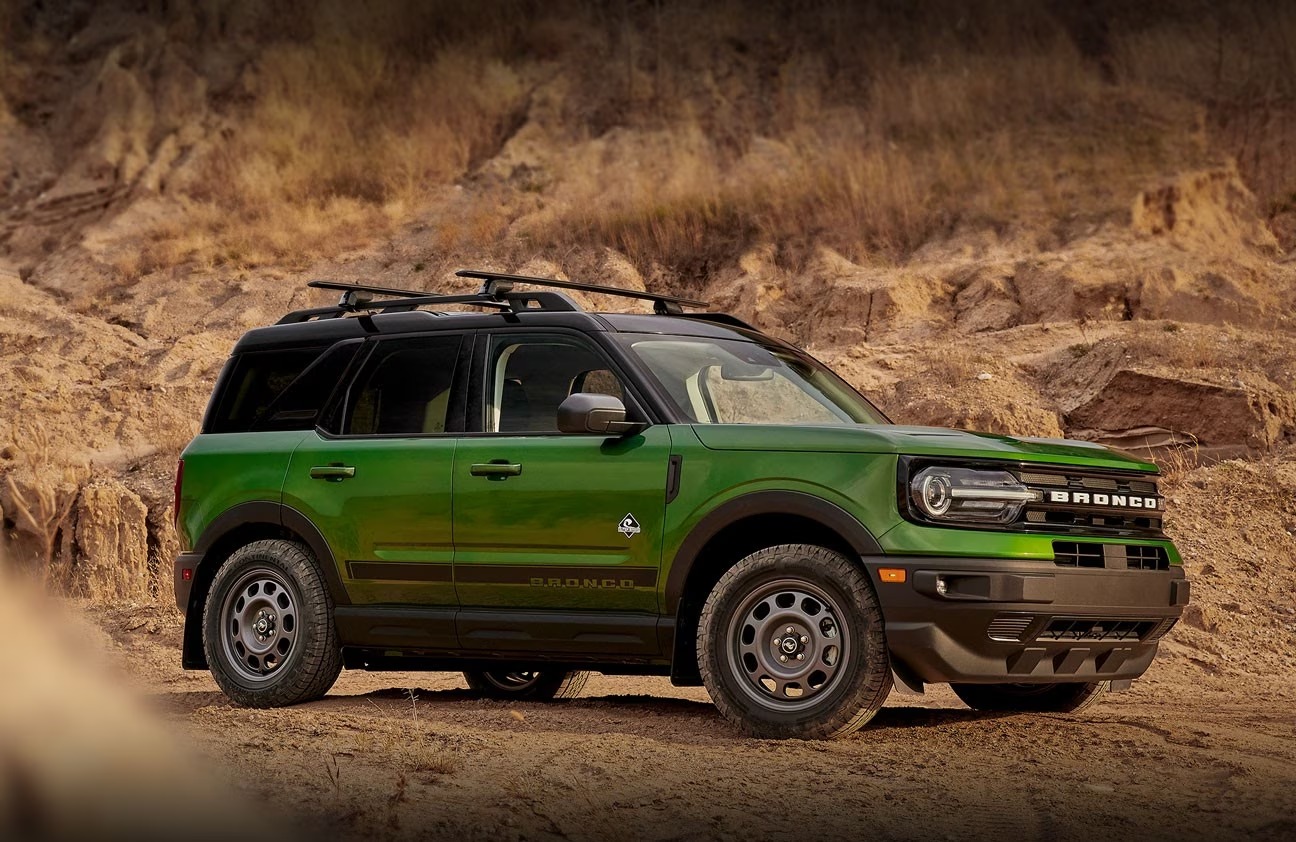
Unlike many crossovers that bottom out easily on deep ruts, the Bronco Sport Badlands also offers a suspension engineered for articulation, so one wheel can drop into a hole while the others keep grip.
For homeowners in the Appalachian foothills, Colorado’s rural outskirts, or anywhere with seasonal mud, the Bronco Sport earns its reputation.
4. Jeep Cherokee Trailhawk
Among compact SUVs, the Cherokee Trailhawk is one of the most dirt-driveway-friendly options available. Jeep gave it 9.7 inches of ground clearance, tow hooks, a locking rear differential, and the ability to crawl slowly over obstacles without jarring passengers.
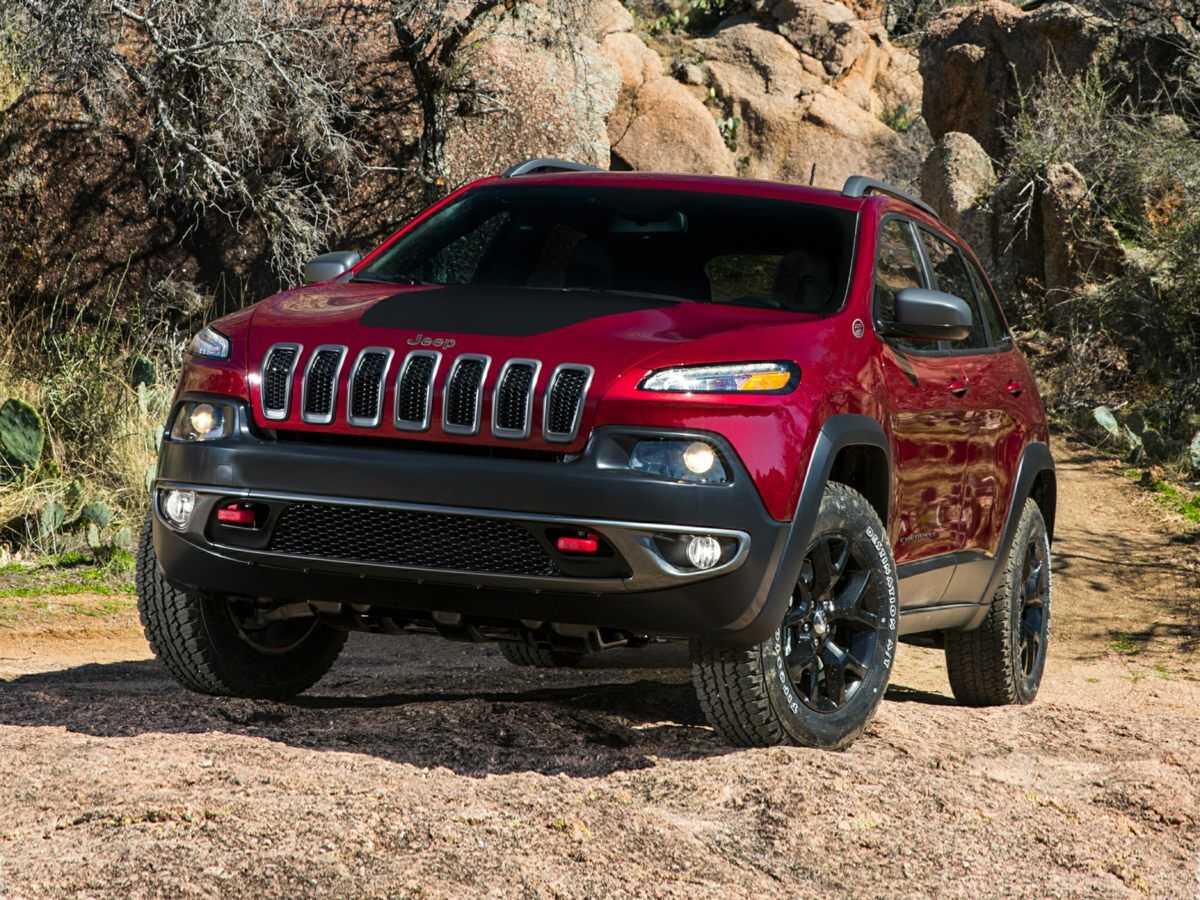
Dirt driveways often degrade into potholes or have uneven gravel patches; the Trailhawk’s off-road suspension is rugged enough to absorb these without feeling harsh.
Even the front and rear bumpers are cut for better approach and departure angles, meaning owners rarely scrape when transitioning from pavement to their driveway.
The standard 2.4-liter four-cylinder engine is accompanied by two available upgrades: a 3.2-liter V-6 and a turbocharged 2.0-liter four-cylinder. The turbo engine produces 270 horsepower and 295 lb-ft of torque, an increase of 56 lb-ft over the V-6—and sits at the top of the Cherokee’s powertrain lineup.
Although we haven’t yet tested the turbocharged version on the track, we have driven it during our initial evaluations. In those impressions, it felt underwhelming compared with the V-6 because of its muted throttle response.
Additionally, the four-cylinder Cherokee offers less towing capability, maxing out at 4000 pounds, while the V-6 model can tow up to 4500 pounds.
As is typical for a Jeep, the Cherokee delivers a sense of weight and sturdiness on the road, giving it a larger, more substantial feel than many of its competitors. Even with its off-road strengths, the Cherokee’s car-based platform allows it to provide a comfortable ride and respectable on-road handling.
Its comparatively firm suspension keeps body roll in check through corners without negatively affecting ride comfort. Bumps are absorbed cleanly with minimal aftershocks, and the vehicle maintains a planted, stable demeanor at highway speeds.
We do wish the steering conveyed more road feedback, but it remains well-weighted and precise. The brake pedal has a firm, confidence-inspiring feel, especially in hard-braking situations, and its 70-mph-to-zero stopping distance is in line with the class average.
5. Subaru Crosstrek
Though smaller than some competitors, the Crosstrek punches above its weight on rough surfaces.
The 8.7 inches of ground clearance on every trim, all-wheel drive, and flexible suspension make it exceptionally forgiving on rutted dirt paths.
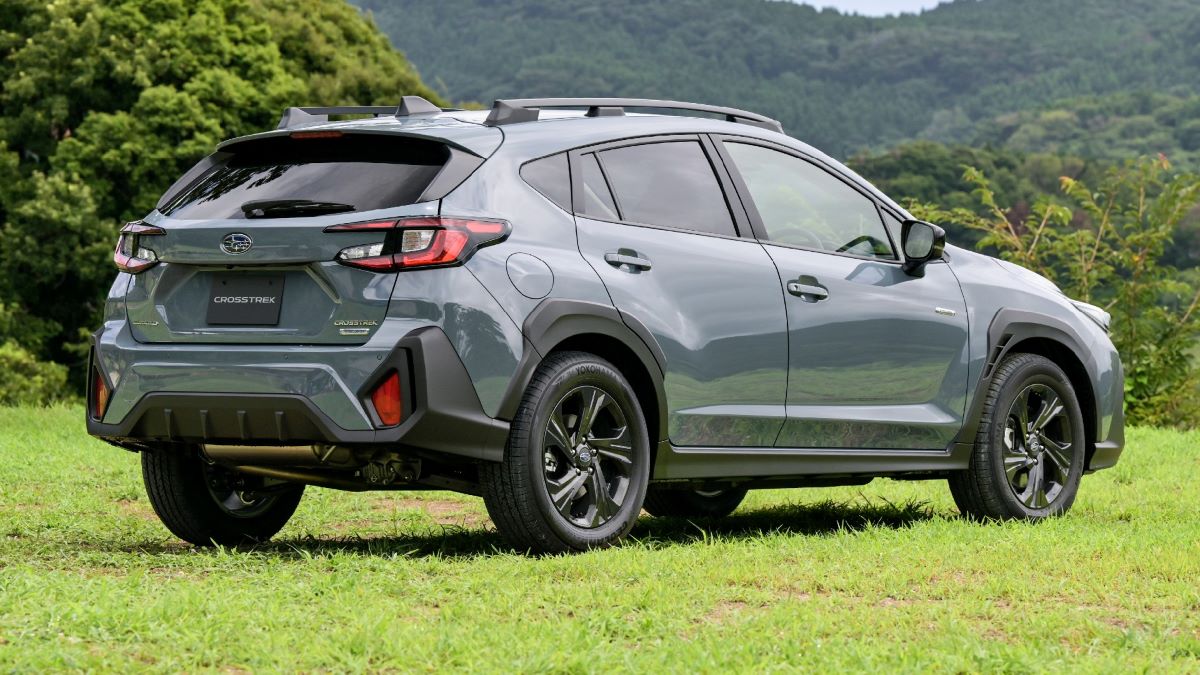
Homeowners appreciate its “light-footed” nature: it doesn’t bounce excessively like truck-based SUVs and doesn’t bottom out easily like low crossovers.
People living in rural college towns, forested properties, or mountain communities often choose the Crosstrek because it is inexpensive to maintain while still rugged enough to take the punishment of daily dirt-road travel.
Also Read: 5 Cars That Handle Rural Roads and 5 That Belong in Cities Only
Cars That Work on Pavement Only
Not every vehicle is cut out for rough terrain, gravel shortcuts, or the unpredictable surfaces beyond a smooth neighborhood street. Some cars are engineered with a clear focus on pavement performance, prioritizing comfort, handling, fuel efficiency, and quiet road manners over rugged durability or off-road capability.
These models shine in cities and suburbs but can quickly feel out of their element the moment the asphalt ends. In this article, we explore the Cars That Work on Pavement Only, highlighting the ones that thrive on well-maintained roads and explaining why they’re best kept far from dirt, ruts, and washboard surfaces.
1. Tesla Model 3
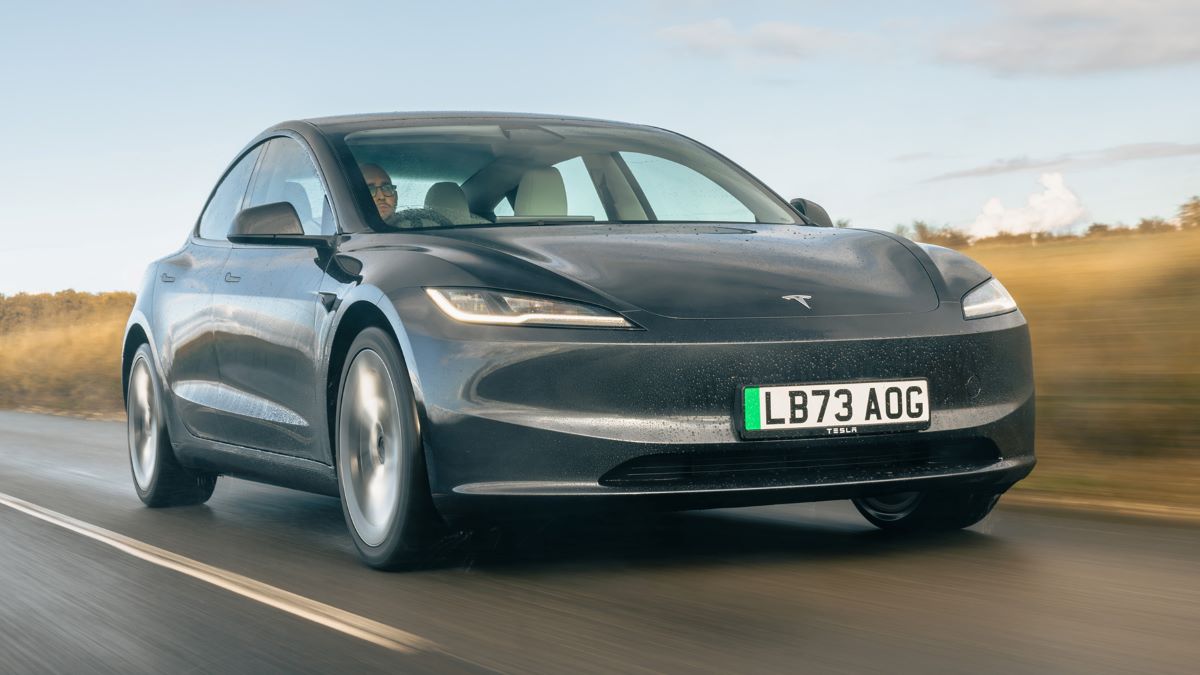
The Tesla Model 3 is a superb daily driver in suburban or urban environments with consistent road quality, but its low ride height and stiff suspension tuning make it a poor match for rough surfaces.
Dirt driveways with ruts or rocks can easily scrape the underside, and the car’s long wheelbase encourages bottoming out on uneven grades.
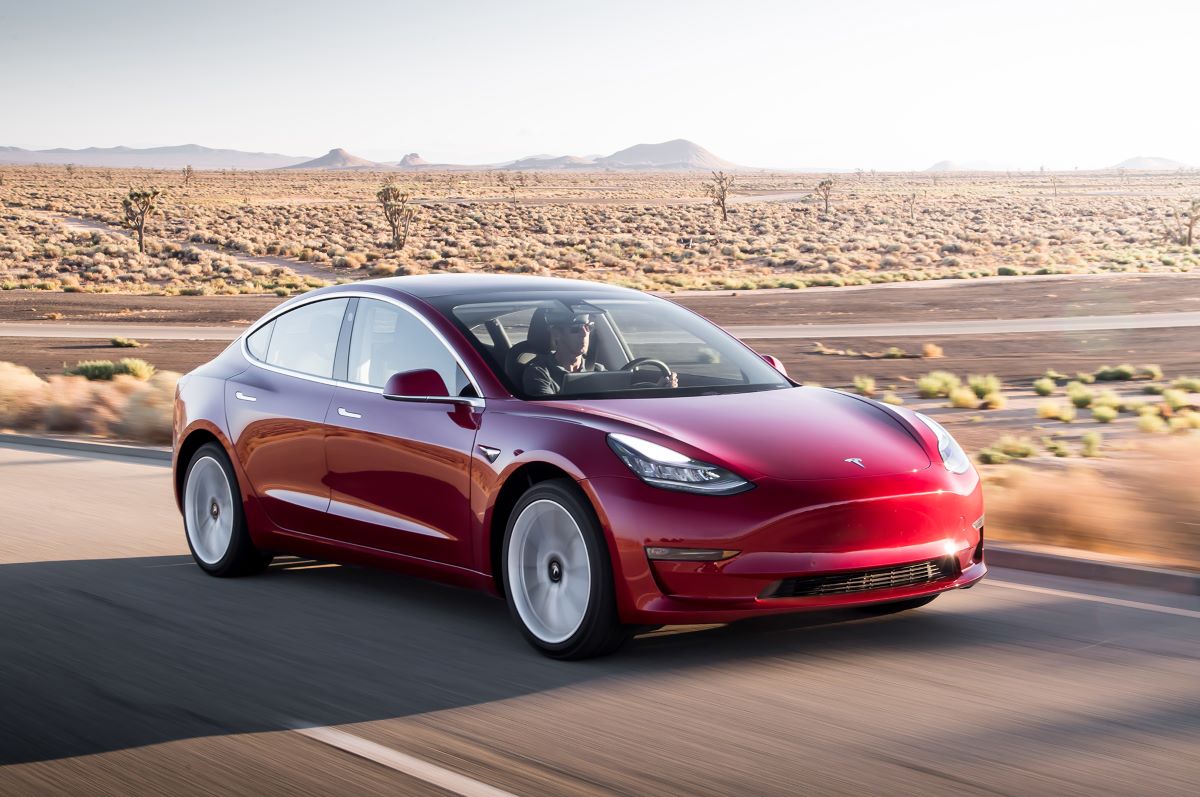
Dust can also accumulate in door seals and suspension components more quickly than on a typical gas car because electric drivetrains are more sensitive to contamination. For homeowners on dirt or gravel, a Model 3 becomes a maintenance headache.
2. Honda Civic (All Trims)
The Honda Civic is one of the most reliable compact cars in the U.S., but it was engineered for pavement.
With relatively low ground clearance and a suspension optimized for road handling, it transmits every bump from a rough driveway directly into the cabin.
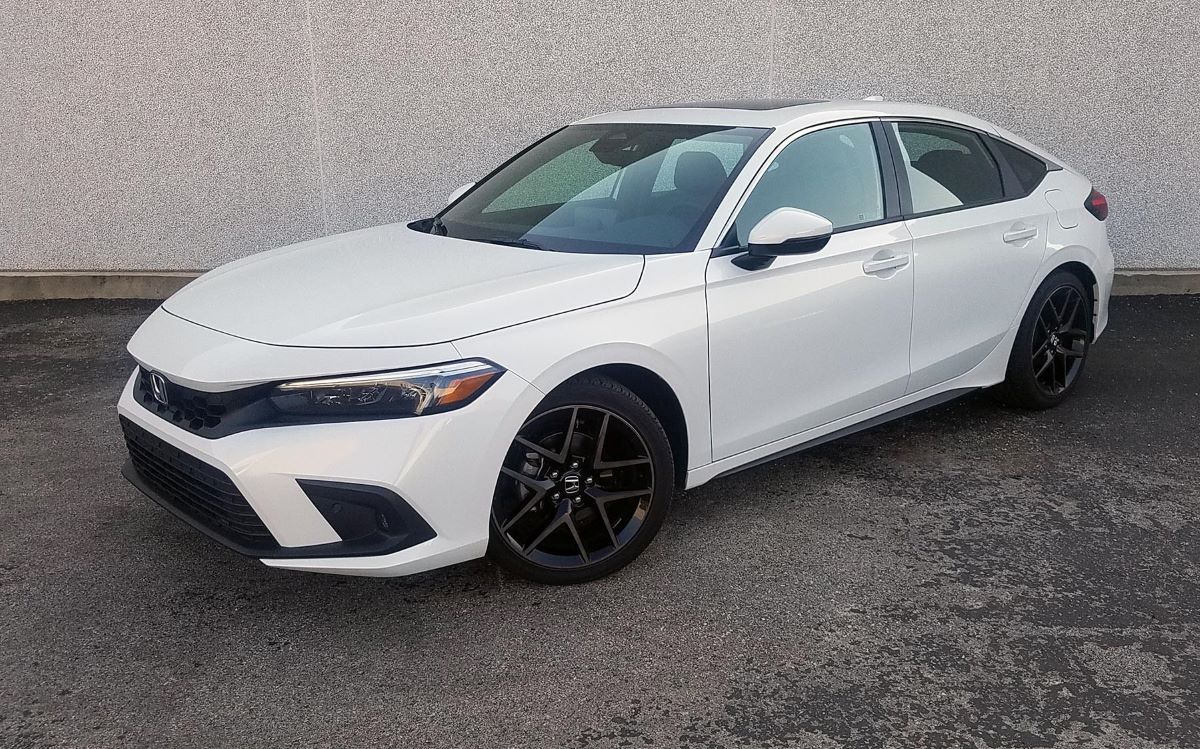
Over time, dirt and dust also take a toll on its wheel bearings and shocks. Many rural buyers love Honda’s durability, but the Civic demands far more care when used daily on unpaved surfaces making it ideal only for those whose driveways are well maintained.
3. Toyota Camry
America’s favorite midsize sedan doesn’t offer the height or suspension travel needed for frequent dirt-road driving.
The Camry handles occasional gravel without issue, but daily exposure to potholes, washboard surfaces, or deeply rutted driveways accelerates wear on its lower control arms and exhaust system.
Long, uneven driveways can cause scraping damage beneath the front bumper because the Camry’s nose sits low relative to small SUVs. For households with smooth suburban pavement, it’s perfect but it’s not built for rural property living.
The 2026 Camry hybrid is powered by a 2.5-liter four-cylinder engine paired with two electric motors, delivering a combined output of 225 horsepower. T
his setup works with a continuously variable automatic transmission (CVT) and comes standard with front-wheel drive. Buyers can choose all-wheel drive, which adds an additional electric motor to the rear axle and increases total horsepower to 232.
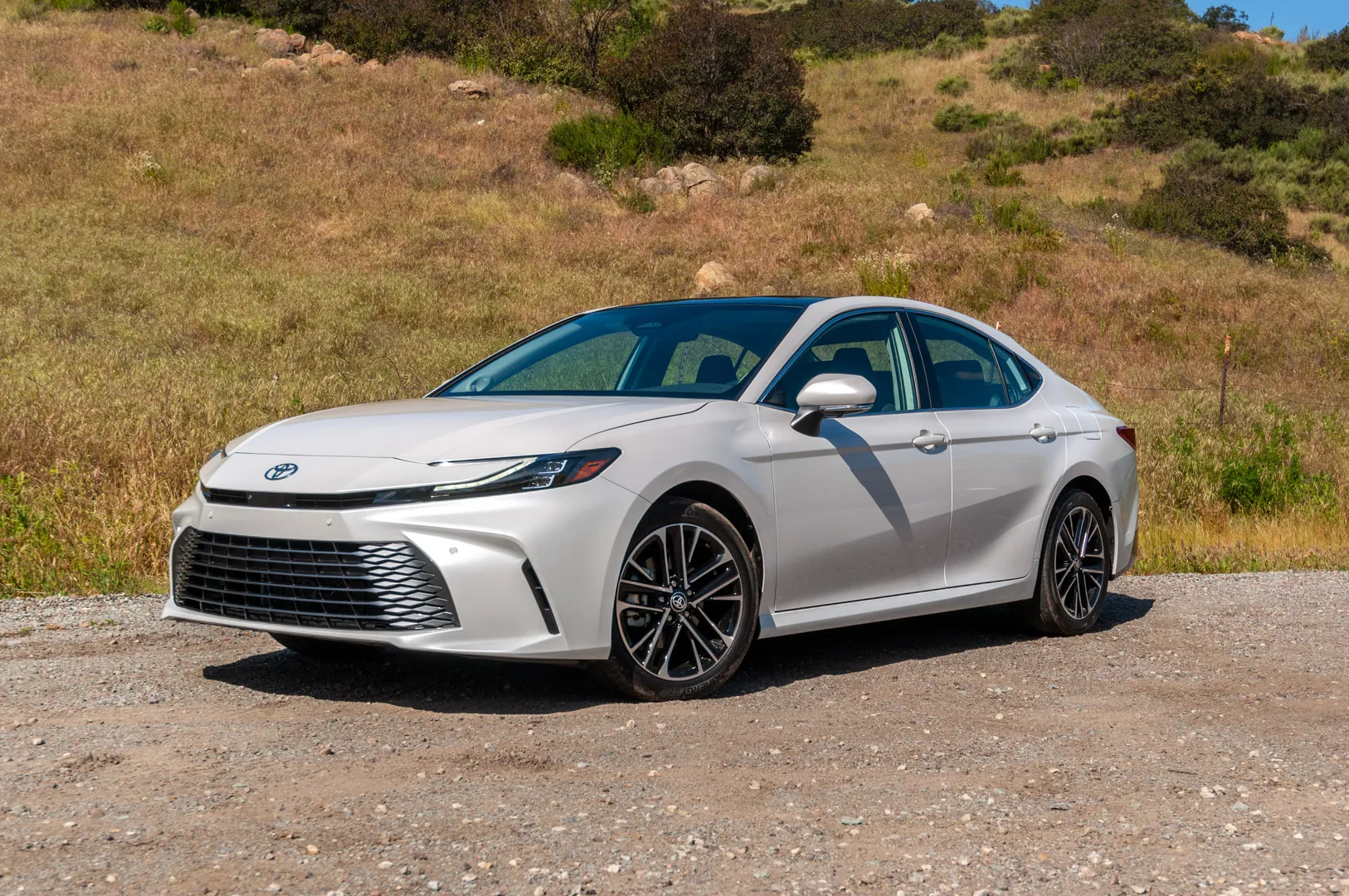
While it doesn’t replicate the old V6 Camry’s power, this hybrid system feels eager off the line and remains quiet while cruising. Passing maneuvers are confident and don’t require much preparation, and the CVT minimizes engine drone by simulating gear changes.
Expect the 0-to-60-mph sprint to land around 7 seconds. Still, the CVT can’t completely eliminate engine noise, during sustained acceleration, the four-cylinder becomes noticeably coarse.
The Camry isn’t exactly a sport sedan, unless you’re upgrading from a crossover, but it still offers an enjoyable driving experience. The suspension has a pleasantly firm character, and I found testing its limits on cloverleaf ramps and winding roads surprisingly fun.
It avoids the excessive body roll you’d find in many crossovers, though overall tuning favors comfort. The brakes engage quickly, and the steering feels satisfyingly weighty. All told, it’s a practical car that manages to please a wide range of drivers.
4. BMW 3 Series
The BMW 3 Series is widely admired for its sharp steering, precise handling, and balanced chassis. Those strengths become weaknesses on rough dirt driveways.
Its performance-oriented tires lose grip quickly on loose surfaces, and the stiff suspension that feels great on asphalt becomes punishing on washboard dirt.
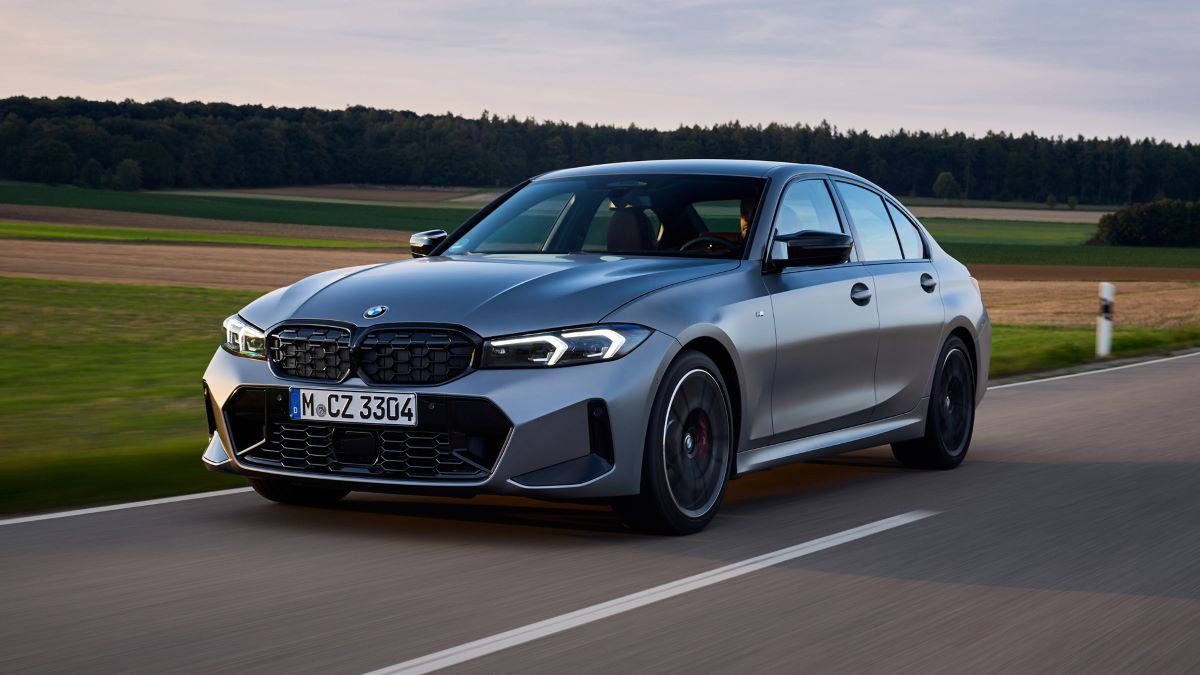
Low-profile tires are also more susceptible to sidewall damage from rocks or driveway potholes. For owners with a long gravel driveway, the 3 Series often requires more wheel alignments and tire replacements than expected.
The 3 Series features a well-crafted interior that mixes high-quality materials in many areas with some less impressive plastics in others.
For 2023, the refresh places a greater emphasis on technology rather than reworking the cabin’s overall design. Still, the addition of a large 15.4-inch display gives the 3 Series significantly more digital space and helps it stay competitive among tech-forward rivals.
BMW provides the 3 Series with several strong powertrain choices, including the plug-in hybrid 330e. This version is an appealing option overall, though its brake pedal can feel slightly soft at lower speeds.
Across the lineup, we’ve praised the 3 Series for its brisk acceleration, well-tuned transmission behavior, confident braking, and responsive steering.
The six-cylinder M340i serves as a sort of sweet spot in the range thanks to its immensely powerful engine. Even so, it seems BMW may have tried a bit too hard to reinforce the car’s sporty identity, evident in the chunky steering wheel, firm M Sport suspension, and the M3-inspired styling that borders on excessive.
5. Hyundai Elantra
The Hyundai Elantra delivers excellent value and fuel efficiency but was designed primarily for city and suburban commutes.
Its lighter suspension components and limited ground clearance make it vulnerable to rough driveway impacts, especially after heavy rains that create deep ruts.
Over time, repeated exposure to dirt surfaces can cause premature suspension noise and faster deterioration of bushings. Many buyers choose the Elantra for its comfort and affordability, but it’s simply happier on pavement than on a dusty rural access road.
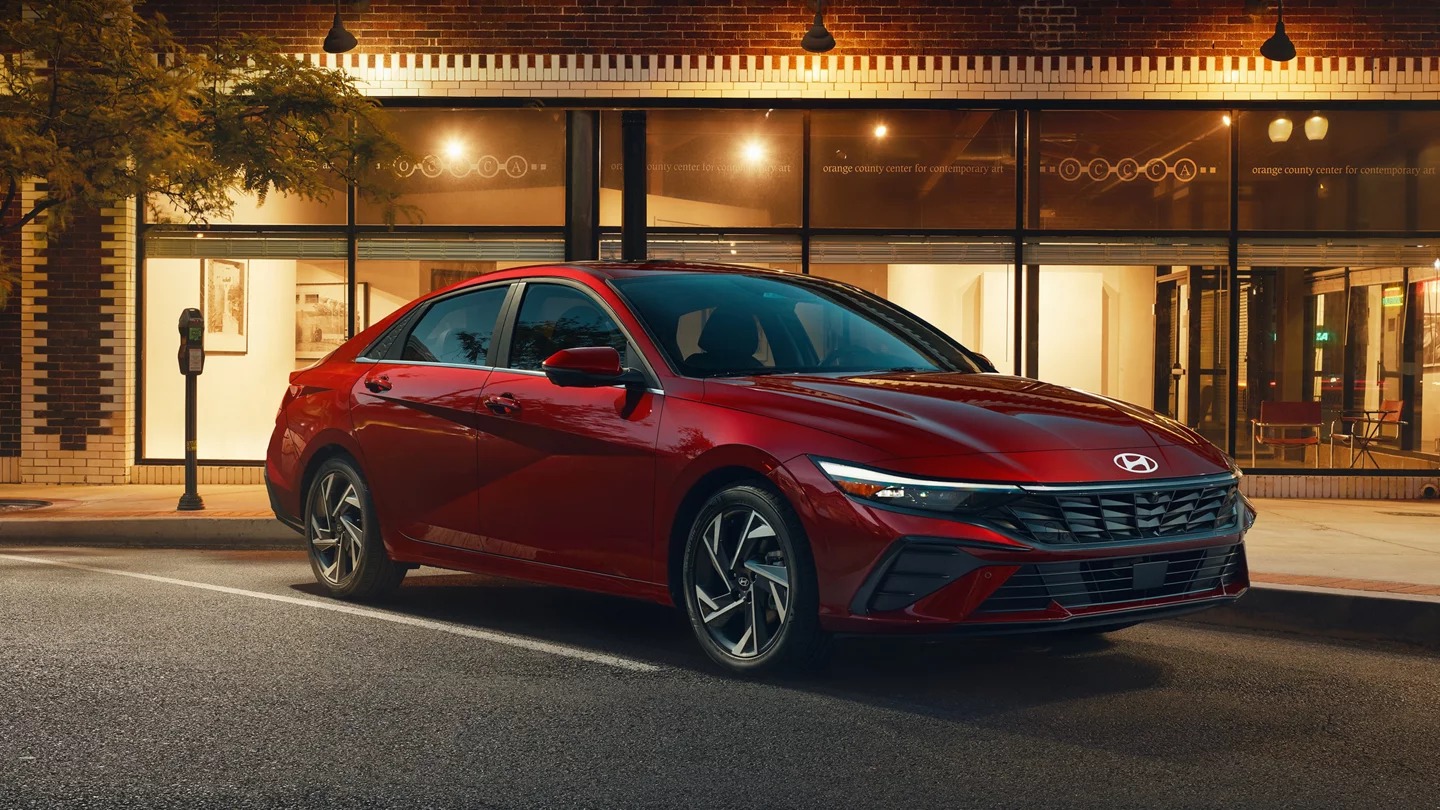
In the U.S., the difference between living on a cul-de-sac and living on a wooded hillside can be massive when choosing the right car.
Better late than never, Hyundai finally introduced an Elantra Hybrid last year, bringing the compact sedan lineup a direct competitor to the Honda Insight and Toyota Corolla Hybrid. For the 2022 model year, the hybrid returns unchanged. The Elantra remains one of our favorite compact sedans, and the hybrid is a worthy addition to the lineup.
It delivers excellent efficiency and a refined ride quality. Thanks to its multilink rear suspension, the 2022 Elantra Hybrid exhibits better body control and reduced lean compared with its gas-only counterpart.
The transmission and electric motor respond quickly, but the Elantra Hybrid has just enough power to manage steep inclines. Inside, the cabin is roomy and accommodating for both drivers and passengers.
Even the base trim is well equipped, featuring an 8.0-inch touchscreen with wireless smartphone connectivity, though the abundance of hard plastics slightly detracts from the otherwise attractive interior.
The Elantra Hybrid pairs a 1.6-liter four-cylinder engine with an electric motor to deliver a combined output of 139 horsepower and 195 lb-ft of torque. Power is sent to the front wheels through a six-speed dual-clutch automatic transmission. In testing, the Elantra Hybrid accelerated from 0 to 60 mph in 8.7 seconds.
Its fuel economy is impressive, though it varies by trim: the Blue model achieves 53/56 mpg city/highway, while the Limited trim earns 49/52 mpg.
Standard safety features include automatic emergency braking with pedestrian detection, blind-spot collision avoidance assist, rear cross-traffic collision avoidance assist, automatic high-beams, lane keep assist, and lane following assist. Adaptive cruise control with stop-and-go capability is available as an upgrade.
The Hyundai Elantra Hybrid provides slightly less cargo space but more rear legroom compared with the Honda Insight, offering 14.2 cubic feet versus 15.1 cubic feet and 42.3/38.0 inches of legroom front/rear versus 42.3/37.4 inches in the Insight.
Technology is well catered for with a standard 8.0-inch touchscreen featuring wireless Apple CarPlay and Android Auto, while a 10.3-inch touchscreen with built-in navigation is optional, though models with the larger screen require wired smartphone connectivity.
The audio system consists of a standard six-speaker setup, with an eight-speaker Bose system available as an upgrade. The 2022 Elantra Hybrid is offered in two trims: Blue and Limited, with pricing starting around $24,700 for the Blue and $29,200 for the Limited.
The Blue trim includes cloth seats, a one-piece folding rear seatback, dual-zone automatic climate control, an 8.0-inch touchscreen, six-speaker audio system, dual USB ports, and hands-free smart trunk release.
The Limited trim adds leather upholstery, 60/40 split-folding rear seatbacks, a 10.3-inch touchscreen with navigation, an eight-speaker audio system, a 10.3-inch digital instrument cluster, 64-color ambient interior lighting, and the Hyundai Digital Key.
Dirt driveways may not seem like extreme terrain, but they’re demanding in their own way requiring vehicles with good ground clearance, durable components, flexible suspension setups, and all-weather traction.
Models like the Subaru Outback, RAV4 TRD Off-Road, Bronco Sport Badlands, Cherokee Trailhawk, and Crosstrek are built to withstand those conditions day after day.
Meanwhile, sedans and low-riding cars like the Model 3, Civic, Camry, 3 Series, and Elantra thrive on smooth pavement but simply aren’t engineered for daily encounters with ruts, mud, rocks, or washboard driveways.
Matching your vehicle to your driveway isn’t just about comfort it’s about protecting your investment. A car chosen for your environment can last years longer, require fewer repairs, and make every drive home safer and more predictable.