For many American parents, choosing the right first car for a teen daughter goes beyond style, fuel economy, or upfront cost. Safety both in terms of crash protection and how the car behaves in real-world teen driving scenarios stands above all.
Parents want something that inspires confidence, minimizes distractions, encourages responsible driving, and provides advanced driver-assistance features.
At the same time, not every vehicle marketed toward young drivers is actually ideal. Some are too fast, too flimsy, too old-school in terms of safety tech, or simply difficult for inexperienced drivers to maneuver.
That’s why weighing the “feel” of safety visibility, stability, braking behavior, and predictability matters as much as raw safety ratings. Below, we break down seven cars that genuinely help protect teen daughters and seven that may raise concerns.
Cars That Feel Safe for Teen Daughters
When it comes to choosing a vehicle for a teen daughter, safety isn’t just a priority, it’s the foundation of every decision. Parents want a car that feels protective, predictable, and reassuring in every situation, from school commutes to late-evening drives home.
Today’s market offers plenty of options with advanced driver aids, strong crash-test ratings, and the kind of calm, confidence-inspiring road behavior that matters when a young driver is still building experience. In this article, we highlight Cars That Feel Safe for Teen Daughters, models known not just for their safety scores on paper but for the peace of mind they deliver in everyday use.
1. Subaru Crosstrek
The Crosstrek consistently earns praise from U.S. parents because it blends manageable size with Subaru’s well-established safety reputation.
Standard all-wheel drive gives young drivers traction in rain, snow, and gravel conditions where teens often panic. The ride height keeps visibility excellent without making the vehicle feel big or unwieldy.
Subaru’s EyeSight safety tech (lane keep assist, adaptive cruise, pre-collision braking) is standard on modern models, so parents don’t have to hope their daughter remembers to toggle anything on.
And with modest horsepower, it’s harder for new drivers to get themselves into trouble with sudden speed.
Balancing comfort, quality, and off-road capability, the third-generation Subaru Crosstrek remains one of our favorite subcompact SUVs, and the new 2026 Crosstrek Hybrid builds on those strengths.
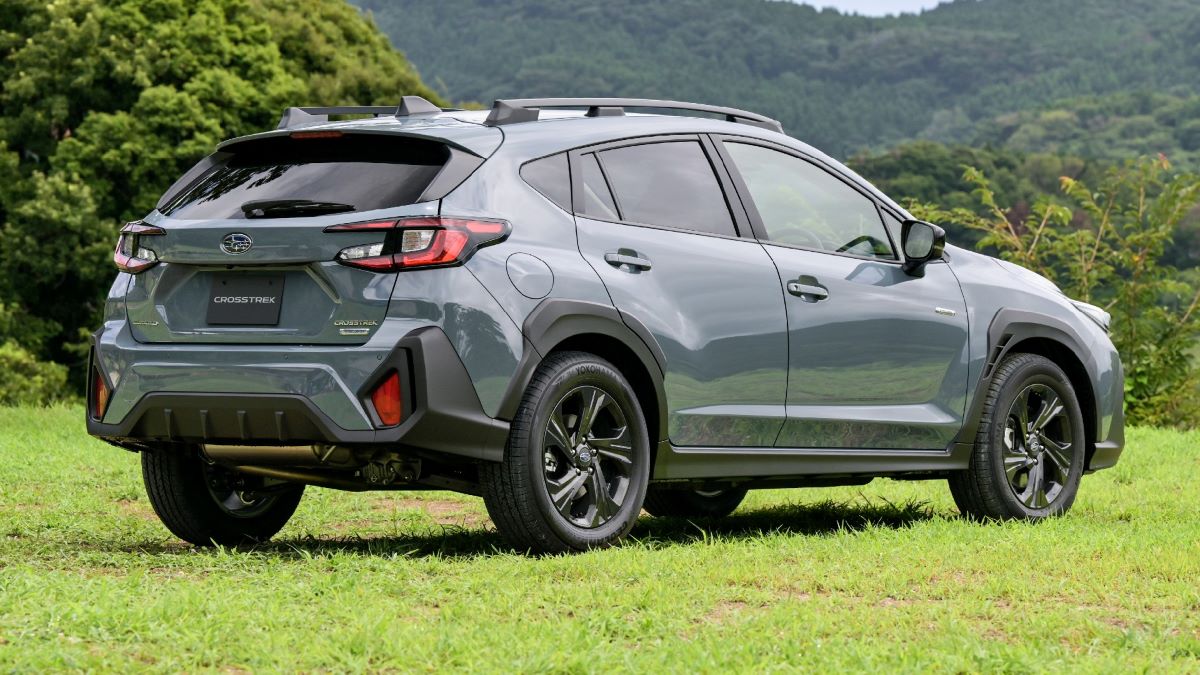
As the most powerful Crosstrek to date, the hybrid improves utility and performance while maintaining the gas-only model’s ride height, approach angle, and passenger space, sacrificing only a bit of cargo volume.
The brake pedal has an unusual feel when battery regeneration is active, but drivers quickly adapt. When operating in EV mode, the vehicle is impressively quiet, while retaining the gas model’s positive traits of solid body control and a comfortable ride.
For those seeking greater off-road capability, the gas-only Subaru Crosstrek Wilderness remains the top choice, with a lifted suspension and other trail-focused upgrades that make it exceptionally capable once the pavement ends.
Buyers should note a few minor drawbacks of the third-generation Crosstrek: the cabin is slightly smaller than the previous iteration, and the base flat-four engine has been retired.
Now, all models come with either the larger gas engine or the more powerful hybrid option. A continuously variable transmission (CVT) is standard across the lineup, performing adequately but lacking the engagement of the manual gearbox offered on the second-generation model.
Also Read: 5 Cars With Stellar Brakes vs 5 With Long Stopping Distances
2. Honda CR-V
Honda’s CR-V strikes a perfect balance between durability and ease of use. For teen daughters balancing school, sports, and part-time jobs, the CR-V’s generous cargo room is a plus, but the real advantage is how predictably it handles.
It’s not fast, but it accelerates smoothly. It brakes gently without being overly touchy.
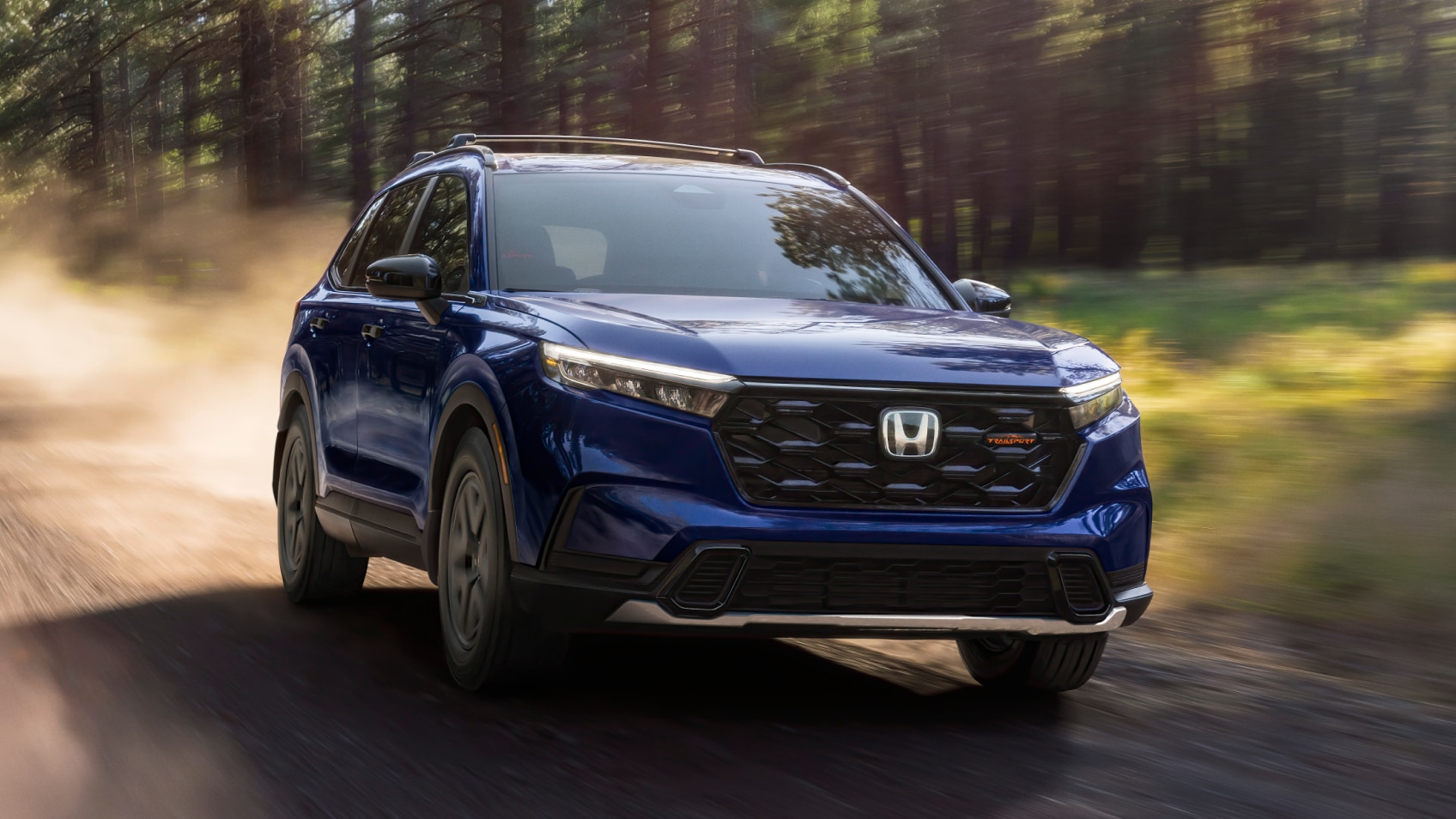
Visibility is strong, the steering is light, and the safety systems especially newer Honda Sensing setups tend to intervene early before risky scenarios escalate.
It’s also high on reliability, so parents aren’t worrying about breakdowns during late-night drives home.
The Honda CR-V is super roomy, refined, and remarkably fuel-efficient for a compact SUV. But beneath its smooth, quiet ride lurked a serious engineering problem: the now-infamous 1.5-liter turbo oil-dilution issue.
The trouble began with its revolutionary turbocharged engine, which quickly turned into a chemistry experiment gone wrong. The direct-injection system likely ran too cool to properly burn off excess fuel, causing unburned gasoline to drip down the cylinder walls.
The consequences were severe. Fuel mixed with the oil, preventing it from lubricating properly, and engines began running rough, stalling, and, in some cases, failing entirely. A software update helped some vehicles, but many never fully recovered.
By 2022, frustrated owners were trading in their nearly new CR-Vs for anything that didn’t carry the smell of gasoline fumes, and a class-action lawsuit soon followed. To its credit, the fifth-generation CR-V still nails the three essential qualities: comfort, cargo space, and efficiency.
But if you’re shopping for a used model, caution is key. Make sure to ask for the service records, verify that the software update was completed, and perform a sniff test to ensure the oil doesn’t smell like gasoline and regret.
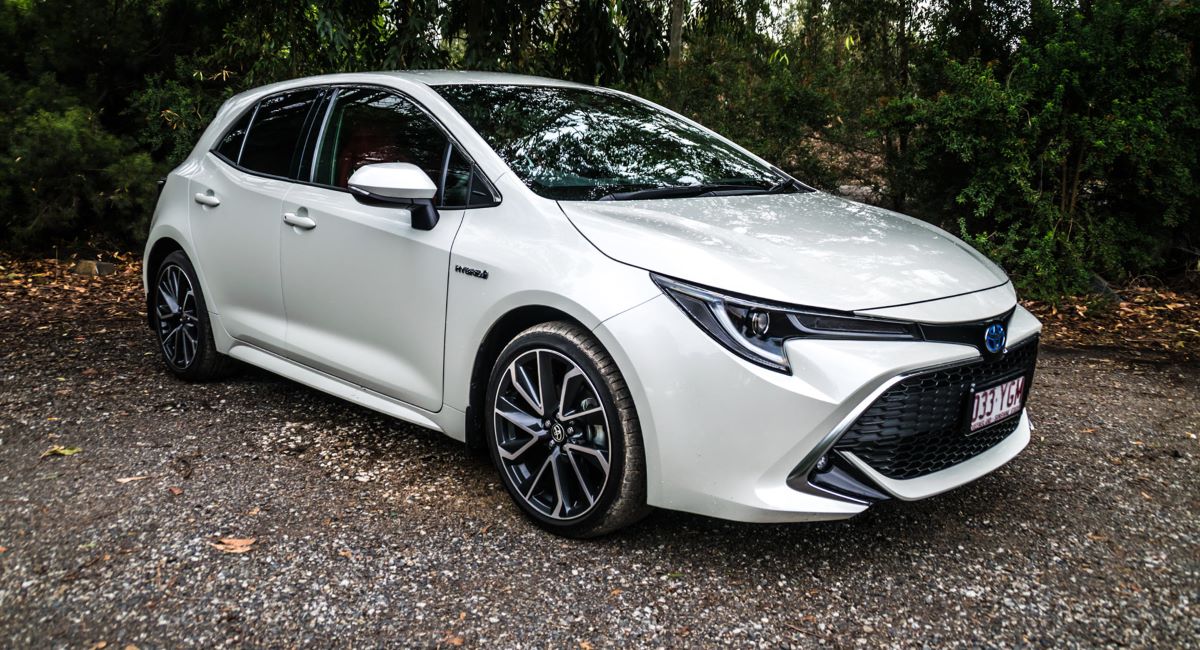
3. Toyota Corolla Hybrid
Parents wanting to avoid the expense of a compact SUV often turn to the Corolla Hybrid. It’s not intimidating to drive, and because of its hybrid powertrain, it naturally discourages aggressive driving styles.
Hybrids emphasize smooth throttle input, which helps teen drivers develop good habits early. Toyota’s reputation for mechanical stability is another bonus.
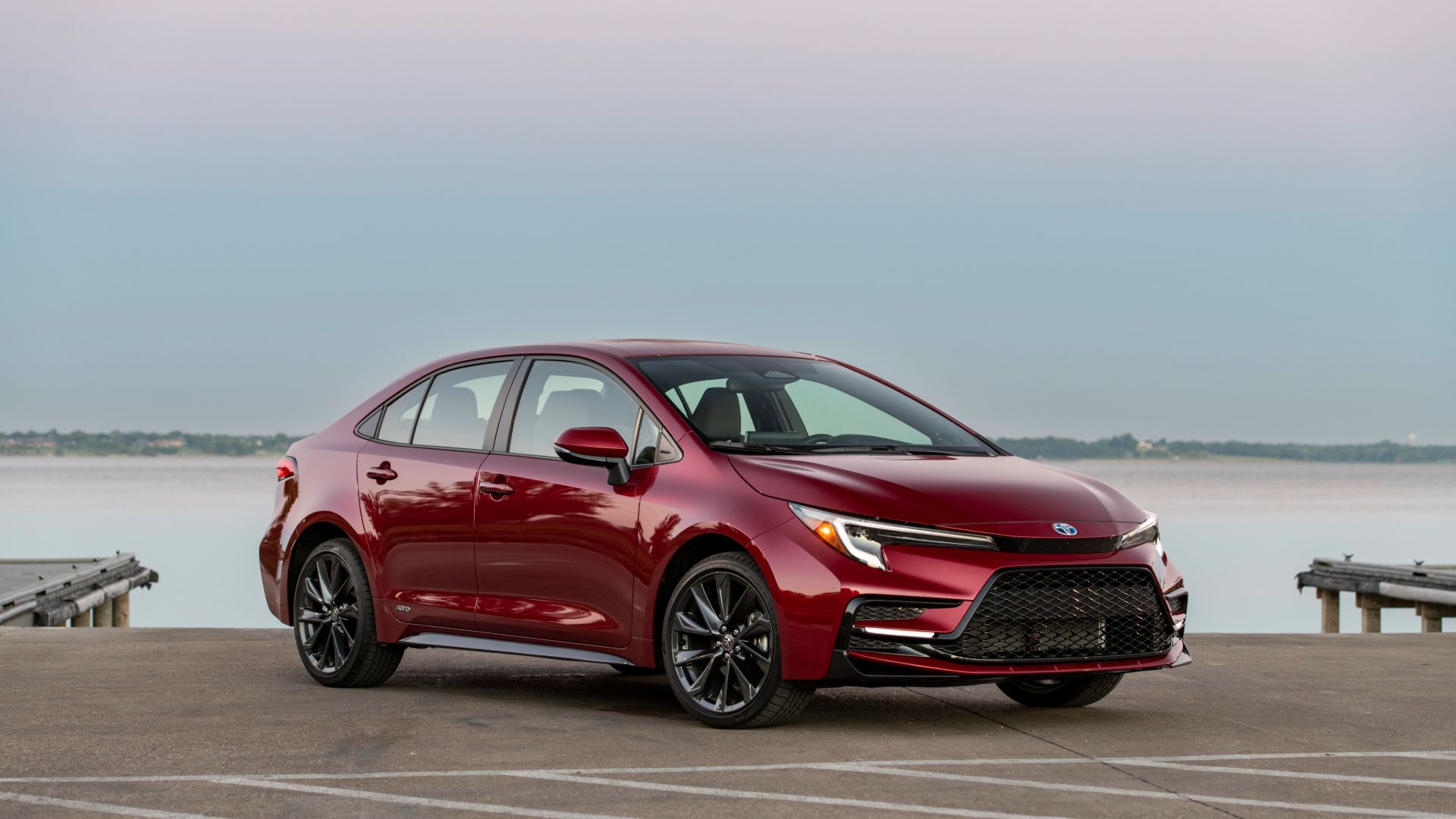
The cabin feels reassuringly quiet and stable, and even though it’s not big, it feels planted on the highway.
The Prius often gets attention too, but the Corolla Hybrid enjoys more traditional styling that feels “ordinary” (in the good, safe sense).
4. Mazda CX-30
Mazda quietly builds some of the safest mainstream vehicles in the U.S., and the CX-30 sits at the center of that reputation.
It’s fun to drive but not overwhelmingly powerful in its base form, which helps keep young drivers engaged without encouraging reckless behavior.
The structure is very rigid, giving the cabin a protected feel. The seats hold drivers in position, which helps inexperienced motorists feel less “floaty” when cornering.
And Mazda’s driver-interface design avoids clutter, making it easier for teens to keep their eyes on the road rather than scrolling menus.
The Mazda CX-30 is both easy and engaging to drive. Its base engine delivers better-than-average power for the class, with our test model reaching 60 mph in just 9 seconds, compared with over 10 seconds for many rivals.
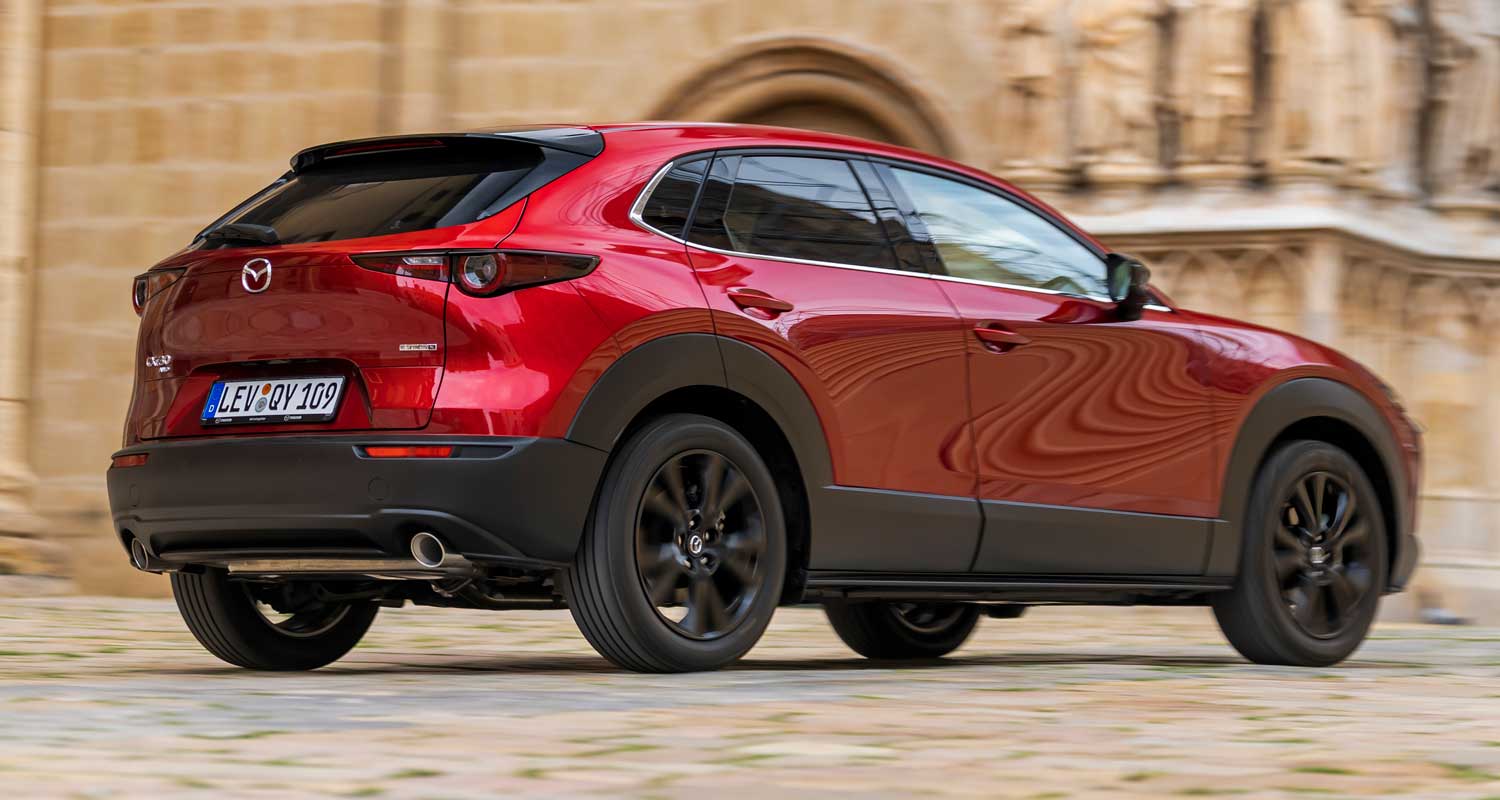
For those seeking more speed, the turbocharged engine is available, propelling the CX-30 Turbo from 0-60 mph in a brisk 6.4 seconds,nmaking it the quickest car in its class and even outpacing a Volkswagen Golf GTI. The steering is sharp and communicative, complementing the CX-30’s excellent handling as it hugs corners and feels composed on twisty roads.
The standard transmission tends to upshift early to maximize fuel economy, and it can be a beat slow to downshift when passing at highway speeds. Engaging Sport mode livens up the CX-30’s character, providing a more responsive and spirited driving experience.
5. Volkswagen Taos
The Taos is underrated as a teen-friendly vehicle because its size is nearly perfect compact enough for easy parking yet tall enough for excellent outward visibility.
Its driver-assistance tech (IQ.Drive) works quietly in the background, helping with lane centering and pedestrian detection without feeling intrusive.
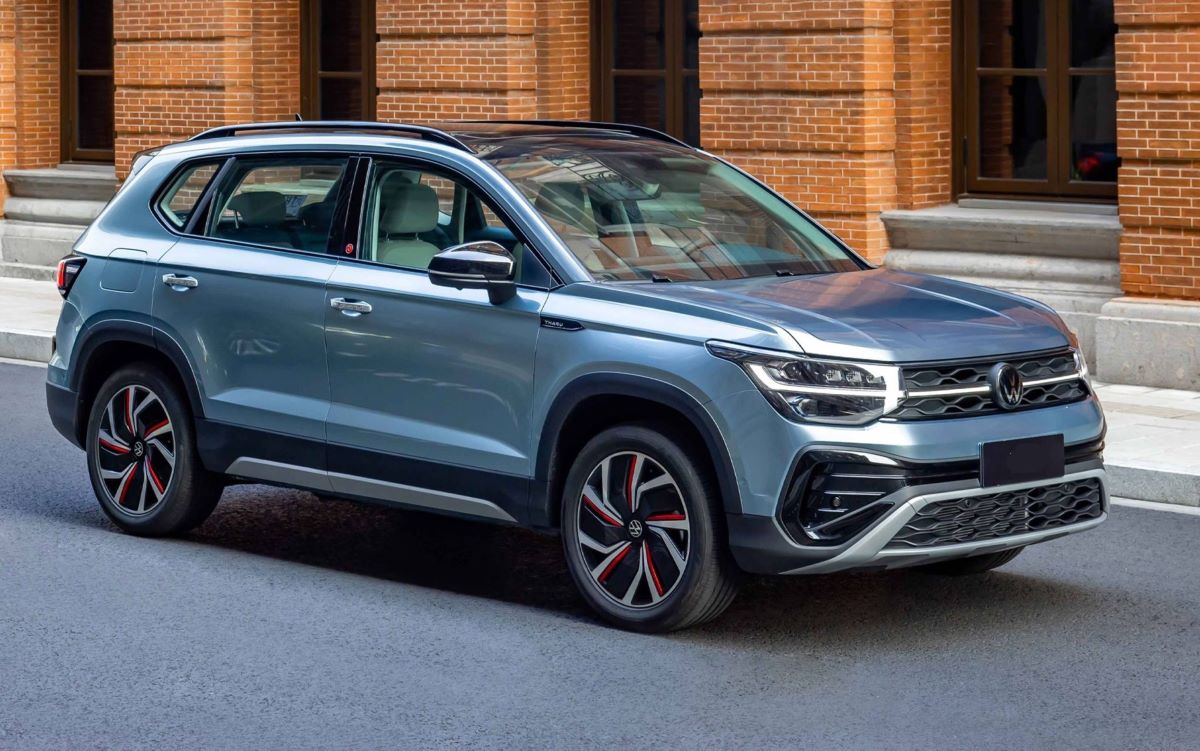
Parents also appreciate that the Taos doesn’t encourage overconfidence; the engine is capable but not too lively, and the steering gives clear feedback.
For teen daughters who might drive to school, work, or extracurriculars in mixed traffic, the calm feel is a major plus.
6. Toyota RAV4
The RAV4 has become a parenting favorite because it feels robust without being overwhelming. With a commanding driving position and excellent crash-test results, it gives teens a sense of security without tanklike bulk.
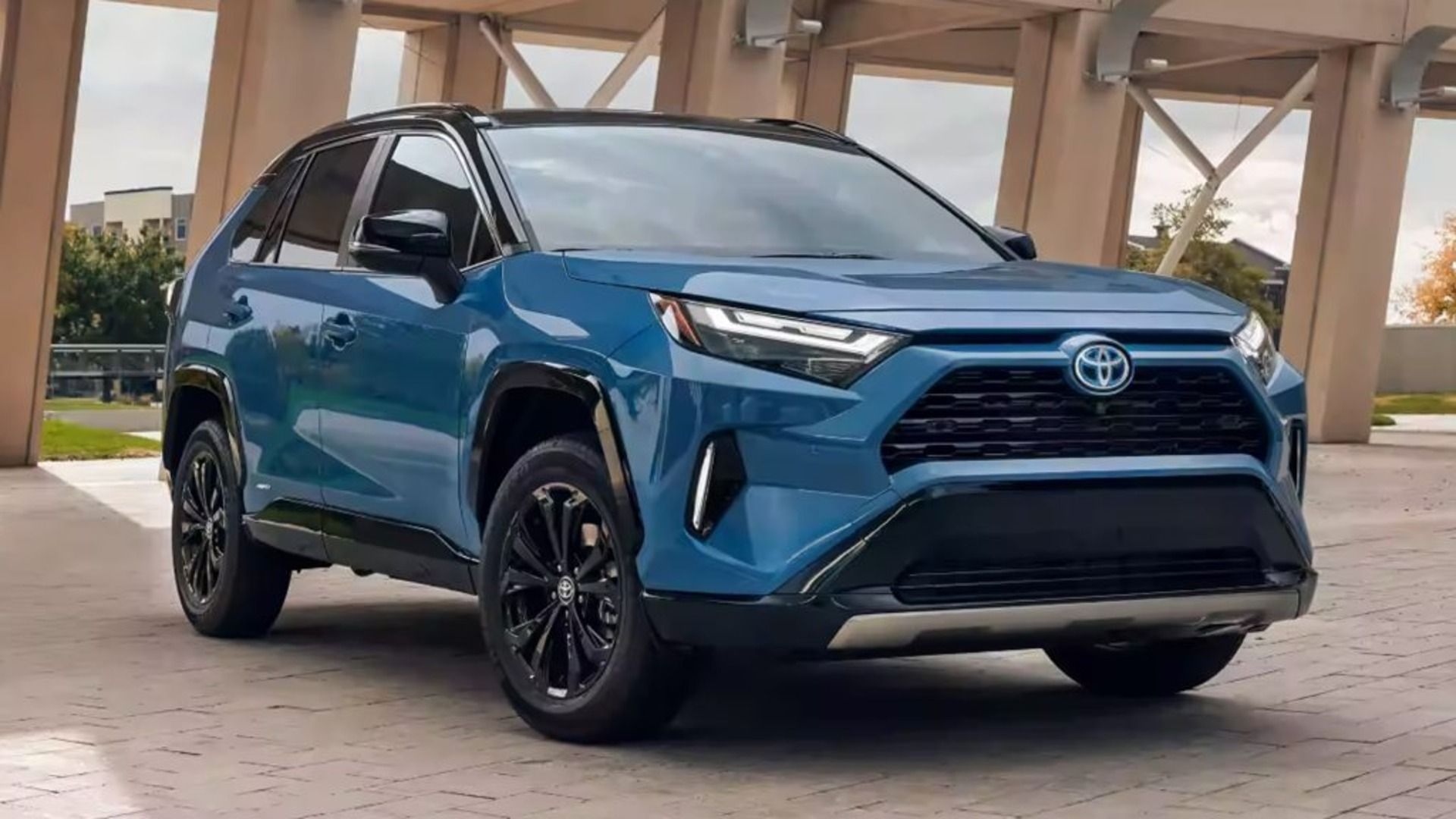
Modern RAV4s include Toyota Safety Sense 2.5+, which picks up on lane drifting, forward collision risks, and cyclists at night vital for urban and suburban teens who deal with busy intersections.
Reliability helps as well; young drivers don’t usually have the maintenance discipline adults do, so having a forgiving, long-lasting vehicle matters.
7. Volvo XC40
If the budget allows, the Volvo XC40 is arguably one of the safest small SUVs in America. It’s built with Volvo’s signature safety engineering philosophy, emphasizing structural protection, early-warning collision systems, and braking interventions that feel almost intuitive.
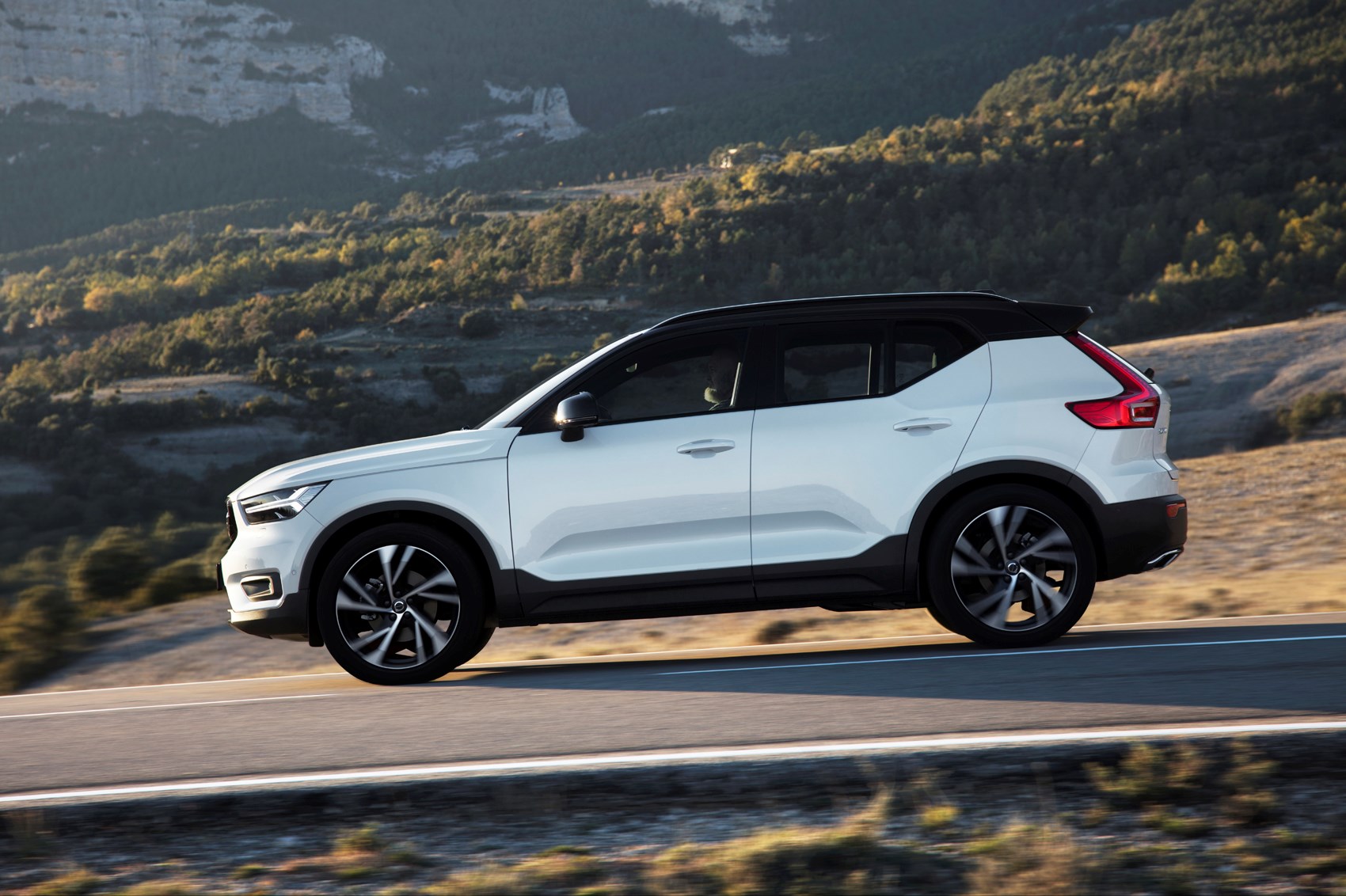
The cabin layout is clean and distraction-free, and the car’s solid build gives a sense of security that many parents love.
For teens who might still be developing confidence, the XC40 provides gentle driving feedback and a stable ride, helping them stay relaxed in stressful traffic.
Also Read: 5 Cars Perfect for Teen Drivers and 5 That Are a Terrible Idea
Cars That Don’t Feel Safe for Teen Daughters
Not every car on the market inspires confidence, especially when the driver is a teen daughter who’s still gaining experience behind the wheel. Some models may seem appealing for their style, price, or performance, yet fall short in the areas that matter most to parents: predictable handling, strong crash protection, visibility, and modern safety tech.
In this article, we take a closer look at Cars That Don’t Feel Safe for Teen Daughters, highlighting the models that raise red flags due to outdated features, poor safety ratings, or driving dynamics that simply aren’t ideal for new drivers.
1. Dodge Challenger
Even the most modest Challenger trims carry far more power than a new driver needs. Rear-wheel drive combined with a long, heavy chassis makes the car tricky in rain or snow, and visibility over that huge hood is not beginner-friendly.
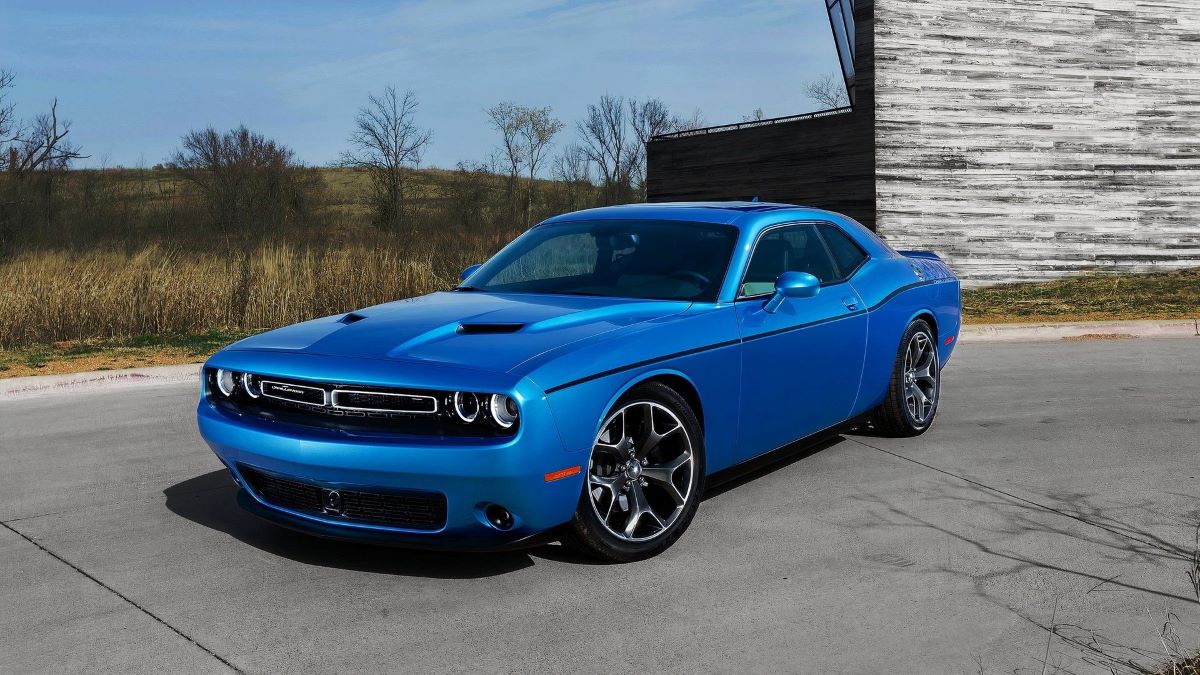
It’s an iconic car but not suited for teens, especially daughters who may be driving at night or in busy school parking lots where its bulk becomes a liability.
2. Jeep Wrangler (Two-Door)
The Wrangler is popular with teens stylistically, but it’s not the most reassuring vehicle for new drivers. Its short wheelbase makes highway stability weaker than crossovers.
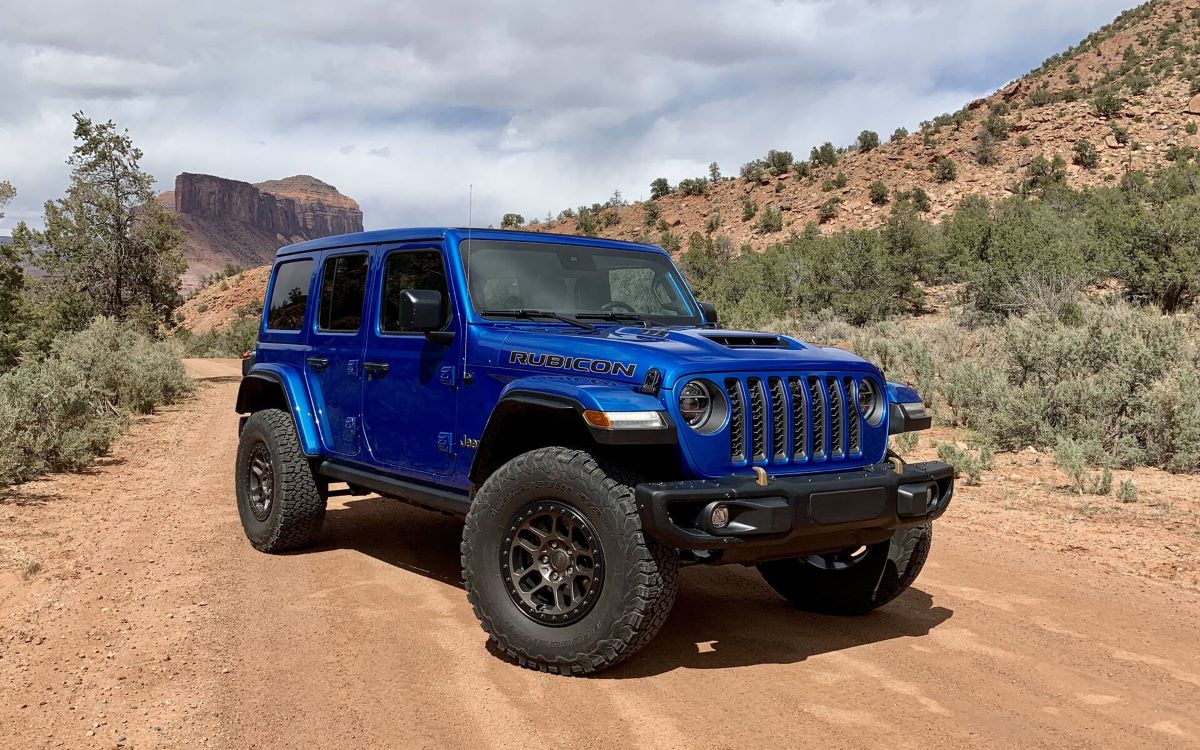
The ride is bumpy, steering is vague, and handling requires more corrections than inexperienced drivers may be ready for. Roll-over concerns aren’t as severe with new generations, but still enough to give parents pause.
3. Ford Mustang
Like the Challenger, the Mustang is simply too powerful and too tempting. Teen drivers typically don’t need a car that can bolt forward with even small throttle inputs.
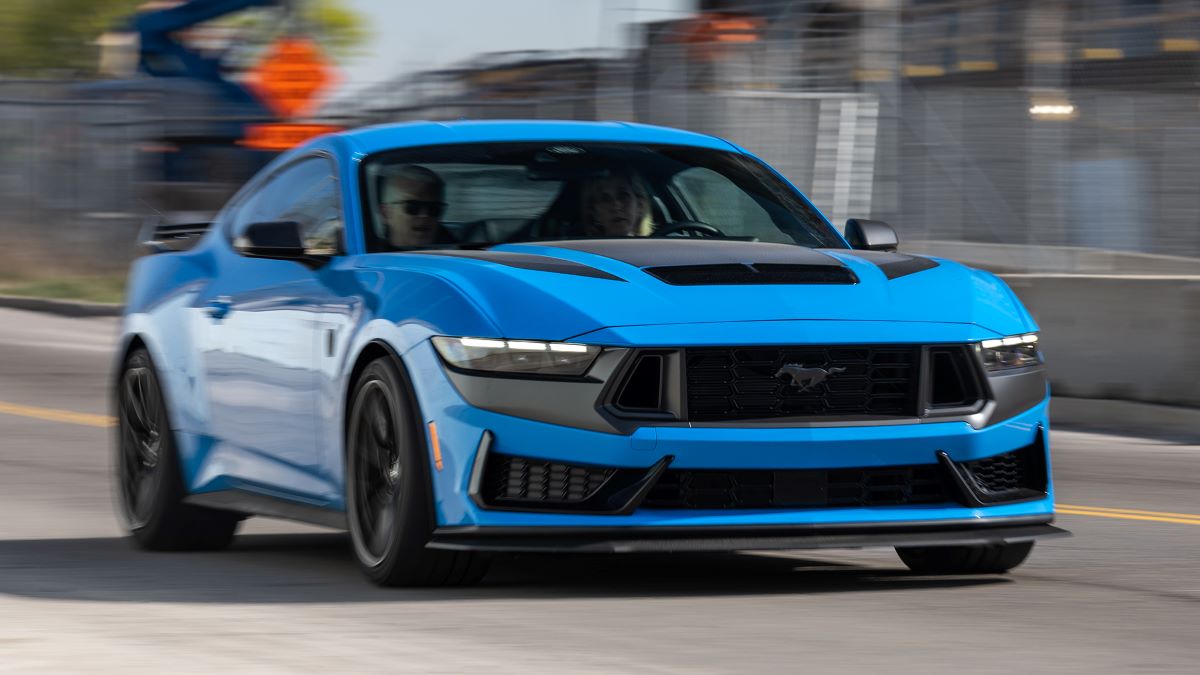
Rear-wheel drive adds another layer of risk, especially where winters or heavy rains occur. And because Mustangs often encourage spirited driving, they don’t align with the “slow and steady” behavior parents want their daughters to adopt early on.
4. Mini Cooper
Cute and compact doesn’t always mean safe-feeling. The Mini Cooper’s stiff suspension and hyper-responsive steering make it feel twitchy in the hands of a beginner.
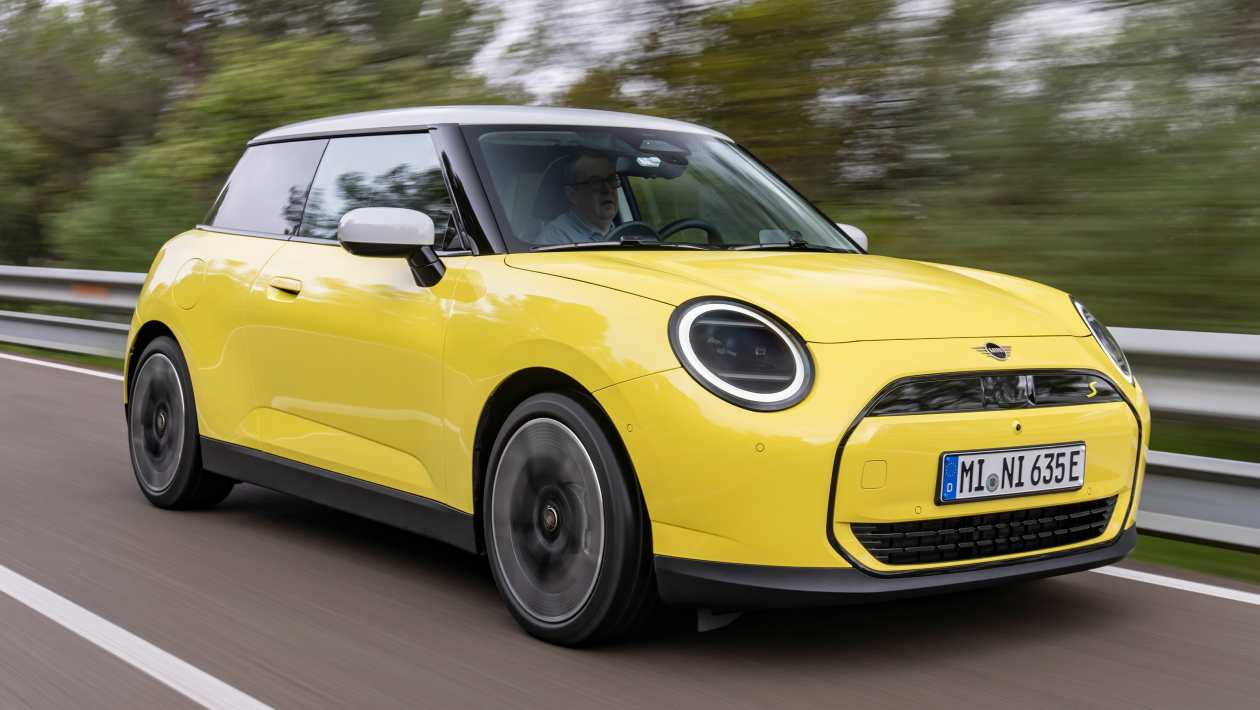
Teens may overcorrect or feel stressed during lane changes at highway speeds. Visibility also isn’t as good as the footprint suggests, and the in
It’s been nearly two decades since Mini returned to the U.S. market with the iconic Cooper, and the 2021 Mini Hardtop 2 Door builds on that legacy. Now bigger and offered in a wider array of versions, the Hardtop 2 Door still delivers nimble handling, distinct style, and fun at a reasonable price.
For 2021, Mini introduced its most powerful Hardtop yet: the John Cooper Works GP. This limited-production model features a turbocharged engine producing 301 horsepower, 73 more than the standard JCW, and 331 lb-ft of torque.
In our testing, the JCW GP sprinted from 0 to 60 mph in just 5.1 seconds, an impressive feat for a front-wheel-drive small car. To complement the added power, Mini upgraded nearly every performance-related component, including a lower sport-tuned suspension, reinforced chassis, more potent brakes, and an enhanced engine oiling system for sustained high-g cornering.
On the exterior, the GP stands out with a large rear wing and lightweight 18-inch wheels tucked into unusually shaped wheel arches. Inside, Mini changed the formula by removing the rear seats, turning the GP into a two-seater with a sturdy cross brace in place of the usual rear passenger area.
While these upgrades sound exciting, the JCW GP’s actual driving experience can be somewhat underwhelming. Meanwhile, the more conventional Hardtop 2 Door models remain closer to the classic Mini formula and are generally more satisfying for everyday driving.
Competing hatchbacks may be more practical or affordable, but few offer the same blend of retro charm and modern convenience that the Hardtop 2 Door provides.
In real-world use, a full year with a Mini Cooper Hardtop 2 Door, covering 22,000 miles, revealed much to like. Despite some updates since the 2014 model, the 2021 2 Door remains largely in the same generation, and many observations from our earlier testing still apply
5. Nissan 350Z / 370Z
Even though these older sports cars are cheap on the used market, they’re not great choices for teen daughters. They have higher power-to-weight ratios, rear-wheel drive, and abrupt throttle response.
Their safety tech is outdated compared to modern cars, and the seating position is low, reducing visibility especially dangerous in parking lots and multi-lane traffic.
The 2008 Nissan 350Z marked the final production year for the coupe model before the transition to the 370Z in 2009. Built on Nissan’s FM (Front Midship) platform, the 350Z featured a unibody construction and was available as a two-door coupe or a roadster convertible.
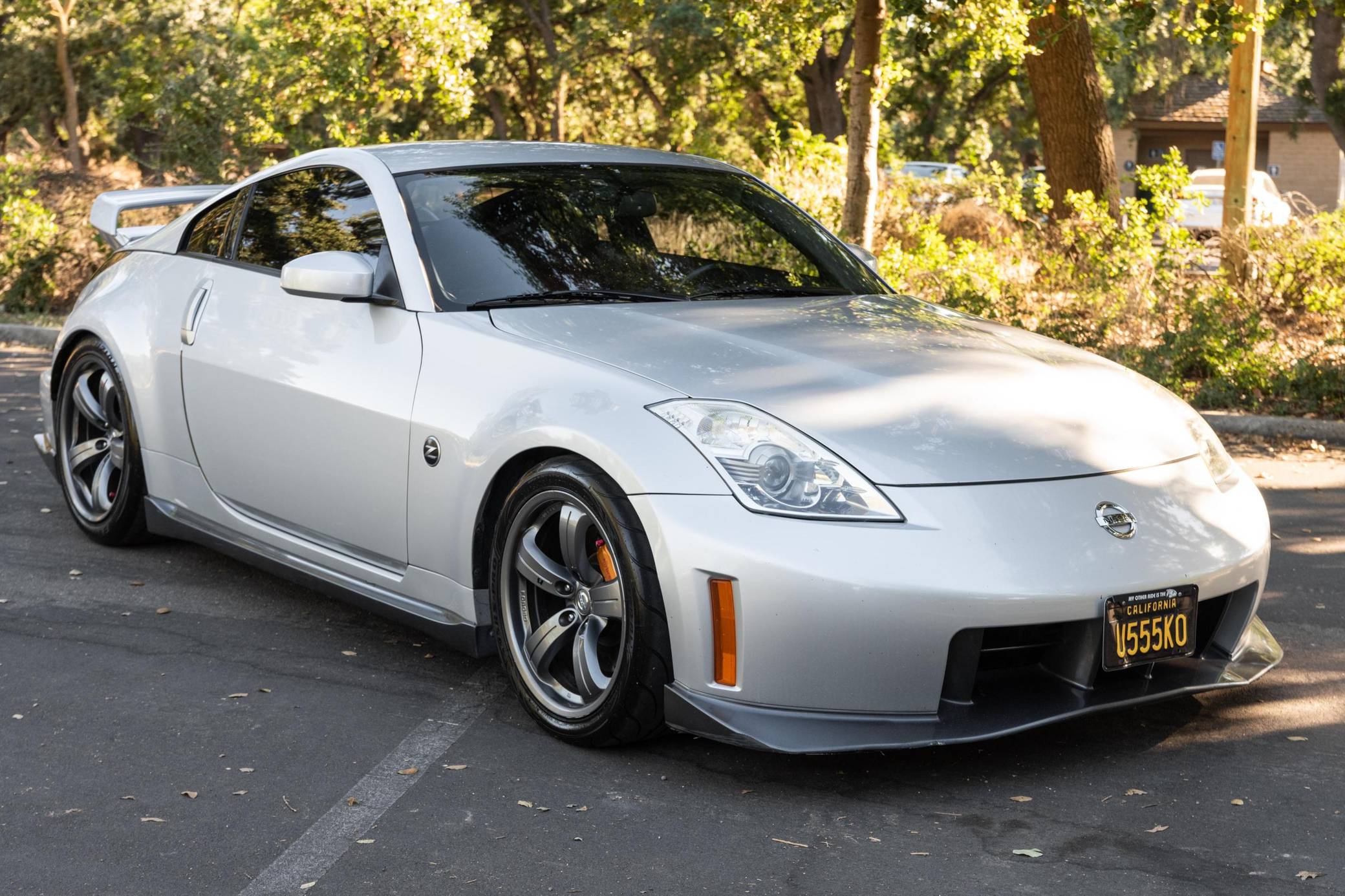
For 2008, the lineup included five trims: Base, Enthusiast, Touring, Grand Touring, and the high-performance NISMO edition, with the base model starting at $28,510. Power came from a 3.5-liter V6 engine, paired with either a 6-speed manual or 5-speed automatic transmission, and standard rear-wheel drive.
While the 350Z carried over most features from the 2007 model, 2008 marked the first full year of the NISMO trim, introduced in 2007 to replace the discontinued Track trim.
Performance came from the 3.5-liter VQ35HR V6, producing 306 horsepower at 6,800 rpm and 268 lb-ft of torque at 4,800 rpm. The base and NISMO trims came with a 6-speed manual, while other trims offered a 5-speed automatic with manual mode.
The NISMO edition added a track-tuned suspension, Brembo brakes, reinforced body rigidity, enhanced aerodynamics, a NISMO-tuned exhaust, and super-lightweight forged RAYS alloy wheels with high-performance tires, making it the most focused and capable version of the 350Z in the 2008 lineup.
6. Chevrolet Camaro
The Camaro suffers from notoriously poor outward visibility. Thick pillars create massive blind spots, and the small windows make the cabin feel tight.
New drivers rely heavily on visibility, and the Camaro’s design works against them. Add in strong acceleration and you have a vehicle that feels more demanding than supportive for teens.
The 2022 Chevrolet Camaro isn’t just a nostalgic slice of Americana, it’s also a genuinely capable sports car. With nimble handling, two body styles, and a broad range of trims and powertrains, the Camaro remains a strong contender for the best performance value on the market. For 2022, new paint and wheel options are available, while the 1LE Track Package is no longer offered on LT trims.
The Camaro continues to impress. Historically, Chevy’s performance cars excelled in straight-line speed but struggled in corners. The latest Camaro, like the Corvette, changes that narrative. Introduced in 2016, this generation is superbly capable on twisty roads, thanks to its Alpha platform, which also underpinned the now-discontinued Cadillac ATS.
Despite its performance, the Camaro is not without drawbacks. Rear seats are better suited to luggage than passengers, cabin visibility suffers due to narrow windows, and ingress and egress are tricky.
Trunk space is extremely limited, too. For those prioritizing practicality, hot hatchbacks are a better option, but for a joyous drive wrapped in classic pony-car styling, the Camaro excels.
According to industry sources, this generation will be the last to feature two doors and an internal combustion engine, remaining available through 2024 before a four-door electric replacement arrives.
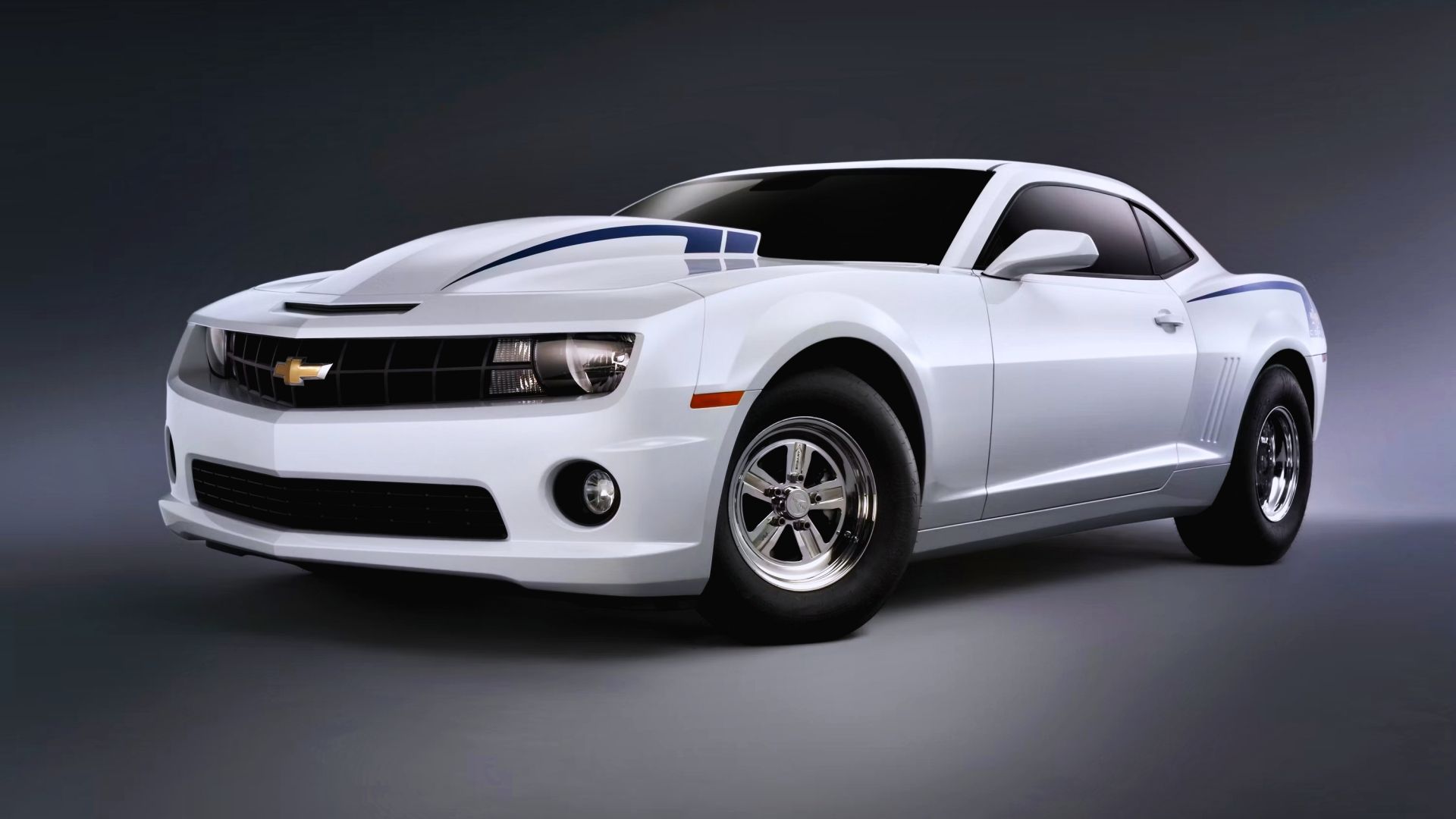
Performance-wise, the Camaro is exclusively rear-wheel drive, with four engine options. A six-speed manual is standard, while two automatic transmissions are available for $1,495 or $1,595. The base turbo-four is paired with an eight-speed automatic, whereas the V-6 and V-8 powertrains use ten-speed automatics.
The 2.0-liter turbo-four produces 275 horsepower and 295 lb-ft of torque, achieving 0-60 mph in 5.4 seconds with the manual or 5.5 seconds with the automatic, and fuel economy of 19/29 mpg (manual) or 22/30 mpg (automatic).
The 3.6-liter V-6 delivers 335 horsepower and 284 lb-ft, reaching 0-60 mph in 5.2 seconds (manual) or 5.4 seconds (automatic) with fuel economy of 16/26 mpg (manual) or 18/29 mpg (automatic). The 6.2-liter V-8 in the LT1 and SS trims outputs 455 horsepower and torque, accelerating to 60 mph in 4.3 seconds (manual) or 4.0 seconds (automatic), with fuel economy ranging from 16/24 to 16/26 mpg.
The top-of-the-line ZL1 adds a supercharged 6.2-liter V-8 producing 650 horsepower and torque, hitting 0-60 mph in 3.7 seconds (manual) or 3.5 seconds (automatic) while achieving 14/20 mpg (manual) or 13/21 mpg (automatic).
The Camaro remains a central player in the ongoing battle for pony car supremacy, a contest dating back to the late 1960s alongside the Ford Mustang and Dodge Challenger.
Of the three, the Challenger offers the largest rear seat and trunk, but it is the heaviest and arguably the least exciting to drive despite its potent V-8 options. The Mustang strikes a balance between livability and performance, though enthusiasts still miss the recently departed GT350R.
The Camaro, while compromising practicality, excels on corners and curvy roads, delivering the sharpest handling of the trio. As the automotive industry pivots toward electric powertrains, the era of the traditional gas-powered pony car appears to be drawing to a close, with hybrid and electric replacements already beginning to emerge.
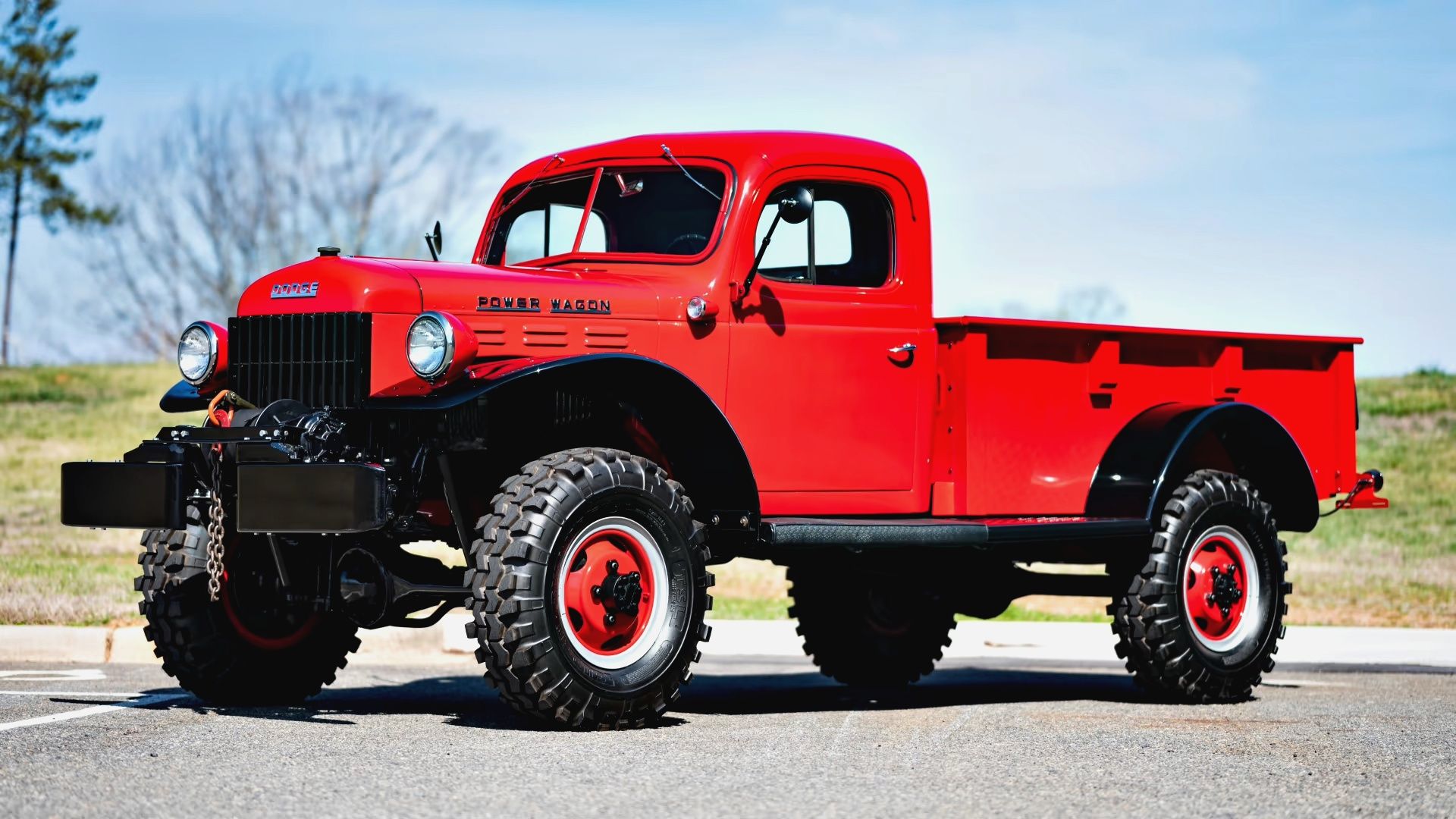
7. Older Pickup Trucks (Pre-2015 Models)
Many parents consider older pickups because they appear sturdy, but structurally and technologically, many pre-2015 trucks lack modern crash mitigation, side-curtain airbags, stability control sophistication, and emergency braking support.
They’re tall, heavy, and slow to react, which can intimidate smaller teen drivers. The high seating position may give confidence initially, but the slow steering, long stopping distances, and lack of active safety tech reduce overall safety feel dramatically.
Choosing a car for a teen daughter isn’t just about insurance rates or fuel economy. It’s about how the car communicates with an inexperienced driver: through clear steering, predictable braking, wide visibility, and advanced safety systems that serve as a helpful backup.
While many cars can technically be safe, the ones listed above stand out because they reduce stress, encourage responsible habits, and provide modern layers of protection.
On the flip side, the vehicles in the “not safe-feeling” category typically introduce unnecessary complexity, power, or visibility challenges that can overwhelm a new driver.
Ultimately, the best pick is the one that makes both teens and parents feel at ease every time the keys change hands.