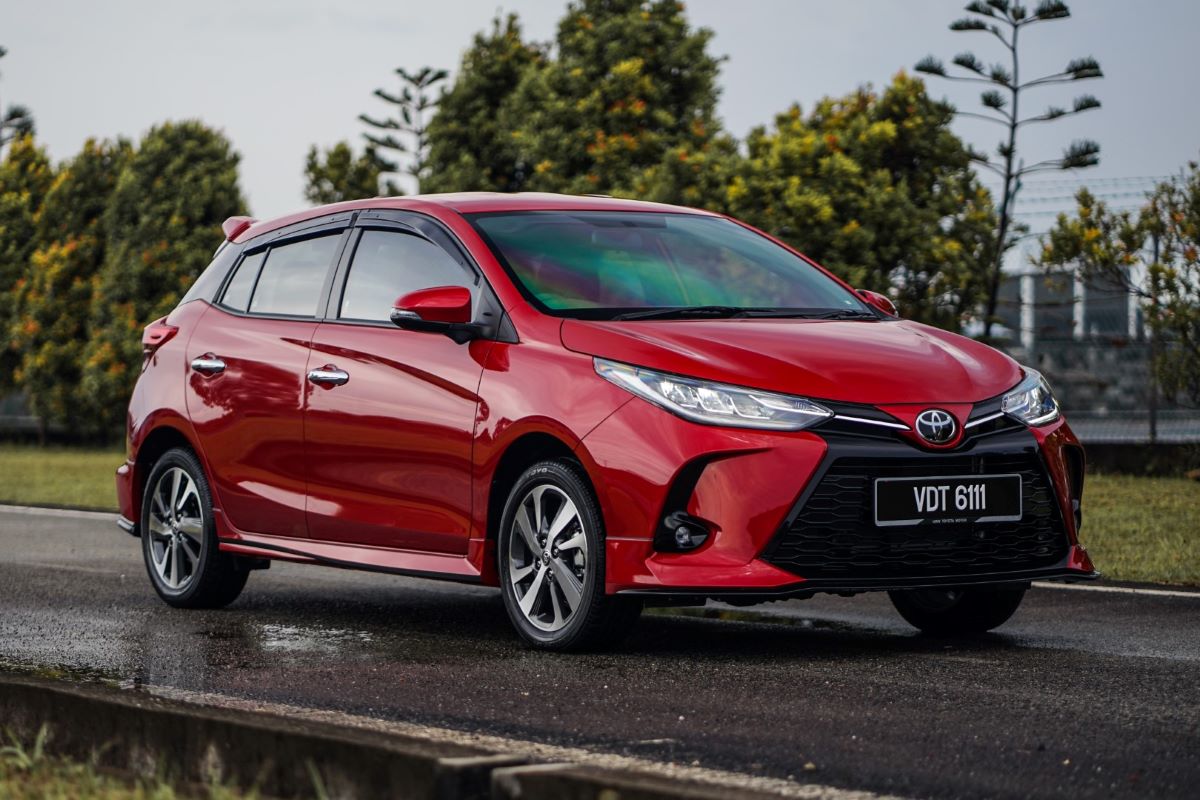
Choosing a small car often comes down to balancing practicality, fuel efficiency, and driving comfort. While small cars are generally praised for their maneuverability in cities and ease of parking, not all of them perform the same way on highways.
Some small cars manage to offer a surprising sense of space, stability, and confidence at higher speeds, making them feel larger than their exterior dimensions suggest. Others, however, can feel fragile, rattly, or nervous, which emphasizes their compactness and can reduce comfort on long drives.
The difference between these experiences often comes down to suspension tuning, chassis rigidity, noise insulation, and the car’s design philosophy. A car that feels big on the highway will usually inspire confidence in the driver, with minimal wind noise, stable handling, and a composed ride that absorbs irregularities in the road.
Conversely, cars that feel tinny can transmit every bump, sway excessively during cornering, and make the cabin environment less inviting, highlighting the compromises of their smaller size. This distinction can significantly influence a driver’s satisfaction, especially for those who spend a lot of time on highways or longer commutes.
Understanding which small cars feel substantial and which feel delicate is not just a matter of ego; it is a practical matter of comfort, safety, and driving pleasure.
This article examines five small cars that manage to feel bigger than their physical dimensions when driving on highways and five that feel more fragile and compact, offering a clear perspective for buyers who prioritize highway comfort alongside urban convenience.
By comparing these vehicles, it becomes possible to identify the engineering and design choices that make a small car feel solid rather than light, helping prospective buyers make informed decisions.
5 Small Cars That Feel Big on Highways
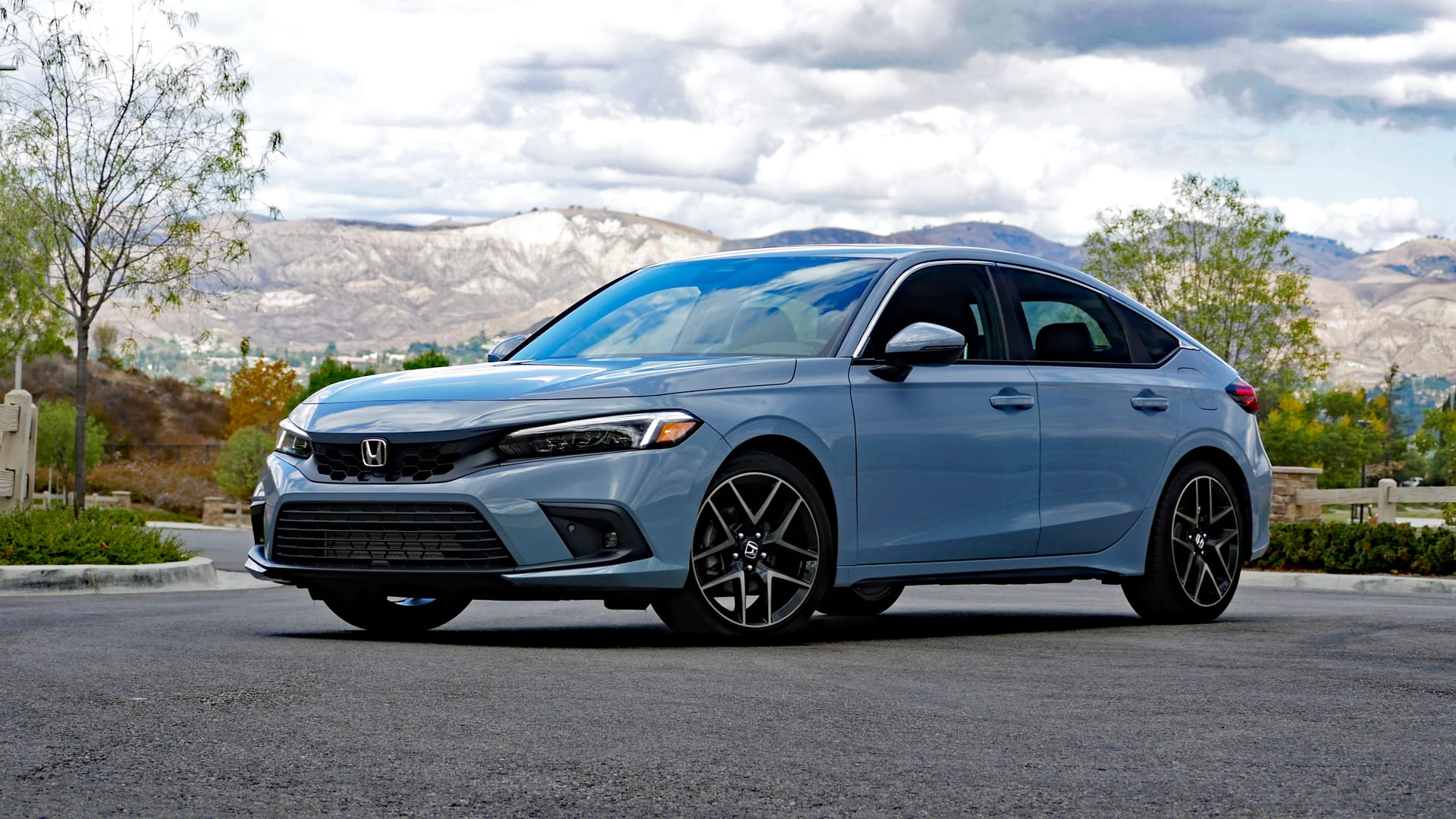
1. Honda Civic
The Honda Civic has earned a reputation over decades for delivering a driving experience that feels more refined than its compact exterior might suggest. Its chassis is remarkably stiff for a small car, which reduces flexing and ensures that the body feels planted even at highway speeds.
The suspension strikes an impressive balance between comfort and responsiveness. While it absorbs most road imperfections without jolting passengers, it also resists excessive body roll, giving a sense of solidity that makes the Civic feel larger than it actually is.
Steering is precise and well-weighted, offering a communicative connection with the road that instills confidence during lane changes, overtaking maneuvers, and high-speed cruising.
The cabin itself is carefully designed for comfort and quietness, with high-quality insulation that minimizes wind and road noise. Even on extended highway trips, occupants experience minimal fatigue, further reinforcing the perception of a more substantial vehicle.
The engine options in the Civic complement its composed highway demeanor. Turbocharged engines provide a strong, linear flow of power that allows effortless acceleration, while naturally aspirated versions maintain smooth performance without feeling underpowered.
This ensures that drivers can merge or overtake without hesitation, adding to the feeling of control. The Civic’s aerodynamic profile also plays a critical role, reducing lift and wind buffeting at higher speeds, which keeps the car planted and stable.
Inside, the spacious seating and intelligently arranged dashboard create an open, airy feel that counters the compact exterior dimensions. Drivers often comment on the absence of the twitchy or nervous behavior that smaller vehicles sometimes exhibit at speed, highlighting Honda’s careful engineering approach.
Another aspect that makes the Civic feel larger is its braking and suspension synergy. Brakes are well-tuned, offering predictable stopping distances and feedback that makes controlling the car at high speeds intuitive. The suspension works harmoniously with the chassis, absorbing road irregularities without making the ride feel floaty.
Even when the car is fully loaded with passengers and cargo, it maintains a composed stance, avoiding the unsettled feeling often associated with smaller vehicles. These qualities combine to make the Civic one of the small cars that genuinely feels substantial on highways, providing a level of comfort and confidence that exceeds its compact size.
Finally, modern electronic aids further enhance the Civic’s highway presence. Systems like adaptive cruise control, stability control, and lane-keeping assistance reduce driver fatigue during long drives and reinforce the sense of command over the vehicle.
These technologies work seamlessly with the car’s natural driving dynamics, ensuring that even at high speeds, the Civic feels secure and composed. Its combination of mechanical stability, aerodynamic efficiency, quiet cabin, and technological support makes the Honda Civic a prime example of a small car that behaves like a larger, more substantial vehicle when driving on highways.
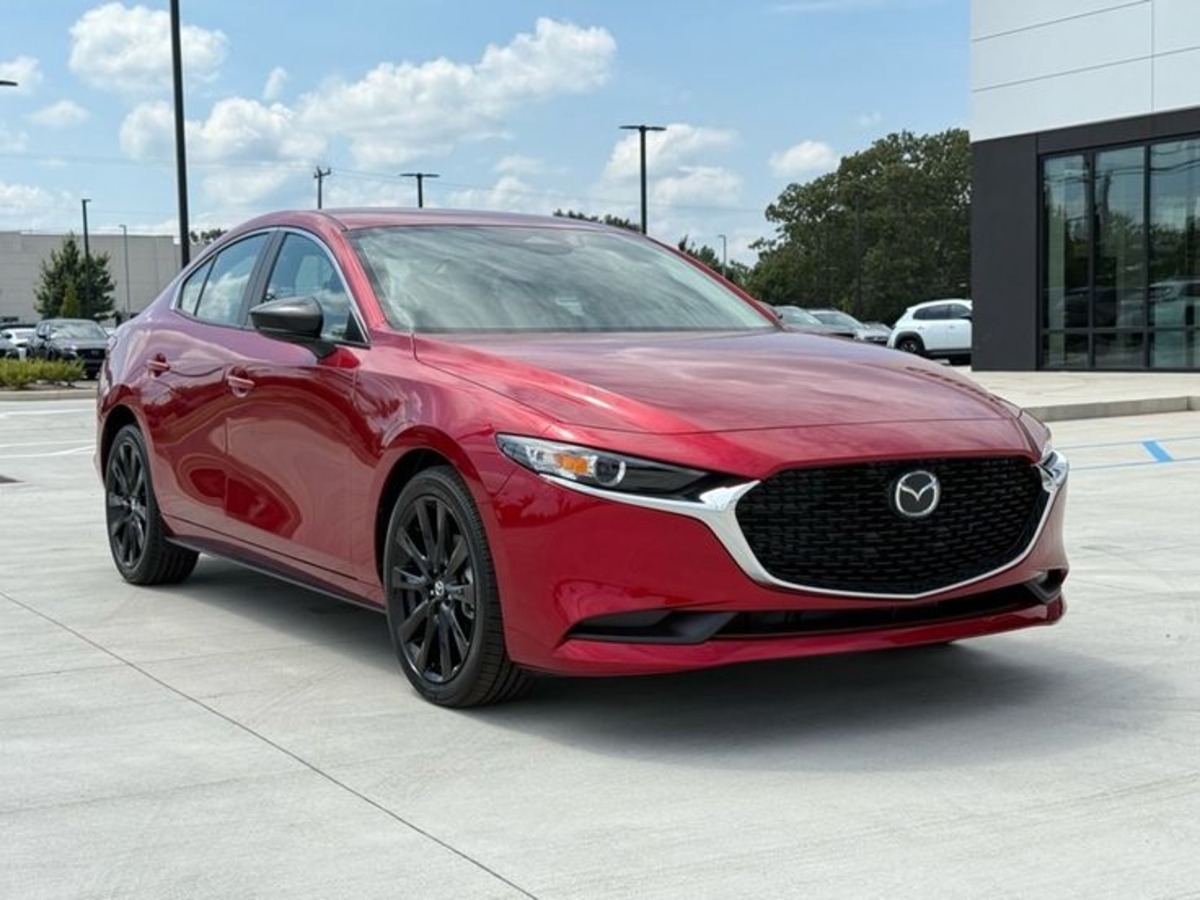
2. Mazda3
The Mazda3 offers a driving experience that is highly refined and remarkably composed for a compact vehicle. The chassis is notably rigid, which reduces flex and enhances the vehicle’s stability, even when traveling at higher speeds.
Its suspension is carefully calibrated to absorb bumps while maintaining precise handling, allowing drivers to feel in control on highways without experiencing the harshness typical of smaller vehicles.
The steering system is responsive and communicative, giving the driver confidence when changing lanes, merging, or navigating curves. Road and wind noise are well-managed, creating a quiet and comfortable cabin environment that makes long journeys enjoyable.
The interior design contributes to the feeling of spaciousness, with seats that are ergonomically shaped and cabin dimensions that feel more generous than expected for a small car. The Mazda3’s driving dynamics allow it to maintain composure under a variety of conditions, which adds to the sense of security and solidity on highways.
Engine options in the Mazda3 are tuned for smooth, linear performance rather than raw power, complementing the car’s refined driving character. Even when accelerating to overtake slower traffic or climbing highways at high speeds, the Mazda3 remains composed and predictable.
Its aerodynamic shape reduces turbulence, wind noise, and lift, which enhances both stability and comfort at highway speeds. The low center of gravity further contributes to steady handling, minimizing body roll and increasing driver confidence during longer stretches of highway driving.
Drivers often note that the car’s combination of suspension, steering, and aerodynamic stability makes it feel planted and secure, even when other small cars might feel unsettled at comparable speeds.
The interior also adds significantly to the perception of size and quality. The seats are supportive and comfortable for extended trips, while materials are carefully selected to dampen vibrations and prevent rattles. The cabin layout is thoughtfully arranged, giving the impression of more space and sophistication than the car’s exterior dimensions imply.
The Mazda3’s attention to detail, from seat cushioning to dashboard ergonomics, helps occupants feel insulated from road imperfections, enhancing the highway driving experience.
Safety and stability systems further elevate the Mazda3’s highway composure. Electronic stability control, traction management, and available driver-assistance features allow drivers to maintain confidence during challenging driving conditions.
These technologies reduce the likelihood of overcorrection or instability during high-speed maneuvers. Combined with the mechanical refinement of the chassis and suspension, the Mazda3 becomes a compact car that feels solid, comfortable, and reassuringly larger than its size might suggest when traveling on highways.
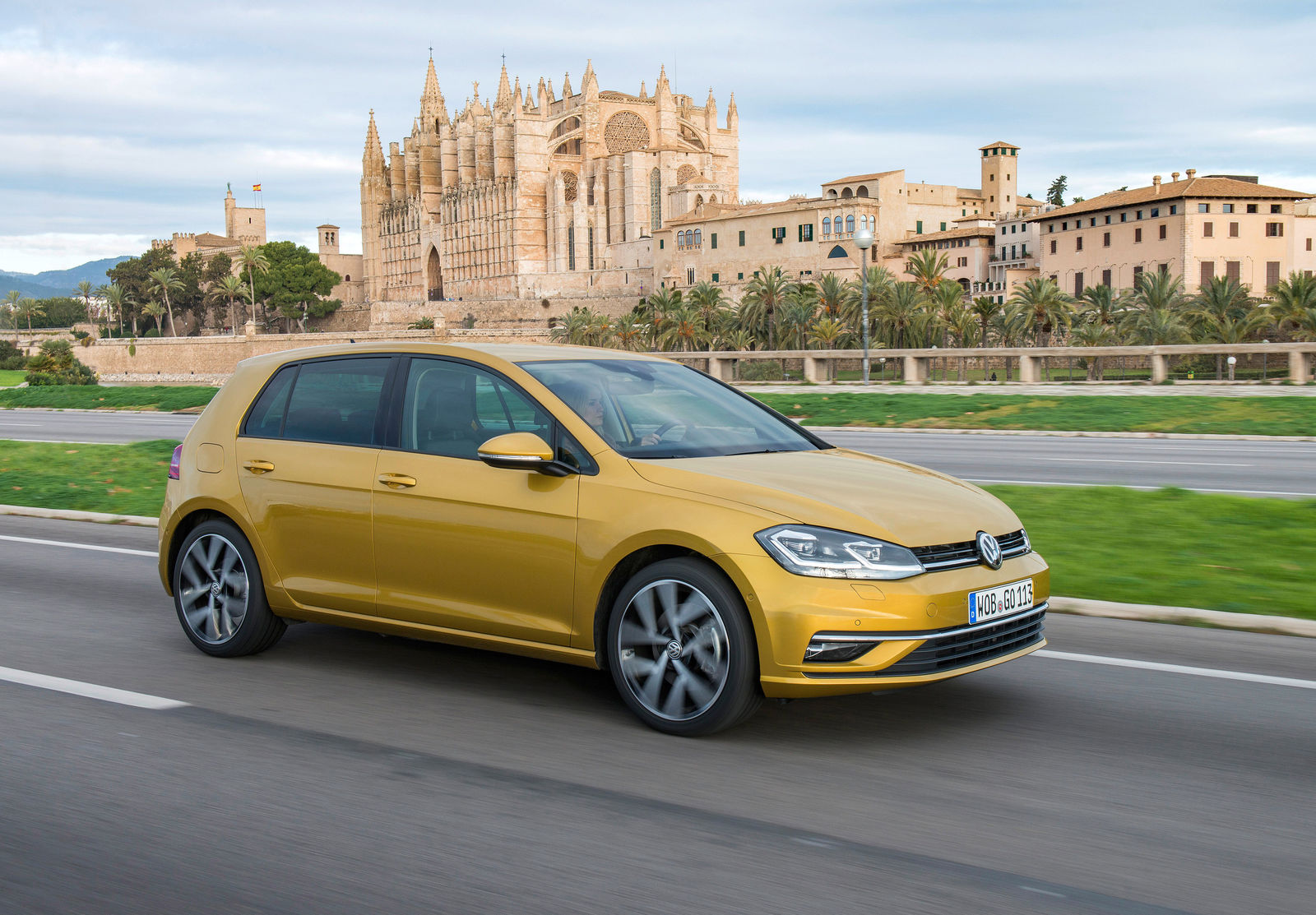
3. Volkswagen Golf
The Volkswagen Golf is widely regarded as a compact vehicle that feels more substantial than its exterior measurements indicate, particularly on highways. Its suspension is tuned to absorb imperfections in the road while maintaining a level of composure that many small cars lack.
Steering is precise and communicative, allowing drivers to feel connected to the road and confident when making lane changes or rapid maneuvers. The cabin is well-insulated, keeping wind and tire noise to a minimum, which contributes to a sense of comfort and solidity during extended highway driving.
The ergonomic interior layout, including supportive seats and thoughtful instrument placement, reinforces the perception of space, making the car feel larger and more premium than its compact footprint might imply.
The Golf’s powertrain lineup contributes to its highway poise. Turbocharged engines provide confident acceleration, allowing seamless overtaking and highway merging. Even naturally aspirated engines maintain smooth performance at higher speeds.
The car’s suspension and chassis are carefully tuned to resist the nervous, floaty behavior often found in smaller vehicles, offering a sense of planted stability.
Passengers feel minimal vibration or rocking even on imperfect road surfaces, making longer journeys more comfortable. These attributes give the Golf a quality that often surpasses other cars in its segment in terms of perceived size and stability.
Interior design adds another layer of refinement. The cabin is crafted to minimize rattles and vibrations, with materials that enhance comfort and durability. Seats are supportive and spacious for a compact car, and the dashboard layout creates a sense of openness.
These design choices make highway driving feel less stressful and more relaxed, further enhancing the perception that the Golf is bigger than it is. The vehicle’s composition ensures that both drivers and passengers can enjoy longer trips without fatigue or discomfort.
Modern technological aids also play a significant role. Adaptive cruise control, lane-keeping assistance, and stability management systems allow drivers to maintain control effortlessly during long stretches on highways. These features complement the car’s natural composure, reducing strain and reinforcing a sense of confidence and security.
Combined with the Golf’s strong chassis, smooth suspension, quiet cabin, and refined interior, the vehicle exemplifies how a small car can feel considerably larger on the highway, offering a driving experience that exceeds expectations in this category.
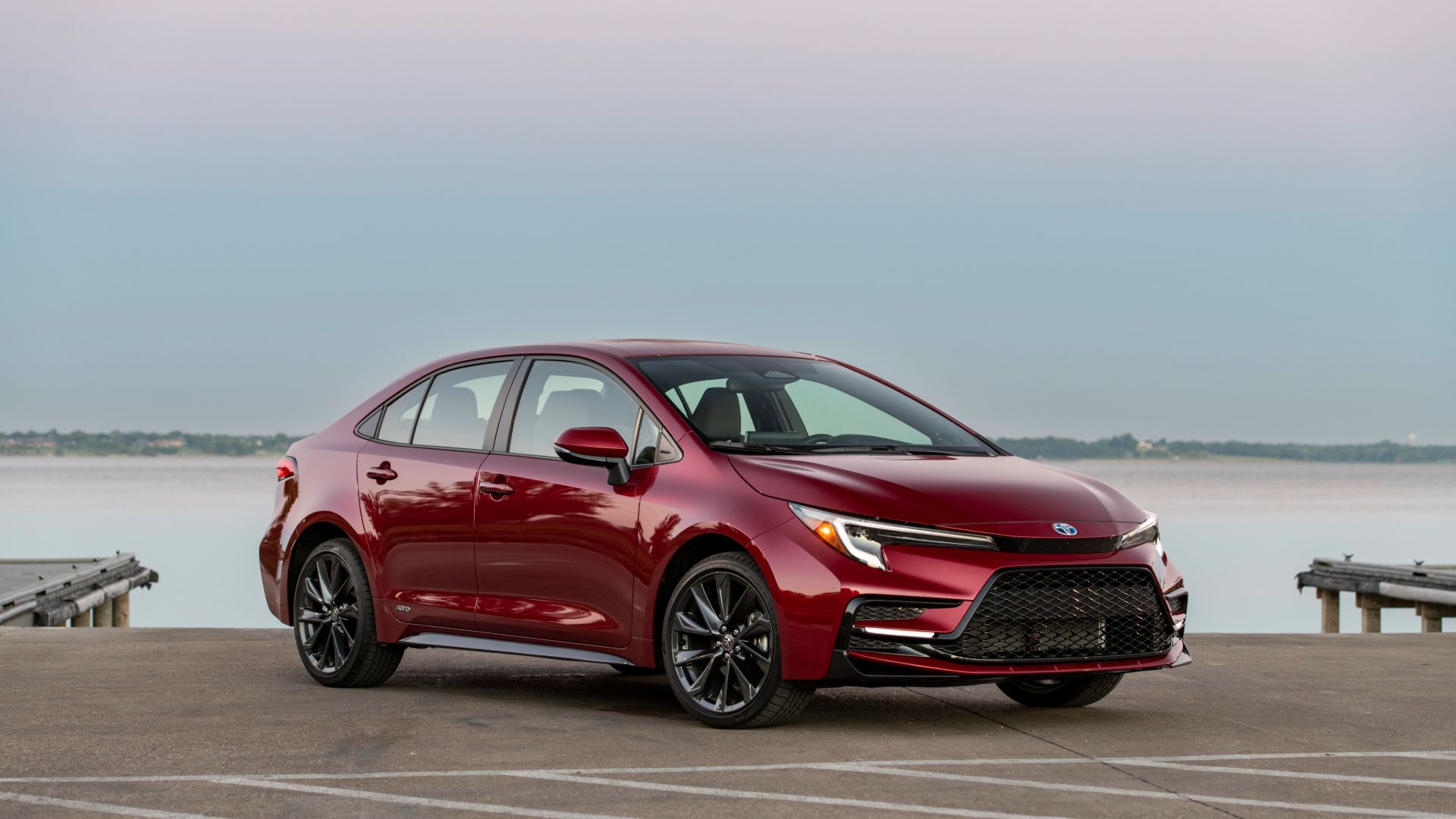
4. Toyota Corolla
The Toyota Corolla is a compact car that has consistently offered a comfortable and composed highway experience, making it feel larger than its exterior might suggest. Its suspension is designed to absorb irregularities in the road without compromising control, striking a balance that prevents excessive body roll while maintaining comfort for occupants.
Steering is precise, responsive, and well-weighted, allowing drivers to feel confident when overtaking, merging, or maintaining lane discipline at high speeds.
Noise insulation is effective, keeping the cabin quiet and serene, while interior design focuses on maximizing usable space. These elements combine to give the Corolla a sense of stability and comfort that rivals vehicles in a larger class.
The Corolla’s engine options provide reliable and smooth power delivery, which enhances confidence on highways. Acceleration is consistent and sufficient for merging and overtaking, avoiding the strain that smaller, less refined engines might cause.
The aerodynamic profile helps reduce wind noise and lift at higher speeds, contributing to both stability and comfort. Drivers often appreciate the Corolla’s ability to remain composed in windy or crosswind conditions, giving the impression of a more substantial car despite its compact size.
Inside, the Corolla emphasizes occupant comfort and usability. Seats are ergonomically designed and supportive for longer trips, while cabin materials minimize vibrations and rattles. Controls are intuitive and within easy reach, creating an environment that feels spacious and thoughtfully designed.
Even though it is a small car, the interior space feels open and inviting, which reinforces the perception of a larger vehicle. Long highway drives feel less tiring thanks to the suspension tuning and composure of the car.
Advanced safety and stability features also contribute to the Corolla’s highway confidence. Lane departure alerts, adaptive cruise control, and pre-collision systems help the driver maintain control and reduce fatigue. These technologies, combined with the car’s natural composure and refined suspension, create an experience that is both secure and comfortable.
The Corolla stands out as a small car that provides drivers with reassurance, stability, and a surprisingly substantial presence on highways, demonstrating that careful engineering can make compact cars feel larger than their physical dimensions.
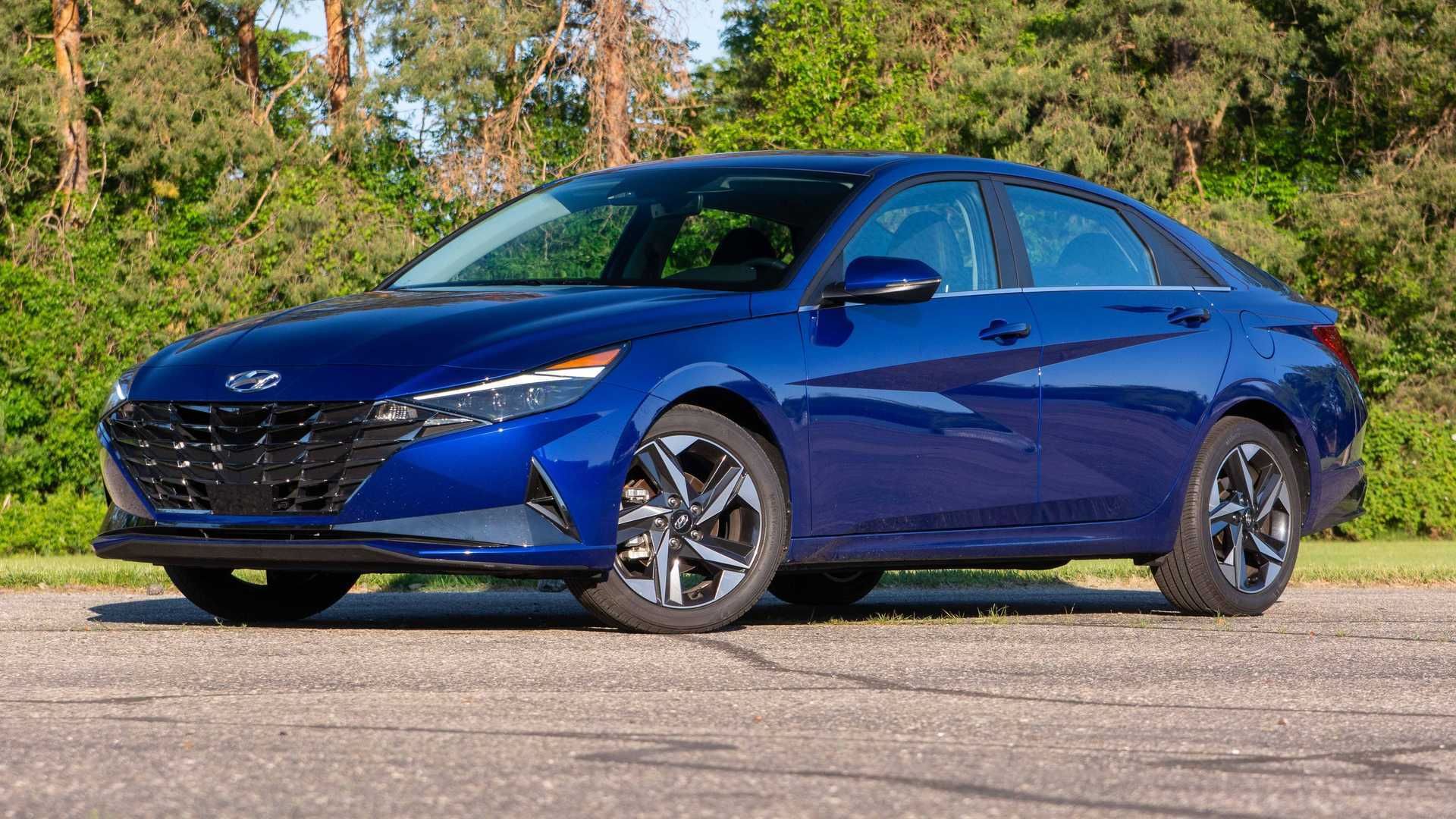
5. Hyundai Elantra
The Hyundai Elantra is a compact car that manages to provide a surprisingly composed and comfortable highway experience, giving the impression of being larger than it actually is. Its suspension system is tuned to absorb road imperfections while maintaining controlled body movement, which creates a stable and comfortable ride.
Steering is responsive and well-weighted, offering precise control that allows drivers to navigate highways confidently. Cabin insulation is thorough, effectively minimizing wind and road noise, which contributes to a sense of solidity and comfort. Together, these characteristics make the Elantra feel robust and substantial, enhancing driver confidence on longer journeys.
The Elantra’s engine options strike a balance between fuel efficiency and performance. Turbocharged variants provide ample acceleration for overtaking and highway cruising, while naturally aspirated engines maintain smooth and predictable power delivery.
The combination of a low center of gravity, carefully tuned suspension, and precise steering ensures that the car does not feel nervous or unstable at higher speeds. Passengers enjoy a quiet and comfortable cabin, which reinforces the perception of a larger, more refined vehicle. The Elantra’s stability and composure make it an ideal choice for drivers seeking a small car that performs confidently on highways.
Interior design plays a key role in enhancing the perception of space. Seats provide sufficient support for long drives, and controls are placed intuitively within easy reach. Cabin materials are chosen to reduce rattles and vibration, creating a quiet and comfortable environment for occupants.
The car’s layout, combined with its suspension and insulation, makes long highway journeys less tiring and more enjoyable. Despite its compact footprint, the Elantra succeeds in giving both the driver and passengers a sense of spaciousness and reassurance.
Technological aids further enhance highway confidence. Features such as lane-keeping assist, adaptive cruise control, and forward collision warning contribute to stability and reduce driver fatigue. When combined with the mechanical refinement of the chassis, suspension, and steering, these systems make the Elantra feel secure and controlled at all times.
The Hyundai Elantra demonstrates how careful design and engineering allow a compact car to feel more substantial on highways, making it a compelling choice for drivers who prioritize comfort, stability, and confidence during long drives.
5 Small Cars That Feel Tiny on Highways
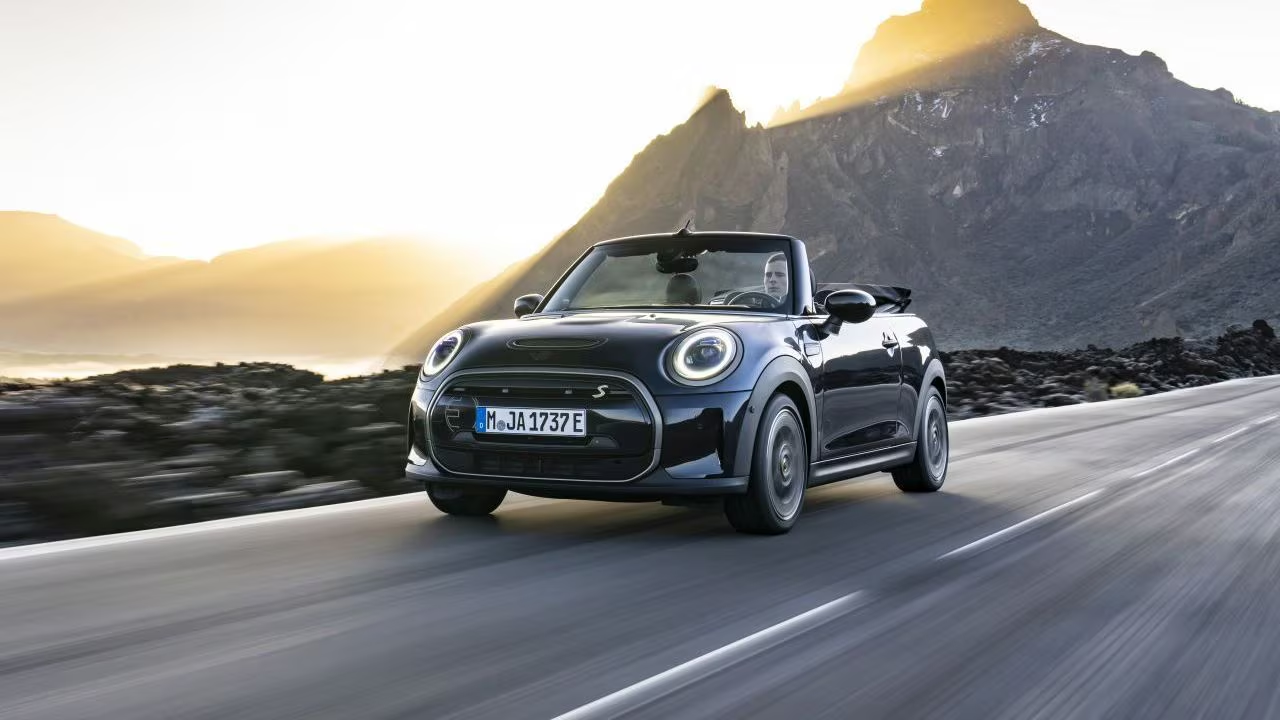
1. Mini Cooper
The Mini Cooper is widely praised for its iconic styling and fun city driving dynamics, but it can feel surprisingly fragile on highways. Its compact chassis and short wheelbase, while perfect for tight urban streets, contribute to a bouncy and sometimes nervous ride when traveling at higher speeds.
The suspension, which is tuned to give a sportier feel, can transmit more road imperfections directly into the cabin, making potholes and minor bumps feel more pronounced. Steering is sharp and responsive, but at high speeds, it can make the car feel twitchy rather than stable, requiring constant attention from the driver to maintain lane discipline.
Wind noise is another factor; due to the car’s smaller profile and less effective insulation compared to larger compacts, the cabin can be noticeably noisy when cruising at highway speeds, amplifying the sense of fragility.
Engine performance, while peppy in city driving, can also feel strained under sustained highway driving. The turbocharged variants provide quick bursts of power, but the chassis can feel unsettled during aggressive acceleration or sudden maneuvers. Crosswinds are more noticeable, and the car can sway slightly when overtaking large vehicles or driving in windy conditions.
The cabin space, although cleverly packaged, contributes to the feeling of confinement, with rear passengers particularly exposed to vibrations and wind noise. This makes long-distance highway trips less comfortable and reinforces the perception of the Mini Cooper as a small, lightweight vehicle rather than a composed highway performer.
Additionally, the car’s stability systems, while functional, cannot entirely counteract the nervous behavior caused by its lightweight design and short wheelbase. While the Mini Cooper remains safe, the driver is often more aware of minor movements and corrections at highway speeds, unlike cars with longer wheelbases or stiffer chassis that feel planted.
This heightened sensitivity, combined with amplified road noise and a bouncy ride, makes the Mini Cooper feel noticeably smaller and less composed than other small cars on highways.
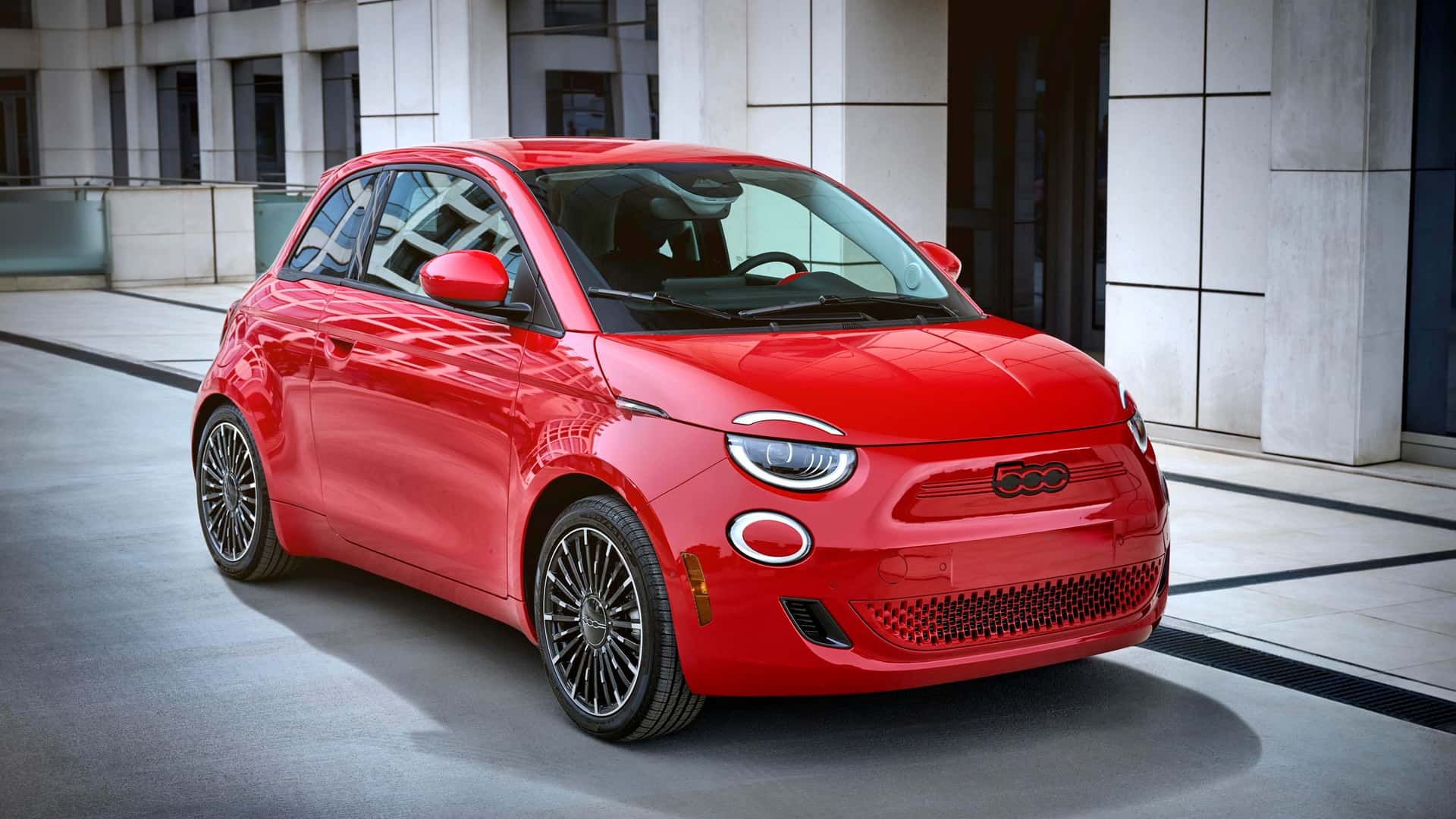
2. Fiat 500
The Fiat 500 is undeniably charming, but its compact size becomes a disadvantage on highways. Its tiny footprint and short wheelbase lead to an unsettled ride when traveling at higher speeds. Suspension stiffness, designed to cope with city potholes and tight corners, translates poorly to highways, causing the car to bounce and jolt over road imperfections.
Steering is light and responsive in town, but at freeway speeds, it can feel overly sensitive, making the car seem unstable or “floaty” when trying to maintain a straight line. Wind and tire noise penetrate the cabin easily, giving the impression of a vehicle that is fragile and exposed rather than solid and controlled. These factors make sustained highway driving more tiring and less enjoyable than in larger or more composed small cars.
The engine lineup in the Fiat 500 is another factor contributing to its “tinny” feeling. With smaller engines aimed primarily at city efficiency, the car can struggle under high-speed conditions or when fully loaded.
Acceleration may feel underpowered, requiring frequent gear changes to maintain speed, which can amplify the sense of strain and highlight the car’s lightweight construction. Crosswinds and passing larger vehicles can make the car feel unsteady, reinforcing the psychological impression that the Fiat 500 is delicate and not intended for long highway trips.
Safety and stability aids are present but can only partially mitigate the car’s lightweight and short-wheelbase behavior. Lane departure warning or traction control can help, but the Fiat 500 still lacks the planted feel and composure found in larger or better-engineered compacts.
Drivers must remain attentive, correcting minor sways and reacting to wind gusts or road disturbances. This combination of bouncy suspension, light steering, and heightened sensitivity makes the Fiat 500 a classic example of a small car that feels tinny on highways, despite its endearing charm in urban settings.
3. Smart Fortwo
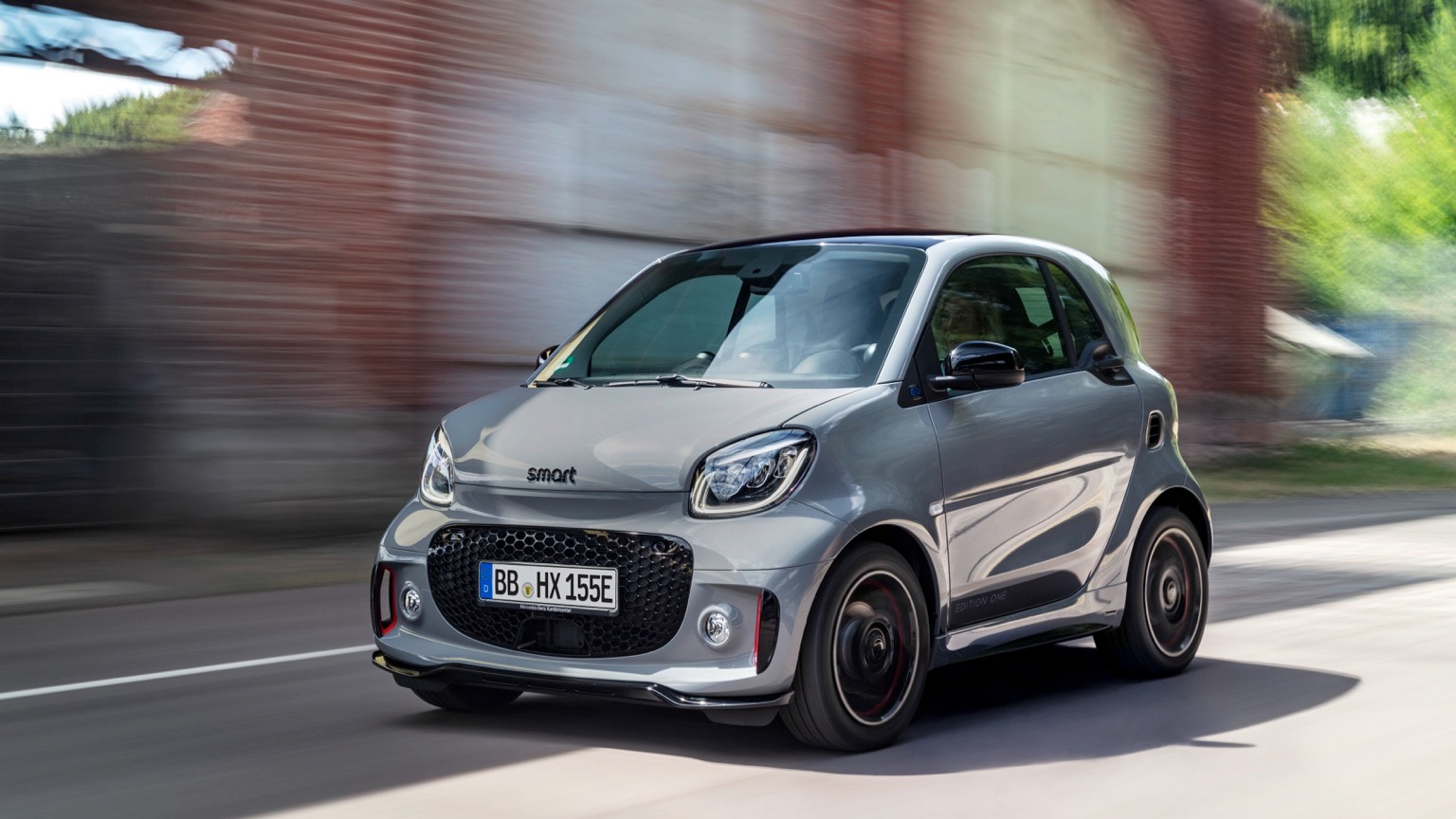
The Smart Fortwo is perhaps the example of a city-focused vehicle, and this focus shows when the car is driven on highways. Its incredibly short wheelbase and tiny mass contribute to a ride that feels unstable and nervously reactive to wind, bumps, and lane changes.
Suspension design is tuned primarily for low-speed maneuverability, so the car has little ability to absorb highway imperfections smoothly. Steering, while light and extremely responsive in urban traffic, can feel twitchy and even alarming when traveling at higher speeds. The Fortwo is also particularly susceptible to crosswinds or turbulence caused by passing trucks, which can make the vehicle feel unsafe or jittery, amplifying the sensation of driving something fragile and undersized.
The engine in the Smart Fortwo is small and low-powered, ideal for city commuting but less effective for highway demands. Maintaining highway speeds requires the engine to work harder, and acceleration is modest, often leaving drivers feeling underpowered when overtaking or merging.
This performance limitation, combined with the vehicle’s small size and light construction, emphasizes how tiny and delicate it feels on open roads. Long trips become mentally and physically tiring, as the driver must constantly correct for instability and be aware of the vehicle’s lightweight tendencies.
Electronic stability control helps, but only to a point. While these systems prevent extreme instability, they cannot change the fundamental physics of a very short, lightweight car. Drivers often find themselves feeling hyper-aware of the Fortwo’s limitations at high speeds, constantly adjusting for minor sways or reacting to gusts of wind.
The combination of light construction, minimal insulation, and high sensitivity makes the Smart Fortwo feel particularly tinny on highways, highlighting the compromises required for urban convenience.
4. Toyota Yaris
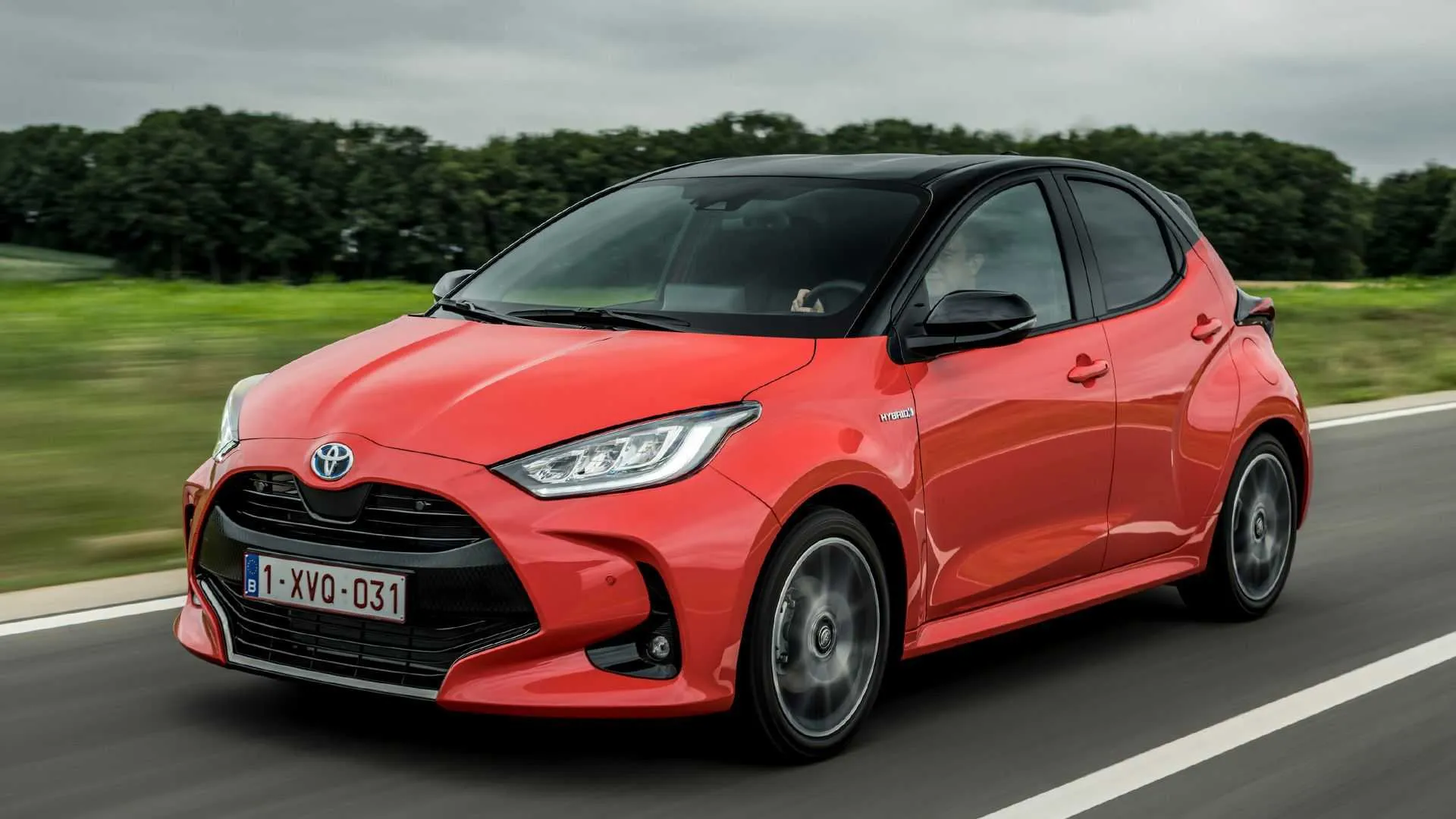
The Toyota Yaris is a reliable and efficient small car, but it can feel fragile on highways due to its compact design and suspension tuning. The wheelbase is shorter than larger compacts, and the suspension is optimized for city driving rather than sustained high-speed stability.
This combination results in a ride that can feel bouncy or loose when traveling at highway speeds. Steering is light and precise, which is great for urban maneuvering but can translate into twitchiness when maintaining lanes on open roads. Wind noise and road vibrations are more pronounced compared to larger small cars, giving the Yaris a lightweight, tinny feeling that makes long-distance driving less relaxing.
Engine performance is adequate for city commutes but can feel strained on highways, especially when carrying multiple passengers or heavy cargo. Acceleration is modest, requiring higher revs or more frequent gear shifts to maintain cruising speeds.
This highlights the car’s small, less substantial construction, and can make the Yaris feel out of its element during highway driving. Crosswinds or passing large vehicles amplify its lightweight nature, making drivers more conscious of the vehicle’s limits.
While safety systems like stability control and traction aids are available, they cannot fully compensate for the car’s short wheelbase and lightweight construction. Drivers often feel the need to adjust their inputs constantly, which can make highway driving mentally tiring. The Toyota Yaris, while dependable and efficient, clearly demonstrates how a small car can feel light, hollow, and tinny on open roads, particularly when compared to more composed compact vehicles.
5. Chevrolet Spark
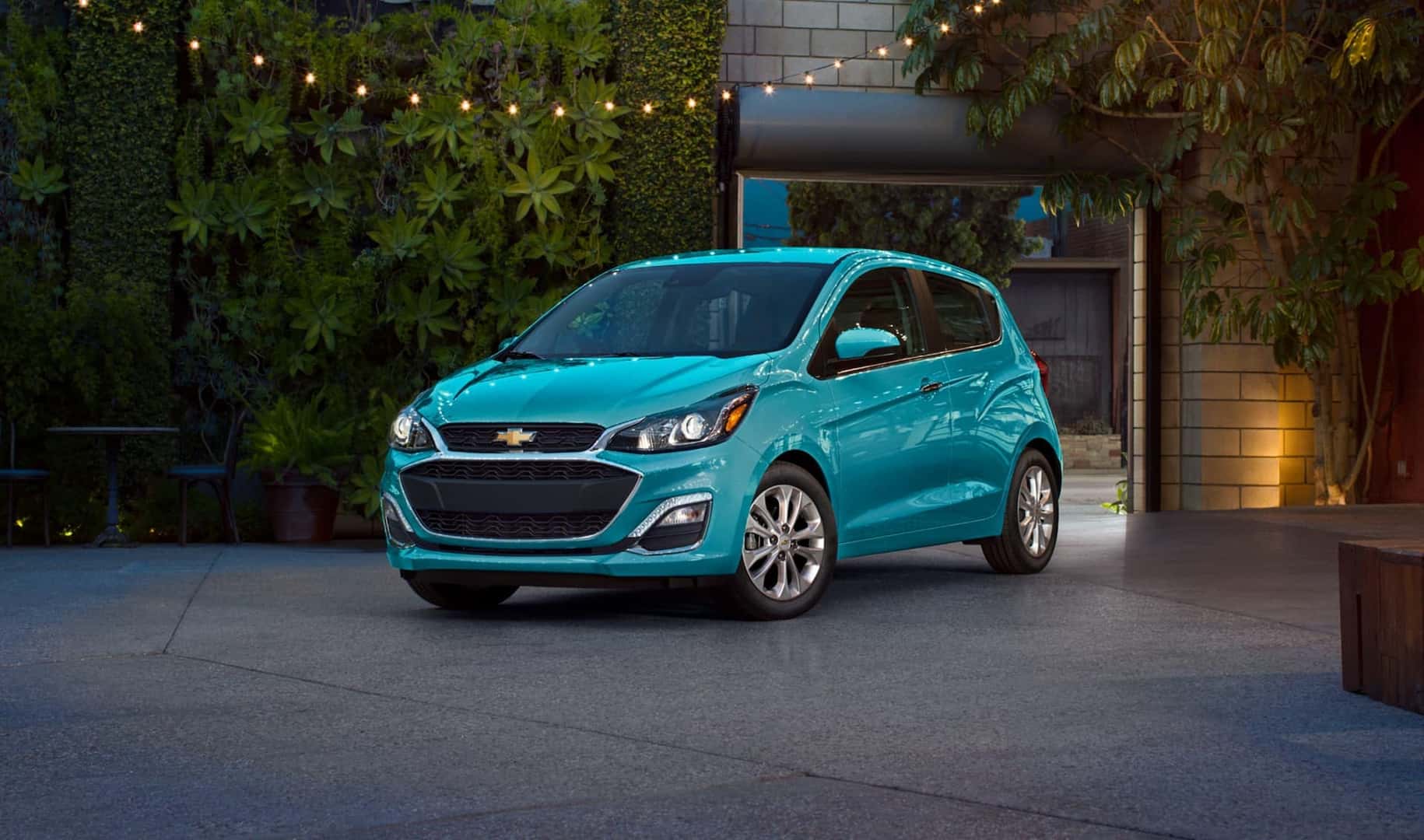
The Chevrolet Spark is among the smallest cars available in many markets, and its diminutive size becomes very apparent on highways. The short wheelbase and lightweight design result in a ride that can feel unsettled and easily influenced by road imperfections and wind.
The suspension is tuned primarily for city streets, so bumps and uneven surfaces are more pronounced at higher speeds, transmitting vibrations into the cabin. Steering is very light, which works well for parking or maneuvering in tight spaces, but can make the car feel unstable and twitchy when maintaining highway speeds. Wind noise is noticeable, further emphasizing the Spark’s compact, fragile nature.
Inside, the Spark’s cabin is tiny and minimally insulated. Road and wind noise are easily noticeable, and vibrations are transmitted to the driver and passengers more than in smaller cars.
Seats are basic, with limited padding and support, which can make longer drives uncomfortable. While the cabin is functional and cleverly designed for a small footprint, it cannot compensate for the car’s fundamental sense of fragility.
Even with stability control and safety systems, the Spark’s lightweight nature and short wheelbase dominate the driving experience at higher speeds. The driver is constantly aware of the car’s small size, particularly when overtaking, navigating curves, or handling gusts of wind. These combined factors make the Chevrolet Spark a prime example of a small car that feels tinny on highways, emphasizing the trade-offs of extreme compactness and city-focused design.