
Crossovers have become a dominant force in the automotive market, appealing to a wide variety of drivers who value a blend of practicality, style, and elevated driving positions. These vehicles attempt to merge the handling characteristics of cars with the higher stance and versatility of SUVs.
While they offer advantages like better visibility, easier entry and exit, and often more cargo space than traditional sedans, not all crossovers handle in the same way. For some drivers, a crossover can feel stable and composed in corners, while others may experience a sensation of tipping or leaning that can make spirited driving stressful.
The way a crossover behaves in turns is influenced by multiple factors including suspension design, center of gravity, weight distribution, tire choice, and chassis rigidity. Lighter crossovers with more rigid suspensions tend to feel more planted, while taller models with softer setups may sway more noticeably.
Understanding the differences between crossovers that remain confident through curves and those that feel unstable is crucial for buyers who prioritize driving dynamics, especially for those who navigate twisty roads frequently.
This distinction is not purely a matter of engine power or size; a nimble, well-engineered smaller crossover can outperform a larger, more powerful counterpart simply by maintaining composure in corners.
In this discussion, we will highlight five crossovers that do not lean excessively in turns, providing a sense of stability and confidence, as well as five crossovers that often feel tippy, requiring caution in corners.
By examining their handling characteristics, suspension setups, and driving behavior, potential buyers and enthusiasts can make more informed choices that match their preferences, whether for everyday commuting, weekend adventures, or spirited drives.
Five Crossovers That Don’t Lean in Turns
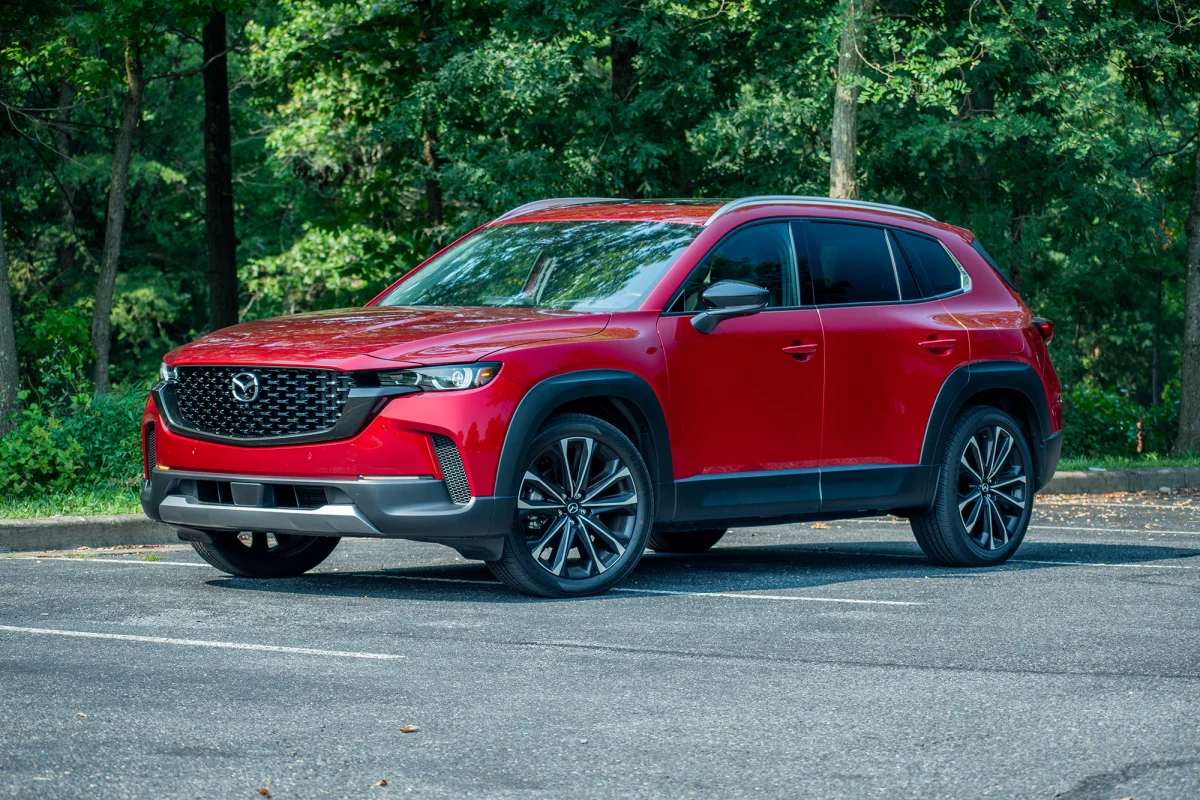
Mazda CX-5
The Mazda CX-5 has earned a reputation among enthusiasts and everyday drivers alike for its exceptional handling characteristics, which are unusual for a crossover in its segment.
Unlike many competitors, the CX-5 feels firmly planted in corners, providing drivers with a sense of confidence that is closer to what one might expect from a sporty sedan rather than a taller utility vehicle.
This stability is largely a result of Mazda’s philosophy of prioritizing driving dynamics in its designs, sometimes referred to as “Jinba Ittai,” a concept borrowed from horseback riding that emphasizes harmony between the driver and vehicle.
The CX-5’s suspension is carefully tuned with a focus on controlling body motion without sacrificing comfort. By using firmer springs and well-damped shocks, Mazda ensures that the crossover remains composed even when navigating multiple corners in quick succession.
Chassis rigidity is another major contributor to the CX-5’s stability. Mazda has reinforced critical structural points to reduce flex, allowing the suspension system to operate precisely as intended. When a vehicle leans excessively, it’s often because the frame twists under lateral forces, making the driver feel disconnected from the road.
The CX-5 combats this by maintaining a stiff, responsive chassis that communicates road conditions effectively to the driver. This structure also enhances the effectiveness of its electronic stability systems, which work in harmony with the mechanical components rather than compensating for inherent instability.
Weight distribution is handled thoughtfully in the CX-5, with a near-even split between the front and rear axles. This balance ensures that neither end of the vehicle is overly dominant during cornering, reducing tendencies toward understeer or oversteer.
The relatively low curb weight also contributes to the feeling of agility, allowing the crossover to change direction with precision while avoiding the sensation of top-heaviness common in taller vehicles. This combination of low weight and balanced distribution allows drivers to feel in control, even when pushing the vehicle toward its limits.
Finally, the CX-5’s wheel and tire setup complements its handling characteristics. Wider, grippier tires paired with responsive steering provide a tangible connection to the road, helping the vehicle track accurately through turns.
Steering calibration ensures that input from the driver translates directly into predictable movement, making cornering an intuitive experience. The CX-5’s smaller size relative to larger crossovers also reduces the moment of inertia during turns, which minimizes sway and enhances composure.
Taken together, these elements create a crossover that feels planted and reassuring, whether cruising through city streets or tackling winding back roads.
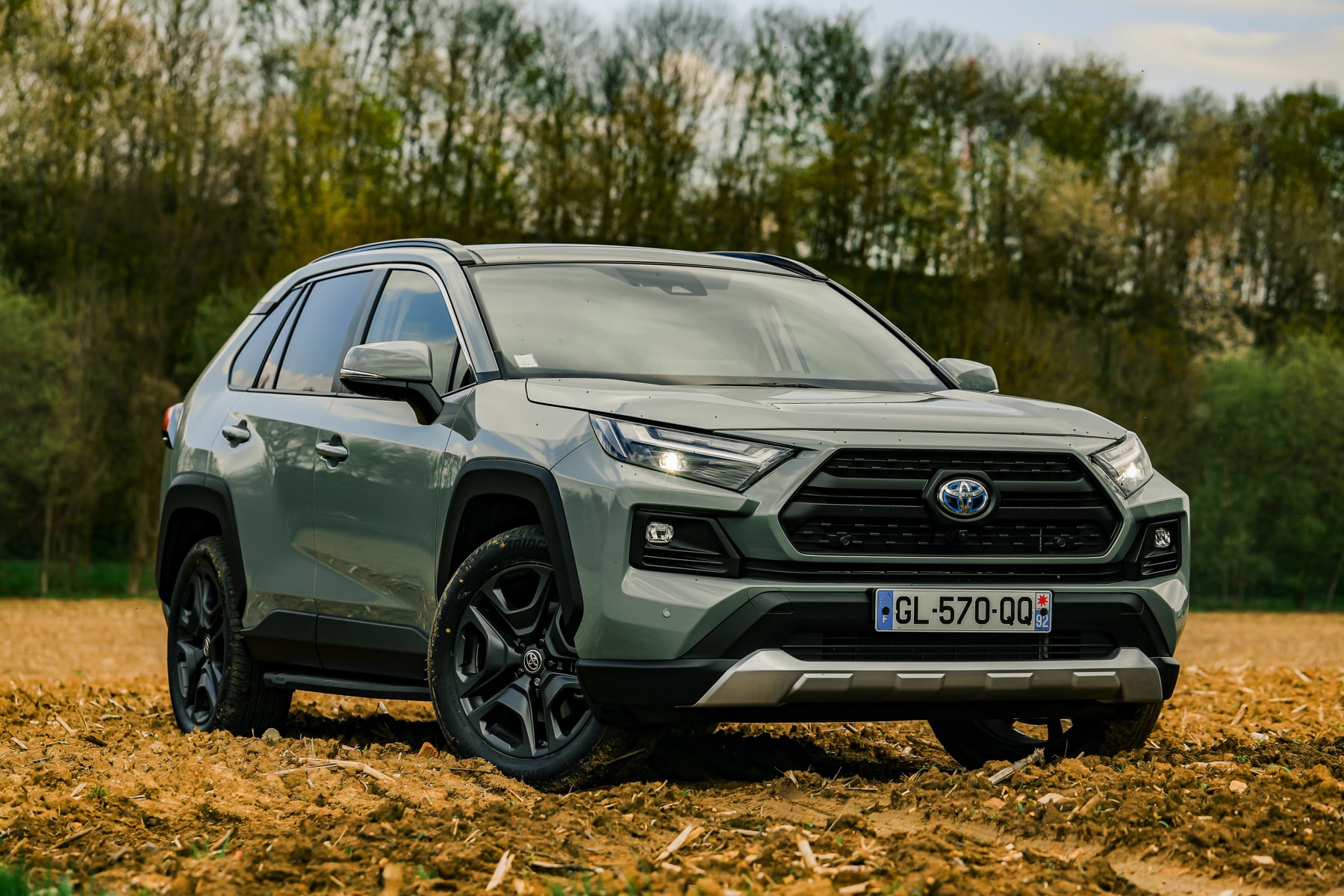
Toyota RAV4
The Toyota RAV4 has long been known for its versatility, but in recent generations, it has also earned praise for its handling stability. Its suspension is engineered to strike a balance between comfort and control, preventing excessive body roll while still absorbing bumps and imperfections on the road.
The front and rear suspension systems work together to provide a controlled ride that doesn’t sacrifice stability for smoothness. Even during moderately aggressive cornering, the RAV4 maintains a level of poise that allows drivers to focus on the road ahead rather than adjusting for sway.
One reason the RAV4 feels so composed is the way Toyota manages weight distribution and mass. By carefully placing the engine, transmission, and other heavy components, the vehicle maintains a low center of gravity relative to its height. This reduces the feeling of tipping during rapid lane changes or sharp turns.
The crossover’s relatively light weight for its class further enhances this stability, allowing the suspension to react more efficiently to directional changes without being overwhelmed by mass. As a result, the RAV4 delivers predictable handling that instills confidence in drivers of varying experience levels.
Tires and steering play equally important roles in the RAV4’s cornering behavior. The crossover comes equipped with tires that provide a balanced grip, capable of maintaining traction without introducing harshness into the ride. Steering calibration is precise, offering clear feedback that communicates the vehicle’s intentions.
Drivers can feel exactly how the tires are interacting with the road, which allows for better control and more accurate inputs. The combination of suspension tuning, tire performance, and steering responsiveness produces a driving experience where the vehicle feels as if it responds intuitively to the driver’s commands.
Additionally, electronic aids contribute to the RAV4’s composed nature without being intrusive. Stability control, traction management, and torque distribution systems work seamlessly in the background to maintain composure when unexpected forces act on the vehicle.
For example, during a sudden turn at moderate speed, these systems subtly adjust brake pressure and engine output to prevent excessive lean or slide. Because the RAV4 is inherently stable, these technologies enhance the natural handling rather than masking instability.
This ensures drivers experience confidence and reassurance, whether commuting through winding city streets or taking long road trips on highways.
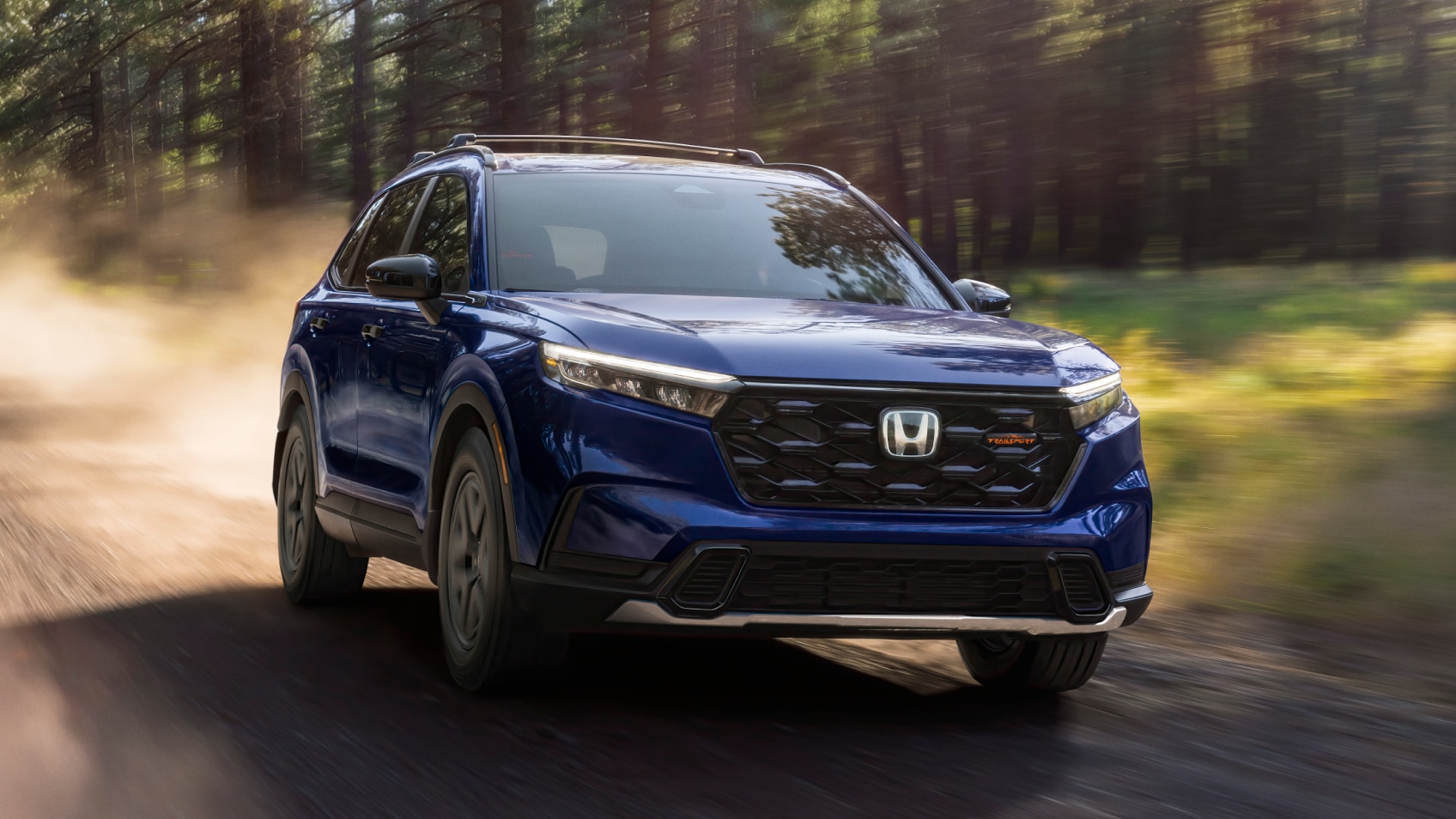
Honda CR-V
The Honda CR-V is widely regarded as a well-rounded crossover, offering a harmonious blend of comfort, utility, and handling stability. Its suspension is carefully tuned to absorb bumps and road imperfections without compromising composure in corners.
Unlike softer crossovers that feel unsettled when negotiating sharp curves, the CR-V maintains a level ride height and body stability that keeps drivers and passengers comfortable. Suspension geometry and damping rates are optimized to minimize body lean while preserving comfort, resulting in a vehicle that feels agile and responsive for its class.
A key factor contributing to the CR-V’s stability is its relatively low center of gravity. Despite being taller than a sedan, Honda’s design places heavy components, such as the engine and transmission, strategically low in the chassis. This reduces the sensation of tipping when navigating turns and ensures that weight transfer occurs gradually rather than abruptly.
The effect is a crossover that maintains composure in curves, even when carrying passengers or cargo. This stability encourages drivers to approach corners with confidence, without the apprehension that can accompany vehicles with softer or higher suspensions.
Steering in the CR-V is calibrated for precision and clarity, providing the driver with a direct connection to the road. Input from the steering wheel translates smoothly into predictable movements, allowing for subtle corrections mid-turn without inducing dramatic body motion.
The combination of responsive steering and well-tuned suspension geometry gives the vehicle a feeling of composure rarely found in its segment. Even during consecutive curves, the CR-V responds reliably, with minimal body roll and a stable platform for the occupants.
Finally, tire selection further enhances cornering stability. Wider tires and well-designed tread patterns offer lateral grip that complements the suspension and steering. By ensuring that the tires can handle both longitudinal and lateral forces effectively, Honda improves the CR-V’s tracking ability, reducing the need for corrective steering and giving drivers an increased sense of control.
When combined with the vehicle’s weight distribution and suspension design, this results in a crossover that feels confident and steady, capable of handling a variety of road conditions without leaning excessively.
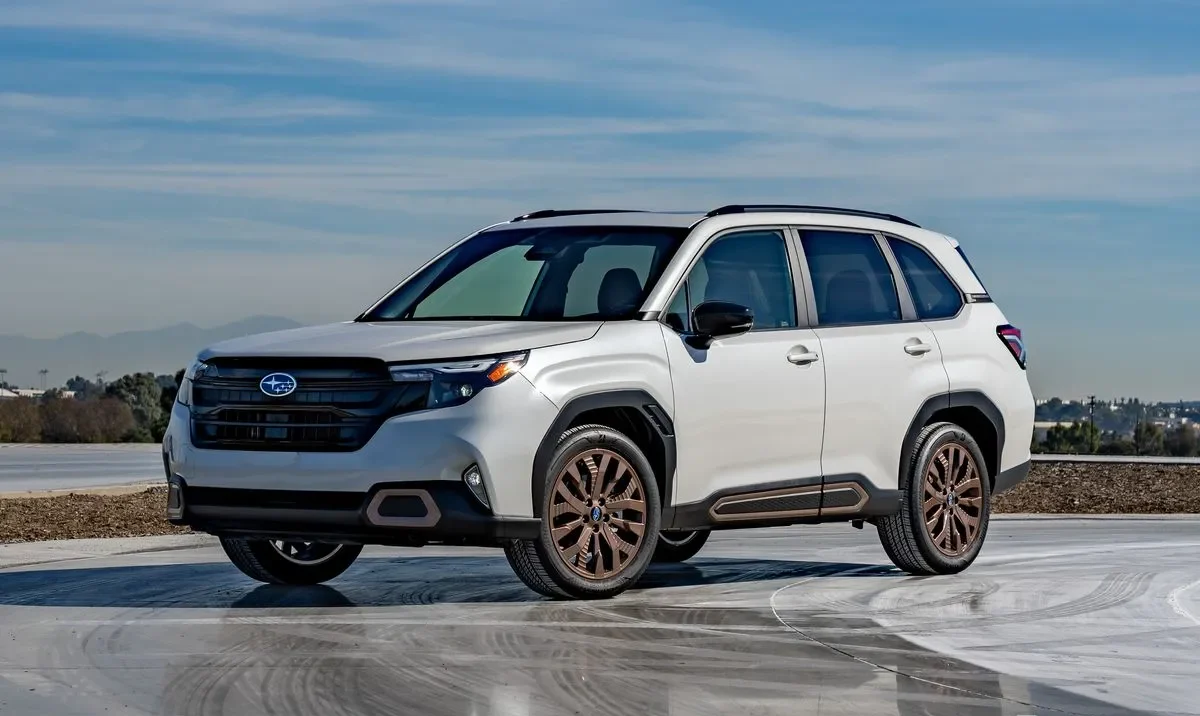
Subaru Forester
The Subaru Forester is well known for its all-wheel-drive system, which provides excellent traction and contributes significantly to its stability in corners. By distributing power to the wheels with the most grip, the Forester reduces the likelihood of slip, understeer, or oversteer, all of which can contribute to the sensation of tipping or leaning.
The AWD system works in conjunction with the suspension to ensure the vehicle remains composed even in less-than-ideal conditions, whether on wet roads or gravel surfaces.
Suspension tuning in the Forester emphasizes control without sacrificing comfort. Springs and dampers are designed to absorb bumps and undulations while preventing excessive body motion during cornering.
The suspension geometry maintains wheel alignment throughout the range of motion, which minimizes sway and ensures that drivers feel connected to the road. This balance is particularly important in a vehicle with higher ground clearance, as taller crossovers often exaggerate lean without precise suspension calibration.
The Forester also benefits from careful placement of heavy components and a relatively low-mounted engine, which helps keep the center of gravity lower than some competitors.
This engineering choice minimizes the sensation of tipping and allows the vehicle to negotiate corners with a more planted feel. The lower center of gravity, combined with AWD traction and responsive suspension, makes it easier for drivers to manage curves confidently.
Finally, steering feedback in the Forester complements its chassis and suspension. The driver can sense the road’s texture and tire grip, which allows for controlled inputs and corrections. The combination of electronic aids, such as stability control, and inherent mechanical stability ensures that the Forester behaves predictably.
Even in challenging driving situations, it communicates its intentions clearly to the driver, reinforcing confidence and making it one of the most stable-feeling crossovers in its class.
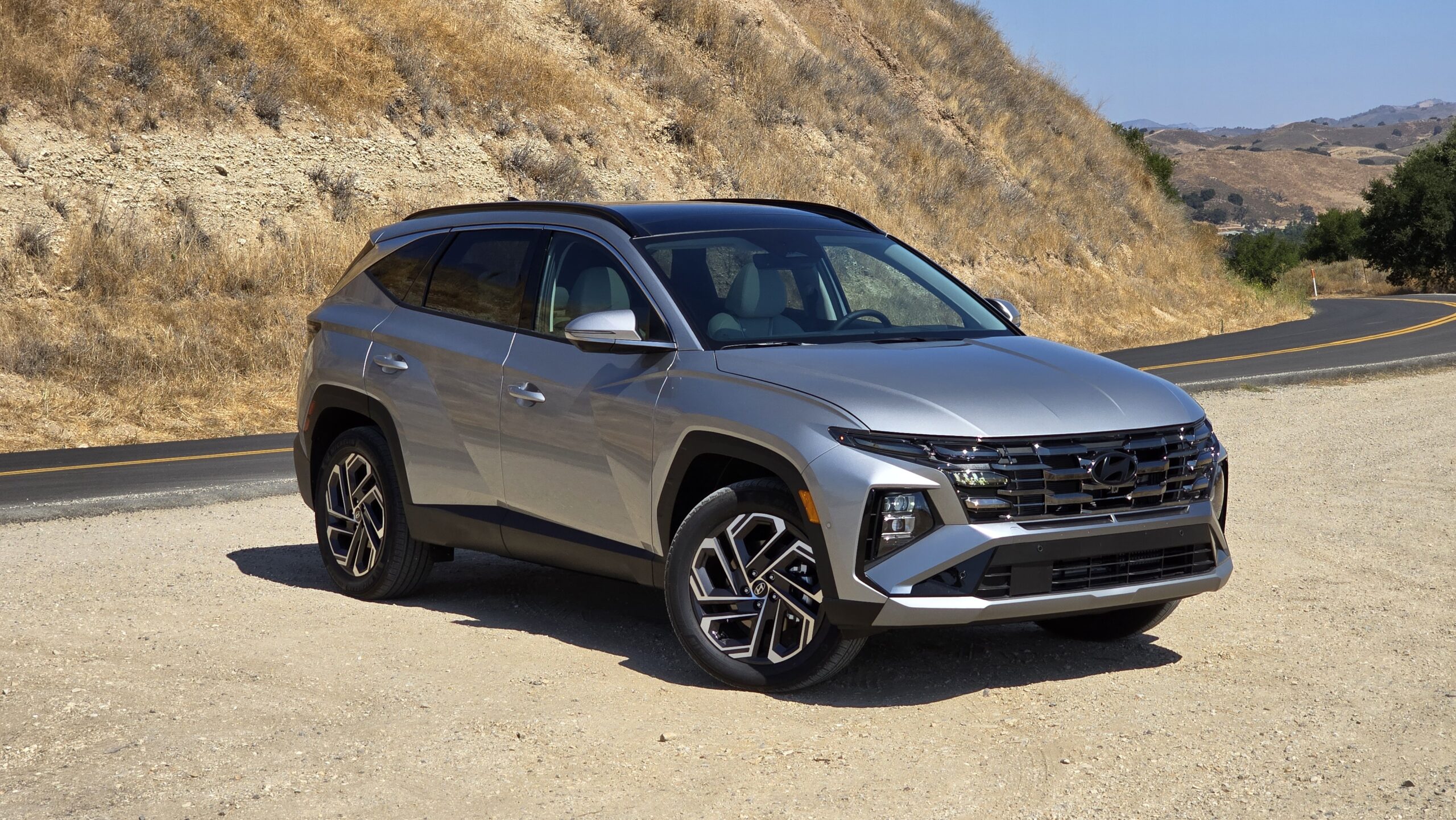
Hyundai Tucson
The Hyundai Tucson has evolved significantly over its recent generations, offering improved ride quality and handling stability. One of its strongest attributes is a stiffer chassis that reduces flex during cornering, allowing the suspension to respond more predictably.
Rather than feeling soft or unsettled when turning, the Tucson feels controlled, with body motion carefully managed to enhance confidence for the driver. This balance between rigidity and comfort ensures that it does not feel harsh on uneven surfaces while remaining composed in curves.
Weight distribution and center of gravity are critical to the Tucson’s handling behavior. Hyundai engineers strategically position the engine, transmission, and other heavy components to achieve balance, resulting in a vehicle that does not lean excessively in turns.
A lower center of gravity compared to similar crossovers reduces the sensation of tipping, even during rapid directional changes or emergency maneuvers. This careful design makes the Tucson feel stable and predictable in a variety of driving scenarios.
Steering is another key component of the Tucson’s cornering capabilities. The system is calibrated to provide clear, direct feedback without feeling overly artificial.
Drivers can gauge how the tires are interacting with the road and make small corrections as needed, which enhances control. Tires are selected to complement this setup, providing adequate grip and lateral stability without compromising ride comfort.
Finally, the Tucson’s combination of suspension geometry, chassis rigidity, and electronic stability systems creates a cohesive driving experience. Stability control and traction management assist without being intrusive, allowing the driver to feel in command at all times.
This integration of mechanical and electronic systems ensures that the Tucson remains composed, predictable, and planted through turns, making it an excellent example of a crossover that does not lean excessively.
Five Crossovers That Feel Tippy
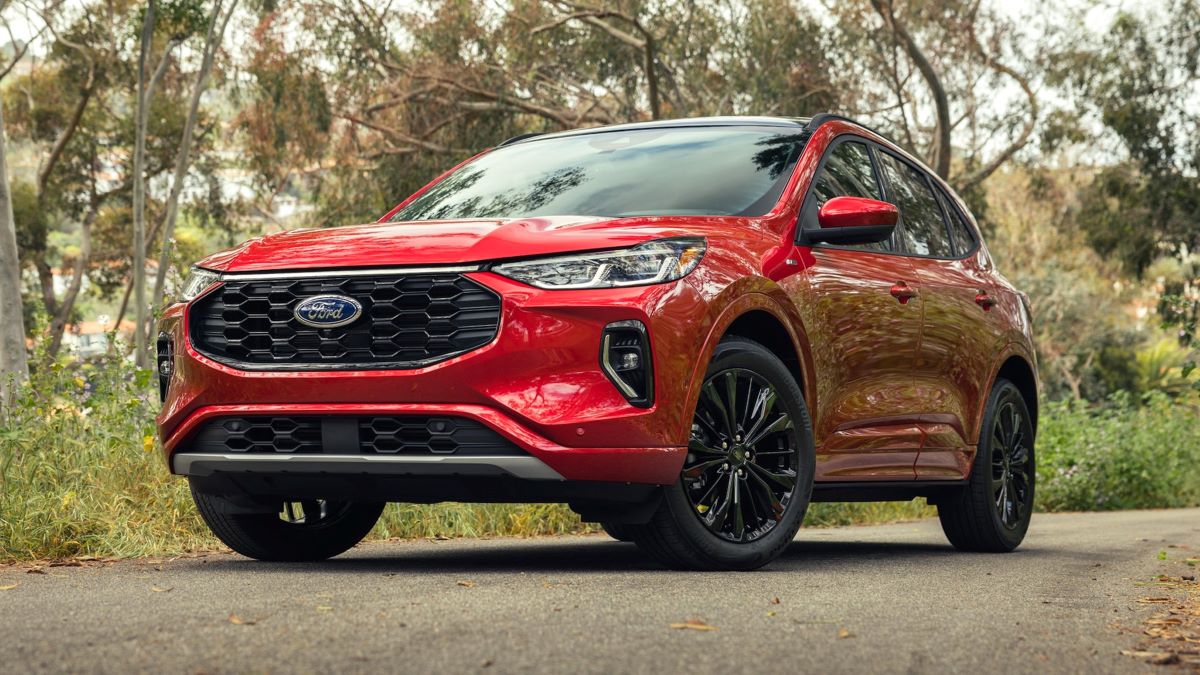
Ford Escape
The Ford Escape is a popular compact crossover, but it often exhibits handling characteristics that make it feel less stable in turns compared to some of its peers. Its taller stance and relatively soft suspension allow noticeable body lean, especially during rapid lane changes or aggressive cornering.
Drivers frequently report a floating or unsettled sensation when approaching sharp curves, which can require extra attention to maintain confidence behind the wheel. Unlike vehicles tuned for tighter handling, the Escape sacrifices some cornering composure in favor of ride comfort, making it more prone to sway when the road curves.
Weight distribution contributes significantly to this behavior. The Escape is front-heavy, with a substantial portion of its mass concentrated over the front axle. This imbalance can amplify the sensation of tipping, particularly during tight maneuvers or sudden evasive actions.
While electronic stability programs help mitigate extreme lean, the inherent vehicle dynamics still make lateral movement more noticeable. Drivers often feel the need to counteract body roll with smaller, more cautious steering inputs, which can be tiring over extended periods of winding roads.
The tire setup on many trims of the Escape further emphasizes comfort over performance. Softer, all-season tires provide a smooth ride but offer less resistance to lateral forces, which can exaggerate the crossover’s tendency to lean.
Steering feedback is adequate for normal driving conditions but may feel disconnected during dynamic cornering, giving the impression that the vehicle is not fully planted. This combination of softer suspension, front-heavy weight, and less aggressive tires contributes to a perception of instability in turns.
Finally, the Escape’s handling characteristics are exacerbated by its higher center of gravity, which is common in compact crossovers but particularly noticeable here. Passengers may feel more pronounced lateral forces during cornering, which can create discomfort and a sense of unpredictability.
While the vehicle performs adequately for everyday driving and urban commutes, drivers seeking confidence-inspiring cornering may find the Escape less satisfying. Its leaning behavior is a defining aspect of its dynamic character, making it an example of a crossover that feels tippy in corners.
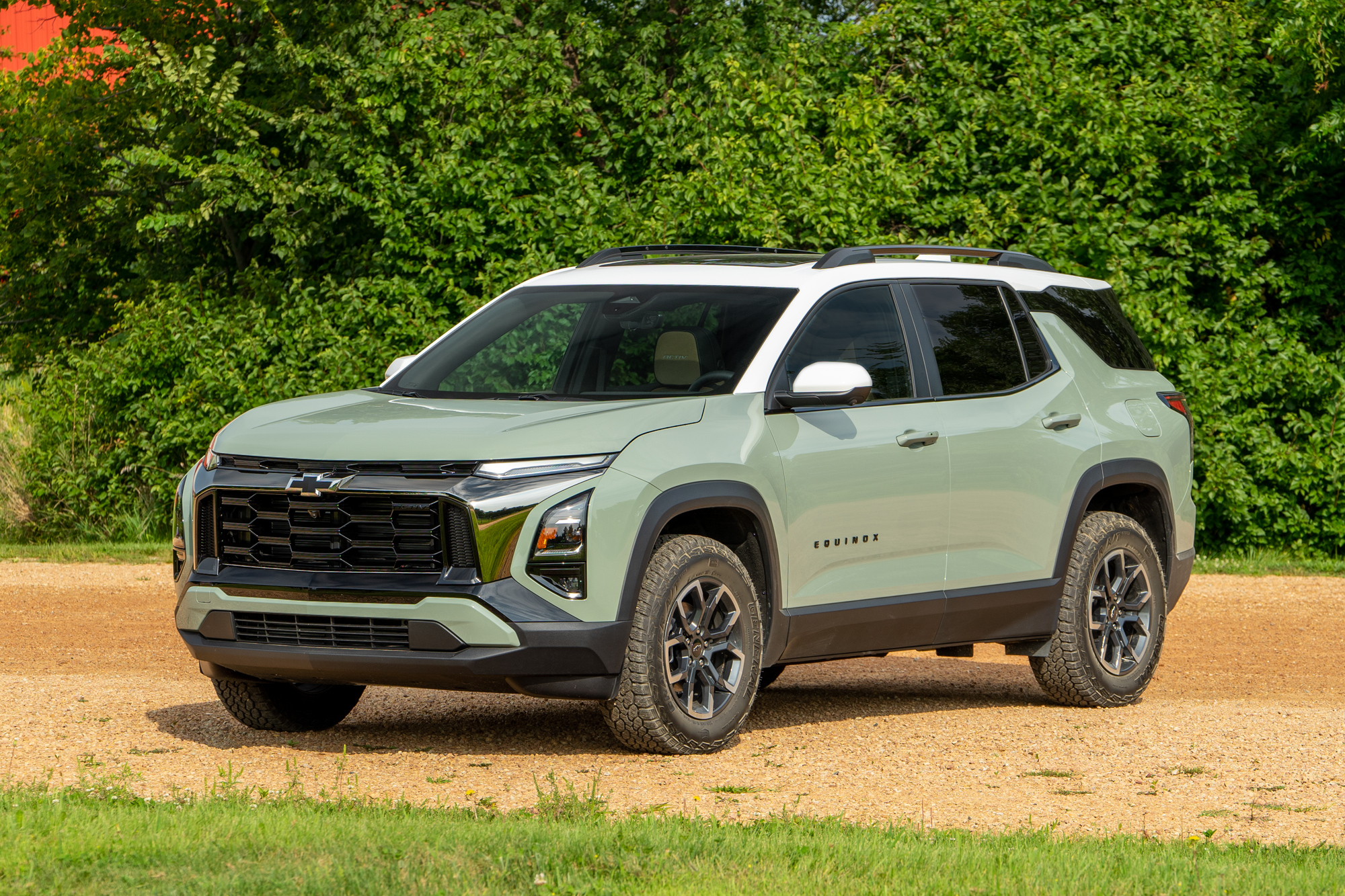
Chevrolet Equinox
The Chevrolet Equinox is another crossover that can feel less composed in turns, particularly when driven aggressively. Its higher ride height combined with soft suspension components contributes to noticeable body roll, which passengers can feel clearly.
When entering corners at moderate speeds, the Equinox tends to sway, requiring the driver to make careful adjustments to maintain control. This characteristic can make it feel less agile and more cumbersome compared to crossovers with stiffer suspensions and lower centers of gravity.
Weight distribution plays a significant role in the Equinox’s tippy sensation. With more mass concentrated toward the front of the vehicle, the front tires bear the brunt of cornering forces, causing the body to lean outward during directional changes.
Even with electronic stability control in place, the vehicle does not completely mask this behavior, which makes sharp maneuvers feel less predictable. Drivers often notice that correcting for lean requires more active input than in competitors designed with firmer chassis tuning.
The Equinox’s tires, especially on base models, are chosen for comfort and fuel efficiency rather than performance. While these tires smooth out road irregularities, they also provide less lateral grip, contributing to the crossover’s tendency to feel unstable in corners.
Steering feedback is moderate, offering some information about vehicle orientation but lacking the precision needed to fully compensate for body roll. This combination of soft suspension, front-heavy balance, and compliant tires produces a vehicle that leans noticeably when cornering.
In addition, the Equinox’s suspension geometry amplifies its tippy sensation. The design prioritizes ride comfort over lateral stability, resulting in an exaggerated sway during turns, especially at higher speeds or when carrying multiple passengers.
Although electronic aids can intervene in extreme situations, they cannot fully counteract the mechanical tendencies of the vehicle. For drivers who frequently navigate winding roads or prefer a confident feel in corners, the Equinox’s pronounced lean can be unsettling, clearly placing it in the category of crossovers that feel tippy.
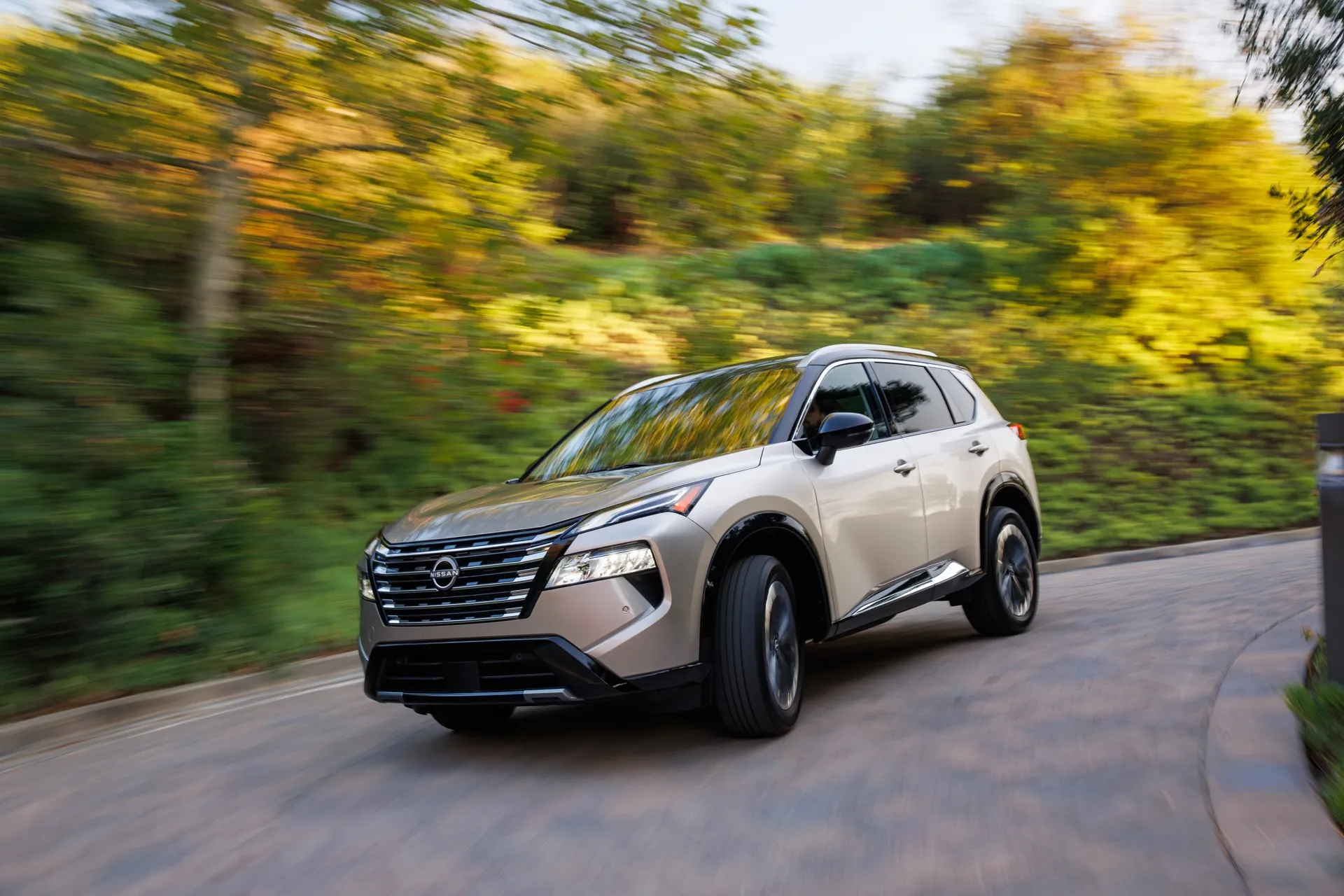
Nissan Rogue
The Nissan Rogue is a well-known compact crossover, but its handling dynamics are often cited as leaning toward instability in corners. The Rogue’s suspension is tuned primarily for comfort, which allows significant body motion when navigating curves.
Passengers often feel lateral forces during cornering more acutely than in firmer vehicles, giving the impression that the vehicle is tipping or swaying. While it offers a smooth and compliant ride on straight roads, the trade-off is a reduced sense of control when negotiating tight turns or performing sudden maneuvers.
The Rogue’s weight distribution contributes to its tippy behavior. Heavier components are located over the front axle, and the higher center of gravity further exaggerates body roll. Even minor steering inputs can produce noticeable sway, particularly at highway speeds or in emergency lane changes.
This makes the Rogue feel less predictable than competitors with more balanced weight placement and stiffer chassis designs. Drivers may find themselves having to modulate speed and steering more carefully to maintain composure, which can be fatiguing over extended trips on twisty roads.
Tires and wheel setup also influence handling perception. Many base trims come equipped with standard all-season tires designed for comfort and efficiency rather than cornering stability.
These tires do not resist lateral forces strongly, which allows the body to lean more in corners and enhances the feeling of being unsettled. Steering feedback is somewhat isolated, which limits the driver’s ability to sense exactly how the vehicle is interacting with the road.
Finally, the Rogue’s higher ride height magnifies the sense of tipping. While taller vehicles offer benefits such as better visibility and easier ingress and egress, they also raise the center of mass, increasing sway in turns.
Even with stability control and traction management, the mechanical design of the Rogue makes lean noticeable. Drivers who prefer a planted, sedan-like feeling in corners may find the Rogue less satisfying, particularly on winding roads or during more spirited driving.

Kia Sportage
The Kia Sportage is a compact crossover that emphasizes comfort over performance, and its handling reflects that priority. Its suspension is designed to smooth out bumps and irregularities, but this softness contributes to body roll during cornering.
Even at moderate speeds, the Sportage exhibits noticeable sway, which can make drivers feel as though they are constantly compensating to maintain control. For drivers accustomed to more planted crossovers, the Sportage’s behavior can feel tippy and less reassuring.
Weight distribution and center of gravity are key factors in the Sportage’s leaning tendencies. Heavy components are positioned toward the front, and the taller stance increases leverage on the body during turns. This combination produces a sensation of tipping that passengers often perceive clearly, particularly in rapid lane changes or tight curves.
Although electronic stability systems intervene to reduce excessive roll, they cannot eliminate the physical sway inherent to the design.
Tires and wheels play a supporting role in the Sportage’s tippiness. Tires are generally selected for comfort, emphasizing cushioning over lateral grip.
This allows the body to lean more noticeably under cornering forces and reduces the driver’s ability to feel fully connected to the road. Steering feedback is adequate for normal driving but does not fully counterbalance the crossover’s tendency to sway, which can make dynamic maneuvers feel more challenging.
Finally, the Sportage’s suspension geometry and softer damping amplify the perception of instability. While these design choices produce a smooth, compliant ride, they reduce composure in curves and increase the body roll experienced during spirited driving.
The crossover remains functional and comfortable for everyday use, but its handling characteristics place it firmly in the category of vehicles that feel tippy in turns, particularly for drivers seeking precise, responsive cornering.
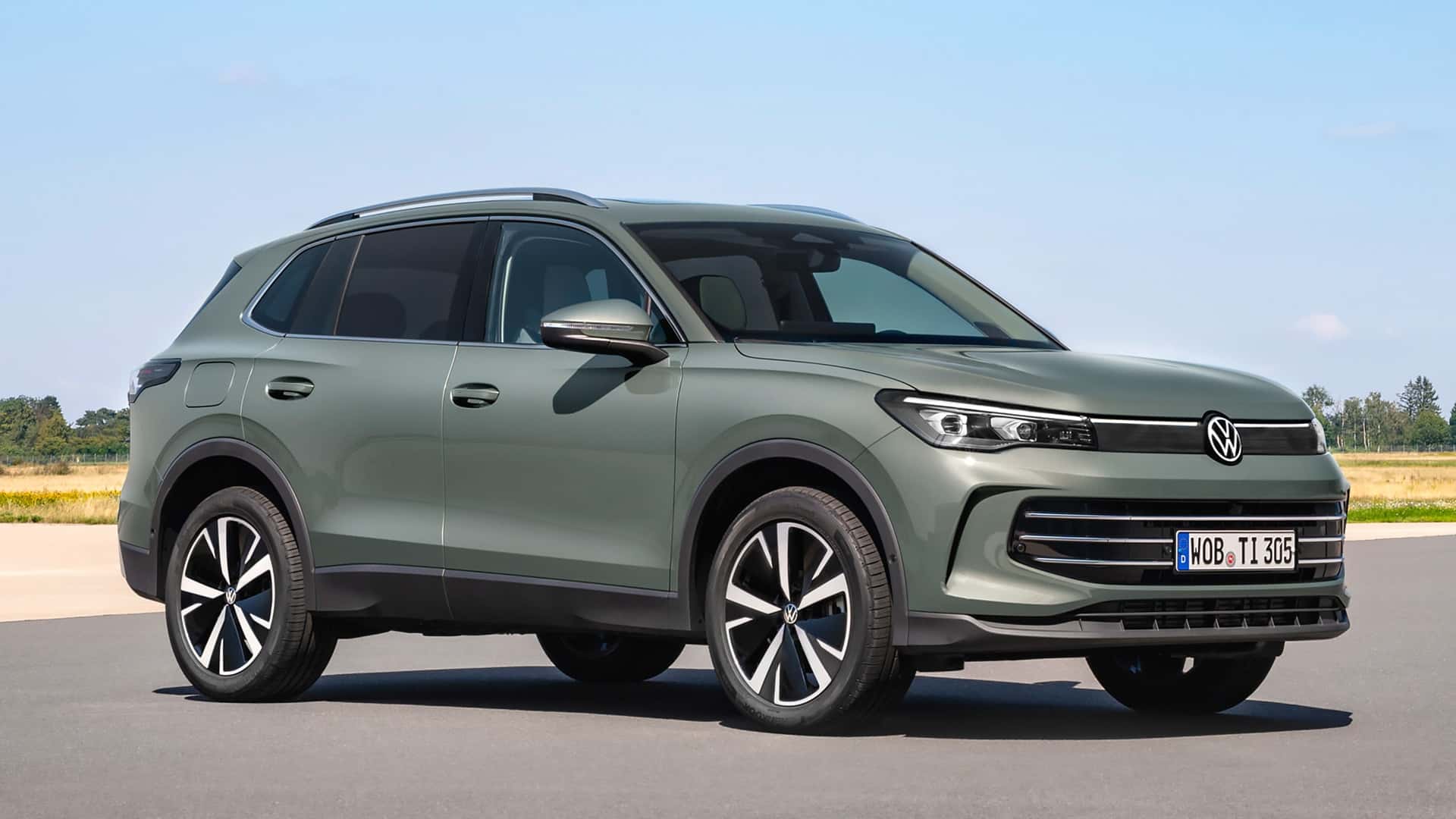
Volkswagen Tiguan
The Volkswagen Tiguan is refined in terms of ride quality and cabin comfort, but its handling dynamics can feel unsettled in corners. Its suspension is tuned toward comfort, with softer springs and damping that allow for a smooth ride over imperfections.
However, this softness comes at the expense of lateral stability, allowing the body to lean more than many drivers would prefer when entering or exiting a curve. Passengers may feel pronounced lateral forces, and drivers need to anticipate lean to maintain composure.
The Tiguan’s higher center of gravity accentuates the perception of tipping. Although the vehicle benefits from precise engineering and quality chassis construction, its taller stance makes body roll more noticeable.
Heavier components located over the front axle also contribute to front-end dominance during cornering, which can lead to understeer and increased sway. This combination can make sudden maneuvers feel less controlled, especially compared to crossovers with stiffer suspensions or lower profiles.
Tires and wheel setups on the Tiguan are designed for comfort and everyday usability rather than aggressive handling. Standard all-season tires provide moderate grip but do not resist lateral forces strongly enough to counteract body lean.
Steering feedback is moderate, and while it communicates basic road feel, it does not fully compensate for the vehicle’s tendency to sway. Drivers may feel that additional attention and small steering corrections are required to maintain a steady line through corners.
Finally, suspension geometry and damping choices amplify the Tiguan’s tippy sensation. The design favors smooth, compliant motion for urban and highway driving, but it also reduces confidence during spirited or abrupt cornering.
Electronic stability programs provide intervention if extreme lean occurs, but these systems cannot eliminate the natural body roll. For drivers prioritizing a planted, controlled feel through turns, the Tiguan’s combination of soft suspension, higher center of gravity, and front-heavy balance makes it a clear example of a crossover that feels tippy.