The electric vehicle market has grown at an unprecedented pace over the past decade, transforming from a niche segment into a mainstream choice for many drivers.
Buyers now have a wide range of options, from affordable compact hatchbacks to luxury SUVs, and the experience of driving an EV varies significantly depending on the brand, design, and engineering choices.
One of the key considerations for new EV buyers is how a car feels on the road. While range, charging speed, and price are often discussed, the sense of safety or solidity when driving a vehicle is just as important.
Feeling secure behind the wheel affects confidence during city commutes, highway drives, and adverse weather conditions, and it can make the difference between enjoying the transition to electric mobility and feeling constantly on edge.
For many newcomers to the EV market, the perception of safety is shaped by factors such as build quality, suspension stability, crash-test performance, steering responsiveness, and even interior ergonomics. Some vehicles provide a reassuring, planted feeling on the road, giving drivers the sense that they are in complete control even in tricky situations.
Others may feel lighter, less rigid, or less responsive, leading to a sense of uncertainty or nervousness at higher speeds or when navigating curves. Interestingly, this feeling does not always correlate with price. Some affordable EVs offer surprisingly solid dynamics, while some more expensive models can feel oddly floaty or fragile due to specific design choices or compromises made for weight reduction.
This article will break down ten electric vehicles suitable for new drivers or “starter” EV buyers, categorizing them into two groups: those that feel particularly safe and grounded, and those that feel somewhat flimsy or less reassuring on the road. The goal is not to criticize any particular manufacturer but to provide a practical guide to what driving these cars feels like in everyday situations.
Understanding these distinctions can help first-time EV owners make an informed decision that matches their comfort level and driving confidence. By examining both ends of the spectrum, readers can gain insight into the physical and psychological aspects of vehicle dynamics, as well as the subtle cues that influence how secure a car feels.
With that context in mind, the following sections will outline five starter EVs that provide a sense of safety and stability, followed by five EVs that, despite their other qualities, may feel somewhat flimsy or less reassuring to new drivers. Each model will be considered based on ride quality, handling, steering feedback, and road presence.
5 Starter EVs That Feel Safe
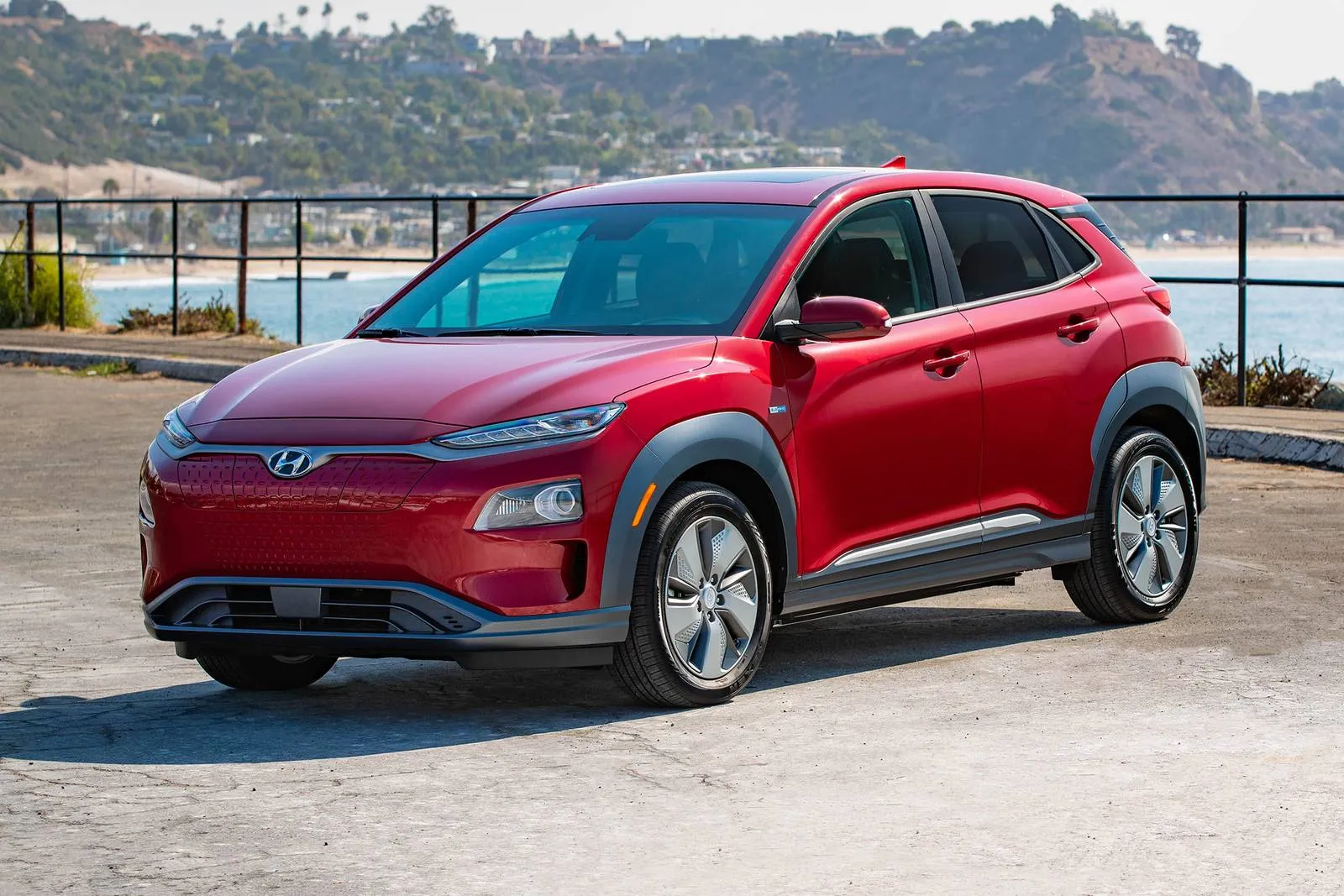
1. Hyundai Kona Electric
The Hyundai Kona Electric is a compact SUV that manages to combine efficiency, style, and a genuinely reassuring driving experience. One of its standout features is the low center of gravity created by the battery pack integrated beneath the vehicle’s floor.
This design element significantly reduces body roll, enhances cornering stability, and provides a sense of plantedness that is rare in compact EVs. Even during abrupt lane changes or sharp turns, the Kona Electric feels composed and predictable, which is particularly important for new EV drivers who may not yet be accustomed to the slightly different weight distribution that electric vehicles often have.
Its suspension absorbs bumps and imperfections on the road with remarkable finesse, offering a ride that is firm enough to feel controlled while soft enough to remain comfortable over longer journeys.
The interior of the Kona Electric reinforces this perception of safety. Drivers sit in a slightly elevated position, providing an excellent view of the road ahead, which helps with anticipation and maneuvering. The dashboard and control layout are thoughtfully designed, with tactile buttons and switches that give feedback and reduce the feeling of uncertainty behind the wheel.
Steering is well-weighted and responsive, allowing drivers to make precise adjustments without oversteering. Additionally, the regenerative braking system is intuitive and smooth, making transitions between acceleration and deceleration seamless. This predictability is crucial for first-time EV owners, as it allows them to feel fully in control, even when adjusting to the unique braking characteristics of electric vehicles.
Safety technology further enhances the Kona Electric’s solid feel. Features like lane-keeping assist, adaptive cruise control, and forward collision warning are all calibrated to work in harmony with the car’s natural handling.
These systems help maintain lane discipline, manage spacing on highways, and provide alerts in potentially hazardous situations, creating an environment where drivers can feel both supported and secure.
On slippery surfaces, the traction control and anti-lock braking system engage smoothly, preventing sudden jerks or instability. This integration of electronic aids and mechanical stability makes the Kona Electric a reassuring vehicle, particularly for those who may be nervous about handling a vehicle with a higher battery weight than a conventional gasoline-powered car.
Finally, the Kona Electric’s versatility contributes to its sense of confidence. Its compact size allows for easy maneuvering in urban environments, yet it remains composed at highway speeds, never giving the impression of being light or unstable. Even when fully loaded with passengers and cargo, the car maintains its balance, thanks to thoughtful engineering and careful weight distribution.
For first-time EV drivers, this combination of responsive handling, stable ride, and well-integrated safety features makes the Kona Electric a model of reliability and reassurance. It demonstrates that an affordable EV can provide both performance and peace of mind without compromise.
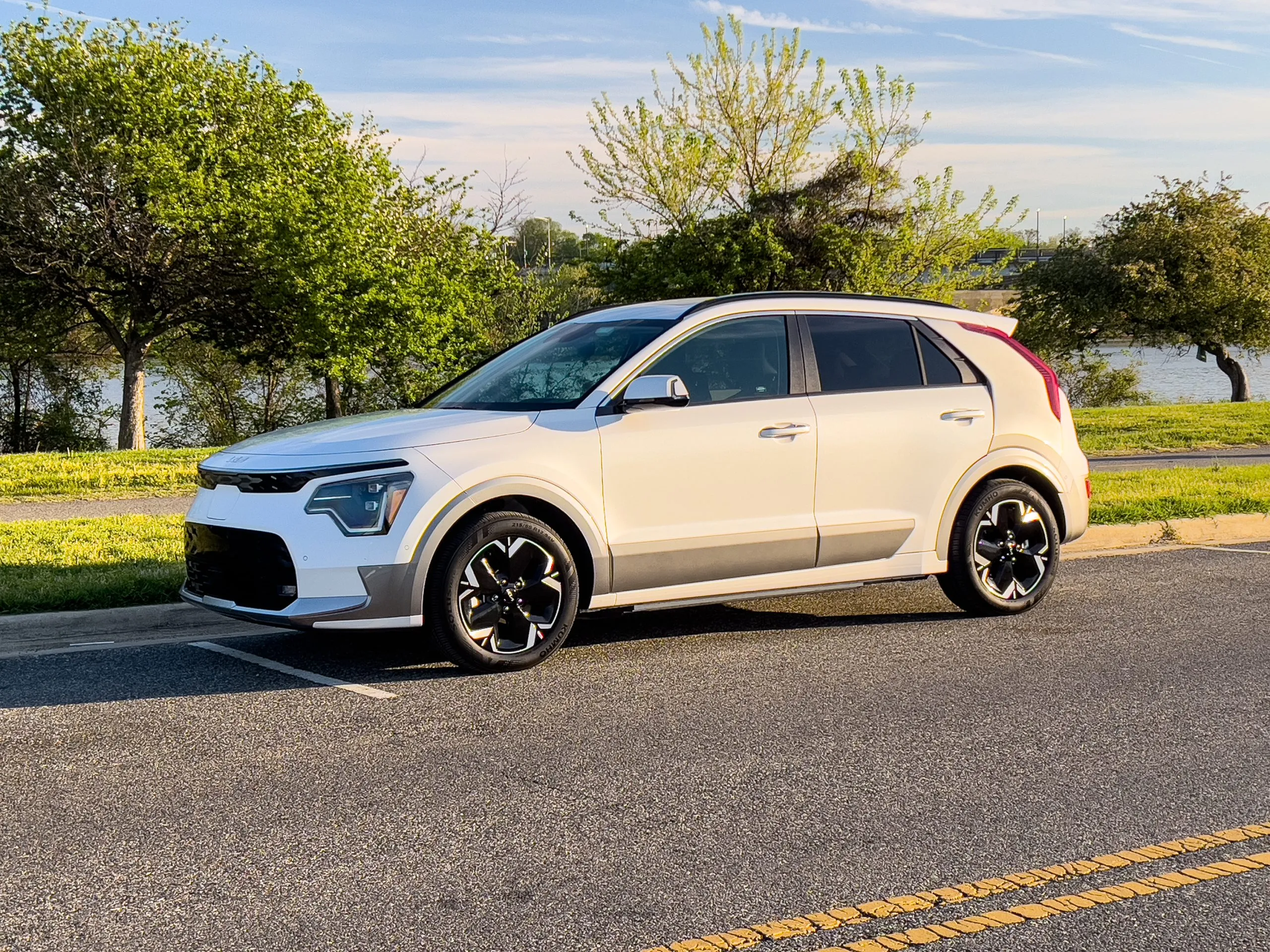
2. Kia Niro EV
The Kia Niro EV offers a slightly different experience from the Kona Electric, emphasizing crossover comfort and stability while retaining the planted feel that makes an EV feel secure. Its suspension is tuned to absorb road imperfections gracefully, providing a smooth yet controlled ride.
Unlike some lighter EVs that can feel jittery or floaty, the Niro EV stays grounded, even during high-speed cornering or sudden evasive maneuvers.
Steering feedback is balanced, delivering precise input without overreacting to small adjustments. This predictability is particularly useful for drivers who are still adjusting to the instantaneous torque and regenerative braking that electric vehicles provide.
Kia equips the Niro EV with a comprehensive suite of advanced driver assistance systems, including lane-following assist, blind-spot monitoring, forward collision avoidance, and smart cruise control. These features work seamlessly with the car’s mechanical stability, helping the driver anticipate hazards and maintain control in various traffic conditions.
The combination of electronics and a well-balanced chassis ensures that even less experienced drivers can feel capable and reassured behind the wheel. The car communicates its stability through both feel and feedback, reducing nervousness associated with unfamiliar EV dynamics.
Practical considerations also enhance the Niro EV’s sense of safety. Its slightly larger dimensions provide a comfortable and spacious cabin without compromising agility in city driving. Even when carrying multiple passengers or a full load of cargo, the car remains composed and predictable, avoiding the light or unsettled sensation that some small EVs can have.
The consistency of ride quality, combined with responsive steering and intuitive electronics, makes the Niro EV a particularly strong choice for beginners. It manages to offer confidence, comfort, and control in a single package, demonstrating that even an accessible, compact EV can deliver a grounded and reassuring driving experience.
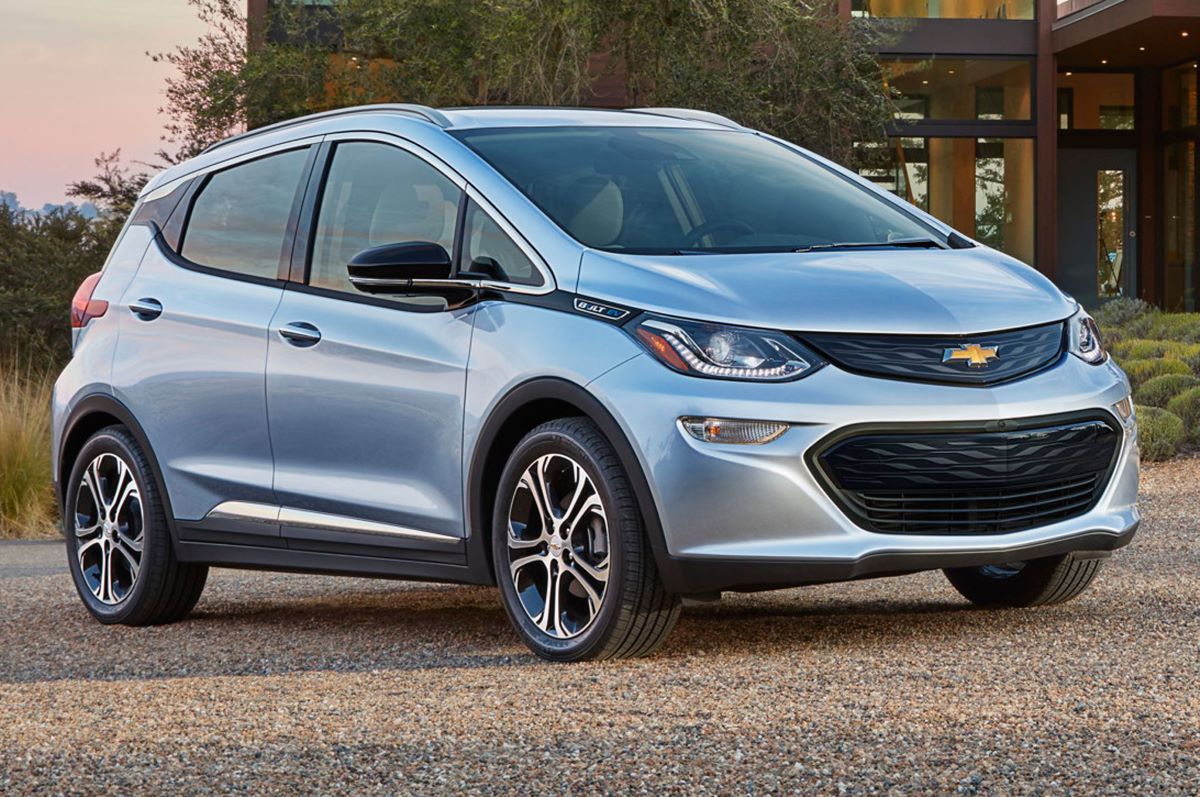
3. Chevrolet Bolt EV
The Chevrolet Bolt EV, while compact and affordable, surprises many drivers with its solid, stable feel. The car’s chassis is engineered to provide a low center of gravity, reducing body roll and giving the driver a sense of security during both routine commutes and sudden evasive maneuvers.
Steering is precise and responsive, providing tactile feedback that communicates road conditions effectively. Unlike some smaller EVs that feel twitchy or light, the Bolt maintains composure and remains predictable, which is particularly valuable for drivers transitioning from gasoline-powered vehicles who may be unfamiliar with the heavier front-end weight distribution often associated with electric drivetrains.
Safety systems in the Bolt EV are thoughtfully designed to complement the car’s stable mechanical behavior. Forward collision alert, lane departure warning, and rear park assist help reduce stress in busy urban environments or on highways.
The integration of these systems with the vehicle’s handling characteristics ensures that the driver is never caught off guard, enhancing the perception of control and reliability. This combination of mechanical confidence and technological assistance makes the Bolt EV particularly suitable for those who value a sense of security in their first EV experience.
Finally, the Bolt EV’s agility and stability work together to make it a versatile option for a wide range of driving scenarios. Its compact dimensions allow for nimble navigation of tight city streets, while the solid suspension and low center of gravity ensure composure at higher speeds.
Unlike some small EVs that feel floaty or unpredictable, the Bolt’s design creates a natural, reassuring connection between driver input and vehicle behavior. This helps new drivers develop confidence quickly, allowing them to focus on enjoying the EV experience rather than adjusting to uncertain handling dynamics.
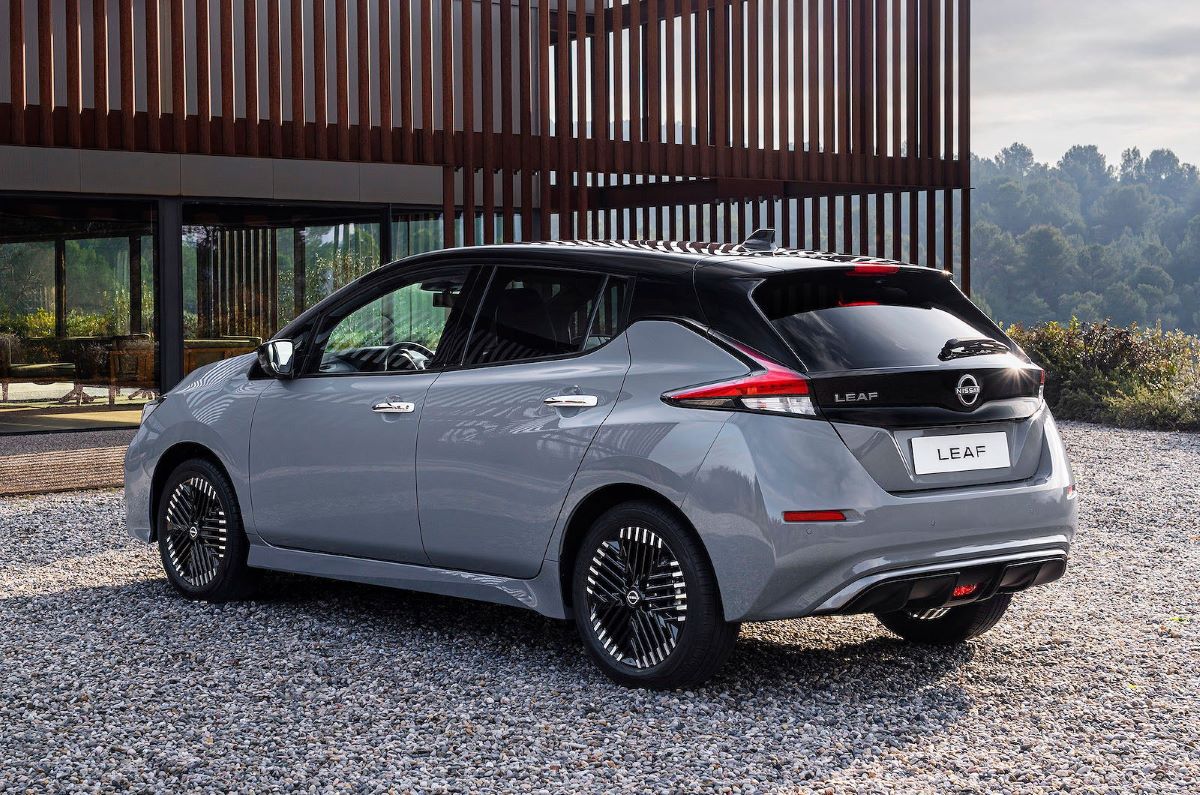
4. Nissan Leaf
The Nissan Leaf has been a pioneer in the EV market, and one of its greatest strengths lies in the predictable and stable driving experience it offers. The Leaf’s suspension and chassis are designed to provide a smooth yet controlled ride, minimizing body lean and offering confidence during cornering and sudden maneuvers.
Its steering is neither too light nor too heavy, striking a balance that allows new drivers to feel in control without overcorrecting during turns.
This predictability is particularly important for individuals who are still learning how an EV behaves compared to traditional gasoline vehicles, especially about instant torque delivery and regenerative braking behavior.
Inside, the Leaf reinforces its perception of safety through solid materials, ergonomic design, and well-placed controls. The seating position provides excellent visibility, and the interior remains quiet and composed even on uneven or rough road surfaces.
This contributes to a feeling of stability and reassurance, as the driver can focus on steering and navigation without being distracted by rattles, excessive noise, or poor visibility. The combination of tactile controls, comfortable seating, and clear instrumentation creates a cockpit environment that feels robust and secure.
Additionally, the Leaf maintains a consistent and reassuring ride quality even under varying conditions. Whether navigating city streets, highways, or light off-road terrain, the Leaf remains composed, avoiding the “floaty” sensation that some compact EVs experience.
Its weight distribution, suspension tuning, and chassis design work together to ensure stability regardless of load or speed. This consistent behavior allows drivers to focus on the joys of electric driving rather than worrying about unpredictable handling, making it an ideal starter EV for cautious or safety-conscious individuals.
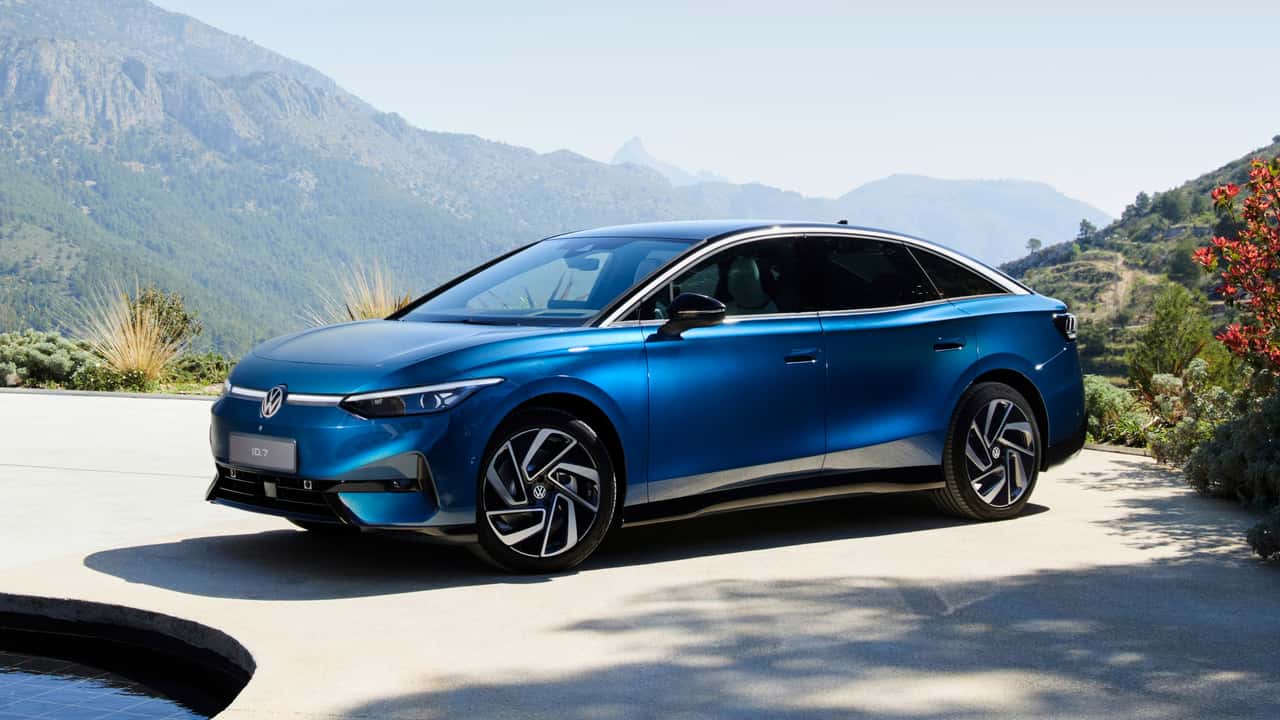
5. Volkswagen ID.4
The Volkswagen ID.4 offers a larger, crossover-style driving experience while maintaining the solid, planted feel that inspires confidence. Its chassis and suspension are engineered for both comfort and composure, absorbing bumps without creating a sense of floatiness while remaining responsive during cornering and lane changes.
The ID.4’s low center of gravity, derived from its floor-mounted battery pack, ensures that the vehicle feels stable under a variety of driving conditions. Body roll is minimal, steering is precise, and the car’s balance communicates reliability to the driver, which is particularly important for newcomers to electric vehicles.
The cabin of the ID.4 reinforces the sensation of solidity. Controls are well-designed and tactile, materials feel substantial, and the ergonomics provide excellent visibility and comfort for the driver.
Even during longer drives or less-than-perfect road conditions, the interior remains quiet and composed, contributing to a sense of reassurance. Drivers benefit from a thoughtful combination of technology, comfort, and intuitive design that makes the ID.4 feel more substantial than its size might suggest.
Finally, the ID.4 maintains composure across different road types and speeds. Its size and weight distribution help prevent the jittery or light feel that can make some EVs seem fragile, while the suspension provides a smooth yet controlled ride.
The combination of responsive handling, a firm yet comfortable suspension, and supportive safety technology makes the ID.4 an excellent option for starter EV drivers who want a vehicle that inspires confidence. It successfully blends comfort, technology, and composure, offering a driving experience that feels reassuringly secure at all times.
5 EVs That Feel Flimsy
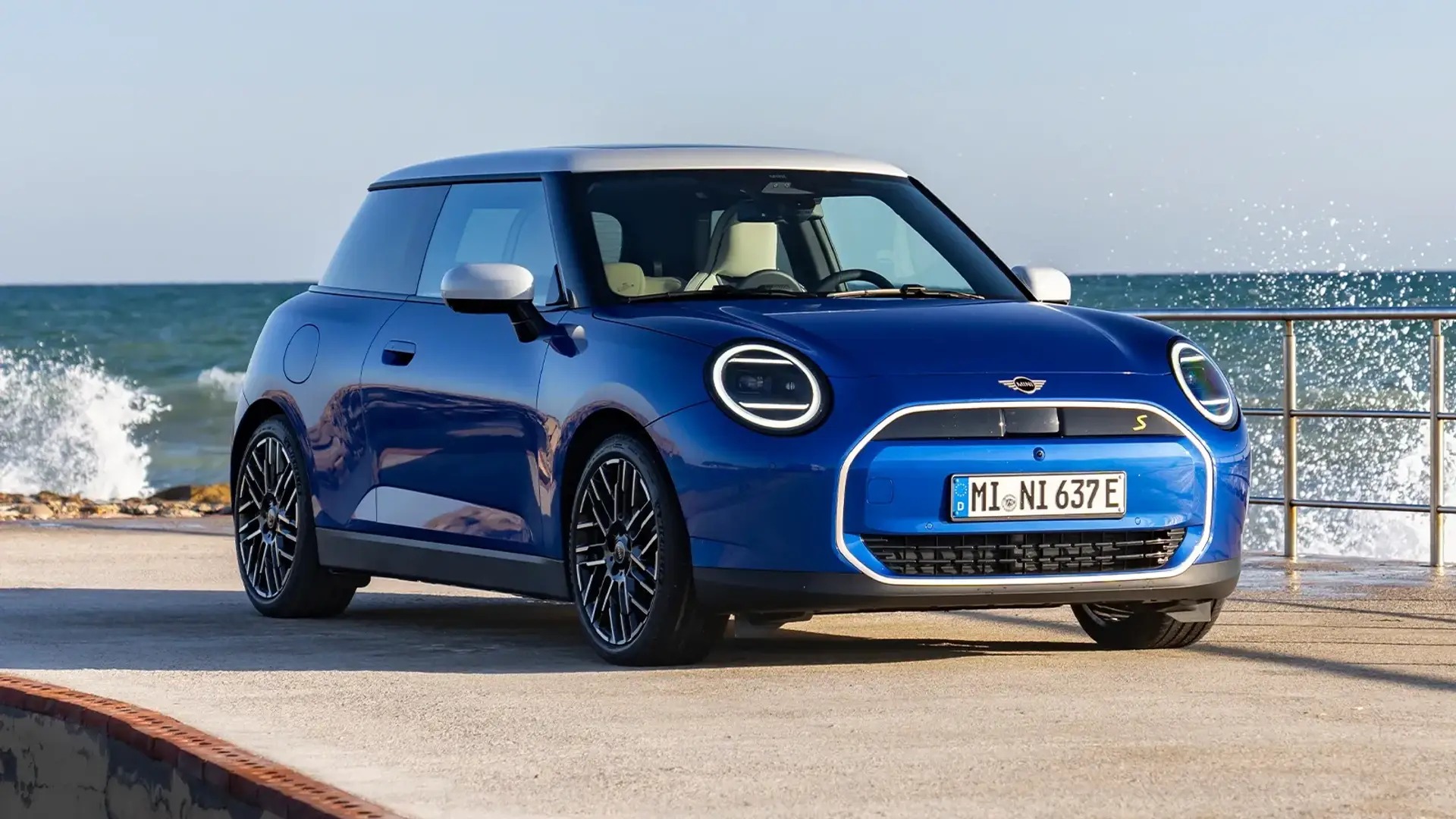
1. Mini Electric (Mini Cooper SE)
The Mini Electric, while offering a fun and sporty driving experience, can sometimes feel flimsy compared to other starter EVs. Its compact size and lightweight construction make the car agile in city driving, but at higher speeds or on uneven roads, it can feel less planted.
The suspension, tuned for nimbleness and sportiness, sometimes transmits more road imperfections into the cabin, which may give drivers a sense of instability. While this approach enhances cornering for enthusiasts, it may be unsettling for drivers seeking a solid and secure ride, particularly new EV owners who are adjusting to electric vehicle dynamics.
Inside, the Mini Electric continues this theme. The cabin, while stylish and modern, uses lighter materials that can feel less substantial than in other EVs. Panels, buttons, and switches provide minimal resistance, which may subconsciously contribute to a perception of fragility.
The seating is low, which can make the car feel closer to the road but also emphasize any small bumps or wobbles the suspension transmits. Visibility is generally good, but the combination of low ride height and firm suspension can make minor irregularities feel exaggerated, amplifying the sense that the car is less secure than other vehicles in the same price bracket.
Finally, the Mini Electric lacks the broader array of advanced driver assistance systems that help new drivers feel more secure. While it has basic safety features, it does not offer the same integrated, supportive electronics found in vehicles like the Hyundai Kona Electric or Kia Niro EV.
Without these systems, combined with its compact, lightweight design, the Mini can feel fragile in traffic or on open roads. For someone prioritizing a sense of safety and composure, the Mini Electric may be thrilling but psychologically less reassuring than other starter EVs.
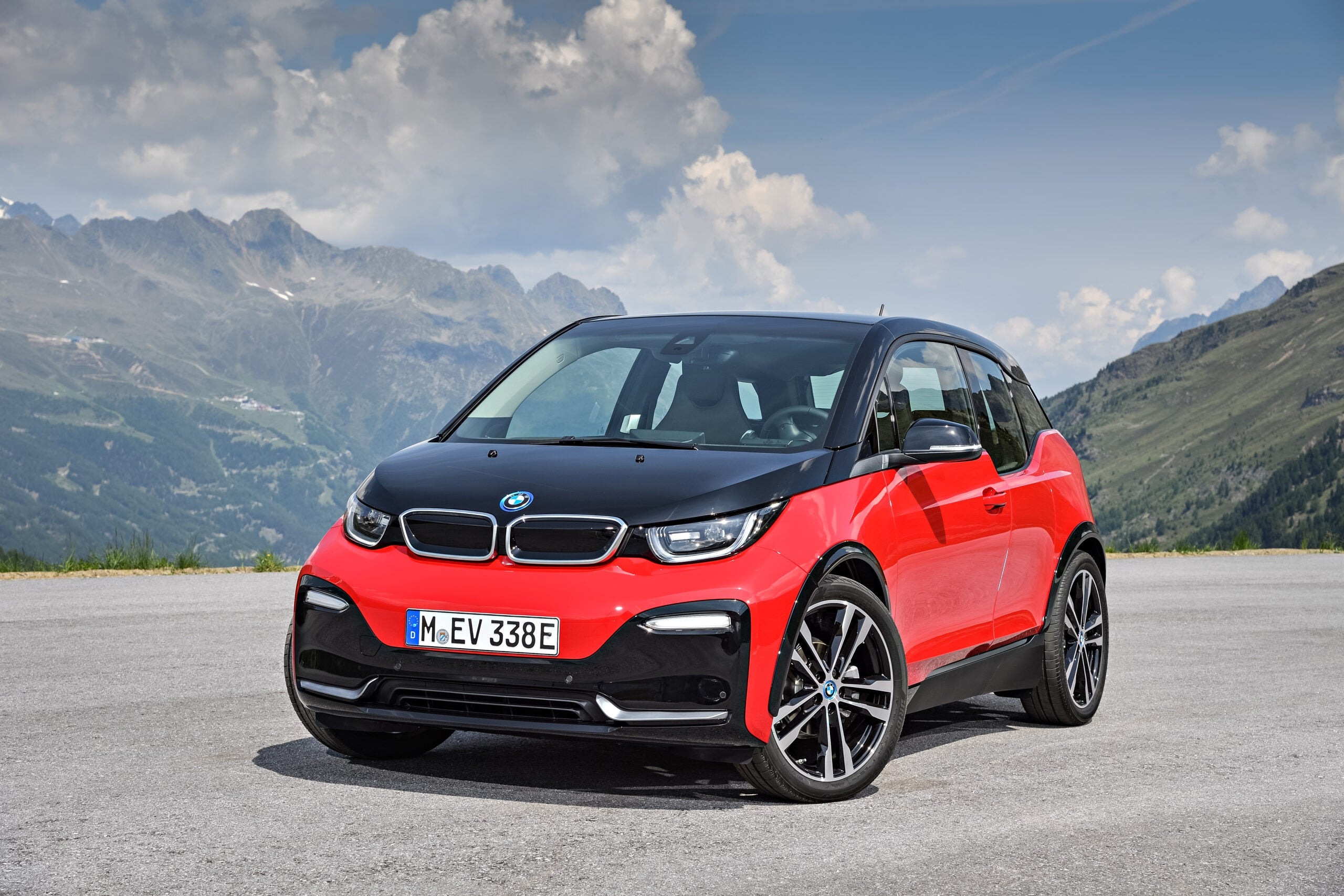
2. BMW i3
The BMW i3 is known for its futuristic design and urban agility, but its lightweight carbon-fiber reinforced plastic body can contribute to a sensation of flimsiness. While the car is structurally sound, the thin panels and unique materials may give some drivers the impression that the vehicle lacks the solidity found in more traditional EVs.
On rough roads or during abrupt maneuvers, vibrations and feedback through the steering wheel and seats can feel exaggerated, which may reduce confidence in vehicle stability. The i3’s small size, combined with its tight turning radius and short wheelbase, can accentuate this sensation, especially at higher speeds.
Inside, the i3 continues its minimalist, modern theme. Materials are environmentally friendly and lightweight, but this can result in a cabin that feels less solid or “weighty” than other EVs. Controls are intuitive, yet the thin dashboard panels and smaller buttons can give a psychological impression of delicacy.
The seating position is relatively high for a small vehicle, but the compact cabin can make passengers feel closely confined, which may amplify any movement or bouncing over uneven pavement. For drivers accustomed to more traditionally built vehicles, this combination of light materials and compact design can feel unconventional and slightly precarious.
Additionally, the BMW i3’s safety and driver assistance features are less extensive than many newer starter EVs. Lane-keeping, collision mitigation, and cruise control systems are either basic or optional, meaning the driver has fewer electronic aids to compensate for the car’s light, agile feel.
This combination of lightweight construction, sporty handling, and limited driver-assist support can make the i3 feel less secure for those seeking a solid, grounded EV. While it offers style, efficiency, and city-focused agility, the i3’s driving character may feel psychologically fragile compared to more traditionally built starter EVs.
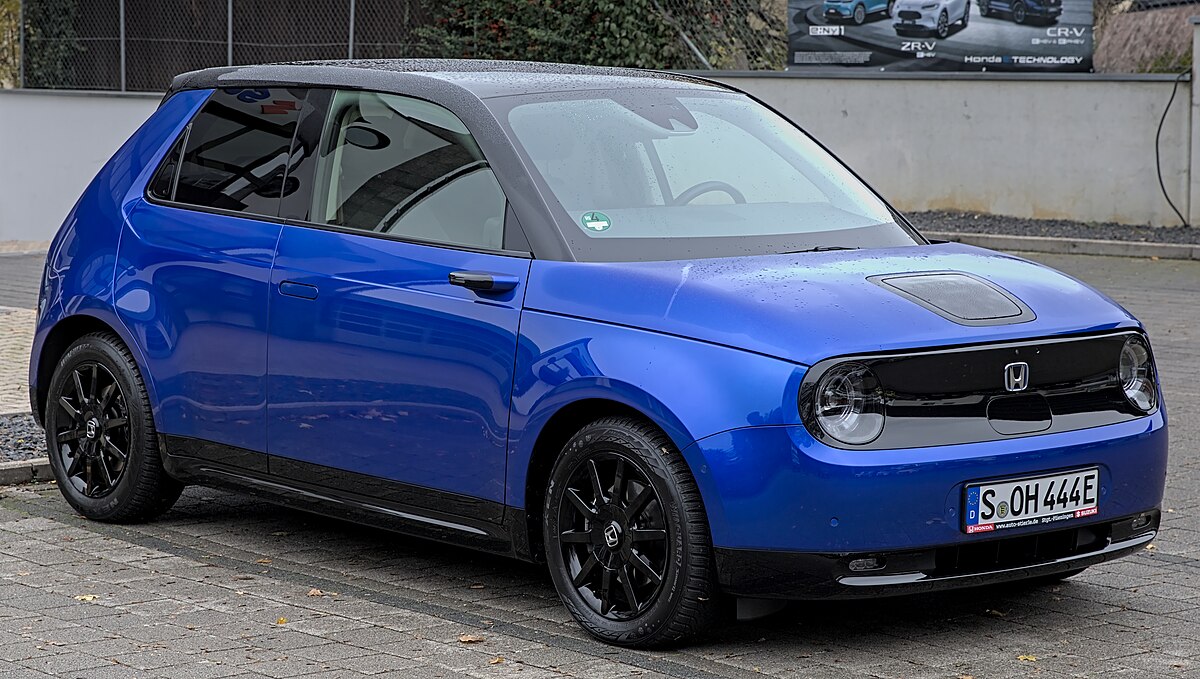
3. Honda e
The Honda e is designed as a city-focused EV, emphasizing compact dimensions and retro-modern styling, but its ride and handling characteristics can make it feel flimsy. Its extremely light body and narrow track width contribute to agility but also create a sense that the car lacks heft on highways or during quick maneuvers.
The suspension, optimized for urban comfort rather than high-speed stability, can transmit road irregularities directly into the cabin, amplifying the perception of instability. For drivers who prioritize a feeling of composure and solidity, this can be unsettling, particularly in comparison with larger, heavier EVs with more grounded rides.
The interior reinforces this perception. The cabin is minimalist and lightweight, with plastic panels and thin materials that can feel less substantial than those in competitors. Seats are compact and supportive for city commutes but may not provide the same enveloping security as in larger vehicles.
While the dashboard and digital displays are futuristic and attractive, the light materials combined with small dimensions can make the cabin feel less anchored, particularly on roads with significant bumps or vibrations. New drivers transitioning from conventional vehicles may find this lack of tactile heft slightly unnerving.
Safety features are present but minimal compared with other starter EVs. Collision mitigation, lane assist, and adaptive cruise control are either limited or optional, meaning drivers rely more heavily on their own control to maintain stability.
Combined with the lightweight body and firm, short-travel suspension, this creates an impression of fragility in the Honda e. While the vehicle is excellent for city driving, it may not instill the same sense of safety and reassurance that other small EVs offer, particularly for beginners or those who prefer a grounded feel.
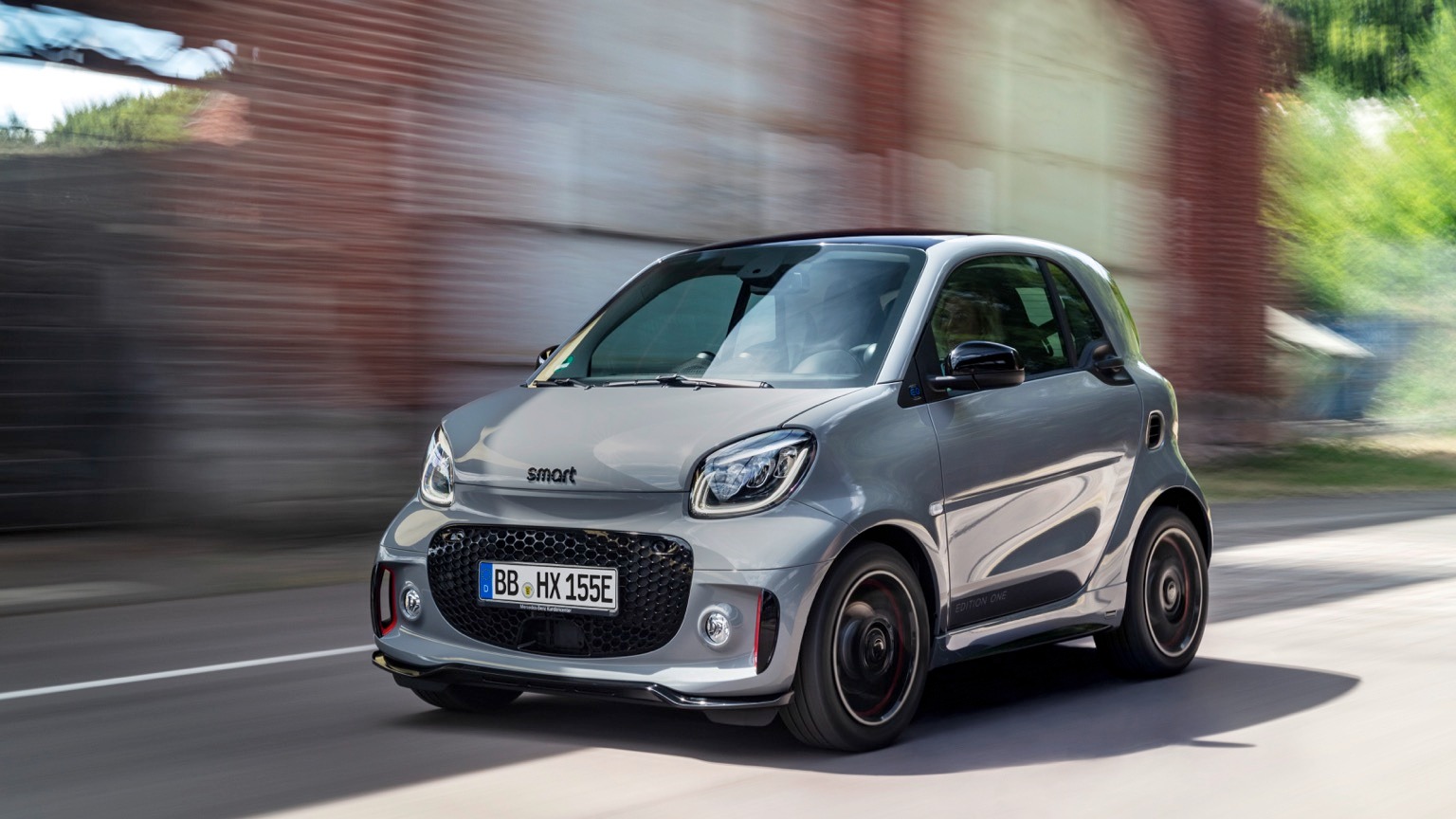
4. Smart EQ ForTwo
The Smart EQ ForTwo is designed for extreme city agility and minimal parking footprint, but its tiny size can lead to a perception of flimsiness on the road. Its short wheelbase and light curb weight can make the vehicle feel unstable during rapid acceleration, lane changes, or windy conditions.
While ideal for maneuvering through tight streets, this diminutive scale means that even minor road imperfections are felt acutely in the cabin, making the car feel less anchored than larger starter EVs. Drivers may perceive it as more susceptible to external forces, which can reduce confidence, especially at highway speeds or during emergency maneuvers.
Inside, the Smart EQ ForTwo’s cabin is extremely compact, with lightweight materials that feel less substantial than those found in larger EVs. The seating arrangement is cramped, giving minimal feedback or support during bumpy rides.
While controls are simple and ergonomically placed, the lack of mass in the interior can make movements feel exaggerated, reinforcing the psychological impression that the car is fragile. Despite its innovative design, the cabin does not create a sense of solid, reassuring structure that some drivers associate with safety.
Safety systems in the Smart EQ ForTwo are basic, including minimal driver assistance features. Lane-keeping, collision warning, and stability controls are either rudimentary or optional, offering little support for drivers seeking reassurance.
Combined with its diminutive size, light weight, and city-focused design, the Smart EQ can feel psychologically fragile on roads where a heavier, more grounded EV would feel secure. While it excels in maneuverability, it may leave first-time EV drivers seeking more confidence and stability feeling hesitant.
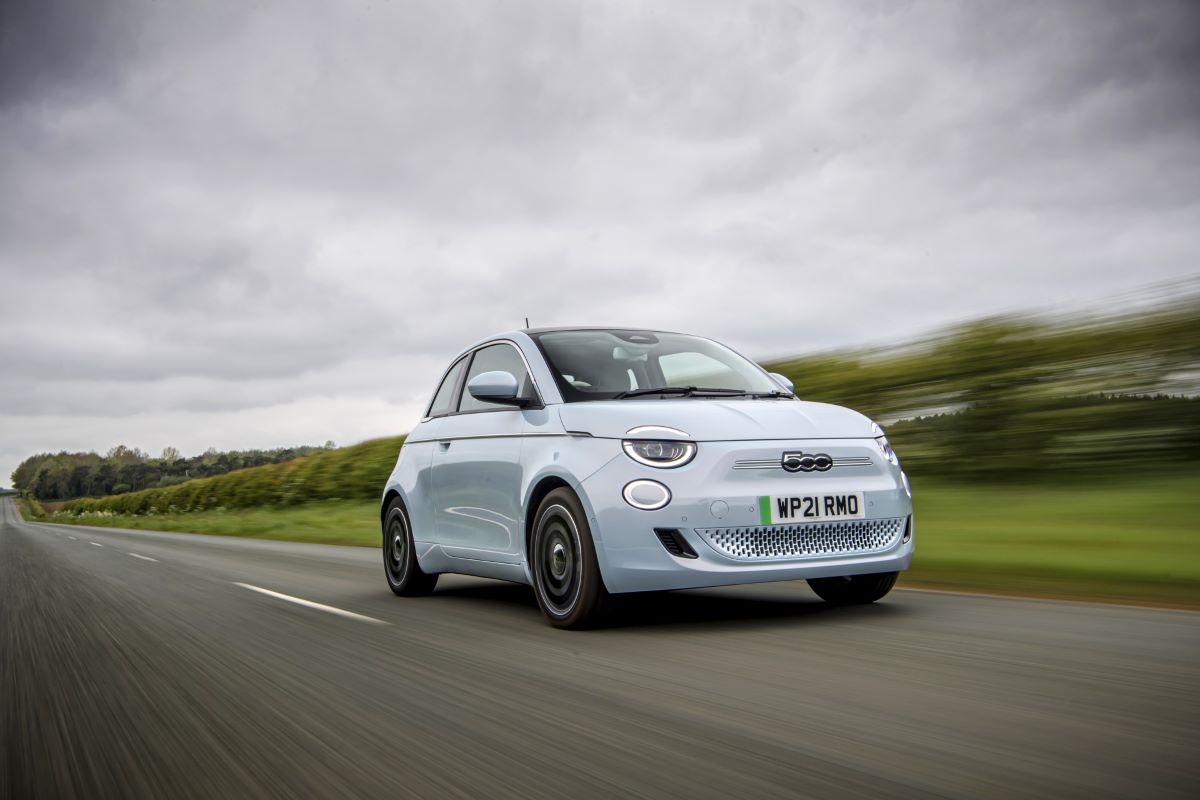
5. Fiat 500 Electric
The Fiat 500 Electric is compact, stylish, and designed for urban convenience, but its lightweight construction and small footprint contribute to a sense of flimsiness. On city streets, it is highly maneuverable, but on highways or uneven surfaces, it can feel less secure compared to more substantial EVs.
The short wheelbase, low mass, and narrow track combine to amplify vibrations and road imperfections, creating a ride experience that may feel jittery or unsettled. The car’s light feel may give the impression that it lacks composure in challenging driving conditions, even though it meets all safety standards.
The interior emphasizes retro design and minimalism, with light materials and compact controls. While visually appealing, the cabin does not provide the tactile reassurance that some drivers associate with a solid, stable vehicle. Seats are small and supportive for short commutes but offer limited cushioning and lateral support for spirited driving.
The compact layout can exacerbate road feedback, making bumps, potholes, and vibrations more noticeable. Drivers may subconsciously interpret the light materials and compact build as signs of fragility, particularly when compared to sturdier starter EVs.
Finally, the Fiat 500 Electric offers limited driver assistance features. While basic systems such as automatic braking and parking sensors are available, it lacks the more comprehensive safety aids found in other starter EVs, which would help compensate for its lightweight dynamics.
This combination of compact size, light weight, and limited electronic assistance contributes to a perception of fragility. For drivers prioritizing a sense of solidity and reassurance, the Fiat 500 Electric, while stylish and fun, may not provide the same confidence-inspiring presence that larger or heavier starter EVs offer.