When it comes to hitting the road, few things are as satisfying as the freedom of a long drive paired with the convenience of a car designed to handle more than just the daily commute. Road trips are not merely about the distance covered but about comfort, accessibility, and how well a vehicle accommodates the needs of its passengers and their gear.
Travelers face a common dilemma: finding a vehicle that balances storage capacity, interior flexibility, and driving experience. Some cars shine because they incorporate clever storage solutions that maximize usable space without compromising passenger comfort, while others can feel cramped and challenging to organize, turning a short trip into a logistical headache.
Storage efficiency in vehicles has become increasingly important as modern travelers often carry more than just luggage. From sports equipment to camping gear, from multiple suitcases to small personal items, the ability to organize and store efficiently defines the road-trip experience.
Cars with smart storage make it possible to have everything neatly arranged, easily accessible, and secure, leaving passengers free to relax and enjoy the journey. On the other hand, vehicles that struggle with storage can turn packing into a strategic puzzle, requiring careful planning and multiple trips between trunk, back seat, and cabin space.
This article compares two extremes: vehicles that are exceptional road-trip champions because of their smart storage solutions, and those that challenge users with space limitations that make packing a puzzle. Each category has unique characteristics that cater to different types of drivers.
The road-trip champions often include SUVs, crossovers, and minivans designed with clever compartments, adjustable seating, and hidden storage bins. The space puzzle vehicles, often smaller sedans or sporty coupes, may have sleek designs but limited cargo options, requiring creative solutions to fit luggage and equipment.
By examining these ten vehicles, we can better understand how storage solutions impact the travel experience. For families, adventure seekers, or solo explorers, knowing which cars provide convenience and which present packing challenges can influence the choice between comfort and design.
This comparison will not only highlight storage capabilities but also touch on interior layouts, passenger comfort, and usability. Whether planning a weekend getaway or a cross-country adventure, understanding these aspects ensures a smoother journey and reduces stress, transforming packing and travel from a chore into a manageable, even enjoyable part of the adventure.
5 Cars Road-Trip Champs with Smart Storage
1. Honda CR-V
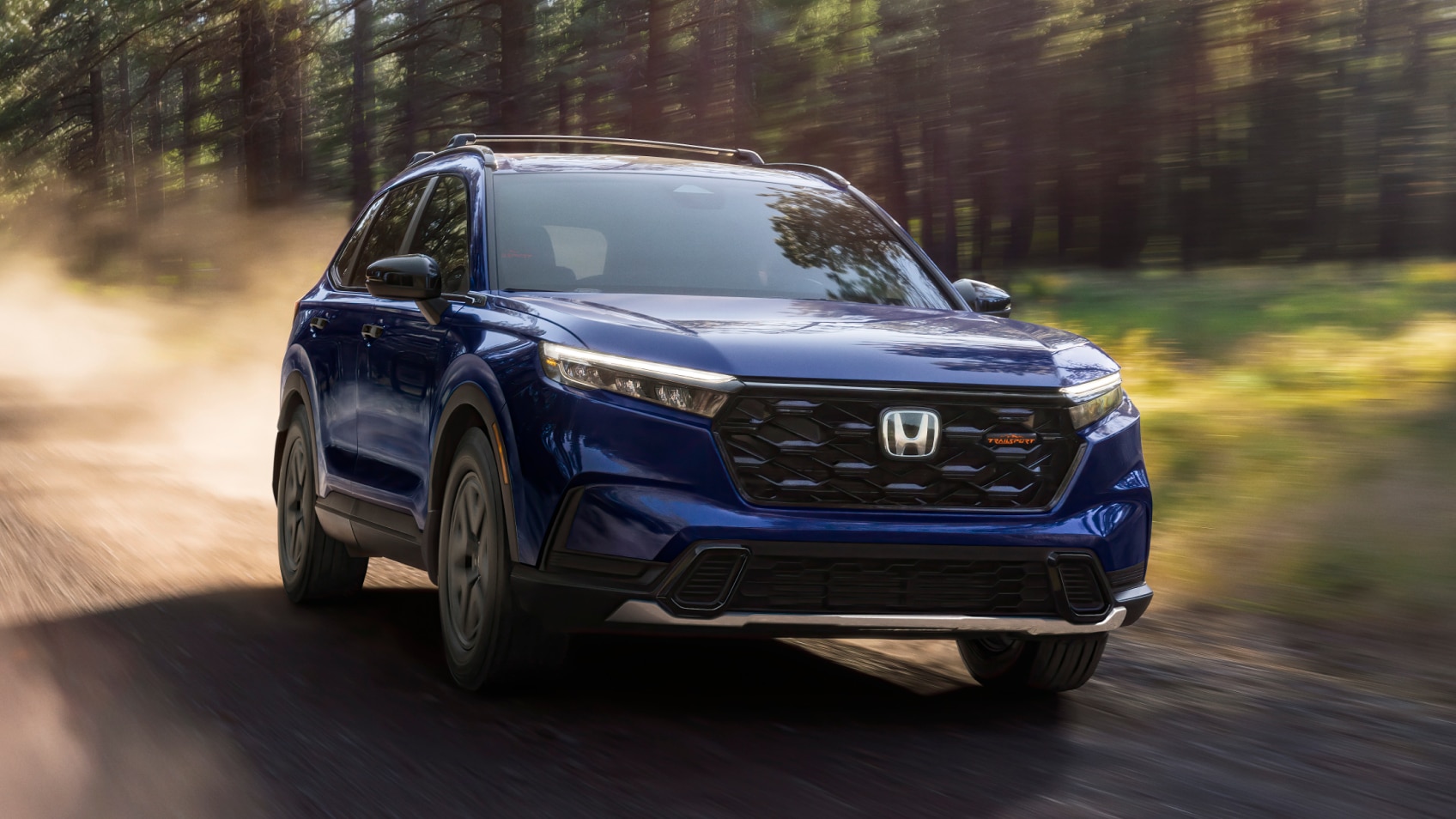
The Honda CR-V has long been recognized as a practical and versatile SUV, making it a favorite among travelers who prioritize both comfort and storage. One of its strongest attributes is the rear cargo space, which is thoughtfully designed for adaptability.
The rear seats fold flat with a simple pull of a lever, allowing for long or bulky items like surfboards, camping gear, or multiple suitcases to fit without hassle. Additionally, the CR-V features underfloor storage compartments that hide smaller items such as electronics, first aid kits, or emergency supplies. This ensures that the cabin remains clutter-free while maximizing usable space.
Inside, the CR-V is organized to help travelers maintain order on long trips. Multiple cup holders, door pockets, and a wide center console create convenient spaces for personal items, snacks, and travel documents.
Small compartments located near the dashboard allow drivers to keep essentials such as sunglasses, maps, or mobile devices within easy reach. The intelligent design ensures that every passenger has access to storage, which can make a noticeable difference on extended journeys where clutter can quickly become stressful.
Passenger comfort is equally impressive. The CR-V’s seats are designed with ergonomic support, providing ample legroom in both the front and rear cabins. This is particularly important during long drives, as fatigue can accumulate quickly if seating is cramped or poorly designed.
The combination of spacious seating and practical storage creates an environment where passengers feel comfortable and organized, even on multi-day trips. The smooth ride and excellent fuel efficiency add to the vehicle’s road-trip credentials, making it a reliable companion for both highways and winding back roads.
In addition to interior organization, the CR-V supports exterior storage needs. Roof rails allow travelers to carry bikes, kayaks, or rooftop luggage carriers, while the wide-opening tailgate simplifies loading and unloading. The CR-V demonstrates that an intelligently designed vehicle does not need to compromise on either passenger comfort or cargo capacity.
By integrating flexible seating arrangements and hidden storage compartments, the CR-V makes packing for a road trip straightforward and stress-free, allowing drivers and passengers to focus on enjoying the journey rather than wrestling with logistics.
2. Subaru Outback
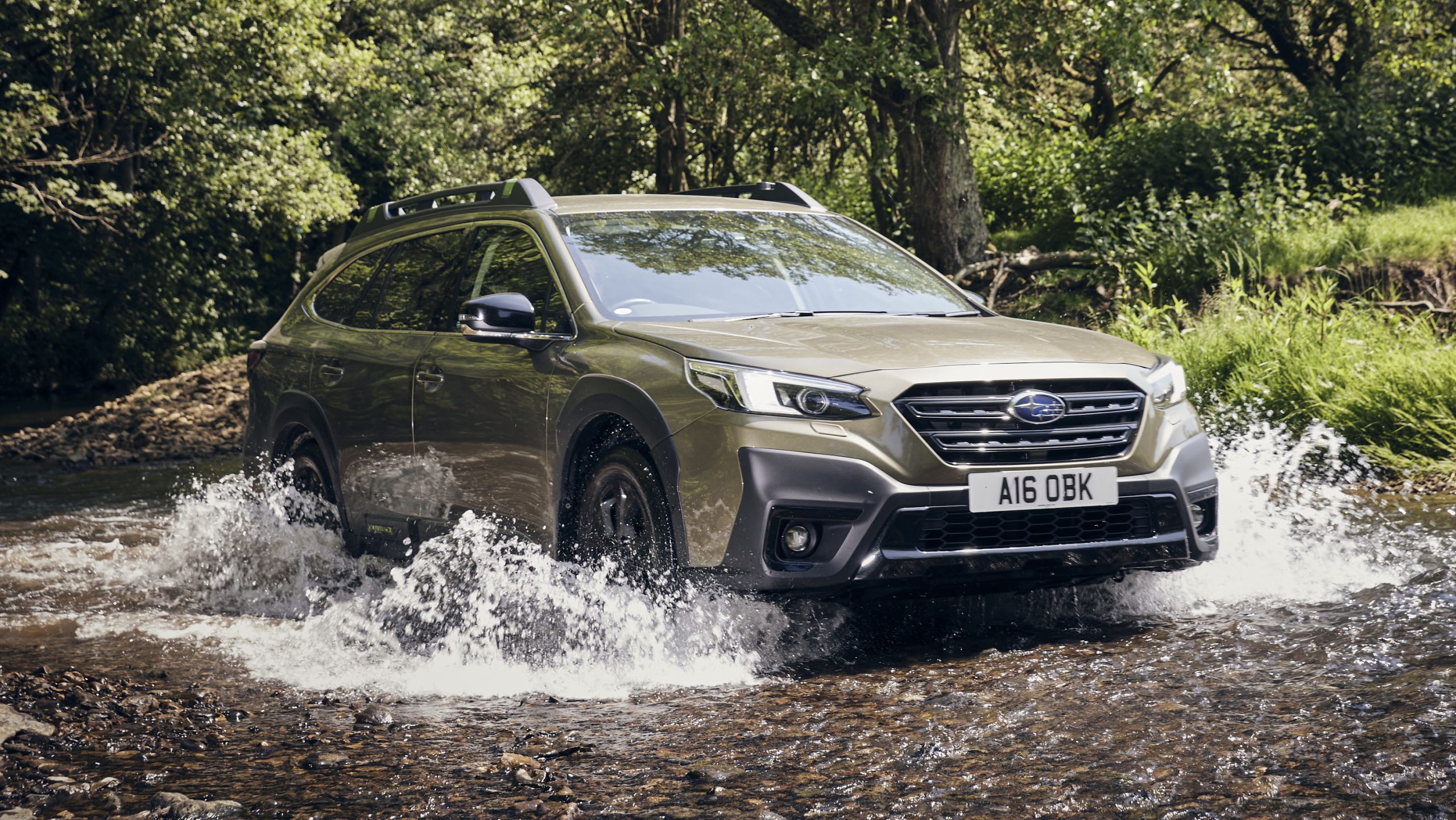
The Subaru Outback is built for versatility and adventure, making it an exceptional choice for travelers who require practical storage combined with off-road capability. The rear hatch opens widely, granting easy access to the cargo area, and the rear seats fold in a split configuration, allowing a mix of passengers and gear.
Underfloor compartments further expand storage options for smaller items, helping travelers keep the cabin tidy. These features make it easy to accommodate everything from camping equipment to luggage, ensuring that travelers can pack efficiently for trips of varying lengths.
Interior organization is a key strength of the Outback. Multiple storage pockets, door compartments, cup holders, and thoughtfully positioned charging ports allow passengers to keep personal items close at hand without creating clutter.
Travelers no longer need to dig through bags to retrieve a phone, water bottle, or travel guide, which saves time and reduces frustration. This organized layout contributes to a stress-free travel experience, particularly when multiple passengers have different storage needs.
The Outback also excels in passenger comfort. Its seats are supportive and spacious, providing excellent legroom in both the front and rear. Long trips are made more enjoyable by a smooth ride, even over rough terrain or poorly maintained roads.
The vehicle’s stability and quiet cabin reduce travel fatigue, while its storage flexibility allows travelers to carry both large items and everyday essentials with ease. Roof rails with integrated crossbars enhance its cargo-carrying capacity, making it an ideal choice for adventure seekers who bring gear such as kayaks, bicycles, or roof boxes.
Safety and usability also enhance the Outback’s appeal for road trips. The vehicle offers practical features such as easy-to-reach controls, intuitive dashboard layout, and well-placed cup holders for passengers.
The combination of clever storage solutions, comfort, and capability allows the Outback to handle a wide range of trips, from coastal drives to mountain excursions.
For those who enjoy outdoor adventures without compromising organization and convenience, the Outback delivers a thoughtful balance between function and comfort, making packing and travel straightforward and enjoyable.
3. Toyota RAV4
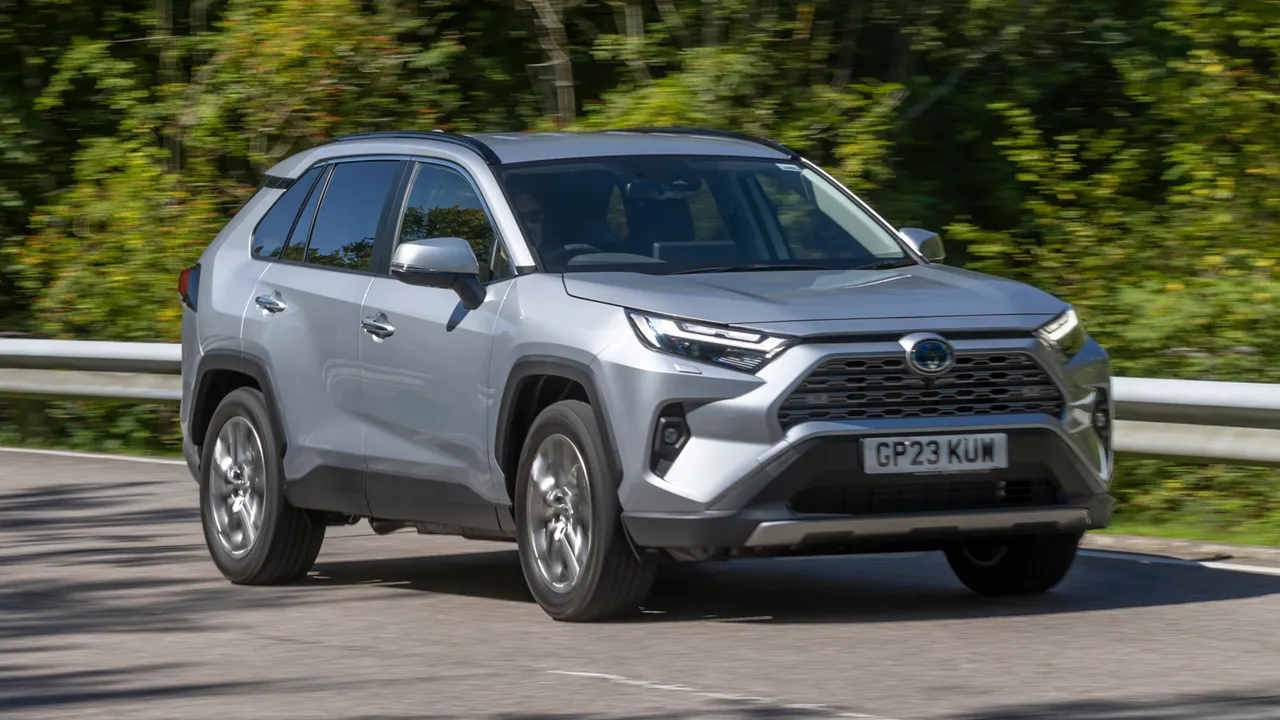
The Toyota RAV4 has built a reputation as a reliable, versatile SUV, particularly well-suited for travelers who need intelligent storage solutions. The rear seats fold in multiple configurations, enabling drivers to adjust cargo space to fit luggage, sporting equipment, or groceries without sacrificing passenger seating.
The RAV4 also offers a configurable cargo floor and under-seat storage, providing additional spaces for smaller items like backpacks, electronics, or travel kits. This flexibility ensures that all items remain secure, accessible, and organized throughout the journey.
Inside the cabin, storage is prioritized to make life on the road simpler and less chaotic. Glove boxes, center consoles, and door pockets provide dedicated spaces for frequently used items, reducing the likelihood of misplaced belongings.
Cup holders, phone charging ports, and small compartments help maintain order and enhance convenience, which is particularly valuable on long trips with multiple passengers. The interior is designed to maximize efficiency, allowing travelers to focus on the road rather than constant organization.
Passenger comfort is another major advantage of the RAV4. Its seats are spacious and supportive, offering ample legroom and shoulder space. The cabin is designed to minimize noise and vibration, creating a calm environment even on highways or gravel roads.
Comfort, combined with storage flexibility, allows passengers to travel long distances without feeling cramped or fatigued. Its smooth handling, reliability, and fuel efficiency further reinforce its suitability for extended trips, whether through cities, suburban areas.
In addition to interior convenience, the RAV4 can handle additional cargo through optional roof racks and hitch-mounted storage solutions. This capability expands the vehicle’s storage potential for larger or unconventional items, providing even more flexibility for road-trip planning.
By combining clever storage solutions, passenger comfort, and versatility, the Toyota RAV4 demonstrates how a well-designed SUV can make packing and traveling efficient and enjoyable, ensuring a smoother and more organized road-trip experience.
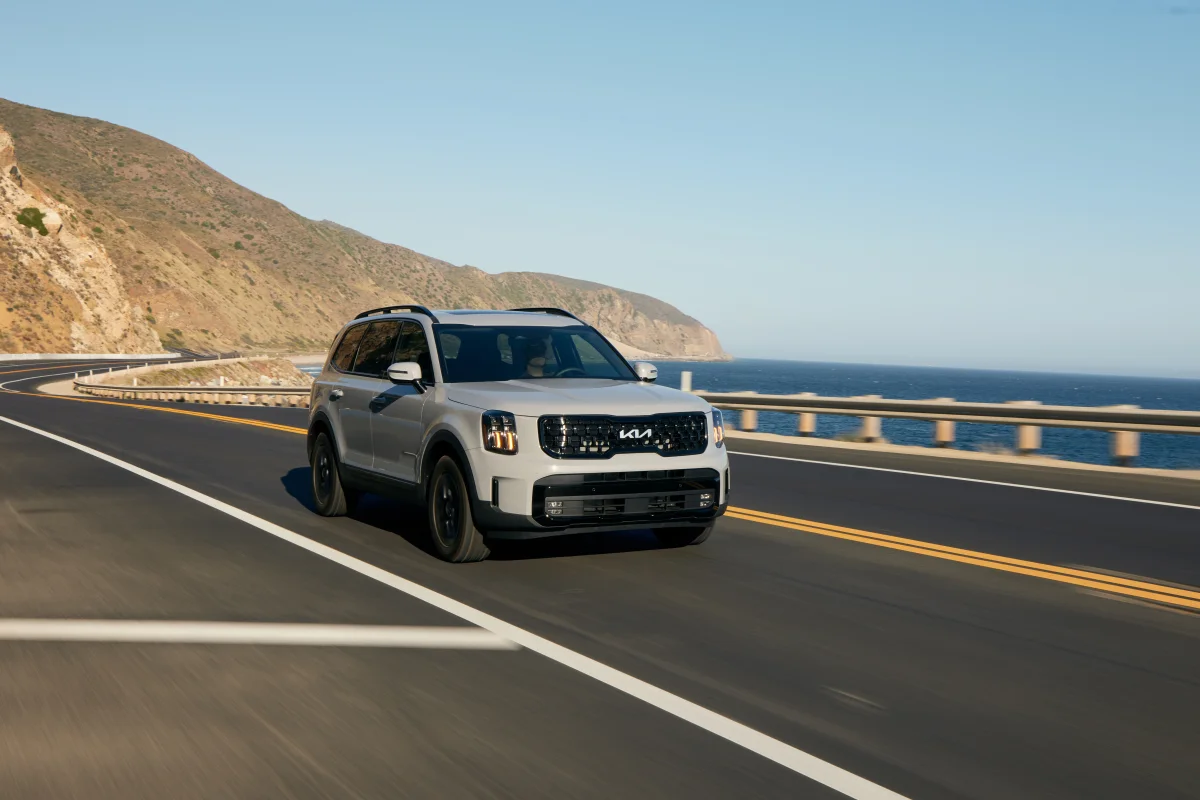
4. Kia Telluride
The Kia Telluride is a full-size SUV that excels in accommodating both passengers and cargo without feeling cramped. Its three-row seating can carry up to eight passengers, and the rear seats fold flat to significantly expand cargo capacity.
Multiple storage bins, underfloor compartments, and large center consoles provide spaces for personal items, gadgets, and travel essentials. This extensive storage network allows passengers to organize belongings efficiently, preventing clutter from taking over the cabin during long trips.
The Telluride also emphasizes convenience and usability. Door pockets, cup holders, and glove boxes are positioned to maximize accessibility, while the wide-opening tailgate simplifies loading and unloading of larger items.
Roof racks and tow-hitch accessories further increase storage options, allowing the vehicle to accommodate bicycles, luggage carriers, or recreational gear. Travelers with diverse packing needs will find the Telluride remarkably flexible.
Comfort is a standout feature of the Telluride. Spacious seats, generous legroom, and adjustable climate control systems help ensure passengers remain comfortable over long journeys.
Ride quality is smooth, with minimal road noise and stable handling, enhancing travel enjoyment. The combination of comfort and practicality makes it suitable for families, groups, or anyone needing both space and luxury on the road.
The Telluride demonstrates that a large SUV can balance passenger comfort, storage, and practicality effectively. By integrating intelligent storage solutions with a spacious interior, it reduces packing stress and simplifies organization. Travelers can confidently plan longer trips, knowing that both people and gear will fit comfortably, making it an ideal vehicle for extended road adventures and multi-destination travel.
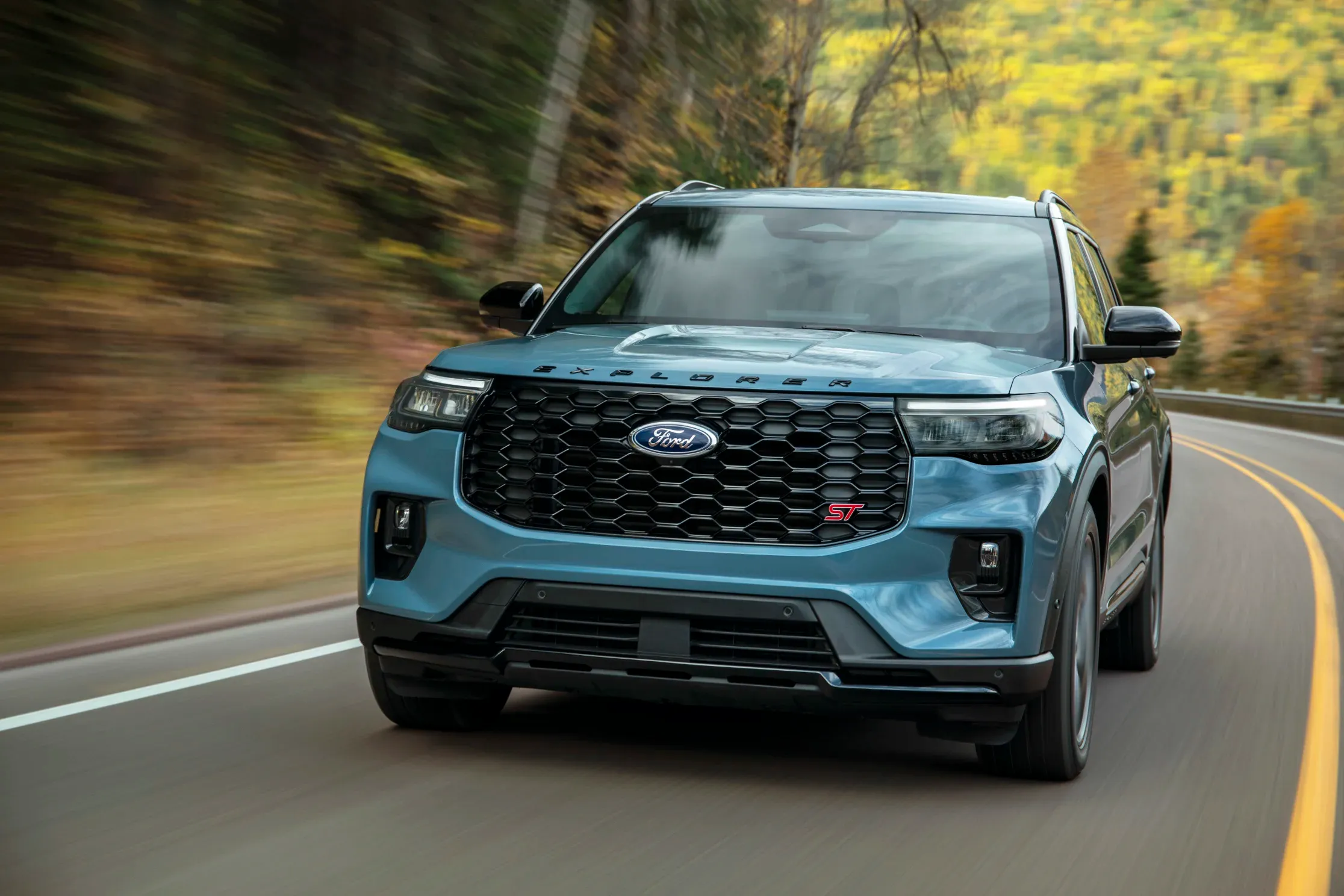
5. Ford Explorer
The Ford Explorer is a versatile SUV that has consistently delivered a balance of size, comfort, and storage flexibility. Its rear seats fold down in multiple configurations, creating a generous cargo area capable of handling luggage, sports equipment, or camping gear.
Hidden storage compartments and a configurable cargo floor provide additional space for smaller items, ensuring that belongings remain secure and organized even on busy road trips.
Interior design emphasizes organization and convenience. Multiple door pockets, cup holders, and center consoles provide dedicated areas for everyday essentials, reducing clutter inside the cabin.
Passengers can easily store personal items, electronics, and snacks within reach, enhancing comfort and practicality. Optional roof racks allow travelers to expand storage capacity for oversized or bulky items, making the Explorer a true multi-purpose vehicle for road trips.
Passenger comfort is another key strength. The Explorer offers spacious seating, adjustable climate controls, and a quiet cabin environment that reduces fatigue during long journeys.
Smooth handling, stability, and reliability make it suitable for a wide range of driving conditions, from urban streets to highways and rural roads. This combination of comfort and storage flexibility ensures that travelers can enjoy extended trips without compromise.
By integrating intelligent storage solutions, passenger comfort, and usability, the Ford Explorer demonstrates what it means to be a road-trip champion.
Families and adventurers alike benefit from the thoughtful design, which simplifies packing and enhances the travel experience. With both interior and exterior storage options, the Explorer proves capable of handling the demands of modern travel, making long journeys more organized, comfortable, and stress-free.
5 Cars Space Puzzles
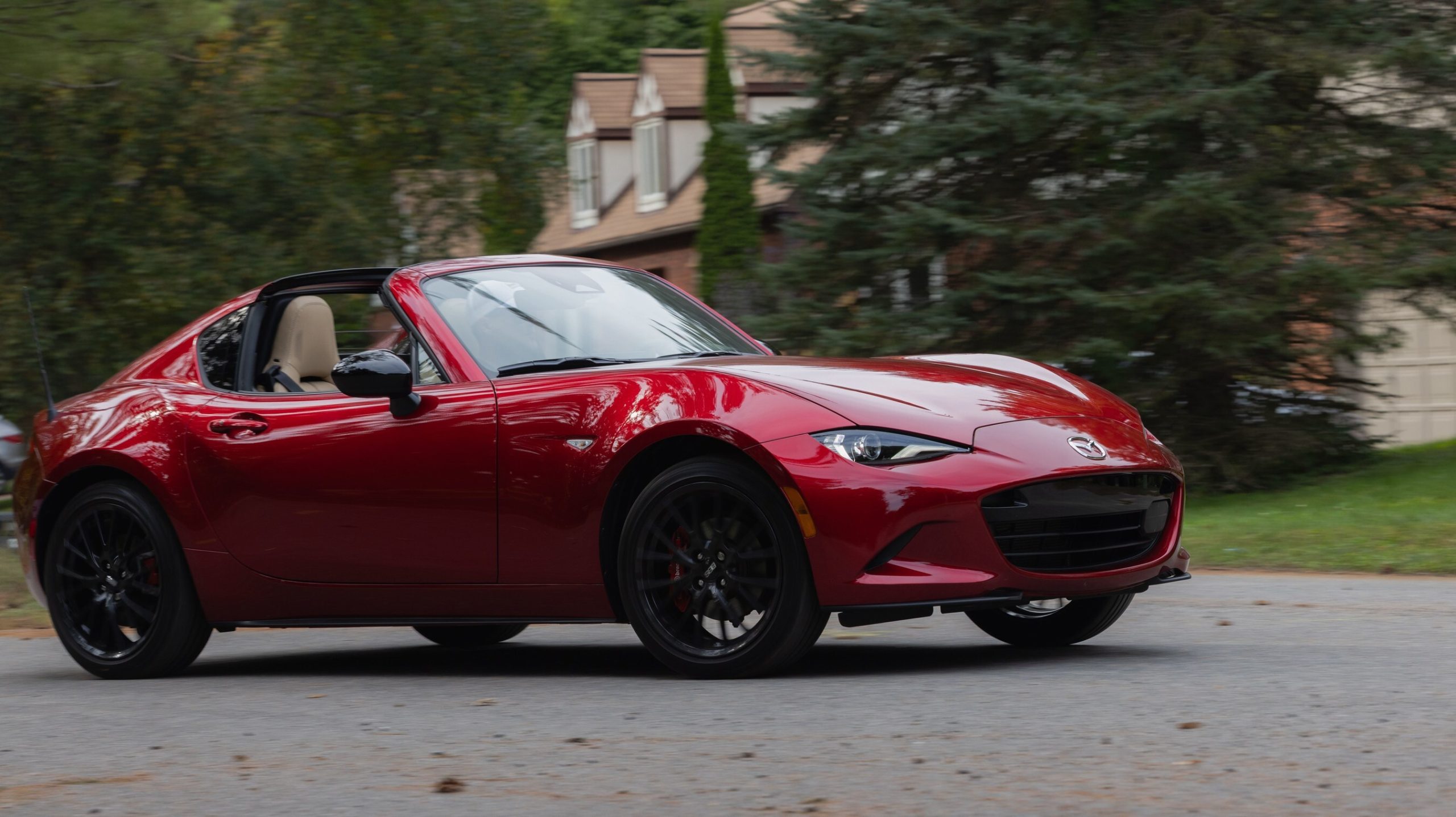
1. Mazda MX-5 Miata
The Mazda MX-5 Miata is an iconic sports car known for its lightweight design, nimble handling, and engaging driving experience. While these qualities make it a joy on winding roads and city streets, they come at the expense of storage space.
The Miata’s trunk is small, barely able to accommodate a single medium-sized suitcase, and the interior provides minimal options for additional gear. This limitation requires drivers to plan meticulously, often reducing their travel items to the bare essentials to make the journey feasible.
Interior storage is equally limited. The center console is compact, offering very little room for personal items, and cup holders are minimal, often only sufficient for short trips or small drinks. Glove box space is restricted, forcing travelers to prioritize which items to bring along.
The lack of versatile storage solutions means that longer trips or multi-day road trips demand careful organization and compromise. Travelers often need to rely on soft, compressible bags to fit into the trunk or even consider external storage solutions, such as rooftop carriers or trailers.
Passenger comfort in the Miata is another factor affected by its compact size. While the seats are supportive and designed for performance driving, the cabin is snug, leaving little room for additional belongings. Travelers may need to share limited space for items like backpacks or electronics, which can create a cramped environment during extended trips. Additionally, taller passengers may find legroom and headroom restrictive, which adds to the challenge of long drives.
Despite its storage limitations, the Miata excels in areas unrelated to practicality. Its handling, acceleration, and road feel create a rewarding driving experience that many enthusiasts value above cargo capacity.
However, for travelers seeking convenience and storage flexibility, packing becomes a persistent challenge. The Miata emphasizes performance over practicality, meaning that owners must approach road trips with creativity, discipline, and a willingness to leave non-essential items behind.
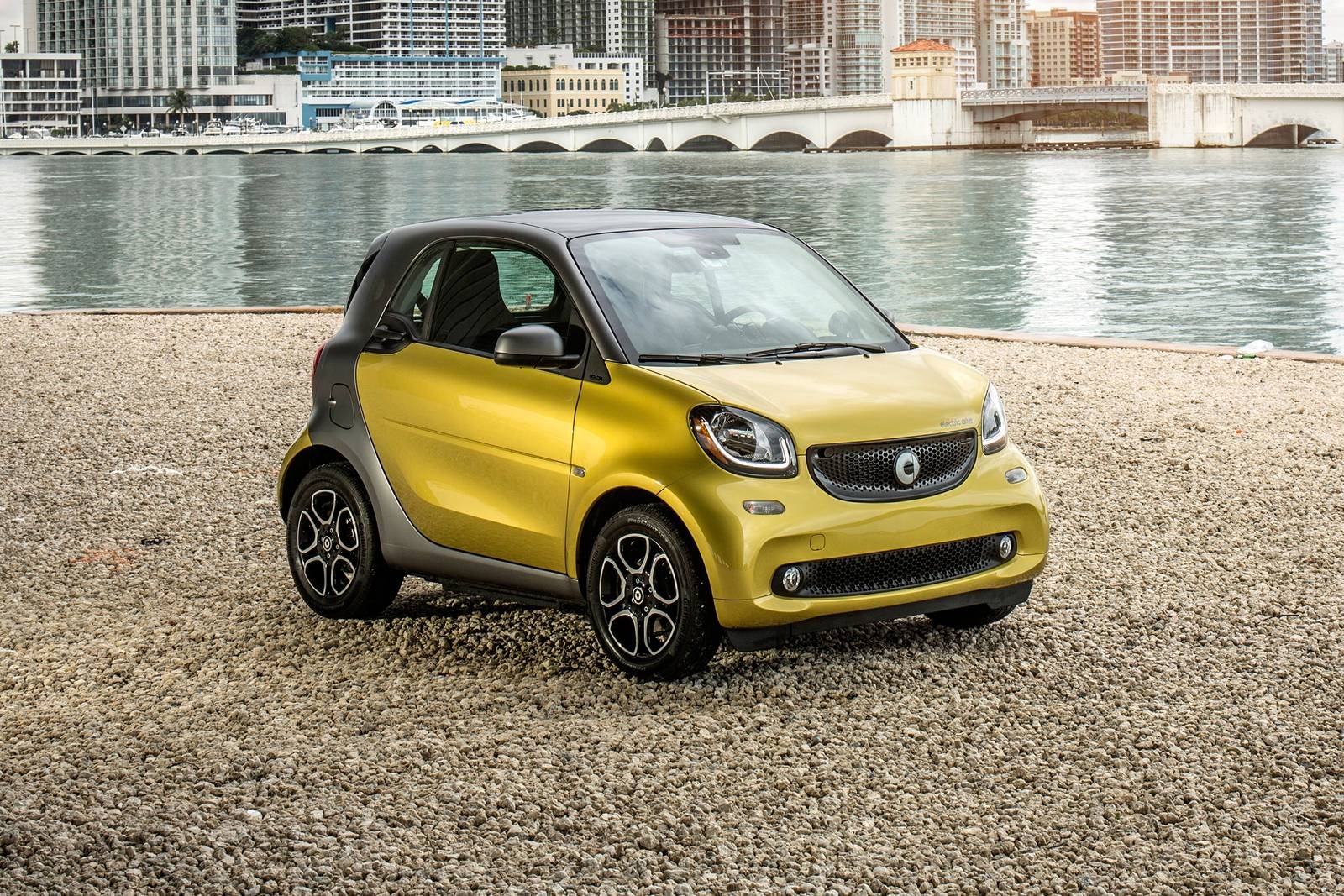
2. Smart Fortwo
The Smart Fortwo is a tiny city car designed to maximize maneuverability and efficiency rather than storage capacity. Its compact footprint makes it ideal for urban environments, parking in tight spaces, and navigating congested streets. However, this design leaves very little room for luggage or other travel essentials.
The trunk is minimal, and interior compartments provide almost no additional storage, which makes even short trips a test of strategic packing.
Inside, the cabin is limited in both space and organization options. Door pockets are small, the center console is minimal, and there are few compartments for personal items.
Cup holders are designed for small beverages, leaving no room for larger travel items. Even everyday necessities like a water bottle, tablet, or snacks must be carefully managed to avoid clutter. This lack of flexibility transforms road trips into logistical puzzles, especially when more than one passenger needs access to storage.
Passenger comfort is another trade-off for the Fortwo’s compact design. While its seating is adequate for short urban drives, long trips can be tiring due to the limited legroom, narrow seats, and minimal cushioning.
Travelers must adapt to the tight space and often store personal belongings on laps or in passenger footwells, which can make longer drives uncomfortable. The challenge of balancing passenger comfort with storage constraints becomes a constant consideration during extended journeys.
Despite these limitations, the Smart Fortwo offers benefits for specific travel scenarios. Its small size and excellent fuel efficiency make it cost-effective for short trips and city exploration.
However, for travelers seeking a versatile vehicle for road trips, the Fortwo requires careful packing, strategic use of space, and often additional external storage options. Its charm lies in urban practicality rather than storage versatility, highlighting the compromises necessary when prioritizing efficiency and style over cargo capacity.
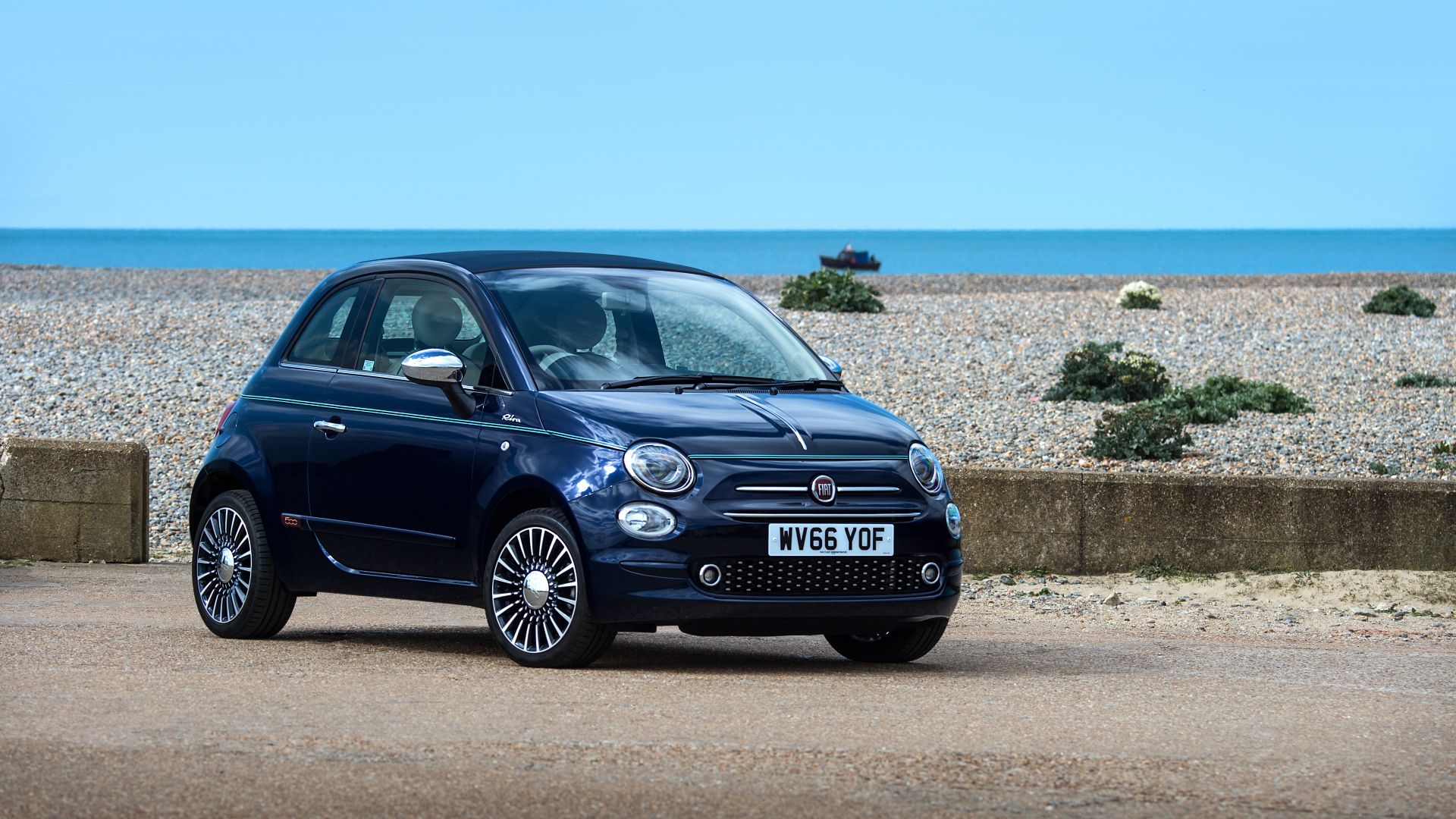
3. Fiat 500
The Fiat 500 is a stylish subcompact vehicle that emphasizes charm and maneuverability over practicality. While it is perfect for city driving and short excursions, its storage space is extremely limited.
The trunk is small, often only able to fit a couple of soft bags, and the rear seats provide little additional cargo room. Travelers quickly realize that even a weekend trip requires careful selection and compression of personal belongings. Packing becomes a strategic exercise, where only the most essential items can be accommodated.
Interior organization is minimal, with small glove boxes, door pockets, and a compact center console. Cup holders are limited, and space for electronics or other travel necessities is scarce. This means passengers must be creative, stacking items carefully or distributing them across the cabin in ways that do not interfere with comfort or driving visibility.
The lack of versatile compartments makes multi-day trips particularly challenging, and travelers often need to compromise on what they can bring.
Passenger comfort is adequate for short trips but can be limiting on longer journeys. The small cabin feels cozy, but taller passengers or those with more gear quickly feel cramped.
The rear seats offer minimal legroom and do not provide practical space for luggage, forcing travelers to rely on the trunk exclusively. These factors make longer road trips a logistical puzzle, as every inch of available space must be used efficiently.
The Fiat 500’s appeal lies in its design, handling, and urban convenience rather than its storage capabilities. While it provides a fun driving experience and excellent maneuverability, travelers must accept the constraints on cargo space.
Packing becomes a careful balancing act, and any road trip longer than a day requires planning, compromise, or external storage solutions such as roof boxes or portable luggage carriers. The 500 highlights the trade-offs between style and storage.
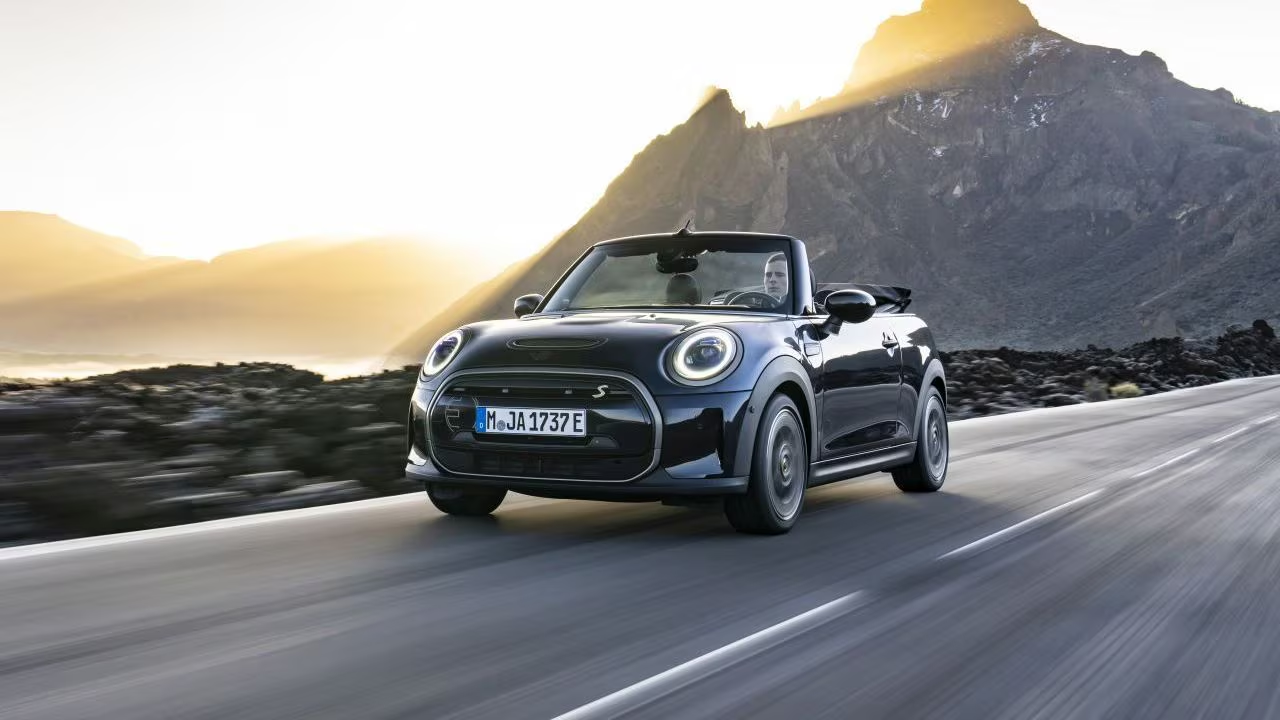
4. Mini Cooper
The Mini Cooper is a compact car that balances style, sporty handling, and urban practicality, but its storage capacity is limited compared to larger vehicles.
The rear seats fold partially, but cargo space remains shallow and restrictive. The trunk is adequate for a couple of small bags but cannot accommodate larger suitcases or bulky items. Travelers attempting longer road trips quickly discover that careful packing is necessary, as even a modest amount of gear can overwhelm the available storage.
Interior storage solutions are clever but insufficient for extended travel. Small glove boxes, door pockets, and a narrow center console provide minor conveniences, but larger items must be carefully compressed or stored elsewhere.
Cup holders and compartments are often too small to handle the range of items travelers might bring on a multi-day trip. This lack of space transforms packing into a puzzle that requires creativity and careful organization.
Passenger comfort is reasonable for short commutes, but longer journeys can feel restrictive. Front seats are supportive, but the limited legroom in the rear makes it difficult for adults to sit comfortably with additional baggage.
Personal items may need to be stowed in passenger areas or on laps, which can be inconvenient and affect the experience of the trip. Travelers must find ways to balance comfort and storage simultaneously.
Despite these challenges, the Mini Cooper offers a lively and engaging driving experience. Its sporty handling, compact design, and distinctive styling appeal to those who prioritize fun over practicality.
However, the trade-offs are clear: storage constraints create logistical challenges for road trips, requiring careful selection of items, creative packing strategies, and sometimes additional accessories to accommodate essential gear. It is a vehicle that rewards planning but tests organizational skills.
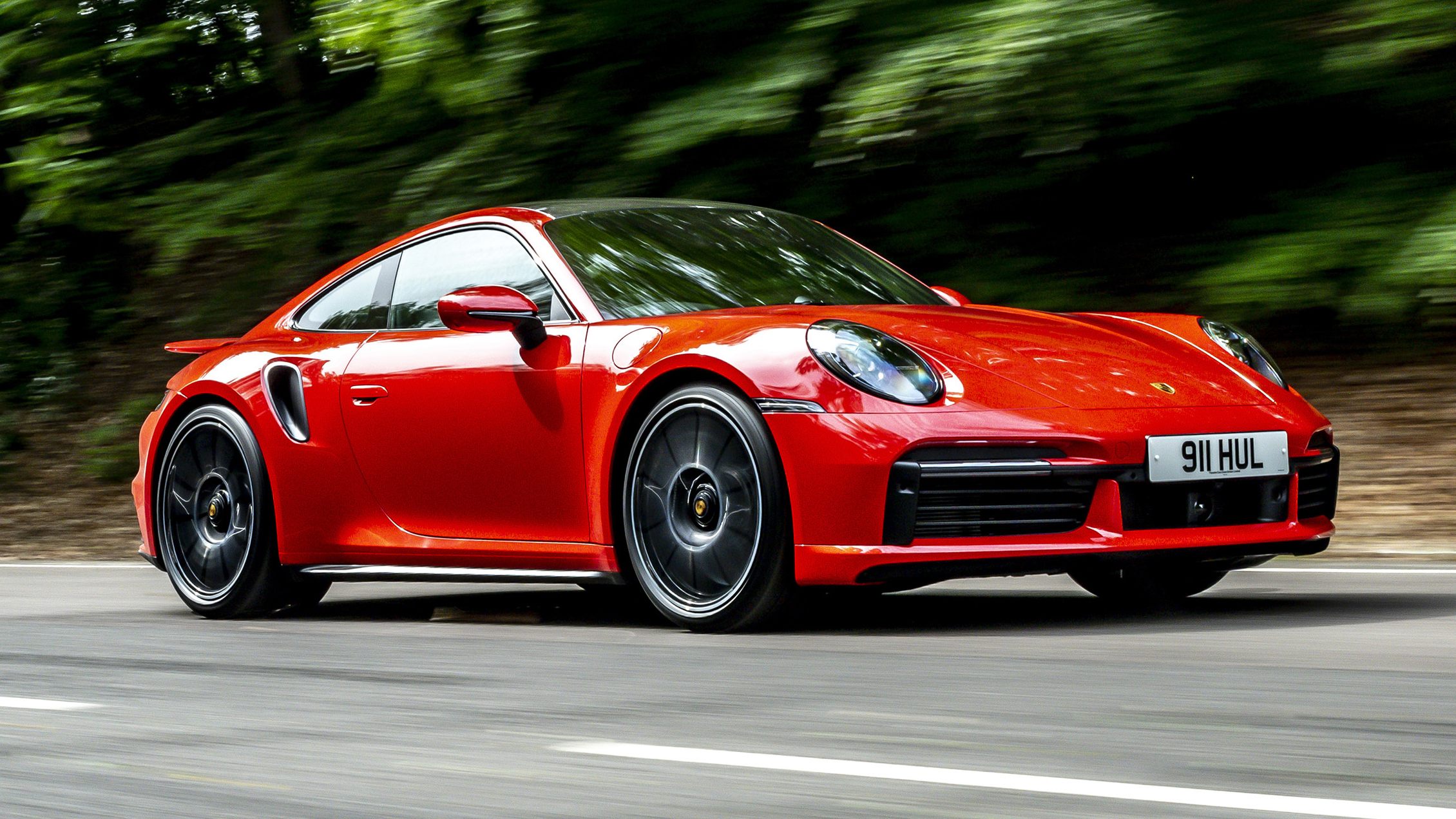
5. Porsche 911
The Porsche 911 is celebrated for its high-performance engineering, precision handling, and status as an iconic sports car. While these qualities make it exceptional for driving enthusiasts, storage is extremely limited.
The front trunk provides minimal space, and the rear seats are almost symbolic, unable to hold passengers or luggage effectively. Any road trip in the 911 requires meticulous packing and prioritization of essential items, often forcing travelers to travel light or invest in external storage options.
Interior storage is minimal and primarily designed for small, essential items. The glove box is compact, the door pockets are shallow, and the center console provides little additional space. Long trips can be challenging because there are few opportunities to store electronics, personal items, or snacks within easy reach.
Travelers often need to rely on soft bags that can conform to the small trunk space, and even then, organization is critical to avoid clutter and accessibility issues.
Passenger comfort is acceptable for short trips, but taller or larger passengers may find the cabin restrictive. The seats are designed with performance in mind rather than long-distance comfort, and the tight cabin space limits legroom and storage options for passengers.
Combined with minimal luggage capacity, this makes the 911 a car best suited for driving pleasure rather than practicality or extended road trips.
Despite its limitations, the Porsche 911 provides a driving experience that few other cars can match. The trade-off for speed, handling, and engineering excellence is a minimal storage footprint.
Travelers must accept that road trips in the 911 involve careful planning, selective packing, and sometimes creative solutions to carry even basic gear. It is a prime example of a vehicle where performance dominates practicality, and where storage challenges are an inherent part of the ownership experience.