Hatchbacks have long been a popular choice for drivers who want a balance of practicality, efficiency, and maneuverability. Their compact size makes them easy to park, agile in traffic, and generally more fuel-efficient than larger vehicles, which has earned them a loyal following among urban and suburban drivers alike.
However, when it comes to driving in challenging conditions such as strong crosswinds, hatchbacks vary widely in how steady they feel. This difference is influenced by factors like weight distribution, aerodynamics, suspension tuning, and tire selection.
Some hatchbacks give drivers a solid sense of stability, allowing them to maintain their lane position with confidence even in gusty conditions, while others can feel light and prone to wandering, requiring constant corrections to keep the vehicle straight. Understanding which vehicles fall into each category can be crucial for safety-conscious drivers, particularly those who frequently travel on highways or open roads exposed to wind.
Steadiness in crosswinds is not solely about the car’s weight; it is a complex combination of physics and engineering. A car that feels planted typically has a well-balanced suspension that absorbs sudden gusts without transmitting them harshly to the driver. The shape of the vehicle also plays a role.
Hatchbacks with smoother rooflines and subtle rear spoilers tend to experience less turbulence behind the car, reducing the tendency to be pushed sideways. Tires and wheelbase length contribute further; wider tires and a longer wheelbase generally improve resistance to sudden lateral forces.
Conversely, very light hatchbacks, have short wheelbases, or feature blunt aerodynamic profiles can feel unsettled when the wind hits from the side, requiring constant attention to keep the car moving straight.
Driver perception also matters. A hatchback may technically handle crosswinds well but feel unpredictable if the steering feedback is vague or inconsistent. Conversely, a car that communicates even minor disturbances through the steering can feel more controllable because the driver instinctively compensates.
Additionally, speed amplifies these effects. At low speeds, most hatchbacks are relatively stable, but at highway speeds, even moderate crosswinds can become challenging, particularly for smaller or lighter models.
Choosing a hatchback that feels confident in these conditions requires considering more than just engine power or interior amenities; it involves examining how the car interacts with external forces and how the driver experiences those interactions.
This article aims to identify hatchbacks that feel stable in crosswinds versus those that tend to wander. While personal perception and individual driving style will always influence how a car feels, patterns emerge when examining common designs, weight distributions, and handling characteristics.
By highlighting five hatchbacks that consistently offer a solid, planted feel and five that may require more attention to maintain control, this article will provide practical insights for anyone who prioritizes stability in gusty conditions. Drivers seeking confidence and peace of mind on windy highways can benefit from understanding these distinctions before making a purchase or rental decision.
Five Hatchbacks That Feel Steady in Crosswinds
Volkswagen Golf
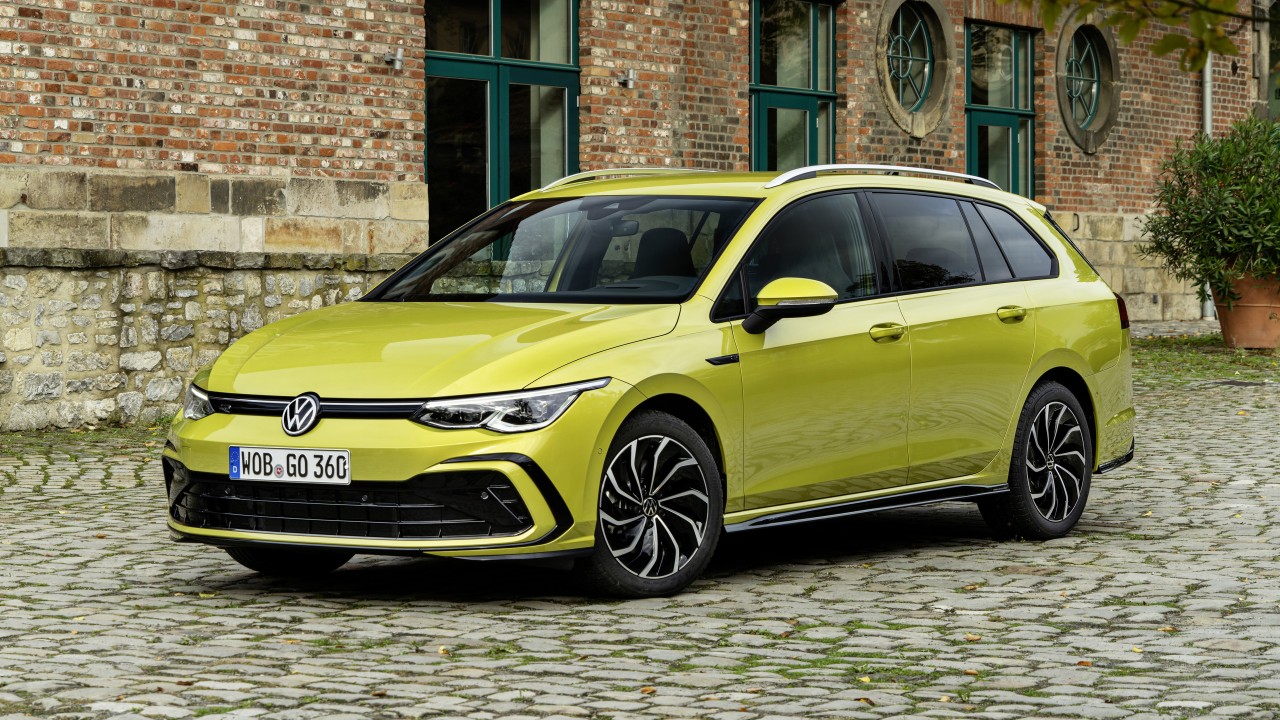
The Volkswagen Golf has built a reputation over decades as a hatchback that feels remarkably composed in challenging driving conditions, including strong crosswinds. One of the key factors behind this stability is its longer wheelbase relative to many subcompact competitors.
The extended wheelbase provides better directional stability by distributing lateral forces more evenly across the vehicle, reducing the tendency to yaw or drift when gusts hit the side of the car. This design advantage, combined with a well-engineered suspension system, ensures that even sudden wind bursts are absorbed gradually.
The Golf’s suspension manages to balance firmness with compliance, meaning it resists excessive body roll but still offers a comfortable ride. Drivers often notice that the car “feels planted,” requiring minimal steering input to maintain a straight trajectory, which contributes to reduced fatigue on long highway drives or windy bridges.
Aerodynamics also play a crucial role in the Golf’s steadiness. The roofline is subtly contoured to channel airflow smoothly toward the rear, minimizing turbulence that can destabilize lighter hatchbacks. Even without dramatic spoilers, the vehicle maintains stable airflow patterns that resist lateral pushes.
Additionally, the rear hatch and bumper are shaped to reduce lift and keep the rear end grounded. When crosswinds hit, especially at highway speeds, the car does not exhibit the twitchy, nervous behavior common in many other hatchbacks.
The combination of careful aerodynamics and precise body engineering means drivers experience a controlled and reassuring response rather than sudden jolts or side-to-side movement.
Another aspect of the Golf’s stability lies in its tire and wheel setup. Many trims come with moderately wide tires that provide a strong footprint on the road, enhancing grip and lateral stability. When combined with suspension tuning, this setup helps resist wind-induced drift without sacrificing ride comfort.
Tire construction and sidewall stiffness further contribute to reducing vibrations or flutter caused by uneven gusts. The result is a vehicle that feels secure and predictable, giving drivers confidence to maintain lane position without constant corrective input. This predictability is particularly valuable for drivers navigating bridges, tunnels, or exposed rural roads, where gusts can be sudden and strong.
Finally, the Golf’s steering system complements its physical stability by offering precise, communicative feedback. Gusts are transmitted subtly through the steering wheel, giving the driver a sense of the force without requiring overcorrection.
Unlike some hatchbacks that feel disconnected or too light when pushed by wind, the Golf allows intuitive adjustments that feel natural. This combination of mechanical stability and driver communication makes it a benchmark for hatchbacks in this category.
For those prioritizing a calm, composed driving experience on windy roads, the Volkswagen Golf remains an ideal choice, blending solid engineering, aerodynamics, and responsive steering in a way few competitors match.
Mazda3 Hatchback
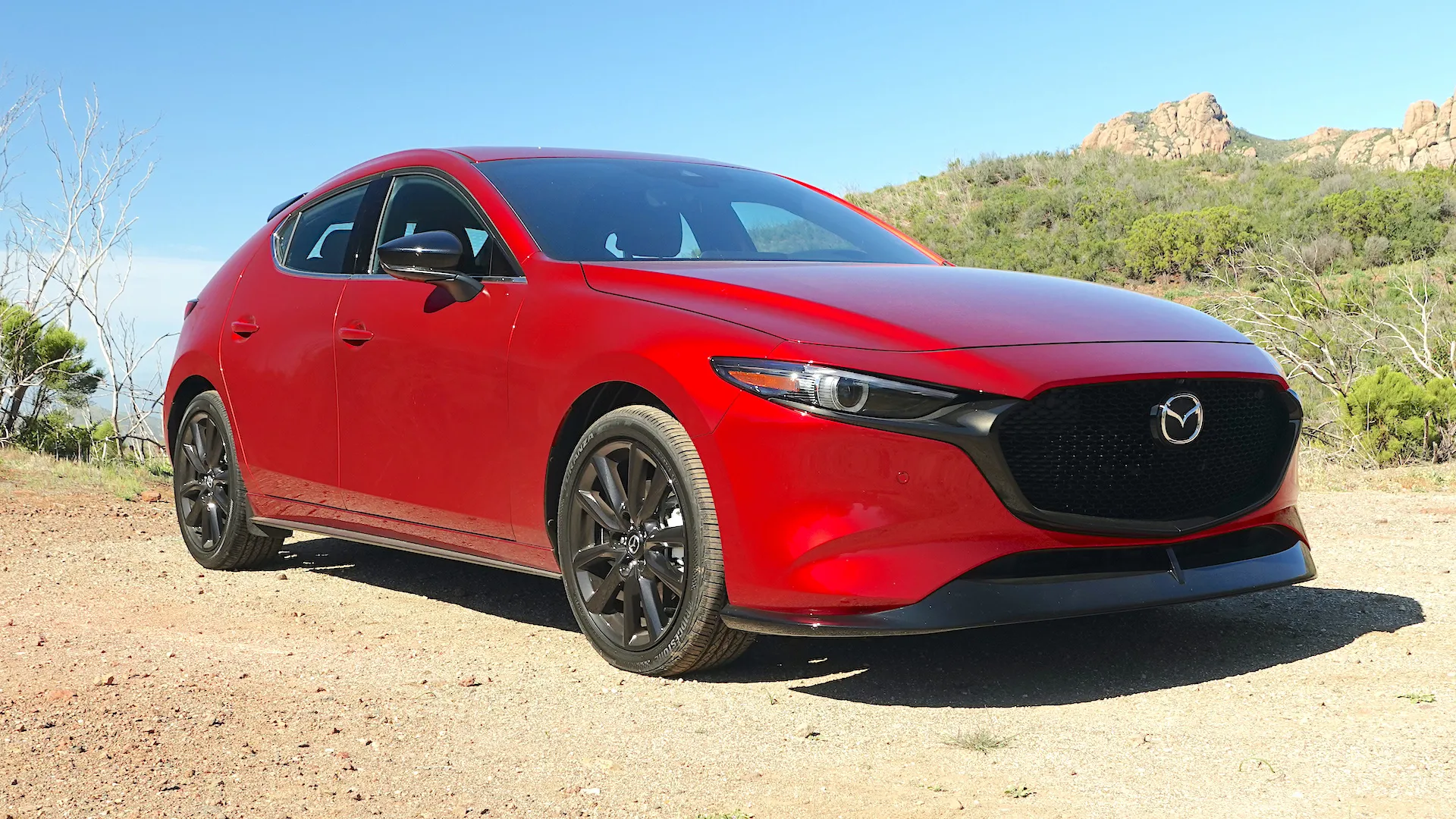
The Mazda3 hatchback has earned praise for combining agility with a surprisingly planted feel, particularly in conditions where crosswinds could unsettle lesser vehicles. One of its standout features is a low center of gravity, achieved by careful placement of the engine, cabin components, and drivetrain.
This lower center of gravity reduces body roll and lateral sway, helping the car resist gust-induced movement. The suspension, tuned for both sportiness and comfort, absorbs sudden side forces efficiently without transmitting harsh shocks to the driver or passengers.
As a result, the Mazda3 maintains composure even when wind gusts arrive unexpectedly or vary in intensity, allowing the driver to hold a consistent line with minimal effort. The combination of chassis rigidity, weight distribution, and suspension design contributes to a sense of security uncommon in hatchbacks of similar size.
Aerodynamic refinement further enhances the Mazda3’s stability in crosswinds. The roofline gently slopes toward the rear, guiding air smoothly over the hatch and reducing turbulent flow that can otherwise push the vehicle sideways. The integrated rear spoiler plays a subtle but important role, managing airflow to reduce lift at the rear end.
Even minor body contours, such as the side panels and wheel arches, are designed to mitigate turbulence and maintain predictability. On highways or open roads, these aerodynamic elements allow the car to slice through wind with minimal resistance or yawing motion, which can make the difference between a calm drive and constant steering corrections.
The Mazda3 demonstrates how careful design and engineering can dramatically influence real-world handling in crosswind situations.
Weight distribution and chassis balance are also central to the Mazda3’s confidence-inspiring behavior. With the engine mounted forward but carefully balanced by cabin and rear component placement, the car achieves a predictable handling profile that resists sudden gust-induced movements.
Unlike ultra-light subcompacts that feel “tossed” by side winds, the Mazda3 reacts gradually, giving drivers time to respond naturally. Wider tires add grip and lateral stability, preventing the car from sliding or drifting unexpectedly.
Together, these elements create a hatchback that feels controlled under conditions that might unsettle similarly sized competitors, making the Mazda3 a reliable option for those who encounter windy roads regularly.
Finally, steering feedback reinforces the Mazda3’s composure. When a gust of wind pushes against the car, the steering wheel communicates the disturbance clearly but without exaggeration, allowing the driver to make subtle, precise adjustments. This intuitive response prevents oversteering and keeps the driving experience relaxed and predictable.
For drivers who value both stability and a connected feel to the road, the Mazda3 hatchback strikes an excellent balance. It manages to combine the nimbleness expected of a compact hatchback with the grounded, steady behavior that provides reassurance in challenging crosswind conditions.
Honda Civic Hatchback
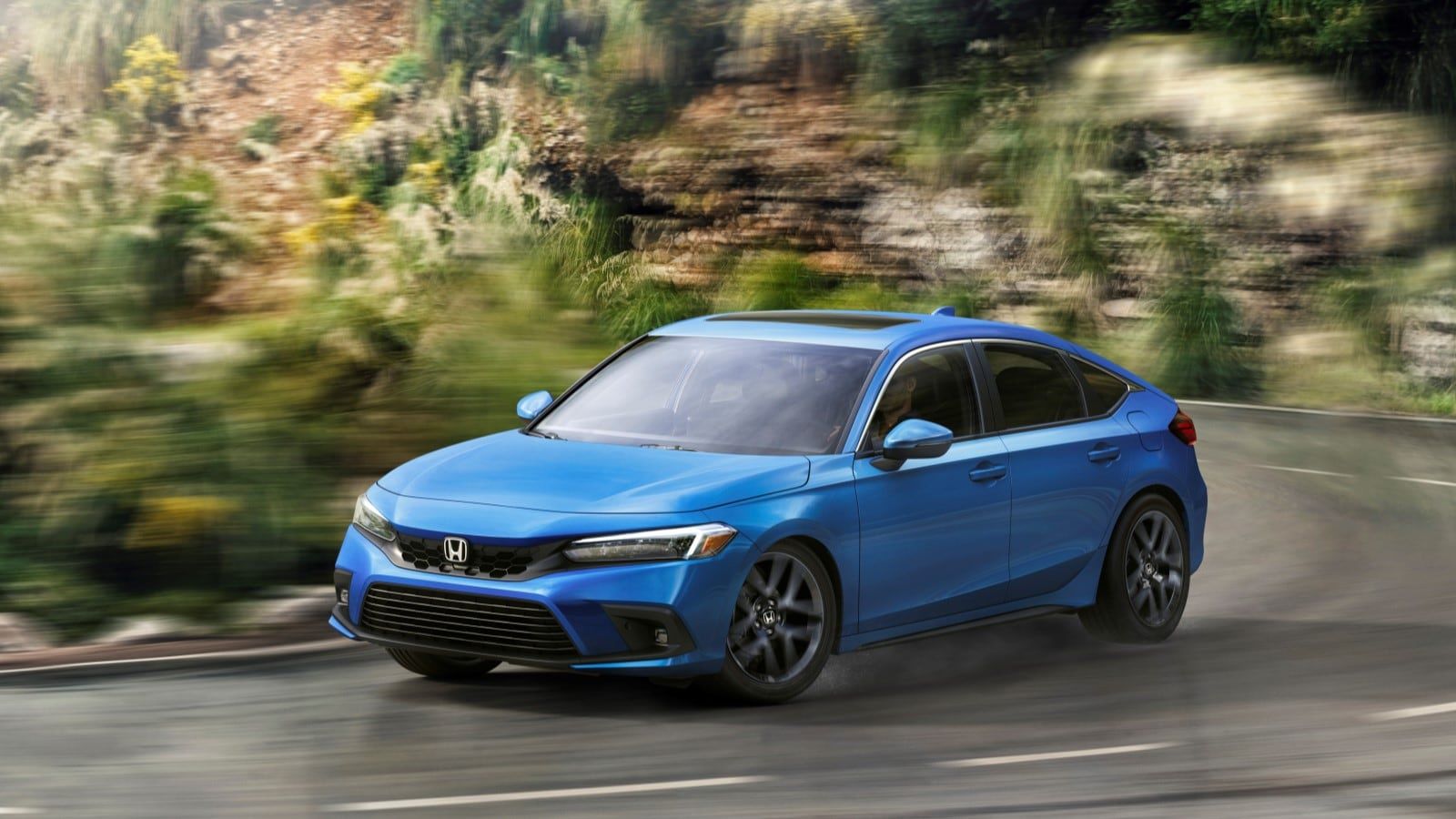
The Honda Civic hatchback is known for its well-rounded, predictable dynamics, which translate into strong performance in crosswind scenarios. Its suspension is carefully calibrated to manage both cornering and straight-line stability, allowing the car to resist lateral forces without excessive oscillation.
The slightly longer wheelbase compared with many subcompact competitors contributes to this stability, as it allows gust-induced forces to be distributed more evenly across the vehicle, reducing twitchiness.
Chassis rigidity is another advantage, preventing flex that could compromise composure. Drivers often note that the Civic feels anchored even during high-speed gusts, with minimal need for constant steering correction, making it suitable for long highway drives where crosswinds are more pronounced.
Aerodynamics are an essential factor in the Civic’s steadiness. The rear hatch is angled to guide airflow smoothly over the back, reducing lift and turbulent eddies that might otherwise destabilize the vehicle. The body design is streamlined, including careful shaping of side mirrors and panels, which helps mitigate sudden lateral pushes.
This attention to aerodynamic detail means that even in strong side winds, the Civic remains predictable and composed. The car’s ability to maintain a straight trajectory with minimal driver input provides a feeling of reassurance that is important for safety and confidence on exposed roads.
Finally, the Civic’s steering system reinforces its confidence-inspiring behavior. Steering communicates gusts effectively but in a controlled manner, allowing drivers to react naturally without overcorrecting. Unlike hatchbacks that feel disconnected or floaty under wind pressure, the Civic delivers a tactile sense of stability.
This blend of mechanical composure, aerodynamic efficiency, and responsive steering makes the Civic hatchback a strong candidate for drivers who value stability and reassurance in crosswind situations. It balances comfort, predictability, and driver engagement in a way few competitors in its segment can match.
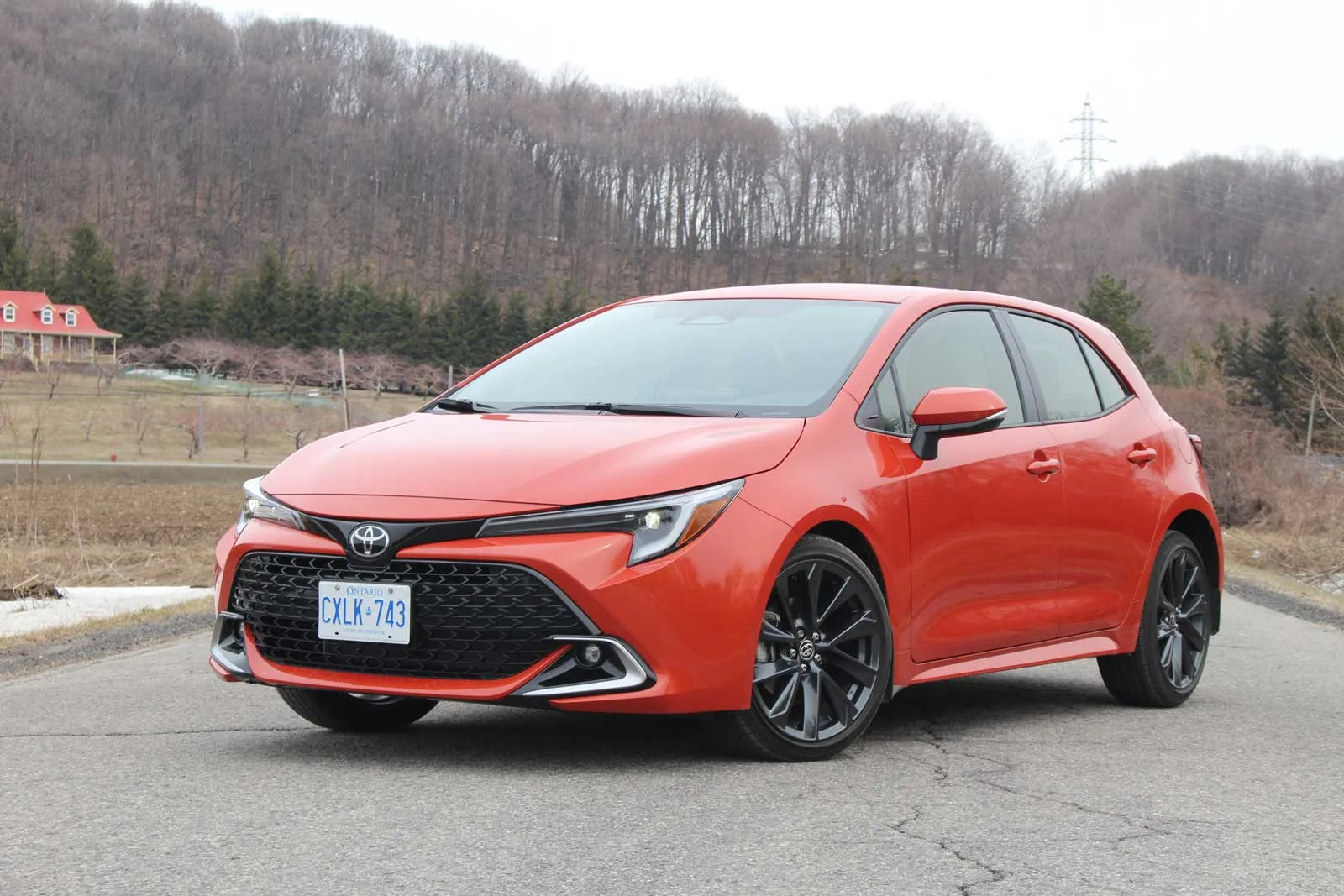
Toyota Corolla Hatchback
The Toyota Corolla hatchback is designed with reliability and steady handling as key priorities, making it a solid choice for driving in gusty conditions. The suspension is tuned to provide both comfort and stability, absorbing lateral forces without transmitting harsh jolts to the cabin.
Its compact yet balanced structure ensures that weight is distributed effectively, minimizing the risk of sudden drifting when side winds occur. Drivers often report that the Corolla maintains a composed trajectory on highways, even in gusts that unsettle smaller or lighter hatchbacks.
This predictability is essential for driver confidence, especially when navigating open roads, elevated bridges, or exposed rural highways where wind is often stronger and more variable.
Aerodynamics play a central role in the Corolla’s ability to resist crosswinds. The roofline flows smoothly into the rear hatch, guiding airflow efficiently over the vehicle to reduce turbulence and lift. Subtle design elements such as the rear spoiler and side contours minimize disturbances, keeping the hatchback grounded and predictable even at higher speeds.
The front end is designed to channel air along the sides of the vehicle, reducing lateral forces that could push the car off course. This careful attention to airflow ensures the Corolla feels composed and anchored when gusts arrive from the side.
Steering response completes the Corolla’s stable driving experience. The car provides clear feedback about lateral forces, allowing drivers to make intuitive, small corrections rather than exaggerated inputs.
This combination of physical stability, aerodynamic efficiency, and responsive steering makes the Corolla hatchback a dependable choice for drivers who encounter windy conditions frequently. Its predictability and composure make it not only safe but also comfortable, allowing drivers to remain confident over long stretches of road.
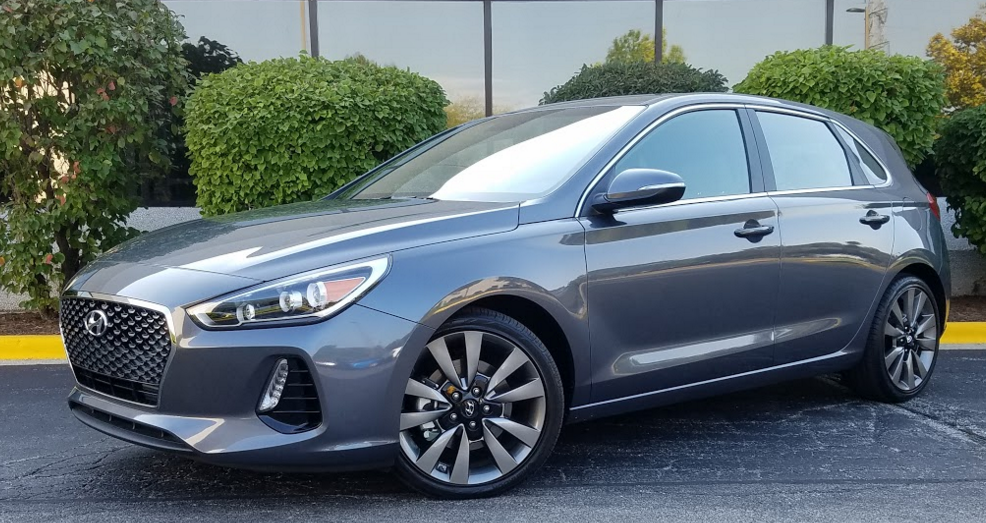
Hyundai i30 / Elantra GT
The Hyundai i30, also known as the Elantra GT in some markets, is another hatchback that manages crosswinds effectively. Its suspension is tuned to balance control and comfort, absorbing side gusts while maintaining tire contact with the road. The car’s low center of gravity helps minimize body roll, enhancing composure when lateral forces hit.
The wheelbase provides stability, reducing the feeling of being pushed or buffeted by wind at speed. Drivers notice that the vehicle tracks straight and predictable without needing constant steering corrections, which can be fatiguing in less stable models.
Weight distribution across the i30 is balanced, with the engine and cabin layout minimizing front- or rear-heavy tendencies. Tires are sufficiently wide to increase lateral grip, and suspension geometry complements this setup, keeping the vehicle predictable when gusts strike.
Unlike ultra-light hatchbacks that feel tossed around in windy conditions, the i30 maintains a stable trajectory with minimal intervention from the driver. The combination of a stable chassis, aerodynamic efficiency, and proper weight distribution ensures that the vehicle remains composed even at higher speeds.
Finally, steering and driver communication enhance confidence. The i30 delivers precise feedback, allowing drivers to feel gust impacts proportionately and react intuitively without overcompensation. The effect is a hatchback that combines practical everyday usability with a reassuring sense of stability in challenging wind conditions.
For anyone who frequently drives highways or exposed roads, the Hyundai i30 provides both composure and agility, making it a strong choice for safety-conscious drivers who do not want to sacrifice comfort or handling.
Five Hatchbacks That Wander in Crosswinds
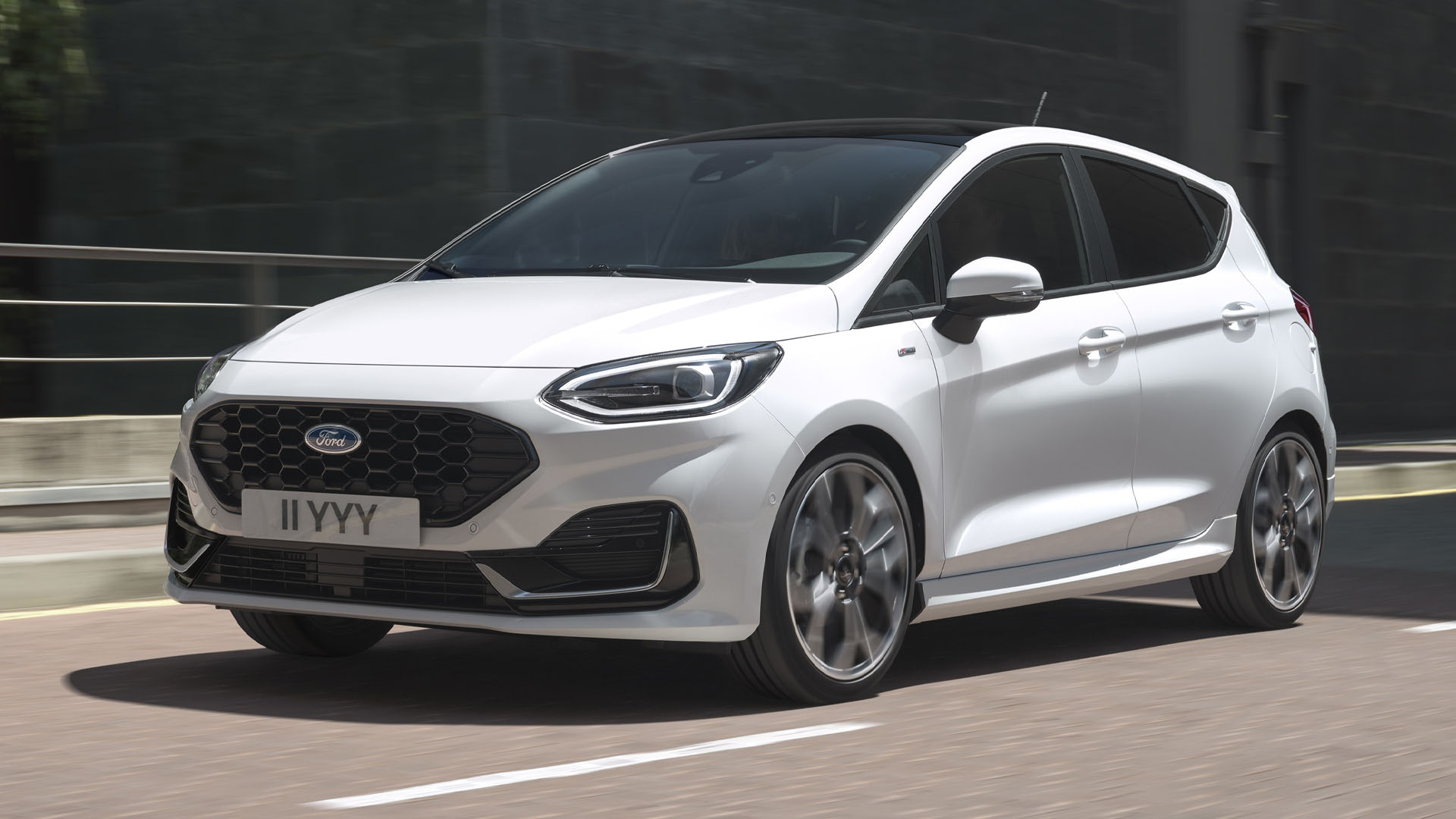
Ford Fiesta
The Ford Fiesta is a popular subcompact hatchback praised for its agility and small footprint, but these characteristics can work against it in strong crosswinds. One of the main factors contributing to its wandering behavior is the relatively short wheelbase. While this makes the Fiesta nimble in tight urban corners, it also reduces its resistance to lateral forces, meaning side gusts have a more pronounced effect on the car’s trajectory.
When a gust strikes, the vehicle can feel light and pushed sideways, requiring the driver to make constant steering corrections. At highway speeds, this effect becomes more noticeable, especially when crossing open bridges or exposed roads, where even moderate wind can challenge stability.
Weight distribution and vehicle mass also contribute to the car’s unsettled nature. The Fiesta is relatively light, particularly in base trims, which makes it more susceptible to being pushed around by crosswinds. The combination of a short wheelbase and light weight magnifies the lateral forces, leading to a sensation of drifting or wandering.
Additionally, suspension geometry and tuning, while designed for agility and city driving, do not absorb gust-induced forces as effectively as larger, more stable hatchbacks. Drivers often find themselves making repeated minor corrections to maintain lane position, which can become tiring over long highway drives.
Steering feedback in the Fiesta amplifies this perception of instability. While the steering is responsive, it does not always predictably communicate gusts, leaving the driver feeling the car is floating or disconnected from the road.
Subtle lateral pushes can feel exaggerated, prompting overcorrection if the driver is not attentive. This combination of aerodynamic exposure, light weight, and short wheelbase explains why the Ford Fiesta tends to wander in crosswinds, making it less suitable for high-speed highways or open roads in gusty conditions.
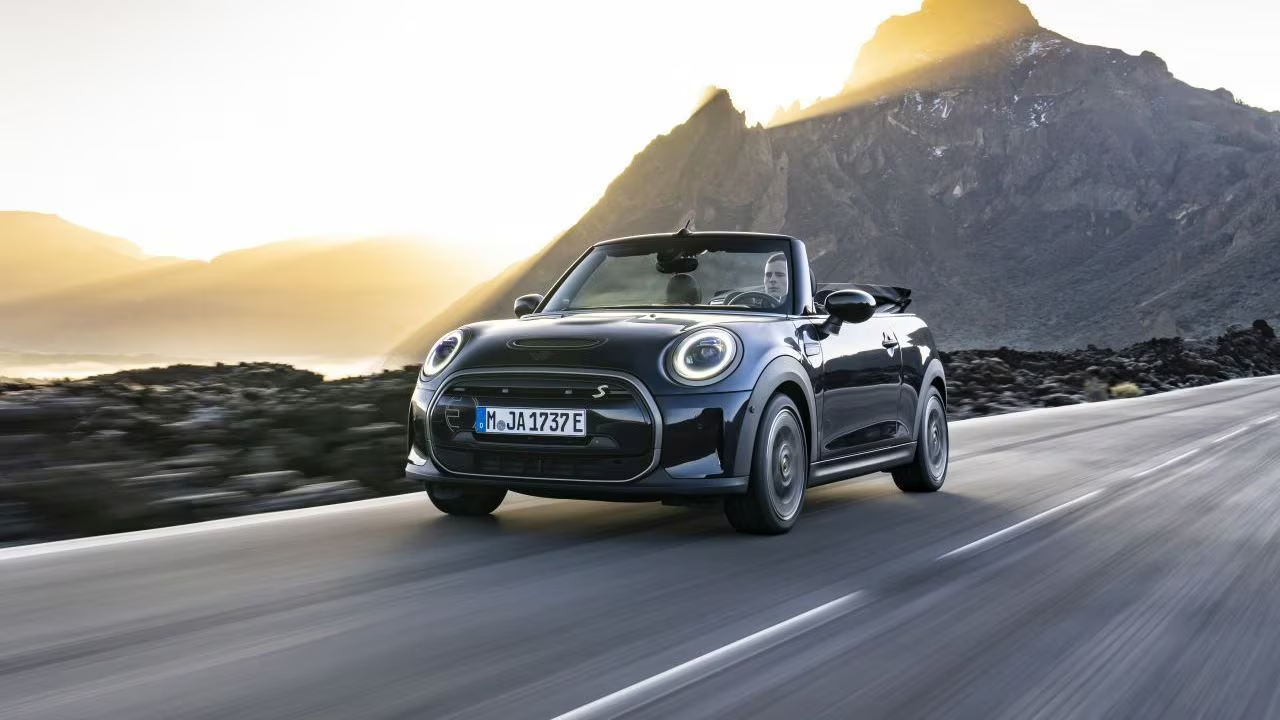
Mini Cooper
The Mini Cooper is celebrated for its unique styling and go-kart-like handling, but these traits contribute to crosswind sensitivity. The short wheelbase and compact dimensions that make it agile in urban settings also reduce its resistance to lateral forces.
When a strong gust hits from the side, the car can feel almost thrown off line, requiring constant small adjustments to maintain a straight path. This is particularly noticeable at highway speeds, where wind forces are magnified, and drivers often report a light, unsettled feel, especially in trim levels with smaller wheels and lighter tires.
Weight distribution in the Mini Cooper also contributes to instability. While some models have a low center of gravity, the car’s light weight makes it more responsive to lateral forces. Heavier hatchbacks can resist side gusts through sheer mass and momentum, but the Cooper’s lighter body makes every gust more noticeable.
Suspension tuning, aimed at delivering a sporty feel, prioritizes agility over lateral stability. This combination of light weight, short wheelbase, and suspension designed for nimbleness results in a car that can feel “floaty” or twitchy when exposed to strong winds, particularly for drivers unaccustomed to its behavior.
Steering feedback in the Mini Cooper emphasizes driver involvement, which can be a double-edged sword in windy conditions. Gusts are transmitted quickly through the wheel, which is great for responsiveness but can make the car feel unstable if the driver is not actively countering the wind.
Overcorrection is common, especially for new drivers or those unfamiliar with small, light hatchbacks. These characteristics explain why the Mini Cooper, despite its charm and fun-to-drive nature, is prone to wandering in crosswinds and may feel less predictable on exposed highways or open roads.
Chevrolet Spark
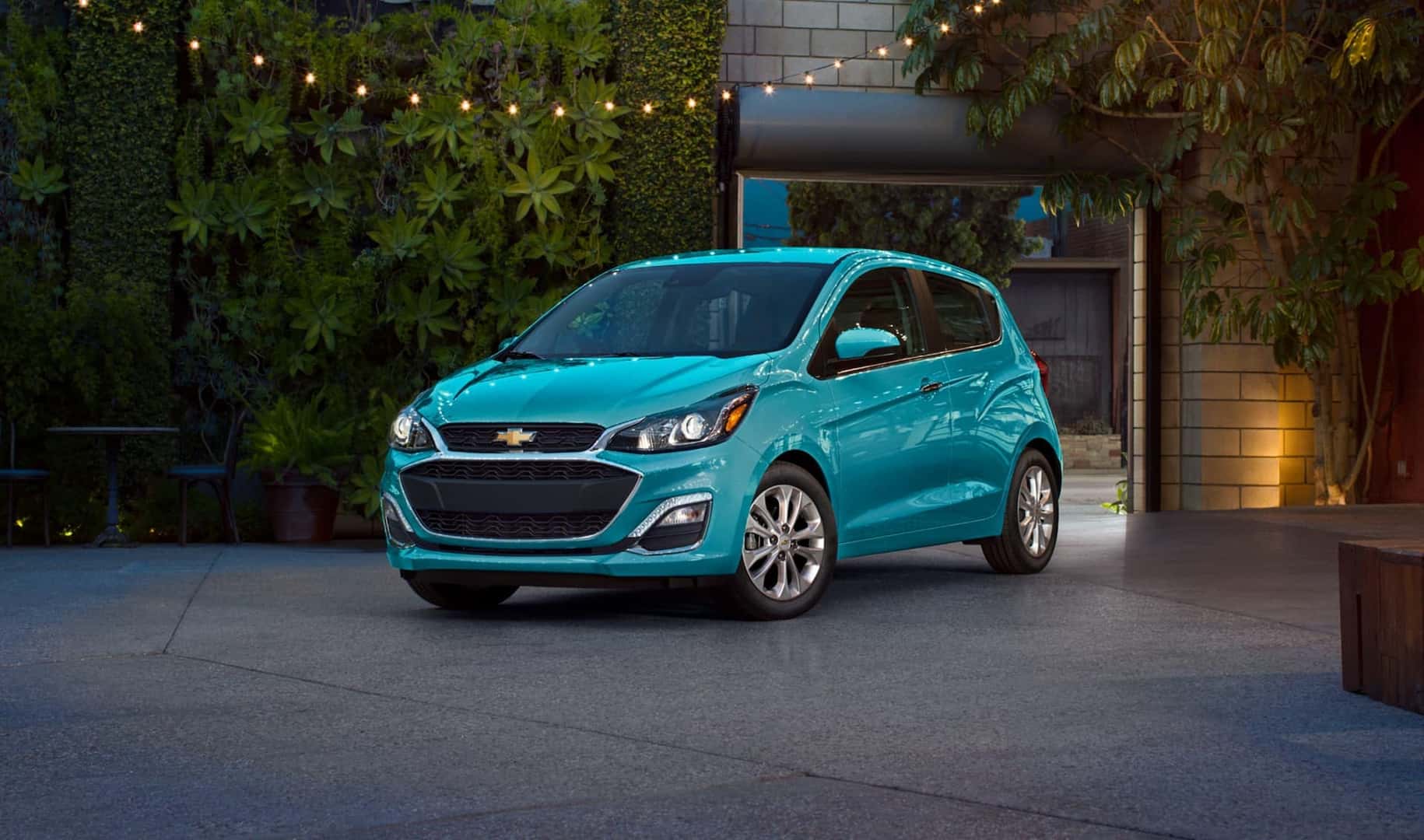
The Chevrolet Spark is a compact city-oriented hatchback designed for maneuverability and efficiency, but it struggles in crosswinds due to its diminutive size and light weight. The short wheelbase, coupled with a very small footprint, makes it more susceptible to lateral forces.
Even moderate gusts can push the Spark off its line, and drivers must frequently correct their steering to stay centered in the lane. At highway speeds, the problem is magnified, and the vehicle can feel unsettled or unpredictable, especially in windy areas or when passing large trucks that create turbulence.
Aerodynamics play a significant role in the Spark’s wandering tendencies. Its tall, narrow stance and flat roofline create turbulence at the rear, leaving the car more vulnerable to side winds. Without a substantial rear spoiler or aerodynamic shaping to manage airflow, gusts impact the car more strongly, especially on open highways or bridges.
The Spark’s compact design, while excellent for city maneuverability, sacrifices the stability that longer, lower, or more aerodynamically contoured hatchbacks provide. Drivers often notice a floating sensation in windy conditions, highlighting its sensitivity to lateral forces.
Finally, steering feedback accentuates the perception of instability in the Chevrolet Spark. Gusts feel exaggerated due to the lightness of the vehicle, and the driver must constantly counteract wind forces, which can be tiring over long drives.
Overcorrection is common because the car communicates every minor push from the wind without significant damping. This characteristic makes the Spark suitable for city streets but less ideal for high-speed highways or windy roads, where a more stable, heavier hatchback would provide a safer and more composed experience.
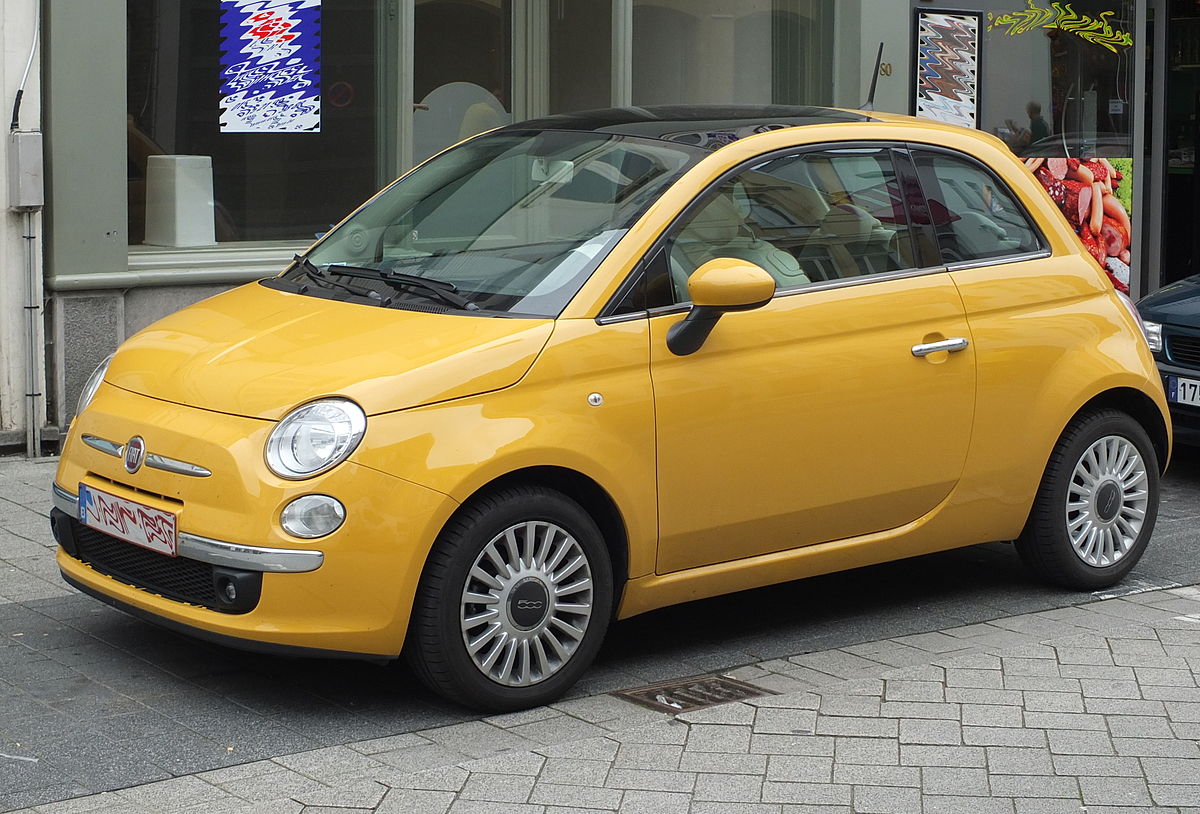
Fiat 500
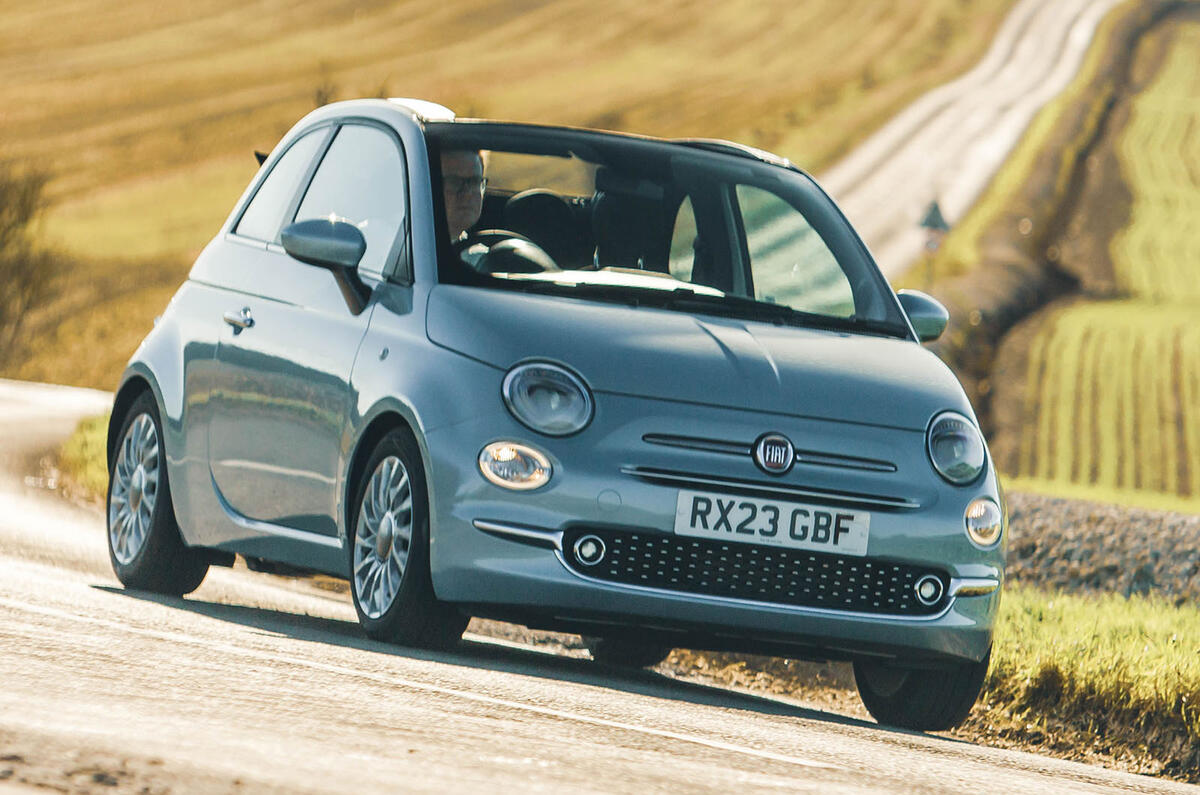
The Fiat 500 is a stylish and compact hatchback designed primarily for urban driving, but its small size and short wheelbase make it particularly vulnerable to crosswinds. The short distance between the front and rear axles means gusts have a stronger effect on the car’s orientation, and the vehicle can feel easily nudged sideways.
At highway speeds, this sensitivity is amplified, and drivers often notice that maintaining a straight line requires constant steering input. The small size and lightweight nature of the 500 exacerbate this tendency, making it feel less stable than larger or more aerodynamically refined hatchbacks.
The Fiat 500’s weight and suspension characteristics further explain its sensitivity. Base trims are very light, reducing momentum and making gusts more impactful. The suspension is designed for comfort and urban maneuvering rather than resisting lateral forces at high speed.
Tires are narrow in many configurations, which reduces lateral grip and enhances the effect of side gusts. Combined, these factors make the car more susceptible to wandering, requiring driver vigilance in windy conditions and reducing confidence during highway driving.
Steering feedback in the Fiat 500 emphasizes responsiveness but can amplify the perception of instability. When a crosswind hits, the steering wheel transmits gusts sharply, making the vehicle feel twitchy or floaty.
Drivers must constantly make adjustments to maintain their lane, which can be tiring and stressful over long journeys. While the Fiat 500 is excellent for city commuting and tight parking situations, its crosswind performance is a limitation for those seeking composure and stability on open or exposed roads.
Kia Rio Hatchback
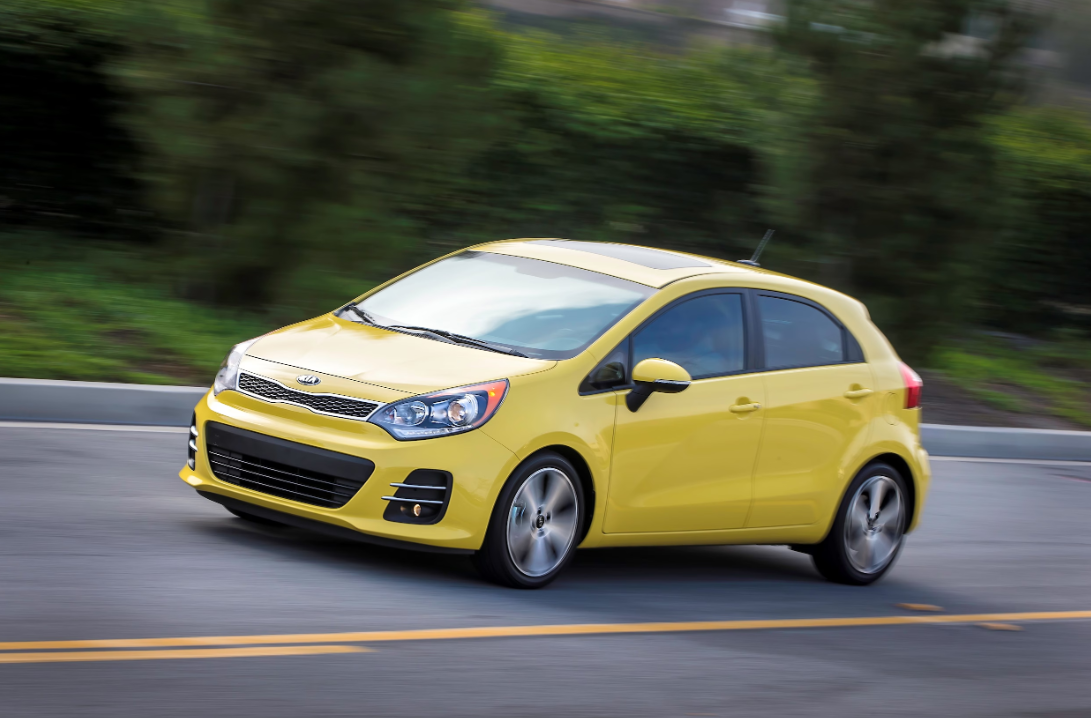
The Kia Rio hatchback, a subcompact aimed at affordability and practicality, also tends to wander in crosswinds. The vehicle’s short wheelbase and lightweight construction make it more vulnerable to lateral gusts. Drivers frequently report that even moderate side winds can create a sensation of the car being pushed off line, requiring constant steering corrections.
At highway speeds, this effect becomes pronounced, reducing confidence on open roads or bridges where wind conditions are unpredictable. While the Rio is easy to maneuver in tight spaces, this same characteristic compromises stability in gusty conditions.
Weight and suspension geometry further exacerbate the Rio’s wandering tendencies. The car’s light body, combined with narrow tires, reduces lateral grip and makes it easier for gusts to affect its trajectory. Suspension tuning prioritizes ride comfort over lateral stability, meaning side gusts are transmitted more directly to the driver.
This combination of lightweight construction, short wheelbase, and soft suspension geometry makes maintaining lane position more demanding in windy conditions.
Steering feedback amplifies the effect of crosswinds on driver perception. Gusts are communicated sharply through the wheel, creating a sense of instability and prompting overcorrection if the driver is not careful.
The Rio lacks the mass and aerodynamic refinement to naturally resist side winds, which means drivers must remain alert and constantly adjust to maintain control. While practical and efficient in city driving, the Kia Rio hatchback is less well-suited for sustained highway travel in gusty conditions compared with heavier, more aerodynamically refined competitors.