
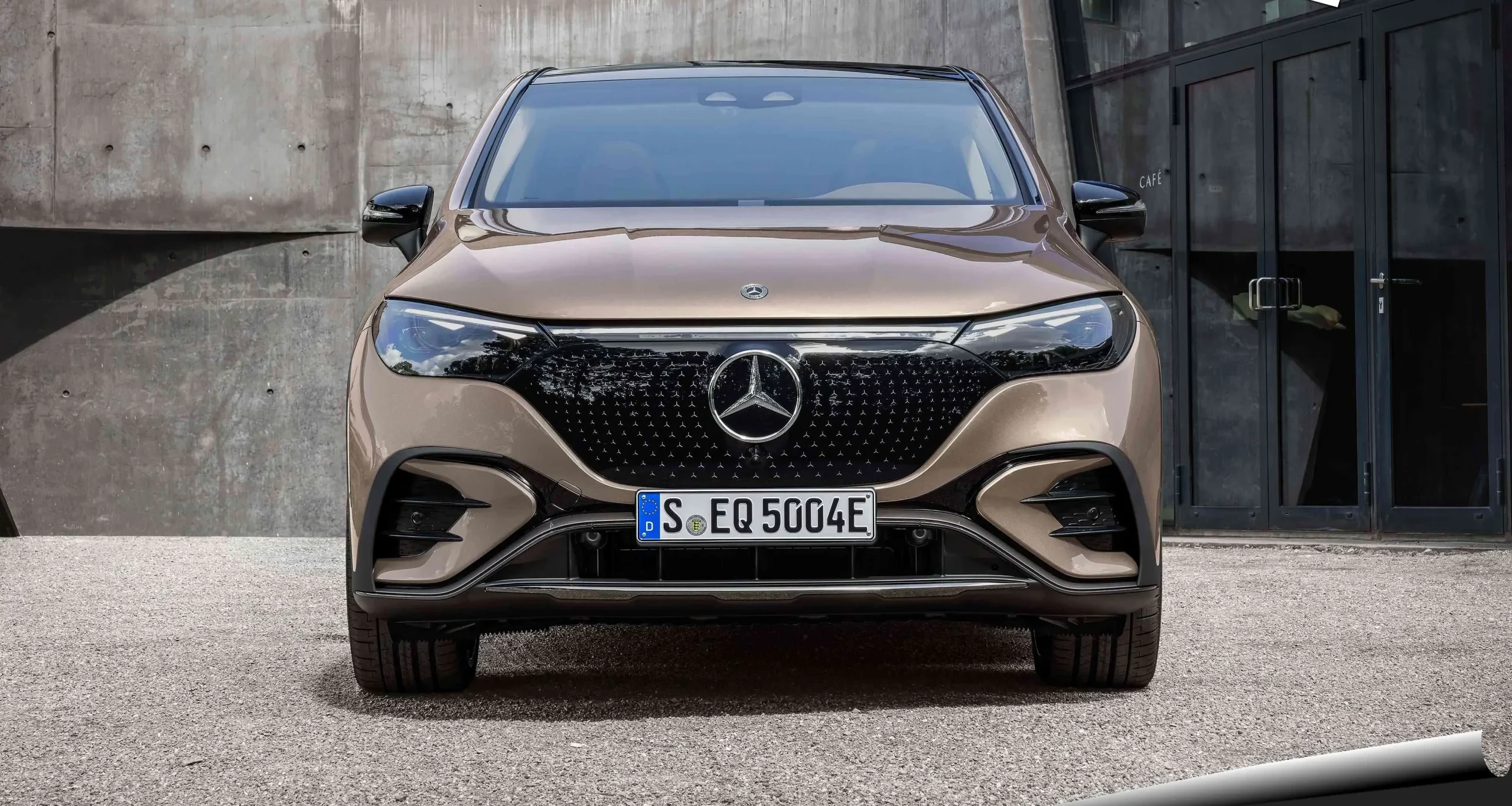
Plenty of drivers enjoy that steady feeling when an SUV holds firm at 75 mph. A compact SUV that remains stable on a fast highway brings peace of mind, especially when winds are strong or trailers pass by at high speed.
Such confidence makes long trips easier because your hands stay relaxed on the steering wheel and your body does not tense up every time a lane change happens. Many people new to compact SUVs often wonder why some of them stay glued to the road at higher speeds while others begin to feel soft, light, or bouncy.
Many factors determine highway stability. Things like suspension tuning, weight distribution, steering feel, body rigidity, tyre structure, and aerodynamic shape all play their part.
A driver may try one compact SUV and enjoy how it behaves like a calm, grounded machine, then step into another model and feel like the body shifts too much when the wind blows.
Those small sensations matter because they influence how comfortable and confident you feel with your daily driving routine. Anyone planning to buy a compact SUV for highway travel should understand how differently these vehicles behave at speed.
Some keep your attention sharp in a good way, while others demand more energy because they drift slightly when cruising above 70 mph. We will compare compact SUVs that stay planted at 75 mph and six that tend to float.
6 Compact SUVs That Feel Planted at 75 Mph
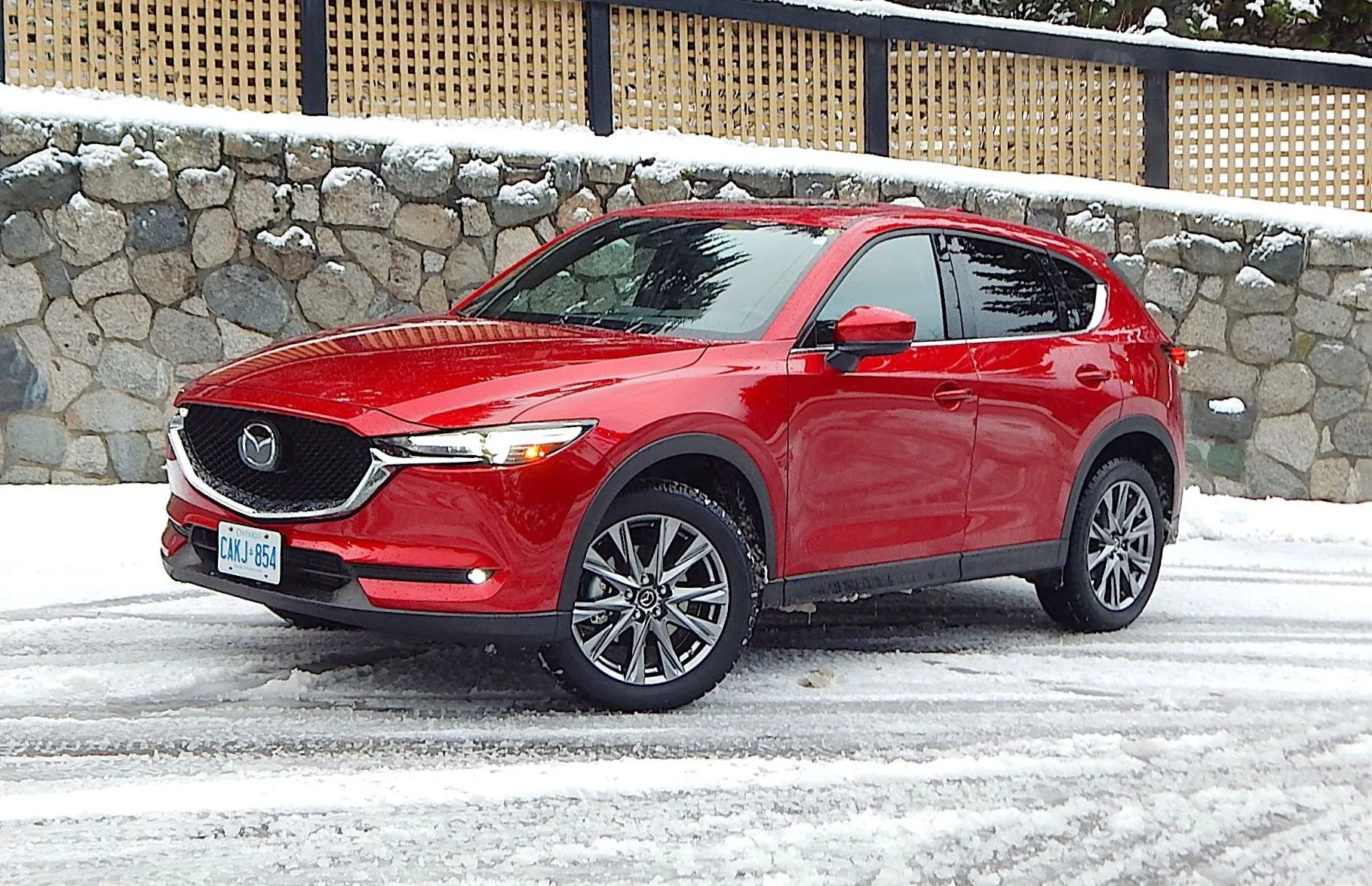
1. Mazda CX-5 Signature
Plenty of people who test the Mazda CX-5 Signature at 75 mph express how calm it feels. Mazda built this SUV with tight body control that keeps the cabin steady even when crosswinds hit. A strong chassis and well-balanced suspension allow the CX-5 to glide smoothly on straight highways without wobbling.
Steering feel remains confident, giving you a reassuring sense of direction that translates to a peaceful ride. Another aspect that surprises many drivers is how the CX-5 Signature maintains stability when changing lanes at higher speeds.
The SUV does not sway heavily; instead, it holds its line with admirable accuracy. This behaviour encourages relaxed driving, especially during long-distance trips. Tyre grip also plays a role in holding the vehicle firmly on the road, creating a partnership between suspension and steering that benefits stability.
Engine response stays smooth at 75 mph, meaning the car does not jerk or struggle when you need quick acceleration. The quietness inside the cabin helps maintain composure because wind noise does not distract you. A composed cabin makes your senses feel settled, and this amplifies the planted sensation the CX-5 delivers.
Another pleasant part of this model is the premium interior, which adds to the luxurious highway experience. Supportive seats hold you firmly, helping your body stay comfortable during long, fast journeys.
Mazda put plenty of work into refining this SUV for people who enjoy a stable ride, and many drivers appreciate how dependable the Mazda CX-5 Signature feels at high cruising speeds.
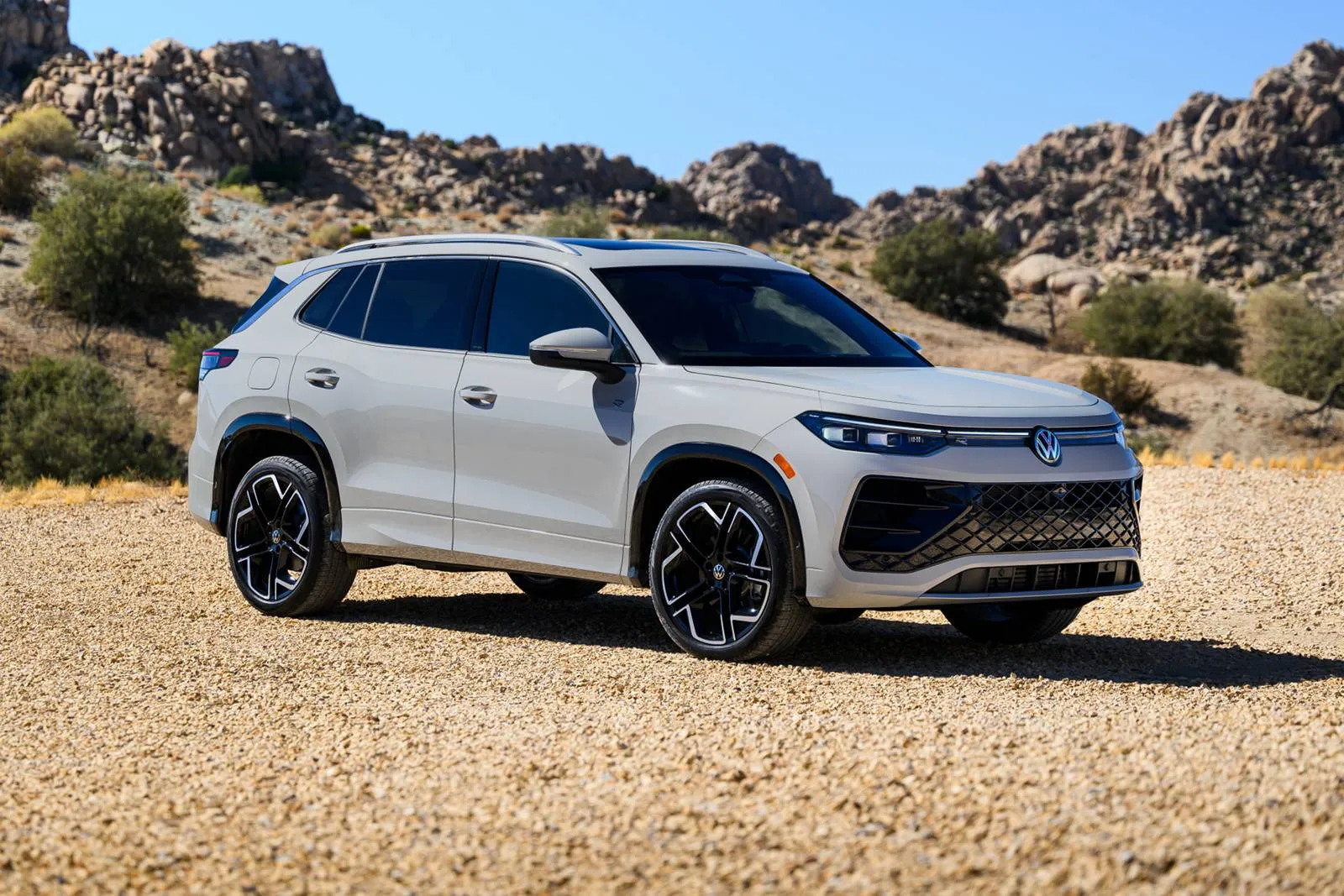
2. Volkswagen Tiguan SEL R-Line
Some compact SUVs behave gracefully at 75 mph, and the Volkswagen Tiguan SEL R-Line sits firmly in that category. This model carries a balanced structure that helps it stay composed, especially when moving at speed on wide highways.
Drivers often praise how the Tiguan feels like a bigger SUV once it starts cruising, thanks to its poised suspension and consistent steering feel.
A major strength of this car is how little body movement it displays when you pass between large trucks. While some SUVs shake slightly when hit by turbulent air, the Tiguan keeps things neat.
A well-tuned suspension soaks up bumps, and its weight distribution reduces the side-to-side wobble that frustrates many highway drivers. Even in windy regions, this vehicle behaves impressively.
Steering response remains another strong characteristic. It gives you a confident centre feel, meaning you do not struggle to keep the wheel straight at high speed.
Small adjustments guide the SUV cleanly, and this reduces arm fatigue during long journeys. People who enjoy extended highway travel often highlight this strength as a major reason for choosing the Tiguan SEL R-Line.
A refined cabin design contributes to the planted experience. Comfortable seats, quiet insulation, logical controls, and sturdy build quality increase your confidence behind the wheel.
Many compact SUVs soften too much at higher speeds, but the Tiguan R-Line shows admirable firmness without becoming stiff. This makes it a dependable choice for drivers who prioritise steady behaviour at 75 mph.
Also Read: 5 SUVs With Real Ground Clearance vs 5 That Scrape on Driveways
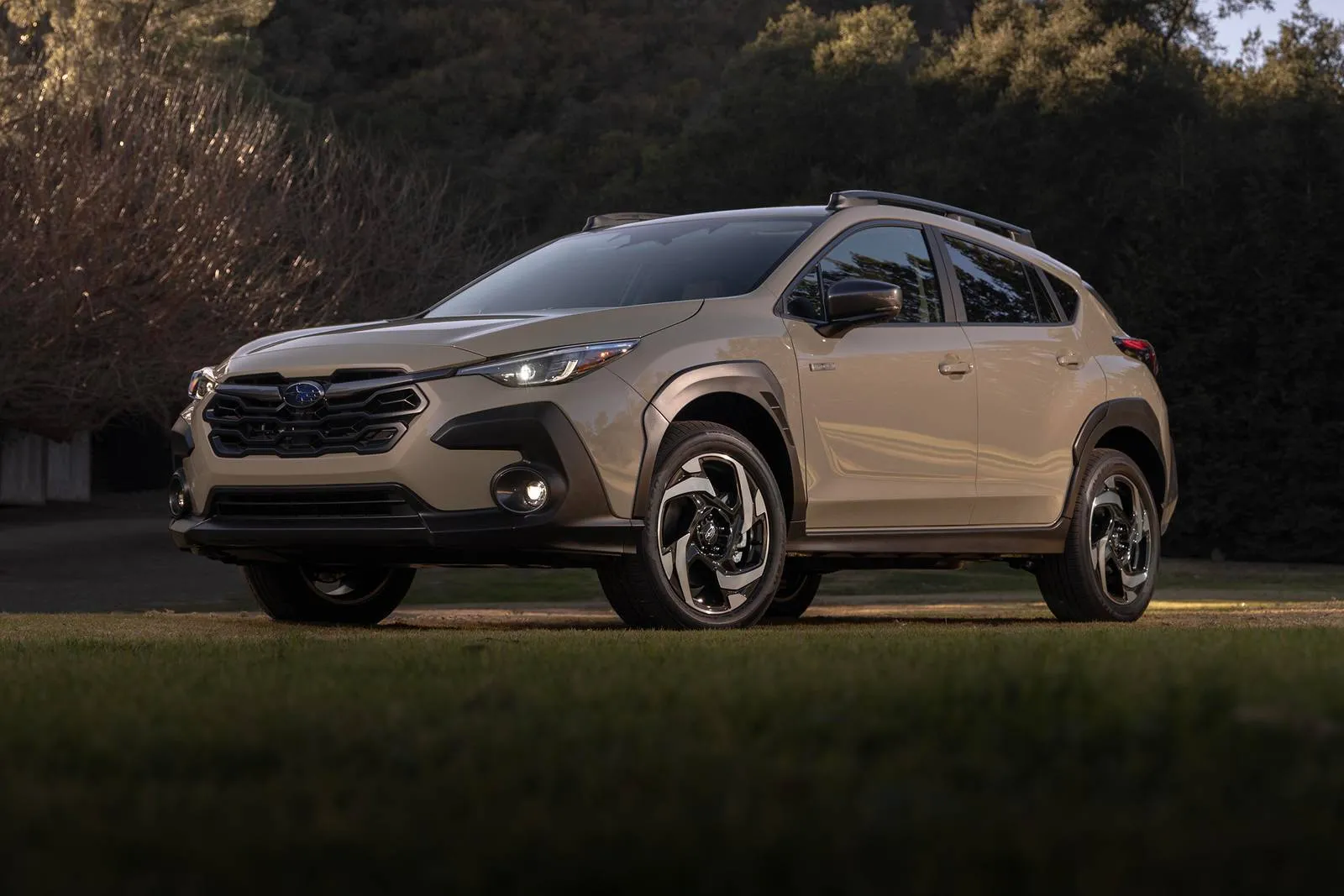
3. Subaru Crosstrek Limited
Plenty of Subaru lovers speak proudly about stability, and the Subaru Crosstrek Limited supports that reputation well. Even though it is one of the smaller SUVs in this list, its behaviour at 75 mph is surprisingly steady.
Subaru engineered the Crosstrek with a strong platform that absorbs movement efficiently while keeping the cabin controlled. This helps drivers feel secure when cruising at higher speeds.
One thing that stands out with this model is how well it handles lane changes. While some compact SUVs rock slightly from side to side, the Crosstrek responds with calm precision. The steering remains predictable, and the body does not lean excessively. This makes the SUV feel trustworthy, especially for long trips that involve frequent overtaking.
Another positive trait comes from the symmetrical all-wheel-drive system. Even at steady cruising speeds, the traction remains supportive, distributing power in a way that keeps the SUV balanced.
This helps during windy conditions or when the road surface becomes uneven. Many drivers comment that the Crosstrek Limited feels surefooted at 75 mph in a way that some competitors fail to match.
Comfort also plays a role in creating a planted feeling. Supportive seats and a softened cabin layout reduce fatigue, which can affect how you perceive stability. When your body feels relaxed, your driving confidence increases. Subaru combines these features into a compact SUV that remains firm, composed, and friendly for high-speed cruising.
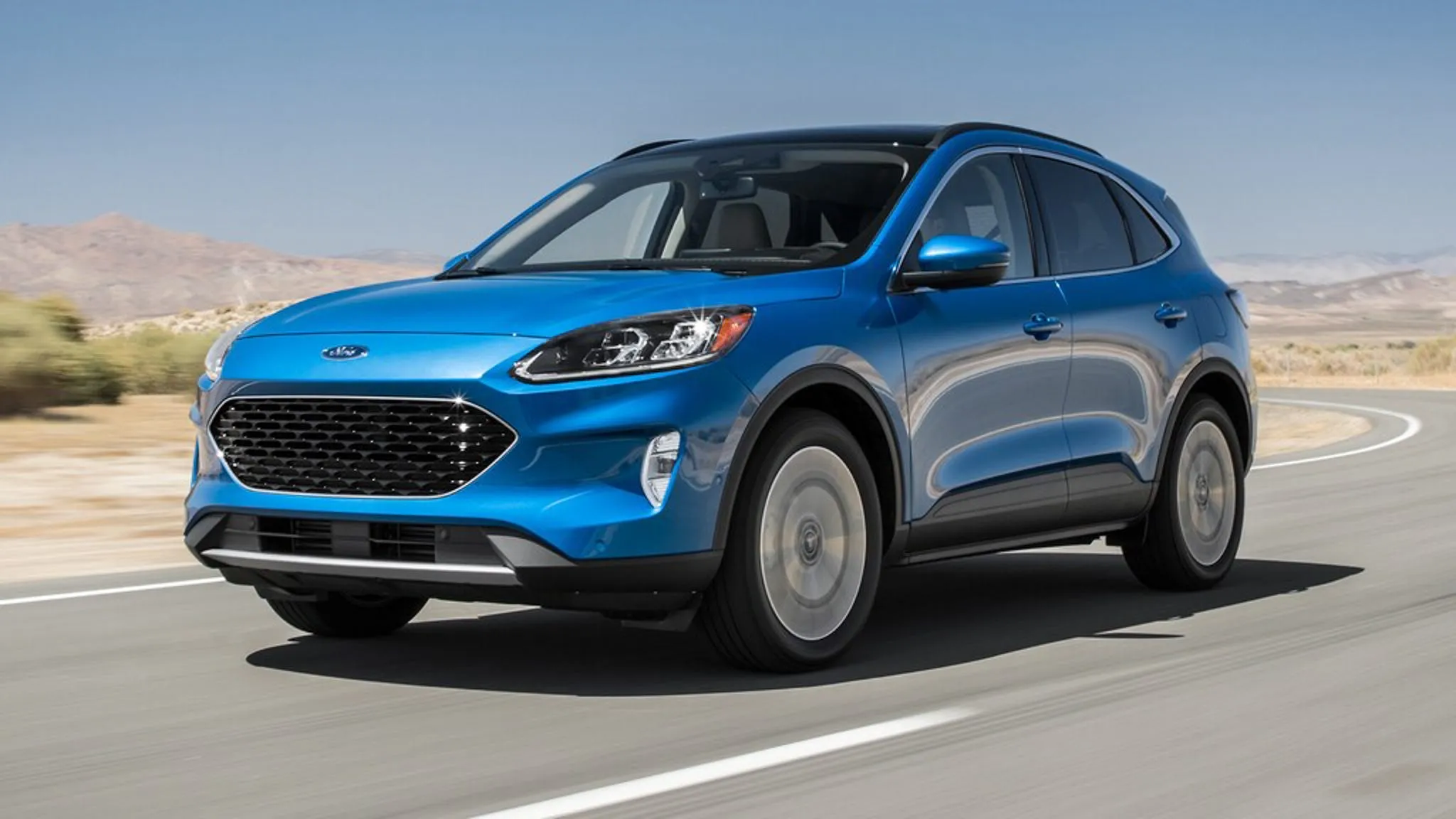
4. Ford Escape Titanium
A fresh experience greets any driver who pushes the Ford Escape Titanium toward 75 mph. This SUV steps forward with a clever blend of suspension control and aerodynamic shape that helps maintain stable movement at higher speeds.
Drivers who prefer compact SUVs with solid road manners appreciate how the Escape does not bounce excessively or wander across lanes during highway travel.
Lane changes at 75 mph feel smooth because of the vehicle’s responsive steering. Commands translate quickly, yet the SUV avoids becoming twitchy.
Many compact SUVs in this class struggle to maintain that balance, but the Escape Titanium handles it confidently. You feel grounded even when overtaking larger vehicles, and the steering weight remains steady.
Tyre choice and wheel design contribute to the planted sensation. Ford pairs the Titanium trim with components that hold firmly to the pavement, reducing that floating sensation some SUVs experience at high speed. Suspension tuning prevents excessive squat during acceleration and keeps the body stable on long sweeping curves.
A pleasant cabin layout adds to this positive experience. Quiet insulation, comfortable seats, supportive driving position, and well-placed controls all combine to give drivers a sense of calm during long journeys. Highway stability improves dramatically when the interior feels restful, and the Escape Titanium delivers that comfort with ease.
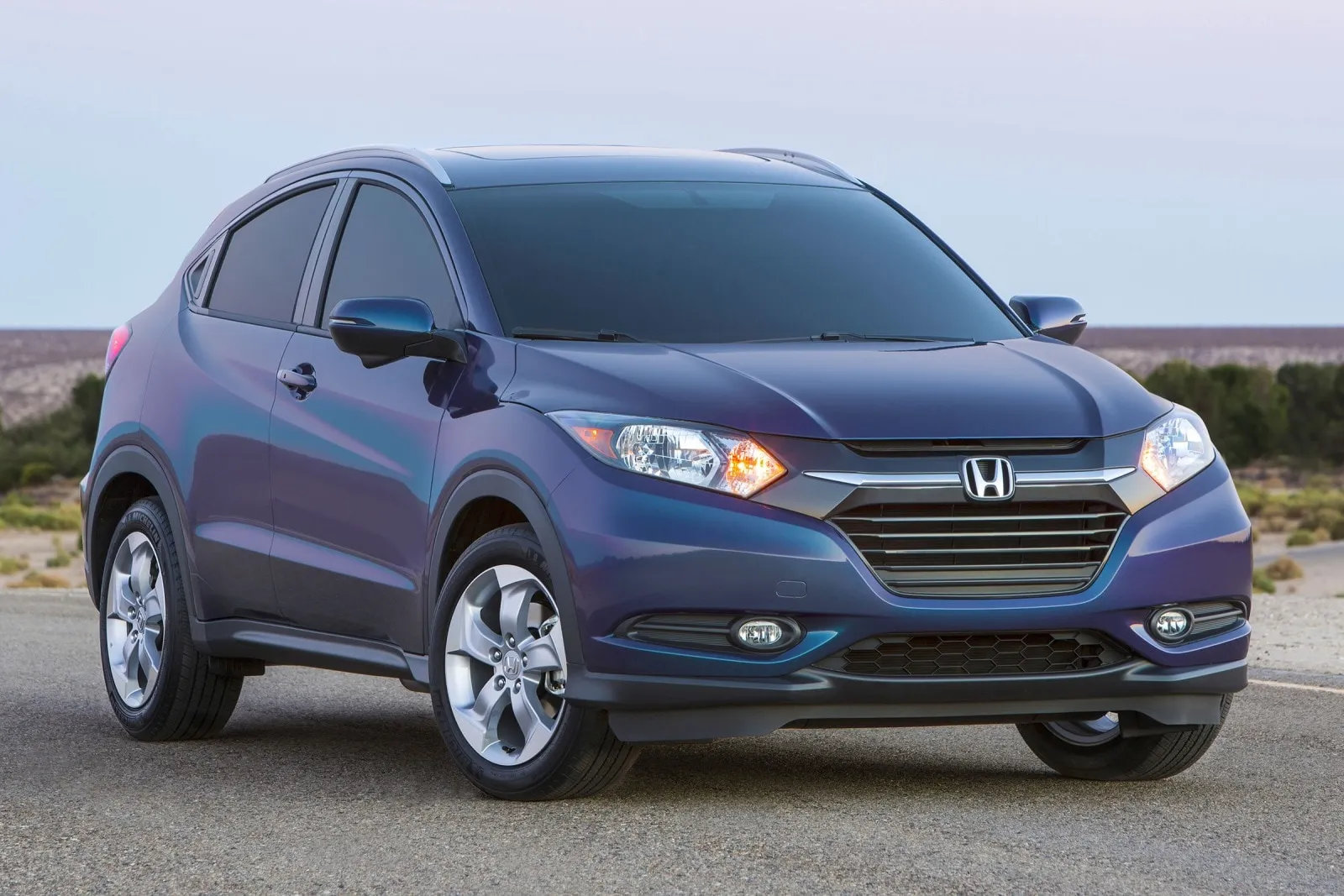
5. Honda HR-V EX-L
Another compact SUV that wins praise for high-speed steadiness is the Honda HR-V EX-L. Honda engineered the HR-V with a firm structure that keeps its body aligned even during rapid highway movement. Many drivers enjoy how the HR-V feels secure at 75 mph without forcing harsh suspension behaviour.
One reason behind this stability lies in Honda’s attention to chassis strength. When an SUV flexes too much at high speed, it can create a floating sensation. The HR-V avoids this by keeping the frame rigid enough to manage forces from wind and uneven surfaces. This leads to a steady cruising style that suits long-distance travellers.
Steering behaviour remains predictable, and the HR-V responds with calm confidence when making quick adjustments. The SUV does not jerk or wobble when corrections are needed, which adds to its planted feel. Drivers who often use busy highways appreciate this responsiveness because it keeps the journey stress-free.
Cabin comfort also plays a meaningful role. Supportive seats and a relaxing driving position allow you to stay focused without feeling tired. When your body feels stable, your perception of the car’s stability grows stronger. Honda designed the HR-V EX-L for people who appreciate smooth high-speed behaviour, and it achieves that purpose with ease.
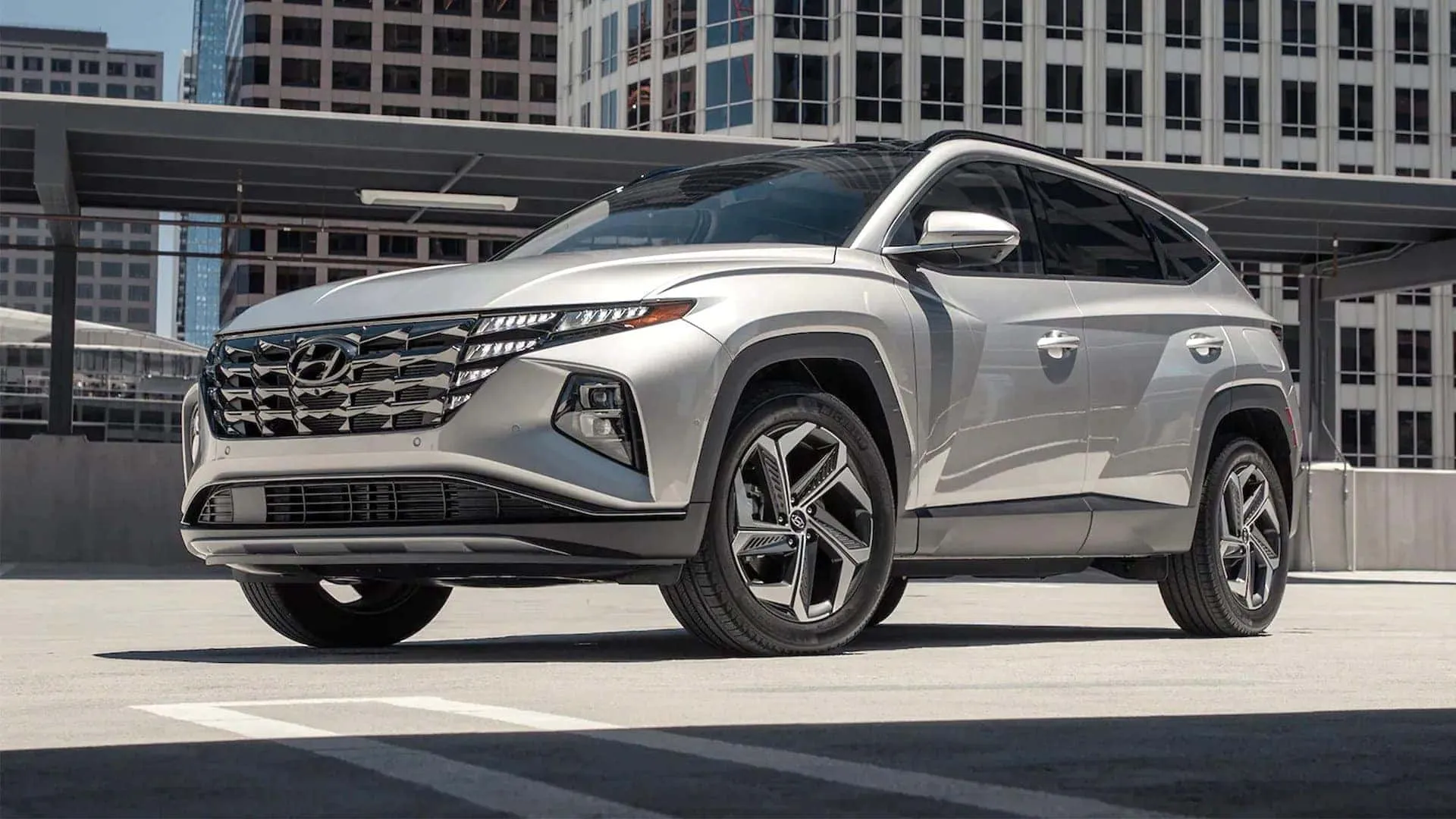
6. Hyundai Tucson Limited
Hyundai created the Tucson Limited with a refreshing balance that many compact SUV shoppers will enjoy. Once the speed climbs toward 75 mph, the Tucson continues to stay firmly planted. Body movements remain controlled, and the SUV does not sway or bounce excessively even when encountering rough patches on the highway.
This stability comes from a combination of suspension refinement and aerodynamic design. The Tucson feels composed in windy conditions, and the steering maintains a centred feel that helps you keep the SUV pointed straight. Many drivers appreciate how this behaviour reduces mental fatigue during long trips.
Tyre grip also supports the Tucson’s planted nature. The chosen tyre compounds hold the road effectively, allowing the SUV to remain confident during fast lane changes. Some compact SUVs feel light at the back end when pushed at 75 mph, but the Tucson Limited shows reassuring consistency.
Comfort takes centre stage inside the cabin. Soft-touch materials, carefully shaped seats, quiet insulation, and a friendly driving position all enhance how stable the SUV feels on the highway. A calm interior lets the driver maintain full control without distraction, contributing to Tucson’s high-speed steadiness.
6 Floating SUVs That Feel Light or Unsettled at 75 mph
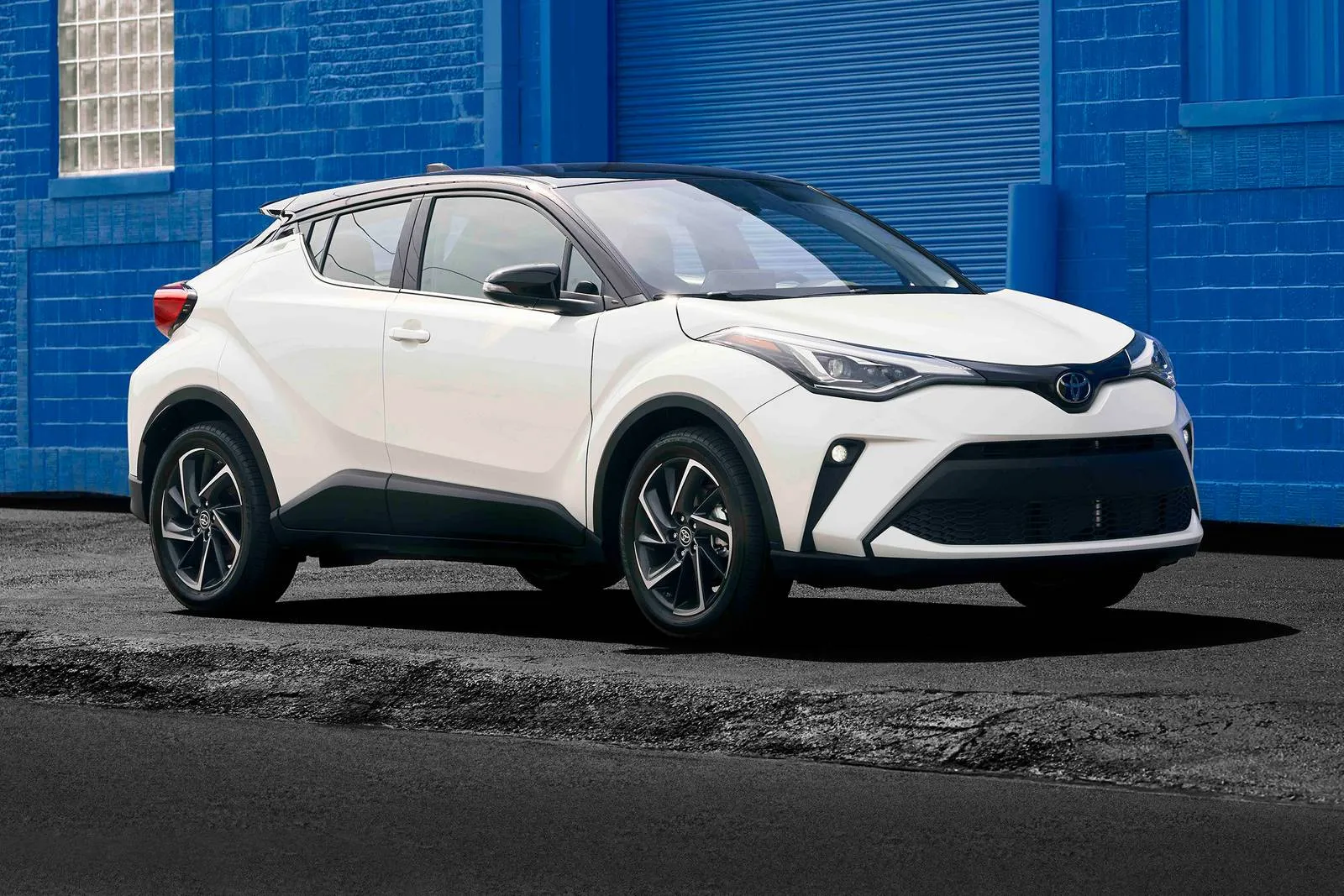
1. Toyota C-HR XLE 2023
Drivers who have spent time with the Toyota C HR XLE 2023 at higher speeds often describe a certain lightness in the front end. While the SUV behaves well in city driving, its personality changes once the road opens up.
At around 75 mph, the steering begins to feel too eager, which makes the driver perform small adjustments more frequently than expected. This constant micro correction creates the impression that the C HR is almost floating above the tarmac rather than digging firmly into it.
Another thing that encourages this sensation is the tall body paired with a relatively narrow stance. Since Toyota focused heavily on styling with this model, the aggressive curves and sloped roof come at the expense of highway solidity.
When strong winds arrive, the SUV reacts with small sideways nudges that remind the driver to stay alert. Even though these reactions are not dangerous, they leave the driver with the sense that the SUV wants to dance along with air turbulence instead of resisting it.
Inside the cabin, the suspension shows its soft nature. The C HR XLE tries to please passengers by absorbing bumps, but that same softness becomes a problem when speeds climb.
The body begins to rise and fall slightly with each road wave, making it feel like the SUV is bouncing gently rather than staying planted. This movement may be comfortable for some, but for others, it removes confidence because the tyres lose that deeply rooted feel that inspires trust.
Another factor is how the C HR distributes its weight. Since the rear section is quite light, the SUV sometimes feels unsettled when crossing long bridges or open highways. You may sense a faint lift from the rear, especially with quick lane changes.
This is not alarming, yet the experience does not carry the heavy, grounded feeling you get from more stable compact SUVs. Instead, the C HR gives you a sense of agility mixed with a floating character at 75 mph.
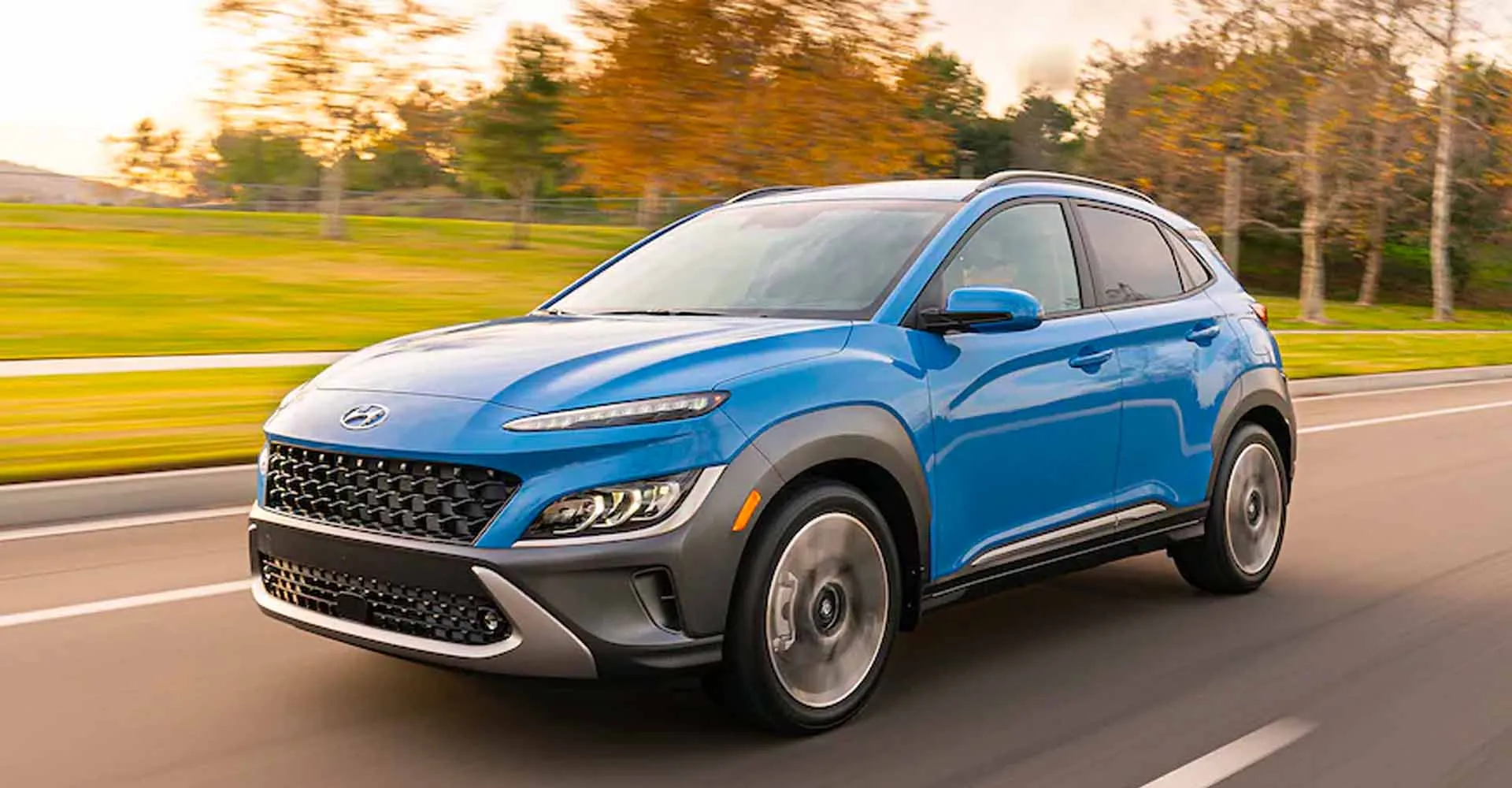
2. Hyundai Kona SE 2022
Hyundai took a bold visual approach with the Kona SE 2022, but the behaviour at higher speeds tells a different story. When you push this model to 75 mph, the firmness you expect from a compact SUV does not always show up.
Instead, the front feels light, especially when the wind direction changes suddenly. This leads to gentle swaying on open highways, leaving the driver with a sense of reduced control despite the steering wheel being held firmly.
What adds to this behaviour is the way Hyundai tuned the suspension. It leans more towards a flexible setup that focuses on comfort. This choice works well on rough town roads, yet the same tuning becomes a weakness once the SUV is tested at fast cruising speeds.
The body tends to move slightly more than expected, especially when the road surface changes from smooth to slightly uneven. That motion affects how planted the Kona feels at 75 mph.
Drivers often comment on the steering as well. The steering weight in the Kona SE 2022 is light, which helps beginners manoeuvre more easily.
But at higher speeds, this light steering removes some of the confidence needed for quick directional decisions. Because of the reduced feedback, the driver might feel as though the vehicle is gliding instead of firmly connecting with the ground. The floating sensation increases whenever the SUV encounters long sweeping bends.
Another point to note is the short wheelbase. A short wheelbase improves nimble behaviour during slow driving, but it reduces stability when maintaining higher speeds for extended periods.
Each expansion joint on the road sends a mild rebound through the cabin. Although this does not cause discomfort, it reinforces the feeling that the Kona prefers lifestyle movement rather than serious highway stability.
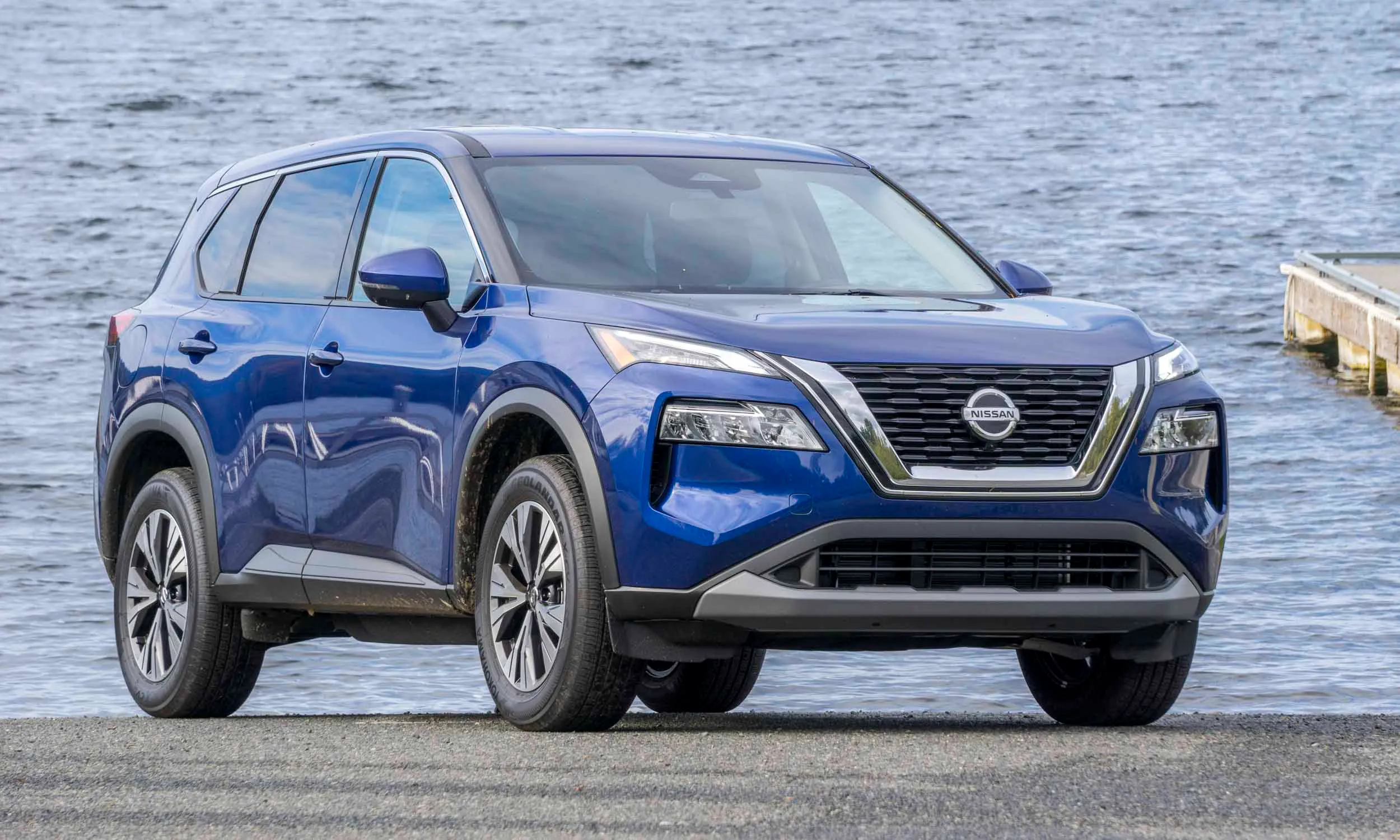
3. Nissan Rogue Sport S 2021
Nissan engineered the Rogue Sport S 2021 to shine in tight urban environments, but long highway stretches at 75 mph reveal a different side of its behaviour. The first thing a driver might notice is how the steering feels slightly disconnected when the road becomes breezy.
The SUV starts reacting to small gusts of wind, which forces the driver to correct steering input more often than necessary. This repeated correction explains why many describe the Rogue Sport as having a floating personality at higher speeds.
Looking deeper at the suspension, Nissan designed this model with comfort as a priority. While this helps with potholes and broken road surfaces, the soft springs struggle to control body movement at highway pace.
The body sways gently from left to right when overtaking trucks or travelling across open bridges. Although the motion is not wild, it still creates an unsettled feeling that removes the sense of firm connection with the road.
Another thing worth mentioning is the body height. The Rogue Sport S carries a slightly top heavy stance, and when combined with soft damping, it tends to respond too openly to wind pressure. Drivers may feel slight lifts from the front end, especially during long crosswind encounters.
That tiny loss of weight at the nose encourages the floating sensation and reduces confidence for those who prefer a strongly planted ride. Inside the vehicle, highway noise entering through the mirrors and doors adds to the effect. When the speed increases to 75 mph, drivers often assume the car is moving more lightly on the road.
This acoustic illusion enhances the floating perception even though the tyres remain firmly on the surface. Still, the sensation matters because what the driver feels influences trust, and the Rogue Sport S simply leans toward a lighter highway personality rather than a solid, anchored one.
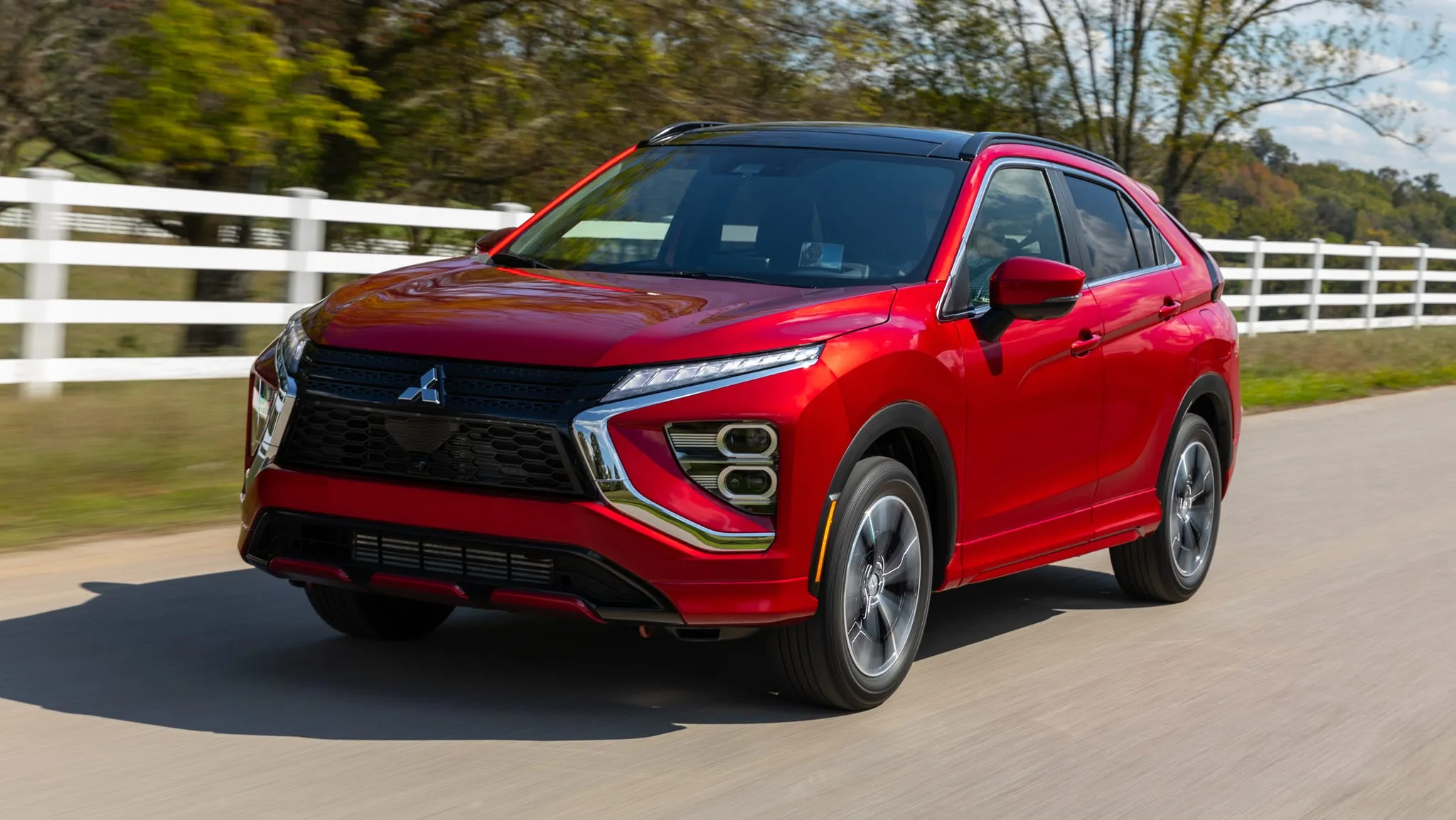
4. Mitsubishi Eclipse Cross LE 2023
Many motorists try the Mitsubishi Eclipse Cross LE 2023, expecting its sporty name to translate into firm highway behaviour. Instead, the SUV expresses a calmer, softer attitude at 75 mph, and that softness introduces a floating sensation that repeats through the drive.
The suspension does not clamp down tightly on the body, so each road ripple sends a gentle rise through the cabin. This constant vertical motion creates the impression that the SUV is slightly hovering.
Another aspect of its behaviour comes from the body design. The sloped rear window and extended tail section create airflow patterns that sometimes reduce stability.
During heavy highway wind, the rear end changes slightly from side to side, almost like the air is pushing the SUV’s tail. While it does not push hard, even small movements like this can create a floating feel, especially for drivers who prefer strong highway feedback.
Steering feedback presents another challenge. Mitsubishi designed this model with light steering intended for easy parking. That same lightness becomes a disadvantage at 75 mph, as the driver does not receive enough information from the front tyres.
When feedback is low, the driver’s mind fills the gap, leading to the impression that the SUV is sliding instead of gripping firmly. This is a psychological effect, but it still influences how the vehicle feels on long journeys.
Another detail many drivers notice is the weight distribution. The Eclipse Cross LE has a slightly nose light balance, and at higher speeds, this gives the front tyres less authority over direction.
You may feel slight hesitation during quick lane changes, not because the SUV lacks control, but because the weight arrangement does not anchor the front end strongly enough. This adds to the floating sensation and makes the SUV better suited for relaxed driving rather than fast highway travel.
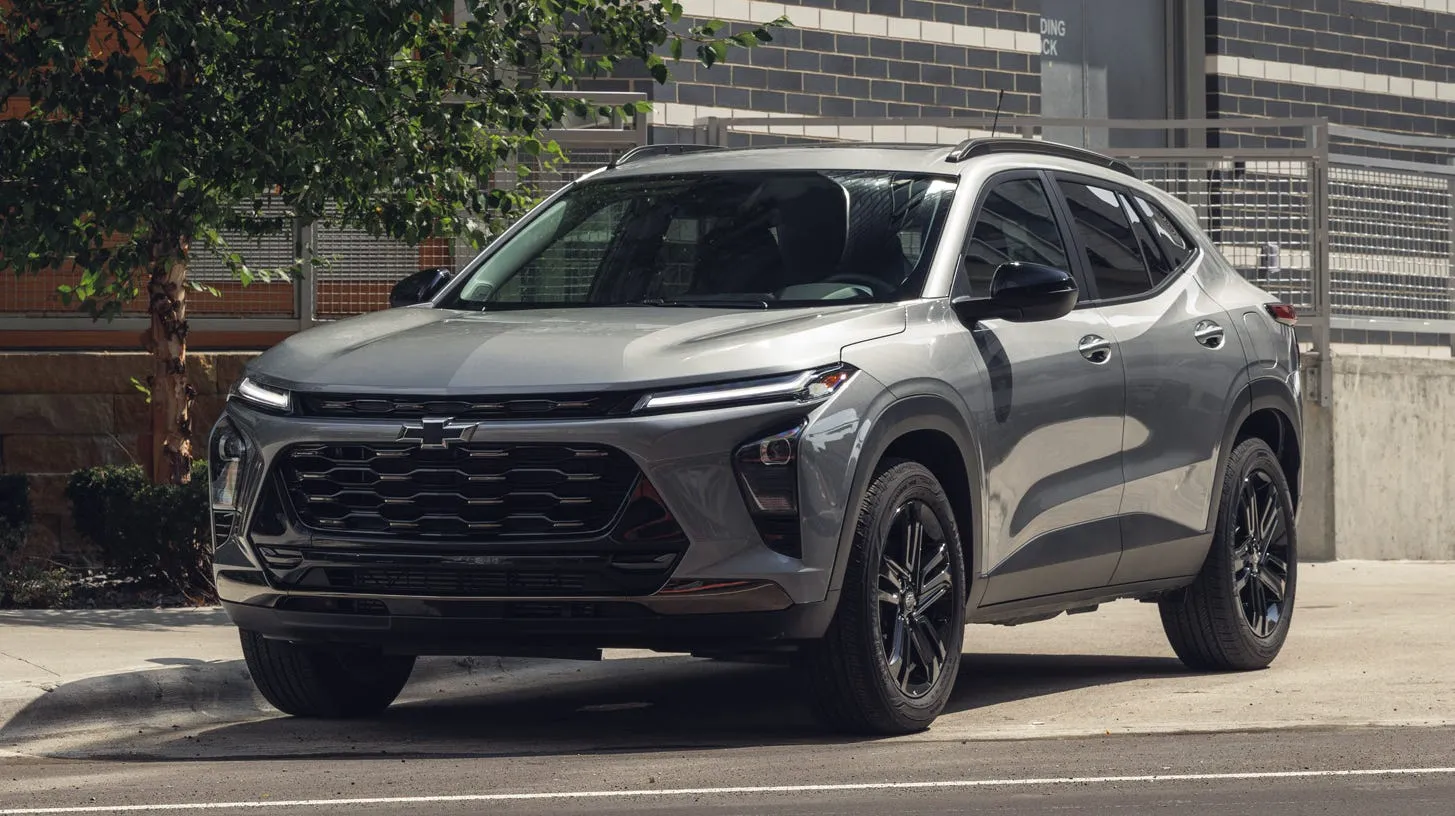
5. Chevrolet Trax LS 2021
Chevrolet designed the Trax LS 2021 as a simple, city-friendly compact SUV, which is why its behaviour at 75 mph carries a lightweight feel. The body shape is narrow, and when paired with a modest footprint, the SUV noticeably reacts to the wind.
Drivers often comment that the Trax becomes slightly restless when passing large trucks, as the air turbulence around them pushes the Trax lightly. This reaction creates the sense that the SUV is gliding instead of sitting deeply in its lane.
Suspension tuning plays a major role, too. Chevrolet went for a soft setup, and that softness reveals itself at high speeds. Each dip in the road sends a wave through the cabin, causing the body to rise and settle repeatedly.
Although this motion is not aggressive, it contributes to the floating character that many people report. Instead of absorbing bumps with firmness, the Trax LS allows the body to follow the road surface more freely. Steering precision also takes a back seat at highway speed.
The steering system provides minimal weight and only mild feedback, which makes the SUV feel light on its tyres. When the steering does not resist the driver’s hands with confidence, the mind interprets the sensation as instability. As a result, the driver becomes more cautious, and that caution further amplifies the impression that the vehicle is not firmly rooted.
One more factor worth noting is the short wheelbase. Vehicles with short wheelbases tend to react more sharply to road imperfections, and the Trax LS is no different. As the SUV crosses expansion joints or uneven patches, it delivers quick vertical movements that reduce the planted sensation.
These reactions combine into what many describe as a floating experience at 75 mph, making the Trax LS better suited for calm, urban-style travel.
Also Read: 5 SUVs With Accessible Third-row Folding vs 5 With Finger-Pinchers
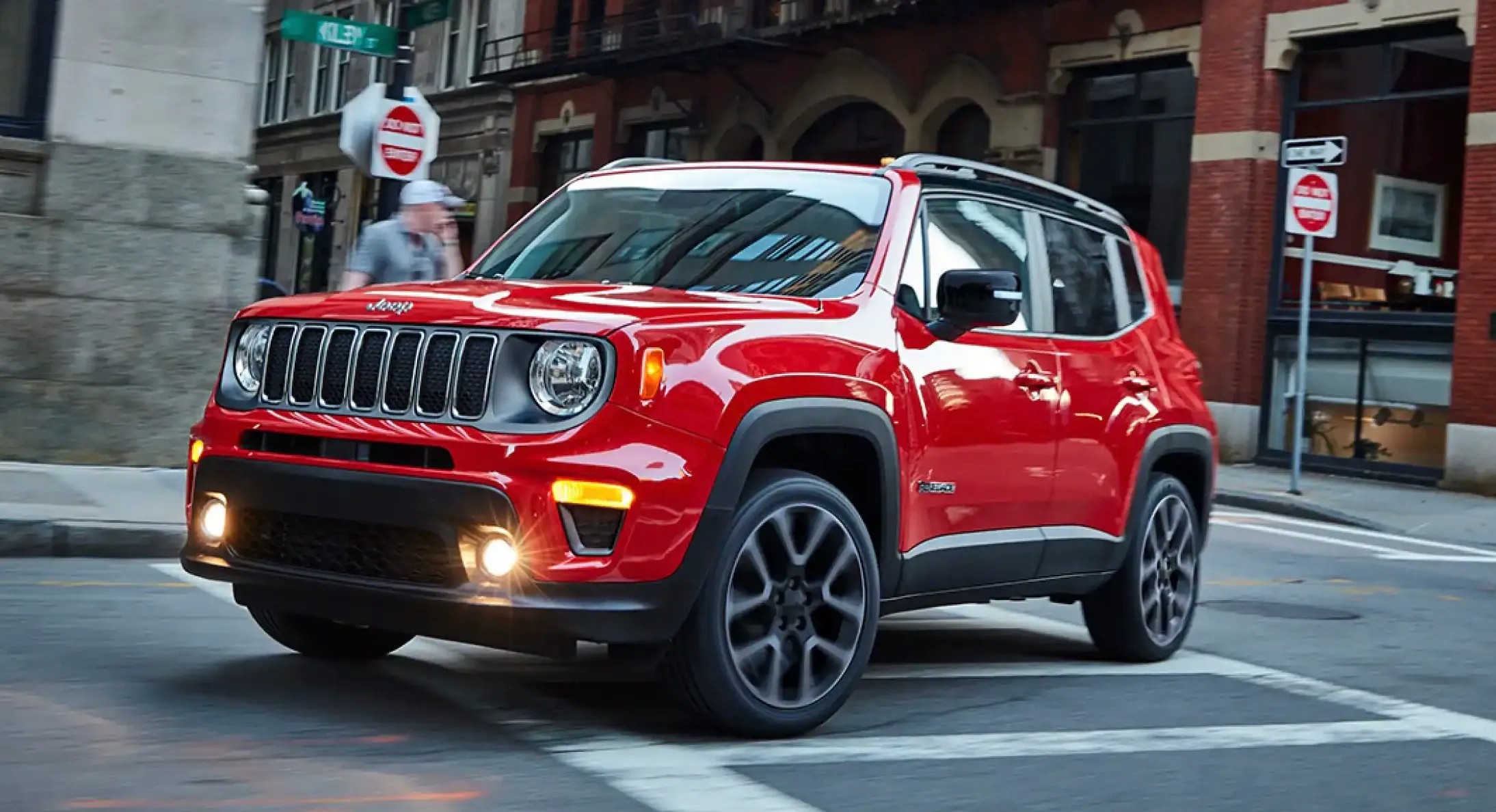
6. Jeep Renegade Sport 2022
Jeep built the Renegade Sport 2022 with rugged styling, yet the behaviour at 75 mph tells a different story from what the exterior suggests. This SUV carries a boxy body, and boxy vehicles naturally collect more wind, especially on wide highways. As a result, the Renegade tends to sway gently when crosswinds arrive.
Even slight wind pressure pushes the tall body enough to create a floating sensation for the driver. Examining the suspension, the Renegade Sport uses a moderate setup that prioritises comfort. Soft damping works well for broken roads and gravel, but when the speed reaches 75 mph, the softness reduces stability.
The body leans more than expected when making gradual lane changes, causing the driver to sense a mild wobble. That wobble is not dangerous, yet it makes the Renegade feel light on its feet rather than deeply grounded. Then comes the steering behaviour. Jeep crafted this steering system mainly for low-speed manoeuvring during city driving.
As a result, the weight of the steering remains light even when the SUV gathers speed. Light steering removes the confident sense of resistance that many stable SUVs display at 75 mph. Without that resistance, the Renegade feels somewhat loose, which drivers often interpret as floating.
Another aspect many people notice is the tyre arrangement. The Renegade Sport sits on relatively narrow tyres, which reduces the contact patch with the road. With less rubber gripping the surface, the SUV does not bite the road as firmly as wider-tyred rivals.
During long highway stretches, this characteristic becomes obvious because the SUV responds with more movement from side to side. The floating sensation grows gradually, making drivers feel like the vehicle prefers relaxed cruising instead of fast, steady pacing.
