Electric vehicles are often associated with cutting-edge technology, impressive acceleration, and futuristic designs, but many potential buyers worry about complexity, maintenance, and long-term reliability. The truth is that modern EVs are engineered to simplify daily life rather than complicate it.
From compact city cars to luxury performance sedans, today’s electric vehicles combine efficient drivetrains, durable battery systems, and robust electronics to provide dependable transportation with minimal fuss.
They require less routine maintenance than traditional combustion vehicles because of fewer moving parts, regenerative braking systems, and advanced software management.
These seven EVs, including the Porsche Taycan, Tesla Model 3, Nissan Leaf, and Hyundai Kona Electric, demonstrate that drivers can enjoy performance, comfort, and advanced features without dealing with frequent repairs or complicated upkeep. Whether the priority is range, affordability, or sporty performance, these EVs make everyday driving simple, reliable, and stress-free.
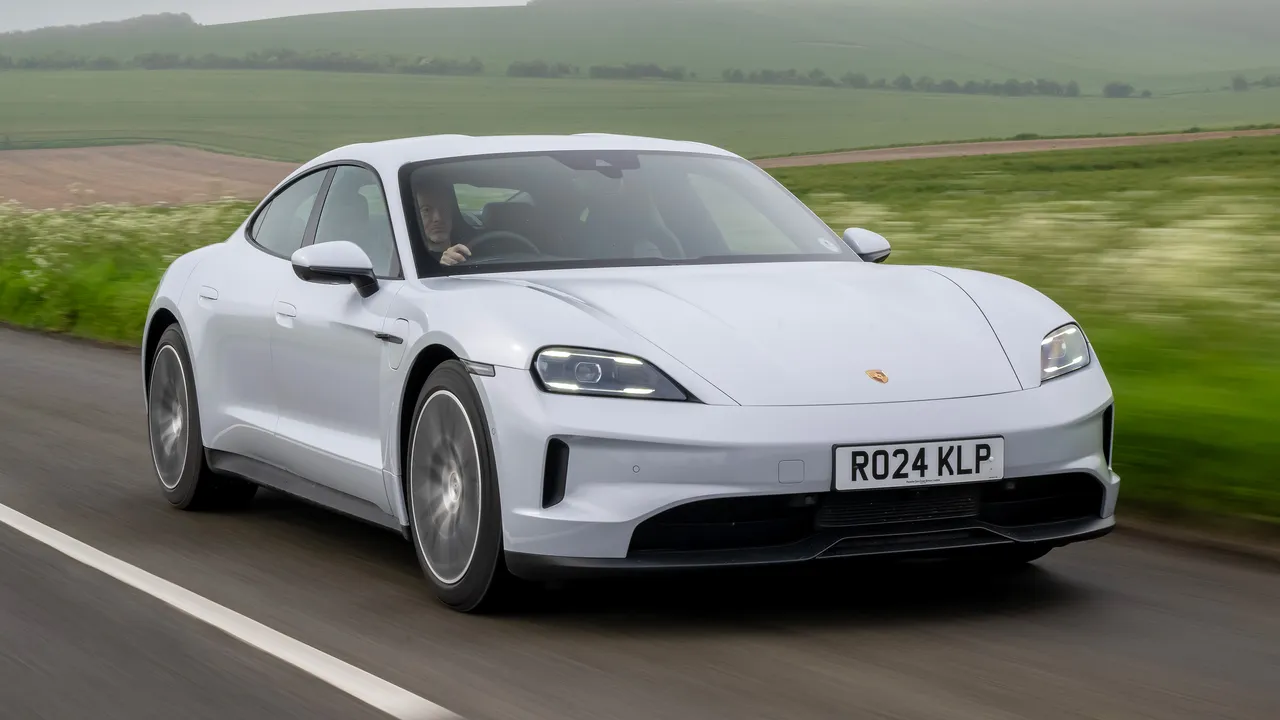
1. Porsche Taycan: High-Performance and Reliable Luxury EV
The Porsche Taycan is a high-performance electric sedan that has demonstrated remarkable reliability in the luxury EV segment. Despite its complex electronics and performance-oriented design, the Taycan benefits from well-engineered systems and high-quality components that ensure long-term durability.
Its drivetrain features one or two electric motors paired with a two-speed transmission on the rear axle. Fewer moving parts reduce potential mechanical failures, while regenerative braking lowers stress on the braking system. Battery management is highly sophisticated.
Porsche uses liquid-cooled 79.2 kWh or 93.4 kWh battery packs, supported by software that actively balances cell performance and monitors thermal conditions. This ensures minimal degradation even with aggressive driving or frequent fast charging. Owners report a consistent range and battery efficiency after extended use.
The Taycan’s suspension and chassis systems are engineered for both precision and durability. Multi-link suspension components, control arms, and bushings maintain performance while withstanding the stresses of spirited driving.
Interior electronics, infotainment, and advanced driver-assistance systems function reliably, and over-the-air software updates optimize performance and address minor issues.
The Taycan offers exhilarating acceleration. A Taycan 4S with the Performance Battery accelerates from 0 to 60 miles per hour in 3.4 seconds and completes the quarter mile in 11.5 seconds at 115 miles per hour. Higher-end Turbo models provide even more power.
While skidpad and handling performance are slightly below some rivals, optional features such as torque vectoring, active suspension, and the Sport Chrono package enhance driving dynamics. The Taycan’s ride quality is smooth and compliant, balancing sportiness with comfort. Porsche’s seats provide support without sacrificing long-distance comfort, and noise insulation ensures a quiet cabin.
The Taycan’s interior is smaller than some competitors’ but offers a well-designed layout. Front occupants enjoy ample space, while rear passengers may find legroom limited. Infotainment includes Apple CarPlay, Android Auto, wireless charging, and navigation with turn-by-turn directions displayed in the instrument cluster. Cargo capacity is modest, with both front and rear trunks available.
EPA-rated range is up to 252 miles for the Taycan 4S, while real-world testing can reach over 300 miles. Peak charging power is 320 kW, allowing rapid recharging at compatible DC fast-charging stations.
The Taycan carries a premium price but offers luxury, performance, and reliability. Porsche provides a four-year, 50,000-mile basic and powertrain warranty, along with an eight-year, 100,000-mile battery warranty, supporting peace of mind for long-term ownership.
The Porsche Taycan combines high-performance driving, dependable mechanical and electronic systems, and luxury features, proving that a sporty electric vehicle can also be reliable for everyday use.
2. Nissan Leaf: Affordable and Reliable EV
Since its debut in 2010, the Nissan Leaf has established a reputation for reliability, particularly as an early electric vehicle. Many Leafs exceed 100,000 miles with minimal issues, provided owners follow recommended maintenance and charging practices.
Its simple drivetrain, with a single electric motor, compact power inverter, and no traditional transmission, reduces moving parts, resulting in fewer mechanical failures and lower maintenance costs.
Regenerative braking further minimizes brake wear, while routine service primarily involves tire rotations, cabin filter changes, and fluid checks. Later-generation models benefit from improved thermal management, reducing battery degradation.
Many owners maintain 80–90% of original battery capacity over several years, ensuring a consistent driving range. Suspension components such as struts, control arms, and bushings also show resilience, and the Leaf prioritizes comfort, reducing wear on mechanical systems. Interior electronics, including infotainment and climate control, are dependable and can be enhanced via software updates.
The Leaf is front-wheel drive, with the base Leaf S producing 147 hp and the SV Plus offering 214 hp. The e-Pedal system allows one-pedal driving, with options for coasting or regenerative braking.
Acceleration is adequate: the Leaf S achieves 0–60 mph in 7.4 seconds, while the SV Plus reaches 6.8 seconds. Instantaneous electric power delivery makes the car feel peppier than raw numbers suggest, though it is slower than sportier EVs like the Tesla Model 3.
The standard Leaf S features a 40 kWh battery with 149 miles of EPA-rated range, while the SV Plus has a 62 kWh battery delivering 212 miles. Charging via a 240-volt outlet takes about seven hours, and DC fast charging is standard. Fuel economy is competitive: the SV Plus exceeded its 94 MPGe highway rating with 98 MPGe in real-world tests, though highway range may be slightly below EPA estimates.
The Leaf’s cabin is simple but well-assembled, with comfortable front and rear seats. Rear cargo capacity is impressive at 19 carry-on suitcases with seats folded, ranking among the best in its class. An 8-inch infotainment screen with Apple CarPlay and Android Auto is standard, while optional Bose audio and navigation enhance convenience.
Standard Nissan Safety Shield 360 features include automated emergency braking, blind-spot monitoring, and rear cross-traffic alert. ProPilot Assist semi-autonomous driving is optional. Warranty coverage includes three years/36,000 miles basic, five years/60,000 miles powertrain, and eight years/100,000 miles for the battery.
The Nissan Leaf combines simple, reliable engineering, improved battery technology, and practical range, making it an affordable, dependable choice for everyday electric vehicle ownership.

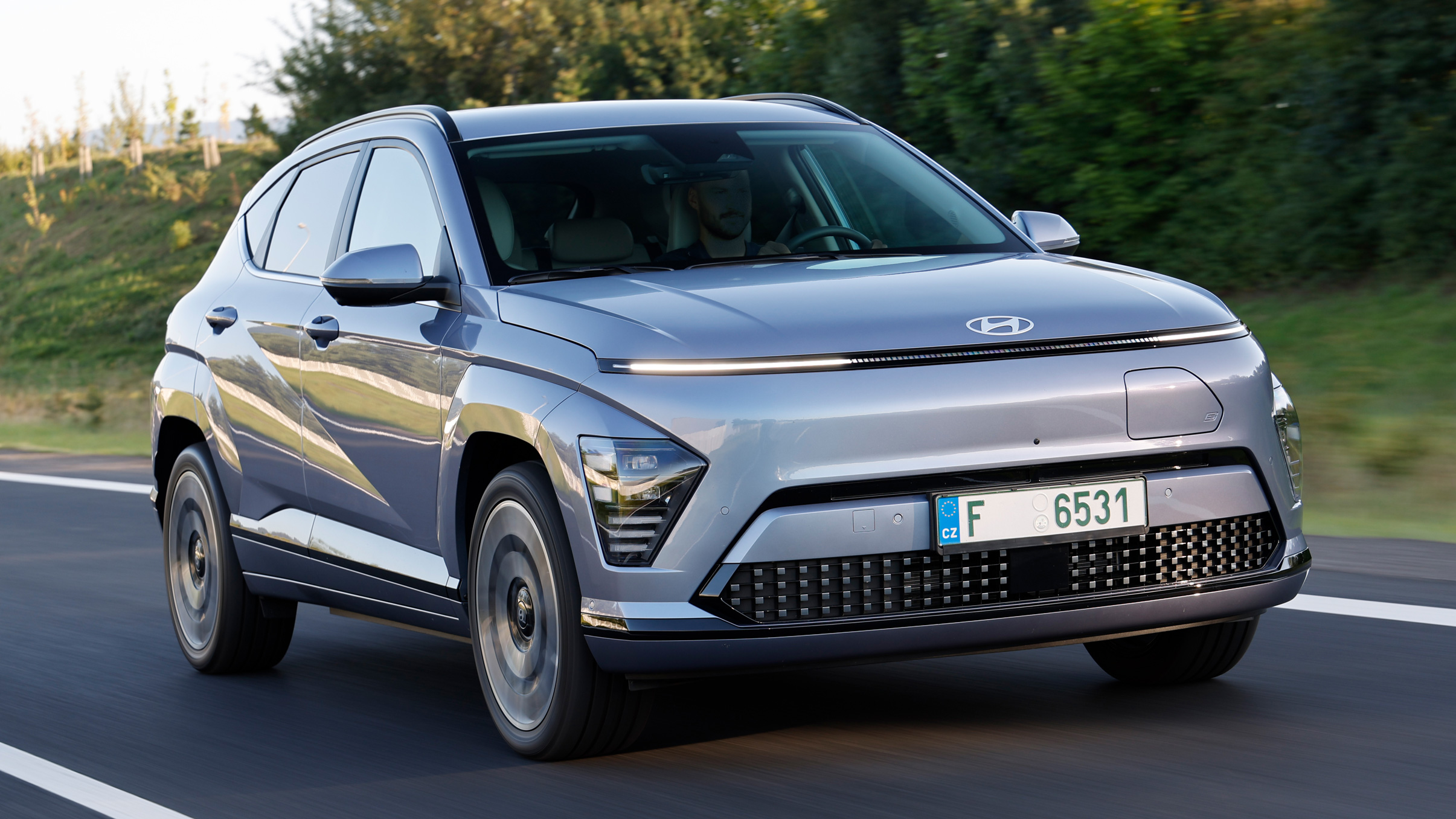
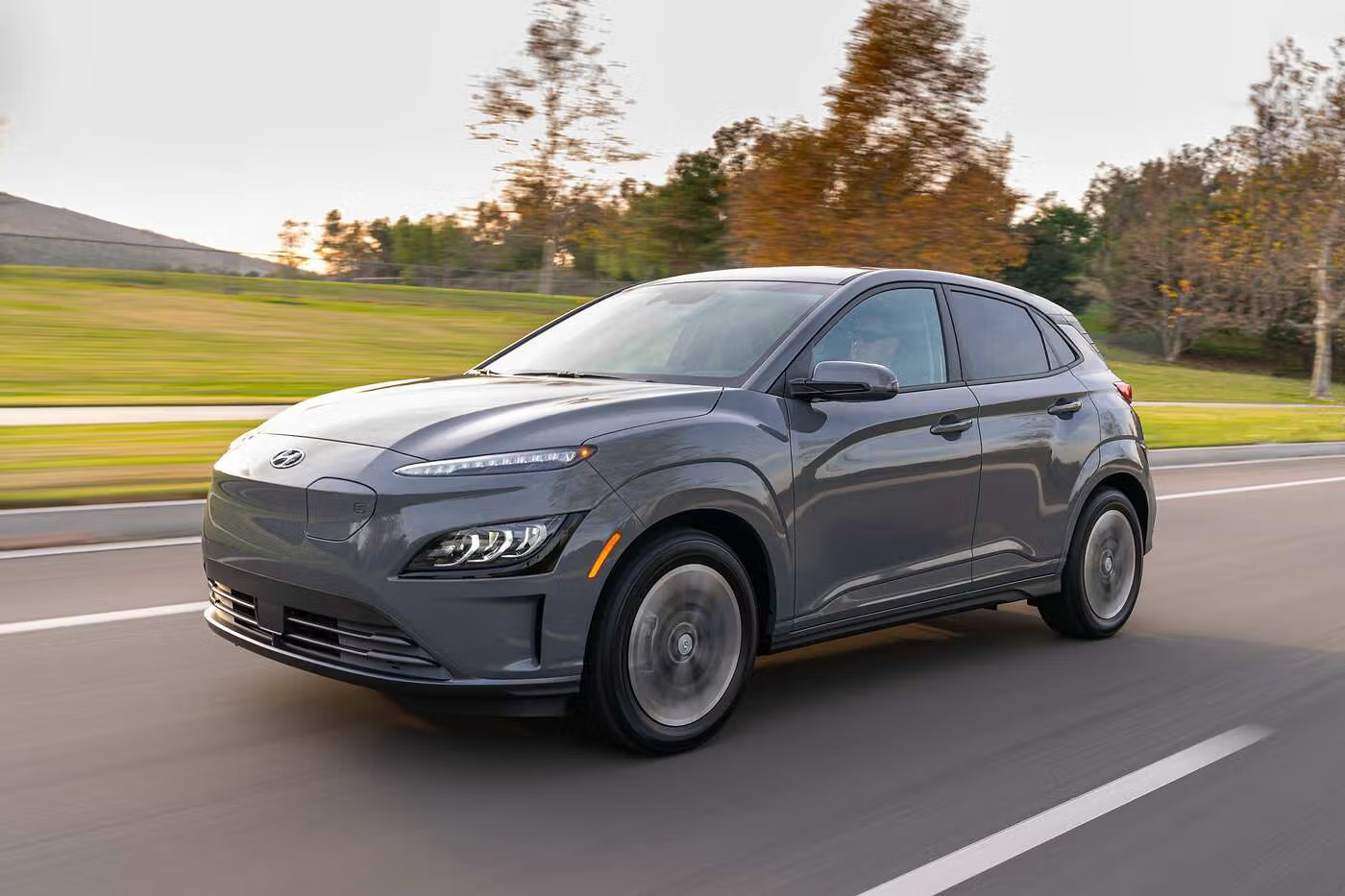
3. Hyundai Kona Electric: A Reliable and Practical Compact EV
The Hyundai Kona Electric has built a strong reputation for dependability among compact EVs. Owners report minimal issues even after 100,000 miles, reflecting the benefits of Hyundai’s robust engineering and stringent quality control.
Its electric drivetrain, featuring a single-speed transmission and fewer moving parts, reduces mechanical wear and simplifies maintenance. Battery longevity is a standout feature: the 64 kWh pack employs a thermal management system that preserves range over time, with many owners noticing little degradation even after years of use.
Suspension, steering, and brake components are durable, and thoughtful material selection enhances long-term resilience. Infotainment systems, climate controls, and driver-assistance sensors are similarly robust, with occasional over-the-air software updates improving efficiency and extending vehicle lifespan.
The Kona Electric is a front-wheel-drive vehicle available in two power levels: 133 hp and 201 hp. The more powerful version accelerates from 0 to 60 mph in 7.0 seconds, providing competent but not thrilling performance. Handling is tuned for comfort rather than sportiness, with a quiet, isolated cabin making it an easygoing daily commuter.
Two battery options are available: a 48.6 kWh unit with an estimated 200-mile range and a 64.8 kWh unit with 260 miles. Real-world testing of the larger battery achieved 230 miles. DC fast charging replenishes the battery from 10% to 80% in approximately 43 minutes. The Kona Electric delivers strong efficiency, earning 129 MPGe city and 103 MPGe highway, with real-world highway efficiency reaching 110 MPGe.
The redesigned 2024 Kona Electric improves fit, finish, and interior space. Dual 12.3-inch displays provide infotainment and instrument information, supporting wireless Apple CarPlay and Android Auto. Ambient lighting enhances cabin appeal. The main cargo area offers 25.5 cubic feet, while a small front trunk accommodates charging cables.
Standard safety features include automated emergency braking, lane-departure warning, and blind-spot monitoring, with available adaptive cruise control and self-parking.
Hyundai’s warranty is strong: five years/60,000 miles basic coverage, 10 years/100,000 miles for powertrain and battery, and a three-year/36,000-mile complimentary maintenance plan covering inspections, tire rotations, and cabin air-filter changes.
The Kona Electric combines a reliable drivetrain, durable components, and practical range, making it a confident choice for long-term ownership in the compact EV segment.
Also Read: 10 Cars With DIY-Friendly Oil Filters and Drain Plugs
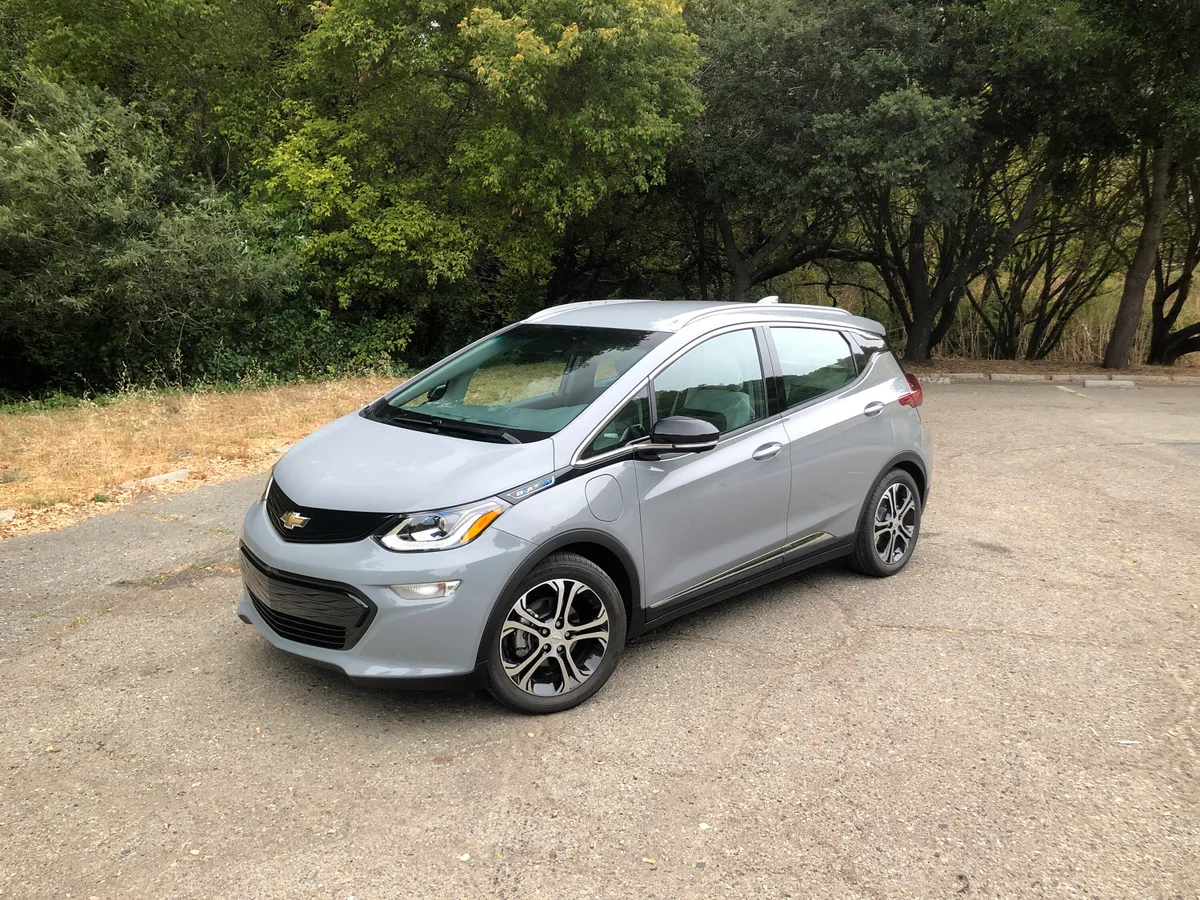
4. Chevrolet Bolt EV: Affordable and Dependable Electric Vehicle
The Chevrolet Bolt EV has earned a reputation as a practical, affordable, and reliable electric vehicle. Owners report minimal mechanical issues and strong battery retention even after extended use. Its simple electric drivetrain, featuring a single-speed transmission and fewer moving parts, reduces potential points of failure.
The motor, inverter, and associated electronics are built for longevity, while the 66 kWh battery pack incorporates thermal management and sophisticated software to minimize degradation. Many Bolts maintain over 90% of their original battery capacity with proper care.
Suspension and chassis components, including control arms, bushings, and shocks, are durable, contributing to a long-lasting and low-maintenance ownership experience. Electrical systems and interior electronics are similarly robust, with software updates occasionally improving performance.
The Bolt EV’s front-wheel-drive powertrain delivers 200 horsepower and 266 lb-ft of torque, offering quick acceleration from a standstill and sufficient torque for city and highway driving.
The hatchback includes a one-pedal driving mode, increasing regenerative braking and reducing the need for conventional braking. While acceleration is strong at lower speeds, high-speed responsiveness is adequate rather than thrilling, and the ride remains composed and comfortable for daily commuting.
The 2023 Bolt EV has an EPA-estimated range of 259 miles, achieving approximately 220 miles in real-world highway testing. Level 2 charging at up to 11 kW fully recharges the battery in about seven hours, while DC fast charging adds roughly 100 miles in 30 minutes. Efficiency ratings include 120 MPGe combined, with urban driving providing higher real-world efficiency than highway use.
The Bolt EV’s interior has been updated with better materials, soft-touch surfaces, and redesigned front seats for improved comfort. Passenger space remains roomy for a subcompact, with rear cargo measuring 17 cubic feet behind the seats and 57 cubic feet with the seats folded.
The 10.2-inch touchscreen infotainment system supports wireless Apple CarPlay and Android Auto, over-the-air updates, and popular streaming apps, supplemented by physical knobs for ease of use.
Standard safety features include forward-collision warning, automated emergency braking, lane-departure warning, and lane-keeping assist, with available options such as adaptive cruise control and a 360-degree camera. Chevrolet provides a three-year/36,000-mile limited warranty, an eight-year/100,000-mile powertrain warranty, and one complimentary maintenance visit.
The Chevrolet Bolt EV demonstrates that affordable electric vehicles can deliver long-term reliability, practical range, and competent performance for everyday driving.
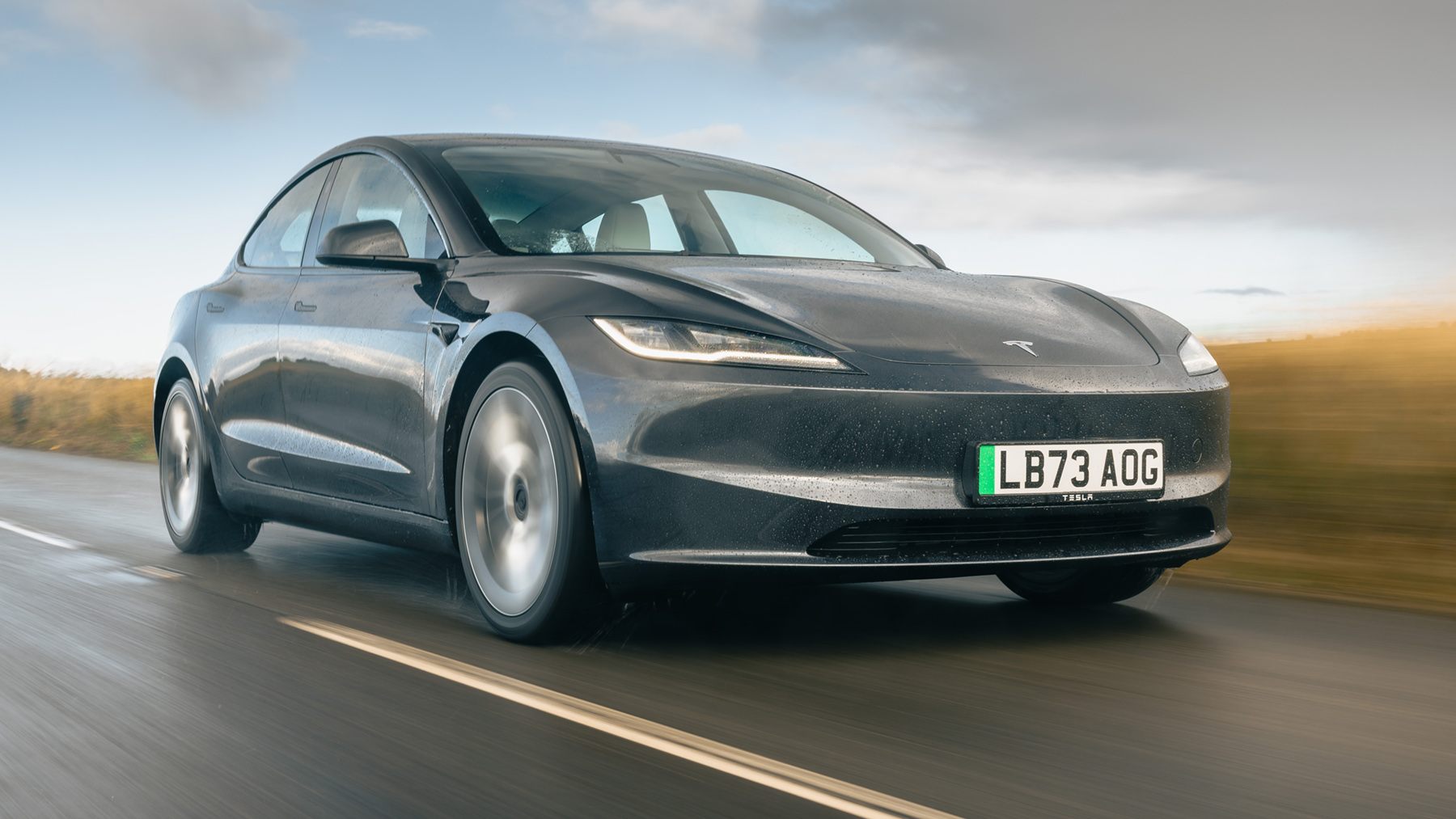
5. Tesla Model 3: A Reliable and High-Performing EV
The Tesla Model 3 has emerged as one of the most popular electric vehicles worldwide, valued for its combination of performance, range, and reliability. Early concerns about battery longevity and complex electronics have largely been alleviated, with many Model 3s surpassing 150,000 miles without major issues.
Its mechanical simplicity, including the absence of a multi-speed transmission, fuel injectors, and numerous moving drivetrain parts, reduces the risk of mechanical failures. Routine maintenance is straightforward and affordable, mainly involving tire rotations, brake fluid checks, and cabin air filter replacements.
Battery longevity is also impressive, thanks to sophisticated thermal and battery management systems that maintain performance, often retaining over 90% of the original range even after extended use.
Regular over-the-air software updates further enhance performance, optimize efficiency, and address minor issues. Suspension and chassis components, such as control arms, bushings, and shocks, have also demonstrated long-term durability.
The Model 3 Long Range All-Wheel Drive offers an engaging and sporty driving experience. It accelerates from 0 to 60 mph in just 4.2 seconds, paired with balanced handling and stable braking, though the stopping distance is slightly longer than some competitors.
Daily driving is smooth, with responsive steering, one-pedal regenerative braking, and excellent outward visibility. Tesla’s AutoPilot provides driver-assistance features, though full reliance on them is not recommended.
Rated by the EPA at 341 miles, the Model 3 Long Range closely matches real-world performance, achieving 338 miles in tests. Its energy efficiency is excellent at 25.3 kWh per 100 miles. Fast charging adds approximately 100 miles of range in 14 minutes, making long-distance travel feasible and convenient.
The interior is comfortable, with supportive front seats and adequate rear space. Steering and seat adjustments allow optimal driving positions, though touchscreen-based climate and control adjustments can be distracting. Cargo space is generous, with a total of 24.1 cubic feet including the front trunk (frunk) and a deep under-floor storage well.
The 15.4-inch touchscreen provides intuitive navigation and entertainment options, including a 17-speaker sound system, streaming, and rear-seat screens. Voice commands work well, though integration with Apple CarPlay or Android Auto is absent. Key safety features include lane departure warning, blind-spot monitoring, pre-collision systems, and stability control.
Tesla provides four years/50,000 miles basic coverage and eight years/120,000 miles for the battery and drive unit. The Model 3 offers strong value among EVs, with solid build quality, extensive Supercharger access, and reliable long-term performance without frequent costly repairs.
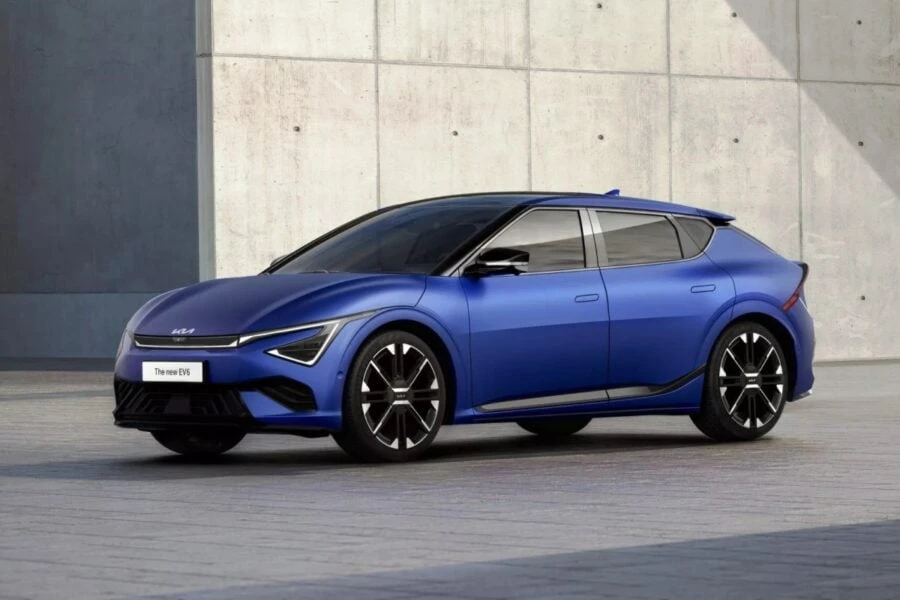
6. Kia EV6: Innovative and Reliable Electric Vehicle
The Kia EV6, a recent addition to the EV market, has quickly earned a reputation for reliability. Owner reports and early data indicate minimal mechanical or electrical issues, even after extended use.
The EV6’s electric drivetrain, available in single- or dual-motor configurations, utilizes a single-speed transmission, reducing moving parts and potential points of failure. Regenerative braking minimizes brake wear, and the drivetrain is engineered for both performance and longevity.
Suspension and chassis components, including control arms, bushings, and shocks, are durable, providing precise handling while maintaining comfort and reducing strain on mechanical systems. Interior electronics, such as infotainment, climate control, and driver-assistance features, are robust, with over-the-air updates further enhancing performance and functionality.
The EV6 offers multiple powertrain options. Rear-wheel-drive models produce 167 or 225 hp, while all-wheel-drive variants range from 320 to 641 hp.
Acceleration is impressive: the 320-hp AWD GT-Line achieves 0–60 mph in 4.5 seconds, while the high-performance 641-hp GT reaches 60 mph in just 3.2 seconds. The car features adjustable regenerative braking, delivering a customizable and engaging driving experience across city and highway conditions.
Battery options include a 63.0 kWh pack for base models (237 miles EPA) and an 84.0 kWh pack for longer-range versions, with EPA estimates of 319 miles for RWD and 295 miles for AWD. High-performance models have slightly reduced ranges.
The EV6 supports 800-volt fast charging, replenishing 10–80% in under 18 minutes on a 350 kW charger, adding 70 miles in under 5 minutes. Level 2 charging at 11 kW takes approximately seven hours for a full charge. Fuel efficiency ranges from 115 MPGe for single-motor variants to 83 MPGe for the high-performance GT.
The EV6 features a modern interior with a flat floor, generous passenger space, and practical storage solutions. Cargo capacity is 28 cubic feet behind the rear seats and 54 cubic feet with seats folded.
A front trunk provides additional storage. Technology includes a 12.3-inch infotainment touchscreen integrated with a 12.3-inch digital gauge cluster, supporting wireless Apple CarPlay, Android Auto, and over-the-air updates. Optional Meridian audio with 14 speakers enhances the cabin experience.
Standard safety features include blind-spot monitoring, rear cross-traffic alert, adaptive cruise control, lane-keeping assist, and automated emergency braking. Kia provides strong warranty coverage: five years/60,000 miles limited and 10 years/100,000 miles for the powertrain. Complimentary maintenance is not included.
The Kia EV6 combines cutting-edge technology, powerful performance, and robust reliability, making it a compelling choice for drivers seeking a modern, long-term electric vehicle.
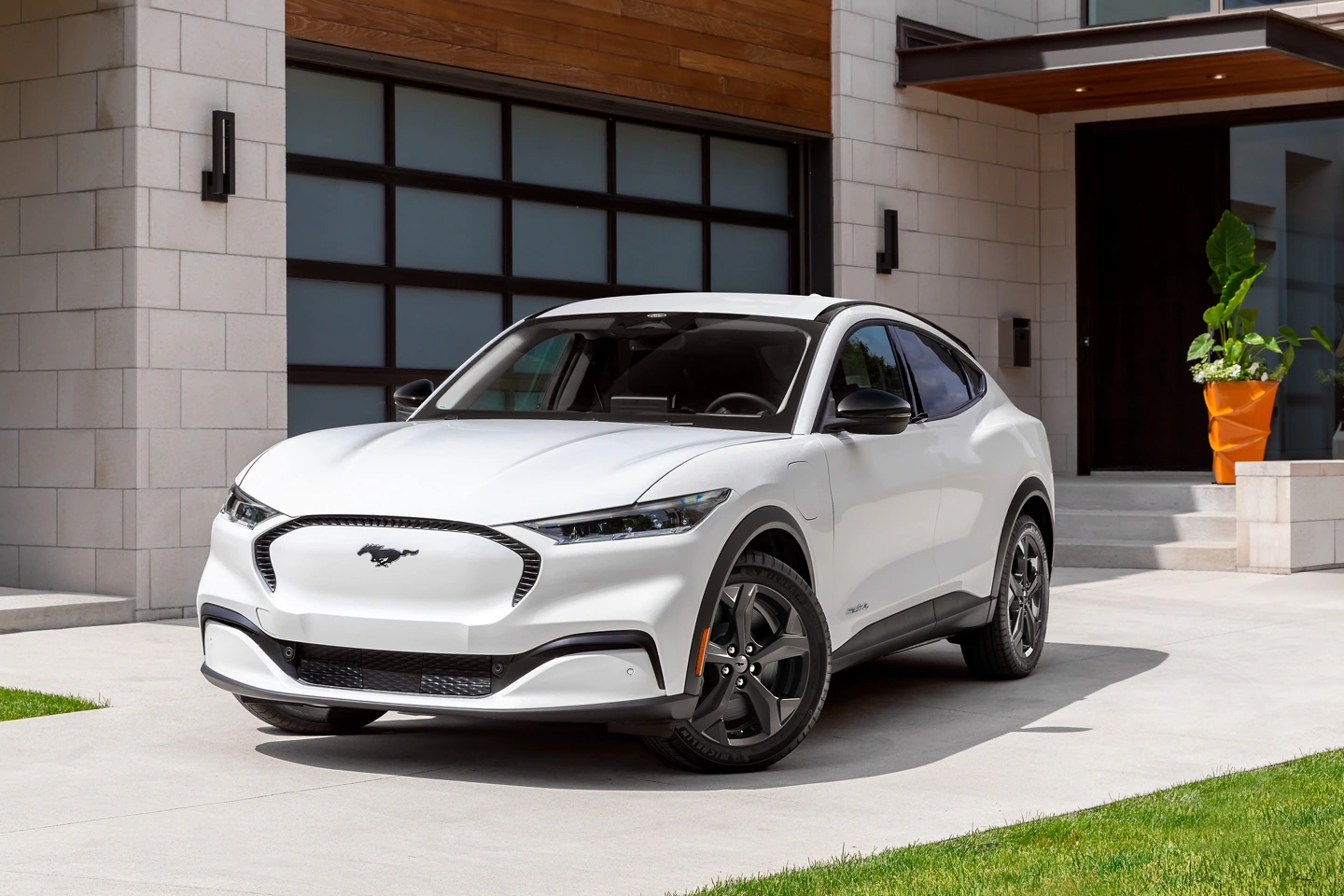
7. Ford Mustang Mach-E: Sporty and Reliable Electric SUV
The Ford Mustang Mach-E has quickly gained a reputation as a reliable electric SUV, combining the Mustang’s sporty heritage with modern EV technology. Its simplified electric drivetrain is offered in single-motor rear-wheel drive or dual-motor all-wheel drive configurations with a single-speed transmission.
Fewer moving parts reduce mechanical complexity and potential points of failure. Regenerative braking minimizes wear on the brakes, while routine maintenance, including tire rotations, brake inspections, and cabin air filter changes, keeps ownership costs manageable. Battery longevity is a key strength.
Both 68 kWh and 88 kWh packs feature sophisticated thermal management systems that maintain optimal operating temperatures, ensuring slow degradation over time. Over-the-air software updates further enhance reliability by improving energy efficiency, performance, and addressing minor issues.
Suspension and chassis components, including control arms, bushings, and shocks, are built to handle spirited driving while maintaining long-term durability. Interior systems, such as infotainment, climate control, and driver-assistance features, are robust and rarely fail, supporting dependable everyday use.
The Mach-E offers multiple powertrain options. Rear-wheel-drive trims produce 266 to 290 horsepower and 387 pound-feet of torque, while all-wheel-drive variants range from 266 to 480 horsepower and 427 to 634 pound-feet.
High-performance GT models generate 480 to 641 horsepower and up to 700 pound-feet of torque. Acceleration is strong. The Mach-E Rally reaches 0 to 60 miles per hour in just 3.3 seconds, while extended-range AWD models achieve 0 to 60 miles per hour in around 4.5 seconds. Adjustable regenerative braking enhances driving engagement and efficiency.
EPA-estimated range varies from 250 to 320 miles depending on battery size and drivetrain. The Mach-E supports fast charging and can replenish 10 to 80 percent in approximately 30 minutes on a DC fast charger.
Level 2 home charging provides up to 28 miles of range per hour using a dedicated charging station or overnight with a 240-volt outlet. Efficiency ranges from 110 MPGe city and 96 MPGe highway for base RWD trims to 90 MPGe city and 77 MPGe highway for high-performance GT variants.
The Mach-E offers a spacious interior because of its skateboard-style battery layout. Cargo space measures 29 cubic feet behind the rear seats or 60 cubic feet with seats folded. A front trunk provides additional storage. The cabin features a floating center console, a large vertical 15.5-inch touchscreen, and available premium options such as Bang & Olufsen audio, heated seats, and a panoramic sunroof.
Driver-assistance features include automated emergency braking, blind-spot monitoring, adaptive cruise control, and hands-free BlueCruise technology. Ford provides warranty coverage of three years or 36,000 miles limited, five years or 60,000 miles powertrain, and eight years or 100,000 miles for electrical components. Complimentary maintenance is not included.
The Mustang Mach-E combines sporty performance, dependable reliability, and advanced technology, showing that an electric SUV can be both exciting and practical for long-term ownership.
The seven electric vehicles highlighted in this guide prove that reliability and simplicity are now standard in the EV market. Cars such as the Nissan Leaf and Chevrolet Bolt EV show that even affordable models can deliver consistent range and low-maintenance performance, while vehicles like the Porsche Taycan and Ford Mustang Mach-E offer high-performance thrills without compromising long-term durability.
Advanced battery management, regenerative braking, and robust suspension systems allow these vehicles to handle daily commuting, errands, and long trips with minimal issues. Modern EVs also feature intuitive infotainment and driver-assistance systems that operate reliably over time, often improved through over-the-air updates.
For drivers seeking a practical, enjoyable, and dependable electric vehicle, these seven EVs demonstrate that owning an EV no longer requires compromises or constant technical attention. They simplify life on the road while offering peace of mind, efficiency, and innovation.
Also Read: 5 Cars Road-Trip Champs with Smart Storage vs 5 Cars Space Puzzles