Finding a car that combines style, practicality, and affordability can feel impossible in 2025, yet several models prove it is achievable. 10 Budget Cars That Still Look Stylish in 2025 highlights vehicles that deliver impressive design cues, comfortable cabins, and competent performance while remaining affordable.
From sporty compacts to full-size sedans and long-range electric vehicles, these cars show that style does not need a six-figure price tag. Each model balances aesthetics with usability, offering drivers value, efficiency, and a sense of luxury that rivals more expensive options, making them standout choices for the budget-conscious yet style-savvy buyer.
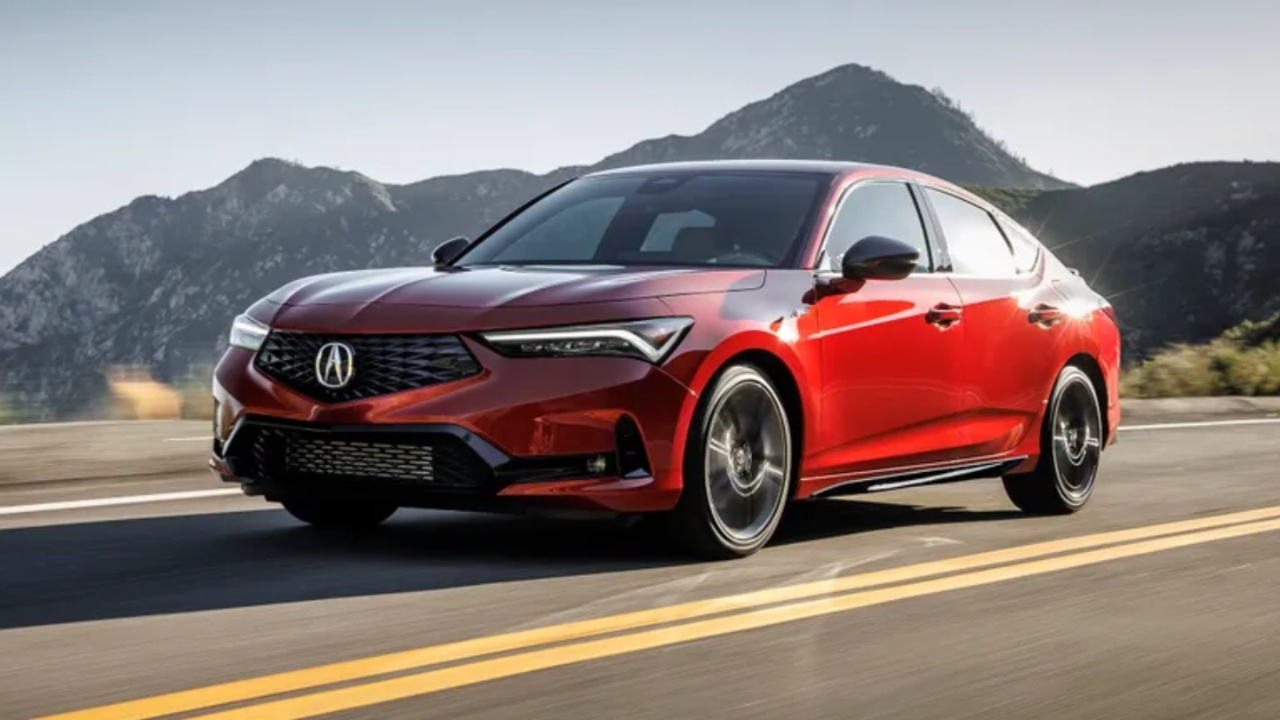
1. 2025 Acura Integra: A Value-Driven Entry Into Luxury
The 2025 Acura Integra stands out as the most affordable luxury car on the market at $34,195, blending solid build quality, comfort, and practicality. Though heavily based on the Honda Civic, it delivers enough refinement and capability to compete with entry-level models from Audi and BMW.
While its 200-hp engine trails some luxury rivals in raw performance, the Integra compensates with excellent fuel economy, everyday usability, and a spacious hatchback design that sets it apart.
On the road, the Integra offers a balanced but modest performance. The manual model reaches 60 mph in 7.8 seconds, slower than many competitors and even slightly behind the Civic Si with the same powertrain. Braking performance is average, and while the chassis feels inherently capable, the standard all-season tires limit grip.
Models equipped with the A-Spec with Technology package gain adaptive suspension dampers that improve ride comfort and place it closer to true luxury rivals. Driver assistance features are fewer than expected for the class, but those included, such as manual-friendly adaptive cruise control, are well executed.
Much of the cabin mirrors the Honda Civic, offering intuitive physical controls and generous space for adults and child seats. Rear legroom is especially strong compared to other compact luxury sedans.
However, seat support is only average, and the passenger seat’s limited adjustment options feel subpar for a luxury vehicle. The climate control system also disappoints because it takes longer to cool the cabin and lacks rear air vents.
Tech features are competent but unremarkable. A 9-inch touchscreen is now standard, featuring quick responses and wireless Apple CarPlay and Android Auto, although the single USB-C port feels insufficient. Cargo capacity is a major highlight. The 24.3 cubic foot hatchback trunk far surpasses competitors, supported by useful in-cabin storage options.
The Integra’s main challenge is convincing shoppers to pay more than Civic Si pricing for a car that shares many of the same fundamentals while offering an interior that feels less upscale than rival luxury cars. Even so, its four-year or 50,000-mile warranty and six-year or 70,000-mile powertrain coverage are competitive. Fuel efficiency is strong at 30 mpg combined with the manual and 32 mpg combined with the CVT.
Although it is not exceptionally luxurious or thrilling, the Integra remains a practical, efficient, and affordable gateway to luxury. The high-performance Type S model adds the excitement that some buyers may find missing in the standard version.
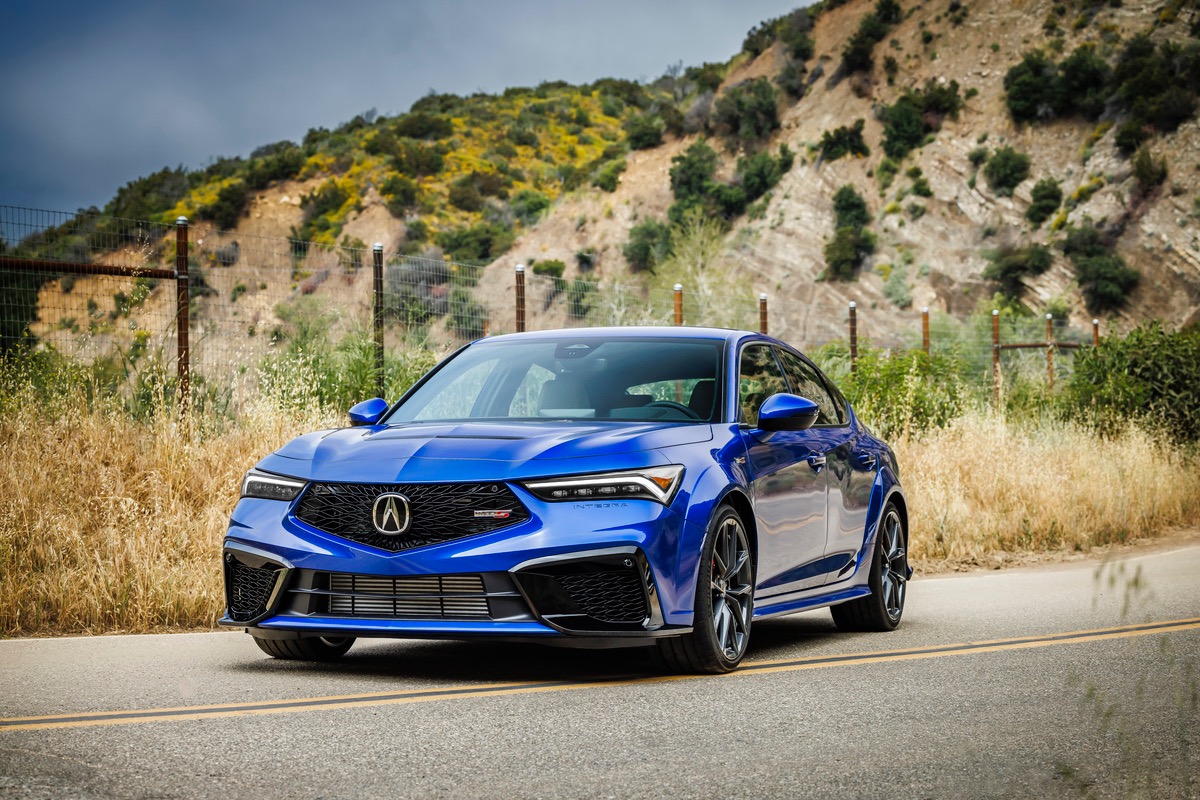
2. 2025 Cadillac CT4: Rear Wheel Drive Luxury at a Value Price
The 2025 Cadillac CT4 enters the luxury segment at $36,490, making it one of the few premium sedans available for under forty thousand dollars. It delivers impressive handling and chassis dynamics, especially for its price, and stands out as the most affordable Rear Wheel Drive luxury sedan on the market.
While its performance credentials and athletic character give it an edge over front-drive rivals, the CT4 falls short in interior space, trunk capacity, and the refinement of its base engine.
The CT4 offers two turbocharged four-cylinder engines. The base 2.0-liter makes 237 horsepower and pairs with an eight-speed automatic. The available 2.7 liter produces 310 horsepower in the Premium Luxury trim and 325 horsepower in the CT4 V, both paired with a ten-speed automatic.
Rear Wheel Drive is standard and contributes to the car’s playful handling, a trait uncommon among competitors like the Audi A3 and BMW 2 Series Gran Coupe, which use front-drive platforms. All Wheel Drive is optional.
In testing, the base engine reached 60 mph in 5.8 seconds, while the 310-horsepower version needed 4.7 seconds. The CT4 V posts similar acceleration at 4.7 seconds, offering quick performance without sacrificing ride quality. Even in its sportiest configuration, the suspension absorbs rough roads well and provides precise, rewarding handling.
Fuel efficiency is competitive across the lineup. The Rear Wheel Drive 2.0-liter returns 22 mpg city, 32 mpg highway, and 26 mpg combined, and achieved 33 mpg in real-world testing. The more powerful 2.7-liter records slightly lower estimates, but both it and the CT4 V delivered 35 mpg in highway evaluations.
Inside, the CT4 features more intuitive physical controls than its predecessor, although materials and textures still feel budget-oriented in places. Rear seat space remains tight, and the trunk offers only 10.7 cubic feet of cargo capacity. Higher trims improve comfort with additional luxury and tech options.
An 8-inch touchscreen is standard, supporting Apple CarPlay, Android Auto, and a Wi Fi hotspot. Navigation and a 14-speaker Bose audio system are available.
Standard safety equipment includes automated emergency braking, lane departure warning, and lane keeping assist. Cadillac’s Super Cruise semi-autonomous system is optional on upper trims. The CT4 offers strong warranty coverage with a four-year or 50,000-mile limited warranty and six-year or 70,000-mile powertrain protection, along with one complimentary maintenance visit.
The CT4 delivers engaging performance and genuine luxury value, held back mainly by its modest interior space and base engine refinement.
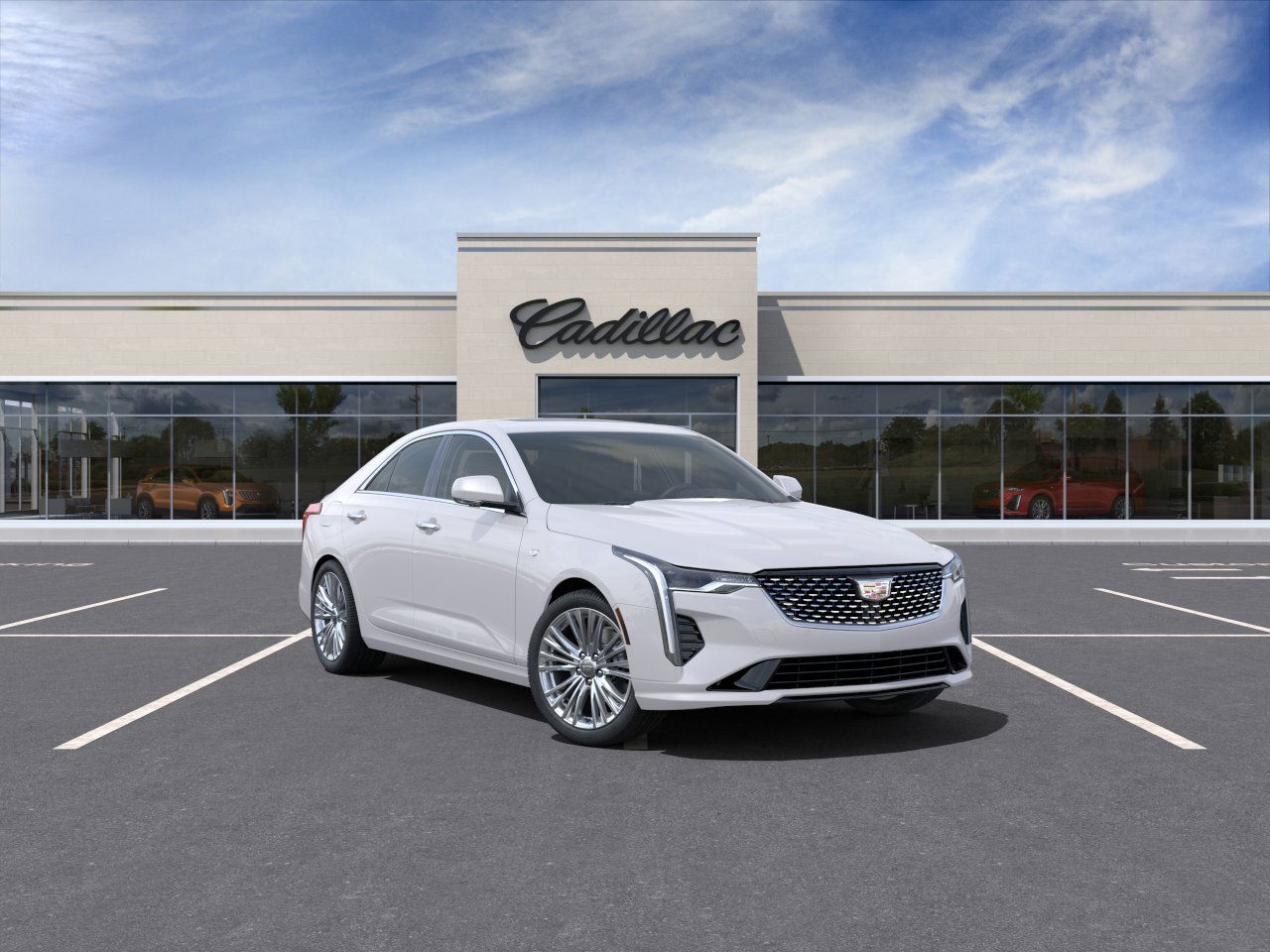
3. 2025 Audi A3: Compact Luxury With Everyday Appeal
The 2025 Audi A3 40 Premium enters the luxury market at $39,495, making it the third most affordable luxury car currently sold in the United States. While pricier than many subcompact cars, it delivers a premium experience that closely mirrors Audi’s larger models.
Its compact size results in a tight cabin, noticeable road noise, and a small trunk, and it is not as sporty as the performance-oriented S3. Even so, the A3 offers refined technology, upscale styling, and an energetic driving feel.
The A3’s small footprint creates a light and nimble character, whether driven on a winding road or through tight city streets. Its steering is accurate, though it does not provide much road feedback.
Power comes from a lively turbocharged engine that supplies strong low and mid-range torque, helping the A3 achieve a 0 to 60 mph time of 6.3 seconds. The transmission enhances daily drivability with smooth, quick shifts. While Audi leaves its highest performance capabilities to the S3 and RS 3, the base A3 still offers plenty of fun and confidence.
Despite its compact size, the A3 accommodates taller front passengers comfortably. The seats offer generous adjustments, making it easy to find a suitable driving position. The rear seat is tighter, best suited for shorter trips, but entry and exit are easy due to the car’s narrow width and short doors. Controls are intuitive, although Audi has shifted more functions to the touchscreen, burying some settings deeper than ideal.
The A3 uses Audi’s previous-generation tech system, but it remains one of the most intuitive options in the segment. Features include a crisp navigation display that can appear in the digital cluster and an available head-up display for clearer guidance. Wireless Apple CarPlay and Android Auto are standard, and the optional Sonos audio system delivers impressive sound quality.
Cargo capacity is modest at 10.9 cubic feet, though the space is tall and wide enough to be practical. Folding rear seats expand usability, and front storage solutions such as door pockets and a convenient phone bin help compensate for the small center console.
Even as one of the most affordable luxury sedans, the A3 feels upscale, offering leather upholstery, a 10.1-inch touchscreen, and heated front seats. Warranty coverage is average at four years or 50,000 miles. Fuel economy is a strong point, with an EPA estimate of 28 mpg combined and real-world results closer to 30 mpg.
The A3 blends modern design, solid technology, and engaging performance in a compact, premium package that remains both practical and enjoyable.
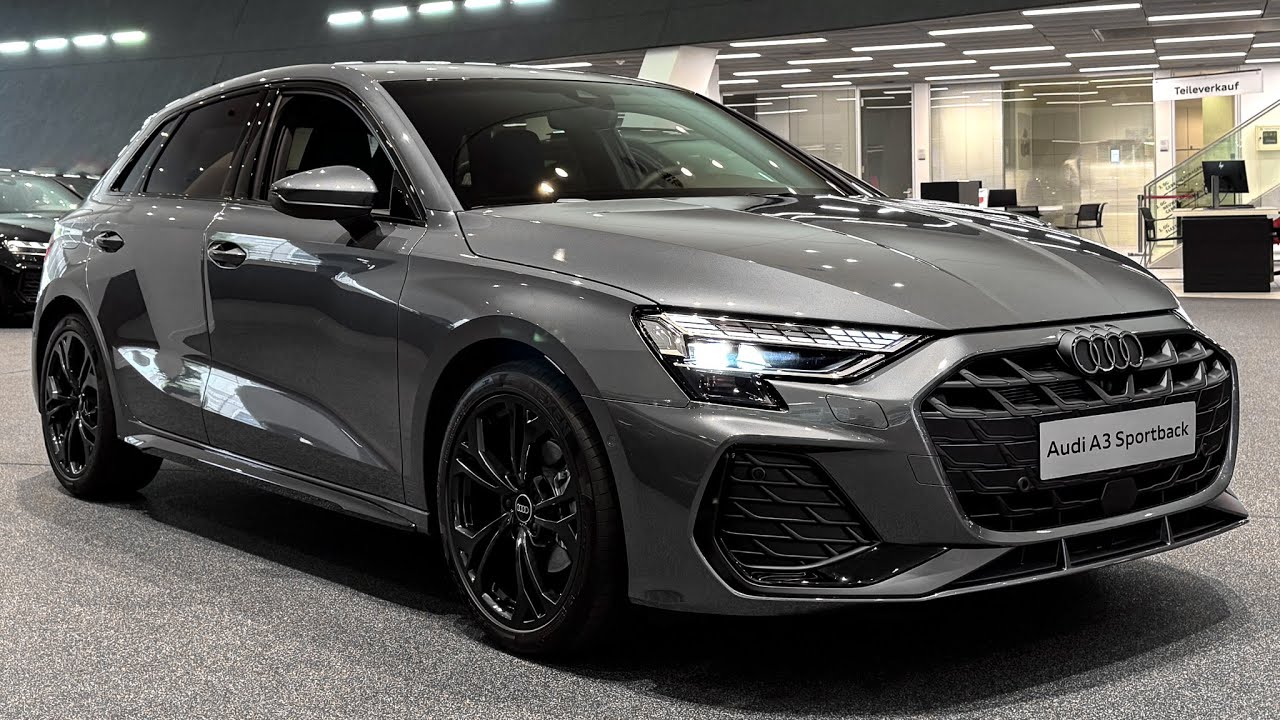
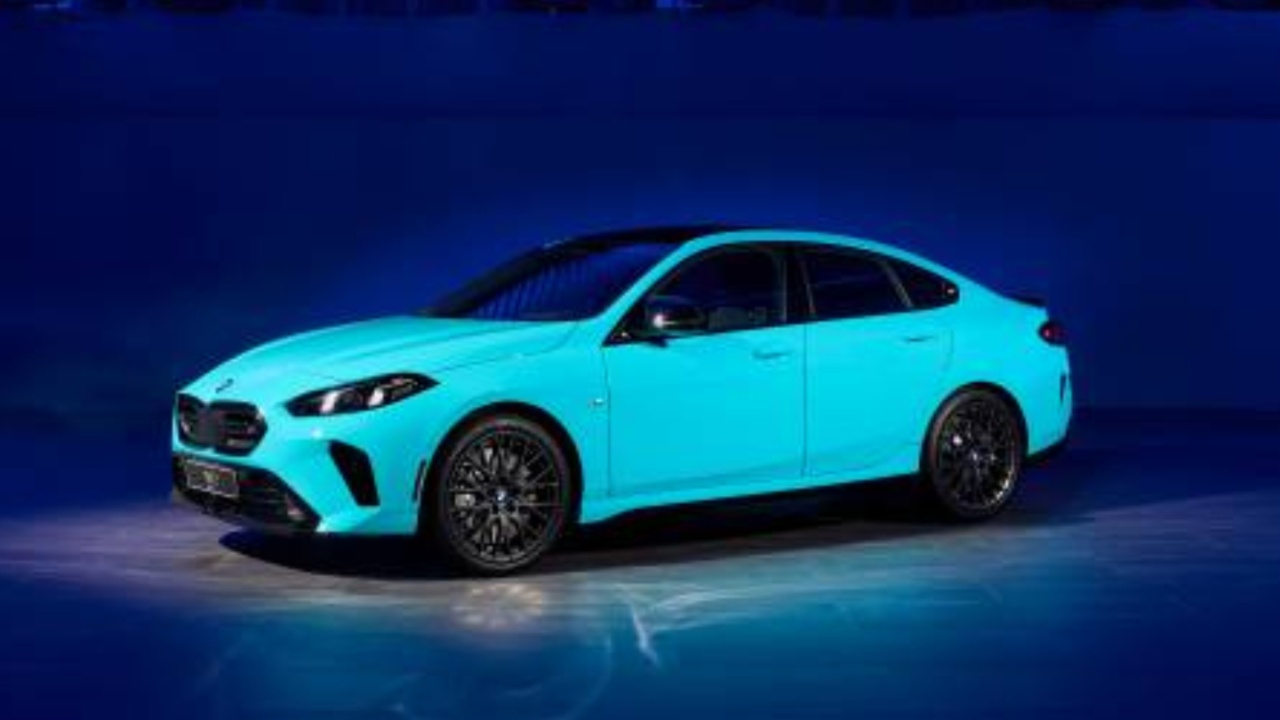
4. 2025 BMW 228i Gran Coupe: Entry-Level BMW With Strong Performance but Mixed Luxury
The 2025 BMW 228i Gran Coupe, priced at $40,775, is the most affordable sedan in BMW’s lineup. It offers impressive performance, solid technology, and more interior space than many rivals.
However, its firm ride quality, modest rear seat room, and unusual styling limit its appeal as a true luxury contender. Positioned between the sportier two door 2 Series Coupe and the practical X1 SUV, the Gran Coupe occupies a narrow niche that may feel redundant for some shoppers.
The 2 Series Gran Coupe marks BMW’s shift toward compact, front wheel drive based platforms in the United States. Although smaller than the modern 3 Series, it still feels substantial on the road.
The front seats are roomy and well designed, offering a comfortable driving position and a clean layout with easy to reach controls. BMW’s latest iDrive infotainment system is included and works smoothly after a short learning curve.
The cabin, however, suffers from inconsistent materials. While optional leather and high quality switchgear add some richness, the variety of black plastic textures throughout the interior makes the design feel cluttered. Rear seat space is tight despite the car’s size, and BMW’s mix of finishes lacks the cohesive simplicity found in its more expensive models.
Where the 228i truly shines is behind the wheel. Its steering is accurate and responsive, and the all wheel drive system provides stability without noticeable torque steer. Everyday ride comfort is good even with 18 inch run flat tires, although the car lacks the playful rear drive balance that characterizes classic BMWs due to its front weight bias.
The turbocharged 2.0 liter engine delivers 228 horsepower and 258 lb ft of torque, resulting in quick acceleration. The 228i reaches 60 mph in 5.1 seconds and completes the quarter mile in 13.8 seconds, nearly matching the performance of the larger 330i. Turbo lag is present in hard launches but not noticeable in daily driving.
Fuel economy stands at 23 mpg city and 33 mpg highway, with an impressive 37 mpg achieved in real world highway testing. While the 228i offers good value with a lower starting price than the 330i, many buyers may find the larger sedan worth the extra cost due to its better handling and more spacious interior.
The BMW 228i Gran Coupe delivers strong performance and modern technology but falls short in luxury refinement and interior cohesion.
5. 2025 Lexus IS300: Aging Luxury Sedan With Strong Engines but Limited Space
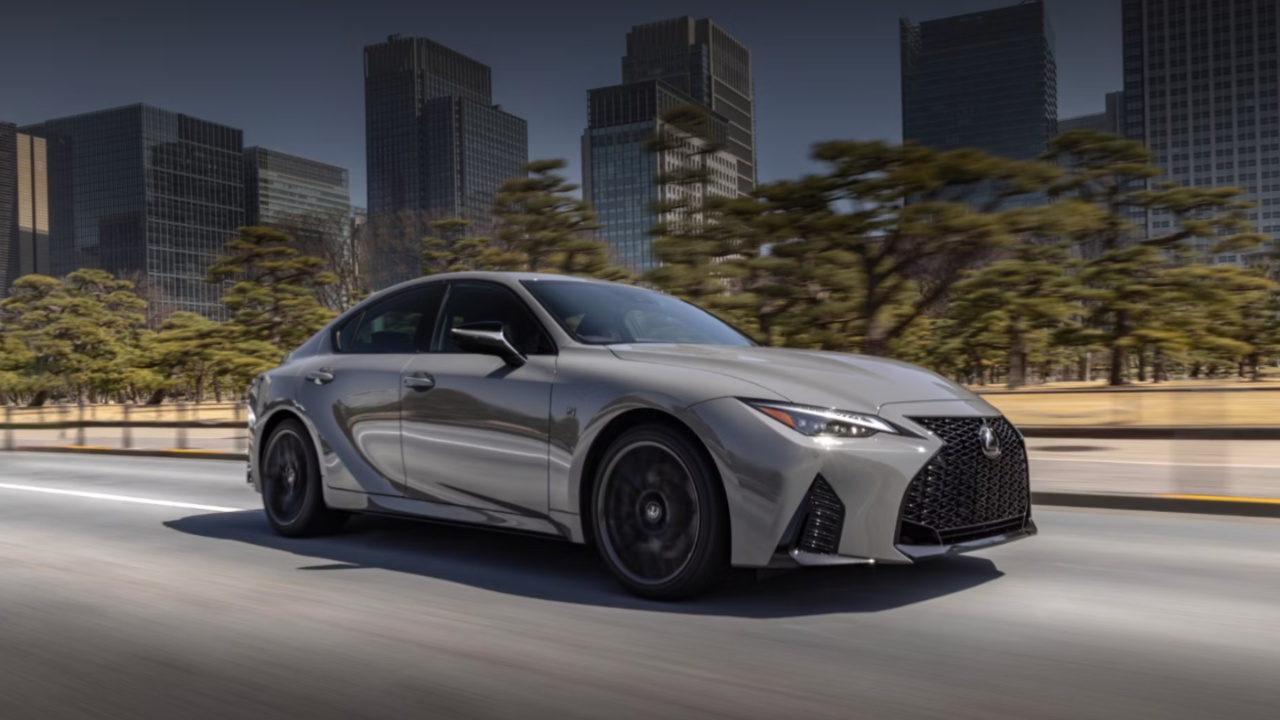
The 2025 Lexus IS300 remains stylish, but its age is increasingly difficult to overlook. As the entry point to the IS lineup, the IS300 uses a 241 horsepower turbocharged four cylinder engine that delivers adequate performance but falls short of showcasing the sedan’s sporty chassis.
The more powerful IS350, with its 311 horsepower V6, unlocks the car’s true potential, while the range topping IS500 stands out for its 472 horsepower naturally aspirated V8. Although the V8 model is slower than high performance rivals from Cadillac, BMW, and Mercedes, it offers a unique character and class exclusive engine note.
Performance varies significantly across trims. The rear wheel drive IS350 F Sport reaches 60 mph in 5.6 seconds, a solid figure within the compact luxury segment. The IS500 improves on that time with a 4.3 second sprint, though its delivery is more relaxed and less aggressive than the top German alternatives. Both the IS300 and IS350 offer optional all wheel drive, while the IS500 remains rear drive only.
Fuel economy depends on configuration. The rear wheel drive IS300 is the most efficient at 21 mpg city and 31 mpg highway, while adding all wheel drive results in noticeable drops.
The V6 powered IS350 returns up to 20 mpg city and 28 highway in rear wheel drive form, and its all wheel drive version matched the IS300’s 30 mpg result in highway testing. The IS500, unsurprisingly, is the thirstiest at 17 mpg city and 25 highway.
Inside, the IS delivers high quality materials and solid build quality. Standard amenities include power front seats, dual zone climate control, and push button start, with a sunroof available as an option. However, passenger space is limited. The back seat is cramped for adults and front storage is sparse, with only small bins and little room for everyday items.
The infotainment system includes an 8 inch or optional 10.3 inch touchscreen, both controlled through a touchpad that feels outdated compared to newer Lexus models. Apple CarPlay, Android Auto, and Amazon Alexa are all standard, and an optional Mark Levinson audio system upgrades sound quality significantly.
Lexus equips every IS with a robust suite of driver assistance features and backs the car with strong warranties. Coverage includes a four year or fifty thousand mile limited warranty, a six year or seventy thousand mile powertrain warranty, and one year of complimentary maintenance.
Also Read: 10 Cars With DIY-Friendly Oil Filters and Drain Plugs
6. 2025 BMW 230i Coupe: A Modern Throwback With Surprising Performance
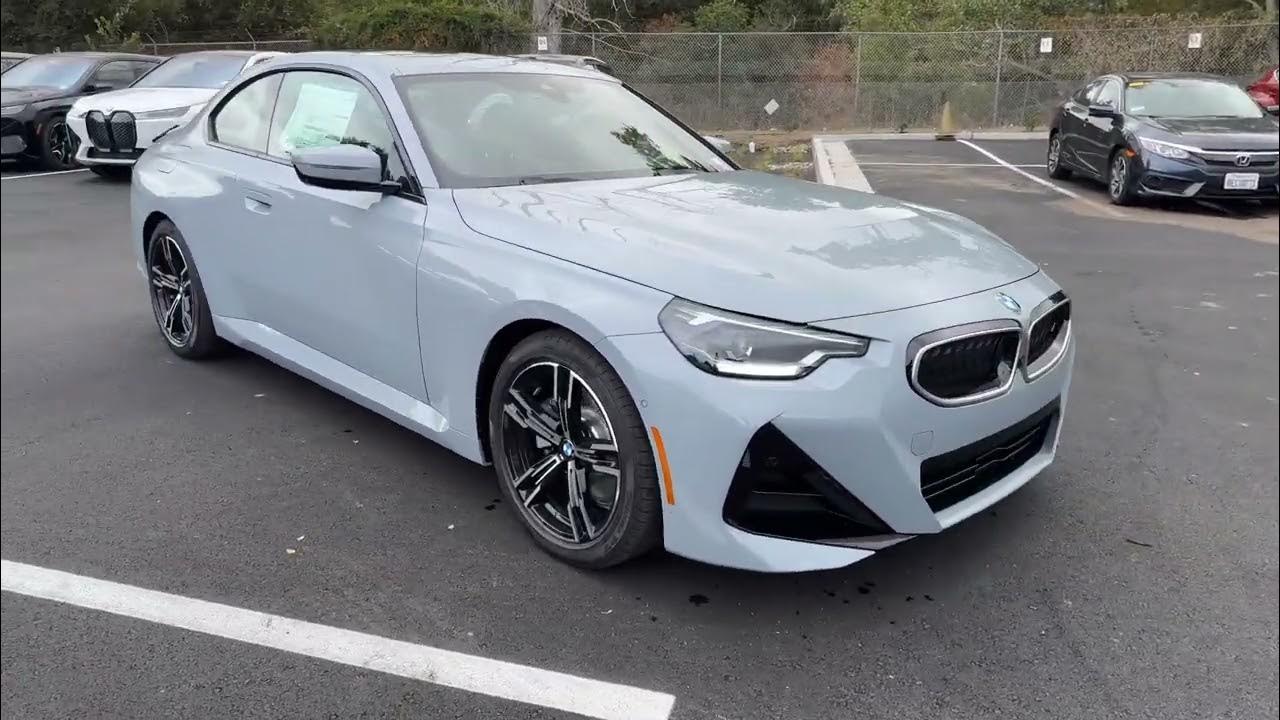
The 2025 BMW 230i Coupe stands apart as the purest expression of BMW’s compact rear wheel drive heritage. Despite sharing its 2 Series name with the unrelated front wheel drive Gran Coupe, the 230i is the lighter, more focused, and more traditionally BMW option.
Redesigned in 2022, it channels the spirit of the classic BMW 2002 with understated styling, balanced proportions, and a driving experience centered on agility rather than excess.
The 230i uses a 255 horsepower turbocharged 2.0 liter four cylinder engine paired exclusively with an eight speed automatic transmission. Although its power rating seems modest, real world performance is stronger than the numbers suggest.
The coupe sprints to 60 mph in 5.1 seconds and completes the quarter mile in 13.7 seconds at 101 mph, competing with cars like the Subaru WRX or V6 Chevrolet Camaro despite being more refined and rear wheel drive. The chassis is the star of the show, delivering excellent grip, balance, and steering precision.
Optional summer tires help the 230i generate 0.92 g on the skidpad, and the nearly perfect 50/50 weight distribution enhances confidence in tight corners. BMW’s brakes are equally impressive, stopping from 70 mph in just 152 feet with no fade even under repeated hard braking.
The design avoids the bold styling trends of larger BMWs. With a long hood, short rear deck, and a modest grille, the 230i is clean and compact, recalling dimensions of the early 2000s 3 Series coupe. Functional aerodynamic elements and optional M Sport brakes add just enough flair without overwhelming the car’s classic look.
Inside, the cabin favors simplicity and quality. Standard SensaTec upholstery feels convincing, and choosing fewer options keeps the price lean and preserves the car’s old school character.
Despite having a back seat for occasional use, the 230i remains primarily a driver focused coupe. Notably, some driver assist features such as adaptive cruise control are not standard. Still, fuel economy is excellent for a sporty coupe, with highway results reaching 38 mpg during testing.
As one of the last affordable rear wheel drive European coupes on the market, the 230i fills a niche few competitors occupy. It blends subtle styling, strong performance, and everyday usability, proving that BMW’s classic formula still has life left.
7. 2025 Lexus ES350: Classic Luxury, Full Size Comfort, and a Final Farewell to the V6
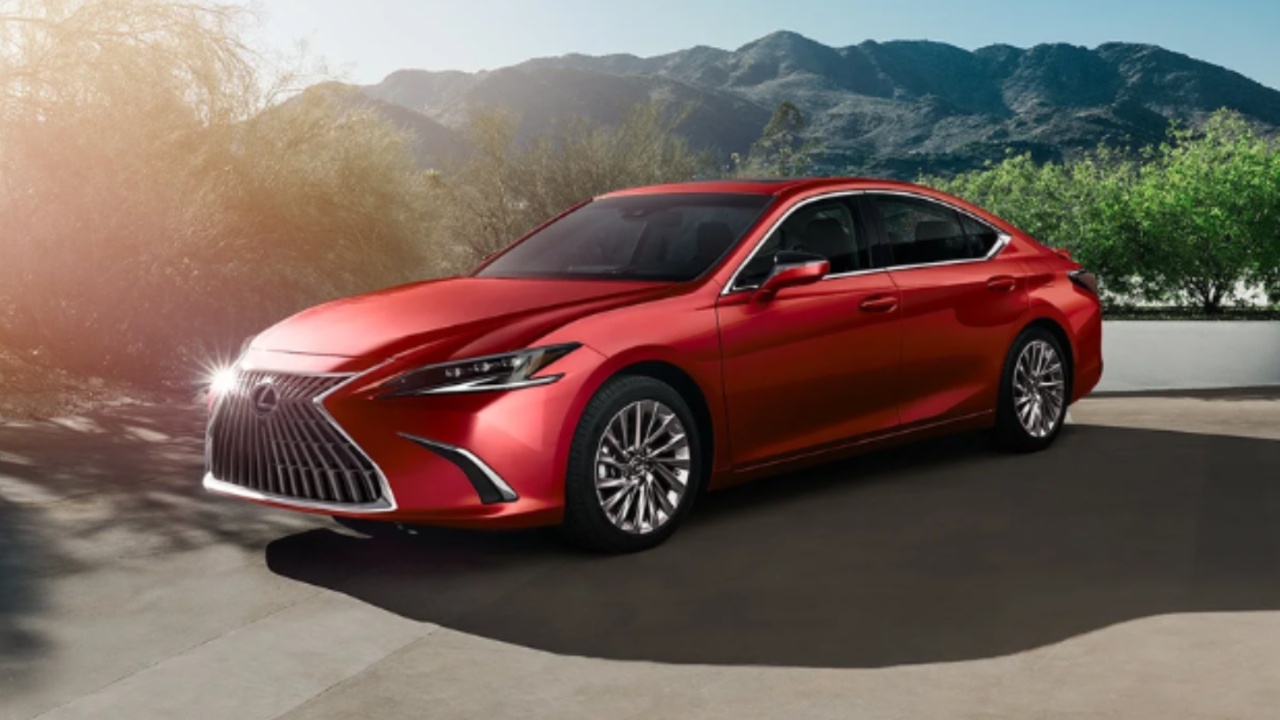
The 2025 Lexus ES350 stands out as the only true full size luxury sedan in its price range. While most competitors at this level are compact or small midsize models, the ES offers the space, refinement, and quiet ride expected from an executive class sedan. This model year also marks the final opportunity to buy a V6 powered ES, as the upcoming 2026 redesign will transition entirely to hybrids and electric variants.
Powered by a smooth 3.5 liter V6, the ES350 delivers strong and refined acceleration. It is not the quickest in its class, yet its predictable power delivery and well tuned transmission create a calm, gliding driving experience. Steering is nicely weighted, and although ultimate handling grip is modest, the ES is more composed in corners than expected from a comfort oriented sedan.
Around town, gear changes are seamless and the drivetrain remains nearly silent, reinforcing the car’s luxury character. Driver assistance features are fewer than some rivals, but the essentials such as adaptive cruise control, lane keeping assistance, and blind spot monitoring operate smoothly.
Comfort is where the ES350 excels. The cabin is exceptionally quiet and well insulated, rivaling much more expensive sedans for refinement. Front seats are supportive without being restrictive, making entry and exit easy.
Rear seats provide generous comfort for long trips despite being wide and slightly flat. Road and tire noise are nearly eliminated, and engine noise is barely noticeable. Only a bit of wind noise at highway speeds breaks the near silence.
Technology has improved over the years, with higher trims offering a responsive 12.3 inch touchscreen. Graphics are plain but functionality is excellent, with intuitive touch and voice controls plus wireless Apple CarPlay and Android Auto. Interior storage is sufficient, though the trunk’s 13.9 cubic feet is limited by the lack of folding rear seats.
The ES350 delivers strong value through high grade materials, impeccable build quality, and an interior that feels more expensive than its price suggests. Fuel economy is rated at 25 mpg combined, though real world numbers tend to be lower.
Still, the ES’s serenity, durability, and effortless comfort create a uniquely calming luxury experience. For buyers seeking a smooth, spacious, and elegant sedan, the 2025 ES350 represents the final chapter of Lexus V6 comfort at a compelling price.
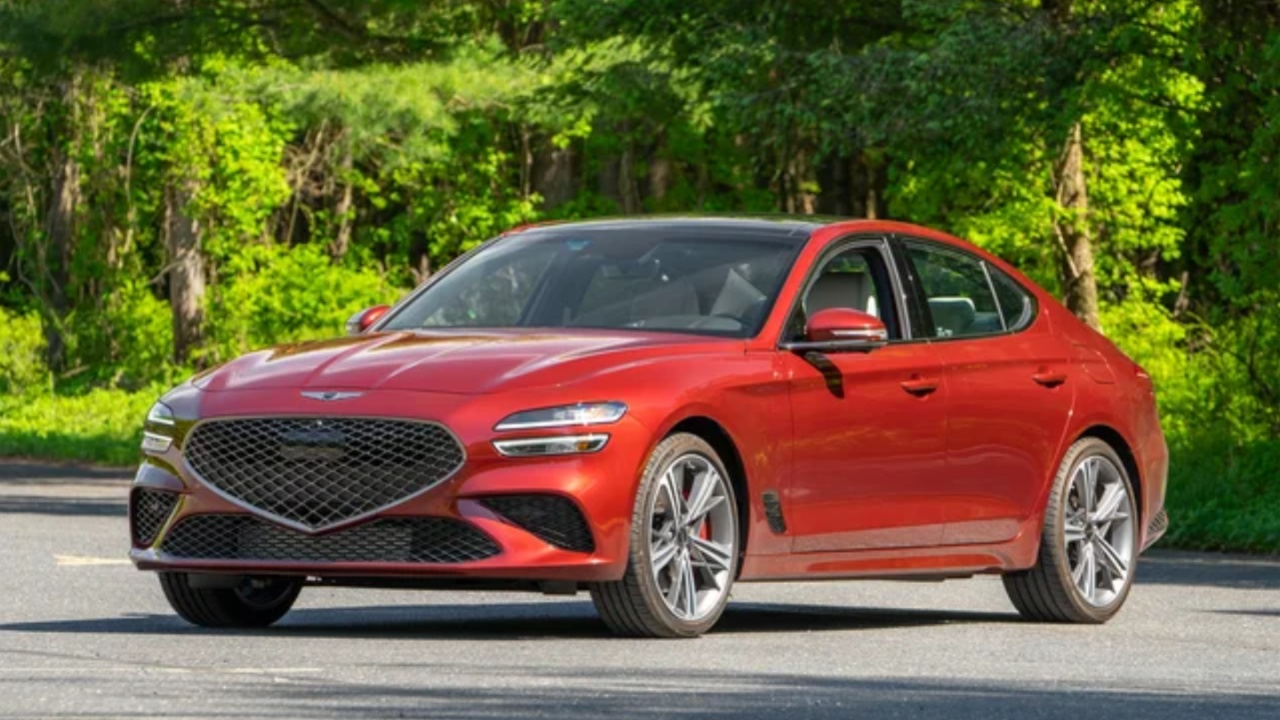
8. 2025 Genesis G70 2.5T: Sleek Style, Strong Performance, and Luxury at a Value
The 2025 Genesis G70 2.5T RWD enters the luxury sport sedan segment with standout design, engaging performance, and a price that undercuts most European rivals. Genesis continues refining the G70, and for 2025 the updated styling, upgraded interior materials, and a more powerful base engine strengthen its appeal.
While its practicality and handling precision lag behind the class leaders, the G70 remains a compelling option for buyers prioritizing performance and aesthetics over cargo space.
The new standard 2.5 liter turbocharged four cylinder produces 300 horsepower, placing it among the most powerful base engines in the segment. It feels significantly quicker than the previous 2.0 liter and nearly rivals the optional 365 horsepower twin turbo V6.
The V6 version achieves a brisk 4.9 second sprint to 60 mph, while the base turbo four delivers strong midrange power and responsive acceleration. However, both powertrains are held back slightly by a transmission that can hesitate to downshift.
Handling is exciting but not as sharp or precise as competitors from BMW and Audi. All season tires limit grip, and emergency braking performance is less impressive than expected, though the suspension absorbs bumps well and ride comfort remains solid.
Inside, the G70 offers supportive seats, refined materials, and a driver focused layout. The cabin is quiet on smooth roads, though rough pavement can introduce noticeable noise.
Climate controls mix physical knobs with touchscreen functions, creating some inconvenience for common adjustments. Space is the G70’s biggest drawback: the back seat is tight, entry and exit are not easy, and the 10.5 cubic foot trunk is small for the class. Still, small item storage options throughout the cabin help offset its limited cargo area.
Technology features are generous, with a crisp touchscreen interface, wired Apple CarPlay and Android Auto, and standard driver assistance systems. The basic audio system is adequate but not standout, and voice recognition trails behind systems in German rivals.
Value is one of the G70’s strongest strengths. With a lower starting price than most competitors and top tier warranty coverage, Genesis delivers luxury and performance at a more accessible cost. While ultimate handling precision and fuel economy fall short of class benchmarks, the G70 excels in style, power, and premium feel, making it an appealing alternative to traditional luxury brands.
9. Volvo Sm60: Scandinavian Style with Smooth Performance and Plug-In Efficiency
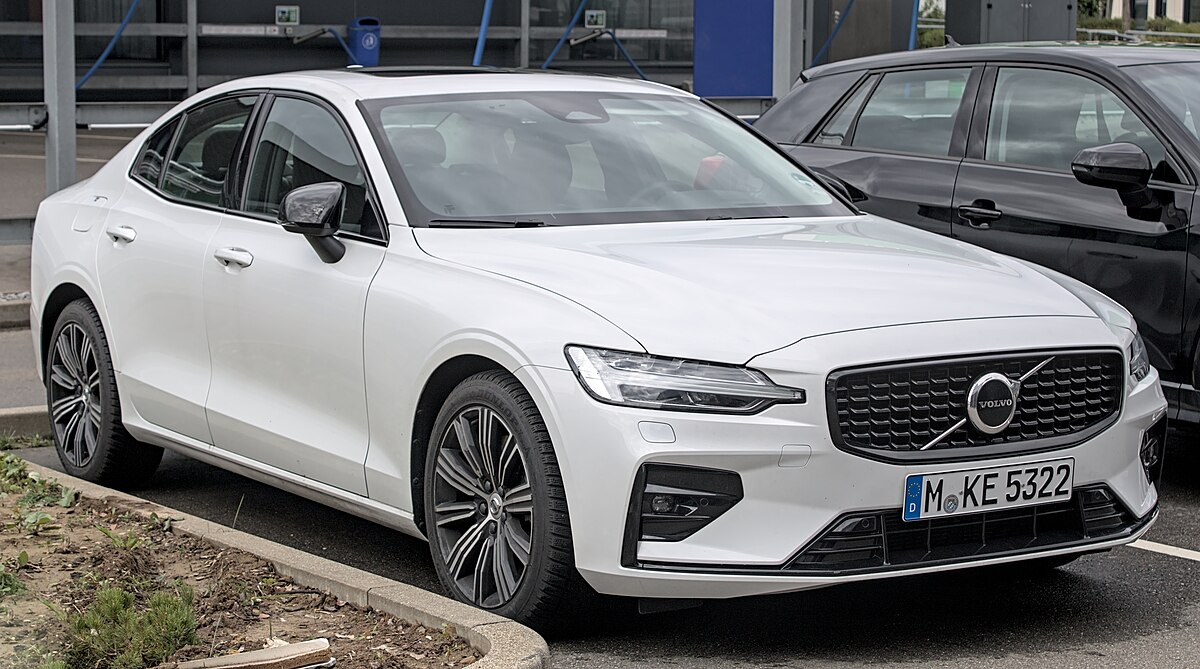
The Volvo S60 stands out in the compact luxury sedan segment with its refined Scandinavian design, strong safety reputation, and comfortable interior. Competing with models such as the BMW 3 Series and Lexus IS, it offers a balanced blend of practicality, elegance, and advanced technology.
The entry model features a mild hybrid turbocharged four-cylinder, while the T8 plug-in hybrid delivers impressive performance and efficiency.
Performance in the S60 T8 is a highlight. Its plug-in hybrid system pairs a turbocharged engine with a strong electric motor, enabling a rapid 0 to 60 mph sprint of 4.5 seconds. In Pure mode, the electric motor alone provides confident acceleration suitable for city driving and even freeway merging.
Transitions between electric and gas power are smooth, and the braking system blends regenerative and mechanical braking predictably. The transmission can occasionally hunt for gears in gas-only mode, but refinement remains high. Handling is more athletic than expected, giving the S60 T8 a sporty feel despite its restrained appearance.
Comfort is another Volvo strength. The front seats offer ample adjustability and long-distance support, and the suspension delivers a controlled, compliant ride over rough surfaces. The cabin stays especially quiet when operating on electric power. However, climate controls are buried in a touchscreen interface that can be confusing and slow to adjust.
Inside, materials feel premium, though the combination of touch and button controls could be more intuitive. Front seat space is generous, but rear passengers over six feet may find headroom tight.
Tech integration centers on Google-based infotainment with built-in Google Maps and an app store. Apple CarPlay is supported through a cable, but Android Auto is no longer available. The optional Bowers & Wilkins audio system is a standout upgrade.
Storage space is adequate, with an 11.6-cubic-foot trunk and foldable rear seats. Small item storage is limited, particularly in the shallow center console. Child seats fit well thanks to easily accessed anchors. The S60 T8’s efficiency is excellent, offering 40 miles of electric range and strong hybrid fuel economy that exceeded EPA estimates in testing.
With a premium cabin, smooth plug-in performance, and hallmark Volvo safety, the S60 delivers strong value despite warranty coverage being only average for the segment.
10. Tesla Model 3 Long Range RWD: Refined, Efficient, and Surprisingly Affordable
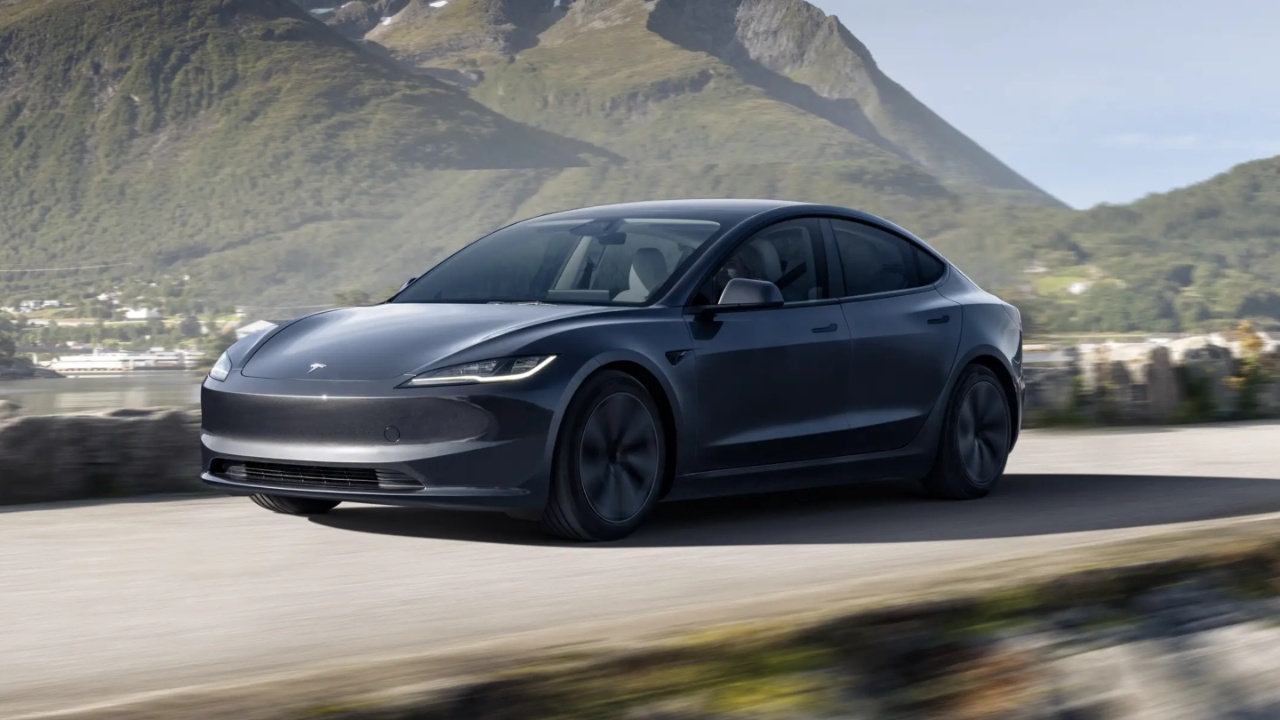
The 2025 Tesla Model 3 Long Range RWD Highland refresh delivers meaningful improvements in performance, comfort, and efficiency without needing the costly “maximum everything” options.
While the optional Full Self-Driving remains unreliable and the lack of an instrument cluster is unconventional, this version remains a compelling long-range EV at a competitive price point. Real-world range testing yielded 211 miles at a steady 70 mph, slightly below Tesla’s claims, but Supercharger speeds are practical, replenishing 118 miles in 15 minutes.
Tesla’s updates include a larger 79.7-kWh battery and an upgraded electric motor now producing 286 horsepower, up from 221. The Highland model also features upgraded interior finishes, revised suspension for a smoother ride, and subtle exterior tweaks such as slit-like headlights, simplified front and rear fascias, and aerodynamic improvements that slightly reduce the drag coefficient.
Acceleration has improved significantly, with a 0–60 mph sprint in 4.6 seconds and a quarter-mile time of 13.2 seconds at 107 mph, making the Model 3 LR a capable performer in urban traffic and highway driving.
The interior is minimalistic, with most controls centralized on a 15.4-inch touchscreen. While the lack of a conventional instrument cluster and stalks takes some adjustment, the placement of the speedometer and gear controls is intuitive.
Voice commands work reliably, and many vehicle functions, including steering and mirrors, are controlled via the touchscreen. Rear passengers benefit from a dedicated 8.0-inch screen for HVAC and entertainment functions.
The cabin remains impressively quiet, aided by acoustic glass and standard Michelin Primacy Acoustic tires, though these limit cornering grip to 0.84 g and stopping distances are modest at higher speeds.
Front-seat comfort is generous, but rear legroom is limited, comparable to a BMW 3 Series. Luggage capacity is competitive, with 21 cubic feet in the trunk and 3 in the frunk.
The ride is refined, and regenerative braking allows for one-pedal driving in city conditions. Efficiency has improved, with a 363-mile EPA range translating to roughly 280 miles at a 10 percent charge, making medium-distance trips feasible with careful charging.
Priced at $44,130, the Model 3 Long Range RWD represents substantial value compared to earlier models and competitors, particularly when factoring in potential EV rebates. The combination of enhanced range, performance, cabin refinement, and Tesla’s charging network keeps the Model 3 as a benchmark for mainstream, long-range electric vehicles.
Whether it is the sleek lines of the Tesla Model 3, the refined interior of the Volvo S60, or the sporty flair of the BMW 230i, these ten cars demonstrate that stylish design and affordability can coexist in 2025.
They show that buyers no longer have to sacrifice looks for value or efficiency, delivering comfort, performance, and technology at accessible prices. For those seeking a vehicle that impresses both visually and functionally, this list provides a roadmap to budget-conscious choices that remain compelling, enjoyable, and undeniably stylish on the road.
Also Read: 5 Cars with Clear Night Headlights vs 5 with Dim Setups