When families plan outings with grandparents whether it’s Sunday brunch, medical appointments, or picking them up for a holiday gathering the vehicle you choose can make or break the experience.
Older adults tend to value different things in a car compared to younger drivers: ease of entry, visibility, gentle ride quality, quiet cabins, and seats that don’t feel like climbing into a roller coaster.
The wrong vehicle can leave them rubbing their knees or holding onto the door frame for stability. The right one makes them feel comfortable, confident, and part of the journey rather than struggling through it.
In the United States, more multigenerational households and close-knit extended families are relying on a single car to handle driving needs across age groups.
That means your vehicle should be just as friendly for teens as it is for grandparents.
Below, we break down seven rides that tend to earn praise from older passengers followed by seven vehicles they often complain about due to real-world usability issues.
Rides That Grandparents Enjoy
Choosing a car that keeps grandparents comfortable isn’t just about soft seats or a smooth ride, it’s about making every trip easier, safer, and more enjoyable.
From effortless entry and exit to supportive seating and calm, predictable handling, the right vehicle can make a huge difference in day-to-day driving. In this roundup, we highlight the rides that truly cater to older passengers and drivers, offering the comfort, visibility, and simplicity that grandparents appreciate most.
1. Toyota Highlander
Grandparents consistently enjoy the Toyota Highlander because it solves most mobility concerns without feeling oversized.
The step-in height is ideal neither as low as a sedan nor as tall as a truck so getting inside doesn’t require crouching or climbing.
Its seats are supportive yet soft, the cabin remains quiet even on highway runs to see family, and its smooth ride filters out minor bumps that can otherwise jar sensitive backs or joints.
The Highlander also offers wide-opening rear doors, making it simple for grandparents to swing their legs in without twisting awkwardly.
The three-row SUV segment owes much of its current popularity to the Highlander. First launched for the 2001 model year, the fourth-generation Highlander went on sale in 2020. Across every generation, the Highlander has delivered a versatile three-row interior paired with Toyota’s hallmark reliability and value.
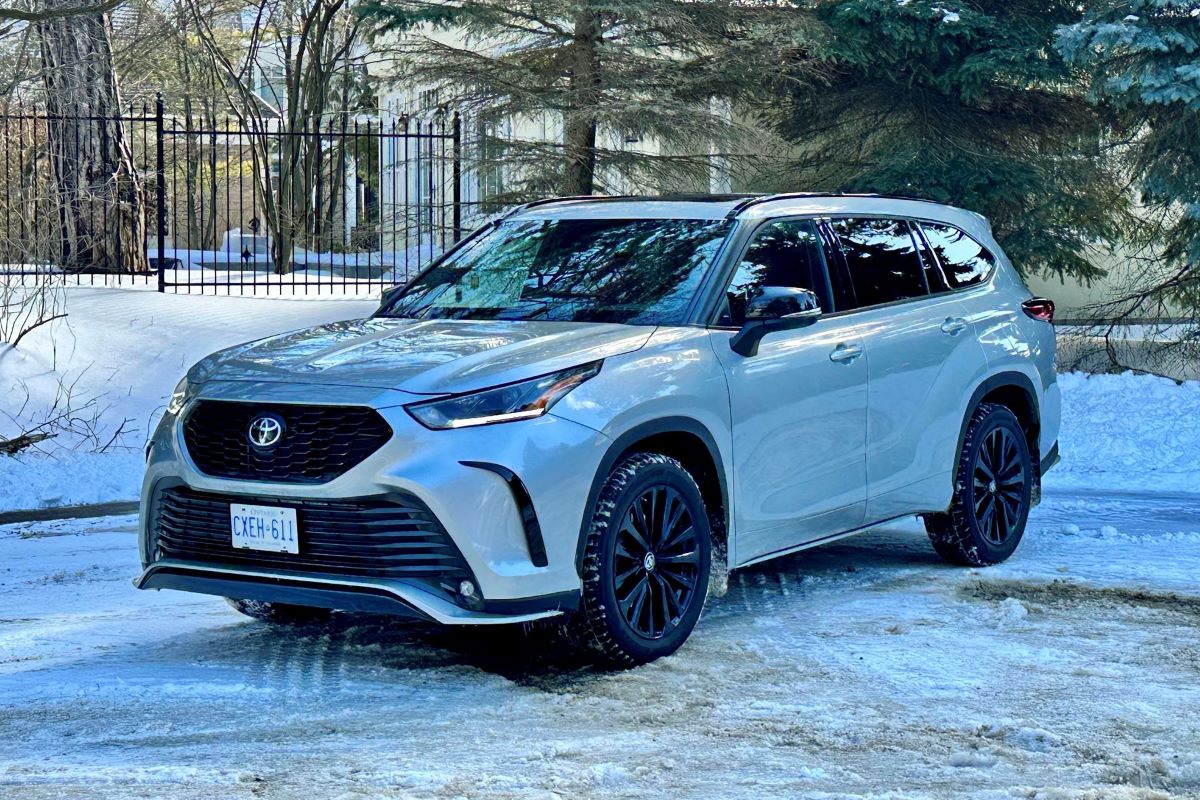
These qualities have helped it set the tone for family-oriented crossovers and secure a spot as a best-seller within Toyota’s lineup. By default, the Highlander accommodates eight passengers, though choosing the second-row captain’s chairs reduces seating to seven.
Over its two-decade run, the Highlander has influenced the three-row SUV segment by providing features that resonate with families. That said, competitors have noticed these strengths, and in many cases, improved upon them.
At its core, the Highlander fulfills the role of a versatile, easy-to-drive SUV. Yet, its third row is cramped, accommodating only younger children, and cargo space becomes limited when all seats are in use.
Drivers may also find the ride a bit bouncy, and the engine’s power delivery somewhat uneven. Despite these points, the Highlander offers a wealth of standard features, top-notch safety ratings, and Toyota’s renowned reliability. High-end trims might even give buyers with luxury tastes a moment of hesitation.
Within the 2022 three-row SUV market, the Highlander sits roughly in the middle of the pack. In a recent three-way comparison, it finished second, praised for its fuel efficiency and quiet, practical interior, though held back by its small third row and uninspiring driving experience.
While it doesn’t present any major flaws, drivers seeking something more dynamic, stylish, or engaging may want to explore other options. For those who prioritize safety, comfort, and dependability, the Highlander remains a solid choice, with the hybrid variant standing out as our preferred pick.
Under the hood, the Highlander comes with a 3.5-liter V-6 paired to an eight-speed automatic transmission. This setup produces 295 hp and 263 lb-ft of torque, with front-wheel drive standard and all-wheel drive available.
Also Read: 12 Performance Cars That Still Make Sense As Daily Drivers
2. Subaru Outback
While younger buyers often think of the Outback as an adventure wagon, grandparents appreciate it for its practicality and comfort.
The Outback’s ride height allows for easy entry, and its firm-but-gentle suspension handles rougher suburban streets and rural roads without harshness.
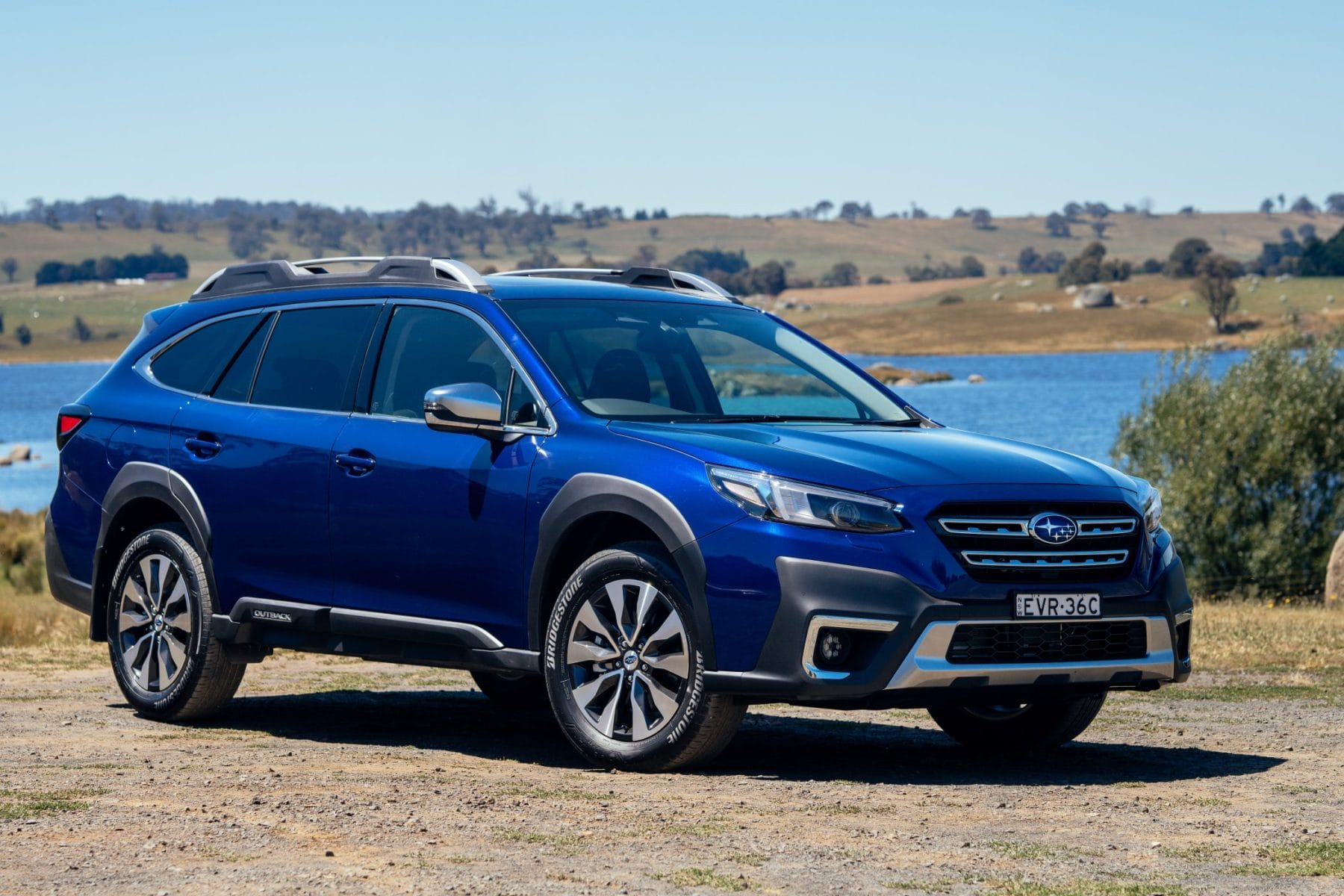
The cabin has exceptional outward visibility, reducing anxiety for passengers who prefer seeing the road. Its seats sit at a natural hip level, which is one of the biggest reasons older adults find it comfortable.
3. Kia Telluride
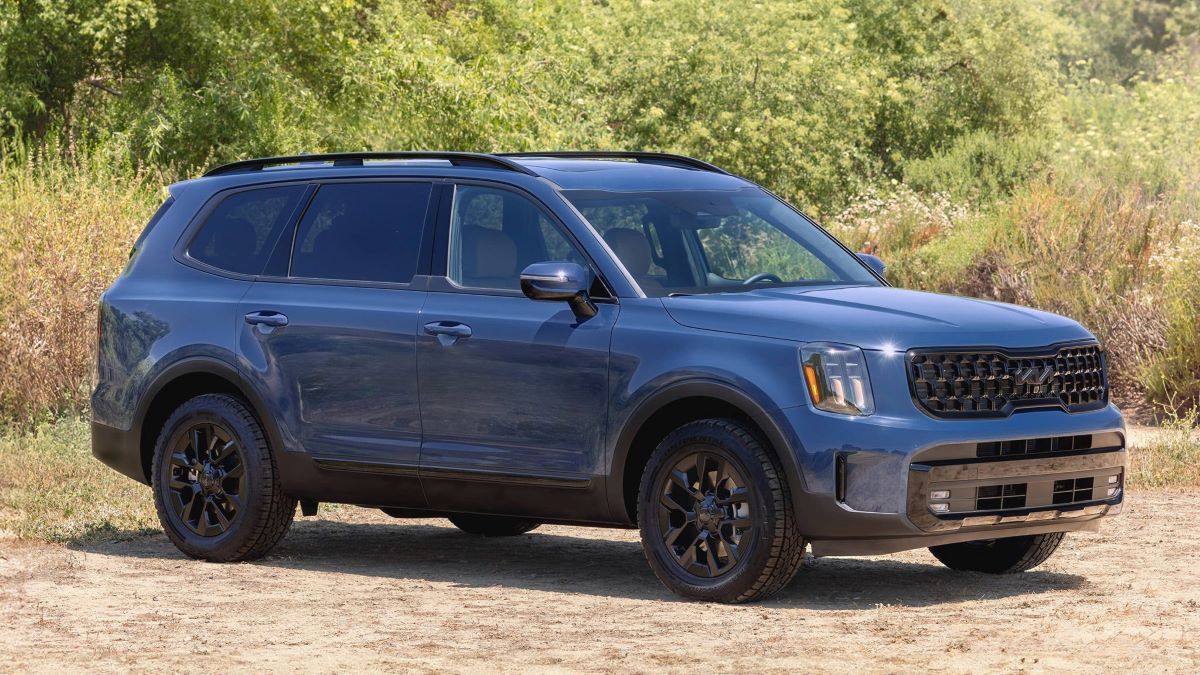
The Telluride has become a hit with families for its upscale interior, but its appeal to grandparents goes deeper. The seats are wide and plush, the ride is quiet and steady, and the third row is actually hospitable for adults in case an extra grandparent jumps in for a family event.
The second-row captain’s chairs in many trims feel like lounge seats and make entering the vehicle easier.
Its big windows prevent any claustrophobic feeling, and climate controls in the rear help grandparents stay comfortable without asking the driver to constantly adjust settings.
The 2022 Kia Telluride stands out among three-row, mid-size crossovers thanks to its striking design, unexpectedly luxurious interior, and exceptional value. Beyond its aesthetic appeal, the largest Kia fulfills its primary mission with ease: transporting families and their belongings comfortably.
With a rugged exterior paired with a richly appointed cabin, the Telluride could easily pass for a Land Rover in terms of style. Every model comes equipped with a suite of standard active safety features and a capable infotainment system, while the top trim adds indulgences such as ventilated rear seats, all at a remarkably reasonable price.
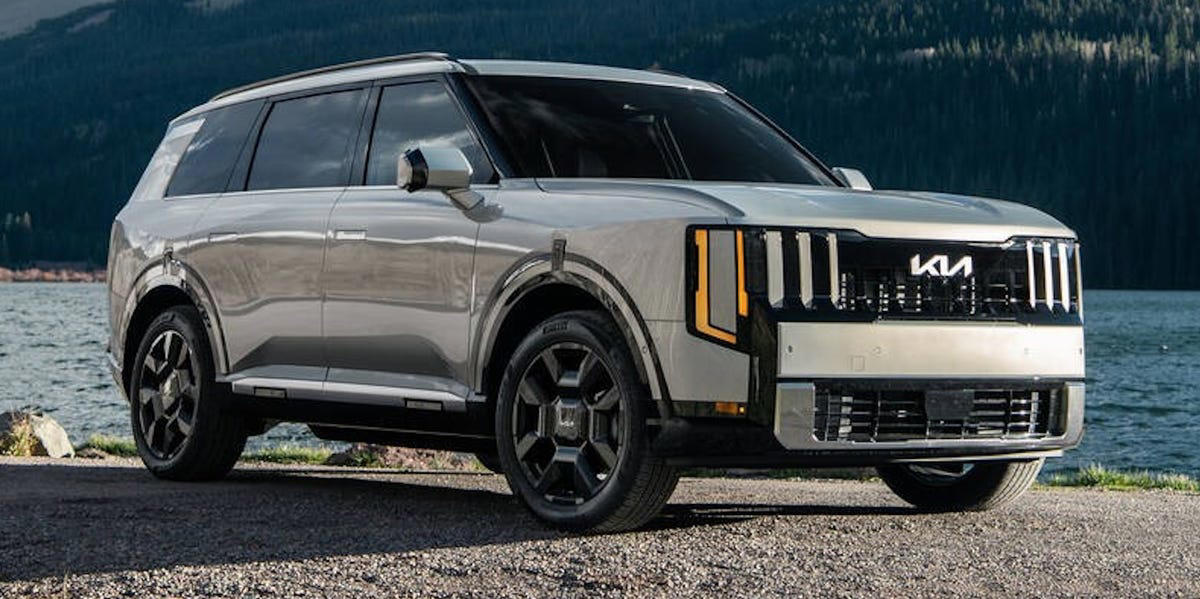
While it isn’t a particularly thrilling drive and its 291-hp V-6 isn’t the most fuel-efficient, the Telluride offers a smooth ride and controlled body roll. It can also tow up to 5,000 pounds without strain, and all-wheel-drive models handle rough terrain with confidence.
Every Telluride is powered by a naturally aspirated V-6 that delivers 291 horsepower and 262 pound-feet of torque. This engine is mated to an eight-speed automatic transmission that sends power to the front wheels by default, with all-wheel drive available as an option across the lineup.
In testing, the top-tier Telluride SX we drove accelerated to 60 mph in 7.1 seconds. That said, the large Kia didn’t feel as responsive to throttle inputs at lower speeds compared with some turbocharged competitors.
The Telluride’s ride leans toward the firm side, and rough pavement can occasionally unsettle the SUV’s path. A self-leveling rear air suspension is offered for added comfort.
Braking performance is excellent, while steering is precise and carries a satisfying weight. With 8.0 inches of ground clearance, the Telluride is capable on off-road excursions and can tow up to 5,000 pounds when properly equipped.
4. Honda CR-V
The CR-V checks all the boxes for older passengers: predictable ride quality, upright seating, and plenty of legroom.
Many grandparents appreciate the CR-V because it feels “just right” not as bulky as large SUVs but far more comfortable than small cars.
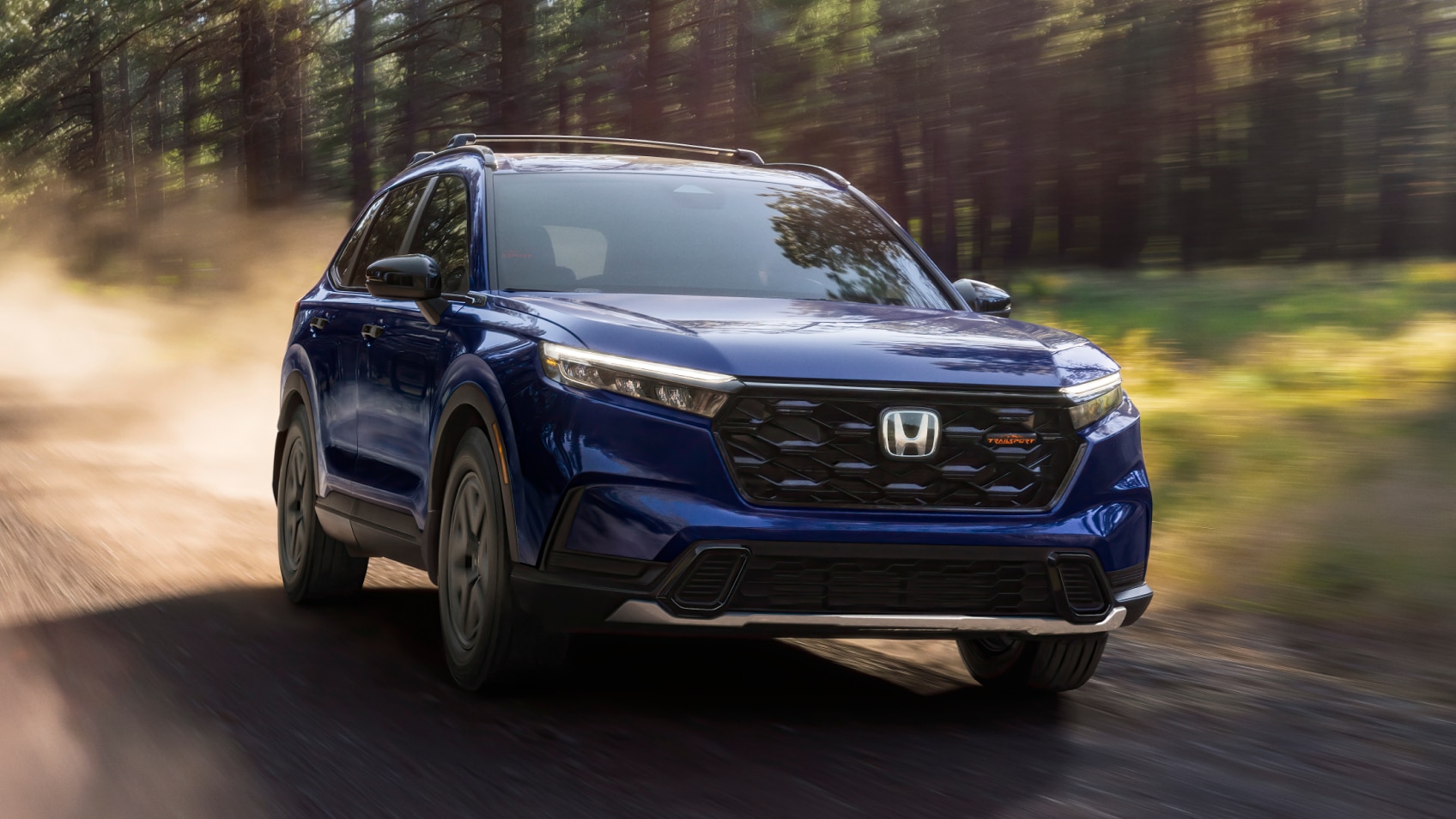
The doors open wide, the cabin layout is simple, and the seats are raised enough to reduce the need for bending knees beyond a comfortable angle. Honda also tunes the CR-V for a calm, steady ride that doesn’t transmit road vibration to passengers.
5. Buick Enclave
Buick has long focused on making soft, plush vehicles, and grandparents still gravitate toward them for that reason. The Enclave’s suspension smooths out expansion joints and potholes on older roads common across Midwestern and Northeastern cities.
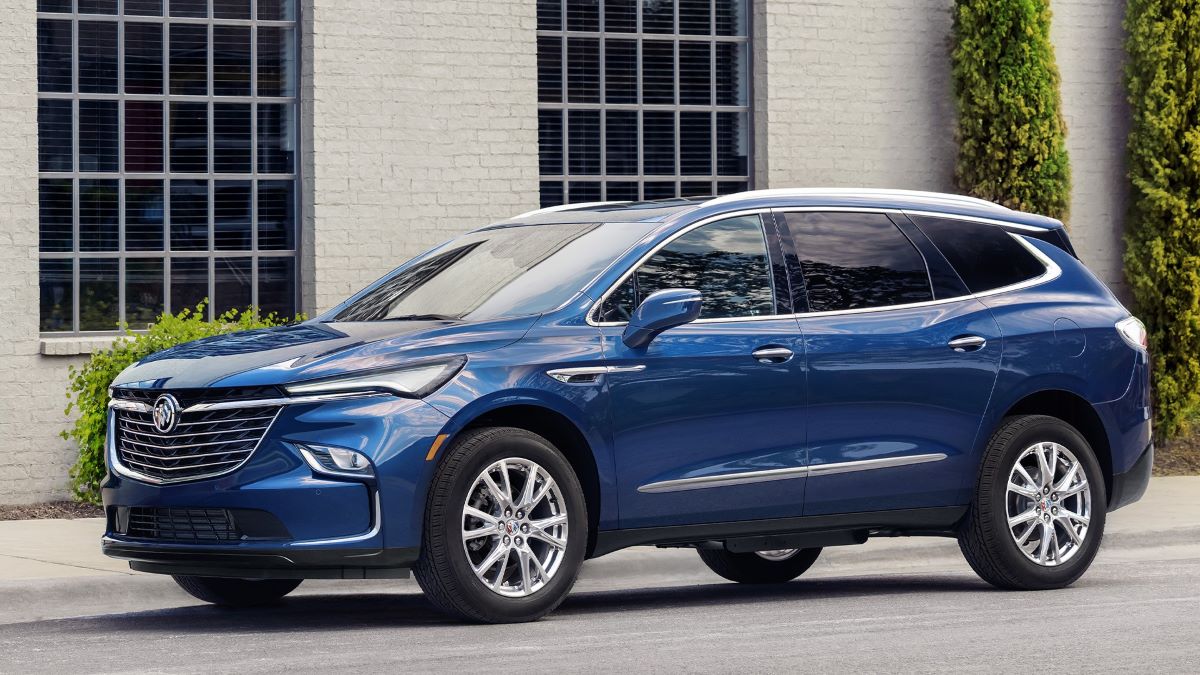
The seats are supportive and offer excellent lumbar adjustments something older adults appreciate after just a few minutes of sitting. Its cabin is hushed, so grandparents can converse comfortably without shouting over road noise.
Also Read: Top 5 SUVs That Struggle in Strong Winds Vs 5 That Remain Stable
6. Chrysler Pacifica
Minivans might not be flashy, but grandparents often love the Pacifica because it provides the easiest access of any family vehicle.
The sliding doors open wide, entry is nearly flat, and the seats are positioned for maximum comfort rather than sporty posture.
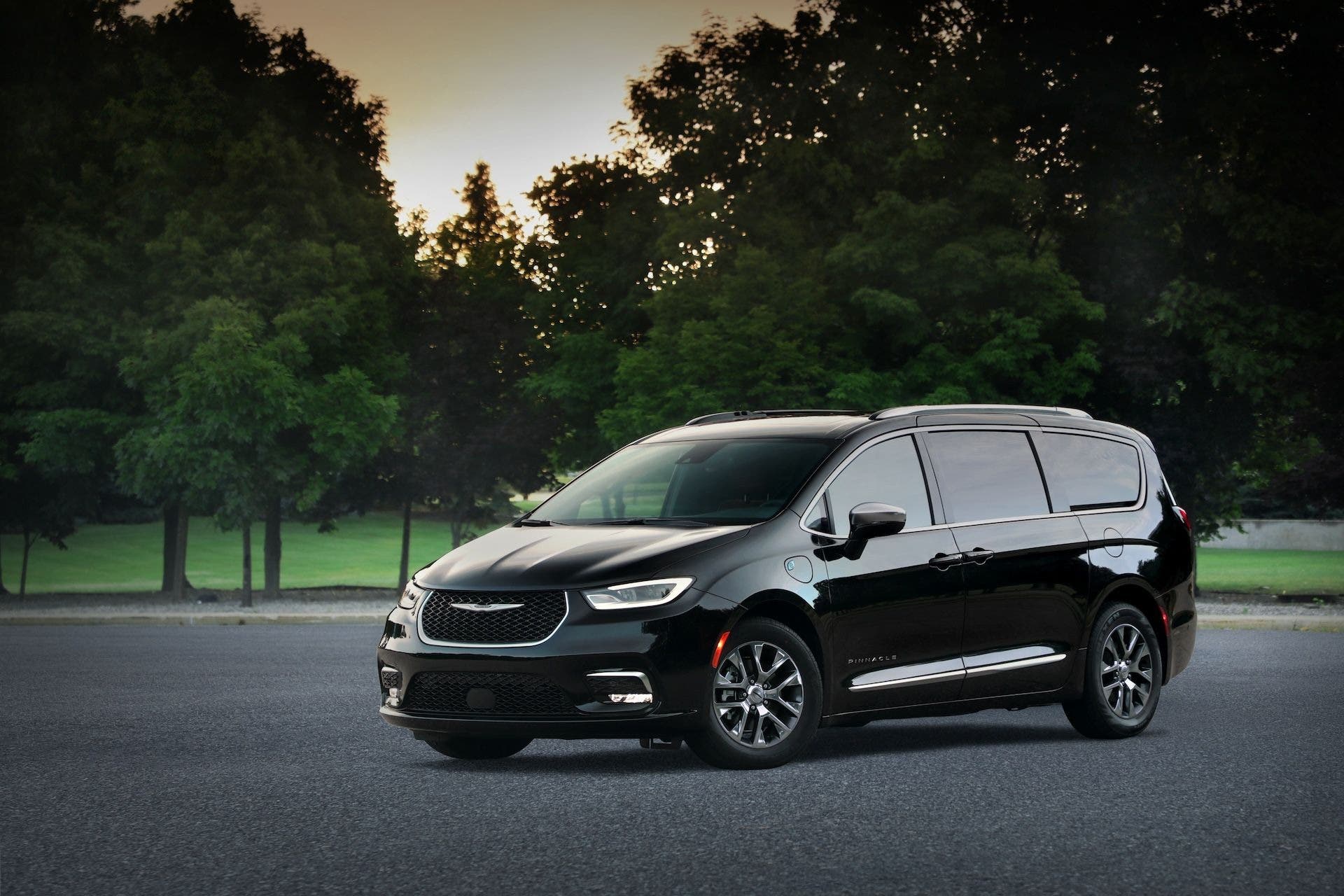
Unlike many SUVs, the Pacifica doesn’t require lifting legs very high to get inside. The rear seating is also exceptional for people with mobility issues, with plenty of room for knees, hips, and any devices such as canes or small mobility aids.
7. Lexus RX
The RX has long been popular with older buyers for good reason: it’s quiet, cushy, and exceptionally easy to ride in for long distances. The seats feel luxurious, offering plush padding without being mushy.
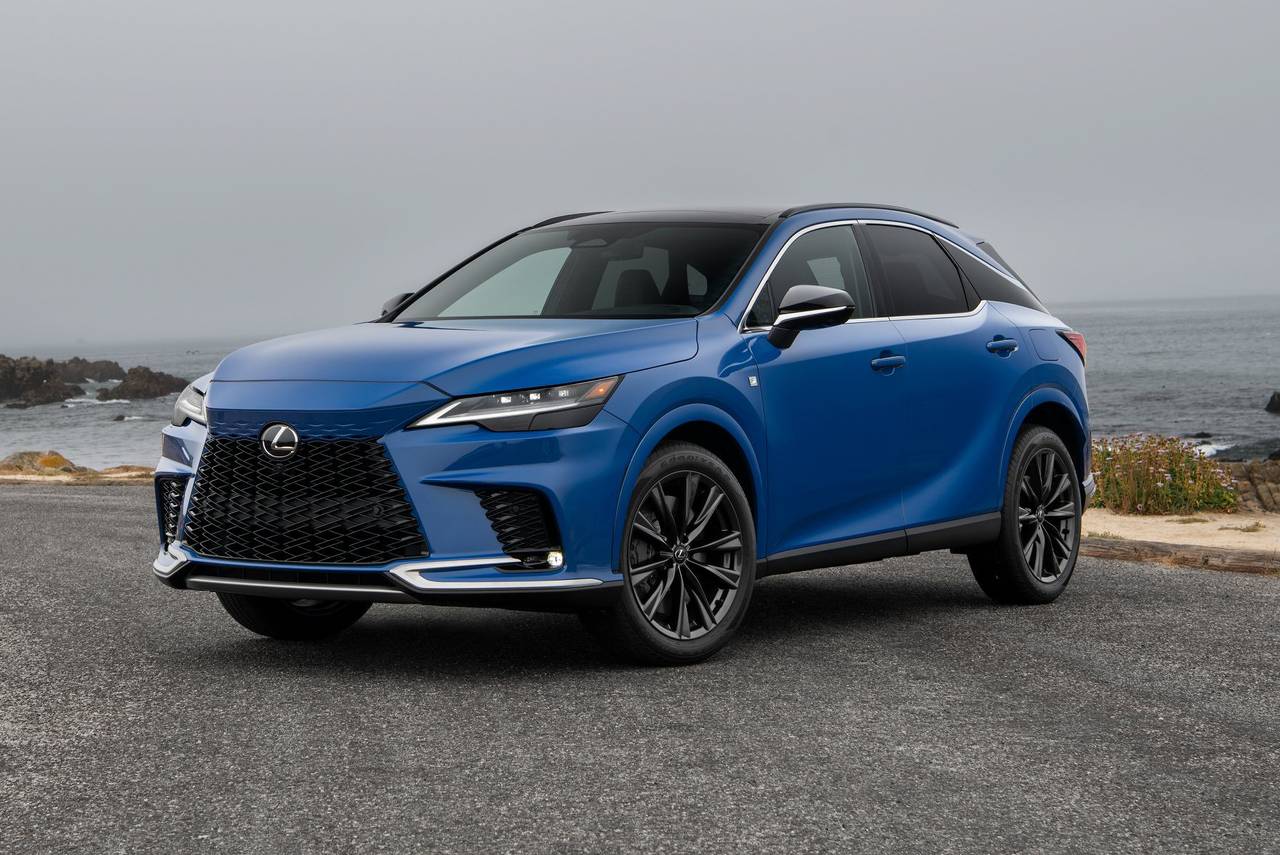
The suspension glides over rough roads, and the cabin insulation keeps things serene ideal for grandparents who value a calm, relaxed ride.
Even the door handles and controls are designed with smooth, easy operation in mind. Simply put, the RX is a stress-free environment.
Rides Grandparents Complain About
Finding a vehicle that keeps everyone comfortable can be tricky, especially when grandparents are along for the trip. As needs change with age, features like easy entry, supportive seating, smooth suspension tuning, and clear visibility start to matter a lot more than flashy styling or raw horsepower.
This list highlights the rides that consistently earn praise from older passengers, cars, crossovers, and SUVs that offer the kind of calm, confidence-inspiring comfort grandparents genuinely appreciate.
1. Jeep Wrangler
Grandparents frequently complain about the Wrangler because of its high step-in height, stiff ride, and rugged cabin ergonomics. Even getting into the rear seat requires climbing and twisting two motions older adults often avoid.
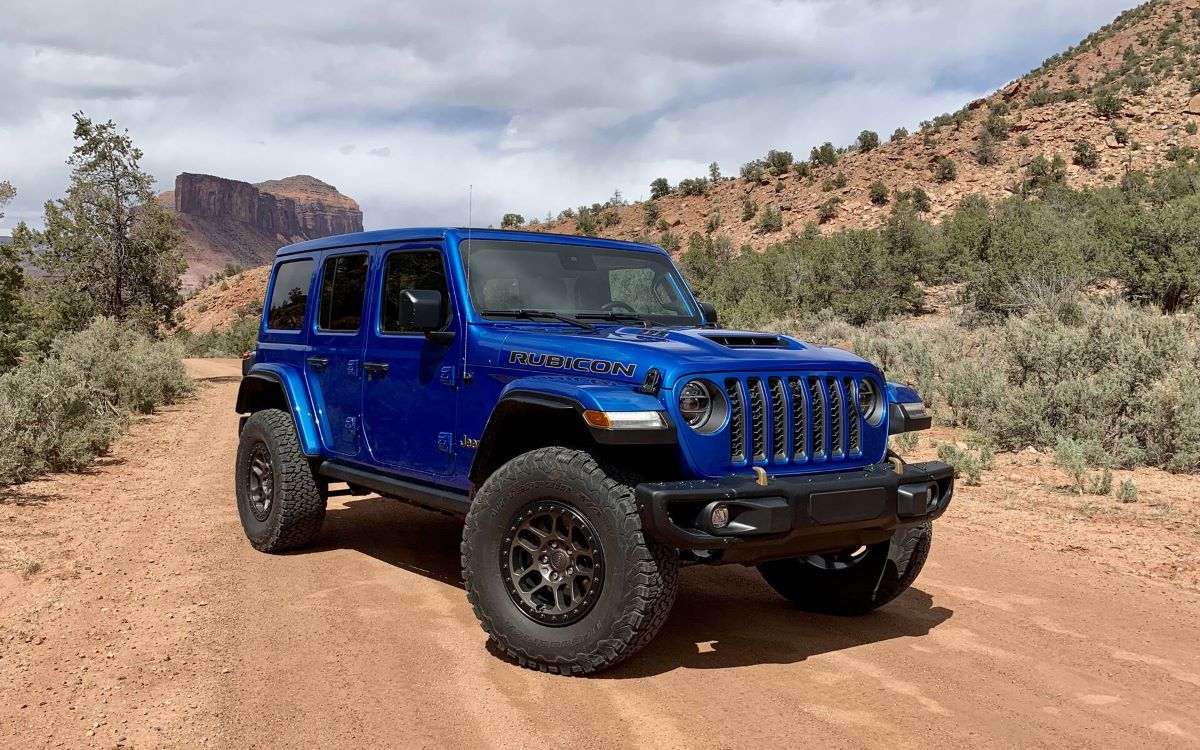
Once inside, the bounce and shake of the Wrangler’s suspension on uneven pavement can be tiring. It’s fun for off-road enthusiasts, but not for older passengers who prefer comfort over character.
2. Ford Mustang
Sports cars like the Mustang might thrill younger drivers, but grandparents often dislike them due to their low seating position and firm suspension.
Dropping down into a Mustang can strain knees and hips, and exiting requires effort and balance. The back seat, of course, is almost unusable for grandparents. Even front passengers may find the ride too stiff, especially on less-than-perfect American roads.
Whether it’s cruising with the top down along the Sunset Strip or pushing limits on the track at Lime Rock, the 2022 Ford Mustang offers a version for nearly every lifestyle and personality.
With an abundance of appearance packages, performance-enhancing options, and the choice of coupe or convertible body styles, the Mustang is highly customizable. Power comes from either a lively turbocharged four-cylinder or a formidable 5.0-liter V-8, both of which drive the rear wheels through an engaging manual transmission or a refined 10-speed automatic.
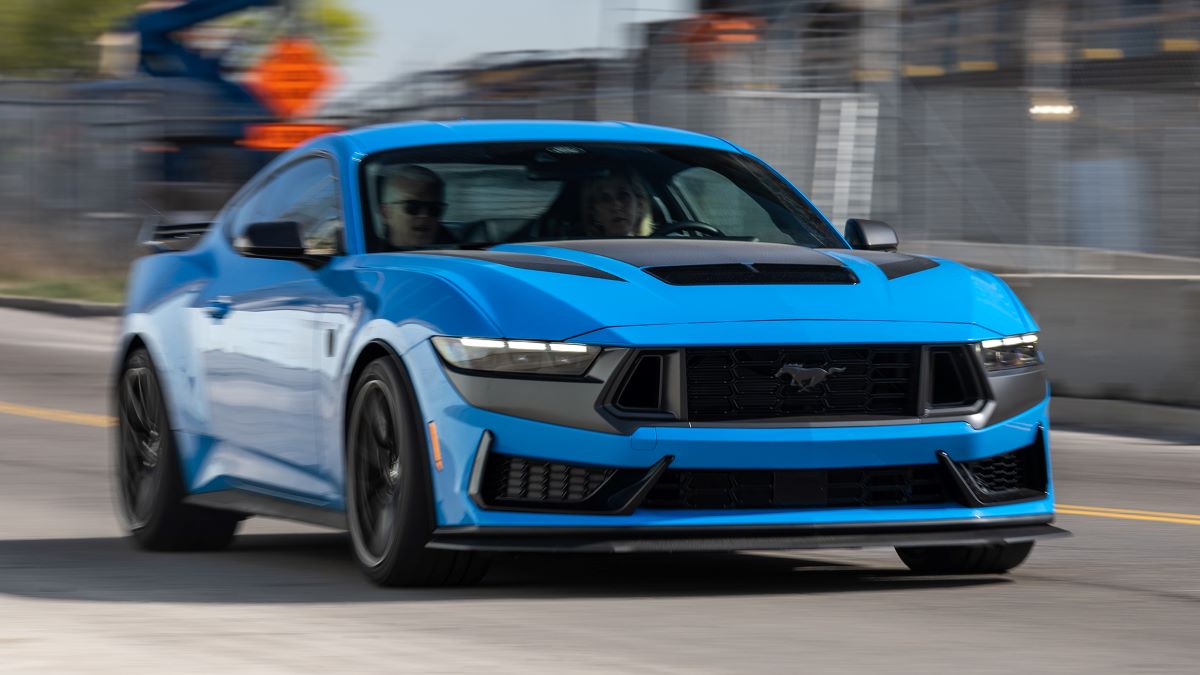
While all Mustangs are inherently fun to drive, Ford provides a variety of packages that increase the excitement, culminating in the track-focused Mach 1. Even the most aggressive models (short of the 760-hp Shelby GT500) are suitable for daily driving, and the Mustang offers a more spacious rear seat and better outward visibility than the Chevy Camaro.
Don’t be misled by the cylinder count, the standard turbocharged EcoBoost four-cylinder packs enough power to embarrass older V-8 Mustangs.
The optional High-Performance package enhances the EcoBoost with a more responsive and sonorous engine derived from the now-defunct Ford Focus RS. Additionally, the EcoBoost Handling package transforms the four-cylinder coupe into a racetrack-ready machine.
GT models rely on a 450-hp V-8, with an optional active exhaust that delivers a thunderous soundtrack. Both engines are paired with either a standard six-speed manual or a 10-speed automatic that makes the Mustang quicker than ever.
With the track-focused Performance Pack Level 2 (PPL2) and the Bullitt model retired, the revived Mach 1 claims the top performance honors. Equipped with a 470-hp V-8 and chassis components borrowed from Shelby Mustangs, it excels on racetracks while remaining usable for everyday driving.
That said, the Mach 1 we tested tended to tramline on certain surfaces. Even with less powerful engines, the Mustang’s modernized chassis ensures a comfortable and controlled driving experience.
Electrically assisted steering is light in Comfort mode and appropriately weighted in Sport and Track settings. The brake pedal has a firm feel that can feel overly sensitive in stop-and-go traffic, though it’s easier to modulate smoothly at higher speeds.
3. Tesla Model 3
Many grandparents find the minimalist cabin and low floor of the Model 3 challenging. Getting in requires sinking lower than they’d like, and the doors open in a way that doesn’t create a very wide entry space.
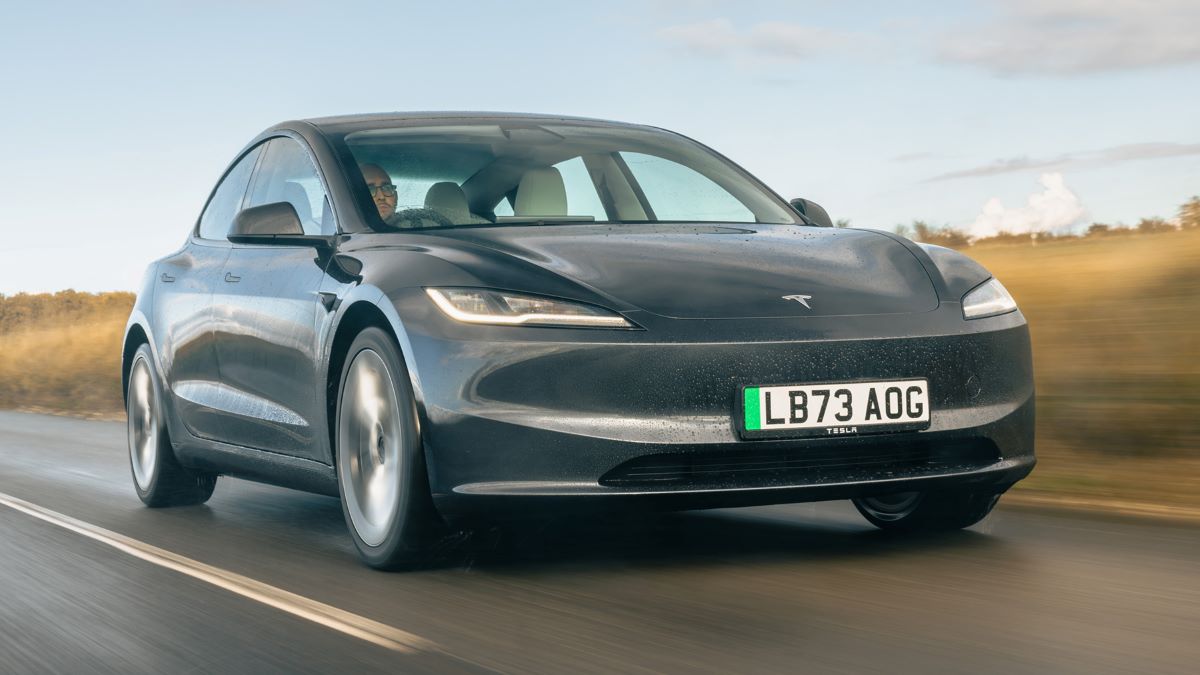
The touchscreen-only interface can frustrate older passengers who prefer physical knobs for climate or audio. The ride quality can also be firmer than expected, depending on wheel size.
Starting at just over $40,000, the Model 3 represents Tesla’s most affordable offering. Introduced in 2017, the Model 3 hasn’t undergone major changes for 2022 compared with last year’s version. That said, it’s possible this model could adopt the refreshed Model S’ yoke steering wheel and upgraded infotainment hardware.
The Model 3 competes not only with other electric vehicles but also against gas-powered rivals in the compact luxury segment. Key competitors include the Polestar 2, Audi A4, and BMW i4, along with more budget-friendly electrics such as the Chevrolet Bolt.
The Model 3 performs strongly in both the electric vehicle and compact luxury sedan categories. Its generous driving range and accessible pricing make it appealing on their own, but the car’s impressive performance and minimalist, luxurious interior elevate its allure even further.
However, some buyers may find the massive center touchscreen off-putting. Nearly every function of the car is controlled through this display, leaving only a handful of physical buttons in the cabin. This system comes with a notable learning curve, especially compared with more conventional luxury electric cars like the BMW i4 four-door or Audi E-Tron SUV.
4. Chevrolet Camaro
Like the Mustang, the Camaro is too low and too cramped for many older passengers. The roofline severely limits visibility, which can make grandparents feel uneasy.
Deep bolstered seats require sliding down into a narrow pocket, and road noise can be higher than they prefer. Even short rides can leave them uncomfortable, especially on broken pavement.
The base 275-hp four-cylinder Camaro isn’t slow, we tested a manual model that proved surprisingly quick. However, its uneven throttle responses and unpleasant, unsporting noises contribute to a rather dull character.
Stepping up to the 335-hp V-6 dramatically transforms the car’s personality, with the more powerful six-cylinder offering its own distinctly sharp and exhilarating soundtrack.
The Camaro LT1 and SS models are powered by Chevy’s iconic small-block V-8, delivering 455 horsepower and 455 lb-ft of torque. Its abundant low-end torque, linear power delivery, and chest-compressing acceleration are further amplified by the optional dual-mode exhaust, which emits a sharp bark at startup and a thunderous roar under wide-open-throttle conditions.
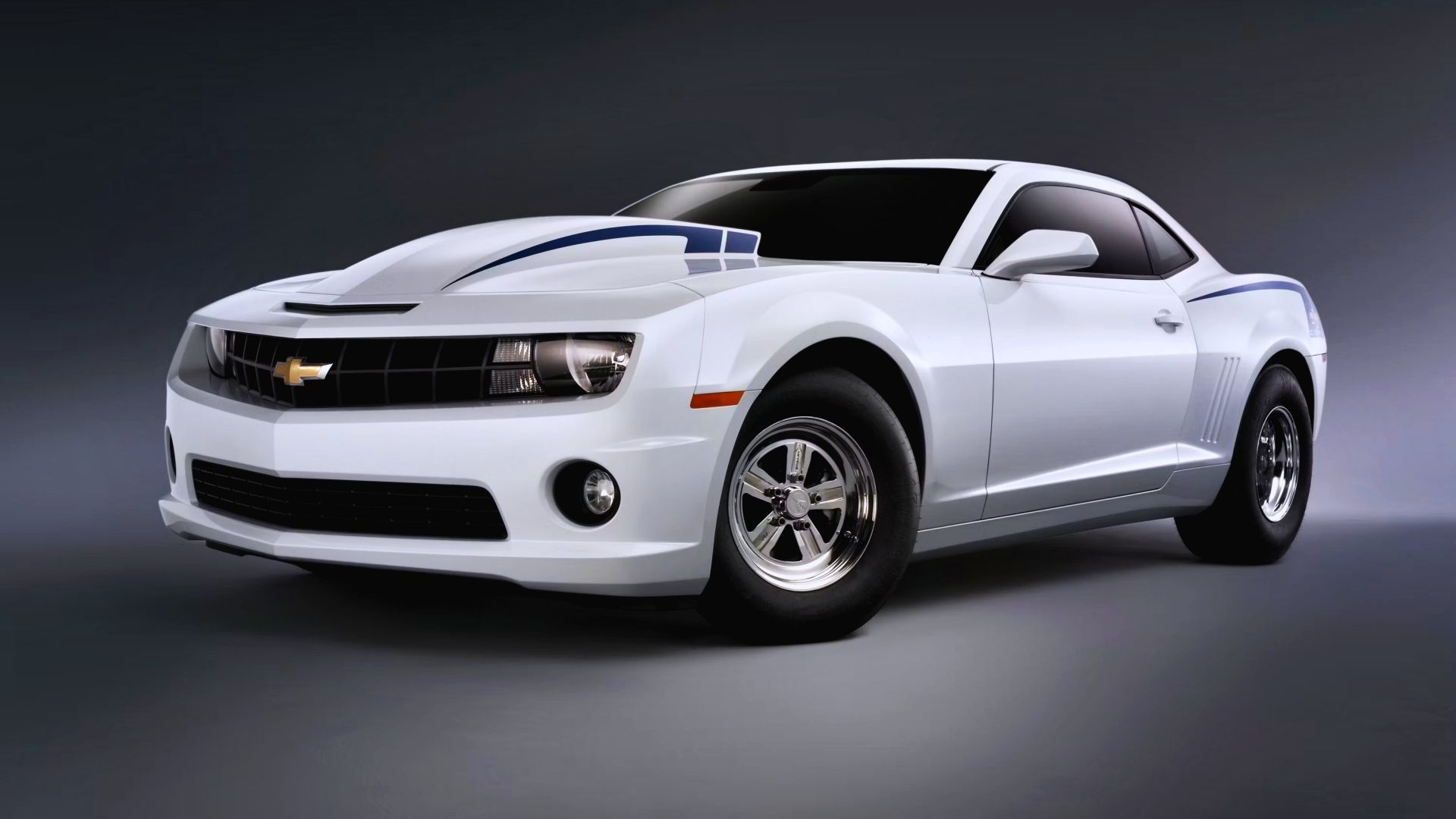
The standard six-speed manual transmission preserves the enthusiast driving experience. An eight-speed automatic is optional with the four-cylinder engine, while a 10-speed automatic can be paired with either the V-6 or V-8.
The Camaro’s impressive chassis fosters an exceptional car-and-driver connection that is unmatched among pony cars. Its rigid structure enables precise handling and a premium feel, while the well-balanced ride is firm enough for agile cornering yet compliant over rough pavement.
Coupled with the 1LE performance package, the coupes punch well above their weight class, rivaling vehicles that cost significantly more. Models equipped with the 1LE package remain taut on the track yet comfortable on everyday roads.
Their electrically assisted power-steering systems deliver accurate responses with appropriate effort, and braking performance rounds out the Camaro’s performance trifecta. The brake pedal offers progressive, reassuring feedback, and the 1LE-equipped models gain even more capable, track-ready Brembo brakes.
5. Toyota Tacoma
The Tacoma is one of America’s most beloved trucks but grandparents aren’t always fans. Its tall step-in height makes climbing in difficult, especially into the rear seats, which are notoriously tight.
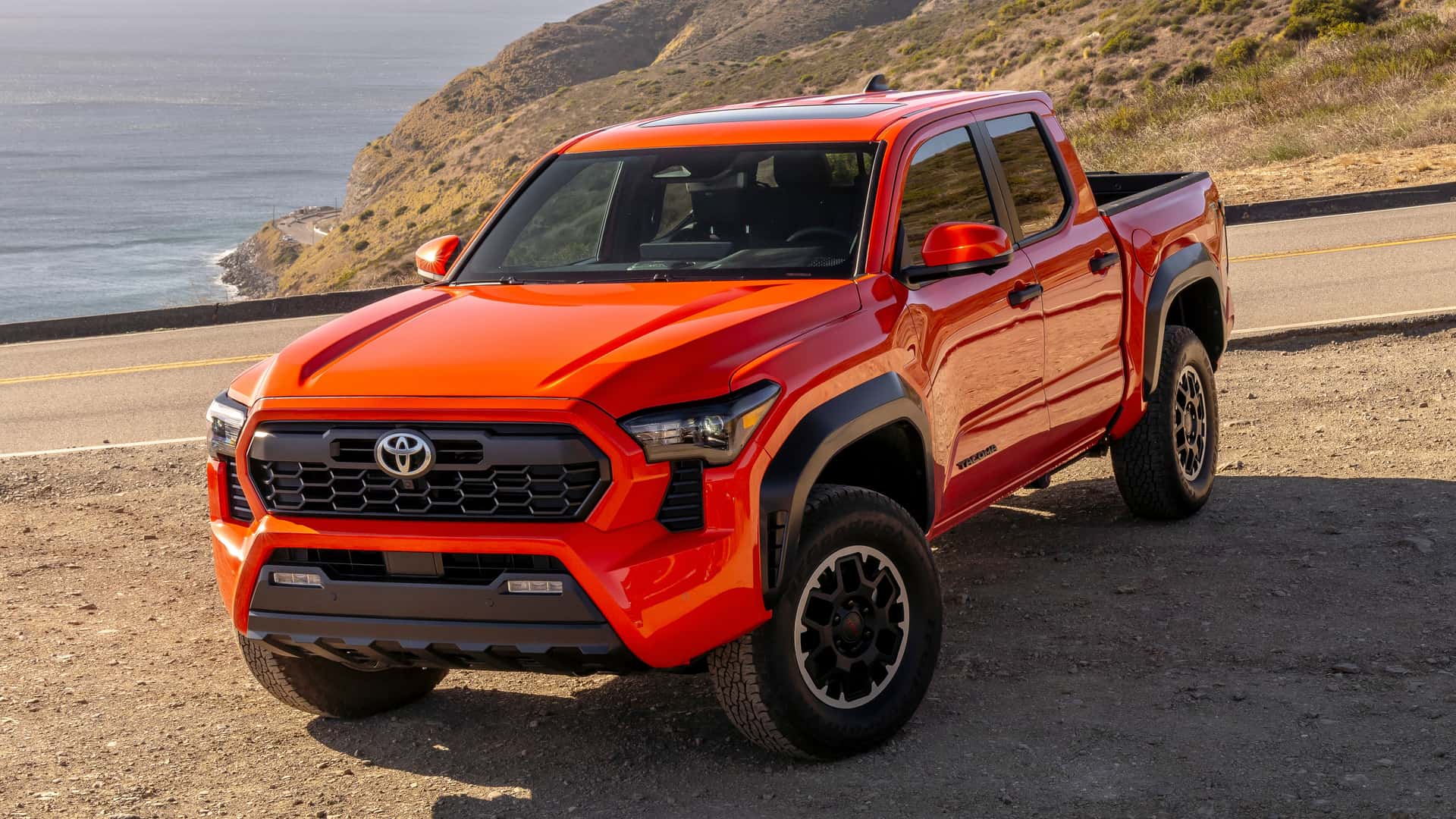
The ride is truck-like and stiff, especially in TRD trims designed for off-roading. The seating position can feel upright and cramped for older adults with back issues.
The Tacoma delivers smooth steering and handling, making it generally easy to drive. The main exception is the brakes, which feel grabby and can cause noticeable nosedive during hard stops.
While we wish the 3.5-liter V6 felt a bit more eager, it still provides adequate power for everyday driving. The transmission shifts predictably and extracts the most performance possible from the engine.
Where the Tacoma truly excels is off-road, standing out among mid-size pickups with the exception of the Jeep Gladiator. It offers the ground clearance, gearing, and traction required to tackle challenging terrain, while the brakes and throttle remain impressively precise and controllable during low-range crawling situations.
The latest Tacoma comes well equipped with tech features. Toyota introduced a new screen in 2020 that is larger, features crisper map graphics, and responds more quickly than those in previous models.
Apple CarPlay, Android Auto, and even Amazon Alexa are standard. Built-in navigation is available as a relatively inexpensive upgrade and is worth considering for those who plan to spend significant time outside cellphone coverage.
Toyota’s approach to standard active safety technology is commendable. Adaptive cruise control, automatic emergency braking with pedestrian detection, lane departure warning, automatic high-beam control, and even a driver drowsiness warning system come standard across all trims.
For the money, you get a well-built truck with a bed that includes many standard cargo-handling and safety features. The value is particularly strong on TRD models.
Build quality is solid, and Toyota trucks have a long-standing reputation for mechanical durability. While warranty coverage is not especially generous, the purchase includes two years of free scheduled maintenance.
6. Mini Cooper
The Mini Cooper’s fun factor doesn’t always translate to comfort for older passengers. Its low, sporty seating and narrow doors can make entering or exiting a chore.
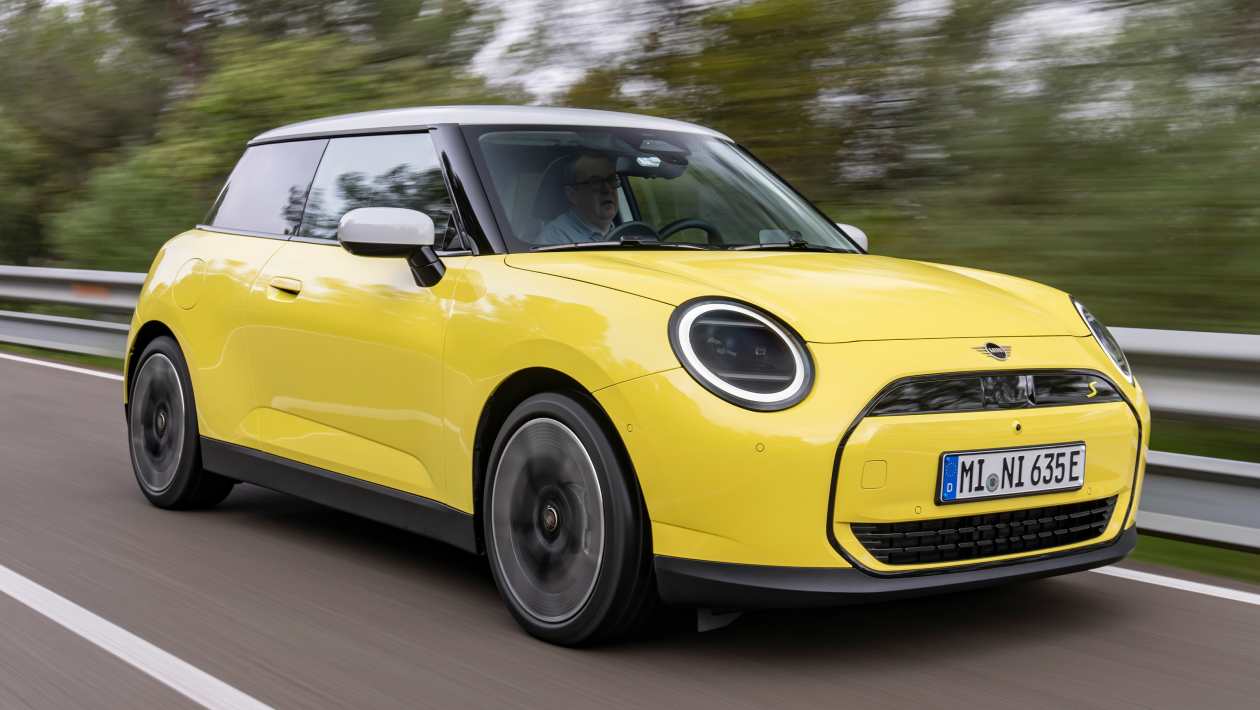
The cabin is quirky, but that also means switches and controls can be positioned in ways grandparents find confusing. The short wheelbase can result in a bouncier ride, particularly over rough patches in cities like Boston or Chicago.
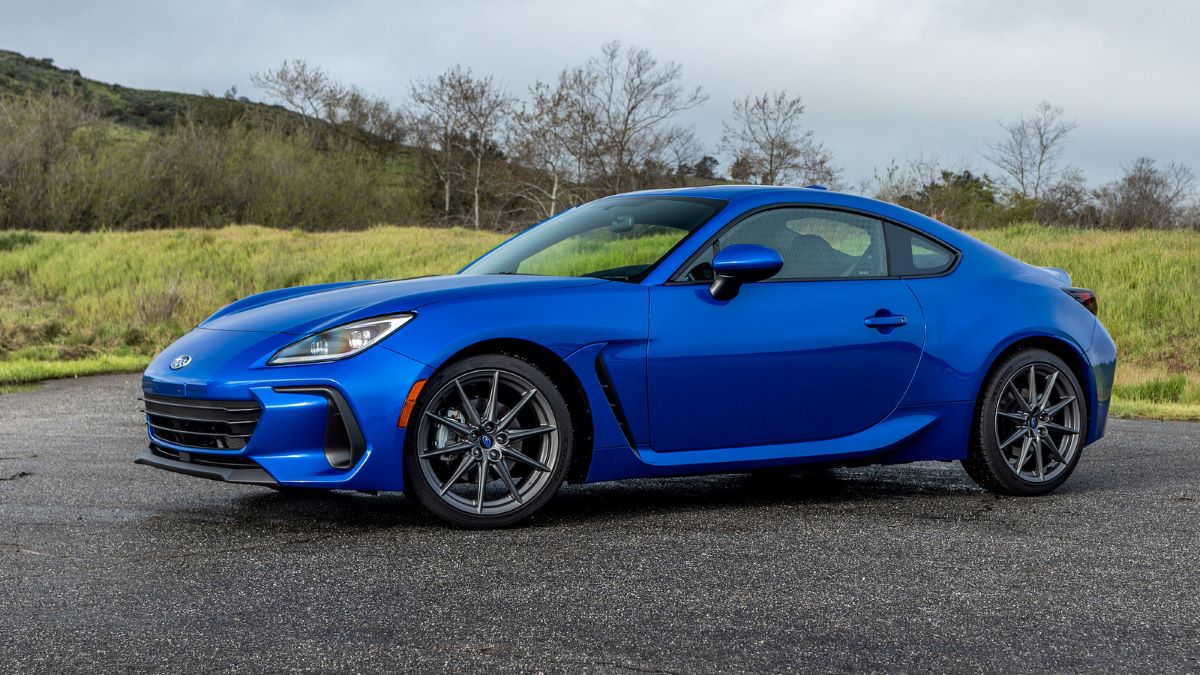
7. Toyota 86 / Subaru BRZ
These lightweight sports coupes offer superb handling but almost no concessions to comfort. The seats are extremely low, the roofline is tight, and the doors don’t open very wide.
Grandparents often find it nearly impossible to get in and out without help. The ride is firm, and the second row is virtually symbolic. Younger drivers may love the “driver-focused” environment, but it ranks low on the grandparent comfort scale.
Choosing a car that works well for grandparents doesn’t mean sacrificing your own preferences it means understanding what older passengers value most.
Americans are driving their relatives more often, whether for family gatherings, medical visits, or grandkids’ school events. A vehicle with a high-quality ride, comfortable seating, easy entry, and quiet operation makes those trips more pleasant for everyone involved.