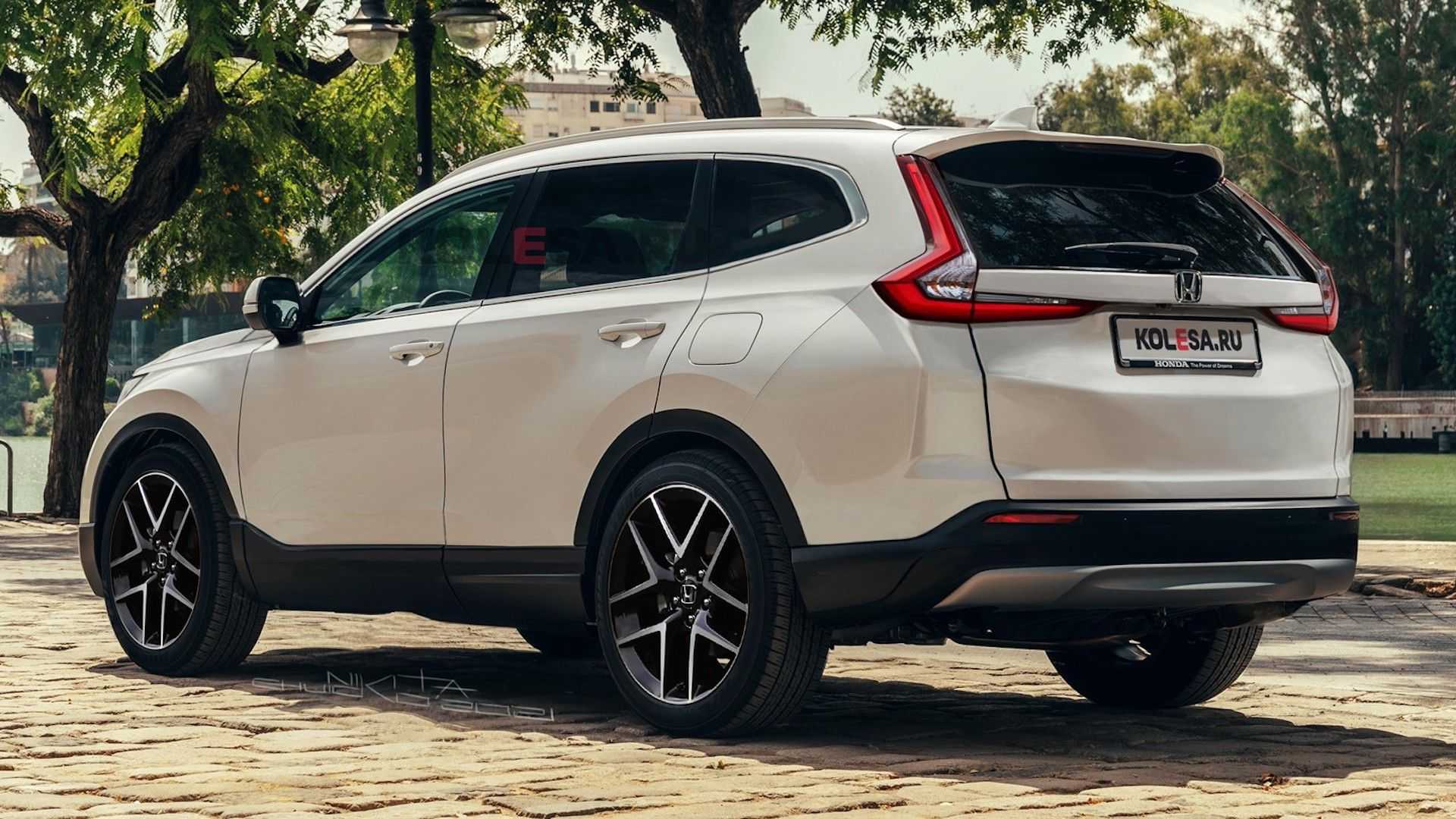
Buying a car in the United States comes with more than just the upfront purchase price and ongoing maintenance you also have to deal with registration, title transfers, insurance approvals, and all the paperwork states require.
Some vehicles glide through these processes with minimal hassle: they have predictable valuation, simple ownership histories, low-risk insurance classifications, and widely available parts that keep premiums low.
Others are notorious for triggering extra forms, higher insurance scrutiny, or complicated inspections before they can be legally driven.
Understanding which models make the process smooth versus which ones can create paperwork headaches helps buyers avoid unexpected delays and costs.
Below, we break down five models that tend to be easy to register and insure across most states, followed by five that can generate extra administrative burdens.
Models Easy to Register and Insure
Finding a car that keeps grandparents comfortable isn’t just about soft seats, it’s about easy access, smooth rides, clear visibility, and features that take the stress out of everyday driving.
In this guide, we highlight the models that older passengers consistently praise for comfort, simplicity, and real-world usability. Whether you’re shopping for a family car or helping someone pick their next vehicle, these rides deliver an experience grandparents genuinely enjoy.
1. Toyota Camry
The Toyota Camry is one of the most straightforward vehicles in America when it comes to registration and insurance. Its long-running sales volume means states and insurers know the model well, making valuation predictable and titles easy to verify.
Many Camrys are sold through franchised dealerships or certified pre-owned programs, which reduces the chances of encountering title surprises like salvage or lien disputes.
Insurance companies also tend to classify the Camry as a moderate-risk sedan, leading to competitive rates and fast approval.
Because parts are cheap and widely available, insurers don’t have to factor high repair costs into premiums, allowing paperwork to move quickly from quote to active policy.
The Toyota Camry has evolved from a standout family sedan to an unremarkable four-door and now back to its former prominence. That’s right, the Camry is once again a genuinely desirable choice in a segment that may be in decline but remains highly competitive.
Were it not for the long-running 10Best dynasty of the Honda Accord, the Camry would be even more appealing. Nevertheless, its broad range of powertrains contributes to its widespread appeal. Buyers can choose a fuel-efficient four-cylinder, an even more economical hybrid option, or a robust V-6.
For those seeking the sportiest experience, the TRD model highlights the Camry’s rediscovered fun factor. Meanwhile, those simply looking for a stylish, comfortable family sedan equipped with driver-assist features and a plethora of popular options will also appreciate the 2021 Camry.
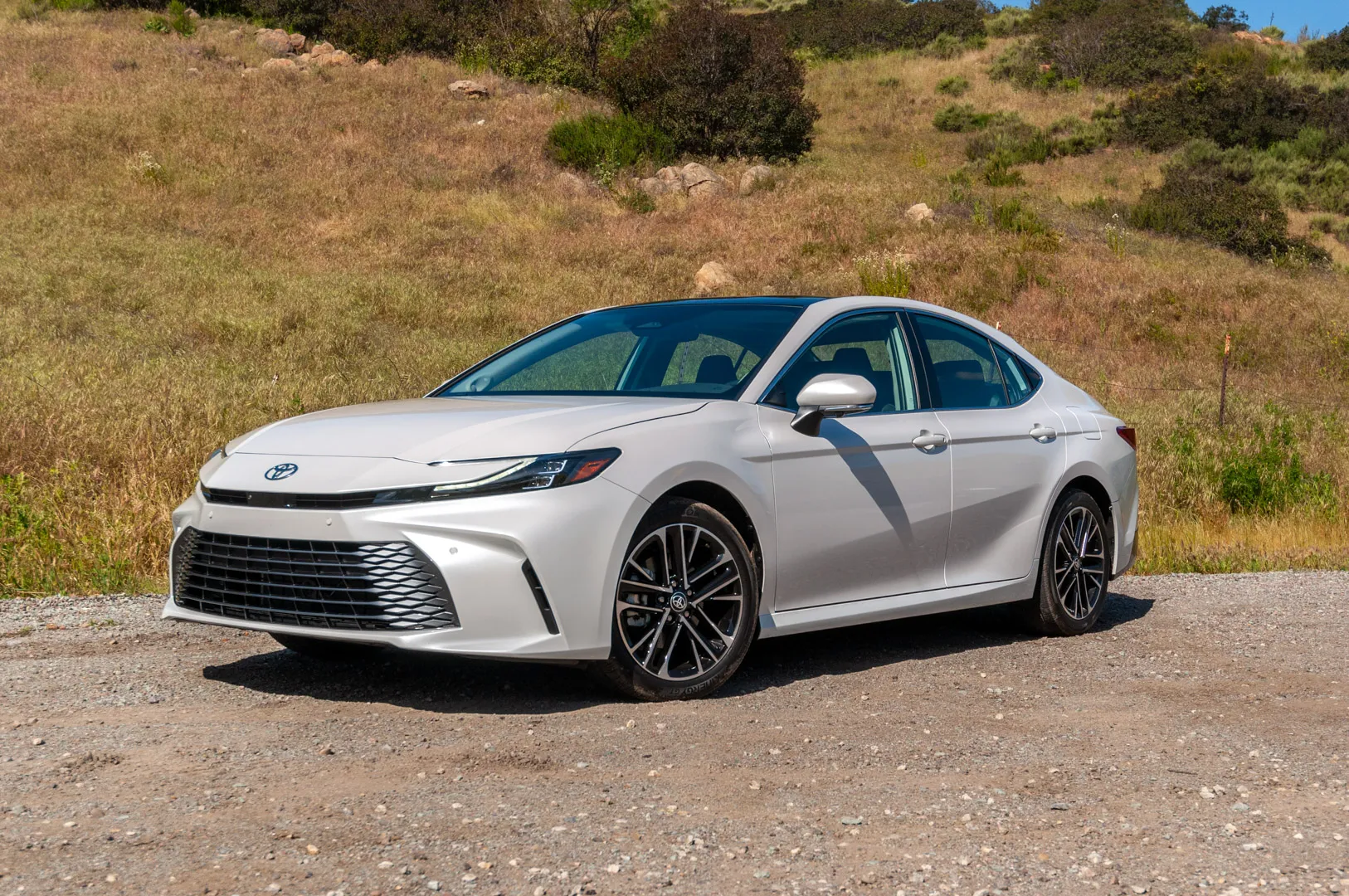
The standard four-cylinder engine is paired with a smooth eight-speed automatic transmission, though acceleration figures are underwhelming.
A less powerful version of this engine works alongside a battery and two electric motors to power the Camry Hybrid, which is no more thrilling to drive than the base four-cylinder. The true standout of the lineup is the silky 301-hp V-6, available on the XLE and XSE trims as well as the TRD variant.
We’re also pleased to report that driving the Camry is no longer a chore. Its ride is composed, and handling is surprisingly responsive. Steering feels pleasantly weighted, offering substance when cornering and lightness for parking lot maneuvers.
We found the Camry’s brake pedal responsive and firm, even in the hybrid, where braking must combine traditional friction with regenerative braking. That said, at lower speeds, the hybrid’s brake pedal is overly sensitive, making parking a somewhat jerky process.
Also Read: 10 Budget Cars That Still Look Stylish in 2025
2. Honda CR-V
The Honda CR-V’s reputation for dependability and conservative ownership also plays in favor of easy registration and insurance.
Most CR-Vs pass through one or two long-term owners, leading to clean title histories and fewer red flags when submitting paperwork to your state’s DMV.
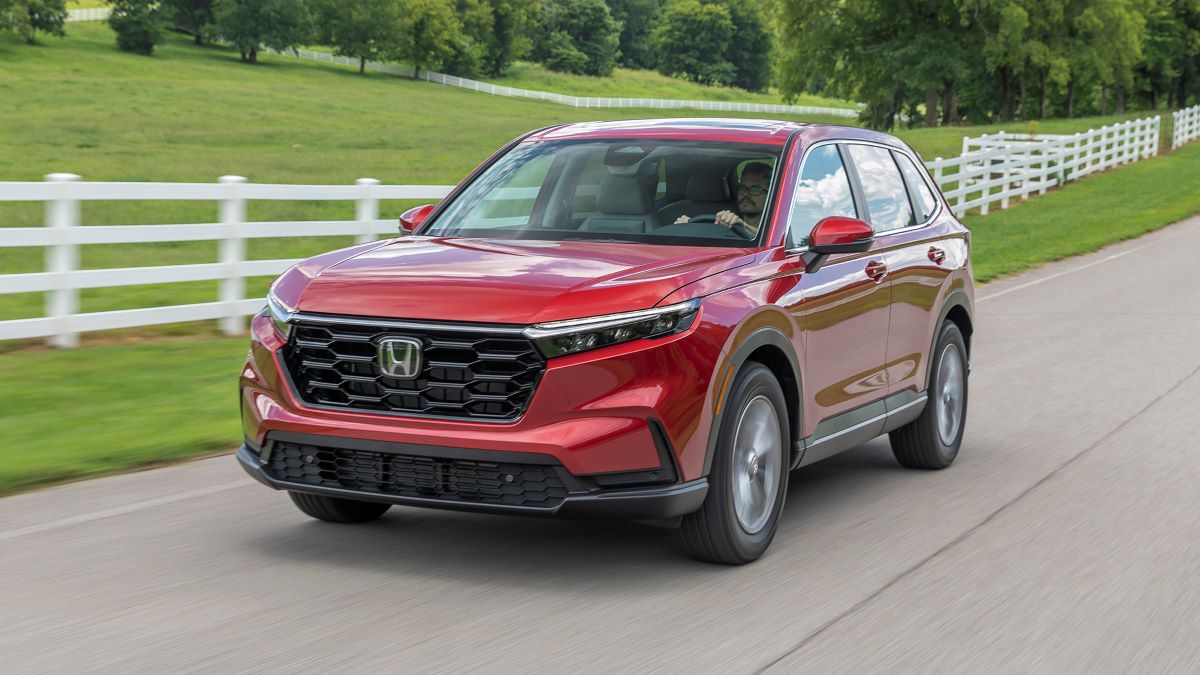
Its strong safety ratings and relatively low theft rate unlike Civic and Accord models help keep insurance premiums stable.
The CR-V is also not commonly modified, which means insurers rarely request extra inspections or conditional policies. You can typically secure coverage instantly online and finalize registration with minimal documentation beyond the basics.
3. Subaru Outback
The Subaru Outback has carved out a niche as a reliable, family- and adventure-oriented wagon, and that makes it an insurance and registration-friendly choice in most states.
Outbacks tend to hold value without dramatic fluctuations, making appraisals easy when states calculate taxes based on assessed value.
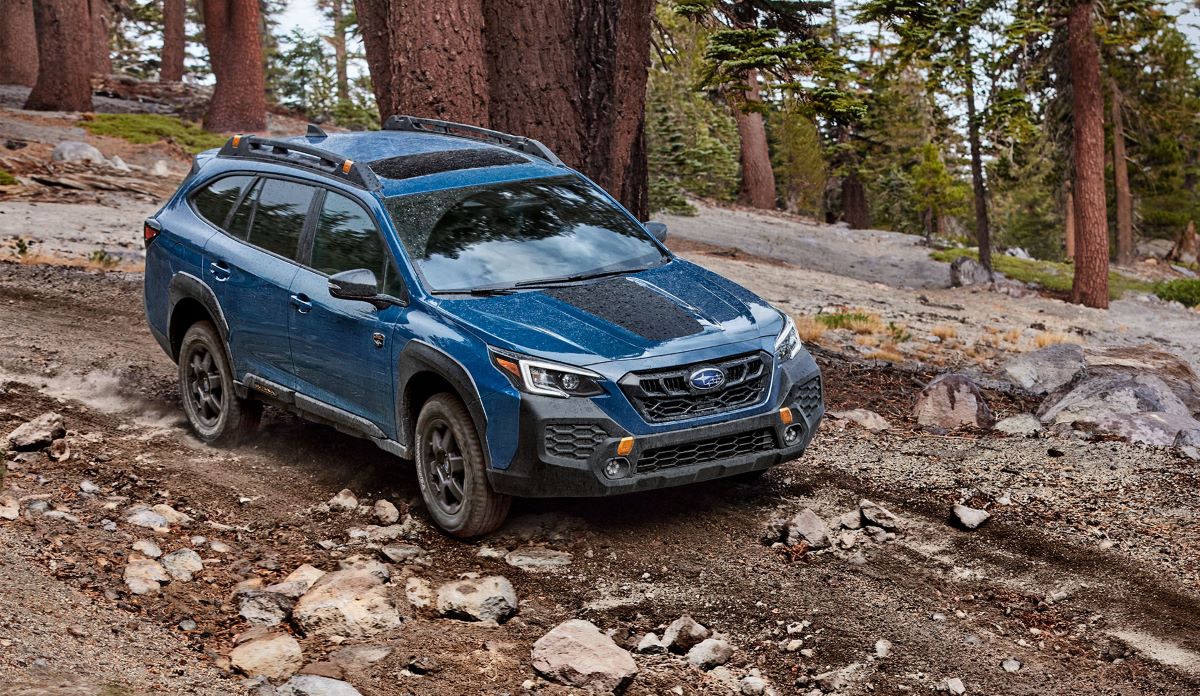
Safety-minded buyers also keep these cars stock, meaning insurers rarely worry about aftermarket parts or performance upgrades. In many states, emissions testing is also straightforward thanks to Subaru’s modern engines and low failure rates during inspections.
Add in Subaru’s excellent crash-test scores and the Outback becomes a vehicle insurers eagerly accept without added documentation.
4. Ford F-150 (Base & Mid Trims)
Although trucks can sometimes be expensive to insure, the Ford F-150 especially in its XL and XLT configurations tends to be one of the easiest pickup trucks to register and insure across the US.
The F-150 is America’s best-selling vehicle, and its paperwork pipeline is extremely well-established: dealerships know how to process titles quickly, states have standardized value tables, and insurers can quote policies instantly because they have massive amounts of risk data available.
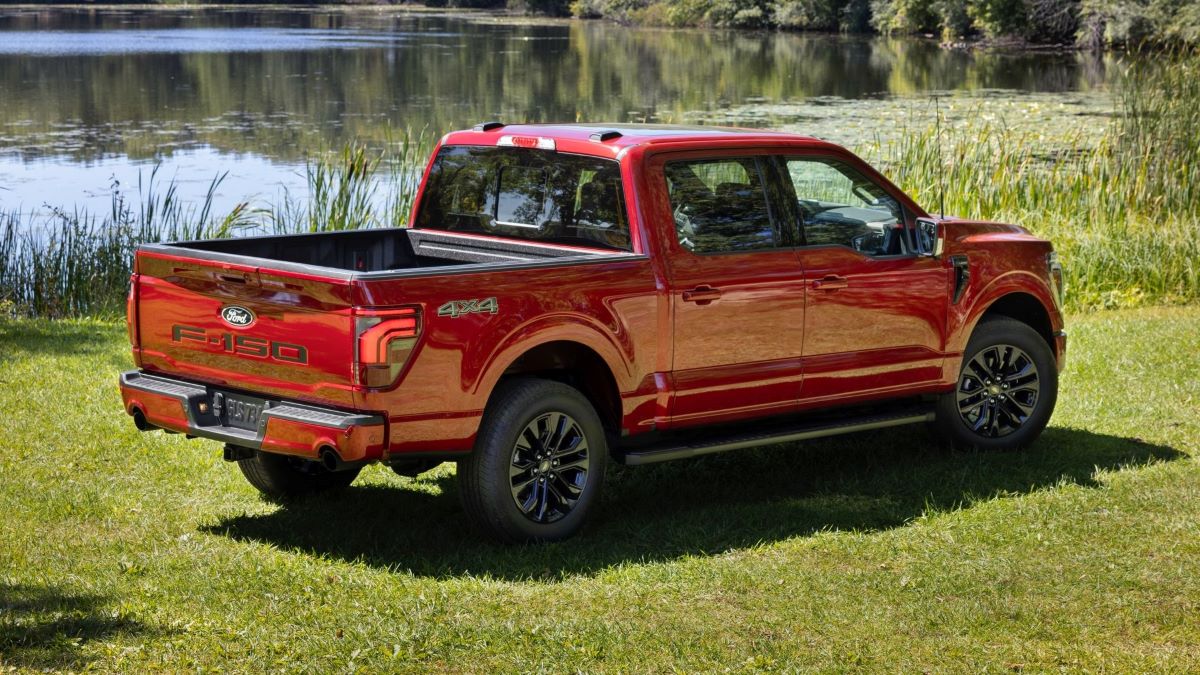
The base and mid trims, in particular, avoid the high-performance engines and luxury packages that raise insurance flags. Most states see clean F-150 titles with no complications, making DMV registration about as painless as it gets for a truck.
The F-150’s powertrain lineup includes two turbocharged V6s, a V8, and a V6 hybrid. Our test truck featured the PowerBoost hybrid. At the Edmunds test track, it accelerated from zero to 60 mph in 5.8 seconds. That’s impressive for a full-size pickup, though slightly slower than the latest Ram 1500 equipped with its newest inline six-cylinder engines.
The F-150 offers direct, responsive steering, which makes the truck feel smaller and more maneuverable in parking lots while providing stability on the highway.
Handling and ride quality are also noteworthy, especially given the rear leaf springs. The brakes are strong and inspire confidence in their stopping power. Considering its substantial towing and payload capabilities, the F-150 is an overall satisfying truck to drive.
Driver-assist technology is plentiful and performs well. Available features include BlueCruise hands-free driving assist and Pro Trailer Backup Assist, which simplifies steering when reversing with a trailer attached.
The Tremor and FX4 packages provide trail-ready enhancements such as off-road-tuned suspension, all-terrain tires, lockable axles, and protective skid plates.
The F-150 is a solidly built, well-appointed truck that offers luxury touches in the upper trim levels. Beyond its robust standard features, which stand confidently against competitors, the truck’s true value lies in its extensive range of configurations and unique options that allow buyers to tailor their F-150 to their specific needs.
The only area where Ford doesn’t outshine GM or Ram is in warranty and ownership benefits, offering coverage comparable to its rivals.
Also Read: 5 SUVs Perfect for Roadside Picnics vs. 5 SUVs With Awkward Layouts
5. Hyundai Elantra
The Hyundai Elantra is popular with students, commuters, and budget-conscious buyers a demographic not usually associated with risky driving or heavy modifications. That alone simplifies insurance approval.
The Elantra’s affordable parts and low repair costs also keep premiums lower than many competitors, and insurers rarely need supplemental inspections before issuing a policy.
Registration is similarly easy because Elantras are rarely involved in ownership disputes or salvage scenarios. For many buyers, the Elantra ends up being one of the least stressful cars to put on the road legally.
While Hyundai is often associated with value, the Elantra also impresses with its driving dynamics. In our first test of a Hyundai Elantra, we found the ride to exhibit the “composure of a larger, more expensive sedan.”
We also noted that the Elantra’s steering is “light and fairly accurate.” The GT hatchback variants elevate the driving experience even further. In a recent test of the Elantra GT N-Line, we remarked that “you really need to get behind the wheel to understand its sporty appeal.”
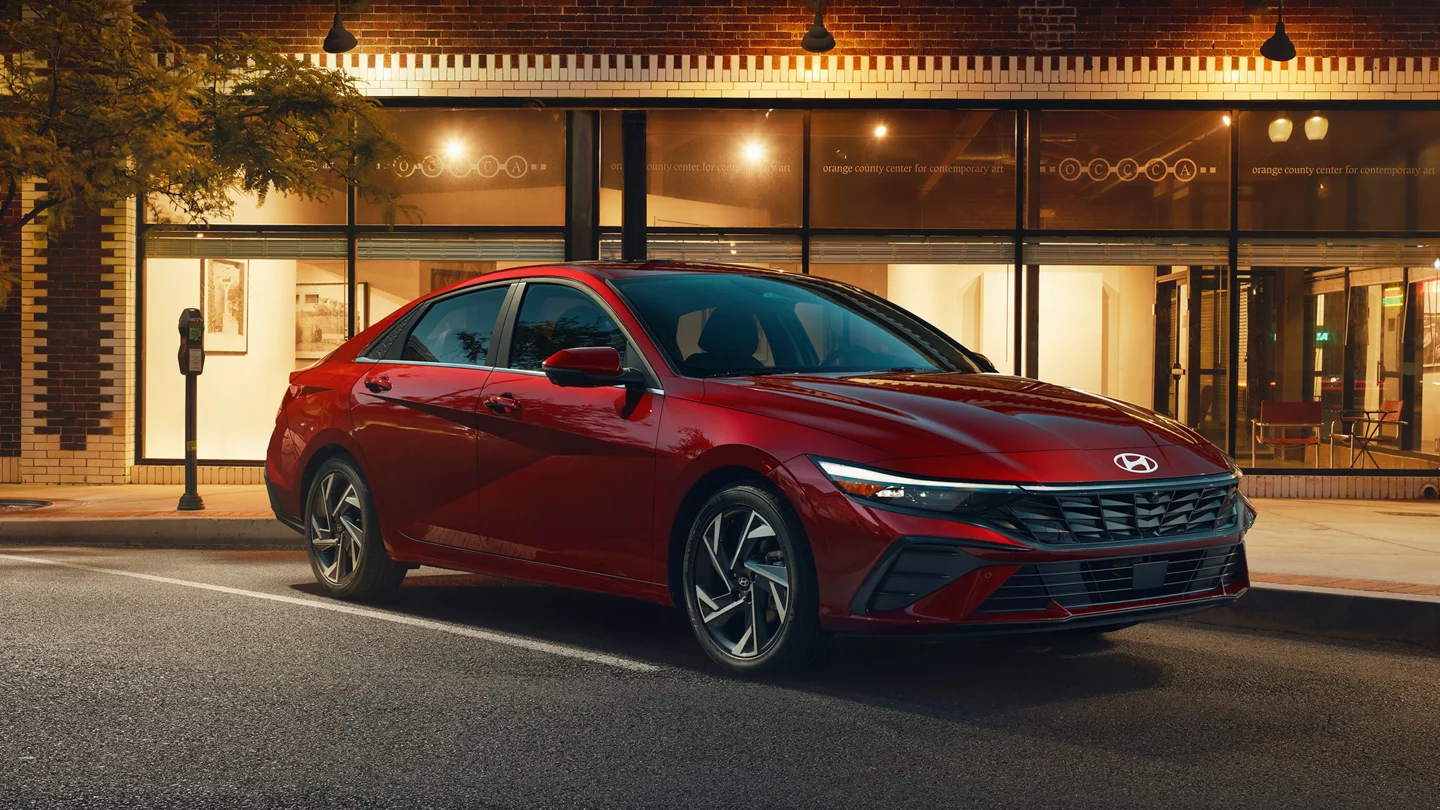
That said, the Elantra does have areas that could benefit from refinement. While the turbocharged four-cylinder in the GT N-Line earns praise, the less-powerful engines lack the same class-competitive smoothness.
In a comparison test, we found the Elantra 2.0-liter to have “coarseness” and that it “can sound a little thrashy when revved,” and during 2019 Car of the Year testing, we also observed that “its performance and powertrain refinement come up short.”
The Hyundai Elantra offers four different four-cylinder powertrains. Elantra Eco variants are powered by a 1.4-liter turbocharged I-4 producing 128 hp and 156 lb-ft of torque, paired with a seven-speed dual-clutch automatic transmission driving the front wheels. Fuel economy is rated at 33/41 mpg city/highway.
Elantra GT models employ a 2.0-liter I-4 with 161 hp and 150 lb-ft, coupled to a six-speed automatic transmission, with fuel economy rated at 25/32 mpg.
Models That Can Be Paperwork Pains
Not every car is a breeze to bring home. Some models come with extra hoops that buyers don’t expect, higher insurance hurdles, registration delays, odd documentation requirements, or VIN and emissions quirks that slow everything down.
In this guide, we break down the models that tend to create the most headaches at the counter, so shoppers know what to watch for before signing anything. Whether it’s complicated ownership history, specialty insurance brackets, or state-specific compliance issues, these are the vehicles that can turn a simple purchase into a paperwork marathon.
1. Tesla Model S
Tesla registration and insurance aren’t always complicated because of the cars themselves much of the trouble comes from documentation gaps, fluctuating values, and repair complexities.
DMVs in several states still struggle with matching the correct sub-trim and battery configuration when calculating value for taxes and fees.
Insurance companies often require physical inspections to check for prior damage, especially since Teslas are expensive to repair and prone to long wait times for replacement parts.
Minor past accidents can dramatically impact insurance underwriting, leading to extra forms, higher premiums, or even temporary coverage denial until documentation is provided.
Almost a decade after its debut in 2012, the Tesla Model S is receiving a much-needed refresh for the 2021.5 or 2022 model year.
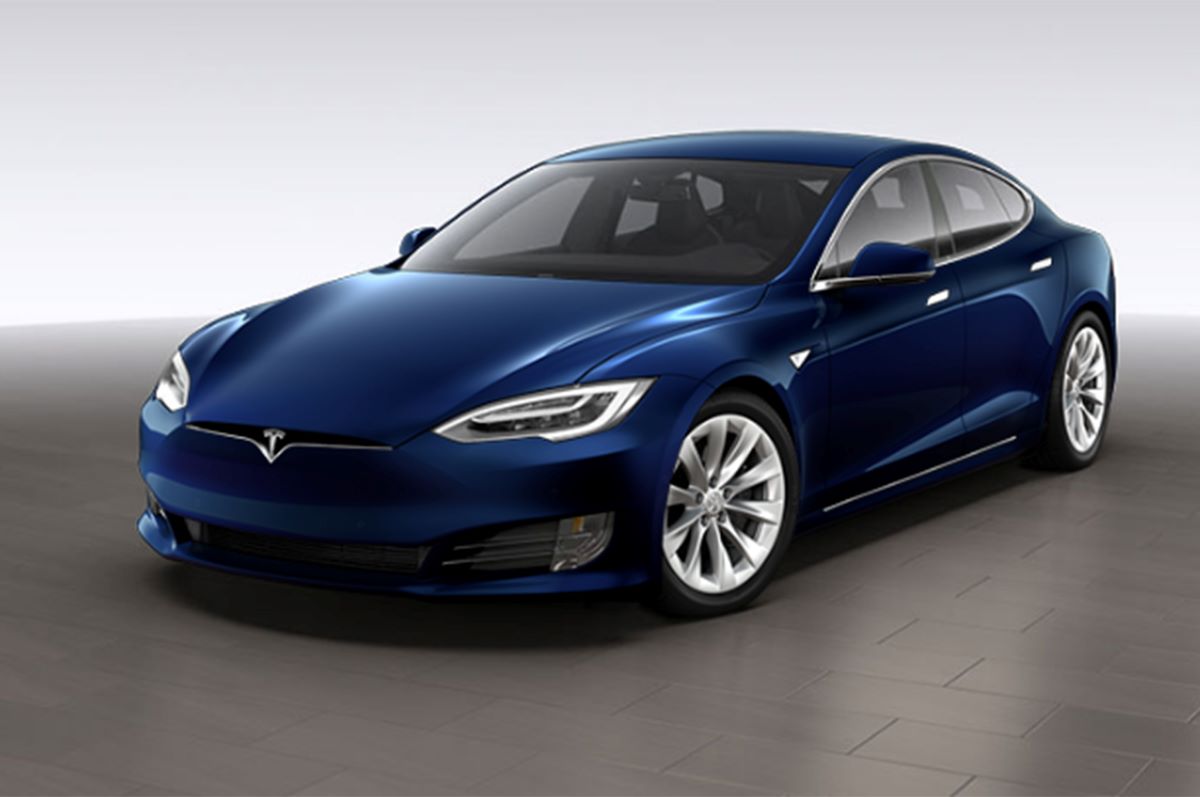
Two new tri-motor variants join the lineup, and both the exterior and interior have received meaningful updates for the better. This refresh may be exactly what Tesla needs to stay competitive alongside new high-performance entrants such as the 1,080-hp Lucid Air Dream Edition and the Porsche Taycan Turbo S.
Regardless of which Model S you select, serious speed is standard. The Long Range model, the dual-motor version not specifically focused on performance, claims a 0-60 mph time of 3.1 seconds and a top speed of 155 mph.
That’s fast, but the new Plaid variants, with three high-performance electric motors distributed across the front and rear axles, take acceleration to an entirely different level.
The Model S Plaid produces a staggering 1,020 hp and 1,050 lb-ft of torque, making it extraordinarily quick. Exactly how quick is a topic of some debate. In our initial test of the Model S Plaid, Tesla requested that we measure acceleration on a specially prepared drag strip, which differed from our standard testing procedures.
After negotiation, we agreed and recorded a 0-60 mph time of 1.98 seconds. The following day, at our regular testing facility, the car sprinted to 60 mph in 2.1 seconds. Either way, it’s the fastest vehicle we’ve ever tested, though Tesla’s insistence on preferential treatment slightly clouds the achievement.
Tesla originally planned a Model S Plaid+ variant with even faster acceleration and longer range. However, it seems Tesla found the standard Plaid’s capabilities sufficient and canceled the Plaid+. Elon Musk tweeted there was “no need” for the Plaid+, stating, “Plaid is just so good.”
The Model S has come a long way since its debut, when the maximum range was just 265 miles. The refreshed Model S now offers roughly double that distance.
Lucid’s newcomer estimates 517 miles of range (we observed 490 miles in a ride-along) for the Air sedan, but Tesla’s numbers for the updated Model S surpass it. As with any EV, actual range varies depending on conditions.
The Model S Plaid claims a top speed of 200 mph, but Tesla has not yet finalized achieving that mark. The hardware isn’t a limitation, the 21-inch Arachnid wheels and Model S-specific Michelin Pilot Sport 4S tires can reach 200 mph.
The limitation is software; until an update is released at an unspecified date, the Plaid is restricted to 163 mph. That’s still extremely fast, and the acceleration up to that speed is astonishing. It’s another example of Tesla making a bold claim and figuring it out later.
2. Jeep Wrangler (Modified)
A stock Wrangler isn’t difficult to insure but modified Wranglers often trigger insurance slowdowns and DMV questions.
The Wrangler culture is heavily aftermarket-driven, meaning many used models come lifted, re-geared, re-tired, or equipped with non-standard bumpers.
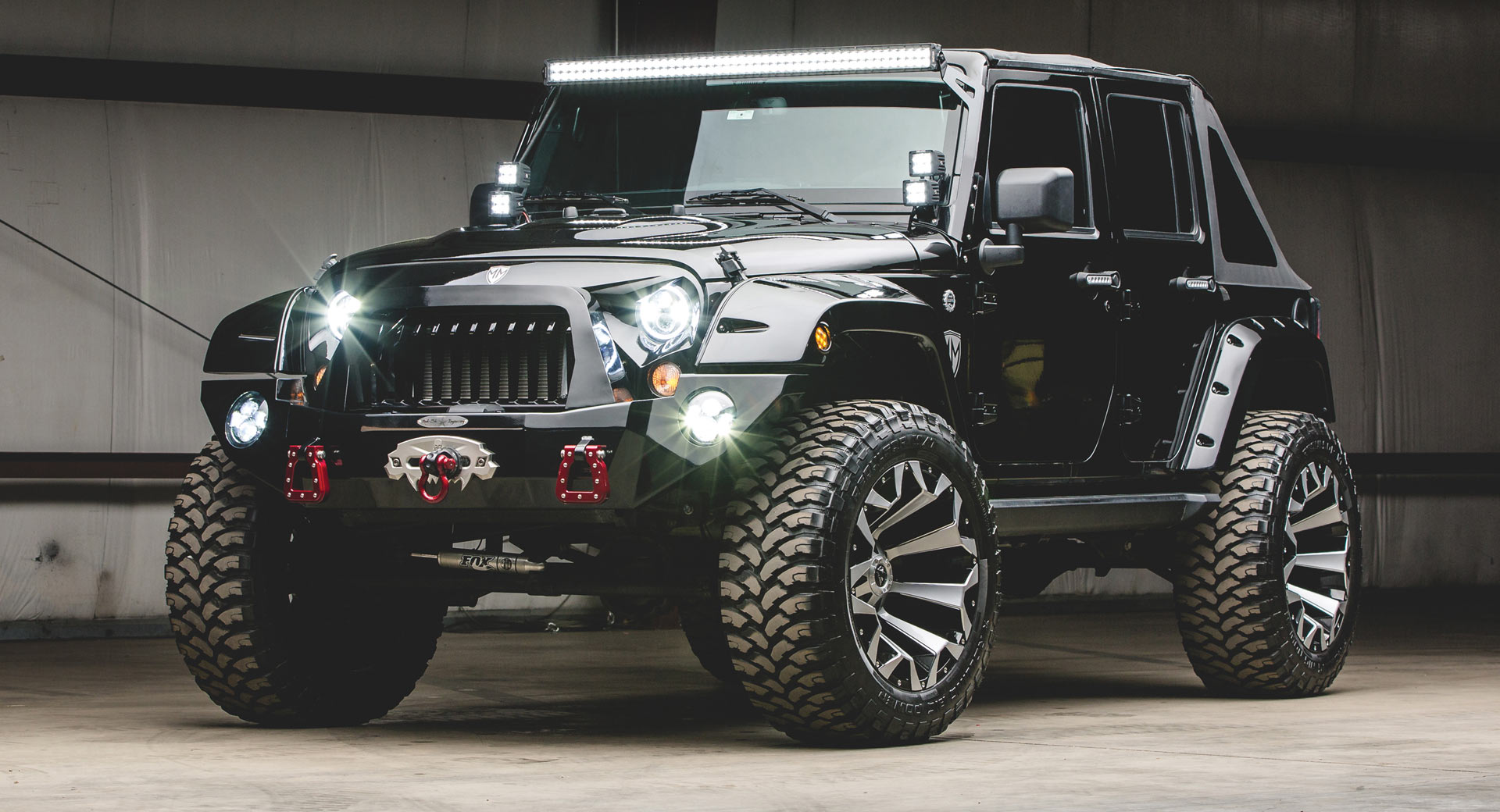
Insurers often require detailed modification lists to calculate coverage, and some policies won’t bind until photos and inspection reports are submitted.
In certain states, heavily lifted Wranglers can also bump into height restrictions or safety-equipment checks, requiring reinspection before registration. Owners often underestimate the time and documentation these steps can take.
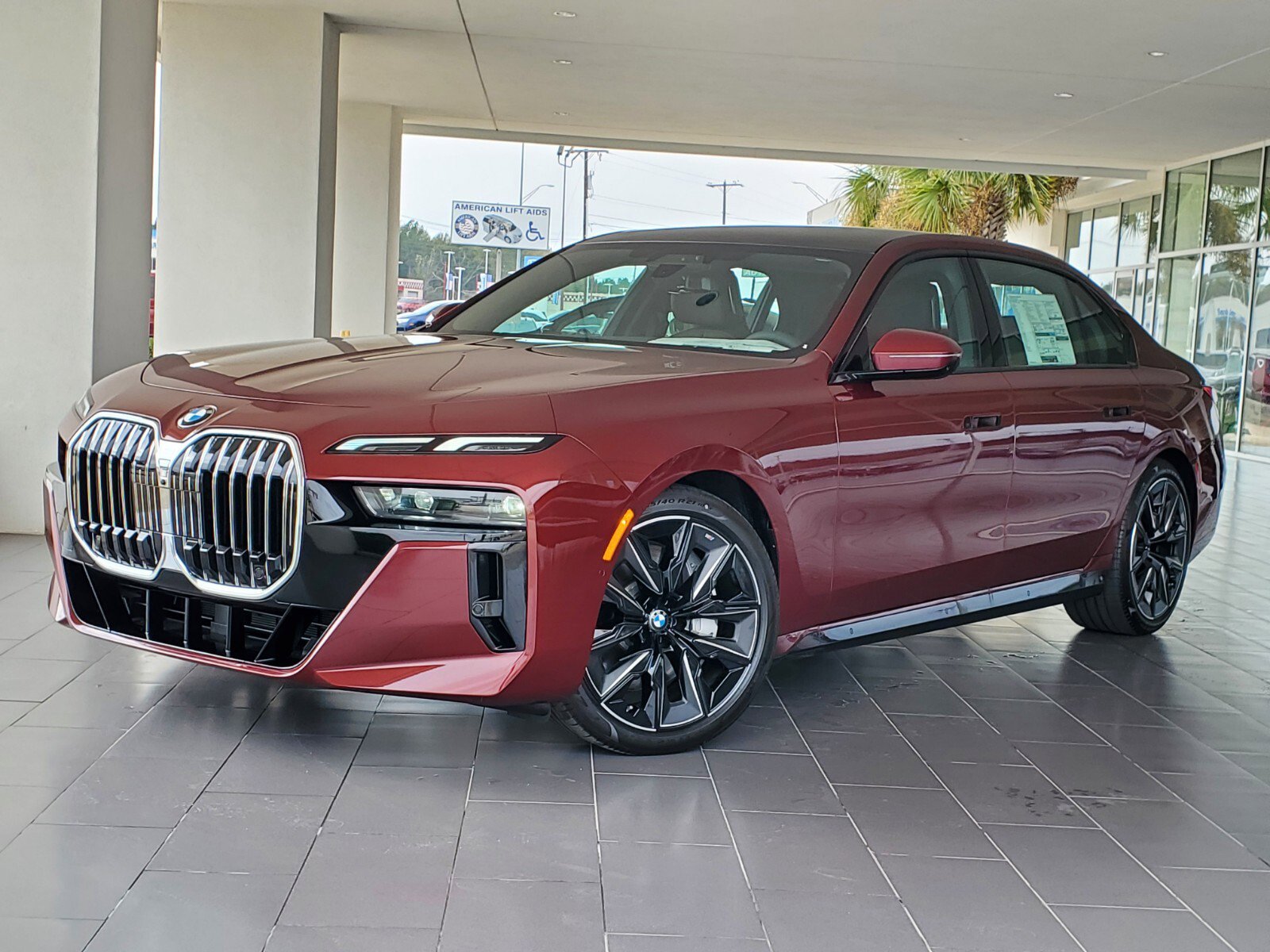
3. BMW 7 Series
Luxury sedans like the BMW 7 Series tend to complicate both registration and insurance due to high repair costs, advanced electronics, and frequent title complications from past corporate ownership or leases.
Many 7 Series models pass through fleets or rental channels before hitting the used market, and those histories can produce extra paperwork when transferring titles between states.
Insurance premiums are high, and companies often request additional verification before binding coverage, especially if the buyer is young or has limited insurance history.
Even minor cosmetic damage on a used 7 Series can require formal appraisal or documentation before insurers finalize coverage levels.
In recent years, the BMW 7-Series has shifted from a sporty sedan to a sumptuous luxobarge, and the 2021 model continues that evolution.
Its soft suspension, quiet cabin, and indulgent luxury features make it an attractive limousine for affluent buyers, most of whom won’t mind if their chauffeur isn’t particularly entertained by the car’s almost lifeless steering.
The 7-Series offers a range of powertrain options, from a 320-hp inline-six to a fire-breathing twin-turbo V-12. Regardless of the engine choice, the 7-Series remains a composed and effortless cruiser, capable of long road trips without breaking a sweat and leaving passengers feeling refreshed upon arrival.
Engines and transmissions are among the highlights of the 7-Series. Every powerplant, from the 740i’s 320-hp turbocharged inline-six to the M760i’s extraordinary 601-hp twin-turbo V-12, delivers a velvety-smooth feel and an impression of power that often exceeds the official horsepower ratings.
Even the 745e plug-in hybrid, combining a turbocharged six-cylinder engine with an electric motor, offers robust performance and a natural driving experience rarely found in hybrids. All 7-Series models utilize a version of BMW’s slick-shifting eight-speed automatic transmission. All-wheel drive, branded as xDrive, is optional on the 740i and standard on all other trims.
Regardless of which drive mode is selected, the suspension remains plush and body control is limited. While the 7-Series provides adequate cornering grip, the overall softness of the suspension, and the numb, light feel of the steering, discourages pushing the car to its limits in corners.
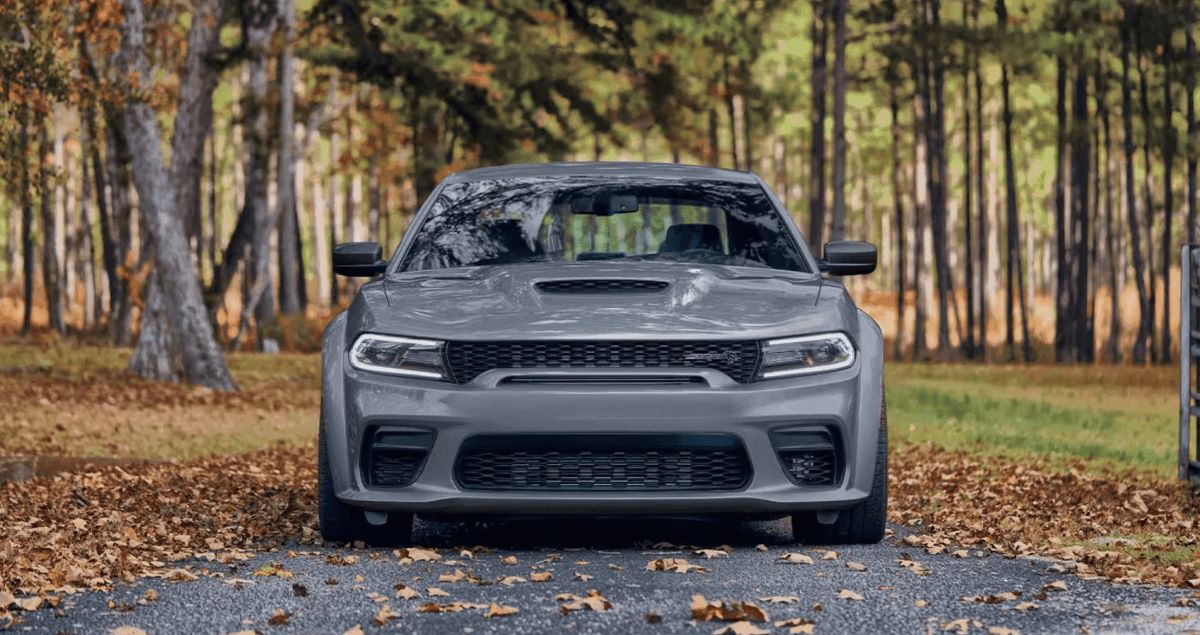
4. Dodge Charger (Performance Trims)
The Dodge Charger, particularly trims like the R/T, Scat Pack, and Hellcat, has become a high-risk insurance category due to theft rates, aggressive driving patterns, and performance modifications.
Insurers may require enhanced documentation, proof of garaging, or even driver-history audits before approving full coverage.
Many states also flag performance models for higher assessed taxes, which means DMV paperwork takes longer as clerks must verify the exact trim, engine, and package codes.
If the car has been previously tuned or modified as many Chargers are the insurance process can stretch even longer, with supplemental forms required for each upgrade.
The 2021 Dodge Charger harkens back to the era when most full-size sedans featured rear-wheel drive and rumbly V-8 engines. At the same time, it accommodates modern expectations with options like all-wheel drive and contemporary technology. This includes a suite of advanced driver-assist features and an excellent infotainment system.
The Charger’s wide appeal also stems from its eye-catching appearance packages, enticing performance upgrades, and generally accessible pricing. While the interior does include some lower-quality materials and models with the largest wheels ride a bit harsher, the roomy cabin and expansive trunk make the Charger a practical muscle car.
There’s nothing especially thrilling about the standard V-6, but either of the optional Hemi V-8s deliver the sound and power that stir the soul.
The Charger embraces its NASCAR-inspired roots with big V-8 power and aggressive exhaust notes. Not every Charger comes with a mighty Hemi V-8 under the hood, what a pity, but all models share an excellent eight-speed automatic transmission and standard rear-wheel drive.
The V-6 is tamer but brings the added benefit of available all-wheel drive. Dodge does not offer a manual gearbox in the Charger, though it would certainly enhance the car’s cool factor. The standard V-6 has respectable performance, yet it doesn’t match the punch of front-wheel-drive competitors such as the Nissan Maxima.
The higher-powered variants shine on the drag strip; the 485-hp Charger R/T Scat Pack sprinted to 60 mph in an impressive 3.8 seconds. Even the 370-hp Charger delivers enough power to outpace most family sedans.
The bright (Green Go) Charger we tested delivered a quiet and composed ride around town. Its large 20-inch wheels handled most surfaces with ease, though obstacles like railroad crossings and potholes could unsettle it.
The big-bodied sedan was also surprisingly balanced in corners. While the V-6 version we drove exhibited nearly the same cornering grip, the Daytona’s higher horsepower made the experience even more thrilling.
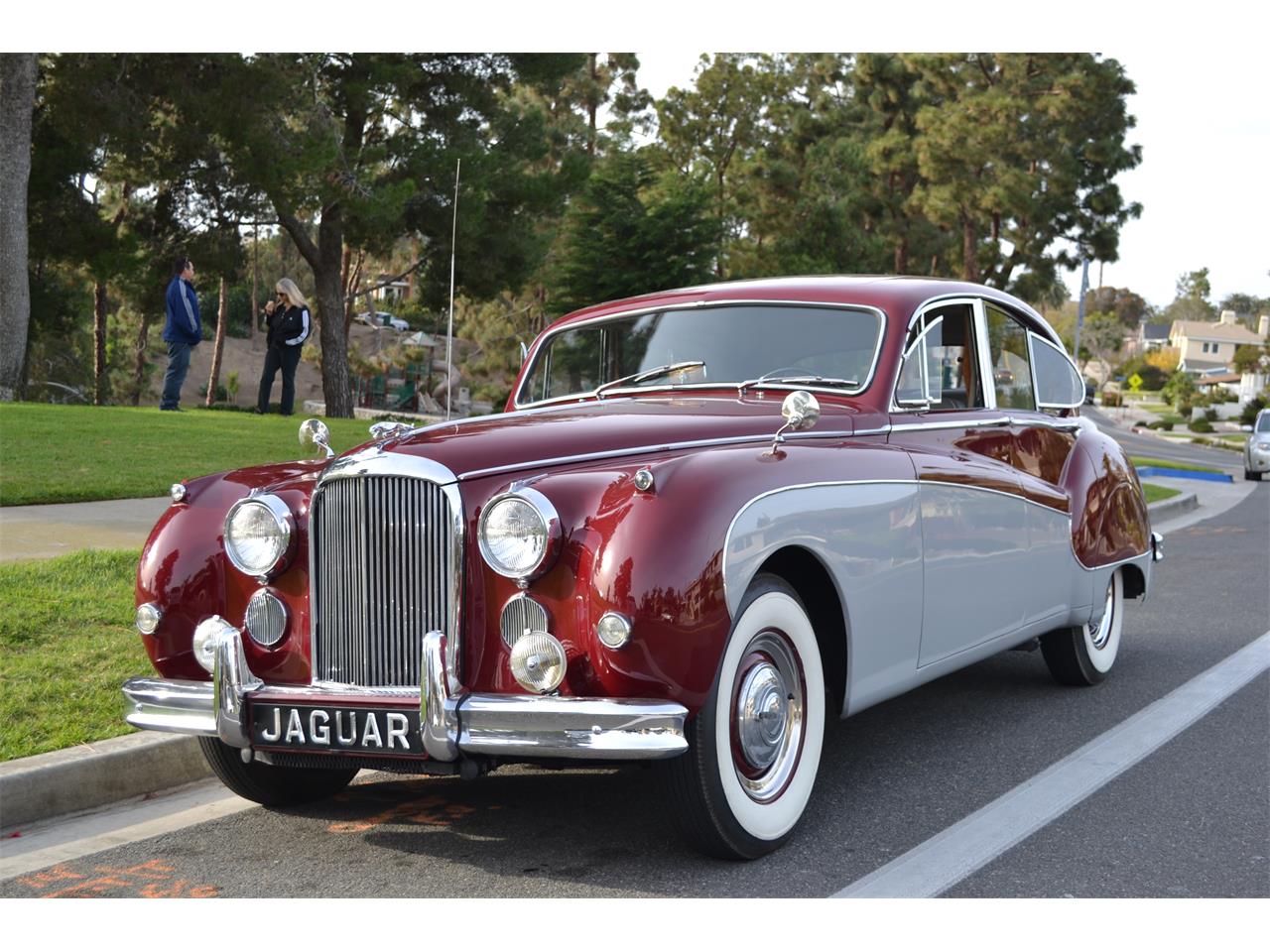
5. Classic Cars (1960s–1980s Models)
Classic cars consistently top the list of paperwork-heavy vehicles, and the reasons vary widely. Titles from decades past may be lost or mismatched, VIN plates might not meet modern formatting standards, and some cars require bonded titles before registration can proceed.
Insurance companies rarely issue standard policies for classics, instead pushing owners toward agreed-value or collectible-vehicle plans that require photos, appraisals, or proof of indoor storage.
Even small inconsistencies like an engine swap not documented during a previous sale can put DMV registration on hold until the owner proves the vehicle’s identity and condition.
While the car itself determines much of the driving experience, the ease of registration and insurance can significantly impact the ownership experience.
Models with predictable values, clean ownership histories, reliable safety ratings, and low modification rates tend to breeze through paperwork requirements in most US states.
On the other hand, high-performance vehicles, heavily modified rides, luxury sedans, electrics with complex repair profiles, and classics often require extra documentation, inspections, and insurer verification.
By understanding which vehicles come with these added administrative burdens, buyers can better prepare or choose a model that gets them on the road faster without the paperwork headaches.