When most people think of luxury sedans, images of six-figure price tags and exclusive badges come to mind. But the midsize and compact sedan segment has evolved dramatically, offering rides that feel premium without demanding a luxury-level budget.
From smooth hybrids like the Toyota Crown to sporty compacts like the Acura Integra, these vehicles combine comfort, technology, and refined handling in ways that rival cars costing tens of thousands more.
Advanced infotainment, adaptive suspensions, quiet cabins, and thoughtful driver-assistance features have trickled down, letting everyday drivers enjoy a near-luxury experience.
Whether it’s the efficient elegance of the Hyundai Sonata, the engaging dynamics of the Mazda6, or the dependable all-weather performance of the Subaru Legacy, there’s a sedan for every taste and lifestyle. These ten selections demonstrate that you don’t need a premium badge to enjoy sophistication, tech-forward interiors, and serene, confident driving.
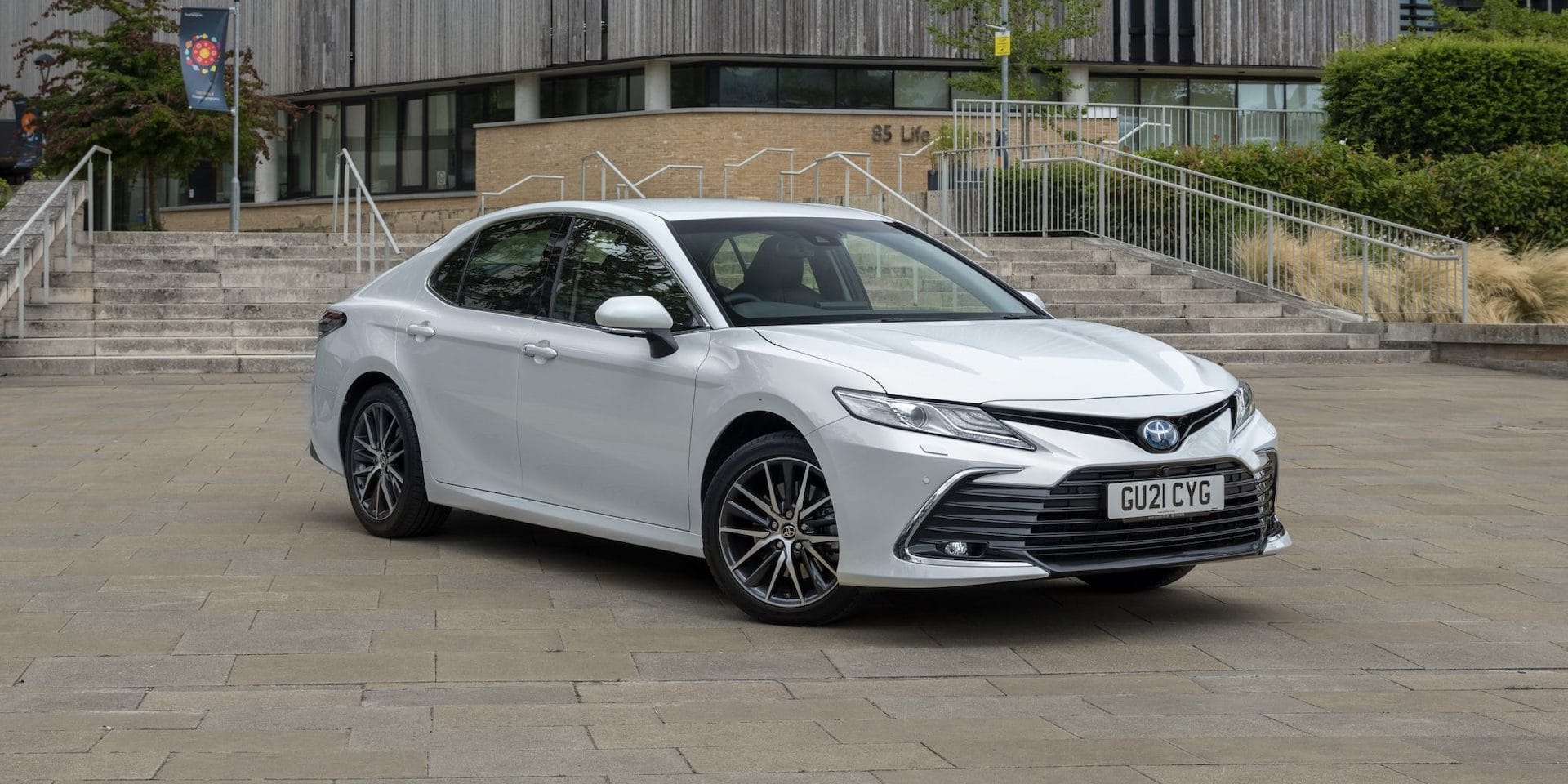
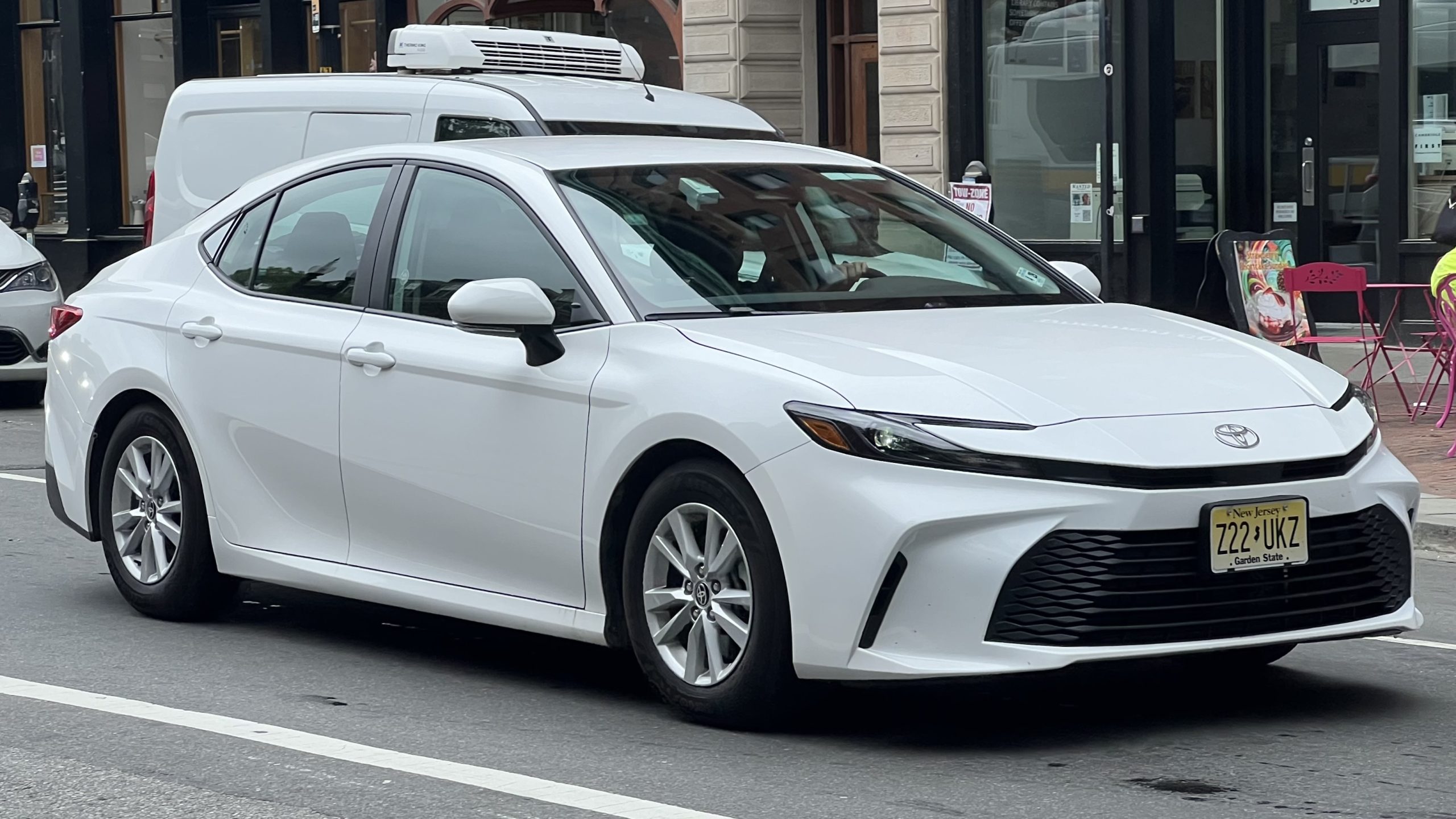
1. Toyota Camry: Comfort, Tech, and Performance Wrapped in Reliability
The Toyota Camry XSE delivers a driving experience that is both smooth and engaging. Acceleration is effortless, with our test car reaching 60 mph in 7.8 seconds, slightly quicker than competitors like the Honda Accord and Hyundai Sonata hybrids.
Its sport-tuned suspension and responsive steering provide confident handling, while the upright driving position gives a commanding view of the road. Even the base trim feels secure through turns, and the ride absorbs bumps well. Advanced safety technology, including lane sensing and optional Traffic Jam Assist, allows semi-autonomous driving at low speeds, adding convenience and peace of mind.
Inside, the Camry feels unexpectedly upscale. Front seats provide strong support for long trips, and the rear offers ample headroom and passenger space. Wide doors and upright seating make entry and exit easy, and LATCH anchors are conveniently positioned for car seats.
The cabin remains quiet at highway speeds, with the exception of engine noise under heavy acceleration. Controls are intuitive, with physical knobs under a large touchscreen for climate and infotainment, making the car easy to use for all passengers.
The Camry excels in in-cabin technology. Most trims feature a 12.3-inch touchscreen, wireless Apple CarPlay and Android Auto, and a functional wireless charging pad. The optional nine-speaker JBL audio improves sound quality but still falls slightly behind some rivals’ premium systems.
Trunk space measures 15.1 cubic feet, enough for luggage or groceries, while small-item storage is abundant. Door pockets, bins, and device holders throughout the cabin make it easy to organize personal items.
Starting around $28,000, the Camry offers strong value with a near-luxury feel and low maintenance costs. Toyota’s warranty includes two years or 25,000 miles of complimentary maintenance. Fuel economy is impressive, with hybrid trims achieving 44 to 51 mpg, making the Camry one of the most efficient non-plug-in vehicles available.
Though often labeled a “dad car,” the Camry combines comfort, advanced technology, and engaging handling. Its styling, capable performance, and reliability make it a surprisingly fun and practical choice for drivers seeking a well-rounded sedan.
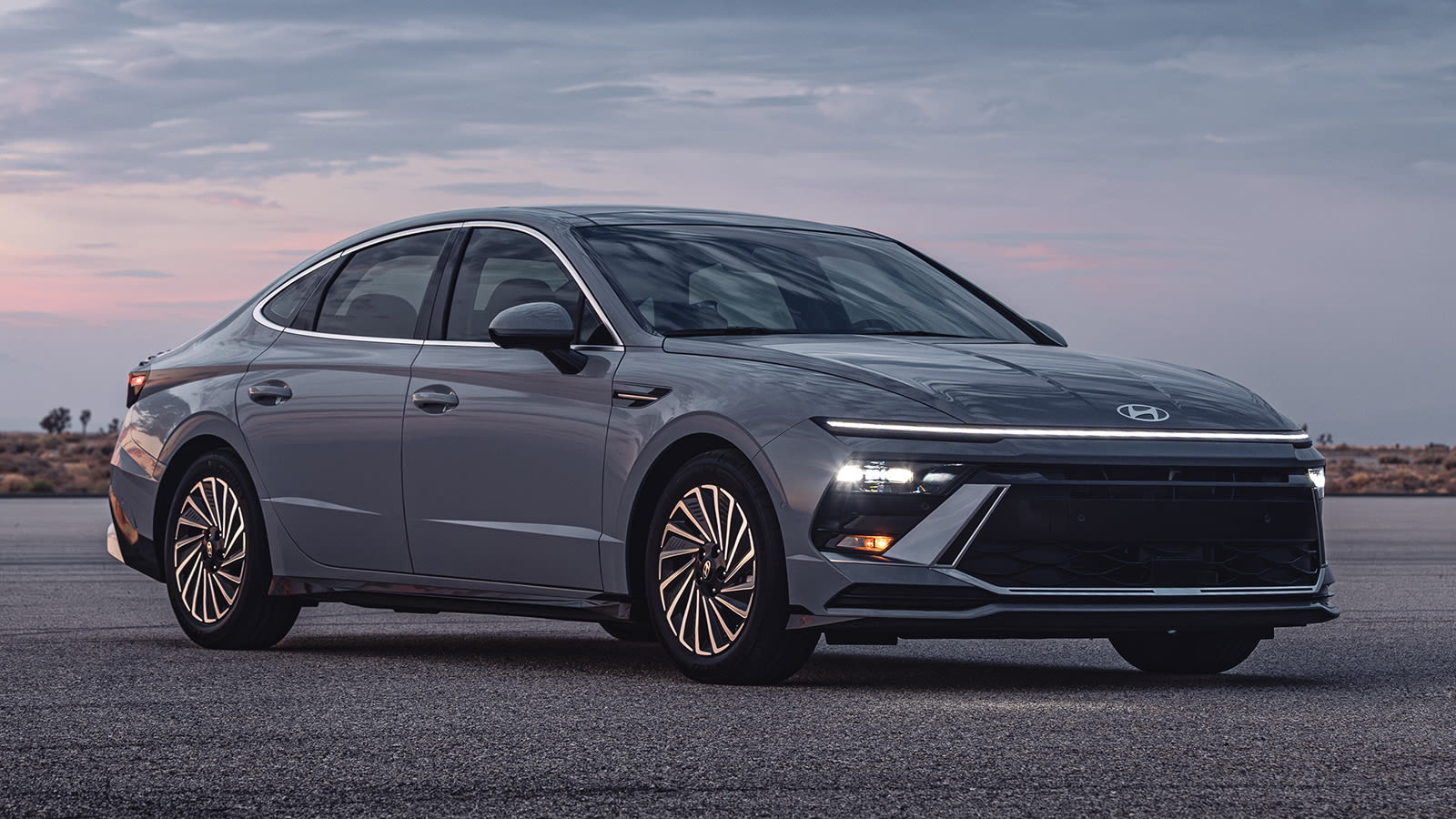
2. Hyundai Sonata: Stylish, Comfortable, and Tech-Forward
The Hyundai Sonata Hybrid offers a smooth and comfortable ride. Acceleration is adequate, reaching 0-60 mph in 8.3 seconds, which is slightly slower than the hybrid Toyota Camry and Honda Accord. Around town, it feels zippy, but freeway passing requires more planning.
The suspension strikes a balance between comfort and control, absorbing bumps well without feeling overly soft. Steering feels somewhat remote and artificial, and the tires lose grip quickly on twisty roads, making the Sonata more relaxed than sporty.
Advanced driver aids work seamlessly, including sensitive but non-intrusive sensors and side-view cameras for lane changes. Rear visibility is slightly compromised by thick window pillars and a sloping roof.
Inside, the Sonata feels modern and upscale. Front seats are well-shaped but slightly firm on long drives, while outboard rear seats are cushy, and the middle rear seat is stiff. Interior room is generous in both rows, and adjustable seats and steering wheel make it easy for most drivers to find a comfortable position.
Installing child safety seats is straightforward with clearly labeled LATCH anchors, though the upper anchors are tight. Climate control performs well, keeping the cabin cool efficiently, though road, wind, and engine noise are more noticeable than in rivals.
The Sonata shines in technology. Its large infotainment screen is responsive and supports wireless Android Auto and Apple CarPlay. Three USB-C ports are included, and the available surround-view camera system aids parking. Voice controls respond well to natural commands for radio, navigation, and phone functions, making the system easy to use.
The trunk offers 16 cubic feet of space, slightly less than the Honda Accord but more than the Camry, with a wide opening and convenient rear seat levers. Interior storage is practical, with deep center console compartments and large cupholders.
Starting around $27,000, the Sonata offers strong value with abundant features and an impressive warranty: five years or 60,000 miles bumper-to-bumper and ten years or 100,000 miles for the powertrain. The Hybrid SEL achieves 47 mpg EPA combined, with our testing showing slightly better results at 51 mpg.
The Sonata remains stylish, comfortable, and tech-forward. It may no longer lead the class in driving enjoyment, but it is still a solid, well-rounded midsize hybrid sedan that delivers excellent features and fuel efficiency at a competitive price.
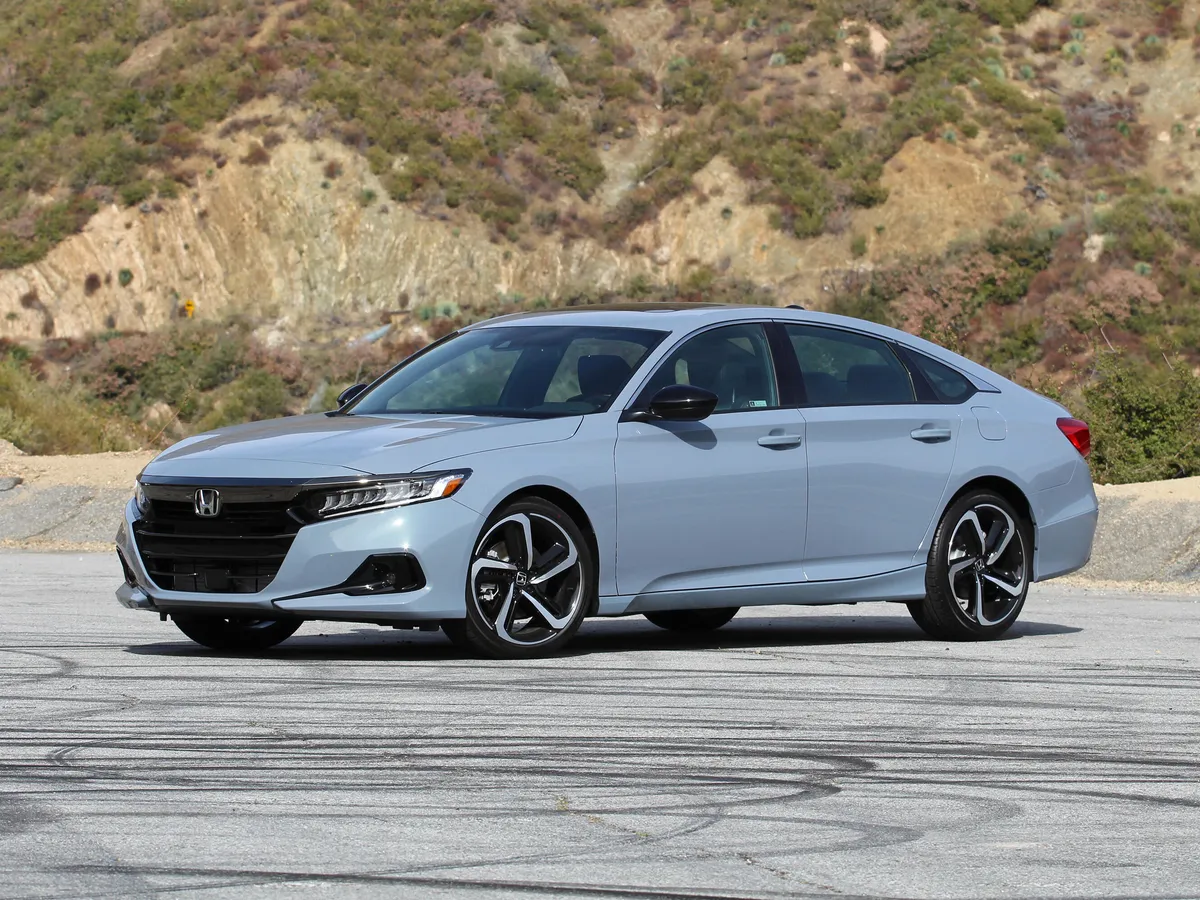
3. Honda Accord: Balanced, Efficient, and Reliable
The Honda Accord Hybrid offers a driving experience that blends efficiency with competent performance. In our testing, the Accord Sport-L accelerated from 0 to 60 mph in 7 seconds, faster than most rival midsize hybrids. Its continuously variable transmission mimics a traditional automatic transmission, and handling feels stable and composed.
While the Accord has grown in size and lost some of the athletic edge of earlier models, it maintains a comfortable ride even on larger 19-inch wheels. Thin windshield pillars and a large rear window provide excellent visibility. The Honda Sensing suite of driver aids works effectively, though the lane-keeping assist can be overly sensitive, while adaptive cruise control is easy to use.
Inside, the Accord impresses with generous passenger room. Front and rear occupants enjoy ample legroom, and wide door openings make entry and exit easy. Front seats are adjustable for most drivers, though padding could be improved, and rear LATCH anchors are easy to access for child seats.
The cabin is well insulated from road and wind noise, and the climate control system keeps the interior comfortable. The interior design is minimalist yet functional, with intuitive controls and a simple center stack.
Technology is modern and user-friendly. Higher trims feature a 12.3-inch touchscreen with wireless Apple CarPlay and Android Auto integration. Google voice assistant and services are available on the top Touring trim, though lower trims lack some of these advanced features.
Trunk space totals 16.7 cubic feet, accommodating long items like golf bags with ease. The center console and cupholders offer ample room for small items, personal devices, and large water bottles, making everyday organization simple.
The Accord offers solid build quality with no cheap materials, squeaks, or rattles. Base trims may lack features compared to competitors like the Hyundai Sonata, but the car remains reliable and well-made.
Honda’s warranty includes three years or 36,000 miles of basic coverage and five years or 60,000 miles for the powertrain. Fuel economy ranges from 32 mpg combined for base models to 48 mpg for hybrid versions with smaller wheels. Our real-world testing of the Sport-L returned 41.5 mpg.
The Accord is well-rounded, efficient, and dependable, though it no longer stands out as an innovative leader. Its combination of comfort, solid construction, and reliable performance makes it a practical midsize sedan that feels nearly luxury-grade without the premium price.
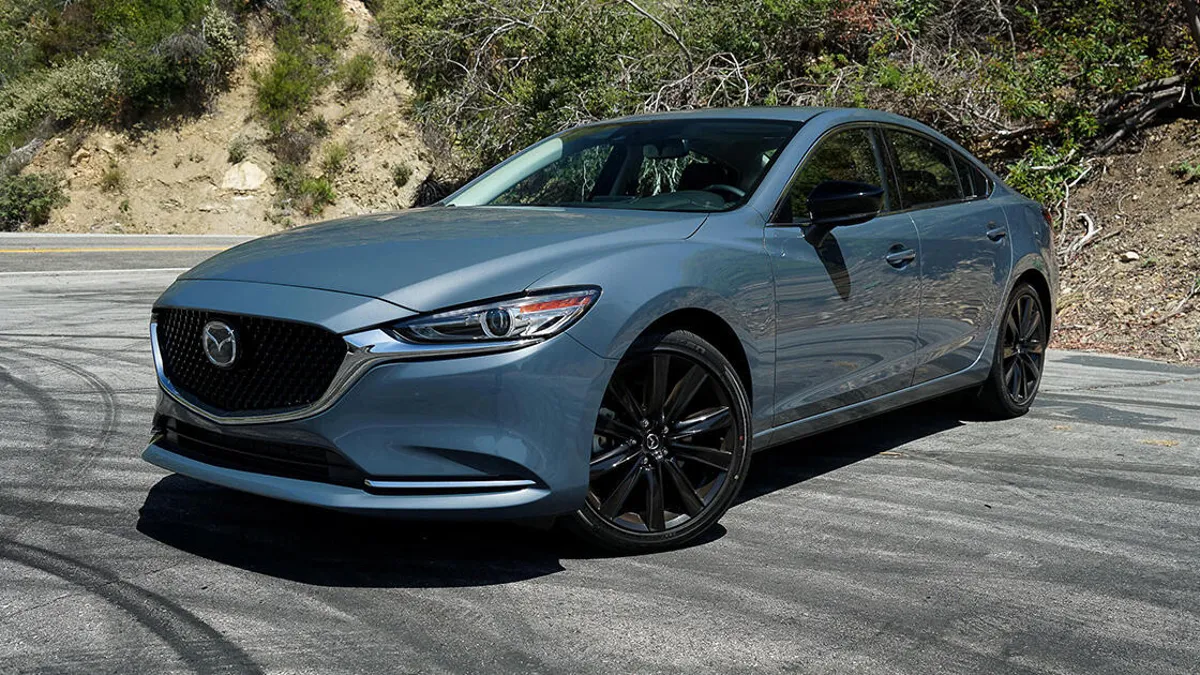
4. Mazda6: Sporty, Refined, and Underrated
The Mazda6 stands out as one of the best-handling midsize sedans on the market. Its steering is precise, offering a solid feel at low speeds and accurate feedback at higher speeds. The optional turbocharged four-cylinder engine delivers strong acceleration off the line, though power tapers at highway speeds.
The six-speed automatic transmission shifts smoothly, even if it lacks the number of gears some rivals offer. The sport-tuned suspension keeps the car composed over bumps and around corners, emphasizing driving enjoyment over plush comfort.
Inside, the Mazda6 blends sportiness with refinement. Front seats are firm yet supportive, with optional leather trim and ventilation adding comfort for long drives. Dual-zone climate control is effective, though it takes some time to cool the cabin.
Entry and exit are easy due to wide-opening doors, but the sloping rear roofline can require taller rear passengers to duck slightly. Legroom and headroom are ample up front, while the rear provides sufficient space for average-size passengers, though it is smaller than in the Accord or Camry. The cabin is quiet, though wind and road noise are noticeable at highway speeds.
Mazda equips the 6 with modern tech and safety features. Apple CarPlay and Android Auto integration are standard, while adaptive cruise control, blind-spot monitoring, lane departure warning, and front crash mitigation enhance driver confidence.
Optional navigation works well with voice control and the central control knob, although some functions can be nonintuitive. The optional head-up display improves situational awareness.
The trunk measures 14.7 cubic feet, slightly below some competitors, with 60/40-split rear seats that fold for extra space. Interior storage is sufficient for small items, and child seat installation is supported with four lower anchors and three upper tethers, though lower anchors can be tight and tricky to access.
Starting around $29,000, the Mazda6 offers near-luxury fit and finish at an affordable price. The turbocharged engine achieves an EPA-estimated 26 mpg combined, and our testing returned 27.8 mpg. The Signature trim adds premium touches without overinflating the cost, making it one of the most rewarding and fun-to-drive sedans in the midsize segment.
Mazda has crafted a sedan that balances style, refinement, and driving enjoyment. While quieter and less mainstream than some competitors, the Mazda6 delivers a rewarding experience for those who value quality craftsmanship and engaging performance in an attainable package.
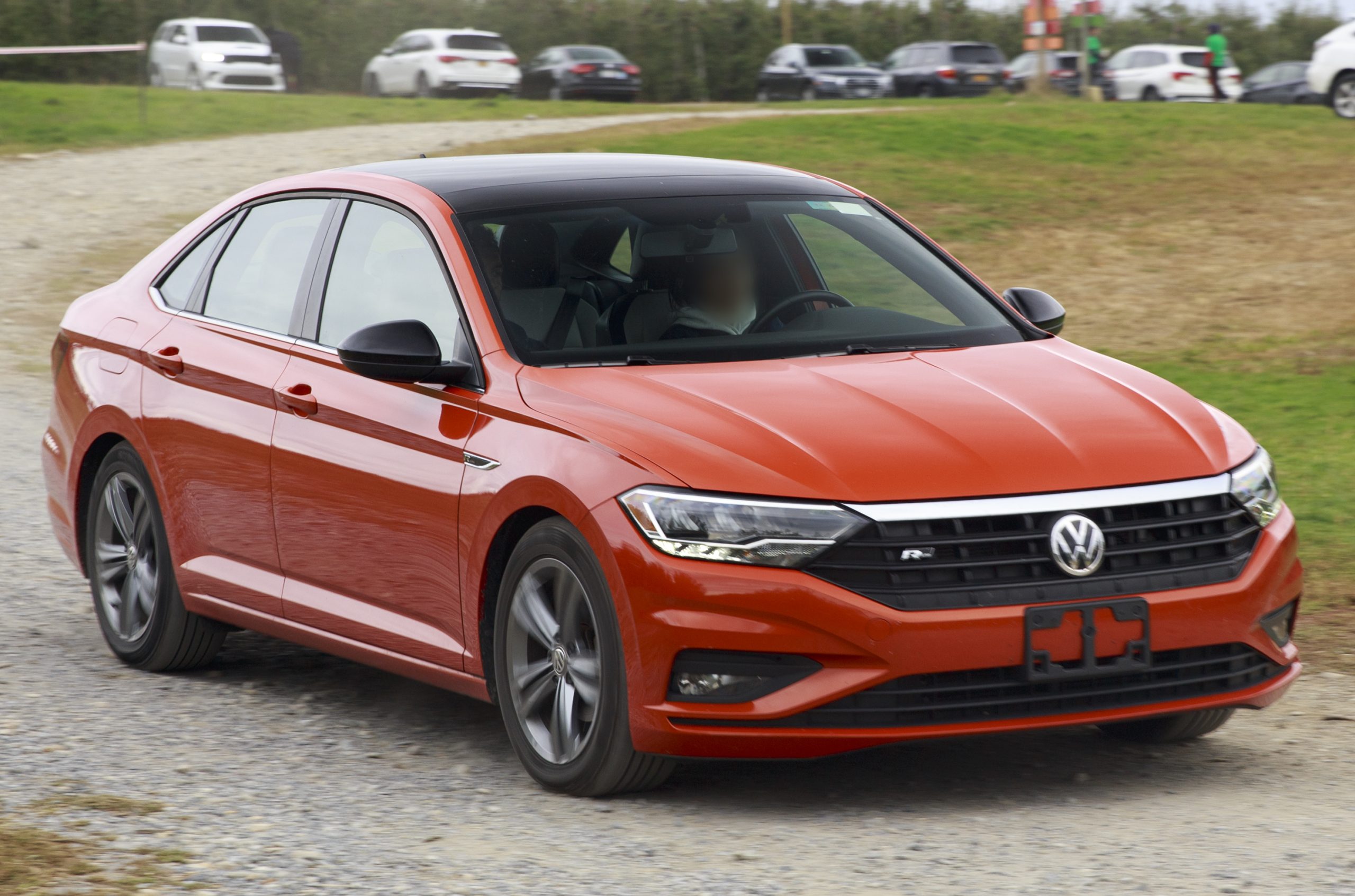
5. Volkswagen Jetta: Sophisticated, Practical, and Fun to Drive
The Volkswagen Jetta has evolved into a solid, classy compact sedan starting around $22,000. Our SEL test car accelerated from 0 to 60 mph in 8.4 seconds, which feels slightly sluggish due to a transmission that can be slow to respond.
Sport mode improves responsiveness, and the GLI version is the pick for those seeking a more spirited experience. Handling is a highlight, as the Jetta remains stable and fun on curvy roads. Brakes are strong and provide smooth stops.
Ride quality can be firm over bumps, especially on larger wheels, but base trims with smaller wheels are more comfortable. The car comes with a respectable suite of driver aids that operate well without being intrusive, although the rearview camera resolution is low.
Inside, the Jetta is comfortable and spacious. Front seats are firm but supportive, and rear seats offer above-average comfort, though rear headroom is somewhat limited for taller passengers. Entry and exit are easy, and LATCH anchors for car seats are clearly marked and accessible. Noise levels are higher than expected, with road and wind noise noticeable at highway speeds, even though engine noise remains quiet.
The Jetta SEL includes four USB-C ports, a wireless charging pad, and wireless smartphone connectivity. Apple CarPlay and Android Auto work well, but the native infotainment system is dated, with menus and graphics that can be confusing.
Trunk space measures 14.1 cubic feet, which is large for the class, with a wide opening for easy loading. Rear seats fold partially but leave a raised shelf, limiting long-item capacity. Interior storage is ample, with a deep center console, cupholders, and door pockets, though small items can rattle due to the lack of lining.
The Jetta offers a sophisticated design and a practical interior at a competitive price. Feature content is strong, though some competitors offer additional options like all-wheel drive. Fuel economy is credible, with EPA estimates of 33 mpg combined and observed 38 mpg in lighter traffic. Volkswagen provides four years or 50,000 miles for both bumper-to-bumper and powertrain coverage.
The Jetta combines understated European styling with solid handling and practicality. While it may not stand out in everyday driving, it retains a touch of sportiness, especially in the GLI, and offers a refined, competent option for those seeking a compact sedan with class and composure.
Also Read: 10 Cars That Keep the Cabin Quiet on Concrete Highways
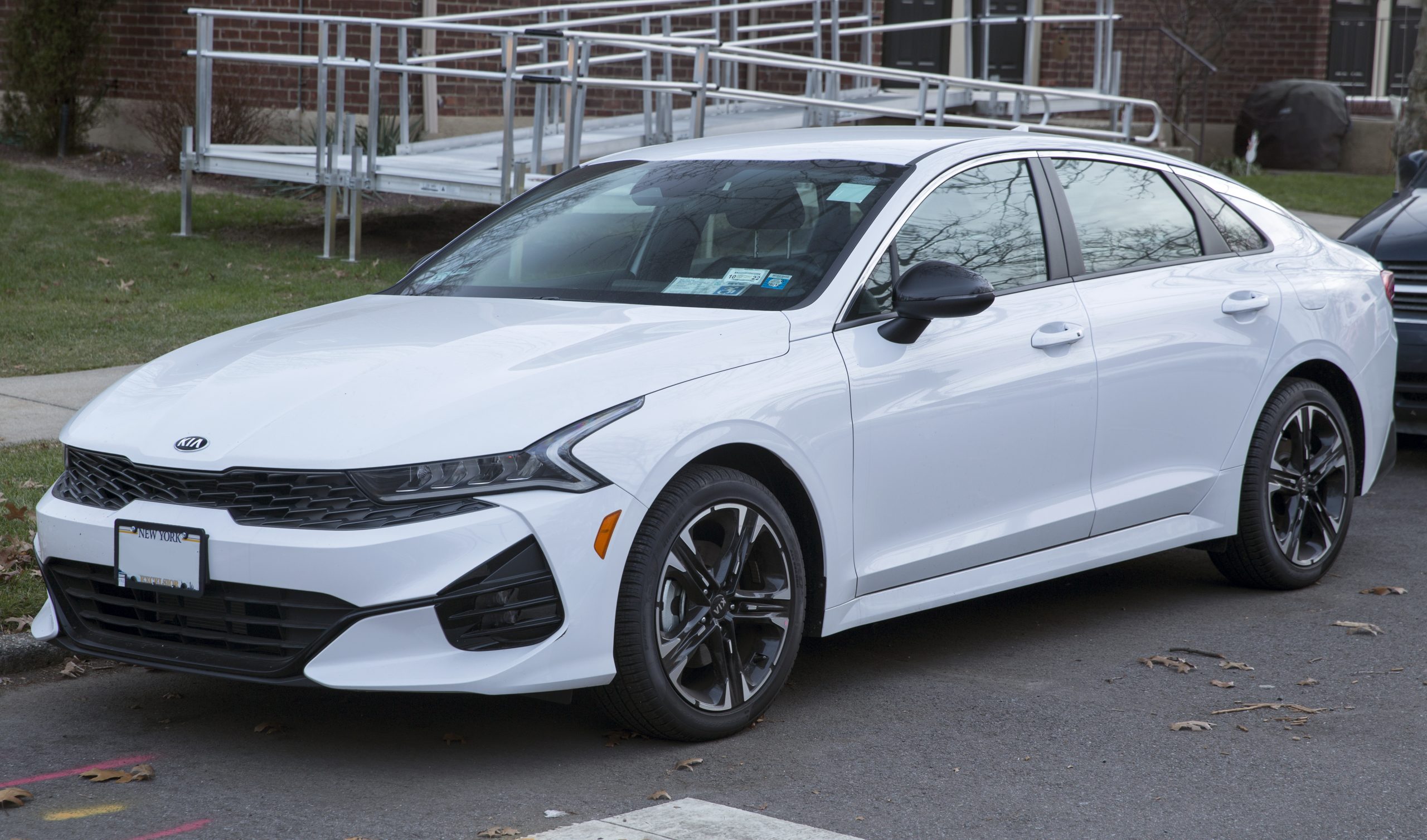
6. Kia K5: Stylish, Comfortable, and Feature-Rich
The Kia K5 impresses with its striking design and solid everyday driving performance. Our test car featured the base 2.5-liter four-cylinder engine, which provides adequate power for city and highway driving but reaches 60 mph in 8.5 seconds, slower than some rivals.
The suspension absorbs road imperfections effectively without feeling overly soft, though the body can lean a bit during sharp turns. Forward visibility is excellent due to narrow roof pillars, while rear visibility is somewhat limited by the tall rear deck.
Advanced driver aids are plentiful, including a blind-spot camera, 360-degree parking camera, adaptive cruise control, and lane keeping assistance, all of which functioned well during testing.
Inside, the K5 feels surprisingly quiet, matching some luxury sedans on the highway. Front seats are comfortable with moderate side support, and the cabin offers generous legroom, though headroom is modest.
The climate control system keeps the interior cool effectively, and access for child seats is straightforward with easily reachable anchors. Controls are thoughtfully placed and intuitive, although some drivers may prefer additional physical buttons.
The K5 offers advanced tech for its class. A 12.3-inch touchscreen is standard and angled toward the driver for easy use. Apple CarPlay and Android Auto wireless integration come standard, and options include a wireless charging pad with a cooling fan and a digital key. The available digital instrument cluster complements the upscale feel of the cabin.
Trunk capacity is 15.6 cubic feet, slightly above average, with a wide, low opening for easy loading. Seatback releases are conveniently located inside the trunk. The cabin provides practical storage with a charging pad, center console bin, and additional trays for small items.
Starting around $26,000, the K5 offers strong value with quality materials and a feature-rich interior. Hard plastics are mostly out of high-touch areas. Fuel economy for the base engine is estimated at 30 mpg combined. Kia’s warranty is excellent, providing 10 years or 100,000 miles for the powertrain and five years or 60,000 miles of basic coverage.
The K5 stands out in a class often defined by bland styling. It combines upscale design, quiet comfort, and advanced features, making it a compelling option for buyers who want a family sedan that looks and feels more premium than its price suggests.
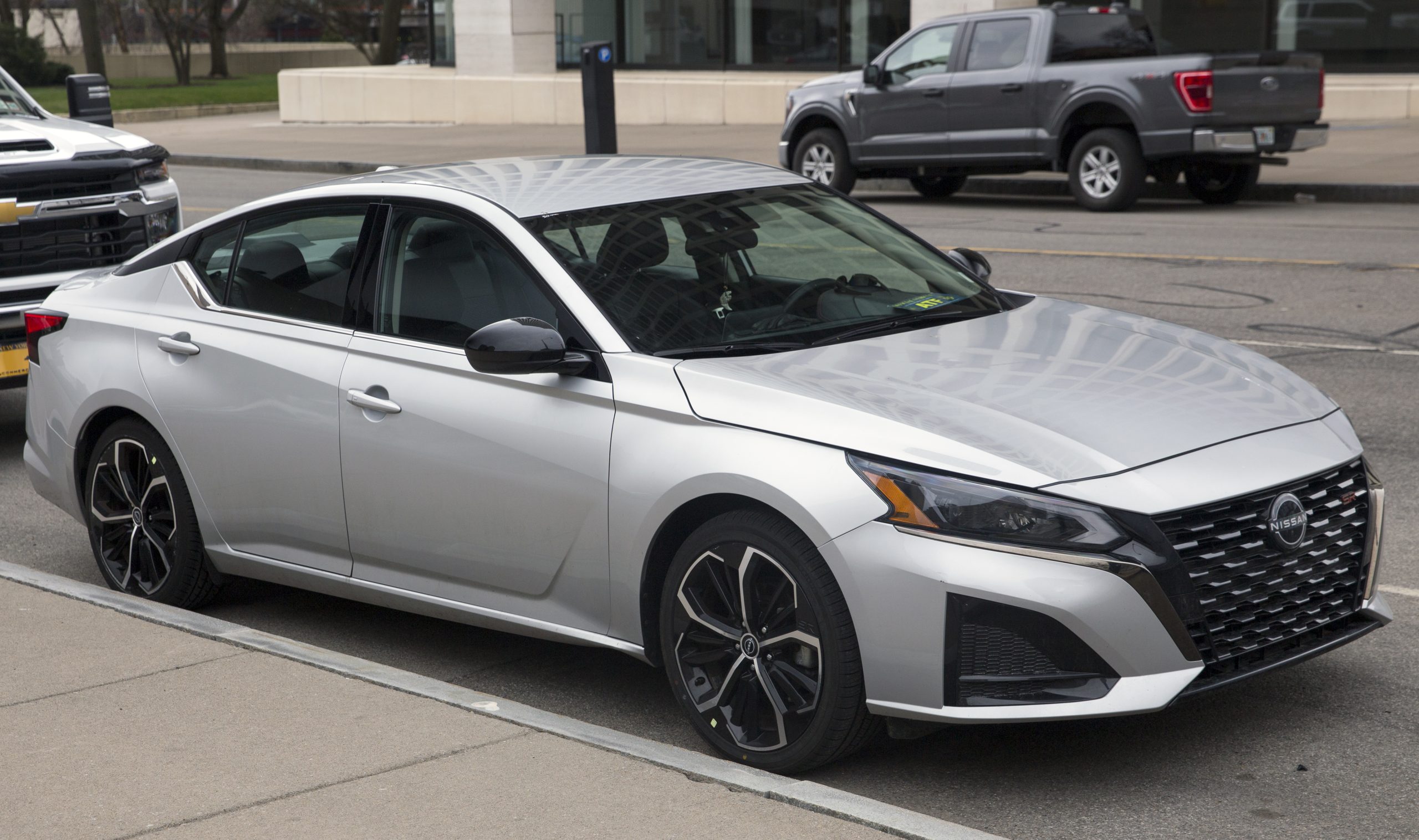
7. Nissan Altima: Comfortable, Practical, and Classy
The Nissan Altima strikes a balance between comfort and practicality, with optional all-wheel drive adding versatility for varied weather conditions. Our AWD test model accelerated from 0 to 60 mph in 8.4 seconds, which is not thrilling but adequate for everyday driving.
The continuously variable transmission (CVT) is well-tuned, offering smooth performance in stop-and-go traffic and minimal intrusion during highway cruising. Handling is stable, even on fast, sweeping curves, though the ride transmits minor impacts over rough pavement, making larger bumps feel slightly jarring.
Forward visibility is good, but rear sight lines are partially blocked by the high rear decklid. The low-resolution rearview camera and reflections from the dashboard can be distracting in bright sunlight. The Altima’s ProPilot Assist system, including lane centering and adaptive cruise control, works effectively, reducing driver effort in traffic.
Inside, the Altima is calm and inviting. Front seats provide strong support, though some drivers may wish for more thigh cushioning. The low-noise cabin keeps engine and wind sounds subdued, enhancing long-drive comfort. Door openings are wide, making entry and exit easy, while headroom and legroom in both rows are generous.
Rear seating accommodates large car seats easily, with clearly labeled LATCH anchors under fabric flaps. Climate control and touchscreen functions are straightforward and easy to operate, contributing to a practical, user-friendly interior.
The Altima’s tech suite includes a large 12.3-inch touchscreen, onboard navigation, and wireless Apple CarPlay and Android Auto. While the screen size is modern, the onboard software feels outdated, and the graphics are basic. Voice controls perform well, and Google-powered navigation reliably finds destinations, but the backup and surround-view cameras are low-resolution, especially at night.
Trunk capacity is sufficient for a few full-size suitcases. The squared-off trunk shape allows easy loading, though rear seats must be manually folded from inside the cabin. Front passengers have practical storage for small items, though cupholders are shallow for taller bottles.
Priced around $26,000, the Altima delivers solid fuel economy, with our AWD test reaching 34 mpg in real-world driving. Build quality has minor flaws, but the sedan remains comfortable, practical, and well-equipped. Its understated design, roomy interior, and dependable handling make the Altima a competent, no-nonsense midsize sedan.
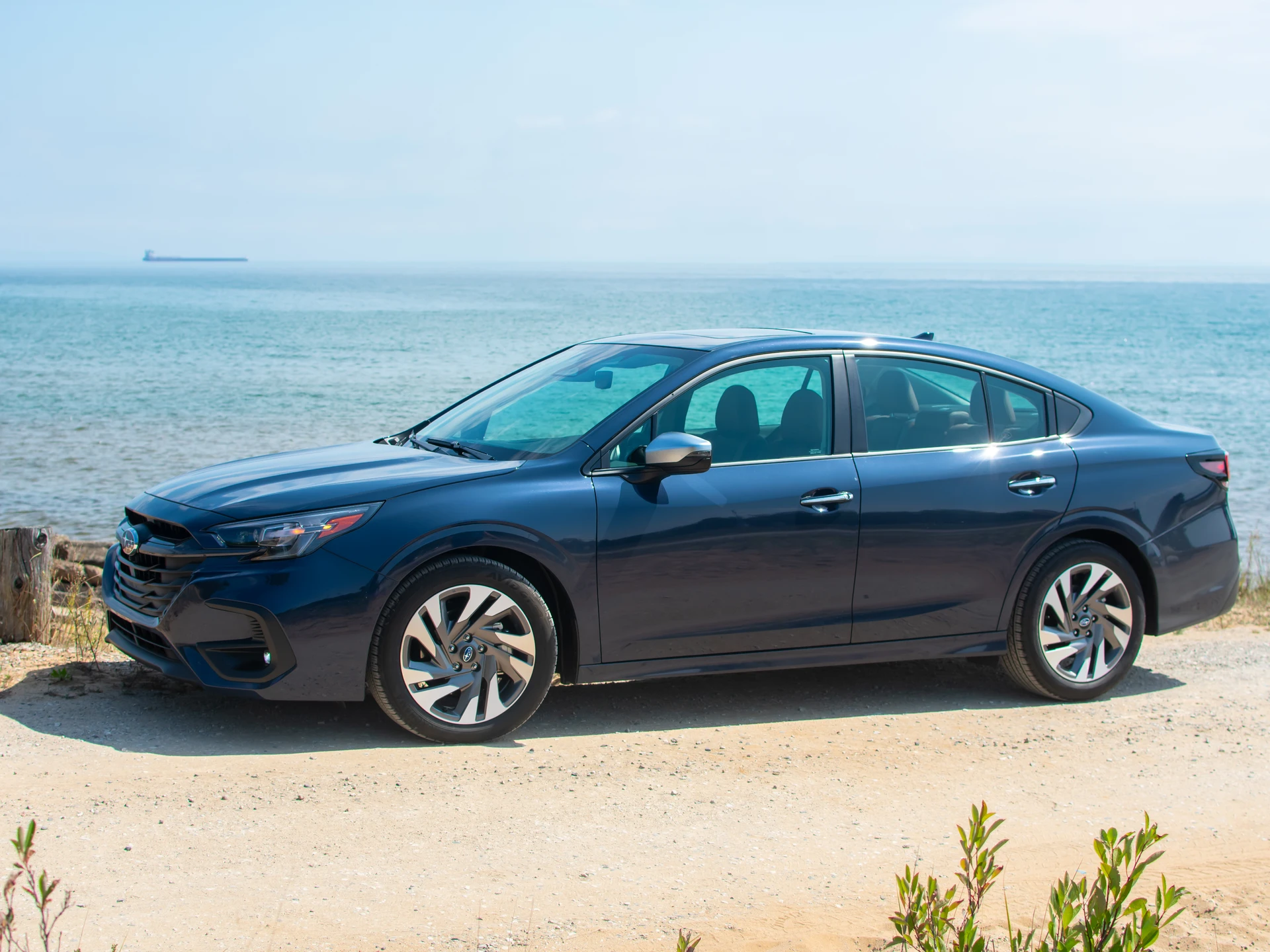
8. Subaru Legacy: Comfortable, Dependable, and All-Weather Ready
The Subaru Legacy is a dependable midsize sedan that emphasizes comfort and all-weather capability with standard all-wheel drive. Our test model featured the base 2.5-liter engine, which accelerated from 0 to 60 mph in 8.5 seconds, slower than many competitors.
Braking is competent, though moderate touches can induce a nosedive. The Legacy handles well, gripping the road better than most midsize sedans. Steering is weighted and responsive, delivering a natural connection between driver and road. The ride is cushioned without feeling floaty, and large windows provide excellent visibility.
Wind and road noise are more pronounced than in rivals, and the engine stop-start system can feel jumpy. The standard EyeSight safety suite is comprehensive, but some features, such as forward collision warning and adaptive cruise control, are overly sensitive and sometimes intrusive.
Comfort is a central strength of the Legacy. The cabin is warm and inviting, with spacious front and rear seats. Rear seating is surprisingly generous with abundant headroom and legroom, and the sculpted seats enhance passenger comfort.
Front seats offer supportive cushioning and firm side bolsters, making it easy to maintain a comfortable driving position. Entry and exit are straightforward, and car seat anchors are easily accessed behind small Velcro flaps.
The dual-zone climate system works effectively, though some touchscreen functions require navigation through multiple menus. Seat heaters transition quickly from mild to warm, though overreliance on the central touchscreen is a minor drawback.
The Legacy comes well-equipped with tech, including Apple CarPlay and Android Auto, multiple USB ports, and the Starlink infotainment system. However, the system can be slow and prone to crashes, and voice controls are often ineffective. Navigation is visually appealing, but searching for points of interest is limited.
The trunk measures 15.1 cubic feet and accommodates bulky items. Rear seats fold via a trunk lever or button for added versatility, though the middle seat belt can obstruct a flat load. The cabin offers multiple storage compartments, including a two-tier center console, door pockets, and small bins near the shifter.
Starting around $25,000, the Legacy is slightly more expensive than rivals but justifies the cost with standard all-wheel drive. Fuel economy is estimated at 30 mpg combined. The sedan delivers a cozy, practical, and stable driving experience, with a quiet and comfortable interior, making it ideal for drivers who value comfort and reliability over sporty performance.
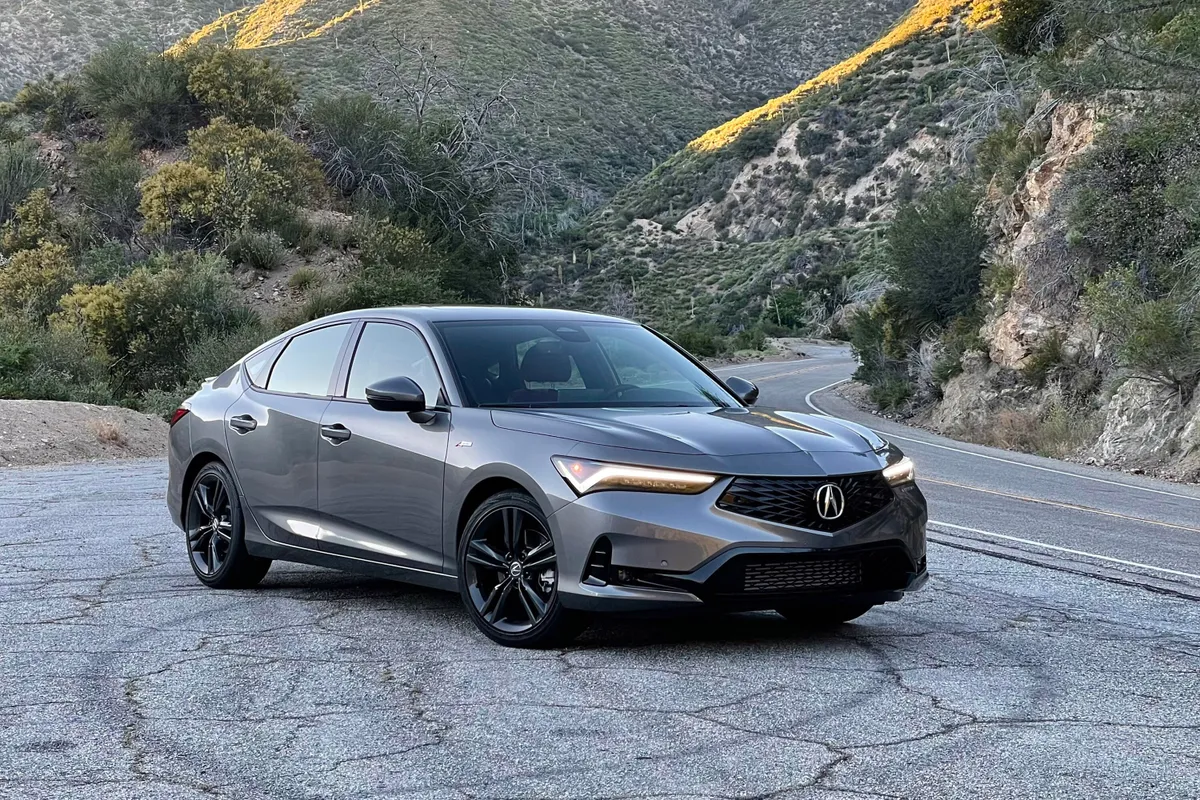
9. Acura Integra: Sporty, Refined, but in Between
The Acura Integra blends sportiness with refinement, offering a turbocharged engine and agile handling. Our manual test car reached 60 mph in 7.8 seconds, which is respectable but slightly slower than rivals like the Civic Si. Braking distance from 60 mph was 119 feet, an average result.
The chassis feels capable, with adaptive suspension available on the A-Spec with Technology package, providing a more compliant ride. Handling is confident, but all-season tires hold back full potential, and the ride remains firm.
Driver assistance features are limited but functional, including adaptive cruise control for the manual transmission. The CVT version adds stop-and-go functionality but does not fully emulate a luxury driving experience.
The Integra’s interior largely mirrors the Honda Civic, giving familiar, functional controls. Front seats provide a good driving position but could be more supportive, while rear headroom is slightly reduced compared to the Civic. Rear legroom is generous, accommodating adults and child seats with ease.
Entry and exit are simple, though the air conditioning takes time to cool the cabin on hot days, and the lack of rear vents can reduce comfort for rear passengers. The cabin feels refined compared to economy cars but falls short of traditional luxury expectations.
Tech features include a standard 9-inch touchscreen, wireless Apple CarPlay and Android Auto, and a wireless charging pad. The system responds quickly and is easy to operate, but it does not significantly differentiate the Integra from the Civic. Only one USB-C port is provided, limiting device connectivity.
The Integra offers 24.3 cubic feet of trunk space, surpassing many luxury compact sedans, with versatile rear seats for expanded storage. Cabin storage is solid, featuring a large center console and compartments, though door bottle holders are smaller than ideal.
Priced around $32,000, the Integra sits between the value-driven Civic Si and higher-end luxury models. Warranty coverage is decent, with four years/50,000 miles comprehensive and six years/70,000 miles powertrain.
Fuel economy is strong, with 30 mpg combined for the manual and 32 mpg for the CVT. While stylish and competent, the Integra’s limited luxury features and modest performance make it less compelling unless opting for the higher-performance Type S trim, which significantly enhances desirability.
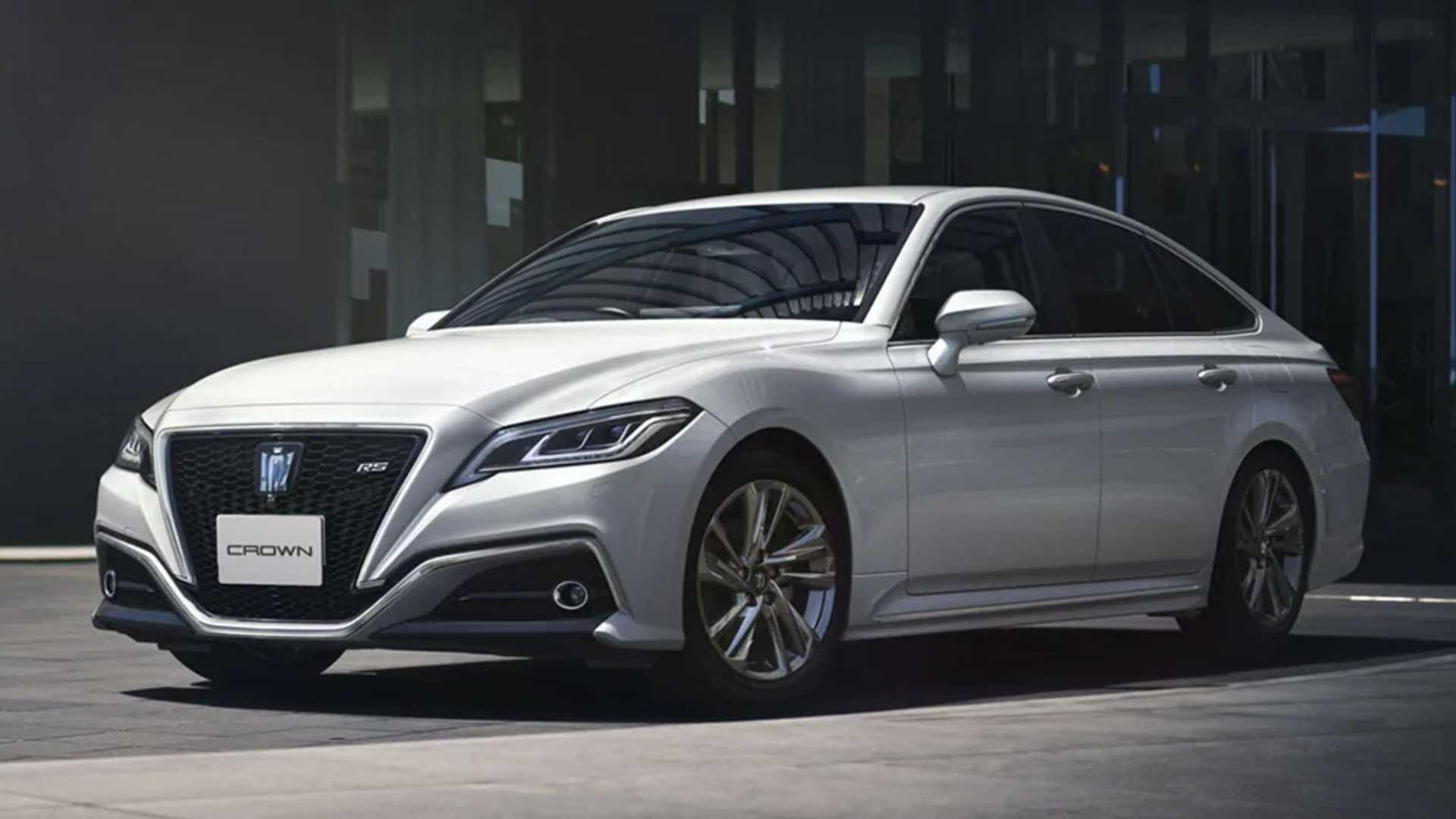
10. Toyota Crown: Comfortable, Smooth, and Hybrid-Focused
The Toyota Crown delivers a refined driving experience that blends comfort with capable performance. The Platinum trim with the Hybrid Max powertrain accelerates from 0 to 60 mph in 6 seconds, surpassing many rivals, while standard hybrid versions offer slower, more efficient power.
Handling is composed, even on winding roads, with adaptive suspension in the Platinum trim softening rough surfaces while maintaining body control. Steering feedback is sufficient for confidence, though all-season tires limit ultimate grip.
Visibility is strong thanks to wide windows and door-mounted mirrors, with camera-assisted aids enhancing parking and lane tracking. Toyota Safety Sense 3.0, including adaptive cruise control and Proactive Driving Assist, reduces stress during stop-and-go traffic.
The Crown emphasizes comfort, with a quiet cabin and effective climate control. Front seats are moderately supportive, though limited to two-way lumbar adjustment, and rear seats are spacious but slightly upright.
Heated rear seats, ventilated front seats, and dual-zone climate control contribute to passenger comfort. Entry and exit are easy, and child seat installation is straightforward thanks to accessible Isofix anchors. Cabin insulation keeps wind and road noise minimal, particularly in the Platinum trim with the upgraded Hybrid Max powertrain.
The Crown includes a 12.3-inch touchscreen with responsive software and intuitive physical controls. Wireless Apple CarPlay and Android Auto work seamlessly, while multiple USB-C and USB-A ports allow for device connectivity. A wireless charging pad enhances convenience, though compatibility may vary. Voice recognition handles climate and general queries, enhancing usability.
The Crown offers a 15.2-cubic-foot trunk with fold-down rear seats for extra capacity. Front storage includes a dual-hinged center armrest, expandable cupholders, and a small wireless charger cubby. Cabin storage is limited, with a tiny glovebox and no overhead compartments.
Priced around $40,000, the Crown prioritizes hybrid technology and ride quality over luxurious interior finishes. Fuel economy ranges from 41 mpg for the base hybrid to roughly 27 mpg for the Platinum Hybrid Max. The Crown stands out with its futuristic design, elevated ride height, and surprisingly enjoyable driving dynamics for a comfort-focused hybrid sedan.
These ten sedans redefine value in the modern market, proving that comfort, style, and advanced technology aren’t reserved for the wealthy. They deliver quiet, smooth rides, refined cabins, and competent handling at prices that keep your wallet intact.
Whether you prioritize fuel efficiency, sporty performance, or all-weather reliability, each model on this list offers a compelling combination of features and refinement. From the practical Toyota Camry and Honda Accord to the tech-rich Kia K5 and futuristic Toyota Crown, drivers can experience the calm, composed feel of a luxury sedan without paying luxury-level premiums.
These vehicles showcase how innovation, design, and careful engineering allow mainstream sedans to ride like luxury cars, making everyday driving more enjoyable, comfortable, and surprisingly upscale.
Also Read: 5 Cars That Handle Dirt Driveways Daily Vs 5 That Work On Pavement only