For most American drivers, the engine oil check is one of the simplest bits of routine car care at least, it used to be.
As automakers pack vehicles with more technology and increasingly tight engine bays, something as basic as checking the oil has become oddly inconsistent.
Some models still keep the traditional metal dipstick front-and-center, right where any weekend DIYer expects it. Others bury it under plastic covers, position it deep near the firewall, or remove it entirely in favor of digital readers.
For buyers who want a straightforward ownership experience or those considering a used model where oil consumption becomes more unpredictable knowing which vehicles keep the process simple can save frustration down the road.
Below are six models praised for easy, no-nonsense oil checks, followed by six where the dipstick situation is far less cooperative.
Models With Easy Oil Checks
Keeping an engine healthy starts with something simple: checking the oil. But not every car makes that task straightforward.
Some models offer clear dipsticks, accessible engine bays, and hassle-free layouts that let you check levels in seconds, even if you’re not mechanically inclined. In this article, we highlight models with truly easy oil checks, so you know which vehicles keep routine maintenance quick, clean, and stress-free.
1. Toyota Camry (All Engines)
The Toyota Camry is often cited as the benchmark for user-friendly maintenance, and its oil check design is a big reason why.
Toyota places the oil dipstick right at the front of the engine, clearly marked in bright yellow so even a new driver can’t miss it.
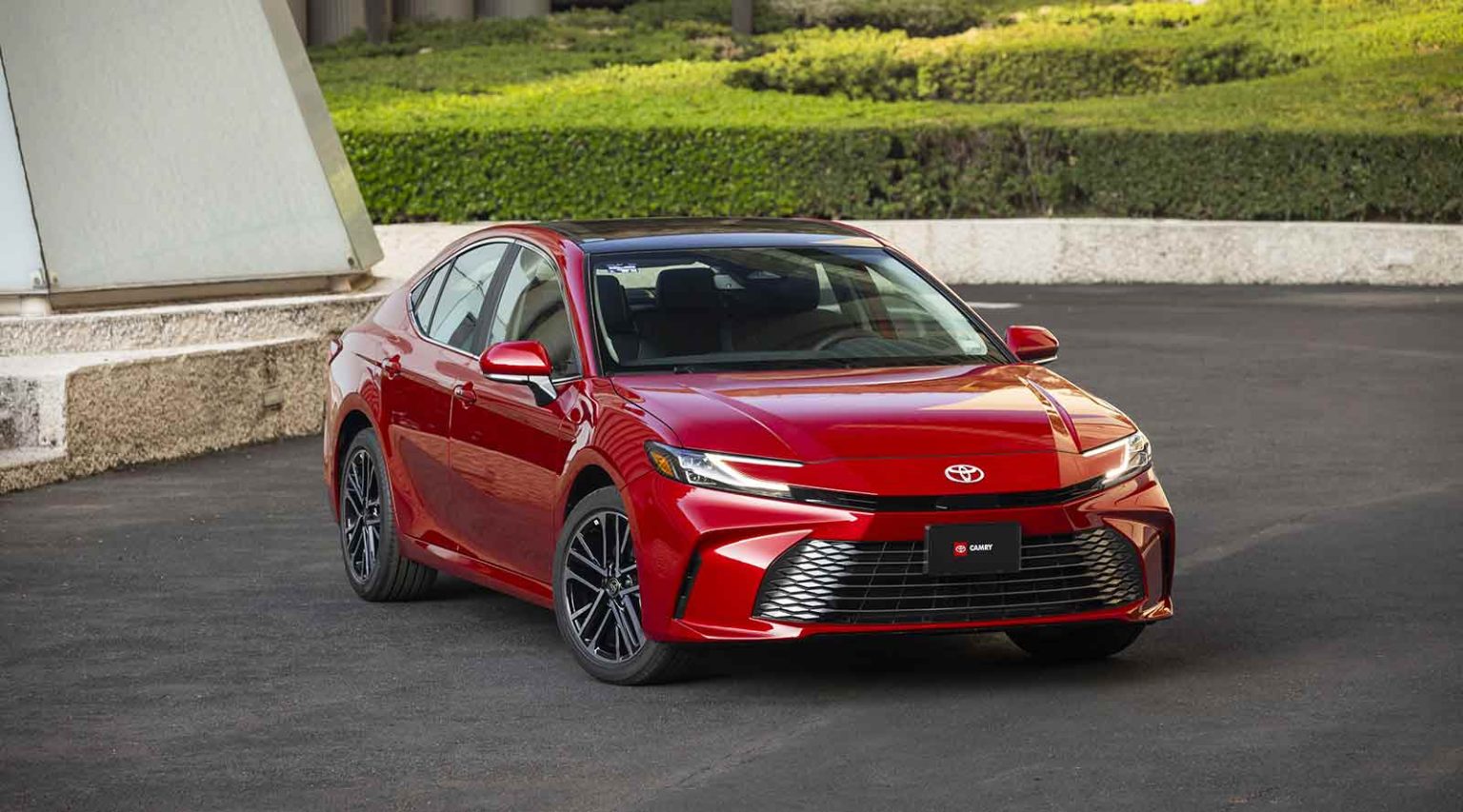
Whether you’re running the efficient 4-cylinder or the smoother V6, the engine bay layout is airy enough that nothing feels cramped or obstructed.
For American households where the Camry serves as the dependable daily driver, the ability to monitor engine health in seconds adds long-term peace of mind especially as the car ages into high-mile territory where oil burn can be more noticeable.
Also Read: 12 Performance Cars That Still Make Sense As Daily Drivers
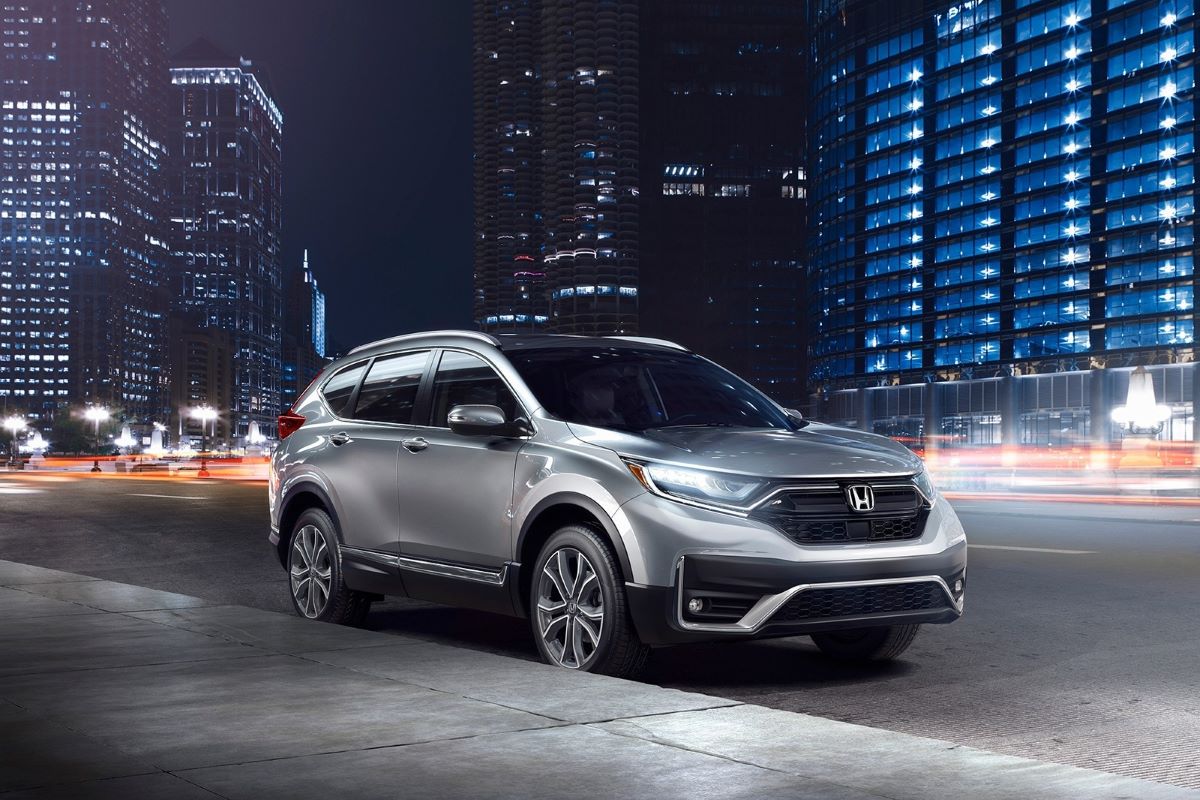
2. Honda CR-V
Honda’s popular compact SUV is another model engineered for owner accessibility. The CR-V’s dipstick sits confidently near the front of the bay, clear of bracketry, hoses, and plastic shrouds.
You don’t have to fish around or remove anything to get to it, and the reading is typically easy thanks to Honda’s clean, flat dipstick design.
Many U.S. families choose the CR-V for reliability and practicality, so having stress-free, two-second oil checks fits neatly into its identity as one of the most approachable SUVs on the market.
Honda thoroughly prepared for its first turbocharged engine in the CR-V, a 1.5-liter unit producing 190 horsepower, pairing it with one of the finest continuously variable automatic transmissions (CVTs) on the market, praise we don’t give out casually.
While most compact crossovers offer modest towing abilities, the CR-V sits on the very low end with a 1500-pound limit. Anyone hoping to moonlight as a street-racing parent may feel let down by the CR-V’s acceleration.
Still, those same drivers, and everyone else, will value its polished ride quality, eager steering response, and confident braking. The CR-V’s settled and compliant suspension makes daily driving, whether long or short, notably pleasant.
Its intuitive brake pedal gives you the exact stopping force you expect the moment you ask for it. The CR-V Hybrid uses a 2.0-liter four-cylinder engine paired with two electric motors, delivering a combined 212 horsepower.
We found the hybrid setup to be smooth and unobtrusive, and we liked that Honda reduced engine drone during wide-open throttle by adding extra sound-deadening materials and equipping the audio system with an active noise-cancelling function. This resulted in a much quieter cabin than the base engine, which was among the loudest in its segment when the gas pedal was fully pressed.
This two-row Honda features an appealing and roomy interior supported by generous storage compartments ideal for pack rats and frequent travelers. Although neither of its four-cylinder engines, one turbocharged, one hybrid, delivers especially quick performance, both return impressive fuel-economy numbers.
Compared with the Mazda CX-5 and Volkswagen Tiguan, the CR-V isn’t as fun to drive, but it maintains a comfortable ride and never feels clumsy. It also includes a long list of active-safety features and offers a wide array of popular tech. These strengths, combined with its refined styling, make the 2021 CR-V one of the top compact SUVs for small families.
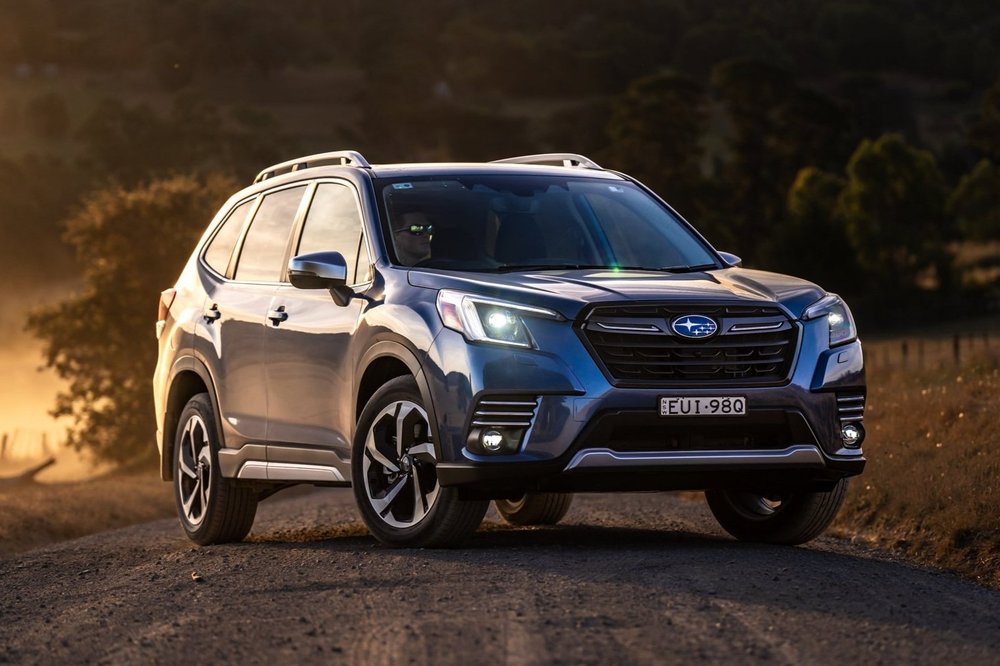
3. Subaru Forester
Subaru places a strong emphasis on maintenance visibility, and the Forester stands out with one of the most intuitive oil-check arrangements.
The dipstick sits near the front-left portion of the bay and uses Subaru’s signature bright-yellow handle.
Because the Forester uses a horizontally opposed “boxer” engine, the layout is naturally wide and low, creating more open room at the top. This makes the oil check easy even for owners who feel intimidated lifting the hood.
For U.S. buyers who live in rural or snowy states typical Forester territory being able to monitor the engine without guesswork is a meaningful advantage.
Despite carrying the Sport name, the Forester trim we evaluated didn’t live up to it. Every Forester relies on the same underpowered 180-horsepower 2.5-liter four-cylinder engine. Even with our test driver’s heavy right foot, the Forester needed 9.2 seconds to reach 60 mph and couldn’t break 85 mph in the quarter mile.
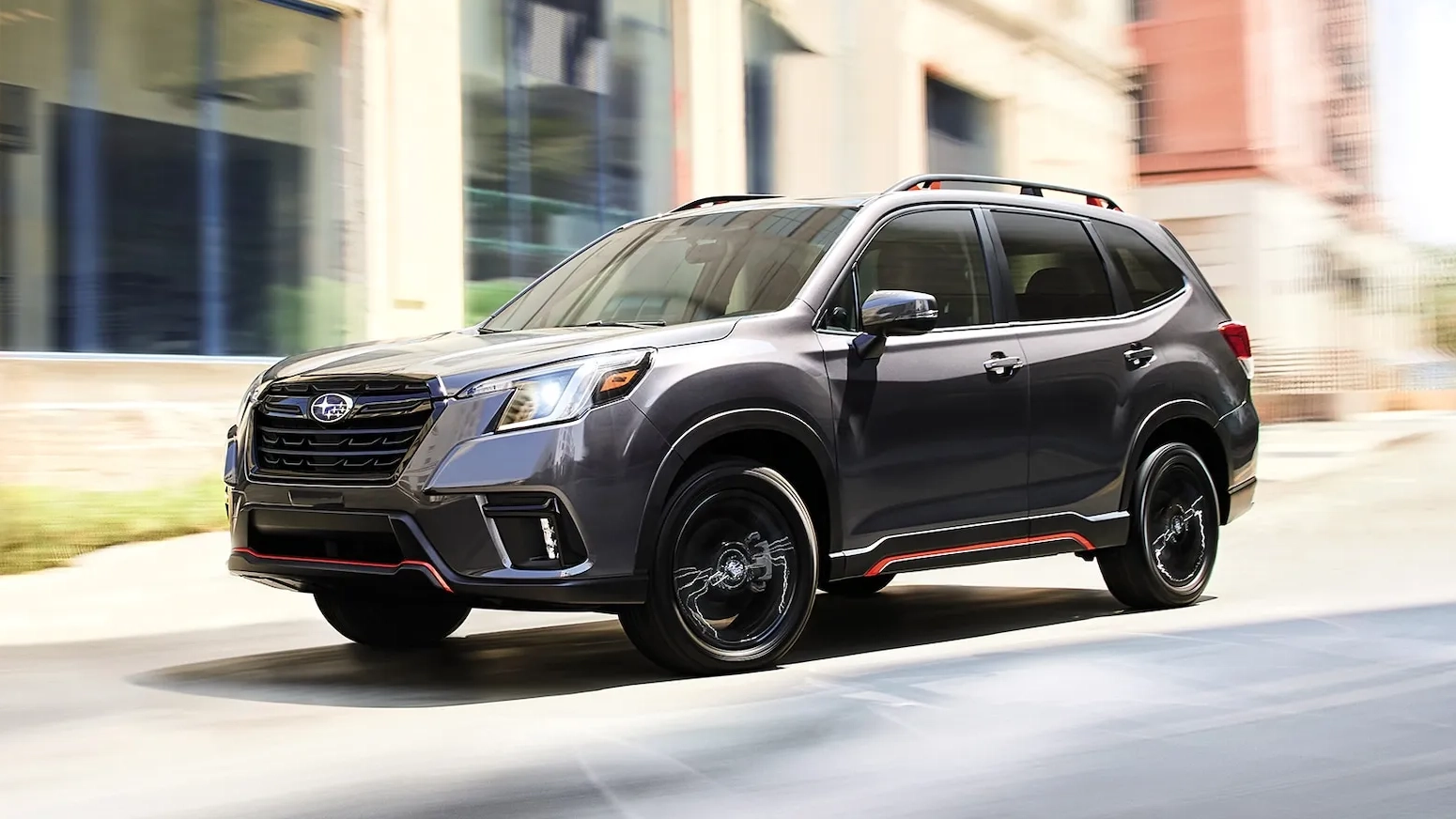
Several editors pointed out the drivetrain’s sluggish acceleration and lethargic responses in city driving, making freeway merges in LA more stressful than they should be. An SUV doesn’t need to be quick, but the Forester consistently feels underpowered.
The ride quality is equally underwhelming, it’s busy, prone to pitching, and lacks overall refinement. The driver-assist features also seem lacking, the adaptive cruise control is slow to regain speed, and the lane-centering system doesn’t deliver on its promises. Handling and braking fare better with adequate grip and solid emergency stopping capability, but even then, performance is only average.
If your travels include stretches of unpaved terrain, the Forester does hold an edge over much of the segment. However, more compact SUVs are beginning to offer off-road capability comparable to Subaru’s, reducing that advantage.
4. Ford F-150 (Gas Engines)
America’s best-selling vehicle also happens to be one of the easiest to maintain. Ford’s gas-powered F-150 trucks have spacious engine bays with clearly marked dipsticks in obvious locations.
Even the turbocharged EcoBoost V6 engines avoid the cluttered layouts seen in many European-style turbo motors.
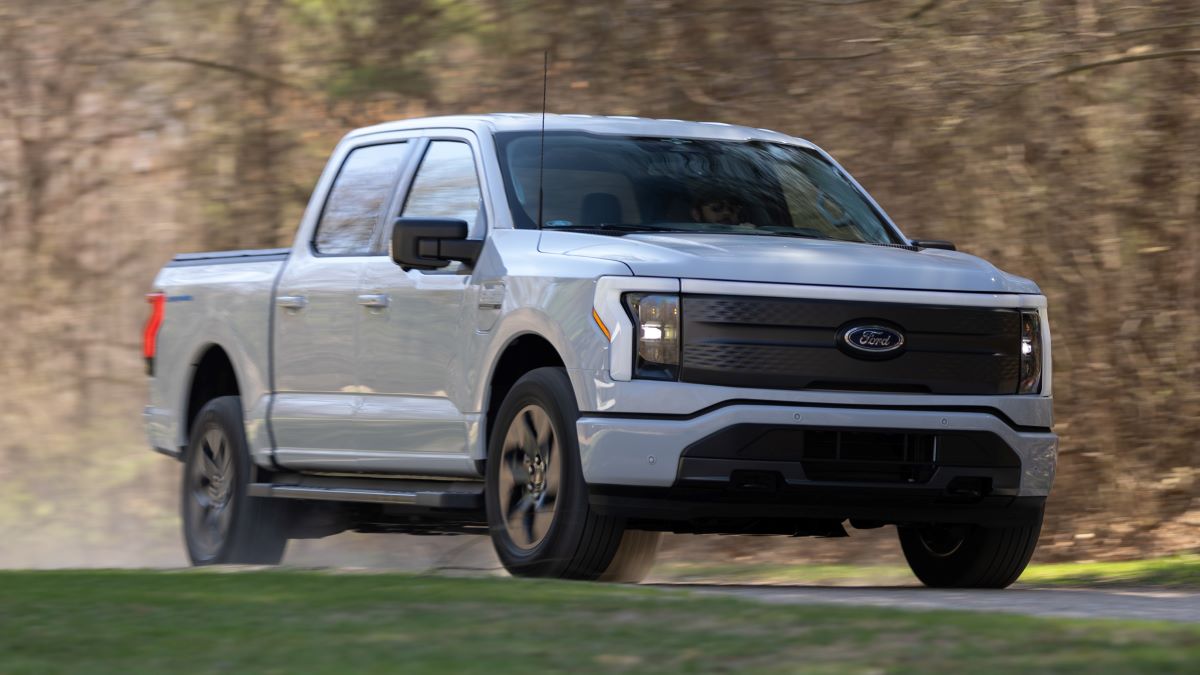
Truck owners who tow, haul, or run long road trips often want quick reassurance that their oil levels are correct, especially under heavy loads.
Ford makes that process friction-free, reinforcing why the F-150 is such a favorite among fleet managers, contractors, and everyday truck enthusiasts across the United States.
5. Chevrolet Malibu
The Malibu may not be the flashiest sedan on the road, but it nails the basics of affordable ownership. Its dipstick sits near the front of the engine, free from plastic cladding and marked with an easy-to-grab loop.
Chevy’s modern 1.5-liter and 2.0-liter engines are tightly engineered, yet the Malibu still delivers a refreshingly accessible layout.
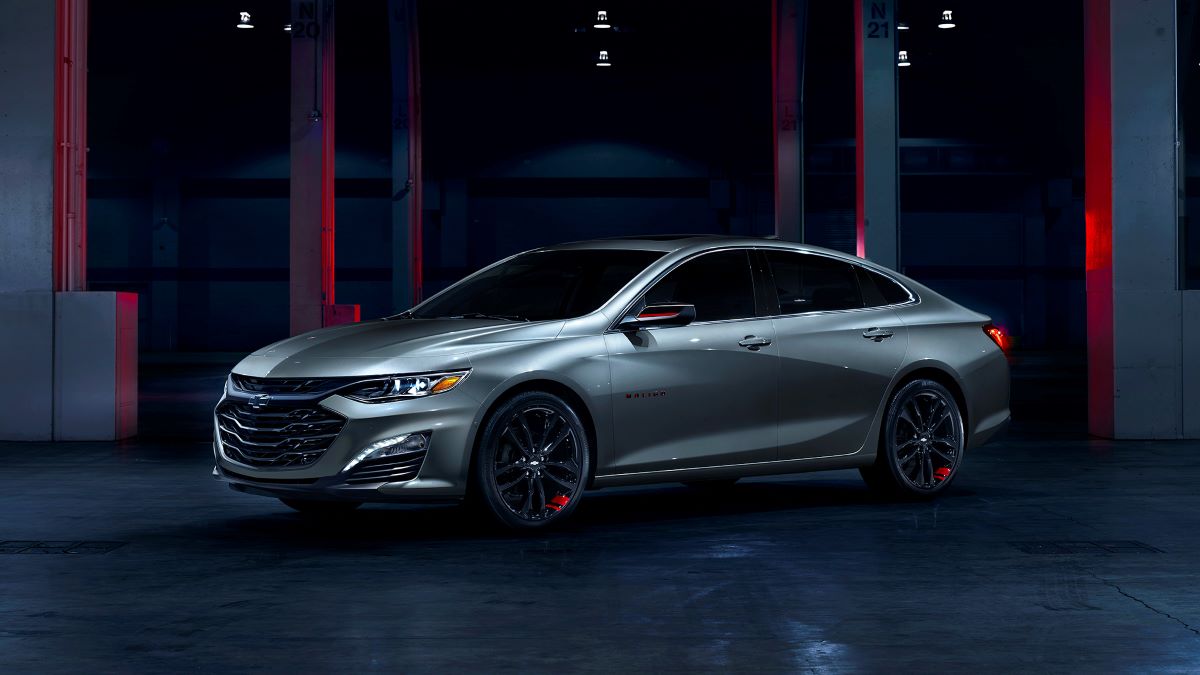
For Americans shopping on a budget especially younger drivers or people buying their first new car simple maintenance matters. A quick, uncomplicated oil check is one of those conveniences that makes the Malibu a no-drama commuter.
Also Read: Top 5 SUVs That Struggle in Strong Winds Vs 5 That Remain Stable
6. Jeep Wrangler
The Wrangler’s rugged personality extends to its user-friendly maintenance design. Jeep generally avoids over-styling or excessive engine covers, and most Wrangler engines (including the 3.6-liter V6 and the 2.0-liter turbo) offer an exposed, easy-to-find dipstick.
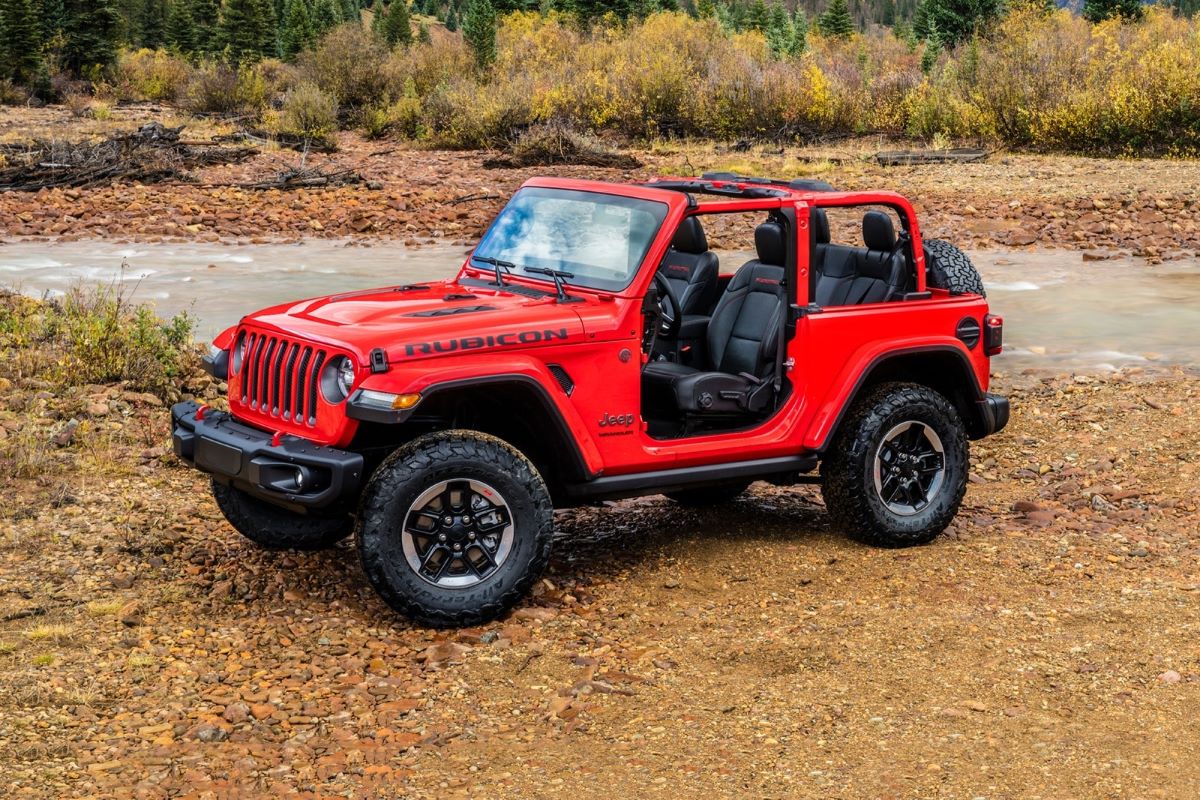
Off-road enthusiasts often check their oil more frequently due to dusty conditions or long trail days, so this accessibility isn’t just convenient it’s practical.
In a segment where some SUVs bury their hardware under cosmetic panels, the Wrangler’s straightforward approach is part of its charm.
Another key part of the 2023 Wrangler’s charm is its immense level of customization. Buyers can choose between two- or four-door configurations and select from six different engines ranging from a four-cylinder to a rumbling V8.
And yes, a manual transmission is still available. In short, the Wrangler caters to a wide range of drivers and remains one of the few vehicles that can leave the showroom floor and head straight into some of the most remote areas in the country.
This model year also introduces several special-edition Wranglers. The Freedom Edition pays tribute to Jeep’s military heritage, while the High Tide and Jeep Beach versions commemorate the 20th anniversary of Jeep Beach Week in Daytona Beach, Florida. 2023 likewise signals the final run for the diesel engine, which receives a proper sendoff with the Wrangler Far Out edition.
Naturally, the Wrangler doesn’t stand alone in the segment. Ford’s revived Bronco competes head-on with the Wrangler, delivering the same blend of style, capability, and customization that defines Jeep’s icon.
The Land Rover Defender is another legendary option; although pricier, it feels just as comfortable navigating city streets as it does traversing the Sahara. And if you want to stay within the Jeep lineup, the Grand Cherokee brings notable off-road performance along with a smoother ride and enhanced safety and security features.
Models With Hidden Dipsticks
Checking your engine oil should be a quick, no-nonsense task, but some cars don’t make it that simple. A growing number of modern models hide the dipstick deep in the engine bay or remove it altogether in favor of electronic readings.
That can turn a basic maintenance check into a frustrating hunt. In this article, we look at models with hidden dipsticks, so you’ll know which vehicles make oil checks trickier than expected and why it matters for long-term ownership.
1. BMW 3 Series (Many Modern Models)
BMW has become one of the most prominent brands to ditch the traditional dipstick in favor of digital oil-level monitoring.
While the dashboard system works most of the time, many U.S. owners dislike having no physical confirmation of the oil level especially when a high-revving German engine ages past 80,000 miles.
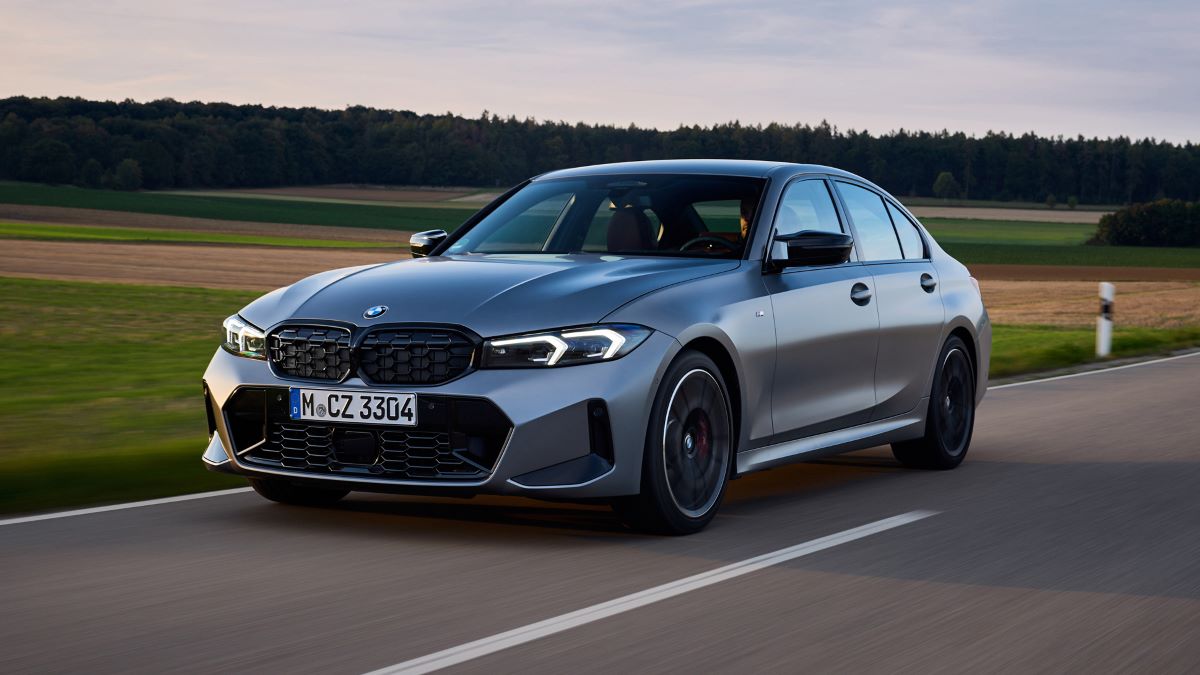
On certain generation 3 Series models, if a dipstick exists at all, it’s buried behind engine covers and tucked so far down that you almost need shop lighting to find it. This digital-only strategy has been a consistent frustration among DIY-minded Americans.
2. Mercedes-Benz C-Class
Mercedes is another German brand that increasingly relies on electronic oil readings instead of a visible dipstick.
On many C-Class models, owners have to navigate the infotainment menus just to find an oil-level reading and even then, the system occasionally refuses to run the test unless the engine is at the perfect temperature and on a perfectly level surface.
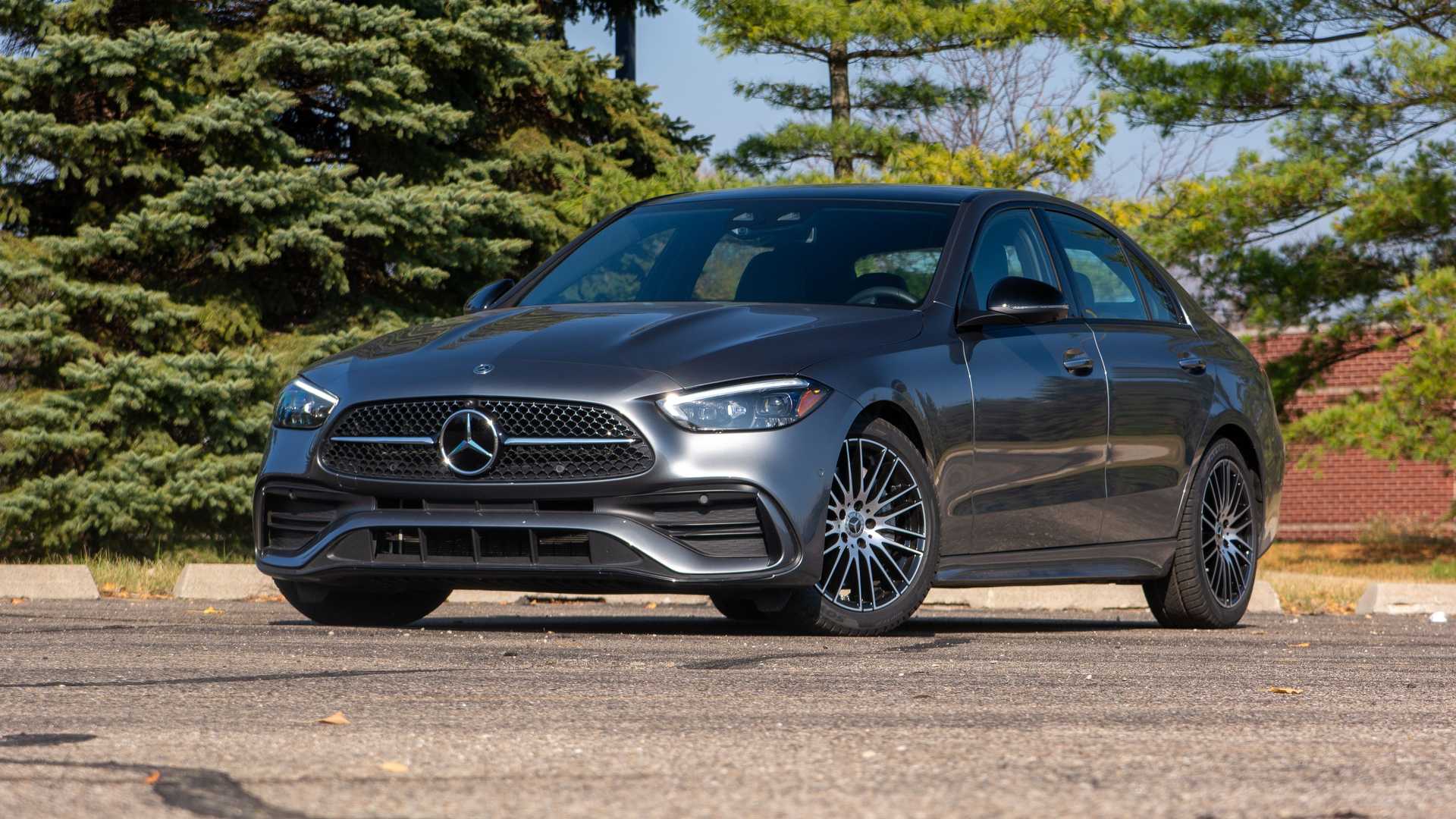
For U.S. drivers used to quick visual checks, this feels unnecessarily complicated. On versions that do keep a dipstick, it’s often hidden behind plastic covers and not meant for the average owner.
All C300 models are equipped with a turbocharged 2.0-liter four-cylinder engine that delivers 255 horsepower and 273 pound-feet of torque, giving the Mercedes brisk response the moment you step on the accelerator. A nine-speed automatic transmission manages the gear changes.
Rear-wheel drive comes standard, while all-wheel drive (known as 4Matic) is available for an additional two thousand dollars. In our test of a C300 4Matic sedan, it reached 60 mph in a lively 5.4 seconds.
The engine stays pleasantly subdued both at idle and during highway cruising, though its full-throttle sound is less refined than you might expect. In our recent comparison of entry-luxury sport sedans, the C300’s acceleration placed it near the middle of the group, with the BMW 330i and Alfa Romeo Giulia 2.0T posting quicker times.
3. Audi Q5
The Audi Q5 is a favorite among American luxury crossover shoppers, but its dipstick design (or lack thereof) is less satisfying.
Some newer models rely entirely on digital oil-level readings, while older years hide the physical dipstick deep near the turbocharger side of the engine.
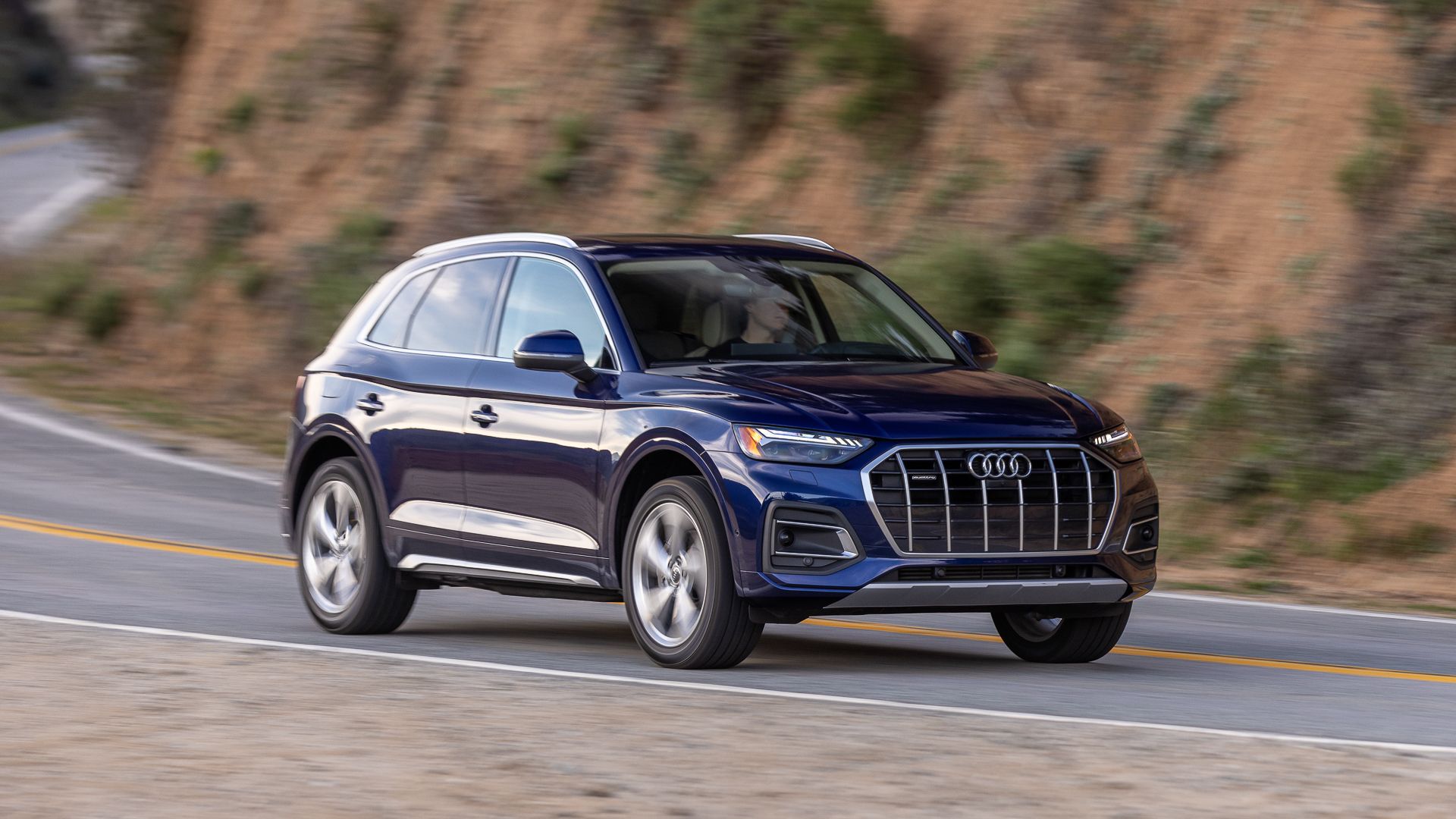
Not only is it difficult to locate, but the positioning also requires careful maneuvering to avoid touching hot components. The result is a vehicle that excels in comfort and technology but falls short on owner-friendly mechanical access.
Technically, the 2025 Audi Q5 is actually a “2025.5” model. That’s because the previous-generation version remained on sale into early summer as a ’25 model before this redesigned version arrived.
As Audi’s most popular vehicle, the Q5 wasn’t a candidate for drastic reinvention, so engineers wisely avoided disrupting what already worked. It maintains the previous Q5’s recognizable, understated exterior and tech-focused design philosophy, but it’s now roomier, better equipped, more powerful, and more enjoyable to drive.
To start, every Q5 now features a significantly stronger base engine and an updated seven-speed dual-clutch automatic transmission. On top of that, it gains a long list of additional standard features and attractive new screens.
4. Volkswagen Tiguan
The Tiguan combines turbocharged efficiency with European packaging meaning the dipstick often ends up tucked low and awkwardly behind hoses.
Even though Volkswagen hasn’t fully removed physical dipsticks like some competitors, accessing the one on the Tiguan can feel like threading a needle inside a busy engine compartment.
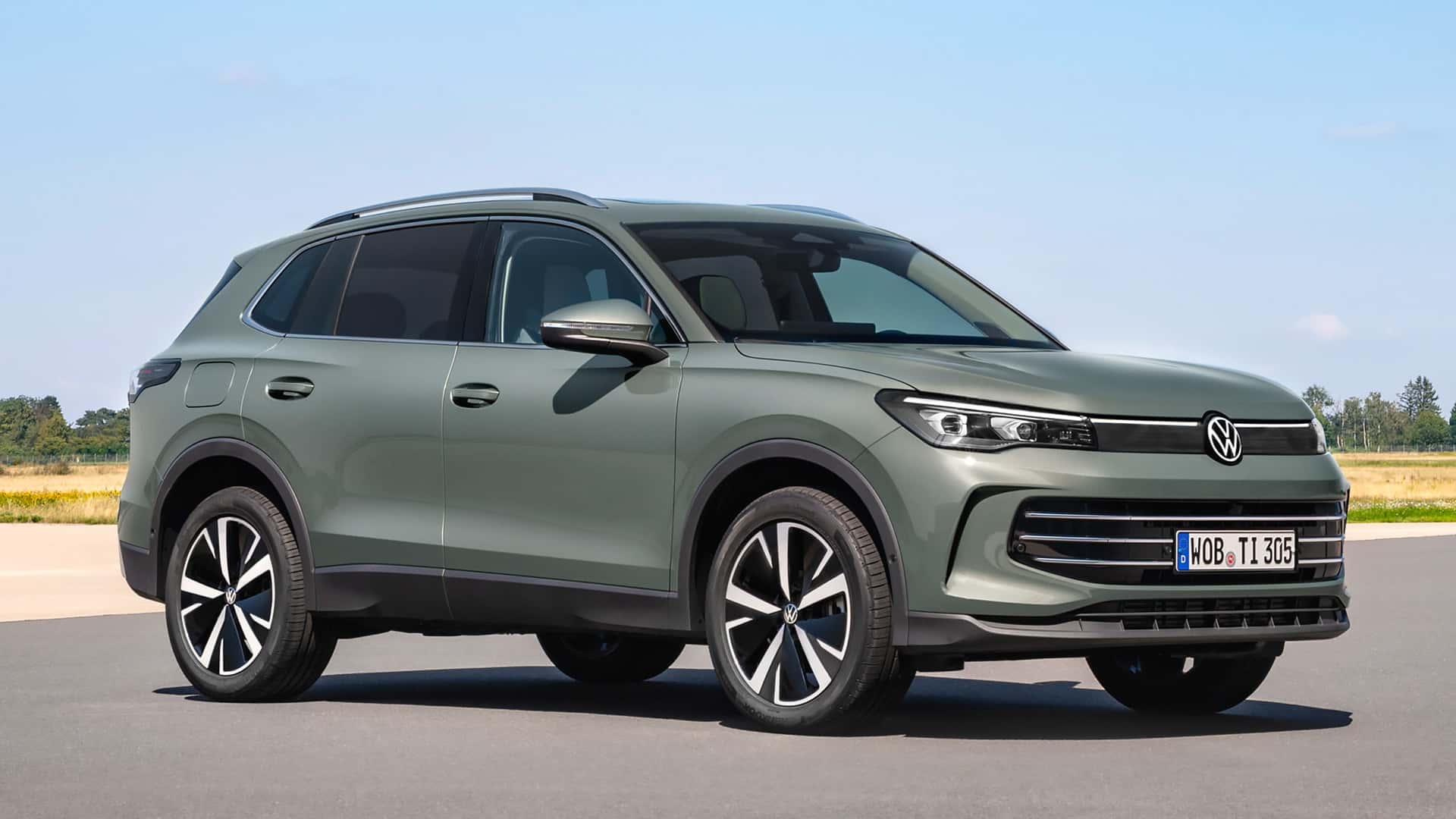
Many U.S. Tiguan owners report needing a flashlight or bending awkwardly over the grille just to pull a clean reading. It’s a small complaint, but it adds friction to a vehicle that otherwise tries to pitch itself as approachable and family-friendly.
On the performance side, the Tiguan falls short even against a segment that doesn’t set a high bar. Much of the problem stems from its clunky, unresponsive transmission.
A 0-60 mph time of 9.5 seconds is sluggish for the class. Acceleration feels lethargic at partial throttle, particularly when starting from a stop. Executing an unprotected left turn requires planning well in advance.
Handling leaves something to be desired as well. The Tiguan performs adequately if you stay conservative, but push it through a tight corner and the body roll becomes pronounced. Drivers who enjoy a more spirited experience won’t find it ideal. Competing models like the Toyota RAV4 and Mazda CX-5 better maintain composure in such situations.
5. Hyundai Sonata (Certain Turbo Models)
While most Hyundai engines are simple to service, several Sonata turbo engines have surprisingly hidden dipsticks.
On some model years, the dipstick is tucked under the turbo plumbing, making it harder to reach without maneuvering around warm components.
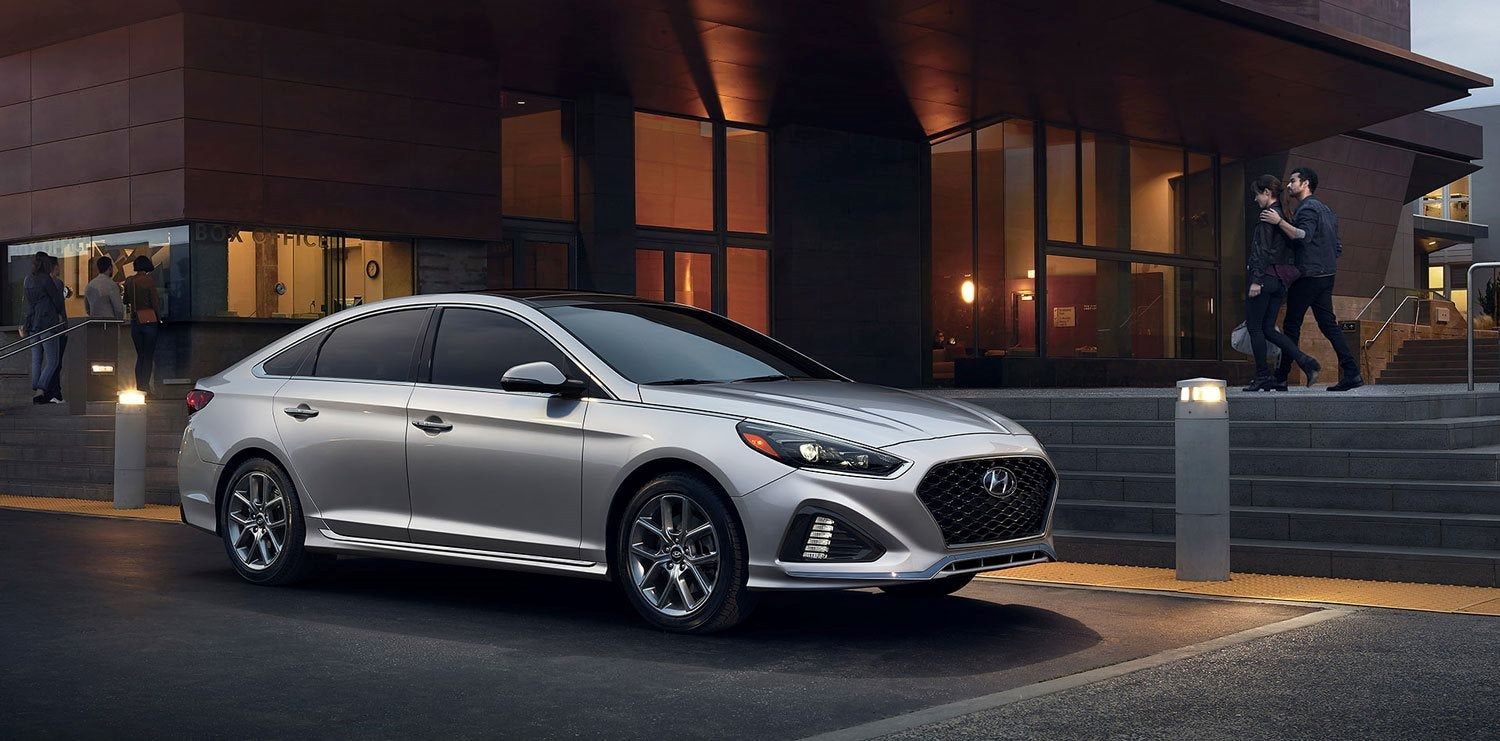
It’s not as dramatically inaccessible as German luxury cars, but compared to its base-engine counterpart where the dipstick sits front-and-center it feels like a step back. U.S. drivers attracted to the Sonata for its value don’t expect maintenance quirks, so this hidden layout stands out.
We tested a Sonata Limited equipped with the turbocharged 1.6-liter engine. While it isn’t exceptionally fast, the Sonata can hold its own against other similarly powered family sedans, posting a 0-60 mph time of 7.6 seconds.
It handles freeway merges and keeps up with traffic without issue, though doing so often requires a firmer push on the gas pedal than some drivers may expect.
Steering, handling, and braking are straightforward, though a few quirks stand out. The firm ride doesn’t translate into a particularly balanced handling experience. Additionally, the brake pedal produces a slight pulsation under light, steady pressure, such as when descending a gentle slope. There’s nothing glaringly wrong, but there’s also little to rave about.
The Sonata offers a wealth of technology features, a roomy cabin, a class-leading warranty, and strong ownership benefits, giving it standout value on paper. If you place a premium on advanced safety systems and eye-catching style, the Sonata delivers solid bang for your buck.
The compromise comes in the form of a driving experience and interior that don’t fully match the quality suggested by its exterior design. Top competitors in the segment manage to excel in both areas. Inside the Sonata, some uneven panel gaps and occasional trim pieces that look cheap stand out against an otherwise attractive interior.
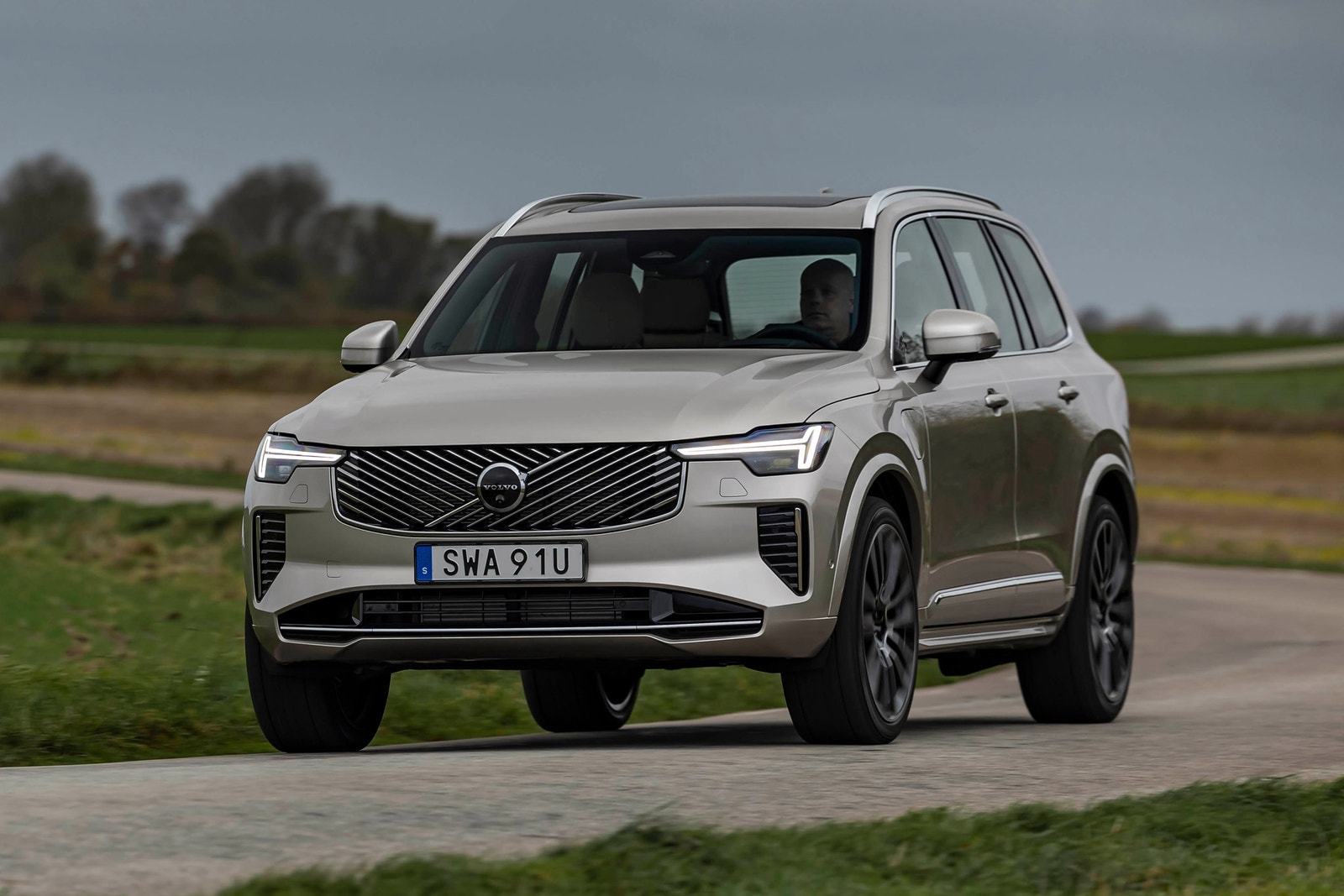
6. Volvo XC90
Volvo’s premium SUV is designed around minimalism, including inside the engine bay. Many XC90s especially late-model years omit the traditional dipstick entirely.
Owners must rely on the digital gauge in the infotainment system. While the reading is usually accurate, it removes the sense of mechanical clarity many American drivers prefer.
On models that retain a physical dipstick, it is typically placed near the rear of the engine, surrounded by plastic panels and insulated components.
This design prioritizes aesthetics over hands-on accessibility, which doesn’t always align with the expectations of American families who want to keep track of their SUV’s long-term health.
Oil checks may seem like a small detail, but for long-term ownership especially in the U.S., where many families keep cars well past 150,000 miles accessibility matters.
The B5 and B6 powertrains are assisted by a 48-volt hybrid system. B5 models come with a turbocharged 2.0-liter four-cylinder engine producing 247 horsepower, while the B6 powertrain boosts output to 295 horsepower.
Every XC90, regardless of trim or powertrain, includes all-wheel drive and an eight-speed automatic transmission. Like many vehicles in this class, the Volvo leans noticeably in corners, but its steering remains precise, and the wheel has a satisfying weight that strikes a balance between light and heavy.
Our test vehicle was equipped with the optional air suspension, delivering a comfortable, well-insulated ride. It handled the majority of road conditions effectively.
A few sharp bumps did cause minor clattering from the chassis, revealing small road imperfections, one of the few complaints with an otherwise elegant XC90. The refreshed model addresses this issue with a revised base suspension featuring new dampers designed to better absorb harsh impacts on rough surfaces.
Models like the Camry, CR-V, Forester, and F-150 continue to respect the owner’s role in basic maintenance, ensuring anyone can lift the hood and check the engine’s health in seconds.
On the other side of the spectrum, high-tech or tightly packaged vehicles often make the process more complicated than it needs to be, either hiding the dipstick or removing it altogether.
For buyers who prioritize longevity and self-sufficiency, these differences are worth considering before choosing your next vehicle.