For many American drivers, comfort behind the wheel isn’t just about seat cushioning or lumbar support it’s about whether they can actually fit their feet in the footwell without feeling cramped or bending their boots awkwardly.
From contractors heading to early job sites, to ranchers navigating dirt roads, to industrial workers commuting from one shift to the next, a surprising number of people drive while wearing steel-toed or composite-toe work boots.
And that changes everything. A vehicle that feels perfectly fine in sneakers can instantly become uncomfortable when you’re wearing size-12 boots that don’t flex much.
The ability to naturally reach and operate the pedals, maintain safe angles for braking, and keep your toes from getting wedged matters more than most buyers realize.
This is why footwell space including width, pedal spacing, dead pedal placement, and tunnel design is a quiet but decisive buying factor.
Some models excel here, offering wide and deep pedal areas, generous legroom, and floor layouts that don’t punish bulky footwear.
Others, however, squeeze the driver with narrow pedal boxes, protruding transmission tunnels, or angled footwells that force larger boots to twist inward.
Below are six vehicles that genuinely accommodate work boots with ease, followed by six that tend to feel cramped for drivers with bigger feet or stiff footwear.
Rides Comfortable in Work Boots
Not all vehicles are built with rugged footwear in mind. Drivers who rely on work boots often need more generous pedal spacing, higher seating positions, and roomy interiors to stay comfortable on the job and on the road.
In this guide, we highlight rides comfortable in work boots, showcasing which models accommodate heavy or bulky footwear without compromising driving comfort or control.
1. Ford F-150
The Ford F-150 consistently stands out for its driver-friendly ergonomics, which include an unusually wide and tall footwell area across most trims.
Contractors and tradespeople have long favored the F-150 not only for its hauling and towing capability but also for its day-to-day usability, especially when wearing bulky boots.
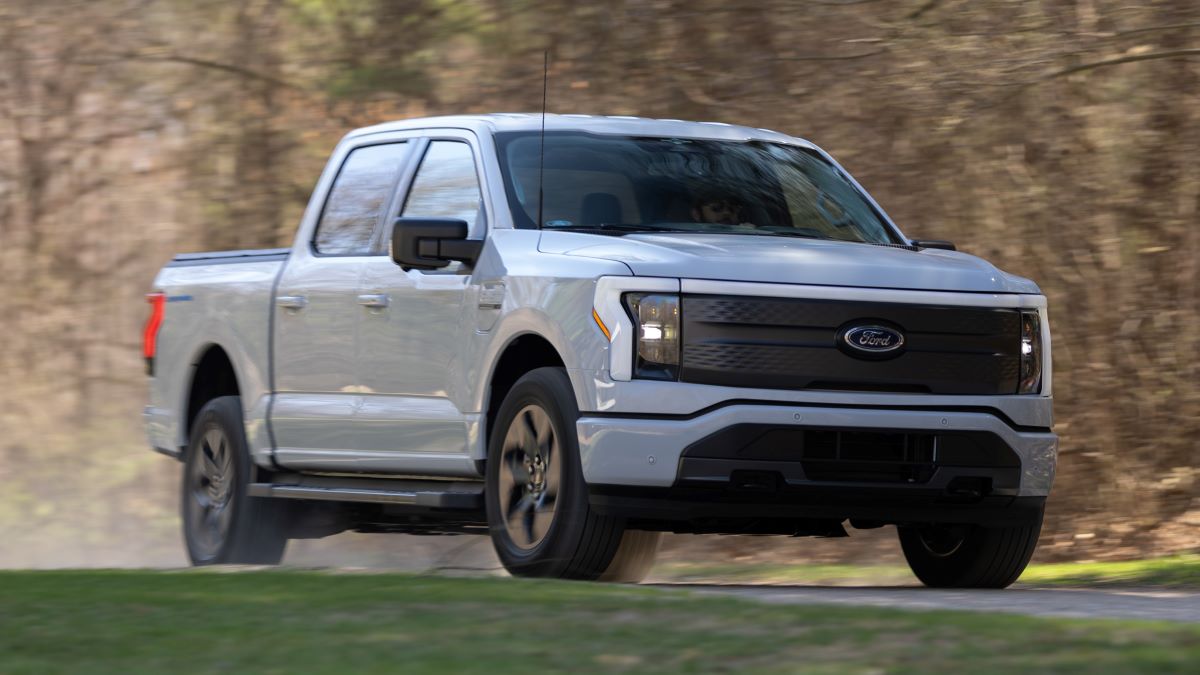
The pedal spacing is generous, the dead pedal is positioned naturally for resting thick-soled footwear, and the overall footwell design doesn’t taper inward like some midsize trucks.
Even heavy steel-toe boots don’t feel like they’re scraping the center tunnel or catching on the brake.
Ford offers a broad selection of engines and configurations. We tested a 4WD crew cab in Platinum trim equipped with the new hybrid powertrain.
However, the feel of the gas engine cycling on and off results in less smoothness at low speeds compared with the 5.0-liter V8 and non-hybrid turbocharged 3.5-liter V6 engines. The 10-speed automatic transmission delivers smooth and responsive shifts across all powertrains.
The F-150 features direct and precise steering, making the truck feel smaller and more agile in parking lots while also more composed on the freeway. The brakes are strong and inspire confidence, even when recovering energy with the hybrid system. Given its impressive towing and payload capabilities, the F-150 is, overall, a very satisfying truck to drive.
2. Chevrolet Silverado 1500
The Silverado’s cabin is known for its broad, squared-off layout, and that extends down to the floor. Work boots fit easily, and GM tends to give the driver plenty of pedal zone width.
In many trims, the floor drops low enough that thick footwear doesn’t feel elevated or awkward.
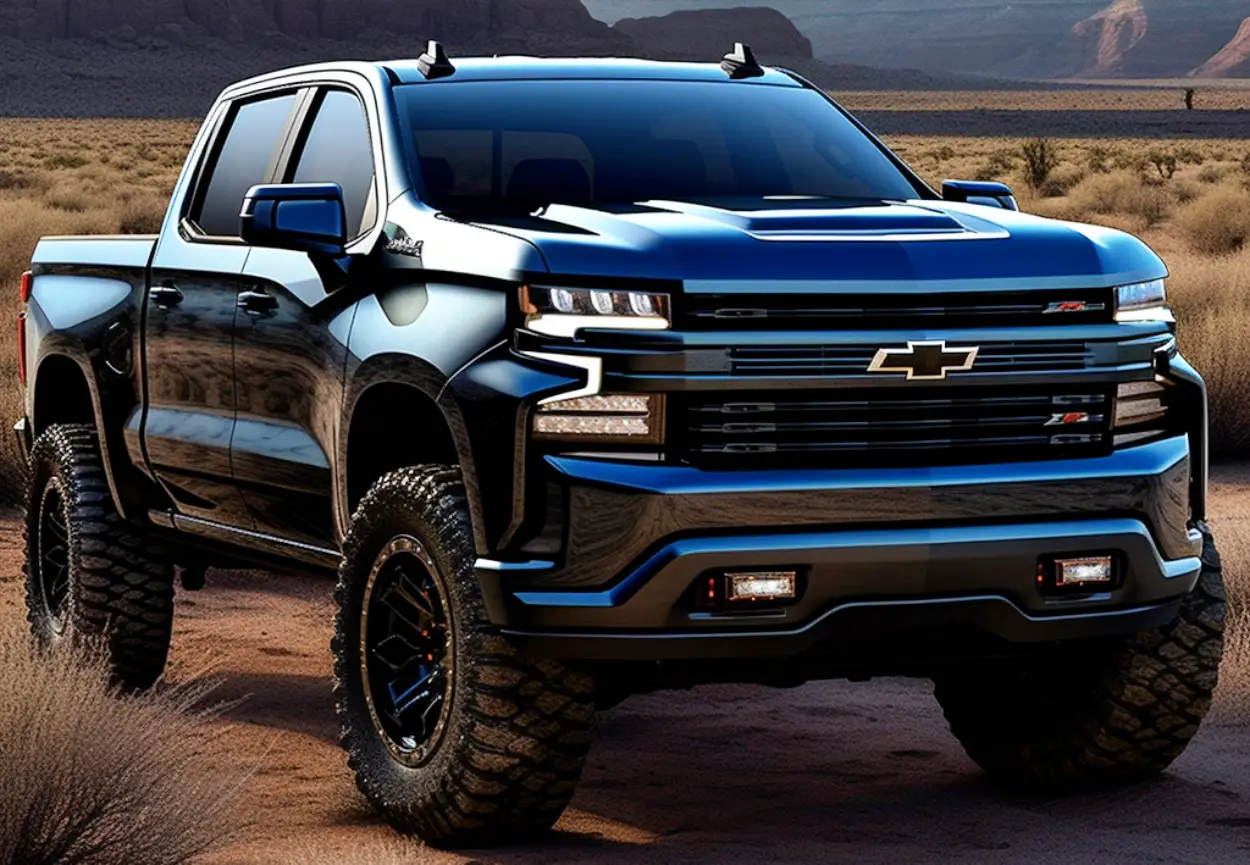
It’s also one of the few full-size trucks where the brake pedal remains easy to modulate even with wide boots a detail that matters on job sites where quick, precise pedal feel prevents mishaps.
3. Ram 1500
The Ram 1500 has arguably the best ergonomics of the Big Three trucks, and its footwell comfort is a major reason why.
Ram places the pedals slightly farther forward than some competitors, which relieves the cramped-toe feeling taller drivers often complain about.
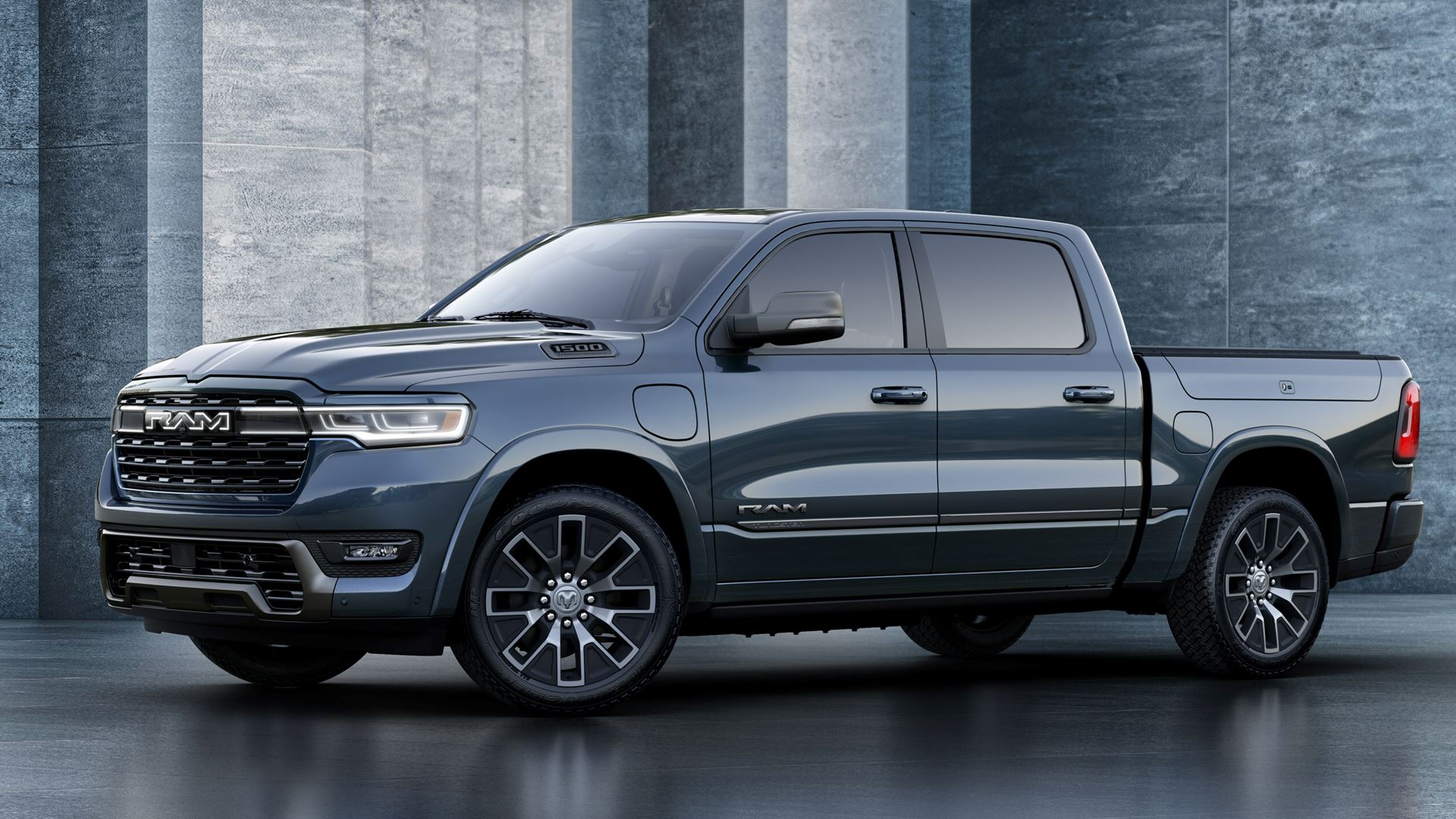
The footwell width is also excellent, making it easier to angle your boots without hitting plastic trim or the center console.
Many work-boot-wearing drivers say the Ram simply feels “open” at the feet something that becomes noticeable on long, slow commutes home after 10 hours on concrete floors.
Dropping the V8 hasn’t slowed the Ram 1500 at all. In our testing, the truck equipped with the standard-output turbo six-cylinder (420 horsepower) accelerated from 0 to 60 mph in just 5.2 seconds.
The higher-output engine (540 hp) achieves the same in 4.7 seconds, significantly quicker than most other full-size trucks. Even the RHO trim, outfitted with large, heavy off-road wheels and tires, hits 0-60 in just 4.9 seconds.
Although the steering is light and lacks much road feel, the Ram 1500 handles predictably and manages its weight effectively, never feeling sloppy through corners.
It feels more connected than many other full-size pickups. Large windows provide excellent visibility, though the truck’s tall sides can obscure shorter objects nearby. For off-road enthusiasts, the Ram RHO is eager for adventure, offering generous ground clearance and impressive high-speed off-road capability.
The newest 1500 also includes Ram’s hands-free driver-assist system. In our testing, it performed well, rarely requiring the driver to return their hands to the wheel. Additional driver aids are equally useful, assisting with lane centering and delivering smooth acceleration and braking.
Also Read: 10 Toyota Cars That Live Past 300,000 Miles with Minimal Spend
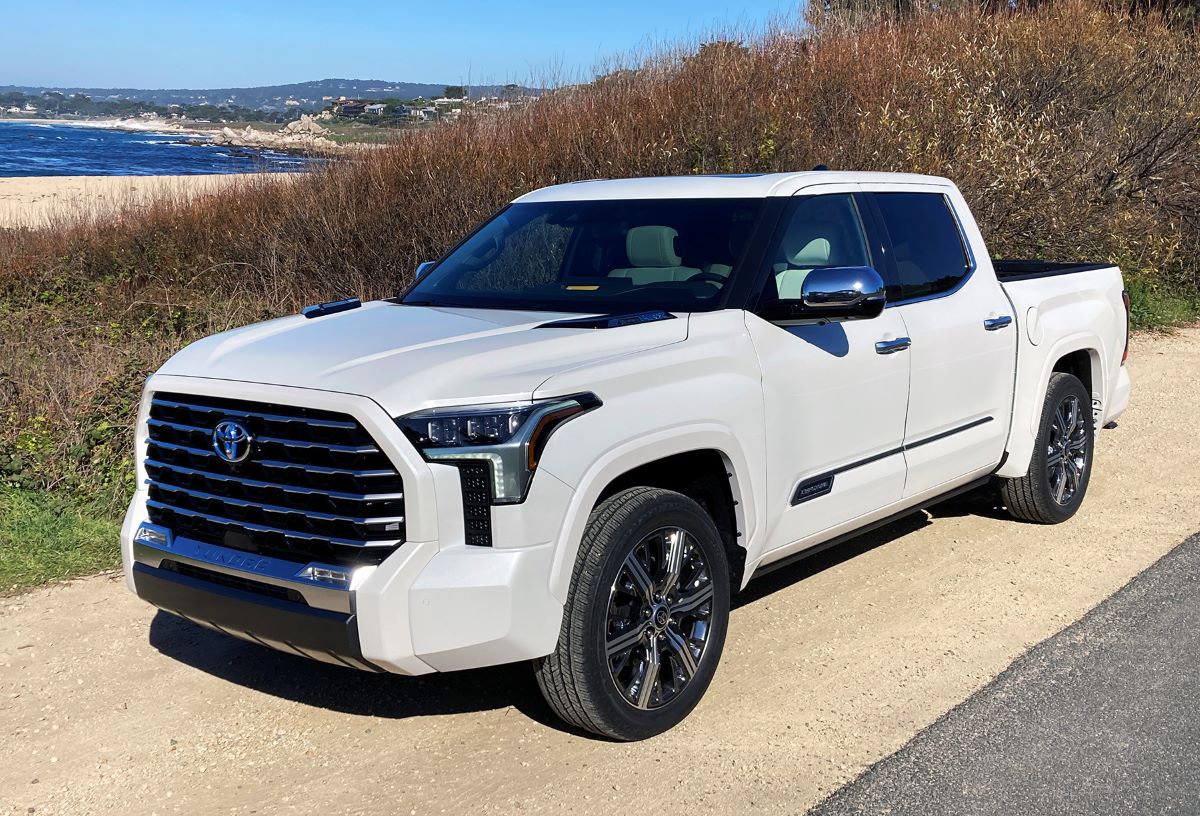
4. Toyota Tundra (2022–present)
The latest-generation Tundra fixed many ergonomic problems found in older Toyota trucks. The redesigned floor pan and pedal positions benefit booted drivers significantly.
The accelerator sits at a natural angle that avoids forcing the right foot outward, and the open space beneath the dash is generous compared to midsize competitors.
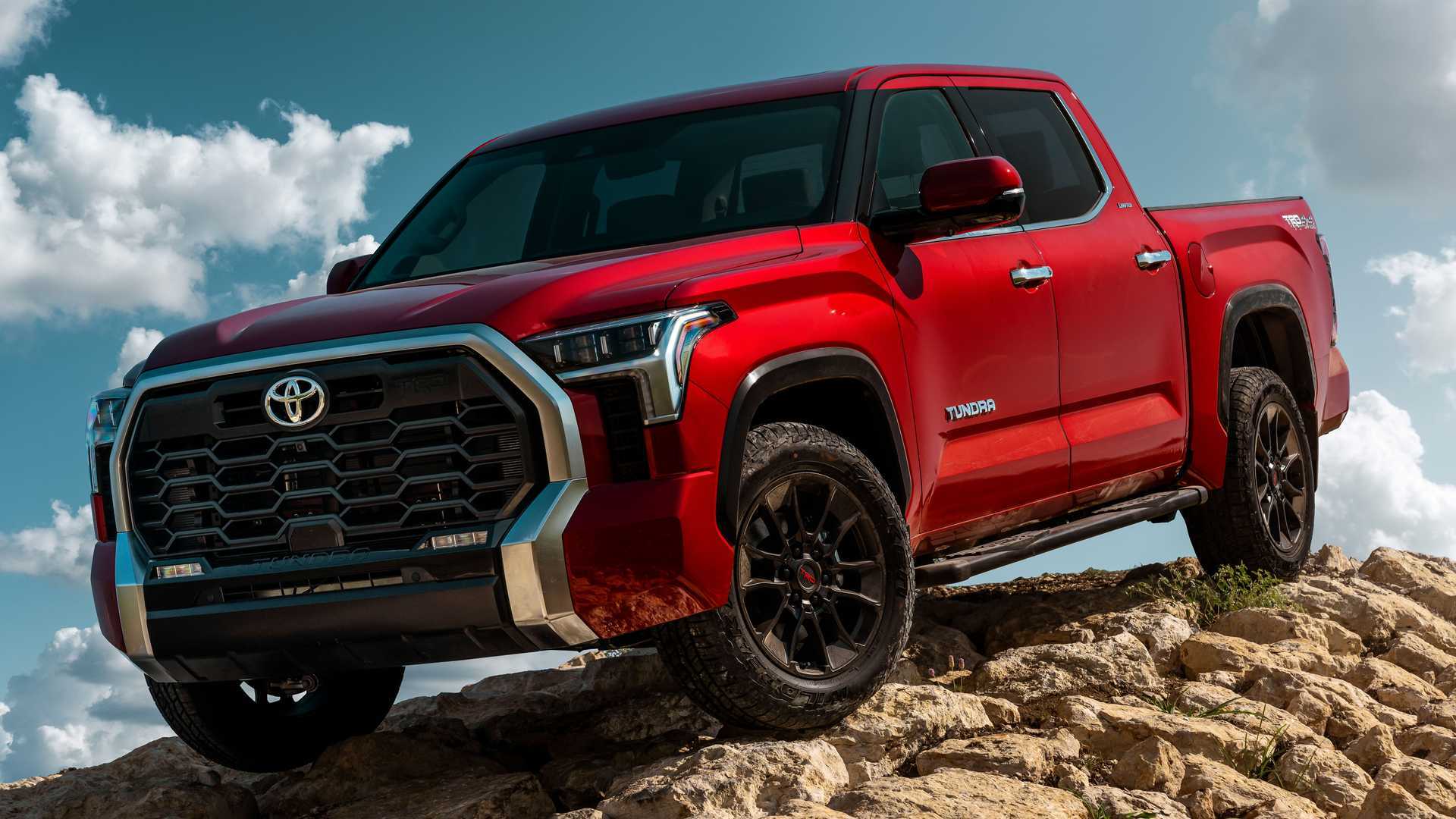
Even large composite-toe boots can operate the pedals without rubbing the sidewall, which wasn’t always the case in previous Tundra models. For buyers who prefer Toyota reliability but don’t want cramped footwells like in the Tacoma, this is the better choice.
5. Subaru Outback
It may surprise people, but the Subaru Outback is one of the most boot-friendly crossovers in America. Subaru designs its cabins with straightforward geometry wide footwells, flat flooring, and pedals that don’t sit too high.
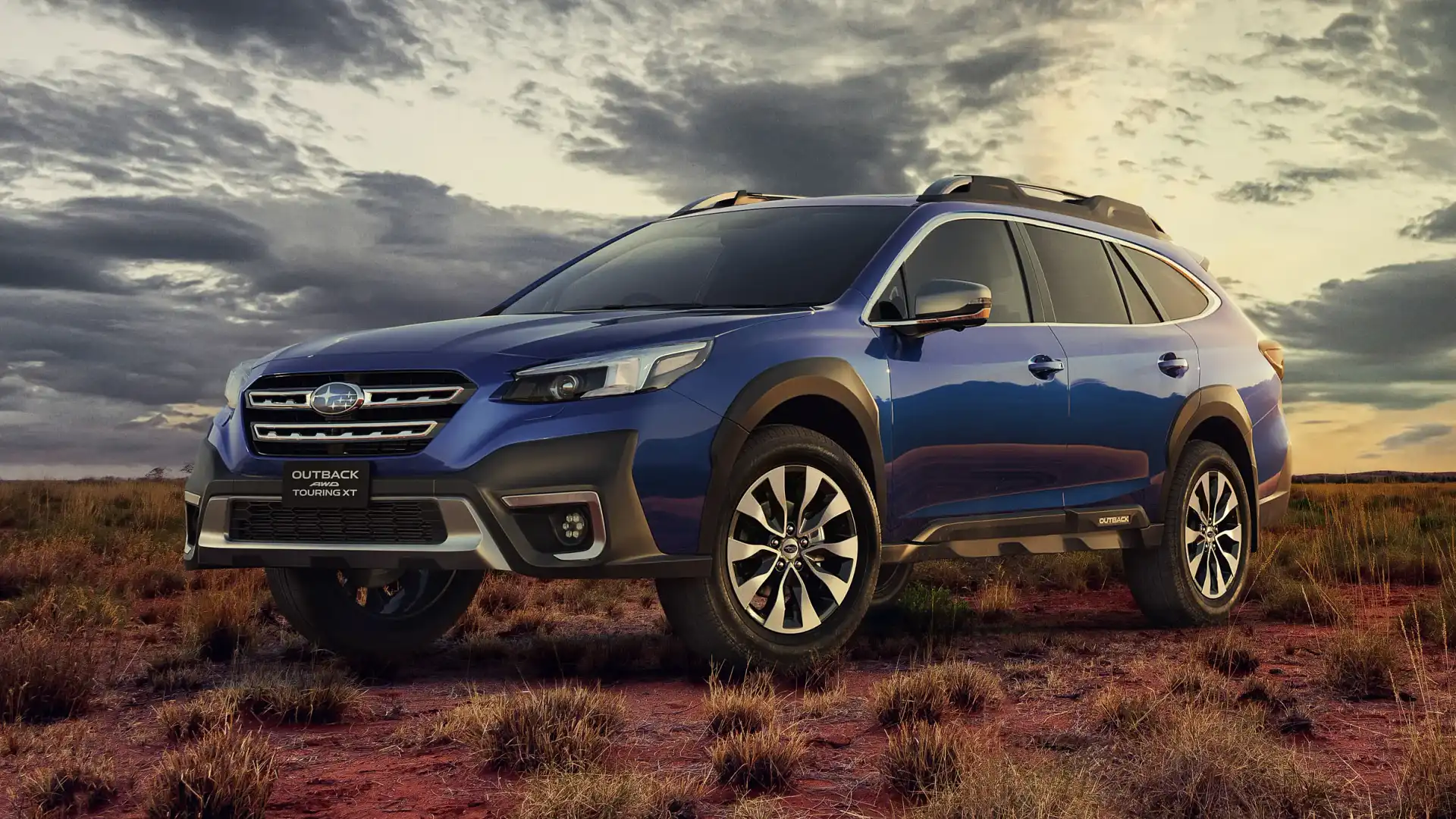
Outdoor workers, farmers, and rural drivers appreciate that they can hop in wearing muddy boots without having to twist or jam their feet under the dash.
The Outback’s dead pedal is also sized well for large footwear, making long-distance drives far more comfortable than in many compact SUVs.
6. Chevrolet Tahoe
Full-size SUVs usually offer decent foot room, but the Tahoe goes further by providing a broad pedal area and low floor with an upright seating position. This naturally creates more vertical space for thick boots.
Drivers with wide feet will notice that the brake and accelerator are well spaced out, preventing the common issue of accidentally grazing both pedals while wearing oversized or steel-toe footwear.
For families where the primary driver uses heavy work boots but still needs an SUV for daily life, the Tahoe is one of the easiest to live with.
The Tahoe has been powered exclusively by V-8 engines throughout its history, and that tradition continues with the latest generation. Its standard 355-hp 5.3-liter V-8 and available 420-hp 6.2-liter V-8 are now joined by a diesel 3.0-liter six-cylinder option.
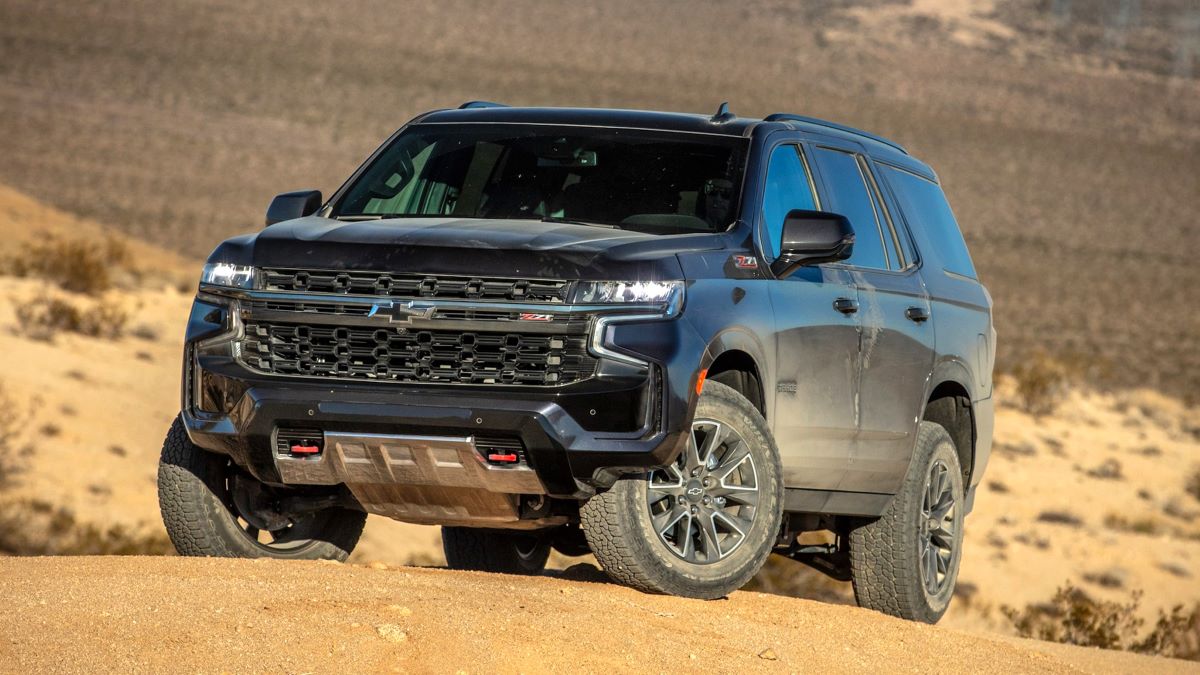
While the diesel produces the least horsepower among the three, its 460 lb-ft of torque matches that of the larger V-8 engines. Every 2021 Tahoe comes with a 10-speed automatic transmission and a choice of rear- or all-wheel drive.
We tested the off-road-focused Z71 model equipped with the standard V-8, which also features a two-speed transfer case for traditional four-wheel drive, 20-inch wheels fitted with all-terrain tires, and underbody protection. Our test unit delivered adequate acceleration, a firm brake pedal, and an impressively quiet cabin at highway speeds.
The Z71 package also adds air springs, allowing the Tahoe’s ride height to be adjusted automatically or manually, as well as adaptive dampers, which are standard on the higher-end Premier and High Country trims. Both the High Country and RST models ride on eye-catching 22-inch wheels, adding to their curb appeal.
Also Read: 5 Cars With the Lowest Cabin Carbon Footprints and 5 Using Harsh Materials
Rides With Tight Footwells
A car’s interior comfort isn’t just about seat cushioning or legroom, it’s also about the space around your feet. Some vehicles have cramped footwells that leave drivers and passengers awkwardly angled, restricting movement and making longer drives less enjoyable.
In this guide, we highlight rides with tight footwells, exploring which models can make even short trips feel cramped and why these seemingly small design choices matter for overall comfort behind the wheel.
1. Toyota Tacoma (2nd and 3rd generation)
The Tacoma is notorious for its cramped driver footwell, which tapers sharply toward the center tunnel. Even sneaker-wearing drivers sometimes complain about the awkward pedal angle.
When you introduce stiff work boots, the situation becomes much worse. The accelerator often forces your foot to twist outward, and the lack of vertical space means thick soles reduce pedal feel dramatically.
Larger drivers especially find themselves hitting the plastic trim or bending their ankle uncomfortably just to maintain the right throttle position.
The Tacoma’s optional V-6 engine delivers solid performance and respectable towing capability, but the base four-cylinder is underpowered and generally best avoided.
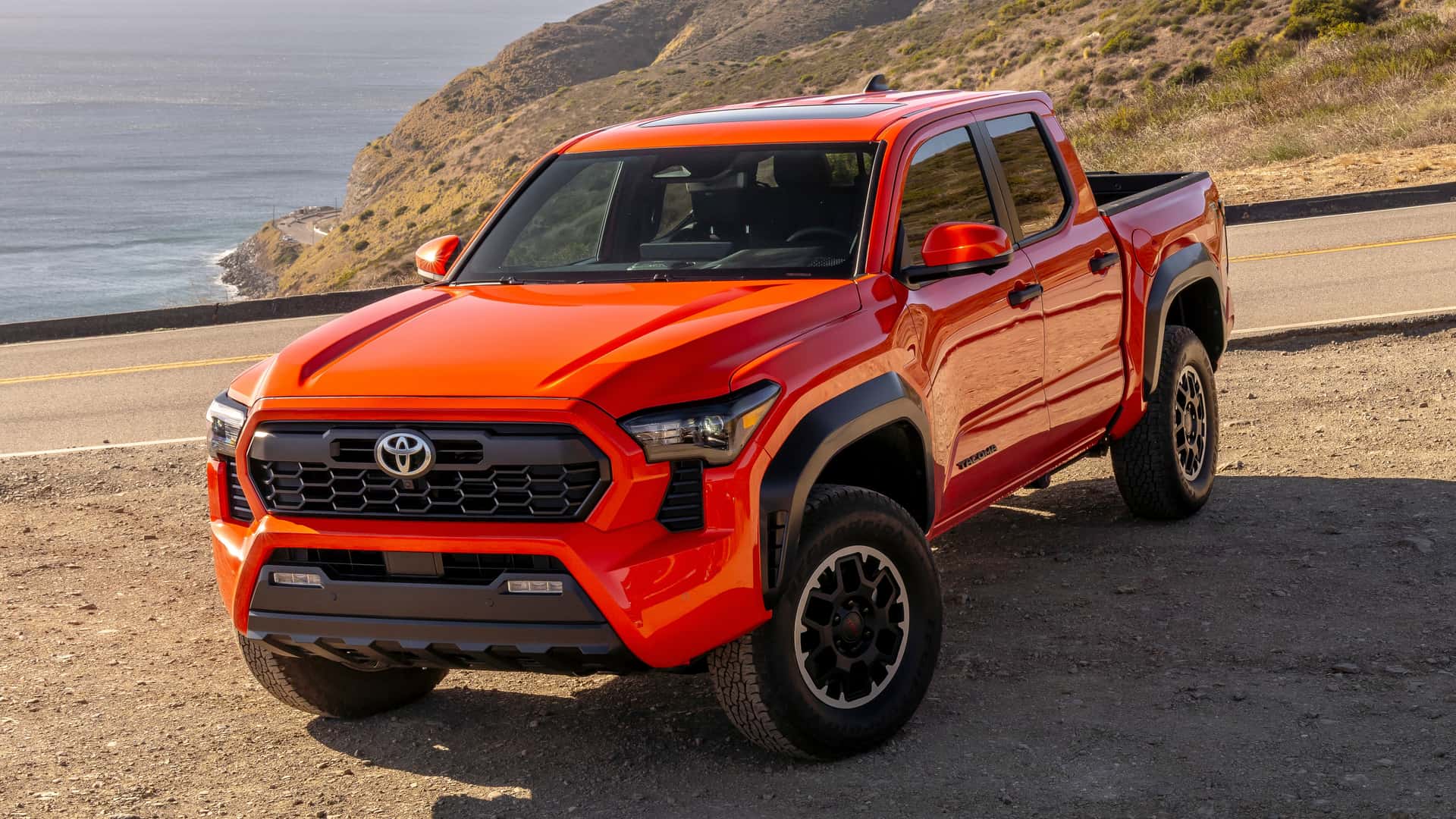
We also recommend steering clear of the finicky six-speed automatic transmission with either engine; the six-speed manual paired with the V-6 is the preferable combination.
When equipped with the automatic, the six-cylinder can feel strained at times. The TRD Sport and Limited trims are more geared toward urban driving, while the TRD Off-Road and TRD Pro models are built for rougher terrain.
That said, none of these options are especially quick. At its strongest, the Tacoma can tow up to 6,800 pounds with rear-wheel drive, while four-wheel-drive models are rated for 6,500 pounds.
Carlike handling isn’t the Tacoma’s focus. The truck sticks to the formula that has served it well for years: being a capable pickup. While it’s not the first choice for ride quality or agile handling, it handles trails and rough back roads with ease. The Tacoma can be configured for off-road adventures or everyday pavement driving.
The Limited trim provides a more comfortable ride that is smoother and quieter than the off-road variants. Meanwhile, the TRD Pro’s upgraded suspension produces a firmer ride that helps control body motions and maintain composure over rough surfaces.
According to our testing, the Tacoma’s brakes are effective, though the TRD Pro’s brake pedal is sensitive and bites even with light pressure, which can be unsettling in traffic.
2. Jeep Wrangler (JK and JL)
Wranglers aim for off-road capability first, comfort second. The cabin’s boxy, upright construction leaves less ergonomic flexibility around the footwell area.
The pedals sit close together, and the right foot often has to angle inward to avoid the transmission tunnel.
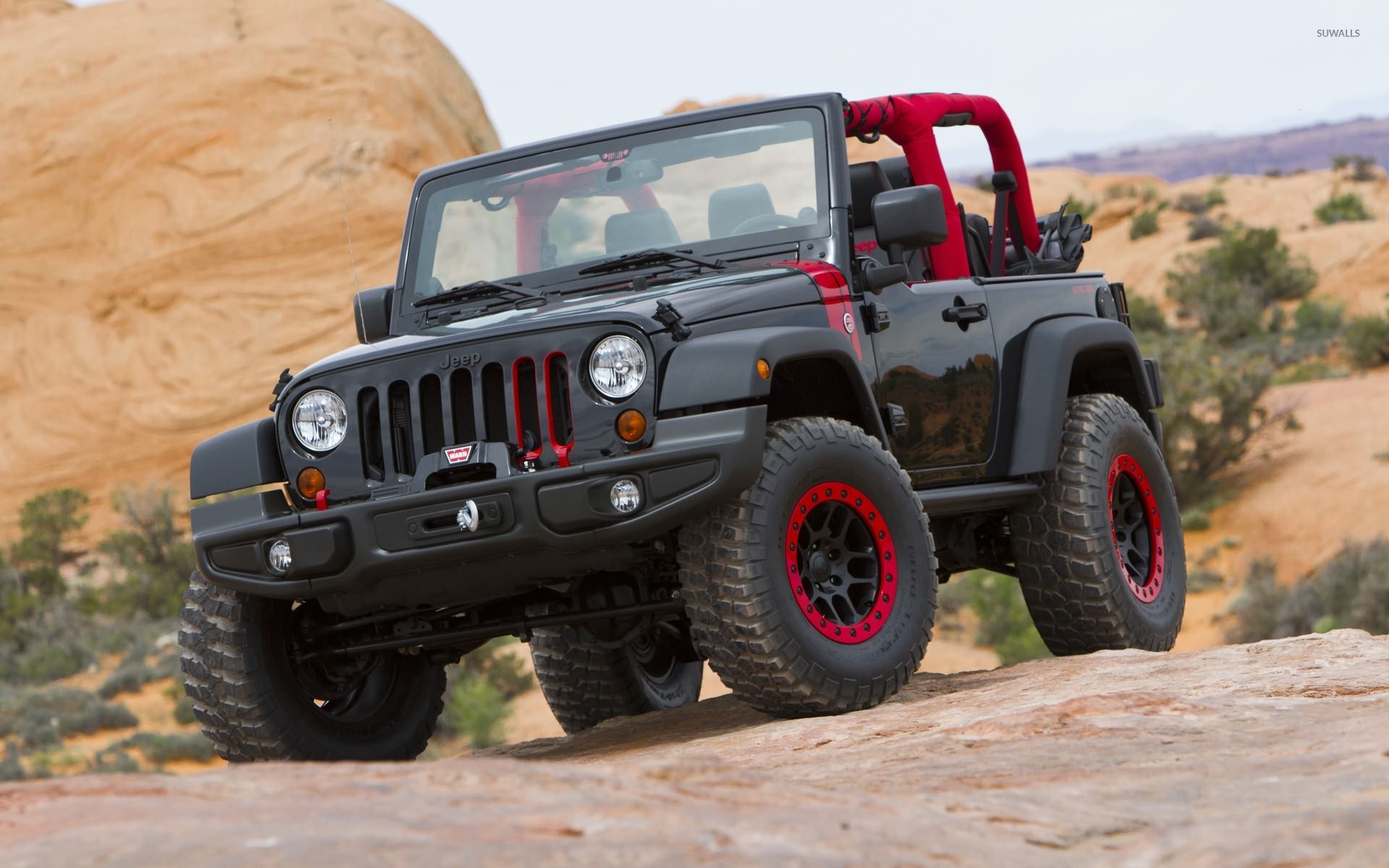
Add steel-toe boots, and you’ll quickly feel the pinch. Drivers with larger feet frequently note that they have to adjust their footwear position constantly, especially during long drives, because the Wrangler doesn’t offer much horizontal space.
The Wrangler is built with off-road prowess as its top priority, which is why it has such a devoted following. Its off-road capabilities are particularly notable in the Rubicon trim.
Our test Wrangler was equipped with the optional Xtreme Off-Road package, featuring massive 37-inch tires and additional ground clearance. Whether navigating rocky trails or cruising over sand dunes, there’s very little this SUV can’t tackle.
On the road, the experience is different. We appreciate how the suspension and tires soak up ruts, bumps, and potholes with ease. The ride is firm, but you can still cruise around town without worrying too much about road imperfections.
However, the Wrangler’s steering feels vague and often requires constant corrections on the highway to maintain lane position. Acceleration from the V6 engine is leisurely, and stopping distances in emergencies are lengthy.
The Wrangler’s advanced driver-assistance features generally perform well and help ease the driving experience. The drawback is that Jeep includes only the basics, like blind-spot monitoring and adaptive cruise control, and makes them optional on nearly every trim level.
3. Honda Civic (10th and 11th generations)
The Civic is one of America’s best-selling compact cars, but compact naturally means tighter dimensions and the driver’s footwell is one of the first areas to feel it.
While fine for everyday footwear, the Civic’s pedal area simply lacks the width and depth needed for bulky work boots.
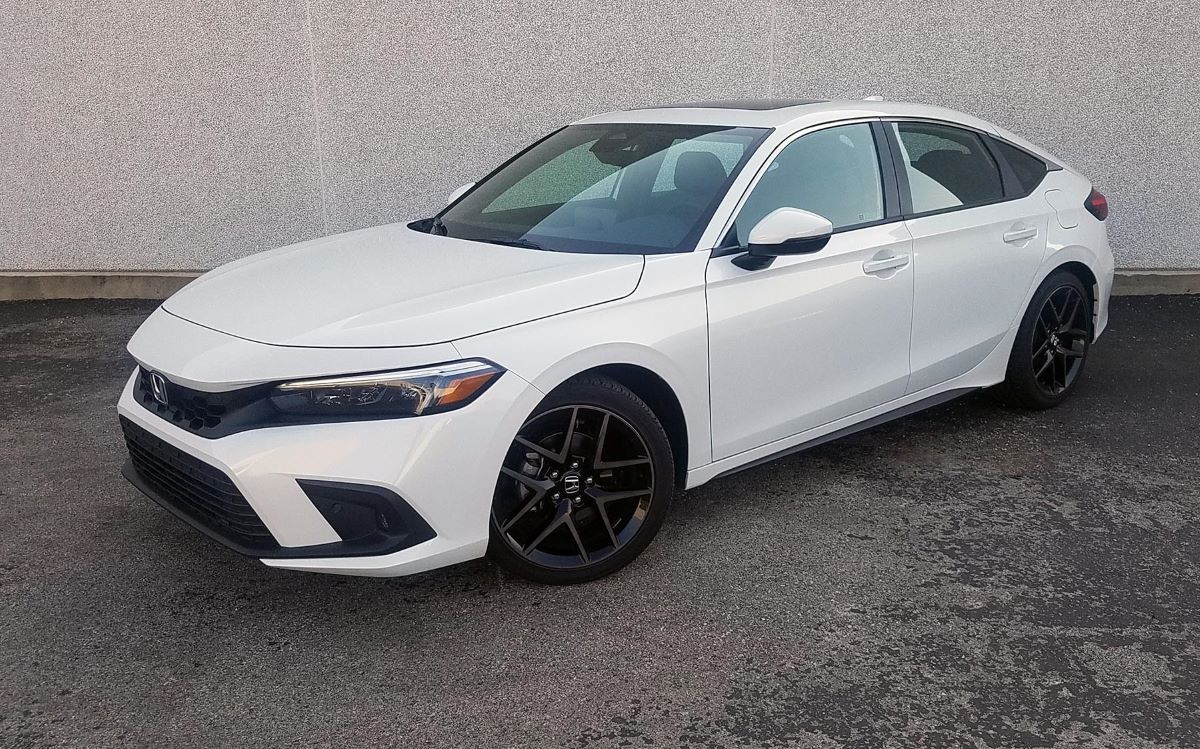
The floor slopes upward quickly, limiting vertical clearance, and the brake pedal sits close enough to the center tunnel that wider shoes may graze it unintentionally. For shift workers heading to industrial plants, this can become annoying fast.
4. Mazda CX-5
Mazda designs cabins around sporty driving, which often results in narrower pedal boxes. The CX-5 is praised for its responsive feel, but drivers wearing work boots may find the footwell tight and angled aggressively.
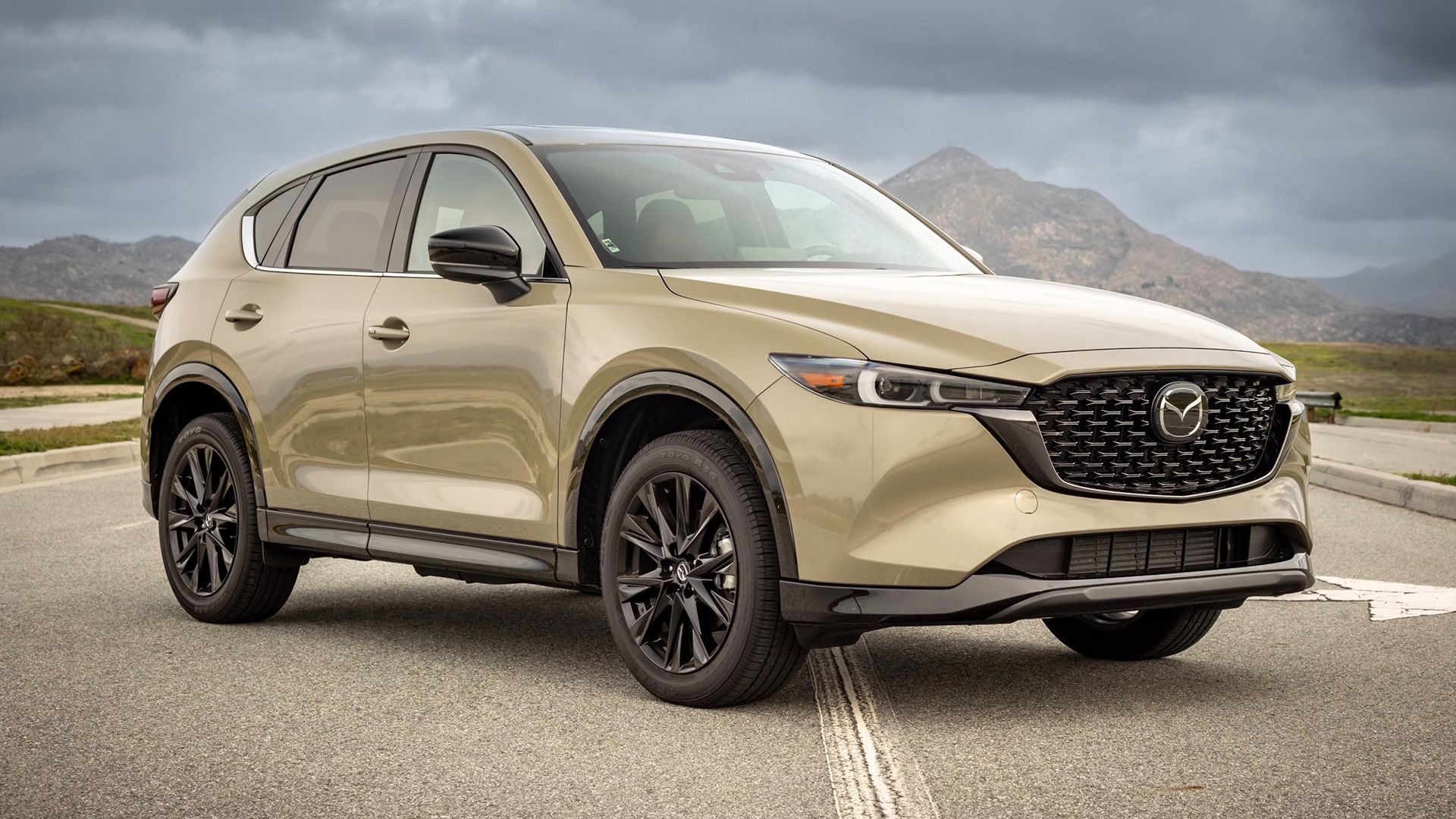
Mazda also tends to place the dead pedal high and inward, making it hard for stiff footwear to rest comfortably.
Many US buyers who test-drive the CX-5 after coming from full-size trucks or larger SUVs notice that their right foot doesn’t have much natural room to move.
The CX-5’s standard 187-hp four-cylinder engine offers lively throttle response when pulling away from stoplights or navigating city streets, making it feel quicker than it actually is.
At higher speeds, such as merging onto the freeway or passing slower traffic, it can feel a bit underpowered. The 256-hp turbocharged version we tested delivers much sharper acceleration. Both engines are paired with a responsive six-speed automatic transmission and all-wheel drive.
You don’t need to push the CX-5 to enjoy it. Its precise steering and composed cornering make for a thrilling Sunday drive, yet it also absorbs rough roads with ease, offering ride quality comparable to crossovers that cost twice as much. This balance of dynamics is unmatched by competitors.
Pavement imperfections are smoothed out, road noise is minimal, and the suspension strikes a perfect middle ground, not stiff, not floaty. On twisty roads, the CX-5 truly comes alive.
The electrically assisted steering provides satisfying feedback, while the Signature model we tested offered brake-pedal feel that was both responsive and well-mannered, not overly sensitive, yet never sluggish.
5. Nissan Frontier (pre-2022 models)
Before its redesign, the Frontier had one of the most closed-in driver footwells in the midsize truck segment. Floor space was limited, the pedals were tightly grouped, and an oddly shaped center tunnel reduced lateral movement.
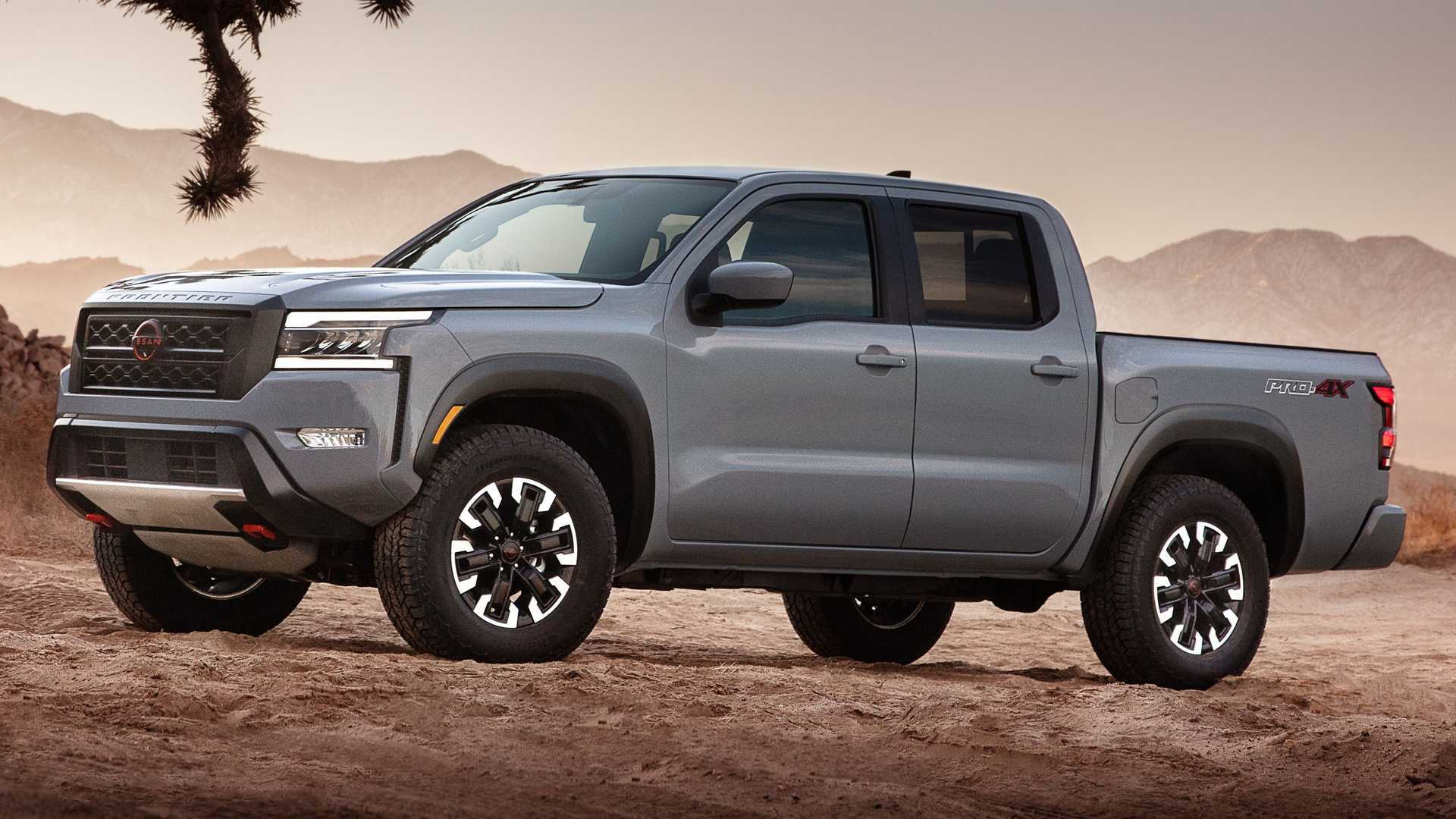
Wearing bulky boots could mean constantly bumping the brake pedal or feeling the boot heel catch on the floorboard when transitioning from gas to brake.
The 2022 redesign improved ergonomics somewhat, but older models still stand out as cramped for workers who spend all day in protective footwear.
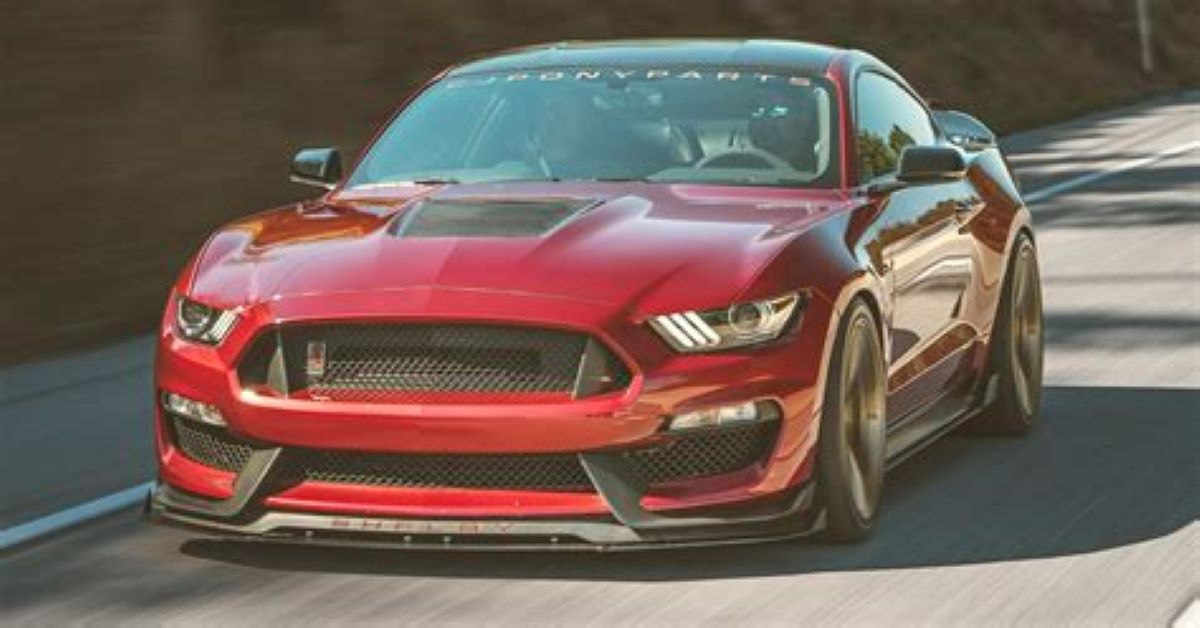
6. Ford Mustang (S550 generation)
The Mustang is built for performance, not practicality, and its footwell is narrow enough that work boots feel immediately oversized.
The long front end and low seating position force the legs and feet into a more horizontal layout, reducing natural foot angles.
Drivers often report their boots rubbing the side of the transmission tunnel or struggling to maintain a comfortable resting position on the throttle.
For people who spend their off-hours on construction sites, hopping into a Mustang afterward can feel like a noticeable downgrade in foot-space comfort.
Footwell comfort might not get the same headline treatment as horsepower or towing specs, but for millions of American workers who wear heavy-duty boots daily, it can make or break the driving experience.
The sixth-generation Ford Mustang, known as the S550, ran from 2015 to 2023. It brought the classic pony car into the modern era, transforming it into a world-class sports car while retaining its iconic DNA: the Coyote 5.0-liter V-8, front-engine/rear-wheel-drive layout, and the fastback coupe body style (with a convertible option).
Unlike contemporaries from Dodge and Chevy, the S550 eventually received a successor: the 2024 S650 seventh-generation Mustang. During the S550’s run, Ford also introduced the Mustang-branded Mach-E electric crossover, but the Mach-E didn’t replace the muscle car, instead selling alongside it. The gas-only S650 is largely a refined S550, proving just how successful the sixth generation was.
When it debuted in 2015, the S550 carried over the rev-happy Coyote V-8 and classic front-engine/rear-wheel-drive setup from the previous S197 fifth-generation Mustang. Its new platform and styling marked a fresh era, including the first independent rear suspension in any production Mustang since the 2003–2004 SVT “Terminator” Cobras.
This setup created one of the most comfortable street-driving Mustangs yet. While the seventh-gen Mustang gained weight, its performance and cornering remained on par with the S197. Faster variants were introduced over time, making the Mustang GT a true Grand Touring car, appealing to markets in Europe, Oceania, and Asia.
The S550’s “S” stands for specialty or sport. While base V-6, EcoBoost, and GT models retained traditional Mustang cruising vibes, hotter variants became world-class sports cars in their segments. The 2016 GT (with a limited 2015 run) balanced comfort with track-ready capability that could challenge Porsches.
High-end models, including the 2020 Shelby GT500, pushed this further with over 760 horsepower from a supercharged Coyote engine. Performance packages added significant handling upgrades, and the 2021–2023 Mach 1 became the ultimate Mustang handling package.
Compared to its production rivals, the S550 balanced the athleticism of the Camaro with the size of the Challenger. This made it competitive on the street, drag strip, and track. It also achieved professional racing success: the GT350R won championships in GT racing, and the S550-based GT4 continued that winning tradition.
The entry-level 2023 EcoBoost Coupe started at $27,770, while the 2022 GT500 topped out at $76,820. S550 GT models with the coveted Coyote V-8 generally sit in the low $40,000 range, and Mach 1 variants in the upper $50,000s. Early 2015 V-6 models started at $23,800 and offered 300 horsepower. Even years later, most S550s still command nearly new prices in the used market.
Trucks and SUVs tend to do better overall, but several crossovers and sedans still offer excellent space while others feel uncomfortably tight.
Whether you’re shopping for a new job-site companion or evaluating your next daily driver, understanding how your footwear interacts with the pedal area can prevent long-term discomfort and keep you safer on the road.