Modern cars pack in more technology than ever touchscreens, driver-assist systems, digital displays, and customizable menus that can make even simple tasks feel more complicated than they need to be.
One of the best examples of this trend is the windshield wiper system.
Something that used to be controlled by a single stalk and a couple of clicks has, in some models, turned into a maze of menus, toggles, touch-sliders, or rain-sensor quirks that don’t behave the way drivers expect especially in the United States, where quick climate changes, sudden storms, and highway speeds demand reliable, intuitive wipers.
While many Americans appreciate modern rain-sensing systems, they still expect a basic level of clarity: turn them on, adjust the speed, and get visibility instantly.
Yet not all cars get this right. Some models bury settings behind touchscreen menus, rely too heavily on finicky sensors, or experiment with non-traditional control layouts that can confuse even tech-savvy drivers.
At the same time, several other vehicles uphold the simple, traditional, dependable wiper controls that Americans still prefer clean stalks, direct buttons, and systems that work the first time, every time, without guessing what the rain sensor wants to do.
This list breaks down five models known for complicated, unintuitive, or frustrating wiper controls, followed by five models that still do it right, giving drivers instant access to clear visibility without the drama.
Models With Complicated Wiper Controls
When it rains, snow falls, or mud splashes onto the windshield, your wipers are your first line of defense. But not all wiper controls are created equal.
Some cars feature confusing stalks, unclear symbols, or overly complicated settings that can leave drivers fumbling when visibility matters most. In this article, we’ll explore models where operating the wipers isn’t as straightforward as it should be, and what that means for your daily drive.
1. Tesla Model 3 / Model Y
Tesla’s minimalist interior has won fans for its clean aesthetic, but its approach to wipers remains one of the most infamous frustrations among US owners.
The primary wiper controls are buried inside the touchscreen, requiring multiple taps even for basic adjustments.
Tesla leans heavily on its automatic sensor, which doesn’t always interpret light rain accurately and can hesitate before activating an unsettling experience at 70 mph on a wet interstate.
The tiny steering-wheel button that triggers a single swipe doesn’t compensate for the missing physical stalk. For a system used so frequently, the Model 3 and Y make something simple unnecessarily complicated.
Starting just above $40,000, the Model 3 is Tesla’s most accessible offering. The model first debuted in 2017, and for 2022, we don’t expect major changes compared with last year. That said, it’s possible the Model 3 could adopt the refreshed Model S’s yoke steering wheel and upgraded infotainment hardware.
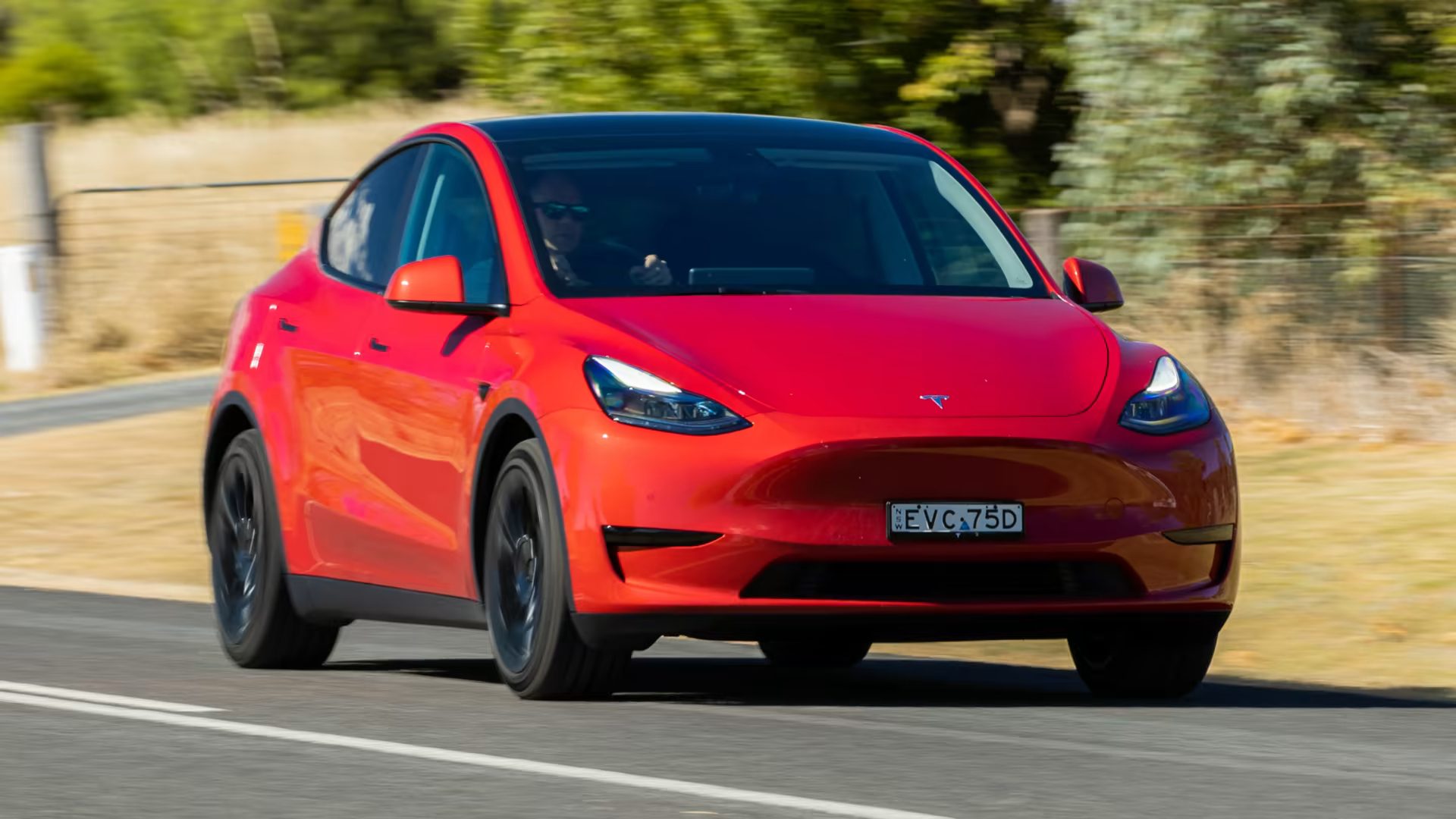
The Model 3 competes not only with other electric vehicles but also with gas-powered compact luxury sedans. Its main rivals include the Polestar 2, Audi A4, and BMW i4, alongside more affordable EVs such as the Chevrolet Bolt.
The Model 3 performs well in both the electric and compact luxury sedan categories. Its generous driving range and approachable pricing alone make it appealing, while the strong performance and minimalist, luxurious interior further enhance its desirability.
However, some buyers may find the massive center touchscreen challenging. Nearly every function in the car is controlled through this display, leaving only a handful of physical buttons in the cabin. This setup carries a significant learning curve compared with more conventional luxury EVs, such as the BMW i4 four-door or Audi E-Tron SUV.
On the road, performance is excellent, though we noticed a fair amount of tire and road noise entering the cabin. Buzzes and rattles over uneven pavement also highlight Tesla’s sometimes inconsistent build quality.
The Model 3 comes in three variants: Standard Range Plus, Long Range, and Performance. The entry-level Standard Range Plus features a single rear motor with rear-wheel drive, while the Long Range and Performance versions use dual motors and all-wheel drive. Standard Range models come with a 54-kWh battery, whereas the dual-motor variants are equipped with an 82-kWh unit.
Also Read: 5 EVs That Road-Trip Well vs. 5 That Demand Too Many Stops
2. Volkswagen ID.4
The ID.4 is a promising EV with plenty of space, but its control layout is notoriously counterintuitive. The wiper functions sit on a stalk, but much of the adjustment is handled through touch-sensitive sliders on the dash or the touchscreen menus.
Combine that with an overactive rain-sensing function and delayed manual overrides, and the wipers feel more like a software feature than a driving tool. For American drivers used to clear feedback and tactile switches, the ID.4’s setup feels like a step backwards.
Think of the 2022 Volkswagen ID.4 as the spiritual successor to the original Type 1 Beetle, but reimagined with zero emissions.
The base version of Volkswagen’s first fully electric vehicle features a single rear-mounted motor, while all-wheel drive is optional, adding a second motor at the front. Driving range is respectable, reaching up to 280 miles per charge, and DC fast-charging allows for quick replenishment at public stations.
While the ID.4 doesn’t deliver the spirited driving experience found in some other VW models, its cabin is quiet and composed during highway cruising. The nearly all-digital dashboard gives the interior a modern, high-tech feel, though it takes some getting used to, especially the infotainment system, which has quirks that may frustrate some users.
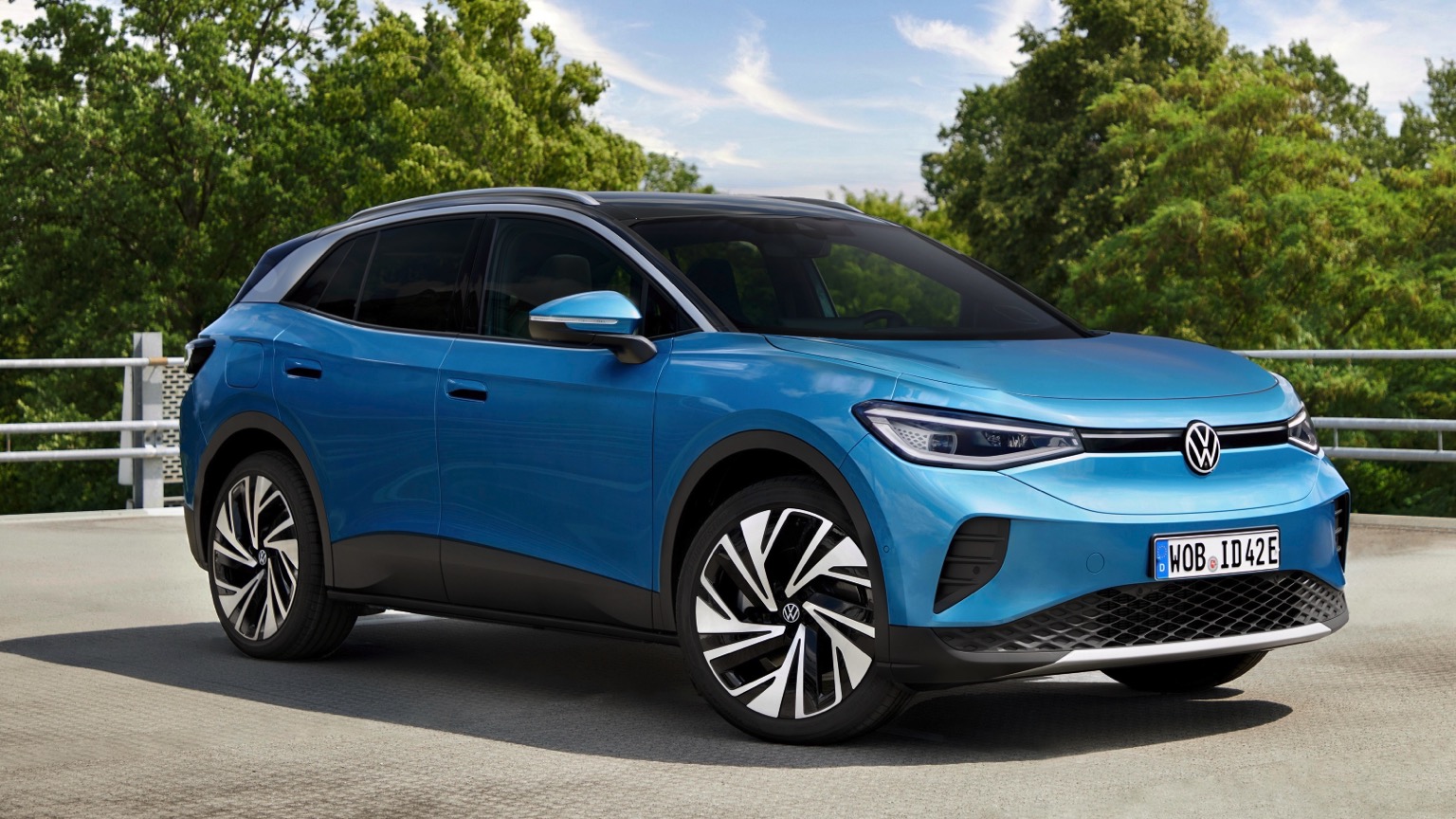
The single-motor rear-wheel-drive ID.4 produces 201 horsepower, while the dual-motor all-wheel-drive version delivers 295 hp. Towing capacity is solid at 2,700 pounds.
Regenerative braking recaptures energy during deceleration, but the familiar one-pedal driving favored by many EV drivers is largely absent, even in the most aggressive regenerative mode. The ID.4 also lacks the traditional “gut-punch” acceleration typical of many electric vehicles.
The rear-wheel-drive model isn’t slow by conventional compact crossover standards, but in our testing it reached 60 mph in 7.6 seconds, showing a more relaxed performance compared with quicker EV competitors. Opting for the more powerful all-wheel-drive variant improves acceleration considerably, achieving 60 mph in 5.4 seconds on our test track.
Handling isn’t as sharp as some rival EVs, but the ID.4 impresses with its smooth, refined ride and quiet cabin, making it a comfortable choice for everyday driving.
3. Toyota bZ4X
Toyota’s electric SUV tries to merge traditional controls with modern sensor-based automation, but the result isn’t seamless.
The wiper adjustment dial on the stalk is small and tightly spaced, making it easy to overshoot settings with gloves or cold fingers.
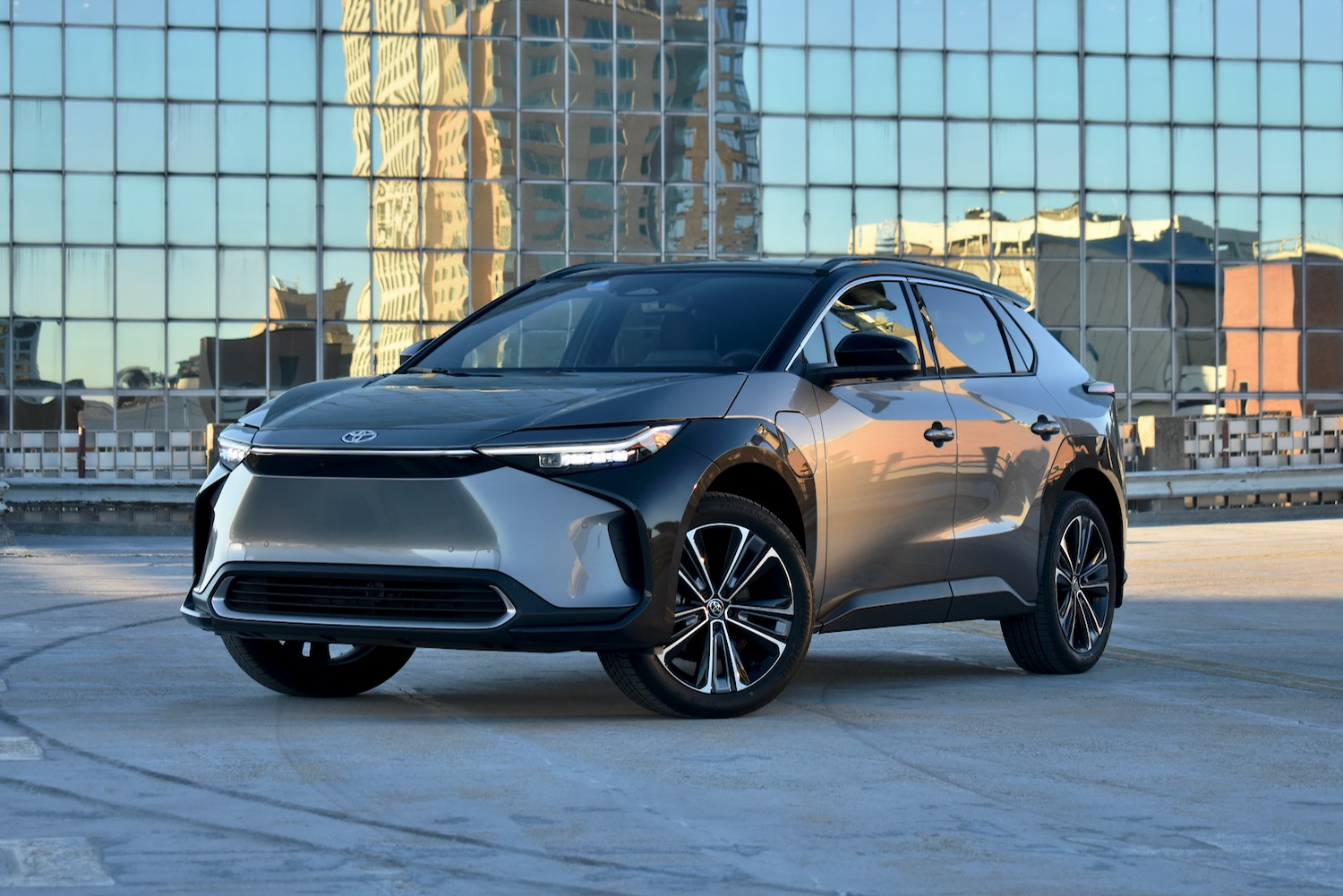
But the bigger issue is the rain-sensor tuning, which tends to behave inconsistently especially in mist, light snow, and highway spray.
The system often forces drivers into a guessing game: let the sensor work or override it manually and those manual overrides require constant fiddling.
For better or worse, the Toyota bZ4X drives more like a conventional SUV, such as a RAV4, than a typical EV. It accelerates faster than most small gas-powered SUVs but falls behind many rival electric vehicles like the Tesla Model Y or Ford Mustang Mach-E. There’s enough power for city driving or highway cruising, but on paper, the bZ4X is objectively slower than many other EVs.
Braking performance is adequate, but the pedal feels somewhat soft and inconsistent, making smooth stops a challenge at times. Another drawback is the absence of full one-pedal driving.
The bZ4X, however, requires the use of the brake pedal to slow down. While we understand the aim of making the bZ4X feel more familiar to traditional SUV drivers, it feels like a missed opportunity.
Steering and handling are average. The steering wheel itself is notably small for a crossover, yet it doesn’t contribute to a feeling of nimbleness or agility. It is light and responsive enough to make parking easy, but the combination of soft suspension and minimal road feedback leaves little sense of engagement on the open road.
4. Mercedes-Benz EQS
Luxury EVs often introduce complex interfaces, and the EQS is one of the most digital-heavy vehicles on the road. While it still uses a stalk for activation, many finer adjustments and service functions live inside hyperscreen menus.
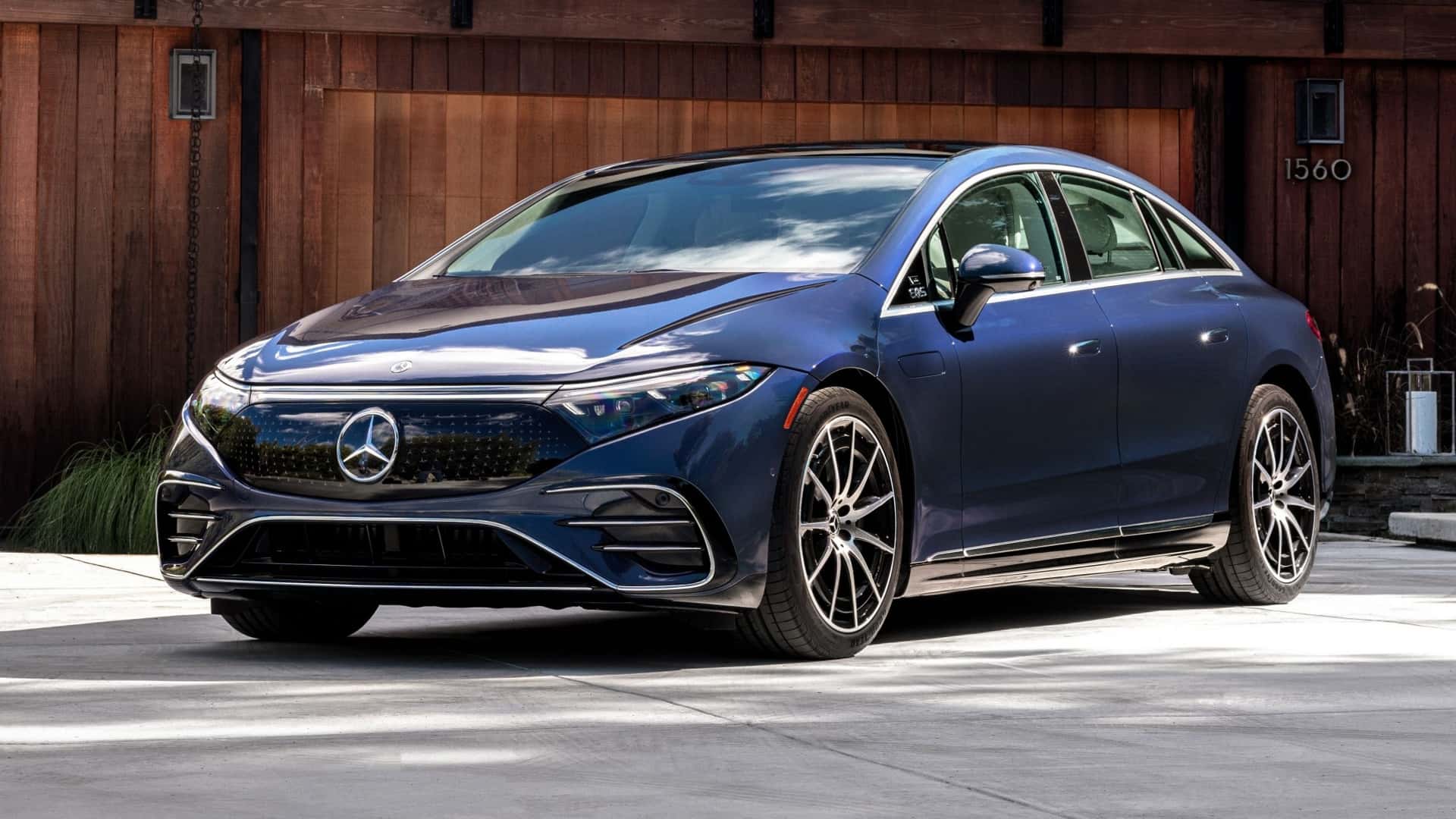
If you need to access advanced wiper settings, replace blades, or adjust sensitivity, you’ll have to search through deep digital layers something no one wants to do during a sudden downpour.
Even the automatic system can feel overly cautious, occasionally delaying activation until visibility is already compromised.
Also Read: 5 EVs That Road-Trip Well vs. 5 That Demand Too Many Stops
5. Cadillac Lyriq
Cadillac’s first major EV brings bold styling and advanced tech, but the wiper controls can feel foreign to drivers jumping from traditional American SUVs.
Instead of a clear, tactile stalk with labeled intervals, the Lyriq uses a combination of touch-sensitive buttons and digital adjustment within the display.
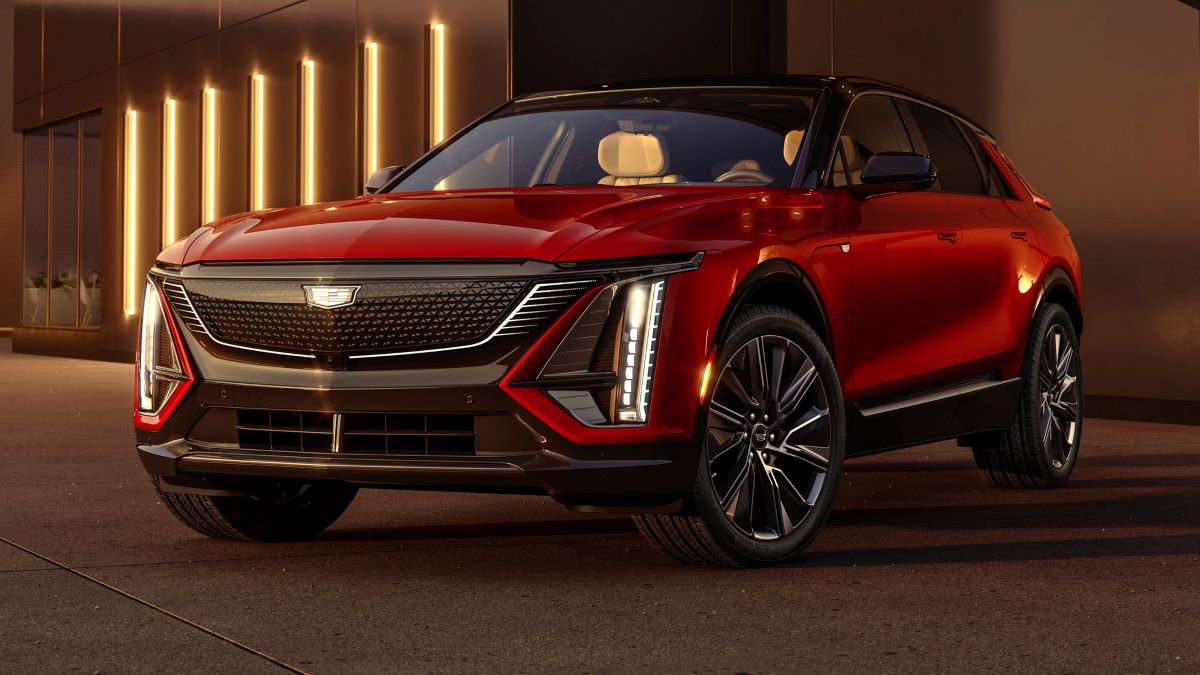
The auto wipers dominate the system’s behavior, and drivers report they can be stubborn about responding to fine mist or sleet. In colder US climates where precipitation varies rapidly, the system creates unnecessary frustration.
Models With Wiper Controls That Work
Clear visibility shouldn’t be a guessing game. Some cars make operating the wipers simple, intuitive, and reliable, so you can focus on the road instead of fiddling with confusing controls.
From smooth stalks to easy-to-understand settings, these models get wiper operation right every time. In this article, we’ll highlight cars where the wipers work exactly as they should, efficient, predictable, and stress-free.
1. Subaru Outback
Subaru has long prioritized practicality, visibility, and ease of use qualities American drivers in snowy or rainy climates love. The Outback’s wiper stalk is classic and intuitive, featuring well-spaced intervals and a straightforward rear wiper toggle.
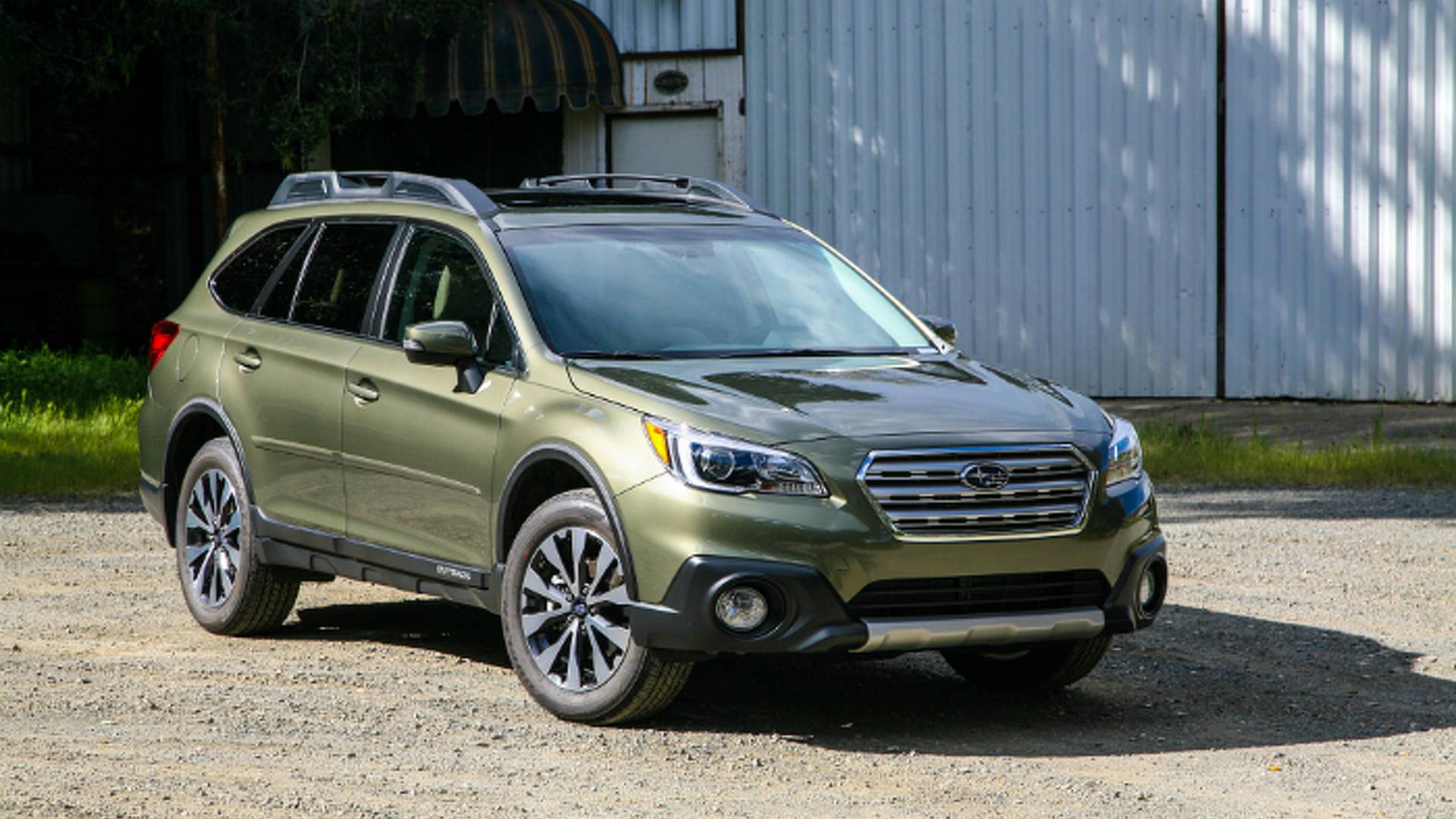
The rain-sensing system activates promptly but remains easy to override with crisp, click-based controls. The simplicity matters in real US conditions mountain weather, slushy interstate commutes, and sudden spring showers.
2. Toyota RAV4
Toyota resists over-digitizing basic functions, and the RAV4 benefits from this philosophy. Its wiper stalk is familiar and predictable, with large, easy-to-grip notches that work with cold fingertips or winter gloves.
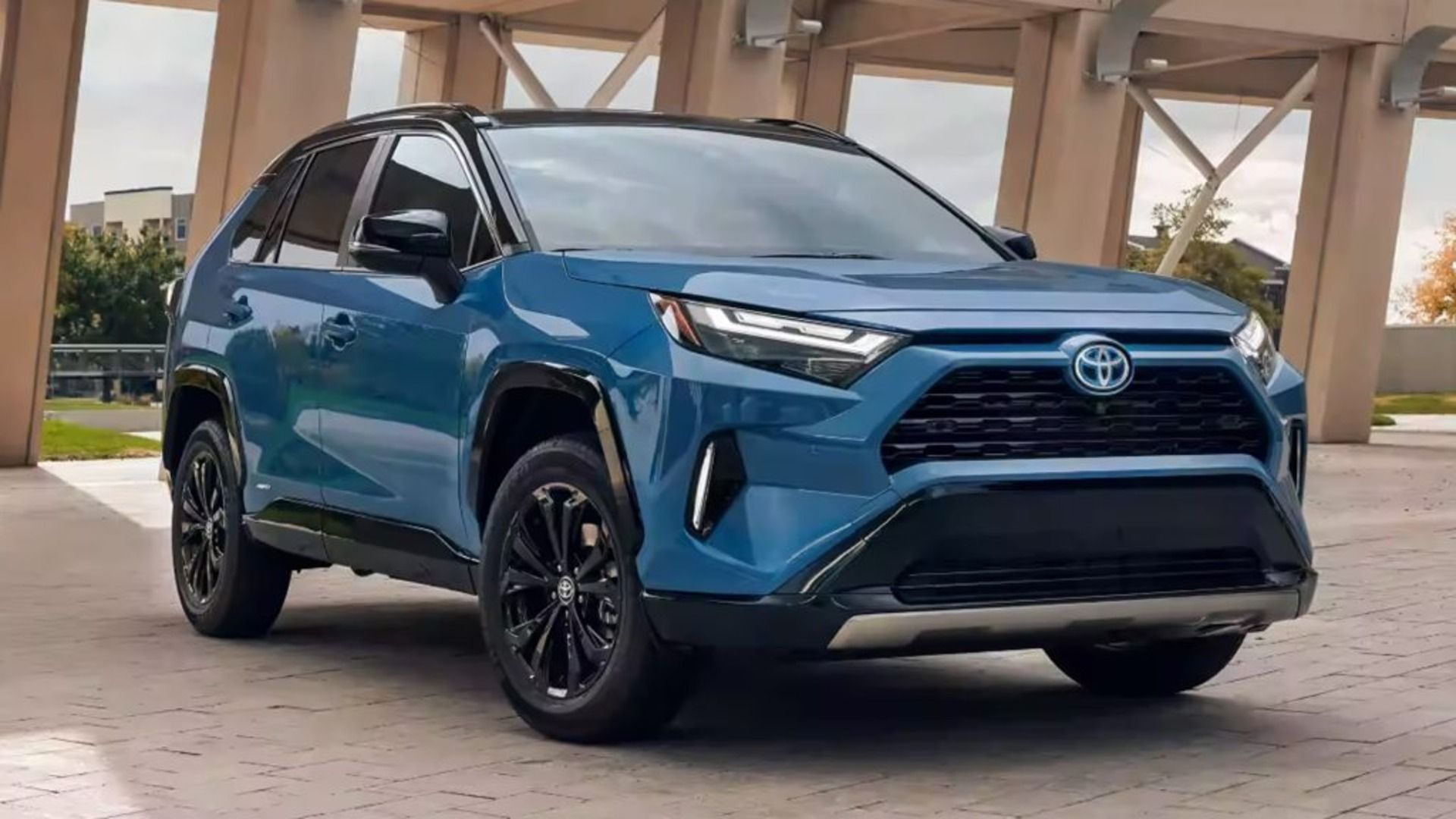
The automatic setting is responsive without being pushy, and drivers never have to guess whether the system is on or not. It’s the type of control setup American families appreciate: functional, reliable, and not overengineered.
The RAV4 falls short in this area, unfortunately. Its engine performs adequately for city driving, and passing or merging on the highway is generally uneventful. However, if you’re in a hurry, you may notice that the engine’s overall power is modest. In Edmunds testing, our RAV4 took 9.1 seconds to reach 60 mph, slightly trailing the class average.
Steering is another point of concern. It feels vague around the center and lacks sufficient feedback and weight, making it easy to misjudge how much input you’re giving.
On the plus side, the optional upgraded AWD system adds rear-axle torque vectoring and advanced traction control, including selectable terrain modes and hill descent control. Combined with respectable ground clearance, these features give the RAV4 Adventure above-average off-road capability for a small SUV.
3. Honda CR-V
The CR-V remains one of the most user-friendly crossovers in the US, and its wiper controls are part of that reputation. Honda strikes the right balance: a physical stalk with clear detents, a rain sensor that reacts quickly to drizzle and spray, and a manual override that feels immediate.
There’s no dependence on touchscreen menus, and no confusion about how to change speeds. For everyday commuters, it’s a setup that simply works.
Redesigned for 2023, the Honda CR-V, long a leader in its segment, sees no major changes for the 2022 model year other than adding standard AWD to the CR-V Limited.
That means its class-leading versatility and the relatively small infotainment screen remain unchanged. The CR-V competes with other compact SUVs such as the Toyota RAV4, Subaru Forester, and Nissan Rogue.
From the very beginning of this generation, the Honda CR-V impressed us. Its success comes from a blend of practical, thoughtful features and strong driving dynamics.
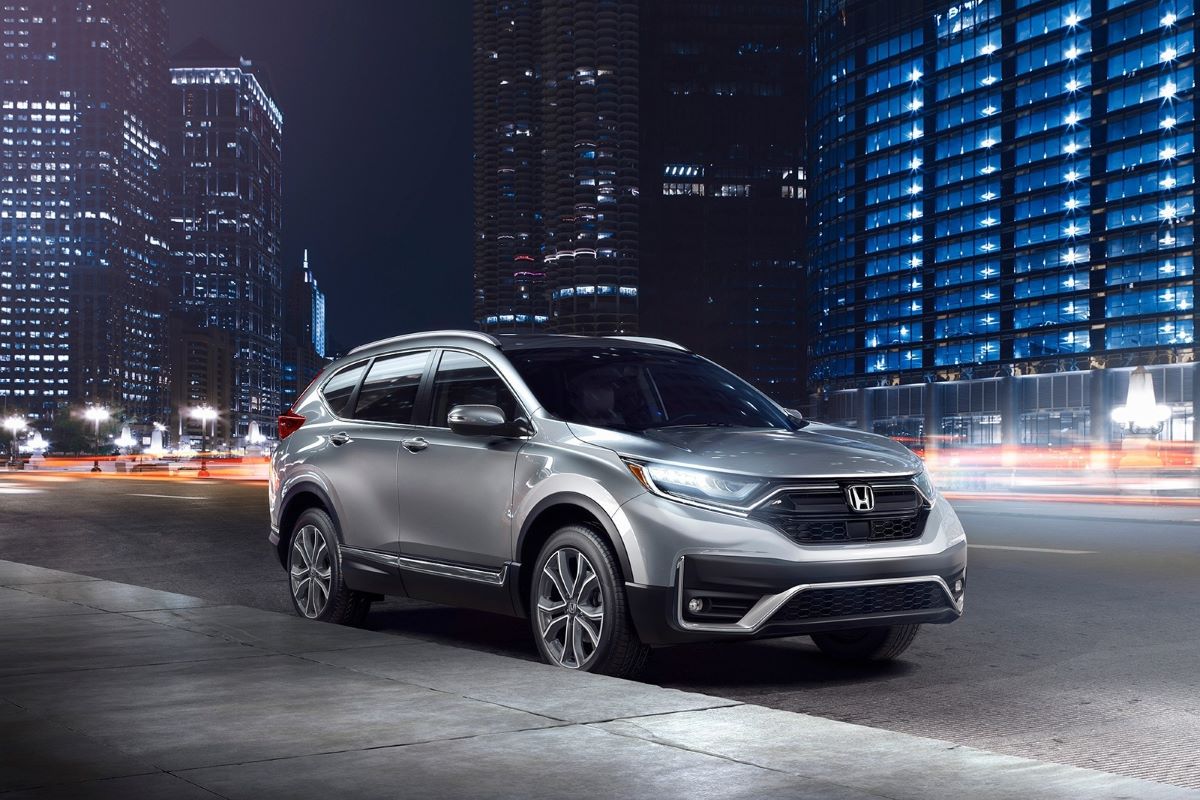
The CR-V handles well and is fairly quick for a family-oriented compact SUV. It ranks in the top half of its class for fuel efficiency and wins points for simple yet convenient touches like cargo-area levers to fold down the rear seats and rear doors that open nearly 90 degrees, features you won’t find on the Toyota RAV4.
That said, the RAV4 pulls ahead when it comes to a modern-feeling cabin, largely because the CR-V’s 7.0-inch touchscreen sits lower on the dash compared with the taller, more contemporary displays in other newer Hondas.
Except for the hybrid model, all CR-Vs use the same powertrain: a 1.5-liter turbocharged inline-four producing 190 hp and 179 lb-ft of torque. Power is sent to the front wheels as standard, with AWD available across all trims. Every model pairs the 1.5-liter turbo-four with a CVT automatic transmission.
In our testing, an AWD CR-V Touring accelerated from 0-60 mph in 7.8 seconds. Fuel economy ranges from 27-28 mpg city and 32-34 mpg highway, with front-wheel-drive models holding a slight advantage over their AWD counterparts.
4. Ford F-150
The best-selling vehicle in America doesn’t take chances with something as essential as wipers. The F-150 keeps everything physical, large, and glove-friendly.
The stalk offers wide, deeply notched settings that truck owners appreciate, especially in colder regions where gloves are common.
The rain-sensing option is quick to respond, but more importantly, Ford allows drivers to fully control the system manually with zero friction. Whether hauling, towing, or daily driving, the F-150’s wiper design feels built for real-world use.
The pricing details for the 2024 Ford F-150 have surfaced online, and if you were hoping for lower MSRPs, there’s some bad news. The entry-level F-150 XL now starts at $38,565 for 2024, an increase of $2,735 over the 2023 model—and the price increases continue across higher trims.
Beyond inflation, the hikes likely reflect a full refresh across all F-150 trims, including changes to the engine lineup. The naturally aspirated 3.3-liter V-6 base engine from 2023 has been replaced by the 2.7-liter EcoBoost twin-turbo engine, producing 325 hp and 400 lb-ft of torque.
While this new engine contributes to the higher price, it also delivers a notable performance boost, adding 35 horsepower and 135 lb-ft compared with the previous base engine.
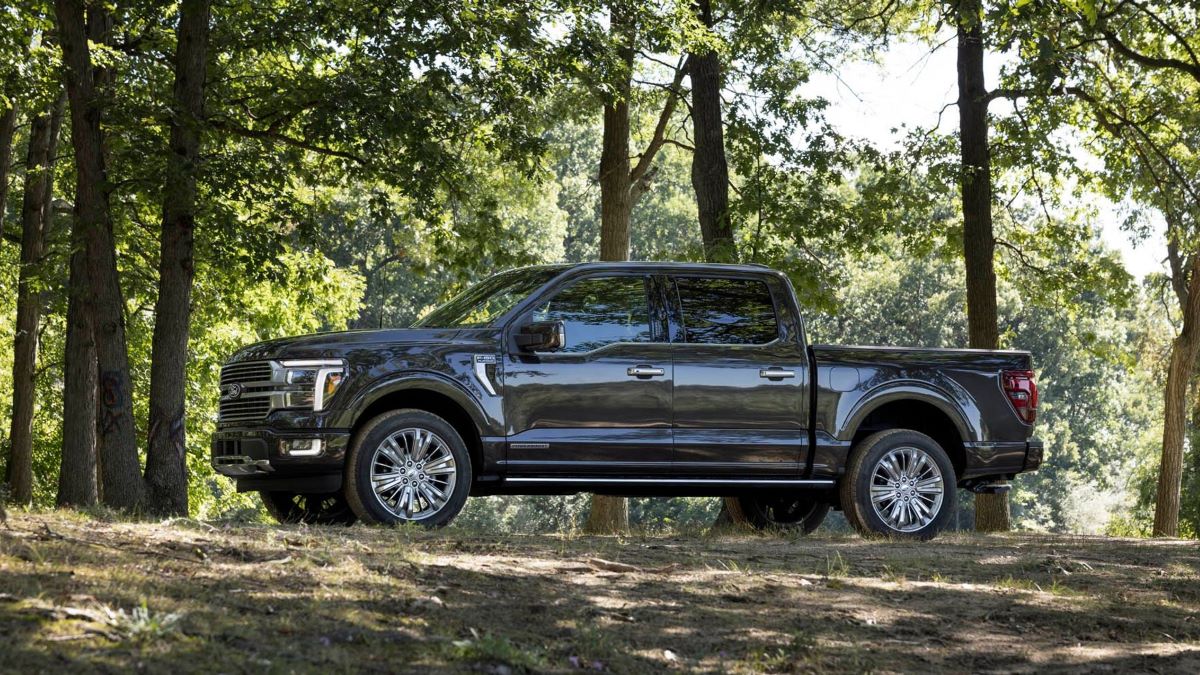
The refreshed exterior doesn’t necessarily signal a more expensive truck to us; when prices rise, we want to see meaningful feature upgrades. In this case, the 2024 F-150 delivers.
The new Pro Access tailgate allows bed access even when the truck is hitched to a trailer with a fixed tongue jack. It accomplishes this with a swing-out door that stops at 37, 70, and 100 degrees. The Pro Access tailgate is optional on Lariat and Tremor trims and standard on King Ranch and Platinum models.
Inside, larger 12-inch screens running Ford’s SYNC 4 system now allow two camera angles to be displayed simultaneously. Standard across all trims is 5G LTE connectivity, which supports over-the-air updates and features like Ford Stolen Vehicle Services, capable of alerting owners and authorities if a theft attempt is detected, though this tech isn’t inexpensive and depends on reliable service.
With updated styling, a stronger base engine, the new tailgate, and improved tech, the F-150’s price increase makes sense. Still, it retains the lowest starting price of any full-size truck on the market.
There are eight trims to choose from, with some adjustments for 2024: the Limited trim from 2023 has been replaced by a Platinum Plus, and a new STX trim slots between the XL and XLT. The STX is a sportier option that supports performance upgrades such as a 5.0-liter V-8 and the STX FX4 package, which adds features like an e-locker, skid plates, off-road tires, and other off-road equipment.
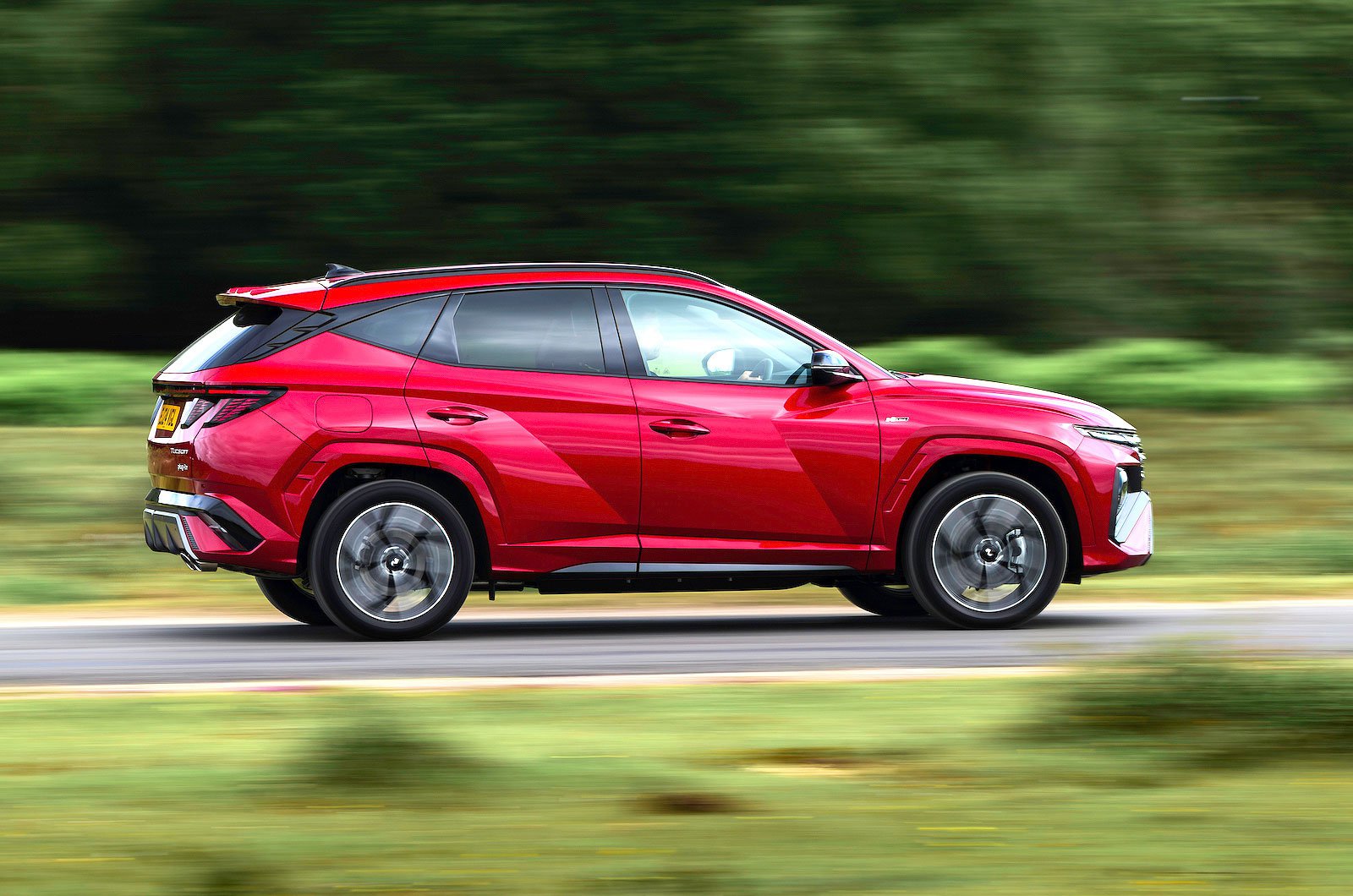
5. Hyundai Tucson
Hyundai’s recent focus on ergonomic cabin design pays off in the Tucson. While the SUV features advanced tech and digital controls elsewhere, it preserves a clear, traditional wiper stalk layout.
Intervals are labeled simply, feel solid, and respond instantly. The rain-sensing feature is well-tuned, especially in mixed-precipitation situations common in the Northeast and Midwest. Hyundai doesn’t try to reinvent the wheel here and drivers are grateful for it.
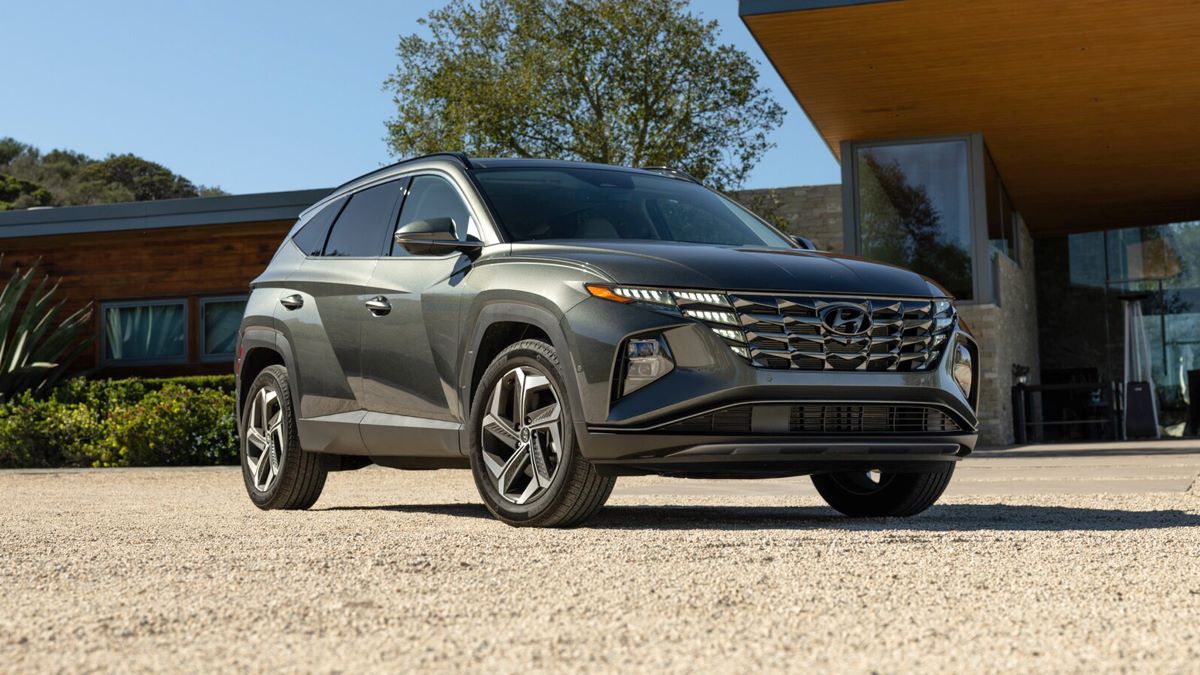
While technology drives the automotive world forward, it shouldn’t complicate essential functions like windshield wipers.
Hyundai’s attractive and value-packed Tucson compact SUV may not get as much attention as the larger Palisade or the nimble Kona, but it still has plenty to offer. Its cabin is thoughtfully designed, with a range of convenience and luxury features, particularly on higher trims like the Limited and Ultimate.
Buyers can choose between a 164-hp 2.0-liter or a 181-hp 2.4-liter four-cylinder engine, and either front- or all-wheel drive. Fuel economy and cargo space aren’t class-leading, but they’re competitive, and the Tucson’s other strengths help compensate. On the road, the ride is smooth, handling is agreeable, and a host of standard driver-assistance features adds to its appeal.
For 2021, Hyundai made virtually no changes to the Tucson, since a full redesign is scheduled for 2022. The only updates are new color options: Black Noir Pearl has been replaced by Ash Black, Gemstone Red by Red Crimson, and Sage Brown by Coliseum Gray.
The Tucson offers two four-cylinder engines: a 164-hp 2.0-liter or a 181-hp 2.4-liter, both paired with a six-speed automatic transmission. In our testing, the base 2.0-liter engine felt sluggish across the board, while the 2.4-liter unit should deliver slightly better acceleration.
Handling is competent but not sporty, the Tucson exhibits controlled body roll, well-weighted steering, and confident directional changes. The ride is smooth and refined, with the suspension absorbing most bumps comfortably. This balanced approach, neither overly sporty nor floaty, should appeal to most crossover shoppers.
US drivers deal with diverse weather patterns sudden thunderstorms in the South, sleet and snow in the Midwest, fog and coastal mist on both coasts, and everything in between. In environments like these, intuitive wiper controls are a safety feature, not a luxury.
Some modern EVs and tech-heavy models blur the line between convenience and complexity, burying adjustments behind menus or relying on sensors that don’t always react quickly.
Meanwhile, several traditional SUVs and trucks prove that a simple, tactile setup still delivers the best real-world usability.
As automakers chase seamless digital integration, they would do well to remember: sometimes a physical stalk with a few solid clicks still outperforms all the software in the world.