
When it comes to sports cars, the market often feels divided between practical machines you can drive every day and extreme performance toys best reserved for weekends. The sports car is undeniable, sharp handling, aggressive styling, and that adrenaline rush as you push it through corners.
However, owning one isn’t always as simple as signing a check; factors like reliability, fuel economy, insurance costs, and comfort can make a daily driver very different from a weekend-only track weapon.
For car enthusiasts on a budget, understanding the balance between thrill and practicality is crucial. In this guide, we’ll explore five budget-friendly sports cars that are ideal for daily driving in the U.S., alongside five that are better suited for weekend fun or track days, often demanding more attention, care, and spending.
Budget Sports Cars You Can Daily Drive
For many car enthusiasts, the thrill of a sports car often seems at odds with everyday practicality. Flashy exotics and high-performance machines can turn heads on the weekends, but their steep maintenance, low fuel efficiency, and firm suspensions make them challenging to live with day-to-day.
Fortunately, there’s a sweet spot for drivers who want excitement without compromise. Budget sports cars that are reliable, comfortable, and fun to drive exist, offering the perfect balance of performance and practicality.
In this guide, we’ll explore models that prove you don’t need a six-figure price tag to enjoy a car that makes every commute, grocery run, and weekend drive something to look forward to.
Mazda MX-5 Miata
The Mazda MX-5 Miata has long been a benchmark for affordable, lightweight sports cars. Its combination of precise handling, modest horsepower, and excellent fuel economy makes it a standout choice for daily driving.
With its 2.0-liter four-cylinder engine producing around 181 hp in the latest ND generation, the Miata is quick enough to be fun but not so aggressive that it becomes impractical for commuting.
The soft suspension absorbs everyday bumps well, and the interior, though minimalist, is comfortable for city driving and short road trips. Insurance is generally reasonable, and reliability ratings for the Miata are excellent, meaning fewer trips to the shop compared to higher-strung sports cars. If you’re looking for a car that makes even mundane commutes enjoyable, the Miata fits the bill.
Remove all the technological distractions of a modern vehicle, and the extra weight that comes with them, then add a playful rear-wheel-drive chassis, a rev-happy engine, and a crisp manual transmission, and you have a formula for refreshingly pure driving enjoyment.
That’s exactly what the 2019 Mazda MX-5 Miata delivers, setting the tone for the rest of Mazda’s lineup. Offered as either the classic softtop convertible or the retractable-targa-top RF model, the Miata occupies a cherished spot among driving enthusiasts for its back-to-basics philosophy.
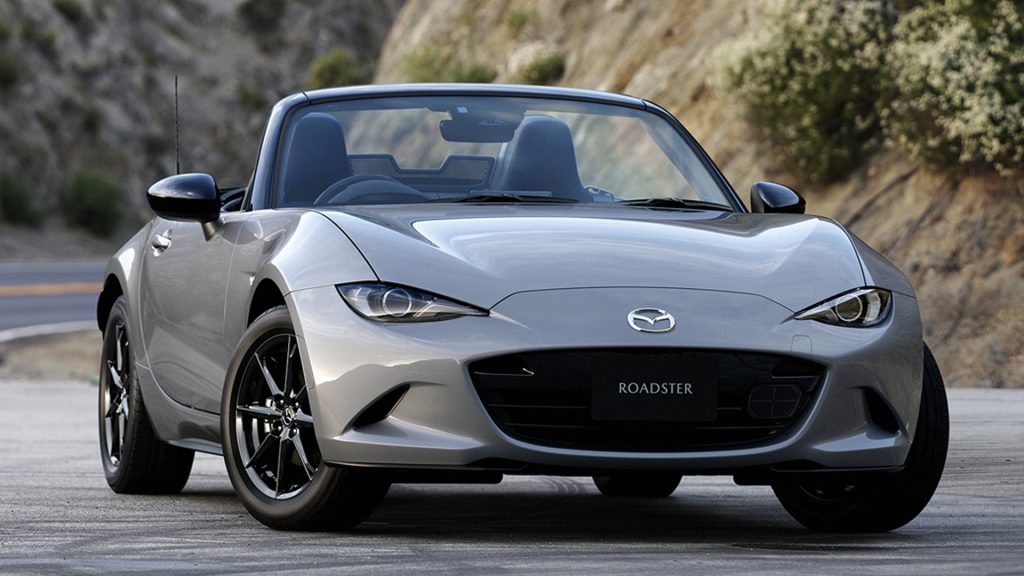
While it isn’t meant to be a practical vehicle, don’t expect a spacious trunk, the allure of daydreaming about cruising into the sunset in this 10Best-award-winning car is irresistible.
The Miata’s engine responds eagerly and provides enough power to deliver exhilarating acceleration. The engine’s high-revving character is complemented perfectly by the direct, easy-to-shift manual gearbox, encouraging spirited driving. Even the optional automatic impresses, offering quick shifts and sporty programming.
In our testing, the softtop model sprinted from zero to 60 mph in just 5.7 seconds, while the slightly heavier RF hardtop managed the run in 5.8 seconds.
Miatas ride on the firm side and can feel bouncy over a rapid series of bumps. Among the lineup, the mid-level Club’s stiffer shocks and springs produce the firmest ride, though no Miata rides poorly.
Handling is enthusiastic, with the car changing direction quickly and confidently. We particularly appreciate the light, tactile steering; it responds instantly and keeps the driver in tune with what the front tires are doing. Simply put, this is a fun car, plain and simple.
Also Read: 5 Cars With Simple Dashboards vs 5 Menu Mazes
Toyota 86/Subaru BRZ
The Toyota 86 and Subaru BRZ twins offer a rear-wheel-drive experience at an approachable price point. Powered by a naturally aspirated 2.4-liter flat-four engine producing around 228 hp in the latest model year, these cars are lightweight, balanced, and equipped with a manual gearbox that appeals to driving purists.
Unlike some more extreme sports cars, these models are reasonably comfortable on daily drives. The cabin is snug but practical, with enough room for small cargo and modern infotainment features.
Fuel economy is modestly efficient, and maintenance costs are not excessive, making it a viable choice for those who want an engaging drive without sacrificing usability. As one enthusiast put it, “It’s a car that reminds you why you fell in love with driving, every single day.”
The 2019 Subaru BRZ offers sports-car thrills and surprising practicality for driving enthusiasts on a budget. This rear-wheel-drive coupe shares its mechanical underpinnings and overall design with the Toyota 86, though the Subaru features a slightly sleeker front end.
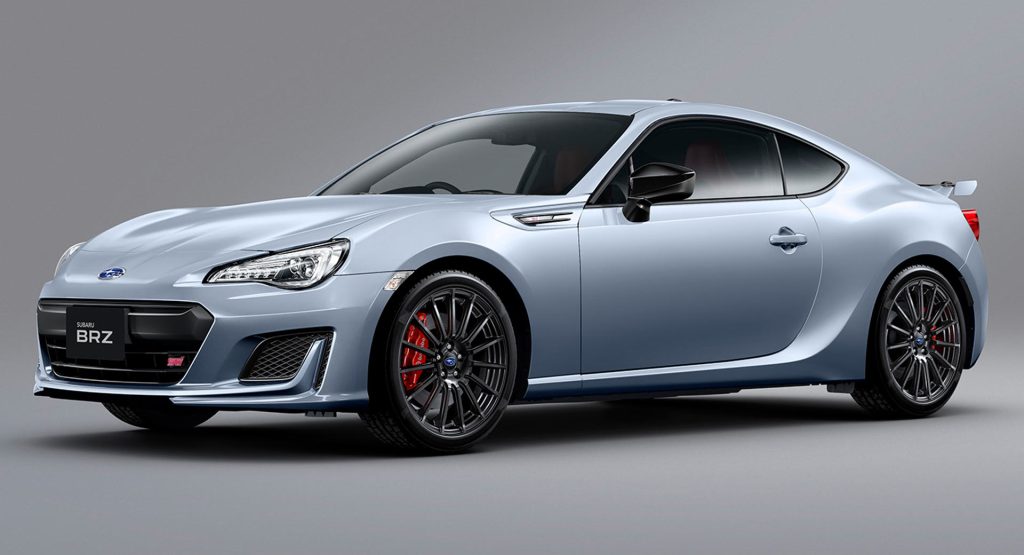
Both models start at under $30,000 and directly challenge the iconic Mazda MX-5 Miata, as well as its Italian cousin, the Fiat 124 Spider. The BRZ also comes with a few features that set it apart from the Toyota, including Apple CarPlay and Android Auto compatibility.
Despite these modern touches, each coupe delivers a raw, engaging driving experience that has become increasingly rare in today’s performance-car market.
Under the hood, every BRZ is powered by a naturally aspirated 2.0-liter flat-four engine paired with a standard six-speed manual transmission or an optional six-speed automatic.
The manual version sends 205 horsepower and 156 lb-ft of torque to the rear wheels, while the automatic produces slightly less power, with 200 hp and 151 lb-ft of torque.
In our testing, the fastest BRZ accelerated from zero to 60 mph in 6.2 seconds, trailing the quickest Miata by just half a second. Every BRZ invites spirited driving thanks to its excellent balance and precise, high-fidelity steering.
Ford Mustang EcoBoost
While muscle cars often conjure images of gas-guzzling V8s, the turbocharged four-cylinder Mustang EcoBoost balances performance and economy. The 2.3-liter engine generates around 310 hp while still delivering respectable fuel efficiency for a car of its size.
Daily usability is improved by its spacious cabin, reasonably smooth ride, and available tech features like adaptive cruise control and a touchscreen infotainment system.
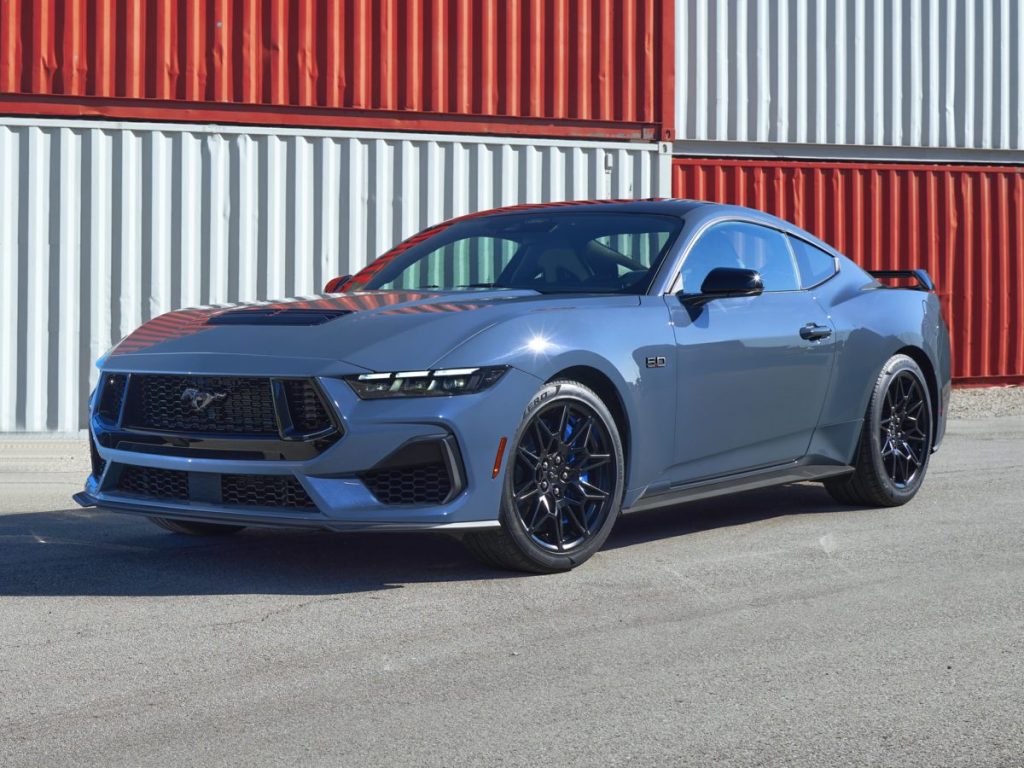
The Mustang EcoBoost offers the style and presence of a classic American muscle car but doesn’t demand the maintenance or fuel costs of the higher-performance GT or Shelby models. For those wanting a car that can comfortably handle work commutes and weekend drives, it’s a compelling choice.
Chevrolet Camaro Turbo 1LE
The Chevrolet Camaro in its four-cylinder turbo form offers strong performance with a manageable daily driving experience. The 1LE package adds suspension tuning for better handling without making the ride overly harsh, which is common in track-focused variants.
Inside, the Camaro is surprisingly livable for a sports car, with comfortable seats, easy-to-use tech, and decent visibility for city driving. Insurance and maintenance costs are reasonable compared to more exotic sports cars, and the car’s bold styling ensures it stands out in traffic.
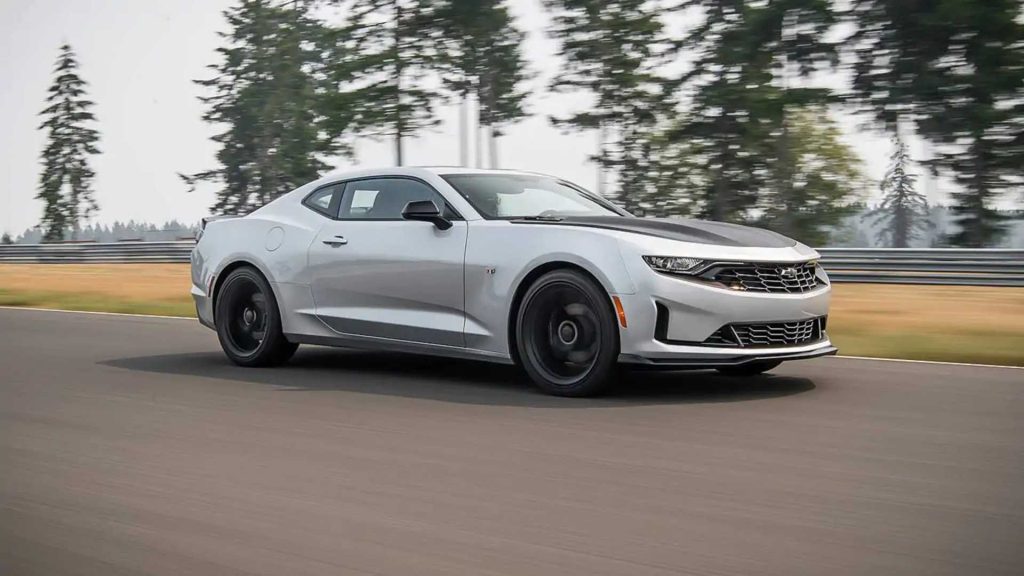
“It’s fast enough to thrill but soft enough to live with every day,” says one Camaro owner, highlighting why this model bridges the gap between practicality and excitement.
Volkswagen Golf GTI
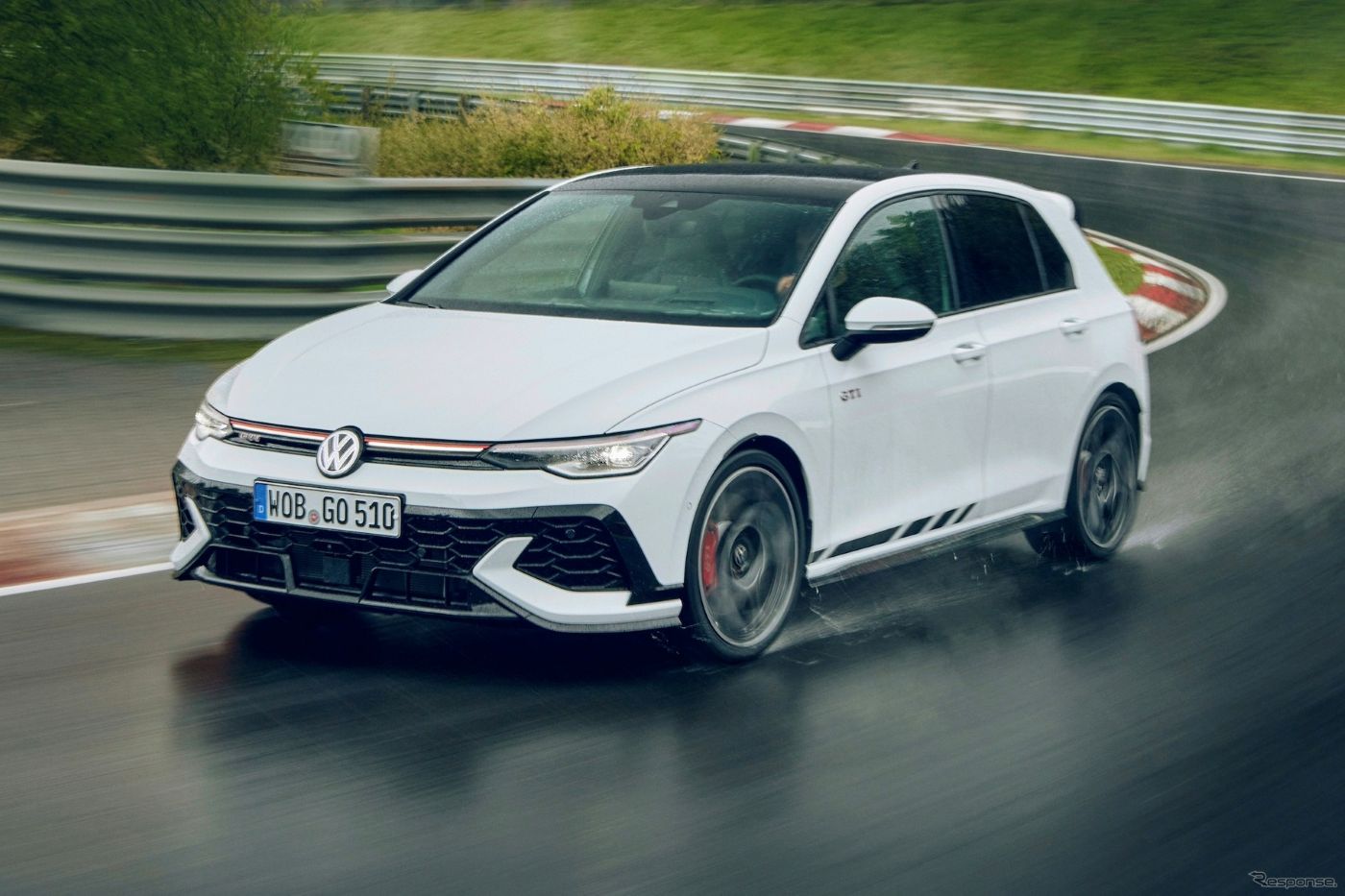
While not a traditional sports car, the Volkswagen Golf GTI deserves mention for enthusiasts seeking a daily driver with spirited performance. The GTI’s 2.0-liter turbocharged engine produces around 241 hp, paired with sharp handling that makes driving on winding roads genuinely fun.
The hatchback body provides ample cargo space, making it practical for groceries, commuting, and weekend trips. Interior quality is high, technology is modern, and the car’s everyday usability is excellent. Its unassuming appearance allows it to blend in, but anyone who drives it knows it has more than enough punch to keep the adrenaline flowing.
The Volkswagen GTI is one of the first cars that comes to mind when someone mentions “hot hatch.” This iconic sport compact has been in production since the late 1970s, and for 2022, Volkswagen introduced the Mk8 version of the Golf-based performance car.
The Mk8 further refines the GTI’s turbocharged front-wheel-drive sport-compact formula. We’ve tested both the manual and dual-clutch automatic variants, and in every case, the hatchback impresses with its capability and fun-to-drive nature.
The updated powertrain provides ample power, the chassis remains neutral and composed, it’s quick off the line, and both steering and brakes perform excellently. The legendary character of the hot hatch lives on.
We’re also fans of the 2023 GTI’s bold and modern exterior styling. The only minor drawbacks we noticed were the vague clutch feel in manual models and the prevalence of capacitive touch controls, which reduce the number of physical buttons.
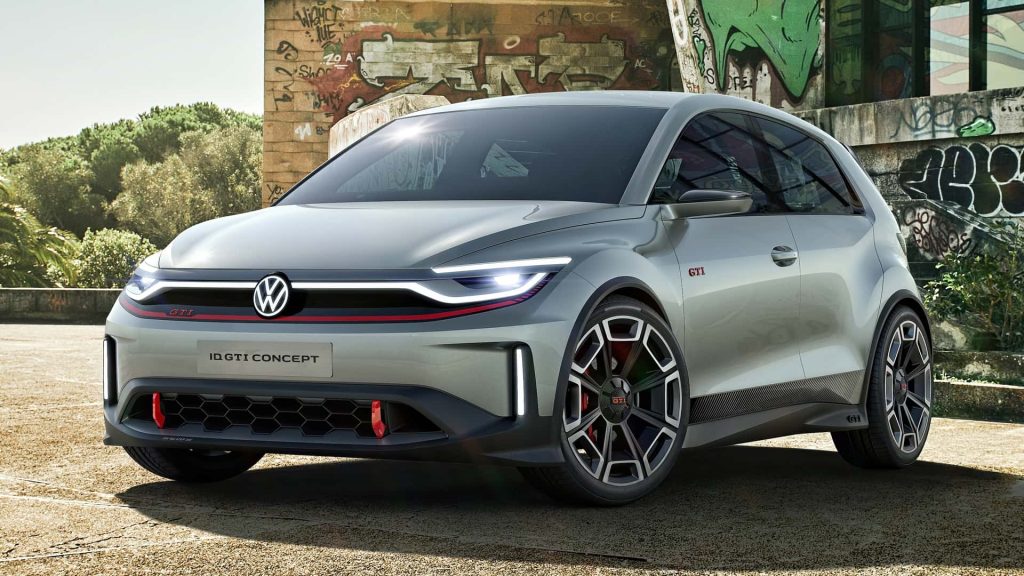
Fortunately, the base model retains physical knobs for the infotainment system. Across all trims, the GTI remains enjoyable to drive, striking a solid balance between sportiness and daily usability.
Retaining the same powertrain as last year’s redesigned model, the 2023 GTI features a 2.0-liter turbocharged inline-four that produces 241 horsepower and 273 lb-ft of torque.
A six-speed manual comes standard, with an available seven-speed dual-clutch automatic. Both transmissions include standard limited-slip differentials, and every GTI is front-wheel drive.
With the manual gearbox, the GTI S accelerates from 0 to 60 mph in 6.4 seconds on all-season tires. Switching to summer tires reduces that time to 6.1 seconds.
Also Read: 5 SUVs Perfect for Roadside Picnics vs. 5 SUVs With Awkward Layouts
Weekend-Only Sports Cars
Some sports cars are built to thrill, not to endure the daily grind. These high-performance machines deliver jaw-dropping acceleration, razor-sharp handling, and head-turning style, but their comfort, practicality, and running costs often make them impractical for everyday driving.
That’s where weekend-only sports cars come in, vehicles designed to be savored on open roads, scenic drives, or track days, where every curve and straightaway can be fully appreciated.
In this guide, we’ll highlight cars that are best reserved for those special moments, combining extreme performance with the kind of driving experience that makes every outing unforgettable.
Porsche 718 Cayman / Boxster
Porsche’s 718 series delivers an unmatched combination of precision engineering and driver engagement. The mid-engine layout provides near-perfect balance, while engines ranging from the 2.0-liter turbo flat-four to the 4.0-liter naturally aspirated flat-six in higher trims deliver exhilarating performance.
However, these cars can be expensive to maintain and are less forgiving on pothole-ridden streets or during daily commutes.
The cabin, while upscale, prioritizes driving experience over practicality, and fuel economy is modest at best. Many owners use these as weekend cars, enjoying their capabilities on open roads or track days while preserving the vehicle’s condition.
Precise steering, exceptional handling, and blistering acceleration are just a few of the reasons the 2019 Porsche 718 Cayman ranks among the finest sports cars in the world. In its purest form, this two-seat, mid-engine coupe offers the balanced dynamics of a Mazda Miata, but with every performance dial turned up to 11.
For enthusiasts planning to track their new sports car, the 718 Cayman’s options list includes exotic features like carbon-ceramic brakes, an adaptive sport suspension, a brake-based differential, and much more. If you prefer luxury over raw performance, the cabin delivers high-quality materials and a variety of available interior upgrades.
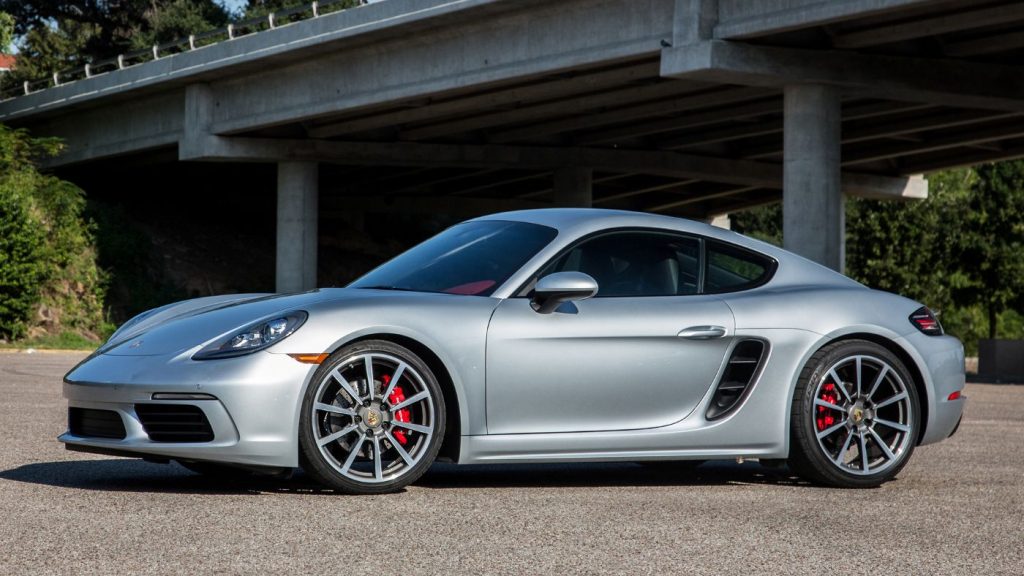
The 718 Cayman does have one notable drawback, though it’s one you’ll encounter every day. While the turbocharged four-cylinder engines outperform the flat-sixes from previous generations in both speed and fuel efficiency, they produce a harsh exhaust note that can quickly become tiresome.
For better day-to-day comfort, we suggest skipping the optional performance exhaust whenever possible, as it comes standard on GTS models.
Beyond the engine sound, the Cayman is nearly flawless in terms of performance. Our only other minor complaints concern the infotainment system, and the mid-engine layout naturally limits cargo capacity. Despite these small quibbles, the 718 Cayman remains an extraordinary sports car that delivers both excitement and refinement in spades.
Chevrolet Corvette C8
The eighth-generation Corvette revolutionized the American sports car market with its mid-engine layout, delivering exotic-level handling at a fraction of the price of European rivals. With a 6.2-liter V8 producing 495 hp in the Z51 variant, it’s a car built for performance.
Daily usability suffers due to low ground clearance, tight cabin ingress/egress, and firm suspension. Insurance and maintenance are also higher than budget-friendly sports cars. Most owners view the C8 as a weekend warrior, the kind of car that dominates scenic drives or track sessions but isn’t ideal for grocery runs or daily commutes.
It’s been five model years since the Chevrolet Corvette transitioned to a mid-engine layout. While 2025 will introduce the all-new Corvette ZR1, that’s not the only change coming to the lineup. On Thursday, Chevrolet revealed updates for the C8 range, including two all-new exterior colors.
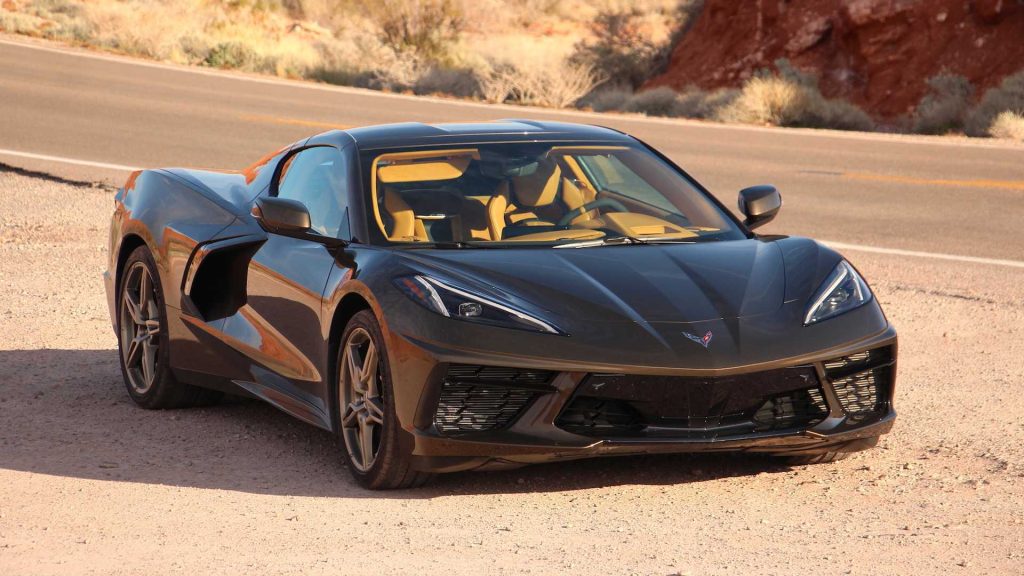
The current Corvette lineup consists of three models: Stingray, E-Ray, and Z06. The ZR1 will expand the lineup in 2025, though Chevrolet has yet to release any specific details about it.
All three existing trims can now be ordered in the new exterior colors, known as Competition Yellow Tintcoat Metallic and Hysteria Purple Metallic. The yellow shade pays homage to the livery found on racing Corvettes dating back to the C5.R. It’s a vibrant color that particularly complements the wider bodywork of the E-Ray and Z06.
The purple leans closer to blue, offering a more subdued alternative compared with Dodge’s Plum Crazy or Porsche’s Ultraviolet. Of course, these impressions are based on renderings, so more red tones may appear on the actual vehicles. Fans of Sebring Orange Tintcoat Metallic will also be pleased to know it remains available.
For 2025, every Corvette will feature a leather-wrapped steering wheel cover, enhancing the interior’s premium feel. Interior customization also expands with new Habanero stitching, while black interiors across all trims gain unique blue stitching. All three models will offer Velocity Yellow calipers as well.
The E-Ray does not receive exclusive updates, but as the newest model in the lineup, it remains fresh by design. It’s encouraging to see GM continue to refine the C8 Corvette, even if the changes are largely cosmetic.
Nissan GT-R
The Nissan GT-R, nicknamed “Godzilla,” is legendary for its all-wheel-drive performance and twin-turbo V6 engine producing 565 hp in the latest model. While blisteringly fast, the GT-R is notoriously firm, has limited rear-seat space, and comes with high maintenance costs.
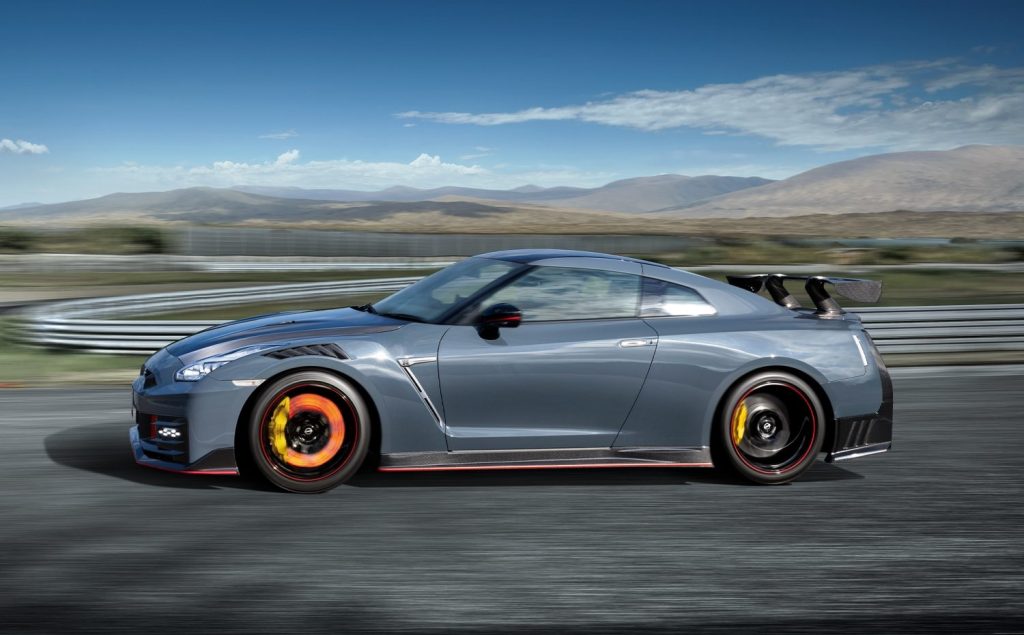
It’s a car for enthusiasts who prioritize performance over convenience, making it better suited as a weekend or track-only vehicle. Daily commuting in a GT-R is possible, but few owners find it practical, and it’s often preserved for special occasions.
Jaguar F-Type R
The Jaguar F-Type R combines striking British styling with a supercharged V8 that produces up to 575 hp. It’s loud, powerful, and incredibly engaging on winding roads. However, the F-Type R’s comfort compromises and premium maintenance costs make it less than ideal for everyday use.
Its rear-wheel-drive layout can be challenging in wet conditions, and visibility isn’t the best for city driving. As a result, owners usually treat the F-Type as a weekend indulgence, enjoying its charisma in sunny conditions and saving it from the wear-and-tear of daily commuting.
The story of the Jaguar F-Type actually began with the striking C-X16 concept revealed in late 2011. At that time, Jaguar confirmed that a sub-XK sports car was indeed heading to production, and we celebrated in 2012 when the production-ready F-Type debuted, looking remarkably similar to the original concept.
It’s a minor disappointment that ‘our’ F-Type came in such a muted specification. The Carpathian Grey paint, a £475 option, isn’t one I would have chosen.
Sadly, the brilliantly bright blue and yellow shades introduced with the facelift have long since disappeared from the configurator, though options like Firenze Red, British Racing Green, or a lighter Giola Green are still available.
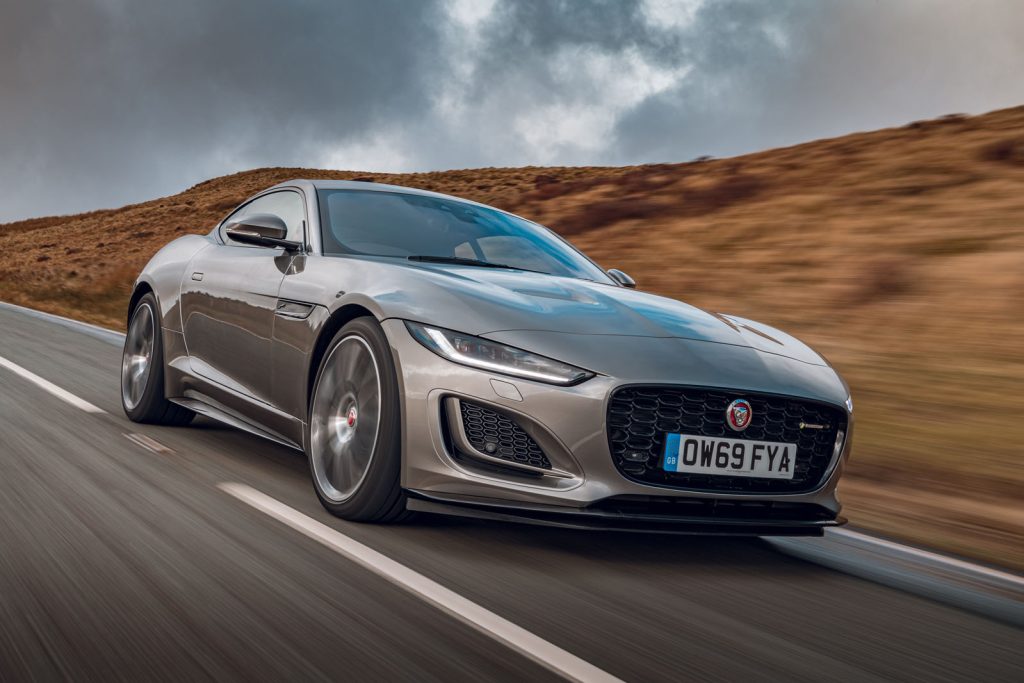
The 20-inch wheels are painted in gloss black, a photographer’s nightmare, and the interior is finished entirely in Ebony leather. There’s also a fixed rear spoiler, and I’ve never been a fan of a winged F-Type.
Still, these aesthetic choices are forgivable because the performance underneath is genuinely thrilling. The original C-X16 concept was a V6 hybrid with an F1-style KERS system, but that never reached production.
Instead, we see the F-Type’s final days celebrated with a full-bore V8. Power is sent to all four wheels, with an electronic differential ensuring maximum traction, a critical feature in a car of this magnitude.
This example is also the last-of-the-line R 75 Plus trim, which adds special badging, extra leather, a panoramic roof, and privacy glass. The £600 Climate Pack includes a heated steering wheel and two-zone climate control, while the Assist Pack adds blind-spot warning. The ‘75’ in the name commemorates 75 years since Jaguar’s first proper sports car, the XK120.
Lotus Evora GT
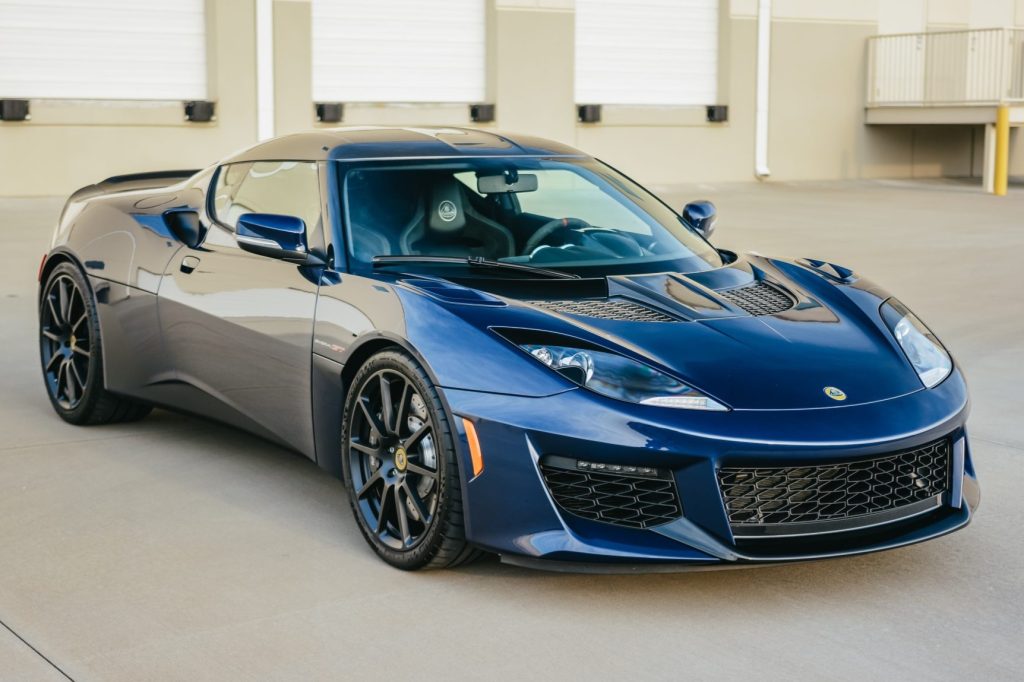
For those chasing the ultimate lightweight sports car experience, the Lotus Evora GT delivers exceptional handling and agility. Its mid-engine layout and meticulous chassis tuning make it a joy on twisty roads. However, comfort and practicality take a backseat; the cabin is spartan, noise levels are high, and storage is minimal.
Daily driving is possible, but the Evora’s low ride height and firm suspension can make parking lots and rough city streets stressful. As a result, most Lotus owners use it exclusively for weekend excursions or track days, embracing the car’s raw, connected driving experience without compromise.
The choice between a budget daily driver and a weekend-only sports car comes down to lifestyle, priorities, and tolerance for maintenance, fuel costs, and comfort trade-offs. Cars like the Mazda MX-5 Miata or Toyota 86/BRZ offer a practical blend of fun, affordability, and reliability, making them perfect for U.S. roads, commutes, and occasional spirited driving.
On the other hand, vehicles like the Porsche 718 Cayman, Corvette C8, or Lotus Evora GT exist in a rarified space where performance dominates usability. They are thrilling, often jaw-dropping machines, but they demand care, attention, and a willingness to accept the compromises that come with extreme sports cars.
For enthusiasts, the ideal scenario may be owning both: a budget-friendly daily driver to handle errands, commutes, and everyday life, complemented by a weekend-only sports car for track days, road trips, and spirited driving.
Ultimately, the U.S. sports car market offers options for every preference and budget. The key is understanding what each car excels at, and what it sacrifices, in order to make a choice that maximizes enjoyment without unnecessary headaches.
