
Convertibles have long been associated with weekend drives and sunny escapes, but today’s budget-friendly options are capable enough for everyday use. “7 Budget Convertibles You Can Daily Drive” highlights models that combine the thrill of open-air motoring with comfort, practicality, and modern technology.
These vehicles allow drivers to enjoy spirited driving without sacrificing convenience, making them suitable for commuting, errands, and longer trips.
Modern budget convertibles are more than just stylish cars. They offer responsive handling, lively engines, and well-designed cabins that accommodate daily needs. Even compact two-seaters often include thoughtful layouts, usable storage, and essential safety features, making them practical as well as fun.
This guide is for drivers who want a drop-top experience without compromising on usability. These convertibles show that open-air driving can be integrated into regular routines, offering performance, comfort, and style in an accessible package.
1. Chevrolet Corvette: A Supercar Experience at a Real-World Price
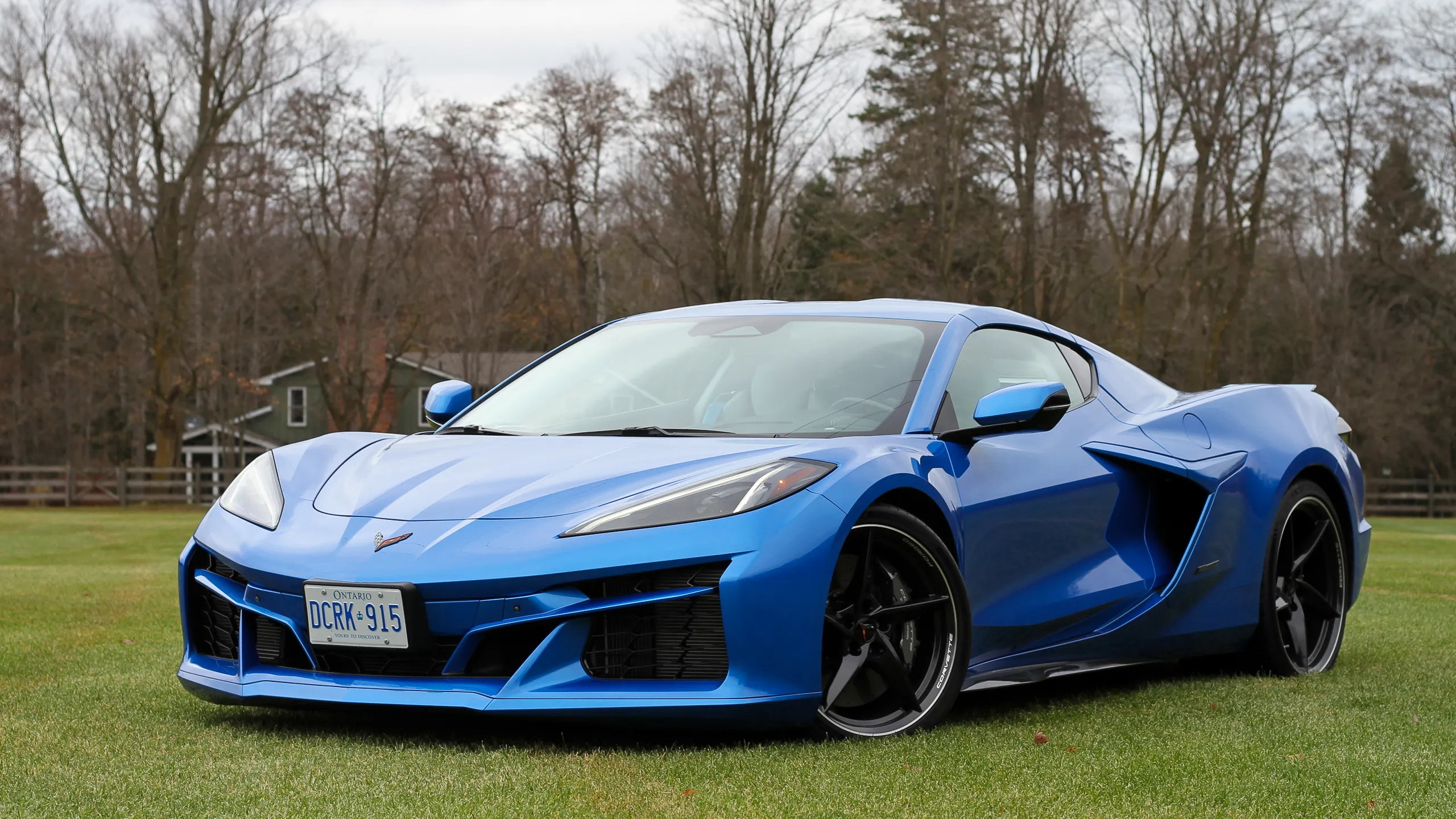
The Chevrolet Corvette earns its reputation as one of the most iconic convertibles on the road, combining breathtaking performance, sharp handling, and surprising comfort, all starting at $75,300 with a score of 9.7/10. Available as a convertible in every trim, including the hybrid E-Ray, the Corvette impresses even in its base Stingray 1LT configuration.
Power comes from a 490-horsepower 6.2-liter V8, delivering effortless acceleration and a thunderous soundtrack. In testing, the Corvette sprinted from 0–60 mph in as little as 3.3 seconds with rollout and completed the quarter-mile in 11.8 seconds.
Upgrading to the Z51 Performance Package sharpens these figures further while enhancing grip and braking. Steering is crisp, body control is excellent, and the eight-speed automatic shifts quickly and smoothly, making the Corvette one of the most approachable high-performance cars for drivers of varying skill levels.
Comfort remains a standout strength. With the optional Magnetic Selective Ride Control, the Corvette smooths out bumps that would unsettle rival sports cars. Road noise is well-managed, and the GT2 bucket seats offer superb long-distance support without sacrificing lateral stability during spirited driving. Heated and ventilated seats, plus dual-zone climate control, add daily usability.
Inside, the Corvette delivers a cockpit-like feel with high-quality materials and a striking, driver-centric layout. While entry and exit can be tricky and rear visibility is limited, the camera-based rearview mirror helps mitigate blind spots.
Tech features are modern and intuitive, including an 8-inch touchscreen, 12-inch digital gauge cluster, wireless Apple CarPlay and Android Auto, and an impressive optional Bose audio system. A clever GPS-enabled nose-lift system adds everyday convenience.
Practicality is better than expected for a mid-engine sports car, with usable front and rear trunks, though rear space diminishes when storing the coupe’s removable roof panel. Fuel economy is reasonable at 19 mpg combined, with real-world testing showing nearly 22 mpg.
Value is another Corvette hallmark. Even well-optioned models remain competitively priced, offering premium build quality and strong warranty coverage. Altogether, the Corvette blends supercar thrills with everyday comfort and practicality, making it a remarkable performance bargain.
2. 2025 BMW 4-Series: A Stylish, Balanced, and Modern Luxury Convertible
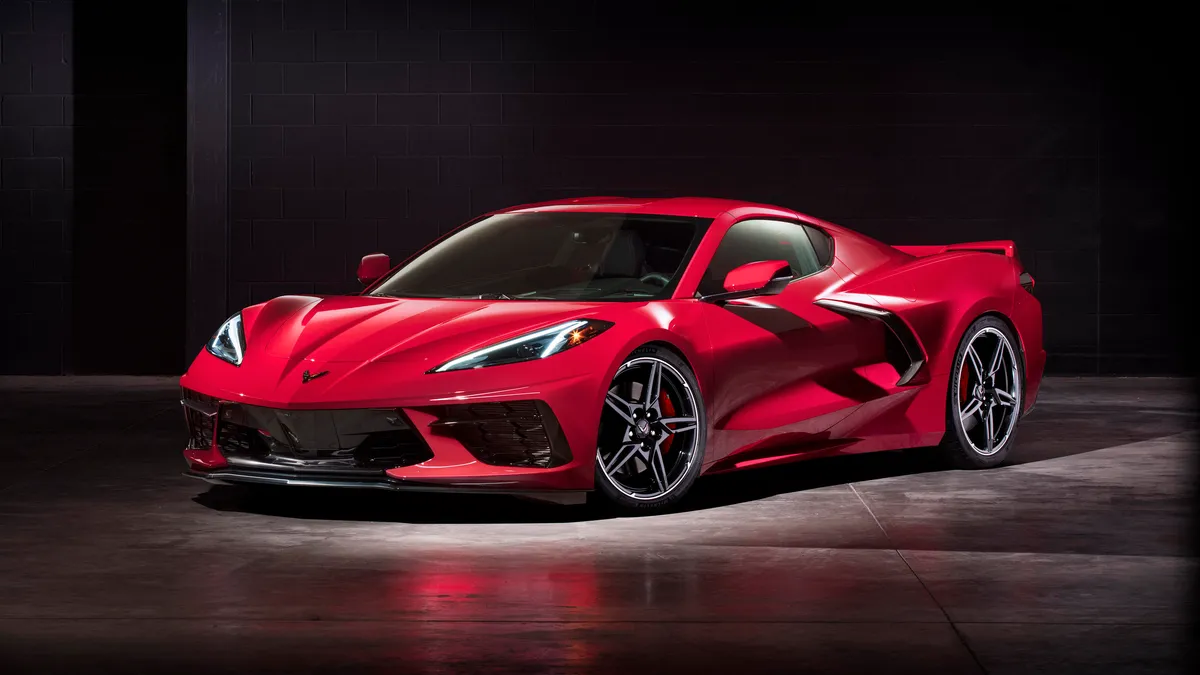
The 2025 BMW 4-Series, scoring 8.6/10 and starting at $58,700, stands out as a refined and well-rounded luxury convertible. Available in multiple body styles, the lineup begins with the 430i convertible, powered by a turbocharged 2.0-liter four-cylinder engine producing 255 horsepower.
This setup delivers a 0–60 mph time of 6 seconds and a top speed of 155 mph, offering a satisfying blend of daily usability and lively performance. For 2025, BMW adds a 48-volt mild-hybrid system for improved efficiency and smoother power delivery, while the optional six-cylinder engine benefits from a notable performance upgrade.
Inside, the 4-Series adopts a minimalist yet premium interior design, highlighted by top-tier materials and BMW’s curved dual-display layout. A 14.9-inch touchscreen pairs with a digital instrument cluster to create a modern, driver-focused cockpit.
Standard features include wireless Apple CarPlay and Android Auto, integrated navigation, and dual-zone automatic climate control. The convertible’s retractable soft top operates seamlessly and keeps the cabin impressively quiet at highway speeds, enhancing the open-air driving experience.
Comfort is a strong point for the 4-Series. The seats are supportive and well-contoured for long trips, and cabin ergonomics make it easy to settle in behind the wheel. On the road, the car delivers the poised, engaging characteristics expected from BMW.
Steering is sharp, handling feels balanced, and the mild-hybrid system helps smooth out acceleration. The suspension strikes a thoughtful blend between sportiness and ride comfort, making the vehicle enjoyable in both relaxed and energetic driving scenarios.
Practicality is respectable for a convertible. Although trunk space is impacted by the soft-top design, it still accommodates small luggage or everyday essentials. Interior storage includes a functional center console, cupholders, and useful door pockets, giving drivers space for personal items without cluttering the cabin.
Fuel efficiency benefits from the addition of mild-hybrid technology, helping the vehicle maintain strong performance while offering improved consumption. With competitive pricing, premium craftsmanship, and a comprehensive list of features, the 2025 BMW 4-Series presents an appealing option for those seeking a stylish, modern, and comfortable luxury convertible.
Its blend of refined design, advanced technology, and engaging driving dynamics makes it an excellent choice for drivers who want sophistication and open-air enjoyment without sacrificing practicality or performance.
3. 2025 BMW Z4: A Luxury Roadster Focused on Comfort, Style, and Playful Performance
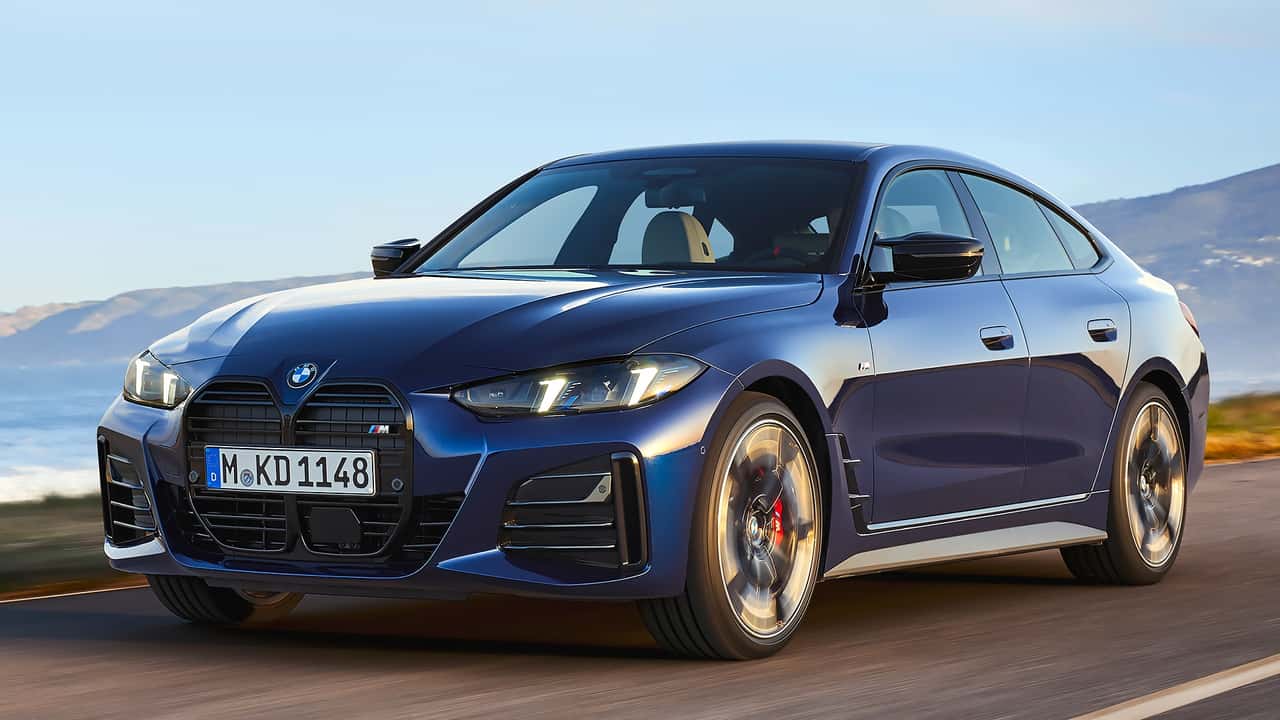
The 2025 BMW Z4, priced from $54,500 with a strong 9.1/10 score, positions itself as a luxury cruiser rather than an all-out sports car. Available exclusively as a convertible, it shares its platform with the Toyota Supra but offers a more relaxed, refined driving character.
The base sDrive30i uses a 255-horsepower turbocharged 2.0-liter four-cylinder, capable of reaching 0–60 mph in about 5 seconds, delivering quick acceleration with precise handling and confident braking. Drivers seeking more power can opt for the six-cylinder M40i, which drops the 0–60 time to an impressive 4.1 seconds.
Inside, the Z4 provides an understated yet upscale cabin with ample space for two adults, a rarity in the compact roadster segment. With 9.9 cubic feet of trunk space that remains unchanged whether the top is up or down, the Z4 offers surprising practicality.
The power-operated soft top functions quickly, and the cabin stays remarkably quiet at highway speeds. Standard equipment is generous, including a 12.3-inch digital gauge cluster, 10.25-inch touchscreen, navigation, wireless Apple CarPlay and Android Auto, voice commands, and dual-zone climate control.
On the road, the Z4 impresses with responsive power delivery and composed cornering. Both available engines offer strong torque for effortless acceleration, and the optional Handschalter manual transmission enhances driver engagement with improved steering feel and tuning refinements.
Ride comfort varies with road surface, especially with the adaptive M Sport suspension, but highway cruising is smooth. Seats are well-shaped, though more lateral support would be welcome, and the cabin remains impressively quiet for a soft-top convertible.
The interior layout is functional but has a few quirks. Space is generous, yet cupholders are hidden beneath the center armrest, limiting convenience. The infotainment system is powerful and feature-rich, though it may take time to master. Tech features such as adaptive cruise control and blind-spot monitoring work well, though the lane-centering system can feel overly assertive.
Storage practicality is mixed: the trunk is excellent for a convertible, but cabin storage is limited, with small door pockets and a loose cargo net behind the seats.
Fuel economy is another strong point. The base model achieves 28 mpg combined, and real-world testing shows impressive efficiency from both engines.
The Z4 delivers strong value with its premium materials, quiet ride, robust features, and refined build quality. Combined with generous warranty coverage, it stands out as an appealing luxury roadster for those prioritizing comfort, technology, and stylish open-air driving.
Also Read: 10 Cars That Keep the Cabin Quiet on Concrete Highways
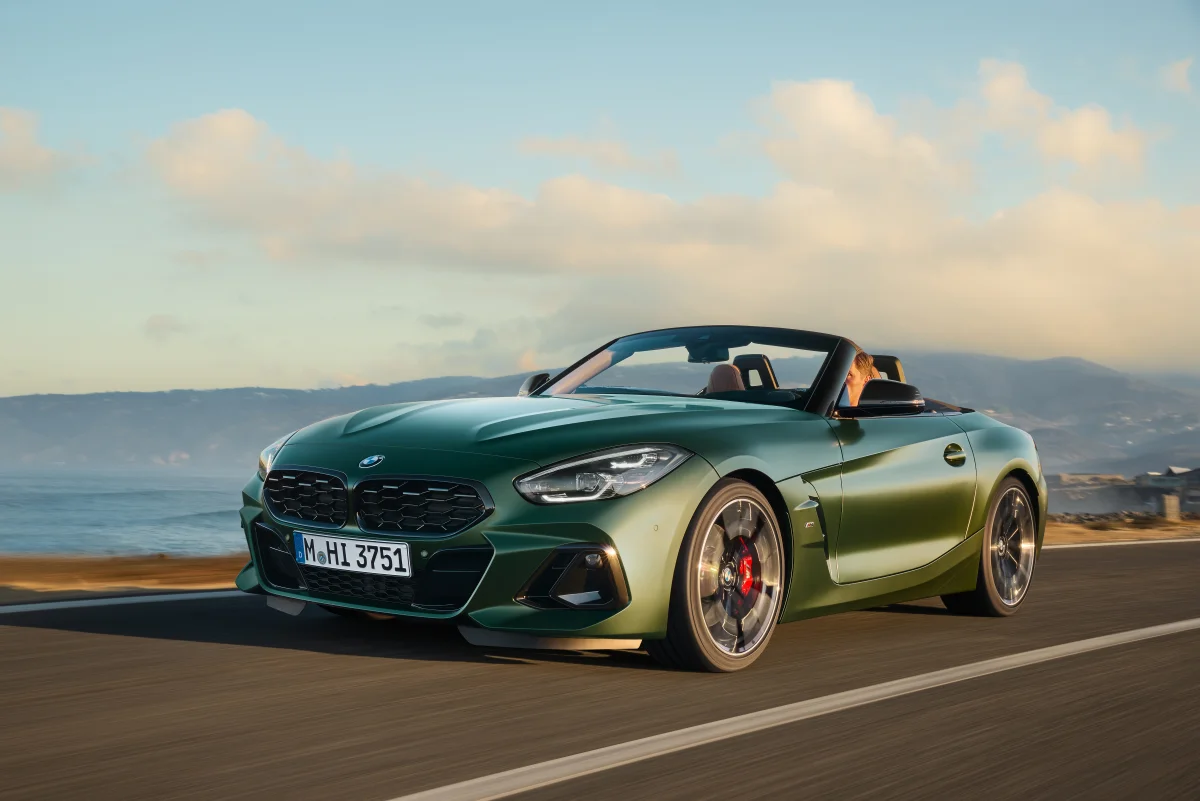
4. 2025 Ford Mustang: An Iconic Convertible Blending Power, Value, and Everyday Usability
The 2025 Ford Mustang, starting at $40,020 with a score of 8.8/10, carries over unchanged after its 2024 redesign. As the most affordable Detroit-built convertible now that the Camaro is gone, it offers strong performance, modern technology, and impressive daily usability wrapped in classic pony-car style.
The entry-level EcoBoost convertible uses a 315-horsepower turbocharged four-cylinder paired with a 10-speed automatic transmission. This combination delivers brisk acceleration for commuting, merging, and highway passing. Steering response is sharp, braking is strong, and the chassis feels composed.
Performance steps up with the GT versions. In testing, the EcoBoost reached 0 to 60 mph in 5.6 seconds, while the GT models recorded 4.8 seconds with the manual and 4.3 seconds with the automatic. Braking distances of around 100 feet and impressive cornering grip near 0.98 g highlight the Mustang’s capability.
Despite its speed, the Mustang remains comfortable for everyday driving. The EcoBoost feels eager in traffic, and the 5.0-liter V8 GT provides easy torque for highway cruising. The standard suspension handles bumps well.
The MagneRide adaptive suspension included in the Performance package adds firmness but still maintains comfort. The optional Recaro sport seats offer strong support during spirited driving, although some drivers may prefer the more relaxed feel of the standard seats.
Inside, the 2025 Mustang introduces a modern design with soft-touch surfaces, new upholstery choices, and a cleaner dashboard layout. A 13.2-inch touchscreen, digital gauge cluster, and Ford’s Sync 4 system come standard, along with wireless Apple CarPlay and Android Auto. The interface is quick and easy to read, but the climate controls are fully digital and require extra steps to adjust.
Front seats are accommodating, although the rear seats are best for children or very short trips. Long doors and thick windshield pillars affect ease of entry and outward visibility. Cargo space is excellent for a convertible with 11.4 cubic feet in the trunk and no loss of space when the top is folded. Small item storage inside the cabin is sufficient for everyday use.
Fuel economy is competitive for a performance-focused car. The EcoBoost returns 26 mpg combined, while the V8 GT averages 18 mpg, closely matching EPA ratings in real-world testing.
The Mustang remains a strong value. The EcoBoost model offers accessible performance at an attractive price, and the GT continues to hold its own among rivals. Warranty coverage includes 3 years or 36,000 miles of bumper-to-bumper protection and 5 years or 60,000 miles of powertrain coverage, along with roadside assistance.
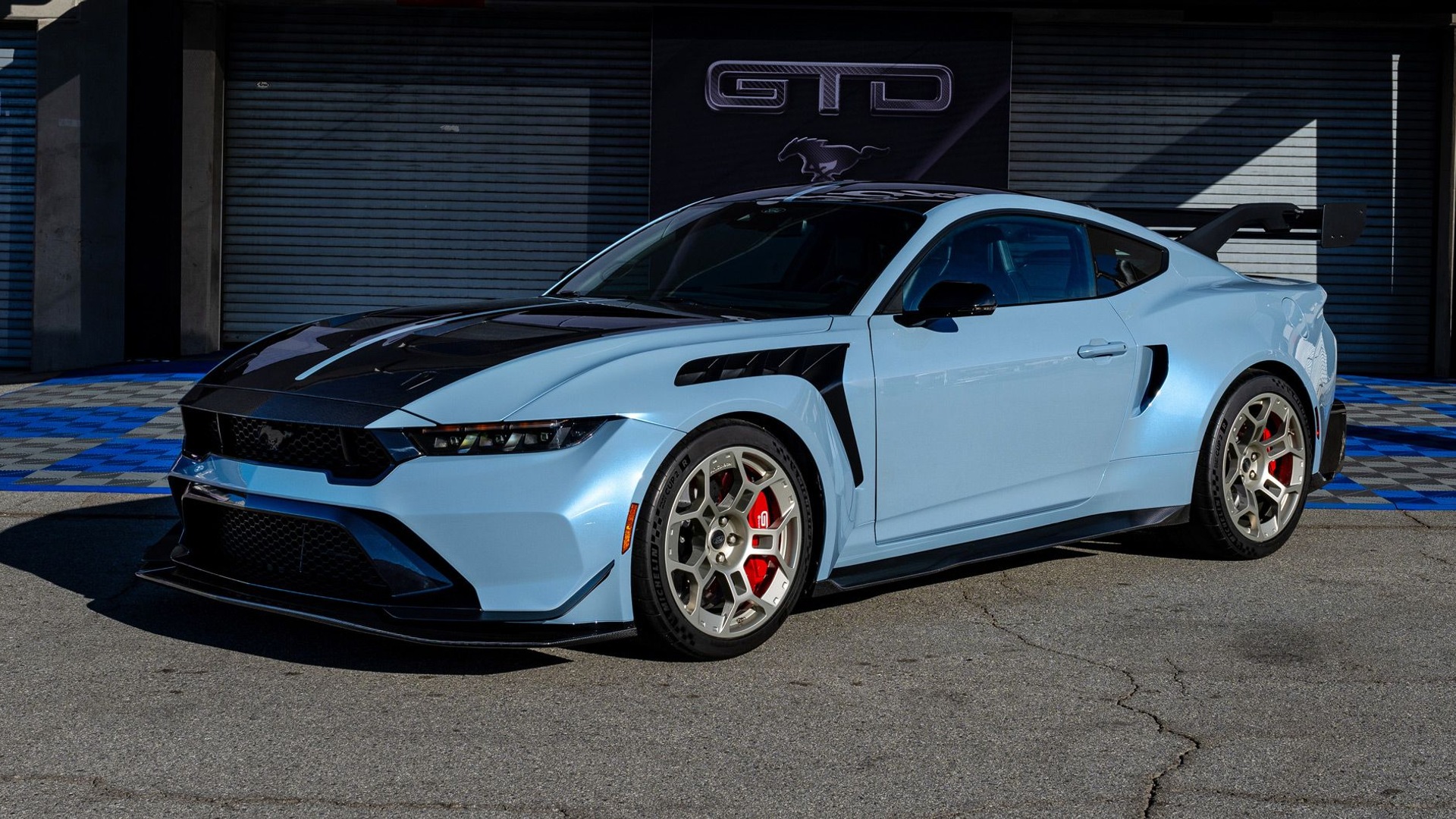
5. 2024 Chevrolet Camaro: End-of-Era Style, Strong Performance, and Everyday Practicality
The 2024 Chevrolet Camaro, priced from $36,900 with a strong 9.0/10 score, marks the final chapter for this iconic muscle car. Although the base trim has been dropped, the convertible remains an accessible upgrade throughout the lineup. It comes standard with a V6 engine and power-adjustable front seats, giving even the entry model solid performance credentials.
Inside, the Camaro offers a well-constructed cabin with supportive seating and straightforward controls. Space is tight, however. While there is technically room for four occupants, the rear seats are extremely small and best reserved for short trips.
The materials are respectable but not quite premium for the segment. Standard technology includes a 7-inch touchscreen, voice recognition, and wireless Apple CarPlay and Android Auto, making the car easy to integrate into modern digital life.
Performance is one of the Camaro’s strongest qualities. The standard V6 engine delivers a quick 0 to 60 mph time of 5.2 seconds, and the car handles corners with confidence thanks to precise steering and controlled body motions. Drivers looking for a balanced blend of daily comfort and athletic potential will find the Camaro eager and responsive on both city streets and winding roads.
Ride quality is firm but agreeable for daily use. The front seats are comfortable, entry and exit are manageable for most adults, and outward visibility is better than in earlier Camaro generations. Interior noise levels are acceptable for a performance-oriented vehicle, creating an enjoyable environment for both commuting and weekend drives.
Technology integration is a highlight. The digital interface is intuitive, and smartphone connectivity works seamlessly. Audio options vary by trim, and while the base setup is satisfactory, higher trims offer richer sound for music enthusiasts. Driver assistance features such as automatic emergency braking and blind-spot monitoring are available, though the Camaro does not position itself as a tech-heavy safety leader.
Practicality is better than expected for a sporty coupe. The trunk opening is narrow, but the space itself is useful enough for luggage or daily errands. Interior storage pockets hold small items securely, even during enthusiastic driving.
Fuel economy is competitive for the class, with the V6 delivering efficient highway cruising. While rivals like the Toyota GR Supra and BMW M240i may offer more advanced powertrains, the Camaro’s balanced performance and strong character remain appealing.
As the Camaro bows out, it leaves behind a refined final model year that blends value, performance, and heritage. It serves as a fitting farewell to one of America’s most recognizable performance cars.
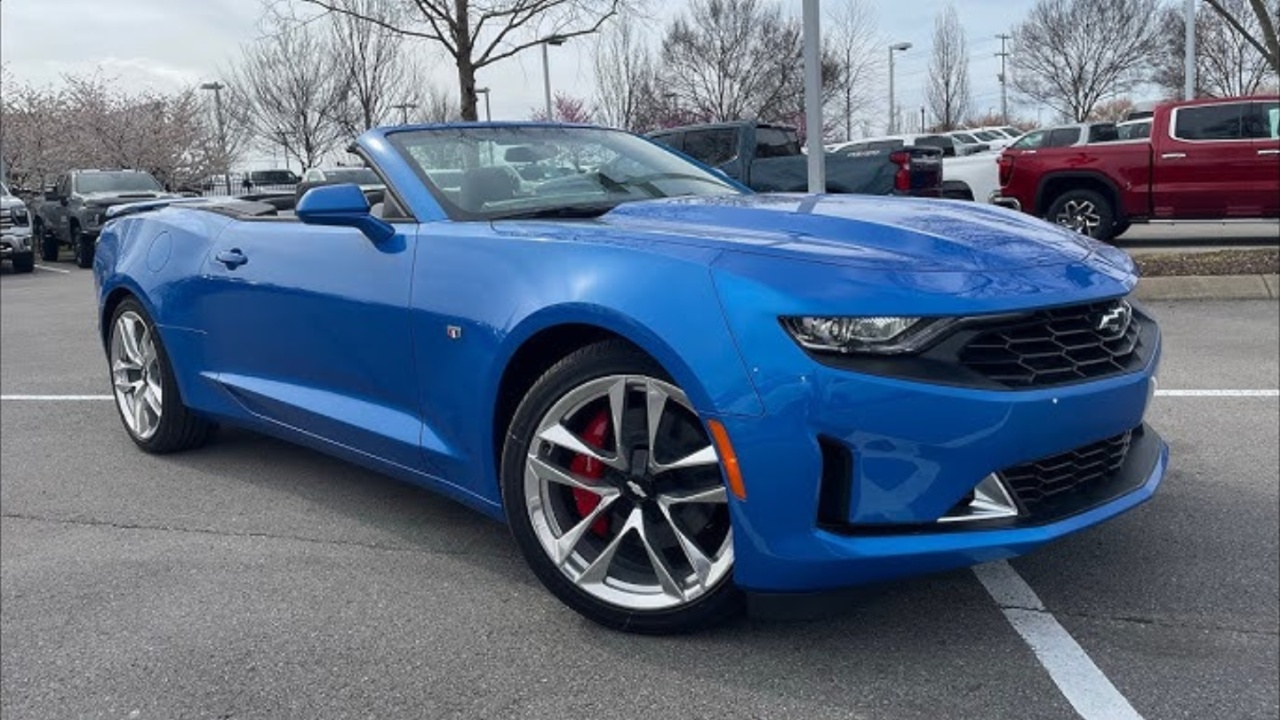
6. 2025 Mazda MX-5 Miata: Lightweight Fun, Driver Engagement, and Everyday Usability
The 2025 Mazda MX-5 Miata, starting at $29,330 with a strong 9.2/10 score, remains one of the purest driving experiences on the market. It continues to deliver exceptional value as the most affordable convertible in its segment, blending simplicity, precision, and joy in a compact package.
Its spirited 181-horsepower four-cylinder engine launches the car from zero to 60 mph in under six seconds, giving drivers lively acceleration paired with agile, communicative handling. Steering is light and accurate, making the Miata feel connected and responsive whether cruising or carving through corners.
During testing, a manual-equipped Miata reached 60 mph in 6.4 seconds and stopped from that speed in 113 feet, offering strong braking performance. Its predictable behavior at the limit and excellent grip give drivers confidence. Body roll is noticeable during aggressive driving, yet most enthusiasts view this as part of the Miata’s approachable character rather than a drawback.
Comfort is better than expected for a small roadster. The ride can feel harsh over broken pavement, but the seats earn praise for support and warmth from the effective heaters. Some testers found the cushioning unusual, but most appreciated the ergonomic shape.
A notable challenge is noise. With the top up, wind intrusion becomes significant at highway speeds, often requiring raised voices to communicate. Choosing to drive with the top down and windows up can provide a slightly calmer experience.
Inside, the Miata’s cabin design is simple, elegant, and focused. Controls are easy to reach, though the placement of the infotainment control knob and cupholders can create inconvenience. Space is the biggest limitation.
Drivers over six feet may feel cramped, and the passenger footwell is especially short. Despite this, the manual soft top is one of the car’s strengths because it can be opened or closed very quickly with minimal effort.
Technology is modern while still preserving the Miata’s analog charm. Standard features include Apple CarPlay, Android Auto, two USB ports, and a solid list of safety systems such as blind-spot monitoring and lane-departure warning. The available Bose nine-speaker audio system performs well, even when combating wind noise.
Storage is minimal. The 4.6-cubic-foot trunk fits essentials but not much more, and the car lacks a glovebox. A small storage bin between the seats handles personal items. As expected, practicality is limited, but adequate for short trips and weekend drives.
Fuel economy is excellent at 29 mpg combined with the manual transmission, making the Miata one of the most efficient performance cars available. Build quality is strong, materials feel upscale for the price, and the warranty coverage is competitive for the segment.
The 2025 MX-5 Miata continues to embody driving enjoyment in its purest form, offering exceptional engagement, value, and charm in a lightweight, beautifully engineered package.
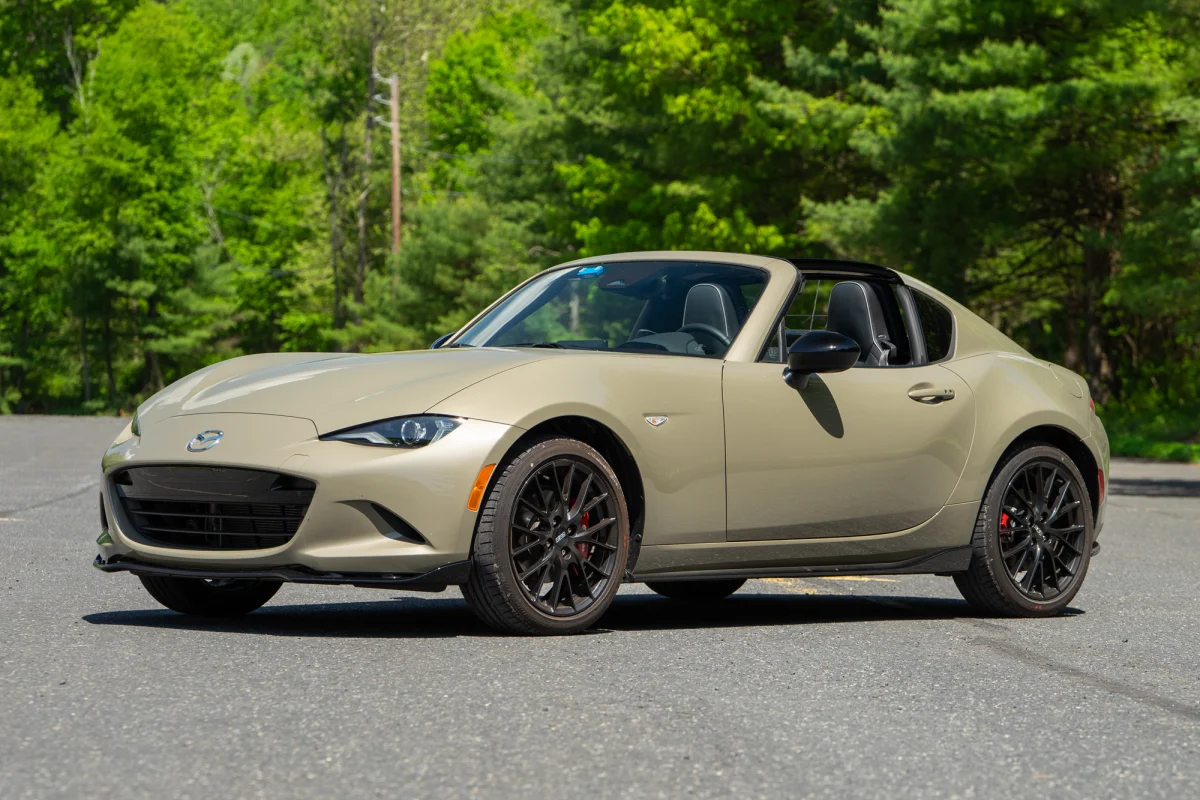
7. 2025 Mini Cooper: Retro Style, Premium Feel, and Modernized Tech
The 2025 Mini Cooper, priced from $33,950 with a score of 8.3/10, blends classic charm with modern updates. For this model year, Mini introduces a new 161-horsepower turbocharged four-cylinder engine, bringing stronger acceleration and improved refinement across the base lineup.
The two-door Cooper Convertible remains a standout for its retro-inspired design, upscale materials, and soft top that folds in just 18 seconds while also offering a partial-open sunroof mode.
At the track, a Mini Cooper S coupe recorded a 0 to 60 mph time of 6.4 seconds, which matches the Mazda Miata. While acceleration is respectable, the latest Cooper S disappoints with handling that feels less lively than earlier generations.
The chassis no longer delivers the same playful response, and grip around corners is limited compared with rivals. The automatic transmission further diminishes driver engagement due to slow shifts and the lack of paddle shifters. Ride quality is firm, and larger bumps are noticeable, though not uncomfortable for daily use.
Driver assistance systems perform well and can include adaptive cruise control, lane keeping assistance, blind-spot warning, and a surround-view camera system. These features enhance daily commuting and make the Cooper easier to live with despite its sporty intentions.
Interior space is tight, especially for a vehicle marketed as a premium small car. Front passengers have reasonable headroom, but legroom is limited. The rear seats are best suited for children, and installing a child seat is challenging because of the narrow door openings.
The reliance on a single touchscreen for all controls creates a clean aesthetic, but it sacrifices usability. Adjusting climate settings or disabling features requires multiple taps, which can be distracting while driving.
The Cooper’s cabin stands out thanks to its signature circular center display, now offering high resolution, vivid colors, and quick response times. Wireless Apple CarPlay, Android Auto, and a wireless charging pad come standard.
Navigation is intuitive and responsive. However, Mini’s decision to move climate functions and many vehicle settings into touchscreen menus reduces convenience. Drivers will need time to adapt to the screen-focused layout.
Cargo space is limited. To achieve meaningful storage, the second row must be folded, effectively turning the Cooper into a two-seater for practical use. Small-item storage is also lacking, with no center console bin and only modest door pockets and shelf space beneath the screen.
The Cooper provides strong build quality and some of the nicest interior finishes in its class. It sits between competitors in price: less expensive than a fully equipped Golf GTI but pricier than a Civic Hybrid hatchback.
EPA fuel economy for the Cooper S is 32 mpg combined, and real-world testing supports that figure. While its design and cabin quality are appealing, the 2025 Mini Cooper’s subdued driving dynamics make it better suited for commuting than spirited driving.
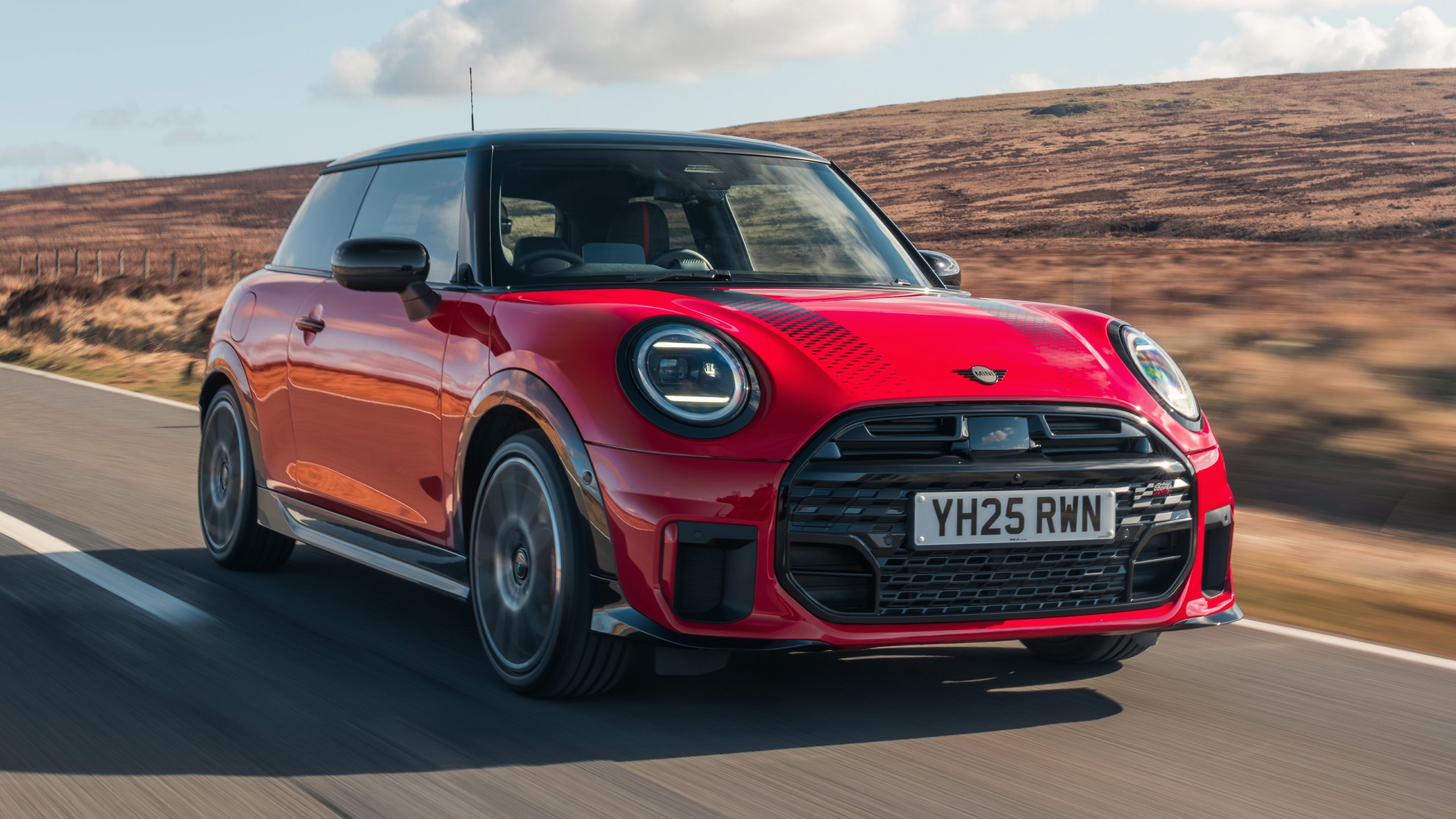
Daily driving a convertible no longer means settling for impracticality. Modern budget-friendly models provide a balance of comfort, technology, and usability, allowing drivers to enjoy their cars in real-world conditions while still experiencing the excitement of open-top motoring.
These vehicles prove that fun and functionality can coexist. With responsive handling, intuitive features, and carefully designed interiors, they handle city streets, highways, and back roads with confidence. Even smaller convertibles, once considered purely recreational, now offer convenience for everyday life.
In the end, budget convertibles demonstrate that open-air driving can be a regular part of your routine. They bring freedom, fun, and style to daily commutes, errands, and weekend adventures, letting drivers enjoy the road and the weather with every journey.
Also Read: 5 Cars That Still Shut Tight After Years vs 5 With Loose Latches
