
Rain reshapes the driving experience across the United States, whether it’s a sudden Gulf Coast cloudburst, a misty Pacific Northwest morning, or long stretches of wet pavement across the Midwest. When the skies open, drivers want a sedan that doesn’t squirm, hydroplane easily, or feel overly sensitive to steering inputs.
They want predictability. They want stability. They want a car that feels like it’s on their side. In this list, we highlight twelve sedans that stay composed when the weather turns, thanks to well-tuned chassis setups, strong traction systems, and confidence-inspiring behavior on slick roads.
These models span luxury, mainstream, and performance-leaning segments, but all share the goal of keeping the driver calm when the rain begins.
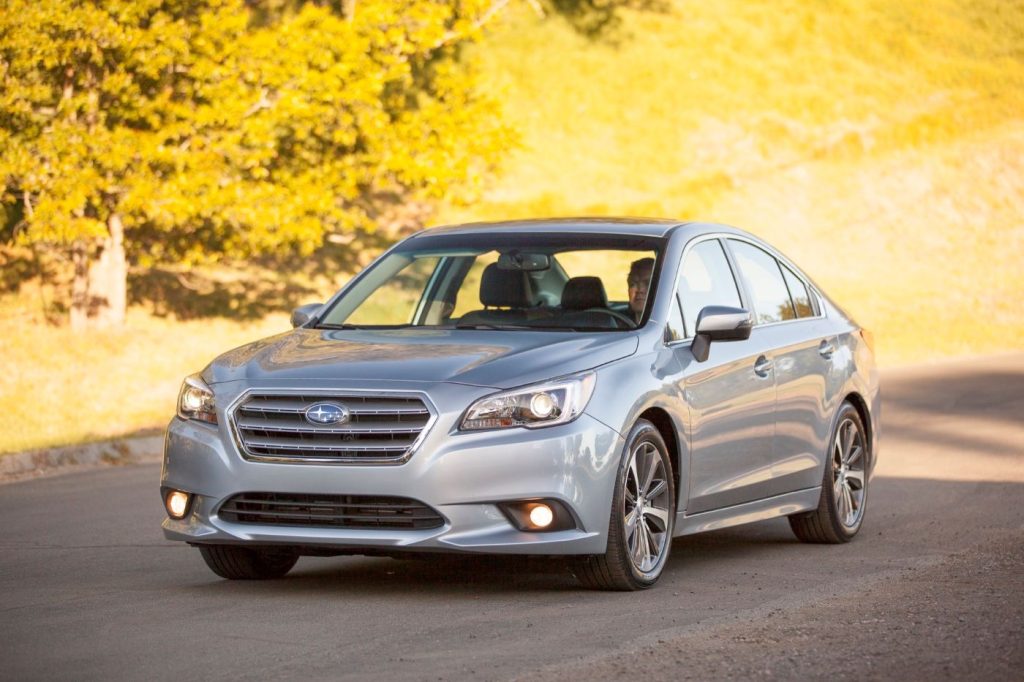
1. Subaru Legacy
The Subaru Legacy is one of the few sedans in America with standard all-wheel drive, and that alone gives it a substantial advantage in wet conditions. But the Legacy’s poise isn’t only about having four driven wheels, it’s about how Subaru tunes its AWD system to react smoothly instead of abruptly.
In steady rain, the Legacy feels planted, resisting the tendency to nose-dive or fishtail when water starts pooling. The steering remains consistent even when asphalt gets glossy, and the car’s low center of gravity (thanks to the flat-four engine) keeps body roll in check.
For drivers in the Pacific Northwest or mountain states, the Legacy is one of the most confidence-inspiring sedans around.
Don’t let the Subaru Legacy’s restrained styling mislead you; beneath that conservative exterior sits a capable midsize sedan engineered to handle every season with ease.
In addition to its standard AWD system, the Legacy offers a generous suite of driver assistance technologies, a spacious cabin, and an available oversized multimedia display that dominates the dashboard.
Among today’s midsize sedans, the Subaru Legacy stands as one of the quiet achievers, hiding a great deal of competence behind its unassuming exterior. Interior materials feel genuinely upscale, especially in the top-tier Touring XT, where two-tone brown and black Nappa leather elevates the cabin’s atmosphere.
The quiet ride keeps outside noise to a minimum, pairing well with the roomy, comfort-oriented interior. The Legacy’s one notable drawback is its infotainment system: although the large touchscreen makes a visual statement, it reacts slowly to inputs and can be distracting while driving.
Ride comfort is one of the Legacy’s strongest qualities. It absorbs road imperfections with ease, and its compliant suspension ensures passengers are shielded from harshness. Confident body control further supports the driver, whether navigating corners or executing sudden maneuvers.
The standard 2.5-liter flat-four is best described as adequate for everyday use. The CVT works hard to extract the most from its output, which can result in more noise than acceleration during wide-open throttle runs.
The Legacy is most enjoyable when driven calmly, and that holds true even for the turbocharged XT versions. The turbo engine provides noticeably more power, but turbo lag paired with the CVT’s hesitation creates a delay in response, leaving the car feeling momentarily sluggish.
Overall, the Subaru Legacy is best defined as a comfortable cruiser, uncomplicated, composed, and free of drama. With its emphasis on comfort and standard AWD across the board, Subaru’s midsize sedan shines as an excellent all-weather choice for drivers who don’t need the bold styling or attitude of rivals like the Hyundai Sonata or Kia K5.
The 2021 Legacy offers a pair of flat-four engine options. Base, Premium, Sport, and Limited trims come with a 2.5-liter engine producing 182 hp and 176 lb-ft of torque. Stepping up to the Limited XT or Touring XT adds a turbocharged 2.4-liter engine generating 260 hp and 277 lb-ft. Both powertrains are exclusively paired with a CVT automatic transmission.
Also Read: 5 EVs That Road-Trip Well vs. 5 That Demand Too Many Stops
2. Toyota Camry AWD
The Camry’s optional all-wheel-drive system transforms an already stable sedan into a surprisingly sure-footed rain companion. Toyota’s AWD isn’t performance-oriented, it’s comfort-oriented, designed to prevent wheel slip before it becomes noticeable. On wet highways, the Camry tracks straight and true with minimal need for steering corrections.
The hybrid version, although front-wheel drive, also impresses thanks to extremely smooth throttle mapping that avoids sudden torque spikes. Whether navigating Florida storms or Midwest spring showers, the Camry maintains a calm, almost serene demeanor that appeals to conservative drivers who prioritize confidence over sportiness.
First introduced in 1983, the original Camry was roughly the size of today’s Toyota Corolla and relied on a 2.0-liter four-cylinder engine producing 92 hp. The second-generation model stepped things up with a more robust 2.5-liter four-cylinder that delivered 160 hp.
This early history matters because the modern Camry also features a 2.5-liter gasoline engine, yet that similarity is where the comparisons end. Over more than three decades, the Toyota Camry has evolved dramatically in size, engineering, and sophistication, all while remaining one of the most dominant choices in the midsize segment.
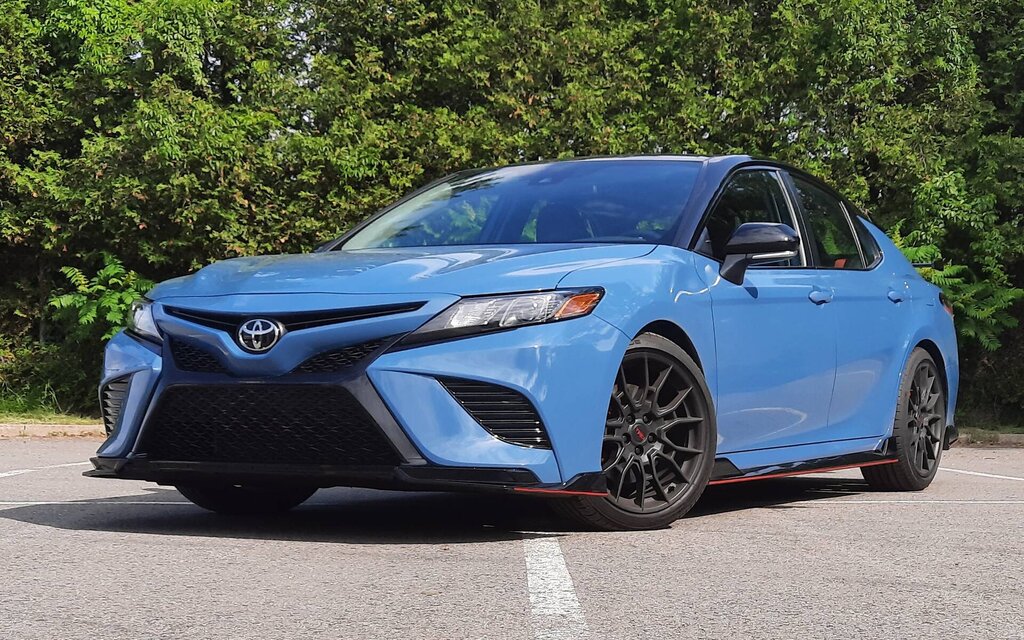
Throughout its lifespan, the Camry has appeared in several body configurations, wagons, hatchbacks, and traditional sedans, powered by everything from four-cylinders and V6 engines to diesel and turbocharged options. These have been matched with an extensive variety of transmissions, totaling more than a dozen different setups.
Fast-forward to today, and hybrid powertrains are standard across the entire trim range, with optional AWD available. This also means Toyota’s electronically controlled continuously variable transmission (ECVT) is now the only transmission offered.
The once-popular 301-hp V6 is gone, along with the eight-speed automatic transmission. The traditional mechanical AWD system and the standalone 2.5-liter gas engine have also been retired.
Instead, the 2025 Camry adopts a 2.5-liter DOHC four-cylinder hybrid setup. The gasoline engine alone produces 184 hp, but when combined with the hybrid system’s electric motor, total output rises to 225 hp. Choosing the AWD version bumps that figure even higher, adding an additional seven hp for a combined output of 232 hp.
Also Read: Top 5 Compact SUVs With Quiet Cabins vs. 5 That Sound Harsh
3. Honda Accord
Honda doesn’t offer all-wheel drive on the Accord, but the sedan still ranks among the best rainy-day performers because of its accurate steering and one of the most transparent stability-control systems in the segment. You feel connected to the pavement even when it’s wet.
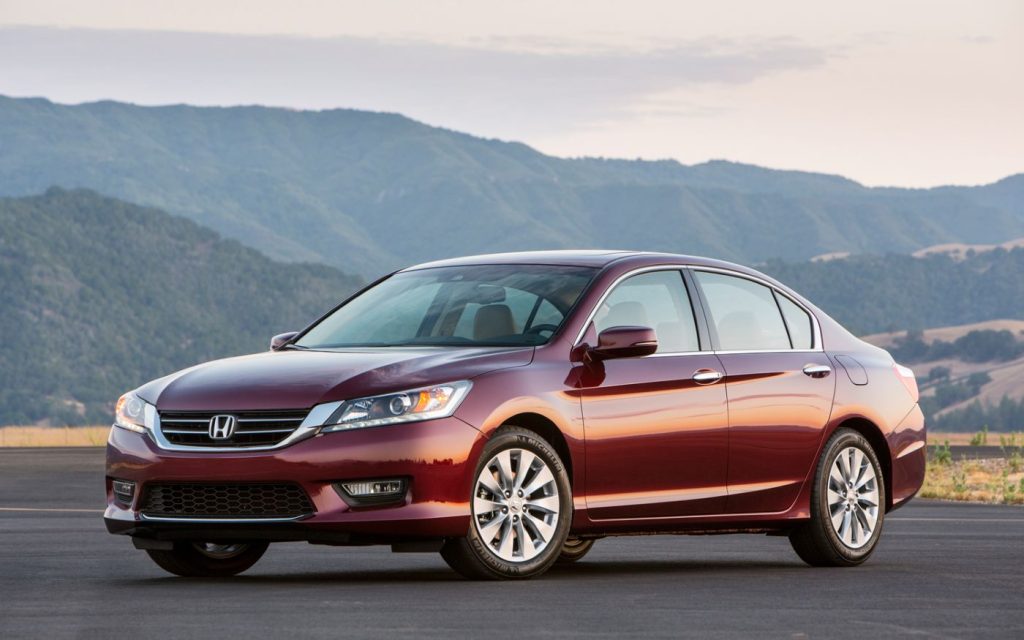
The Accord doesn’t float or wander across puddled lanes, and its suspension filters out bumps without jolting the cabin. Drivers in states with high rainfall, Louisiana, Alabama, Washington, will appreciate how predictable the Accord feels when the tires hit slick patches. It’s a sedan that inspires trust without relying on flashy technology.
4. Mazda6 (Used)
Although no longer sold new in the U.S., the Mazda6 remains a favorite among used-sedan shoppers because of its secure handling in foul weather. Mazda tuned the 6 with driver feel in mind, and that translates to exceptional control during rainstorms.
The steering has natural weight, the chassis feels tight without being harsh, and the transmission responds smoothly instead of hunting for gears.
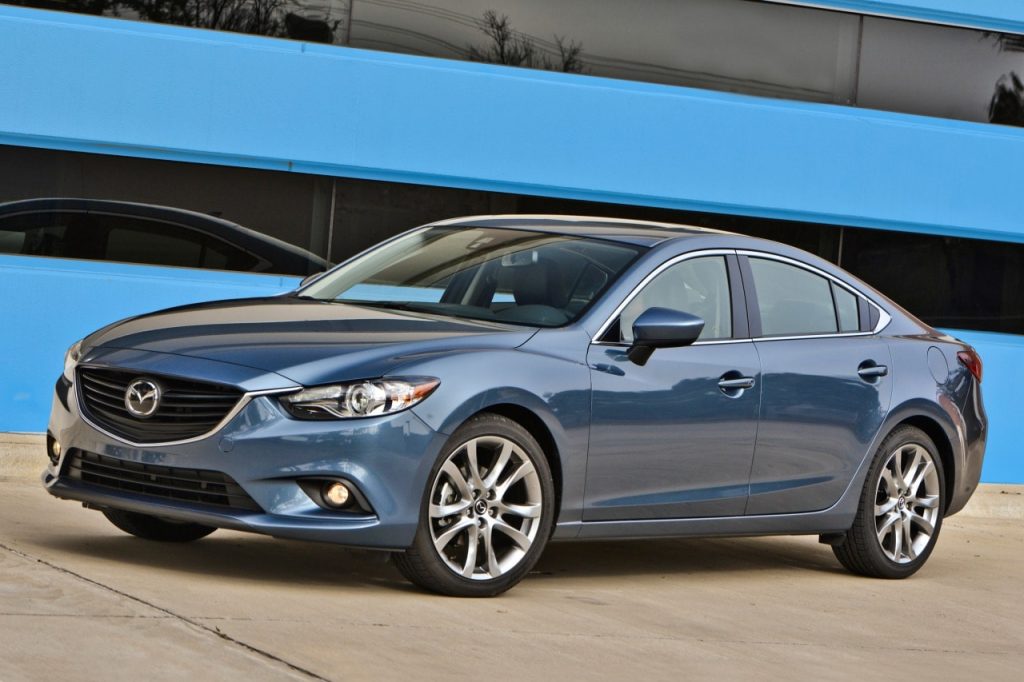
Hydroplaning resistance is also better than average thanks to Mazda’s emphasis on real-world suspension tuning. For shoppers looking at a pre-owned sedan with upscale composure, the Mazda6 delivers a calm, predictable ride when the pavement is soaked.
5. Audi A4 Quattro
Audi’s Quattro system is famous for a reason: it works seamlessly. In rainy weather, the A4 feels almost unfazed, distributing power intelligently to whichever wheels have grip. Instead of dramatic corrections, the A4 simply moves forward with quiet confidence.
The cabin insulation also reduces wind and rain noise, helping the driver stay relaxed during long highway stretches. For U.S. buyers in regions that experience long seasons of drizzle, like the Mid-Atlantic and coastal Northeast, the A4 is one of the most reassuring sedans money can buy.
After three decades on the road, the Audi A4 is taking its final bow in 2025, though not entirely disappearing. Its legacy will continue through the new A5, as Audi shifts to a revised naming strategy that assigns even numbers to electric vehicles and odd numbers to the last generation of gas-powered models.
In many respects, the A4’s farewell mirrors its original introduction: a lively, well-balanced compact sport sedan with a subtle demeanor, especially when contrasted with the more aggressive BMW 3-series, the luxurious Mercedes-Benz C-Class, or the bold Alfa Romeo Giulia.
This positioning has always made the A4 more attractive to drivers who prefer a refined middle ground, engaging to drive on a winding road yet unlikely to draw unwelcome attention.
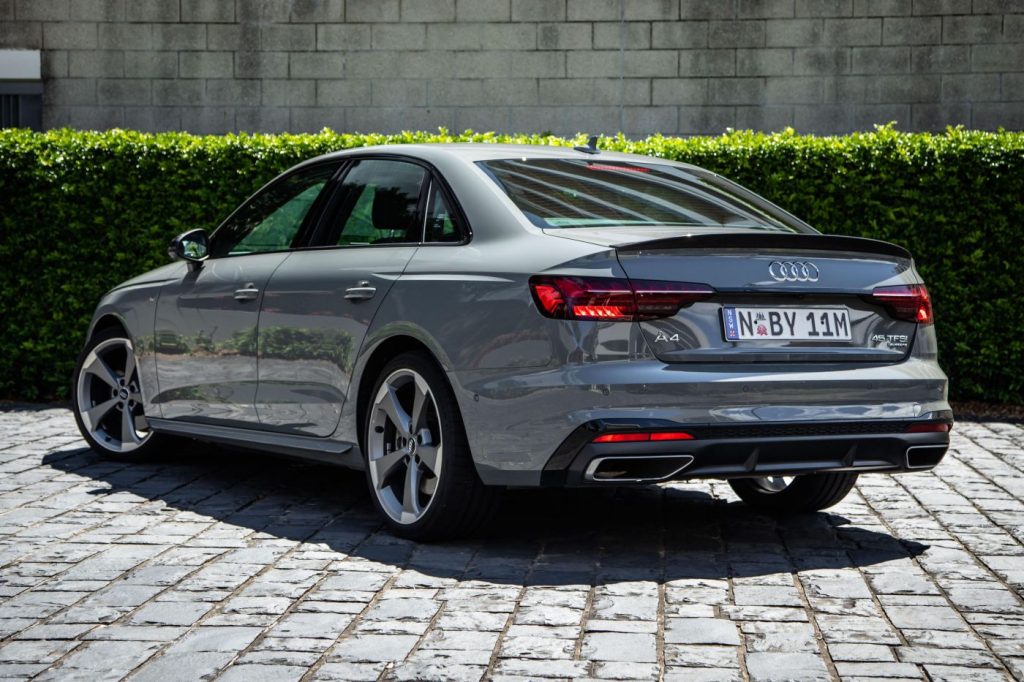
At the same time, its thoughtful integration of technology and strong comfort levels broaden its appeal across many types of buyers. For those craving more excitement, the Audi S4 delivers, and for shoppers needing added utility, the A4 Allroad wagon brings impressive versatility.
Audi has removed the lower-tier 40 model from the A4 family entirely, leaving the 261-hp 45 model as the sole offering for 2025. The A4 45 sees only modest adjustments to its feature offerings.
Remote engine start through the myAudi app is now included across all trims, and the entry-level Premium trim’s Convenience package gains rear USB charging ports. The previously optional Navigation package is now standard with the mid-level Premium Plus trim, and the Homelink smart home control buttons have been relocated to the rearview mirror.
Visual updates include black exterior accents and a fresh 18-inch wheel design, along with the introduction of a new S Line Plus package, complete with black exterior trim, dark exhaust tips, 19-inch wheels, red brake calipers, leather-and-faux-suede seats, carbon fiber interior details, and stainless-steel pedal caps, available on the Premium Plus and Prestige trims.
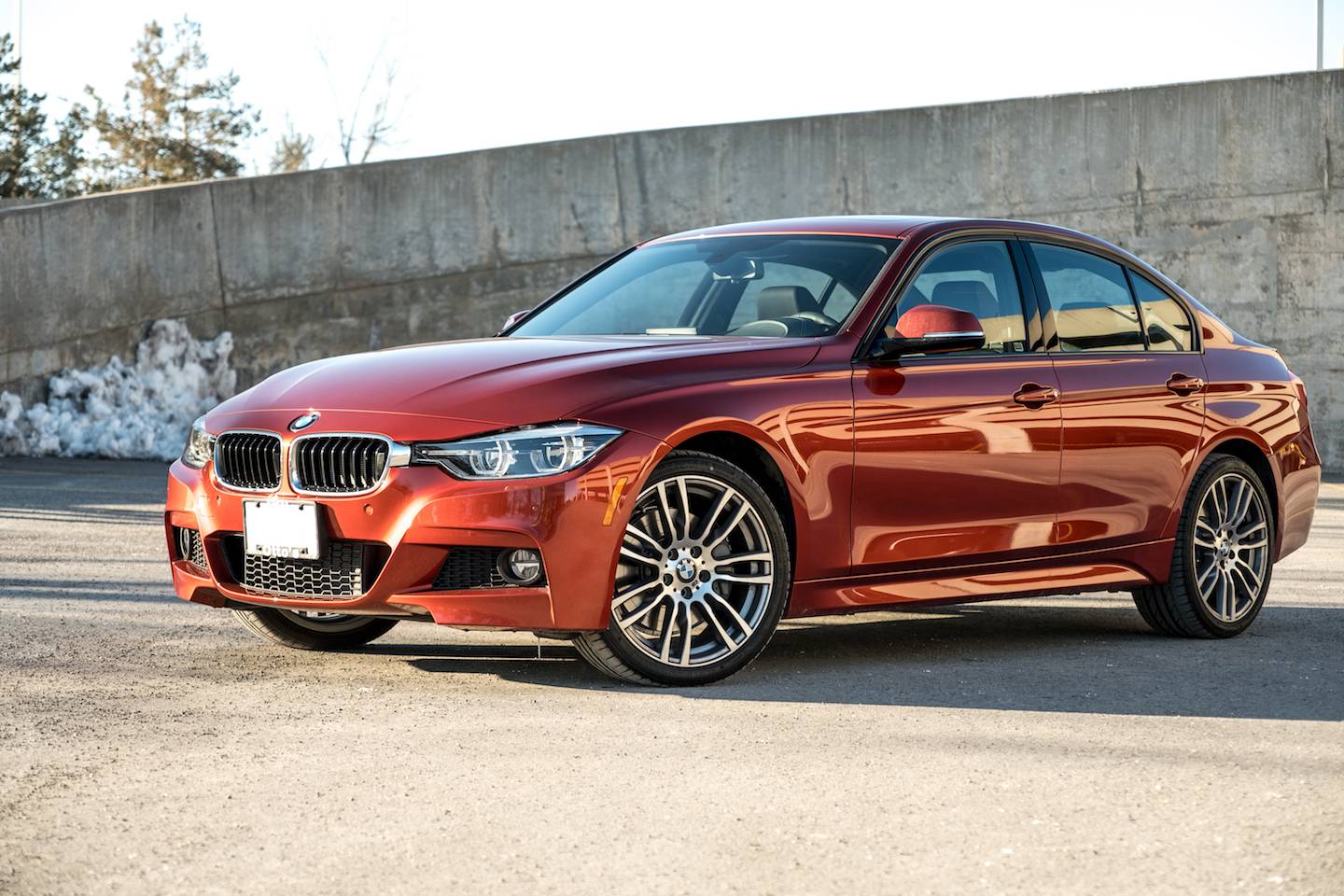
6. BMW 330i xDrive
BMW’s xDrive AWD system has evolved into a balanced, predictable setup that doesn’t overwhelm the front wheels like older generations sometimes did. In the rain, the 330i xDrive feels secure but still engaging, giving the driver confidence without sacrificing the sporty character.
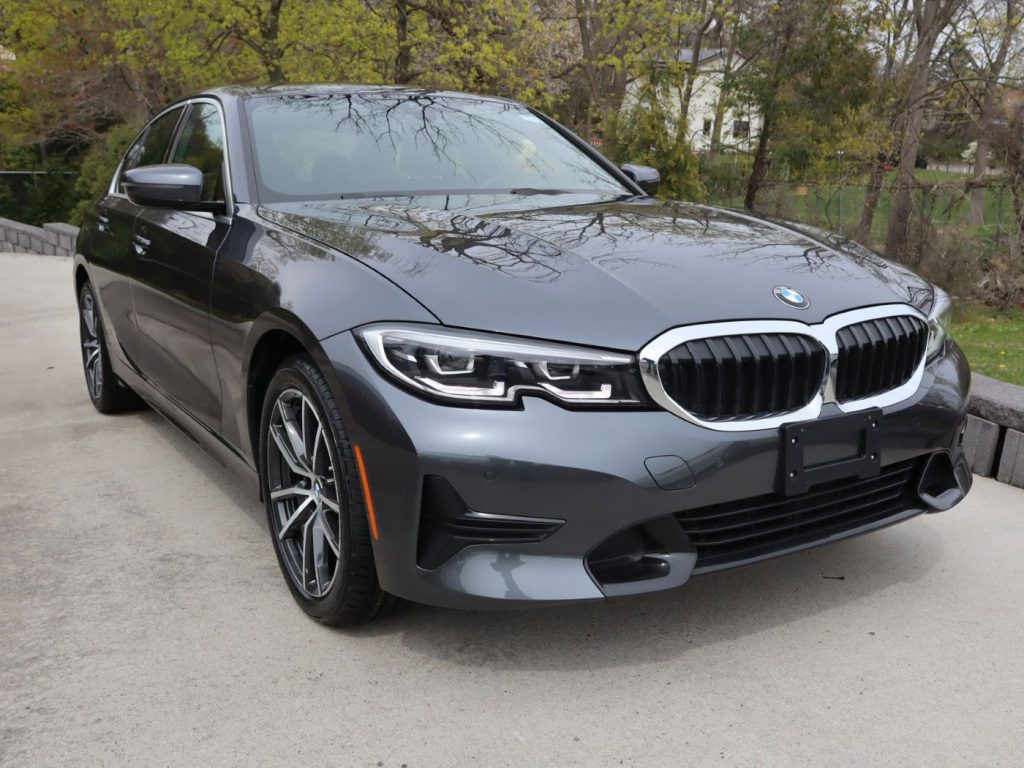
Steering remains precise even when traction is low, and the suspension stays composed over wet expansion joints and highway grooves. Drivers who want a sedan that performs well in sun or storms will appreciate how calmly the 330i manages rain without feeling numb.
Also Read: 10 Best Used SUVs Under $22,000 for 2025
7. Mercedes-Benz C-Class 4Matic
The Mercedes-Benz C-Class with 4Matic AWD takes a comfort-first approach to wet roads. Rainstorms tend to amplify road harshness, but the C-Class filters out the extra vibration beautifully. The car accelerates without drama, relying on a gentle distribution of torque to maintain grip.
The chassis feels settled at all speeds, and the cabin does an excellent job minimizing outside noise, which helps drivers stay mentally calm during long rainy commutes. If you want luxury and stability combined, the C-Class is a standout.
Every 2022 C-class model uses the same 255-hp turbocharged 2.0-liter four-cylinder engine and carries the C300 badge on its sculpted trunklid. This turbocharged four-cylinder is supported by a 48-volt hybrid system capable of delivering up to an additional 20 horsepower for short bursts.
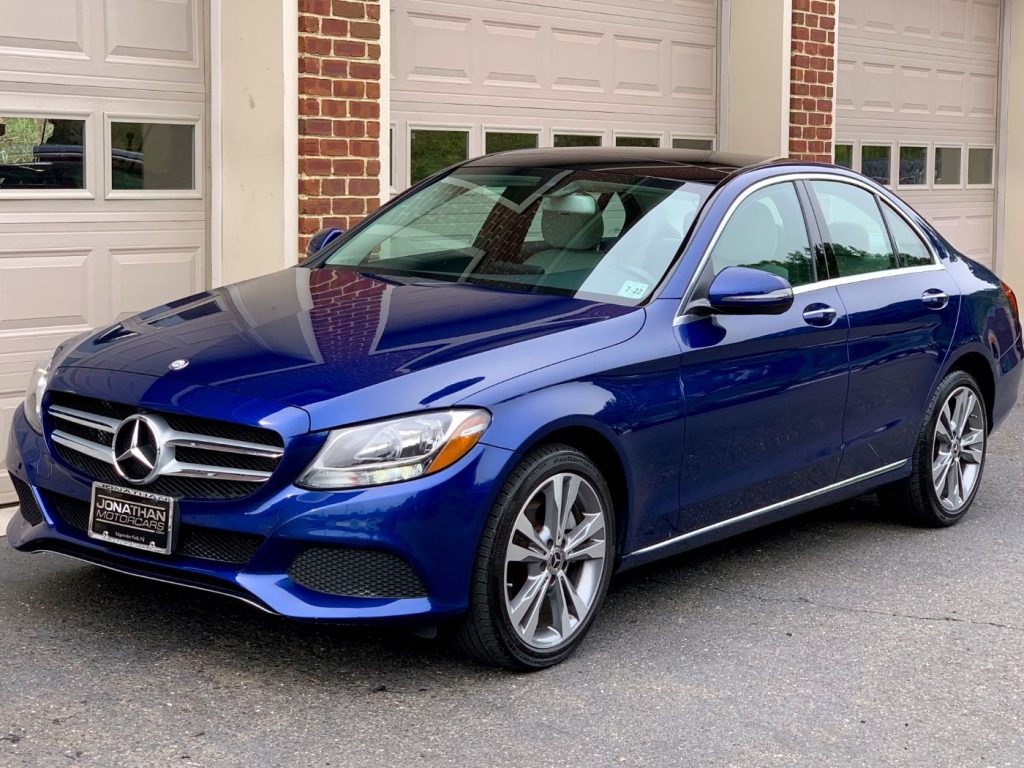
Rear-wheel drive comes standard, while all-wheel drive is still available as an option, and all versions rely on a nine-speed automatic transmission. In our testing, the all-wheel-drive C300 4Matic reached 60 mph in 5.3 seconds, edging out the previous-generation C-class by 0.1 second.
Its handling is lively, as you’d expect from a compact sports sedan, though we found the steering feedback lacking and the ride quality somewhat harsh. Braking performance, however, was solid, with the C300 coming to a stop from 70 mph in just 154 feet, even if a firmer pedal feel would have been welcome.
8. Hyundai Sonata
The Sonata doesn’t offer AWD, but it still manages to feel calm and stable thanks to its well-tuned front-wheel-drive setup and forgiving suspension. Hyundai engineered the Sonata to be easy to drive, and that shows up in rainy weather.
The car doesn’t jerk, hesitate, or feel skittish when starting from a wet stoplight. Its traction control engages smoothly rather than abruptly cutting power, which helps new or cautious drivers stay confident. For budget-conscious shoppers seeking a secure-feeling sedan, the Sonata deserves more attention than it gets.
9. Kia K5 AWD
The Kia K5 equipped with AWD has become a popular choice for drivers in wetter climates. The system prioritizes traction rather than performance theatrics, and the result is a sedan that digs in and goes even when water starts pooling on the surface.
The K5’s long wheelbase adds stability at highway speeds, while its composed suspension helps prevent wheel hop or sliding during quick steering inputs. Compared to similarly priced competitors, the K5 AWD offers outstanding wet-road value.
The 2022 Kia K5 may sit in the family sedan category, but its bold styling and available 290-hp engine suggest something far more spirited. While the sedan formerly known as the Kia Optima isn’t poised to dethrone the consistently excellent Honda Accord, its appealing list of popular features and approachable pricing make it a compelling value.
It even earned a spot on our 2022 Editors’ Choice list. Every trim level comes equipped with standard active safety technologies and modern infotainment features, and the K5’s stylish cabin is complemented by a spacious rear seat.
The K5 GT is the model that benefits from the high-output engine, and its eager, tire-chirping character will either attract or repel potential buyers. The base powertrain is generally unobtrusive and remains the only setup offered with all-wheel drive.
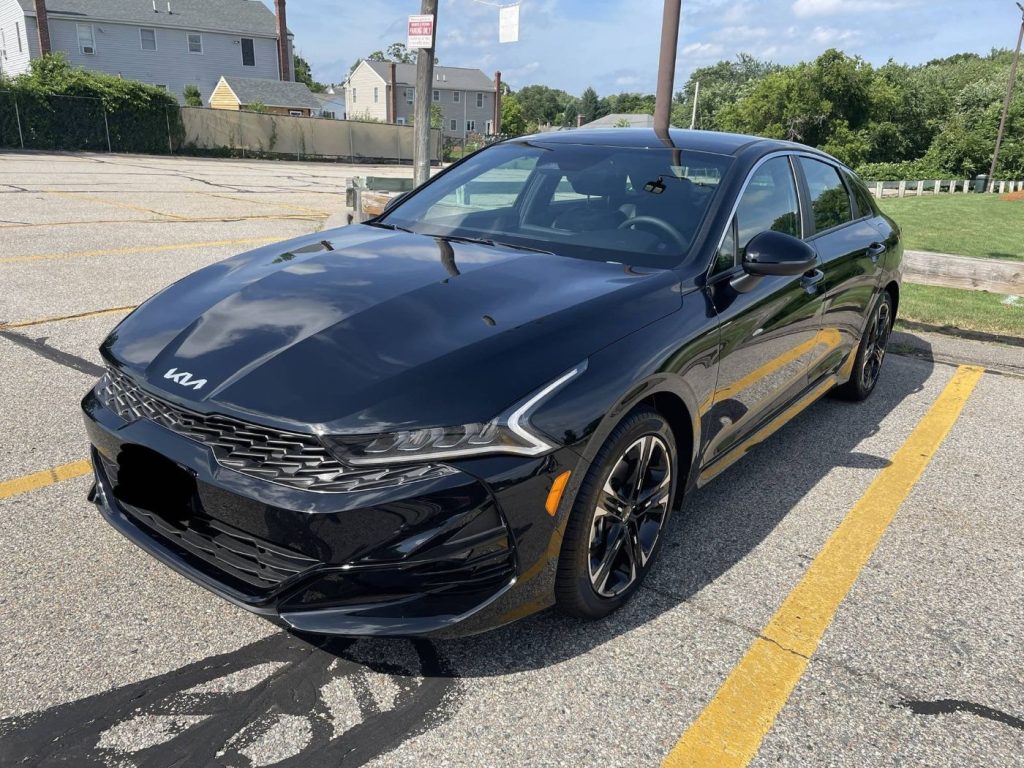
Although the driver’s seat sits higher than ideal and ride comfort suffers when equipped with the largest available wheels and tires, the 2022 K5 remains an impressive sedan, whether it’s chosen for family duty or something more personal.
Most versions of the K5 are powered by a 180-hp turbocharged 1.6-liter four-cylinder paired with an eight-speed automatic transmission. This engine is standard with front-wheel drive, while all-wheel drive can be added, except on the GT trim.
The front-drive, 180-hp K5 we evaluated delivered respectable around-town acceleration, reaching 60 mph in 7.0 seconds during our testing. It was less convincing at highway speeds, requiring more time to complete passing maneuvers. Even so, its cooperative transmission and well-insulated cabin ensured engine noise stayed mostly muted.
Stepping up to the GT brings a far stronger 2.5-liter turbocharged four-cylinder producing 290 horsepower and 311 pound-feet of torque. This model also uses a dedicated eight-speed automatic featuring the same wet dual-clutch setup found in the Hyundai Sonata N Line.
Bigger brakes, a specially tuned suspension, and wider tires mounted on 19-inch wheels round out the GT’s upgrades. In our testing, the GT sprinted to 60 mph in just 5.2 seconds and stopped from 70 mph in 163 feet.
The Sonata N Line managed a slightly quicker 5.0-second run to 60 mph and stopped shorter at 152 feet, aided by its optional summer tires (the K5 is equipped only with all-season rubber), which helped give the Hyundai a small performance edge.
10. Volvo S60 AWD
Volvo designs its vehicles with Scandinavian weather in mind, and the S60 shows that heritage during U.S. downpours. Its AWD system reacts predictably, sending power to maintain stability rather than for sporty cornering.
The S60’s strong, linear braking inspires confidence during sudden stops on rain-soaked roads, and the headlights offer excellent clarity in fog and heavy precipitation. For safety-focused drivers who want a car that supports them during stressful weather, the S60 is a top contender.
The elegant and upscale 2021 Volvo S60 delivers many of the qualities shoppers expect from an entry-level luxury sedan, yet it still breaks from the segment’s traditional mold. Drivers who value dynamic handling above long-distance comfort will likely lean toward models such as the BMW 3-series or Genesis G70.
Unlike those rear-drive-based competitors, the S60 rides on a front-drive platform, which naturally makes it a bit less engaging from behind the wheel.
Even so, its lineup of four-cylinder engines offers plenty of strength, including a turbo- and supercharged option as well as a more muscular plug-in-hybrid configuration that shines brightest in the sport-focused Polestar variant.
The cabin is where the Swedish sedan truly stands out, with deeply supportive seats, distinctive Scandinavian design touches, and plenty of modern technology. Apart from its somewhat awkward infotainment interface and a base engine that lacks excitement, the 2021 S60 delivers daylong comfort and a refined, forward-thinking aesthetic.
The S60 T5 features a 250-hp turbocharged four-cylinder that sends power to the front wheels, while the T6 adds standard all-wheel drive and boosts output by 66 horsepower thanks to its added supercharger.
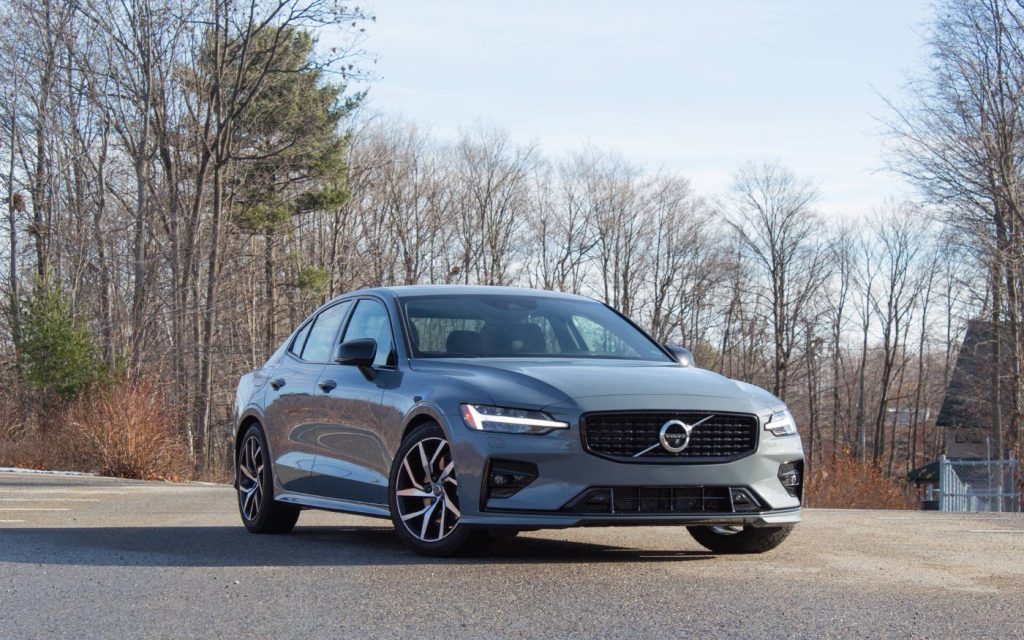
The output jumps significantly to 400 horsepower on the all-wheel-drive Recharge T8 plug-in hybrid, with the top-tier Recharge T8 Polestar offering an even more spirited experience. Its plug-in-hybrid system produces 415 horsepower and 494 lb-ft of torque and includes all-wheel drive.
Adaptive dampers and unique 19-inch wheels round out the Polestar’s upgrades, and it’s offered exclusively through the Care by Volvo subscription program.
In early drives of the higher-end S60 models, we came away highly impressed with their handling prowess. The steering was notably quick and precise on winding roads, and the cornering grip was exceptional. Both the 316-hp T6 R-Design and the powerful Recharge T8 Polestar felt genuinely swift and responsive.
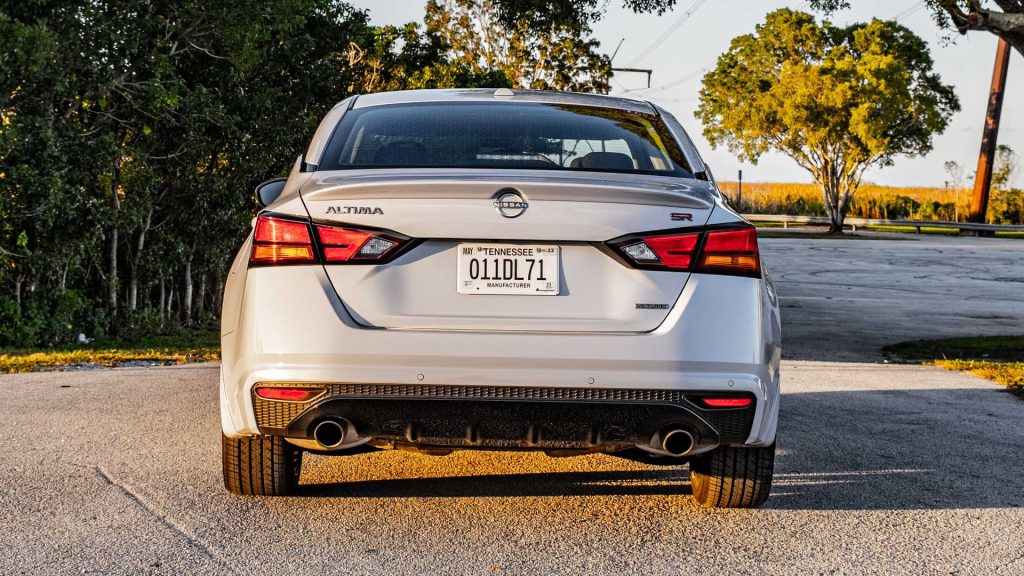
11. Nissan Altima AWD
The Altima’s optional AWD system gives it a noticeable edge in wet weather over many mainstream sedans. The car stays planted when accelerating onto wet freeway ramps or merging in heavy spray.
Nissan tuned the Altima’s CVT to avoid sudden surges of power, which helps maintain traction when the surface is slick. It’s an ideal pick for drivers who want a rain-ready sedan without stepping into luxury pricing.
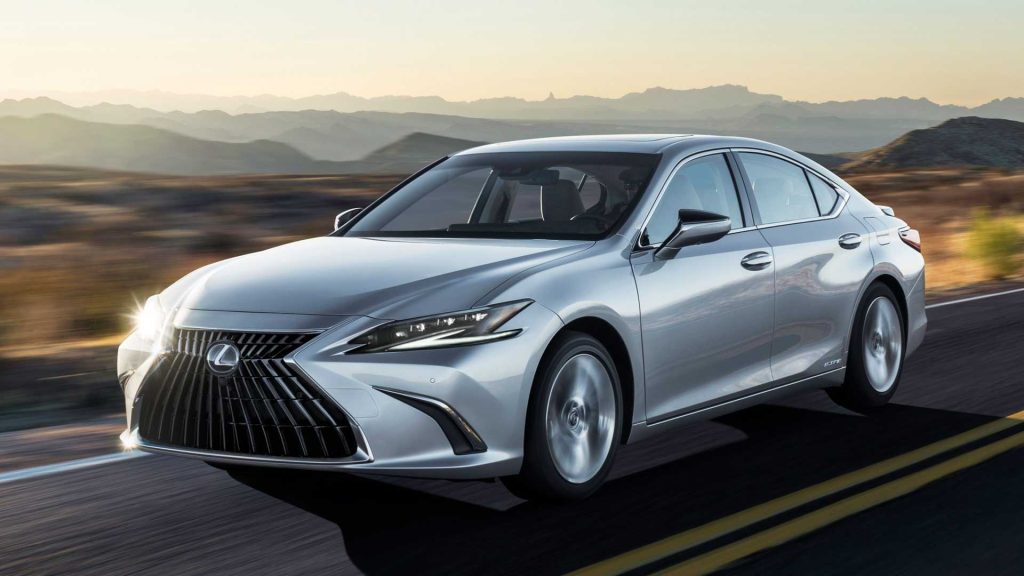
12. Lexus ES
The Lexus ES, especially in AWD form, may be the most calming sedan on this list. Everything about it, from the soft suspension to the muted cabin to the gentle throttle response, helps drivers stay relaxed during storms.
The ES doesn’t try to be sporty; instead, it focuses on stability, comfort, and consistency. Even in heavy rain at highway speeds, the ES glides with an effortless sense of control. It’s the sedan you want when you’re facing a long, rainy road trip and don’t want your nerves tested.
Rainy weather has a way of revealing a sedan’s true character. While any car can feel competent on a sunny day, only well-engineered models stay composed when the pavement turns slick, visibility drops, and standing water challenges traction.
The twelve sedans highlighted here excel because they combine predictable handling, strong stability systems, and driver-focused tuning that keeps them calm under pressure.
Whether they rely on all-wheel drive, carefully balanced front-wheel-drive dynamics, or luxury-grade suspension setups, each of these models offers something that matters deeply on wet roads: confidence.
American drivers face a wide range of weather conditions, Pacific Northwest drizzle, Midwest storms, Gulf Coast downpours, and everything in between. Choosing a sedan that handles these realities gracefully isn’t just about comfort; it’s about safety and peace of mind.
If you regularly commute through rain or want a car that won’t flinch when the clouds open up, these twelve sedans offer the stability, responsiveness, and reassurance you need. And in a world where driving can already be stressful, having a sedan that stays calm in the rain makes every journey feel a little easier.
