Drivers who frequently travel with pets know how challenging moisture control can be. Whether you’re taking your dog to the groomer or heading on a cross-country trip with a larger breed in the back, pets add humidity to the cabin through panting, shedding, and tracked-in moisture.
This often leads to fogged-up windows, reduced visibility, and a cabin that feels damp and uncomfortable.
In the US, where temperatures can swing dramatically from humid Southeast summers to freezing Midwest mornings, a vehicle’s ability to resist interior fogging becomes a real safety feature not just a comfort perk.
Fortunately, automakers have taken moisture management seriously over the past decade, refining HVAC systems, boosting cabin airflow, and designing vents that reach far corners of the interior.
Still, not all models are equal. Some have exceptional ventilation that keeps windows clear even with a panting Labrador in the back, while others steam up quickly the moment humidity rises.
Below are seven models that stay clear and safe for pet owners and seven that tend to fog up faster than drivers would like.
Cars That Don’t Fog Up With Pets
Having pets in the car, especially dogs or cats, can often mean extra moisture from fur, breath, or damp paws. That extra humidity can turn a comfortable ride into a foggy, stuffy mess, especially on cold or rainy days.
But some cars are much better equipped to keep the cabin air dry and windows clear, thanks to smarter HVAC systems, good ventilation, and thoughtful design aimed at controlling humidity.
In this article, we’ll highlight a few of the cars that tend to stay clear and comfortable even with pets on board, the ones whose ventilation, defogging, and cabin‑air management make pet trips safer and more pleasant.
Whether you’re commuting, running errands, or heading out on a long drive, these rides make it easier to keep visibility high and stress low.
1. Subaru Outback
The Outback remains a favorite among pet owners thanks to its wide cabin, easy-to-clean cargo area, and especially its strong climate control system.
Subaru’s high-flow ventilation distributes air evenly across the cabin, reducing hot spots and moisture pockets where fog tends to form.
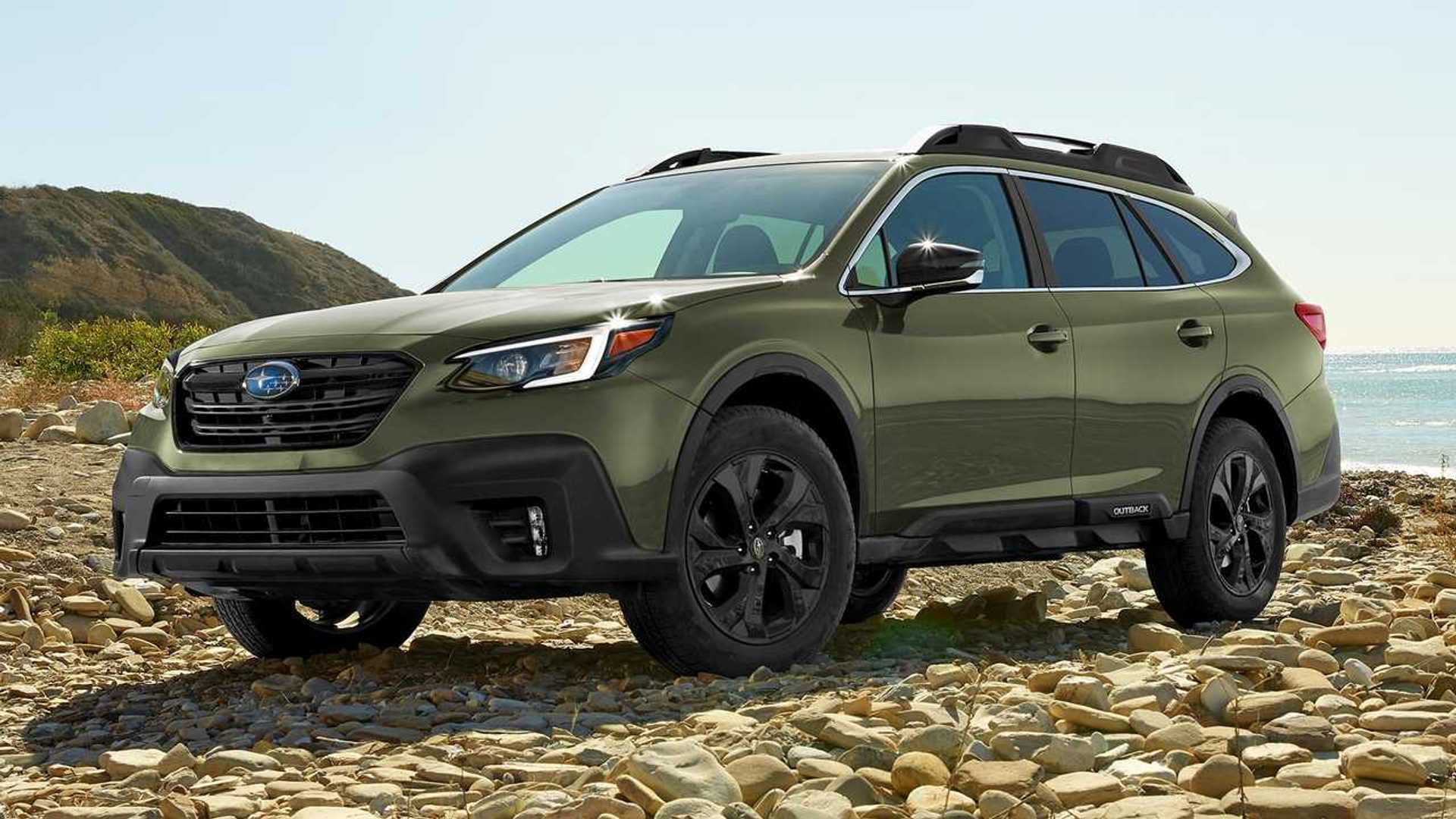
Rear vents ensure pets stay cool so they’re not panting excessively. In real-world use, the Outback stays notably fog-free even during cold morning warmups a big advantage for rural or mountain-area drivers.
2. Toyota Highlander
The Highlander’s three-zone climate control gives it a natural edge when pets ride in the back. Each zone maintains airflow independently, so if a dog adds humidity to the rear of the vehicle, the cooldown response happens quickly.
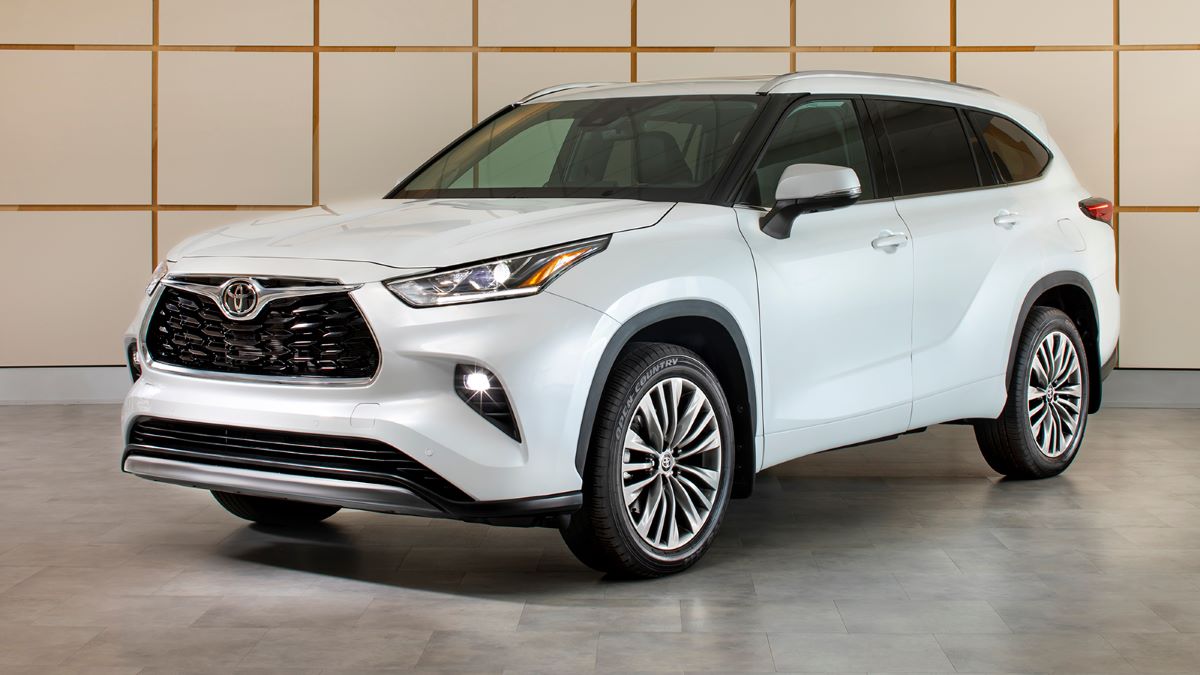
The Highlander’s defogger is also one of the faster-acting in the segment, clearing condensation before it grows across the windshield. Families in humid states like Florida and Louisiana particularly appreciate this flexible airflow setup.
The Highlander is powered by a 295-hp 3.5-liter V-6 engine, paired with an eight-speed automatic transmission and offered with either front- or all-wheel drive.
On a brief test drive, we found the V-6 handled short on-ramps without effort, and our all-wheel-drive test vehicle reached 60 mph in a respectable 6.7 seconds on the track.
Handling is stable though unremarkable, and the ride is well-suited to family driving. For more engaging driving dynamics, the Mazda CX-9 offers a more spirited experience.
Three-row SUVs serve as the modern-day equivalent of the classic family station wagon, and the 2021 Toyota Highlander fulfills that role reliably, and then some.
Buyers can opt for the standard V-6 engine or choose the fuel-efficient hybrid variant, with both powertrains available in all-wheel drive. The cabin offers three rows of seating, though the rearmost row is best suited for children or young adults.
The well-equipped interior includes an array of infotainment features and smart storage solutions. Toyota also outfits every Highlander with a comprehensive suite of standard driver-assistance technologies for added safety.
The Highlander delivers a calm, comfortable ride with adequate acceleration, but its generally unenthusiastic driving character positions it just behind leading mid-size SUVs such as the Kia Telluride and Hyundai Palisade.
3. Honda CR-V
Honda’s CR-V uses an intelligent climate system that prioritizes windshield clarity under certain humidity conditions. Its in-cabin humidity sensor detects moisture increases such as from a wet dog after a lake trip and automatically adjusts airflow.
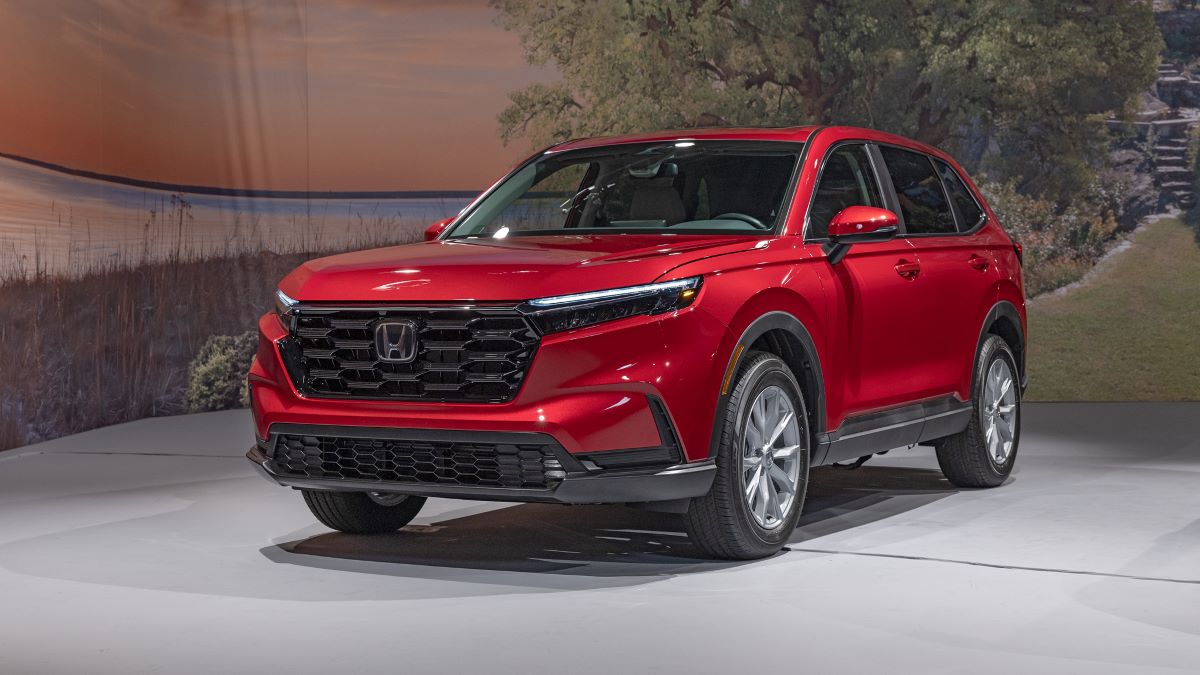
Because the CR-V’s cabin is compact but well-ventilated, it prevents moisture from lingering. The result is an SUV that rarely fogs up, even with pets generating steam in the back.
4. Ford Explorer
The Explorer’s cabin is big enough to reduce the concentration of humidity from pets, but its HVAC performance is the real secret.
Ford designed the Explorer with strong upper-dash vents that launch airflow directly onto the windshield and front windows.
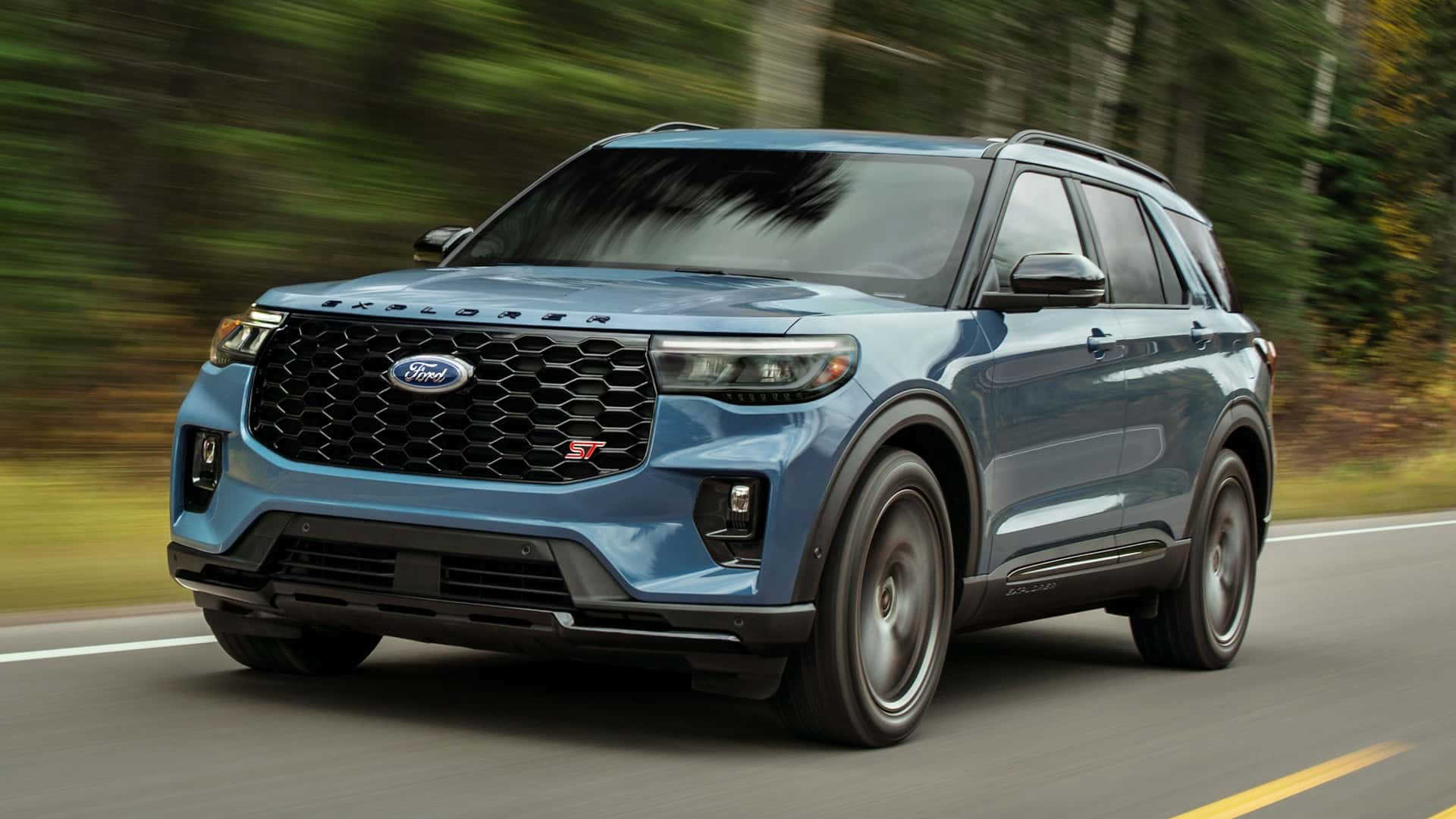
With rear airflow available across multiple rows, pets get fresh air quickly, and fog doesn’t build up in pockets. Drivers in colder climates appreciate how well the system balances quick warmups with moisture-control.
If you’re in the market for a 2021 mid-size SUV, Ford is hoping its Explorer will earn a spot in your driveway. The SUV offers three rows of seating, ample cargo space, and comes equipped with many of the connectivity and safety features buyers expect.
The base and XLT trims come standard with a turbocharged four-cylinder engine and rear-wheel drive, with all-wheel drive available as an option.
A hybrid powertrain is also offered, while the top-tier Platinum and sporty ST models feature a twin-turbo V-6. The Explorer is a solid choice, though competitors like the Kia Telluride, Hyundai Palisade, and Mazda CX-9 feel more refined.
The base, XLT, and Limited trims are powered by a 300-hp turbocharged 2.3-liter four-cylinder engine that provides confident acceleration. Drivers seeking more performance may prefer the Platinum, which comes with a 365-hp twin-turbo 3.0-liter V-6, or the sportier Explorer ST, which uses a 400-hp variant of the same engine
A hybrid version joined the lineup in 2020, pairing a 3.3-liter V-6 with an electric motor for a combined 318 horsepower. Properly equipped, the Explorer can tow up to 5,600 pounds.
The Explorer rides on a new rear-wheel-drive platform, with all-wheel drive available across the range. A 10-speed automatic transmission is standard on all models.
While the ride and handling are smooth and composed, they are not particularly thrilling, except in the Explorer ST, whose additional power and stiffer suspension deliver a genuinely athletic driving experience.
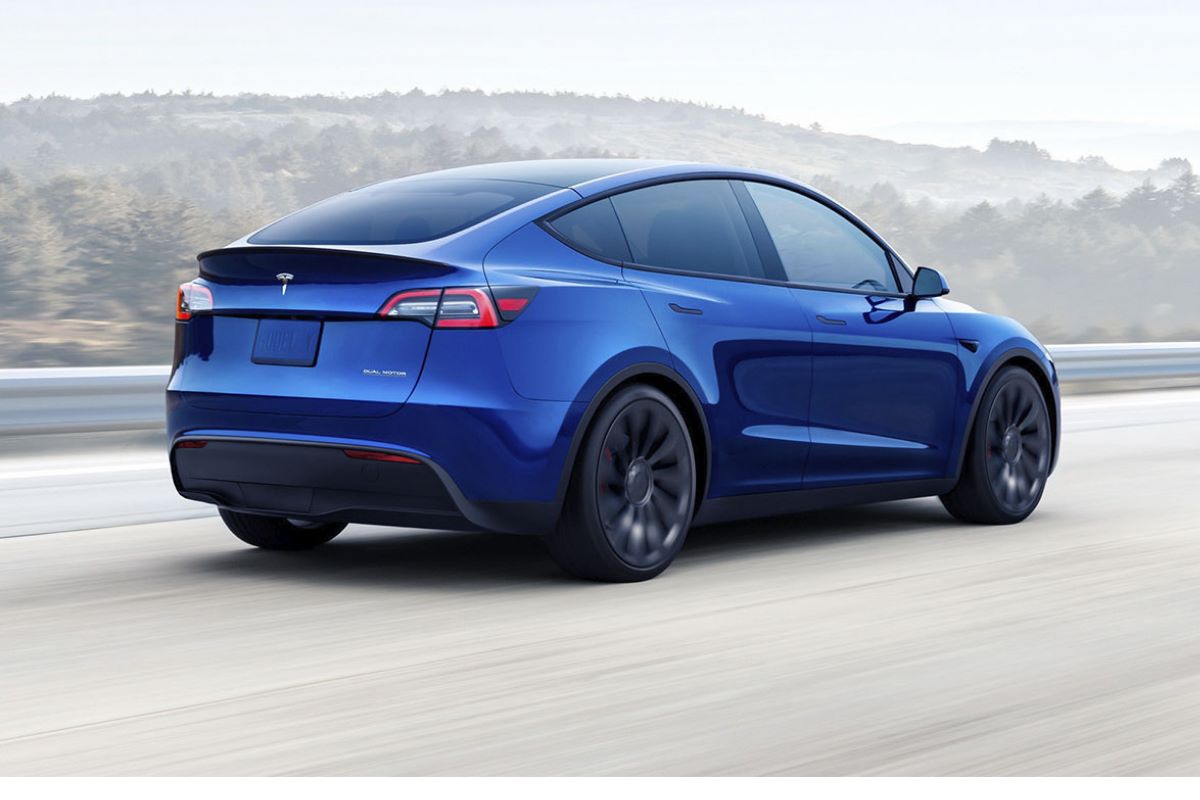
5. Tesla Model Y
EVs often struggle with fogging because they limit HVAC performance to save battery, but Tesla engineered the Model Y’s climate system to be powerful without sacrificing efficiency.
The cabin’s HEPA filtration and high-volume airflow maintain dryness better than many gas rivals.
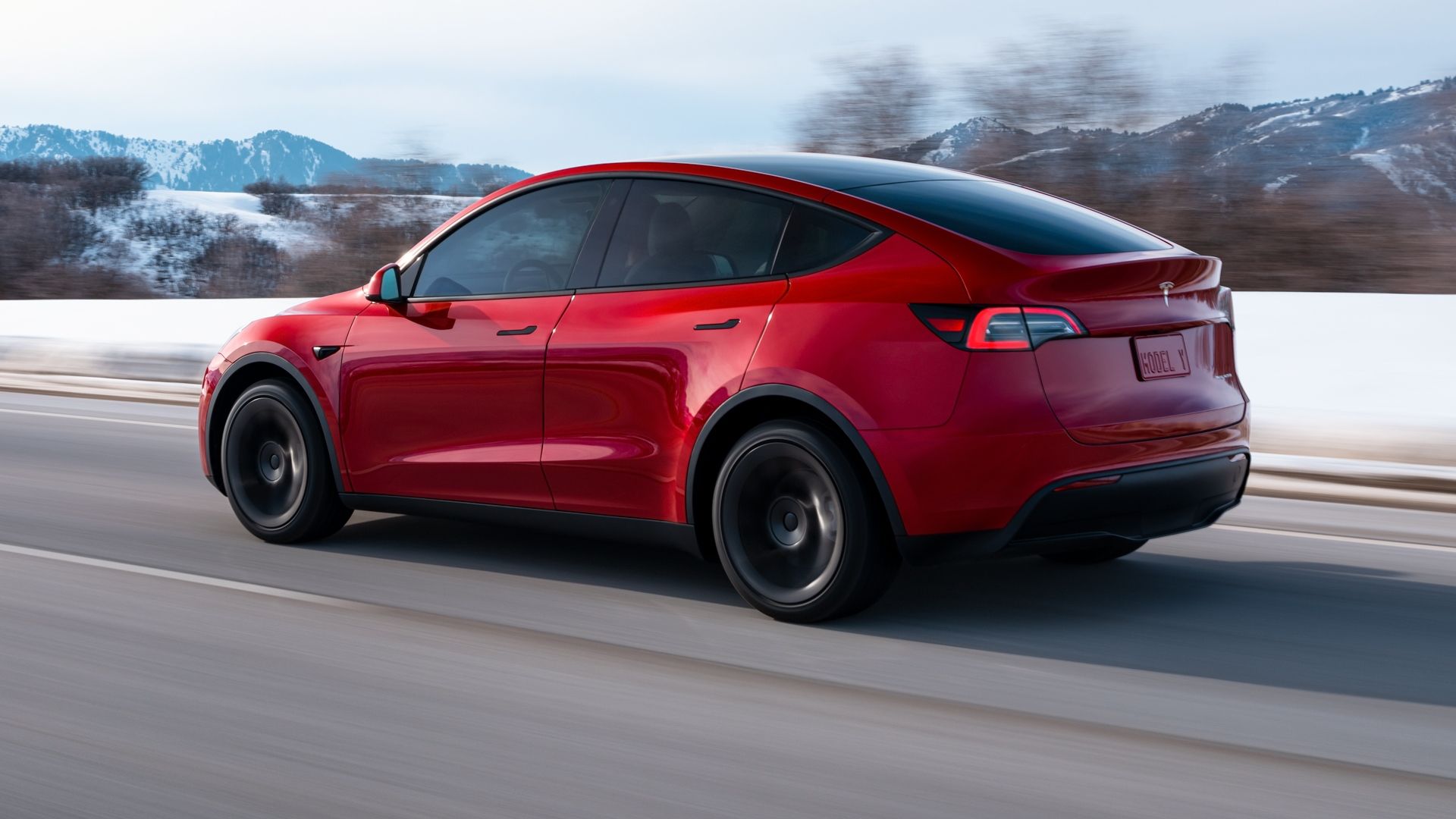
Pet owners benefit especially from “Dog Mode,” which keeps airflow consistent even when the car is parked preventing condensation buildup from the start. It’s one of the few electric crossovers that stays consistently fog-free.
6. Hyundai Palisade
The Palisade is known for its luxury-leaning interior, but its exceptional ventilation makes it a strong performer for pet families.
Large vents, quick-responding defoggers, and rear climate controls work together to keep airflow moving.
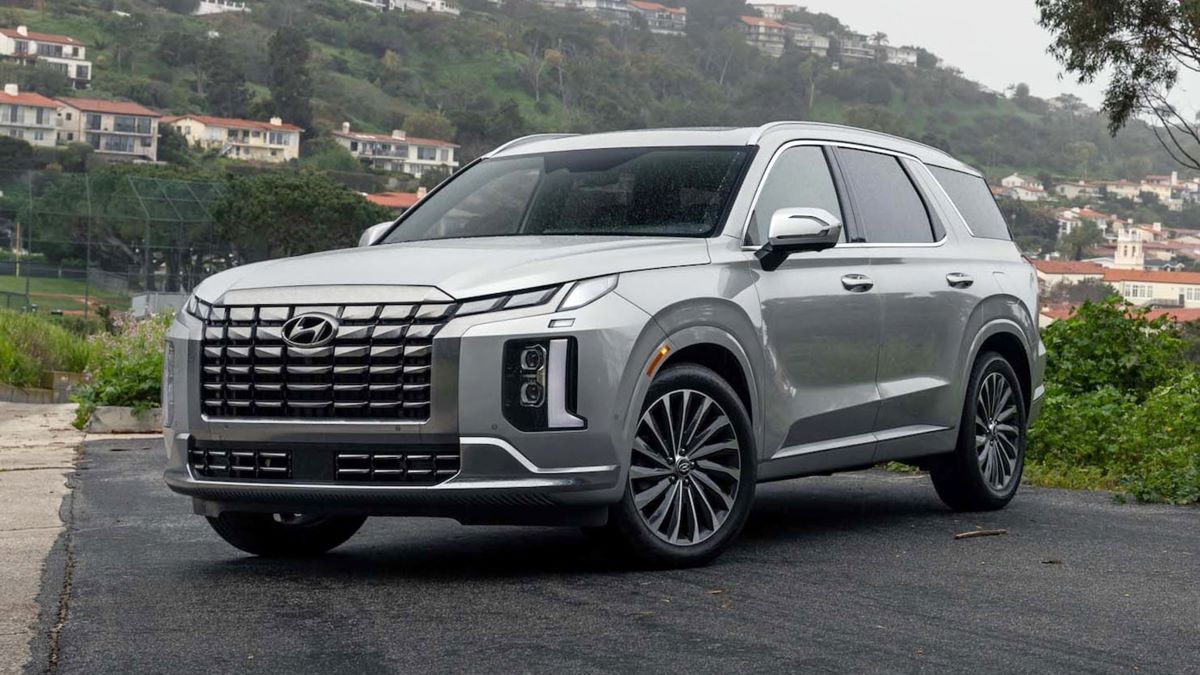
The cabin is spacious enough that humidity doesn’t build rapidly, and the HVAC reacts quickly when moisture spikes. This makes the Palisade a great match for multi-dog homes or long-distance travel with pets.
What the Hyundai Palisade lacks in outright performance, it compensates for with a well-rounded and capable overall package. The SUV accelerates from 0 to 60 mph in 7.6 seconds, a figure that is typical for a three-row SUV.
Passing at highway speeds can be done confidently, and in our emergency braking tests, the Palisade exhibited strong, predictable stopping power. For everyday driving, the brake pedal is easy to modulate, allowing for smooth and controlled stops.
While handling and steering are not standout features, the Palisade rarely feels awkward or unsettled when navigating turns. Thanks in part to a smooth-shifting eight-speed automatic transmission, it delivers a relaxed and stress-free driving experience, whether in city traffic or on the highway.
7. Jeep Grand Cherokee
Between its dual-zone climate control and powerful blower motor, the Grand Cherokee handles moisture better than many SUVs in its class.
Because Jeep designs its vehicles for varied climates desert heat, mountain cold, swamp humidity the Grand Cherokee’s system is calibrated to react aggressively to fog risk.
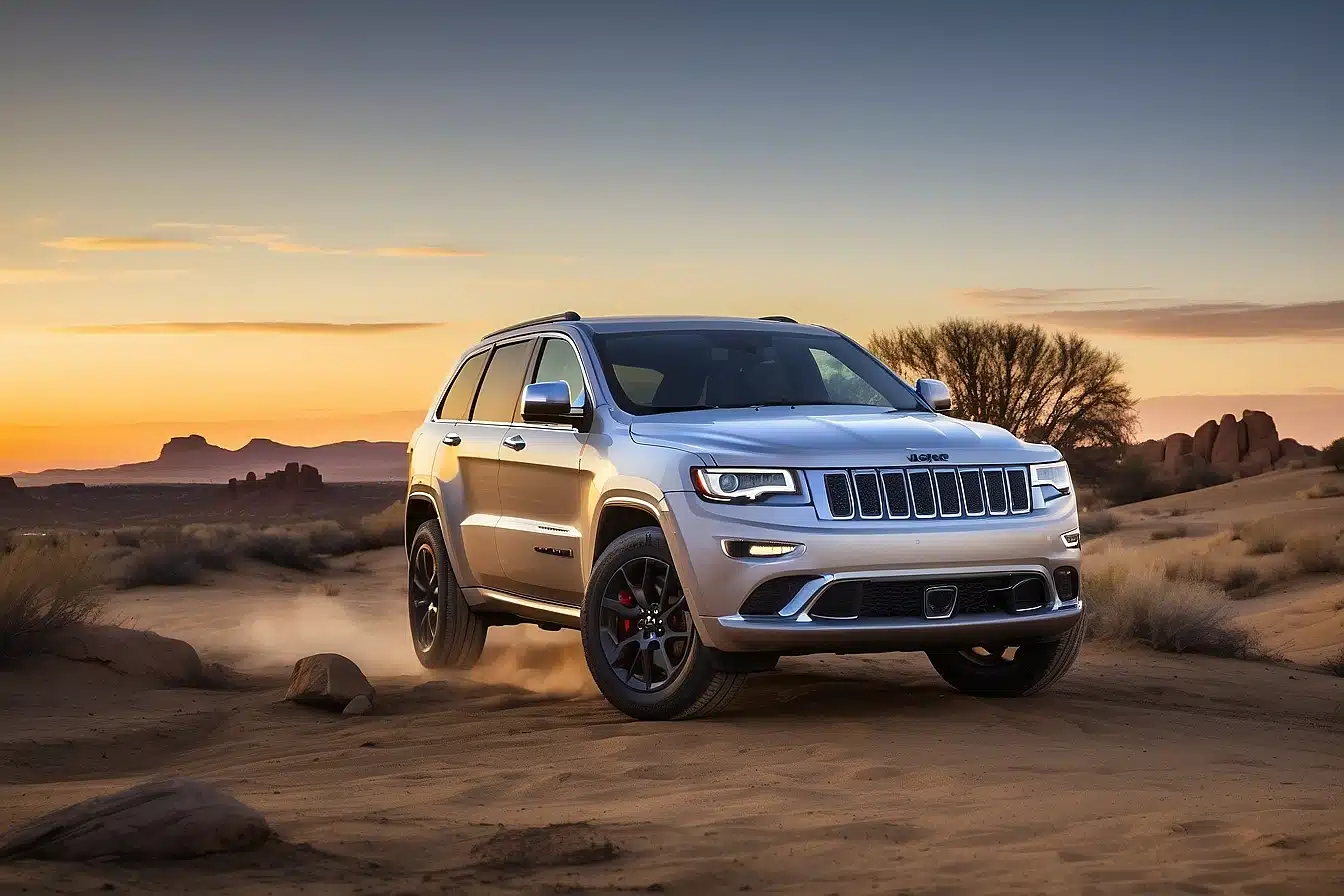
Windows stay clear even after pets jump in while wet. For drivers living near coastal regions or colder northern states, this performance stands out.
Cars With Steamy Windows
There are some cars that, despite modern cabins and climate controls, seem to turn into mobile greenhouses whenever the weather or passenger load changes.
A damp floor mat, pet paws, wet clothes, or even the combination of rain outside and warm air inside can quickly lead to fogged‑up windows, reduced visibility, and a stuffy, uncomfortable ride. For drivers in humid climates or colder seasons, this isn’t just annoying, it can be dangerous.
In this article, we dig into a number of cars known for steamy windows and poor defogging performance, the ones that make you wonder if you should’ve cracked the windows instead of depending on the vents. If you’re shopping for a car and want to avoid constant wiping and demisting, these are the models to approach with caution.
1. Nissan Rogue
The Rogue offers good efficiency and comfort, but its ventilation struggles when humidity rises quickly such as when pets enter the car after rain.
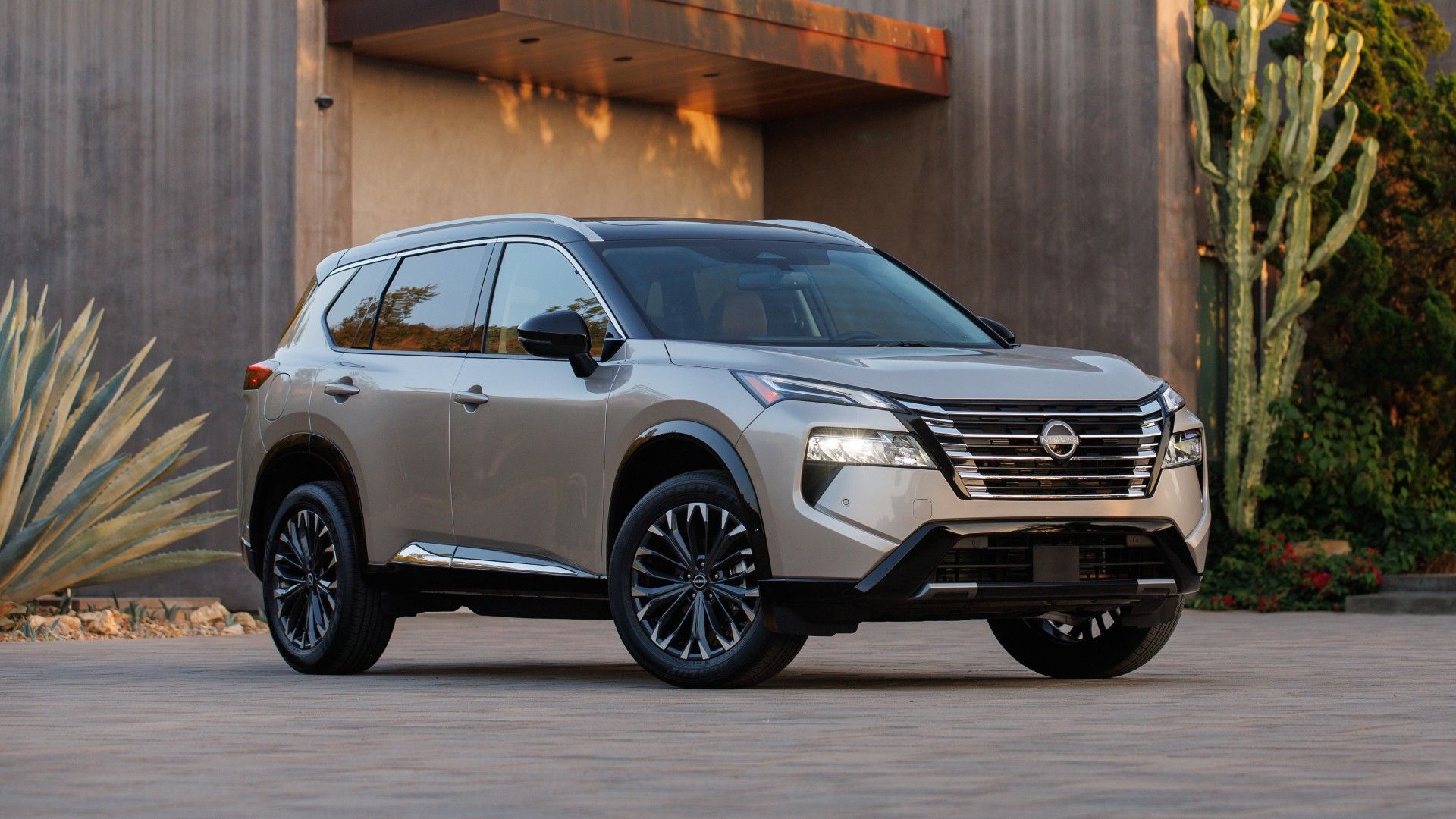
The cabin warms up fast in winter, but airflow isn’t strong enough to counteract moist air in the rear. Many owners report slow-clearing side windows, especially during rapid temperature changes.
The turbocharged three-cylinder engine delivers a surprisingly lively performance, providing ample power for passing and merging. It can accelerate from 0 to 60 mph in just over 8 seconds, which is respectable for the class.
However, during everyday driving, the engine and transmission don’t always respond seamlessly to throttle inputs. At times, the powertrain feels sluggish off the line, then abruptly surges, creating a somewhat uneven driving experience.
Through corners, the Rogue is capable and composed, though it doesn’t offer much excitement. The steering provides limited road feedback, and there is a noticeable dead zone when driving straight, particularly at city speeds. This can make the vehicle prone to drifting unless you rely on the Rogue’s lane-centering system.
2. Chevrolet Equinox
While the Equinox performs well in general, its defog system is slower than rivals, particularly on cold mornings.
Pets can easily overwhelm the cabin with humidity, and since the rear vents aren’t as powerful, moisture builds unevenly. Drivers often find themselves using manual controls more than they’d like to keep windows clear.
Chevrolet’s compact SUV gets a full redesign for 2025, with the Equinox now sporting a more rugged look reminiscent of a smaller Traverse.
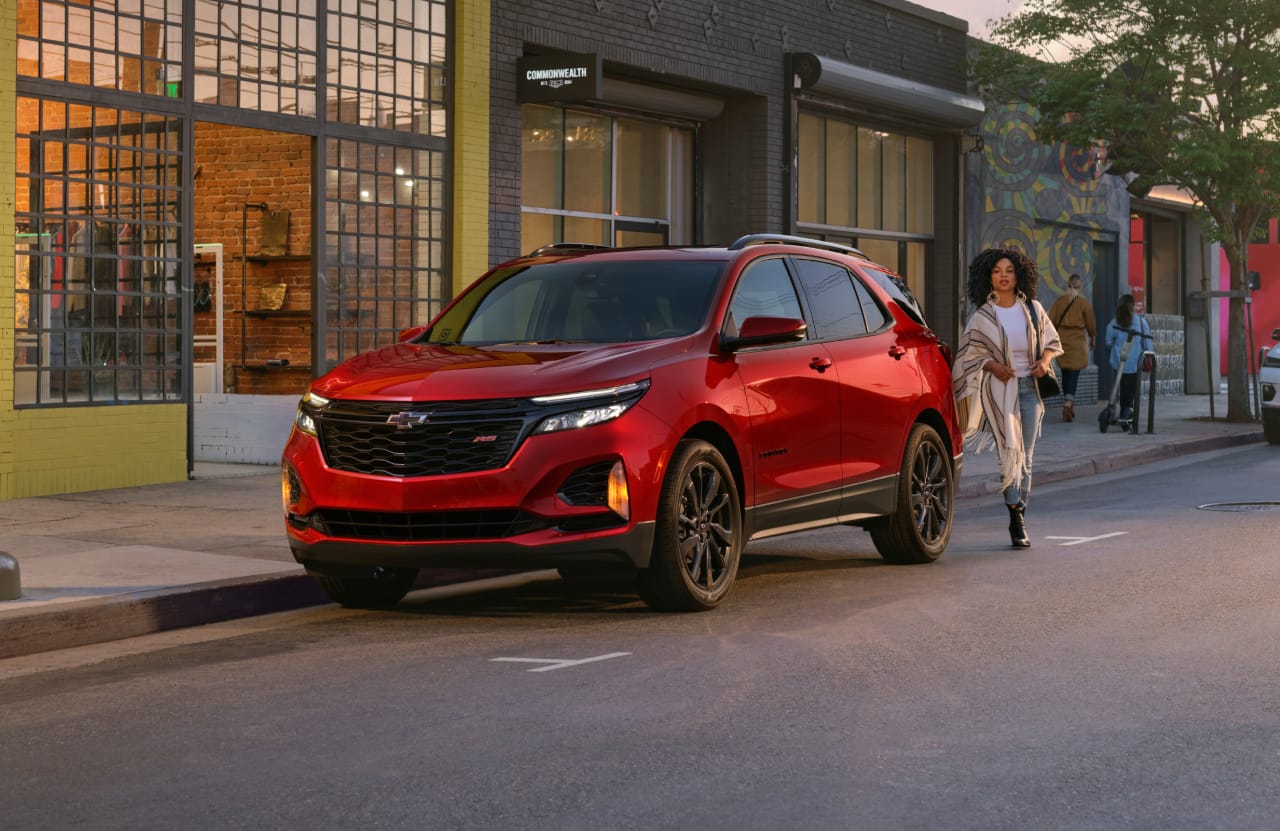
The interior has also been completely overhauled, featuring a redesigned center console and a boldly styled dashboard framed by two large round air vents. Dominating the cabin are two new digital displays: an 11.0-inch gauge display behind the steering wheel and an 11.3-inch touchscreen for the Google-based infotainment system.
Beneath the squared-off hood, the Equinox carries an updated version of the previous model’s turbocharged 1.5-liter four-cylinder engine paired with a continuously variable automatic transmission (CVT).
Front-wheel drive comes standard, while all-wheel drive is optional. On Equinox models equipped with all-wheel drive, the CVT is replaced by a traditional eight-speed automatic transmission.
3. Volkswagen Tiguan
The Tiguan’s sleek, European-leaning design doesn’t help its ventilation layout. Rear airflow is weaker, and the dash vents don’t distribute air as widely as other compact SUVs.
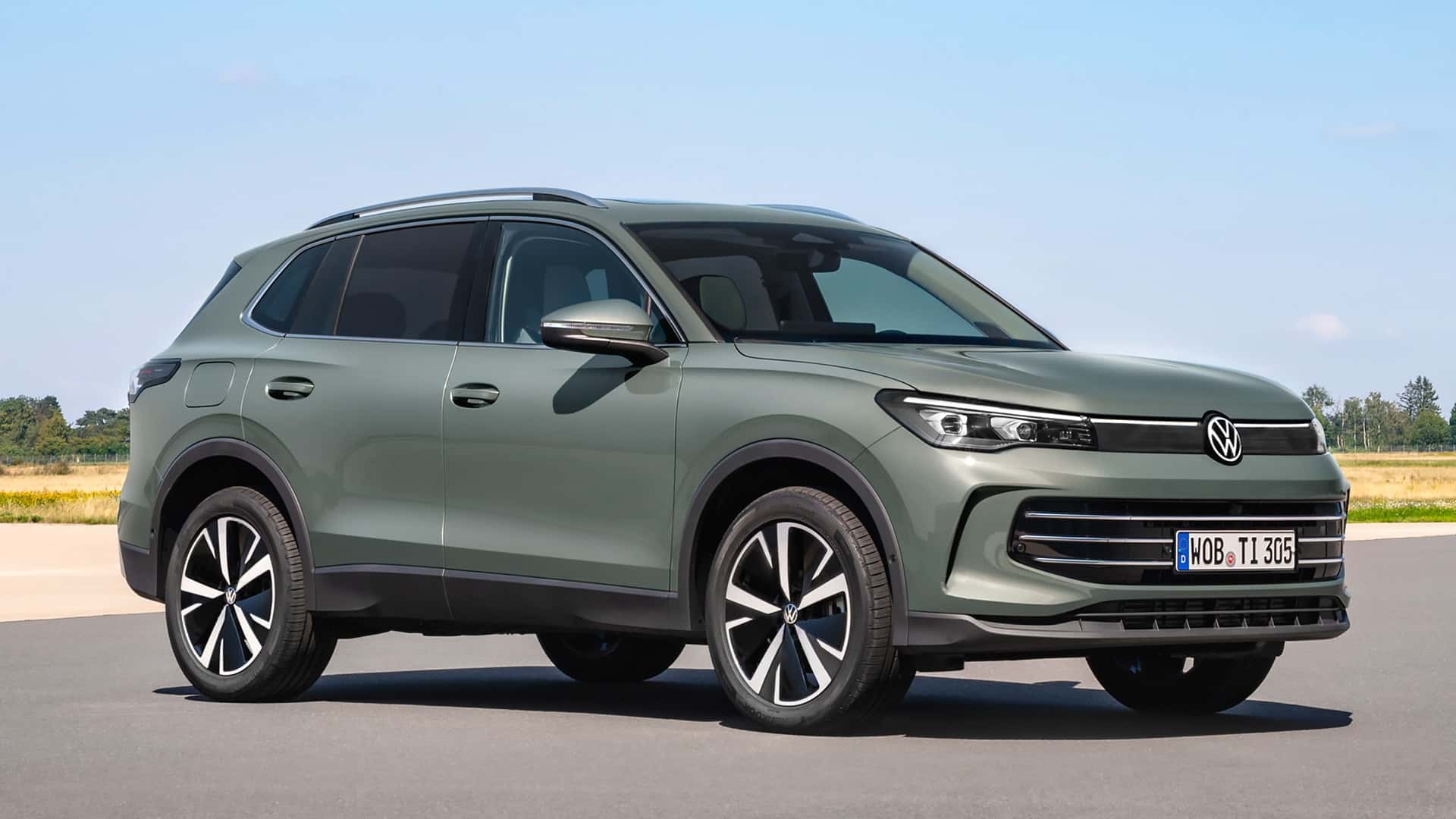
If pets are in the back seat, humidity tends to concentrate there, causing the rear side windows to fog quickly. In wet or snowy conditions, the defogger requires more time than most owners prefer.
The Volkswagen Tiguan adds a welcome touch of European flair to the competitive compact SUV segment. Fully redesigned for 2025, it boasts refreshed exterior styling, an upgraded interior with improved materials, and enhanced infotainment featuring larger 12.9- and 15.0-inch touchscreens.
On the mechanical side, the Tiguan now rides on VW’s EQB evo platform, the same platform that underpins the GTI hot hatch, which is great news for driving enthusiasts. The familiar turbocharged 2.0-liter four-cylinder engine receives a boost of 17 horsepower, raising output to 201 hp.
The new Tiguan benefits from the classic enthusiast formula of more power paired with less weight. Specifically, the turbocharged 2.0-liter four-cylinder jumps from 184 to 201 hp, and the overall vehicle weight drops thanks to increased use of aluminum in the suspension and high-strength steel in the redesigned body panels.
During our test drive, the Tiguan maintained the eager handling it was known for, and we appreciated the slightly heavier steering feel. The turbo-four is enjoyable to drive, though its response from a standstill is not as quick as we would prefer.
4. Mazda CX-5
The CX-5 shines in style, handling, and refinement, but cabin airflow is not its strongest trait. Because the interior is more compact and well-sealed, humidity from panting pets accumulates fast.
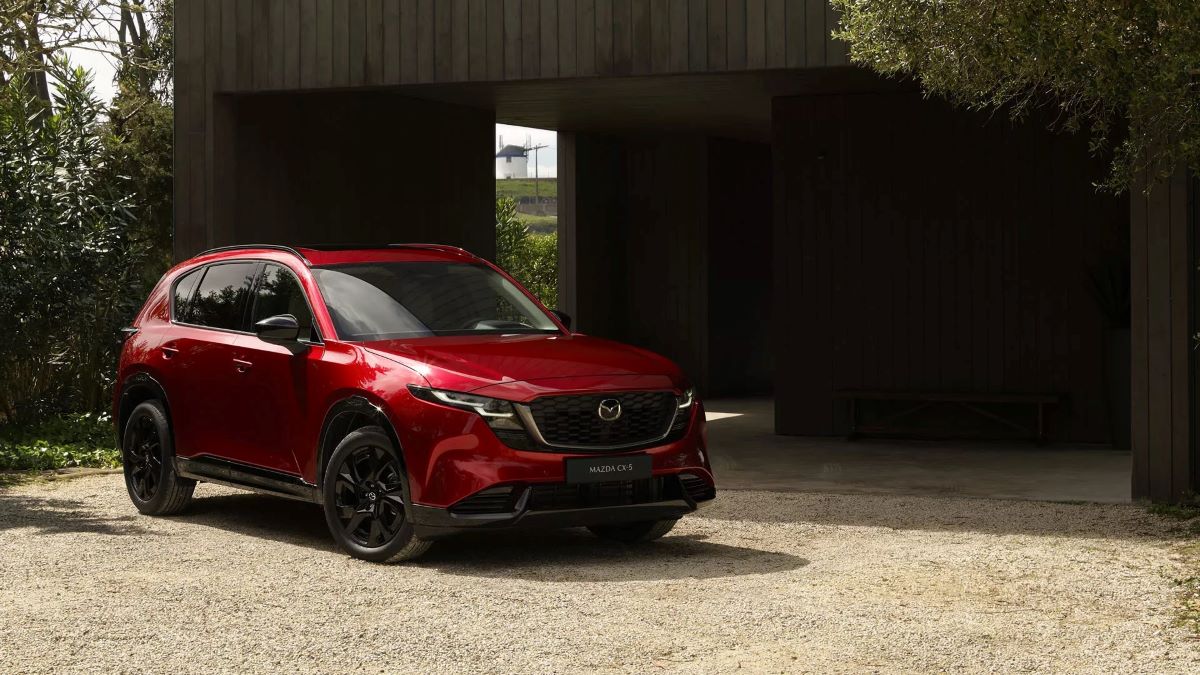
The defogging system works, but it feels underpowered compared to segment leaders, particularly in the winter.
5. Jeep Compass
The Compass is popular for its price and rugged styling, but the climate system lacks the quick, moisture-balancing response of larger Jeep models.
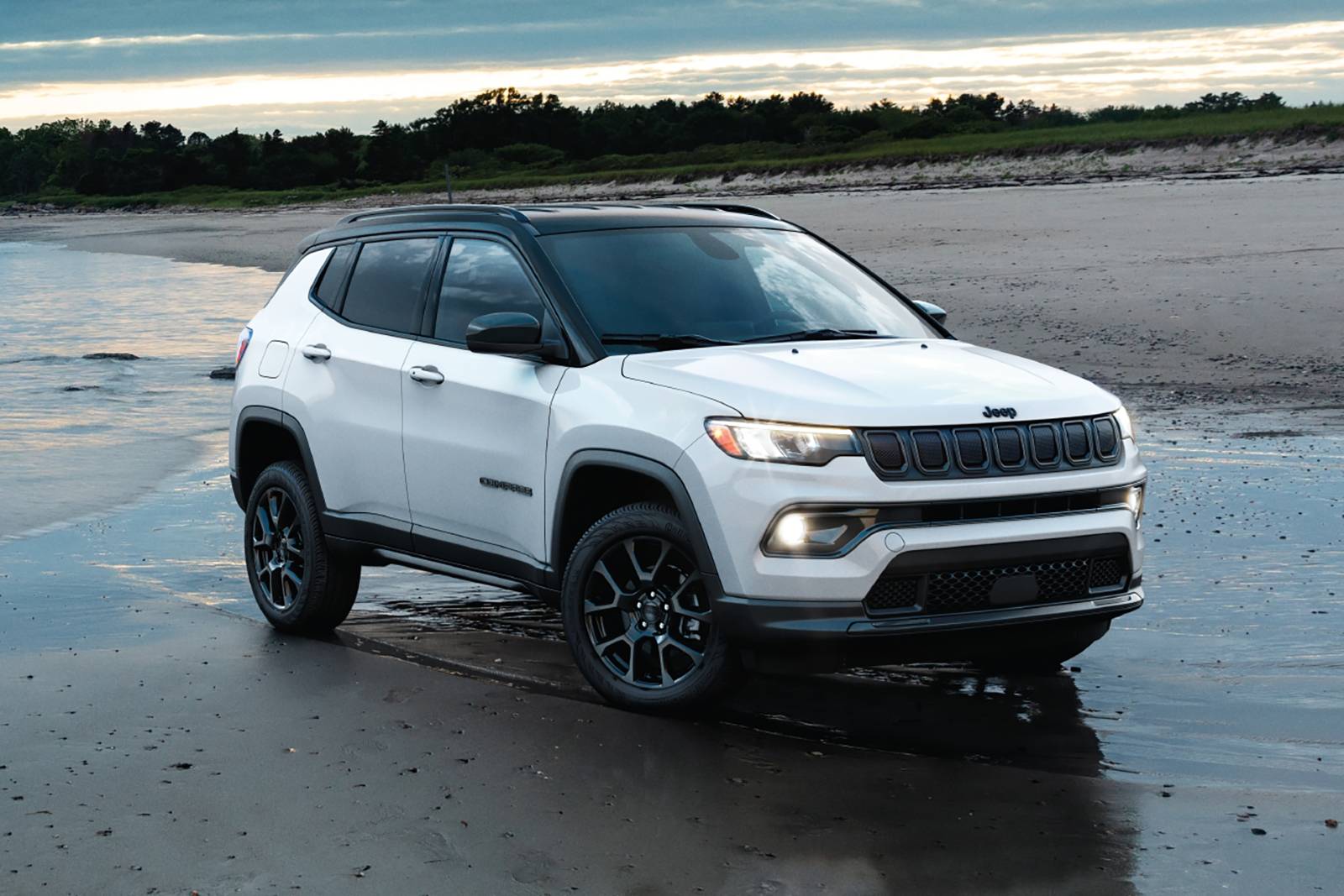
Pets significantly increase cabin humidity, and the Compass often fogs up around the edges of the windshield. Side windows also take time to clear. It’s manageable, but not ideal for regular pet transport.
With the Cherokee on pause, Jeep now offers just one compact SUV: the Compass. Fortunately, the Compass was always the more appealing of Jeep’s two options, offering a roomier interior and more manageable dimensions.
It’s powered by a relatively efficient 200-hp four-cylinder engine paired with a smooth, unobtrusive eight-speed automatic transmission.
While it may not be as engaging to drive as many rivals, the Compass delivers polite on-road manners and a comfortable ride. The Trailhawk variant is equipped for serious off-roading, though that capability is unlikely to be used by most buyers; for everyday driving, sharper handling and more precise steering would be preferable.
Standard all-wheel drive and a competitive starting price make it attractive, but rivals such as the Honda CR-V and Mazda CX-5 remain more well-rounded choices for those spending the bulk of their time on paved roads rather than off the beaten path.
All Compass models feature a 200-hp 2.0-liter turbocharged inline-four mated to an eight-speed automatic and driving all four wheels.
The Trailhawk takes it a step further with a more robust all-wheel-drive system, including a “crawler” gear ratio and an extra Rock mode for the Selec-Terrain system. On pavement, the Compass handles reasonably well, though its steering is vague and provides limited feedback.
There is some body lean in tight corners, yet the compact SUV remains composed overall. Competitors like the Mazda CX-5 and CX-50, however, deliver a level of driving engagement the Compass can’t quite match. In our brief off-road testing, the Compass navigated moderate obstacles with ease, and the all-wheel-drive system performed flawlessly.
6. Kia Soul
The Soul’s upright shape should theoretically help with airflow, but the climate system is on the lighter side and struggles to handle moisture spikes.
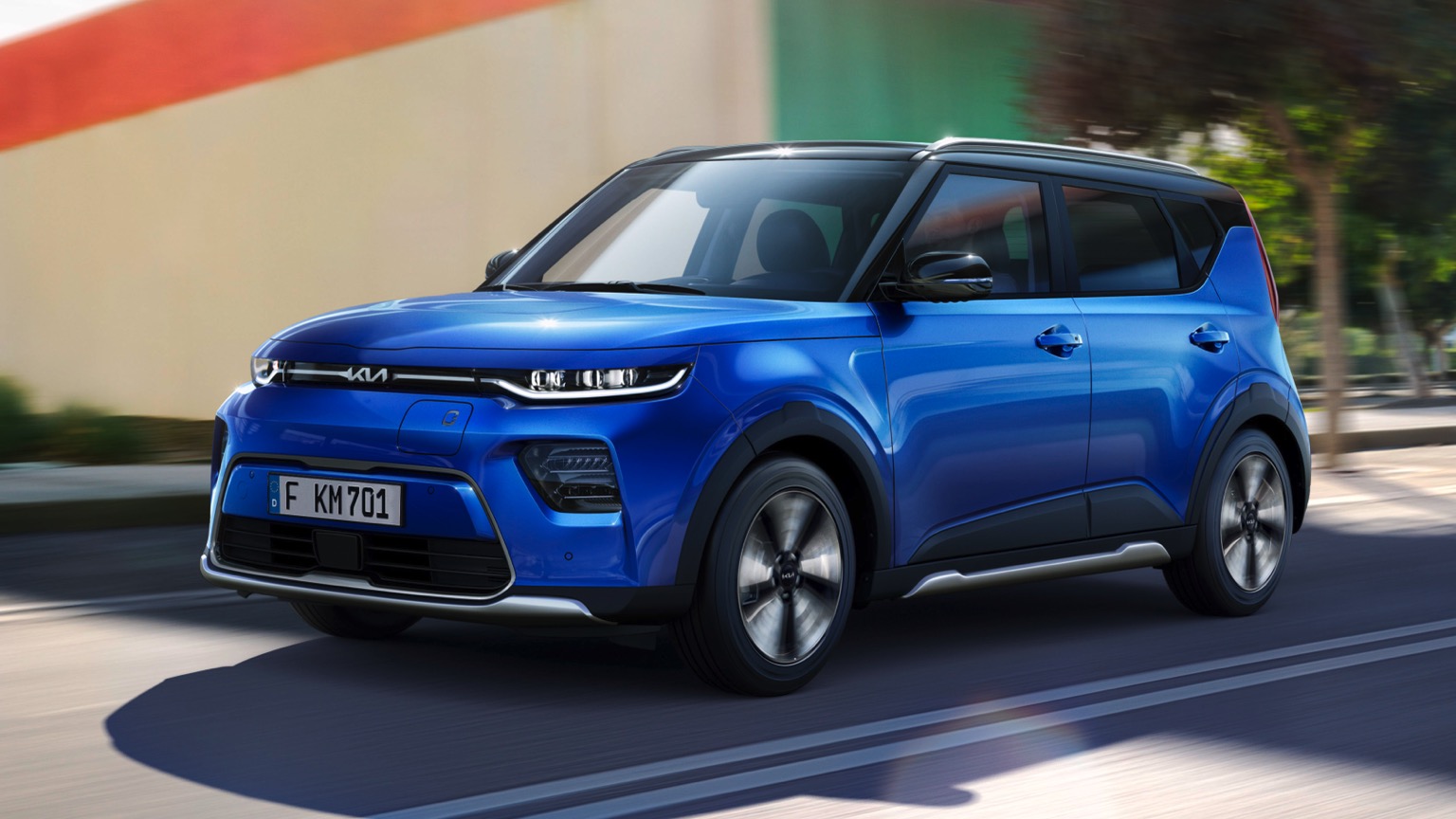
Pets especially larger breeds can quickly create enough humidity to fog the front windows. Owners in snowy or rainy climates experience this more frequently.
While it may be the target of social media jokes, the 2025 Kia Soul proves its worth with a combination of playful styling and a practical interior. Its boxy, upright design maximizes cabin space within a compact footprint, making it an excellent choice for city driving.
The Soul comfortably accommodates four adults along with cargo, all without being difficult to maneuver in tight spaces. Every model comes equipped with a 147-hp four-cylinder engine, a continuously variable automatic transmission (CVT), and front-wheel drive.
Those seeking all-wheel drive will need to look elsewhere, but buyers who are fine with front-wheel drive benefit from notable savings compared with all-wheel-drive rivals like the Chevrolet Trailblazer and Kia Seltos. A good set of snow tires can also handle winter conditions effectively.
Kia enhances the Soul’s value by including a generous array of standard features, including driver-assistance technologies, while also offering a variety of upgrades and styling options for personalization.
The sole engine choice is a 147-hp 2.0-liter four-cylinder paired with a CVT and front-wheel drive. Handling is not especially sharp, but the Soul isn’t designed to tackle corners like a sports car. For most drivers, it delivers a comfortable ride with just enough character to avoid feeling bland.
7. Toyota Corolla (Sedan)
The Corolla is reliable and efficient, but as a compact sedan with limited airflow to the rear seats, pets can make the windows fog in minutes.
Its defog system is adequate for normal use, but not robust enough to offset moisture from animals. Hatchback variants perform slightly better, but the sedan remains prone to steaming up in mixed weather.
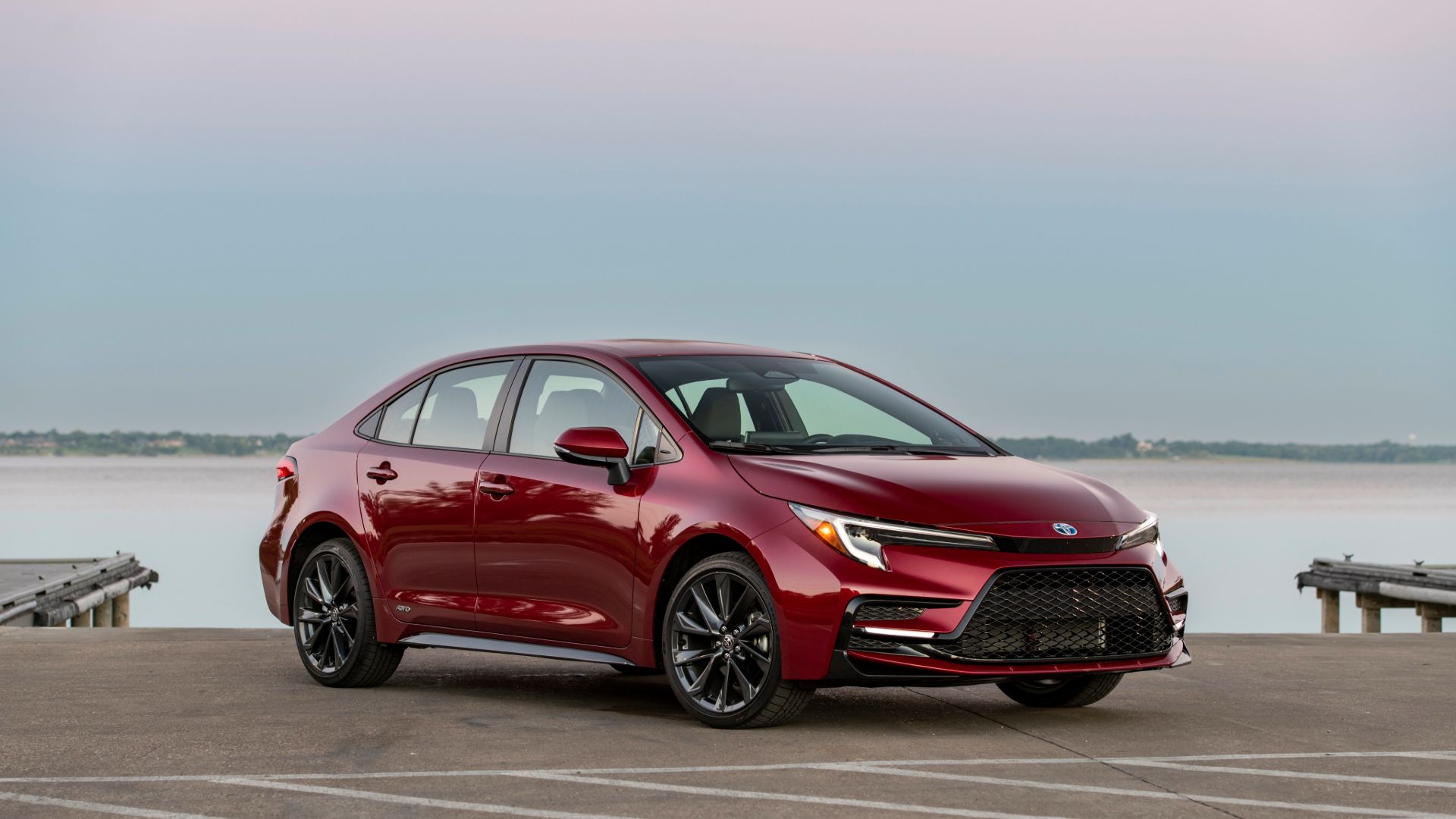
Foggy windows aren’t just inconvenient they’re a safety hazard, especially when driving long distances with pets whose comfort and ventilation rely entirely on the car.
The 2021 Toyota Corolla continues its reputation as an affordable, safety-focused, and well-equipped compact car. Available as either a four-door sedan or hatchback, the Corolla offers a range of personalities to suit different drivers.
Both body styles feature a pair of reliable four-cylinder engines, and a highly efficient hybrid powertrain is also available. Drivers who value engagement can opt for a manual transmission and a sport-tuned suspension, though the Corolla still falls short of the excitement offered by competitors like the Honda Civic and Mazda3.
While the hatchback’s rear seat is compact, it shares the sedan’s appealing interior design and thoughtful features. Overall, the 2021 Corolla may not be the most thrilling small car, but it remains an efficient, stylish, and practical choice.
The Corolla sedan, excluding the sportier SE and XSE trims, comes with a 139-hp 1.8-liter four-cylinder engine paired with a continuously variable automatic transmission (CVT) that drives the front wheels.
Steering feels progressive but falls short of the sharp, engaging feedback offered by athletic rivals like the Mazda3 and Volkswagen Golf. Braking performance from 70 mph to zero was not remarkable, requiring between 174 and 183 feet, but the brake pedals remained reliable and easy to modulate.
While many modern vehicles offer solid climate systems, the differences become obvious when humidity spikes suddenly, such as after outdoor adventures or rainy-day errands.
SUVs and crossovers with strong airflow distribution, larger cabins, and automatic humidity sensors consistently outperform compact sedans or budget-leaning models.
Pet owners in the US, particularly those living in moisture-heavy regions, should prioritize vehicles with multi-zone climate control, quick defogging, and strong rear ventilation.
Choosing the right vehicle ensures both clear visibility and a comfortable environment for your furry travel companions no towel-wiping the glass at every stoplight required.