
Finding the right used car in the United States often comes down to reliability, fuel economy, mileage, or price but one factor that quietly shapes everyday comfort is how well a vehicle seals out wind noise.
Anyone who’s spent time on the highway with a high-mileage SUV or a pre-owned sedan knows that a failing door seal doesn’t whisper it whistles.
And once that constant “whoooo” kicks in at 60 mph, it’s nearly impossible to ignore. Door seal wear is common in vehicles with years of slamming, flexing, temperature cycles, and even minor past accident repairs.
But some models hold up remarkably well, either because of better factory seal engineering, tighter door structures, or less body flex over time. Others… not so much.
For shoppers looking through the vast US used-car market, knowing which models stay quiet and which develop aerodynamic whistles is a small but powerful advantage especially for drivers who commute long distances or simply enjoy peaceful cabin time.
With that in mind, here are 7 used rides known for quiet, durable door seals, followed by 7 that too often develop wind whistles at speed.
This list focuses on real-world ownership impressions, known engineering tendencies, and how these vehicles age in typical American climates, from humid Southeast heat to Midwest freeze-thaw cycles.
Used Rides With Quiet Door Seals
Not all used cars are created equal, especially when it comes to keeping the cabin quiet and insulated from external noise. Over time, cheap door seals, thin glass, and minimal sound‑proofing can combine with road vibration, wind, and uneven surfaces to make even a once‑nice ride feel like a tin can on wheels.
But some used cars were built with solid engineering, tight seals, and sound‑deadening materials, the kind of vehicles that stay composed, peaceful, and calm even after many miles.
In this article, we’ll highlight a set of used rides known for their quiet door seals and solid cabin insulation, the ones where you still get a serene, comfortable ride long after you drive off the lot, rather than creaks, whines, or constant road noise.
1. Toyota Avalon (2014–2018)
The Toyota Avalon has long been Toyota’s quietest mainstream sedan, and its door sealing system contributes heavily to that reputation.
Even at higher mileages, Avalons tend to retain solid acoustic insulation thanks to multi-layer rubber seals, a stiff chassis, and doors that maintain alignment well over time.
Long-distance drivers praise how the Avalon stays hushed at 70 mph even after eight to ten years of ownership.
Its large, frameless window mounts and tight tolerances are less prone to the micro-gaps that create whistling. For US buyers who want Lexus-level quiet without Lexus prices, the Avalon is a standout used pick.
For last year’s comprehensive redesign of the Avalon, Toyota preserved the qualities that have long defined the model: exceptional comfort, generous interior space, and a reputation for reliability and quality.
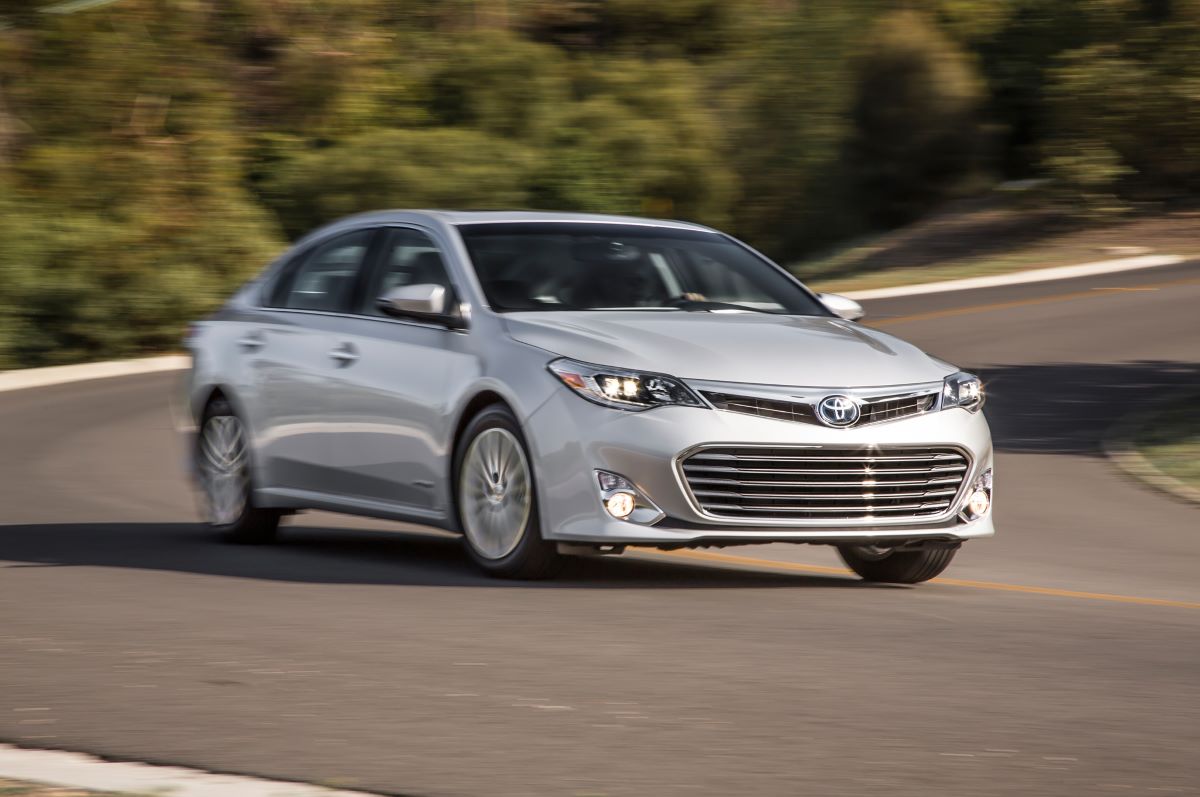
At the same time, the automaker enhanced the car’s handling, upgraded the cabin materials, and encased it in a sleek, stylish body. The result is a more well-rounded and desirable vehicle. In many ways, the 2014 Toyota Avalon now approaches the feel of an entry-level luxury sedan while still being a mainstream full-size car.
Regardless of classification, the Avalon is likely to impress. Whether you’re commuting solo or ferrying friends to lunch, the car delivers a quiet, spacious ride with ample front and rear seating.
Drivers and passengers alike will appreciate the vehicle’s comforting amenities, such as supportive seats, wide armrests, and available premium options like adaptive cruise control and heated and ventilated seats.
Performance is smooth and effortless thanks to Toyota’s refined 3.5-liter V6 engine, which produces a healthy 268 horsepower while still achieving an EPA-estimated 25 mpg combined.
Selecting an affordable full-size sedan in 2014 isn’t simple, given the strong competition from the newly updated Chevrolet Impala and the Chrysler 300.
The Hyundai Azera and Kia Cadenza also deserve consideration, as they offer solid features and value. Even so, the Avalon stands out as a compelling choice, boasting plenty of merits that justify a spot in your garage.
The 2014 Toyota Avalon is powered by a 3.5-liter V6 engine that produces 268 hp and 248 lb-ft of torque. Power is delivered to the front wheels via a six-speed automatic transmission, providing smooth and responsive acceleration for everyday driving.
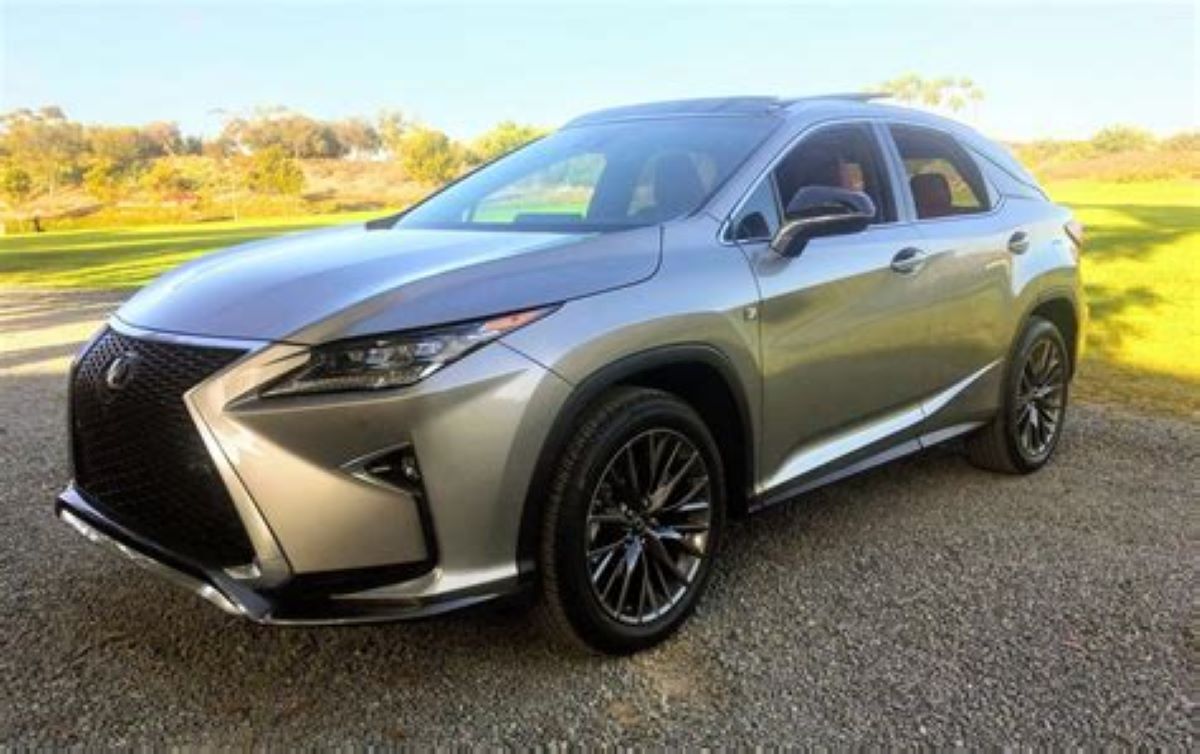
2. Lexus RX (2013–2019)
Toyota’s luxury arm takes sealing even more seriously. The RX, especially the third and fourth generations, uses thick, multi-lip weatherstripping that resists compression set the slow flattening that causes wind noise in many aging SUVs.
Owners frequently report that their RX stays whisper-quiet even past 150,000 miles. The curved A-pillar trim and stable side-mirror mounting also prevent turbulence around the door frame, which is a common source of whistles in boxier vehicles.
The original Lexus RX made a huge impact when it arrived in the late 1990s, helping to define the luxury crossover SUV segment and inspiring numerous competitors over the years.
The 2021 RX 350 continues that legacy admirably. It delivers a quiet and comfortable ride, a wealth of features, and strong overall value compared with pricier rivals. In addition to the standard RX 350, Lexus also offers a fuel-efficient RX 450h hybrid and a longer RX 350L that adds a third row of seating, both of which are reviewed separately.
While the RX 350 has plenty of strengths, it does face notable competition. The Acura MDX is a close rival, offering similar features, performance, and a spacious third-row seat.
Luxury competitors like the Mercedes-Benz GLE and BMW X5 also appeal to buyers, though they carry a significantly higher price tag. Overall, the 2021 RX 350 remains a smart choice for anyone seeking a comfortable and well-rounded luxury crossover SUV.
The RX 350 is available in two trims: the base model and the sportier F Sport. Both trims come equipped with a 3.5-liter V6 engine producing 295 horsepower and 267 lb-ft of torque, paired with an eight-speed automatic transmission. Front-wheel drive comes standard, while all-wheel drive is optional for both versions.
You can’t go wrong with either the base RX 350 or the F Sport, which offers a more athletic appearance.
3. Honda Accord (2018–2022)
The 10th-gen Accord brought a leap in design quality, including door sealing that ages well. Honda reinforced the door frames and hinges, meaning doors don’t sag or shift alignment as quickly as trucks or older sedans.
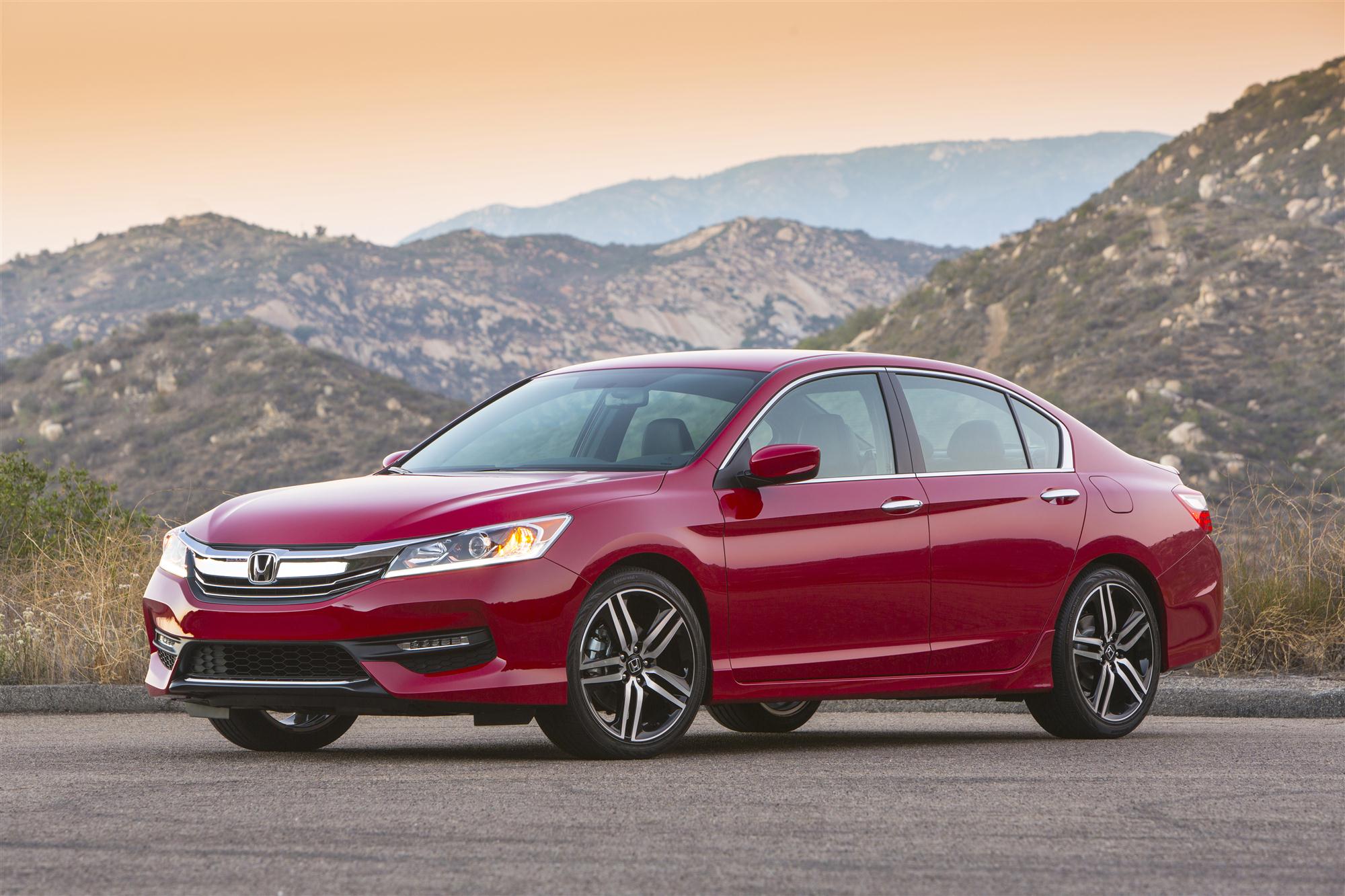
Even in northern states where cold winters can harden weatherstripping, the Accord tends to remain wind-noise-resistant. Many commuters note that highway cabin noise in this generation is impressively controlled for a non-luxury car.
4. Subaru Outback (2015–2019)
The Outback isn’t always quiet on rough pavement, but one thing owners consistently praise is its solid door seals. Subaru’s extra-wide rubber channels help keep water, dust, and wind out, even after years of outdoor exposure.
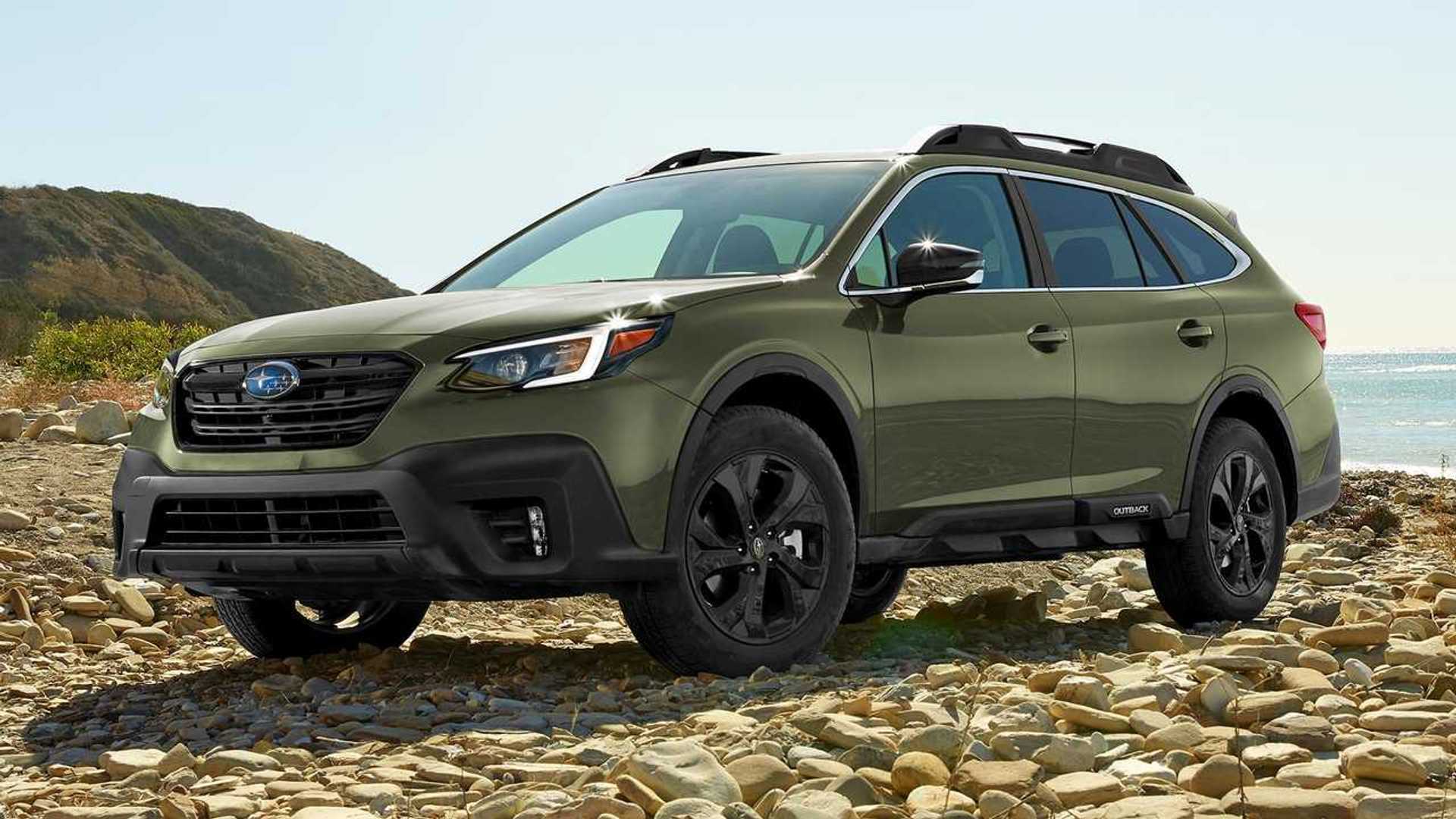
Because these vehicles are popular in colder states like Colorado, Washington, and Maine, many used Outbacks have extensive freeze-thaw cycles under their belt yet their seals remain intact.
As long as previous owners didn’t slam the doors excessively, this wagon-SUV hybrid keeps whistling at bay.
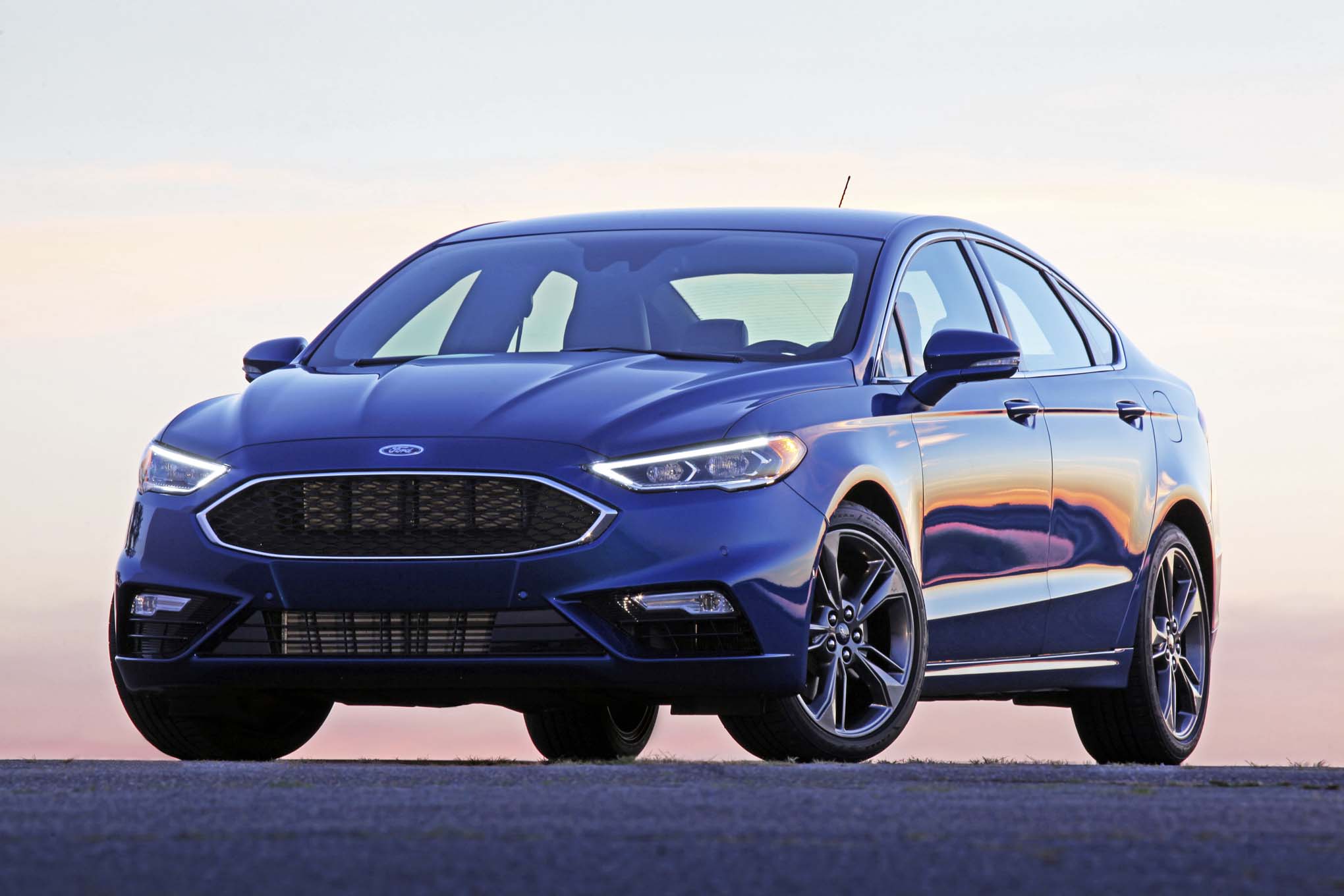
5. Ford Fusion (2017–2020)
Ford designed the late-generation Fusion with better aerodynamics and improved weatherstripping after earlier models received wind-noise complaints.
As a result, the final years of the model remain extremely good in used form. Owners frequently report quiet cabins at speed, even with higher mileage.
The Fusion’s tight door fitment holds alignment unusually well for an American midsize sedan, and the seals resist stretching or tearing an issue some other domestic models suffer from.
The 2017 Ford Fusion brings a series of thoughtful updates, chief among them the new Sync 3 infotainment system, which replaces the often-criticized MyFord Touch interface.
Sync 3 is faster and more intuitive, thanks to its large, smartphone-style menus and virtual buttons. While it may not be as visually striking as the previous system, it functions far more reliably and efficiently.
All 2017 Fusions also feature a subtle styling refresh, push-button ignition, and a rotary shifter that frees up space for more practical cupholders and storage bins.
New options include LED headlights and an improved automated parking system capable of both parallel and perpendicular maneuvers. At the top of the range, the Platinum trim packs nearly every available feature and is adorned with premium leather, creating a cabin that feels more luxurious than many entry-level luxury sedans.
For enthusiasts who crave old-school performance, the Fusion V6 Sport trim stands out. It is powered by a turbocharged 2.7-liter V6 producing 325 horsepower and a remarkable 380 pound-feet of torque.
This engine shares much of its DNA with the Ford F-150 full-size pickup, making the V6 Sport virtually unmatched among midsize family sedans when it comes to raw power.
The rest of the Fusion lineup faces competition from other capable family sedans. The Honda Accord remains a top choice for its well-rounded and sensible package, while the Chevrolet Malibu and Mazda 6 appeal to those who value style and engaging driving dynamics.
Yet the 2017 Fusion’s combination of practicality, driver engagement, and aspirational features makes it a versatile and stylish family sedan that’s difficult to beat.
Safety and technology come standard on every 2017 Fusion. This includes antilock disc brakes, traction and stability control, front-seat side airbags, front knee airbags, and side curtain airbags.
The Ford Sync system also features emergency crash notification, which can automatically call 911 when paired with a compatible smartphone. Additionally, Ford’s MyKey system allows owners to set limits and parameters for secondary drivers, such as teens or valet operators.
6. Hyundai Santa Fe (2016–2020)
Hyundai invested heavily in better sealing and noise reduction during this era. The Santa Fe’s triple-lip door seals and the vehicle’s rigid body structure help it stay quiet at highway speeds.
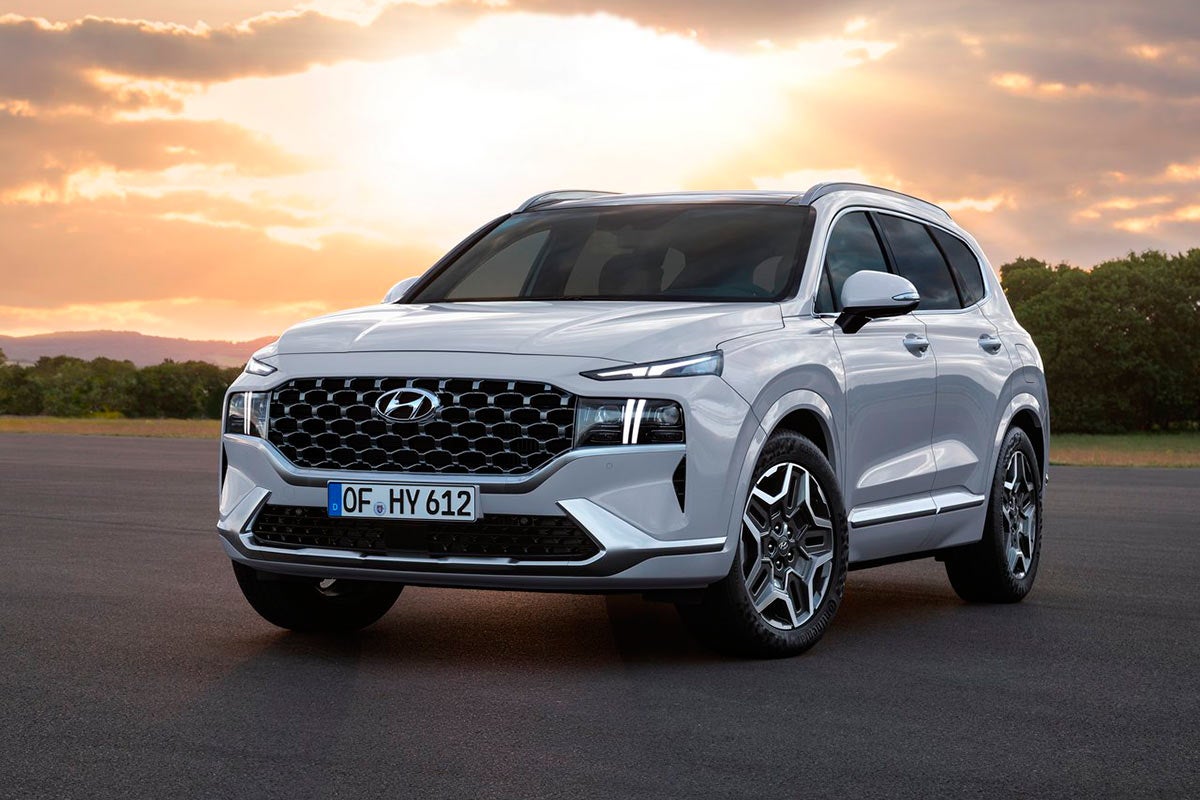
This makes it an attractive used SUV option for families and commuters who value peace on road trips. Even on older models, whistles are rare unless the vehicle was damaged in a side-impact crash or had poorly done door work.
7. Mazda CX-5 (2017–2021)
The CX-5 is known for its near-luxury ride quality, and the door sealing plays a big role in that. Mazda uses surprisingly thick weatherstripping compared to other compact SUVs, helping maintain a tight acoustic seal over years of use.
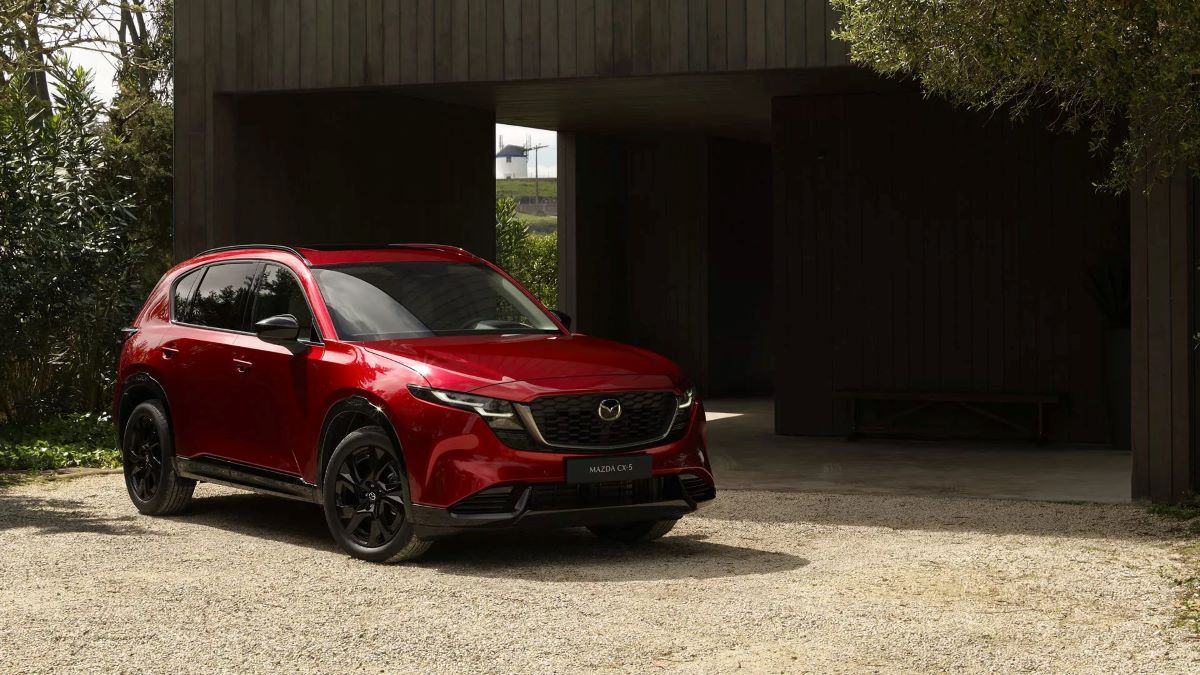
Even at higher speeds, the CX-5 avoids the common compact-SUV whistle caused by airflow around the side mirrors and A-pillar. This model is especially popular in coastal states, and its seals handle salt air exposure better than expected.
Used Rides That Frequently Whistle at Speed
Few things ruin a pleasant drive faster than a steady whistle or hiss as soon as you hit highway speeds — and with older cars, it’s surprisingly common. What should be a smooth, flowing ride instead turns into a noisy, annoying struggle, usually because of worn‑out seals, shifting body panels, or aging wind noise insulation.
In many “used rides,” those once‑tight door or window seals relax, trim becomes misaligned, or aerodynamics degrade, and all of a sudden the wind finds a way in, usually through places you didn’t expect.
In this article, we explore a number of used cars known for developing persistent whistling or wind‑noise issues when driven at speed. We look at what causes the problem, what owners should listen for when test‑driving or inspecting a used ride, and which models are especially notorious.
If you want to avoid cars that sound like whistles on wheels, this guide can help you spot the warning signs before you buy.
1. Jeep Wrangler (Any Generation)
The Wrangler’s removable doors and soft-top options make wind noise almost unavoidable. Even in its hardtop configurations, Jeep’s door design relies on a different sealing approach that naturally allows air intrusion, especially as the seals compress over time.
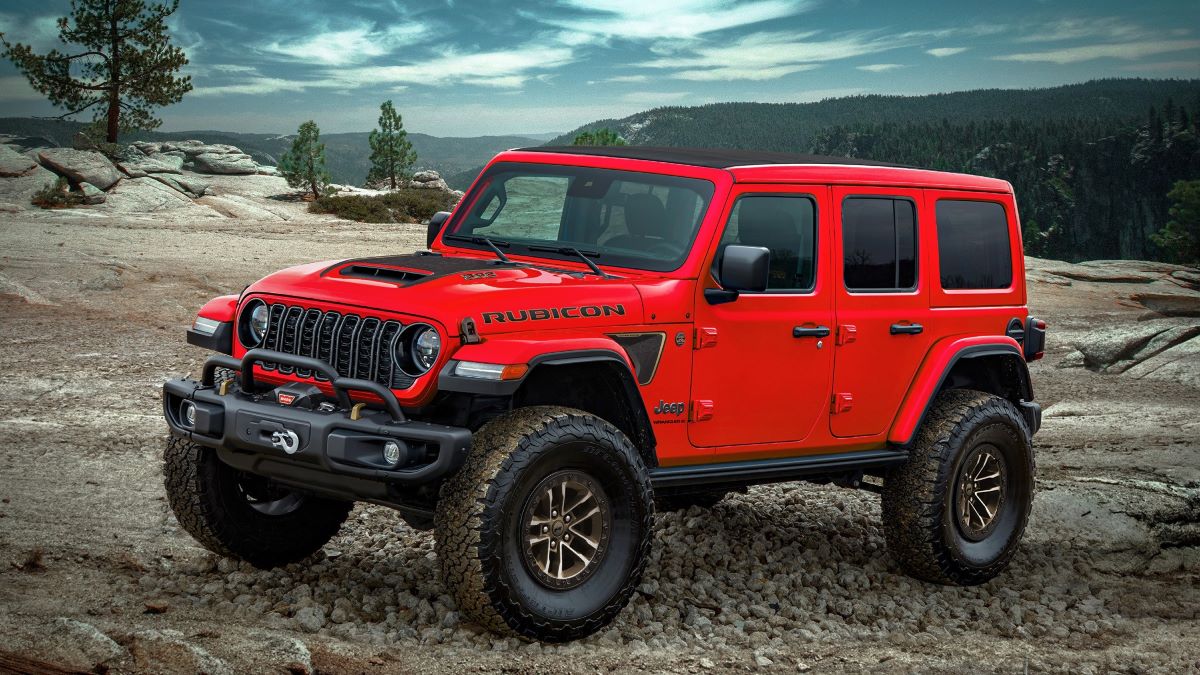
High-mileage Wranglers in the used market almost always develop some form of whistle at 55 to 65 mph. While enthusiasts accept this as part of the off-road charm, shoppers seeking quiet highway comfort should take note.
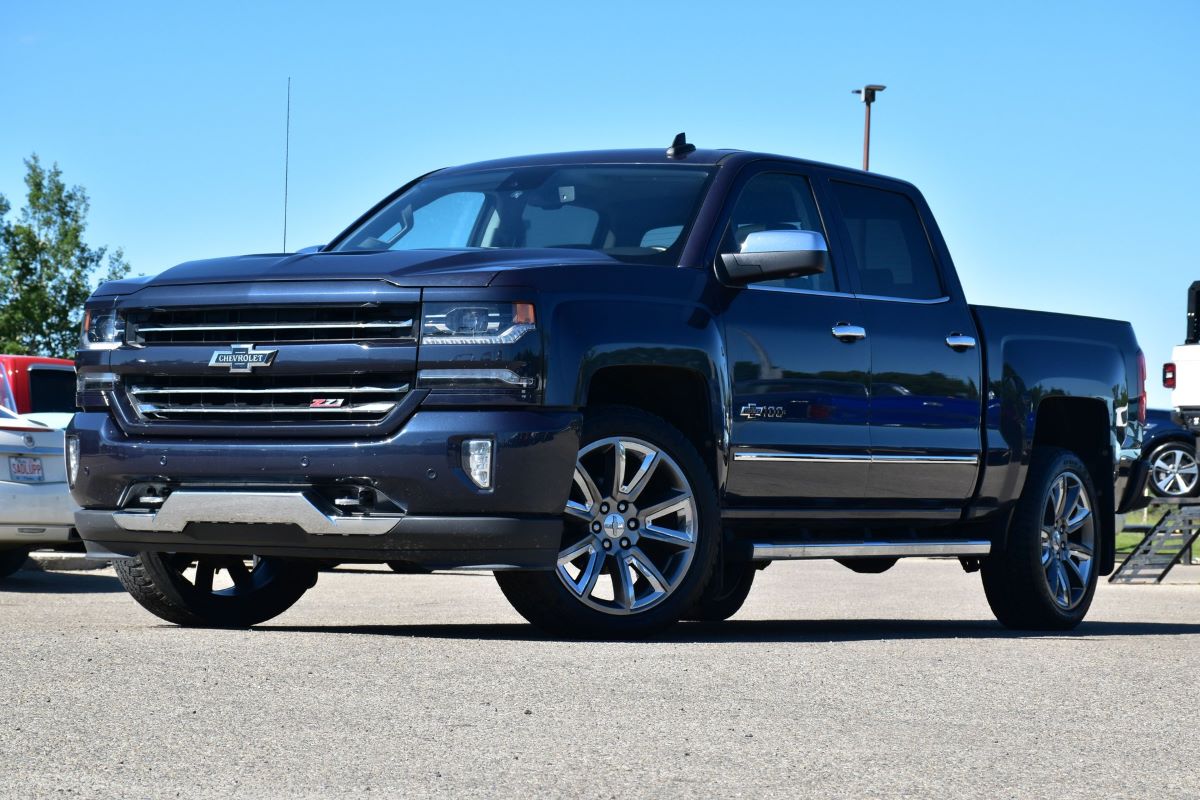
2. Chevrolet Silverado 1500 (2014–2018)
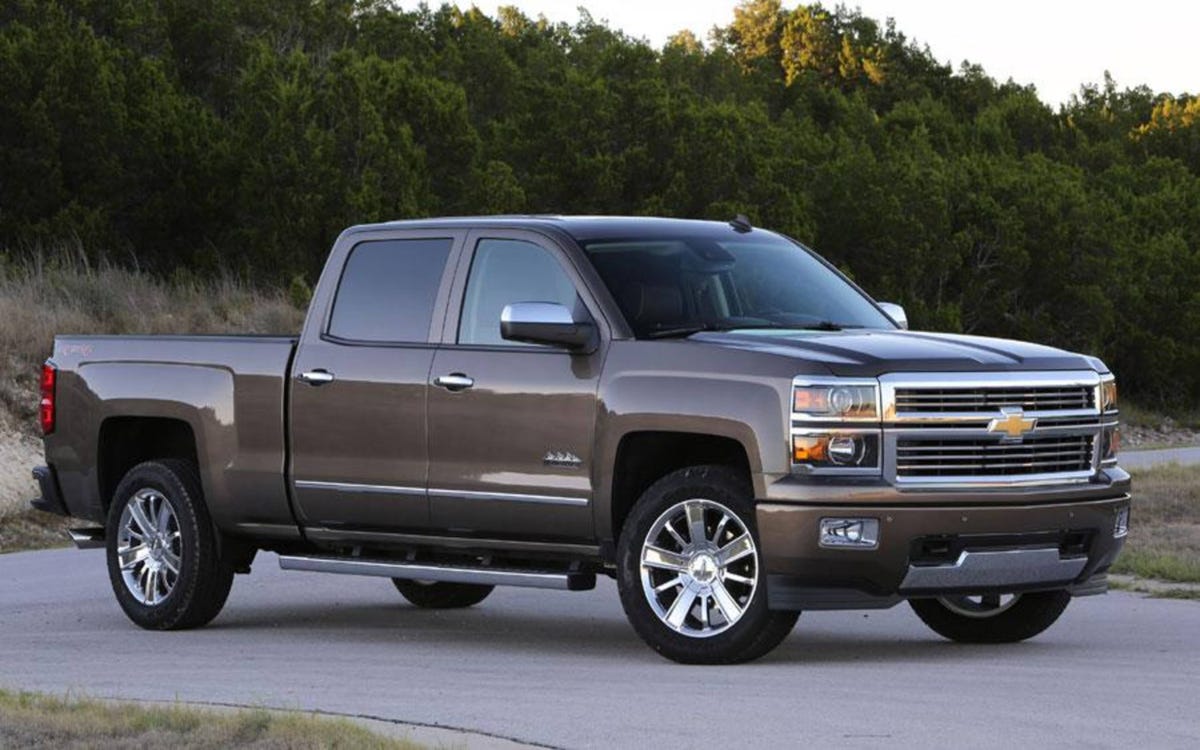
Many older Silverados develop wind noise around the driver’s-side upper door area. The large, tall doors can sag slightly over the years, creating small gaps where air can enter.
Whistling is especially common at speeds above 60 mph or in strong crosswinds. Several owners report needing re-alignment or new seals to restore quietness. While the Silverado remains a great truck, its wind noise aging curve isn’t as favorable as some rivals.
The 2014 Chevrolet Silverado 1500 continues to deliver robust V8 power with its 5.3-liter and 6.2-liter engines, both benefiting from direct fuel injection and cylinder deactivation to enhance efficiency without sacrificing performance.
For those who want the Silverado’s spacious cabin and ample cargo capacity but don’t require maximum towing or hauling, the new 4.3-liter V6 is an appealing option.
It produces 285 horsepower and 305 pound-feet of torque, capable of towing up to 7,200 pounds when properly equipped. Fuel economy is respectable as well, with an estimated 18 mpg in the city and 24 mpg on the highway.
The latest Silverado also enjoys some weight savings. The regular cab model equipped with the V6 and a 6-foot, 6-inch bed is 250 pounds lighter than its predecessor.
Ride quality is improved thanks to revised suspension tuning, and extended cab models now feature forward-hinged rear doors instead of the awkward reverse-opening half doors of the past. Safety has been enhanced too, with newly available features such as forward collision alert, lane departure warning, and trailer sway control.
Styling remains familiar but more refined. A large new grille, updated bumpers, and sculpted side panels give the Silverado a modern, slightly aerodynamic appearance while retaining the strong, square-jawed presence Chevy trucks are known for.
Crew cab buyers will appreciate the choice of a 6.5-foot cargo box in addition to the previous 5.75-foot option. Inside, Chevrolet has upgraded the interior materials, including the upholstery, dashboard, and door panels, and now offers an 8-inch touchscreen with the MyLink infotainment system, complete with smartphone integration.
3. Nissan Rogue (2014–2018)
The Rogue’s door seals tend to age faster than expected, often flattening by year five or six, especially in hot climates like Texas or Florida. Once the rubber compresses, wind can slip in near the B-pillar or window edges.
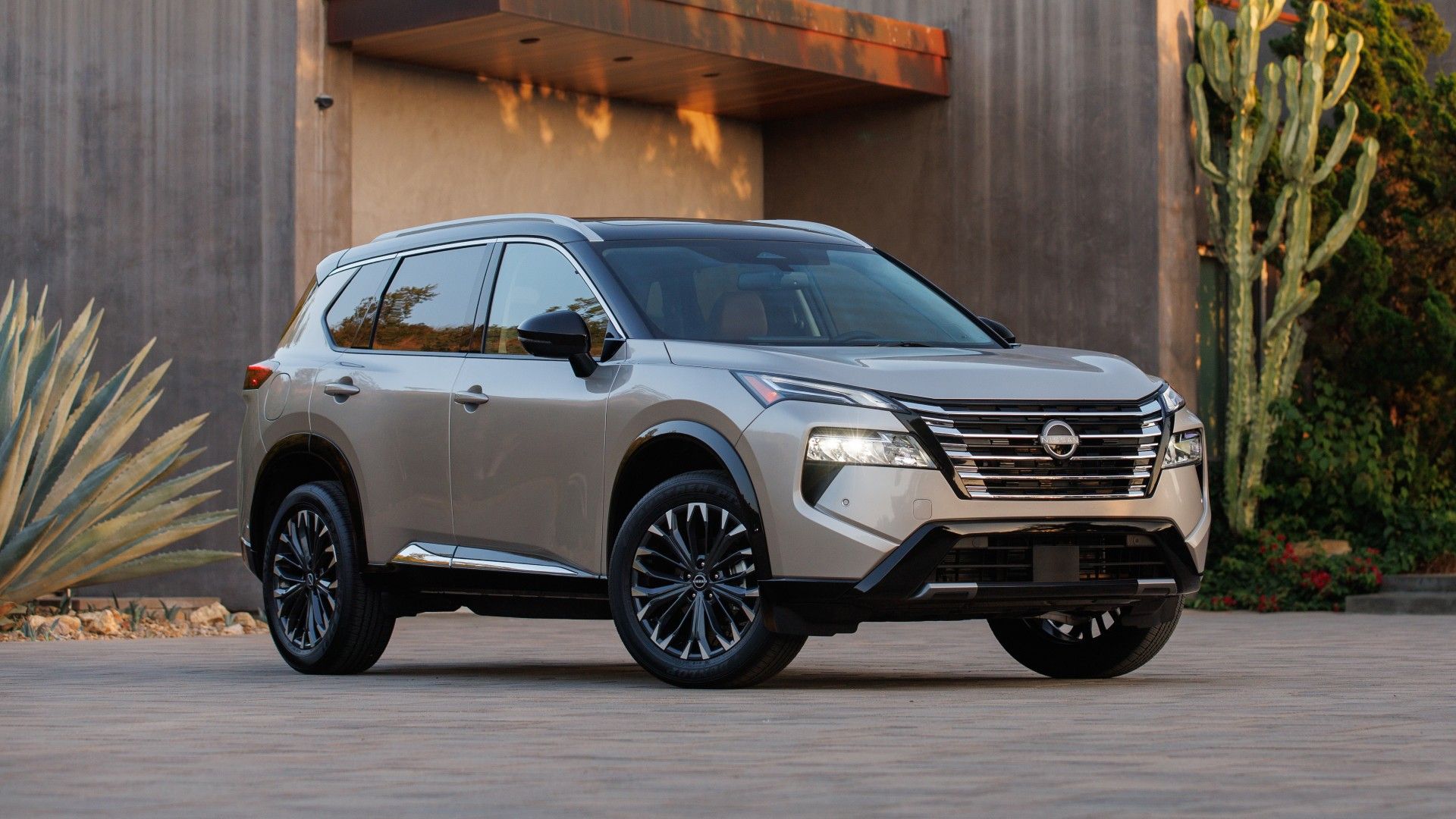
Many used Rogues on the market exhibit moderate whistling above highway speeds, and while replacement seals help, the problem can reappear due to body flex over time.
4. Kia Soul (2012–2018)
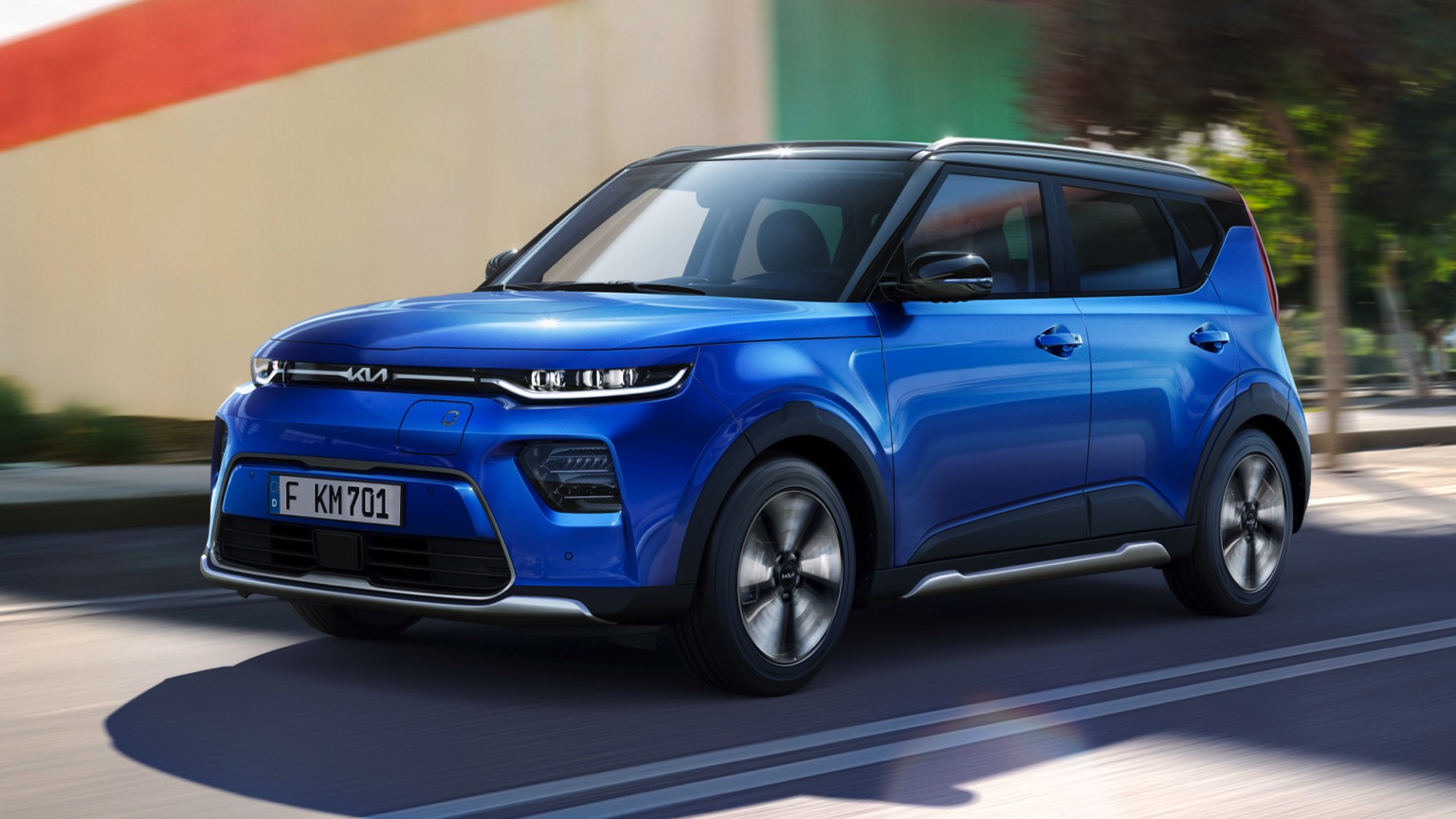
The quirky shape of the Soul makes it fun and practical, but its boxy design creates turbulence around the door frames. As the seals wear, that turbulence easily becomes an audible whistle.
This is most noticeable at 45–60 mph, where airflow hits the upright A-pillars. Earlier Souls also used thinner weatherstripping compared to later generations, leading to faster wear.
The 2012 Kia Soul has seen several mechanical improvements that make it a more appealing choice in the compact hatchback segment.
Notably, the 1.6-liter direct-injection engine is now both more powerful and more fuel-efficient, while the 2.0-liter four-cylinder has received a 22-horsepower boost. Both engines are now paired with new six-speed manual and automatic transmissions, improving overall performance and responsiveness.
Fuel economy has improved, though it still trails some rivals. To help maximize efficiency, a new Eco package is available on automatic-equipped models.
This package includes stop-start technology, which automatically shuts down the engine at a stoplight and restarts it as soon as you lift your foot off the now firmer and more reassuring brake pedal. The steering has also been updated to an electrically assisted system, further enhancing the Soul’s drivability.
The 2012 Kia Soul combines style and practicality with a competitive price point, a long list of standard and optional features, and a 10-year/100,000-mile powertrain warranty, making it one of our top recommendations. If cargo capacity is the main priority, the Scion xB is worth considering.
For those focused on fuel economy or handling, other small hatchbacks like the Chevy Sonic or Ford Fiesta may be more suitable.
The Nissan Juke is another option that is similarly sized, equipped, and priced if you are considering one of the pricier Souls. However, for a vehicle that balances funky design with practicality, the Soul remains hard to beat.
The front-wheel-drive Kia Soul offers two engine options. The base model is powered by a 1.6-liter four-cylinder producing 138 horsepower and 123 pound-feet of torque.
A six-speed manual transmission comes standard and includes a hill holder, while a six-speed automatic is optional. EPA ratings for the 1.6-liter engine are 25 mpg city, 30 mpg highway, and 27 mpg combined, regardless of transmission.
With the 1.6 Eco package, which features low-rolling-resistance tires and stop-start technology, these estimates rise to 26/31/28 mpg, respectively.
5. Ford Escape
Escape is known for developing wind leaks around the front doors as they age. Owners in cold-weather states often report that the seals shrink slightly during winter months, increasing noise on the highway.
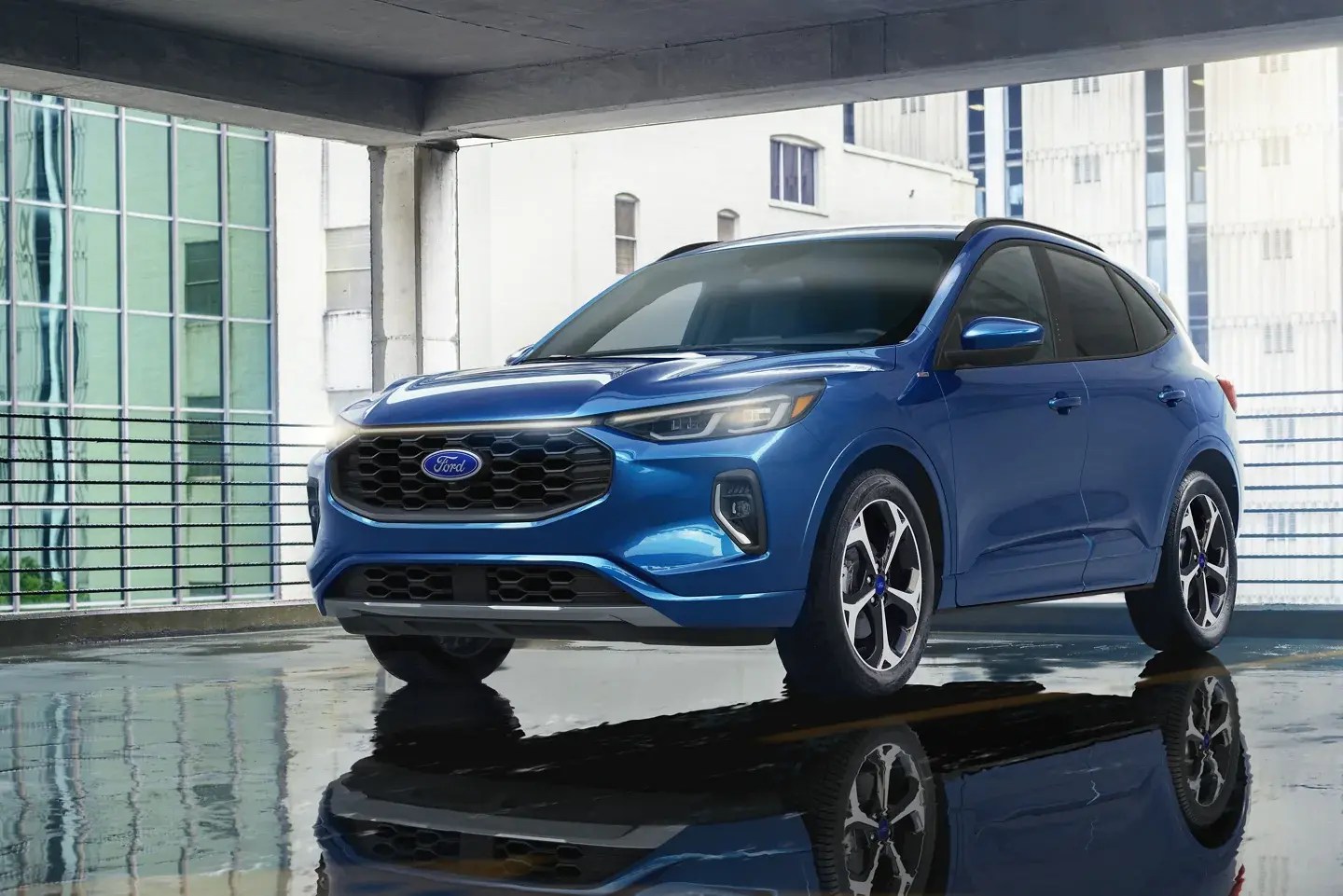
Even in warmer regions, the Escape’s seals tend to lose elasticity quicker than those on rivals, making whistling a common annoyance for used buyers.
6. Toyota RAV4 (2013–2018)
While Toyota builds reliable vehicles, this generation of RAV4 was not its best when it comes to wind isolation. The angular mirror design and door-mounted seals can create a noticeable whistle as the vehicle ages, especially after 80,000–100,000 miles.
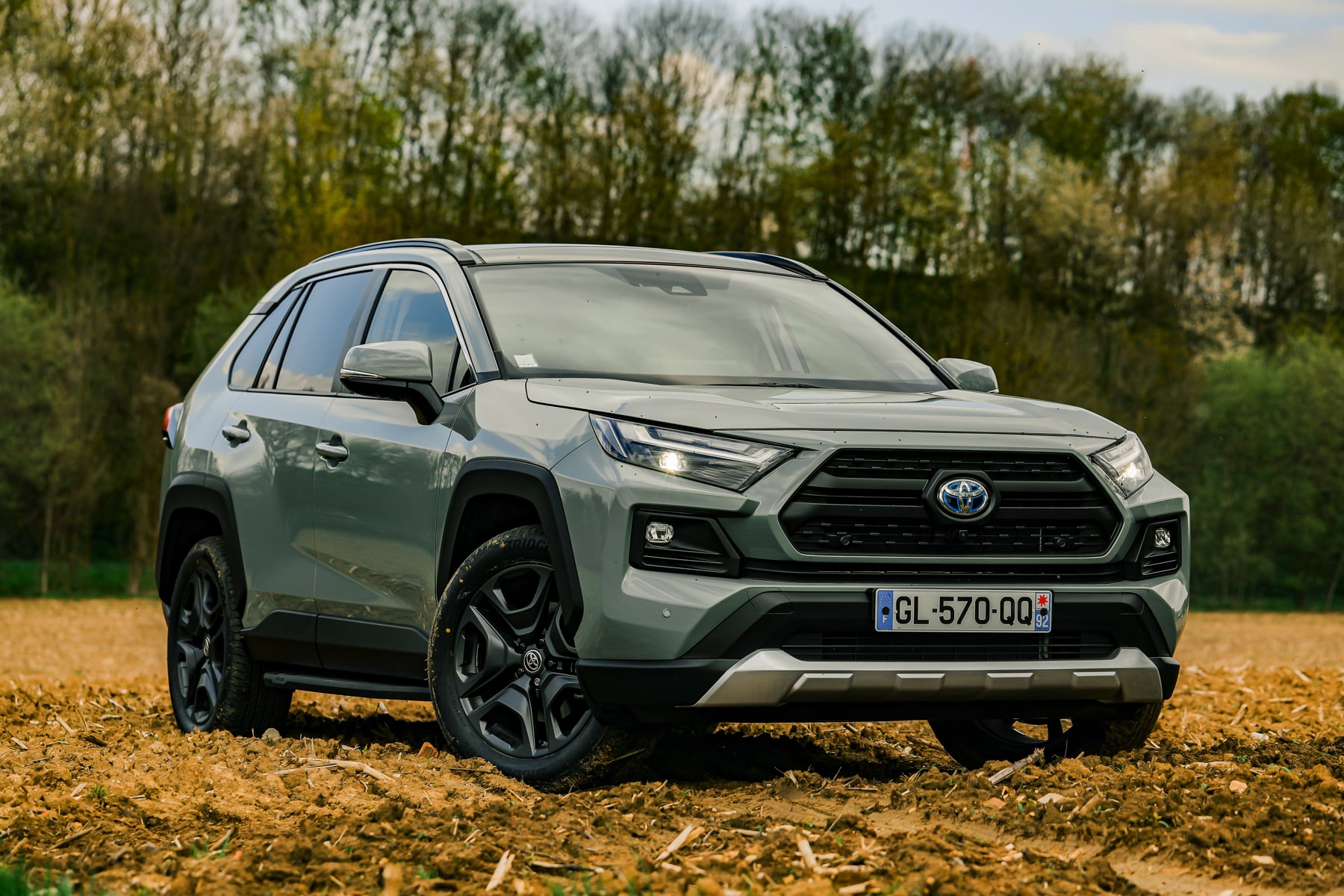
It’s rarely severe, but compared to the much quieter Outback or CX-5, many used RAV4s reveal their aerodynamic shortcomings by middle age.
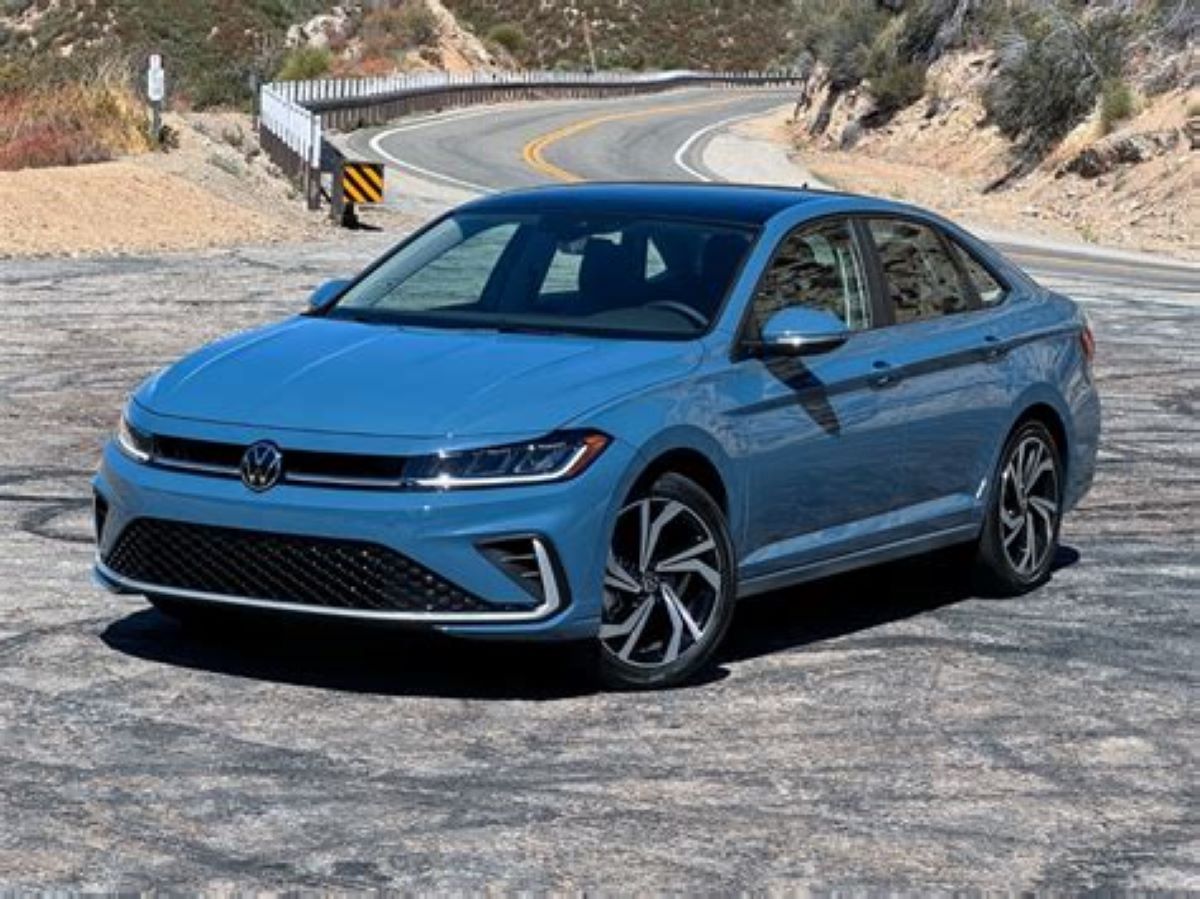
7. Volkswagen Jetta
These Jettas often develop whistling near the top of the driver’s window due to the frameless seal and thinner rubber used during this cost-cutting era.
Many owners report that even slight misalignment or window regulator wear creates gaps. While the Jetta is still a solid compact sedan, it’s one of the more commonly reported models for wind noise in the used market.
Door seal performance might seem like a small detail, but it directly affects long-distance comfort, fatigue, and even perceptions of build quality especially in the used-car world, where aging materials tell the real story of engineering choices.
While plenty of older cars can stay whisper-quiet with good maintenance, some models simply hold up better to the realities of American weather and highway usage.
If silence matters to you, the right model choice can save you from annoyance down the road or from replacing hundreds of dollars’ worth of weatherstripping.
