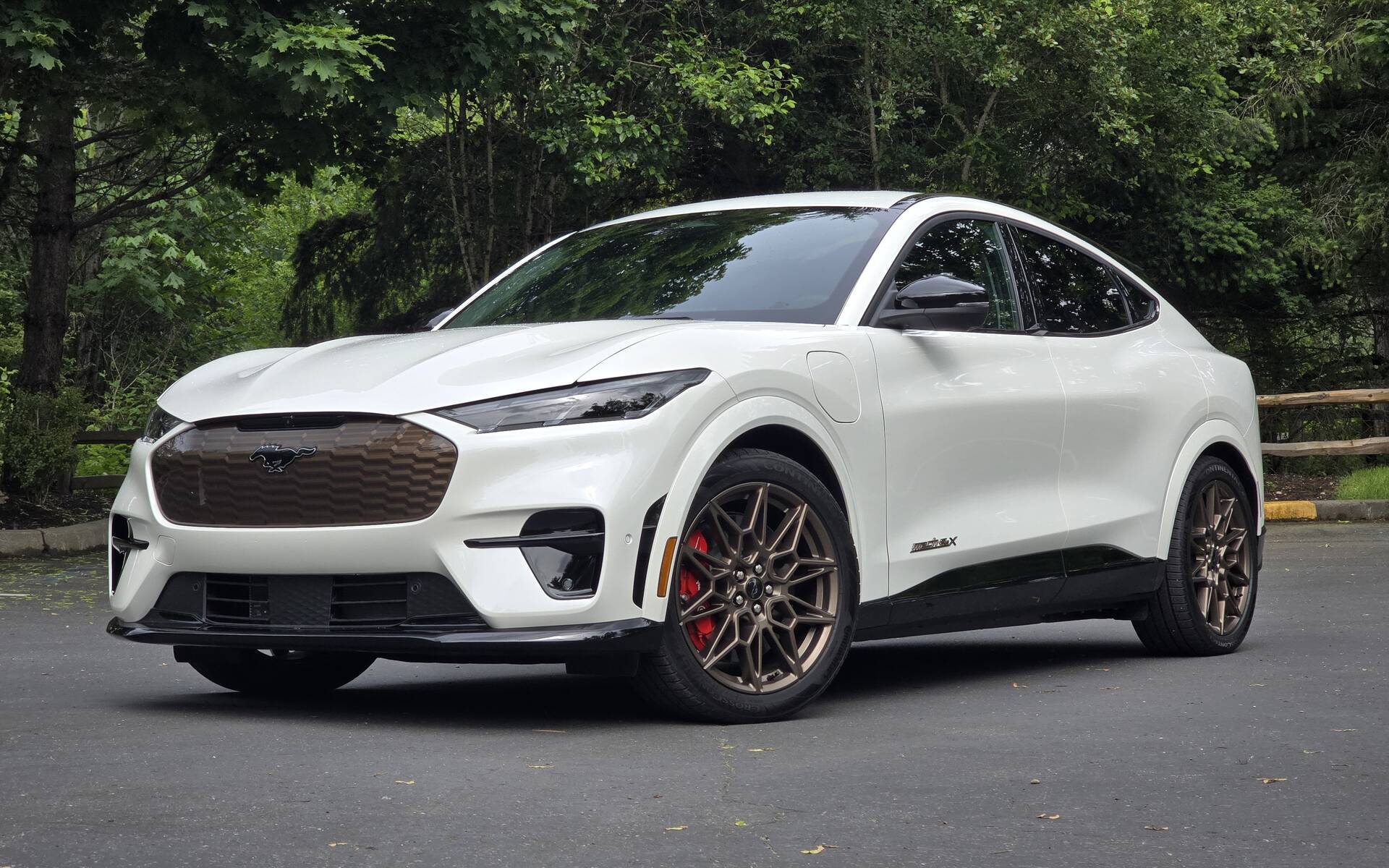
When it comes to compact SUVs, drivers often seek a blend of agility, comfort, and confidence on the highway. “9 Compact SUVs That Stay Calm at 75 mph” highlights models that combine composed handling, refined ride quality, and practical usability, making freeway cruising a stress-free experience.
From luxury contenders like the BMW X1 xDrive28i and Audi Q5 S Line to electrified performers such as the Kia EV6 Light Long Range and Ford Mustang Mach-E GT, these SUVs prove that speed and composure can coexist. Each vehicle balances power with poise, ensuring that drivers can accelerate confidently, corner smoothly, and maintain stability even at higher speeds.
Beyond performance, the lineup emphasizes comfort, tech-savvy interiors, and smart storage solutions, showing that a calm, capable SUV doesn’t sacrifice utility or driver enjoyment. Whether tackling city streets or open highways, these compact SUVs maintain serenity while delivering exciting performance.
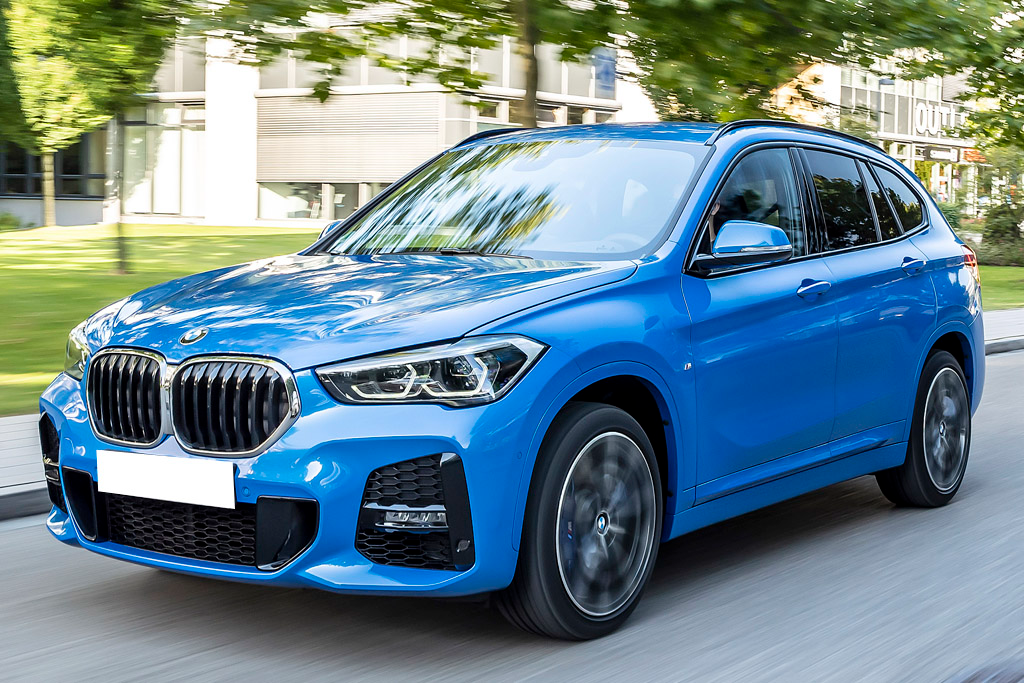
1. BMW X1 xDrive28i: Performance, Comfort, and Technology in a Compact Luxury SUV
The BMW X1 xDrive28i stands out in the subcompact luxury SUV segment by offering strong performance, premium features, and competitive pricing. Despite sitting below the X3 in BMW’s lineup, the X1 delivers quicker acceleration than expected. Its 2.0-liter TwinPower Turbo four-cylinder engine produces 241 horsepower and 295 pound-feet of torque, enabling a 0-60 mph time of 6.2 seconds.
This makes it quicker than rivals like the Mercedes-Benz GLB 250, while still costing less. The X1 also includes wireless connectivity and BMW’s latest iDrive software, ensuring a modern and tech-forward cabin experience.
When equipped with the M Sport package, the X1 gains 19-inch wheels, summer tires, and adaptive suspension, all of which enhance its handling. At the test track, the X1 achieved an even faster 5.9-second 0-60 mph sprint. Around corners, it remains composed and offers excellent grip, especially with Sport mode engaged.
However, the transmission’s occasional reluctance to downshift and a rough engine stop-start system detract from smooth city driving. Light steering and easy maneuverability make urban use manageable, though the inconsistent engine restart behavior can be frustrating.
Inside, the X1 offers a spacious and well-finished cabin. Both front and rear passengers benefit from generous headroom and legroom, thanks to the model’s upright proportions. The M Sport seats provide strong support but may feel firm during daily driving, and the adaptive suspension adds noticeable stiffness.
Climate controls are routed through the touchscreen, creating a clean design but reducing ease of use. Taller drivers enjoy excellent visibility, though shorter drivers may struggle to align comfortably with the head-up display.
BMW’s improved iDrive system brings intuitive navigation and wireless Apple CarPlay and Android Auto. The optional Harman Kardon sound system delivers good audio quality, though not exceptional.
While USB-C ports are plentiful, the wireless charging pad overheats devices. Safety tech is solid but incomplete, as adaptive cruise control remains an added-cost option rather than a standard feature. Blind-spot and lane departure systems are effective without feeling intrusive.
The X1 provides 26 cubic feet of cargo space, making it competitive within its class despite being slightly smaller than its predecessor. Split-folding rear seats add versatility, and child seat installation is straightforward.
The SUV returns an EPA-estimated 28 mpg combined, with real-world testing close to 27.1 mpg. Though options can raise the X1’s price significantly, the model’s strong build quality, refined driving experience, and included three years of maintenance help justify its cost.
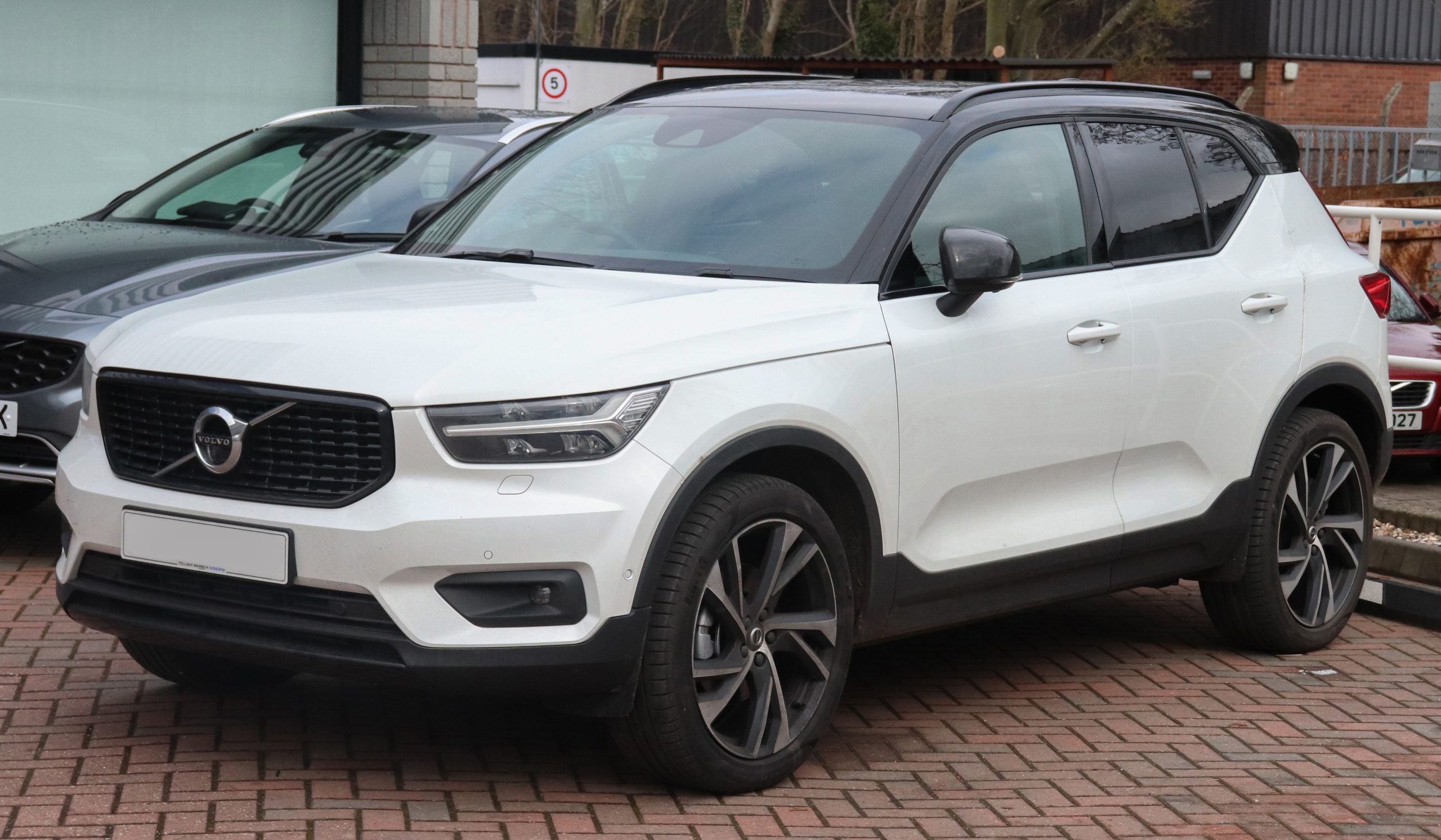
2. Volvo XC40: Safety-Focused Design Meets Surprising Performance
The Volvo XC40 strengthens the brand’s reputation for safety and thoughtful engineering while delivering performance impressive enough to place it among the quicker subcompact luxury SUVs. Its mild-hybrid 2.0-liter turbocharged four-cylinder engine produces 247 horsepower and 258 pound-feet of torque, enabling a 0 to 60 mph time of 6.1 seconds.
This puts it only a touch behind rivals like the BMW X1 and the Mercedes-AMG GLB35. Power is sent through a smooth eight-speed automatic transmission to all four wheels, and while the exhaust note becomes raspy under heavy throttle, the XC40 stands out with a rare-for-its-class towing capacity of 3500 pounds.
The XC40’s starting price of $40,650 for the Core trim positions it competitively, undercutting the BMW X1 by $700. Inside, Volvo brings its signature minimalist Scandinavian design, pairing clean lines with high-quality materials and excellent space. The cabin feels open and accommodating for both front and rear passengers.
Trim levels like Plus and Ultra introduce elevated touches such as textured metal accents, driftwood trim, and even an Orrefors crystal shift knob. Creative storage features further enhance the interior, including a bag hook in the glovebox, a removable garbage bin in the center console, and the ability to hold 23 carry-on suitcases with the rear seats folded.
Technology is anchored by Volvo’s Google-based infotainment system displayed on a bright 9-inch touchscreen. The menu layout is intuitive, though some small icons make certain functions trickier to use while driving. Integration with Google apps works smoothly, and the system provides a modern digital experience even if it relies heavily on touch controls.
Fuel economy ratings come in at 24 mpg city and 30 mpg highway, with real-world testing returning 27 mpg on the highway. Safety remains a strong category, with standard automated emergency braking, blind-spot monitoring, and cross-traffic alert.
Optional features like adaptive cruise control with semi-autonomous driving capability expand its driver-assistance offerings. Warranty coverage matches most luxury competitors, and Volvo’s three years of complimentary maintenance adds appealing long-term value.
The XC40 blends spirited performance, Scandinavian craftsmanship, inventive storage solutions, and a robust suite of safety features, creating a compelling contender in the luxury subcompact SUV market.
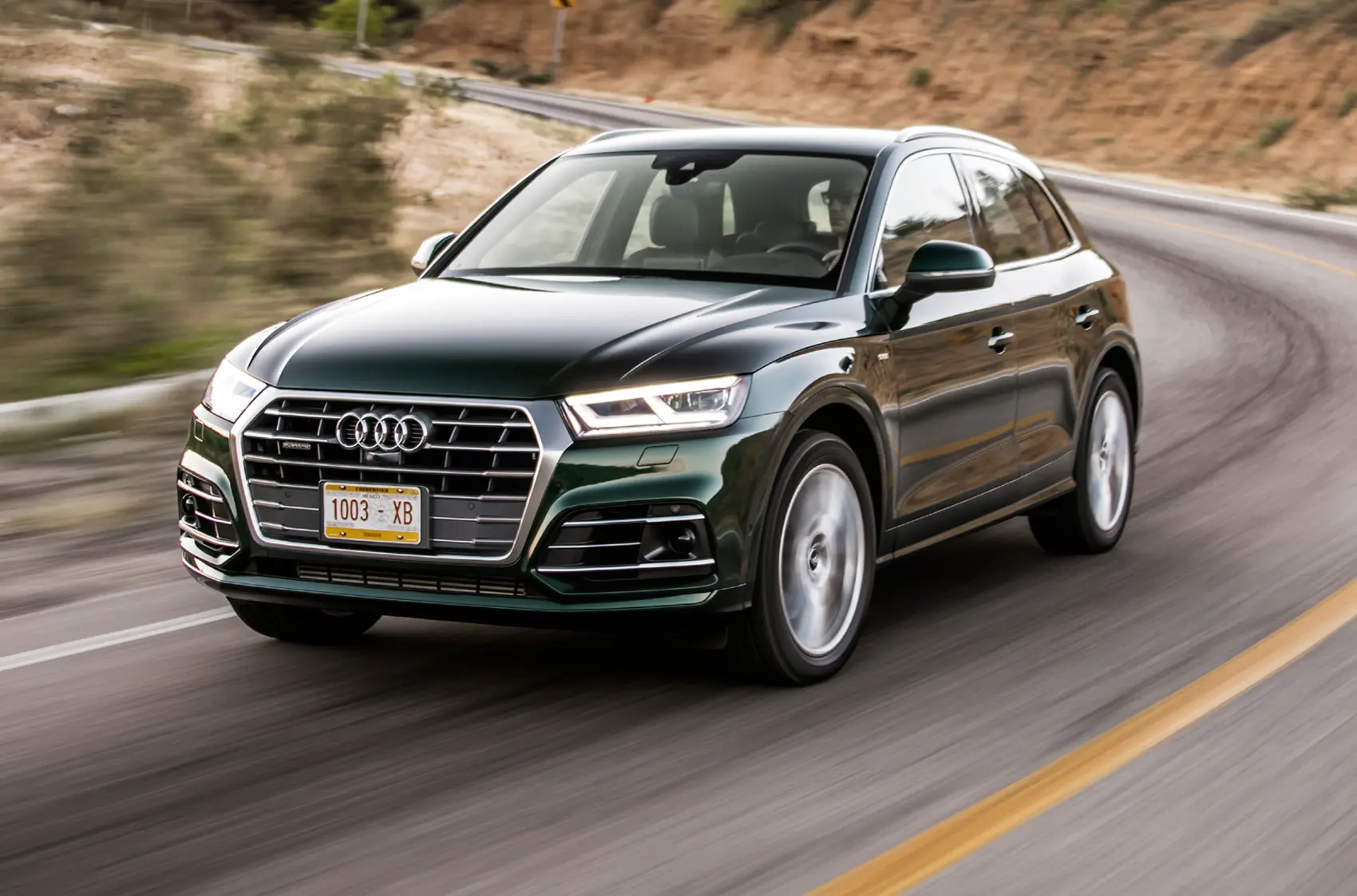
3. Audi Q5 S Line: Balanced Luxury, Strong Performance, and Modern Tech
The Audi Q5 S Line (Premium 45 TFSI Quattro S Tronic) continues to serve as a refined and capable luxury SUV, even as Audi prepares to introduce the next-generation model. The current 2025MY version is powered by a 2.0-liter turbocharged four-cylinder engine that produces 261 horsepower and 273 pound-feet of torque.
This allows the Q5 to achieve a 0 to 60 mph time of 5.7 seconds, impressive for an SUV weighing over 4,000 pounds. While its chassis is not as sharp as the BMW X3 or Mercedes-AMG GLC, the Q5 still offers quick acceleration and smooth, responsive power delivery through its seven-speed S Tronic automatic transmission.
On the road, the Q5 blends comfort and sportiness well. Test results showed a 6.3-second 0 to 60 time, just slightly behind top competitors. The optional air suspension provides a plush ride, though it is not essential for most drivers.
Handling is competent and predictable, and visibility is helped by the available surround-view camera system. Some drawbacks include a sensitive brake pedal and a more relaxed gas pedal, which require some acclimation. The outdated cruise control stalk also lags behind steering wheel–mounted controls found in newer models.
The Q5’s cabin is comfortable and thoughtfully designed. The front seats offer firm support and generous adjustments, while the second-row seats provide good headroom and the advantage of reclining capability.
Climate controls integrated into the touchscreen add steps to basic adjustments, but the system itself performs well. Ventilated seats are available and highly effective. Installing child seats is straightforward thanks to easy-to-reach LATCH anchors.
Audi places strong emphasis on technology, highlighted by a crisp 14.5-inch center touchscreen with wireless Apple CarPlay and fast device charging. An optional passenger screen adds entertainment options, though it is not essential.
Cargo space measures 25.6 cubic feet, trailing the BMW X3 but surpassing the Mercedes GLC. Small-item storage is less impressive due to a compact center console and limited door pocket versatility.
Fuel economy is rated at 26 mpg combined, which is competitive for the segment. Pricing starts higher than the X3 and GLC, and fully loaded models become even more expensive. Build quality is solid, but rivals offer slightly more luxurious interiors. The Q5 remains a well-rounded SUV with strong features and performance, though it lacks the standout qualities that would push it ahead of its competition.
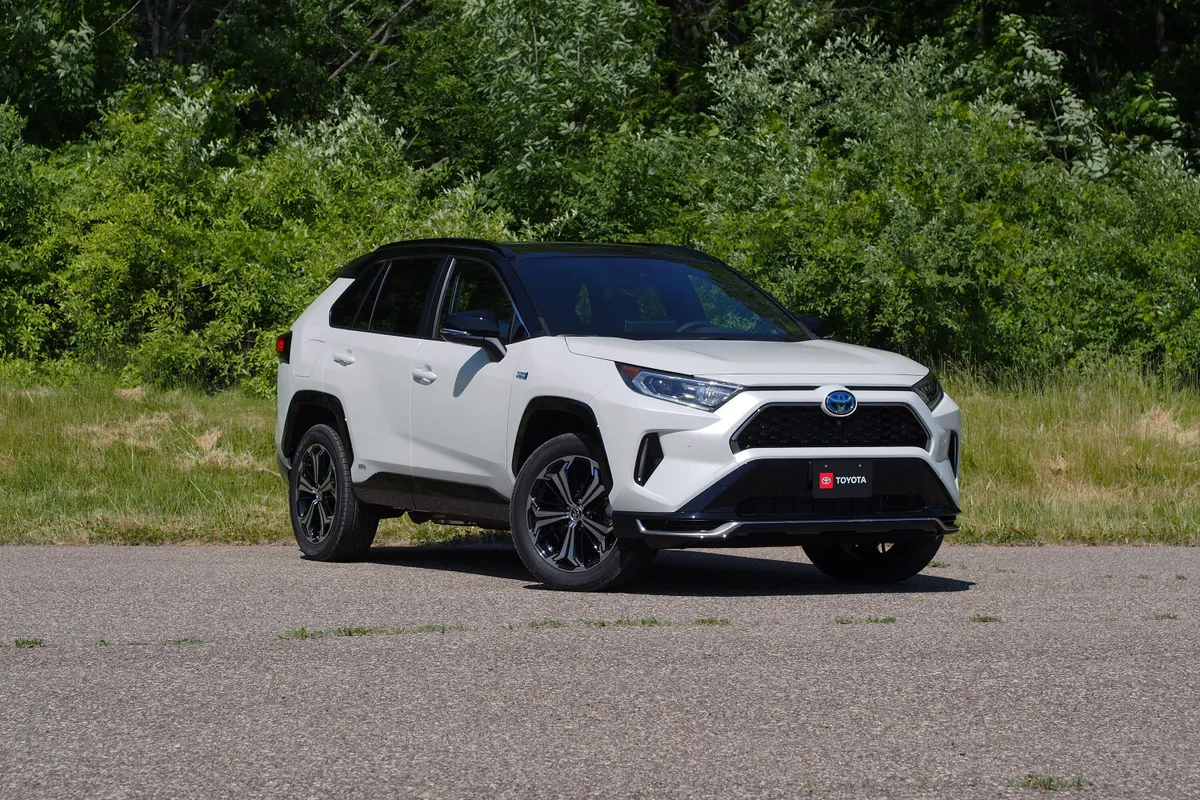
4. Toyota RAV4 Plug-in Hybrid: Strong Power, High Efficiency, and Practical Everyday Comfort
The Toyota RAV4 Plug-in Hybrid stands out as one of the quickest affordable SUVs on the market, surprising many given its reputation as a sensible and efficient family vehicle. Its performance comes from a 2.5-liter four-cylinder engine paired with two electric motors, producing a combined 302 horsepower.
This strong output pushes the SUV from 0 to 60 mph in just 5.5 seconds, making it significantly faster than the standard RAV4 and even more powerful than some V6 competitors. Despite this, the driving experience remains more competent than sporty due to the CVT transmission and a chassis tuned primarily for comfort rather than agility.
During testing, the RAV4 Plug-in Hybrid reached 60 mph in 5.9 seconds and delivered smooth acceleration during daily driving. However, handling lacks precision, with noticeable body roll and vague steering, and braking performance feels soft and uninspiring. While the powertrain is impressive, the SUV does not offer the athleticism found in rivals.
Comfort is one of the RAV4 Plug-in’s strengths. The driver’s seat provides ample adjustability, and the SofTex synthetic leather upholstery helps keep the cabin cool, especially with the available ventilated seats. The rear seats offer strong thigh support, and ride quality remains smooth over rough pavement. Noise levels are well controlled except during aggressive acceleration when the gas engine becomes louder.
The interior layout is practical, with well-labeled controls and an easy seating position. Headroom and legroom accommodate adults comfortably, although the touchscreen sits farther from the driver than ideal.
The available 10.5-inch infotainment display responds quickly, and wireless Apple CarPlay and Android Auto come standard. Toyota’s driver assistance features perform reliably, though the lane-keeping system can feel too assertive.
Cargo space is slightly reduced compared to the standard RAV4, offering 33.5 cubic feet, but it remains roomy and family-friendly. Extra interior storage, a wireless charging pad, and user-friendly LATCH anchors further enhance practicality. In real-world testing, the SUV exceeded its electric range estimate, achieving 48 miles on battery power alone and averaging about 34 mpg after the gas engine engaged.
Although pricier than other RAV4 models, the Plug-in Hybrid offers strong build quality, extended hybrid warranty coverage, and two years of free maintenance. It delivers exceptional efficiency, impressive power, and well-rounded comfort, making it an appealing choice for drivers seeking performance and practicality in one package.
5. Alfa Romeo Stelvio AWD: Lively Performance and Engaging Handling in a Stylish Package
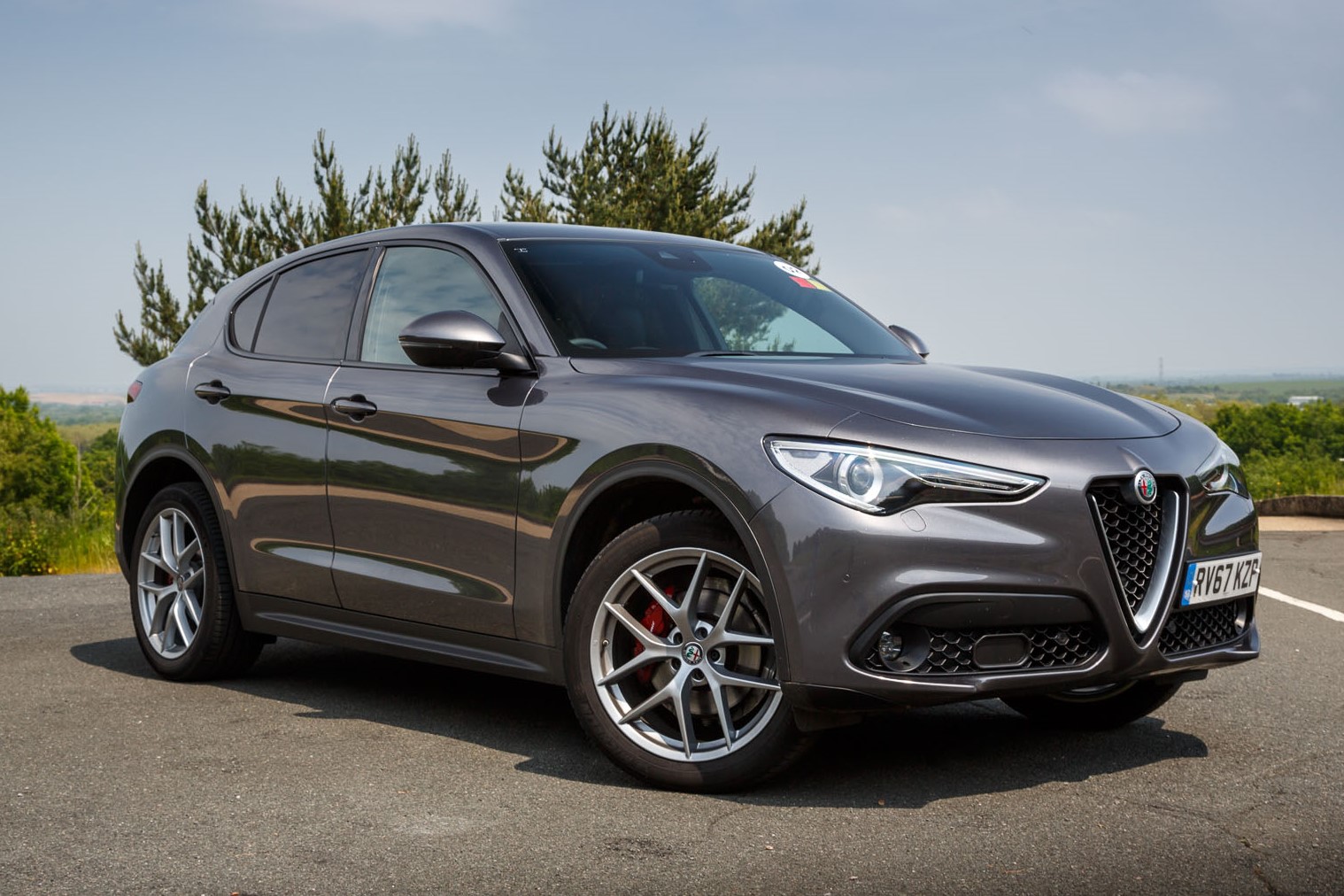
The Alfa Romeo Stelvio AWD delivers one of the most engaging driving experiences in the compact luxury SUV segment, powered by a 2.0-liter turbocharged four-cylinder engine producing 280 horsepower and 306 lb-ft of torque.
Paired with an eight-speed automatic transmission and standard all-wheel drive, the Stelvio accelerates from 0 to 60 mph in 5.4 seconds and reaches a top speed of 144 mph.
Its responsive throttle, smooth power delivery, and raspy exhaust note make it feel livelier than its output suggests. The chassis, shared with the Giulia sedan, gives the Stelvio exceptional agility, balanced damping, and a comfortable ride even on 20-inch wheels, making it one of the most fun-to-drive crossovers available.
Handling is where the Stelvio stands out. Light steering effort and quick reflexes offer a rare level of driver engagement for an SUV, though it is not quite as precise as the Giulia. Even so, its composed cornering and athletic feel set it apart from rivals.
The Stelvio’s performance remains competitive, with quarter-mile times around 14.1 seconds and towing capability up to 3000 pounds, though towing is not its strongest suit. Fuel economy is average for the class, rated at 22 mpg city and 28 mpg highway, with real-world testing returning 26 mpg.
Inside, the Stelvio features a stylish cabin with supportive leather seats, a good driving position, and aluminum trim accents. Practical storage solutions include a smartphone slot, a tray near the driver’s knee, and a removable console tray.
However, cabin quality falls short of competitors, rear legroom is tight due to the SUV’s compact proportions, and cargo capacity is a modest 18.5 cubic feet. The Convenience Package adds useful upgrades like a hands-free liftgate and adaptive speed control.
Technology includes a new 12.3-inch digital gauge cluster with customizable layouts and an 8.8-inch infotainment screen with Apple CarPlay, Android Auto, and navigation. The system is attractive, though navigation alerts can be delayed. Safety features are strong, with standard adaptive cruise control, automated emergency braking, and blind-spot monitoring. Warranty coverage is average at four years or 50,000 miles.
Despite its limitations in space and interior refinement, the Stelvio excels where it matters most for enthusiasts, offering distinctive styling, energetic performance, and unmatched driving enjoyment.
Also Read: Top 10 Cars With Rear Seats That Fold From the Trunk
6. Mini Countryman JCW ALL4: Playful Design Meets Serious Performance
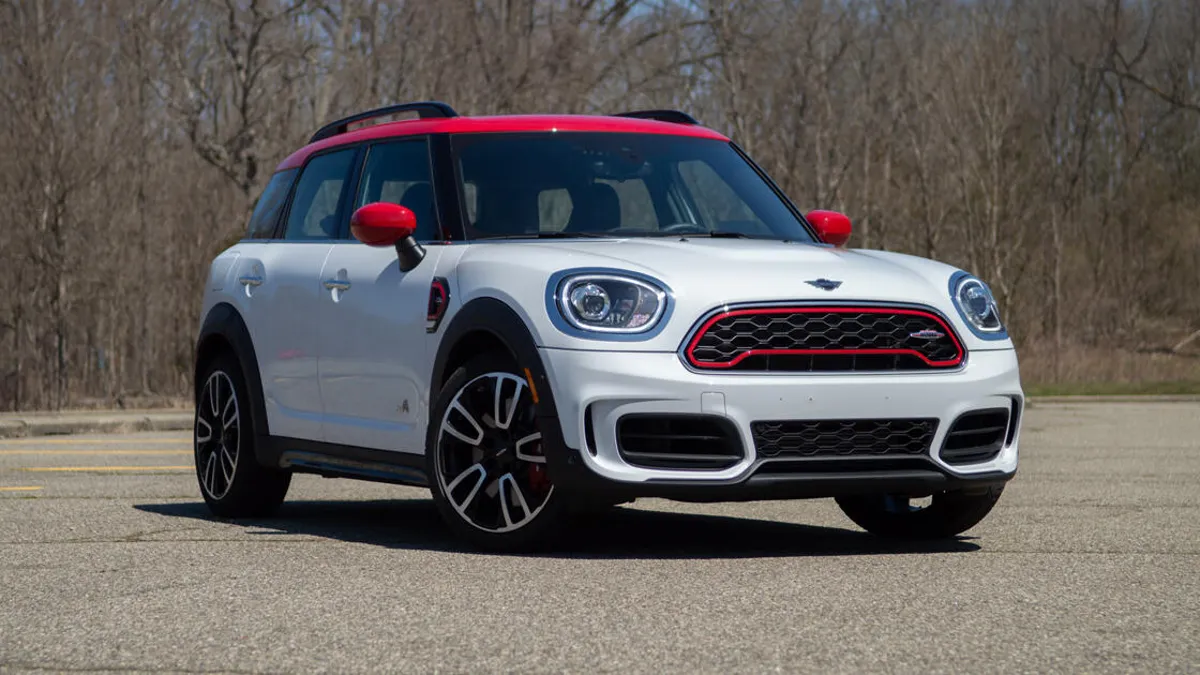
The Mini Countryman John Cooper Works ALL4 blends spirited performance with a whimsical interior, making it one of the most entertaining compact SUVs on the market. Under the hood, a 2.0-liter TwinPower Turbo four-cylinder delivers 312 horsepower and 295 lb-ft of torque, paired with a seven-speed dual-clutch automatic transmission.
This powertrain propels the Countryman JCW from 0 to 60 mph in 5.2 seconds, with a top speed of 155 mph. Priced at $46,900 before fees, it undercuts its BMW X1 and X2 M35i cousins while sharing their powertrain and performance DNA.
Despite its nearly 3,800-pound curb weight, the JCW ALL4 is exceptionally agile. In testing, it reached 60 mph in 4.9 seconds and posted a 13.6-second quarter mile. What stands out most is its handling, surpassing both the X1 and X2 M35i on the skidpad and figure-eight test.
Braking performance is equally impressive, stopping from 60 mph in just 100 feet, thanks in part to optional JCW Performance Brakes. Steering is sharp, though some drivers may find it overly eager just off center, contributing to a ride that prioritizes excitement over softness.
The interior continues Mini’s tradition of character. A stunning 9.4-inch circular OLED display dominates the cabin, offering playful animations, themed driving modes, and responsive touch controls. Ambient lighting and mode-specific sound effects enhance the sense of fun.
Despite the visual flair, the layout remains functional, with wireless Apple CarPlay, Android Auto, and intuitive climate and drive mode controls. The seats are supportive, and a built-in massage function activates automatically in Balance mode. Rear seating is comfortable, and flexible 40/20/40 folding expands cargo versatility.
Driver assistance systems are less refined. The steering assist can be overly sensitive about hand placement, and the wheel’s exaggerated thumb rests do little to help. Still, the car’s engaging personality often overshadows such frustrations.
With a starting price that undercuts many performance rivals and a driving experience that is both quick and entertaining, the Mini Countryman JCW ALL4 offers standout value. It delivers serious capability wrapped in a uniquely joyful package, making it an appealing choice for those who want performance without sacrificing personality.
7. Kia EV6 Light Long Range: Quick Charging, Strong Performance, and Everyday Usability
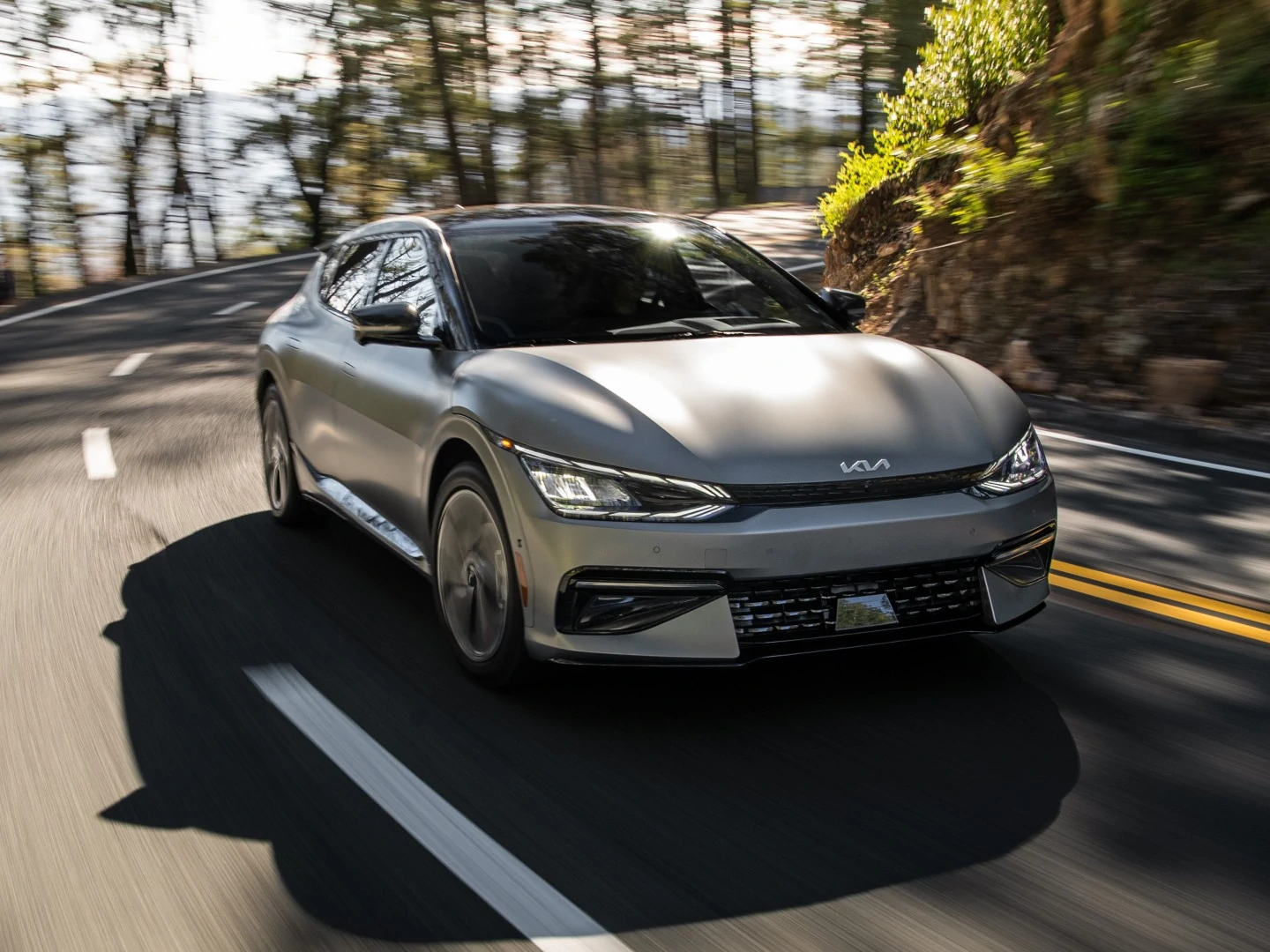
The Kia EV6 Light Long Range delivers impressive electric performance at a competitive price, making it one of the quickest and most affordable EVs in its class. This trim offers the same dual-motor all-wheel-drive setup found in the pricier EV6 Wind, producing 320 horsepower and 446 lb-ft of torque.
With a 77.4 kWh battery, the EV6 achieves an estimated 282 miles of range and a swift 5.1-second 0 to 60 time. Priced at $49,850, it provides strong value without sacrificing capability.
Performance is a standout feature. In testing, a comparable EV6 GT-Line model accelerated to 60 mph in 4.9 seconds, quicker than some hot hatches and many direct electric rivals. While it cannot match the Tesla Model Y Long Range’s brisker acceleration, the EV6 delivers smooth, confident power.
One-pedal driving is well calibrated, offering natural deceleration without needing frequent brake use. The ride is comfortable and composed, though the EV6 is not the most engaging choice on twisty roads.
The cabin emphasizes comfort and practicality. The front seats are supportive and widely adjustable, and rear passengers benefit from generous legroom, although the sloping roofline reduces headroom and makes entry slightly tight.
Road and wind noise are kept impressively low. Kia also retains real tactile buttons for key functions, enhancing ease of use. However, the touch-sensitive dashboard controls can be distracting because they require mode switching between climate and infotainment functions.
Technology is modern and well executed. Wireless smartphone integration, a digital key, a multipurpose mobile app, and a responsive infotainment system come standard. Storage space is plentiful for small items thanks to a two-tier center console, large door pockets, and practical rear seat organizers. Cargo capacity is competitive for a hatchback-style EV, though not as generous as the Model Y.
Range and charging capability significantly boost the EV6’s appeal. In real-world testing, it exceeded its EPA range estimate, reaching 295 miles. Charging speeds are exceptional, adding 100 miles of range in roughly 10 minutes with fast charging, outperforming most rivals except the ultra-fast Hyundai Ioniq 5.
Despite bold styling that suggests sportier performance than it delivers, the Kia EV6 Light Long Range offers a compelling balance of speed, efficiency, comfort, and value.
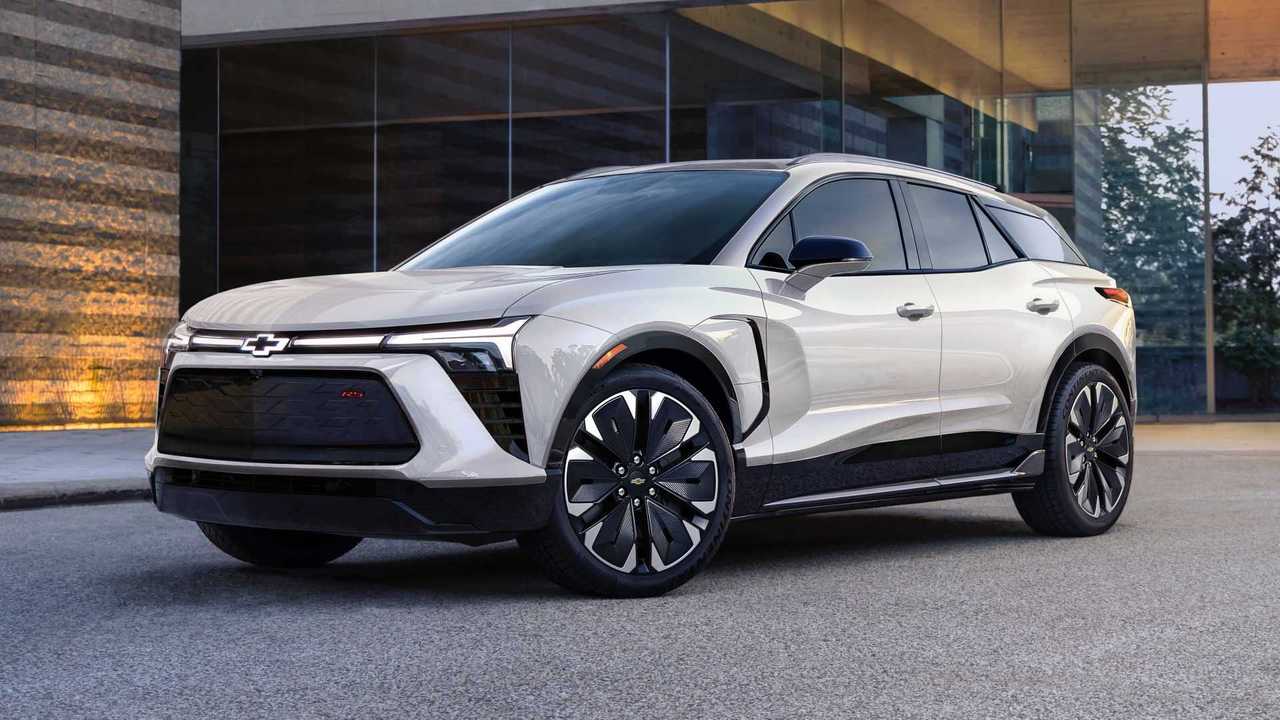
8. Chevrolet Blazer EV SS: High Power, Long Range, and Real Everyday Speed
The Chevrolet Blazer EV SS brings the Super Sport badge into the electric age with serious performance, modern design, and strong value for its class. With dual electric motors and Wide Open Watts mode, the Blazer EV SS unleashes up to 615 horsepower and 650 lb-ft of torque.
Chevrolet estimates a 0 to 60 time under four seconds, placing it among the quickest electric SUVs on the market. Despite its aggressive performance, it still offers an impressive 303 miles of EPA-estimated range thanks to its large 102 kWh battery.
The Blazer EV SS stands out as the most affordable way to access more than 600 horsepower in a new vehicle. Its $60,600 price can drop to $53,100 with the full federal tax credit, making it competitive against rivals such as the Ford Mustang Mach E GT, Kia EV6 GT, Hyundai Ioniq 5 N, and Jeep Wagoneer S. It offers more range than most of these performance-oriented EVs, giving it a practical edge.
On the road, the Blazer EV SS delivers rapid acceleration and strong passing power. With WOW mode activated, it becomes a genuine thrill machine capable of 3.3-second sprints to 60 mph and an 11.8-second quarter mile. Its braking performance is equally impressive, and optional summer tires with upgraded pads improve grip and stopping confidence.
Handling is stable and predictable rather than playful, reflecting the SUV’s heavy 5737-pound curb weight. The steering is quick but lacks feedback, and the SS feels more suited to spirited back roads than racetrack sessions.
Ride comfort remains high, with well-tuned suspension components and smooth behavior over rough pavement. The cabin is spacious and modern, highlighted by a large 17.7-inch touchscreen with Google-based features, though the absence of Apple CarPlay and Android Auto is notable. The biggest drawback is the front seats, which are flat and unsupportive during hard cornering, limiting the vehicle’s sporting feel.
The Blazer EV SS blends speed, practicality, and value into a compelling performance EV. It offers stunning acceleration, useful range, and everyday comfort, making it a worthy addition to Chevy’s Super Sport lineage even as it shifts into the electric era.
9. Ford Mustang Mach E GT: Speed, Range, and Everyday Usability in One Package
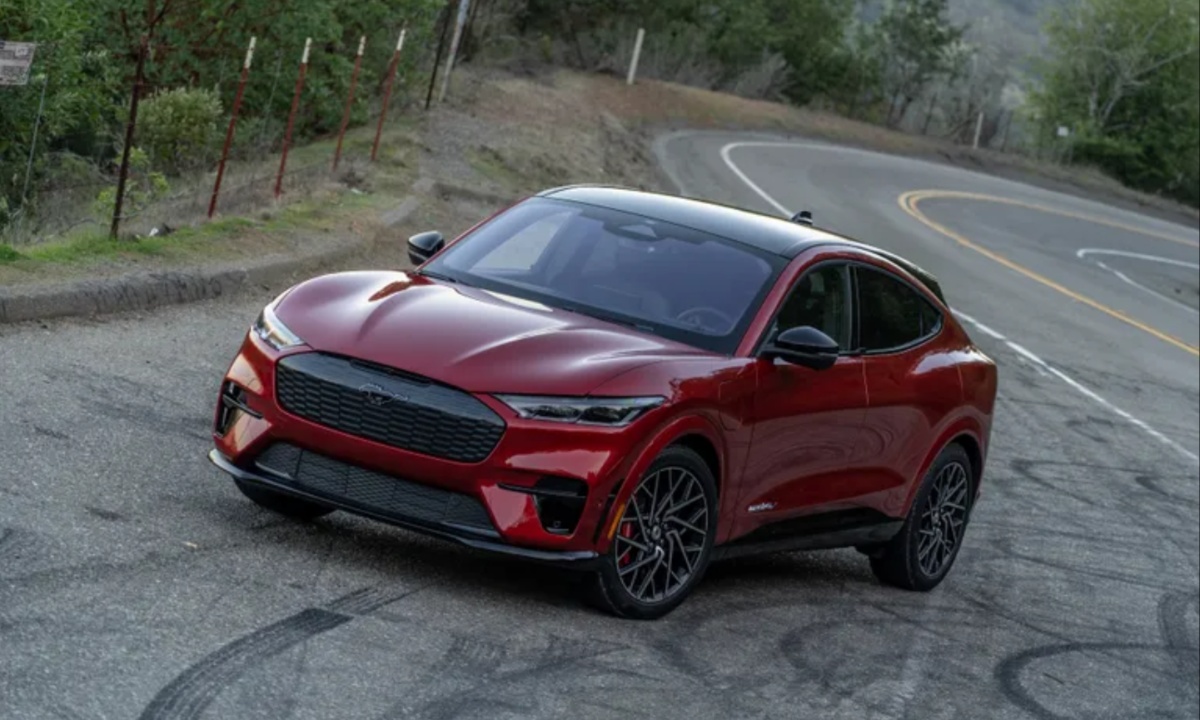
The Ford Mustang Mach-E GT claims the top performance spot in its lineup by blending strong acceleration, competitive range, and advanced technology. Powered by dual electric motors and a 91 kWh battery, the GT delivers 480 horsepower and 600 lb-ft of torque in its base form.
Buyers can add the Performance Upgrade for $995, unlocking 634 lb ft of torque and matching the Mach E Rally’s staggering 3.3-second 0 to 60 mph time. Even with the upgrade, the GT stays below the fifty-five thousand dollar mark, making it one of the most accessible high-performance EVs in its class.
The Mach E range begins with a standard 70 kWh battery and single motor variants, but the GT sits at the top with standard All Wheel Drive and extended range capability. Depending on configuration, the Mach E lineup offers between 250 and 320 miles of estimated range.
The GT delivers 280 miles, balancing strong performance with practical usability. Fast charging capability is standard, and Ford’s home charging options allow owners to regain significant range overnight.
Driving dynamics are a strong point. Previous testing of extended-range AWD models showed the Mach E to be more engaging than many rivals. Its acceleration is rapid across the lineup, but the GT versions are in a different league, especially when upgraded.
Ride quality remains smooth, and the quiet cabin enhances the premium feel. Efficiency varies across models, with the GT Performance being the least efficient, yet still competitive within the segment.
Inside, the Mach E offers generous passenger space thanks to its skateboard-style battery layout. A massive 15.5-inch touchscreen dominates the cabin, powered by Ford’s Sync system with machine learning, profiles for multiple drivers, and over-the-air updates. Cargo space is plentiful, with up to 60 cubic feet available and a washable front trunk.
Safety features are extensive, including automated emergency braking, blind spot monitoring, rear cross traffic alert, and available BlueCruise hands-free driving. Warranty coverage is competitive, with eight years or 100,000 miles for electrical components.
With its mix of speed, range, technology, and practicality, the Mustang Mach E GT stands out as a compelling performance EV that delivers excitement without sacrificing everyday convenience.
These nine compact SUVs demonstrate that high-speed cruising doesn’t require compromise. From the Scandinavian elegance of the Volvo XC40 to the sporty verve of the Alfa Romeo Stelvio, each model offers a reassuring blend of handling precision, ride comfort, and modern technology.
Electric and hybrid options like the Chevrolet Blazer EV SS and Ford Mustang Mach-E GT prove that even performance-oriented powertrains can remain composed at 75 mph, combining exhilarating acceleration with stability and efficiency.
Interiors across the segment are thoughtfully designed, offering spacious cabins, intuitive infotainment, and driver-assistance systems that further enhance confidence behind the wheel. These SUVs prove that calm, controlled driving can coexist with performance and style, making them ideal choices for drivers who value both excitement and composure on every journey.
Also Read: 5 Cars With Complicated Seat Folding Levers Vs 5 With Simple Mechanisms