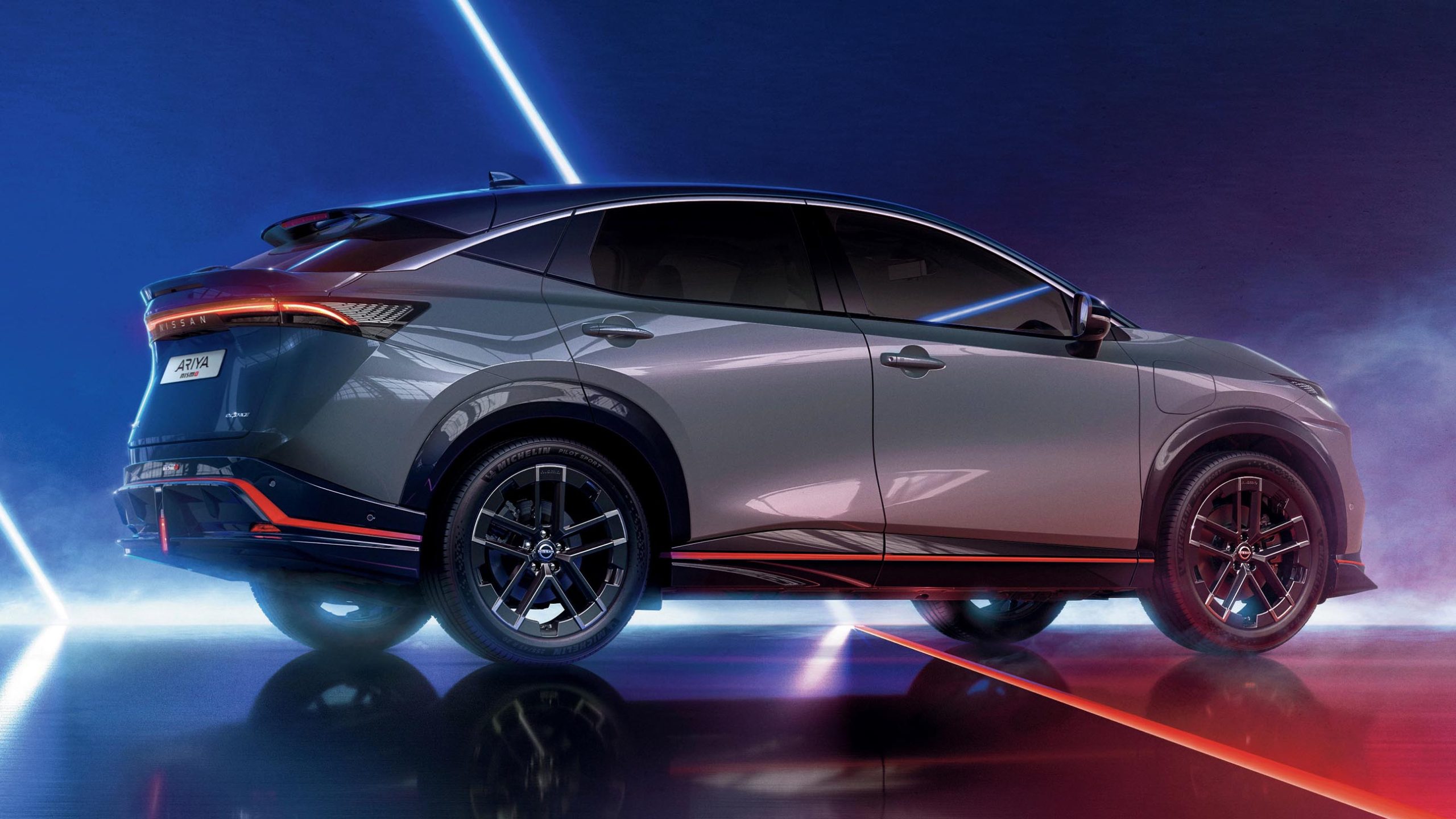
Cold climates test electric vehicles more than most drivers realize. Low temperatures reduce battery efficiency, slow charging speeds, and place extra demands on heating systems. For shoppers in states with harsh winters, choosing the right used EV can make the difference between a confident commute and a frustrating daily routine.
The market now offers many models that handle snow, ice, and extreme cold with impressive capability. These vehicles use features like efficient heat pumps, smart thermal management, advanced battery preconditioning, and All Wheel Drive systems that maintain stability on slippery roads.
Many of the best choices also provide strong range retention during winter months, a key factor for drivers who rely on predictable performance. This list of 10 Used EVs That Are Smart Picks in Cold States highlights models that balance winter readiness, comfort, reliability, and real-world efficiency, giving buyers dependable options that continue to perform even when temperatures drop below freezing.
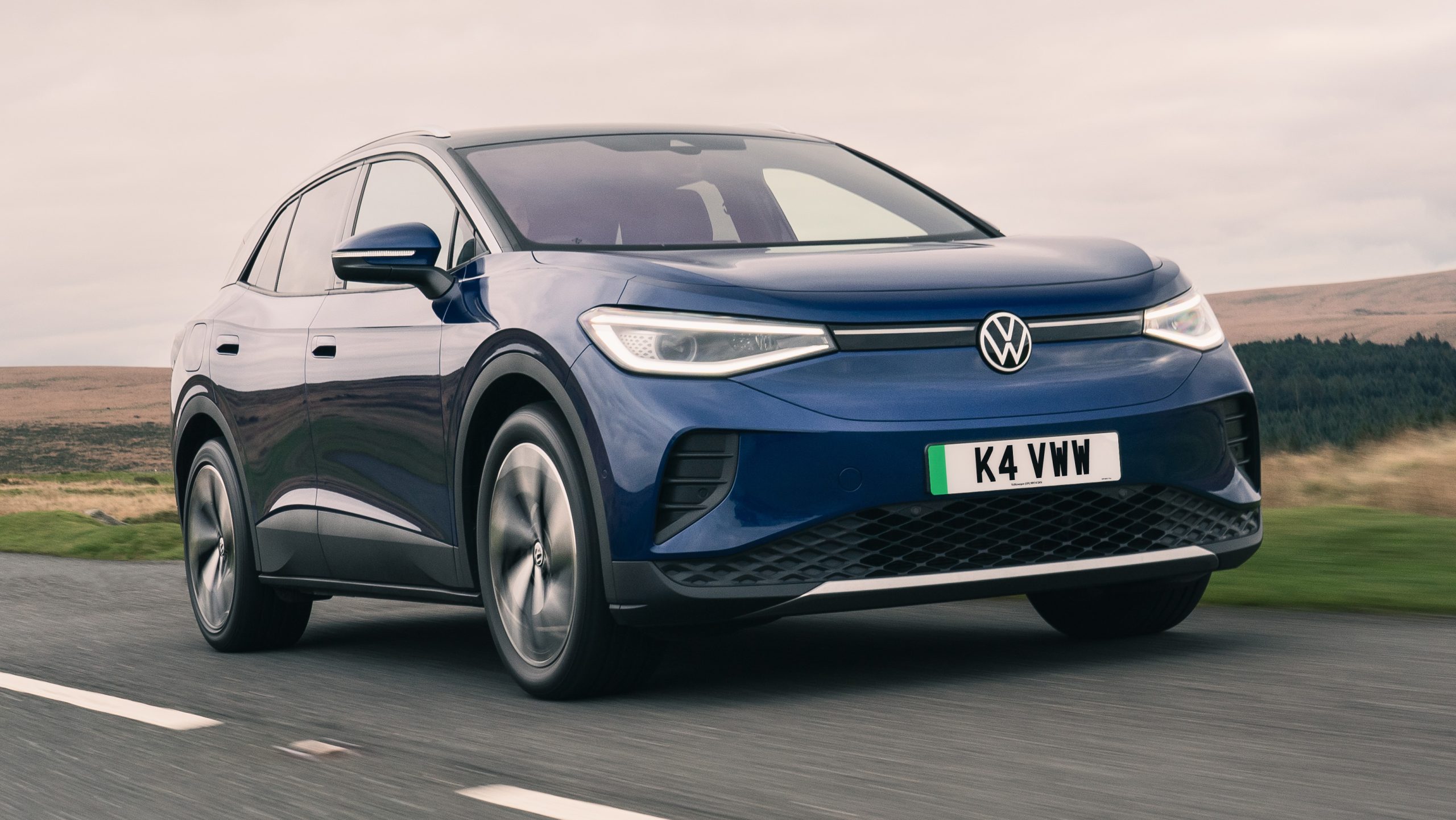
1. 2025 Volkswagen ID.4 AWD: A Comfortable, Winter-Ready Electric SUV
The 2025 Volkswagen ID.4 AWD is a practical, family-friendly electric SUV that blends comfort, utility, and cold-weather capability. Comparable in size to the VW Tiguan, the ID.4 features a minimalist, modern exterior and a spacious, well-laid-out interior.
Its design doesn’t wow, but it also avoids major shortcomings, making it a solid all-around choice. Standard features include a heat pump and advanced battery conditioning, which enhance winter driving performance, positioning it as one of the most affordable EVs suited for harsh conditions.
The ID.4 comes with a dual-motor all-wheel-drive system delivering 295 hp and 339 lb-ft of torque. Single-motor models accelerate from 0–60 mph in 6.1 seconds, while the dual-motor AWD version achieves 4.9 seconds.
The SUV emphasizes comfort over sporty handling; its regenerative braking is effective, though full stops require the brake pedal. The ride is smooth on highways, but can feel bouncy over larger bumps. Tight turning radii make parking easy, and visibility is excellent thanks to large windows.
Inside, the front seats are cushy but lack long-drive support. Climate controls are largely touchscreen-operated, with intuitive features like “warm feet” or “fresh air” adjustments. The rear seat accommodates child car seats easily, making the ID.4 highly family-friendly.
Infotainment is robust, with a 12.9-inch touchscreen, reliable navigation, and voice control. Wireless Apple CarPlay, Android Auto, and multiple USB ports enhance connectivity, although the standard audio system is underwhelming.
Cargo space is competitive, offering 30.3 cubic feet behind the rear seats and 64.2 cubic feet with seats folded. A configurable center console adds flexibility, though there is no front trunk. Towing capacity ranges from 2,200 to 2,700 pounds, slightly below some rivals.
EPA-estimated ranges vary from 206 to 291 miles, with real-world tests confirming similar results. Efficiency is around 30 kWh per 100 miles, and DC fast charging adds roughly 100 miles in 17 minutes. Pricing starts at $39,375, and buyers can claim a $7,500 federal tax credit. Volkswagen’s warranty includes four years/50,000 miles for the vehicle and eight years/100,000 miles for the battery.
While the ID.4 lacks the performance flair of the Mustang Mach-E, Kia EV6, or Tesla Model Y, its comfortable ride, practical interior, and winter-ready features make it an appealing choice for everyday EV shoppers.
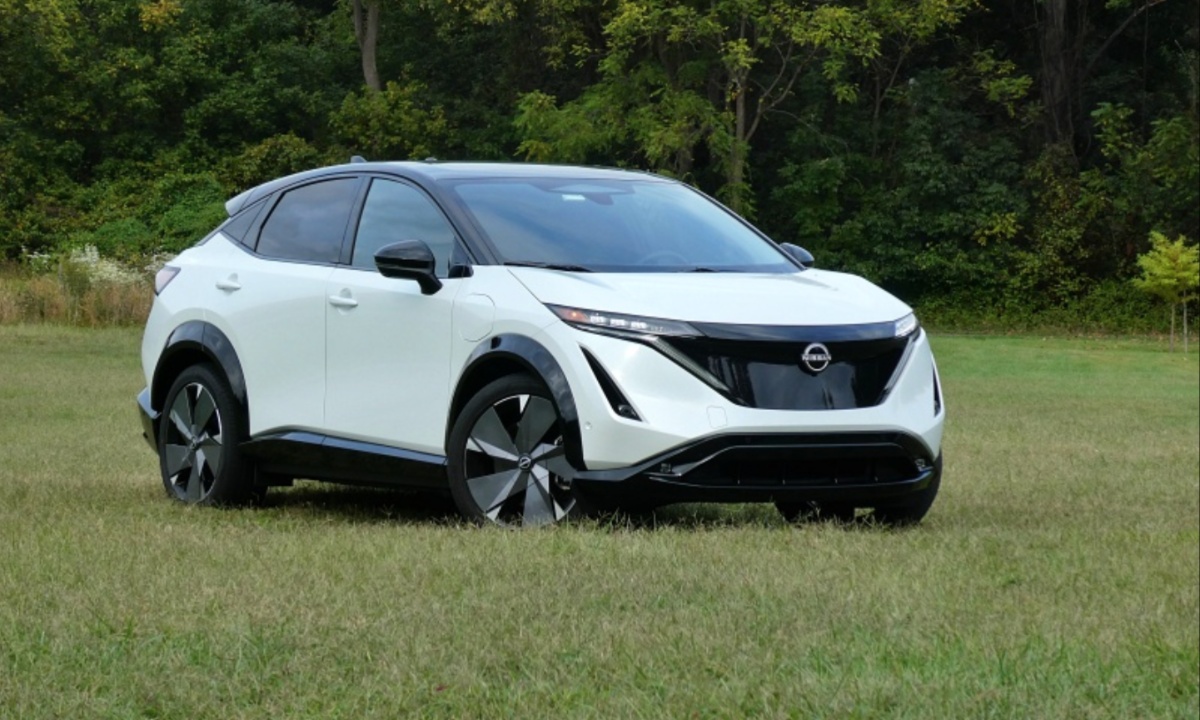
2. 2025 Nissan Ariya: Comfortable, Tech-Focused EV with Room for Improvement
The 2025 Nissan Ariya is a compact electric SUV and Nissan’s first major EV launch since the Leaf. It combines an attractive exterior with a spacious, comfortable interior, making it a practical family vehicle.
While its performance and range don’t lead the class, features like dual-motor AWD, an intelligent all-wheel-drive system, and an efficient heat pump make the Ariya a capable option in winter conditions. Starting at $39,770, it represents a mid-range EV choice with solid comfort and technology.
The Ariya Platinum+ accelerates from 0–60 mph in 5.3 seconds with dual motors producing 389 hp and 442 lb-ft of torque. Handling is stable for everyday driving, but it can feel loose in corners and during hard braking. Regenerative braking tapers off at low speeds, necessitating the use of the brake pedal.
The ride is smooth thanks to large tires, and visibility is enhanced by a 360-degree camera and a digital rearview mirror. Nissan’s ProPilot 2.0 hands-free driving system is competent but limited by quirks such as hand-detection issues and a subscription for HD maps after three years.
The Ariya offers supportive and well-cushioned front and rear seats, a quiet cabin, and effective climate control. Higher trims provide power-adjustable steering wheels, while wide doors and a flat floor aid passenger convenience. Some controls, like seat heating and cooling, rely on touchscreen operation rather than physical buttons, which can reduce ease of use.
Dual 12.3-inch screens provide a modern look but are hampered by outdated software and unintuitive menus. Wireless Apple CarPlay is included, though Android Auto requires a wired connection. Cargo space totals 27.9 cubic feet, expanding to 59.7 cubic feet with the rear seats folded. Smaller storage areas are limited, and towing capacity is modest at 1,500 pounds.
EPA-estimated range reaches 289 miles for the single-motor model, while dual-motor AWD versions achieve around 257–265 miles in real-world testing. Efficiency is 36.3 kWh per 100 miles, below many competitors, and DC fast charging tops out at 130 kW. The Ariya offers standard EV warranties but falls short compared to rivals in performance, efficiency, and towing.
The Ariya is a comfortable, winter-ready EV with solid tech and a refined interior. However, its range, efficiency, and driving dynamics are average, and the styling and infotainment feel conservative, making it a competent but unexciting EV choice.
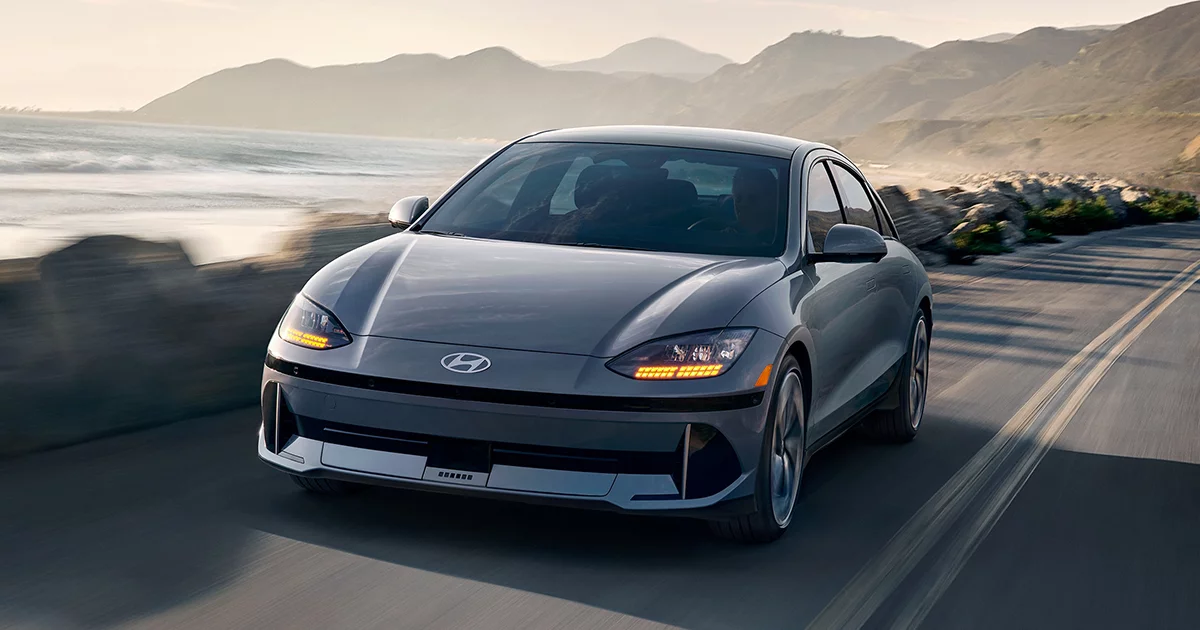
3. 2025 Hyundai Ioniq 6 SE: Stylish, Efficient EV with Strong Winter Capabilities
The 2025 Hyundai Ioniq 6 SE is a mid-size electric sedan that has earned accolades such as World Car of the Year, World EV of the Year, and World’s Best Design in 2023. Its sleek, aerodynamic styling sets it apart, while the SE trim strikes a balance between range, power, and cold-weather capability.
With a choice of rear-wheel or all-wheel drive, up to 342 miles of EPA-estimated range, and standard heat-pump technology with efficient battery preconditioning, the Ioniq 6 SE is a highly capable EV for winter driving. The MSRP starts at $42,800, offering a well-rounded package of comfort, technology, and performance.
The Ioniq 6 SE provides an engaging and composed driving experience. Dual-motor all-wheel-drive variants accelerate from 0–60 mph in 4.6 seconds, and the sedan handles corners with excellent stability and grip. Braking is smooth, with regenerative and physical brakes blending seamlessly.
The suspension absorbs road imperfections well, delivering a ride that is both comfortable and controlled. Visibility is somewhat limited due to the sloping roofline and small rear window, but advanced driver-assistance features such as Highway Driving Assist 2 help maintain lane centering and allow semi-autonomous highway driving.
The cabin is quiet and refined, with supportive front seats and good legroom for rear passengers, though rear headroom is tight. The flat floor aids interior movement, and wide door openings facilitate entry and exit. Climate control heats or cools the cabin quickly, while optional ventilated seats enhance comfort. Some controls, including seat heating and cooling, are touchscreen-based, which may take time to adjust to.
The dual-screen infotainment system is intuitive but lacks wireless Android Auto and Apple CarPlay. Native navigation struggles with charging station routing. Cargo space totals 11.2 cubic feet in the trunk, with a tiny 0.5-cubic-foot front trunk. Interior storage is practical, including a sizable center console and multiple small compartments.
The Ioniq 6 SE is efficient, consuming 27.5 kWh per 100 miles, and supports up to 350-kW DC fast charging, allowing 10–80% charge in about 18 minutes. Real-world testing showed 303 miles on a single charge for the dual-motor variant, exceeding EPA estimates. Hyundai provides a 10-year/100,000-mile battery warranty, making the Ioniq 6 a reliable choice.
The Ioniq 6 SE combines bold styling, excellent efficiency, and strong winter performance. Its handling, braking, and acceleration are well-tuned for daily driving, while tech and comfort features make it a compelling option among mid-size EV sedans.
4. 2025 Tesla Model Y: Fast, Winter-Ready EV with Strong Range
The 2025 Tesla Model Y is a compact fastback SUV that combines versatility, speed, and winter-ready performance. Built on the Model 3 platform, it offers more interior space while retaining Tesla’s efficient electric architecture.
With dual-motor all-wheel drive, a heat pump system, and advanced battery preconditioning, the Model Y retains much of its EPA-estimated 311-mile range in cold weather, making it a capable choice for winter driving. Pricing starts at $44,990, placing it in the luxury EV crossover segment.
Acceleration is a highlight, with the Long Range AWD hitting 0–60 mph in 4.8 seconds and the Performance model in 3.5 seconds. Handling is precise, with minimal body roll for an SUV, while regenerative braking and one-pedal driving allow for smooth deceleration without frequent use of the brake pedal.
Ride comfort varies; standard models are acceptable, while Performance trims can feel harsh. Advanced driver-assistance systems, including Full Self-Driving (Supervised) and Autopilot, perform well in stop-and-go traffic but can be inconsistent on highways or streets with parked cars.
The cabin is spacious, offering ample headroom and legroom. Seats are supportive and heated, though synthetic leather may feel stifling in warm weather. Entry and exit are easy due to wide doors and a low step-over height.
Nearly all controls operate through the central touchscreen, which provides convenience but can be distracting, and if the screen fails, access to many vehicle functions is lost. Child-seat installation is average for the segment.
The large touchscreen features crisp graphics and Google-based navigation, but lacks Apple CarPlay and Android Auto. Wireless phone connectivity is limited, though apps like Spotify and streaming services are accessible while parked. Cargo space is generous, with a sizable rear area, removable floor storage, and a spacious front trunk.
EPA estimates indicate 311 miles for the Long Range AWD, with real-world tests showing 317 miles at 26.2 kWh/100 miles. DC fast charging allows rapid recharging, maintaining Tesla’s reputation for convenience on long trips. Warranties include four years/50,000 miles bumper-to-bumper and eight years/120,000 miles for the battery.
The Model Y excels in acceleration, range, and winter usability, offering a compelling option for those prioritizing performance and technology. Its ubiquity and touchscreen-dependent interface may not appeal to everyone, but it remains a top contender among compact electric SUVs.
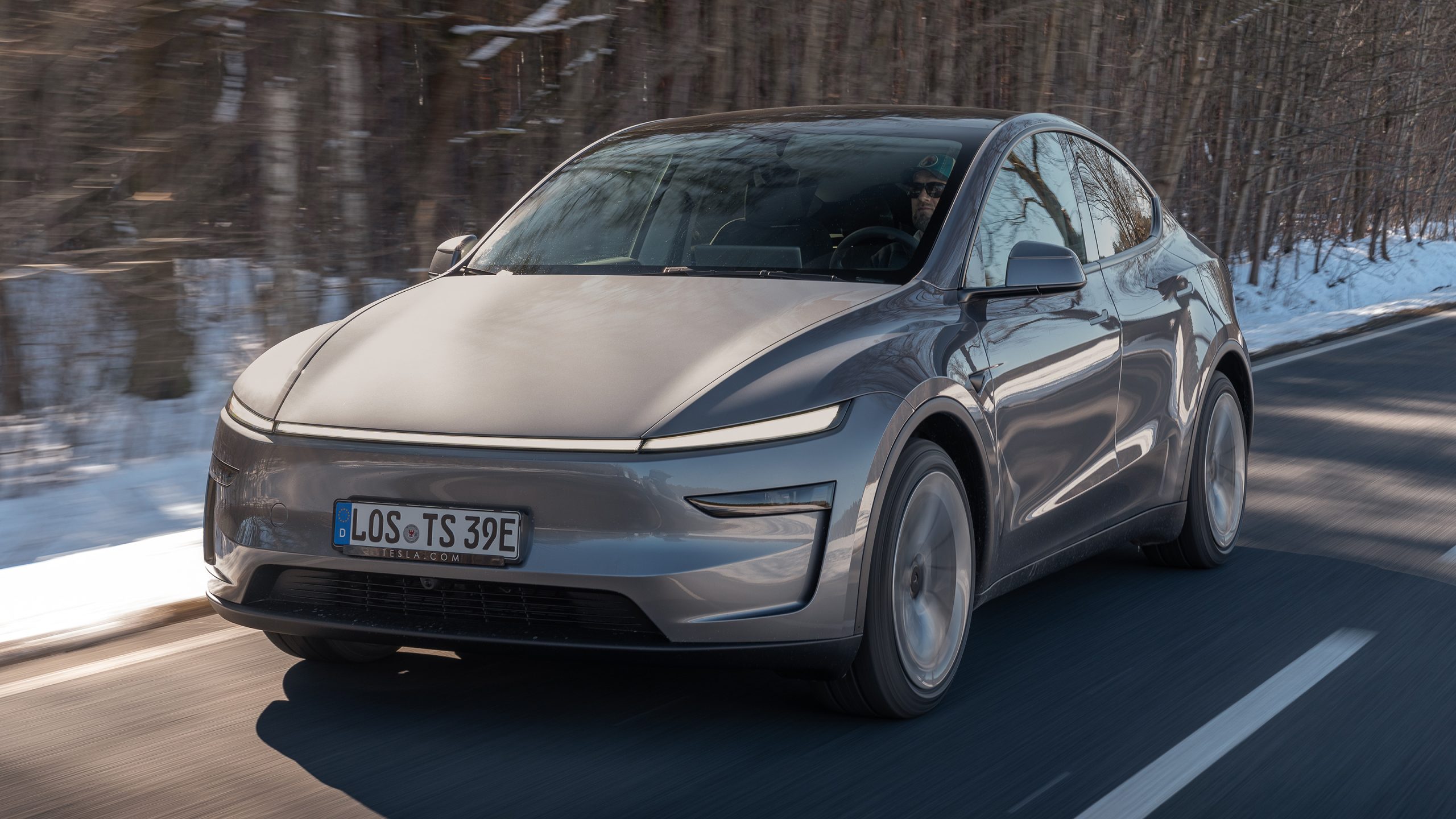
5. 2025 Genesis GV60: Luxury EV SUV with Strong Performance and Fast Charging
The 2025 Genesis GV60 is a luxury electric SUV that competes with the Porsche Macan and Volvo XC40 Recharge. Available in multiple trims from rear-wheel drive to all-wheel drive, it offers horsepower ranging from 225 to 429 hp and an EPA-estimated range of 294 miles.
Standard features such as a heat pump and battery preconditioning make it well-suited for winter driving. Pricing starts at $52,350, positioning the GV60 as a premium EV with a strong mix of performance, comfort, and technology.
The GV60 Performance trim delivers 0–60 mph acceleration in 3.9 seconds, making it quicker than many rivals, though slightly behind the Tesla Model Y Performance. Handling is precise with balanced steering and adaptive suspension that provides a smooth, controlled ride.
All-season tires limit sporty potential, but the GV60 remains confident and playful on the road. Braking performance is strong, stopping from 60 mph in 115 feet, and AWD options enhance winter traction.
The GV60 excels in comfort. Front seats are well-cushioned and highly adjustable, while rear seats recline generously, although headroom is slightly reduced due to the panoramic sunroof. Climate control is effective, with quick-heating front seats and well-placed rear vents.
The cabin is quiet and well-insulated, providing a refined driving experience. Child-seat installation is manageable with accessible lower LATCH anchors and easy-to-reach top tethers.
The GV60 offers advanced driver aids, a responsive integrated navigation system, and an optional Bang & Olufsen premium audio system. Apple CarPlay and Android Auto are standard, with four USB-C ports and a wireless charging pad.
The Advanced trim even allows powering small appliances via the car’s battery. Cargo space is modest at 24 cubic feet, with a small front trunk and 60/40 split-folding rear seats. Interior storage is decent but less practical than competitors like the Model Y.
EPA estimates suggest 235 miles of range for the Performance trim, but real-world testing achieved 274 miles at 30.9 kWh/100 miles. Fast charging is a highlight, with 10–80% recharge achievable in 18 minutes using a 350-kW charger.
The Genesis GV60 offers a strong combination of performance, comfort, and cutting-edge tech in a luxury EV SUV package. Its winter-ready features, adaptive suspension, and ultra-fast charging make it a compelling alternative to established rivals, even if its cargo capacity and some interior details are slightly less impressive.
Also Read: Top 10 Cars With Rear Seats That Fold From the Trunk
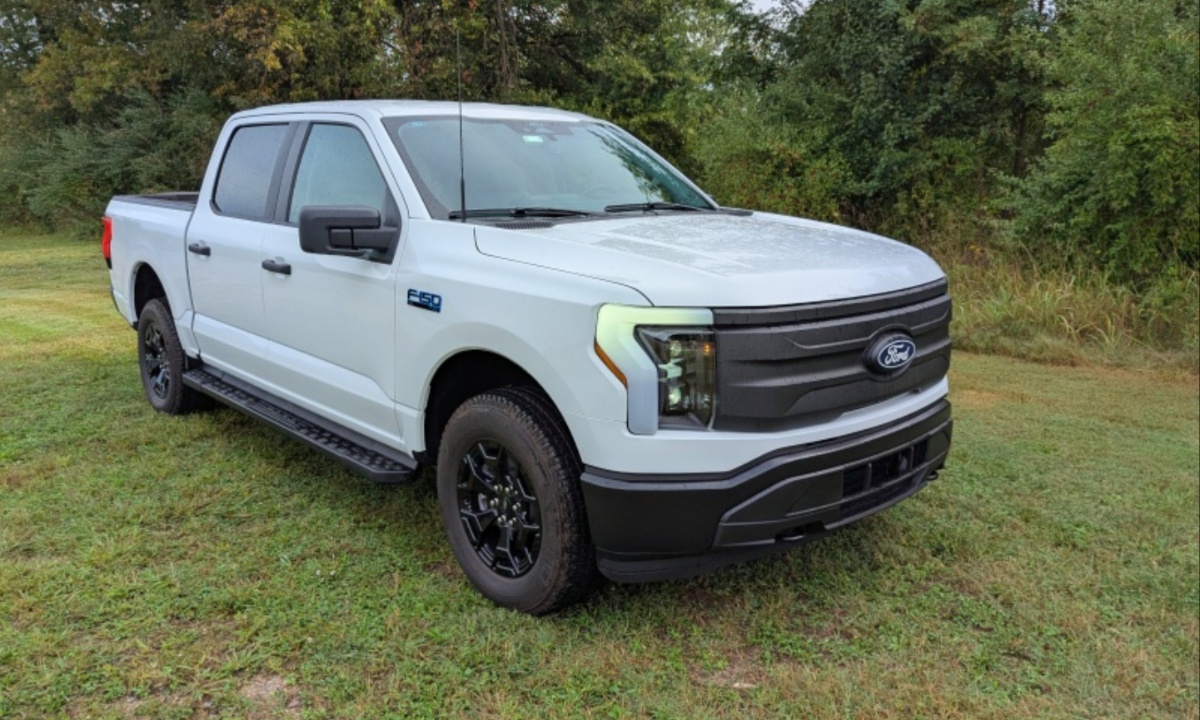
6. 2025 Ford F-150 Lightning: Electric Workhorse Built for All Weather
The 2025 Ford F-150 Lightning transforms America’s bestselling F-series into a powerful, all-electric work truck. With dual-motor AWD, up to 452 hp and 775 lb-ft of torque, and an extended-range battery delivering 320 miles of EPA-estimated range, the Lightning combines supercar-level acceleration with the practicality of a full-size pickup.
Its heat pump system and advanced battery preconditioning ensure strong performance in winter conditions, making it ideal for outdoor work or challenging climates. Pricing starts at $67,995, placing it among premium EV trucks.
Acceleration is a standout feature; the Platinum trim with the extended battery reaches 0–60 mph in just 4 seconds. One-pedal driving is strong and predictable, reducing reliance on brakes.
Handling is intuitive, with a smooth ride thanks to the fully independent rear suspension, though the truck can feel slightly wallowy over uneven surfaces. Visibility is aided by large windows and an optional surround-view camera. Advanced driver-assistance systems, including BlueCruise hands-free driving, work well but can occasionally obscure whether the truck is in autonomous mode.
The Lightning’s cabin is spacious and well-insulated, with quiet operation and effective climate control. Seats are highly adjustable, and the crew cab provides ample room for passengers.
Large knobs and controls remain accessible even when wearing gloves, and the available 15.5-inch touchscreen is responsive, integrating well with the intuitive layout. Apple CarPlay and Android Auto are wireless, and multiple USB ports ensure device connectivity.
Interior storage is abundant, with lockable compartments under rear seats and a power-operated front trunk offering 14 cubic feet of space, suitable for wet or messy gear. The rear seats fold up, increasing versatility, while the Lightning’s bed retains standard F-150 functionality for hauling.
The F-150 Lightning tows between 5,000 and 10,000 pounds, depending on configuration, though range drops significantly while towing. In real-world testing, the extended-range model achieved 332 miles on a full charge, using 45.4 kWh per 100 miles. DC fast charging adds over 300 miles of range per hour, supporting quick turnaround on long trips.
The F-150 Lightning is a no-nonsense electric pickup that retains the F-series’ familiar practicality while delivering modern EV performance. With strong winter readiness, massive power, ample storage, and fast charging, it appeals to current F-150 owners and anyone seeking a versatile, capable electric workhorse.
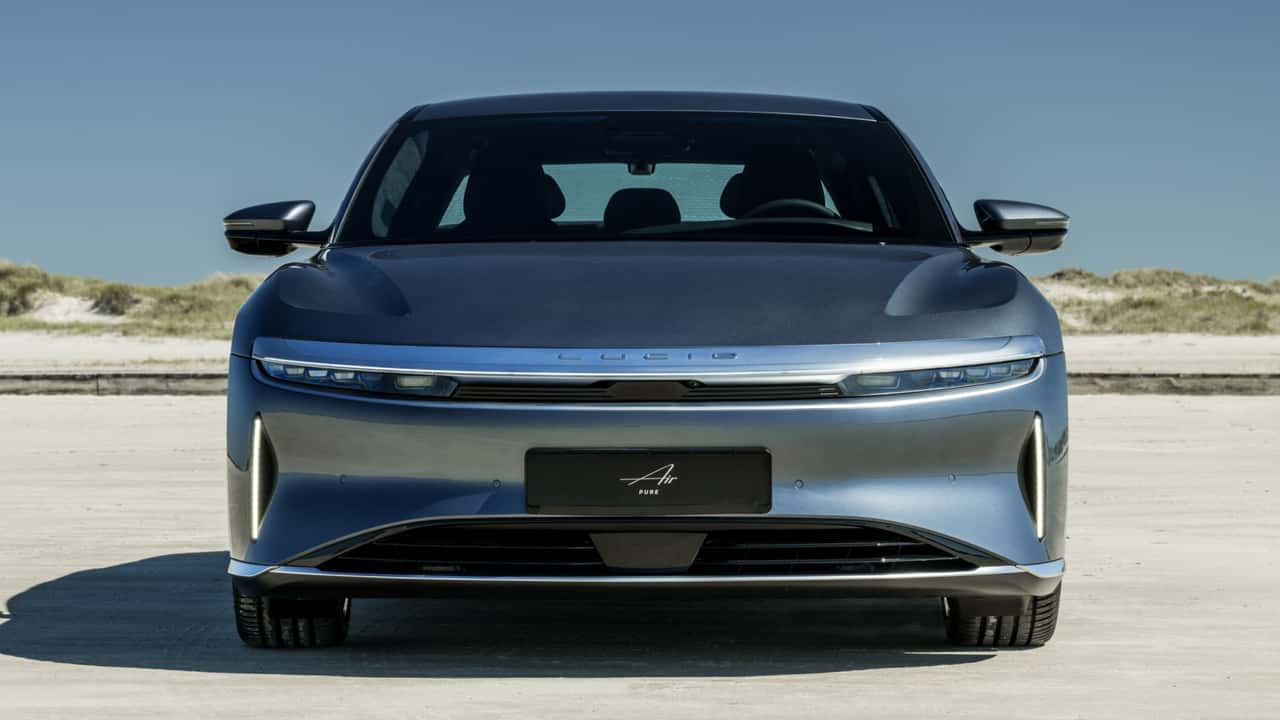
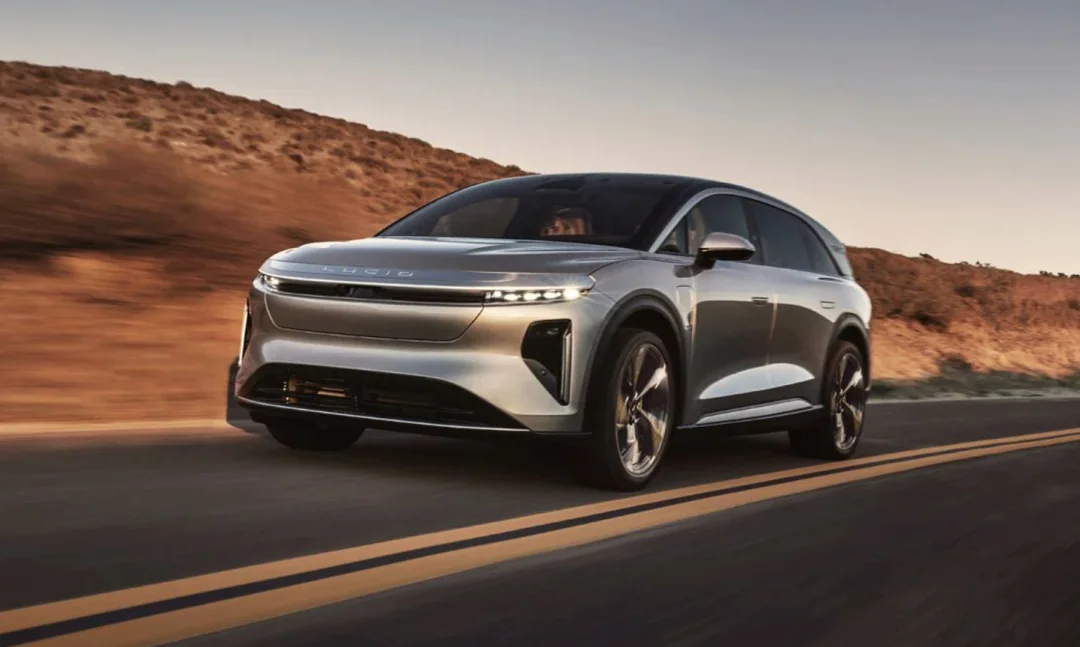
7. 2025 Lucid Air Touring: A Long-Range Luxury EV Built for Winter Performance
The 2025 Lucid Air Touring stands out as one of the most capable and refined electric sedans available today, combining supercar-level performance with remarkable efficiency and long-distance capability.
Positioned between the Air Pure and the high-performance Air Sapphire, the Touring trim offers an excellent balance of value, luxury, and power. Priced at $78,900, it features dual-motor AWD, 620 horsepower, 885 lb-ft of torque, and an EPA-estimated 406-mile range. Its advanced thermal management system preserves range in cold temperatures, making it especially suitable for winter driving.
The Air Touring’s 92 kWh battery delivers strong acceleration, reaching 60 mph in roughly 3.6 seconds. Its 900V electrical architecture supports ultra-fast charging up to 250 kW, allowing drivers to add significant range within minutes. Despite weighing about 5,000 pounds, the sedan handles with impressive agility.
Adaptive dampers smooth out rough road surfaces, regenerative braking feels natural, and the steering provides a precise and confident feel. Even during spirited driving, the Air Touring maintains stability and responsiveness.
Sleek and aerodynamic with a 0.197 drag coefficient, the Lucid Air has a distinct presence. The cabin showcases premium craftsmanship with leather, suede, and beautifully executed wood trim. A massive 34-inch curved display anchors the dashboard, supported by a secondary touchscreen and a rear climate control screen.
The nearly 3-meter wheelbase creates generous rear-seat legroom, and the sedan’s cargo capacity is impressive, offering 627 liters in the trunk and 283 liters in the frunk. This provides more storage space than many compact SUVs.
The infotainment system is intuitive, though minor software issues occasionally appear, such as inconsistent Apple CarPlay connections and slight lag between screen interactions. Even so, the navigation system, driver assistance features, and optional 21-speaker audio system deliver a premium tech experience. The cabin remains exceptionally quiet, contributing to a refined and relaxing environment.
The 2025 Lucid Air Touring excels in range, winter capability, performance, and luxury refinement. Aside from small software quirks, it outperforms key rivals such as the Tesla Model S, Mercedes EQS, and Porsche Taycan. It stands as one of the most compelling and well-rounded luxury EV sedans available today.
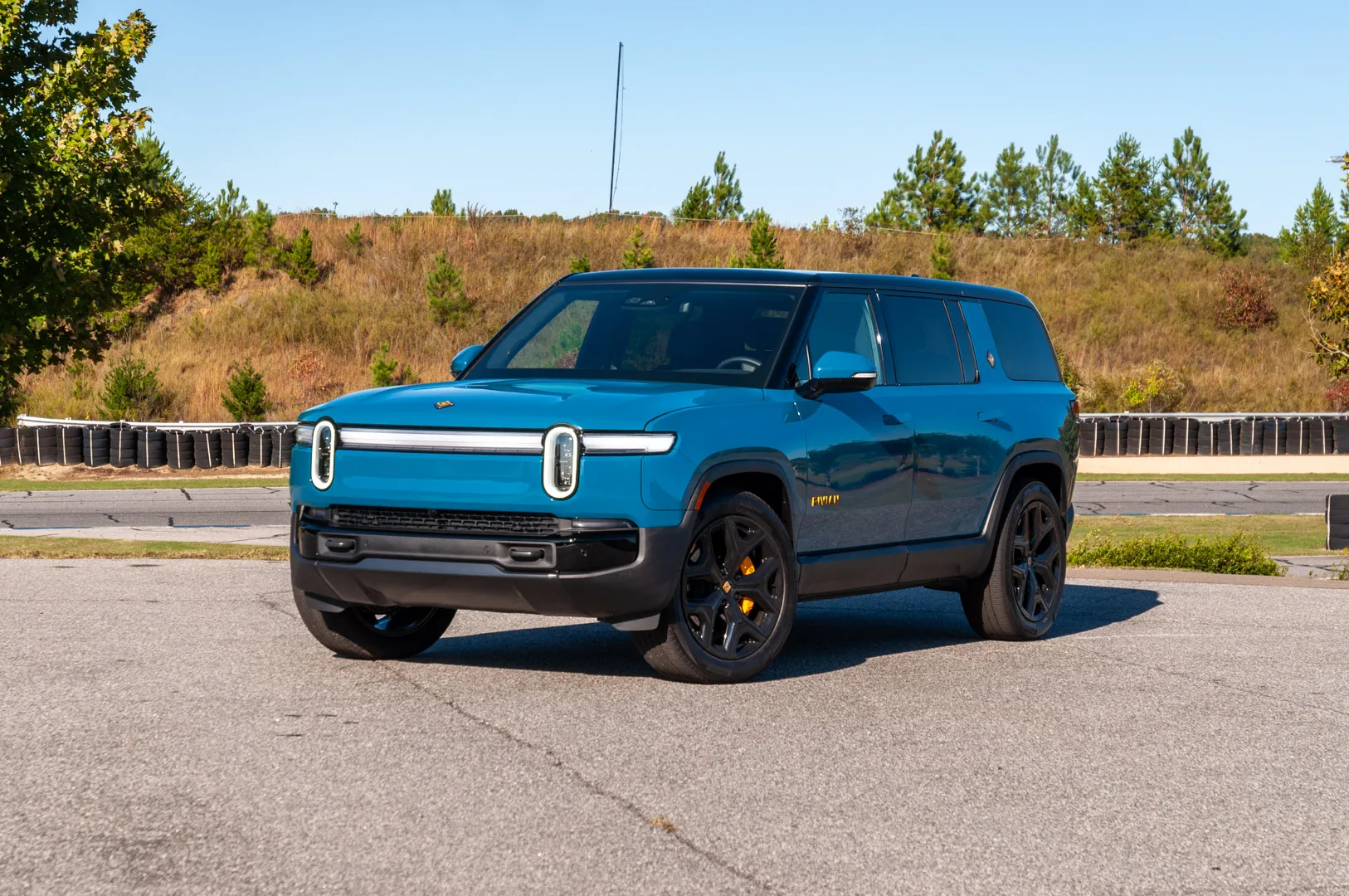
8. 2025 Rivian R1S: A Capable Winter Adventure SUV With Power and Range
The 2025 Rivian R1S is built for drivers who want an electric SUV that performs confidently in harsh weather while offering serious off-road capability. With pricing starting at $83,900, the R1S Dual Motor configuration delivers 665 horsepower, 829 lb ft of torque, and up to 329 miles of range or 420 miles with the Max battery.
Rivian equips the R1S with an efficient heat pump and advanced battery preconditioning, features that help maintain usable range in freezing temperatures.
Rivian offers several powertrain configurations. The Dual Motor setup provides strong performance, while the Performance Dual Motor increases output to 665 horsepower. New Tri Motor and Quad Motor systems push the limits even further.
The Tri Motor delivers 850 horsepower, while the Quad Motor produces an astonishing 1050 horsepower with precise control of each wheel. These setups significantly improve traction on slippery surfaces. In testing, the Tri Motor R1S sprinted from 0 to 60 mph in 2.8 seconds, an incredible feat for a large SUV.
Rivian also refined the suspension for 2025 with new air springs, updated adaptive dampers, revised bushings, and improved roll mitigation. These updates reduce body motion and create a more composed driving feel.
The 2025 R1S offers three battery options: a 92.5 kWh Standard pack, a 109.4 kWh Large pack, and a 141.5 kWh Max pack. Range varies from 270 miles to 420 miles, depending on configuration.
Charging times for 10 to 80 percent range from 30 to 41 minutes at a DC fast charger. Real-world testing shows noticeable range loss at highway speeds, especially with larger motors, but Rivian’s charging performance remains competitive.
The cabin features premium materials, modern design, and two large digital displays. A spacious rear cargo area, split tailgate, and third row seating add versatility. Storage space reaches 48.6 cubic feet behind the second row, while a 12 cubic foot frunk adds useful space. A redesigned heat pump improves cabin heating in winter conditions.
The 15.6-inch infotainment system is feature-rich, though it does not support Apple CarPlay or Android Auto. The new Connect+ service adds streaming apps, Google Cast, and upgraded audio.
Rivian’s Autonomy Platform combines cameras, radar, and AI to enhance safety and driver assistance. Warranty coverage includes five years or 60,000 miles of bumper-to-bumper protection and eight years or 175,000 miles for the battery and drivetrain.
The R1S blends performance, winter readiness, luxury, and utility in a package designed for adventure.
9. 2025 Tesla Model X: A Strong Winter Performer With High Efficiency and Speed
The 2025 Tesla Model X is a luxury electric SUV designed to handle cold climates with confidence. Built on the same platform as the Model S, it pairs long-range capability with advanced thermal management, making it highly dependable in winter conditions.
Its heat pump minimizes energy use while warming the cabin, and Tesla’s extensive Supercharger network provides convenient charging during cold-weather trips. Starting at $84,990, the Model X delivers strong performance through a dual motor All Wheel Drive setup producing 670 horsepower and 713 pound-feet of torque.
It offers an EPA estimated 348 miles of range and excellent efficiency ratings of 103 MPGe city and 99 MPGe combined.
The standard dual motor configuration provides rapid acceleration and stable All Wheel Drive traction. For drivers seeking extreme performance, the Plaid model adds a tri-motor setup with 1020 horsepower. Tesla claims a 2.5-second 0 to 60 mph time for the Plaid, while the base model has an estimated 3.8-second time.
Previous testing of similar models shows that the base version often delivers quicker than advertised acceleration. While the Model X remains heavy, its instant torque makes it engaging to drive in everyday conditions.
The dual motor model offers 329 miles of estimated range. The Plaid, available with 20 or 22-inch wheels, provides an estimated 294 to 314 miles. Tesla’s Supercharger network enables rapid charging across the country, and at-home charging is supported through 120 and 240 volt options. Among large electric SUVs, the Model X continues to lead in MPGe ratings. Even the more powerful Plaid model exceeds the efficiency of rivals such as the Audi Q8 e-tron.
The interior follows Tesla’s minimal design philosophy with a nearly buttonless layout. A large central touchscreen controls most functions, while a digital display sits ahead of the driver. A yoke steering controller is standard, though a traditional wheel is available at no extra cost.
The expansive windshield and glass roof provide a sweeping outward view. Interior quality remains a mixed point due to inconsistent fit and finish. Rear passengers receive their own entertainment screen, and the infotainment system supports streaming but not Apple CarPlay or Android Auto.
Standard safety features include automated emergency braking, adaptive cruise control, and lane departure warning with lane keeping assist. Tesla’s Autopilot and optional Full Self Driving provide advanced driver assistance, though the driver must stay attentive. Warranty coverage includes four years or 50,000 miles for basic coverage and eight years with unlimited miles for the battery and powertrain.
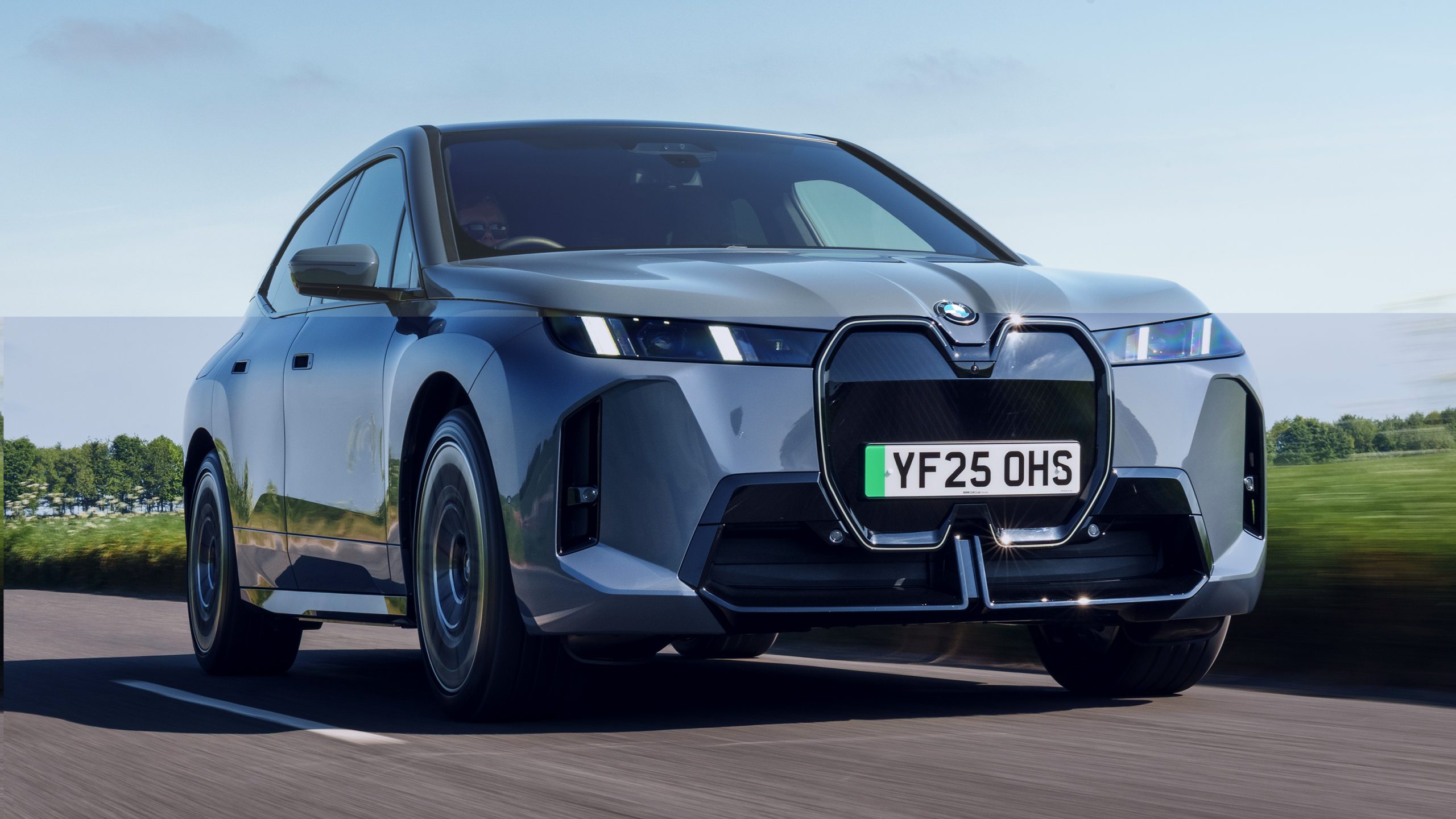
10. 2025 BMW iX xDrive50: A Winter-Ready Luxury EV With Strong Range and Comfort
The 2025 BMW iX xDrive50 is a midsize luxury electric SUV positioned close in size to the BMW X5. Designed with cold-weather capability in mind, it includes an efficient heat pump, intelligent All Wheel Drive, and effective battery thermal management.
With an EPA estimated 324-mile range, strong preconditioning, and impressive energy retention, the iX handles freezing temperatures with confidence. Its dual motor setup produces 516 horsepower and 564 pound-feet of torque, giving it smooth yet forceful acceleration. Efficiency ratings sit at 83 MPGe combined, making it competitive within the luxury EV segment.
The iX delivers composed handling for its size, aided by light steering and well-calibrated regenerative braking. The xDrive50 version accelerates from 0 to 60 mph in 4.2 seconds, while the M60 variant lowers this to 3.5 seconds. The suspension leans slightly firm but maintains comfort on rough roads.
Numerous driver aids enhance daily driving, including adaptive cruise control, lane keeping assistance, a hands-free system, and an automated reversing function that retraces the path taken into a parking space. Visibility is strong thanks to large windows and a high-resolution surround-view camera system.
The cabin emphasizes modern luxury with uniquely styled seats that offer excellent comfort and heating features, including heated armrests. Rear passengers benefit from generous legroom, headroom, and dedicated climate zones. The SUV’s low ride height and wide door openings make entry and exit easy for passengers of all ages. While many controls are touchscreen-based, primary climate adjustments remain accessible.
BMW’s 14.9-inch curved touchscreen is sharp and highly configurable, supported by a digital instrument cluster under the same glass panel. Four USB-C ports, wireless charging, and a standard digital key enhance day-to-day convenience. The infotainment system can feel complex at first, but it becomes intuitive once customized.
Cargo volume measures 35.5 cubic feet behind the rear seats, surpassing rivals such as the Cadillac Lyriq and Mercedes EQE SUV. Though it lacks a frunk, the main cargo area is deep and tall.
Pricing rises quickly with options, but the interior quality and technology justify the cost. Warranty coverage includes four years or 50,000 miles of basic protection, an eight-year battery warranty, three years of free maintenance, and 1,000 kWh of complimentary fast charging.
Choosing the right used EV for winter conditions requires more than checking range numbers or comparing horsepower. Cold weather capability depends on thoughtful engineering, efficient climate systems, and drivetrains that remain stable when traction is limited.
The models in 10 Used EVs That Are Smart Picks in Cold States stand out because they offer dependable performance in challenging temperatures without sacrificing comfort or practicality. Heat pumps, well-designed cabin insulation, and smart battery management help each of these EVs remain usable when the weather becomes unpredictable.
Many also provide accessible charging speeds that reduce downtime during long winter trips. Whether buyers want a family-friendly SUV, a refined luxury model, or a sporty and efficient sedan, the used EV market now includes strong options for every preference. With the right choice, cold states no longer limit EV ownership, and drivers can enjoy quiet, efficient electric travel in every season.
Also Read: 5 Cars With Complicated Seat Folding Levers Vs 5 With Simple Mechanisms